


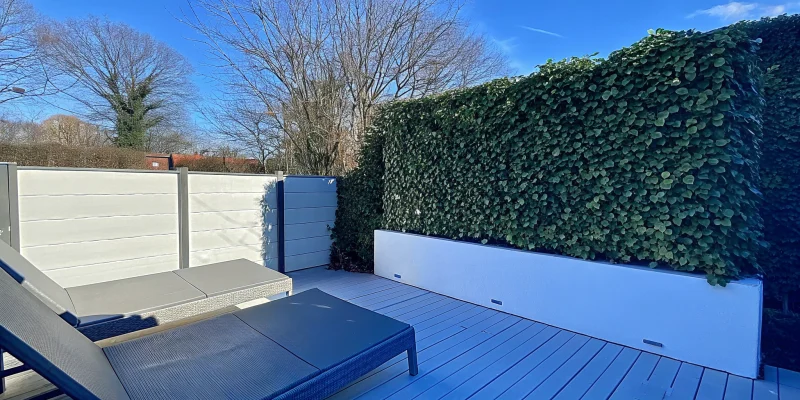
The classic charm of an ivy-covered wall is hard to resist, but the reality of real ivy can be a nightmare. It requires constant trimming, can damage your home’s exterior, and becomes a haven for pests. If you love the look but not the labor, you’re in the right place. A modern artificial ivy wall outdoor installation gives you all the beauty without any of the headaches. Forget the shiny, plastic-looking panels of the past. Today’s options are incredibly realistic and designed to withstand our Long Island seasons. We’ll show you what to look for in a quality product that stays vibrant for years.
Key Takeaways
- Invest in Quality for Longevity: To ensure your ivy wall withstands Long Island’s seasons, prioritize products with built-in UV resistance. This prevents fading and ensures the vibrant green color lasts for years, making it a smarter investment than cheaper, less durable options.
- Map Out Your Project Before You Start: Measure your space accurately to buy the right amount of material and assess the installation surface to determine the best tools for the job. A little planning ensures a seamless finish, whether you do it yourself or hire a professional.
- Think Beyond Basic Privacy: While great for screening, artificial ivy is also a powerful design tool. Use it to create a lush accent wall, frame your outdoor kitchen or pool area, or cleverly hide unattractive features to instantly improve your home’s curb appeal.
What Is an Outdoor Artificial Ivy Wall?
An outdoor artificial ivy wall is a panel or screen covered in realistic, synthetic leaves designed to mimic the look of natural ivy. Think of it as a beautiful, green tapestry for your home’s exterior. These walls are crafted from high-quality, weather-resistant materials like silk, plastic, and durable fabrics that are treated to resist fading from the sun’s UV rays. This means you get that lush, vibrant look year-round, whether you’re adding a touch of green to a sunny patio or a shady corner of your yard. It’s a simple and stunning way to bring maintenance-free greenery to any outdoor space, transforming plain walls, fences, or balconies into verdant focal points.
Why choose faux ivy over the real thing?
Let’s be honest, while real ivy is beautiful, it can be a bit of a diva. It demands constant watering, the right amount of sunlight, and regular trimming to keep it from taking over. Plus, its climbing tendrils can cause long-term damage to your property over time, working their way into mortar and siding. Artificial ivy gives you all the beauty without the high-maintenance relationship. It stays perfectly green and lush through every season with zero effort—no watering, no pruning, and no worrying about whether it’s getting enough sun. It’s the perfect solution for getting that classic, elegant look without the commitment and potential headaches.
Debunking common myths about artificial ivy
Some people worry that artificial ivy will fade to a sad, sun-bleached color over time. While this can happen with low-quality products, a well-made ivy wall is specifically treated for UV resistance. This protective layer acts like sunscreen for your greenery, ensuring the color stays rich and true for years. Another common myth is that faux green walls are dust magnets. The reality is they require very little cleaning—an occasional rinse with a hose is usually all it takes to wash away any dust or pollen and keep your ivy looking fresh and vibrant.
Popular ways to use faux ivy outdoors
One of the most popular uses for artificial ivy is creating privacy. You can easily attach ivy panels to an existing fence to block views from neighbors or create a more secluded feel for your patio or pool area. It’s a much more attractive solution than a plain privacy screen. Faux ivy is also fantastic for hiding less-than-beautiful features, like a worn-out wall, exposed pipes, or an unsightly air conditioning unit. By covering these spots with lush greenery, you can instantly improve your home’s curb appeal and create a more cohesive, polished look for your entire outdoor space.
What to Look for in an Outdoor Artificial Ivy Wall
When you start shopping for an artificial ivy wall, you’ll quickly realize that the quality can vary quite a bit. A great faux ivy wall can completely transform a space, adding lush greenery and a touch of elegance without the upkeep of real plants. But a low-quality one can look cheap and fade quickly, defeating the purpose entirely. To make sure you invest in a product that looks beautiful for years, you need to know what to look for. It’s not just about finding something that looks good in the box; it’s about finding a solution that will hold up to the elements and continue to enhance your home’s curb appeal.
The key is to focus on three main things: how well it stands up to the sun, what it’s made of, and how easy it is to install. These factors will determine not only the final look of your project but also its longevity and the amount of effort required to get it set up. Thinking about these elements beforehand will help you choose the perfect ivy for your fence, patio, or accent wall, ensuring your outdoor space gets the stylish and durable upgrade you envision. At Gappsi, we often incorporate synthetic turf and greenery into our designs, and we always prioritize quality materials that deliver lasting results for our clients.
UV resistance for long-lasting color
The biggest enemy of any outdoor decor is the sun. For an artificial ivy wall, UV resistance is absolutely essential. Without it, the vibrant green leaves will fade over time, turning a dull, washed-out color that looks anything but natural. When you’re shopping, look specifically for products rated for exterior use with built-in UV protection. This feature ensures the materials are formulated to withstand direct sunlight without losing their color. Think of it as sunscreen for your ivy wall—it’s the single most important feature for maintaining that lush, just-planted look through every Long Island season.
Quality materials for a realistic look
To avoid a plastic-looking wall, pay close attention to the materials. The most realistic artificial ivy is crafted from high-quality silk and plastic blends that allow for detailed, textured leaves. Look for panels that feature a variety of leaf shapes, sizes, and shades of green, as this mimics the natural variation of real ivy. Cheaper options often have a uniform color and a shiny finish that gives them away instantly. High-quality UV-rated ivy rolls are designed to look authentic up close, not just from a distance. This attention to detail is what separates a stunning feature wall from a disappointing one.
Simple installation and coverage options
A great product should also be easy to work with. Before you buy, measure the area you want to cover so you know how many panels you’ll need. The best artificial ivy systems come in panels or rolls with interlocking connectors that snap together, making assembly straightforward. They should also be easy to cut to fit around obstacles or match the specific dimensions of your space. Many can be secured to fences, walls, or trellises using simple tools like a staple gun or zip ties. This flexibility makes the installation process a manageable weekend project for most homeowners.
Finding the Best Artificial Ivy Wall Brands
Once you’ve decided an artificial ivy wall is right for you, the next step is finding a brand you can trust. With so many options out there, it’s easy to feel a little lost. The key is to focus on quality, durability, and long-term value. A great-looking ivy wall should stay that way for years, not just a single season. Let’s break down what to look for, from spotting a quality manufacturer to understanding how price really connects to value. This will help you choose a product that not only looks beautiful on day one but also holds up to our Long Island weather, giving you a lasting green space you’ll love.
A look at Gappsi’s ivy wall solutions
Here at Gappsi, we focus on providing artificial ivy solutions that are built to last. We know that outdoor products on Long Island need to withstand sunny summers, windy autumns, and chilly winters. That’s why we source and supply ivy walls designed for both stunning visual appeal and serious durability. Our goal is to give you that lush, natural look without the constant upkeep of real plants. You can explore our curated selection of high-quality home and garden products at the Gappsi Store to find an option that perfectly fits your outdoor living space and design vision.
How to spot a high-quality manufacturer
When you’re comparing different brands, the details matter. A top-tier manufacturer will always be transparent about the materials they use. The most important feature to look for is UV resistance. This special treatment prevents the vibrant green leaves from fading to a dull, washed-out color under the sun. High-quality products are made from durable materials that feel substantial, not flimsy. A good manufacturer will provide clear specifications about their product’s durability and weather resistance, giving you confidence that you’re making a smart investment. Learning the top facts about artificial ivy can help you ask the right questions.
Comparing price and long-term value
It can be tempting to go for the cheapest option, but with artificial ivy, a lower price tag often means lower quality. Investing a bit more upfront in a well-made product can save you a lot of money and hassle down the road. Cheaper panels may fade quickly, become brittle, or have leaves that fall off, forcing you to replace them in just a year or two. A durable, high-quality artificial ivy wall panel will maintain its color and integrity for years, requiring minimal maintenance. Think of it as a one-time purchase that pays for itself in longevity and lasting beauty.
What Do Homeowners Really Think?
It’s easy to fall in love with the idea of a lush, green ivy wall, but what’s the reality of living with one? When you’re investing in your home, you want to know that a product will look great and hold up over time. I’ve looked through reviews and feedback from homeowners to get the real story on what it’s like to add an artificial ivy wall to an outdoor space. From durability in the face of Long Island weather to how convincing the foliage actually looks, here’s what people are saying.
Real-world feedback on durability
One of the biggest questions homeowners have is whether faux ivy can handle the elements. The good news is that high-quality artificial ivy is built to last. People often mention how well their ivy walls hold up, with one homeowner sharing, “This has truly enhanced my outdoor space. It is great quality and I would highly recommend it.” This kind of feedback shows that the right product can withstand sun, wind, and rain without losing its charm. Durability is especially important when you’re using ivy to add privacy to your yard, as it needs to be a reliable screen year-round. Many find it’s a perfect, low-maintenance way to beautify existing fences and netting.
How realistic does it actually look?
Let’s be honest—no one wants their backyard to look plasticky or fake. The realism of artificial ivy is a major deciding factor, and thankfully, modern options are incredibly convincing. Homeowners often comment on how well the ivy blends into their outdoor decor. One person noted, “The quality is good and it looks cute for backyards, patios, or anything else you’d want an ivy wall for.” The key is choosing a product with varied leaf shapes, sizes, and colors that mimic the natural look of real ivy. When paired with natural materials like the porcelain and stones of a patio, a high-quality ivy wall creates a seamless, organic feel without the upkeep.
Notes on installation and maintenance
While faux ivy is low-maintenance, a successful outcome starts with proper installation. Some common mistakes homeowners make include choosing the wrong location without considering sun exposure or failing to provide adequate structural support. To avoid these issues, it’s smart to plan ahead or consider a professional installation to ensure your wall is secure and looks its best. Once it’s up, the upkeep is minimal. Over time, dust can settle on the leaves, making them look a bit dull. A quick, regular dusting or a gentle rinse with a hose is usually all it takes to keep your ivy wall looking vibrant and fresh through every season.
How to Install an Artificial Ivy Wall
Putting up an artificial ivy wall is a project that can completely transform a space in just an afternoon. The process is straightforward, but a little planning goes a long way in making sure your new green wall looks fantastic and stays put for years. The key is to focus on a solid foundation, the right tools, and a clear plan. Whether you’re covering a small accent wall or a large fence, getting the installation right is just as important as picking out high-quality ivy panels.
Before you start, it’s helpful to map out your project. Think about the surface you’re working with and what kind of attachments will be most secure. For example, installing on a wooden fence will require different hardware than installing on a brick or concrete wall. Taking the time to prepare properly will save you headaches later and ensure a seamless, professional-looking finish. And remember, if the project feels too big or you’re short on time, bringing in a professional is always a great option to guarantee a perfect result. Our landscaping design and construction team has the experience to make the installation quick and flawless.
Step 1: Prepare your surface
First things first, let’s get your wall ready. The surface you’re installing on needs to be clean, dry, and structurally sound. Take a few minutes to wipe away any dirt, dust, or cobwebs. If you’re working with an outdoor wall that has some grime, a quick wash with a hose or a light scrub should do the trick. Make sure it’s completely dry before you begin attaching the panels. A clean surface helps ensure a secure fit and prevents any debris from being trapped behind your beautiful new ivy. This is also a good time to check for any loose paint, crumbling mortar, or other issues that might need a quick fix before you cover them up.
Step 2: Gather your tools and techniques
Having everything you need on hand makes the installation process so much smoother. Your specific tool list will depend on your wall surface, but you’ll generally want a measuring tape, a level, and something to cut the ivy panels if needed, like heavy-duty scissors or wire cutters. For attachment, zip ties are perfect for chain-link fences, while a staple gun works well for wood. For brick or concrete, you’ll likely need a drill, screws, and wall anchors. When you purchase your materials, look for ivy panels with a sturdy, grid-like backing that won’t warp over time, especially with Long Island’s humid summers.
Step 3: Choose between DIY and professional installation
Now for the big question: should you do it yourself or call in the pros? A DIY installation can be a really rewarding project, especially for smaller, simpler areas. If you’re comfortable with basic tools and have a free weekend, it’s definitely a manageable task. However, for larger or more complex installations—like covering a multi-story wall or creating a custom design—hiring a professional can save you time and ensure the wall is secure and perfectly aligned. A professional installer will have all the right tools and experience to handle any challenges, giving you peace of mind and a flawless finish. Our home remodeling experts can handle the job efficiently.
Creative Ways to Use Artificial Ivy Walls Outside
An artificial ivy wall is more than just a green backdrop; it’s a versatile design tool that can completely reshape your outdoor living areas. Think of it as a low-maintenance way to add lush texture, create privacy, and introduce a touch of natural elegance where real plants might not thrive. Whether you want to hide an eyesore, define a space, or simply create a stunning focal point, faux ivy offers a simple and beautiful solution. Let’s look at a few ways you can use it to transform your yard.
Create privacy and enhance fencing
One of the most popular uses for artificial ivy is to create a natural-feeling privacy screen. If your yard feels a bit too exposed to the neighbors, attaching ivy panels to an existing fence is a fantastic solution. It instantly softens the look of a plain wood or chain-link fence and blocks unwanted views, giving your patio or backyard a more secluded, intimate feel. This is a great way to upgrade your property line without the expense of a brand-new fence installation. The dense foliage also helps to muffle sound, making your outdoor space a more peaceful retreat.
Frame your pool and patio areas
Imagine lounging by your pool surrounded by vibrant, green walls that never need watering or pruning. Artificial ivy is perfect for framing outdoor entertainment spaces. You can use it to cover a retaining wall by the pool, create a lush backdrop for your patio dining set, or define the perimeter of an outdoor kitchen. Because high-quality faux ivy is UV-treated, it won’t fade in the sun, and it can easily withstand splashes from the swimming pool. It’s a simple way to give your backyard a polished, resort-like atmosphere that feels like a true escape.
Design a beautiful accent wall
Why limit beautiful walls to the inside of your home? An artificial ivy wall can serve as a stunning outdoor accent, adding depth and interest to any vertical surface. Use it to create a focal point on a bare wall of your house, the side of a shed, or behind a tranquil water feature. This works especially well in smaller spaces like courtyards or balconies where planting options are limited. Paired with beautiful stone masonry, an ivy accent wall introduces a soft, organic texture that makes the entire space feel more inviting and thoughtfully designed.
Artificial vs. Real Ivy: Which Is Right for You?
The classic charm of a wall covered in lush, green ivy is undeniable. But as any homeowner knows, real ivy can be a double-edged sword. It requires constant upkeep, can attract pests, and its tenacious roots can cause serious damage to your home’s exterior over time. So, how do you get the beautiful aesthetic without the headache? For many, artificial ivy is the perfect solution.
Deciding between real and faux comes down to your priorities. Are you looking for instant gratification and zero maintenance, or are you a dedicated gardener who enjoys the process of nurturing a living plant? Let’s break down the key differences to help you decide what makes the most sense for your Long Island home and lifestyle.
The pros of choosing faux ivy
The biggest advantage of artificial ivy is its convenience. It offers that gorgeous, vibrant green look from day one, with no need for watering, sunlight, or trimming. It stays lush and full all year round, unaffected by seasons or weather. High-quality faux ivy is made from durable, UV-resistant materials, meaning it won’t fade in the sun, making it a fantastic choice for both sunny and shady spots. Plus, you can install it without worrying about it damaging your home’s masonry or siding—a common and costly problem with its living counterpart. It’s all the beauty, with none of the work or risk.
The cons to keep in mind
Of course, there are a few things to consider. The quality of artificial ivy varies widely, and lower-end products can sometimes look sparse or fade if they don’t have proper UV protection. It’s essential to choose a reputable supplier to ensure you get a product that looks realistic and is built to last. While it mimics the look of nature, faux ivy doesn’t provide the environmental benefits of real plants, like supporting pollinators. For some homeowners, this can be a deciding factor. The key is to weigh the practical benefits against these considerations to find the right fit for your outdoor space.
A look at the long-term costs
While the initial investment for high-quality artificial ivy might be more than a few starter plants, it’s often the more cost-effective choice in the long run. Think about the hidden costs of real ivy: you’ll spend money on water, fertilizer, and potentially pest control. If it gets out of hand, you might need to hire a professional for trimming. Most importantly, you avoid the risk of expensive repairs from root damage, which can require costly restoration work. With artificial ivy, you have a one-time purchase that delivers lasting beauty for years to come, with no surprise expenses down the road.
How to Choose the Perfect Ivy for Your Long Island Home
Picking the right artificial ivy is about more than just finding something green. It’s an investment in your home’s curb appeal and your own enjoyment of your outdoor space. A little bit of planning upfront ensures you’ll love the final result for years to come. Think of it like choosing a paint color—you want something that fits the space, matches your style, and can handle the environment. By considering a few key factors, you can confidently select an ivy wall that transforms your yard into the private, lush retreat you’ve been dreaming of. Let’s walk through exactly what you need to think about before you buy.
Measure twice, buy once: Planning your space
Before you fall in love with a specific style of ivy, grab your tape measure. The very first step is to measure the height and width of the area you want to cover. This simple action is crucial for a few reasons. First, it tells you exactly how much product you need to order, preventing you from coming up short or overspending on material you won’t use. Second, it helps you visualize the final look and ensures a perfect, seamless fit. There’s nothing more frustrating than starting a project only to realize your materials don’t quite cover the space. Taking accurate measurements avoids any guesswork and helps make the installation process smooth and efficient.
Match your style and design goals
Artificial ivy is incredibly versatile, which means you have plenty of options to match your home’s aesthetic. Think about the overall vibe you want to create. Are you aiming for the classic, dense look of English ivy to complement a traditional brick patio, or do you prefer a lighter, more delicate leaf style for a modern feel? Consider the colors and textures already present in your outdoor living area. The right faux ivy should enhance your existing features, like the stone around your swimming pool or the wood of a pergola. Your goal is to create a cohesive design that feels intentional and looks completely natural in its setting.
Consider our Long Island climate
Here on Long Island, our outdoor decor has to be tough enough to handle four distinct seasons. From hot, sunny summers to cold, windy winters, the weather can take a toll. That’s why it’s essential to choose an artificial ivy wall that is specifically rated for outdoor use. Look for products with built-in UV resistance, which will prevent the vibrant green leaves from fading under the summer sun. High-quality materials will also ensure your ivy can stand up to rain and wind without falling apart. Investing in a durable, weather-resistant product from a trusted supplier like the Gappsi Store means your beautiful green wall will stay looking fresh and realistic year after year, with minimal maintenance required.
How to Care for Your Artificial Ivy Wall
One of the biggest perks of an artificial ivy wall is how incredibly low-maintenance it is. You get all the lush, green beauty without the constant watering, trimming, and pest control that comes with real plants. That said, a little bit of care will go a long way in keeping your ivy wall looking vibrant and realistic for years to come. A few simple steps each season are all it takes to protect your investment and ensure your outdoor space remains a stunning retreat.
Simple cleaning for year-round beauty
Over time, dust and outdoor debris can settle on the leaves, making them look a bit dull. To keep your ivy looking fresh, a simple cleaning routine is all you need. Every few weeks, you can gently wipe the leaves with a feather duster or a soft, dry cloth to remove any surface dust. This quick task takes just a few minutes and makes a noticeable difference.
For a deeper clean a couple of times a year, just use your garden hose. A gentle spray is enough to wash away any accumulated grime or pollen. There’s no need for harsh chemicals or soaps. This simple rinse will restore the leaves’ natural luster and keep your wall looking its best. It’s an easy step to add to your regular outdoor maintenance, much like caring for your stone patios and other hardscapes that benefit from Gappsi’s restoration and sealing services.
Seasonal care and inspection tips
A quick seasonal check-up will help you catch any potential issues before they become problems. After a harsh winter or a major storm, take a moment to walk along your ivy wall and inspect the panels. Make sure they are all still securely fastened to the surface. Also, check for any stray leaves or branches that might have come loose. High-quality ivy is designed to be durable, but it’s always smart to do a quick visual scan.
This is also a good time to check for any signs of fading. If you’ve invested in a quality, UV-resistant product, this shouldn’t be an issue for many years. This is why starting with the right materials is so important. When you select top-tier products from the Gappsi Store, you’re choosing materials built to withstand the Long Island climate and look great season after season with minimal effort.
Where to Find Quality Artificial Ivy Walls
Once you’ve decided to add an artificial ivy wall to your outdoor space, the next step is finding the right product. You want panels that look lush and realistic, not shiny and plastic. More importantly, you need something that can stand up to Long Island’s sun, wind, and rain without fading or falling apart. The good news is, you have plenty of options, from local showrooms to endless online catalogs.
The key is to focus on quality over a quick bargain. A well-made ivy wall will be a beautiful, low-maintenance feature for years, while a cheap one can quickly become an eyesore. At Gappsi, we source high-quality, UV-resistant ivy walls designed for durability, so you can see and feel the difference in person. Deciding where to shop comes down to your personal preference and project needs.
Shopping local vs. buying online
There’s a big advantage to shopping locally: you can see and touch the product before you buy. Pictures can be deceiving, but in a showroom, you can assess the color, texture, and density of the ivy leaves to ensure they meet your standards. Plus, you get expert advice tailored to our local climate. On the other hand, online retailers offer a seemingly endless variety of styles and often have competitive pricing. If you go this route, be sure to read reviews and check the return policy. You’re relying on other customers’ experiences to gauge the quality, so do your homework before adding anything to your cart.
When to buy for the best value
Getting the best value isn’t just about finding the lowest price—it’s about investing in a product that will last. That said, you can definitely time your purchase to save some money. Many home improvement retailers run sales around holidays like Memorial Day, the Fourth of July, and Labor Day, which are great times to shop for outdoor products. Planning your project in advance gives you the flexibility to wait for one of these seasonal promotions. Keep in mind that a higher upfront cost for a UV-protected, well-constructed ivy wall will save you money in the long run, as you won’t have to replace it after just a few seasons.
Related Articles
- Gazebo | Pavilion | Pergola Archives – Gappsi Group
- cleaning and sealing pavers Archives – Gappsi Group
- pavilions Archives – Gappsi Group
Frequently Asked Questions
How can I be sure an artificial ivy wall won’t look fake and plastic? The key to a realistic look is in the details of the product you choose. High-quality ivy walls are made with a variety of leaf shapes, sizes, and shades of green to mimic the natural look of a living plant. Look for panels that have a matte finish, as a shiny surface is often what makes faux greenery look cheap. A dense, full panel will also appear much more lush and convincing than a sparse one.
How well does faux ivy hold up to Long Island’s weather? A well-made artificial ivy wall is built to handle our four distinct seasons. The single most important feature to look for is UV resistance. This is a protective treatment that prevents the vibrant green leaves from fading in the summer sun. Quality panels are also designed to withstand wind and rain without the leaves falling off, ensuring your wall looks great for years, not just a single season.
Is installing an ivy wall a difficult DIY project? For most homeowners, this is a very manageable weekend project. The panels are designed to be lightweight and often feature a simple interlocking system that lets you snap them together. Attaching them to a surface is usually straightforward—zip ties work perfectly for a chain-link fence, while a staple gun is great for wood. If you’re covering a very large or complex area, you might consider a professional to ensure a flawless and secure finish.
What kind of maintenance does an artificial ivy wall actually need? It’s about as close to zero maintenance as you can get. You can put away the watering can and pruning shears for good. The only upkeep required is a simple cleaning to keep it looking fresh. A gentle spray with a garden hose a couple of times a year is usually enough to wash away any dust or pollen that has settled on the leaves.
Can I use these ivy panels for something other than covering a fence? Absolutely! While they are fantastic for creating privacy along a fence line, their use is only limited by your imagination. You can create a stunning accent wall on the side of your house or shed, build a beautiful backdrop for a patio seating area, or use them to define an outdoor kitchen space. They are also a clever way to hide unsightly things like pool equipment or air conditioning units.