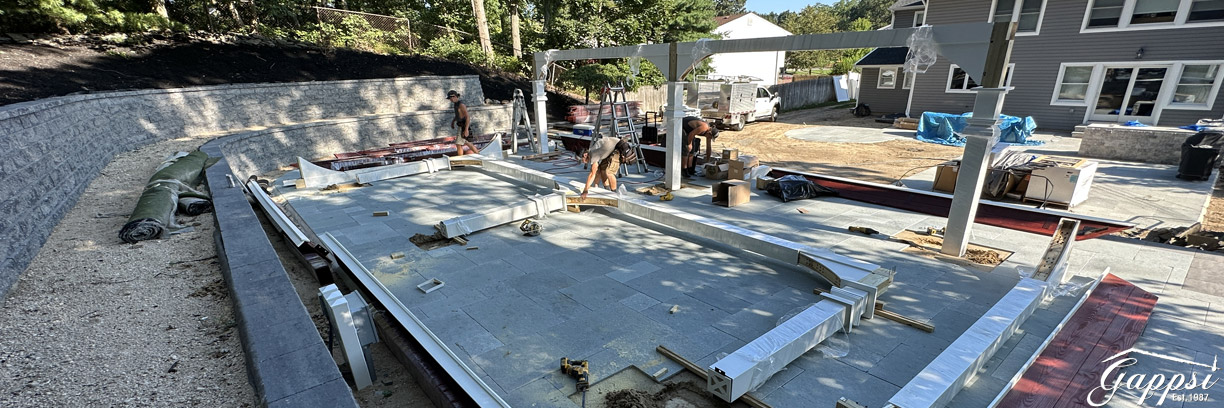
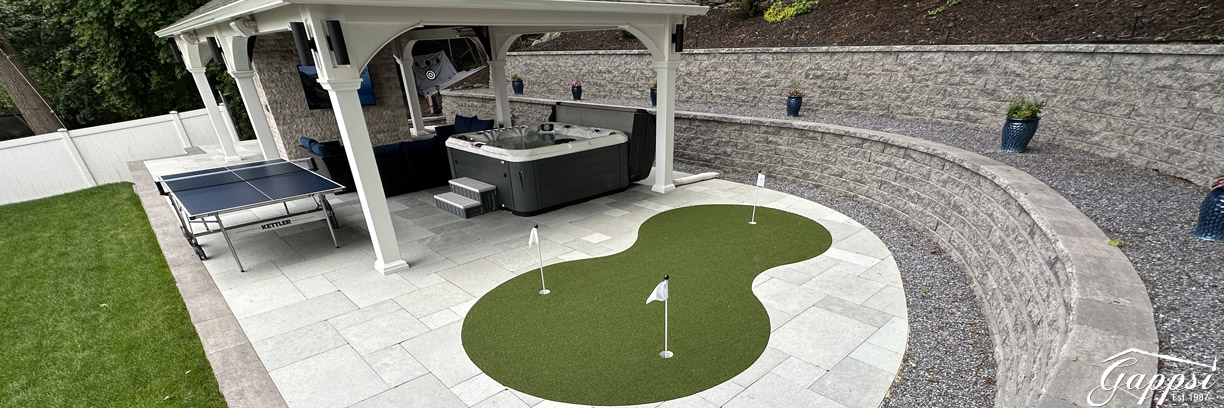
Marble Patio, Vinyl Pool & Synthetic Turf Backyard Installation in Massapequa, NY

View Gappsi’s YouTube Channel to view Marble Patio, Vinyl Pool & Synthetic Turf Backyard Installation in Massapequa, NY

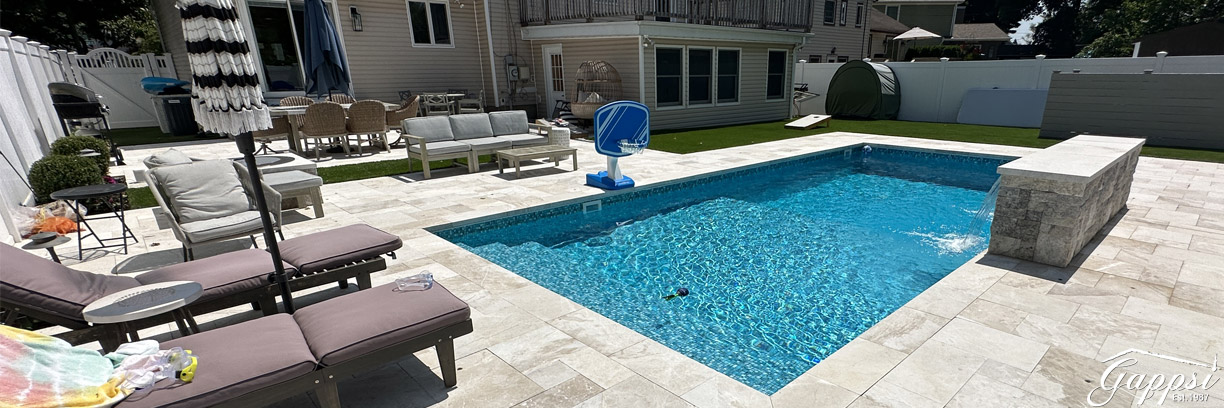
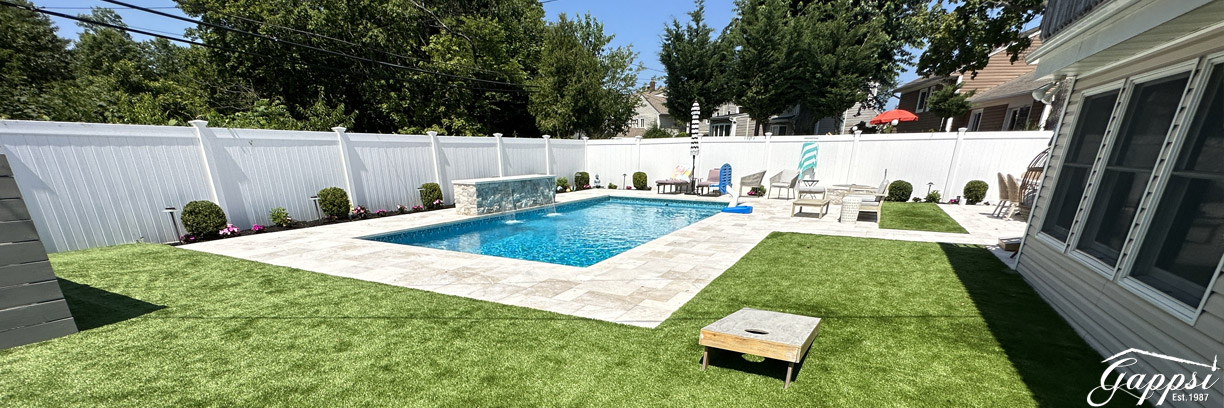
A thoughtfully designed backyard should function as an extension of your home, balancing aesthetics, performance, and ease of maintenance. In this latest installation by Gappsi in Massapequa, every element was selected and constructed to create a cohesive outdoor living environment. The project features a 16×32 vinyl liner pool with concrete walls, an automatic pool cover, G043 marble pavers from the Gappsi Natural Stone Collection, and extensive synthetic turf installation, including a custom putting green.

This backyard transformation demonstrates how strategic material selection and precise installation methods can deliver both luxury and long-term durability.

Vinyl Liner Pool with Concrete Walls – 16×32

At the core of this backyard design is a 16×32 vinyl-lined swimming pool with reinforced concrete walls. Vinyl liner pools remain a highly practical choice for homeowners seeking flexibility in design, smooth interior finishes, and cost efficiency compared to gunite alternatives.

The structural concrete wall system provides long-term stability and strength, ensuring the pool shell maintains its integrity against soil pressure and seasonal ground movement. The vinyl liner interior offers a comfortable, non-abrasive surface, making it ideal for families and frequent swimmers.

The depth profile was carefully planned for functionality:

  • Shallow end: 43 inches
  • Deep end: 5 feet

This depth configuration allows for safe recreational use, comfortable lounging, and versatile swimming activities without excessive excavation or steep slope transitions.

Stadium Stairs in the Shallow End

One of the most distinctive features of this pool is the custom-built stadium stair system located in the shallow area. Stadium stairs provide a tiered entry design that enhances both accessibility and aesthetics.

Functionally, this design:

  • Creates multiple seating levels
  • Allows gradual water entry
  • Serves as a relaxation platform
  • Improves circulation flow at the entry point

From a visual standpoint, stadium stairs add architectural depth and create a resort-style appearance. They also integrate seamlessly with the marble coping and surrounding patio.

Automatic Pool Cover Integration

The pool is equipped with an automatic safety cover. An autocover is more than a convenience feature; it is a safety, energy efficiency, and maintenance solution combined.

Benefits include:

  • Enhanced safety: Creates a protective barrier when the pool is not in use
  • Reduced evaporation: Minimizes water loss
  • Improved heat retention: Helps maintain water temperature
  • Lower chemical consumption: Protects water from debris and UV degradation

By integrating the autocover into the design phase, the cover housing remains discreet and does not disrupt the clean lines of the marble patio.

marble-patio-vinyl-pool--synthetic-turf-backyard-installation-in-massapequaG043 Marble Pavers & Pool Coping

The patio and pool coping were constructed using G043 marble pavers from the Gappsi Natural Stone Collection. Marble is a premium natural stone material prized for its elegant veining, refined color palette, and heat-resistant properties.

For pool environments, marble offers several technical advantages:

  • Remains cooler under direct sunlight
  • Provides a slip-resistant textured finish
  • Withstands freeze-thaw cycles when properly installed
  • Maintains color stability over time

The use of matching marble for both the patio surface and pool coping ensures visual continuity. The coping provides a clean edge around the vinyl liner pool while enhancing comfort for swimmers entering and exiting the water.

The patio layout was engineered to allow proper drainage and structural base support. Proper compaction and sub-base preparation are critical to preventing settlement or shifting over time, especially in Long Island’s seasonal climate.

Synthetic Turf Installation Throughout the Backyard

To maximize usability and minimize maintenance, synthetic turf was installed across the remaining backyard areas. This included:

  • Open lawn areas
  • The space between the fence and patio
  • The side yard
  • Custom putting green area

Modern synthetic turf systems provide a realistic appearance and soft feel while eliminating the need for mowing, fertilizing, watering, or reseeding. The turf is permeable, allowing rainwater to drain efficiently through the base system.

Filling the space between the fence and patio with turf created a finished, seamless perimeter. Instead of narrow planting beds or difficult-to-maintain grass strips, this approach delivers a clean, modern look with functional usability.

Side Yard Transformation & Custom Putting Green

The side yard was fully converted to synthetic turf, optimizing what is often an underutilized space. Within this area, a custom putting green featuring two holes was installed.

This feature adds a recreational component to the property without requiring additional square footage. Two-hole configurations allow for varied practice angles and improve playability.

The putting green surface was engineered with:

  • Proper sub-base grading
  • Integrated cup placement
  • Defined fringe edges
  • Performance turf designed for consistent ball roll

For homeowners who enjoy golf or entertaining, this addition significantly enhances backyard engagement.

Cohesive Backyard Design Strategy

What makes this Massapequa project successful is not just the individual components, but how they function together as a unified system.

Key design principles applied include:

Material continuity: The marble coping and patio create a cohesive transition from pool to entertaining space.

Functional zoning: Pool, lounge areas, turf play zones, and putting green were strategically positioned to maximize flow and usability.

Low maintenance strategy: A vinyl-lined pool, automatic cover, and synthetic turf significantly reduce long-term maintenance requirements.

Aesthetic balance: Natural stone paired with clean synthetic surfaces achieves a modern yet warm appearance.

Engineering & Installation Considerations

A project of this scope requires detailed planning and professional execution. Critical phases included:

  • Excavation and structural reinforcement
  • Concrete wall installation
  • Plumbing and filtration integration
  • Autocover housing installation
  • Marble base preparation and installation
  • Turf base compaction and drainage layering

Each layer, from sub-base to surface finish, directly affects longevity and performance. Improper grading or base compaction can lead to uneven surfaces or drainage problems, which is why experienced installation is essential.

The Latest Backyard Installation by Gappsi in Massapequa, NY

This marble patio, vinyl pool, and synthetic turf backyard installation represents the latest completed project by Gappsi in Massapequa, NY. The result is a modern, fully integrated outdoor environment designed for relaxation, entertainment, and long-term durability.

By combining:

  • A 16×32 vinyl liner pool with concrete walls
  • Stadium entry stairs
  • Automatic safety cover
  • G043 marble pavers and coping
  • Full synthetic turf coverage
  • Custom two-hole putting green

The property now delivers a resort-quality outdoor experience with minimal maintenance demands.  For homeowners considering a backyard transformation, this project demonstrates how strategic material selection and professional installation can transform an ordinary yard into a highly functional, visually refined outdoor living space.

Contact Gappsi Today

📍 Serving all of Long Island, NY — Nassau & Suffolk Counties
🌐 www.gappsi.com
📞 Call now for a free consultation and estimate!

SCHEDULE A MEETING TODAY WITH GAPPSI

Share this page:
A freshly refinished interior brick wall painted green with tools on the windowsill.

The Ultimate Guide to Interior Brick Refinishing

That exposed brick wall is a perfect canvas, but the wrong approach can turn your dream project into a nightmare. A simple coat of paint might seem easy, but it can lead to a peeling mess that traps moisture and damages your wall. Proper brick refinishing is about more than just color. Whether you want to refinish brick with a new look or simply seal interior brick, you need the right process. This guide cuts through the confusion, showing you the common mistakes to avoid and giving you a step-by-step plan for a professional-quality finish that lasts.

Key Takeaways

  • Preparation is Non-Negotiable: Before choosing a finish, you must address any underlying issues like crumbling mortar or moisture. A successful project relies on a thoroughly cleaned, repaired, and completely dry brick surface to ensure your new finish adheres properly and lasts.
  • Select a Finish That Protects and Styles: The right finish does more than just look good; it protects your wall. Always choose a breathable, masonry-specific product over standard interior paint to prevent trapping moisture, which can lead to peeling and brick damage.
  • Follow a Methodical Process for Lasting Results: Achieve a professional look by using the right tools and applying your finish in thin, even coats. Once the project is done, a simple maintenance routine, like regular dusting and gentle cleaning, will preserve your work for years to come.

Signs Your Interior Brick Wall Needs a Refresh

An exposed brick wall adds so much character and warmth to a room, but it’s not a set-it-and-forget-it feature. Over time, brick and mortar can show signs of wear that signal it’s time for a little TLC. Ignoring these clues can lead to bigger, more expensive problems down the road. So, how do you know if your brick wall just needs a good cleaning or a full refinish? It’s all about looking for a few key indicators. If you spot any of the following signs, it’s a good idea to consider a refinishing project to protect your home’s structure and style. Taking action early can preserve the beauty of your brick for years to come.

Spotting Spalling and Chipped Bricks

Take a close look at the surface of your bricks. Do you see any areas that are flaking, peeling, or chipping? This is a process called spalling, and it’s a definite red flag. While a few chipped bricks might seem like a minor cosmetic issue at first, they often point to a deeper problem, usually moisture trapped inside the brick. When water freezes and thaws within the brick, it causes the surface to pop off. Left unaddressed, this damage can spread and compromise the strength of the wall. Proper restoration and sealing can stop the damage and prevent it from getting worse.

Checking for Crumbling Mortar Joints

The mortar is the material that holds your bricks together, and it’s the first line of defense for your wall’s structural integrity. If you can easily scrape away the mortar with a key or notice sandy dust collecting on the floor below, it’s deteriorating. Sometimes, the signs are less obvious and show up nearby, like splitting plaster on adjacent walls or deformed window seals. Crumbling mortar joints create channels for moisture to enter the wall, leading to further decay and potential structural issues. Addressing this often requires professional masonry work to repoint the joints and restore the wall’s strength.

Identifying Moisture Damage and Efflorescence

Have you noticed a white, chalky powder appearing on the surface of your bricks? That’s efflorescence, and it’s a classic sign that water is moving through your wall. As moisture evaporates, it leaves these salt deposits behind. You might also notice persistent damp spots, peeling paint on nearby surfaces, or a musty odor in the room. These are all strong indicators of moisture intrusion. Before you can even think about refinishing, it’s crucial to find and fix the source of the water. Simply cleaning the efflorescence off won’t solve the underlying problem that’s causing it.

Dealing with Excessive Dust and Discoloration

While a bit of dust from an old brick wall is expected, a constant layer of fine, reddish powder on your floor is not. This means the face of the bricks is actively breaking down and deteriorating. Pay attention to any discoloration as well. Dark stains or patches that never seem to dry can indicate trapped moisture or even mold growth within the brick. If you’re seeing these issues combined with other signs like bubbling paint on the surrounding drywall, it’s a clear signal that your brick wall needs attention. A professional assessment can help you understand the cause and determine the best course for your home remodeling project.

How to Prep Your Brick for a Flawless Finish

Before you even think about what color to paint or which sealer to use, you have to get your hands dirty. Proper preparation is the single most important factor in achieving a beautiful, long-lasting finish on your interior brick. Think of it as creating the perfect canvas. Skipping this step can lead to peeling paint, a splotchy finish, and a lot of frustration down the road. Taking the time to thoroughly clean, repair, and dry your brick wall ensures that your hard work pays off and your new look stands the test of time.

Understanding Your Brick’s Properties

Not all bricks are created equal, and knowing what you’re working with is fundamental to a successful refinishing project. The age, manufacturing process, and condition of your brick will dictate the best methods for cleaning, repairing, and finishing. Treating a soft, historic brick the same way you would a modern, dense one can lead to irreversible damage. Before you start, take a moment to get acquainted with the specific characteristics of your wall. This knowledge will help you choose the right products and techniques, ensuring your refinished wall looks great and remains healthy for years to come.

The Importance of the Brick “Fireskin”

During the firing process, bricks develop a hard, protective outer layer often called the “fireskin.” This durable shell is the brick’s first line of defense against the elements, shielding the softer, more porous interior from moisture and physical wear. Aggressive cleaning methods like sandblasting, high-pressure washing, or using harsh chemicals can strip away this vital layer. Once the fireskin is gone, the brick becomes much more susceptible to water absorption, which can lead to spalling, crumbling, and freeze-thaw damage. Preserving this fireskin is essential for the long-term health of your wall, so always opt for gentle cleaning methods to protect its integrity.

Considering Old vs. New Brick

The difference between old and new brick goes far beyond appearance. Bricks made a century ago were typically hand-pressed and fired at lower temperatures, resulting in a softer, more porous material that needs to breathe. Modern bricks, on the other hand, are machine-extruded and fired at very high temperatures, making them much harder and denser. This is critical when choosing a finish; a non-breathable sealer that works fine on new brick can trap moisture inside an older brick, causing it to deteriorate from within. If you need to replace damaged sections, it’s crucial to match not just the color but the physical properties. A professional masonry expert can help source bricks that have similar strength and water absorption rates to ensure the entire wall functions as a cohesive system.

Your Essential Cleaning Toolkit

Getting the right tools together before you start makes the whole process go much smoother. You don’t need a lot of fancy equipment, just a few key items to tackle the grime and dust that brick tends to collect.

Here’s a quick checklist of what you’ll need:

  • A steel wire brush: This is your primary tool for scrubbing away stubborn dirt and any loose bits from the brick and mortar.
  • Drop cloths: Protect your floors and any nearby furniture from water and dust.
  • Rubber gloves and safety goggles: Always a good idea to protect your hands and eyes, especially when scrubbing.
  • Buckets and clean rags: One for your cleaning solution and one for rinsing.
  • Mild soap: A simple dish soap works perfectly.

A Step-by-Step Guide to Cleaning Brick

Once you have your supplies, you’re ready to start cleaning. The goal is to remove all the surface dirt, soot, and oils so your new finish can adhere properly. Start by using your wire brush to do a dry scrub of the entire wall, which will dislodge any loose debris.

Next, mix a simple cleaning solution of mild soap and warm water. Dip your wire brush into the soapy water and scrub the brick in small sections. Don’t be afraid to use a little elbow grease on any stained areas. Once you’ve scrubbed the wall, rinse it thoroughly with a clean, damp rag to remove all soap residue. This is a crucial step, as leftover soap can prevent sealers and paints from sticking. If you uncover more significant staining or damage, our restoration and sealing services can bring your brick back to life.

The Bottom-Up Cleaning Technique

It might sound a little backward, but the secret to a streak-free clean is to work from the bottom of the wall to the top. This technique prevents dirty, soapy water from running down and staining the porous brick below. After your initial dry scrub with a wire brush, mix your mild soap and warm water solution. Dip your brush and start scrubbing a small section at the very bottom of the wall. Work your way upward, section by section, until you reach the ceiling. Once you’ve scrubbed an area, be sure to rinse it thoroughly with a clean, damp rag to remove every bit of soap residue. This step is non-negotiable, as leftover soap can ruin the adhesion of your new finish. Getting the prep work right is the most critical part of any brick restoration, ensuring your hard work looks great for years.

How to Repair Damaged Mortar and Bricks

As you clean, pay close attention to the condition of the mortar joints and the bricks themselves. If you notice crumbling mortar or cracked bricks, now is the time to fix them. Painting over damaged areas won’t solve the underlying problem and can make it worse.

The process of repairing mortar is called repointing, which involves carefully removing the old, deteriorating mortar and replacing it with a fresh mix. While it’s possible to do this yourself, achieving a clean, professional look can be tricky. For significant damage, it’s often best to call in a masonry expert to ensure the structural integrity and appearance of your wall are properly restored. After repairs are made, you can proceed with your refinishing project.

When to Repair vs. When to Replace

Deciding whether to repair a few spots or replace entire bricks comes down to the extent of the damage. Repairing, which often involves repointing the mortar or filling minor cracks, is the best route for small, cosmetic issues. If you’re dealing with a few hairline fractures or slightly deteriorated mortar but the bricks themselves are solid, a targeted repair is usually enough. This approach is less disruptive and preserves the original character of your wall. However, if you see deep cracks, significant spalling where the brick face is crumbling off, or any bulging in the wall, it’s time to think about replacement. These are signs of more serious structural problems that a simple patch job won’t fix. Replacing damaged bricks is crucial for restoring the wall’s strength and ensuring its long-term stability, a job best left to a masonry professional.

Materials for Minor Repairs like Concrete Caulk

For very small imperfections, like tiny chips or hairline cracks in the mortar, concrete caulk can be a quick and effective fix. This flexible sealant is designed to fill small gaps and can help improve the look of your wall before you apply a final finish. It’s a simple way to create a smoother surface and can prevent tiny cracks from collecting dust and debris. Just be sure to choose a caulk that is paintable if you plan to paint the wall later. Keep in mind, this is a solution for cosmetic touch-ups only. It is not a substitute for proper repointing or structural repair. If you have widespread crumbling or deep cracks, caulk is just a temporary band-aid; you’ll need a more robust restoration approach to address the root cause.

Why Proper Drying Time Is Crucial

Patience is key after you’ve cleaned and rinsed your brick wall. Because brick is porous, it absorbs and holds onto water. Applying a sealer or paint to a damp wall will trap that moisture, which can cause the finish to bubble, peel, and fail prematurely.

You must allow the brick to dry completely before moving on to the next step. How long this takes depends on the humidity and airflow in your home, but you should plan on waiting at least 24 to 48 hours. To be safe, you can press a piece of plastic wrap against the wall with tape. If you see condensation form under the plastic after a day, the wall needs more time to dry.

Your Guide to Interior Brick Refinishing Options

Once your brick wall is clean, repaired, and fully dry, you can move on to the most exciting part: choosing a new finish. The right finish not only protects your brick but also defines the style of your entire room. Whether you want to preserve the original character, add a splash of modern color, or create a rustic, aged look, there’s a perfect option for you. Each method offers a unique aesthetic and level of protection, so it’s worth exploring what painting, sealing, staining, or limewashing can do for your space. Let’s look at the most popular choices to help you find the best fit for your home.

Option 1: Seal Interior Brick for a Natural Look

If you love the natural color and texture of your brick but are tired of the dust and occasional crumbling, a clear sealer is your best friend. Applying a sealer is one of the simplest ways to protect your interior brick without changing its appearance dramatically. These products create a protective barrier that helps keep the wall clean, reduces brick dust, and prevents wear and tear. You can choose from several finishes, including sealers that maintain the brick’s natural matte look, add a soft shine, or create a “wet look” that deepens and enriches the brick’s colors. It’s an ideal solution for preserving that classic charm while making maintenance easier. For professional results, consider Gappsi’s expert restoration and sealing services.

Option 2: Painting for a Bold Transformation

Painting your brick wall is a fantastic way to make a bold statement and completely transform your space. A coat of paint can brighten a dark room, create a striking accent wall, or unify the brick with the rest of your decor. However, it’s crucial to use the right materials. Standard interior paint can trap moisture and cause the brick to deteriorate over time. Instead, opt for a high-quality, breathable paint designed for masonry. To get a smooth, professional finish, invest in the right tools, including a sturdy metal paint tray, a quality roller, and an angled brush for cutting in around the edges. Painting is a commitment, but when done correctly as part of a home remodeling project, it delivers stunning results.

Option 3: Limewashing for a Rustic, Breathable Finish

For a timeless, old-world feel, limewash is an excellent choice. Unlike paint, which forms a film on the surface, limewash is made from crushed limestone and penetrates the brick, creating a soft, chalky finish. This allows the wall to breathe, letting moisture escape easily, which is great for the long-term health of your brick. You can apply a thin coat for a translucent, whitewashed effect that lets the brick’s texture show through, or build up layers for a more opaque, solid color. Limewashing gives you a beautifully textured, rustic look that feels both authentic and fresh. It’s a classic technique that our masonry design experts have perfected over the years.

Option 4: Staining to Enhance Natural Color

If you want to change the color of your brick without hiding its natural texture, staining is the perfect middle ground. Masonry stain soaks into the brick, changing its color while preserving the surface variations and texture that make it unique. It’s a great way to even out inconsistent coloring, darken the tone for a cozier atmosphere, or simply shift the hue to better complement your furniture and decor. Because stain is breathable, it won’t trap moisture or peel the way paint can. This method offers a durable, low-maintenance finish that subtly refines your brick wall’s appearance, giving you a custom look that feels completely natural.

Why Experts Prefer Staining Over Painting

When it comes to refinishing brick, most professionals will guide you toward staining over painting, and for a very good reason: breathability. Brick is a porous material, meaning it needs to release moisture to stay healthy. As contractor Mike Holmes often advises, staining allows the brick to “breathe” because the stain soaks into the brick rather than sitting on top of it. Paint, on the other hand, creates a solid film over the surface. This film can trap moisture trying to escape from within the wall, leading to peeling, chipping, and bubbling paint. Over time, this trapped moisture can cause significant damage to the brick itself. Staining works with the brick’s natural properties, offering a durable color change that won’t fail due to moisture.

Choosing Between Semi-Transparent and Opaque Stains

Once you’ve decided on staining, you have another choice to make based on your desired aesthetic: semi-transparent or opaque. A semi-transparent stain is perfect if you love the natural character of your brick. It allows the original color variations and texture to show through, simply shifting the overall hue. This option is great for enhancing the brick’s existing beauty or evening out minor color inconsistencies. If you’re looking for a more dramatic and uniform appearance, an opaque stain is the way to go. It provides a solid, consistent color, much like paint, but still allows the brick to breathe. This gives you the best of both worlds—a bold new look without compromising the health of your wall.

What to Look for in a Quality Brick Stain

Not all stains are created equal, and choosing a high-quality product is essential for a lasting and safe finish. When you’re shopping for a brick stain, look for a product that is specifically designed for masonry. A quality stain should be non-toxic and have no VOCs (Volatile Organic Compounds), which are harmful chemicals you don’t want in your home’s air. It should also be water-repellent to help protect the brick from external moisture while remaining breathable. Finally, look for features like UV resistance to prevent fading from sunlight (even indoors) and properties that inhibit the growth of mold and algae. Investing in a superior product ensures your refinished wall will look great and stay protected for years.

Option 5: Whitewashing for a Translucent Finish

If you’re aiming for a light, airy feel but don’t want the solid look of paint, whitewashing is a fantastic option. This classic technique involves applying a thinned-down paint mixture, typically half water and half white latex paint, to the brick surface. The result is a beautiful, translucent finish that softens the brick’s color while allowing its natural texture and some of the original color to peek through. It creates a charming, slightly rustic look that can brighten up any room. Whitewashing is also quite durable and can last for many years, making it a practical and stylish choice for updating an interior brick wall without completely covering its character.

Option 6: German Smear for a Rustic Texture

For a truly authentic, old-world look, consider the German smear technique. This method involves applying a layer of wet mortar over the brick and then removing some of it before it dries, creating a textured, irregular finish that mimics the look of centuries-old European masonry. It’s an excellent way to add rustic charm and character to a room, and it’s particularly effective at hiding imperfections like mismatched bricks or minor cracks. It’s important to know that a German smear is a permanent application; once it’s on, it is extremely difficult to remove. Because of its permanence and the skill required for a beautiful result, this is a job best left to professional masonry designers.

Option 7: Painting the Mortar for a Subtle Change

Sometimes, a small change can make a big impact. If you’re not ready to commit to covering your bricks, consider changing the color of the mortar instead. Painting the mortar joints a lighter or darker color can dramatically alter the overall appearance of the wall by changing the contrast and making the bricks pop or recede. A lighter mortar can brighten the wall and give it a fresh, clean look, while a darker mortar can create a more dramatic, industrial feel. This is a meticulous and time-consuming process, so it’s best suited for smaller accent walls rather than entire rooms. However, for the patient homeowner, it offers a unique way to refresh a brick wall while preserving the natural beauty of the bricks themselves.

Which Brick Finish Is Right for You?

Choosing a finish for your interior brick wall goes beyond picking a color. The right choice protects the brick, complements your home’s style, and fits your budget for years to come. Think of it less as a simple paint job and more as a long-term investment in your home’s character and health. To make the best decision, you’ll want to weigh a few key factors, from how the material interacts with moisture to the look you want to achieve.

Factor In Moisture and Breathability

One of the most important things to understand about brick is that it’s porous—it needs to breathe. Trapping moisture inside with a non-breathable finish, like a standard acrylic paint, can lead to peeling, chipping, and long-term damage to the brick and mortar. That’s why we often recommend products designed specifically for masonry. Finishes like limewash or silicate-based paints allow water vapor to escape, preserving the integrity of your wall. Proper restoration and sealing techniques are essential for ensuring your brick stays healthy and looks great for the long haul.

Durability vs. Maintenance: What to Expect

Your finish will determine how much upkeep your wall needs. While a coat of paint might seem like a quick fix, it often requires the most maintenance. Because it forms a film on the surface, it can easily chip or peel, especially in high-traffic areas, leading to frequent touch-ups. On the other hand, finishes like limewash or stain penetrate the brick itself. This creates a much more durable, long-lasting color that won’t peel and ages gracefully over time. A clear sealant can also be a great low-maintenance option, protecting the brick from dust and stains while preserving its natural look.

Lifespan of Painted Brick (5-20 Years)

Paint on an interior brick wall typically lasts between 5 and 20 years. That’s a pretty big range, and the final number really comes down to the quality of the job. If you use a top-tier, breathable masonry paint and put in the work to properly clean and prep the surface, you can expect to be on the higher end of that estimate. However, using standard latex paint or applying it to a wall that hasn’t fully dried can lead to failure in just a few years, with peeling and bubbling becoming a constant headache. Think of paint as a surface-level commitment; it looks great, but it will require touch-ups and eventually a full repaint to keep it looking fresh.

Lifespan of Stained Brick (40-50 Years)

If you’re looking for a finish that will last a lifetime, brick stain is the clear winner. A properly applied stain can last an incredible 40 to 50 years. The reason for this remarkable durability is that stain doesn’t just sit on the surface like paint does; it chemically bonds with and penetrates the brick. This means there’s no film to peel, chip, or flake away over time. It becomes a permanent part of the brick, changing its color while preserving the natural texture. While the upfront process is meticulous, the result is a beautiful, low-maintenance finish that you won’t have to think about again for decades, making it a smart investment for any home remodeling project.

Breaking Down the Cost of Each Method

When you’re planning your budget, it’s helpful to think about both the initial cost and the long-term value. A gallon of standard latex paint is inexpensive, but the cost adds up when you factor in potential repairs and repainting every few years. Specialized masonry products might have a higher upfront price tag, but their durability often makes them more cost-effective over time. Investing in a quality finish from the start can save you from the headache and expense of fixing a failing paint job down the road. Discussing your options during a home remodeling consultation can help clarify the best path for your budget.

Typical Costs for Brick Repair and Replacement

Addressing damaged brick is an investment in your home’s health, and costs can vary widely depending on the extent of the issue. For minor fixes, like repairing a few cracks or repointing small areas of mortar, you can generally expect to pay between $250 and $2,000. However, if the damage is more widespread, costs can easily exceed that. When it comes to replacing individual bricks, industry estimates place the cost between $200 and $263 per brick. For larger-scale projects, such as rebuilding an entire section of a wall, the price can range from $5,000 to $10,000 or more. Getting a professional assessment from a masonry expert is the best way to understand the scope and cost for your specific situation.

Labor Costs for Professional Staining

If you decide to stain your brick, hiring a professional ensures a flawless, even finish that lasts. While material costs are separate, it’s helpful to understand what to budget for labor. On average, professional labor costs for brick staining range from about $2.50 to $6 per square foot. Some contractors may charge an hourly rate, typically between $30 and $60 per hour, or a full-day rate of around $250 to $450 for larger projects. While DIY is an option, the expertise of a professional can save you from common pitfalls like uneven application or choosing the wrong product. For a precise quote tailored to your project, consider a consultation for our restoration and sealing services.

Matching the Finish to Your Home’s Style

Finally, let’s talk about style. The finish you choose has a huge impact on the room’s atmosphere. Leaving the brick natural or using a clear sealer creates a warm, industrial, or rustic vibe that celebrates texture. A limewash finish offers a soft, matte look with subtle variations in color, perfect for a rustic European or farmhouse aesthetic. Stains can deepen or change the brick’s color without hiding its texture. And a solid coat of paint provides a clean, modern, and uniform look that can make a bold statement. You can find great visual inspiration to see how different finishes look in real homes.

How to Apply Your New Brick Finish

With your brick wall clean, repaired, and ready to go, it’s time for the fun part: the transformation. Applying a new finish is where your vision comes to life, but a little technique goes a long way. Whether you’re painting, staining, or sealing, following the right steps ensures a beautiful, long-lasting result. Let’s walk through the process, from gathering your gear to applying that final, perfect coat.

Gather Your Tools and Safety Gear

Before you even think about opening a can of paint, let’s get your toolkit in order. Having everything on hand makes the job go so much smoother. You’ll want to lay down drop cloths to protect your floors and furniture. For safety, always wear rubber gloves and safety goggles—brick dust and paint splashes are no joke. Your application toolkit should include a sturdy paint roller designed for rough surfaces, a small angled paintbrush for getting into those tricky mortar lines, and a steel wire brush for any last-minute prep. A good quality paint tray will also make your life easier. Proper preparation isn’t just about the wall; it’s about setting yourself up for a clean and safe project.

Perfecting Your Surface Prep

A flawless finish starts with a perfectly prepped surface. If you haven’t already, give the brick a thorough cleaning. A wire brush and a simple solution of warm water and a little dish soap usually do the trick. Scrub away any remaining dust or grime, then wipe the wall down with clean, damp rags. The most important part? Let it dry completely. Applying any finish to a damp wall is a recipe for disaster. If you notice any crumbling mortar or chipped bricks during this stage, it’s best to address those repairs now. For significant damage, you may want to call in our masonry experts to ensure your wall’s integrity before you seal it up with a new finish.

A Simple Water Test to Check for Sealant

Before you apply a new finish, you need to know if your brick is already sealed, since an old sealant can prevent a new product from adhering properly. You can find out with a couple of simple tests. First, try the touch test: rub your thumb across the brick. A smooth or slightly slick surface usually means it’s sealed, while a rough, sandy texture indicates it’s not. For a more definitive answer, do the water test. Just spray a small amount of water onto an inconspicuous area. If the water beads up and runs off without changing the brick’s color, the surface is sealed. If it soaks in and darkens the brick, it’s unsealed and ready for its new finish. This is a crucial step because a sealed surface may need to be stripped before refinishing. If you find the sealant is failing, our restoration and sealing services can ensure the surface is prepped correctly for its new look.

Step-by-Step Application Instructions

Now you’re ready to apply your finish. Start by using your angled brush to “cut in,” which means painting the edges along the ceiling, floor, and corners, as well as the mortar joints between the bricks. This gives you clean lines and ensures full coverage. Once the details are done, switch to your roller for the flat faces of the bricks. Load it with a moderate amount of paint or sealant and apply it in a “W” or “N” pattern to distribute the product evenly. Work in small, manageable sections to maintain a wet edge, which helps prevent noticeable lines or streaks between areas. This methodical approach is key to achieving a professional look for your home remodeling project.

Pro Tips for a Smooth, Even Finish

The secret to a uniform, streak-free finish is patience and the right tools. Always opt for a high-quality roller or brush specifically made for masonry. These are designed to hold more paint and get into the porous texture of the brick. If you’re painting, don’t skip the primer. A good masonry primer will seal the porous brick, prevent the topcoat from soaking in unevenly, and give you a much truer color. Apply your finish in two thin coats rather than one thick one. This allows for better adhesion and a smoother, more durable result. Let the first coat dry completely according to the manufacturer’s instructions before starting the second. This extra step is well worth the wait for a stunning final product.

Common Brick Refinishing Mistakes to Avoid

Refinishing an interior brick wall is an exciting project that can add so much character to your home. But even with the best intentions, a few common missteps can lead to a finish that doesn’t last. Taking the time to understand what not to do is just as important as learning the right steps. By avoiding these pitfalls, you can ensure your hard work pays off with a beautiful, durable result that you’ll love for years to come. Let’s look at the most frequent mistakes homeowners make and how you can steer clear of them.

Mistake #1: Using the Wrong Type of Paint

It can be tempting to grab a can of standard interior paint, but this is one of the biggest mistakes you can make. Brick is a porous material that needs to “breathe”—meaning it allows moisture vapor to pass through it. Regular acrylic or latex paint creates a non-permeable film that traps moisture inside the brick. This can cause the paint to bubble and peel over time and, more seriously, can lead to deterioration of the brick and mortar. Always opt for a breathable, masonry-specific product like silicate or mineral-based paint. These paints bond with the brick instead of just sitting on top, ensuring a finish that is both beautiful and healthy for your wall.

Mistake #2: Skipping Crucial Prep Work

I get it—you’re excited to see the transformation and want to jump right to the fun part. But proper preparation is absolutely crucial for a successful refinishing project. A new coat of paint or sealant will only highlight imperfections and won’t adhere properly to a dirty or damaged surface. Before you even think about opening a can of paint, you need to thoroughly clean the brick to remove all dust, dirt, and efflorescence. You also need to repair any crumbling mortar or chipped bricks. Taking the time for this step ensures your new finish will go on smoothly and stand the test of time. If the prep work seems daunting, professional restoration and sealing services can get your wall ready for its new look.

Mistake #3: Ignoring Moisture Problems

If you notice peeling paint, musty odors, or persistent damp spots on your brick wall, putting on a fresh coat of paint is like putting a bandage on a broken arm. These are strong indicators of an underlying moisture problem that a new finish will only temporarily hide. Before you begin, you have to play detective and find the source of the water. Is it a leaky pipe inside the wall? Poor exterior drainage causing water to seep through? Whatever the cause, it must be fully resolved first. Covering up a moisture issue will only lead to more significant problems down the road, including damage to the brick and potential mold growth. A professional masonry expert can help diagnose and fix the root cause.

Mistake #4: Applying Finishes in the Wrong Conditions

Patience is a virtue, especially when it comes to refinishing brick. Rushing the process or working in the wrong environment can easily lead to an unsatisfactory result. Every product, whether it’s a sealant, stain, or paint, has specific instructions for application, including ideal temperature and humidity ranges. Applying a finish when it’s too cold, too hot, or too humid can affect how it cures, causing streaks, poor adhesion, or a tacky finish. It’s also important to allow adequate drying time between coats. Applying a second coat too soon can pull up the first one, creating a messy texture. Always read the manufacturer’s guidelines carefully and plan your project for a day when the conditions are just right.

How to Maintain Your Refinished Brick Wall

You’ve put in the work, and your interior brick wall looks absolutely stunning. The final step is making sure it stays that way. Proper maintenance is key to preserving the beauty and integrity of your newly refinished surface. A little bit of regular care will protect your investment and keep your brick feature wall looking fresh for years to come. Think of it not as a chore, but as the finishing touch on a project you can be proud of. With a simple routine, you can easily manage dust, prevent damage, and know exactly when a little touch-up is needed.

Set Up a Simple Cleaning Routine

Keeping your brick wall clean is simpler than you might think. For routine upkeep, a weekly dusting with a soft brush attachment on your vacuum is usually enough to prevent buildup. For light dirt or smudges, a cloth dampened with warm water will do the trick. If you’re dealing with more stubborn grime, a solution of equal parts white vinegar and water works wonders. Just use a soft brush or a thick rag to gently scrub the area. The most important step? Always rinse the brick with a clean, damp cloth afterward to remove any lingering vinegar, which can be acidic.

How to Protect Your Brick from Moisture

Brick is naturally porous, which means it can absorb moisture from the air. While this isn’t as big of an issue indoors as it is outside, sealing your wall is a crucial step for protection. A good quality sealer not only enhances the color and finish of the brick but also creates a barrier that helps prevent annoying brick dust from shedding. If your refinished wall is in a kitchen or bathroom where humidity is higher, sealing is non-negotiable. This protective layer makes the surface easier to clean and helps guard against stains and water spots, ensuring your wall’s long-term health and appearance. For professional application, Gappsi offers expert restoration and sealing services.

When to Touch Up or Reapply the Finish

No finish lasts forever, so it’s smart to inspect your brick wall annually to see how it’s holding up. Look for areas where the finish appears dull, faded, or worn. For a sealed wall, you can test its integrity by flicking a few drops of water onto the surface. If the water beads up, the sealer is still working. If it soaks in and darkens the brick, it’s time to reapply. When you first apply a sealer, it’s often wise to use two coats to ensure even coverage, especially on very porous brick. For painted or limewashed walls, keep a small amount of the original product for quick and seamless touch-ups on any chips or scuffs that appear over time.

Specific Care for Painted Brick

A painted brick wall offers a clean, modern look, but its maintenance is all about protecting the finish. Unlike natural brick, you’ll want to skip the wire brushes. For routine cleaning, a soft cloth or the brush attachment on your vacuum is perfect. If you encounter a stubborn scuff, use a soft sponge with a mild soap and water solution, being careful not to scrub too hard. The biggest thing to watch for is any sign of bubbling or peeling paint, as this often points to trapped moisture—a major issue if non-breathable paint was used. Addressing these spots quickly is key. Keeping a small amount of your original paint on hand for touch-ups is a smart move for any future home remodeling project, ensuring you can seamlessly fix minor imperfections and keep your wall looking flawless.

Long-Term Care for Lasting Results

Thinking about the long-term health of your brick wall will save you from major headaches down the road. If you ever need to make repairs, using the right materials is critical. For example, using a modern, hard cement-based mortar on old, soft bricks can cause the bricks themselves to crack over time. Proper masonry techniques, even for small interior repairs, are essential. Keep an eye out for any new cracks or signs of crumbling, as these could point to underlying issues. A proactive approach ensures your beautiful brick wall remains a stable and timeless feature in your home.

Related Articles

Frequently Asked Questions

Can I just paint over my brick wall without cleaning it first? I know it’s tempting to skip the prep work and get right to the transformation, but I strongly advise against it. Brick walls collect a surprising amount of dust and grime over the years. Painting over that layer means the paint is sticking to the dirt, not the brick itself. This will almost certainly lead to peeling, chipping, and a finish that just doesn’t last, forcing you to redo all your hard work sooner than you’d like.

What’s the real difference between painting and limewashing? While both can give you a lighter look, they are fundamentally different. Paint creates a solid film that sits on the surface of the brick, offering a uniform, modern finish. Limewash, on the other hand, is a breathable material that soaks into the brick, resulting in a soft, chalky texture with subtle color variations. Because it allows moisture to escape, limewash is often a healthier long-term choice for the brick itself and provides a more rustic, timeless aesthetic.

How can I tell if the white powder on my brick is just dust or something more serious? This is a great question. If you see a fine, reddish powder on the floor, that’s likely just brick dust from normal aging. However, if you notice a white, chalky substance on the face of the bricks, that’s called efflorescence. It’s a sign that water is traveling through the brick and leaving salt deposits behind as it evaporates. This indicates an underlying moisture issue that absolutely needs to be fixed before you consider any refinishing project.

Is refinishing an interior brick wall a project I can do myself? It really depends on the condition of your wall and the finish you choose. If your brick is in good shape and you’re simply cleaning and applying a clear sealer or a single coat of paint, it can be a very manageable DIY project. However, if you’re dealing with crumbling mortar that needs repointing or have signs of moisture damage, it’s always best to bring in a professional. These issues can affect your home’s structural integrity, and an expert can ensure the job is done right.

My brick wall looks fine, but it’s always shedding dust. What’s the simplest fix? If your main complaint is the constant fine dust, you don’t necessarily need a full-blown refinishing project. The easiest and most effective solution is to apply a good quality clear sealer. A water-based matte sealer will bind the surface of the brick, stop the dusting, and make the wall easier to wipe down without changing its natural color or texture. It’s a low-commitment project that solves one of the biggest annoyances of exposed brick.

Share this page:

Natural Stone Pebbles with Urethane Resin: A Long-Lasting Solution for Concrete Slab Joints in Commack, NY

View Gappsi’s YouTube Channel to view Natural Stone Pebbles with Urethane Resin: A Long-Lasting Solution for Concrete Slab Joints in Commack, NY

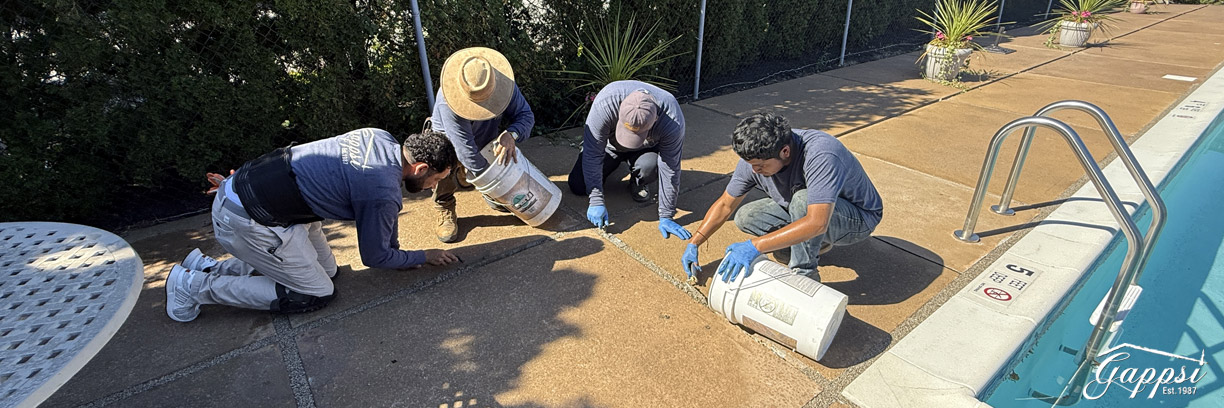
Look at our recent project, Natural Stone Pebbles with Urethane Resin.  At Gappsi, we’re always looking for innovative and durable ways to enhance outdoor surfaces. Recently, our team completed a unique and visually stunning project at the Tara Condominium in Commack, NY. What started as a simple joint restoration turned into a beautiful and long-lasting upgrade.  We replaced traditional fillers with natural stone pebbles bonded with urethane resin.

This project not only solved an ongoing maintenance issue but also transformed the overall look of the concrete areas, creating a high-end finish that will last for years to come.

The Problem: Rotted Wood and Failing Polymeric Sand

Like many properties built years ago, the concrete slabs at the Tara Condominium were initially separated by wooden expansion joints. These joints, while functional, tend to absorb moisture and rot over time. The deterioration of wood in outdoor concrete joints is a common problem.  This is especially true in climates like Long Island, where we experience freezing winters and hot summers.

A few years back, we replaced those wooden joints with polymeric sand, a material often used for paver joints. Polymeric sand is a mixture of fine sand and polymer binders designed to harden once activated with water. The idea was that it would provide flexibility, stability, and a clean finish between the concrete slabs.

natural-stone-pebbles-with-urethane-resin3Unfortunately, over time, the polymeric sand did not hold up as expected. Despite claims from the manufacturer that it would withstand weathering and movement, the sand began to crack, wash out, and deteriorate.
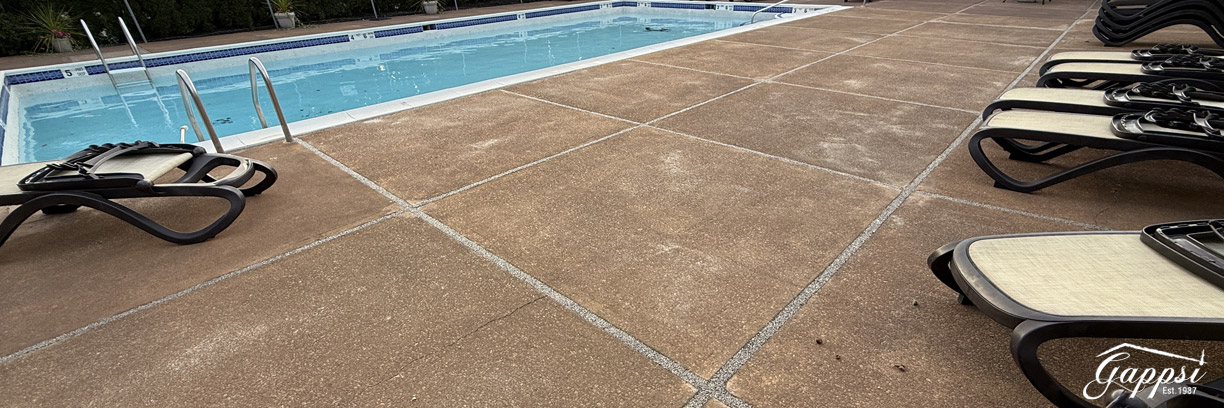
At Gappsi, we stand behind our work and our customers. As a courtesy to the client, we decided to remove the failing polymeric sand and replace it with a more durable, permanent, and aesthetically superior solution: natural stone pebbles bonded with urethane resin.

The Solution: Urethane Resin and Natural Stone Pebbles

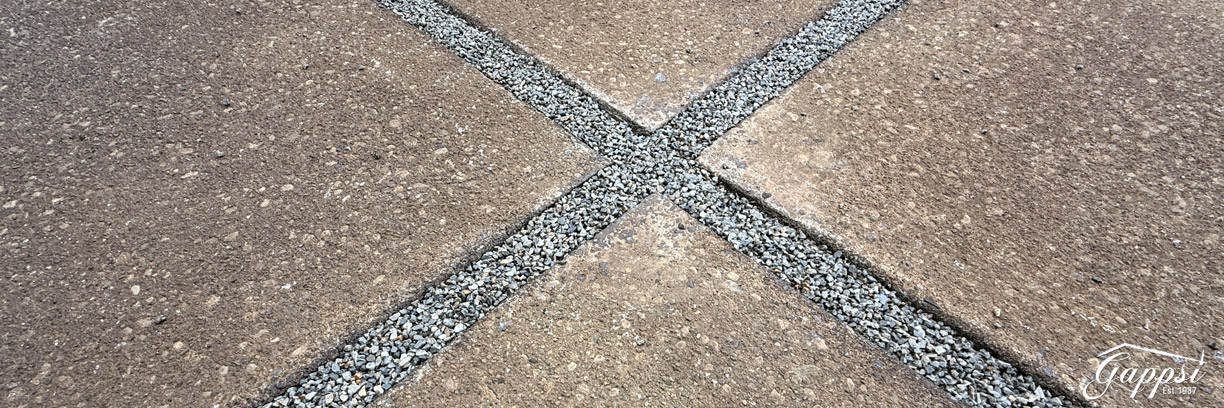
Our team carefully removed all the polymeric sand from the concrete slab joints, preparing a clean and stable base. We then introduced a urethane one-component resin system, which we mixed with Italian natural stone pebbles.

This resin-stone combination is a specialized product.  Both the stones and the urethane resin are manufactured in Italy, and Gappsi is proud to be a direct importer of this high-quality material. The combination of European craftsmanship and Gappsi’s expert installation techniques resulted in an exceptional finish that offers both beauty and performance.

The urethane resin acts as a strong yet flexible binder, allowing the stones to stay firmly in place while still accommodating minor ground movement. This flexibility prevents the cracking and separation that often occur with rigid fillers or polymer-based sands.

Installation Process at Tara Condominium

The installation process required precision, expertise, and attention to detail.  Hallmarks of every Gappsi project.

  1. Joint Preparation:
    We began by carefully removing all the old polymeric sand, ensuring the joints were clean and free of debris. Proper preparation is crucial to ensure strong adhesion between the stones and the resin.
  2. Mixing the Materials:
    The natural stone pebbles were mixed with the urethane resin in precise proportions. The resin fully coats each pebble, creating a uniform, glossy finish and ensuring a consistent bond.
  3. Application:
    The resin-stone mixture was poured and spread evenly into each concrete joint. We worked carefully to achieve a smooth and flush surface, complementing the existing concrete slabs while providing a striking visual contrast.
  4. Curing and Finishing:
    Once in place, the resin mixture cures to form a solid yet flexible joint, resistant to cracking, UV damage, and water penetration. The finished product not only looks natural and elegant but also feels smooth underfoot and requires little to no maintenance.

concrete slab jointsWhy Urethane Resin is Superior to Polymeric Sand
When it comes to filling concrete or paver joints, not all materials are created equal. Polymeric sand has its place, but for high-traffic areas, patios, or commercial properties, urethane resin with natural stone offers several advantages:

  • Durability: Urethane resin is highly resistant to weathering, UV rays, and freeze-thaw cycles. It won’t crumble, wash away, or discolor over time.
  • Flexibility: Unlike rigid fillers, urethane resin expands and contracts slightly with temperature changes, preventing cracking.
  • Aesthetic Appeal: The natural stone pebbles come in a range of colors and textures, adding a decorative and upscale look to any surface.
  • Low Maintenance: Once installed, the surface requires minimal upkeep — no re-sanding or sealing needed.
  • Water Permeability: The system allows for drainage, reducing water pooling and potential damage to the concrete.

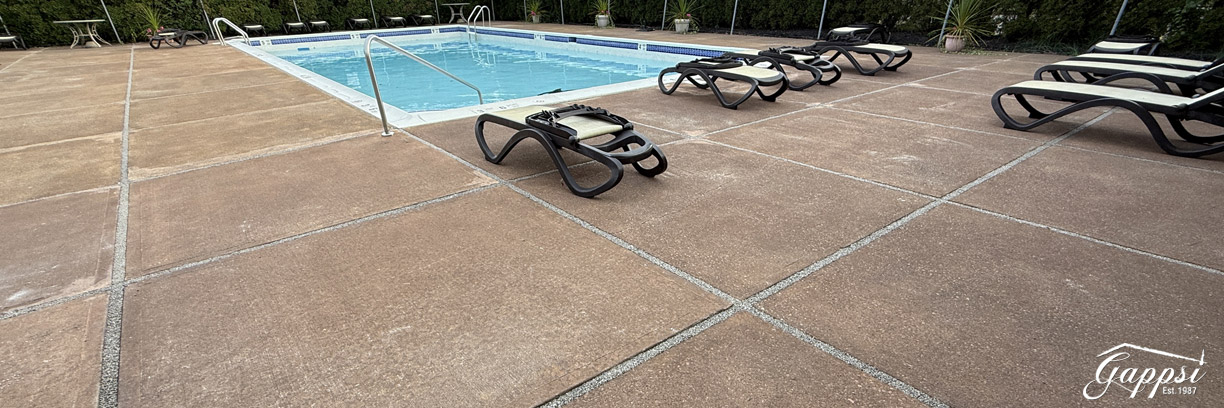
At the Tara Condominium, the results were immediately noticeable. The joints that once looked weathered and uneven were now smooth, glossy, and beautifully finished. The subtle contrast of the natural stones against the gray concrete added depth and dimension, enhancing the property’s curb appeal.

Beyond Joints: Expanding the Application

While we used this product specifically for concrete slab joints at the condominium, the versatility of the urethane-stone system makes it suitable for many other applications. It can be used to create:

  • Entire patios and walkways with a seamless, decorative finish
  • Driveways that combine strength with aesthetic value
  • Pool decks that are slip-resistant and visually appealing
  • Garden paths or courtyard surfaces that resist weeds and erosion

This system combines the natural beauty of stone with the latest in resin bonding technology, offering a solution that is both functional and elegant.

Urethane Resin is Superior to Polymeric SandImported Italian Quality, Installed by Gappsi
Gappsi takes pride in sourcing and importing the highest-quality materials from Italy.  A country renowned for its craftsmanship in stone and architectural finishes. The stones and urethane resin used in this project are designed specifically for outdoor applications, ensuring exceptional performance and longevity.

By combining premium materials with Gappsi’s meticulous installation process, our clients enjoy results that look beautiful and last for years. Whether it’s a minor repair or a large-scale outdoor renovation, our commitment to quality never changes.

The Final Result: Beauty That Lasts

The finished project at Tara Condominium speaks for itself. The natural stone pebbles bonded with urethane resin created a clean, polished, and durable joint system that enhances the look of the entire concrete area. The contrast between the soft, rounded stones and the structured concrete provides a modern, elegant, and low-maintenance finish.

Most importantly, this solution will not deteriorate like polymeric sand or wood fillers. The residents of Tara Condominium can now enjoy a long-lasting, attractive surface that resists cracking, fading, and erosion, even under Long Island’s harsh seasonal conditions.

natural stone and urethane resin system.Contact Gappsi for Your Next Project

If you’re dealing with failing joints, deteriorating polymeric sand, or tired-looking concrete areas, consider upgrading to a natural stone and urethane resin system. Gappsi’s expert installers can help you restore or reinvent your outdoor spaces with materials that are both innovative and timeless.

To learn more about this project or schedule a consultation, visit www.gappsi.com or call us today. Let Gappsi bring Italian craftsmanship and Long Island expertise to your next outdoor renovation.

SCHEDULE A MEETING TODAY WITH GAPPSI

Share this page:

Traditional Pavilion with Passion Spa Built in Commack NY

View Gappsi’s YouTube Channel for Videos of the Traditional Pavilion with Passion Spa Built in Commack, NY

View our latest traditional pavilion with Passion Spa, built on the unused sloped backyard of this home in Commack, New York.

Unused sloped backyard areas can be transformed into usable spaces by incorporating terraced gardens, retaining walls, rock gardens, or even dedicated planting zones that utilize the slope for varied plant life. This will manage potential erosion issues and create distinct levels within the yard, turning a challenging slope into a visually appealing and functional outdoor space.

This recent project, designed and built by Gappsi in Commack, N.Y., involved using the unused sloped backyard area and making it very useful.

traditional-pavilion-with-passion-spa-built-in-commack-ny4Considerations when designing for a sloped backyard:
  • Slope Severity:  The degree of slope will determine the type of structures needed, with steeper slopes requiring more substantial retaining walls.
  • Drainage: Ensure proper drainage to prevent water accumulation and erosion, especially in areas with heavy rainfall.
  • Sunlight Exposure: Consider how the slope affects sunlight exposure when choosing plants for different areas.

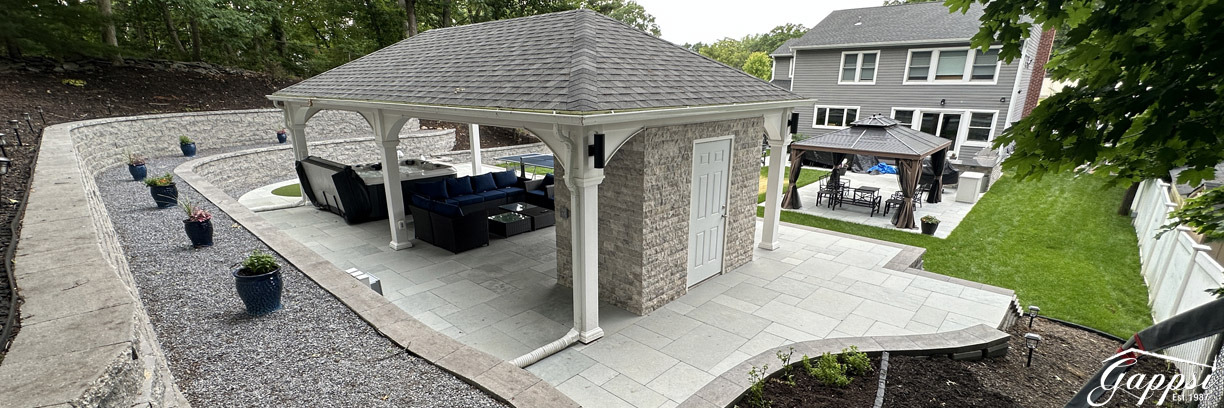
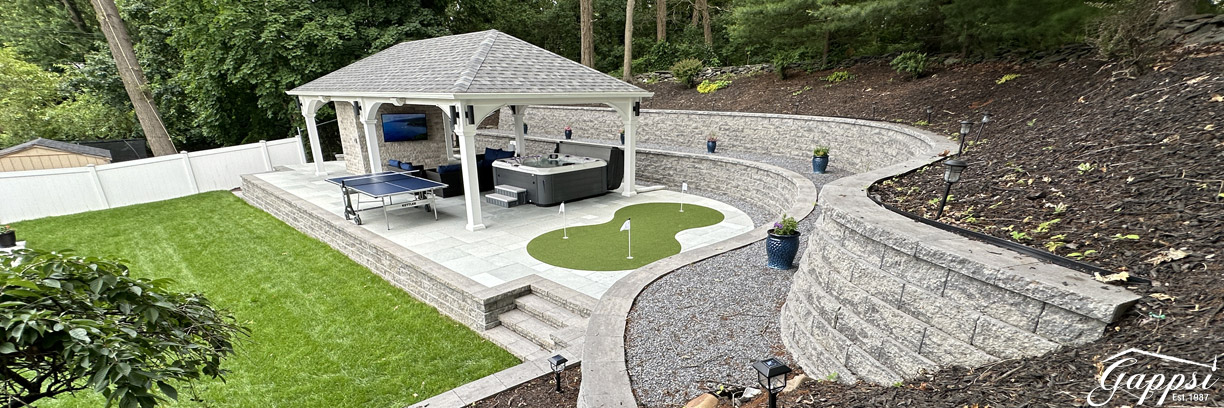
We built a multi-level retaining wall using the Nicolock Granite City Firma wall. The first level creates a flat area for the 18×36 traditional pavilion with the Roman pattern G045 natural blue-gray limestone patio floor from the Gappsi Natural Stone Collection.

Gappsi built the traditional pavilion with Passion Spa. Adding a conventional pavilion to your backyard provides a dedicated, covered outdoor space that protects you from the elements while enhancing the aesthetic appeal of your yard. It allows for comfortable outdoor living, entertaining guests, and potentially increasing your home’s value. It creates a functional and stylish area to relax and enjoy the outdoors, rain or shine.

traditional-pavilion-with-passion-spa-built-in-commack-ny

Key benefits of a backyard traditional pavilion:

  1. Shelter from weather: Protects from sun, rain, and wind, allowing you to use your outdoor space even during inclement weather.
  2. Elevated aesthetic: Adds a touch of elegance and sophistication to your backyard design.
  3. Multipurpose space: This can be used for dining, lounging, gathering with guests, or even a casual outdoor living room.
  4. Increased outdoor living: Encourages more time spent outdoors by offering a comfortable, protected area.
  5. Potential home value increase: A well-designed pavilion can add to the perceived value of your property.
  6. Customization options: Can be designed and built to match your style and needs, including size, materials, and features.

Second and Third Level Retaining Walls

A second retaining wall was built to retain the slope and the ground behind it.  Tiered retaining walls comprise two or more walls, each higher wall set back horizontally from the underlying wall. When appropriately designed, they retain soil and support loads, deliver an attractive appearance, and provide room for plantings.

traditional-pavilion-with-passion-spa-built-in-commack-ny13 Hole Putting Green

Our team installed and built a three-hole putting green on the patio.  A 3-hole putting green in your backyard offers several benefits, including improved golf skills through dedicated practice space, low maintenance with artificial turf, increased property value, fun for family and friends, mental stimulation through strategic putting, and the ability to customize the difficulty level of each hole; allowing you to focus on specific aspects of your putting game depending on the design of each hole.

With a 3-hole design, you can create diverse putting challenges by varying the length, slope, and green contours on each hole to target specific putting weaknesses.

Important considerations:

  1. Space Requirements: Ensure you have enough yard space to accommodate a 3-hole putting green with appropriate distances and design elements.
  2. Installation Costs: Factor in the cost of materials, installation, and potential landscaping needed for your putting green.
  3. Maintenance Routine: While low maintenance, artificial turf requires occasional brushing and cleaning to maintain optimal putting conditions.

traditional-pavilion-with-passion-spa-built-in-commack-ny2Passion Spa – Gappsi is an Authorized Dealer for Passion Spas
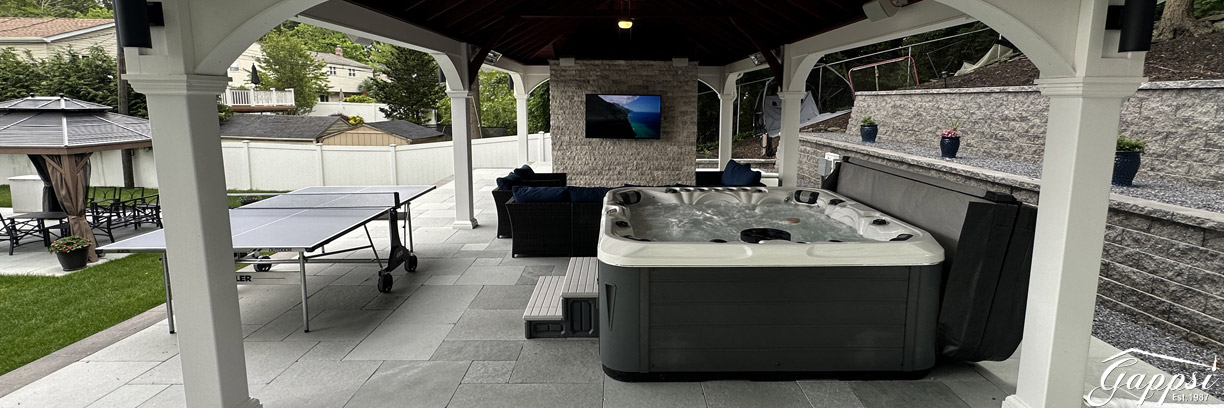
Under the traditional Pavillion, we installed a Passion spa.  A Passion Spa in your backyard offers numerous benefits, including stress relief, pain management, improved sleep, enhanced muscle relaxation, increased blood circulation, social interaction, boosted mood, potential for light exercise through swim features, and a luxurious outdoor retreat thanks to its designed massage jets and water purification system, all while providing a comfortable and aesthetically pleasing addition to your outdoor space; essentially creating a personal oasis for relaxation and wellness at home.

Custom Traditional Pavilion with Passion Spa Designed and Built By Gappsi

The 18 x 36 pavilion was built with a bare wood ceiling stained mahogany.  An audio system and electrical heating system were also installed so that people could enjoy year-round entertainment.  Behind the TV wall, we created an area with a door in the back for additional storage.  The wall was veneered with silver travertine tumbled, and the TV was hung on the wall.

Steps on both sides of the patio access the pavilion area, also used as a ping-pong area. This is the latest masonry-designed sports court and pavilion incorporated into an entire abandoned area. It became the most helpful part of the backyard. It is the newest project built by Gappsi in Commack, NY.

traditional-pavilion-with-passion-spa-built-in-commack-ny3SCHEDULE A MEETING TODAY WITH GAPPSI

Share this page:

Marble Pavers for Pool Patio and Synthetic Turf in Syosset NY

marble-pavers-for-pool-patio-and-synthetic-turf syosset-ny2Marble pavers for pool patio and synthetic turf can transform your space.  The addition of marble pavers to your pool deck and lanai areas adds style and elegance.  You can easily transform your outdoor space with the beauty of pavers, marble, or travertine. At Gappsi, we can help you choose the product that will blend seamlessly with your style.
Why Choose Marble Pavers?

Marble Pavers are high quality, durable, and resistant to heat and pressure. Marble is a type of limestone that is formed after it is exposed to extreme pressure and temperatures. The stone’s texture is sandblasted and provides a non-slippery finish.

Marble pavers are an excellent choice for pool decks in Long Island NY as they offer several benefits, such as durability, aesthetic appeal, and slip resistance. Moreover, marble pavers are available in a wide range of colors, patterns, and textures, making it easy to find a design that complements your pool and outdoor living space.

Enhancing Your Long Island Outdoor Space with Marble Pavers

Discover the beauty and functionality of marble pavers for outdoor projects. Marble offers various design options, durability, and ease of maintenance.

  • Highly durable and long-lasting material
  • Resistant to weathering, staining, and scratching
  • Boosts property value
  • Durability
  • Withstands heavy foot traffic
  • Easy to clean
  • Sealing is recommended to enhance stain resistance
  • A variety of colors, patterns, and finishes are available
  • Marble pavers are great for walkways, patios, and pool decks

Sheer Descent Waterfalls & Pool Features

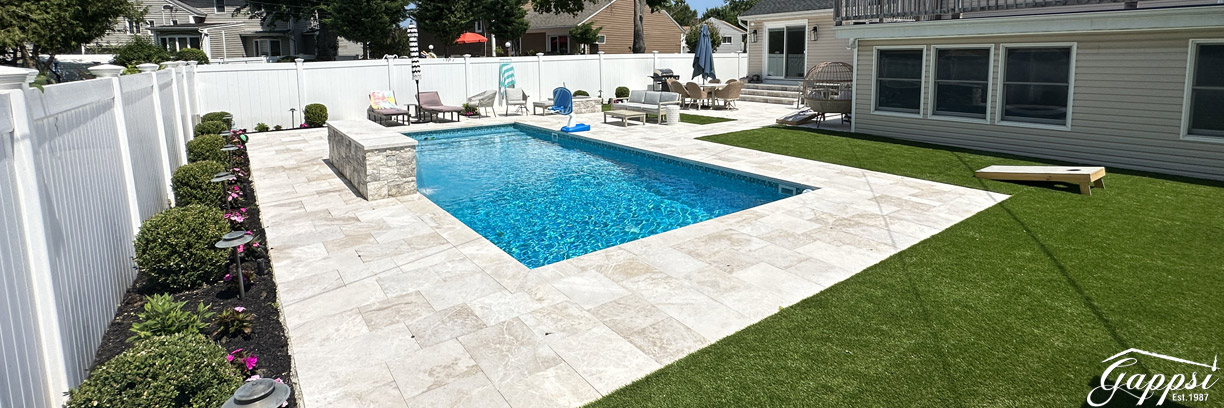
This backyard was designed and installed in Syosset NY. The patio has marble pavers with two inches of coping for the pool edges and the pool has a vinyl liner.  We installed sheer-descent waterfalls behind the pool.  There is something very special about falling water. The sound soothes us. From shimmering sheets to tumbling cascades, a sheer-descent waterfall will bring your pool to life.  

Transform your pool into a backyard oasis with sheer descent waterfalls and other stunning pool features from Gappsi. We offer a wide variety of options to suit every taste and style, from elegant cascading waterfalls to mesmerizing laminar jets and fountains.

Our sheer descent waterfalls create a beautiful, clear arc of water that adds a touch of luxury and serenity to your pool. Choose from various lengths, styles, and finishes to create the perfect look for your outdoor space. We also offer a range of other pool features, including bubblers, deck jets, and LED lighting options, to enhance your pool experience.

marble-pavers-for-pool-patio-and-synthetic-turf-syosset-ny1Synthetic Turf – Artificial Grass

The entire backyard is completed using synthetic turf.  Synthetic turf, which is also known as artificial grass, can be a low-maintenance alternative to natural grass for backyards. It can last 8–10 years, but with regular upkeep like raking and rinsing, it can last 15–20 years. Synthetic turf can also be durable and can withstand heavy use and extreme weather conditions.

Here are some other benefits of synthetic turf:

  • Water savings: Synthetic turf does not require watering, making it a good choice for areas prone to drought.
  • Low maintenance: Synthetic turf doesn’t need to be mowed, fertilized, aerated, or weeded. It’s easy to clean too.
  • Consistent look: Synthetic turf can provide a lush, green appearance all year

Does synthetic grass add value to your home?

A well-maintained green lawn is an important feature of a home’s curb appeal. Realtors and estate agents agree that adding artificial grass can provide a good return on investment and increase the value of your home, making it a smart choice for any homeowner looking to boost their property value.

Breeo Wood Burning Fire Pit

We installed a Breeo Wood Burning Fire Pit.  Breeo invented the first smokeless wood fire pit and remains committed to building the best fire pits.  

The Breeo Fire Pit uses double-combustion technology to burn smoke before it leaves the pit, stopping any soot or irritants from entering the air and your eyes.

marble-pavers-for-pool-patio-and-synthetic-turf-syosset-nyBreeo has 3 types of fire pits:

The Breeo X Series: It’s the company’s base model and can be purchased in four different sizes (19 inches in diameter to 42 inches) and two finishes (corten and stainless steel). These fire pits are smokeless and can be used with multiple attachments for cooking and grilling.

The Breeo Y Series: This is Breeo’s portable fire pit for campers or those on the go. It can be collapsed and stored in a bag, has adjustable legs and a handle, and weighs 31 pounds.

The Breeo Luxeve: The Luxeve is Breeo’s luxury line. It’s a 33-inch fire pit available in multiple colors and comes with a free lid, though it can’t be used with Breeo cooking attachments.

It’s not just a fire pit! Impress all of your guests with your epic wood-fired cooking skills!  At Breeo, they think it’s time to enjoy the warmth and aroma of real, wood-burning fire unhindered by smoke.

The backyard consists of marble pavers and synthetic turf throughout, making this a maintenance-free backyard except for planting beds for flowers against the back fence. This is the latest Gappsi marble pavers and synthetic turf for a complete backyard installation. 

If your backyard makes you want to shut the door and stay inside instead of enjoying your outdoor space, it’s time for a backyard transformation. No matter the square footage, a backyard remodel can add value to your home and become your favorite place to be. Whether you’re looking to create a place to entertain or a retreat that’s just for you, give Gappsi a call today.

SCHEDULE A MEETING TODAY WITH GAPPSI

View Gappsi’s YouTube Channel for Videos of Marble Pavers for Pool Patio and Synthetic Turf Syosset NY

Share this page: