


Professionally Clean, Seal and Restore Your Stones, Tiles and Grout Today!
We Bring Your Outdated Faded Pavers, Tiles, Joints, and Grout Back To Life!
Tile & Grout Restoration Cleaning & Coloring | Paver Patios & Driveways Cleaning & Sealing
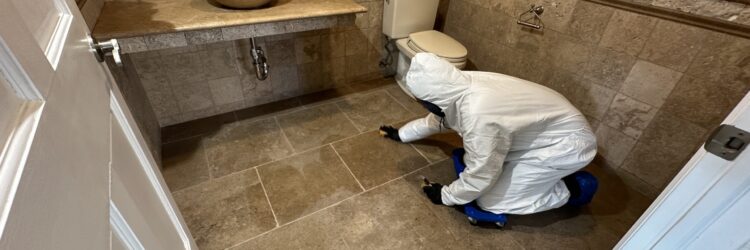
INDOOR TILE AND GROUT RESTORATION PROCESS VIDEO
Applying the cleaner over the tiles and grout will soften any grease and dirt. We sanitize all bathroom fixtures with dry steam, cleaning every groove in the bathroom or kitchen, and then steam clean all tiles and grout area at a temperature of 350 Fahrenheit. We then repair any missing grout and color and seal all grout joints. Color and sealer combination creates a uniform grout coloring while sealing it and protecting it from absorbing dirt in the future
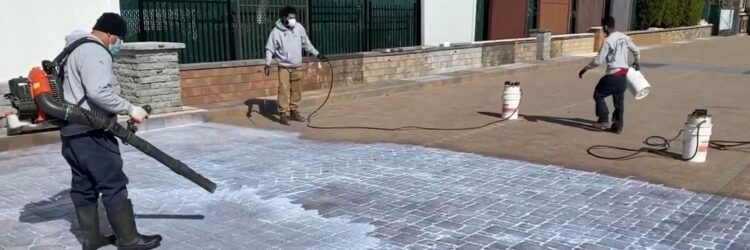
OUTDOOR PAVERS CLEANING AND SEALING PROCESS VIDEO
Our system is a chemical-free cleaning process, we use state-of-the-art high water volume machinery that can produce 200 Fahrenheit hot water to steam clean your floor removing all dirt, organics, and impurities before we apply the sealer. We use different sealers for natural stones or concrete products, based on their porosity and age, from color enhancers to natural penetrating and surface coating. We use the best sealer products on the market.
All Products & Services Gappsi Offers
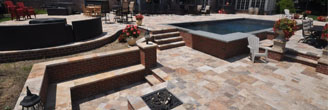
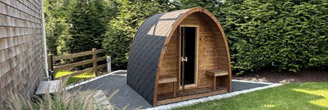
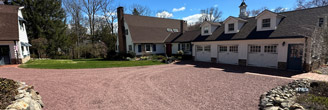
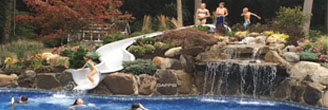
Long Island Stone Patios, Driveways, Tiles and Grout Cleaning, Coloring and Sealing Experts!
We Clean Seal and Restore the Following Concrete Pavers Manufacturers: Cambridge, Nicolock, Techo-Block, Unilock, EP Henry, Rinox, Belgard, Bluestone, Travertine, Marble, Limestone, Granite, Sandstone and Concrete Patios, Driveways and Walls.
We are often asked, “Do I need to seal my pavers?” The short answer is YES!!! Cleaning and Sealing is an important maintenance tool to keep paver patios, walkways, driveways, and pool decks looking as beautiful as the day they were installed.
However, “too much of a good thing” can come into play, and you should be wary of over-applying paver sealer by reapplying too often, which could create a haze. Below are a few of the most popular questions we have received:
Is it necessary to Seal the Pavers?
Yes! Concrete pavers should be sealed. Paving stones are manufactured with the highest quality cement, but cement is a corrosive material that wears under natural elements. The sun, rain, and cold can easily wear the surface of pavers, and a good sealing job with the right sealing product, applied by a professional technician of sealing, will create a layer of protection over the paving stones making them water-repellent and weatherproof. This will protect the concrete surface from corrosion. A good sealer penetrates the paver surface and stays there for many years, even if the look of the sealer goes away, the color and texture of the pavers will stay new.
Do you need to pressure wash the pavers before sealing them?
Yes! All concrete and paver surfaces should be cleaned before applying any sealer coating. It is very important that the surface is clean because any stains or materials that get trapped under the sealer will not be able to be cleaned after it’s sealed. Pressure washing pavers is just as important as sealing them. Using the wrong pressure washing tools could also hurt the pavers. A pressure washer with the wrong nozzle could mark or wear the pavers. The best-recommended tool is a high-volume, low-pressure, hot water-pressure washer. The hot water cleans the pavers and prepares the surface for the best result sealing job.
What is the best sealer for concrete pavers?
There are many manufacturers of sealers, from solvents to acrylic urethane. Epoxies, acrylic, and urethane sealers come in water-based versions and solvent-based versions, including combinations of both. The biggest difference between the two is the VOC content. The sheen and life of the product determine how often it lasts before needing to be reapplied. Solvent-based acrylics tend yellow over time and don’t allow the concrete to breathe. Epoxies are the strongest sealers but are best used for smoother surfaces and more for indoor or warehouse floor applications. The best sealers for paving stones are water-based urethanes. They are algae and mold inhibitors, allow superior joint stabilization, are environmentally safe, their UV Protection will not harm vegetation, and it is VOC Compliant in all 50 States. Well-trained Gappsi personnel can apply paving stone sealer products achieving the best results.
What type of sand material is best to fill the joints in between pavers?
Polymeric sand is best to use to fill the joints in between pavers. High-quality polymeric sand will not leave any stains on the surface. Gappsi vibrates the pavers while sweeping which allows the sand to fill the joints tight and also helps the sand harden. Sweeping the excess sand off the pavers before wetting the sand is also very important. This prevents the glue that is in the sand from smearing the surface of the pavers. Most importantly, applying a good urethane sealer will further help the sand to harden and prevent ants from digging into the paver joints and weeds from growing on patios.
How often do pavers need to be resealed?
It is important to wait at least a year before sealing concrete pavers from the date of installation. Concrete pavers have to cure and must go through a four-season cycle of weathering. This allows most of the lime from the paver’s surface to come out. After the cleaning and pressure washing process, all the lime from the surface gets removed and the color of the stones gets exposed, this allows the sealer to capture the best of the pavers and preserve it that way. The life of the sealer is contingent on how well it has been applied. Three to five years is recommended by most sealer manufacturers, and usually, people reseal the driveway and pavers that often. But what’s most important is that pavers are sealed right one time and even though the sheen will go away, or some dust may sit on the surface, the sealer that penetrated the surface of the pavers has created that will be present for many years preventing the pavers from edging.
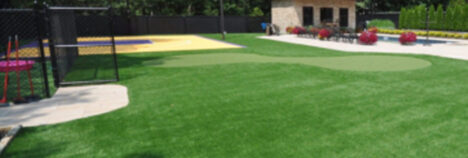
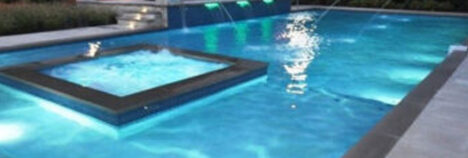
Gappsi is a complete backyard designer from landscaping, masonry, and gunite, vinyl swimming pools, home remodeling, and construction, synthetic turf, sports game courts, putting greens, basketball courts, bocce courts, and dog run playgrounds. Gappsi’s knowledgeable and experienced personnel can help you create the yard of your dreams.
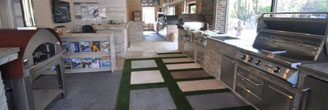
Visit our Long Island NY Stone Patios Driveways Cleaning Sealing Showroom today!
We also offer cleaning, sealing, and restoration of old patios in the following areas of Eastern Long Island, Western Long, Island, North Shore Long Island, South Shore Long Island, Suffolk County, Nassau County, Glen Cove, Hempstead, North Hempstead, Oyster Bay, Babylon, Huntington, Islip, Smithtown, Brookhaven, Southampton, Riverhead, East Hampton, Southold, Old Brookville, Old Westbury, Mill Neck, Nissequogue, Lloyd Harbor, Muttontown, Coldspring Harbor, East Norwich, and both Nassau and Suffolk County. In addition, Gappsi provides all the following products and services:: Landscape design, Swimming pools, Home Remodeling, Sports Game Courts, Outdoor Appliances, Pavingstone Cleaning and Sealing, Holiday Lights, Epoxy Floors, Shrink Wrap Services, Landscape, Masonry, Natural Stone, Granite, Marble, Travertine, Limestone, Porcelain.
Frequently Asked Questions About Masonry Design & Construction on Long Island
Over time, paving stones and natural stone patios accumulate efflorescence (white mineral deposits), oil stains, algae, moss, mildew, and general grime that dull their appearance. Cleaning removes this buildup and restores the original color. Sealing after cleaning protects the surface from future staining, slows the growth of algae and moss, inhibits efflorescence, and makes the stone easier to clean going forward. A properly sealed stone surface also resists salt damage during Long Island winters.
Most paving stone and natural stone surfaces benefit from professional cleaning and resealing every 2 to 4 years, depending on the level of traffic, sun exposure, tree coverage, and the type of sealer used. Surfaces in shaded areas with heavy tree coverage tend to develop algae and moss faster. Gappsi can assess your patio or driveway and recommend an appropriate maintenance schedule during a site visit.
Yes. In addition to standard sealing, Gappsi offers paving stone staining services to restore faded pavers to a consistent color or to change the appearance of existing stone. Staining can refresh pavers that have faded unevenly over time, and sealers are available in matte, satin, and wet-look finishes to further enhance the appearance. Staining and sealing can dramatically transform the look of an older patio at a fraction of the cost of replacement.
Yes. Polymeric jointing sand is an important part of paving stone maintenance. Over time, joint sand washes out, allowing weeds to grow between pavers and causing instability. Gappsi’s cleaning and sealing service includes inspection of joint sand, removal of weeds, and re-sanding with polymeric sand before the final sealer is applied. Polymeric sand hardens when wet and provides a durable, weed-resistant joint that is far superior to standard masonry sand.
Yes. Gappsi offers interior and exterior tile cleaning and grout restoration services. Over time, grout lines discolor, stain, and crack. Gappsi cleans grout and applies professional-grade grout colorant to restore a uniform, clean appearance. This service is available for kitchen floors and backsplashes, bathroom floors and showers, pool tile surrounds, and outdoor porcelain surfaces.
Gappsi cleans and seals concrete paving stones (Cambridge, Nicolock, Belgard, Techo-Bloc), natural stone (bluestone, travertine, limestone, granite, marble), porcelain pavers, pool coping and surrounds, driveways, walkways, entrance stairways, and patios. Gappsi serves Nassau County, Suffolk County, Southampton, and the surrounding Long Island municipalities.