Gunite Pool Renovation and Redesign in East Islip NY

gunite-pool-renovation-and-redesign-in-east-islip-nygunite-pool-renovation-and-redesign-in-east-islip-ny1gunite-pool-renovation-and-redesign-in-east-islip-ny2gunite-pool-renovation-and-redesign-in-east-islip-ny3

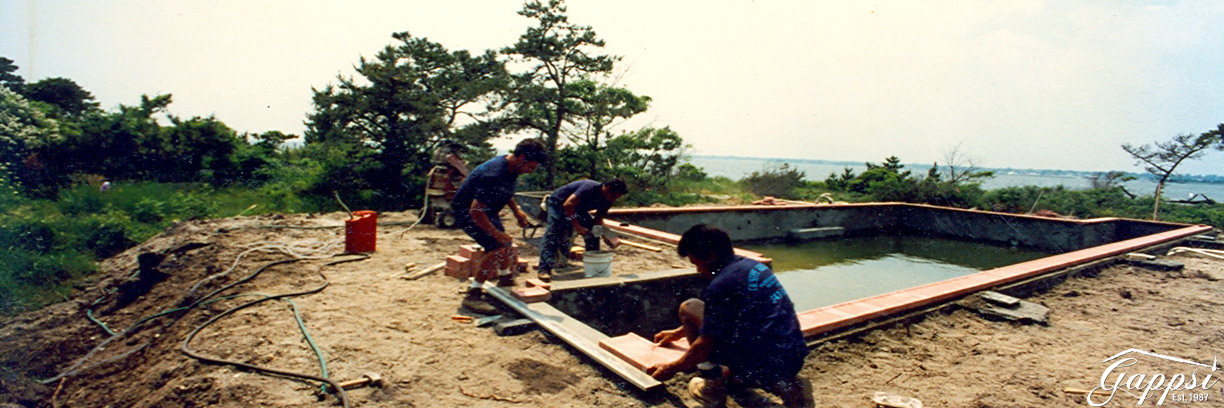
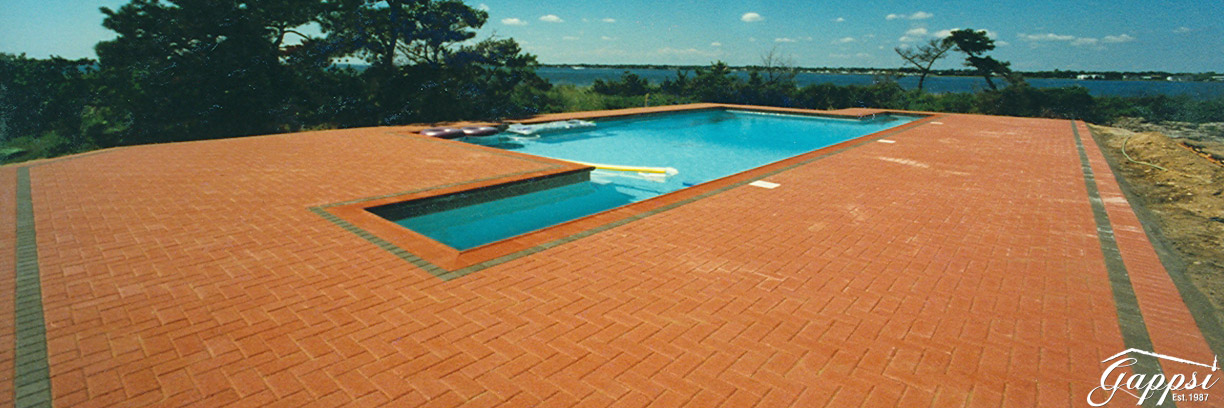
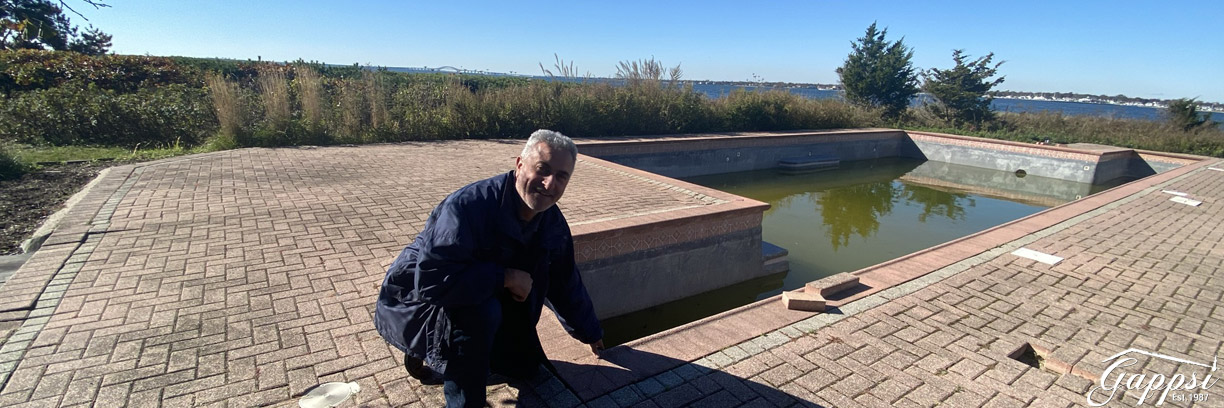
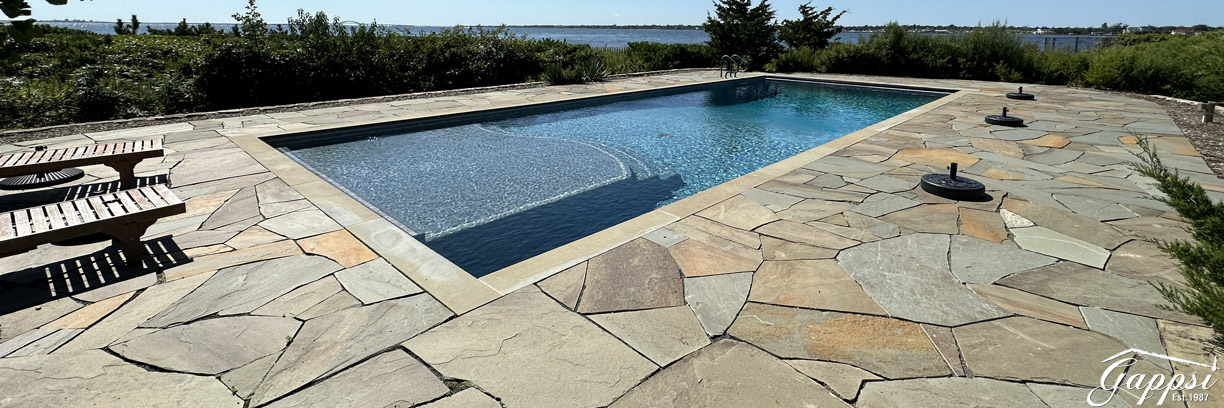
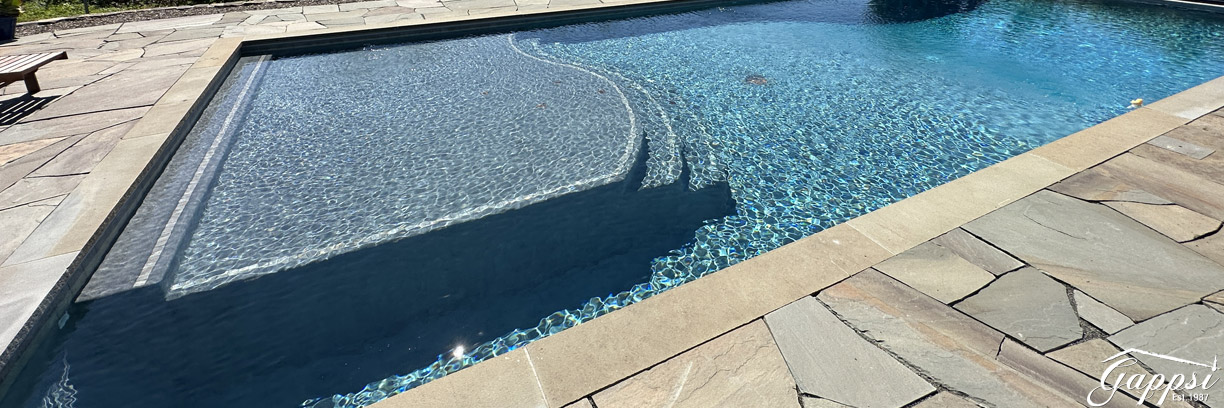
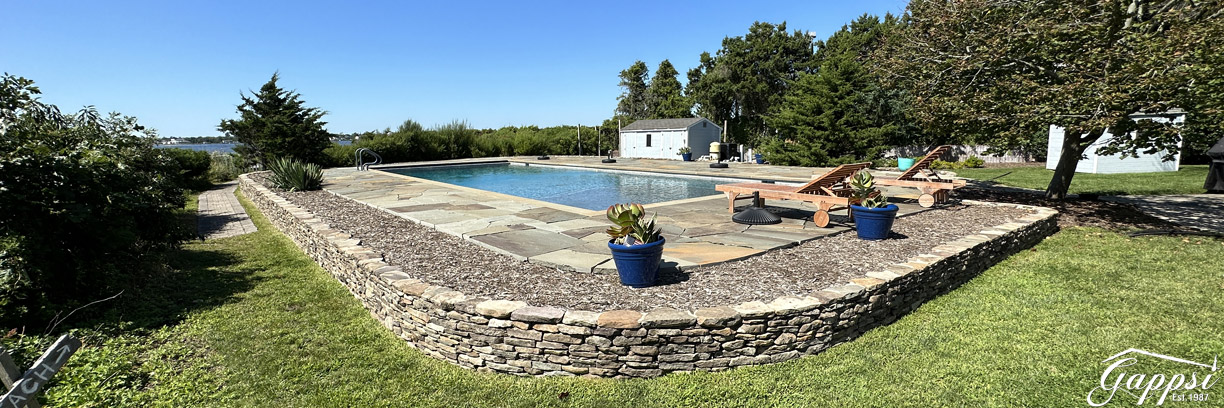
This backyard and pool renovation was done by Gappsi in East Islip NY. This job was originally done by Gappsi 30 Yrs ago in 1993, it is now 2023. The new renovation project consists of rebuilding the outside wall with all-natural stones.  The patio pavers we used were full-color NY Bluestone flagstone random sizes. The original pool was a 20×40 with an extended swing lane on this side. For the renovation that we did, we made the pool square kept one side of the swim lane, and built a sundeck within the pool.

Your swimming pool is a key part of your home. It’s where you spend quality time with your loved ones, wind down after work, and exercise, so it pays to ensure it perfectly meets your needs and preferences.

The basis of any poolscape is the existing location. It can mean disguising between an exciting party spot or a relaxing spa scene. We consider the architecture of the home and the living spaces, as well as the existing landform and landscape.

Why Gunite Pools Have the Most Longevity?

Choosing between gunite and vinyl pools can be difficult, but there are some differences in the longevity of each pool. The longevity of your pool depends on the maintenance, cleaning, and chemicals you use.

Gunite is a specific type of concrete, a blend of cement, sand, and water, sprayed through a hose. The dry mix of cement and sand is mixed with water as it’s being applied. Typically, the gunite is sprayed onto a framework of steel reinforcing bars that comprise the pool structure.

Unlike vinyl liner pools, concrete pools are not premade. You can customize your concrete pool right down to the color of the water.  Not only are concrete pools the most popular and highly customizable, but they have the longest lifespan compared to a vinyl liner pool. Concrete pools require a little more maintenance than the vinyl options, but these pools will last much longer with proper care.

In the latest Gappsi pool renovation in East Islip NY, we designed and built this pool over 30 years ago.  We reshaped the gunite pool and changed the pool decking.  The original pool was built in 1993 over 30 years ago by Gappsi showing the timelessness and longevity of choosing a Gappsi Gunite pool.
gunite-pool-renovation-and-redesign-in-east-islip-6

Can You Redesign an Existing Pool by Changing the Shape or Size of the Pool?

Yes, you can redesign the pool and add to it, that is the beauty of a concrete pool.  Our gunite pool renovation included reshaping the pool and adding a sundeck.  Whether you’re unhappy with the size, the shape, the depth, or maybe just the overall look of the pool, you might be interested in a swimming pool remodel. Whether you inherited this pool upon buying a home or you had it installed many years ago, and it’s become dated there are options for you.

During this latest pool restoration, our team acid-washed the pool and removed all the old pavers.  Acid washing a pool removes stains, mineral deposits, algae, and other buildup from the pool’s surface. It can also remove chlorine and dirt stains.

The porous nature of concrete allows for algae to grow quickly, so it is important to clean the pool walls and floor regularly. Acid washing is one form of maintenance for concrete pools.  This is typically only done every 3-5 years to prevent algae and bacteria buildup on the surface of the pool.

Natural Stone Wall

The project consisted of rebuilding the outside wall with all-natural stones. The clients love the natural stone look. It’s a dry stacked natural stone wall built all around the pool. The pool was raised out of the ground originally because it is on a bay and the water table is high. The patio pavers we used were full-color NY Bluestone Flagstone in random sizes.

The original pool was a 20×40 with an extended swim lane on one side. For the pool renovation, we made the pool square but kept one side of the pool with a swim lane.
gunite-pool-renovation-and-redesign-in-east-islip-ny4Sun Deck, Sun Shelf, Tanning Ledge, or Baja Shelf They are All the Same

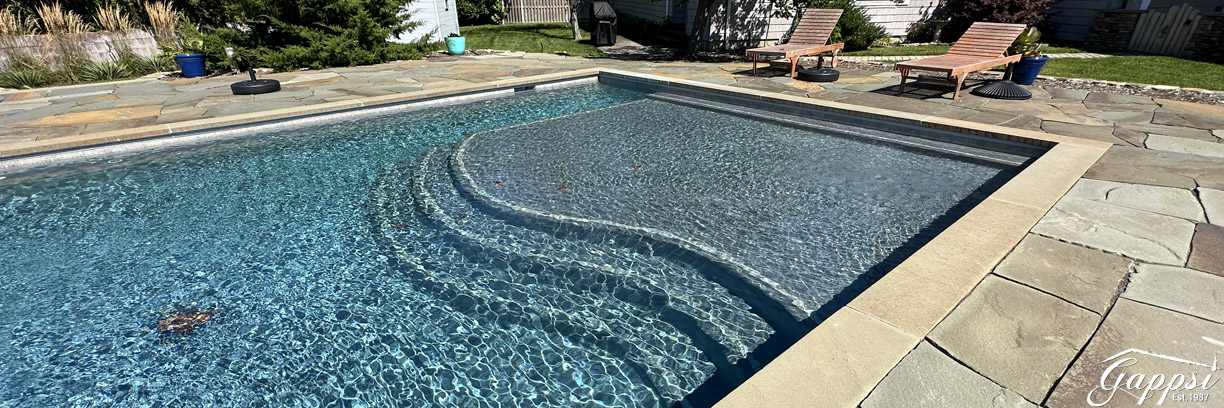
We built a sun deck, with curb steps in the upgraded pool design.  A tanning shelf or tanning ledge is the perfect feature to add to an existing swimming pool while under renovation.  A tanning shelf is an area inside the pool perimeter that sits just about 6-8″ below water. The area is larger than your entry steps, usually running about 5-6′ in length and width, commonly featuring a bubbler or umbrella.  Being one of the most prevalent add-ons to a pool design, the function of a tanning shelf stretches from child’s play to adult relaxation. The family dog even appreciates a cool place to escape the New York heat.
gunite-pool-renovation-and-redesign-in-east-islip-7Porcelain Tile Accents For Your Pools Waterline

The clients chose to add porcelain tiles to the waterline of the pool.  Choosing the right tile can enhance the visual appeal of your pool while providing durability and ease of maintenance.  Porcelain tile is known for its strength, resistance to fading, and low maintenance requirements. With a variety of colors, patterns, and textures to choose from, porcelain tile offers versatility and durability for waterline applications. It’s an excellent choice for achieving a timeless and sophisticated look for your pool.

We installed 2×2 tiles to accent the edges of the steps and sundeck.

Gulfstream Hydrazzo Finish

This polished pool surface creates a finish unlike any other pool plaster available on the market.  Hydrazzo was the first polished pool finish in the industry. For over 20 years the company has produced the product in the USA. A silky smooth polished texture combined with the proven durability of exposed aggregates are prime features of this state-of-the-art pool plaster finish.

With 15+ unique color options and a natural variegated appearance, Hydrazzo compliments all poolscape designs. The polished pool surface creates a finish unlike any other pool plaster available on the market today. It is naturally resistant to spot etching, topical stains, permanent scale & algae adhesion.

Some of the most beautiful pools in the world are surfaced with the hand-polished magic of Hydrazzo. It is the smoothest, richest, and most luxurious surface available. Hydrazzo combines naturally beautiful coarse-graded crystalline and colored marble, along with white Portland cement and a host of other performance-enhancing ingredients. The results are like no other.

Automatic Saftey Covers for Pools Saves Time and Money

During the renovation, we added an automatic pool safety cover.  Our under-track automatic pool cover is the top choice for new pool and spa installations and pool remodeling projects. The cover’s tracks are installed under the pool’s coping during the construction process, giving you the most seamless and aesthetically pleasing installation possible. The under-track model is compatible with any rectangular pool and can also be designed to work with some custom pool shapes and features.

4 Reasons to Add an Automatic Safety Cover

  • Keep your pool clean: Your automatic pool cover will keep dirt and debris out of your pool, greatly reducing the amount of time you’ll spend skimming and vacuuming. When you’re ready to use your pool, your retractable cover will roll open with just the touch of a button to reveal sparkling clean water!
  • Conserve water. Pools that aren’t covered can lose as much as 2” of water per week. As water rates continue to rise, your automatic pool cover can save you hundreds of dollars every year by preventing evaporation and helping you conserve every precious drop of water in your pool.
  • Maintain your ideal water temperature. A few chilly nights can bring your pool water’s temperature down. Your automatic pool cover will help maintain your pool water at the ideal temperature, so it’s swim-ready, whenever you are. Not only does it retain heat but it can also be used to add heat to your pool water.
  • Conserve chemicals. When water evaporates from your swimming pool, those expensive chemicals added to the water evaporate with it. Your automatic pool cover will help you keep those chemicals in your pool water, where they belong, allowing you to spend less time and money on your pool and more time in your pool!

Bringing you from the past to the present this is the latest backyard pool renovation in East Islip NY showcasing the timelessness of a Gunite Pool by Gappsi.

SCHEDULE A MEETING TODAY WITH GAPPSI

View Gappsi’s YouTube Channel for Videos of Gunite Pool Renovation and Redesign

Share this page:

Timelessness Of Travertine Pavers

Timelessness-Of-Travertine-Pavers-Sands-Point-NY1The timelessness of travertine pavers makes them worth it. A travertine paver pool deck offers a range of benefits. The benefits include aesthetic appeal, slip resistance, heat reflectivity, durability, and natural drainage.

Although some trends can come and go, others stay around for the long term. Despite the abundance of choices available regarding tiles, one of the most popular has always been the travertine tile.

The characteristic weathered look of this natural stone adds warmth to any space. While you may often see it featured as flooring for patios and pool surrounds.  This durable stone is the perfect material to install throughout your home’s interior and exterior. Install it as a kitchen backsplash, living room flooring, or fireplace feature.

Durable and Cost-Effective Travertine Pavers

Although many would like to work with an infinite budget, this is rarely the case. Those wanting to make a difference to their home or business can always rely on travertine regarding value for money.

Travertine is an extremely durable stone.  These pavers offer a beautifully varied natural look, with colours ranging from a light Ivory and Walnut to a rich Beige and Cream hue.  This beautiful sedimentary rock is characterized by its natural surface which is full of pits and voids.  In addition to its unique lines and patterns. It is this tumbled finish that provides a non-slip surface.  When combined with their incredible heat resistance, our quality travertine pavers become the ultimate outdoor solution.  It is both slip resistant and cool underfoot. This makes them especially popular around pools and spas.

It is important to note that the main attraction of natural stone is the unique design of each individual piece.  There are no two pieces of natural stone are identical.

Timelessness-Of-Travertine-Pavers-Sands-Point-NY2Should Travertine Pavers Be Sealed?

Travertine is known for its durability and ruggedness as a natural stone.  Even the toughest materials need TLC. Take good care of your outdoor travertine tile by sealing it every one to two years to keep it protected from damage and looking fresh.

There are three main types of sealers for travertine the type of sealer you choose really depends on the look you want to achieve:

  1. Enhancing Stone Sealers – Enhancing stone sealers penetrate into travertine and enhance the natural colors found in the stone while protecting it from staining and acid discoloration that can easily occur in this calcium-rich stone. Enhancing sealers are a great way to refresh older pavers, or bring out vibrant colors in travertine.
  2. Impregnating Sealers – Impregnating sealers are very similar to enhancing sealers, but they can deposit solid particles into the pores of stone while preventing water, dirt, and oil from penetrating the surface of your tile.  This is a great choice for hardscaping.
  3. Topical Sealers Glossy Finish – Topical Glossy Sealers give your travertine a lustrous, gleaming appearance while sealing out oil and grease that can stain and discolor porous travertine tile.  Glossy sealers also prevent the color of your tile from fading.  Protect your investment by sealing your stone regularly, and researching the best sealant for your tile.

Timelessness-Of-Travertine-Pavers-Sands-Point-NYAutomatic Swimming Pool Covers

An automatic swimming pool cover is hands down the best option to protect young children from the hazards of open water but also offers you so much more. Pools equipped with an automatic pool cover are clearer, warmer, and simply more efficient than one without. In fact, the initial cost of the cover is recouped through energy savings and chemical retention.

Whether you need an automatic pool cover installed as part of new pool construction or want to add a cover to an existing pool, our goal is to make the entire installation process as convenient as possible. Whether it’s a small, medium, or large in-ground pool, our automatic safety covers are safe, reliable, and can be adapted to fit ANY shape or size.

>>CONTACT US TODAY<<

Walnut Travertine Backyard Patio Complete Design By Gappsi

Gappsi used walnut travertine in this residence located on Long Island in Sands Point NY. We used this color travertine throughout the entrance way starting with the front entrance stairway.  We continued with the copings, treads, pavers for the platforms, and veneers for the rises were all in walnut travertine.

Gappsi extended the columns for the light features to illuminate the backyard.  On the home, the house veneers were all split-face travertine veneers. The entrance to the backyard was also all in a travertine walnut color combination of beige browns and whites.

Timelessness-Of-Travertine-Pavers-Sands-Point-NY3The stairway to the backyard leads to the synthetic wood deck. The backyard patio sitting areas, and pavilion area were all in walnut travertine. The pavilion was custom built, finished with wood planks installed on the ceiling, and the outdoor kitchen was built in u shape with DCS appliances. The pool area is very large and includes a fireplace.

Gappsi built the gunite pool that is equipped with an automatic swimming pool cover. The landscape included a natural stone waterfall with sitting walls. This project was built by Gappsi approximately 12 years ago. Still, in great shape, we recently cleaned and sealed all the travertine with a natural clear sealer that does not enhance or change the color of the stones but prevents them from absorbing water. This is the latest Gappsi Project in Sands Point NY.

SCHEDULE A MEETING TODAY WITH GAPPSI

View Gappsi’s YouTube channel for videos of the Timelessness Of Travertine Pavers Sands Point NY

Share this page:

A Guide to Outdoor Living Spaces on Long Island

Do you look out at your backyard and see untapped potential? Many homeowners dream of a beautiful outdoor area but feel overwhelmed by where to begin. Between choosing pavers, planning a layout, and finding a reliable contractor, the process can seem daunting. The secret is to think of it not as a single project, but as a collection of features that work together to create a cohesive environment. From a durable patio to a shady pergola, every element plays a role. This article breaks down how to approach designing outdoor living spaces long island families can truly live in, turning that overwhelming vision into an actionable plan.

Extending-Our-Living-Space-Outdoors1As warm weather arrives our thoughts turn to summer days and extending our living space outdoors. We can say goodbye to cabin fever and spend some time in the fresh air. With the right furniture, landscaping, and a few other elements, we can take advantage of yard space.  This will help extend our homes to take advantage of nature.

You don’t have to settle for a simple patio or deck. Today, you can build an outdoor living room or kitchen. You have dozens of choices for flooring, lighting, shade, appliances, and furniture. Decorations range from gardens to ponds and fountains that can provide atmosphere. In addition, a well-designed outdoor living area can boost the resale value of your home, too!

Outdoor Living Space Creativity

Design options are practically endless when creating your outdoor living space concept. The aim is to add an informal setting purely designed for entertainment and relaxation, in contrast to your home office or gym, where productivity and work are the priorities.

Decide on the theme for your outdoor space. Here are some design ideas to inspire you:

  • Add a built-in bench with a water fountain or fire pit area as a focal point.
  • Attach string lights around the windows and hang them from the ceiling for a fairytale aesthetic.
  • For large outdoor living spaces, you can include an outdoor kitchen and create an outdoor dining area for dining al fresco.
  • Add a coffee table, plush pillows, an outdoor rug, and lounge chairs for an outdoor living room.
  • Add a hot tub, water feature, and fire pits with outdoor string lights for a resort-at-home vibe.

Extending-Our-Living-Space-OutdoorsExtending Our Living Space Outdoors With A Kitchen Setup

The outdoor kitchen is one of the most popular ways to use an outdoor living space for entertainment and relaxation. Outdoor kitchens are functional and fun, depending on how much the people in your household love to cook. Having a kitchen on the backyard patio is an absolute dream for foodies. When the weather is good, you can cook all your meals and enjoy them in the great outdoors.

Bringing Out the Heat

We’re way beyond simple charcoal barbecue grills now. Today, you can buy and install everything from a simple, portable fire pit to a permanent fireplace complete with a hearth. If outdoor cooking is your passion, consider a barbecue pit, outdoor pizza oven, or even a fully-fledged outdoor gas stove. An outdoor kitchen can become a comfortable place for friends and family to gather.

In addition to the cooking spaces, you can look into outdoor counters. Granite is a popular choice. This will give you the space you need to prepare food without having to make constant runs back inside during meals.  Check out our outdoor appliances in the Gappsi Store to imagine all your possibilities and start designing your outdoor living space.

Outdoor Living Space In Westbury Long Island

Gappsi’s latest backyard design on Long Island in Westbury NY includes a gunite pool, patio, outdoor kitchen, and landscape design to bring together an outdoor living space to enjoy for years to come.

The Gunite pool was  20 x 50 and finished with super blue diamond bright pool coating and porcelain tiles in the water line. When it comes to pool finishes Diamond Brite has been the industry standard for many years. It’s available in colors including Aqua Quartz, Cool Blue, and Super Blue. Diamond Brite typically lasts 8-12 years before it starts to become faded and spotty.  Diamond Brite™ pool finishes are blends of selected quartz aggregates and fortified white Portland cement ideal for new or re-finished swimming pools. Available in a variety of colors and textures. Diamond Brite™ finishes are factory blended to provide the pool owner with an extremely durable and attractive alternative to traditional pool coatings.

The Gappsi team built a step bench in the deep end with tile markers to define the edges of the steps, and in the shallow area, we built the spa, sundeck, and bench.

Extending-Our-Living-Space-Outdoors2Reduce Heat Loss With An Autocover For Your Pool

The pool is equipped with an auto cover to make opening and closing the pool effortless.  Unlike solar covers, auto covers completely seal your pool with the touch of a button. Sealing your pool when it’s not in use prevents evaporation, the leading contributor to heat loss. Reducing heat loss can lead to warmer water temperatures; extending the swimming season up to three months in some locations.

Patio Stones And Pool Coping Options

The stones chosen for the patio and pool coping are from the Gappsi Stone collection G043 marble pavers.  The Island was built with Eldorado prefab boxes and veneered with silver travertine in random sizes with a 4-inch veneer. The client chose all Twin Eagle appliances for their outdoor kitchen. The Twin Eagle appliances include a burner, gas grill, storage cabinets, a Summit refrigerator, and a sink, with a granite countertop.

The Gappsi team also updated and refreshed the landscaping to include some exotic plants to add to the outside elements.  Using tropical and exotic plants will give your home a vibrant, lively, lush look, that will, in turn, make you feel invigorated and alive like you are on vacation at a beautiful tropical destination.

Check out our other blogs for additional design ideas and to view our amazing gallery of completed projects by the Gappsi Design Team in Long Island NY. 

Key Features for Your Long Island Outdoor Living Space

A truly exceptional outdoor space is more than just a patio; it’s a collection of thoughtfully designed features that cater to your lifestyle. From creating shade and structure to adding functional elements for cooking and entertaining, the right components can transform your backyard into a true extension of your home. It’s about creating distinct areas for relaxing, dining, and playing, ensuring every square foot is both beautiful and useful for you and your family.

Beyond the Patio: Pavilions, Pergolas, and Gazebos

To define your outdoor living area and add a touch of architectural elegance, consider adding a permanent structure. Pavilions, pergolas, and gazebos act as focal points, creating the feeling of an outdoor room while providing essential shade from the summer sun. A pavilion can cover an outdoor kitchen and dining area, allowing you to entertain regardless of a passing shower, while a pergola can create a beautiful, light-dappled space over a lounge area. These structures not only improve your outdoor experience but can also make your home more valuable.

Functional and Fun Additions

The best outdoor spaces blend form and function seamlessly. Think about what would make your time outside more enjoyable and convenient. For many, this means incorporating elements that support hobbies and entertainment, turning a simple backyard into a personal resort. Whether it’s adding practical storage solutions that keep things tidy or creating a dedicated spot for serving drinks by the pool, these additions are what make a space truly your own and a joy to use every day.

Custom Sheds and Storage

Let’s be practical—pool floats, gardening tools, and outdoor cushions need a home. A custom-built shed or integrated storage bench can be designed to match the aesthetic of your home and hardscaping, keeping clutter out of sight. This ensures your beautiful new space stays organized and ready for guests at a moment’s notice, blending necessary storage into your overall design instead of having it stick out as an afterthought.

Resort-Style Pool Bars

If entertaining is your main goal, nothing says “vacation at home” like a resort-style pool bar. A custom-built bar, complete with a durable countertop, comfortable seating, and perhaps even a built-in sink and refrigerator, creates a natural gathering spot for friends and family. It’s the perfect feature to complement a new swimming pool, making your backyard the go-to destination for summer fun and relaxation.

Essential Hardscaping Elements

Hardscaping forms the foundation of your outdoor living space. These are the permanent, non-living features like patios, walkways, and walls that structure the landscape and define different functional zones. Well-planned hardscaping not only provides stable, usable surfaces but also solves practical issues like grading and drainage. It’s the framework upon which the softer elements, like plants and furniture, are layered to complete the design.

Walkways, Steps, and Retaining Walls

Creating a seamless flow throughout your property is key to a successful design. Thoughtfully placed walkways and steps guide movement from the house to the patio, pool, or garden, ensuring safe and easy passage. On Long Island’s varied terrain, retaining walls are often essential for managing slopes, preventing erosion, and creating level terraces for planting or seating. These masonry elements are crucial for both functionality and aesthetic appeal.

Integrated Seating and Drainage Solutions

Smart design works double-duty. Built-in seating walls around a patio or fire pit can provide ample guest seating without the clutter of extra furniture. At the same time, a professional contractor will incorporate subtle drainage solutions into the hardscaping. Proper grading and strategically placed drains prevent water from pooling on your patio or against your home’s foundation, protecting your investment for years to come.

Furnishing Your Outdoor Oasis

Once the structural elements are in place, furniture is what brings comfort and personality to your outdoor living space. The right furnishings invite you to sit down, relax, and stay awhile. When choosing pieces, it’s important to balance style with durability, selecting materials that can withstand Long Island’s sun, rain, and changing seasons while reflecting your personal taste.

The Benefits of Poly Furniture

For a combination of style and longevity, poly furniture is an excellent choice. Made from recycled materials, it’s incredibly durable, long-lasting, and resistant to fading, cracking, and rotting. It requires minimal maintenance—just a simple cleaning with soap and water—and comes in a vast array of colors and styles, from classic Adirondack chairs to modern dining sets, allowing you to furnish your space beautifully without worrying about constant upkeep.

Materials and Craftsmanship: Building a Space That Lasts

A stunning design deserves to be built with materials that can handle Long Island’s distinct weather, from hot, humid summers to freezing winters. The longevity and beauty of your outdoor living space depend entirely on two things: the quality of the materials you choose and the skill of the craftspeople who install them. Investing in durable, weather-resistant products and expert installation ensures your backyard retreat will stand the test of time and continue to look great year after year.

Choosing Your Structure’s Material: Wood vs. Vinyl

When planning for a pergola, pavilion, or gazebo, you’ll often face a choice between the natural beauty of wood and the low-maintenance appeal of vinyl. Wood offers a classic, warm aesthetic but requires regular staining or sealing to protect it from the elements. Vinyl, on the other hand, is a durable alternative that won’t rot, warp, or splinter and never needs painting. The right choice depends on your desired look and how much maintenance you’re willing to perform.

Selecting the Perfect Pavers

The surface underfoot sets the tone for your entire patio, walkway, or pool deck. Pavers are a popular choice for their durability, design flexibility, and timeless appeal. Whether you prefer the rustic charm of natural stone or the uniform look of manufactured porcelain, the right pavers can define the style of your space. It’s important to select materials that not only look good but are also non-slip and can withstand the freeze-thaw cycles of a Long Island winter.

Working with Top Brands like Cambridge, Nicolock, and Techo-Bloc

Using high-quality, weather-resistant materials from trusted brands is essential for a lasting installation. Companies like Cambridge, Nicolock, and Techo-Bloc are known for producing durable pavers that are built to last through our local weather conditions. At Gappsi, we work with a wide range of top-tier porcelain and natural stone suppliers, ensuring you have access to the best products on the market that will provide beauty and performance for decades.

The Importance of Quality Craftsmanship

Even the best materials in the world will fail if they aren’t installed correctly. Quality craftsmanship is the critical final piece of the puzzle. An experienced installation team ensures that the base for your patio is properly prepared, the pavers are laid evenly, and the joints are secured. This attention to detail prevents shifting, cracking, and drainage issues down the road. With over 35 years of experience, the team at Gappsi prides itself on expert craftsmanship that turns quality materials into breathtaking, enduring outdoor spaces.

What to Look for in a Long Island Contractor

Choosing the right partner to bring your vision to life is the most important decision you’ll make in your home improvement project. The contractor you hire will be responsible for managing budgets, timelines, and the quality of the final product. You need a team that is not only skilled and experienced but also reliable, communicative, and transparent. Finding a contractor with a proven track record on Long Island is key to a smooth process and a result you’ll love.

Experience and Credentials Matter

Creating a comprehensive outdoor living space is a significant investment in your home, not a simple weekend project. Look for a contractor with extensive experience specifically in designing and building the types of features you want. Check their portfolio, read reviews, and ask for references. A long history of successful projects in your area is a strong indicator of reliability and expertise, ensuring they understand local building codes and environmental conditions.

Licensed and Insured for Nassau and Suffolk Counties

This is non-negotiable. Before you sign any contract, confirm that your contractor is fully licensed and insured to work in both Nassau and Suffolk Counties. This protects you from liability in case of an accident on your property and provides recourse if the work isn’t completed to code. A professional and legitimate company will readily provide you with their license and insurance information for your peace of mind.

The Value of a Turnkey Service

Juggling multiple contractors for your pool, patio, landscaping, and lighting can quickly become a logistical nightmare. A company that offers a turnkey service, managing the entire project from the initial design to the final installation, can save you time, money, and stress. Gappsi provides a seamless, all-in-one experience, coordinating every aspect of your project—from masonry and pools to landscaping and game courts—ensuring a cohesive design and a single point of contact throughout the process.

Understanding Project Estimates and Warranties

A professional contractor should provide a free, no-obligation estimate that is clear, detailed, and comprehensive. Be wary of vague quotes or unusually low bids, as they may hide future costs. The estimate should break down the expenses for materials, labor, and permits. Furthermore, ask about warranties. A reputable company will stand behind their work with a solid warranty on both materials and craftsmanship, giving you confidence in the durability of your investment.

SCHEDULE A MEETING TODAY WITH GAPPSI

View Gappsi’s YouTube Channel For Videos On Extending Our Outdoor Living Space

https://youtu.be/THCzCDbfMEo

Frequently Asked Questions

I love these ideas, but my backyard isn’t huge. Can I still create a functional outdoor living space? Absolutely. A great outdoor space is about smart design, not just square footage. You can create a beautiful and useful area by focusing on multi-functional features. For example, a retaining wall can double as extra seating, or a well-placed pergola can define a dining nook without closing it in. The key is to prioritize what’s most important to you, whether that’s a small cooking station or a cozy spot for conversation, and design the space around that central purpose.

How do I choose materials that will actually last through Long Island’s winters and hot summers? This is a crucial question because our weather can be tough on outdoor structures. For surfaces like patios and pool decks, it’s best to use high-quality pavers from trusted brands that are specifically engineered to handle freeze-thaw cycles without cracking. For furniture, poly lumber is a fantastic, low-maintenance option that won’t fade or splinter. The most important factor, however, is proper installation, which ensures a solid foundation and correct drainage to protect your investment for years.

What’s the advantage of using one company for my patio, pool, and landscaping instead of hiring separate specialists? Using a single, comprehensive company simplifies the entire process and ensures a cohesive final result. When one team handles everything from the initial design to the final planting, you don’t have to worry about coordinating different schedules or dealing with communication breakdowns between contractors. It guarantees that the patio, pool, and surrounding landscape are designed to work together perfectly, creating a unified look and feel without the headache of managing multiple moving parts.

How can I make my outdoor space comfortable when it’s really sunny or if it starts to drizzle? Adding a permanent structure is the best way to get more use out of your space, regardless of the weather. A pergola creates lovely dappled shade, making a seating area much more comfortable on a hot afternoon. For more complete protection, a pavilion with a solid roof can cover your outdoor kitchen or dining table, meaning a passing summer shower won’t send everyone running inside. These structures define the space and make it far more functional.

An outdoor kitchen sounds amazing, but is it a complicated addition? It’s more straightforward than you might think when planned correctly. An outdoor kitchen can be as simple as a built-in grill and some counter space, or as elaborate as a full setup with a sink, refrigerator, and pizza oven. The key is working with a designer who understands how to integrate these appliances seamlessly into your patio design. They can handle the logistics of running utility lines and help you choose durable, weather-proof materials like granite and stainless steel that make the kitchen both beautiful and practical.

Key Takeaways

  • Plan Your Space Like an Outdoor Room: Create a truly livable area by designing distinct zones for cooking, dining, and relaxing. Incorporating structures like pergolas and functional hardscaping like seating walls transforms a simple backyard into a cohesive extension of your home.
  • Prioritize Materials Built for Long Island Weather: The success of your project depends on its durability. Choose high-quality, weather-resistant materials from trusted brands and ensure they are installed with expert craftsmanship to create a beautiful space that lasts for years.
  • Simplify the Process with a Single Contractor: Avoid the stress of managing multiple teams for your pool, patio, and landscaping. Partnering with a licensed and insured company that offers a turnkey service ensures a smooth process, a unified design, and a single point of contact.

Related Articles

Share this page:

5 Reasons to Use Marble Pavers Around Your Pool

Let’s address the first question that probably comes to mind: “Isn’t marble too slippery for a pool deck?” It’s a common misconception, but one that’s easily cleared up. The polished marble used for indoor flooring is not the same product used for outdoor patios. The secret is in the finish. Outdoor marble pavers around pool areas are typically tumbled or sandblasted to create a textured surface with fantastic grip. Beyond being surprisingly safe, marble also stays remarkably cool to the touch on hot days and is incredibly durable. This guide will explore how this timeless material defies expectations, proving to be one of the most practical and luxurious choices for your backyard.

Marble-Pavers-For-Pool-Coping-And-PatioMarble Pavers For Pool Coping And Patio are one of the most preferred materials for the outdoors in homes.  Marble is timeless and when used it elevates a home’s status, value, and overall appeal. This stone paver comes in different colors, patterns, and shades suitable for any application. Homeowners prefer marble pavers for their driveways and pool decks.  This is for very good reasons that go beyond mere looks. Reputable suppliers like Gappsi provide the pavers with a tumbled finish for extra grip and a non-glossy surface that is perfect for outdoor pool areas.

Safety Is First For Pool Coping And Patio Areas

Safety is one of the reasons why marble pavers are ideal for driveways and pool decks. These places are prone to much foot and vehicular traffic.  It makes sense in high-traffic areas to ensure they are not slippery, even when wet. Tumbled marble pavers are able to cater to that.  At the same time, the material enhances the beauty of those places making them look more opulent as well as inviting. The density of the rock makes it capable of withstanding heavy vehicles, too.

Marble Paver Advantages

Gappsi highly recommends sealing our strongest sandblasted marbles for enhancement, but most importantly to resist stains or fading.

Marble pavers resist bacteria, preventing any harmful elements from thriving in the pool area. Tumbled marble pavers provide a strong grip to prevent slipping and falling incidents.

Since ancient times, artists have been using marble for creating sculptures not just because of the beauty of this material but also because of its durability. When you use marble pavers, you don’t have to worry about changing them for the years to come. Indeed, it is a great investment.

Marble-Pavers-For-Pool-Coping-And-Patio1Pool Covers For Safety And Efficiency

Gappsi retractable pool covers are opaque and completely block out sunlight while the pool is closed. Sunlight exposure makes sanitizing chemicals like chlorine break down more quickly in the water, as well as contributes to the growth of algae.

Building a New Pool or Have an Existing pool? Does your pool qualify for an automatic pool cover based on your pool shape and layout?

  • New Build – Yes ✔ If you are building a new pool, you can incorporate an automatic pool cover into your build.
  • Existing Pool – Maybe? It will depend on your pool’s shape and deck layout.
  • Saves you 70% in Pool Operating Costs
  • Cuts Filter and Pump Times
  • Cuts Evaporation up to 98%
  • Adds 5 – 15 Degrees of Solar Heat (*With A Dark Colored Cover*)

Gappsi offers the greatest safety you can have around your swimming pool with our automatic pool covers. These covers automatically open and close your pool with a simple touch of a button.

Marble-Pavers-For-Pool-Coping-And-Patio2Pool Cover Maintenance Tips

♦  TIP 1: KEEP WATER & DEBRIS OFF YOUR POOL COVER Our first tip for auto pool cover maintenance is to clear the cover of any debris before uncovering your pool. You can do this either by hand, if you’re able to reach it, or with a garden hose. Never use something stronger than a garden hose, such as a power sprayer, because you risk tearing your cover. If there’s a significant amount of rainwater on top of your cover, your pump will do an efficient job of removing it.

♦  TIP 2: UNCOVER YOUR POOL DAILY In the summer months, it’s likely you’re using your pool often so it’s being uncovered on a daily basis. If you aren’t using your pool often, it is still a good idea to uncover your pool daily for a couple of hours, especially if you’ve just added chemicals.

This is an important part of cover maintenance because gasses created by the pool chemicals need to escape in order for the water to be safe to swim in.

♦  TIP 3: INSPECT TRACKS BUT LEAVE IT TO THE EXPERTS AT GAPPSI We recommend during auto pool cover maintenance keep an eye on the cover tracks. Leave any major issues to the experts at Gappsi, but if you’re able to catch something small early on, it’s usually an easy fix.

Visually look to see if the cover is running straight. If it’s not, reverse the direction and run it approximately 5’-10’, then proceed to run it back in the direction you intended to go.

♦  TIP 4: GET INSPECTED ANNUALLY Pool cover maintenance really does not require a lot, as long as you’re getting it inspected on a regular basis. It is recommended to get your cover inspected once a year. Whether you choose to get it inspected at the beginning of the summer, or at the end is up to you.

Marble Pavers For Pool Coping And Patio In Merrick NY

Gappsi installed a 16 x 36 vinyl liner pool with concrete walls in Merrick NY. The pool is equipped with an auto cover and a fiberglass slide. We installed G039 marble pavers selected from the Gappsi Natural Stone Collection. The client chose a French Pattern for the patio with 2-inch thick 12 x 24 coping for the pool. The pool was installed with stadium stairs in the shallow end and stairs at the bottom.  In addition, we used a textured vinyl liner. The pool area included a pavilion we built 14×16 finished with vinyl and Azek trims.  For safety precautions, we installed a black aluminum pool code fence.  This separated the pool area from the grass. A row of evergreens and herbivores evergreens along the fence were added for future privacy. Our clients are very happy.

SCHEDULE A MEETING TODAY WITH GAPPSI

What Are Marble Pavers?

When you think of marble, you might picture grand statues or elegant countertops, but this beautiful material is also an exceptional choice for outdoor spaces. Marble pavers are tiles cut from natural marble, a metamorphic rock formed deep within the Earth under immense heat and pressure. This intense geological process is what gives marble its signature density and strength, making it incredibly durable for areas like patios, walkways, and pool surrounds. The same process also creates the unique veining and subtle color variations that ensure no two pavers are exactly alike, giving your project a truly custom and sophisticated look.

Choosing marble for your outdoor project means you’re selecting a material that has been synonymous with luxury and longevity for centuries. It brings a timeless elegance that can transform a simple backyard into a stunning retreat. At Gappsi, we source a wide variety of high-quality natural stone pavers, and our marble collection is carefully selected to provide Long Island homeowners with durable, beautiful options that stand the test of time. Whether you envision a classic white patio or a deck with soft, earthy tones, there’s a marble paver to match your vision.

The Geological Strength of Marble

The enduring appeal of marble isn’t just about its looks; it’s rooted in its incredible resilience. For thousands of years, artists and architects have used marble to create masterpieces precisely because of its durability. That same strength makes it a fantastic investment for your home. When you install marble pavers, you are choosing a surface that is naturally resistant to cracking and chipping under the pressures of daily life and harsh weather. You won’t have to think about replacing them for years to come, making it a wise and valuable addition to your property.

Why Choose Marble Pavers for Your Pool Deck?

A pool deck has to do more than just look good—it needs to be safe, comfortable, and able to withstand constant exposure to water and sun. Marble pavers excel in all these areas, making them one of the best choices for surrounding your pool. One of their most celebrated features is their natural resistance to heat. Unlike many other paving materials that can become scorching hot in the summer sun, marble stays remarkably cool to the touch. This means you and your family can comfortably walk around the pool barefoot, even on the hottest Long Island days.

Safety is another primary reason homeowners love marble for their pool areas. While you might think of polished marble as slippery, tumbled marble pavers are finished to have a porous, slightly textured surface. This finish provides an excellent, non-slip grip that helps prevent accidental falls, even when the surface is wet. This combination of luxury aesthetics and practical safety makes it a top-tier material for any swimming pool design. Its durability also means it holds up beautifully against chlorinated or saltwater splashes, ensuring your poolside oasis remains stunning for years of enjoyment.

### Excellent Heat Resistance for Barefoot Comfort One of the biggest perks of a marble pool deck, especially during those hot Long Island summers, is its remarkable heat resistance. Unlike darker pavers or concrete that can become scorching under the sun, marble stays comfortably cool to the touch. This means no more frantic hopping from foot to foot on your way to the pool. You, your family, and your guests can walk around barefoot without a second thought. This quality isn’t just about comfort; it’s a significant safety feature, particularly for households with children who love to run and play around the pool. Choosing a material that naturally resists absorbing heat makes your entire outdoor space more enjoyable and usable throughout the day. ### A Timeless Material Proven by History There’s a reason marble has been the material of choice for sculptors and architects for centuries—it’s incredibly durable. When you choose marble pavers for your pool patio, you’re not just making a design choice; you’re making a long-term investment in your home. This natural stone is built to last, capable of withstanding the elements and the wear and tear of daily life for decades to come. Its inherent strength means you won’t have to worry about replacing it anytime soon. This enduring quality, combined with its classic beauty, ensures that your pool area will remain a stunning and valuable feature of your property for many years. ## Designing Your Dream Pool Patio with Marble Creating the perfect pool patio is about blending beauty with function, and marble pavers offer the best of both worlds. The design possibilities are nearly endless, allowing you to craft a space that perfectly reflects your personal style, whether you envision a modern oasis or a classic European courtyard. The key to a successful design lies in the details: the finish of the stone, the color palette, and the style of the pool coping. Each of these elements plays a crucial role in the final look and feel of your patio. While marble is celebrated for its luxurious appearance, it’s also a practical powerhouse. It’s strong, durable, and when properly finished, offers a non-slip surface ideal for wet areas. Navigating these choices can feel like a big task, but you don’t have to do it alone. Working with experienced professionals can make all the difference. At Gappsi, our team of masonry design experts can walk you through every step, from selecting the perfect slab to planning the installation. We help you consider how different finishes will feel underfoot, how various colors will complement your home’s exterior, and which coping style will best frame your pool. Our goal is to help you bring your vision to life, creating a beautiful, safe, and enduring outdoor living space that you’ll love for years. ### Choosing the Right Finish and Texture The finish of your marble pavers is one of the most important decisions you’ll make, as it impacts both the aesthetics and the safety of your pool deck. The texture of the stone’s surface determines how it looks, how it feels, and most importantly, how much grip it provides when wet. A glossy, polished finish might look stunning indoors, but it’s far too slippery for a poolside application. For outdoor spaces, especially around a pool, you’ll want a finish that provides some texture for slip resistance. There are several excellent options, each offering a unique look and feel, from rustic and aged to smooth and contemporary. #### Tumbled and Sandblasted Finishes Tumbled and sandblasted finishes are two of the most popular choices for pool patios because they offer excellent slip resistance. A tumbled finish is created by tumbling the pavers with sand and other abrasives, which softens the edges and creates a weathered, rustic appearance. This process results in a textured surface with a strong grip, making it a very safe option for wet feet. A sandblasted finish uses high-pressure sand to create a finely textured, matte surface that is also highly slip-resistant. Gappsi often recommends these finishes to ensure your pool area is as safe as it is beautiful. #### Honed and Leathered Finishes If you prefer a smoother feel, honed and leathered finishes are fantastic alternatives. A honed finish is sanded to a smooth, matte, or satin-like surface without any reflection. It offers a clean, modern look and is less slippery than a polished finish, though it provides less grip than a tumbled one. A leathered finish is a newer option that involves brushing the stone to create a soft, textured sheen that feels wonderful underfoot. While both are beautiful, they are often best used on adjacent patio areas rather than the immediate pool surround to maximize safety. ### Popular Marble Colors and Patterns When people think of marble, they often picture the classic white and grey veining of Carrara. But the world of marble is incredibly diverse, with a stunning spectrum of colors and patterns to choose from. You can find marble in shades of cream, beige, silver, grey, and even subtle blues and greens. The natural veining and mineral deposits within the stone mean that no two pavers are exactly alike, giving your patio a unique, organic character. This variety allows you to select a natural stone that perfectly complements your home’s architecture and your personal taste. #### From Classic Carrara to Tundra Grey Exploring different types of marble can be an exciting part of the design process. Classic choices like Carrara offer timeless elegance with its soft white background and delicate grey veins. For a more dramatic look, Calacatta marble features a whiter base with bolder, more pronounced veining. If you’re leaning toward a more contemporary or neutral palette, Tundra Grey is a popular option, offering beautiful variations of grey and silver. At the Gappsi Store, we showcase a curated collection of high-quality marbles to help you find the perfect stone for your project. ### Selecting the Perfect Pool Coping Pool coping is the material used to cap the edge of your swimming pool shell, and it’s a critical design element. It serves two main purposes: it protects the pool structure and it provides a safe, non-slip edge for swimmers to hold onto and walk on. Marble is an exceptional choice for pool coping because it adds a seamless, luxurious finish that ties the pool directly to the surrounding patio. Its natural slip-resistant properties make it a safe and practical option, helping to prevent falls around the water’s edge while creating a sophisticated, high-end look. #### Bullnose vs. Square Edge Coping The profile of your coping has a big impact on the overall style of your pool. A bullnose edge is rounded and smooth, creating a soft, classic look. This is a very popular choice, especially for families with children, as it eliminates sharp corners. A square or eased edge offers a clean, straight line that provides a more modern and minimalist aesthetic. The right choice really comes down to personal preference and the design style you want to achieve for your outdoor space. #### Choosing the Right Coping Thickness The thickness of your coping contributes to both its durability and its visual presence. For most residential swimming pools, a coping thickness of 1.25 inches is perfectly sufficient and provides a sleek look. However, for pools that see a lot of activity or for a more substantial, robust appearance, you might opt for a thicker coping of 2 inches or more. Our team at Gappsi can help you determine the ideal thickness based on your pool’s design and your family’s needs, ensuring the final result is both beautiful and built to last.

Are Marble Pavers Slippery When Wet?

This is probably the first question that comes to mind when thinking about stone around a pool, and it’s a valid one. The short answer is: it depends on the finish. While polished marble you might see indoors can be slick, outdoor marble pavers are treated differently. At Gappsi, we specifically use tumbled marble pavers for pool areas. This finish creates a more textured, porous surface. As a result, tumbled marble pavers provide a strong grip to prevent slipping and falling incidents, even when they get splashed. This means you get that stunning, high-end look without compromising the safety of your family and guests as they enjoy your swimming pool.

Resistance to Pool Chemicals

A pool environment is tough on materials. Between the chlorinated or salt water, constant moisture, and sun exposure, you need a paver that can hold its own. Marble is a dense, hard-wearing natural stone that stands up well to these elements. Its composition means marble pavers resist bacteria, preventing any harmful elements from thriving in the pool area. When properly sealed, marble also resists staining and degradation from pool chemicals, ensuring your patio looks pristine for years. This durability makes it a practical and beautiful long-term investment for your poolside oasis, requiring minimal upkeep to maintain its classic charm.

How Marble Compares to Other Paver Materials

Choosing the right material for your pool deck is a big decision that impacts the look, feel, and function of your entire outdoor space. While marble is a fantastic option, it’s helpful to see how it stacks up against other popular choices. Every stone has its own unique character and set of benefits. Understanding these differences will help you feel confident that you’re selecting the perfect foundation for your backyard retreat. Let’s look at how marble compares to travertine, another popular choice for pool decks, as well as other natural stones like granite and slate, to see where it truly shines.

Marble vs. Travertine

Marble and travertine are often compared because they can have a similar aesthetic, but they are geologically quite different. Travertine is a sedimentary rock, which means it’s naturally porous. This porosity helps it absorb water quickly and makes it less slippery, which is a great feature for a pool deck. On the other hand, marble is a metamorphic rock, formed under intense heat and pressure, making it much denser and smoother than travertine. This density gives marble its signature elegant and luxurious look. While both are excellent choices, your decision may come down to style preference: travertine for a more rustic, earthy feel, and marble for a refined, classic appearance.

Marble vs. Other Natural Stones like Granite and Slate

When you broaden the comparison to other stones like granite and slate, the differences become even more distinct. Granite is an incredibly hard and durable igneous rock, known for its speckled appearance and resistance to scratches and heat. Slate is a metamorphic rock recognized for its unique layered, or foliated, texture. When it comes to cost, natural stones have different prices. Marble and granite are usually more expensive but last a long time, making them a worthwhile investment. Slate can sometimes be more affordable, but lower-quality slate may flake over time. Marble holds a unique position, offering a blend of sophisticated beauty and proven durability that few other materials can match.

Installation and Maintenance for Lasting Beauty

Once you’ve selected the perfect marble for your project, the next step is ensuring it’s installed correctly. Choosing the right stone is only half the job; it’s very important to have it installed correctly to guarantee its beauty and longevity. A proper installation involves much more than just laying down stones. It requires careful site preparation, establishing a solid base, ensuring proper drainage to prevent water issues, and precise cutting and placement. Following installation, a high-quality sealer should be applied to protect the marble from stains and weathering. This initial effort is what transforms a pallet of beautiful pavers into a stunning, durable patio that will be the centerpiece of your home for decades.

Understanding the Cost of Marble Pavers

It’s true that marble is a premium material, and its price reflects that quality. When planning your budget, it’s helpful to view marble pavers not as a simple cost, but as a long-term investment in your property. As noted, natural stones have different prices. Marble and granite are usually more expensive but last a long time. This upfront investment pays off over the years, as a well-installed marble patio adds significant resale value to your home and requires less frequent replacement than cheaper alternatives. The timeless appeal of marble ensures your outdoor space will never look dated, providing endless enjoyment and a touch of luxury that you’ll appreciate every day.

Why Professional Installation Is Crucial

With a premium material like marble, cutting corners on installation is a mistake that can lead to costly repairs down the road. It’s important to install marble pavers correctly to ensure they last and perform well. That’s why you should hire experienced contractors who know how to work with natural stone. Professionals, like the masonry experts at Gappsi, understand the specific needs of installing stone in the Long Island climate. They account for critical factors like ground settling, freeze-thaw cycles, proper drainage, and choosing the right sealants. A professional installation protects your investment, ensures your patio is safe and level, and guarantees the finished product is as durable as it is beautiful.

Caring For Your Marble Pavers

One of the best things about marble is its durability. With just a little routine care, your beautiful marble pavers will look stunning for years to come. You don’t need a complicated regimen to maintain their classic elegance. Think of it as simple upkeep to protect your investment and keep your outdoor space looking its best. A few basic steps will ensure your patio, pool deck, or driveway continues to be a source of pride and enjoyment. Proper care prevents small issues from becoming bigger problems, preserving the natural beauty of the stone.

Safe and Effective Cleaning Methods

Keeping your marble pavers clean is simpler than you might think. Marble is a dense stone that naturally resists stains, which is a huge plus for areas like driveways or outdoor kitchens. For general cleaning, a simple sweep to remove leaves and debris followed by a rinse with a garden hose is often all you need. For more stubborn dirt, use a pH-neutral stone cleaner and a soft-bristled brush. Just be sure to rinse the area thoroughly with clean water afterward to remove any cleaning solution residue. This gentle approach is the most effective way to maintain your natural stone pavers without causing any harm.

Harsh Chemicals to Avoid

This is incredibly important: never use common household cleaners on your marble pavers. Products containing acid or harsh alkalis, like vinegar, bleach, or ammonia-based cleaners, can cause irreversible damage. These substances can react with the calcium carbonate in the marble, leading to dull spots known as etching. This chemical reaction essentially eats away at the stone’s surface, permanently removing its polish and shine. Always stick to cleaners specifically formulated for natural stone to ensure you are cleaning the surface safely and effectively, preserving its integrity and appearance for the long haul.

How Often to Seal Your Marble Pavers

Sealing your marble pavers is a proactive step that provides a crucial layer of defense against stains, moisture, and weathering. While not always required, it’s highly recommended, especially in high-traffic areas or spaces exposed to potential spills. A good rule of thumb is to have your pavers inspected annually to assess the condition of the sealant. Depending on the amount of sun exposure and foot traffic, you may need to schedule a professional cleaning and sealing every one to three years. This regular maintenance is a small task that pays off by protecting the stone and making your routine cleanings even easier.

View Gappsi’s YouTube Channel For Videos Of Marble Pavers For Pool Coping And Patio

https://youtu.be/QwbHIZt8FDs

Frequently Asked Questions

Are marble pavers really safe and non-slip for a pool area? This is a great question and a very common concern. The slick, polished marble you see in hotel lobbies is completely different from what we use outdoors. For pool decks, we use marble pavers with a special finish, like tumbled or sandblasted. This process creates a slightly textured and porous surface that provides excellent grip, making it a safe and reliable choice for wet feet. You get all the beauty of marble without compromising on safety.

Won’t a marble patio get scorching hot in the summer? You’d be surprised. One of the best features of marble is its natural ability to stay cool, even in direct sunlight. Unlike concrete or darker pavers that can absorb heat and become uncomfortable to walk on, marble reflects a lot of the sun’s rays. This means you and your family can comfortably walk around barefoot on even the hottest Long Island days, which is a huge plus for any pool area.

How does marble hold up against pool chemicals and stains? Marble is a dense and durable natural stone, making it a great match for the poolside environment. It naturally resists bacteria, and when it’s properly sealed, it stands up very well to splashes from chlorinated or saltwater pools. Sealing also provides a protective barrier against potential stains from things like spilled drinks or sunscreen, keeping your patio looking beautiful with minimal fuss.

Is marble a better choice than travertine for a pool deck? Both are fantastic options, but they offer different styles. Travertine has a more porous, rustic look, which is beautiful for an earthy, natural aesthetic. Marble, being denser, provides a more refined and classic elegance. The choice really comes down to the look you want to achieve. If you’re aiming for a sophisticated and timeless design, marble is an unparalleled choice.

How much maintenance do marble pavers actually need? Caring for marble is much simpler than you might think. For routine cleaning, a simple sweep and a rinse with a garden hose usually do the trick. For deeper cleans, you’ll want to use a pH-neutral cleaner made for natural stone and avoid harsh chemicals like bleach or vinegar. We also recommend having the pavers professionally cleaned and resealed every few years to protect the stone and keep it looking its best.

Key Takeaways

  • Choose the right finish for safety and comfort: Outdoor marble pavers are not slippery like their indoor counterparts. A tumbled or sandblasted finish provides excellent grip for wet feet and keeps the stone cool enough for barefoot comfort on hot days.
  • Define your style with custom details: Marble offers a huge range of colors and patterns, so you can find the perfect match for your home. Pay attention to details like the pool coping; a rounded bullnose edge creates a classic feel, while a square edge offers a clean, modern look.
  • Ensure lasting beauty with proper care: Marble is a durable, long-term investment, but professional installation is non-negotiable. Keep it looking its best by using pH-neutral cleaners (never household chemicals like vinegar or bleach) and having it professionally sealed every few years.

Related Articles

Share this page:

Gray Travertine Pool Deck: A Complete Guide

The best days are spent relaxing by the pool with family and friends, and the last thing you want to worry about is safety. Slips and falls are a real concern on wet surfaces, which is why material choice is so important. Travertine is a top choice for families because its natural texture provides excellent grip, even when splashed with water. This inherent slip resistance offers peace of mind that other materials can’t. A beautiful gray travertine pool deck provides a safe playground for kids and a secure surface for all your guests, letting you focus on making memories.

Fiorito-Travertine-Patios-and-Pool-Coping2Travertine Patios and Pool Coping are the perfect stone material to use on Long Island NY for your outdoor living space.  Travertine is a natural stone,  created in shallow bodies of water.  The residue of lime settled and built up over millions of years in a massive thick block. The colors of the travertine derive from soil and minerals that contaminated the ground in the area where lime settled. Fossils trapped between the bodies of travertine accumulate and become the exposed holes you see in the travertine surface.

Formed beneath the hot springs over millions of years Travertine is a gorgeous stone material. When geothermal groundwater heats up, water shoots up, thus creating the pits and unique character on the surface of each stone.  The holes on the travertine pavers may appear to be a defect to some people, but it’s not. It is just a natural occurrence that has happened over millions of years during the stone structure formation. The holes and imperfections of travertine surfaces can never be mistaken with any other stone; it is unique and timeless.

The History of Travertine in Architecture

The timeless quality of travertine isn’t just a feeling; it’s a fact proven by centuries of architectural history. This beautiful and strong stone was a favorite of the ancient Romans, who used it to construct some of the world’s most enduring structures. If you’ve ever marveled at the Roman Colosseum, you’ve witnessed the incredible longevity of travertine firsthand. Its durability and classic aesthetic made it the go-to material for everything from grand public buildings to outdoor plazas. This long history is a testament to its ability to withstand the elements while maintaining its elegance, which is why it remains a top choice for high-quality natural stone projects today. The unique patterns and warm, earthy tones that defined classical architecture can bring that same sense of established beauty to your own home.

It Stays Cool On Those Hot SUMMER Days!

Travertine is very cool on hot summer days due to the fact that the body structure of travertine is pure lime and contains no minerals or iron.  If you could hire Michelangelo to custom paint your patio I am pretty sure he would not be able to create such a remarkable color pattern as you see in this Fiorito Travertine Stone. This particular Fiorito travertine stone is one of the oldest travertine formations due to the multicolor variation and the line of onyx crystallization that appears on the surface of the stone.

Travertine Pool Decks – What Is It?

Ever so popular, travertine remains one of the most favorable stone tiles because of its unique aesthetics and functionality where it is also used as indoor, patio, and path walk tiles for both residential and commercial use.

A travertine pool deck is an outdoor decking system that utilizes the unique natural beauty and function of travertine tiles. Travertine pool decks offer a rustic appearance, but with the color variations available, you will find that travertine tiles as versatile options that can work on any style you are aiming for.

Color variations include but are not limited to white, gray, beige, silver, rustic black, ivory, walnut, and cream. Travertine tiles give a homey feel to your pool deck area and the subtle differences in the color of each stone will surely make your pool area stand out.

Fiorito-Travertine-Patios-and-Pool-Coping1A beautiful weathered look. Travertine tiles are undeniably gorgeous. Investing in a travertine pool deck will add curb value to your property. You can easily create a comfortable, cozy-looking pool deck with travertine tiles as the graining and primary tile colors have a warm natural color tone.

An attractive quality of Travertine is that it can last a lifetime. With proper care, and correct installation, and is not subjected to extreme wear and tear, average-grade travertine tiles could last over 100 years.

Easy workability. Travertine tiles are easy to cut and shape in any design you want. This advantage makes it easy to work with, especially with uneven surfaces and irregular layouts of pool decks.

Easy and low maintenance. You do not need a little more effort in maintaining your travertine tiles compared to ceramic or marble. See examples of marble pool decks here.

Multicolor Travertine Patio and Coping G035 Fiorito

G035 Travertine Fiorito is a natural stone exclusively produced for Gappsi. It is a unique stone with a large range of color variations created together by Mother Nature. The combination of beige, brown, maroon, gray, gold, peach and many other shades and colors are all in this stone. The finish on this travertine is tumbled and honed. The tumbled finish gives the edges of every stone a rustic look and the honed finish gives a matte and smooth texture, enough to give the top of the stones a comfortable surface when walked on.

It is still considered one of the easiest floor surfaces to maintain. Regular sweeping and light setting on your power wash for removing stubborn dirt.

Fiorito-Travertine-Patios-and-Pool-CopingFiorito Travertine Pavers and Pool Coping In Islip NY

Gappsi recently designed a backyard and installed a pool for a residence in Islip NY. We built a 20×40 vinyl pool with concrete walls. The pool is 5 inches in the shallow area to 66 inches in the deep-end water height. We installed a 2 inches coping and patio with G035 travertine selected from the Gappsi stone collection throughout the backyard, surrounding the pool up to the backyard sliding door.

Gappsi also created 3 sided steps leading to the backyard. We built a pool house with a sitting area to the outside connecting to the indoors with a window to pass through all trimmed with Azek. The floor was carried throughout the inside of the pool house. A bar area was designed including a refrigerator and storage cabinet with a gas fireplace too! We created an open bean look all painted to match the white trim moldings throughout the pool house. Very beautiful functional layout including a bathroom with many details especially in the columns.  Gappsi built pillars below the swimming pool, they are equipped with an auto cover too.

Why Choose Travertine for Your Pool Deck?

When you’re planning the perfect poolside retreat, the material you choose for your deck is one of the most important decisions you’ll make. It needs to be beautiful, safe, and able to withstand the elements. That’s where travertine comes in. This natural stone is a top choice for swimming pool decks for several compelling reasons. It offers a unique blend of timeless elegance and practical functionality that few other materials can match. From its ability to stay cool under the hot summer sun to its natural, non-slip texture, travertine provides a luxurious and secure surface for your family and guests. It’s not just about looks; it’s about creating a durable, long-lasting outdoor space that enhances your home and lifestyle for years to come.

Natural Slip Resistance for Safety

Safety is always the top priority around a pool, and this is an area where travertine truly shines. One of its biggest benefits is its porous nature, which allows it to absorb water quickly. This means less standing water on the surface, reducing the risk of slips and falls. Finishes like tumbled or honed travertine have a matte, slightly textured surface that provides excellent grip, even when wet. Unlike some polished stones or smooth concrete surfaces that can become slick, travertine offers peace of mind. This makes it an ideal choice for families with children or for anyone who loves to host pool parties, ensuring everyone can enjoy the water safely.

How Finishes Affect Grip

The finish you choose for your travertine pavers plays a significant role in their slip resistance. A tumbled finish, which gives the stone a rustic, weathered look with rounded edges, is one of the most popular and safest options for pool decks. The process of tumbling creates a naturally textured surface that offers fantastic grip. A honed finish is also a great choice; it’s smooth and matte but not glossy, so it doesn’t become slippery. It’s best to avoid polished travertine for outdoor pool areas, as its slick surface can be hazardous when wet. At Gappsi, we can show you samples to help you feel the difference and choose the perfect, safe finish for your project.

Technical Specifications for Performance

While you don’t need to be a stone expert, it’s helpful to know that the slip resistance of a tile is measured by its Dynamic Coefficient of Friction (DCOF) rating. Industry standards recommend a DCOF of 0.42 or higher for surfaces that will be walked on when wet. Most travertine pavers, especially those with a tumbled or honed finish, easily meet or exceed this standard. This technical specification confirms what you can feel with your own hands and feet: travertine provides a reliable, non-slip surface that is engineered for safety in wet environments like a pool deck, patio, or outdoor shower area.

Durability and Weather Resistance

Investing in your outdoor space means choosing materials that will last. Travertine is an incredibly durable natural stone that can handle Long Island’s diverse weather, from hot, sunny summers to freezing winters. Because it’s formed by nature over thousands of years, it’s inherently strong and resistant to wear and tear. With proper installation and basic care, a travertine pool deck can last for decades—some sources even say over 100 years. It resists cracking from freeze-thaw cycles better than many other materials, making it a smart, long-term investment for your home. Its color is also naturally resistant to fading from UV exposure, so your deck will look beautiful for years.

Designing with Travertine Pavers

One of the best parts of working with travertine is the sheer variety of design possibilities it opens up. This isn’t a one-size-fits-all material. Travertine comes in a stunning range of natural colors, from creamy ivories and beiges to rich walnuts and silvery grays. This allows you to create a look that perfectly complements your home’s architecture and your personal style. Whether you’re aiming for a rustic Mediterranean vibe or a sleek, modern aesthetic, there’s a travertine option that will fit your vision. The different finishes, sizes, and patterns available give you the creative freedom to design a truly custom masonry masterpiece for your backyard.

Popular Finishes and Textures

The finish of your travertine pavers determines their final look and feel. Each finish offers a different texture and interacts with light in a unique way, influencing the overall character of your pool deck. The most common options for outdoor spaces are honed and tumbled, as they provide the best combination of beauty and slip resistance. However, other finishes like leathered or sandblasted can create even more distinct, textural surfaces. Exploring these different options is a key step in the design process, allowing you to tailor the stone to your exact preferences for both aesthetics and functionality.

Honed and Tumbled Finishes

Honed and tumbled are the go-to finishes for travertine pool decks. A honed finish is created by grinding the stone to a smooth, flat, matte surface. It’s elegant and refined without being slippery. A tumbled finish, on the other hand, is achieved by tumbling the cut pavers in a drum with gravel and water. This process softens the edges and creates a slightly pitted, aged appearance that is very forgiving and hides minor dirt or debris. Both are excellent choices that provide a safe, comfortable surface for bare feet while showcasing the stone’s natural beauty.

Leather and Sandblasted Finishes

If you’re looking for something with a bit more texture, leathered or sandblasted finishes are fantastic options. A leathered finish is created using diamond-tipped brushes to produce a soft sheen and a pebbly, textured surface that feels wonderful underfoot. It highlights the stone’s natural contours and is great at hiding water spots and footprints. A sandblasted finish involves blasting the stone with sand at high pressure, which creates a uniformly textured, slip-resistant surface with a slightly muted color. Both of these finishes add a unique tactile quality to your pool deck design.

Common Sizes and Patterns

Travertine pavers are available in a wide range of sizes, from small 6×12 inch rectangles to large 24×24 inch squares. This variety allows for incredible design flexibility. You can use a single size for a clean, uniform look or mix multiple sizes to create more intricate patterns. The pattern you choose can dramatically affect the overall feel of your space. A simple running bond or stacked layout can feel modern and orderly, while more complex patterns can add a sense of movement and classic charm to your pool deck and surrounding patio areas.

Understanding the French Pattern

The French pattern, also known as the Versailles pattern, is a classic and highly popular choice for travertine decks. This pattern uses a specific combination of four different-sized pavers to create an interlocking, seemingly random design that is both elegant and visually interesting. It breaks up the monotony of a single-sized layout and is excellent for covering large areas. The French pattern is prized for its ability to create a sophisticated, old-world feel, making it a perfect match for the timeless beauty of travertine stone.

The Manufacturing Process

Understanding how travertine is processed can help you appreciate its unique qualities. After being quarried in large blocks, the travertine is cut into slabs and then into individual pavers. During this process, the natural pits and voids that characterize the stone become visible. At this stage, a decision is made whether to leave these voids as they are (unfilled) or to fill them with a grout-like compound (filled). This choice affects both the appearance and the maintenance requirements of the final product, so it’s an important factor to consider for your project.

Filled vs. Unfilled Travertine

Unfilled travertine is left in its natural state, with all the pits and holes exposed. This creates a very rustic and textured look that many people love, especially for outdoor settings. The voids can help with water drainage and provide extra texture for slip resistance. Filled travertine has its natural voids filled with a special resin or grout and then smoothed over. This creates a more uniform, solid surface that is easier to clean, as dirt and debris can’t get trapped in the holes. The choice between filled and unfilled often comes down to personal aesthetic preference and the desired level of maintenance.

Travertine vs. Concrete Pool Decks

When deciding on a pool deck material, the most common comparison is between travertine and concrete pavers or poured concrete. While concrete can be a functional choice, travertine offers several distinct advantages that make it a superior option for a luxury outdoor living space. The differences in heat absorption, appearance, and long-term value are significant. A concrete deck might serve its basic purpose, but a travertine deck transforms your poolside into an elegant oasis. Understanding these key differences will help you make an informed decision that you’ll be happy with for many years.

Heat Absorption on Sunny Days

One of the most celebrated benefits of travertine is its ability to stay remarkably cool to the touch, even in direct sunlight. On a hot Long Island summer day, concrete or brick pavers can become scorching hot, making them uncomfortable and even dangerous for bare feet. Travertine’s natural composition and light color options allow it to reflect heat instead of absorbing it. This means you and your kids can walk comfortably around the pool without worrying about burning your feet. This single feature is often the deciding factor for homeowners choosing a material for their family’s recreational spaces.

Appearance and Aesthetic Appeal

While stamped concrete can mimic the look of stone, it can’t replicate the authentic, natural beauty of travertine. Each piece of travertine is unique, with its own subtle variations in color, veining, and texture. This creates a rich, layered look with a depth and character that manufactured products simply can’t match. Concrete is uniform and man-made, whereas travertine offers a timeless, organic elegance that connects your outdoor space to the natural world. The luxurious appeal of real stone adds significant aesthetic and property value that concrete cannot.

Long-Term Durability and Maintenance

Both travertine and concrete are durable, but they wear differently over time. Poured concrete is prone to cracking due to ground shifts or freeze-thaw cycles, and repairs can be obvious and difficult to blend. Travertine pavers, being individual units, are more flexible and resistant to cracking; if one paver is damaged, it can be easily replaced. While travertine needs to be sealed periodically, its maintenance is straightforward. Concrete often requires more intensive cleaning to prevent mildew and staining, and its color can fade over time, whereas travertine’s color is part of the stone itself and will not fade.

Comparing Cost and Installation

Initially, the cost of a travertine pool deck is typically higher than a basic concrete one. This is because you are investing in a premium, natural stone product. However, it’s important to consider the long-term value. Travertine’s durability, timeless appeal, and the value it adds to your home can make it a more cost-effective choice over its lifespan. Installation for both materials requires a professional touch to ensure proper drainage and a stable base, but the process for laying pavers can be more forgiving on uneven ground than pouring a large concrete slab.

Installation and Maintenance for Travertine Decks

To ensure your travertine pool deck looks stunning and lasts a lifetime, proper installation and maintenance are key. While travertine is a forgiving and durable material, following best practices from the start will protect your investment and keep it looking its best. This involves preparing the base correctly, using the right setting materials, and committing to a simple but important sealing and cleaning routine. A professional installation by an experienced team, like the landscape construction experts at Gappsi, is the best way to guarantee your deck is built to last and will handle everything from poolside splashes to winter storms without issue.

Best Practices for Installation

A successful travertine installation starts from the ground up. A solid, well-compacted base of crushed stone is essential to prevent shifting or settling over time. Pavers can be dry-set on a sand bed or wet-set on a concrete slab with mortar. The method chosen often depends on the specific site conditions and local climate. Ensuring proper slope and drainage away from the pool and your home’s foundation is also critical. These foundational steps are crucial for the longevity and stability of your deck, preventing issues like uneven pavers or water damage down the road.

Choosing the Right Setting Material

The material used to set your travertine pavers is just as important as the pavers themselves. For a dry-set application, coarse sand provides a stable yet flexible bed that allows for drainage. For a wet-set application over a concrete base, a high-quality polymer-modified thin-set mortar is recommended. This provides a strong bond and has some flexibility to accommodate minor movements. Using the correct jointing sand between the pavers is also important to lock them in place and prevent weed growth. An expert installer will know exactly which materials are best suited for your specific project.

The Importance of Sealing Travertine

Sealing your travertine deck is one of the most important steps in protecting it. Travertine is naturally porous, and while this helps with slip resistance, it also means it can absorb spills and stains if left unsealed. A good quality impregnating sealer penetrates the stone’s surface to block out water, pool chemicals, and potential stains from things like leaves or spilled drinks. Sealing also helps to prevent mold and mildew growth and can enhance the natural color of the stone, making the beautiful patterns and tones even more vibrant.

How Often to Re-Seal Your Deck

How often you need to re-seal your travertine deck depends on the type of sealer used and the amount of traffic and sun exposure it gets. As a general rule of thumb, most high-quality sealers will last between 3 to 5 years for an outdoor pool deck. A simple way to check if it’s time to reseal is to sprinkle some water on the surface. If the water beads up, the sealer is still working. If it soaks into the stone, it’s time to apply a new coat. Regular sealing is a simple task that provides powerful protection, and it’s a service we can help with through our restoration and sealing division.

Cleaning and Chemical Sensitivity

Maintaining your travertine deck is surprisingly easy. Regular sweeping to remove debris and occasional rinsing with a garden hose is usually all that’s needed. For a deeper clean, use a pH-neutral stone cleaner and a soft brush. It’s very important to avoid using acidic or harsh chemical cleaners, including vinegar or lemon juice, as they can etch and damage the stone’s surface. Be mindful of pool chemicals as well; try to rinse off any splashes of chlorine or other harsh chemicals from the deck surface promptly to prevent potential discoloration or damage over time.

Tips for Ordering Travertine

Once you’ve decided that travertine is the right choice for your pool deck, the next step is ordering the material. This part of the process can feel a little intimidating, but a few key tips can make it smooth and successful. Being prepared and knowing what to expect will help you get exactly what you want and ensure you have enough material to complete your project without any costly delays. Working with a knowledgeable supplier who can guide you through the selection and ordering process is invaluable, ensuring you account for everything from color variation to overage.

Why You Should Get Samples First

Because travertine is a natural product, no two tiles are exactly alike. There will be variations in color, tone, and veining from one piece to the next, and even from one shipment to the next. Photos online or in a brochure can give you a general idea, but they can’t capture the true character of the stone. That’s why it is absolutely essential to get physical samples. This allows you to see and feel the stone’s texture and color in your own backyard, next to your pool and home, in natural daylight. It’s the only way to be sure you’ll love the final result.

Understanding Crates and Minimum Orders

Travertine pavers are heavy and are shipped on pallets or in crates. It’s important to understand how much material comes in a crate and if there are minimum order quantities. When calculating how much you need, always add 10-15% for overage. This extra material accounts for cuts, waste, and any pieces that might get damaged during shipping or installation. Having a little extra on hand is also great for any future repairs. A professional at the Gappsi Store can help you accurately calculate your needs to ensure your order is just right for your project.

SCHEDULE A MEETING TODAY WITH GAPPSI

VIEW OUR VIDEO OF TRAVERTINE PATIOS AND POOL COPING

https://youtu.be/J7xOqBCuNJs

Gappsi Is A Name You Can Trust 

For more than 35 years, Gappsi has renovated residential and commercial pools in Long Island New York.

Our commercial customers usually renovate their pool and spa to attract new members and retain existing customers at their health clubs or private community.

Frequently Asked Questions

Is travertine really a safe, non-slip surface for a pool deck? Absolutely. Travertine’s natural porous texture is one of its greatest strengths for poolside safety. It allows water to be absorbed quickly instead of pooling on the surface, which significantly reduces slipperiness. Finishes like tumbled or honed travertine enhance this effect by providing a matte, slightly textured surface that offers excellent grip for wet feet, giving you peace of mind when kids are playing or guests are walking around the pool.

Will the natural holes in travertine trap dirt and be difficult to keep clean? This is a common question, but maintenance is surprisingly simple. You can choose “unfilled” travertine, which has the natural pits exposed for a rustic look, or “filled” travertine, where those voids are filled in for a smoother surface. Either way, regular sweeping and rinsing with a hose handles most of the upkeep. For a deeper clean, a pH-neutral stone cleaner is all you need to keep it looking great without damaging the stone.

How does a travertine deck hold up during harsh Long Island winters? Travertine is an incredibly resilient stone that performs very well in climates with freeze-thaw cycles. Because it’s a dense natural stone, it’s less susceptible to the cracking that can plague materials like poured concrete. When installed correctly with a proper base for drainage, travertine pavers can shift slightly with the ground, preventing widespread damage and ensuring your deck remains beautiful for decades.

Travertine seems more expensive than concrete. Is it worth the extra cost? While the initial investment for travertine is higher than for basic concrete, it’s important to think about the long-term value. Travertine offers superior durability, a timeless and luxurious appearance that concrete can’t replicate, and it stays much cooler on hot summer days. Plus, if a single paver ever gets damaged, it can be replaced easily, unlike a large, cracked concrete slab which requires a more obvious and costly repair.

Since every stone is unique, how can I be sure I’ll like the final look? The natural variation in color and pattern is what gives travertine its unique character. The best way to ensure you love the final result is to get physical samples. Seeing and feeling the stone in your own backyard, in natural light, allows you to see how its colors complement your home and landscaping. This step is essential for making a confident choice and guaranteeing the finished deck matches your vision.

Key Takeaways

  • Create a safer, more comfortable pool area: Travertine offers a naturally slip-resistant surface that provides excellent grip when wet, and it stays cool to the touch, making it ideal for families and hot summer days.
  • Invest in timeless beauty and long-term value: Each piece of travertine is unique, offering an authentic, high-end look that concrete pavers cannot match. Its durability ensures your pool deck will withstand the elements and add lasting value to your home.
  • Plan for a successful and lasting installation: The right finish, such as tumbled or honed, is key for both safety and style. Proper installation and periodic sealing are essential to protect the stone from stains and ensure it looks beautiful for decades.

Related Articles

  • g035 travertine Archives – Gappsi Group
  • Pool Archives – Gappsi Group
Share this page: