Your Guide to Driveway Installation in East Quogue

A driveway should never be an afterthought in your home’s design. It’s one of the largest features of your front yard, and it has the power to tie your entire property together. The right materials, colors, and layout can create a seamless transition from the street to your front door, complementing your home’s architecture and landscaping. Instead of seeing it as a separate project, think of it as a key element of your overall outdoor aesthetic. This guide will help you explore how a thoughtful driveway installation in East Quogue can enhance your home’s character and create a cohesive, welcoming, and polished look for your entire property.
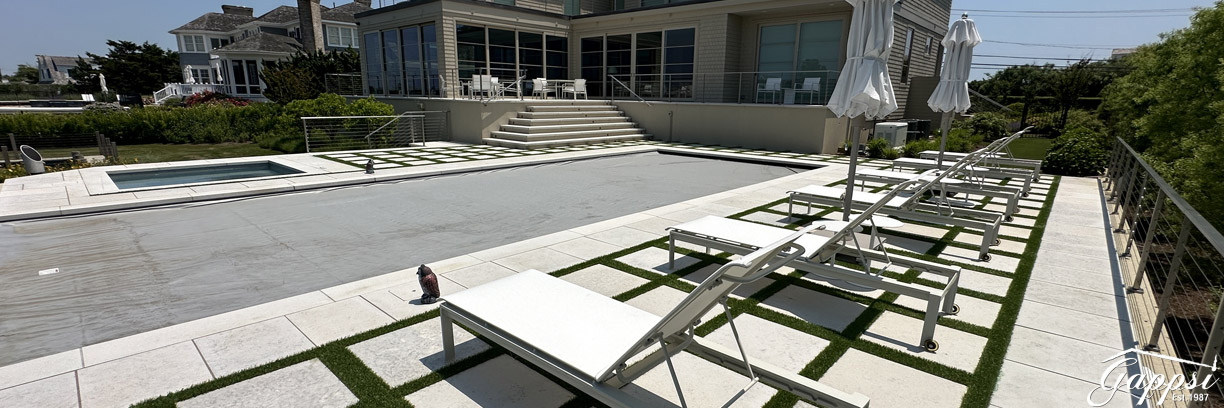
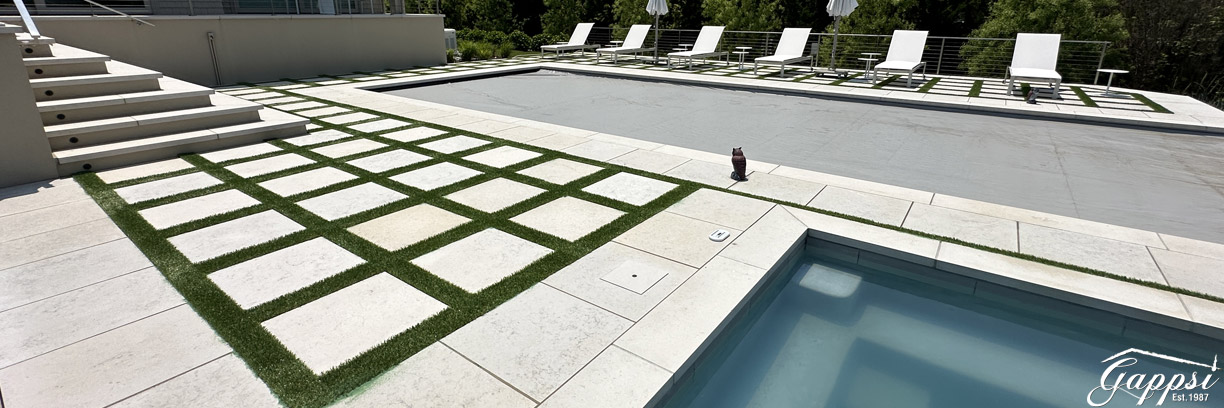
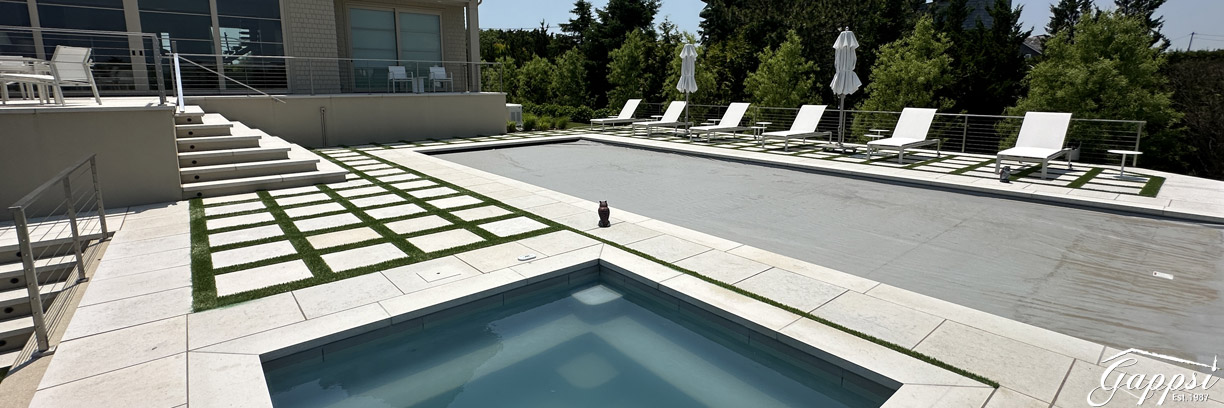
sandblasted-marble-pavers-with-synthetic-turfSandblasted Marble Pavers with Synthetic Turf in East Quogue NY.  Marble’s unrivaled beauty and elegance may be its most significant benefit as a paver.  Gappsi installed synthetic turf strips to border the sandblasted marble tiles installed around this gunite pool in East Quogue NY.  The sandblasted finish is highly slip-resistant and perfect for wet slippery areas like the pool deck and surrounding areas.  Sandblasted marble pavers are extremely durable and can withstand extreme temperatures, making them ideal for outdoor use in any climate. These pavers are also easy to clean and maintain and come in a variety of sizes, shapes, and colors to fit any design. Gappsi’s natural stone collection of marble pavers will give your outdoor space a timeless and elegant look that you and your guests will enjoy for years to come.

Synthetic Turf and Silica Sand Infill

In our recent application using sandblasted marble pavers with synthetic turf, Gappsi used a recycled concrete base between the marble paver tiles, and synthetic turf nailed to the base.  We used green infill on the synthetic turf.  Green silica sand infill elevates your synthetic turf performance with premium material for enhanced durability. 

Turf infill is those tiny bits of material sprinkling between the artificial grass blades. For example, if the edges are similar to blades of grass, then infill is the dirt for the turf.  Adding silica sand infill helps your faux grass blades stand up and keep their real look in high-traffic areas. The silica sand infill also gives you the feel of walking on real grass by emulating the impact absorption qualities of soil. It helps weigh down the imitation turf and helps keep the artificial grass from getting wrinkles or ripples caused by movement. Microban is an antimicrobial product that helps prevent the growth of mold and mildew. It’s non-toxic, so it’s also safe for kids and pets.

Synthetic Turf Low Maintenance Design

Artificial turf can save money, requires minimal repairs, and requires no watering, mowing, fertilizing, or weed prevention. Synthetic turf strips between pavers are a growing trend that can enhance your outdoor living area immediately.  Turf strips between pavers or slabs add a more inviting feel to landscaping by adding design elements that are easy to maintain and care for. It’s an aesthetically pleasing natural lawn alternative and looks great year-round without the need for watering or maintenance.
sandblasted-marble-pavers-with-synthetic-turf1

Elevate Your Yard with Synthetic Turf

Synthetic turf can accentuate your patio, deck, or pool with other design elements. However, it is not just for gardens or backyards. With different textures and colors, synthetic grass can be used to enhance nearly any space. It can be cut into strips or given curved edges to fit your existing landscape design.

To make a patio space with pavers, the artificial grass needs to be cut around the spacing of the concrete pavers or slabs. Alternatively, artificial grass can be cut into strips and installed between the spaces. Depending on the homeowner’s preference, the strips or sections can be completely flush with the slab tops or raised to provide a fluffy overspill.

It’s also a great choice because it is environmentally friendly, safe for the whole family, easy to care for, and non-slip. Because of its great aesthetics and functional capabilities, there’s also a lot of versatility in how and where you can lay it.

Why are Marble Pavers the Preferred Paver Choice Around Pools?

Marble pavers are the preferred choice because they have a high resistance to weather elements, including UV rays and temperature variations. Marble pavers have excellent strength and durability, capable of handling heavy foot traffic and vehicular loads. Additionally, they have a long lifespan when properly installed and maintained.

Durability: Being a natural stone, marble has a strong and durable structure. It is resistant to scratches, wear, and high temperatures. With proper maintenance and care, marble can retain its beauty for many years.

Workability: Marble is a malleable material that can be easily shaped.
sandblasted-marble-pavers-with-synthetic-turf2Is Marble Good for Outdoor Paving?

Marble can create an exquisite paved area in your garden and pool deck surrounding area.  Its unique design patterns and stunning colors make it stand out. Don’t be fooled by its elegant and beautiful appearance.  Marble is also a very durable base, which can withstand heavy objects, constant movement, and the elements of NY weather

Why Do People Want Marble?

Unlike some other flooring types, marble is timeless and will still look as beautiful 15 years down the road as it does today. It’s a natural material that offers a multitude of textures, colors, and patterns. Because of marble’s luxurious appearance, it can add significant value to a home.

Selecting Natural Stones For Around Your Pool

The correct stone can create a natural, beautiful, lifelong finish around any swimming pool. However, not all stone should be used around a swimming pool and it is almost impossible to tell suitability just by looking at a piece on display.

At Gappsi we have focused our selection process for all outdoor stones around a combination of critical characteristics:

  • Salt Resistance
  • Slip Resistance
  • Abrasion resistance
  • Wear resistance
  • Compressive strength
  • Porosity
  • Geological structure
  • Chemical makeup

Building a luxury swimming pool is a lifetime investment for your family and home in general. It is wise to choose the best natural stone paver that can provide the much-needed aesthetic, longevity, and durability that fits your lifestyle. Your selection of stone pavers should give you value for your money both on a short-term and long-term basis. For more inquiries about premium natural stone pavers for luxury pools, contact Gappsi today at 631-543-1177. This is the latest backyard project done by Gappsi in East Quogue NY. 

Planning Your Driveway Installation in East Quogue

A new driveway is more than just a place to park your car; it’s the welcome mat to your home. It sets the first impression and can significantly impact your property’s curb appeal. Planning your installation in East Quogue starts with understanding that this is a major home improvement project. The key to a driveway that looks great and lasts for decades is choosing the right materials and, just as importantly, the right team for the job. A professional contractor will guide you through material selection, explain the full installation process, and manage everything from excavation to the final finishing touches. This initial planning phase is your opportunity to define your vision, set a realistic budget, and ask all the important questions before any ground is broken. Taking the time to plan properly ensures the final result not only meets but exceeds your expectations for your home.

Before you get too far into dreaming about materials and designs, it’s wise to think about the practical aspects of your project. Consider the size and shape of the driveway, how it will connect to your home and the street, and any potential challenges like slopes or drainage issues. A well-thought-out plan addresses these factors from the start. For instance, expert contractors in East Quogue can provide solutions for water runoff to protect both your new driveway and your home’s foundation. By partnering with an experienced company, you gain access to their expertise in navigating these details, ensuring a smooth process from start to finish. This foundational step helps you build a clear roadmap for a successful and stress-free driveway installation that will serve your family well for years to come.

Exploring Driveway Material Options

Choosing the right material for your driveway is one of the most exciting parts of the planning process. Your decision will influence the look, longevity, and maintenance needs of your new installation. The three most common options for Long Island homes are asphalt, concrete, and pavers. Each has its own unique set of benefits and aesthetic qualities. Asphalt offers a classic, seamless blacktop look, while concrete provides a clean, durable surface that can be customized with different finishes. Pavers, available in a vast array of materials like concrete, brick, and natural stone, offer unparalleled design flexibility and a high-end appearance. Understanding the characteristics of each option will help you select the perfect material to complement your home’s style and fit your lifestyle. It’s about finding the perfect balance between beauty, durability, and your budget.

Asphalt Driveways

Asphalt is a popular and often cost-effective choice for driveways. It provides a smooth, dark surface that is flexible and less prone to cracking from frost heave during Long Island’s cold winters. One of the main advantages of asphalt is its resilience in colder climates; it also absorbs heat, which helps melt snow and ice a bit faster. With proper installation and regular maintenance, such as sealcoating every few years, an asphalt driveway can last between 15 and 20 years. It’s a practical option that delivers a clean, uniform look while standing up to the demands of daily use and seasonal weather changes, making it a reliable choice for many homeowners in East Quogue.

Concrete Driveways

If you’re looking for incredible longevity, a concrete driveway is an excellent investment. Known for its strength and durability, a professionally installed concrete driveway can last for decades, sometimes even over 100 years with the right care. It offers a bright, clean appearance that can be customized with various finishes, from a traditional broom finish to more decorative stamped patterns that mimic stone or brick. While the initial cost may be higher than asphalt, its long lifespan and minimal maintenance requirements can make it more economical over time. Concrete provides a rigid, strong surface that can handle heavy vehicles and creates a polished, modern look for your home’s entrance.

Paver and Natural Stone Driveways

For homeowners who want to make a statement, paver and natural stone driveways offer unmatched beauty and design potential. Pavers can be arranged in stunning patterns, from classic herringbone to intricate circular designs, adding a touch of elegance and significantly increasing your property’s value. One of the biggest advantages of pavers is their repairability; if a single paver cracks or becomes stained, it can be replaced without redoing the entire driveway. Materials range from durable concrete pavers to luxurious natural stones like granite, travertine, and marble. This option allows you to create a truly custom look that perfectly reflects your personal style and enhances your home’s architectural character.

Why Gappsi Recommends Pavers for Long Island Homes

Here on Long Island, we experience a full range of weather, from hot, sunny summers to freezing, snowy winters. That’s why choosing a driveway material that can withstand these elements is so important. At Gappsi, we often recommend natural stone and high-quality pavers because of their exceptional durability and weather resistance. For example, marble pavers are highly resistant to UV rays and extreme temperature shifts, preventing fading and cracking. Pavers also offer a permeable surface option, which can help with drainage during heavy rain. With our extensive collection of porcelain and natural stone, you can achieve a luxurious, timeless look that is built to last through every season Long Island throws at it.

The Driveway Installation Process Explained

Understanding what happens during a driveway installation can make the entire experience feel much more manageable. The process is a systematic construction project that transforms your property, and it all begins long before the final surface is laid. The first step is always a thorough site evaluation and excavation. This involves removing the old driveway, if one exists, along with any soil and debris to create a clean slate. The depth of this excavation is critical, as it makes way for the most important part of the driveway: the base. A professional crew will ensure the area is properly graded for drainage and ready for the foundational layers that will support your driveway for years to come. This careful preparation is the secret to a long-lasting, stable surface, regardless of the material you choose.

Base Preparation: The Foundation of a Lasting Driveway

Think of the base as the hidden hero of your driveway. You’ll never see it, but its quality determines the lifespan and performance of the entire structure. After excavation, a thick layer of crushed stone or gravel is spread and compacted to create a solid, stable foundation. A proper base, often around 10 inches deep, is designed to distribute the weight of vehicles evenly and prevent the surface from sinking, shifting, or cracking over time. This step is especially crucial in our climate, as it helps manage the effects of ground freezing and thawing. Skipping or rushing this stage is a recipe for future problems, which is why a reputable contractor will always prioritize creating a robust and well-compacted base.

Installation Timelines and Material Thickness

The timeline for your driveway installation can vary depending on several factors, including the material you choose, the size of the project, and, of course, the weather. A simple asphalt driveway might be completed in a few days, while a complex paver design could take a week or more. Your contractor should provide a clear schedule upfront. The thickness of the material itself is also a key consideration. For a standard residential driveway, a certain thickness of asphalt or concrete is required to handle cars and SUVs. However, if you have heavier vehicles like an RV or a large truck, your contractor may recommend a thicker application and a deeper base to provide the necessary support and prevent damage.

The Importance of Proper Drainage

Water is the number one enemy of any paved surface. Without a proper drainage plan, water can pool on your driveway, seep into the base layer, and cause significant damage over time, from cracks and potholes to major structural failure. A professional installation always includes a strategy for managing water runoff. This might involve carefully grading the driveway to slope away from your home, installing channel drains, or even incorporating a dry well to collect excess water. At Gappsi, our comprehensive approach to masonry and site work ensures that drainage is a top priority, protecting your investment and giving you peace of mind every time it rains.

Understanding Driveway Installation Costs

Figuring out the budget for a new driveway is a top priority for every homeowner. The cost can vary widely, so it’s helpful to understand the factors that contribute to the final price tag. The primary driver of cost is the material you select, with options ranging from budget-friendly asphalt to premium natural stone pavers. The size of your driveway is another major factor; a larger, longer driveway will naturally require more materials and labor. However, the expenses don’t stop there. The total cost also includes site preparation, demolition and removal of an old driveway, labor, and any special features or design elements you choose. Getting a detailed quote that breaks down these costs is essential for comparing bids and making an informed financial decision for your project.

Average Costs by Material

While prices can fluctuate, it’s useful to have a general idea of what to expect. Nationally, driveway paving costs typically range from $3 to $15 per square foot. Asphalt is generally the most affordable option, falling on the lower end of that spectrum. Poured concrete is usually in the mid-range, offering a balance of cost and extreme durability. Paver driveways, including both concrete and natural stone options, tend to be at the higher end of the price range due to the higher material costs and the more intensive labor required for installation. These figures are a starting point, and a local contractor can give you a precise estimate based on your specific project in East Quogue.

Additional Factors Affecting Your Budget

Beyond the square footage and material choice, several other elements can influence your total budget. The condition of your existing site plays a big role; if significant excavation or grading is needed to ensure proper drainage, this will add to the cost. The complexity of the design also matters. A simple, straight driveway will be less expensive than one with curves, multiple colors, or intricate paver patterns. Finally, remember that the quality of the contractor is just as important as the quality of the material. While it might be tempting to go with the lowest bid, a well-established company with a proven track record provides value that can save you from costly repairs in the future.

Permits and Complex Designs

Don’t forget to account for administrative and design-related costs. Many municipalities, including those in the Town of Southampton, may require a permit for driveway installation, especially if you are creating a new curb cut or altering drainage. These permits come with fees and can add time to your project schedule. Additionally, if you opt for a high-end design with custom borders, inlays, or a mix of materials, the labor costs will increase. These intricate designs require more time, skill, and precision from the installation crew. While these elements can create a stunning result, it’s important to factor them into your budget from the beginning to avoid any surprises.

Driveway Maintenance and Long-Term Care

Once your beautiful new driveway is installed, a little bit of care will go a long way in keeping it looking and performing its best. Every driveway material requires some form of maintenance to maximize its lifespan and protect your investment. For some materials, this might mean regular cleaning and sealing, while for others, it could involve occasional repairs to small cracks or individual pavers. Proactive maintenance not only preserves the appearance of your driveway but also helps prevent small issues from turning into large, expensive problems. Establishing a simple care routine from the beginning will ensure your driveway remains a point of pride for your home for many years to come.

Sealcoating and General Upkeep

For asphalt driveways, sealcoating is the most important maintenance task. Applying a sealant every two to three years helps protect the surface from UV rays, water penetration, and oil spills, while also restoring its rich, black color. For concrete and paver driveways, sealing is also recommended to protect against stains and weather damage. At Gappsi, our restoration and sealing services can protect your investment and keep it looking new. Beyond sealing, general upkeep includes sweeping away debris, treating stains promptly, and keeping the edges clear of overgrown grass or weeds. These simple steps help maintain your driveway’s integrity and curb appeal.

Resurfacing vs. Full Replacement

Over time, you might notice signs of wear and tear. If your driveway has surface-level issues like minor cracks or discoloration but the base is still solid, resurfacing can be a great option. Resurfacing involves adding a new top layer of material, which is a faster and more affordable solution than a full replacement. However, if your driveway has deep cracks, large potholes, or significant drainage problems, these are signs of foundational failure. In these cases, a full replacement is necessary to address the root cause of the problem and ensure a lasting solution. An honest contractor can inspect your driveway and help you decide which approach is right for you.

Safe De-Icing Practices for Your Driveway

During our Long Island winters, keeping your driveway clear of ice is a top priority for safety. However, it’s important to use de-icing products that won’t harm your driveway’s surface. Harsh chemicals, particularly rock salt (sodium chloride), can be corrosive to concrete and certain types of natural stone pavers, causing pitting and scaling over time. Instead, opt for safer alternatives like calcium chloride or magnesium chloride, which are less damaging. Sand is another excellent option for adding traction without using chemicals. Using a plastic shovel instead of a metal one can also help prevent scratches and chips while clearing snow.

Key Advice for Homeowners

Embarking on a driveway installation project is a significant undertaking, and being well-prepared can make all the difference. As a homeowner, your role is to make informed decisions, and that starts with doing your homework. From selecting a contractor to understanding local regulations, taking a few key steps can help ensure your project runs smoothly and results in a driveway you love. This final piece of advice is all about empowering you with the practical knowledge you need to hire with confidence and protect your investment. By being a proactive and knowledgeable partner in the process, you can help steer your project toward a successful outcome.

Getting Multiple Quotes

One of the most important steps in the hiring process is to get at least three detailed quotes from different contractors. Don’t just look at the bottom-line price; compare the specifics of what each quote includes. Does it detail the depth of the base, the thickness of the surface material, and the plan for drainage? A thorough, written estimate is a sign of a professional and transparent contractor. This process allows you to compare apples to apples and get a feel for the different companies, helping you find a partner who understands your vision and offers fair value for high-quality work.

How to Vet Your Contractor

Choosing the right contractor is the single most critical decision you will make for your driveway project. Look for a company with a long-standing reputation in the East Quogue area. Verify that they are fully licensed and insured to protect yourself from any liability. Ask for a portfolio of their recent work and a list of local references you can contact. Reading online reviews can also provide insight into their customer service and workmanship. A trustworthy contractor will be happy to provide all of this information and will communicate clearly and professionally from the very first conversation.

Checking Local and HOA Rules

Before you finalize any plans, take a moment to check for any local regulations or Homeowners Association (HOA) rules that might apply to your project. The Town of Southampton may have specific requirements regarding setbacks, materials, or permits for driveway construction. If you live in a community with an HOA, there may be additional guidelines on driveway materials, colors, or designs to maintain a cohesive neighborhood aesthetic. A quick phone call or visit to the local building department and a review of your HOA documents can save you from potential headaches and ensure your new driveway is fully compliant.

Integrating Your Driveway with Landscape Design

Your driveway is a major feature of your front yard, and it should work in harmony with the rest of your landscape. A truly exceptional design considers how the driveway’s lines, materials, and colors connect with walkways, garden beds, and your home’s facade. Think of it as the foundation of your entire outdoor aesthetic. You can use complementary pavers for a connecting walkway, line the driveway with low-maintenance plantings, or add landscape lighting to enhance safety and create a dramatic evening look. Integrating your driveway into a cohesive design creates a polished and intentional feel that elevates your entire property. This holistic approach ensures your new driveway is not just a utility but a beautiful extension of your home.

This is where working with a full-service company can be a huge advantage. Instead of hiring a separate paving company and a landscaper, you can work with one team that sees the big picture. At Gappsi, our expertise extends from driveway installation to comprehensive landscape design and construction. Our team can help you select materials and create a layout that seamlessly blends your new driveway with surrounding plantings, walkways, and even features like retaining walls or entry pillars. This integrated approach ensures every element works together, resulting in a stunning and unified curb appeal that welcomes you home every day. By planning your driveway and landscape together, you create a more beautiful, functional, and valuable outdoor space.

SCHEDULE A MEETING TODAY WITH GAPPSI

View Gappsi’s YouTube Channel for Videos of Sandblasted Marble Pavers with Synthetic Turf | East Quogue NY

https://youtu.be/_iDZBfyAkLI

Frequently Asked Questions

How long will my driveway installation take from start to finish? The timeline for a new driveway really depends on the material you choose and the complexity of the job. A straightforward asphalt driveway might only take a few days, while an intricate paver design could take a week or more. The process includes excavation, base preparation, and installation, so weather can also play a role. Your contractor should give you a clear and realistic schedule before any work begins.

With Long Island’s weather, what’s the most durable driveway material? For our freeze-thaw cycles, pavers are an excellent choice because of their strength and flexibility. Unlike a solid slab of concrete or asphalt, individual pavers can shift slightly with the ground, which reduces the risk of widespread cracking. High-quality natural stone and concrete pavers are designed to withstand the elements, from summer sun to winter ice, making them a fantastic long-term investment for any Long Island home.

You mentioned the base is important. Why does it matter so much? The base is truly the foundation of your entire driveway, even though you’ll never see it. A deep, well-compacted layer of gravel creates a stable platform that distributes the weight of vehicles and prevents the surface from sinking or developing low spots. It also allows for proper drainage, which is critical for preventing damage from water and ice. A solid base is the secret to a driveway that lasts for decades instead of just a few years.

How much upkeep does a paver driveway really need compared to asphalt? While no driveway is completely maintenance-free, pavers are surprisingly easy to care for. Unlike asphalt that needs regular sealcoating every few years to prevent cracking, pavers just need occasional cleaning. Applying a sealant to pavers is a good idea to protect them from stains, but it’s not as frequent a requirement. Plus, if one paver ever gets damaged, you can replace just that single stone instead of having to patch or resurface the entire driveway.

Can I combine different materials, like the pavers and turf you showed, for my driveway? Absolutely. Mixing materials is a wonderful way to create a custom look that complements your home and landscape. Using synthetic turf strips between large stone pavers, for example, can soften the appearance of a large paved area and add a unique design element. You can also use contrasting paver styles to create borders or decorative inlays. A design-focused team can help you explore all the possibilities to create a driveway that is both functional and beautiful.

Key Takeaways

  • Choose materials for beauty and resilience: Select a driveway material, like natural stone or pavers, that not only complements your home’s style but is also proven to withstand Long Island’s diverse weather, from summer heat to winter freezes.
  • A lasting driveway starts with a solid base: The secret to a driveway that won’t crack or sink is a properly excavated, compacted, and well-drained foundation; this unseen layer is more important than the surface you see every day.
  • Do your homework before hiring a contractor: Protect your investment by getting multiple detailed quotes, verifying your contractor’s license and insurance, and checking local regulations before any work begins.

Related Articles

Share this page:

Natural Stones Add More Curb Appeal & Elegance

 Natural-Stones-Add-More-Curb-Appeal-&-EleganceDecorativeMailboxPost

Did you know Natural Stones Add More Curb Appeal & Elegance?  When it comes to curb appeal, the value of the stone is both aesthetic and practical. Well-manicured landscapes, pleasing cladding, and paint colors, as well as clean drives and walkways, exude tidiness.  The uniformity created is appealing to homeowners, passersby, and potential buyers.

With natural stone, it’s possible to give your home a makeover that will look beautiful and last for years to come. From pathways to windowsills, walkways, and more, architectural natural stone offers a low-maintenance way of maximizing curb appeal and increasing home value.

Limestone Veneers

Limestone veneer is a natural stone, cut thinner to function as a lightweight decorative covering over other building materials. The material — and its effect — is timeless. If your design goals include cost-effectiveness and elegance, it might be the texture you’ve been searching for. Plus, there are plenty of ways to use it. From skirting and cladding to trim and accents,

Limestone pavers and flagstone walkways add dimension, texture, and form to landscaping. Severe weather and heavy traffic leave a marginal impact on natural stone, which is long-lasting and less prone to fissures and cracks. Not only is natural stone aesthetically pleasing, but it also averages about 3% less water absorption than concrete, lowering the risk of algae and staining.

Natural Stone Driveways

While the oldest driveway stone is the classic cobblestone that’s synonymous with old-world charm, today’s homeowners aren’t relegated to a single choice when it comes to driveway appeal. Granite, bluestone, flagstone, sandstone, slate, travertine, and limestone pavers are available in a variety of colors and textures that complement the traditional and contemporary architecture.

Add Stone Veneers To The Facade

More durable than aluminum and vinyl, a natural stone accent on a house exterior can add warmth and liven up an entranceway or outdoor wall with texture and character. The good news is that stone veneer can be easily applied over concrete blocks, brick, or stucco, so revamping an outdated exterior is simply free from hassle.

The main type of stone siding includes veneer, solid stone, manufactured stone, and faux stone. Many homeowners create striking and beautiful contrasts by combining brick or painted walls and stone. It’s even possible to upgrade a chimney with natural stone caps, adding appeal to your home’s roofline.

Decorative Mailbox Post

Even the smallest items in a yard can positively influence a home’s curb appeal. Grace your front yard with a mailbox post made of stone. The structure makes a beautiful, decorative addition to the landscape. Homeowners who are timid about incorporating stone veneers into their exterior design can start with small items like a mailbox that, though relatively small, can have a huge impact on the yard’s appeal.

Granite Lamppost

Granite lamp posts are great for providing ambiance and illuminating the front yard at night. During the day they stand tall and beautify the home’s exterior. Granite is an eye-catching and durable alternative to wood or iron.  It is better able to endure severe weather; you will enjoy your granite lamp post for many years.

Natural-Stones-Add-More-Curb-Appeal-&-Elegance1Manufactured Masonry Stone vs Natural Stone

Masonry stone can be made from natural veneers or manufactured veneers. In the case of natural stone veneer, rock is quarried from the earth.  It is then sliced into thin layers, then finished accordingly to whatever look is desired. Manufactured stone veneer, as the name suggests, is man-made. Often, manufactured stone veneer is made using concrete and aggregate materials. They are designed to look like natural stones, taking on similar colors and textures.

  • How Is The Appearance Of The Stones?

Although manufactured stone veneer is made to look like natural stone, and there are varying colors and profiles to choose from, upon closer inspection, manufactured stone veneer cannot truly mimic natural stone veneer. Natural stones will have pronounced variations that make them unique. While manufactured stone veneer will still give a beautiful finished product, the rich natural color depth, texture, as well as feel of the natural stone give it an unmatched appeal.

  • Strength and Durability

Both natural stone veneer and manufactured stone veneer will last long-term. However, the natural stone veneer will ultimately stand the test of time better than any man-made product. Manufactured stone veneer can be more porous than natural stone veneer, giving it a more limited lifespan than a natural stone veneer.

  • Versatility

Natural and manufactured stone veneer products are both versatile.  Also, there can be limitations on where they may be installed. For example, if you want to do stonework around a pool, consider natural stone products first.  This is because the chlorine may discolor manufactured stone veneer products or affect their structural integrity over time. Natural stone also tends to be better suited for building exteriors as they are hardier against the elements. That said, natural stone is often heavier and denser than its manufactured stone veneer counterparts. Manufactured stone veneer tends to be lighter than natural stone and can be used on many types of surfaces that do not need to be structural.

  • Natural Stone Cost vs Manufactured Stone

As the technology for making stone veneers have improved, the cost of the product has risen while natural stone costs have fallen somewhat in recent years. There is no longer a large gap between the costs of natural stone veneer and man-made products, though manufactured stone veneer tends to have the cost advantage more often than not. In terms of up keep, however, natural stone tends to cost less, being a hardier product that can easily endure a power washer better than man-made stone.

Front Entrance With Natural Limestone Dix Hills NY

This front yard was rebuilt for a home in Dix Hills NY. We created an all-new front door entrance with new stairs and new columns for the lights.  The retaining walls helped maintain the landscape and the grade changes in the properties. Gappsi also veneered the bottom part of the house with the same Eldorado Cultured Stone veneers to match the front door entrance. G44 limestone French pattern and two-inch copings were used for the steps, treads, and platform paving. This leads to the front door and also to the backyard. In addition, the front walls were also veneered with Eldorado Cultured Stones. We landscaped the entire front, another stone creation by Gappsi. 

SCHEDULE A MEETING TODAY WITH GAPPSI

View Gappsi’s YouTube Channel For Videos On Natural Limestone


Share this page:

5 Reasons to Use Marble Pavers Around Your Pool

Let’s address the first question that probably comes to mind: “Isn’t marble too slippery for a pool deck?” It’s a common misconception, but one that’s easily cleared up. The polished marble used for indoor flooring is not the same product used for outdoor patios. The secret is in the finish. Outdoor marble pavers around pool areas are typically tumbled or sandblasted to create a textured surface with fantastic grip. Beyond being surprisingly safe, marble also stays remarkably cool to the touch on hot days and is incredibly durable. This guide will explore how this timeless material defies expectations, proving to be one of the most practical and luxurious choices for your backyard.

Marble-Pavers-For-Pool-Coping-And-PatioMarble Pavers For Pool Coping And Patio are one of the most preferred materials for the outdoors in homes.  Marble is timeless and when used it elevates a home’s status, value, and overall appeal. This stone paver comes in different colors, patterns, and shades suitable for any application. Homeowners prefer marble pavers for their driveways and pool decks.  This is for very good reasons that go beyond mere looks. Reputable suppliers like Gappsi provide the pavers with a tumbled finish for extra grip and a non-glossy surface that is perfect for outdoor pool areas.

Safety Is First For Pool Coping And Patio Areas

Safety is one of the reasons why marble pavers are ideal for driveways and pool decks. These places are prone to much foot and vehicular traffic.  It makes sense in high-traffic areas to ensure they are not slippery, even when wet. Tumbled marble pavers are able to cater to that.  At the same time, the material enhances the beauty of those places making them look more opulent as well as inviting. The density of the rock makes it capable of withstanding heavy vehicles, too.

Marble Paver Advantages

Gappsi highly recommends sealing our strongest sandblasted marbles for enhancement, but most importantly to resist stains or fading.

Marble pavers resist bacteria, preventing any harmful elements from thriving in the pool area. Tumbled marble pavers provide a strong grip to prevent slipping and falling incidents.

Since ancient times, artists have been using marble for creating sculptures not just because of the beauty of this material but also because of its durability. When you use marble pavers, you don’t have to worry about changing them for the years to come. Indeed, it is a great investment.

Marble-Pavers-For-Pool-Coping-And-Patio1Pool Covers For Safety And Efficiency

Gappsi retractable pool covers are opaque and completely block out sunlight while the pool is closed. Sunlight exposure makes sanitizing chemicals like chlorine break down more quickly in the water, as well as contributes to the growth of algae.

Building a New Pool or Have an Existing pool? Does your pool qualify for an automatic pool cover based on your pool shape and layout?

  • New Build – Yes ✔ If you are building a new pool, you can incorporate an automatic pool cover into your build.
  • Existing Pool – Maybe? It will depend on your pool’s shape and deck layout.
  • Saves you 70% in Pool Operating Costs
  • Cuts Filter and Pump Times
  • Cuts Evaporation up to 98%
  • Adds 5 – 15 Degrees of Solar Heat (*With A Dark Colored Cover*)

Gappsi offers the greatest safety you can have around your swimming pool with our automatic pool covers. These covers automatically open and close your pool with a simple touch of a button.

Marble-Pavers-For-Pool-Coping-And-Patio2Pool Cover Maintenance Tips

♦  TIP 1: KEEP WATER & DEBRIS OFF YOUR POOL COVER Our first tip for auto pool cover maintenance is to clear the cover of any debris before uncovering your pool. You can do this either by hand, if you’re able to reach it, or with a garden hose. Never use something stronger than a garden hose, such as a power sprayer, because you risk tearing your cover. If there’s a significant amount of rainwater on top of your cover, your pump will do an efficient job of removing it.

♦  TIP 2: UNCOVER YOUR POOL DAILY In the summer months, it’s likely you’re using your pool often so it’s being uncovered on a daily basis. If you aren’t using your pool often, it is still a good idea to uncover your pool daily for a couple of hours, especially if you’ve just added chemicals.

This is an important part of cover maintenance because gasses created by the pool chemicals need to escape in order for the water to be safe to swim in.

♦  TIP 3: INSPECT TRACKS BUT LEAVE IT TO THE EXPERTS AT GAPPSI We recommend during auto pool cover maintenance keep an eye on the cover tracks. Leave any major issues to the experts at Gappsi, but if you’re able to catch something small early on, it’s usually an easy fix.

Visually look to see if the cover is running straight. If it’s not, reverse the direction and run it approximately 5’-10’, then proceed to run it back in the direction you intended to go.

♦  TIP 4: GET INSPECTED ANNUALLY Pool cover maintenance really does not require a lot, as long as you’re getting it inspected on a regular basis. It is recommended to get your cover inspected once a year. Whether you choose to get it inspected at the beginning of the summer, or at the end is up to you.

Marble Pavers For Pool Coping And Patio In Merrick NY

Gappsi installed a 16 x 36 vinyl liner pool with concrete walls in Merrick NY. The pool is equipped with an auto cover and a fiberglass slide. We installed G039 marble pavers selected from the Gappsi Natural Stone Collection. The client chose a French Pattern for the patio with 2-inch thick 12 x 24 coping for the pool. The pool was installed with stadium stairs in the shallow end and stairs at the bottom.  In addition, we used a textured vinyl liner. The pool area included a pavilion we built 14×16 finished with vinyl and Azek trims.  For safety precautions, we installed a black aluminum pool code fence.  This separated the pool area from the grass. A row of evergreens and herbivores evergreens along the fence were added for future privacy. Our clients are very happy.

SCHEDULE A MEETING TODAY WITH GAPPSI

What Are Marble Pavers?

When you think of marble, you might picture grand statues or elegant countertops, but this beautiful material is also an exceptional choice for outdoor spaces. Marble pavers are tiles cut from natural marble, a metamorphic rock formed deep within the Earth under immense heat and pressure. This intense geological process is what gives marble its signature density and strength, making it incredibly durable for areas like patios, walkways, and pool surrounds. The same process also creates the unique veining and subtle color variations that ensure no two pavers are exactly alike, giving your project a truly custom and sophisticated look.

Choosing marble for your outdoor project means you’re selecting a material that has been synonymous with luxury and longevity for centuries. It brings a timeless elegance that can transform a simple backyard into a stunning retreat. At Gappsi, we source a wide variety of high-quality natural stone pavers, and our marble collection is carefully selected to provide Long Island homeowners with durable, beautiful options that stand the test of time. Whether you envision a classic white patio or a deck with soft, earthy tones, there’s a marble paver to match your vision.

The Geological Strength of Marble

The enduring appeal of marble isn’t just about its looks; it’s rooted in its incredible resilience. For thousands of years, artists and architects have used marble to create masterpieces precisely because of its durability. That same strength makes it a fantastic investment for your home. When you install marble pavers, you are choosing a surface that is naturally resistant to cracking and chipping under the pressures of daily life and harsh weather. You won’t have to think about replacing them for years to come, making it a wise and valuable addition to your property.

Why Choose Marble Pavers for Your Pool Deck?

A pool deck has to do more than just look good—it needs to be safe, comfortable, and able to withstand constant exposure to water and sun. Marble pavers excel in all these areas, making them one of the best choices for surrounding your pool. One of their most celebrated features is their natural resistance to heat. Unlike many other paving materials that can become scorching hot in the summer sun, marble stays remarkably cool to the touch. This means you and your family can comfortably walk around the pool barefoot, even on the hottest Long Island days.

Safety is another primary reason homeowners love marble for their pool areas. While you might think of polished marble as slippery, tumbled marble pavers are finished to have a porous, slightly textured surface. This finish provides an excellent, non-slip grip that helps prevent accidental falls, even when the surface is wet. This combination of luxury aesthetics and practical safety makes it a top-tier material for any swimming pool design. Its durability also means it holds up beautifully against chlorinated or saltwater splashes, ensuring your poolside oasis remains stunning for years of enjoyment.

### Excellent Heat Resistance for Barefoot Comfort One of the biggest perks of a marble pool deck, especially during those hot Long Island summers, is its remarkable heat resistance. Unlike darker pavers or concrete that can become scorching under the sun, marble stays comfortably cool to the touch. This means no more frantic hopping from foot to foot on your way to the pool. You, your family, and your guests can walk around barefoot without a second thought. This quality isn’t just about comfort; it’s a significant safety feature, particularly for households with children who love to run and play around the pool. Choosing a material that naturally resists absorbing heat makes your entire outdoor space more enjoyable and usable throughout the day. ### A Timeless Material Proven by History There’s a reason marble has been the material of choice for sculptors and architects for centuries—it’s incredibly durable. When you choose marble pavers for your pool patio, you’re not just making a design choice; you’re making a long-term investment in your home. This natural stone is built to last, capable of withstanding the elements and the wear and tear of daily life for decades to come. Its inherent strength means you won’t have to worry about replacing it anytime soon. This enduring quality, combined with its classic beauty, ensures that your pool area will remain a stunning and valuable feature of your property for many years. ## Designing Your Dream Pool Patio with Marble Creating the perfect pool patio is about blending beauty with function, and marble pavers offer the best of both worlds. The design possibilities are nearly endless, allowing you to craft a space that perfectly reflects your personal style, whether you envision a modern oasis or a classic European courtyard. The key to a successful design lies in the details: the finish of the stone, the color palette, and the style of the pool coping. Each of these elements plays a crucial role in the final look and feel of your patio. While marble is celebrated for its luxurious appearance, it’s also a practical powerhouse. It’s strong, durable, and when properly finished, offers a non-slip surface ideal for wet areas. Navigating these choices can feel like a big task, but you don’t have to do it alone. Working with experienced professionals can make all the difference. At Gappsi, our team of masonry design experts can walk you through every step, from selecting the perfect slab to planning the installation. We help you consider how different finishes will feel underfoot, how various colors will complement your home’s exterior, and which coping style will best frame your pool. Our goal is to help you bring your vision to life, creating a beautiful, safe, and enduring outdoor living space that you’ll love for years. ### Choosing the Right Finish and Texture The finish of your marble pavers is one of the most important decisions you’ll make, as it impacts both the aesthetics and the safety of your pool deck. The texture of the stone’s surface determines how it looks, how it feels, and most importantly, how much grip it provides when wet. A glossy, polished finish might look stunning indoors, but it’s far too slippery for a poolside application. For outdoor spaces, especially around a pool, you’ll want a finish that provides some texture for slip resistance. There are several excellent options, each offering a unique look and feel, from rustic and aged to smooth and contemporary. #### Tumbled and Sandblasted Finishes Tumbled and sandblasted finishes are two of the most popular choices for pool patios because they offer excellent slip resistance. A tumbled finish is created by tumbling the pavers with sand and other abrasives, which softens the edges and creates a weathered, rustic appearance. This process results in a textured surface with a strong grip, making it a very safe option for wet feet. A sandblasted finish uses high-pressure sand to create a finely textured, matte surface that is also highly slip-resistant. Gappsi often recommends these finishes to ensure your pool area is as safe as it is beautiful. #### Honed and Leathered Finishes If you prefer a smoother feel, honed and leathered finishes are fantastic alternatives. A honed finish is sanded to a smooth, matte, or satin-like surface without any reflection. It offers a clean, modern look and is less slippery than a polished finish, though it provides less grip than a tumbled one. A leathered finish is a newer option that involves brushing the stone to create a soft, textured sheen that feels wonderful underfoot. While both are beautiful, they are often best used on adjacent patio areas rather than the immediate pool surround to maximize safety. ### Popular Marble Colors and Patterns When people think of marble, they often picture the classic white and grey veining of Carrara. But the world of marble is incredibly diverse, with a stunning spectrum of colors and patterns to choose from. You can find marble in shades of cream, beige, silver, grey, and even subtle blues and greens. The natural veining and mineral deposits within the stone mean that no two pavers are exactly alike, giving your patio a unique, organic character. This variety allows you to select a natural stone that perfectly complements your home’s architecture and your personal taste. #### From Classic Carrara to Tundra Grey Exploring different types of marble can be an exciting part of the design process. Classic choices like Carrara offer timeless elegance with its soft white background and delicate grey veins. For a more dramatic look, Calacatta marble features a whiter base with bolder, more pronounced veining. If you’re leaning toward a more contemporary or neutral palette, Tundra Grey is a popular option, offering beautiful variations of grey and silver. At the Gappsi Store, we showcase a curated collection of high-quality marbles to help you find the perfect stone for your project. ### Selecting the Perfect Pool Coping Pool coping is the material used to cap the edge of your swimming pool shell, and it’s a critical design element. It serves two main purposes: it protects the pool structure and it provides a safe, non-slip edge for swimmers to hold onto and walk on. Marble is an exceptional choice for pool coping because it adds a seamless, luxurious finish that ties the pool directly to the surrounding patio. Its natural slip-resistant properties make it a safe and practical option, helping to prevent falls around the water’s edge while creating a sophisticated, high-end look. #### Bullnose vs. Square Edge Coping The profile of your coping has a big impact on the overall style of your pool. A bullnose edge is rounded and smooth, creating a soft, classic look. This is a very popular choice, especially for families with children, as it eliminates sharp corners. A square or eased edge offers a clean, straight line that provides a more modern and minimalist aesthetic. The right choice really comes down to personal preference and the design style you want to achieve for your outdoor space. #### Choosing the Right Coping Thickness The thickness of your coping contributes to both its durability and its visual presence. For most residential swimming pools, a coping thickness of 1.25 inches is perfectly sufficient and provides a sleek look. However, for pools that see a lot of activity or for a more substantial, robust appearance, you might opt for a thicker coping of 2 inches or more. Our team at Gappsi can help you determine the ideal thickness based on your pool’s design and your family’s needs, ensuring the final result is both beautiful and built to last.

Are Marble Pavers Slippery When Wet?

This is probably the first question that comes to mind when thinking about stone around a pool, and it’s a valid one. The short answer is: it depends on the finish. While polished marble you might see indoors can be slick, outdoor marble pavers are treated differently. At Gappsi, we specifically use tumbled marble pavers for pool areas. This finish creates a more textured, porous surface. As a result, tumbled marble pavers provide a strong grip to prevent slipping and falling incidents, even when they get splashed. This means you get that stunning, high-end look without compromising the safety of your family and guests as they enjoy your swimming pool.

Resistance to Pool Chemicals

A pool environment is tough on materials. Between the chlorinated or salt water, constant moisture, and sun exposure, you need a paver that can hold its own. Marble is a dense, hard-wearing natural stone that stands up well to these elements. Its composition means marble pavers resist bacteria, preventing any harmful elements from thriving in the pool area. When properly sealed, marble also resists staining and degradation from pool chemicals, ensuring your patio looks pristine for years. This durability makes it a practical and beautiful long-term investment for your poolside oasis, requiring minimal upkeep to maintain its classic charm.

How Marble Compares to Other Paver Materials

Choosing the right material for your pool deck is a big decision that impacts the look, feel, and function of your entire outdoor space. While marble is a fantastic option, it’s helpful to see how it stacks up against other popular choices. Every stone has its own unique character and set of benefits. Understanding these differences will help you feel confident that you’re selecting the perfect foundation for your backyard retreat. Let’s look at how marble compares to travertine, another popular choice for pool decks, as well as other natural stones like granite and slate, to see where it truly shines.

Marble vs. Travertine

Marble and travertine are often compared because they can have a similar aesthetic, but they are geologically quite different. Travertine is a sedimentary rock, which means it’s naturally porous. This porosity helps it absorb water quickly and makes it less slippery, which is a great feature for a pool deck. On the other hand, marble is a metamorphic rock, formed under intense heat and pressure, making it much denser and smoother than travertine. This density gives marble its signature elegant and luxurious look. While both are excellent choices, your decision may come down to style preference: travertine for a more rustic, earthy feel, and marble for a refined, classic appearance.

Marble vs. Other Natural Stones like Granite and Slate

When you broaden the comparison to other stones like granite and slate, the differences become even more distinct. Granite is an incredibly hard and durable igneous rock, known for its speckled appearance and resistance to scratches and heat. Slate is a metamorphic rock recognized for its unique layered, or foliated, texture. When it comes to cost, natural stones have different prices. Marble and granite are usually more expensive but last a long time, making them a worthwhile investment. Slate can sometimes be more affordable, but lower-quality slate may flake over time. Marble holds a unique position, offering a blend of sophisticated beauty and proven durability that few other materials can match.

Installation and Maintenance for Lasting Beauty

Once you’ve selected the perfect marble for your project, the next step is ensuring it’s installed correctly. Choosing the right stone is only half the job; it’s very important to have it installed correctly to guarantee its beauty and longevity. A proper installation involves much more than just laying down stones. It requires careful site preparation, establishing a solid base, ensuring proper drainage to prevent water issues, and precise cutting and placement. Following installation, a high-quality sealer should be applied to protect the marble from stains and weathering. This initial effort is what transforms a pallet of beautiful pavers into a stunning, durable patio that will be the centerpiece of your home for decades.

Understanding the Cost of Marble Pavers

It’s true that marble is a premium material, and its price reflects that quality. When planning your budget, it’s helpful to view marble pavers not as a simple cost, but as a long-term investment in your property. As noted, natural stones have different prices. Marble and granite are usually more expensive but last a long time. This upfront investment pays off over the years, as a well-installed marble patio adds significant resale value to your home and requires less frequent replacement than cheaper alternatives. The timeless appeal of marble ensures your outdoor space will never look dated, providing endless enjoyment and a touch of luxury that you’ll appreciate every day.

Why Professional Installation Is Crucial

With a premium material like marble, cutting corners on installation is a mistake that can lead to costly repairs down the road. It’s important to install marble pavers correctly to ensure they last and perform well. That’s why you should hire experienced contractors who know how to work with natural stone. Professionals, like the masonry experts at Gappsi, understand the specific needs of installing stone in the Long Island climate. They account for critical factors like ground settling, freeze-thaw cycles, proper drainage, and choosing the right sealants. A professional installation protects your investment, ensures your patio is safe and level, and guarantees the finished product is as durable as it is beautiful.

Caring For Your Marble Pavers

One of the best things about marble is its durability. With just a little routine care, your beautiful marble pavers will look stunning for years to come. You don’t need a complicated regimen to maintain their classic elegance. Think of it as simple upkeep to protect your investment and keep your outdoor space looking its best. A few basic steps will ensure your patio, pool deck, or driveway continues to be a source of pride and enjoyment. Proper care prevents small issues from becoming bigger problems, preserving the natural beauty of the stone.

Safe and Effective Cleaning Methods

Keeping your marble pavers clean is simpler than you might think. Marble is a dense stone that naturally resists stains, which is a huge plus for areas like driveways or outdoor kitchens. For general cleaning, a simple sweep to remove leaves and debris followed by a rinse with a garden hose is often all you need. For more stubborn dirt, use a pH-neutral stone cleaner and a soft-bristled brush. Just be sure to rinse the area thoroughly with clean water afterward to remove any cleaning solution residue. This gentle approach is the most effective way to maintain your natural stone pavers without causing any harm.

Harsh Chemicals to Avoid

This is incredibly important: never use common household cleaners on your marble pavers. Products containing acid or harsh alkalis, like vinegar, bleach, or ammonia-based cleaners, can cause irreversible damage. These substances can react with the calcium carbonate in the marble, leading to dull spots known as etching. This chemical reaction essentially eats away at the stone’s surface, permanently removing its polish and shine. Always stick to cleaners specifically formulated for natural stone to ensure you are cleaning the surface safely and effectively, preserving its integrity and appearance for the long haul.

How Often to Seal Your Marble Pavers

Sealing your marble pavers is a proactive step that provides a crucial layer of defense against stains, moisture, and weathering. While not always required, it’s highly recommended, especially in high-traffic areas or spaces exposed to potential spills. A good rule of thumb is to have your pavers inspected annually to assess the condition of the sealant. Depending on the amount of sun exposure and foot traffic, you may need to schedule a professional cleaning and sealing every one to three years. This regular maintenance is a small task that pays off by protecting the stone and making your routine cleanings even easier.

View Gappsi’s YouTube Channel For Videos Of Marble Pavers For Pool Coping And Patio

https://youtu.be/QwbHIZt8FDs

Frequently Asked Questions

Are marble pavers really safe and non-slip for a pool area? This is a great question and a very common concern. The slick, polished marble you see in hotel lobbies is completely different from what we use outdoors. For pool decks, we use marble pavers with a special finish, like tumbled or sandblasted. This process creates a slightly textured and porous surface that provides excellent grip, making it a safe and reliable choice for wet feet. You get all the beauty of marble without compromising on safety.

Won’t a marble patio get scorching hot in the summer? You’d be surprised. One of the best features of marble is its natural ability to stay cool, even in direct sunlight. Unlike concrete or darker pavers that can absorb heat and become uncomfortable to walk on, marble reflects a lot of the sun’s rays. This means you and your family can comfortably walk around barefoot on even the hottest Long Island days, which is a huge plus for any pool area.

How does marble hold up against pool chemicals and stains? Marble is a dense and durable natural stone, making it a great match for the poolside environment. It naturally resists bacteria, and when it’s properly sealed, it stands up very well to splashes from chlorinated or saltwater pools. Sealing also provides a protective barrier against potential stains from things like spilled drinks or sunscreen, keeping your patio looking beautiful with minimal fuss.

Is marble a better choice than travertine for a pool deck? Both are fantastic options, but they offer different styles. Travertine has a more porous, rustic look, which is beautiful for an earthy, natural aesthetic. Marble, being denser, provides a more refined and classic elegance. The choice really comes down to the look you want to achieve. If you’re aiming for a sophisticated and timeless design, marble is an unparalleled choice.

How much maintenance do marble pavers actually need? Caring for marble is much simpler than you might think. For routine cleaning, a simple sweep and a rinse with a garden hose usually do the trick. For deeper cleans, you’ll want to use a pH-neutral cleaner made for natural stone and avoid harsh chemicals like bleach or vinegar. We also recommend having the pavers professionally cleaned and resealed every few years to protect the stone and keep it looking its best.

Key Takeaways

  • Choose the right finish for safety and comfort: Outdoor marble pavers are not slippery like their indoor counterparts. A tumbled or sandblasted finish provides excellent grip for wet feet and keeps the stone cool enough for barefoot comfort on hot days.
  • Define your style with custom details: Marble offers a huge range of colors and patterns, so you can find the perfect match for your home. Pay attention to details like the pool coping; a rounded bullnose edge creates a classic feel, while a square edge offers a clean, modern look.
  • Ensure lasting beauty with proper care: Marble is a durable, long-term investment, but professional installation is non-negotiable. Keep it looking its best by using pH-neutral cleaners (never household chemicals like vinegar or bleach) and having it professionally sealed every few years.

Related Articles

Share this page:

Granite Patio And Pool Coping Long Island NY

Granite-Patio-And-Pool-Coping-Long-Island-NY3Granite Patio And Pool Coping Long Island NY give a home timeless beauty and curb appeal!  Perhaps no single factor is more important to the value of your home than its curb appeal. Update your entry with a beautiful set of granite steps and make that all-important first impression.

  • Rough, hand-hewn, or precisely machined, our beautiful granite posts are sure to add character, charm, and strength to any landscape application.
  • Transform your outdoor space into an inspiring place with the addition of granite pavers, patios, and walkways.
  • A memorial bench made of granite is a fitting addition to a favorite remembrance spot at your home, playground, park, or town common to honor the heroes among us.
  • Naturally durable, granite withstands weathering, freeze-thaw cycles, and ice-melting chemicals, unlike wood, brick, or concrete.

At Gappsi we believe in superior granite materials that result in low maintenance and permanence, assuring an outcome your family and community will enjoy for many years to come.

Natural Stone Options

Travertine pavers and other natural stone pavers offer the best longevity of any paver type. Natural stone options include granite, sandstone, slate, limestone, marble, travertine, and bluestone. The color choices are more varied than you might expect.

Whether you desire the clean lines of pattern pavers on your patio or the rustic appearance of irregular stepping stones for your winding garden path, we have the right cut granite and natural stone to suit your tastes. Available in a variety of materials, colors, and textures. Imagination is your only limit.

Granite-Patio-And-Pool-Coping-Long-Island-NY1Granite Paving is the ideal solution for creating modern patios or pathways! If you’re looking for a high-end finish with plenty of style and durability, granite paving stones are a perfect choice! This hard-wearing natural stone paving features a non-slip and scratch-resistant surface that will stay looking its best all throughout the year.

⇒ Durable & Hard-Wearing
⇒ Flamed Or Shotblasted Surface Texture
⇒ Scratch Resistant
⇒ Non-Slip

Granite Paving Stones

As a hard-wearing natural stone, granite slabs are suitable for any area which will see high amounts of footfall.  Due to their durability, non-slip and scratch-resistant properties they are a perfect choice. Well-known for being robust yet stunning, granite pavers are ideal for use on patios, paths, and around pools in any domestic or commercial project. This popular paving material is available in a range of colors to suit any design needs!

Sizes & Colours To Suit Any Project

Natural granite pavers offer a wealth of design opportunities.  They offer a range of sizes and color options available.  You will always be able to find a style to suit the needs of your project! You can choose from a multitude of sizes, from large format pavers to smaller slabs, or a mixed size, which is perfect for random laying to create a unique finish. Color options range from the light and bright Silver Grey Granite, and the mid-grey tones in Blue Black Granite to something a little darker in our Black Granite Paving. The hard-wearing and durable natural stone paving is designed for outdoor use and will stand the test of time even in harsh weather! Our full range of granite is suited for Long Island New York’s climate that will last for decades.

Granite-Patio-And-Pool-Coping-Long-Island-NYSealing Granite Paving

It’s generally advised to seal granite pavers to help prevent any staining.  Sealing also helps to prevent the growth of any moss or algae. You may want to consider sealing your granite slabs, especially if your stone is light in color, as any stains will be more visible. However, sealing is not compulsory and there is a wide range of sealing products available which will provide various results. Some sealants will simply seal and protect, whereas others can be used to enhance the color of your slabs. When sealing your granite patio you will also help to protect against general wear.  For example, fading can sometimes occur over long periods. As for when to apply a sealer, there are no specific guidelines.  Most landscapers and tradespersons will have their own tried and tested methods.

Often people choose to seal their paving slabs before laying them.  This may prevent any staining during the laying process.  Others prefer to leave their stone unsealed for up to a year, allowing the granite to weather naturally before applying a sealant. To learn more about sealing your pavers check out our Paver Cleaning Service.

Natural Colours & Variations

Granite products are entirely natural and will feature variations in color, tone, and pattern. This is a feature of the product and our product images will give a great overview of some of the natural variations you could receive.

Colors will appear more vibrant when wet and subtler prior to installation before the stone has absorbed any moisture.

Gappsi installed this backyard over 10 years ago, and recently sealed the pavers. The granite pavers look just as good as the day they were installed at the customer’s home. This is the benefit of using natural stones for your patio pool copings. We installed a freeform pool with concrete walls and a vinyl liner. For the patio and coping we used Amagansett Granite Pavers selected from the Gappsi natural stone collection. We designed and built the portico and the outdoor kitchen with travertine mocha veneer.  The appliances used were all Delta Appliances and a Summit Refrigerator with a granite countertop. 

SCHEDULE A MEETING TODAY WITH GAPPSI

View Gappsi’s YouTube channel for videos of Granite Patio And Pool Coping Long Island NY


Share this page:

Natural Limestone Patio And Pool Long Island NY

Choosing The Right Stone For A Pool Deck

Natural-Limestone-Patio-And-Pool-Long-Island-NYWhen choosing the right stone such as a natural limestone patio and pool Long Island NY it’s important to embrace some practical and aesthetic considerations.  Whether it’s an elegant light-colored limestone perfect for a hot summer day, a natural fieldstone emulating the feel of a deep woods swimming hole, or reclaimed granite with its timeless weathered beauty, the following points will help in selecting the best stone for a pool deck or patio area.

The Four S’s to Consider

  • Style – The overall appearance of a pool deck and patio may vary depending on style. It could be sophisticated versus a more rustic look and feel.  The sophisticated style generally has clean lines while a rustic style offers an earthy feel and look with more natural, rougher lines.
  • Surface –  The texture of the stone has a big impact on the look as well as the feel of your patio surface.
    • A split face surface, like a reclaimed plank paver, gives a rustic look to the area.
    • A natural cleft surface comes from stones that are split by man along a natural seam in the stone.  This gives the surface an organic feel with a flatter surface compared to a rough split surface.
  • Shapes and Patterns – Stone shapes, whether irregularly shaped or straight edge squares and rectangles, may completely change the design of a pool deck as different design patterns will also,
  • Scale – It is important to think about the size of the stones. Deciding on small, medium, or large stones determine the look and feel of a pool deck area.

PRO TIP: If the deck space is large, consider using larger-sized pieces to give it a grand feeling. Smaller pieces may be used for more intricate patterns and offer a more sophisticated look.

  • Color – Natural stone comes in a variety of colors in addition to color combinations. Deciding on the stone consider if the pool is in direct sunlight for large amounts of time, then a lighter-colored stone would be good to keep the temperature down. Choose a color or color theme that relates to your home, or office building, as well as other stones in the nearby area.

The Right Stone For The Right Condition

A complement to the surrounding landscape, natural stone pool coping is as practical as it is attractive. Natural stone is durable and resists freeze-thaw cycles.

  • Heat Underfoot – Comfortable underfoot is important when choosing a stone for a pool deck and patio. Which type of stone will help to keep the surface cooler? The answer is a stone with less heat absorption. In general, lighter-colored stones have less heat absorption.
  • Freeze-Thaw – If the pool will be located in a freeze-thaw weather zone, be sure to pick a stone with lower water absorption for the pool deck. Granites, basalts, and porphyry top the charts in this category and will hold up to all weather conditions. We have also hand-picked some freeze-thaw-resistant limestones and sandstones that will work well.
  • Slip Resistance – The last thing you want is a slippery stone for a pool deck and patio. Luckily, adjustments to surface texture and joints can make a huge difference when it comes to creating a slip-resistant deck.

In addition to considering the appearance of the texture, consider the effect it has on the perceived slipperiness of a stone. Man-made surfaces provide excellent grip and some split surfaces tend to be less slippery. In general, stone surfaces with indentations and irregularities provide a better grip.

Natural-Limestone-Patio-And-Pool-Long-Island-NY3WIDE JOINTS VS MANY JOINTS

Wide joints between pavers or joints that have grass or other vegetation growing between them make the overall pool deck surface less slippery.

When there are many joints, your feet are always touching multiple joints which helps you naturally grip the surface and it is, therefore, more slip-resistant.

Pool Deck Materials We LOVE at Gappsi

Limestone – The luxurious feel and look of limestone make it a great choice for a pool deck.

Sandstone – A sedimentary rock composed of sand-size grains of mineral, rock, or organic material. Many sandstone materials are great for pool decks as their split surfaces are naturally slip-resistant. Colors range from beige to brown to gray-blue.

Granite – A coarse-grained igneous rock, granite has a high content of quartz and feldspar giving it a speckled appearance. One of the most durable quarried stones from around the world, granite is nearly always massive, hard, and tough.

Bluestone – Bluestone is actually a sandstone with a deep blue color but also appears with other hues such as shades of gray and brown. Bluestone is known for its advantageous price point. Natural cleft bluestone is quite slip-resistant.

Travertine – A form of limestone deposited by mineral springs, especially hot springs. Travertine often has a fibrous or concentric appearance and exists in white, tan, cream-colored, and even rusty varieties.

Marble – Marble can have beautiful pattern movement within the stone and comes in a wide variety of colors from white to salmon to gray, blue, green, and black.

Natural-Limestone-Patio-And-Pool-Long-Island-NY2Limestone Patio And Pool Long Island NY

Kidney-shaped gunite swimming pools remodeled in Center Island NY. We installed new stairs across the shallow area and porcelain tiles in the water line. The pool was totally remodeled with new plumbing and a new finish. We used super blue diamond bright and tile markers on the edge of the steps. The patio consists of G44 limestone in a french pattern and two inches of G044 Marble Limestone all selected from the Gappsi natural stone collection. Very beautiful property, a very beautiful setting. The latest gunite remodels by Gappsi.

SCHEDULE A MEETING TODAY WITH GAPPSI
VIEW OUR VIDEO OF A NATURAL LIMESTONE PATIO AND POOL LONG ISLAND NY


Share this page: