


When you picture a fence, what comes to mind? For many, it’s a simple, purely functional barrier. But your home’s enclosure can be so much more—it can be a statement piece that complements your architecture. If you value clean lines and a modern aesthetic, an aluminum fence is the perfect choice to frame your property. Unlike bulkier materials, it provides security and definition without obstructing views, creating a sense of open, sophisticated space. With a variety of sleek styles and durable finishes available, you can design a fence that acts as a true architectural feature, enhancing your home’s character and making a lasting impression.
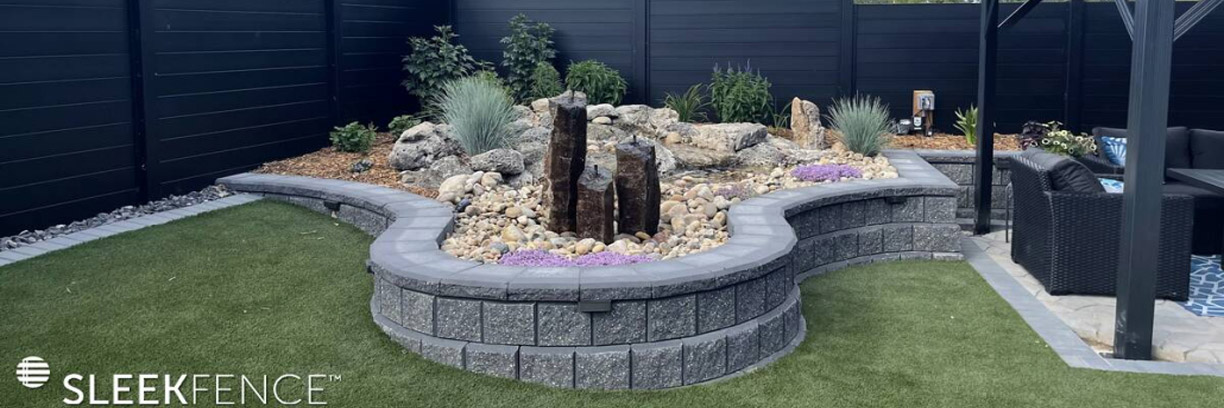 SLEEKFENCE™ aluminum fence is for designers and discerning homeowners who want to make their fence a feature, and a statement that lasts for a long time. Aluminum fences are a great alternative to composite or vinyl fencing.
First, find the fence that best fits your property. Your choice of fencing materials enormously impacts your overall fencing project. The materials will affect how much you pay, how the fence looks, how long it lasts, and how much upkeep it requires.
Primarily utilizing high-grade aluminum, our modern fences are found at luxury residences and high-end commercial projects.
SLEEKFENCE™ – made from 100% 6063-T6 Aluminum with a heavy-duty powder coating.
Aluminum is one of the most recycled and recyclable materials available on the market today. Nearly 75% of all aluminum produced in the U.S. is still in use today.
SLEEKFENCE™ Aluminum Fence vs. Composite Fence
Aluminum offers considerable advantages. The most noteworthy one is that it is corrosion-resistant, making it the best choice for coastal places with salty air like the North and South shores of Long Island. Such gate fencing will stay solid and not rust longer than other types. Aluminum is also light but resilient. This material can also be 100% recycled. Aluminum fences are great for manual or low-power automatic gates and fencing in Long Island due to their lightweight. This metal is also less expensive than steel.
Wood fibers and plastic ingredients are usually used for producing composite fences. Because of this, such panels are much lighter than aluminum, steel, and other materials. This factor can significantly reduce the load on load-bearing walls, fasteners, and fence hinge gates of the sub-facing system and reduce its total weight. A composite fence is durable and can withstand weather conditions: hot sun, hail, or snow.
A composite fence does not develop fungus, mold, etc. Composite fences are not subject to termites, unlike gates and wood fences. They are also easy to clean from dust and dirt. They do not require special cleaners.
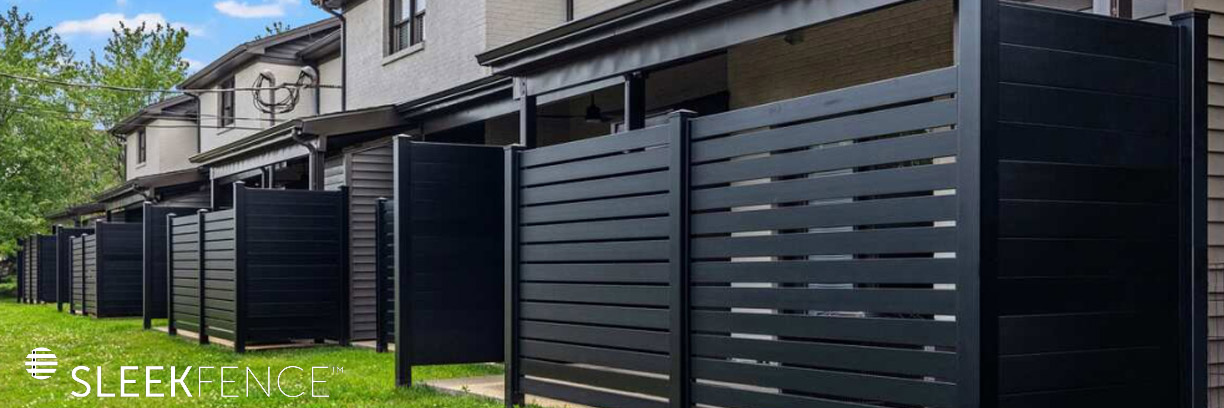 SLEEKFENCE™ Aluminum Fence vs. Vinyl Fence
As with aluminum, the only maintenance your vinyl fence will require is a cleaning a couple of times a year. If we are talking about strength, then aluminum is undeniably stronger, aluminum can dent, but it cannot crack.
Vinyl can be known to crack if the impact is sufficient. Of course, vinyl does not come in dark colors as the pigments required would ultimately fail under UV exposure. This limits colors to light or neutral color options. Aluminum can be powder coated, a durable baked-on finish that withstands the elements and the test of time. For this reason, most luxury contemporary fences are made from aluminum for a lifetime of enjoyment. A vinyl fence requires little to no maintenance; you are only required to clean it at your discretion.
SLEEKFENCE™ Aluminum Fence vs. Wood Fence
A wood fence will usually cost less upfront than an aluminum fence. They require much more maintenance moving forward and will eventually need to be replaced. Wood fences are subject to warping, damage, mold, mildew, and termites. You’ll need to inspect your wood fence annually to ensure that rotten boards are replaced, loose nails are hammered in, and screws are tightened. You will also need to be on the lookout for leaning and wobbly posts. A cedar fence typically needs to be cleaned once every 3-5 years to remove any moss, mold, mildew, dirt, peeling paint, and graying. The fence will also need to be resealed or painted after it has been cleaned.
An aluminum fence would cost more upfront. An aluminum fence requires little to no maintenance; you are required to clean it at your discretion. We recommend you use car wash soap to clean your SLEEKFENCE™, and that will run you about $50-$100 a year. You’ll most likely only need to clean your SLEEKFENCE™ twice a year. The only other materials you’ll need to clean your SLEEKFENCE™ are microfiber rags and a hose.
Durability: Aluminum vs. Wood and Vinyl
Durability is a key factor when it comes to fences. While wood and vinyl fences can be vulnerable to issues like rot, insects, and weather-related damage, aluminum stands strong against these challenges. Its resistance to rust and corrosion makes it a durable choice, even in tough outdoor conditions.
Versatility: Aluminum vs. Wrought Iron and Chain Link
SLEEKFENCE™ Aluminum fences shine when it comes to versatility, especially when compared to wrought iron and chain link options. They offer a similar visual appeal to wrought iron but without the heavy weight and demanding maintenance. On the other hand, while chain link fences might be budget-friendly, they lack the aesthetic charm that aluminum brings to the table.
Low Maintenance: Aluminum vs. Steel and Bamboo
Maintenance requirements can heavily influence your fencing decision. Aluminum fences require minimal upkeep compared to steel, which can be susceptible to rust. Bamboo, while eco-friendly, demands consistent care to prevent deterioration. Aluminum strikes a balance between durability and low maintenance.
Budget Considerations: Aluminum vs. PVC and Composite
Budget is often a significant factor in fencing choices. While PVC and composite fences are cost-effective, they might not offer the same level of durability as aluminum. Aluminum fences provide a good compromise between affordability and long-lasting value.
Aesthetic Appeal: Aluminum vs. Stone and Brick
The visual appeal of a fence is important for enhancing a property’s charm. Stone and brick fences exude classic elegance, while aluminum offers a sleek and modern appearance. With various styles and finishes available, SLEEKFENCE™ aluminum fences allow for personalization to match your preferences.
With so many fence types and materials to choose from making a decision, about which option is the best choice is hard for many homeowners. Often it depends on the size of the yard, the desired maintenance requirements, and the buyer’s budget. Gappsi breaks down three of the most popular fence materials – wood, vinyl, and aluminum – to assist in the installation process.
Whether it’s in an urban, rural, or suburban community, adding a fence around the perimeter of a yard offers incredible benefits to a homeowner’s life. Fences can improve the appearance of a home, increase the resale price of a home, and most importantly add security and privacy to a yard.

View our complete line of fencing including SLEEKFENCE™ Aluminum Fence on our Landscape and Fencing page today and give a Gappsi representative a call to schedule your appointment. 631.543.1177
Exploring Your Aluminum Fence Options
Once you’ve decided on aluminum, the fun part begins: choosing a style that complements your home and meets your needs. Aluminum fencing is incredibly versatile, offering a wide range of designs that go far beyond simple, straight pickets. Whether your home is a modern masterpiece or a classic colonial, there’s an aluminum fence style to match. You can select from various picket arrangements, decorative tops, and overall designs to create a look that’s uniquely yours. It’s all about finding that perfect balance between form and function to enhance your property’s curb appeal while providing the security and definition you’re looking for.
Popular Styles and Designs
Your fence is a major feature of your landscape, so its style should reflect your personal taste and your home’s architecture. Aluminum fencing comes in numerous designs, from simple and traditional to ornate and modern. Some popular styles feature clean lines with flat tops, while others incorporate pressed spear tops for a more classic, wrought-iron look. You can also find designs with alternating picket heights or decorative rings and scrolls that add a touch of elegance. The key is to consider the overall aesthetic you want to achieve. A sleek, minimalist panel can make a bold statement for a contemporary home, while a more detailed design might be the perfect finishing touch for a traditional property.
Privacy, Screen, and Slat-Top Panels
While traditional aluminum fencing is known for its open, airy look, many modern designs offer enhanced privacy. You can find panels with much tighter picket spacing that limit visibility into your yard, creating a semi-private barrier. Full privacy panels, which use interlocking slats, are also becoming more common, providing the seclusion of a wood fence with the durability of aluminum. Another popular option is a slat-top design, which combines a solid base for privacy with a decorative, more open top section. This style offers a great compromise, giving you seclusion where you need it most without completely closing off your yard from the world.
Available Colors and Finishes
Color is one of the easiest ways to customize your aluminum fence and ensure it blends seamlessly with your home and landscape. While classic black remains the most popular choice for its timeless appeal and ability to recede into the background, it’s far from your only option. Modern aluminum fences are also widely available in sophisticated bronze, clean white, and contemporary gray tones. These colors are applied as a durable powder coating, which is baked onto the aluminum. This process creates a finish that’s far more resilient than paint, resisting chipping, peeling, and fading, so your fence will look fantastic for years with minimal upkeep.
Essential Components and Accessories
A complete fencing system is more than just a series of panels. It’s an assembly of carefully chosen components that work together to create a secure and beautiful enclosure. Beyond the main fence panels, you’ll need to consider posts to provide structural support, gates for access, and various hardware pieces to ensure everything functions smoothly. These accessories are not just practical; they also contribute to the final look of your fence. Choosing matching hardware and decorative post caps can tie the entire design together, creating a polished and professional appearance that truly enhances your property.
Posts, Gates, Caps, and Hardware
Let’s break down the key components. Posts are the backbone of your fence, set in the ground to hold the panels securely in place. Gates, which come in various widths for walkways or driveways, provide essential access points. You can choose from different styles, including single-swing gates or larger double-swing options. Post caps are a small but important detail, sitting atop each post to protect it from the elements and add a decorative finish. Finally, high-quality hardware, such as hinges, latches, and drop rods, ensures your gate operates reliably and securely for years to come.
Common Fence and Gate Dimensions
Aluminum fences are available in standard heights that cater to different needs. A 4-foot fence is often perfect for defining property lines and keeping small pets contained without obstructing views. For pool enclosures, a 5-foot or 6-foot fence is typically required to meet local safety codes—a crucial consideration for any homeowner with a swimming pool. Fence panels usually come in 6-foot or 8-foot widths, which affects how many posts you’ll need for your project. Thinking about the primary purpose of your fence will help you select the right dimensions to ensure it’s both effective and proportional to your space.
Leading Manufacturers
When investing in a fence, you want to know you’re getting a quality product from a reputable source. We partner with leading manufacturers who are known for their craftsmanship and durable materials. Brands like SleekFence offer high-end, modern designs perfect for luxury homes, while others like BarrierBoss provide innovative, DIY-friendly systems such as their “Homestead Line.” By working with the best in the industry, we ensure that every fencing project we undertake is built with top-tier materials designed to last, giving you peace of mind and a beautiful, long-lasting addition to your home.
Budgeting for Your Aluminum Fence
Understanding the costs involved is a critical step in planning your fencing project. The total price will depend on several factors, including the style and height of the fence, the total length you need to enclose, and the number of gates you plan to install. While aluminum fencing can have a higher upfront cost compared to some other materials, it’s important to remember its long-term value. With its incredible durability and low-maintenance nature, you’ll save money over time on the repairs and replacements that are common with materials like wood. Creating a clear budget from the start helps you make informed decisions and find an option that fits your finances without compromising on quality.
Typical Price Ranges for Panels and Gates
To give you a general idea, aluminum fence panels can range from around $450 to over $900 each, depending on the style, height, and manufacturer. Gates are typically more expensive due to their construction and the included hardware, with prices often starting around $1,000 and going up to $2,500 or more for larger or more decorative models. Keep in mind that these figures don’t include posts, accessories, or installation labor. The best way to get a precise figure for your specific project is to measure your property and consult with a professional for a detailed quote that covers all materials and installation costs.
How to Manage Project Costs
There are several smart ways to manage the cost of your new fence without sacrificing quality. One effective strategy is to plan your project carefully to minimize waste. Accurate measurements are key! For larger properties, you may be able to take advantage of bulk pricing on materials. You can also consider a simpler, more classic fence style, as highly decorative or privacy-focused designs tend to be more expensive. Another approach is to phase the project, installing the fence in sections as your budget allows. A clear plan and open communication with your installer can help you find the right balance between your vision and your budget.
Bulk Discounts and Shipping Offers
If you have a large area to enclose, it’s worth asking about bulk discounts. Many suppliers offer tiered pricing, meaning the more you buy, the more you save per item. For example, you might receive a 5% discount when purchasing 10 or more panels, which can increase to 10% or even 15% for larger orders of 25 or 50 items. These savings can add up quickly on a big project. Additionally, some companies offer shipping deals or free shipping on large orders, which can significantly reduce the overall cost, especially when dealing with heavy, oversized items like fence panels and posts.
Installation: Professional vs. DIY
Once you’ve chosen your fence, the final step is installation. You generally have two paths: doing it yourself or hiring a professional. The DIY route can be rewarding and save you money on labor, but it requires time, the right tools, and a good amount of patience. Professional installation, on the other hand, ensures the job is done efficiently and correctly, with a polished result that’s built to last. The right choice depends on your skill level, the complexity of your project, and your timeline. It’s important to be realistic about what’s involved before you start digging post holes.
DIY-Friendly Fencing Systems
For the handy homeowner, some aluminum fencing systems are specifically designed for straightforward DIY installation. Brands like BarrierBoss offer kits with easy-to-follow instructions and components that are made to fit together without specialized tools or expertise. These systems often feature panels that slide into pre-routed posts, simplifying the process considerably. If you’re comfortable with tasks like measuring, leveling, and digging, a DIY-friendly fence can be a great weekend project. Just be sure to check local building codes and call 811 to have utility lines marked before you begin any digging.
Working with Professional Installers
For most homeowners, hiring a professional is the best way to guarantee a perfect installation. Experienced installers, like the team at Gappsi, have the expertise to handle any challenges your property might present, from tricky slopes to rocky soil. We ensure that every post is set perfectly plumb and secure, that your fence meets all local regulations (especially for pools), and that the finished product is flawless. A professional masonry and construction company not only saves you time and physical labor but also provides the peace of mind that comes with knowing your investment is installed correctly and safely.
Special Programs for Contractors
One of the benefits of working with an established installation company is our relationship with suppliers. Professionals often have access to contractor programs that provide special pricing and a wider selection of products. This means we can often source high-quality materials more efficiently and sometimes at a better cost than what’s available to the general public. These industry connections ensure we’re using the best components for your project, from the panels and posts right down to the nuts and bolts, resulting in a superior and more durable fence for your home.
Seeing the Product First: Sample Kits
It can be hard to choose a color and finish from a picture on a screen. That’s why getting your hands on a physical sample is a fantastic idea. Many manufacturers offer free or low-cost sample kits that let you see and feel the product in person. You can place the sample in your yard to see how the color looks in different lighting throughout the day and hold it to feel the quality of the material and finish. This simple step can give you the confidence you need to finalize your decision, ensuring the fence you choose is one you’ll love for years to come.
SCHEDULE A MEETING TODAY WITH GAPPSI
Frequently Asked Questions
Why is aluminum a good choice for Long Island’s climate? Aluminum is exceptionally well-suited for our coastal environment. Its natural resistance to corrosion means it won’t rust or degrade, even with the salty air we get on the North and South shores. Unlike wood that can warp from humidity or iron that can rust, an aluminum fence maintains its strength and finish through hot summers, snowy winters, and everything in between.
I want privacy. Isn’t aluminum fencing see-through? While many people picture the traditional, open-picket style, modern aluminum fencing offers excellent privacy options. You can choose designs with much tighter picket spacing to limit visibility, or even select full privacy panels that use interlocking slats for complete seclusion. This gives you the sleek, modern look of aluminum with the same level of privacy you’d expect from a solid wood or vinyl fence.
Aluminum fencing seems more expensive upfront. Is it worth the investment? It’s true that the initial cost can be higher than for a material like wood. However, it’s important to look at the total cost over the life of the fence. Wood fences require regular maintenance like staining, sealing, and replacing warped or rotted boards, which adds up over the years. Aluminum requires almost no upkeep, so you save significant time and money in the long run, making it a smarter financial decision.
What does ‘low maintenance’ for an aluminum fence actually involve? Low maintenance truly means minimal effort on your part. To keep your fence looking its best, you just need to wash it once or twice a year with a simple car wash soap, a soft cloth, and a hose. There is no need for sanding, painting, or sealing, ever. This simple cleaning is all it takes to remove any dirt or pollen and maintain the durable powder-coated finish.
How do I know if I should hire a professional or install the fence myself? A DIY installation can be a great option if you have a perfectly flat yard, the right tools, and experience with similar home projects. However, for most situations, hiring a professional is the better choice. An experienced team can easily handle challenges like sloped ground or rocky soil and will ensure every post is perfectly secure. Most importantly, a professional guarantees your fence meets all local building and pool safety codes, giving you complete peace of mind.
Key Takeaways
- Prioritize Long-Term Value: While aluminum fencing can have a higher initial price tag, its resistance to rust, rot, and weather damage saves you significant money and time on future repairs and replacements common with materials like wood.
- Choose a Style That Complements Your Home: Think of your fence as an extension of your home’s architecture. With a wide variety of modern designs, privacy options, and colors, you can select an aluminum fence that enhances your property’s aesthetic instead of just enclosing it.
- Map Out Your Project from Start to Finish: A successful installation begins with a solid plan. Accurately measure your property, create a realistic budget that includes all components like gates and hardware, and then decide whether a DIY system or professional installation is the right fit for your timeline and skills.
Related Articles
- SLEEKFENCE™ Aluminum Fence vs Composite, Vinyl, Wood, Iron, and Chain Link Fences – Gappsi Group
- Aluminum Composite Vinyl and Wood Fencing on Long Island NY – Gappsi Group
- Sleek Fence Modern Privacy Aluminum Powder Coated | Long Island NY – Gappsi Group
- Composite Fence and Home Remodel | East Islip NY – Gappsi Group
- SLEEKFENCE Modern Contemporary Aluminum Fencing – Gappsi Group