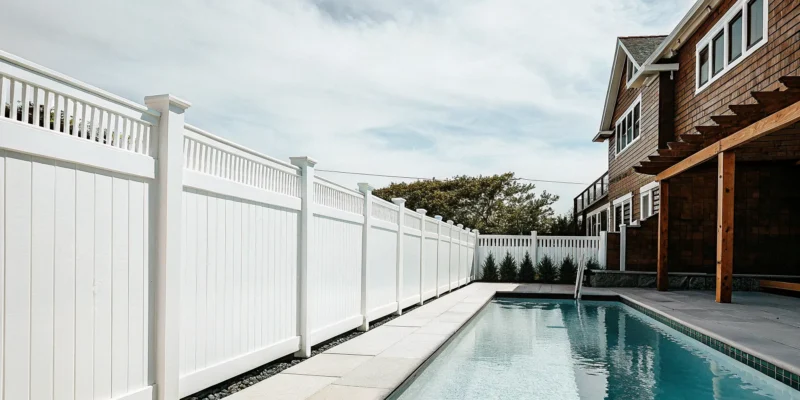
Pool fence beside a paver deck in a Long Island backyard

Pool Fence Options for Long Island: A Local Guide

A pool fence should make the swimming area safer without making the backyard feel closed in. On Long Island, the design also needs to account for New York State requirements. Town or village review, gate hardware, paver edges, drainage, landscaping, and the way your household moves through the property. Choosing the material before mapping those conditions can create avoidable work later.

Call Gappsi at (631) 831-3177 to discuss your Long Island pool fence plan.

The best pool fence for a Long Island home is a code-conscious, four-sided barrier with a self-closing, positive self-latching gate. New York State sets a four-foot baseline, while local rules may add requirements. Material choice should reflect visibility, privacy, maintenance, site grading, gate use, and coordination with the paver deck.

This guide compares mesh, glass, aluminum, vinyl, and ornamental metal. It also explains the local code questions, cost drivers, and design checks that Gappsi reviews with homeowners in Nassau and Suffolk Counties.

What should a Long Island pool fence accomplish?

A Long Island pool fence should separate the pool from the house, yard, and normal routes through the property. The barrier needs a continuous layout, a properly operating gate, and enough clearance for inspection and maintenance. New York State rules provide a starting point, but the responsible town or village building department confirms the complete requirement.

The first goal is access control. The Centers for Disease Control and Prevention recommends four-sided pool fencing that separates the water from the house and uses a self-closing, self-latching gate. A fence that uses the home as one side may not provide the same separation as a complete enclosure. The final layout must account for every route a child, visitor, or pet could take toward the pool.

New York State requires a fence or other barrier at least four feet high around a swimming pool. The state rule also addresses gate closure, positive latching, and latch-handle height. These details matter at the same time as the fence material. An attractive barrier does not meet the practical goal if a gate drags on the deck, fails to close, or leaves the latch difficult to operate.

How should the gate fit daily use?

Place the gate where adults can reach the pool area comfortably while avoiding a direct, uncontrolled route from a back door. Check the swing direction, landing surface, latch clearance, furniture placement, and distance from pool equipment. A paver edge, planter, retaining wall, or landscape growth should not obstruct the gate. The route should remain usable when the deck is wet and when the yard is being maintained.

Review side gates, basement walkouts, patio stairs, and doors from the home before finalizing the fence line. A gate alarm, door alarm, or pool alarm may provide an additional safeguard where required or appropriate. Those devices do not replace a properly planned barrier or active adult supervision. Gappsi can coordinate the fence conversation with a larger swimming pool design and installation plan when the projects are connected.

Why do local rules matter beyond the state baseline?

Nassau and Suffolk properties are reviewed by local building departments as well as New York State. A town or village can apply more restrictive rules for height, openings, setbacks, alarms, permits, materials, or inspections. Confirm the rule for your parcel before purchasing a system or drilling into a completed deck. The New York State fencing regulation is a useful starting point, not a substitute for local approval.

Gappsi can help organize the fence around the pool, hardscape, and landscape plan. The local authority remains responsible for interpreting and approving the code requirements for the property.

Call Gappsi at (631) 831-3177 for a site-specific pool fence and gate review.

Which pool fence materials work with a paver deck?

Mesh, glass, aluminum, vinyl, and ornamental metal can all serve as pool fence materials, but each supports a different combination of visibility, privacy, maintenance, and design character. Aluminum keeps open sightlines, mesh provides removable flexibility, glass preserves views, vinyl adds privacy, and ornamental metal creates a defined architectural edge.

Start with the view from the kitchen, living room, patio, and lawn. Then consider how often the fence will be cleaned, whether seasonal removal is realistic, where the gate will open, and how posts will meet the paver pattern. A small sample can look different when it is repeated around an irregular pool or installed beside a contrasting natural stone border.

Pool fence material comparison for Long Island paver decks
Material Useful characteristics Planning questions
Mesh Light visual presence and removable options for households that need seasonal flexibility. Who will remove, store, and reinstall it? Are sleeves, posts, and the approved use plan consistent?
Aluminum Open sightlines, defined boundaries, and limited painting compared with some metal systems. How will the finish, rail spacing, gate hardware, posts, and paver joints align?
Glass Clear views across the pool area and a visually open deck edge. Can the household keep panels clean? Are splash zones, drainage, and hardware access planned?
Vinyl Privacy-oriented profiles and a surface that does not require frequent painting. Will its larger visual footprint fit corners, transitions, gate clearance, and the yard?
Ornamental metal Architectural character that can relate to railings, lights, and other metal details. Is the exterior finish suitable, and will walls, steps, beds, and paver borders leave a continuous barrier?

Aluminum often suits homeowners who want a defined boundary without blocking the view of the pool. Glass can keep a carefully detailed deck visually open, although it requires regular cleaning. Mesh may suit a household that can manage removal and storage. Vinyl may support privacy, while ornamental metal can reinforce a traditional or formal landscape. Every option still requires code and gate review.

Gappsi’s guide to fencing materials for Long Island properties offers additional context. Compare the pool-specific route, hardware, and maintenance plan rather than selecting from appearance alone.

Black aluminum pool fence beside a bluestone paver deck

How do New York State and village codes shape the plan?

Use New York State requirements as the baseline, then confirm the full rule with the applicable town or village building department. The review should cover the four-foot barrier, gate closure, positive latch, latch-handle height, openings, alarms, setbacks, permits, and inspection steps for the specific property.

Code review belongs at the beginning of the project. A fence route that works on a level deck may require different detailing on a sloped yard. When pavers meet lawn, or when a retaining wall changes the grade, the barrier must remain continuous without creating an unintended opening. The fence route should also leave enough space to service pool equipment and inspect the gate.

  1. Map the property. Mark the pool, house doors, patios, stairs, equipment pads, property lines, retaining walls, planting beds, and possible gate locations.
  2. Confirm the state baseline. Review the four-foot barrier, self-closing gate, positive latch, and latch-handle requirements in the New York fencing regulation.
  3. Ask the local building department. Confirm stricter rules for height, openings, materials, alarms, setbacks, permits, and inspections.
  4. Test the daily route. Check gate swing, latch access, walking clearance, furniture placement, equipment access, and adult sightlines.
  5. Coordinate the installation. Resolve post locations, deck drilling, grading, drainage, and transitions before ordering materials or disturbing pavers.

The New York pool safety information also discusses barriers and additional safeguards. This article provides general information, not legal advice. The local building department determines what is approved for your property. Gappsi can coordinate design and construction questions, while the authority having jurisdiction makes the final code decision.

What affects pool fence cost on Long Island?

Pool fence cost on Long Island depends on linear footage, material, gates, hardware, deck access, grading, drainage, obstacles, site preparation, and permit requirements. A measured site review is more useful than a universal price because two pools with similar dimensions can require very different installation work.

Linear footage is the first major factor. A four-sided barrier around a large or irregular pool uses more material than a compact layout. Curves, angles, tight corners, elevation changes, and multiple gates can increase fabrication and labor. An existing wall or structure may affect the route, but it should only count as part of the barrier when the local authority confirms that it qualifies.

Material and installation methods also change the scope. Mesh may involve sleeves, seasonal handling, storage, and reinstallation. Aluminum and ornamental metal require posts, rails, gates, finishes, and suitable attachment points. Glass uses panels and specialized hardware, with cleaning and drainage access to consider. Vinyl can have a larger physical footprint that affects corners, transitions, and gate clearance.

Deck conditions deserve a separate review. Drilling through pavers or concrete, protecting finished surfaces, moving planting, working around pool equipment, and preserving drainage can add preparation steps. Narrow side yards, stairs, retaining walls, buried utilities, and limited staging space can change the installation sequence. Include permits and inspections in the budget conversation instead of relying on a generic online estimate.

For related hardscape planning, review Gappsi’s porcelain and natural stone paver services. A coordinated fence and deck plan can reduce conflicts between post locations, paver joints, drainage paths, and future repairs. Homeowners considering an existing stone surface can also review paver sealing guidance as part of the maintenance discussion.

How can a pool fence complement pavers and landscaping?

A pool fence complements pavers when the posts, gate, finish, transitions, drainage, planting, and circulation are designed as one system. The goal is a continuous barrier that looks intentional, leaves the gate usable, protects finished surfaces, and preserves access for maintenance and future hardscape work.

Begin with the primary views into the pool. Glass can preserve sightlines from the home and patio. Aluminum can define the pool edge while keeping the deck visually open. Vinyl can create more privacy, and ornamental metal can relate to railings, lighting, or other architectural details. Gappsi considers the wider outdoor plan so the fence does not look like an isolated addition.

Post placement is particularly important around pavers. Align posts with the deck geometry where possible, and avoid placing them at visually awkward points in contrasting pavers. When a fence meets a stair, retaining wall, lawn, planting bed, or house wall, design that transition before installation. Keep the barrier continuous while allowing enough room to inspect hardware and complete future repairs.

Drainage and planting need the same attention. The fence line should not create a low spot where rainwater, mulch, or soil collects around posts. Plants should not grow into the gate swing or hide the latch. Low-growing shrubs and grasses can soften the perimeter, but they need room for pruning and inspection. Avoid thorny plants beside a frequently used gate.

Plan for maintenance beyond the first season. Glass needs regular cleaning to stay clear. Pavers may be reset or extended, so record post locations and preserve access for hardscape work. If removable mesh is considered, decide who will remove, store, and reinstall it. Confirm that the system’s use fits the approved safety plan.

Gappsi’s travertine paver information can help homeowners compare color, texture, and surface transitions. The objective is not a perfect material match. It is a fence, deck, landscape, and gate system that remains safe and coherent as the property changes.

Glass pool fence meeting a light paver deck and landscaped border

How do you choose the right pool fence for your property?

Choose a pool fence by matching the approved barrier design to the household, pool location, visibility goals, maintenance tolerance, privacy needs, and paver layout. Make the final selection after local code review and a site check, not from material appearance alone.

Start with the household and pool layout

A pool close to the home needs a route that separates water from doors, patios, and normal paths through the yard. A freeform pool, raised spa, narrow side yard, or pool beside a retaining wall may need more careful gate and post planning. If children regularly visit, discuss the difference between a permanent four-sided enclosure and a removable barrier used during selected periods.

The CDC pool safety guidance supports separating the pool from the house with a four-sided fence. New York State also sets a four-foot minimum and a 40-inch latch-handle height. Confirm current local requirements before selecting a system, particularly when the property has unusual access points or existing structures.

Match visibility, privacy, and maintenance

Choose glass when preserving an open view is important and regular cleaning is acceptable. Choose aluminum when you want defined boundaries, open sightlines, and limited painting. Consider vinyl when privacy and a more substantial profile matter. Choose ornamental metal when the fence should reinforce the architecture of the landscape. Consider mesh after discussing installation, removal, storage, and the approved safety plan.

Gappsi can compare these options alongside the pool, pavers, landscape, and access conditions. Homeowners planning several parts of the property can review Gappsi’s masonry design and construction services and the contact page for the next planning step.

Call Gappsi at (631) 831-3177 before you finalize your pool fence material or layout.

Frequently Asked Questions

How high does a pool fence need to be in New York?

New York State requires a pool fence or other barrier at least four feet, or 48 inches, high. The gate must close automatically and latch positively, and the latch handle must be at least 40 inches above grade under the state requirement. Ask the applicable town or village building department to confirm stricter local rules. Read the New York fencing regulation.

Is a removable mesh pool fence appropriate for a Long Island home?

Removable mesh can provide flexibility when a household needs a barrier during visits or selected periods, but it must be installed, maintained, and used consistently. The CDC recommends a four-sided fence that separates the pool from the house. A permanent enclosure may provide a more consistent baseline for an active pool, subject to local approval and site conditions. See Gappsi’s swimming pool safety fence information.

Which pool fence material works best with pavers?

Aluminum often coordinates well with concrete pavers and natural stone because it provides open sightlines and a defined edge without frequent painting. Glass can preserve views but needs regular cleaning. Vinyl can add privacy, while ornamental metal can support a traditional architectural style. The best selection depends on code, deck geometry, visibility, maintenance, and the home’s landscape design.

Do pool fences require alarms in addition to gates?

In some situations, New York safety guidance may call for pool, door, or gate alarms in addition to a fence or barrier. Requirements depend on the property and local jurisdiction. Ask the applicable building department which safeguards, permits, and inspections apply before construction. Alarms can add another layer of protection, but they do not replace a complete barrier or supervision. Review New York pool safety information.

Plan your Long Island pool fence with Gappsi

A well-planned pool fence should support safety, local approval, daily circulation, and the look of the paver deck. Gappsi can help Long Island homeowners compare mesh, glass, aluminum, vinyl, and ornamental metal, then coordinate the selected system with the pool, hardscape, grading, drainage, and landscape.

Bring your pool dimensions, existing deck details, access points, and local code questions to the first conversation. A site-specific review can identify the practical scope before materials are ordered or finished surfaces are disturbed.

Call Gappsi at (631) 831-3177 to plan a code-conscious pool fence for your Long Island property.

Share this page:
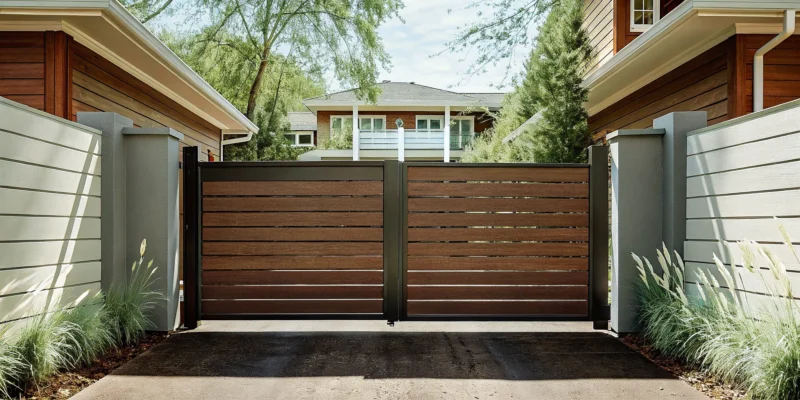
Modern composite privacy fence and aluminum gate beside a landscaped bluestone patio on Long Island

Composite and Aluminum Fencing Long Island Guide

On Long Island, a fence has to do more than mark a property line. It should handle coastal conditions, support privacy where you need it, and fit naturally with patios, planting beds, pools, and outdoor entertaining areas. The right material can also reduce the recurring work associated with painted or deteriorating wood.

Schedule a free design consultation to plan your fence, landscaping, and outdoor living layout together.

For homeowners comparing composite and aluminum fencing Long Island options, composite is often the better fit for solid privacy and a wood-like appearance. While aluminum works well when you want an open boundary, durable security, and a lighter visual profile. The best choice depends on exposure, privacy goals, maintenance expectations, property layout, and how the fence will connect to the rest of the landscape.

Those differences become clearer when you look at how each material responds to Long Island weather and how the fence can be coordinated with the spaces around it.

Why Composite and Aluminum Fencing Works on Long Island

Long Island fencing has to handle more than everyday wear. A fence may face coastal salt air in Nassau or Suffolk, heavy rain, summer humidity, winter freezing, and repeated freeze-thaw cycles. Those conditions can shorten the useful life of untreated wood, especially when moisture enters cracks, end cuts, and fastener holes. Composite and aluminum fencing options give homeowners a way to create privacy, define property lines, or improve security without accepting the same maintenance cycle as traditional lumber.

Coastal air and changing weather put materials to the test

Aluminum is particularly well suited to properties near the coast because it does not rust. That corrosion resistance matters where salt air and precipitation can accelerate deterioration in ferrous metals. With a properly applied finish, aluminum can remain a practical choice for everything from a front-yard boundary to a pool enclosure. Its structural integrity also remains strong through the temperature and humidity fluctuations common across Long Island.

Composite fencing addresses a different set of problems associated with moisture and organic material. Wood plastic composite is designed to retain its shape instead of responding to wet and dry conditions in the same way as lumber. It does not warp, twist, or rot like traditional wood, and it resists the decay and insect damage that can affect a wood fence. Solid composite panels can also provide a consistent privacy barrier without the gaps or uneven boards that develop as wood changes over time.

Why wood can become a recurring maintenance project

Wood can look natural and inviting when new, but its performance depends on regular upkeep and exposure conditions. Moisture, sunlight, and seasonal movement may lead to staining, swelling, splitting, or soft areas. Freeze-thaw cycles can make existing weaknesses more noticeable, while coastal exposure adds another source of stress. Repairs may involve replacing boards, resetting posts, sealing surfaces, or addressing sections that no longer align.

Composite and aluminum reduce those recurring concerns in different ways. Aluminum resists rust and climate-related corrosion, while composite avoids the warping and rot associated with traditional lumber. Neither material eliminates the need for sound design and installation. Posts still need appropriate foundations, drainage should be considered, and the fence layout should follow property lines and local requirements. A site assessment helps account for slopes, gates, utilities, and areas where water collects.

For homeowners comparing materials, the right choice depends on the job. Aluminum offers open sightlines, a lighter structure, and a clean way to define a landscape. Composite is often the better fit when privacy and a solid visual barrier matter most. Both are selected for their ability to withstand the challenging Long Island climate while supporting a fence design that fits the home and surrounding landscape. Decades of laboratory and field testing by the USDA Forest Service back the core advantage of wood plastic composites: properly formulated WPC products hold up well under long-term outdoor moisture exposure. Which is exactly the condition that drives rot and decay in lumber.

How Do Composite and Aluminum Fences Compare on Privacy?

Privacy is often the clearest dividing line between these two materials. Solid composite panels block direct views into a backyard, patio, or pool area, while aluminum typically uses spaced pickets that define a boundary without closing off the view. The right choice depends on whether your priority is seclusion, visibility, security, or a balance of all three. Gappsi’s composite and aluminum fencing options can be configured around the way your property is used.

Composite is usually the stronger privacy material because its panels create a continuous visual barrier. It can also provide a wood-like appearance without the rot and insect problems associated with traditional lumber. The material is engineered for durability and requires little maintenance, which helps keep a privacy fence practical over time. Composite is especially useful where you want to screen a seating area, outdoor kitchen, or pool equipment from neighboring properties.

Aluminum takes a different approach. Its open design preserves sightlines, sunlight, and airflow while still marking the property line. It is commonly selected for security and aesthetic definition, particularly around front yards, driveways, gardens, and pools where homeowners want visibility. Close picket spacing and anti-climb features can improve safety for children and pets. But an open aluminum fence should not be treated as a substitute for a visual privacy barrier.

Composite and aluminum privacy comparison
Consideration Composite privacy Aluminum
Privacy level High when installed with solid panels Low to moderate, depending on picket spacing and layout
Visibility Limits views through the fence Maintains open sightlines and airflow
Security Creates a visual barrier and defined enclosure Supports boundary security, with close-picket and anti-climb options
Maintenance Minimal care; does not warp, twist, or rot like traditional wood Minimal care; occasional washing is typically sufficient
Best use case Backyard privacy and pet containment; can also screen pool areas Pool enclosure, front-yard definition, gardens, and visible property boundaries

These categories are not rigid. Fence systems range from full privacy panels to decorative open designs, so a property can combine approaches. For example, solid composite may screen the rear yard while aluminum defines the front boundary or encloses a pool. Consider the views you want to preserve, the areas you want to conceal, and the maintenance level you prefer before selecting a layout.

What Maintenance Do Composite and Aluminum Fences Need?

For most Long Island homeowners, maintenance is largely a matter of keeping the fence clean and checking that its hardware remains secure. Aluminum and composite fencing do not require the recurring staining, sealing, and board replacement associated with many wood fences. That difference matters in a climate with changing temperatures, humidity, coastal air, rain, and winter weather.

Aluminum needs occasional washing

Aluminum fencing has a powder-coated finish designed to resist fading and chipping. In normal use, a quick wash with water and a mild cleaning solution is often enough to remove dust, pollen, salt residue, and other surface buildup. Gappsi describes aluminum fencing as requiring virtually no maintenance beyond occasional cleaning. Because aluminum does not rust, it is also a practical choice for properties exposed to moisture or salt air.

During a seasonal inspection, look over the posts, rails, gate hinges, latches, and fasteners. Remove leaves or soil that collect around the base, and rinse away residue rather than scrubbing the finish with abrasive tools. If a gate begins to sag or latch unevenly, addressing the hardware early can prevent a small adjustment from becoming a larger repair. The aluminum itself is built to remain stable through Long Island’s temperature and humidity fluctuations.

Composite panels resist common wood problems

Composite fencing is similarly straightforward to care for. Modern composite materials use UV-resistant technology to help retain their color and structural integrity under sun exposure. They are also designed not to warp, twist, or rot like traditional lumber, and they resist rotting and insect damage. Routine care generally consists of washing the panels and checking posts, caps, and gate hardware for debris or unusual movement.

Greenwood WPC adds another layer of protection with a co-extruded polymer shield around the composite material. This outer layer helps protect the panel from everyday exposure while preserving the appearance of a wood-inspired fence. You can review Gappsi’s composite and aluminum fencing options to compare panel styles and finishes.

How does this compare with wood fencing?

Wood fences typically need periodic staining or sealing to limit moisture absorption and slow weathering. Boards may also need replacement when they rot, warp, split, or suffer insect damage. Composite and aluminum do not eliminate every inspection or cleaning task. But they reduce the finish work and material repairs that can make wood fencing time-consuming over the years. For homeowners weighing composite and aluminum fencing Long Island properties, the right choice often depends on the desired privacy and appearance, balanced against how much ongoing maintenance they want to perform.

Choosing Between SleekFence, Greenwood, and Frame It All

Each system creates a different relationship between your property, the street, and the spaces behind the fence. The right choice depends on whether your priority is an open architectural edge, full privacy, or a panel design that combines structure with a more traditional fence profile.

SleekFence for a clean contemporary boundary

SleekFence contemporary aluminum fencing uses powder-coated aluminum and modern horizontal lines to create a restrained, architectural appearance. It works well around contemporary homes, patios, pools, and planting beds where you want the fence to define the property without visually closing it in. Aluminum provides a strong yet lightweight alternative to iron, which can simplify handling and installation while avoiding the maintenance burden associated with heavier metal fencing.

Because the rails create an open, linear pattern, SleekFence is often a fit when you want security, boundary definition, and visibility rather than a solid privacy wall. The system can also be tailored with gates, decorative toppers, and custom post caps, allowing the details to coordinate with the home’s architecture and adjacent hardscape.

Greenwood for composite privacy and recycled content

Greenwood composite privacy fencing uses WPC boards with aluminum posts. Its solid panels can provide a stronger visual screen for yards, pool areas, outdoor dining spaces, or equipment that homeowners prefer to keep out of sight. Greenwood is available in classic and modern privacy profiles, as well as semi-privacy panels, so you can control how much light and visibility pass through the fence.

The system is made with 90% recycled materials, giving homeowners a way to consider recycled content alongside privacy and appearance. Composite fencing is designed to resist common wood problems such as warping, twisting. And rot, while its wood-inspired surface can maintain a warmer look than an open metal fence.

Frame It All for flexible panel styles

Frame It All composite privacy fences offer several system directions within one product family. Riviera and Valla privacy options suit homeowners seeking a more enclosed boundary, while pre-assembled shadowbox panels create a defined fence line with a layered, finished appearance. This flexibility can help when the front, side, and rear portions of a property need related designs rather than an identical treatment everywhere.

During design, compare the desired privacy level, sightlines, gate locations, and the visual weight of each panel against the home and landscape. A site-specific plan can combine an open aluminum run at the front with composite privacy where seclusion matters most.

How Fencing Enhances Landscaping and Outdoor Living Spaces

Fencing should support the way your property is used, not sit apart from the rest of the landscape. When its lines, materials, and gates are coordinated with patios, pools, planting beds, and outdoor lighting, the result feels intentional from the street to the backyard. Aluminum works especially well across landscaping styles, from minimalist modern designs to more traditional Long Island properties. While composite panels can define private areas with a solid, wood-inspired appearance. Explore Gappsi’s outdoor living projects for examples of how these elements can work together.

Schedule a design consultation before selecting fence materials, colors, and gate locations.

Coordinate the fence with patios and pools

A fence can frame a bluestone patio, separate a pool area, or create a quieter section for dining and entertaining. The right height and openness depend on the purpose of each zone. Open aluminum pickets can provide definition without making a patio feel enclosed, while solid composite panels can screen seating areas from neighboring properties. Gates, post caps, and decorative toppers add another opportunity to connect the fence to nearby stonework, plantings, or the home’s exterior details.

Composite privacy fence and aluminum gate beside a bluestone paver patio on Long Island

Plan around lighting, irrigation, and drainage

Fence installation should be planned alongside the systems that make an outdoor space functional. Path lights may need clear post and gate locations, irrigation lines should remain accessible, and drainage patterns should not be interrupted by new footings or panels. A professional site assessment can identify utility locations and drainage challenges before construction begins. On sloped property, careful installation helps the fence follow the land while maintaining consistent lines and usable gates. This attention to topography prevents the fence from looking disconnected from terraces, walkways, and planting beds.

Why a single design-build contractor can simplify the project

Using one contractor for fencing and related outdoor improvements keeps decisions connected. The same team can coordinate fence placement with patio elevations, pool boundaries, lighting runs. Irrigation access, and landscape transitions instead of asking separate contractors to solve conflicts after the fact. Gappsi’s design-build-supply model supports this coordination, including visual planning that helps homeowners review how the fence will relate to the broader property.

Account for curb appeal and local requirements

A well-proportioned fence can strengthen curb appeal by defining the property without competing with the architecture or plantings. Before work begins, confirm the property line, applicable setbacks, and local fencing ordinances. Permit requirements vary by municipality on Long Island. In the Town of Smithtown, for example, a permit is required before most residential fence installations. So it pays to check with the local building department early in the process. Gappsi can guide homeowners through property-line considerations and local regulations so the design is practical as well as visually consistent. See the Town of Smithtown fence permit FAQ for a local example.

Frequently Asked Questions

Which fence material offers more privacy?

Solid composite panels generally provide more privacy because they create a continuous visual barrier. Open-style aluminum fencing is better suited to defining property lines, improving visibility, and adding security without fully closing off a yard. The best choice depends on whether your priority is screening, openness, or a combination of both. Gappsi’s fencing guide describes composite as the privacy-focused option and aluminum as a choice for security and aesthetic definition.

How much maintenance do composite and aluminum fences require?

Both options require less routine care than traditional wood. Aluminum typically needs only an occasional wash, while its powder-coated finish helps resist fading and chipping. Composite fencing is designed to resist fading from UV exposure and does not warp, twist, or rot like lumber. Rinsing away dirt, salt, and plant debris during seasonal cleanup helps preserve either material.

Can these fences handle Long Island weather and coastal conditions?

Aluminum does not rust, making it a practical choice for properties exposed to coastal air or heavy precipitation. Composite fencing is engineered to resist common wood problems, including decay and insect damage. Site drainage, footing depth, slope, and exposure still matter, so the installation plan should account for the property’s specific conditions rather than relying on material selection alone. See the local material guidance.

Can fencing be coordinated with existing landscaping?

Yes. Fence height, panel style, color, gate placement, and the transition around planting beds can be planned with patios, pools, walkways, and other outdoor features. Aluminum can suit both modern and traditional landscapes, while composite panels can provide a consistent backdrop for planting. A site assessment helps the fence follow natural slopes and align with the property’s circulation.

Ready to Plan Your New Fence?

The right fence can bring privacy, structure, and a more cohesive finish to your Long Island property. Gappsi can help you compare composite and aluminum options, review your goals, and plan a design that fits the surrounding landscape.

Schedule a free fencing design consultation with the Gappsi team by calling (631) 831-3177.

Share this page:
A modern, low-maintenance Greenwood privacy fence in a homeowner's backyard.

A Homeowner’s Guide to Greenwood Fences

As homeowners, we are all trying to make more responsible choices for our properties and the environment. When it comes to home improvement, it can be challenging to find products that are both high-quality and sustainable. Traditional fencing often relies on harvesting new timber, contributing to deforestation. Greenwood fences provide an eco-friendly alternative you can feel good about. They are crafted from a smart combination of recycled wood fibers and plastics, giving new life to materials that would otherwise end up in a landfill. Not a single tree is cut down to produce them, making them a beautiful and sustainable choice for your home.

Key Takeaways

  • Prioritize Durability Without Sacrificing Style: Greenwood’s composite material gives you the beautiful look of wood but is engineered to resist rot, insects, and warping, which is perfect for Long Island’s weather.
  • Consider the Total Cost, Not Just the Upfront Price: A Greenwood fence is a long-term investment that saves you money over time. By avoiding the recurring costs of staining, sealing, and eventually replacing a wood fence, it proves to be the more economical choice.
  • Protect Your Investment with Expert Installation: To get the most out of your fence, professional installation is key. It ensures your fence is secure, performs as designed for decades, and protects your warranty, giving you a flawless result without the stress.

What is a Greenwood Fence?

When you picture a new fence for your Long Island home, you might think of traditional wood or simple vinyl. But there’s another option that combines classic style with modern performance: Greenwood Fence. Greenwood offers European-style fencing products that are designed to be both beautiful and incredibly durable. Think of it as the next generation of fencing, created for homeowners who want the warm, inviting look of wood without the constant maintenance that comes with it. It’s a solution that respects your time and your home’s aesthetic.

At its core, a Greenwood fence is a composite product. This means it’s engineered from a blend of materials to give you the best of both worlds. You get the rich texture and appearance of natural wood, but with the strength and weather resistance of high-quality synthetic materials. For homeowners in Suffolk and Nassau County, this is a huge advantage. Our local climate, with its humid summers, chilly winters, and salty coastal air, can be tough on exterior materials. A Greenwood fence is built to stand up to these challenges, looking great year after year. It’s a smart and stylish way to define your property, create privacy, and add lasting value to your home.

How is it different from wood and vinyl?

So, what exactly makes a composite fence unique? Unlike a traditional wood fence, which is cut from timber, or a vinyl fence, which is all plastic, a Greenwood fence is made from a mix of recycled wood fibers and recycled plastics. This combination creates a material that has the handsome appearance of wood but with the low-maintenance durability of a synthetic product. You get a fence that won’t rot, warp, or splinter like wood often does over time.

The biggest difference you’ll notice is its longevity. A well-maintained wood fence typically lasts about 10 to 15 years before needing major repairs or replacement. A Greenwood composite fence, however, is built to last 25 to 30 years or more. This extended lifespan means you spend less time and money on upkeep and more time simply enjoying your yard. Gappsi offers a variety of fences and netting solutions, and Greenwood is a top choice for homeowners seeking long-term performance.

The eco-friendly advantage

Choosing a Greenwood fence is also a decision you can feel good about. In a world where we’re all trying to make more sustainable choices, this fencing stands out. The manufacturing process is designed to be environmentally responsible from start to finish. Instead of harvesting new timber, Greenwood uses recycled wood fibers and plastics, giving new life to materials that might otherwise end up in a landfill.

In fact, not a single tree is cut down to produce Greenwood’s composite materials. By choosing a fence made from recycled content, you are helping to conserve natural resources and reduce waste. It’s a simple way to make an eco-friendly choice for your home without compromising on quality, style, or durability. You get a beautiful, long-lasting fence that aligns with a commitment to protecting the environment, making it a truly smart investment for your property.

Why are Greenwood Fences so durable?

When you invest in a new fence, you want something that not only looks great but also stands the test of time. Greenwood Fences get their incredible durability from their smart composite construction, which blends recycled wood fibers and plastics. This innovative material is specifically engineered to overcome the common weaknesses of traditional fencing. It creates a strong, resilient barrier for your property that is built to handle the unique demands of the Long Island climate without the constant upkeep. This means you get the timeless look of wood without the headaches.

Built to resist rot, insects, and weather

Here on Long Island, our fences face everything from humid, salty air in the summer to freezing snow in the winter. Greenwood’s composite material is built to handle these tough conditions. Unlike traditional wood, it doesn’t absorb moisture, so it won’t rot, warp, or splinter over time. This resilience also makes it unappealing to destructive insects like termites and carpenter ants, which can be a major issue for wood fences. You can trust that your Gappsi fencing installation will maintain its structural integrity and appearance through every season, year after year.

Enjoy a long lifespan with a strong warranty

A typical wood fence might last 10 to 15 years before needing major repairs or replacement. A Greenwood composite fence, however, is built for the long haul, often lasting 25 to 30 years or more. This impressive lifespan makes it a wise and lasting investment in your home’s security and curb appeal. This durability is backed by a strong manufacturer’s warranty, giving you confidence and peace of mind. When you choose a Greenwood fence, you are choosing a solution that you can rely on for decades to come, making it a truly valuable addition to your property.

Save time and money with low maintenance

One of the biggest advantages of a Greenwood fence is how little maintenance it requires. Forget about the annual chore of sanding, staining, or painting. Composite fencing holds its color and finish for years, saving you significant time and money. To keep it looking its best, all you need is an occasional cleaning with simple soap and water to wash away any dirt or grime. While other materials may require professional restoration and sealing to stay in top shape, a Greenwood fence lets you spend less time on upkeep and more time enjoying your beautiful outdoor space.

Explore Greenwood Fence Styles and Options

One of the best parts of choosing a Greenwood fence is that you don’t have to sacrifice style for strength. Your fence is a major part of your home’s curb appeal, and Greenwood offers a wide range of designs to match your personal taste and functional needs. Whether you’re creating a private backyard retreat or adding a decorative touch to your front yard, there’s a style that will fit perfectly with your home’s architecture and your overall landscape design. Let’s look at the options available to help you find the perfect match.

Find your style: Privacy, picket, and modern designs

Greenwood offers a versatile collection of modern, European-inspired styles that can suit any home. If your main goal is to create a secluded sanctuary, a privacy fence is an excellent choice. These solid panels provide a quiet, intimate space for your family to relax and play. For a more traditional or charming look, a classic picket fence can define your property line without completely blocking the view. If your home has a contemporary aesthetic, Greenwood’s sleek, modern designs with clean lines will complement it beautifully. You can explore a variety of fencing options to see how different styles can transform an outdoor space.

Customize with colors, finishes, and heights

Once you’ve chosen a style, you can personalize it with a variety of colors, finishes, and heights. Greenwood fences are designed with high-quality materials that not only last but also look great for years to come. You can select from a palette of colors that either blends seamlessly with your home’s exterior or provides a striking contrast. The finish can add texture and depth, mimicking the look of natural materials without the upkeep. Adjusting the height is also crucial for both function and appearance, whether you need a tall barrier for privacy or a shorter fence to simply mark a boundary. These details ensure your fence feels like a custom part of your home.

Complete the look with gates and accessories

A fence is more than just a line of panels; it’s a complete system that includes gates and other hardware. Greenwood makes it easy to create a cohesive look with matching gates that provide secure and convenient access to your yard. All the components, including the aluminum parts, are designed to be rust-proof, which prevents staining and ensures long-term durability. Adding the right gate and accessories is the final touch that pulls the entire project together, giving your property a polished and professional appearance. These elements are just as important as the fence panels in creating a functional and beautiful enclosure.

How Greenwood Compares to Wood and Vinyl

When you’re choosing a fence, the material is one of the biggest decisions you’ll make. Wood and vinyl have been the go-to options for years, but composite fencing, like Greenwood, offers a modern alternative that combines the best of both worlds. It delivers the classic look of wood without the constant upkeep. Let’s break down how Greenwood stacks up against traditional materials so you can feel confident in your choice.

A side-by-side look at durability and maintenance

The most significant difference you’ll find is in lifespan and upkeep. A well-made composite fence can last 25 to 30 years, which is more than double the typical 10 to 15-year lifespan of a wood fence. Greenwood’s composite material is engineered to resist the common issues that plague other fences. It holds up against fading, stains, and scratches, and it won’t warp or crack. This makes it a reliable choice for Long Island’s varied weather, from humid summers to snowy winters. Best of all, you can put away the paintbrush. Greenwood fences only need an occasional cleaning with soap and water to stay looking new.

Clearing up common myths about composite fencing

Let’s talk about cost, because it’s a common concern. While a composite fence often has a higher upfront price than a wood fence, it’s a smarter investment for the long run. Think about the money and weekends you’ll save by not having to sand, stain, or replace warped boards every few years. Over its lifetime, a Greenwood fence becomes the more economical choice. It’s also built with quality in mind, using rust-proof aluminum components that prevent stains and keep the structure strong. With a 20-year warranty backing it up, you get peace of mind knowing your beautiful fence is built to last.

Is a Greenwood Fence a Smart Investment?

When you’re planning a big home improvement project, the budget is always a top concern. It’s easy to look at the initial price tag of a Greenwood fence and wonder if it’s the right choice. While the upfront cost can be higher than traditional wood, a Greenwood fence is an investment in your home’s future. The real value appears when you look beyond the initial purchase and consider the total cost of ownership over decades. It’s about saving money, time, and effort in the long run, giving you a beautiful fence you can enjoy without constant upkeep.

Understanding upfront cost vs. long-term savings

Let’s be direct: a Greenwood composite fence often costs more at first than a standard wood fence. However, that initial sticker price doesn’t tell the whole story. Think of it this way: a Greenwood fence is built to last 25 to 30 years, often backed by a 20-year warranty for peace of mind. A traditional wood fence, on the other hand, typically needs replacing after just 10 to 15 years. This means you could end up paying to install a wood fence twice in the same lifespan of a single Greenwood fence. When you start to explore your fencing options, remember to factor in this longevity. The long-term savings make composite a very smart financial decision.

The true cost of maintaining a traditional fence

The expense of a wood fence doesn’t stop after installation. Year after year, wood demands your time and money. You have to sand, stain, or paint it regularly to protect it from the elements and prevent it from looking worn out. Without this constant upkeep, wood is prone to warping, cracking, and rotting. The ongoing need to restore and seal a wood fence adds up significantly over time. In contrast, a Greenwood fence requires very little maintenance. It’s designed to resist fading, stains, and mold. A simple cleaning with soap and water is all it takes to keep it looking great. You get to reclaim your weekends and save money on supplies year after year.

Why Professional Installation is Worth It

Choosing a high-quality product like a Greenwood fence is the first step. The second, and equally important, step is ensuring it’s installed correctly. While a weekend DIY project can be satisfying, a fence is a permanent feature of your home’s landscape and security. Professional installation isn’t just about convenience; it’s about protecting your investment and guaranteeing your fence performs as designed for decades. An expert team has the right tools, experience with Long Island’s specific soil conditions, and a deep understanding of the product. This ensures every post is perfectly aligned, every panel is secure, and your fence is built to withstand coastal weather without issues. From start to finish, a professional installation provides peace of mind and a flawless result that complements your home beautifully.

Think about the complexities involved: property lines, local building codes, and the sheer physical labor. A professional team handles all of this for you. They secure the necessary permits and make sure the installation complies with all local regulations, saving you from potential headaches down the road. They also have the equipment to deal with unexpected challenges, like rocky soil or difficult terrain, that could derail a DIY attempt. Ultimately, hiring a pro means the job is done efficiently, correctly, and safely, giving you a beautiful fence without the stress and uncertainty of doing it yourself.

What to expect during the installation process

We believe in a transparent and smooth process, so you know exactly what’s happening in your yard. Our installation begins with a thorough site evaluation and precise measurements to map out the fence line. Next, our team carefully digs and sets each post, using concrete to create a stable foundation that won’t shift or lean over time. Having experts install the fence correctly is very important for it to last a long time. Once the posts are set, we meticulously attach the Greenwood panels and any gates, ensuring everything is level and secure. We handle all the details, from making sure your gate functions perfectly to cleaning up the site afterward. Our goal is to provide you with a beautiful, durable fence with our professional fencing and netting services, leaving your property looking better than when we arrived.

The benefits of expert fence installation

A professional installation ensures you get the maximum value out of your Greenwood fence. These composite fences are built to handle tough weather, from summer sun and humidity to winter snow, and they also resist insects. An expert installation guarantees that every component is properly secured to deliver this resilience, preventing gaps, warping, or weak spots. This quality craftsmanship means your fence will require very little maintenance, saving you time and money over the years. You also gain the confidence that the job is done right the first time. Our team avoids common DIY pitfalls like incorrect post depth or poor alignment, which can compromise the fence’s strength and appearance. A professional build protects your warranty and prevents the need for future repairs, unlike wood fences that often require frequent restoration and sealing.

Find Your Greenwood Fence at Gappsi

When you’re ready to bring the modern style and lasting durability of a Greenwood fence to your home, Gappsi is here to make it happen. We are your local Long Island experts, providing both the high-quality fencing materials and the professional installation you need for a flawless result. We’ll guide you through every step, from choosing the right style to completing the project.

Explore our Greenwood fencing selection

At Gappsi, we proudly offer Greenwood Fence (GWF) products, a perfect choice for homeowners who value both style and sustainability. These fences bring a clean, European-inspired aesthetic to any property. What makes them special is their unique construction. Instead of traditional wood, Greenwood fences are crafted from a smart blend of recycled plastics and plant fibers, meaning no trees are cut down in the process. This makes them an affordable and eco-friendly choice that doesn’t compromise on quality or design. You can explore our full range of fencing solutions to find the perfect fit for your outdoor space.

How to start your fence project

A new fence is more than just a boundary; it’s a key design element that provides privacy and frames your home’s entire look. That’s why it’s a good idea to consider your fencing needs early in any home improvement project, not as a final touch. When you’re ready to move forward, professional installation is the best way to ensure your composite fence performs as it should. Greenwood fences are engineered to handle Long Island’s weather, from humid summers to snowy winters, while also resisting insects. The first step is simple: contact our team at Gappsi. We can walk you through the design process and manage the expert installation, making sure your new fence is a beautiful and lasting addition to your home.

Related Articles

Frequently Asked Questions

How much maintenance does a Greenwood fence actually require? Honestly, very little. The beauty of a composite fence is that you can forget about the annual cycle of sanding, staining, or painting that a wood fence demands. To keep your Greenwood fence looking its best, you just need to give it a simple cleaning with soap and water whenever you notice dirt or grime building up. This low-maintenance quality saves you time and money, letting you enjoy your yard instead of working on it.

Will the color of a composite fence fade in the sun? This is a great question, as fading is a common issue with many outdoor materials. Greenwood fences are engineered with high-quality pigments and UV inhibitors that are designed to resist fading. While any material exposed to the elements will experience some subtle changes over many years, a composite fence will hold its color far better and longer than a stained wood fence, which requires frequent reapplication to look fresh.

Is a Greenwood fence strong enough to handle Long Island’s weather? Absolutely. Greenwood fences are built specifically to withstand the challenges of a coastal climate like ours. The composite material doesn’t absorb moisture, so it won’t rot, warp, or become brittle in the face of humid summers, salty air, or freezing winters. Unlike wood, it’s also not susceptible to damage from termites or other insects, ensuring it remains strong and secure for decades.

Why is the upfront cost higher than a wood fence? The initial price reflects the advanced engineering and durable materials used to create a long-lasting product. While a wood fence might seem more affordable at first, you have to factor in the long-term costs of maintenance supplies, repairs, and eventual replacement, which often happens within 10 to 15 years. A Greenwood fence is a one-time investment that is designed to last 25 years or more with minimal upkeep, making it the more economical choice over its entire lifespan.

Can I customize a Greenwood fence to match my home’s style? Yes, you have plenty of options to create a look that feels custom to your home. Greenwood offers several styles, from full privacy panels to more open, modern designs. You can also choose from a selection of sophisticated colors and finishes to complement your home’s exterior. We can help you select the right height and matching gates to create a cohesive and polished look for your property.

Share this page:
Modern horizontal steel fence panels securing the front yard of a residential home.

The Homeowner’s Guide to Modern Steel Fences

A fence does more than just mark your property line; it’s a major statement piece for your home’s exterior. It frames your landscape and sets the tone for your entire property. While you might think of them as purely functional, modern steel fences have become a go-to for homeowners who want both style and strength. Gone are the days of plain, industrial designs. Today’s options come in a huge variety of elegant, contemporary, and classic styles that can dramatically improve your curb appeal. From sleek panels to ornate designs, a well-chosen steel fence complements your home’s architecture and creates a beautiful, lasting first impression.

Key Takeaways

  • Choose Strength Without the Hassle: Modern steel fences are built with galvanized materials and protective coatings to resist rust and weather damage. This means you get exceptional durability and security without the constant painting, staining, or repairs required by wood.
  • Design a Fence That Fits Your Home: Steel fencing offers incredible design flexibility, from classic ornamental looks to clean, modern panels. You can customize the height, color, and decorative details to create a fence that enhances your home’s curb appeal and matches your personal style.
  • Make a Smart Long-Term Investment: While the initial price may be higher than other materials, a steel fence saves you money over time by eliminating maintenance costs. To protect this value, professional installation is essential for ensuring your fence is secure, compliant with local codes, and built to last for decades.

What Is a Steel Fence?

So, what exactly is a steel fence? Think of it as the strong, silent type in the world of fencing. It’s a durable and long-lasting barrier for your property made from tough materials like galvanized steel. This construction means it’s built to stand up to just about anything Long Island weather throws at it, from humid summers and salty air to snow and freezing rain. Unlike a wood fence that can warp, rot, or become a snack for pests over time, a steel fence holds its ground year after year with impressive resilience. It maintains its structural integrity without demanding constant attention or repairs.

This strength makes steel an excellent choice for creating a secure perimeter around your home, pool, or garden. It provides a formidable boundary that enhances your family’s safety and privacy. While other materials might degrade, steel’s resistance to corrosion and decay ensures it remains a dependable feature of your landscape. All it really asks for is an occasional cleaning to keep it looking sharp and inspections to ensure its longevity. When you’re looking for a reliable and long-lasting solution to define your property lines, you can explore a variety of fences and netting to suit any home’s style. A steel fence gives you both security and peace of mind with very little fuss.

How Steel Differs From Other Metal Fencing

When you start looking at metal fences, you’ll notice a few options, mainly steel, aluminum, and wrought iron. Steel stands out primarily for its superior strength. It’s typically made from thicker materials, giving it a sturdiness that lightweight aluminum just can’t match. Modern steel fences also come with advanced protective coatings that prevent rust and fading, which is a huge plus in our salty coastal air. While aluminum is naturally rust-resistant, it’s also more prone to denting and may not provide the same level of security. The long-term value of steel is another key differentiator. With a lifespan that can stretch from 20 to 50 years, it’s a lasting investment in your home’s safety and curb appeal.

Common Types of Steel Fences

When you hear “steel fence,” you might picture just one specific style, but the reality is much more exciting. Steel fencing comes in a variety of forms, each with its own unique look and set of benefits. Whether you’re aiming for maximum privacy, an elegant boundary that shows off your garden, or a secure enclosure for your kids and pets, there’s a steel fence that fits the bill. Understanding the different types is the first step in choosing the right one for your Long Island home. From the industrial-chic look of corrugated steel to the classic elegance of ornamental designs, your options are far from limited.

Choosing a fence is about more than just marking a property line; it’s a design decision that impacts your home’s entire curb appeal. The right fence can complement your landscaping, add a layer of security, and create a private backyard oasis. At Gappsi, we work with all kinds of fencing materials to create custom solutions that feel like a natural extension of your home. Let’s walk through the most common types of steel fences so you can find the perfect match for your property’s style and your family’s needs.

Corrugated Steel

If privacy and a modern, industrial vibe are what you’re after, corrugated steel is an excellent choice. Known for its signature wavy pattern, this type of fencing is incredibly durable and strong, creating a solid barrier that shields your yard from view. It’s a popular option for homeowners who want a contemporary look that stands out from traditional wood or vinyl. Corrugated steel is also quite resilient against the elements. The typical cost for a metal fence like this can vary, but its strength and unique aesthetic make it a compelling choice for a secure and stylish perimeter.

Ornamental Steel

For a look that blends timeless elegance with serious strength, ornamental steel is the go-to option. These fences offer the classic, sophisticated appearance of wrought iron without the demanding maintenance. Models like the TruView® are designed to enhance your property’s visual appeal while providing a robust security barrier. Ornamental steel is perfect for framing a front yard, enclosing a swimming pool, or defining a garden space without obstructing the view. It adds a touch of class and can significantly improve your home’s curb appeal, making it a beautiful and practical investment. You can find many styles in commercial fence panels that work for residential properties.

Welded Wire Steel

Welded wire steel fencing is a practical and effective solution for creating a strong, visible boundary. Often available in rolls, this type of fence, like the Pantanet® Essential, is ideal for a wide range of applications. It’s perfect for keeping pets safely in the yard or sectioning off a vegetable garden from curious wildlife. Because it provides a secure barrier without blocking sightlines, it’s a great choice for properties where you want to maintain an open, airy feel. It allows you to secure your space while still enjoying the beautiful landscaping you’ve worked so hard on.

Steel Panels

When longevity and pure strength are your top priorities, steel panels are hard to beat. These fences are engineered to be incredibly tough and are often the choice for homeowners who want a “set it and forget it” solution. Built to withstand harsh weather and provide lasting security, metal fence panels offer a formidable barrier for your property. They come in various designs, from simple and utilitarian to more decorative styles, giving you flexibility in matching your home’s aesthetic. This type of fence is a straightforward, powerful option for anyone seeking maximum durability and peace of mind.

Stainless Steel

For a sleek, modern look that requires very little upkeep, consider stainless steel. This premium option is highly resistant to rust and corrosion, making it a fantastic choice for Long Island’s coastal climate. While it often comes with a higher initial price tag, its incredible durability and low maintenance needs can make it a worthwhile long-term investment. Stainless steel fences offer a clean, polished appearance that complements contemporary architecture perfectly. According to HomeGuide, the price of a metal fence made of stainless steel is one of the highest, but its longevity and minimal care requirements often justify the cost over time.

Why Choose Steel Over Wood or Vinyl?

When you’re choosing a fence, you’re balancing looks, cost, and durability. While wood and vinyl are common choices, steel fencing offers a unique combination of benefits that often make it the smartest long-term investment for your Long Island home. From its incredible strength to its minimal upkeep, steel stands apart from the competition. Let’s break down exactly why steel might be the perfect fit for your property.

Unmatched Durability and Strength

Steel is exceptionally strong. Unlike wood, it won’t rot, warp, or fall victim to pests. And unlike vinyl, it won’t turn brittle and crack after years of sun exposure. Gappsi’s steel fences are made from tough, galvanized materials designed to stand up to Long Island’s demanding weather, from humid summers and heavy snow to coastal salt air. This inherent strength means your fence will maintain its integrity and appearance for decades, providing a reliable boundary for your property without the constant worry of weather-related damage. It’s a true set-it-and-forget-it solution for lasting structural integrity.

A Low-Maintenance Solution

If you’d rather spend your weekends enjoying your yard than working on it, steel is the clear winner. Wood fences require regular staining, painting, or sealing to prevent rot and decay. Vinyl fences can attract mold and mildew, needing frequent scrubbing to stay clean. Steel, on the other hand, asks for very little. A simple cleaning with soap and water now and then is usually all it takes to keep it looking great. Because it doesn’t warp or rot, you can forget about costly repairs and time-consuming upkeep. This low-maintenance quality not only saves you time and effort but also reduces the long-term cost of ownership.

Better Security for Your Home

A fence is your first line of defense, and steel provides a level of security that wood and vinyl simply can’t match. Its rigid construction makes it extremely difficult for intruders to bend, break, or climb. For added peace of mind, you can incorporate security features like pointed tops to further deter anyone from attempting to cross it. This makes steel an ideal choice for securing your property, protecting your family, and enclosing valuable spaces like a swimming pool or backyard entertainment area. With a steel fence, you can feel confident that your home has a strong and dependable perimeter.

Resistance to Fire and Storms

Long Island weather can be unpredictable, with powerful storms and high winds. Steel fencing is non-combustible and engineered to withstand extreme conditions far better than its counterparts. While a wood fence can fuel a fire and vinyl can melt, steel provides a fire-resistant barrier. Many modern steel fences are also rated to endure hurricane-force winds without failing. This resilience offers an extra layer of protection for your home during severe weather events, ensuring your fence remains standing when you need it most. It’s a practical choice for homeowners who prioritize safety and storm preparedness.

An Eco-Friendly Choice

Choosing a sustainable building material is important, and steel is a surprisingly green option. Most steel used for fencing contains recycled content, and the entire fence is 100% recyclable at the end of its very long life. This is a stark contrast to vinyl, which is a petroleum-based plastic, and pressure-treated wood, which is often treated with chemicals and can end up in a landfill. The durability of steel also means you won’t be replacing it for many years, reducing waste and the consumption of resources over time. By selecting a Gappsi fence, you’re making a durable and responsible choice for your property.

What to Look For in a Steel Fence

Once you’ve decided that a steel fence is the right choice for your home, the next step is figuring out which one to pick. Not all steel fences are made the same, and a few key details can make a huge difference in how your fence looks, performs, and lasts. Thinking about these factors ahead of time will help you invest in a fence that you’ll be happy with for years to come.

Material Quality and Protective Coatings

The foundation of a great fence is the quality of the steel itself. Look for options made from galvanized steel, which has a protective zinc coating to prevent rust and corrosion. This is especially important here on Long Island, where salty air can be tough on exterior metals. Many modern steel fences also come with advanced powder coatings that resist fading from the sun and damage from rain or snow. A high-quality finish ensures your fence won’t just be strong, but will also maintain its color and sleek appearance without constant upkeep. At Gappsi, we prioritize durable fences and netting solutions built to withstand the local climate.

Important Security Features

A steel fence is one of the best ways to secure your property line. Its inherent strength makes it incredibly difficult to break through. For added security, you can choose designs with features like pointed tops that deter climbing. Beyond keeping intruders out, some steel fences are engineered for extra resilience. They can be fire-resistant and rated to withstand hurricane-force winds, offering another layer of protection for your home and family during intense storms. This kind of durability provides true peace of mind, knowing your property is well-protected from multiple angles.

Customization and Design Options

Your fence is a major part of your home’s curb appeal, so it should reflect your personal style. Gone are the days of having only one or two basic options. Modern steel fences come in a wide range of designs, from classic and ornate to clean and contemporary. You can choose from various colors, heights, and decorative elements to create a look that’s uniquely yours. A well-chosen fence should complement your home’s architecture and feel like a natural part of your landscape design, tying your whole outdoor space together beautifully.

Understanding Your Warranty

A strong warranty is a clear sign that a manufacturer stands behind its product. Before making a final decision, always ask about the warranty that comes with your steel fence. Some companies offer warranties that last for decades, which speaks volumes about the fence’s expected lifespan and durability. Be sure to read the details to understand what is covered, such as the finish, materials, and hardware. A comprehensive warranty protects your investment and ensures that if any issues do arise, you have a clear path to getting them resolved without hassle.

Breaking Down the Cost of a Steel Fence

Thinking about the budget for your new fence is a huge part of the planning process. While a steel fence is a significant home improvement project, understanding the costs upfront can make everything feel much more manageable. The final price tag isn’t just one number; it’s a combination of materials, design choices, and the specifics of your property.

The total investment can vary quite a bit from one home to another, even in the same Long Island neighborhood. Factors like the size of your yard, the style of fence you choose, and the condition of your land all play a role. Let’s walk through the main components of the cost so you can get a clearer picture of what to expect and plan accordingly.

Average Cost Per Linear Foot

When you start getting quotes, you’ll often see prices listed per linear foot. This is simply the cost for every one-foot section of your fence. For a quality steel fence, you can generally expect the cost to be between $20 and $80 per linear foot installed. So, if you have a 150-foot perimeter to enclose, you can multiply that length by the per-foot cost to get a baseline estimate for your project. This price typically includes both the materials and the labor for a standard installation.

What Influences the Final Price?

The average cost is a great starting point, but several key factors will adjust your final price. The specific type of fence you select is the biggest variable. A simple, standard-grade steel panel will cost less than a thick, ornamental fence with custom colors and decorative post caps. Other elements that affect the price include:

  • Gates: The number of gates you need and their complexity (for example, an automatic driveway gate versus a simple walkway gate) will add to the cost.
  • Your Property: If your yard has steep slopes, is very rocky, or requires extensive clearing, the installation will be more complex and will influence the labor cost.

Factoring in Installation and Site Prep

The price of the fence panels is just one piece of the puzzle. Professional installation is another key component, with labor costs typically ranging from $5 to $25 per linear foot. This fee covers the team’s expertise, time, and the equipment needed to do the job right. You also need to consider site preparation. If you have an old fence that needs to be torn down and hauled away, or if the fence line needs to be cleared of brush and graded, these tasks will be factored into the final quote.

Long-Term Value vs. Initial Investment

It’s easy to focus on the upfront cost, but a steel fence is truly a long-term investment. While it may cost more initially than a wood fence, it saves you a significant amount of money and time over the years. Steel doesn’t require the regular painting, staining, or board replacements that wood fences do. In fact, you could save thousands of dollars over the life of the fence by avoiding those recurring maintenance costs. This durability and low upkeep mean you get lasting security and beauty without the constant work, making it a smart financial choice for your home.

Designing Your Ideal Residential Steel Fence

Creating the perfect steel fence for your home goes beyond simply picking a material. It’s an opportunity to define your property’s character and enhance its curb appeal. The right design choices will make your fence feel like a natural extension of your home and landscape. By carefully considering the height, style, and decorative details, you can create a boundary that is both beautiful and functional. Think of it as the finishing touch that pulls your entire outdoor space together, providing security and style in one package.

Choosing the Right Height and Style

The first step in designing your fence is deciding on its height and overall style. Height is a practical choice, determining the level of privacy and security you want. A taller fence is great for creating a secluded backyard oasis, while a shorter one can define your property line without obstructing views. Style, on the other hand, is all about aesthetics. Steel fences and netting come in a wide range of designs, from classic ornamental looks with intricate details to sleek, modern panels. Think about your home’s architecture and choose a style that complements it, whether you want something that stands out or blends in seamlessly.

Exploring Decorative Features and Finishes

Modern steel fences are built to last, thanks to advanced protective finishes. Most are made with galvanized steel and then powder-coated, a process that prevents rust, chipping, and fading. This durable coating ensures your fence looks great for years with minimal upkeep. Beyond the finish, you can add decorative features to personalize your fence. Details like finials, post caps, or ornamental rings can add a touch of elegance and character. These features allow you to customize a standard design and create a fence that is uniquely yours, reflecting your personal taste while adding to your home’s value.

Matching the Fence to Your Outdoor Space

A great fence should harmonize with its surroundings. When selecting a design, consider how it will look alongside your garden, patio, or pool. You can choose from many different sizes and colors, like classic black, subtle brown, or modern gray, to match your home’s exterior and your landscape design. Some styles, like 3D or corrugated panels, can even become a statement piece in your yard. The goal is to create a cohesive look where the fence, your home, and your landscaping all work together to form a beautiful and inviting environment.

Common Myths About Steel Fences, Debunked

When you’re planning a home improvement project, it’s easy to get tangled in misinformation. Steel fencing has been around for a long time, and so have some of the myths surrounding it. Let’s clear the air and look at the facts so you can make a confident choice for your Long Island home. From rust to cost, we’re breaking down the most common misconceptions about steel fences.

Myth: Steel Fences Always Rust

This is probably the most common concern I hear, and it’s completely understandable. The good news is that it’s largely a thing of the past. Modern steel fences are not the rust-prone barriers you might be picturing. Today’s high-quality options are made with galvanized steel and finished with a durable powder coating. This combination creates a powerful shield that prevents rust and resists chipping, peeling, and cracking. You get the incredible strength of steel without the constant worry of corrosion, ensuring your investment looks great for years.

Myth: Steel Fences Are Too Expensive

While the upfront cost of a steel fence can be higher than wood, it’s important to look at the bigger picture. Think of it as a long-term investment in your property. Steel requires very little maintenance, saving you significant money and time over its lifespan. You won’t need to budget for frequent painting, staining, or replacing warped boards. When you consider the costs you’ll avoid, a steel fence often proves to be a more economical choice over 30 years. Gappsi provides a variety of fences and netting to fit different budgets and styles.

Myth: Steel Fences Lack Style

Some people think steel fences are only for industrial sites, but that couldn’t be further from the truth. Modern steel fencing is incredibly versatile and comes in a huge range of styles, from classic and ornate to sleek and contemporary. A beautifully designed steel fence can dramatically improve your home’s curb appeal and complement your property’s architecture. Whether you’re pairing it with a lush garden or a modern stone patio, there’s a design that will fit perfectly into your overall landscape design.

Myth: Steel Fences Are Difficult to Install

The idea of installing a steel fence can seem intimidating. While some products are marketed as DIY-friendly, a proper installation is key to the fence’s longevity and security. Ensuring every post is perfectly level, secure, and compliant with local codes is a job best left to professionals. Hiring an experienced team guarantees your fence is installed correctly from the start, preventing issues like sagging or instability down the road. A professional installation protects your investment and gives you peace of mind that your home is secure.

How to Maintain Your Steel Fence

One of the best things about a steel fence is how little maintenance it requires. Unlike wood, you won’t be dealing with rot, warping, or pests. However, a little bit of care goes a long way in keeping your fence looking brand new for decades. Most modern steel fences are made with galvanized steel and finished with a powder coating to prevent rust, chipping, and peeling. Your main job is to protect that finish, which acts as a shield against the weather here on Long Island.

A simple routine of cleaning your fence and inspecting it for any damage will prevent minor issues from becoming bigger problems. Think of it as a quick check-up you can do while you’re already out enjoying your yard. Keeping an eye on the fence line and addressing any potential problems early is the secret to ensuring your investment remains a beautiful, secure boundary for your home. With just a few easy steps, you can preserve its strength and style for years to come. This proactive approach is far easier than dealing with major repairs down the road and ensures your property continues to look its best.

Simple Cleaning Tips

Even though steel fences are incredibly durable, they still benefit from a good cleaning once or twice a year. Dirt, pollen, and bird droppings can build up over time, and giving the fence a quick wash helps maintain its finish. All you need is a bucket of warm water with a mild soap, like dish soap, and a soft cloth or sponge. Gently wipe down the rails and pickets to remove any grime.

For any stubborn spots, you can use a soft-bristled brush, but avoid using abrasive scrubbers or harsh chemicals, as they can scratch the protective coating. Once you’re done washing, simply rinse the fence thoroughly with a garden hose to wash away any soap residue. It’s an easy task you can tackle on a nice afternoon, and it makes a huge difference in keeping your fence looking sharp.

Protecting the Coating and Preventing Rust

The powder coating on your steel fence is its first line of defense against the elements, especially the humid, salty air we get on Long Island. The key to preventing rust is to keep this coating intact. Make it a habit to walk the fence line every few months, especially after a big storm or if you’ve had landscaping work done. Look for any nicks, chips, or scratches that expose the metal underneath.

If you find a small spot, you can often fix it yourself with a manufacturer-approved touch-up paint. This seals the metal and stops rust before it can start. For more significant damage or if you notice rust beginning to form, it’s best to call in an expert. A professional restoration service can properly treat the area and reapply the protective finish, blending it seamlessly with the rest of your fence.

Clearing Away Vegetation

While climbing vines and lush bushes look beautiful, they can cause trouble for your steel fence. Plants that grow directly on or against the fence trap moisture, creating a damp environment that can compromise the powder coating and eventually lead to rust. Overhanging tree branches can also scrape the finish during high winds or drop debris that builds up along the base.

Try to maintain a clear space of at least a foot around your entire fence line. Regularly trim back any encroaching shrubs, vines, or tree limbs. This not only protects your fence but also improves air circulation, allowing it to dry quickly after it rains. A little bit of thoughtful landscape design can ensure your plants enhance your fence’s beauty without causing any harm.

Knowing When to Repaint or Reseal

High-quality steel fences can go for 15 to 20 years or more before needing a new coat of paint. Over time, you might notice the color starting to fade from sun exposure or see widespread peeling in some areas. This is a sign that the original protective coating is nearing the end of its life. Repainting the entire fence is a great way to refresh its appearance and add a new layer of defense against rust.

Painting a metal fence requires careful preparation, including cleaning, sanding, and priming, plus using a special paint formulated for exterior metal. It’s a significant project, but it can completely revitalize your property’s curb appeal. If you’re not up for the task, our teams can handle the restoration for you, ensuring a durable, factory-quality finish that will last for many more years.

Should You Hire a Pro to Install Your Steel Fence?

Deciding to install a steel fence is a great first step, but the next big question is how to get it done. While the idea of a DIY project can be tempting, fence installation is a complex job that often benefits from a professional touch. Getting it right from the start ensures your fence not only looks great but also provides the security and durability you expect for years to come. Let’s walk through the key things to consider when deciding between hiring a pro and tackling the installation yourself.

Key Factors for Installation

First, it’s helpful to understand the investment. Professional steel fence installation can range from $20 to $85 per linear foot. For a standard 200-foot perimeter, this means the total cost could fall between $4,000 and $17,000. This price reflects the quality of the materials, the complexity of the job, and the labor involved. Because it’s a significant investment in your home’s value and security, ensuring a flawless installation is key. A professional team can provide an accurate quote that covers everything, so you know exactly what to expect without any surprise costs. The right fences and netting can completely transform your property, making professional installation a worthwhile consideration.

Understanding Permits and Property Lines

Before any posts go into the ground, you need to handle the local logistics. Most towns and villages on Long Island require a permit for fence installation, and this process involves paperwork and sometimes a small fee. It’s also absolutely critical to know your exact property lines to avoid any disputes with your neighbors or violations of local zoning laws. An experienced local contractor will be familiar with the specific regulations in Suffolk and Nassau County. They can manage the permit process for you and ensure the entire project complies with code, saving you from potential headaches and legal issues down the road. This local expertise is invaluable for a smooth and stress-free project.

Professional vs. DIY Installation

While a DIY installation might seem like a way to save money, it comes with risks. Steel fencing is heavy, and the installation requires precision, specialized tools, and a deep understanding of how to set posts correctly in concrete footings. A poorly installed fence can be a safety hazard, may not be as secure, and could even violate local building codes. Hiring a professional team like Gappsi means you’re getting guaranteed workmanship from experts who do this every day. You can see examples of our team’s high-quality work on our YouTube channel. We handle everything from site preparation to the final cleanup, giving you peace of mind and a beautiful, secure fence that lasts.

Find the Right Steel Fence for Your Long Island Home

Choosing the right fence for your Long Island home is about more than just marking a property line. It’s about finding a solution that complements your home’s style, stands up to coastal weather, and provides the security your family deserves. Steel fencing offers a fantastic combination of all three, but with so many options, it helps to know what works best for our local landscape, from the North Shore’s rolling hills to the South Shore’s breezy coastlines. The key is to find a balance between aesthetics, durability, and function that fits your property perfectly.

The beauty of a modern steel fence is its versatility. Forget the one-size-fits-all industrial look, because today’s steel fences can be customized to match any architectural style. Whether you want a sleek, minimalist design for a contemporary home or an ornate, classic look that feels timeless, there’s a style for you. You can select from various colors, like classic black, warm brown, or modern gray, and even add decorative features. Gappsi offers a wide selection of fences and netting to ensure your new fence enhances your home’s curb appeal while meeting your practical needs.

For Long Island homeowners, durability is non-negotiable. Our salty air and seasonal storms can be tough on exterior materials. A high-quality steel fence with a protective powder coating is built to resist rust, corrosion, and fading, unlike wood which can warp and rot. This resilience means you spend less time on upkeep and more time enjoying your yard. While the initial cost may be higher than some alternatives, the long-term value is clear. You save money over the years because you won’t be dealing with frequent painting, staining, or repairs.

Proper installation is what ultimately ensures your fence will last for decades and provide real security. A professionally installed fence is set on a solid foundation, with panels and posts aligned perfectly to withstand strong winds and prevent sagging. An expert team also handles the complexities of local building codes and property line regulations in Suffolk and Nassau County, giving you complete peace of mind. At Gappsi, our experienced designers and installers work with you to create and build a steel fence that not only looks beautiful but is also engineered to last.

Related Articles

Frequently Asked Questions

How long will a steel fence actually last in Long Island’s weather? A high-quality steel fence is a long-term investment, typically lasting anywhere from 20 to 50 years. Modern steel fences are specifically built to handle our coastal climate. They have protective galvanized and powder-coated finishes that resist the rust and corrosion that salt air and humidity can cause. With just a bit of simple cleaning, your fence will maintain its strength and good looks for decades without the constant upkeep wood requires.

I want privacy. Isn’t steel fencing see-through? While many classic steel fence styles, like ornamental designs, are open, you absolutely have options for privacy. Corrugated steel panels, for example, create a solid, modern barrier that completely blocks the view into your yard. You can also get creative by pairing a more traditional steel fence with strategic landscaping, like a row of hedges, to create a secluded feel without a solid wall.

Is a steel fence a good option for enclosing my swimming pool? Yes, a steel fence is an excellent choice for a pool enclosure. It provides the top-tier security you need to meet local safety codes, with designs that are difficult to climb and options for self-latching gates. Unlike other materials, it also offers this security without completely blocking the view of your pool, which is great for both safety and maintaining an open, beautiful look in your backyard.

What’s the difference in cost between a steel fence and a wood fence over time? While a wood fence might have a lower initial price, a steel fence is often the more economical choice in the long run. Wood requires regular, costly maintenance like staining, sealing, and replacing boards that rot or warp. Steel, on the other hand, needs very little upkeep. When you factor in the money and time you’ll save on maintenance over the life of the fence, steel provides much greater long-term value.

Do I need to get a permit for a new fence? In most cases on Long Island, yes, you will need a permit to install a new fence. The rules about height, style, and placement can vary between towns in Suffolk and Nassau County. This is one of the biggest benefits of working with a professional installer. An experienced team will know the local codes, handle the permit process for you, and ensure your fence is built correctly, saving you from potential fines and headaches.

Share this page:
Couple admiring their new vinyl fence after installation by the best company.

How to Find the Best Company for Vinyl Fence Installation

A fence is rarely just a fence; it’s part of a larger vision for your outdoor living space. Perhaps it’s the finishing touch on a new masonry patio, a secure enclosure for a swimming pool, or a charming border for your garden. When all these elements work together, they create a cohesive and beautiful backyard retreat. Choosing a full-service company that can manage your entire project ensures a seamless design and a stress-free experience. This guide will explain the vinyl fence installation process from start to finish, showing you why Gappsi is the best company for vinyl fence installation and for bringing your complete outdoor vision to life with expert craftsmanship.

Key Takeaways

  • Opt for vinyl to get style without the stress: A vinyl fence is a smart choice for its durability and low-maintenance qualities. It holds up against the weather and only needs simple cleaning, giving you a beautiful fence that improves your home’s value without requiring constant upkeep.
  • Protect your investment by vetting your installer: A great fence requires a great installer. Make sure you choose a licensed and insured professional, get a detailed contract in writing, and understand the warranties to avoid costly mistakes and ensure quality workmanship.
  • Do your part to ensure a smooth installation: A little preparation makes a big difference for the installation crew. Before they arrive, confirm your property lines, clear the work area of any obstacles, and discuss unique features like slopes or sprinkler systems with your contractor.

Why Choose a Vinyl Fence?

When you’re thinking about adding a fence to your property, the material you choose makes all the difference. Wood is classic, and metal has its place, but vinyl fencing has become a favorite for so many homeowners for good reason. It offers a fantastic combination of modern style, serious durability, and easy living. If you want a fence that looks great year after year without demanding a lot of your time and energy, vinyl is an excellent choice. It’s a practical investment that pays off in both appearance and peace of mind, letting you spend more time enjoying your yard instead of working on it.

Enjoy Durability and Weather Resistance

One of the biggest advantages of vinyl is its strength. Unlike wood, which can warp, rot, or fall victim to insects, vinyl is built to last. It holds up beautifully against Long Island’s varied weather, from hot, humid summers to cold, snowy winters. A quality vinyl fence won’t crack, chip, or peel. Plus, the color is solid all the way through the material, so you don’t have to worry about fading from the sun or scratches showing a different color underneath. Gappsi offers a range of high-quality fences and netting options designed to withstand the elements and keep your property secure and looking sharp for years to come.

Improve Curb Appeal and Property Value

A fence is one of the first things people see when they look at your home, and a crisp, clean vinyl fence makes a great first impression. It can define your property lines, frame your garden, and add a polished look that instantly improves curb appeal. With so many styles available, from classic white picket fences to tall privacy panels, you can find a design that perfectly complements your home’s architecture. This visual upgrade isn’t just for you to enjoy; it’s also a smart investment that can increase your property value. A beautiful, durable fence is a major selling point that contributes to your home’s overall landscape design.

Benefit from Low-Maintenance Living

If you love the look of a painted fence but dread the upkeep, vinyl is your solution. This is where it truly shines. Wood fences require scraping, staining, or painting every few years to keep them from looking weathered. Vinyl, on the other hand, needs almost no maintenance. A simple spray with a hose and maybe a gentle wash with soap and water is usually all it takes to remove dirt and keep it looking brand new. You can forget about the time-consuming and costly tasks like restoration and sealing that other materials demand. For busy homeowners, this low-maintenance lifestyle is a huge plus.

How to Choose the Right Vinyl Fence Installer

Finding the right team to install your vinyl fence is just as important as picking out the perfect style. You’re not just hiring a contractor; you’re choosing a partner to help bring your vision to life. A great installer ensures your fence not only looks beautiful on day one but also stands strong for years to come. To make sure you find a reliable professional, focus on a few key areas: their credentials, past work, pricing, and the promises they make for the future.

Check for Licensing, Insurance, and Experience

Before you get too far in the conversation, it’s smart to confirm that any installer you’re considering is properly licensed and insured. This is a crucial first step that protects you from liability and ensures the company follows local Long Island regulations. Beyond the paperwork, look for a team with deep roots in the community and a long history of quality work. A company with decades of experience has weathered industry changes and built a reputation on solid results. Their longevity is often a clear indicator of their reliability and commitment to craftsmanship, giving you peace of mind that your project is in capable hands.

Review Their Portfolio and Style Options

The best way to gauge an installer’s quality is to see it for yourself. Ask to see a portfolio of their completed vinyl fence projects. This will give you a clear idea of their workmanship and attention to detail. As you look through their photos, see if their style aligns with your vision. A top-tier company will offer a wide variety of fencing options, including different colors, textures, and decorative elements. This variety shows they can create a custom look that complements your home’s architecture and landscape, rather than offering a one-size-fits-all solution.

Ask for Transparent Pricing and Detailed Estimates

A trustworthy fence installer will always provide a clear, itemized estimate. Be wary of quotes that seem vague or are just a single number written on a business card. A professional estimate should break down all the costs, including materials, labor, permit fees (if applicable), and debris removal. This transparency helps you understand exactly what you’re paying for and prevents unexpected charges down the road. Don’t feel pressured to make a quick decision. A reputable company will give you the time and information you need to feel confident before moving forward with your landscape design.

Understand Warranties and Post-Installation Support

A new fence is a significant investment, so it’s important to know how it’s protected. Ask potential installers about the warranties they offer. Typically, there are two: a manufacturer’s warranty that covers the vinyl material against defects like cracking or fading, and a workmanship warranty from the installer that covers their labor. A company that stands behind its work will gladly provide both in writing. It’s also a good idea to ask about their process for post-installation support. Knowing they’ll be available to help with any future adjustments or repairs ensures your fence remains a beautiful and functional part of your property for years.

Common Vinyl Fence Styles to Consider

One of the best parts about choosing vinyl is the sheer variety of styles available. You can find a look that perfectly matches your home’s personality and your family’s needs, whether you want total seclusion or a charming, decorative border. Let’s walk through some of the most popular options to help you find the right fit for your Long Island property.

Privacy Fences

If creating a secluded backyard retreat is your top priority, a privacy fence is your best friend. These fences typically stand at least six feet tall and feature solid, interlocking panels that block the view from the outside. This style is ideal for creating a personal sanctuary where you can relax, entertain, or let your kids and pets play freely without worrying about prying eyes. A privacy fence is an excellent choice for enclosing a backyard with a swimming pool or patio, giving you a true sense of security and peace. They offer a clean, modern look while serving a very practical purpose.

Picket Fences

Nothing says “welcome home” quite like a classic picket fence. This timeless style adds charm and character to any property, defining your yard without completely closing it off. Picket fences are usually shorter than privacy styles and feature evenly spaced vertical boards, creating a friendly and inviting look. Modern vinyl picket fences come in a variety of designs, from traditional straight-top to elegant scalloped or arched patterns. They are a wonderful way to enhance your home’s curb appeal and complement your landscape design, providing a beautiful frame for your front yard or garden.

Ranch Rail Fences

Ranch rail fences, also known as horse fences, offer a rustic and open feel that is perfect for larger properties or for homeowners who want to define a boundary without obstructing the view. Characterized by their horizontal rails, these fences create a spacious look while clearly marking your property lines. Vinyl ranch rail fences are a durable, low-maintenance alternative to traditional wood, so you never have to worry about painting or staining. They are an excellent choice for lining long gravel driveways or sectioning off different areas of your yard, adding a touch of pastoral charm to your home.

Semi-Privacy and Decorative Fences

For those who want the best of both worlds, a semi-privacy fence offers a perfect balance. This style provides some screening but features small gaps between the panels, allowing light and air to flow through. It creates a sense of enclosure without making your yard feel completely closed in. Decorative fences take this a step further, incorporating elements like lattice tops, alternating picket heights, or unique post caps. These stylish fences and netting options can become a true design feature, adding elegance and a custom touch to your outdoor space while still defining the area.

Custom Colors and Textures

Gone are the days when vinyl fencing only came in basic white. Today, you can choose from a wide range of custom colors and textures to perfectly match your home’s aesthetic. From classic white and tan to modern grays and rich, dark tones, there is a color to suit any style. Even more exciting are the textured finishes that convincingly mimic the look of natural materials. You can get the warm, rustic appearance of wood or the sophisticated look of stone without any of the demanding upkeep. This allows you to coordinate your fence with other outdoor elements, like your porcelain and natural stone patio.

What Is the Vinyl Fence Installation Process?

Understanding what to expect from a professional fence installation can make the entire experience feel smooth and predictable. While every project is unique, the process generally follows a clear path from your initial idea to the final, beautiful result. A professional installer will guide you through each phase, ensuring your vision comes to life exactly as you planned. It all starts with a simple conversation and ends with a fence that enhances your home for years to come.

Step 1: Initial Consultation and Site Check

This first meeting is all about getting on the same page. During the initial consultation, a project designer will visit your property to walk the grounds with you. This is your opportunity to share your vision, ask questions, and discuss your goals for the fence, whether it’s for privacy, security, or curb appeal. The designer will assess the terrain, identify potential challenges like slopes or existing landscaping, and take precise measurements. This site check ensures that the final plan is perfectly tailored to your property. It’s a collaborative step where your ideas and the team’s expertise come together to create a solid foundation for the project.

Step 2: Custom Design and Material Selection

Once the site assessment is complete, you can move on to the creative part: designing your fence. This is where you select the specific style, color, and texture that best complements your home’s architecture and your personal taste. You can choose from a wide variety of fences and netting options, including classic white picket fences, modern privacy panels, or textured vinyl that mimics the look of natural wood. Your installer should provide samples and a portfolio to help you visualize the final product. Seeing examples of completed projects on platforms like YouTube can also provide inspiration and help you finalize your design choices with confidence.

Step 3: The Day of Installation

On installation day, a professional crew will arrive ready to turn your design into a reality. The team will begin by carefully marking out the fence line according to the agreed-upon plan and preparing the area for post installation. A key part of a quality installation is ensuring every post is set correctly, creating a strong and level framework for the fence panels. The crew will work efficiently, using high-quality materials and proven techniques to build a durable and attractive fence. This focus on expert masonry and construction principles ensures your fence will stand straight and strong for years.

How Long Does Installation Usually Take?

The timeline for a vinyl fence installation can vary depending on several factors. The length and complexity of the fence, the condition of the terrain, and even the weather can influence how long the project takes. A straightforward fence on a flat, clear property might only take a day or two, while a more intricate project on a sloped or rocky yard could take longer. A good installer will give you a realistic timeline during the consultation. It’s also worth noting that fence installation is not limited to a specific season; a professional team can work year-round to complete your project, similar to how they might schedule a patio restoration and sealing.

Do You Need a Permit for a Vinyl Fence on Long Island?

Figuring out the rules for a new fence can feel like a project in itself. The short answer is yes, you will likely need a permit for your vinyl fence installation on Long Island. The specific requirements depend on where you live, but getting this step right is essential to ensure your project goes smoothly and you avoid any future headaches or fines. Let’s walk through what you need to know about the permit process.

Understanding Nassau and Suffolk County Rules

In both Nassau and Suffolk counties, fence regulations are primarily based on height. Generally, a permit is required for any fence taller than four feet in your front yard or six feet in your side or backyards. However, each town and village has its own specific zoning codes that can add another layer to these rules. It’s always best to check directly with your local building department. Nassau County provides a helpful guide on fences and walls, and you can find general information on Suffolk County building permits online. Confirming these details early prevents delays and ensures your new fence is fully compliant from day one.

Checking HOA Rules and Property Lines

Beyond your town’s regulations, you may also have a Homeowners Association (HOA) with its own set of guidelines. HOAs often have specific rules about fence materials, colors, and heights that can be even stricter than local laws. Understanding your HOA rules and getting written approval before installation is a critical step to avoid being asked to remove a non-compliant fence. Equally important is confirming your property lines. A simple mistake can lead to a costly dispute with a neighbor. If you are not 100% certain of your boundaries, it’s wise to hire a surveyor to mark them clearly before any posts go in the ground.

How a Professional Handles the Permit Process

This is where working with an experienced installer really pays off. The permit process can be tedious, involving specific drawings, forms, and trips to the town office. A professional contractor is familiar with the local codes and the entire application process. They can prepare and submit all the necessary paperwork for you, ensuring everything is filled out correctly to prevent rejections or delays. This is a major reason why homeowners choose to hire a professional fence installer. Having an expert manage the permits not only saves you time and stress but also provides peace of mind that your project is being handled correctly from the very beginning.

What Does Vinyl Fence Installation Cost?

Let’s talk about the numbers. Understanding the potential cost of a vinyl fence helps you budget and plan for your project. While every project is unique, the average cost for professional vinyl fence installation typically falls between $20 and $40 per linear foot. For a standard Long Island property, this can translate to a total project cost of around $2,000 to $5,000.

Of course, this is just a ballpark figure. The final price depends on several key variables, from the style of fence you choose to the specific conditions of your property. At Gappsi, we provide a full range of fencing options and believe in transparent pricing, so you know exactly what you’re paying for. A detailed estimate from a reputable installer is the best way to get an accurate number for your home.

What Factors Influence the Price?

Several elements contribute to the total cost of your vinyl fence installation. The quality of the vinyl itself is a major factor; higher-grade materials cost more upfront but offer superior durability and a longer lifespan. The fence’s height and style also play a significant role. For example, a tall privacy fence requires more material and labor than a simple, shorter picket fence.

Your property’s specific conditions are another important consideration. A flat, clear yard is straightforward to work with, but a sloped, rocky, or heavily landscaped area may require extra site preparation, which can increase labor costs. Finally, local permit requirements and the removal of an old fence can also add to the final price.

What Should a Quote Include?

A professional and trustworthy quote is more than just a single number. It should be a detailed document that breaks down every aspect of the project so you can see exactly where your money is going. A comprehensive estimate should clearly outline the cost of materials, specifying the type and quantity of vinyl fencing, posts, and hardware.

It should also include an itemized cost for labor, any fees for permits or old fence removal, and a clear project timeline. Finally, look for information on warranties. A great contractor will stand by their work and the materials they use, so make sure the quote includes details on both material and workmanship guarantees. This transparency protects you and ensures there are no surprises.

How to Spot Red Flags in Low Estimates

While it’s tempting to go with the lowest bidder, an unusually low estimate can be a major red flag. Be cautious of quotes that are vague or lack a detailed cost breakdown, as this may hide subpar materials or surprise fees later on. One of the most important steps is to choose a fencing contractor who is fully licensed and insured. An uninsured contractor puts you at risk for liability if an accident happens on your property.

Also, be wary of high-pressure sales tactics or “today only” deals that rush your decision. A reputable company will give you the time and information you need to feel confident. If a contractor can’t provide recent references or a portfolio of their work, it’s best to walk away. Your fence is a long-term investment, and quality workmanship is worth paying for.

How to Prepare Your Property for a New Fence

Once you’ve chosen your perfect vinyl fence and scheduled the installation, you might think your work is done. While your professional installers will handle all the heavy lifting, a little bit of prep work on your end can make a huge difference. Taking a few simple steps to prepare your property ensures that the installation team can work efficiently and safely, which helps your project stay on schedule and on budget. Think of it as rolling out the welcome mat for your new fence.

A smooth installation starts with a clear and ready workspace. Before the Gappsi team arrives, you can help by marking boundaries, clearing the fence line, and thinking about your yard’s specific features. These preparations prevent surprises and allow the crew to focus on what they do best: building you a beautiful, sturdy fence. By tackling these small tasks beforehand, you play a key role in bringing your vision to life without any hiccups along the way.

Mark Property Lines and Clear the Area

First things first, let’s talk boundaries. Knowing exactly where your property ends and your neighbor’s begins is the most critical step before any work starts. You can find this information on your property survey. If you can’t locate it, you may need to hire a surveyor to mark the lines for you. This simple action prevents any potential disputes with neighbors and ensures your new fence is installed legally on your land.

Once your property lines are clearly marked, walk along the proposed fence line and clear a path about two to three feet wide on each side. Remove any obstacles like shrubs, small trees, rocks, garden decor, or children’s toys. It’s also a good idea to mark the locations of any private underground lines, such as sprinkler systems or landscape lighting wires, so the installation crew can avoid them.

Plan for Slopes, Drainage, and Access

Many yards have their own unique character, including gentle slopes or uneven spots. This is rarely a problem for an experienced team, but it’s important to discuss it during your initial consultation. Your installer can explain how the fence will be installed to follow the contour of the land, either by “stepping” the panels or “racking” them to match the slope.

You also want to consider how water flows across your property, especially during heavy rain. A new fence shouldn’t act like a dam, causing water to pool in your yard or your neighbor’s. Point out any drainage patterns to your installation team so they can make sure the fence doesn’t interfere. Finally, make sure the crew has easy access to the work area. Clear a path for them to carry materials and equipment from their truck to the fence line.

Schedule Your Installation with Weather in Mind

Weather can have a big impact on a fence installation. While you can’t control Mother Nature, you can plan around her. It’s best to schedule your fence installation during a period of dry, mild weather if possible. Rain can turn the ground into mud, making it difficult to dig post holes and set them securely with concrete. A soggy work area can cause delays and a bigger mess in your yard.

Extreme temperatures can also affect the process. In very cold weather, the ground can be frozen and hard to dig, and vinyl can become more brittle. In extreme heat, the material can become more flexible. A professional company like Gappsi will always monitor the forecast and advise you on the best time to build, but being aware of the weather yourself helps you understand the ideal conditions for a successful and lasting installation.

Mistakes to Avoid When Hiring a Fence Installer

Choosing the right installer is just as important as picking the perfect fence style. A great installation ensures your fence looks beautiful and lasts for years, while a poor one can lead to headaches and extra costs. To make sure your project goes smoothly from start to finish, it helps to know what common mistakes to watch out for. By being aware of these potential issues, you can confidently select a contractor who will deliver the quality and peace of mind you deserve. Here are three key mistakes to avoid when hiring a fence installer for your Long Island home.

Choosing Based on Price Alone

It’s tempting to go with the lowest bid, but price shouldn’t be the only factor in your decision. An unusually low estimate can be a red flag for subpar materials, inexperienced labor, or a contractor who cuts corners. The best value comes from a balance of fair pricing and excellent quality. Instead of focusing only on the cost, consider what you’re getting for your money. A reputable company will use durable materials and follow proper installation techniques, ensuring your fence stands strong against Long Island’s weather. Investing a little more upfront for a quality job can save you from expensive repairs and replacements later on.

Skipping the Contract and Warranty Review

A handshake is nice, but a detailed contract is essential for protecting your investment. Before any work begins, make sure you receive a written agreement that clearly outlines the project scope, materials to be used, payment schedule, and an estimated timeline. It’s also crucial to understand the warranties offered. A professional installer should provide a workmanship warranty that covers their labor, in addition to any manufacturer warranties on the vinyl materials. Reviewing these documents carefully ensures everyone is on the same page and gives you clear recourse if any issues come up after the installation is complete.

Forgetting to Ask About Permits

Fence installations on Long Island often require permits, and overlooking this step can cause major problems. Failing to secure the right permits could result in fines or even an order to tear down your new fence. A professional installer should be knowledgeable about local regulations in Nassau and Suffolk counties and guide you through the process. Ask potential contractors if they handle permitting or what you need to do to get the necessary approvals. An experienced company will help you make sure your project is fully compliant with town codes and HOA rules, giving you one less thing to worry about.

How to Read Customer Reviews

Customer reviews are a goldmine of information, but you have to know how to sift through them to find the real gems. It’s not just about the star rating; it’s about reading between the lines to see if a company’s values and work ethic align with your expectations for your home. A savvy approach to reading feedback will help you choose an installer with confidence.

What to Look for in a Review

When you’re scrolling through reviews, look for recurring themes. Are multiple people mentioning the crew’s professionalism or how clean they left the yard? That’s a great sign. Pay attention to comments about communication. Did the company keep the homeowner updated on timelines and progress? A review that says, “They answered all my questions and were so easy to work with,” speaks volumes. Also, look for details about the quality of their fences and netting. Comments on the sturdiness of the installation and the durability of the vinyl can give you confidence in the final product. How a company handles unexpected issues is also telling, so a review that explains how a problem was quickly resolved can be more valuable than a simple five-star rating.

Where to Find Trustworthy Feedback

Start with the obvious places like Google and Yelp, but don’t stop there. A company’s own website can be a great resource, not just for testimonials, but for visual proof of their work. Look for a project gallery or portfolio. Pictures and videos of completed projects, like those on a company’s YouTube channel, show you the company is proud of their craftsmanship and can help you visualize what’s possible for your own yard. Also, check out their social media channels. Seeing how a company interacts with its community and showcases its work in real-time can provide a more authentic feel for their business. A consistent pattern of positive feedback across multiple platforms is the goal.

Why Choose Gappsi for Your Vinyl Fence Installation?

Choosing an installer is just as important as picking the right fence style. You need a partner who understands your vision, respects your property, and has the expertise to deliver a flawless result. At Gappsi, we’ve been helping Long Island homeowners transform their properties since 1987. Our approach is built on a foundation of expert craftsmanship, clear communication, and a deep understanding of what makes a house a home. We don’t just install fences; we create beautiful, secure, and lasting boundaries that enhance your outdoor living experience. Let’s look at what sets the Gappsi experience apart.

Explore Our Custom Styles and Options

Finding a fence that matches your home’s unique character is key. We believe your fence should be more than just a barrier; it should be a seamless part of your landscape design. That’s why we offer an extensive selection of vinyl fence styles, colors, and heights. Whether you’re looking for a classic white picket fence to add charm to your front yard or a tall privacy fence for a quiet backyard retreat, we have options to suit your needs. Our design team works with you to select the perfect combination that provides security while complementing your home’s aesthetic. We offer a variety of fences and netting to ensure your project is exactly as you imagined.

Get Expert Design and Permit Support

Dealing with local building codes and permit applications can be one of the most stressful parts of any home improvement project. When you work with Gappsi, you can leave the paperwork to us. Our team is well-versed in the specific regulations for both Nassau and Suffolk County, so we can manage the permit process for you from start to finish. We ensure your new fence is fully compliant with all local requirements, saving you from potential fines or project delays. This expert support gives you peace of mind, knowing that every detail is handled correctly and professionally, letting you focus on the exciting part: watching your new fence come to life.

Discover Our Other Fencing and Outdoor Services

A new fence is often just one piece of a larger outdoor vision. At Gappsi, we are a full-service home improvement company, which means we can help you create a completely cohesive outdoor space. Imagine your new vinyl fence perfectly framing a beautiful masonry patio, a lush garden, or a fun sports games court. Because we handle everything from design to construction, you benefit from a streamlined process and a unified aesthetic across all your projects. Instead of juggling multiple contractors, you have one trusted team dedicated to bringing your entire backyard dream to reality, ensuring every element works together in harmony.

Related Articles

Frequently Asked Questions

How much maintenance does a vinyl fence really need? This is one of the best parts about choosing vinyl. It’s not completely maintenance-free, but it’s very close. For most of the year, you won’t have to do anything at all. If it starts to look a little dirty from dust or pollen, a simple spray with your garden hose is usually enough to make it look new again. For any stubborn spots, a little soap and water with a soft cloth will do the trick. You can say goodbye to the scraping, painting, and staining that wood fences require.

Will a vinyl fence hold up in Long Island’s weather? Absolutely. A quality vinyl fence is built to handle everything our local weather throws at it, from hot, sunny summers to icy winters. The material is designed to be flexible and strong, so it resists cracking in the cold. Plus, the color is mixed into the vinyl itself, not just painted on the surface. This means it won’t fade from sun exposure or show a different color if it gets scratched.

My yard isn’t perfectly flat. Can a vinyl fence be installed on a slope? Yes, this is a very common situation and a professional installer has no problem with it. There are a couple of ways to handle slopes. The fence panels can be “stepped,” where each panel is slightly lower than the one before it, creating a stair-step look. Or, they can be “racked,” where the panel itself adjusts to follow the angle of the ground. Your installer will assess your property and recommend the best method for a secure and attractive result.

What’s the difference between the manufacturer’s warranty and the installer’s warranty? This is a great question, and it’s important to understand both. The manufacturer’s warranty covers the vinyl material itself against defects like cracking, peeling, or unusual fading. The installer’s warranty, often called a workmanship warranty, covers the quality of the installation. This means if a post becomes loose or a gate starts to sag due to how it was installed, the installer is responsible for fixing it. A reputable company will provide both in writing.

Do I have to handle the permit application myself? While you can, you don’t have to navigate that process alone. Figuring out local codes and filling out paperwork can be a huge headache. An experienced, professional installer is familiar with the specific permit requirements in Nassau and Suffolk counties. They can handle the entire application process for you, from preparing the necessary drawings to submitting the paperwork, ensuring your project is compliant from the start.

Share this page: