


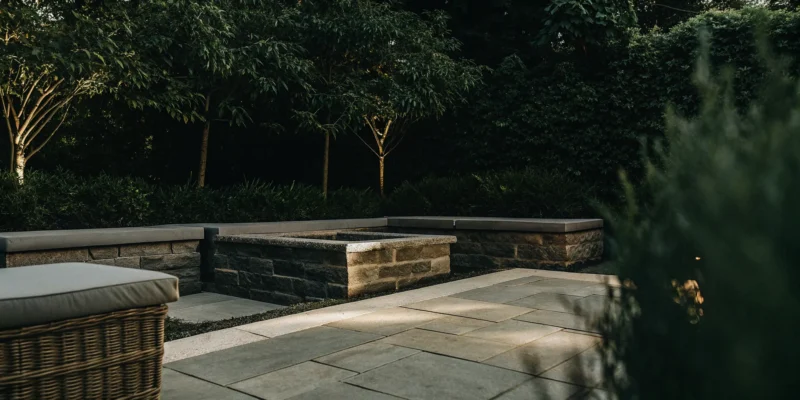
Long Island homeowners need durable outdoor surfaces that survive freezing winters and hot summer days. Choosing the right layouts and materials ensures your yard remains safe and beautiful for years.
Call Gappsi at (contact page for a free paver patio consultation. Why should you choose stone pavers over other options, and how do they boost your home value? You must look at their long-term durability and how they handle freezing winter weather. To understand these choices, we explore Why Paver Patios Are a Smart Investment for Long Island Homes.
Why Paver Patios Are a Smart Investment for Long Island Homes
A new patio can make your backyard a central hub for relaxation and fun. When you look at new paver patio ideas, you want a choice that looks great and lasts for many years. Building a stone or concrete patio is one of the smartest upgrades you can make for your property. It gives you a strong, beautiful space for outdoor dining and family gatherings. Wood decks rot and concrete slabs crack. A built stone patio stays strong and needs very little work to keep its charm. This makes it a great investment that saves you time and money on yearly repairs.
Weather resistance in our local climate
The weather on Long Island can be very harsh on outdoor stone surfaces. Cold winter months bring freezing temperatures that can crack solid concrete slabs. Paver patios solve this problem because the stones can move slightly without breaking. You can build these patios with strong materials like natural bluestone, granite, travertine, or concrete pavers. To ensure your patio lasts, proper base preparation is the most critical step. You must build a solid paver base using gravel and sand to help water drain away from the surface. This deep layer allows water to flow through instead of pooling under the stones. When water pools and freezes, it pushes the stones upward and ruins the flat surface. Also, using permeable materials helps reduce standing water and cut erosion in your backyard.
Boosting home resale value
A well-built patio is more than just a place to relax. It is a smart way to increase the market value of your home. Most home buyers on Long Island look for move-in ready outdoor spaces. A gorgeous stone patio makes your yard look finished and clean. It acts as an extra room where people can host guests or enjoy quiet nights. Because natural stone and concrete pavers hold their shape for decades, they offer a high return on your investment. You will not have to spend money on regular repairs or costly replacements. This strong design is a key selling point that can attract buyers if you sell your house in the future.
More space for year-round living
A custom paver patio expands your living space past the walls of your house. It creates a stable ground for cozy fire pits, outdoor kitchens, and seating areas. On Long Island, a well-planned layout lets you enjoy your backyard during spring, summer, and autumn. You can set up dining tables for warm summer dinners or add a fire pit to stay warm on crisp fall nights. This custom setup lets you make the most of your property throughout the year. It turns your backyard into a functional retreat where your family can make lasting memories. By adding paths and distinct zones, you create a smooth flow that connects your home directly to the natural landscape. Ready to bring your paver patio ideas to life? Call Gappsi at (contact page.
What Paver Materials Work Best for a Long Island Patio?
Choosing the proper stone is a major part of your project. The best paver patio ideas rely on choosing materials that can stand up to local weather. You have several great options for your yard, ranging from natural stone to manufactured blocks.
Natural stone options for elegant patios
Many homeowners on Long Island choose bluestone because of its natural look. This popular stone has a unique color range and a rich texture that fits any yard. Another great option is travertine. This stone stays cool under your feet on hot summer days. Using light-colored stones in full sun helps keep the surface cool on warm days. For borders and pool edges, granite coping is very strong and offers a clean look. These natural materials add a timeless feel to your outdoor living space. They can last for decades with simple care. Choosing natural stones allows you to create a patio that feels like a natural part of the landscape. Each piece of stone has its own distinct markings and shades. This means no two patios will look exactly the same. You can mix these materials to create a beautiful and custom look.
The versatility of concrete pavers
If you want more options for shapes and colors, concrete pavers are a great choice. These blocks are durable and feel comfortable underfoot when you walk. They come in many sizes, which allows you to build unique patterns. You can find styles that look like natural stone or classic brick. When choosing the right paver material, you should think about how you will use the space. Some brands like Nicolock offer rich color blends that do not fade over time. These pavers hold up well against heavy foot traffic and changing seasons. Concrete blocks are also easy to replace if one gets stained or damaged. You can simply pull out the broken block and slide a new one in. This makes repairs very cheap and fast compared to poured concrete. Homeowners like this choice when they plan their yard.
Permeable pavers for better water flow
Managing water is a key part of designing any patio on Long Island. Patios built with permeable materials help water soak back into the ground. This helps to reduce standing water and soil loss in your yard after a storm. These special pavers allow rain to flow through the joints into the soil. This stops runoff from washing away soil and helps refill ground water. Using these stones is a smart way to protect your lawn. They keep your lawn dry and prevent pools of water from forming on your patio.
| Material | Appearance | Durability | Maintenance | Best Use |
|---|---|---|---|---|
| Bluestone | Blue and gray tones with natural texture | High strength | Low, regular sweeping | Rustic patios and walkways |
| Travertine | Warm tan and cream tones, smooth feel | High, resists cracking | Low, seal every few years | Sunny patios and pool decks |
| Concrete Pavers | Many shapes, colors, and textures | Very high, handles heavy traffic | Low, easy to wash | Custom patio patterns |
| Granite Coping | Sleek, modern gray or white colors | Extreme strength | Very low, resists wear | Patio borders and pool edges |
Timeless Paver Patio Ideas for Layouts and Patterns
When you begin to plan your paver patio installation, you must decide how the stones will lie. The way you arrange your pavers shapes the style, scale, and strength of your outdoor living space. Modern paver patio ideas rely on classic layouts to guide the eye and make yards feel larger or more cozy. Your pattern choice also affects how well the stones lock together to resist shifting over time.
The Classic Herringbone Layout
The herringbone pattern is a historic design with roots in old European roads. In this layout, builders place rectangular stones at 45-degree or 90-degree angles to form a classic v-shape. The pattern gets its name because the zig-zag lines look like the bones of a herring fish, a look drawn from ancient Roman roads. This interlocking design is highly stable, making it the best choice for high-traffic zones like driveways and main patios. When you lay these pavers at a 45-degree angle, you can make a small patio feel much wider. The slanted lines draw your eyes outward to the corners and edges of the yard. The type of stone you select plays a huge role in the final look of this pattern. Take time for choosing the right paver material before any work begins on your lawn.
The Traditional Basketweave Pattern
The basketweave pattern brings a warm, old-world look to your outdoor living space. In this layout, builders place rectangular pavers in neat, crossing pairs to make square blocks. This simple swap repeats across the floor to make the stones look like woven wooden strips. It is a detailed pattern that works best in flat areas where you want a cozy look. This layout works well for small seating areas and cozy alcoves. It adds rich texture to the ground without making the space feel busy or cluttered. Choosing a layout with wider joints can help you build a permeable hardscape for your yard. This design allows water to soak into the ground, which helps to replenish local groundwater and reduce yard runoff.
The Clean Running Bond Style
The running bond design is the most common pattern for modern patios. In this layout, builders lay pavers in straight, even lines across the yard. Each row is offset by half a stone, which creates a clean, classic look. This layout is easy to install and needs little cutting of stone, which speeds up the work and lowers your costs. You can use running lines to change how people see the scale of your patio. If you run the lines along your house, the patio will look wider from side to side. If you run the lines away from your house, the space will feel much longer to your guests. This pattern also lets you mix different colors to form borders that match your home landscape.
How Big Should Your Paver Patio Be and How Do You Lay It Out?
To design a backyard space that works well, plan your patio size based on how you want to use the area. A small space can feel tight, while a huge patio can look cold and bare. You need to map out your plans before you dig. When you plan your paver patio installation, match the size to your needs. This ensures you have enough room for dining tables, seating, and foot traffic.
Patio size rules by zone
Your patio must fit your chairs and tables. A small dining area with a table and four chairs needs a space of at least twelve by twelve feet. For large dining tables or a deep couch, plan for fifteen by fifteen feet. Fire pit seating areas need a space of at least ten to twelve feet wide. This size allows guests to sit at a safe distance from the heat while keeping their chairs on the paving stones.
Traffic flow and zoning plans
A good layout splits your outdoor space into clear zones. You can use different paver colors or textures to mark where the cooking area ends and the lounge area begins. Keep main walking paths three to four feet wide so people can pass easily. Always check the slope during planning. You want to make sure water drains away from your home. Hardscaping guides from Clemson University Extension show that pervious systems work best on slopes under two percent. This means your yard should not slope more than one foot for every fifty feet.
Steps to map your layout
To get the best results, follow a clear plan to map your yard. You want to make sure your new space fits well with your home’s style. Gappsi ensures that patterns and layouts complement your existing landscape and architecture. Here are the steps to size and lay out your new paver patio:
- List your patio uses. Write down how you want to use the space, such as for outdoor dining, cooking, or sitting by a fire pit. This list helps you find the total square footage you need.
- Measure your yard. Mark the edges of your lawn, trees, and gardens. Use these sizes to see how much flat space you have for paving.
- Stitch zones together. Arrange your zones so that the cooking area is close to the house door. Place lounging and fire pit areas further out in the yard for a quiet feel.
- Outline the shape with stakes. Use wood stakes and string to mark the patio edges in your yard. Use garden hoses if you want to test curved shapes.
- Test the traffic paths. Place your outdoor chairs and tables inside the outlined area. Walk around the furniture to make sure your paths are wide enough for guests to move around.
Adding Fire Pits, Outdoor Kitchens, and Borders to Your Patio
A well-planned outdoor space is more than just a flat stone surface. Homeowners can use fresh paver patio ideas to turn a simple backyard into a lively outdoor living room. Adding key features like a built-in fire pit, a stone outdoor kitchen, or a custom seating wall helps to zone your yard for different uses. Each feature works to draw people in, making the patio an active hub for outdoor life.
Defining Space with Custom Borders and Coping
A contrasting border or custom coping acts as a frame for your patio layout. Using different paver colors, textures, or sizes defines the outer edge of your patio and separates it from the surrounding lawn. This border gives the entire design a polished, high-end look. Beyond style, borders also keep your edge pavers locked tightly in place. Within the patio, low built-in sitting walls do double duty. They give you extra seating around a fire feature while they zone the space. For instance, a low wall can split a cozy fire pit lounge from a busy cooking area. This smart zoning keeps your foot traffic moving smoothly during backyard parties.
Integrating a Fire Pit and Outdoor Kitchen
When you plan to build heavy features like a stone fire pit or a stone outdoor kitchen, proper ground work is key. For any durable patio, the choice to build a solid paver base is the most important first step. Heavy stone features put extra weight on the soil. This weight can cause pavers to sink or shift over time if the base is weak. Proper base prep ensures that your cooking and lounging zones stay stable for years to come.
Managing Slope and Drainage for Heavy Features
Managing water runoff is another key detail when adding fixed stone features. Using permeable surfaces around your outdoor kitchen or fire pit helps rain soak directly into the ground. This cuts standing water and stops soil erosion around your heavy stone structures. A study on hardscaping from Clemson University Extension shows that permeable hardscapes let water soak into the soil instead of creating runoff. This simple change helps to fill local groundwater. To keep these surfaces working well, the work site must meet tight rules. According to university guidance on permeable hardscapes, pervious pavers work best on slopes under 2%. That is a one-foot drop for every 50 feet of length. Also, builders must leave two feet of space between the bottom of the base and any bedrock or the water table. Following these rules ensures that your custom patio stays dry, level, and safe in Long Island’s changing seasons.
Do Paver Patios Need a Solid Base and Maintenance?
Do you want your outdoor living area to stay beautiful and stable for years to come? Yes, every successful backyard design needs a strong base and regular care to last. When you explore different paver patio ideas, you must plan for what lies beneath the surface. Knowing how to prep the site and keep it clean will save you time and money.
Why base preparation determines patio lifespan
Long Island gets intense freeze and thaw cycles. This shift in the weather causes the soil to expand and shrink. To stop shifting, you must build a solid paver base with deep gravel layers. Proper base prep is key to help your patio last in this local climate. Without it, your stone layout will sag, crack, or become uneven over time. A strong gravel bed drains water away quickly to protect the joints. A standard build begins by digging deep into the ground. Most yards need about six inches of crushed stone under the pavers. This stone layer must be packed down with a heavy machine. Packing the gravel creates a hard surface that will not budge under heavy foot traffic.
Siting rules for permeable paver installations
Using permeable stone can improve your yard. These systems let rain soak into the ground to reduce runoff. According to Clemson University, these surfaces let water soak back into the earth. But you must place these systems on the right land. Permeable designs work best on gentle slopes of under two percent. A slope steeper than this will not let the water drain straight down. Also, you must keep at least two feet of space between the stone base and bedrock or the water table. This gap ensures that the filtered water can seep safely back into the earth. Proper water drainage keeps your lawn healthy. When water pools on top of your stones, it can flood your gardens. It can also seep toward your house foundation to cause wet basements. Permeable stones solve this problem by directing storm water down into the soil. This natural flow prevents erosion and keeps your outdoor space dry.
Routine steps to keep your patio clean
Once your patio is built, regular care is simple but vital. You should sweep loose leaves, dirt, and debris off the stones every week. This habit stops organic matter from staining the stone surfaces. Next, wash the stone with a garden hose and a mild soap to remove tough grime. Keeping the joints filled is another key step. You can secure the stones by finishing your patio joints with polymeric sand. This special sand hardens when wet to block weeds and ants. To protect against stains and frost damage, you should seal and protect your paver patio every one to three years. Sealing keeps the colors bright and keeps water from breaking down the concrete or natural stone. Have questions about your project? Call (contact page for expert guidance.
Frequently Asked Questions
What are the most durable patio pavers?
Granite pavers are the most durable option for your yard. This natural stone resists wear, chipping, and cracks from the cold winter freeze. Natural concrete pavers also offer high strength and come in many shapes. Proper base setup is key to keep them from shifting over time.
How do you maintain patio pavers?
To maintain your pavers, sweep them often to clear dirt. You should also fill the joints with polymeric sand to block weeds. Sealing your patio every one to three years will protect the stone from salt, oil, and the winter freeze. Read our guide to seal and protect your paver patio for best results.
What are some paver patio ideas on a budget?
For a low-cost patio, you can use gravel or crushed shell instead of full stone. These materials cost less and let water drain back into the soil. According to the Clemson University Cooperative Extension, a grid system can help hold these loose materials in place for a solid walkway.
How can I design a patio with fire pits and pavers?
You can center your design around a focal point by using circular paving patterns for your fire pit. Using a different brick color for the borders will help separate the fire area from your dining space. This layout keeps the yard organized and safe for your family.
Ready to design your ideal Long Island paver patio?
Putting off your project means missing out on prime warm weather and outdoor fun next year. If you wait until spring to start planning, busy build schedules and cold weather ground shifts will delay your job. Designing your yard now ensures that the hard work is done before the first warm day of the season. Our team handles every step from base prep to the final layout to make sure your stone patio looks great and stays stable. Do not let another year go by wishing you had a space to gather with your friends and loved ones. Ready to build? Call (contact page to schedule a free paver patio consultation with Gappsi Group.