Buy modern outdoor pizza ovens from a local dealer on Long Island, NY.

Outdoor Pizza Ovens on Long Island: A Buyer’s Guide

If you’re thinking about adding a pizza oven to your backyard, you’ve probably wondered if it’s really worth it. Are they complicated to use? Are they only good for making pizza? Let’s clear up some of the common myths. Modern pizza ovens are incredibly versatile, user-friendly, and efficient, making them a perfect addition for any home cook who loves to entertain. From searing steaks to baking bread, these ovens do it all. This guide will bust the biggest myths and give you the practical information you need to buy pizza ovens for outdoor on Long Island NY and start enjoying this amazing backyard upgrade.

Key Takeaways

  • Choose your fuel source based on your lifestyle: Decide if you prefer the authentic, smoky flavor and hands-on process of a wood-fired oven or the quick, convenient, and consistent results of a gas model.
  • Prioritize quality materials and professional installation: An oven’s long-term performance depends on its insulation and build quality, not just the price. Factoring in professional setup ensures your oven is safe, secure, and perfectly placed in your backyard.
  • Use your oven for more than just pizza: Think of it as a versatile outdoor appliance perfect for searing steaks, roasting vegetables, or baking bread. Modern ovens are also designed for easy use and simple cleaning, making them a practical addition to any outdoor kitchen.

Choosing Your Perfect Pizza Oven: Wood, Gas, or Hybrid?

Adding a pizza oven to your backyard is about more than just cooking; it’s about creating a focal point for gatherings and making memories. When you start looking, you’ll find three main types: wood-fired, gas, and hybrid. Each offers a different experience, and the right one for you really depends on your lifestyle and what you value most in your outdoor cooking. Do you crave that authentic, smoky flavor and enjoy the ritual of building a fire? Or do you prefer the speed and convenience of flipping a switch and getting right to it?

Maybe you don’t want to choose. That’s an option, too. Thinking about how you’ll use the oven is the best first step. Consider your typical weeknight versus a relaxed weekend with friends. This will help you decide which fuel source fits best with your vision for your Long Island backyard. At Gappsi, we help homeowners design complete outdoor living spaces, and we can walk you through which oven style will integrate perfectly with your new patio or kitchen setup. Let’s look at what makes each type unique.

The Classic Wood-Fired Experience

For the purist, nothing compares to a wood-fired pizza oven. It’s all about the incredible flavor, that subtle smokiness and perfectly crisp crust that only a real wood fire can create. There’s also the hands-on experience of tending the fire, which many people find incredibly rewarding. Some common myths might make you hesitate, like the idea that they use too much fuel or are hard to operate. The truth is, modern, properly insulated wood-fired ovens are designed to retain heat efficiently, so they use less wood than you might think. While there’s a slight learning curve, mastering a wood-fired oven is a satisfying skill for any home chef.

The Convenience of Gas Ovens

If you want delicious, homemade pizza without the time commitment of managing a fire, a gas oven is a fantastic choice. With the turn of a knob, you get consistent, controllable heat that’s ready for cooking in minutes. This makes it perfect for busy weeknights or spontaneous get-togethers. Cleanup is also much simpler since there’s no ash to deal with. Many people find that gas pizza ovens are just so much easier to use, allowing you to focus more on your toppings and less on the temperature. Modern gas models are incredibly powerful, delivering the high heat needed for a perfect pizza every time.

The Best of Both Worlds: Hybrid Ovens

Can’t decide between the authentic flavor of wood and the simplicity of gas? With a hybrid oven, you don’t have to. These versatile models give you the option to cook with either fuel source. You can use gas for a quick and easy pizza night during the week, then switch to wood on the weekend when you have more time to savor the cooking process. This flexibility is what makes hybrid ovens so popular. They truly offer the convenience of propane cooking alongside the classic experience of a wood-burning oven. It’s the ideal solution for the home entertainer who wants it all.

Where to Find Your Outdoor Pizza Oven on Long Island

Once you know what type of oven you want, it’s time to start shopping. On Long Island, you have several options, from local showrooms to online retailers. Each has its pros and cons, so thinking about the kind of buying experience you want will help you decide where to go. For a major backyard feature, getting expert advice and seeing the product in person can make all the difference in finding the perfect fit for your home and lifestyle.

Why a Specialty Showroom Is Your Best Bet

When you’re adding a pizza oven to your home, seeing is believing. A specialty showroom lets you see and touch different models in person. You can compare sizes, feel the quality of the materials, and get a real sense of how an oven will look in your backyard. Unlike a typical retail store, showrooms are staffed by experts who live and breathe outdoor living. They can answer detailed questions about heat retention, fuel types, and what it takes to create the perfect crust. This hands-on experience and expert advice are invaluable for choosing an oven you’ll love for years.

Visiting the Gappsi Store

For a truly tailored experience on Long Island, visiting the Gappsi Store is a must. We offer a curated selection of authentic Italian brick pizza ovens, with both wood and gas models to fit your cooking style. Our team doesn’t just sell ovens; we design and build complete outdoor kitchens. We help you envision how your new pizza oven will integrate with your patio and landscaping. Serving Nassau and Suffolk Counties, we provide professional installation, building your oven right at your home to ensure it perfectly suits your space. It’s a seamless process from design to your first pizza party.

Considering Big-Box Retailers

You might see pizza ovens at large home improvement stores, and they can be a convenient place to browse. These retailers often stock popular, entry-level portable models that are great for getting started. However, the selection is usually limited, and you may not find the high-performance, built-in models that become a true centerpiece of an outdoor kitchen. The staff may also lack the specialized knowledge needed to guide you through the finer points of different materials or installation requirements. For a long-term investment, you’ll often find better quality and support from a dedicated outdoor living specialist.

Shopping Online

The internet offers an endless aisle of pizza ovens, and the convenience of shopping from your couch is hard to beat. You can compare dozens of brands, read reviews, and have an oven delivered to your door. The main drawback is that you can’t physically inspect the oven before buying, making it difficult to judge the build quality. More importantly, you’re on your own for assembly and installation. A heavy brick oven requires a proper foundation and expertise to set up safely, a service that online retailers don’t provide but is central to our masonry and construction services.

Popular Pizza Oven Brands to Consider

When you start looking for an outdoor pizza oven, you’ll quickly notice a few brand names that pop up again and again. Each one has a reputation for something different, whether it’s portability, high-tech features, or authentic wood-fired performance. Getting to know the major players can help you narrow down your options and find the perfect fit for your backyard setup. At Gappsi, we carry a curated selection of top brands and can walk you through the specific models that align with your cooking style and outdoor living space. Here are a few of the most popular brands you’ll likely encounter in your search.

Ooni Models

Ooni has become a household name in the world of backyard pizza, and for good reason. What people really love about Ooni is how they’ve made high-heat pizza making accessible and even portable. Many of their models offer the flexibility to cook with either wood or propane, giving you the best of both worlds. The Ooni Koda 16 is a consistent favorite for its ease of use and reliable results, making it a fantastic starting point for home cooks. If you want the convenience of gas but still crave that classic wood-fired flavor, Ooni’s versatile designs are definitely worth a look.

Gozney Arc and Dome Series

If you’re serious about crafting restaurant-quality pizza at home, Gozney is a brand you need to know. Their ovens, like the Arc and the larger Dome, are praised for their exceptional performance, thoughtful design, and incredible heat retention. These models are built for enthusiasts who want precise control over their cooking environment. In fact, many pizza lovers find that the Gozney Arc XL excels at producing specific styles, like a perfect New York-style pie with a crispy, foldable crust. A Gozney oven is an investment in your outdoor kitchen that delivers consistently amazing results.

ilFornino Collections

For those who dream of an authentic Italian pizza experience, ilFornino offers ovens that combine traditional design with modern engineering. These ovens are known for their durability and efficiency, capable of cooking a perfectly crisp pizza in less than 90 seconds. The setup is straightforward, and their user-friendly design means you can get started without a steep learning curve. ilFornino ovens are built with high-quality materials designed to last, making them a solid centerpiece for any outdoor entertaining space. They bring a touch of classic Italian craftsmanship right to your Long Island backyard.

Breville Smart Ovens

While most people think of outdoor flames for pizza, Breville has perfected the indoor electric pizza oven. The Breville Pizzaiolo is a marvel of kitchen technology, designed to replicate the intense, specific heat of a traditional brick oven. It uses smart sensors and three separate heating elements to ensure every part of your pizza, from the crust to the toppings, is cooked perfectly. This is an ideal choice if you want brick-oven results without dealing with fuel or weather. Breville’s smart oven technology offers incredible ease of use and precision for year-round pizza making.

Breaking Down the Cost of an Outdoor Pizza Oven

Figuring out your budget is one of the first steps to bringing an outdoor pizza oven home. The price can vary quite a bit, depending on the size, fuel type, and materials. It’s helpful to think about the cost in tiers, from simple starter models to custom-built statement pieces. Understanding what you get for your money will help you find the perfect oven for your backyard and your wallet. Let’s look at the typical price ranges you’ll find on Long Island.

Entry-Level Ovens ($300-$800)

If you’re just dipping your toes into the world of outdoor pizza making, an entry-level oven is a fantastic starting point. In this price range, you’ll find smaller, often portable models that are perfect for casual get-togethers. These ovens are typically fueled by gas or wood pellets and can heat up quickly, letting you cook delicious pizzas without a huge commitment. While they may not have the same heat retention as their pricier counterparts, they offer an affordable way to decide if a pizza oven is right for you before investing in a more permanent setup.

Mid-Range Models ($800-$2,500)

For many homeowners, the mid-range is the sweet spot. Ovens in this category offer a great balance of performance, durability, and style. You’ll start to see more substantial models, including countertop versions and freestanding ovens made from higher-quality materials like stainless steel and ceramic. These ovens provide better insulation and more consistent heat for a more authentic cooking experience. You can find excellent wood, gas, and hybrid options in the Gappsi Store that deliver impressive results and are built to become a lasting part of your outdoor kitchen.

Premium Ovens ($2,500+)

If you are a serious home chef or envision your pizza oven as the centerpiece of your outdoor entertaining space, a premium model is a worthy investment. These high-end ovens are crafted for exceptional performance and longevity, often featuring thick refractory dome construction for superior heat retention. They can maintain high temperatures for hours, allowing you to cook multiple pizzas perfectly. Many premium ovens are also part of a larger custom build, requiring professional masonry work to integrate them seamlessly into your patio or outdoor kitchen design for a truly stunning look.

Factoring in Installation

Remember that the price tag on the oven itself isn’t the final cost. You also need to budget for installation. A portable oven might just need a sturdy table, but a permanent one requires a solid, level base. This could involve building a dedicated stand or integrating it into a custom outdoor kitchen counter. For safety and performance, professional installation is highly recommended, especially for gas and large wood-fired models. Working with a team that understands outdoor living construction ensures your oven is installed correctly, safely, and beautifully complements your backyard design.

Key Features to Compare When Shopping

When you start looking at different pizza ovens, it’s easy to get caught up in aesthetics and price tags. But to find the oven that truly fits your backyard and lifestyle, you need to look a little deeper. The best oven for you will depend on how you plan to use it, whether for quick weeknight dinners or large weekend gatherings. Focusing on a few key performance features will help you cut through the noise and choose a model you’ll love for years to come.

Think about what matters most for your pizza nights. Do you value speed and convenience, or are you dedicated to achieving that perfect, artisan crust? Are you cooking for your family or the whole neighborhood? Answering these questions will guide you toward the right specifications. Let’s break down the four most important features to compare: heat-up time, cooking surface, materials, and fuel source. Understanding these will make your decision much clearer and ensure your investment in an outdoor kitchen is a success.

Heat-Up Time and Max Temperature

Patience is a virtue, but maybe not when you’re hungry for pizza. An oven’s heat-up time tells you how long you’ll wait between firing it up and sliding in your first pie. Some gas-powered models can reach cooking temperatures of over 850°F in less than 30 minutes, which is perfect for spontaneous get-togethers. Maximum temperature is just as important, especially if you’re chasing that classic Neapolitan-style pizza with a crispy, leopard-spotted crust. That signature char requires incredibly high heat that a standard home oven just can’t reach. Look for ovens that can consistently maintain temperatures above 750°F for the best results.

Cooking Surface Area

The size of your oven’s cooking surface determines how large or how many pizzas you can make at once. Most tabletop models are designed to fit a standard 12-inch pizza, which is great for smaller families or couples. If you love hosting parties, you might want to consider a larger oven. Some premium models have a more spacious cooking area that can accommodate 16-inch pizzas or even multiple smaller pies side-by-side. Think about your typical gathering and choose a size that won’t leave your guests waiting. A larger oven can be the centerpiece of a beautiful pavilion or pergola, creating a perfect entertainment hub.

Quality of Materials and Insulation

An outdoor pizza oven is an investment, so you want one built to last. The quality of the materials and insulation directly impacts its performance and durability. Ovens with thick, high-quality insulation retain heat much more effectively. This means they stay hotter for longer, cook more evenly, and use less fuel. A well-insulated oven ensures the heat stays inside, cooking your pizza from all sides, instead of escaping into the air. This is a key feature that separates entry-level models from premium ones and is essential for consistent cooking, especially on a breezy Long Island evening. High-quality masonry and stone work often indicates a superior, long-lasting build.

Fuel Source and Efficiency

Your oven’s fuel source affects everything from flavor to convenience and cost. Wood-fired ovens give you that authentic, smoky taste but require more hands-on management to maintain the right temperature. Gas ovens offer incredible convenience and control with the turn of a dial, providing a consistent heat source for reliable results every time. Some hybrid models even let you use both. When considering efficiency, remember that it’s not just about fuel consumption. An efficient oven heats up quickly and maintains its temperature, giving you a better, more predictable cooking experience. You can explore different models and fuel types at the Gappsi Store to see what feels right for you.

Wood vs. Gas: Which Pizza Oven Fits Your Lifestyle?

Choosing between a wood-fired and a gas-powered pizza oven comes down to what you value most in your outdoor cooking experience. Are you an artisan at heart, chasing that authentic, smoky flavor? Or are you a busy host who wants delicious pizza with minimal fuss? There’s no single right answer, but thinking about your cooking style, how much time you want to spend, and your budget will point you in the right direction. Let’s walk through the key differences in flavor, convenience, fuel costs, and maintenance to help you find the perfect fit for your Long Island backyard.

For the Love of Flavor

If authentic taste is your top priority, a wood-fired oven is hard to beat. Many pizza purists will tell you that nothing compares to the unique, smoky taste that only a real wood fire can provide. It adds a rustic character to every pizza that’s simply delicious. However, don’t count gas ovens out. Modern gas models from brands like Ooni and Gozney are engineered to reach incredibly high temperatures, which is the key to achieving that perfect crispy-chewy crust. Their consistent heat makes them versatile for cooking more than just pizza, turning your oven into a true outdoor cooking workhorse.

For Ultimate Convenience

When your goal is to serve up amazing pizza without a long wait, a gas oven is your best friend. These models are designed for efficiency, letting you get cooking quickly with just the turn of a dial. There’s no need to build and tend a fire; gas ovens like the Ooni Koda 16 can reach the ideal cooking temperature in as little as 15 to 20 minutes. This makes them perfect for weeknight family dinners or impromptu backyard parties. If you want to spend more time enjoying your guests and less time managing the fire, the convenience of gas is a clear winner.

Comparing Fuel Costs

Many people assume that wood-fired ovens are expensive to operate, but that’s not always the case. A well-built, properly insulated oven is designed to retain heat efficiently, which means you’ll use less wood over the course of a cooking session. While the cost of seasoned hardwood can vary, a good oven makes the most of every log. On the other hand, gas ovens offer more predictable fuel costs. Hooking up a standard propane tank is straightforward, and you’ll have a clear idea of how much you’re spending per use. For frequent pizza makers, the consistent cost of gas can be an attractive feature.

Understanding Maintenance Needs

Every pizza oven requires some upkeep to keep it performing its best and ensure it’s safe for cooking. Regular cleaning of the cooking surface and exterior is a must for both types. Wood-fired ovens naturally require a bit more attention, as you’ll need to clear out ash and soot after each use to prevent buildup. Gas ovens typically have a simpler cleaning routine since there’s no solid fuel residue to manage. The good news is that modern ovens, whether wood or gas, are built with durable materials designed to withstand the Long Island weather, making them a lasting addition to your outdoor space.

Planning Your Pizza Oven Installation

Bringing home a new pizza oven is exciting, but the real magic happens when it’s properly installed in your outdoor living space. A little planning goes a long way in making sure your oven is safe, convenient, and ready for years of delicious meals. Before you fire it up, you need to think about where it will live, who will install it, and what rules you need to follow. These steps ensure your pizza oven becomes a seamless and functional part of your backyard, not a last-minute addition. From choosing the perfect corner of your patio to making sure it can handle a Long Island winter, here’s what to consider.

Finding the Right Spot

Choosing the right location for your pizza oven is the first step to creating a functional outdoor cooking area. Think about workflow and safety. You’ll want the oven on a stable, level, and non-combustible surface, a safe distance from your home’s siding, fences, and overhanging trees. Consider its proximity to your indoor kitchen for easy transport of ingredients and supplies. Many homeowners choose to integrate their oven into a larger outdoor kitchen with custom masonry countertops for prep space. This creates a dedicated cooking station that’s both beautiful and practical, making your pizza-making process smooth and enjoyable.

Deciding Between Pro Install vs. DIY

While some smaller, portable pizza ovens are simple to set up yourself, a permanent or built-in model often requires professional expertise. A DIY installation might seem like a way to save money, but it can lead to issues with stability, ventilation, and safety if not done correctly. Professional installers understand the specific requirements for different oven types, from building a proper foundation to ensuring correct chimney height. A team of experts can build your Italian brick pizza oven right at your home, guaranteeing a secure and flawless setup that gives you complete peace of mind.

Checking Local Codes and Permits

Before you finalize your plans, it’s important to check your local municipal codes. Towns and villages across Nassau and Suffolk counties have regulations for outdoor cooking structures, including setback requirements that dictate how far the oven must be from property lines and your house. Safety is the main concern here. Because wood and charcoal fires emit carbon monoxide, pizza ovens can never be used in an enclosed area like a garage or covered porch. A professional installer will be familiar with these local requirements and can help you secure any necessary permits, ensuring your project is fully compliant.

Ensuring Proper Ventilation and Weatherproofing

Proper ventilation is key for both safety and performance. A well-designed chimney directs smoke away from you and your guests, creating a more pleasant cooking environment. Just as important is protecting your investment from the elements. Long Island weather means your oven needs to withstand rain, snow, and humidity. Look for models with weather-tight construction or consider building a protective structure like a pavilion or pergola. Using durable materials like high-quality stainless steel and properly sealed natural stone ensures your oven will last for many seasons of backyard gatherings.

Common Pizza Oven Myths, Busted!

When you think about adding a pizza oven to your backyard, a few common worries might come to mind. Maybe you picture a complicated, single-use appliance that’s difficult to manage. The truth is, today’s outdoor pizza ovens are incredibly versatile, user-friendly, and efficient. Many of the old ideas floating around just don’t apply to the high-quality models available now.

Let’s clear the air and look at some of the biggest myths about outdoor pizza ovens. Understanding the reality of owning one can help you see how it could fit perfectly into your Long Island lifestyle. From quick weeknight dinners to weekend gatherings, a pizza oven can become the centerpiece of your outdoor entertainment space. You can find a great selection of modern, high-performance models right at the Gappsi Store. Let’s bust some myths so you can make a confident choice.

Myth: They’re Only for Pizza

This is easily the most common misconception. While they make incredible pizza, these ovens are true multi-taskers. The high heat that perfectly crisps a pizza crust is also ideal for searing steaks, roasting vegetables, baking artisanal bread, and even cooking fish on a cast-iron skillet. Think of it as a powerful, versatile outdoor oven, not just a pizza maker. It can be the star of a complete outdoor kitchen, complementing your grill and other features. A well-designed masonry setup can integrate your pizza oven seamlessly into a beautiful and functional cooking station.

Myth: They’re Too Complicated for Beginners

The idea of cooking with an open flame at very high temperatures can seem intimidating, but modern pizza ovens are designed with ease of use in mind. Gas and hybrid models often start with the push of a button and allow for precise temperature control with a simple dial. While wood-fired ovens have a bit of a learning curve, mastering the fire is part of the fun and a rewarding experience. Many beginners are surprised by how quickly they get the hang of it and start turning out amazing food for family and friends.

Myth: They Use Too Much Fuel

You might think that reaching temperatures of over 900°F would burn through fuel, but that’s not the case. High-quality pizza ovens are built with excellent insulation, using materials like ceramic fiber to retain heat effectively. This means that once the oven is hot, it stays hot with minimal fuel consumption. A properly insulated oven uses wood or gas very efficiently, allowing you to cook for hours without constantly refueling. This smart design makes them a more sustainable and cost-effective choice than many people realize.

Myth: They’re Hard to Clean

Forget about scrubbing greasy grates. Pizza ovens are surprisingly low-maintenance, thanks to a process called pyrolysis. The extremely high cooking temperatures incinerate most food drippings and residue, turning them into a fine ash. Once the oven cools down completely, all you need to do is brush out the ash from the cooking floor. The exterior can be wiped down with a damp cloth. It’s a simple process that keeps your oven ready for the next use, which is one reason they are a fantastic addition to any low-maintenance outdoor living space.

Getting the Best Value and Local Support

Bringing an outdoor pizza oven home is an exciting step, but the process doesn’t end at the checkout counter. To make sure you’re truly happy with your purchase for years to come, it’s smart to think about the complete picture. This includes finding great deals, understanding the delivery and setup process, and knowing what kind of support you’ll have after the oven is installed. Working with a local expert can make all the difference, turning a potentially complicated purchase into a smooth and enjoyable experience.

Finding Seasonal Deals

Timing your purchase can lead to significant savings. Keep an eye out for seasonal promotions, end-of-year sales, or special offers on floor models, especially when you shop locally. Some ovens are also limited releases, so staying connected with your local supplier is key. For example, a specific model might be available for a short time, and you’ll want to know about it before it’s gone. Following local showrooms on social media or signing up for their newsletters is a great way to get updates on new arrivals and exclusive deals right in your inbox. This helps you get the best possible price on the oven you really want.

Asking About Delivery and Setup

Getting a heavy, bulky pizza oven to your backyard is a major consideration. When you buy from a local company, you can ask specific questions about their delivery and installation process. Will they just drop it on your curb, or will they place it exactly where you want it? At Gappsi, we handle the entire process, installing ovens all over Long Island, including in Nassau and Suffolk Counties. Our team can even build a custom brick oven right in your backyard, integrating it perfectly into your outdoor kitchen design. This level of service removes the logistical headache and ensures your oven is set up safely and correctly from day one.

Checking Warranties and Support

A good warranty is your safety net and a clear indicator of the manufacturer’s confidence in their product. Before you buy, always ask about the warranty details and what they cover. Beyond the manufacturer’s guarantee, consider the value of local support. If you run into any issues or have questions about operating your oven, having a local team to call is incredibly reassuring. Instead of waiting on hold with a national call center, you can get quick, helpful advice from experts who understand the products and are invested in your satisfaction. This ongoing relationship is one of the biggest perks of shopping local.

Don’t Forget the Accessories

The right accessories can transform your pizza-making from a hobby into a true culinary art form. While the oven is the star of the show, items like a sturdy cart, a protective cover, and high-quality pizza peels are essential for a great experience. When you’re setting your budget, be sure to account for these extras. Visiting a showroom like the Gappsi Store allows you to see these accessories firsthand and get expert recommendations on which ones will best suit your new oven and cooking style. Planning for these items from the start ensures you have everything you need to fire up your first pizza as soon as your oven is ready.

Related Articles

Frequently Asked Questions

Besides pizza, what else can I realistically cook in an outdoor oven? You can cook almost anything you would in your indoor oven, but with better results. The high, dry heat is perfect for roasting vegetables until they are caramelized and tender, searing steaks with a perfect crust, or baking crusty, artisan-style bread. Many people also use them for cooking fish on cedar planks or making skillet-based dishes. Think of it as a versatile outdoor cooking station, not just a single-purpose pizza maker.

How much space do I really need for a pizza oven? The space you need depends entirely on the type of oven you choose. A portable, countertop model might only require a sturdy outdoor table, while a larger, permanent brick oven will need a dedicated footprint on your patio. It’s important to also plan for a safe clearance of several feet around the oven, away from your house, fences, or any low-hanging branches. We always recommend planning for some adjacent counter space for prepping and serving.

Is a wood-fired oven worth the extra effort compared to gas? This really comes down to your personal cooking style and what you value most. If you love the ritual of building a fire and crave that authentic, smoky flavor, then yes, a wood-fired oven is absolutely worth it. If your priority is getting a delicious meal on the table quickly with minimal fuss, especially on a busy weeknight, then the convenience and precise control of a gas oven is the better choice.

What’s involved in installing a permanent, built-in pizza oven? Installing a permanent oven is a construction project that requires a solid foundation. The oven needs a stable, level, and non-combustible base, which often means building a concrete or masonry stand. This is why professional installation is so important. A team of experts will ensure the foundation is built correctly to support the oven’s weight and that it’s integrated safely and beautifully into your outdoor kitchen or patio design.

Can I use my outdoor pizza oven year-round on Long Island? Yes, you absolutely can. High-quality outdoor ovens are built with durable materials and excellent insulation designed to withstand the elements. While you might need to clear some snow off the patio, a well-insulated oven can reach and maintain its high cooking temperatures even on a cold day. Cooking a hot, fresh pizza in the crisp winter air can be a really unique and enjoyable experience.

Share this page:
Professionals comparing different synthetic turf samples to buy on Long Island, NY.

How to Buy Synthetic Turf on Long Island NY

A lush, green lawn adds significant curb appeal and value to your home, but maintaining one in Long Island’s climate is a costly, ongoing commitment. When you add up the expenses for water, fertilizer, pesticides, and lawn equipment, the numbers can be surprising. Synthetic turf presents a smart, long-term investment that pays for itself over time. While there is an upfront cost, you eliminate recurring maintenance expenses and gain a consistently beautiful yard that’s always ready for use. It’s a practical upgrade that enhances your property’s value and your quality of life. If you’re ready to make a lasting improvement to your home, you can buy synthetic turf on Long Island NY and enjoy the financial and aesthetic benefits for years.

Key Takeaways

  • Choose turf that fits your life: The best synthetic grass is designed for your specific needs, whether that means a durable, easy-to-clean surface for pets or a high-performance turf for home sports games courts.
  • A great installer is essential: The quality of your installation determines how long your lawn will last, so prioritize a provider with local Long Island experience, strong customer reviews, and a solid warranty.
  • Look at the big picture on cost: A quote should include materials, site preparation, and labor; consider the long-term savings on maintenance and ask about financing to understand the full value of your investment.

Why Choose Synthetic Turf for Your Long Island Home?

If you’ve ever felt like you spend more time working on your lawn than enjoying it, you’re not alone. Between mowing, watering, and fertilizing, maintaining a lush, green yard on Long Island can feel like a full-time job. That’s where synthetic turf comes in. It offers a practical and beautiful solution that gives you a picture-perfect lawn all year long, without the constant upkeep.

Modern artificial grass is a far cry from the plastic-looking turf of the past. Today’s options are incredibly realistic, durable, and designed to handle everything a Long Island family can throw at them. Whether you’re dreaming of a flawless green space for entertaining, a safe play area for kids and pets, or a personal putting green, synthetic turf provides a versatile foundation for your ideal outdoor living space. It’s about reclaiming your weekends and creating a yard that’s always ready for fun.

The Year-Round Benefits of a Perfect Lawn

Imagine a lawn that stays perfectly green through every season, with no yellow patches, muddy spots, or drainage problems. That’s the reality with synthetic turf. It eliminates the endless cycle of yard work, freeing you up to simply enjoy your outdoor space. High-quality artificial grass is designed to be durable and safe, making it an ideal surface for the whole family.

It’s tough enough for kids’ games and gentle enough for pets’ paws, giving you peace of mind. Plus, you can say goodbye to harmful pesticides and fertilizers, creating a healthier environment for everyone. A synthetic lawn means less time spent on maintenance and more time making memories in a yard that always looks its best.

Built to Withstand Long Island’s Weather

Long Island weather can be tough on natural grass, from scorching summer sun to heavy winter snow. Gappsi’s synthetic turf is engineered to endure these extremes with ease. The advanced fibers resist damage from UV rays, so your lawn won’t fade over time, and they are built to handle frost and snow without becoming brittle. You can even use a snowblower on it without worry.

This durability means your investment is protected for the long haul, with an expected lifespan of 15 to 20 years. Whether it’s hosting a summer barbecue or withstanding a winter storm, your turf will maintain its color and texture, providing a reliable and beautiful surface year after year.

Debunking Common Turf Myths

Many people have misconceptions about artificial grass, but modern turf has come a long way. One of the biggest myths is that it looks fake. Today’s synthetic turf is designed with varied blade shapes, colors, and textures that closely mimic the look and feel of a natural lawn. Another common concern is that it will wear out quickly. In reality, quality turf is built for resilience and can handle heavy foot traffic without losing its lush appearance.

Some also believe turf is bad for the environment, but it actually offers several green benefits. It completely eliminates the need for watering, which conserves a significant amount of water each year. It also means no more chemical fertilizers or pesticides running off into local waterways, making it a responsible choice for your home and community.

Finding the Right Type of Synthetic Turf

Not all artificial grass is created equal. The perfect turf for your neighbor’s pristine front yard might not be the right fit for your backyard, especially if you have kids, pets, or a budding golf enthusiast in the family. The key is to match the turf’s features to your lifestyle. Think about what you want to do with your new green space. Are you dreaming of a low-maintenance, picture-perfect lawn that stays green through every Long Island season? A durable play area for your dog that won’t turn into a mud pit? Or maybe a personal putting green to practice your short game?

Each of these scenarios calls for a different type of turf with specific characteristics, like blade height, density, and backing material. Choosing the right one ensures your investment not only looks great but also performs well for years to come. A soft, plush turf might feel great on bare feet but won’t hold up to constant athletic activity. Similarly, a tough, short-bladed turf designed for sports might not give you that lush, natural lawn aesthetic. At Gappsi, we help homeowners find the ideal synthetic turf solution by considering how they’ll use the space day-to-day. Let’s walk through some of the most common uses and what to look for in each type of turf.

For a Lush, Green Lawn

If your main goal is to have a beautiful, vibrant lawn without the constant mowing and watering, you’ll want to look at premium residential turf. These products are designed to mimic the look and feel of a healthy, natural lawn. They often feature a mix of blade shapes and colors, including a thatch layer, to create a more realistic appearance. High-quality options are soft underfoot and maintain their lush green color all year long, giving your home’s curb appeal a serious lift. This is the perfect choice for front yards and ornamental garden areas where aesthetics are the top priority.

For Happy Paws and Pet Owners

When you have pets, your turf needs to be more than just pretty; it has to be tough, safe, and easy to clean. Look for pet-friendly synthetic turf designed with durability and hygiene in mind. These systems feature a highly permeable backing for superior drainage, which is essential for washing away pet waste and preventing odors. Many pet-specific turfs also have antimicrobial properties built into the blades or infill to help keep germs at bay. This ensures you have a clean, safe, and odor-free space for your furry family members to enjoy without destroying the yard.

For Your Home Sports Games Court

For the active family, synthetic turf can transform your backyard into a versatile sports zone. Whether you’re dreaming of a personal putting green, a bocce ball court, or a space for soccer practice, there’s a turf for you. Turf for home sports games courts is designed for performance. For example, putting greens use short, dense fibers to ensure a smooth, consistent ball roll. Other sports turfs are built to withstand heavy foot traffic and provide a safe, even playing surface. You get all the fun of the game without the constant upkeep of a natural grass field.

For Playgrounds and Commercial Spaces

Safety is the number one priority for any playground or high-traffic commercial area. Playground-specific turf is designed with extra padding underneath to cushion falls and meet critical fall-height safety standards. It’s also incredibly durable to handle constant use from running, jumping, and playing. When choosing turf for spaces used by children and the public, it’s important to confirm it’s made from non-toxic, lead-free materials. This gives everyone peace of mind, knowing the surface is both fun and safe for all to use.

How to Choose a Quality Turf Provider on Long Island

Choosing the right synthetic turf is only half the battle; finding a skilled and reliable installer is just as crucial for a beautiful, long-lasting result. The right team will not only provide high-quality materials but also have the expertise to handle Long Island’s specific terrain and weather conditions. A great installation ensures proper drainage, seamless connections, and a flawless finish that looks and feels like the real thing. Taking the time to vet your options will pay off for years to come.

What to Look for in an Installer

When you start your search, focus on experience and the quality of the products offered. A provider with years of experience in the Long Island area will understand the local landscape and how to prepare it correctly. Ask about where they source their materials. Some of the best providers use premium turf that guarantees a realistic look and feel. For example, Gappsi offers high-quality synthetic turf made in Italy, which is known for its durability and natural appearance. A quality installer will be transparent about their products and confident in their ability to deliver a great result.

Decoding Customer Reviews and Warranties

Customer reviews offer a window into a company’s reliability. When reading them, look past the star rating and search for details about the customer’s experience. Did the team communicate well? Was the project completed on time? Happy clients often mention the team’s professionalism and the realistic look of the final installation. Also, always ask about warranties. A reputable company will stand behind its work with a solid warranty that covers both the turf material and the installation itself. This gives you peace of mind knowing your investment is protected. You can often see the quality of a provider’s work on their YouTube channel or in their project gallery.

Understanding the Cost of Synthetic Turf on Long Island

Investing in synthetic turf is a big decision, and one of the first questions on your mind is probably, “How much will it cost?” The truth is, there isn’t a single price tag. The final cost of a synthetic turf project on Long Island depends on several key factors, from the specific product you choose to the unique layout of your yard. Think of it less like buying a product off the shelf and more like a custom home improvement project.

The total investment covers not just the turf itself but also the essential groundwork, materials for a stable base, and the skilled labor required for a flawless installation. A professional installation ensures your lawn will look great and perform well for years, preventing issues like sinking, tearing, or poor drainage. Understanding what goes into the final price will help you set a realistic budget and appreciate the value of a high-quality, long-lasting lawn. We’ll break down the main components so you can feel confident when comparing your options.

What Determines the Final Price?

The final price for your synthetic turf installation is shaped by a few key variables. First is the type of synthetic turf you select. Different turfs are designed for different purposes, with variations in blade height, density, color, and material that all affect the cost. The quality of the materials, including the turf backing and the infill used to keep the blades upright, also plays a significant role. Finally, the size and scope of the project, including the amount of ground preparation needed, will be a major factor in your overall quote. Every yard is different, so every project is priced accordingly.

How Quality and Complexity Affect Your Quote

Higher-quality turf materials often come with a higher initial price, but they also offer superior durability, a more realistic appearance, and a longer lifespan. Think of it as an investment in your home’s future. The complexity of the installation site also influences the cost. A flat, square yard with easy access is simpler to work with than a sloped area with trees, garden beds, or intricate stonework to work around. Difficult-to-access sites might require more time and specialized equipment, which can add to the labor costs. A professional installer will assess these factors to give you an accurate and detailed quote for your specific property.

Comparing Quotes to Find the Best Value

When you start getting quotes, it’s tempting to go with the lowest number. However, it’s important to look beyond the initial price and consider the long-term value. A cheaper installation might use lower-quality materials that won’t stand up to Long Island weather or heavy foot traffic. When comparing quotes, ask what’s included. Does the price cover site preparation, materials, installation, and cleanup? A reputable company will provide a detailed breakdown. Also, consider the long-term savings on water, fertilizer, and lawn maintenance. A quality installation from a trusted provider like Gappsi delivers peace of mind and a beautiful lawn that lasts.

Key Features to Look for in Quality Turf

When you start looking at synthetic turf options, you’ll quickly realize they aren’t all the same. The difference between a lawn that looks lush for a decade and one that looks worn out after a few seasons comes down to quality. Think of it as an investment in your home’s curb appeal and your family’s enjoyment. High-quality turf is designed to withstand everything from intense summer sun to backyard parties and playful pets. The key is knowing what to look for beyond just the color and price tag.

The materials used to make the turf fibers are a great starting point. Premium options like nylon and polyethylene offer superior resilience, meaning the blades will spring back up after being walked on. You should also pay attention to the turf’s backing, which is the foundation that holds everything together. A durable, well-draining backing prevents wrinkling and ensures rainwater passes through efficiently. At Gappsi, we help you understand these details so you can choose the right synthetic turf for your specific needs, whether it’s for a pristine lawn, a putting green, or a safe play area for your kids.

Checking for Durability and Safety

A durable turf is one that can handle daily life. Look for products with a high face weight and density, as this indicates more material is used, creating a fuller and more resilient surface. The type of fiber plays a huge role. Nylon and polyethylene are excellent choices because they are strong enough to resist tearing and matting from heavy foot traffic. This is especially important if you plan to use the area for entertaining or as a play space.

Beyond durability, safety is a top priority for any family. Ensure the turf you choose is non-toxic and certified lead-free. Quality turf is made with materials that are safe for both children and pets, so you can have peace of mind while they play.

Ensuring UV and Weather Resistance

Here on Long Island, our lawns face a wide range of weather, from hot, sunny summers to cold, frosty winters. A quality synthetic turf is built to handle it all. Look for products with built-in UV inhibitors. This special protection acts like sunscreen for your lawn, preventing the vibrant green fibers from fading or breaking down under constant sun exposure. Without it, a lawn can quickly lose its color and realistic appearance.

Proper installation also contributes to weather resistance. A professionally installed base, often made of recycled concrete and bluestone, allows water to drain through quickly, so you won’t have to deal with puddles after a rainstorm. The turf fibers themselves should also be frost-resistant, ensuring your lawn looks great even as the seasons change.

Understanding Drainage and Maintenance Needs

One of the biggest draws of synthetic turf is its low-maintenance lifestyle. You can say goodbye to mowing, watering, and fertilizing. However, “low-maintenance” doesn’t mean “no-maintenance.” To keep your turf looking its best, you’ll need to rinse it occasionally to clear away dust and pollen and use a rake or broom to remove leaves and other debris. For pet owners, cleanup is simple with a quick rinse.

Proper drainage is essential for easy maintenance and a long-lasting installation. High-quality turf features a perforated backing that allows water to pass through easily into the specialized base below. This system prevents standing water, which can lead to mold, mildew, and unpleasant odors. A well-draining lawn is a healthy and clean space for your family to enjoy year-round.

Can You Finance a Synthetic Turf Project?

A beautiful, low-maintenance lawn is a fantastic upgrade for any Long Island home, but it’s also a significant investment. If the upfront cost feels daunting, don’t worry. You don’t have to pay for the entire project at once. Financing is a popular and practical way to make your dream yard a reality without draining your savings. Many installation companies understand that homeowners appreciate flexible payment options. By spreading the cost over time, you can get the high-quality turf and professional installation you want on a schedule that works for your budget. This approach makes it easier to manage your finances while still moving forward with your home improvement plans.

Exploring Your Financing Options

When you start talking to turf providers, be sure to ask about their payment plans. Many companies offer financing to help make the project more accessible. Some have in-house programs, while others partner with third-party lenders to provide flexible loans. You might find offers like 0% interest for a set period, which allows you to pay off the balance without any extra fees. The total cost of artificial grass typically falls between $10 and $20 per square foot, so getting a clear quote is your first step. A professional installer can assess your property and provide a detailed estimate covering materials, prep work, and labor, giving you a solid number to work with when exploring your financing solutions.

How to Find Seasonal Deals

To get the most value from your investment, timing can be everything. It’s always a good idea to ask installers if they have any seasonal promotions or special offers running. Companies sometimes offer discounts during their slower periods, so being flexible with your installation date could lead to significant savings. Planning ahead gives you the advantage of watching for these deals. When you get a quote, make sure it’s comprehensive and includes all the necessary components, like the base materials and infill. This ensures there are no surprise costs down the line. You can always check the Gappsi Store or speak with our team to learn about current promotions.

Getting Ready for Your Turf Installation

Okay, you’ve chosen your perfect turf and are excited to see your vision come to life. The final step is the installation, and a little preparation goes a long way in making the process seamless. Knowing what to expect will help you feel confident and ready for the transformation. The installation itself is a fascinating process where a skilled team turns your existing yard into a stunning, low-maintenance oasis. While the cost is front-loaded, the long-term value of artificial turf really shines when you compare it to the endless costs of maintaining a traditional lawn.

The final price of your installation depends on a few project-specific factors, like the size of your yard, site accessibility, and the specific prep work needed. For example, larger projects often have a lower cost per square foot, which is great news for bigger spaces. Our team will walk you through every detail of your project quote so there are no surprises. The main things to think about before the crew arrives are how to prepare your yard and what will happen on the day of the installation. We’ll handle the heavy lifting, but being prepared helps us work efficiently to get your new lawn ready for you to enjoy as quickly as possible. A professional installation is the best way to guarantee you get the most long-term value from your new turf.

How to Prepare Your Yard

Before our installation team arrives, the best thing you can do is clear the area. Please move any patio furniture, grills, planters, and children’s toys to a safe spot away from the work zone. It’s also helpful to ensure there’s a clear path for our crew and equipment to access the installation site. We’ll take care of all the technical ground preparation, from removing the old grass to grading the surface and laying the base materials. Our goal is to make the process completely stress-free for you. A well-prepared site allows our expert installers to focus on creating a flawless finish for your new lawn.

What to Expect on Installation Day

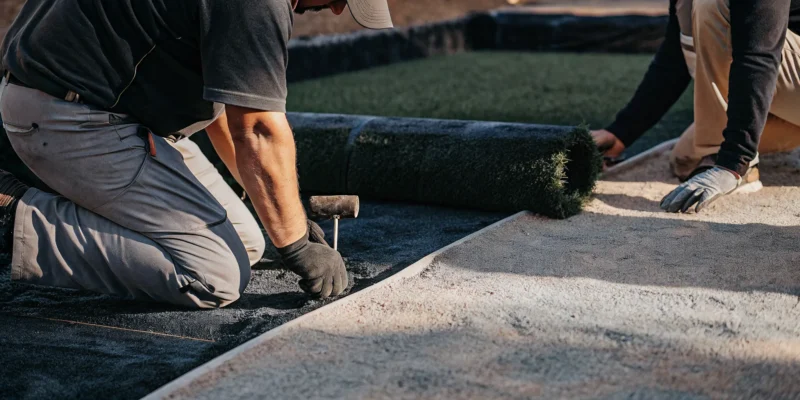
On installation day, our professional crew will arrive ready to transform your space. The first step is preparing the ground, which involves creating a stable and perfectly graded base for the turf. Once the base is set, we’ll carefully roll out the synthetic turf, cut it to fit the unique shape of your yard, and secure the seams. The final touch is adding the infill, which helps the turf blades stand up straight and gives the lawn a soft, natural feel underfoot. While the initial investment is front-loaded, you’ll immediately start saving time and money on maintenance. You can see our team in action to get a better idea of the craftsmanship involved. We always finish by cleaning up the entire area, leaving you with nothing but a beautiful, ready-to-use lawn.

Frequently Asked Questions

How long will my new synthetic turf lawn last? A professionally installed, high-quality synthetic turf lawn is a long-term investment in your home. You can generally expect it to last between 15 and 20 years. Its lifespan depends on the quality of the turf materials and the amount of foot traffic it receives, but a well-cared-for lawn will maintain its color and texture for many years, even with Long Island’s changing seasons.

Is artificial grass really safe for children and pets? Absolutely. Safety is a top priority, which is why reputable turf products are made from non-toxic, lead-free materials. For play areas, you can even install a cushioned underlayer for extra fall protection. Pet-friendly turf systems also feature excellent drainage and antimicrobial properties, creating a clean and hygienic space for your furry friends to play without the mud or mess.

What does “low-maintenance” actually mean for synthetic turf? Low-maintenance means you can finally say goodbye to the constant cycle of mowing, watering, and fertilizing. Your main tasks will be to periodically rinse the turf with a hose to wash away dust and pollen and to use a stiff broom or rake to remove leaves and other debris. This simple routine keeps your lawn looking fresh and vibrant with a fraction of the effort a natural lawn requires.

Will my synthetic lawn get hot during the summer? Synthetic turf can become warmer than natural grass in direct sunlight, which is something to keep in mind. However, modern turf technology has improved significantly. Lighter-colored infill materials can help reduce heat absorption. On very hot days, a quick spray with a garden hose can cool the surface down instantly, making it comfortable for bare feet.

Why is the installation process so important? The quality of the installation is just as important as the quality of the turf itself. A professional installation ensures the ground is properly excavated and graded, creating a stable base that allows for perfect drainage. This prevents sinking, wrinkling, and puddles, which are common issues with improper installations. Expert seam work also creates a flawless, natural look that makes your investment worthwhile.

Share this page:
A modern inground swimming pool built by one of Long Island, NY's best pool companies.

Long Island, NY’s 6 Best Swimming Pool Companies

A swimming pool is often the stunning centerpiece of a backyard, but it’s rarely the only piece of the puzzle. You might be dreaming of a cohesive outdoor living space with a beautiful stone patio, a shaded pavilion for dining, and lush landscaping to tie it all together. This complete vision requires a builder who thinks beyond the pool’s edge. Some contractors simply install pools, while others are true partners in creating an entire backyard retreat. To help you find the right fit for your project, we’ve compiled a guide to the Long Island NY best swimming pool companies, focusing on those who can deliver a seamless, fully integrated design for your entire property.

Key Takeaways

  • Vet potential builders thoroughly: Your confidence in a project starts with trust. Always confirm a company is licensed and insured, review their past work, and speak with former clients before making a final decision.
  • Understand the full cost of ownership: Look beyond the initial installation price. A complete budget should account for your chosen pool type’s long-term maintenance, plus essential elements like decking, safety fencing, and landscaping.
  • Choose a partner, not just a contractor: The best results come from collaboration. Find a company that listens to your ideas and communicates clearly, especially if you want a cohesive backyard that integrates the pool with patios, pavilions, or other features.

Who Are the Top Pool Builders on Long Island?

Choosing the right company to build your backyard pool is a major decision. You’re not just buying a product; you’re investing in a lifestyle and trusting a team to transform your property. On Long Island, you have plenty of experienced and reputable builders to choose from, each with their own unique strengths. Some companies specialize in specific types of pools, like vinyl or gunite, while others offer a complete backyard renovation, handling everything from the patio to the landscaping.

Finding the perfect fit depends on your vision, budget, and the scope of your project. Are you looking for a simple, elegant pool, or do you dream of a fully integrated outdoor living space with a kitchen, pavilion, and fire pit? The contractor you select will be your partner for several months, so it’s important to find a team that communicates well and understands your goals. To help you begin your search, we’ve compiled a list of some of the top pool builders serving Nassau and Suffolk counties. This overview will give you a starting point for finding a contractor who can bring your dream backyard to life.

Gappsi – Premier Pool Design and Construction

Gappsi offers a unique, all-in-one approach to backyard transformations. As a full-service outdoor construction company since 1987, they can manage your entire project from start to finish. Gappsi can design and build your swimming pool, as well as patios, masonry walls, outdoor kitchens, pavilions, and landscape plantings. They also specialize in fencing, synthetic turf, and Sports Games Courts. This whole-property approach means you get a cohesive design and a single point of contact for both outdoor living spaces and interior renovations, ensuring a seamless experience.

Swim King Pools – Custom Inground Specialists

With over 40 years of industry expertise, Swim King Pools is a well-established leader in Long Island’s pool and patio construction scene. They focus on delivering high-quality results with an efficient and enjoyable customer experience. Their long history in the community speaks to their commitment to craftsmanship and service. If you’re looking for a seasoned company that specializes in creating beautiful and functional pool and patio areas, Swim King has the deep experience to handle custom inground projects of various styles and complexities.

Dakota Pools – Family-Owned Excellence

Dakota Pools is an award-winning, family-owned and operated business that has been serving Nassau and Suffolk County since 1995. Being a family-run company often means a more personal touch and a direct line of communication with the people in charge of your project. Their focus on building swimming pools and patios has earned them recognition for excellence in the industry. Homeowners looking for a dedicated team with a strong local reputation might find that Dakota Pools is the perfect partner for their backyard project.

Dunrite Pools – Quality and Reliability

Specializing in vinyl liner pools, Dunrite Pools is a top choice on Long Island for building, servicing, and maintaining pools. They offer three main types of pools: in-ground, semi-in-ground, and above-ground, providing flexible options for different backyard landscapes and budgets. Their expertise isn’t limited to new builds; they also have a strong reputation for repairs and ongoing care. For homeowners specifically interested in the benefits of a vinyl liner pool, Dunrite Pools offers focused knowledge and comprehensive services.

Gibbons Pools – Award-Winning Designs

If design accolades are important to you, Gibbons Pools is a standout. The company has won over 300 awards from the Association of Pool & Spa Professionals (APSP) and other local and regional organizations. They were also named Northeast Spa and Pool Association’s “Outstanding Achievement” winner. This impressive track record highlights their commitment to innovative and beautiful pool design. For those who want a truly show-stopping, award-winning pool, Gibbons Pools has a proven history of creating exceptional work.

Patrick’s Pools – NESPA Recognition Leaders

Patrick’s Pools has quickly become a leader in the region, tying for the highest number of NESPA Outstanding Achievement Awards among all competitors in the Northeast last year. This recent recognition demonstrates their commitment to current design trends and high-quality construction standards. Their success in these prestigious awards shows that they are at the top of their game, delivering projects that impress industry experts. Homeowners seeking a builder with a fresh perspective and award-winning credentials should consider what Patrick’s Pools has to offer.

What Services Can You Expect From a Pool Company?

When you decide to build a pool, you’re not just hiring a crew to dig a hole. You’re partnering with a team of professionals who can guide you through every stage of creating and maintaining your backyard oasis. The best pool companies on Long Island offer a comprehensive suite of services that extend far beyond the initial installation. From the first design sketch to weekly upkeep and future upgrades, a full-service company ensures your investment is beautiful, functional, and well-cared-for. Understanding the full range of what a pool builder can do helps you choose a partner who can meet your needs for years to come.

Pool Design and Installation

This is where your vision begins to take shape. A top-tier pool company will work closely with you to design a pool that fits your landscape, lifestyle, and budget. This collaborative process involves choosing the right size, shape, and materials. For instance, Gappsi designs and builds three main types of inground pools for Long Island homeowners: gunite (concrete), vinyl liner, and fiberglass. Each has its own unique benefits, and an experienced designer can help you select the perfect option. They will handle everything from securing permits to the final construction, turning your dream pool into a reality.

Ongoing Maintenance and Repairs

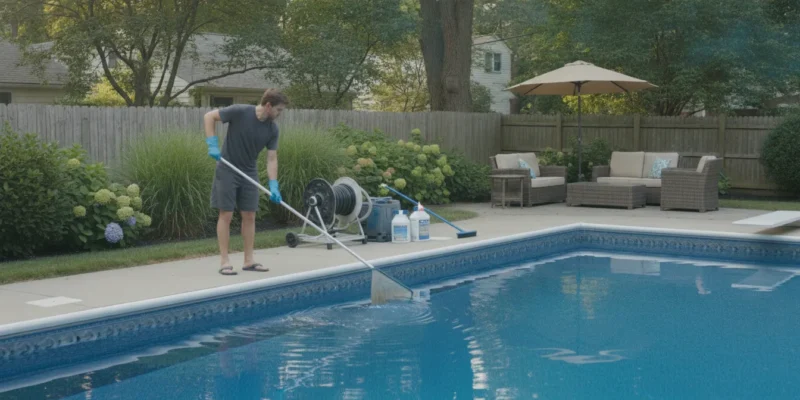
Your relationship with a pool company shouldn’t end when the last tile is set. A pool is a significant investment that requires regular care to stay in pristine condition. Many reputable companies provide ongoing maintenance plans to keep your pool clean, safe, and running smoothly. These services often include weekly cleanings, chemical balancing, equipment inspections, and seasonal openings and closings. Should an issue arise, like a leak or a broken pump, having a trusted repair team on call provides invaluable peace of mind, letting you spend more time enjoying the water and less time worrying about it.

Pool Renovations and Upgrades

Perhaps you have an older pool that could use a modern touch, or maybe your needs have changed over time. Pool companies also specialize in renovations and upgrades to enhance the beauty and functionality of existing pools. This could mean resurfacing the interior with a fresh finish, replacing dated tiles, or adding exciting new water features like waterfalls and jets. You can also make functional upgrades, such as installing an energy-efficient pump or a salt-water system. A renovation can completely transform your pool, making it feel brand new again.

Full Backyard and Patio Integration

A swimming pool is often the stunning centerpiece of a backyard, but it’s just one part of a larger outdoor living space. The most experienced companies can think beyond the pool’s edge to create a cohesive and functional environment. Full-service outdoor construction companies like Gappsi can design and build your entire backyard retreat. This includes integrating the pool with surrounding patios and masonry walls, outdoor kitchens, pavilions, and landscaping. They can even incorporate fencing, synthetic turf, and Sports Games Courts to complete your vision for the ultimate backyard experience.

How Much Does a Pool Cost on Long Island?

Let’s talk about the big question: what will a new swimming pool actually cost? On Long Island, the price can vary quite a bit depending on the type of pool you choose, its size, and the features you add. Think of the pool itself as the starting point. From there, you’ll factor in decking, landscaping, and other elements that create your perfect backyard oasis. It’s easy to get excited about the final vision, but understanding the full financial picture from the beginning is the key to a smooth and stress-free project.

To give you a clear picture of what to expect, I’ve broken down the typical costs for the three main types of inground pools: vinyl liner, fiberglass, and gunite. Understanding the initial investment and long-term upkeep for each will help you plan your budget and make the best choice for your home. We’ll also cover the other details that can influence the final price tag, so you can feel confident when you start talking to contractors. This way, you’re not just buying a pool; you’re making a smart investment in your home and lifestyle.

The Cost of a Vinyl Liner Pool

Vinyl liner pools are often the most affordable option to install, making them a popular choice for many homeowners. The initial installation cost typically falls between $25,000 and $65,000. These pools are built with a custom-fitted sheet of vinyl that lines the excavated hole, which can be made in almost any shape or size you can dream up. This flexibility is a huge plus if you have a specific design in mind.

The main long-term consideration with a vinyl pool is the liner itself. It generally needs to be replaced every 10 years or so to keep it in top condition. This replacement can add an extra $3,000 to $7,500 to your overall costs down the road, so it’s a good idea to factor that into your future budget.

The Cost of a Fiberglass Pool

If you’re looking for a pool that can be installed quickly, fiberglass is an excellent option. These pools are manufactured off-site as a single shell and then delivered to your home to be set in place. This efficient process means installation often takes just three to four weeks, so you can be swimming much sooner.

The upfront cost for a fiberglass pool is generally between $60,000 and $120,000. One of the biggest perks is their smooth, non-porous surface, which is naturally resistant to algae growth. This can make maintenance a little easier and less costly over the life of the pool.

The Cost of a Gunite Pool

Gunite pools are custom-built on-site and offer the most design flexibility. Made from a mixture of cement, sand, and water that’s applied over a rebar framework, they can be shaped into any form you can imagine, from a classic rectangle to a freeform lagoon. The installation cost for a gunite pool usually ranges from $65,000 to $120,000.

Because of their porous surface, gunite pools require more intensive chemical use to keep the water balanced. They also need to be resurfaced every 10 to 15 years to maintain their look and integrity. This maintenance task can cost between $8,000 and $12,000, so it’s an important long-term expense to keep in mind when considering this highly customizable option.

What Other Factors Affect the Price?

The type of pool is just one piece of the puzzle. Several other factors will influence your total project cost. The size and depth of the pool are major considerations, as are any extra features you want to include, like waterfalls, slides, diving boards, or automated covers. These are the fun additions that truly make the space your own.

Your surrounding patio and landscape design also play a huge role. The materials you choose for your pool deck, such as beautiful porcelain or natural stone pavers, will affect the price. Don’t forget to account for essentials like fencing, which is required for safety, as well as any site preparation, grading, and local permit fees that are part of the construction process.

Don’t Forget Annual Maintenance Costs

Once your pool is installed, you’ll have annual maintenance costs to keep it sparkling clean and running smoothly. These costs cover chemicals, electricity for the pump and filter, and opening and closing the pool for the season. It’s a good idea to set aside a budget for this so you can enjoy your pool without any surprises.

The type of pool you have can significantly impact your yearly expenses. For example, the annual upkeep for a concrete pool can range from $2,700 to $4,000 due to higher chemical usage. In contrast, fiberglass pools are less demanding, with typical maintenance costs falling between $500 and $1,500 per year. Planning for these recurring expenses is a smart way to manage your investment.

How to Choose the Right Pool Company

Choosing a company to build your backyard pool is a major decision. You’re not just buying a product; you’re investing in a long-term relationship with a team that will bring your vision to life. The right partner will make the process smooth and exciting, while the wrong one can lead to headaches and disappointment. To make sure you find a builder you can trust, it’s important to do your homework. Taking the time to vet potential companies on a few key criteria will give you the confidence that your project is in good hands from the first design sketch to the first cannonball.

Verify Their Licensing and Insurance

Before you get swept away by beautiful pool designs, start with the practical stuff. The most important first step is to confirm that any company you consider is fully licensed and insured. This isn’t just a formality. Proper licensing proves the contractor meets local and state regulations for construction, which protects the quality and safety of your project. Insurance is just as critical, as it covers you and your property from any liability in case of accidents during the build. A professional company will be upfront with this information, so don’t hesitate to ask for proof. It’s a simple check that provides essential peace of mind.

Look at Their Past Work

A picture is worth a thousand words, especially when it comes to pool construction. Ask to see a portfolio of a company’s completed projects. This is your chance to assess the quality of their craftsmanship and see if their style aligns with your own. Look for examples of pools similar to what you have in mind, whether it’s a specific shape, size, or includes features like waterfalls or an integrated spa. A strong portfolio demonstrates a builder’s experience with local requirements, like zoning and grading. Reviewing their past swimming pool projects will give you a clear idea of what they can deliver and help you visualize what’s possible for your own backyard.

Assess Their Communication Style

Building a pool is a collaborative process, and clear communication is the foundation of a successful partnership. From your very first interaction, pay attention to how the company communicates. Are they responsive to your calls and emails? Do they listen to your ideas and answer your questions thoroughly, or do you feel rushed? You should feel like a valued partner, not just another sale. The best pool builders are transparent and keep you informed every step of the way. Finding a team you can easily talk to will make the entire construction journey much more enjoyable and stress-free.

Ask About Warranties and Support

Your relationship with a pool company shouldn’t end once the water is in. A reputable builder stands behind their work with solid warranties and ongoing support. Before signing any contract, make sure you get a complete understanding of what is covered. Ask specific questions about the warranties for the pool structure, equipment like pumps and filters, and the workmanship itself. How long does the coverage last, and what is the process for making a claim? Getting these details in writing ensures your investment is protected for years to come, giving you confidence long after the construction crew has packed up.

Check Their Reviews and Reputation

What are past customers saying? Checking online reviews and testimonials is one of the best ways to get an unbiased look at a company’s reliability and customer service. Look for a builder with a consistent track record of positive feedback across multiple platforms. A long-standing reputation in the community is also a great sign. A company that has been serving Long Island for decades has proven its commitment to quality and has built a foundation of trust. You can also check out a company’s YouTube channel to see their work in action and get a better feel for their brand and expertise.

Key Questions to Ask a Pool Contractor

Once you’ve narrowed down your list of potential pool builders, it’s time to start the interview process. This is your chance to get a feel for how they operate and to make sure they’re the right fit for your project. A new pool is a significant investment in your home and your family’s enjoyment, so finding a trustworthy partner is just as important as choosing the right design. Being prepared with a list of thoughtful questions will help you compare companies and make a confident decision for your Long Island home.

Pay close attention not just to what they say, but how they say it. Do they take the time to explain things clearly? Are they patient with your questions and transparent about their methods? A great contractor will be happy to walk you through their process, provide clear answers, and address all of your concerns without making you feel rushed. Think of this as the first step in building a strong partnership. The right builder will make the entire experience, from the first shovel in the ground to your first swim, feel exciting and manageable. Their answers should give you peace of mind, not more questions.

What is your timeline and process?

Understanding the project timeline is essential for managing your expectations. Ask any potential contractor for a realistic schedule from start to finish. A swimming pool installation can take anywhere from a few weeks to several months, depending on the complexity of the design, weather delays, and the local permitting process. A professional builder should be able to outline each phase of the project, from excavation and plumbing to decking and final inspection. This gives you a clear roadmap and helps you know what to expect at every stage.

Can I get a detailed cost breakdown?

While it’s tempting to focus on the final number, a detailed cost breakdown is far more important. Ask for an itemized quote that lists the expenses for materials, labor, equipment, and any additional features. This transparency helps you understand exactly what you’re paying for and prevents surprise costs later on. Pool prices can vary significantly based on the materials you choose, the size of the pool, and custom features. A clear breakdown allows you to compare offers accurately and ensures there are no hidden fees in the fine print.

What are my design and material options?

This is where the fun begins. Ask your contractor to walk you through all the available design and material choices. The three main types of inground pools on Long Island are gunite, vinyl liner, and fiberglass, and each has its own unique advantages. For example, vinyl-lined pools offer a huge variety of liner patterns for a custom look, while fiberglass pools are known for their smooth finish and faster installation. Discussing your vision and how you plan to use the space will help your builder recommend the best materials and designs for your family’s needs.

Can you provide references?

A reputable pool company will always be proud of its past work and happy to provide references. Ask for a list of previous clients you can speak with about their experience. Hearing directly from other homeowners is one of the best ways to gauge a company’s professionalism, communication, and quality of work. You can also ask to see a portfolio of their completed projects. Many companies showcase their work on platforms like YouTube, giving you a firsthand look at their craftsmanship and design capabilities before you sign a contract.

Common Mistakes to Avoid When Hiring a Pool Builder

Building a pool is a huge and exciting step for any homeowner. It’s a major investment in your property and your family’s enjoyment. With so much on the line, it’s completely normal to feel a little overwhelmed by the process of choosing a builder. You want to get it right the first time. To help you feel more confident, I’ve put together a list of the most common missteps homeowners make when hiring a pool company. Knowing what to look out for will help you find a reliable partner to bring your backyard vision to life.

Avoiding the “Lowest Bid” Trap

It’s always tempting to go with the lowest quote, but when it comes to pool construction, the cheapest bid can end up costing you more in the long run. An unusually low price can be a red flag for subpar materials, rushed workmanship, or hidden fees that pop up later. Instead of focusing only on the initial price, think about the overall value. A well-built pool from a reputable company will last for decades with proper care, while a poorly constructed one can lead to expensive repairs. A quality swimming pool installation is an investment in your home’s future, so prioritize craftsmanship and reliability over the lowest possible price tag.

Forgetting to Check References

This one is so important. Before you sign any contracts, do your homework on the builder. A professional company will be proud to share their portfolio and connect you with past clients. Ask for references and actually call them. Inquire about their experience, the crew’s professionalism, and how the company handled any issues that arose. You should also verify that the builder has the proper licensing and insurance for your area. Looking through a company’s past projects can give you a great feel for their style and the quality of their work, helping you picture what they could do for your own backyard.

Rushing Into a Decision

Finding the right pool builder is a bit like dating. You probably wouldn’t commit to the first person you meet, and you shouldn’t feel pressured to hire the first contractor you speak with. Take your time to interview at least a few different companies. This allows you to compare not just prices, but also their design ideas, communication styles, and overall process. A good builder will listen to your vision and collaborate with you. This decision sets the foundation for your entire project, so make sure you choose a team you trust. A pool is often part of a larger backyard transformation, so finding the right partner is key.

Not Reading the Fine Print

I know, contracts are boring, but skipping the fine print is a recipe for trouble. A pool construction contract is a detailed legal document that outlines every aspect of the project, from the payment schedule and timeline to the specific materials being used. Make sure you read and understand every single line before you sign. Pay close attention to the warranty details for both the equipment and the workmanship. Understanding what’s covered helps you plan for long-term care, like future restoration and sealing to keep your pool deck pristine. A trustworthy contractor will be happy to clarify any points of confusion, ensuring you’re fully protected.

Related Articles

Frequently Asked Questions

What’s the best time of year to start building a pool? While you can start the process any time, many homeowners find that fall is the ideal season to begin construction. Starting your project after the summer rush often means you can avoid disrupting your prime backyard season. It also allows the construction to take place during the cooler off-season months, ensuring your new pool and patio are completely finished and ready for you to enjoy as soon as the warm weather returns in the spring.

Why should I consider a company that handles the entire backyard project, not just the pool? Hiring a company that manages the entire backyard transformation creates a more seamless and cohesive experience. When one team designs and builds your pool, patio, landscaping, and other features like an outdoor kitchen or pavilion, you get a unified design where every element works together perfectly. This approach also simplifies communication, as you have a single point of contact managing the entire project, which prevents scheduling conflicts and ensures a smoother process from start to finish.

How long does the pool installation process usually take? The timeline for building a pool can vary quite a bit, but a typical inground pool project on Long Island often takes between 6 and 12 weeks from the first day of excavation to the final inspection. The exact duration depends on several factors, including the type of pool you choose (fiberglass is often the quickest), the complexity of the design, the local permitting process, and, of course, the weather.

Besides the pool itself, what are the most common costs I should budget for? It’s smart to plan for a few essential costs beyond the pool structure and basic installation. The most significant additions usually include safety fencing, which is required by law in most areas, and the surrounding patio or pool deck. You should also account for landscaping to integrate the pool into your yard, any necessary electrical work for pumps and lighting, and the initial cost of filling the pool with water and getting the chemicals balanced.

What’s the real difference in long-term maintenance between pool types? The type of pool you choose directly impacts your long-term maintenance routine. Gunite pools, with their porous surface, generally require more attention to chemical balancing to prevent algae and will need to be resurfaced every 10 to 15 years. Vinyl liner pools are less chemically demanding, but the liner itself will likely need to be replaced about once a decade. Fiberglass pools typically require the least amount of upkeep, as their smooth, non-porous surface is highly resistant to algae and doesn’t need resurfacing.

Share this page:
A luxury Hamptons home after a project by a Long Island, New York home improvement company.

How to Choose a Hamptons Long Island New York Home Improvement Company

Starting a major home improvement project can feel like standing at the base of a mountain. You know the view from the top will be worth it, but the path to get there seems daunting. Where do you even begin? From setting a realistic budget and understanding the permit process to finding a trustworthy contractor, the list of tasks can be long. This guide is designed to be your practical checklist. We’ll break down the process into manageable steps, giving you the clarity you need to move forward with confidence. Let’s start by demystifying the search for the right Hamptons Long Island new york home improvement company to guide you on your journey.

Key Takeaways

  • Success in the Hamptons requires a specific approach: Your project needs to balance luxury aesthetics with durable, coastal-ready materials while also following the area’s unique historic and building regulations.
  • Choose your partner wisely: Go beyond the portfolio by verifying licenses and insurance, confirming deep local experience, and analyzing customer reviews for consistent feedback on communication and quality.
  • Master the project logistics from the start: A smooth renovation depends on a clear contract, a realistic timeline that accounts for seasons and permits, and a solid understanding of your budget and financing options before work begins.

What Makes Home Improvement in the Hamptons Different?

Renovating a home in the Hamptons isn’t quite like a project anywhere else. It’s a unique blend of high-end design, coastal living, and deep-rooted history. The expectations are higher, the environment is more demanding, and the local rules can be intricate. Understanding these differences is the first step in finding a home improvement company that can truly bring your vision to life.

From Southampton to Montauk, every project needs to meet an exceptional standard of luxury while also being practical enough to withstand the salty air and seasonal weather. It’s about creating a space that feels like a personal retreat, whether that’s a sprawling outdoor kitchen or a serene primary bathroom. Plus, many areas have specific historic preservation rules you’ll need to follow. Choosing a partner who understands this specific landscape isn’t just helpful; it’s essential for a smooth and successful renovation.

Meeting Luxury Standards

In the Hamptons, home improvement is synonymous with luxury. This isn’t just about a fresh coat of paint; it’s about impeccable craftsmanship, premium materials, and a design that feels both timeless and personal. With the cost to build a custom home often ranging from $800 to $2,000 per square foot for construction alone, the standard for quality is incredibly high. Your renovation should reflect that same level of excellence.

This means your contractor should be fluent in high-end finishes, from sourcing the perfect porcelain and natural stone for your patio to installing custom millwork. It’s about creating a cohesive, beautifully executed space that enhances your home’s value and your enjoyment of it. A top-tier company won’t just complete the work; they will guide you through material selection and design choices to ensure the final result is flawless.

Building for a Coastal Climate

The beautiful coastal setting of the Hamptons also presents unique construction challenges. The salt air, humidity, and strong sun can take a toll on building materials. A home improvement project here must be built to last, using materials and techniques that can stand up to the elements. This is especially true for outdoor spaces, which are central to the Hamptons lifestyle.

As one report notes, the costs that often surprise homeowners are for the exterior: “Gardens, pools, pool houses, tennis courts, and outdoor living areas.” These features require durable, weather-resistant materials to prevent corrosion, fading, and moisture damage. When planning a new swimming pool or patio, your contractor should prioritize materials designed for coastal performance to ensure your investment remains beautiful for years to come.

Navigating Historic Preservation Rules

Many villages in the Hamptons have a rich architectural history, and local regulations are in place to protect it. This means your renovation plans may need to go through an architectural review board or comply with strict historic preservation guidelines. These rules can affect everything from window styles and exterior paint colors to the footprint of an addition.

Hiring a company with extensive local experience is crucial. A contractor who is unfamiliar with these specific codes can cause major delays and headaches. The right team will know how to prepare and submit plans that meet local requirements, helping you get the necessary permits without a hitch. Their familiarity with the process ensures your home remodeling project respects the area’s heritage while achieving your modern living goals.

Who Are the Top Home Improvement Companies in the Hamptons?

Finding the right home improvement company in the Hamptons means looking for a team that understands the area’s unique blend of luxury, coastal resilience, and timeless style. The best partner for your project depends entirely on your vision. Are you dreaming of a complete outdoor oasis, a full interior gut renovation, or do you need a skilled artisan for a specific, detailed job? The Hamptons is home to a variety of experts, from comprehensive outdoor living specialists to full-service firms and niche contractors. Knowing which type of company to look for is the first step in turning your ideas into a beautifully executed reality. Each type of professional brings a different strength to the table, ensuring you can find the perfect fit for the scale and style of your renovation.

Gappsi: Your Outdoor Living Specialist

When your focus is on creating an exceptional outdoor experience, Gappsi is a name that consistently comes up. With a legacy stretching back to 1987, they have a deep understanding of how to design and build spaces that feel like a natural extension of a Hamptons home. They specialize in transforming backyards into personal resorts, handling everything from the initial design to the final installation. Whether you’re envisioning elegant masonry for a new patio, a custom-designed swimming pool, or a complete landscape overhaul, their team manages the entire process. This integrated approach means you have one point of contact for a complex project, ensuring a seamless and cohesive result for your property.

Full-Service Renovation Firms

For homeowners planning extensive, multi-room interior renovations or whole-home remodels, a full-service firm is often the best choice. These companies act as the project’s command center, managing every detail from architectural plans and permits to hiring subcontractors and overseeing construction. They are ideal for large-scale projects where you want a single, accountable team to handle all the moving parts. A full-service contractor can orchestrate everything from a kitchen and bath remodel to adding a new wing to your home. This approach streamlines communication and helps keep complex projects on schedule and within budget, which is essential for a stress-free renovation experience.

Specialty Contractors and Artisans

Sometimes, a project’s success comes down to a single, perfectly executed detail. This is where specialty contractors and artisans shine. These experts focus on a specific craft, whether it’s installing intricate stonework, building custom pergolas, or designing and installing a private sports game court. While you might hire a full-service firm for a large remodel, you’d turn to a specialist for that unique feature that makes your home stand out. Companies like Gappsi also offer these specialized services, providing the detailed craftsmanship of an artisan for projects like installing stunning porcelain and natural stone patios or creating beautiful, low-maintenance gravel driveways.

What Services Do You Need for Your Hamptons Home?

Before you start searching for a contractor, it helps to have a clear vision for your project. Are you dreaming of a backyard oasis for summer parties, a functional kitchen for family dinners, or a complete property overhaul? Hamptons homes often require a blend of services to achieve that perfect balance of luxury, comfort, and coastal durability. Pinpointing your primary needs will help you find a company with the right specialization, whether you need a single service or a team that can manage a complex, multi-faceted renovation.

Outdoor Living and Entertainment

Your backyard should be an extension of your home, a place to relax and entertain. Think about how you want to use the space. Do you envision hosting barbecues in a custom outdoor kitchen or enjoying quiet evenings under a new pergola? Services like deck building, patio installation, and even creating custom home bars can completely transform your property. Finding a company that specializes in outdoor living ensures every detail is designed to enhance your experience, turning a simple yard into the perfect spot for making memories with family and friends.

Interior and Kitchen Remodeling

The inside of your home should be both beautiful and practical. A well-executed interior remodel focuses on high-quality materials and thoughtful design to create spaces that fit your lifestyle. This is especially true for kitchens, which are often the heart of the home. When you’re planning an update, look for a team that has experience with home remodeling and can deliver excellent craftsmanship. The right contractor will help you create a functional, inviting interior that feels both timeless and personal, ensuring your home is a sanctuary you love spending time in.

Pools and Landscaping

A stunning pool is a hallmark of many Hamptons homes, but the surrounding landscape is what truly makes it feel like a private resort. It’s wise to find an all-inclusive company that handles both swimming pool installation and landscape design. This integrated approach ensures your pool, patio, and plantings all work together in a cohesive design. From selecting the right greenery to designing functional and beautiful poolside areas, a unified team can create a seamless outdoor environment that is both visually striking and perfectly suited for relaxation and fun.

Masonry and Hardscaping

Stone and paver work are fundamental to your home’s curb appeal and the usability of your outdoor spaces. High-quality masonry defines everything from your driveway and walkways to your garden walls and patios. These hardscaping elements provide structure and elegance to your landscape. Whether you prefer classic natural stone or modern porcelain pavers, the right materials and expert installation are key. Investing in professional hardscaping not only improves the look of your property but also adds lasting value and functionality for years to come.

How to Read Customer Reviews

When you’re investing in a significant home improvement project, you want assurance that you’re hiring the right team. Customer reviews are one of the best ways to get an unfiltered look at a company’s track record. Going beyond the simple star rating can give you a much clearer picture of what it’s like to work with a contractor, from their communication style to the quality of their finished product.

Think of testimonials as a conversation with past clients. They can reveal a company’s strengths, weaknesses, and overall approach to their work. By learning what to look for, you can spot the difference between a contractor who just gets the job done and one who delivers an exceptional experience from start to finish. This is especially important in the Hamptons, where the standards for quality and service are incredibly high.

What Testimonials Really Tell You

When you start reading reviews, look for consistent themes. A single glowing review is nice, but a dozen reviews that all mention the same positive traits are far more telling. Pay attention to specific keywords that signal a great working relationship. For example, when clients consistently describe a company as “responsive,” “professional,” and delivering “quality work,” it’s a strong indicator of reliability.

This kind of feedback shows that a company respects your time and investment. It tells you they’ll likely show up on schedule, communicate clearly, and stand behind the quality of their masonry and other projects. These are the foundational qualities you need for a smooth and successful renovation.

Reading Between the Lines

The most insightful reviews often go beyond just praising the final result. Look for comments that speak to the company’s process and customer care. A review that says, “they care about the customers to make them happy,” reveals a company culture that prioritizes your satisfaction. This is crucial for large-scale projects that involve a lot of collaboration, like a complete backyard redesign.

Similarly, when a client says a company “designed our entire backyard and we couldn’t be happier,” it highlights their expertise in the creative and planning stages. This is different from just being good at construction; it shows they can translate a vision into a beautiful, functional space. A strong landscape design portfolio paired with reviews like this is a powerful combination.

Red Flags to Watch For

While you’re looking for positive patterns, you should also be on the lookout for red flags. A few less-than-perfect reviews aren’t necessarily a dealbreaker, but recurring complaints are. If you see multiple clients mentioning poor communication, missed deadlines, or unexpected costs, it’s wise to be cautious. On the other hand, a review that mentions a company’s commitment to aftercare is a huge green flag.

For instance, a client who notes that their contractor “comes around each year to replace or fix any loose stones” is telling you that the company provides long-term support. This shows they build lasting relationships and stand by their work, offering services like patio restoration long after the initial project is complete. The absence of this kind of follow-up, or worse, a pattern of unresolved issues, should give you pause.

How Much Does Home Improvement Cost in the Hamptons?

Let’s talk numbers. It’s no secret that home improvement in the Hamptons comes with a premium price tag, reflecting the high demand for skilled labor, quality materials, and specific local regulations. Understanding the potential costs from the start helps you set a realistic budget and make informed decisions. While every project is unique, here’s a general breakdown of what you can expect when investing in your Hamptons home.

Kitchen and Bath Renovation Costs

Kitchen and bathroom remodels are always a popular choice for adding value and comfort. In the Hamptons, even a standard bathroom renovation can start around $22,000. This often involves more than just new tile and fixtures; it can require significant updates to plumbing and electrical systems to meet modern codes. A full kitchen overhaul is an even larger investment, especially when you factor in custom cabinetry, high-end appliances, and luxury finishes. A company that handles comprehensive home remodeling can provide a detailed estimate based on your specific design goals and the existing conditions of your space.

Outdoor Project Pricing

Creating your dream outdoor space is an investment in your lifestyle, and the costs can vary widely because the possibilities are nearly endless. A beautiful natural stone patio will have a different price point than installing a complete outdoor kitchen, a custom swimming pool, or a new sport court. The materials you choose, the project’s size, and any site-specific challenges all play a significant role in the final cost. The best approach is to get a custom quote from an outdoor living specialist who can walk your property with you and truly understand your vision.

Understanding Labor and Material Costs

So, why are costs higher in the Hamptons? It really comes down to labor and materials. The demand for experienced craftsmanship is intense, and the best local tradespeople command higher rates for their expertise. Similarly, the materials expected in Hamptons homes are top-of-the-line. Think durable hardwoods, resilient natural stones, and specialized components designed for coastal construction. These premium materials not only look better but are also chosen for their ability to withstand salty air and harsh weather, ensuring your investment lasts for years to come.

Factoring in Permits and Design Fees

The contractor’s proposal isn’t the final number. It’s crucial to remember to budget for ‘soft costs’ like architectural design fees and town building permits, which can add a substantial amount to your total. In the Hamptons, working with the various town and village building departments requires local expertise. The permit process can be complex, often requiring detailed plans and surveys. An experienced local company understands these requirements and can manage the process efficiently, preventing costly delays and ensuring your project is fully compliant from day one.

How to Choose the Right Company

Finding the right partner for your home improvement project is just as important as choosing the right materials. This is the team you’ll be trusting with your home, your budget, and your vision. To make sure you find a great match, it’s helpful to have a clear checklist of what to look for. Beyond a great portfolio, you want a company that is professional, experienced in the Hamptons, and easy to communicate with. Let’s walk through the key steps to vetting a company and finding a team you can count on.

Check for Licensing and Insurance

This is the absolute first step and a total deal-breaker. A professional company will always be properly licensed and insured, and they won’t hesitate to prove it. This protects you from liability if something goes wrong on the job site and ensures they meet state and local standards. Don’t just take their word for it; you can easily verify a contractor’s license through the New York State database. Think of it as a simple background check that provides essential peace of mind. If a company is hesitant to share this information or isn’t listed, consider it a major red flag and move on. Your home is too important to take that kind of risk.

Look for Local Hamptons Experience

The Hamptons has its own unique character, from its coastal climate to specific building codes and community aesthetics. A contractor with deep local experience will understand these nuances inside and out. They’ll know how to source materials that can withstand salt air and humidity, navigate local permit processes efficiently, and design spaces that feel authentic to the area. A company that has been serving Nassau and Suffolk County for years, like Gappsi, brings a level of insight that an outside firm simply can’t match. They understand the local landscape, literally and figuratively, which helps your project run smoothly from start to finish and ensures the final result is built to last.

Review Their Portfolio and Design Style

A picture is worth a thousand words, especially when it comes to home design. A company’s portfolio is your best window into their craftsmanship, quality, and creative vision. As you browse their past projects, don’t just look for beautiful photos. Pay attention to the details. Do they have experience with the specific type of project you have in mind, whether it’s a modern pool deck or a classic stone patio? Does their design style align with your own? Watching videos of completed projects on channels like the Gappsi YouTube channel can give you an even better sense of their work and the scale of their transformations. Find a company whose past work gets you excited for your own project.

Assess Their Communication and Process

A great final product starts with a great process, and that hinges on clear communication. During your initial conversations, pay attention to how the team interacts with you. Do they listen to your ideas and answer your questions thoroughly? Ask them to walk you through their project management process. How will they keep you updated on progress, and who will be your main point of contact? You’re looking for a partner who is organized, responsive, and transparent. A well-defined home remodeling process is a sign of a professional operation and sets the foundation for a collaborative and stress-free experience. Trust your gut; you should feel comfortable and confident in their ability to guide you.

What Should You Ask Before Signing a Contract?

You’ve reviewed portfolios, checked references, and found a company you’re excited about. Now comes the most important step: the contract. This document is the blueprint for your entire project, and getting it right from the start is key to a smooth process. Before you sign anything, it’s time to ask some direct questions to make sure you and your contractor are completely aligned on the scope, timeline, and quality of the work. A clear contract protects both you and your builder, ensuring there are no surprises down the road. Think of this as your final due diligence step to confirm you’ve made the right choice for your Hamptons home.

Contract and Warranty Details

First, let’s talk about the nuts and bolts of the agreement. Your contract should be incredibly detailed, outlining every aspect of the project. Ask for a complete breakdown of costs, including labor, materials, and any other fees. It’s also essential to confirm the company is fully licensed and insured for work in the Hamptons. Beyond the project itself, you need to understand what happens after the work is done. Ask about their warranty policy. What does it cover, and for how long? A reputable company will stand by its work and offer a clear warranty that protects your investment in your home remodeling project.

Timelines and the Permit Process

Setting realistic expectations for your project timeline is crucial, especially in the Hamptons where things can take a bit longer. Ask for an estimated schedule that includes milestones for design, permits, and construction. Large-scale projects can take years, so a detailed timeline helps everyone stay on the same page. You should also clarify who is responsible for securing the necessary permits. The permitting process can be complex, so find out if the company handles all the paperwork and if those administrative costs are included in your quote. This is particularly important for projects like installing new swimming pools or building large outdoor structures.

Material Sourcing and Quality

The materials used in your project will determine its final look and long-term durability, which is especially important in a coastal climate. Don’t hesitate to ask where the company sources its materials. Are they known for quality and longevity? At Gappsi, we prioritize using high-quality materials, from the foundation to the finishing touches. Ask potential contractors if you can see samples of the materials they plan to use, like different types of porcelain and natural stone. This gives you a tangible sense of the quality and helps you make informed decisions about the final aesthetic of your home.

How to Manage Your Project Timeline

A successful home renovation in the Hamptons hinges on a well-managed timeline. From seasonal weather to local permits, several factors can influence your project’s schedule. Understanding these elements from the start helps you set realistic expectations and keeps your project moving forward smoothly. A clear timeline not only reduces stress but also ensures that every phase of your renovation gets the attention it deserves, leading to a final result you’ll love for years to come.

Planning Around the Seasons

In Long Island, the seasons play a big role in any construction schedule. While a full custom home can take years from land purchase to move-in day, even smaller projects are affected by the weather. Outdoor work like installing a new swimming pool or building a stone patio is best done during warmer, drier months. This means the planning, design, and permitting phases should happen during the fall and winter. By working with the seasons instead of against them, you can avoid weather-related delays and ensure your outdoor living spaces are ready to enjoy by summer. Talk to your contractor early to map out a schedule that makes sense for our coastal climate.

Understanding the Permit Process

Navigating the permit process is one of the most critical and often underestimated parts of a home improvement timeline. Depending on the scope of your project, securing the necessary permits can take several months and involves coordination with architects, engineers, and local town officials. This isn’t just a formality; it’s a significant block of time you need to build into your schedule before any physical work can begin. When interviewing companies, ask about their experience with local permits and how they manage this process. An experienced team can guide you through the paperwork and help prevent unnecessary delays, keeping your project on the right track from the very beginning.

Coordinating Different Contractors

If your project involves multiple specialties like masonry, landscaping, and electrical work, coordinating different contractors can feel like a full-time job. A delay with one team can create a domino effect, pushing back your entire timeline. To avoid this, consider working with a firm that offers comprehensive home remodeling services under one roof. Having a single point of contact streamlines communication and ensures all the moving parts are synchronized. This integrated approach not only keeps the project on schedule but also makes the entire experience much more manageable for you as the homeowner.

What Are Your Financing Options?

A beautiful Hamptons renovation is a significant investment, but funding your project doesn’t have to be a headache. Many homeowners are surprised to learn about the variety of financing solutions available that can make their dream home a reality without draining their savings. The best home improvement companies understand this and often guide their clients through the process. Before you get overwhelmed by the numbers, let’s walk through the most common ways you can finance your project, from traditional loans to special offers from your contractor.

Traditional Financing

When you think of financing a large project, traditional loans are probably what come to mind. This route involves working with a bank, credit union, or a specialized lender to secure funds through a home equity loan, a home equity line of credit (HELOC), or a personal loan. Each option has its own set of terms, interest rates, and repayment structures. A great first step is to explore the different types of home improvement loans to see which one aligns with your financial situation. Don’t hesitate to ask potential contractors if they have relationships with lenders they recommend, as they often partner with firms that specialize in renovation financing and can streamline the application process for you.

Payment Plans and Promotions

Many top-tier contractors offer their own payment plans or have partnerships with financial institutions to provide promotional financing. These plans are designed specifically for home improvement projects and can sometimes be more flexible than a standard bank loan. You might find options like fixed-rate installment loans that give you a clear, manageable monthly payment for the life of the loan. This approach is incredibly helpful for budgeting because you know exactly what to expect. A company that offers these kinds of solutions is showing you they are invested in making the project work for your budget, which is always a good sign.

Zero-Interest Offers

You’ve likely seen “zero-interest” or “same-as-cash” financing offers, and they can be an excellent tool if used wisely. These promotions allow you to pay for your project over a set period, often 12 or 18 months, without accruing any interest. It’s essentially a free short-term loan. This is a fantastic option if you have the cash flow to pay off the entire balance before the promotional period ends. Just be sure to read the fine print. If the balance isn’t paid in full by the deadline, you could be charged interest retroactively from the date of purchase, which can be a costly surprise.

Related Articles

Frequently Asked Questions

What is a realistic timeline for a major renovation in the Hamptons? The timeline for any project depends on its scale, but it’s wise to plan for a longer schedule in the Hamptons. Securing permits alone can take several months before any work begins. For a large outdoor project like a pool and patio, it’s best to start the design and permitting process in the fall or winter to ensure construction can happen during the warmer months and be ready for summer.

Is it better to hire one company for my entire project or different specialists for each part? While hiring individual artisans for small, specific jobs can work well, a larger project with multiple elements benefits greatly from a single, integrated team. Using one company that handles everything from landscape design and masonry to pool installation ensures a cohesive vision and streamlined communication. This approach prevents the logistical headaches of coordinating different contractors and helps keep your project on schedule.

What is the very first step I should take when planning a home improvement project? Before you even start looking at portfolios, the best first step is to define your vision and your goals. Think about how you want to use the space, what problems you’re trying to solve, and what your ideal outcome looks like. Having a clear idea of your needs will make it much easier to communicate with potential contractors and find a team that truly understands what you want to achieve.

Why is a contractor’s experience specifically in the Hamptons so important? Local experience is about more than just knowing the area. A contractor familiar with the Hamptons understands the specific challenges of building in a coastal environment, from selecting salt-resistant materials to designing for proper drainage. They also have established relationships with local building departments, which can make the complex permit process much smoother and faster.

How can I ensure the materials used in my project will last in the coastal weather? The best way to ensure longevity is to ask direct questions about where a contractor sources their materials. A reputable company will be transparent about the quality and durability of the products they use. Ask to see samples of the stone, wood, or pavers they recommend and inquire about their performance in coastal settings. A contractor who prioritizes high-quality, weather-resistant materials is investing in the long-term success of your project.

Share this page:
Applying a fresh coat of stain to old concrete pavers on Long Island.

How to Stain Old Concrete Pavers on Long Island NY

Let’s talk about home improvement budgets. Replacing a whole patio, walkway, or driveway is a major financial commitment that isn’t always necessary. If your pavers are structurally sound but just look worn out, there’s a more practical path forward. Staining offers a dramatic visual upgrade for a fraction of the cost of a full tear-out and replacement. It’s one of the most effective ways to get that brand-new look without the brand-new price tag. For homeowners looking to make a smart investment, the decision to stain old concrete pavers on Long Island NY is a clear winner. This guide will walk you through how this process works, what it costs, and why it’s the perfect solution for refreshing your property’s appearance while protecting your wallet.

Key Takeaways

  • Refresh your pavers instead of replacing them: Staining is a budget-friendly solution that revitalizes the look of your outdoor spaces and protects your investment from the elements, saving you the significant cost of a full replacement.
  • A successful project depends on the process: A flawless, durable finish requires meticulous surface preparation, an even application of stain (preferably with a sprayer), and two protective coats of a quality sealer.
  • Choose your contractor with care: Hire a licensed and insured specialist in paver restoration, check their portfolio and reviews, and ask specific questions about their methods to ensure you get a high-quality, lasting result.

Why Stain Your Old Concrete Pavers?

If your concrete paver patio, walkway, or driveway is looking a bit tired and faded, you might think your only option is a complete, and costly, replacement. But there’s a much simpler way to bring them back to life. Staining your old concrete pavers can completely transform your outdoor space, giving it a fresh, vibrant look while also adding a crucial layer of protection. It’s a practical and stylish solution that addresses aesthetics, durability, and your budget all at once.

Think of it as a makeover for your hardscaping. Over time, the sun, rain, and changing seasons on Long Island can take a toll, leaving pavers looking washed out. A quality stain penetrates the surface of the concrete, depositing rich, permanent color that revitalizes the appearance of your entire property. Beyond the visual upgrade, staining helps shield your investment from the elements, extending its lifespan for years to come. It’s one of the most effective ways to refresh your home’s exterior without the disruption of a major construction project. This process not only restores color but also unifies the look of pavers that may have weathered differently over the years, creating a cohesive and polished finish for your outdoor living areas.

Improve Curb Appeal and Property Value

Let’s be honest, the first thing people notice is your home’s exterior. Faded, stained, or worn-out pavers can make an entire property look dated. Staining can make old, faded pavers look almost new again, instantly enhancing your home’s curb appeal. You can choose a color that matches your home’s original design or opt for a completely new shade to create a modern look. This simple update makes your outdoor living areas more inviting and enjoyable for your family and guests. A beautiful and well-maintained hardscape, from your driveway to your pool deck, also contributes directly to your property value, making it a smart investment for any Long Island homeowner.

Protect Pavers from Long Island’s Climate

The weather on Long Island can be tough on outdoor surfaces. From the hot, humid summers and UV exposure to the freezing winters with snow and ice, your pavers are constantly under assault. Staining and sealing provide a protective barrier against these harsh conditions. A quality stain helps prevent water from seeping into the concrete, which can stop erosion and prevent cracking during freeze-thaw cycles. Gappsi’s professional restoration and sealing services are designed to protect your pavers from moisture, salt damage, and fading. Regularly maintaining your pavers this way ensures they last longer and continue to look great season after season.

Save Money by Staining, Not Replacing

One of the biggest advantages of staining is the cost savings. Tearing out and replacing an entire paver patio or driveway is a significant expense and a major project. Staining is a much more affordable option that delivers dramatic results without the high price tag or lengthy disruption of a full replacement. By choosing to restore your existing pavers, you’re making a budget-friendly decision that extends the life of your current hardscape. It’s an efficient way to get the look of brand-new masonry and protect your investment for a fraction of the cost of starting over from scratch.

Choosing the Best Stain for Your Pavers

Picking the right stain is the most important step in bringing your old pavers back to life. The product you choose will determine the final color, finish, and how well your patio or walkway holds up to Long Island’s weather. It’s about finding the perfect balance between beautiful aesthetics and long-lasting durability. Let’s walk through the best options available, the key differences between stain types, and where you can find them locally.

Top Stain Brands You Can Find on Long Island

When you start looking for paver stains, you’ll find many options, but not all are created equal. For older, porous concrete pavers, a high-quality, semi-transparent stain is often your best bet. These products are specifically designed to penetrate the surface rather than just sitting on top, which helps create a rich, durable color that won’t easily chip or peel. They are formulated to revitalize faded surfaces and give them a more natural, stone-like appearance. While you can find consumer brands at hardware stores, the products used by professionals are selected for their superior performance and longevity in our specific climate.

Water-Based vs. Acid-Based Stains: What’s the Difference?

Understanding the chemistry behind your stain helps you choose the right one for your project. The main choice is between water-based and acid-based stains. An acid-based stain chemically reacts with the lime in the concrete, creating a permanent, mottled, and variegated color that becomes part of the paver itself. This makes it incredibly durable and a great choice for high-traffic areas. A water-based stain, on the other hand, is a non-reactive coating that offers a wider range of colors and a more uniform finish. It’s generally easier to apply and has lower odors, making it a solid option for projects where you want more control over the final look.

Where to Buy Paver Stain Locally

For a DIY project, you can find paver stains at most big-box home improvement stores on Long Island. However, for a project that truly lasts, sourcing professional-grade materials is a smart move. Local suppliers often carry products that are better suited for our region’s specific weather challenges. For expert advice and a curated selection of top-tier products, you can visit the Gappsi Store. If you’d rather leave the job to the experts, our team offers professional paver restoration and sealing services. We use proven techniques and premium stains to ensure your pavers look incredible and are protected for years to come.

What’s the Cost to Stain Pavers on Long Island?

Figuring out the budget for a paver staining project is a top priority for most homeowners. The total cost can vary quite a bit, as it depends on several factors specific to your property and the look you want to achieve. Think of it less as a fixed price and more as a custom investment in your home’s curb appeal. The size of your patio or driveway, the current condition of the pavers, and whether you hire a professional all play a part in the final number. Let’s break down what goes into the cost so you can plan your project with confidence.

What Affects the Final Price?

Several key elements influence the cost of staining pavers on Long Island. The most obvious factor is the size of the area you want to stain; a larger driveway will naturally require more materials and time than a small walkway. The current condition of your pavers is also important. If they need extensive cleaning, repairs, or stripping of old sealant, expect the prep work to add to the overall cost. The complexity of the job, such as creating a multi-toned or patterned design, will also impact the price compared to a simple, single-color application. Finally, local labor and material costs are a significant part of the equation.

DIY vs. Professional Staining: A Cost Comparison

You might be tempted to stain your pavers yourself to save money. A DIY project involves paying for the stain, cleaner, a sprayer, brushes, and a good quality sealer. While the upfront material cost is lower, the process can be tricky. Achieving an even, professional-looking finish requires skill and the right equipment. Mistakes can be difficult and expensive to fix. Hiring a professional service costs more, primarily due to labor, but you are paying for expertise, efficiency, and peace of mind. A professional team has the experience to properly prep the surface and apply the stain for a durable, beautiful result, saving you from potential DIY mishaps and ensuring the job is done right.

How to Get an Accurate Quote

To get a clear and accurate price for your project, it’s best to request a detailed quote from a local professional. Before you call, gather some basic information. First, measure the square footage of the area you want to stain. Second, take a few photos of the pavers to show their current condition. Finally, have an idea of the color and finish you’re hoping for. When you speak with a contractor, provide these details to get a more precise estimate. Always ask for an itemized quote that breaks down the costs for surface preparation, materials, and labor. This transparency helps you understand exactly what you’re paying for and allows you to compare quotes effectively.

How to Hire the Right Paver Staining Contractor

Choosing the right professional for your paver staining project is just as important as picking the right color. The quality of the application determines how your pavers will look and how well they’ll hold up over time. A great contractor not only has the technical skills but also serves as a trusted partner, guiding you to the best outcome for your home. Taking the time to find an experienced, reliable company ensures your investment is protected and your patio, driveway, or walkway looks fantastic for years to come.

What to Look for in a Contractor

When you start your search, look for a contractor who specializes in paver restoration. A general handyman might not have the specific knowledge needed for a lasting finish. You want a team that understands how to bring life back to faded driveways, patios, and pool areas with the right products and techniques. Ask to see a portfolio of their previous staining projects. This will give you a clear idea of their workmanship and the results you can expect. A dedicated professional will offer comprehensive restoration and sealing services, showing they have deep expertise in caring for hardscapes.

Key Questions to Ask Before You Hire

Before making a decision, have a list of questions ready. This helps you compare contractors and find the best fit. Start by asking about their process. How do they prepare the pavers before staining? What type of stain do they recommend for your specific situation and why? It’s also smart to confirm if staining is the right choice. A trustworthy expert will tell you if staining is a good, affordable option or if your pavers require more extensive repairs. Don’t forget to ask for a project timeline, what kind of warranty they offer on their work, and for a detailed, written estimate.

Check for Reviews, Licensing, and Insurance

Protect yourself by doing a final background check. Look for recent reviews and testimonials from other Long Island homeowners. Past customer experiences can tell you a lot about a company’s reliability, communication, and quality of work. Pay attention to comments about their professionalism and whether they completed the job on time and on budget. Most importantly, always confirm that the contractor is fully licensed and insured. This is non-negotiable, as it protects you from any liability in case of accidents on your property. A reputable company will gladly provide proof of their credentials.

What to Expect During the Staining Process

Staining your concrete pavers is a straightforward project, but it requires careful attention to detail to get that beautiful, long-lasting finish you’re looking for. Whether you plan to tackle this yourself or hire a professional, understanding the key stages will help you know what a quality job looks like. The process breaks down into three main phases: preparing the surface, applying the stain, and sealing it for protection. Each step is crucial for ensuring the stain adheres properly and stands up to Long Island’s weather for years to come. A professional team will handle every detail, from the initial cleaning to the final coat of sealer, giving you a flawless result without the guesswork.

Step 1: Preparing and Cleaning the Surface

You can’t get a beautiful finish on a dirty canvas. That’s why the first step is always a thorough cleaning. Before any stain is applied, you have to “make sure your pavers are very clean, free of all dirt and dust.” This means removing any grime, moss, algae, or tough stains that have built up over time. For most patios and walkways, a power washer is the best tool for the job. This deep cleaning clears the pores of the concrete, allowing the stain to penetrate evenly and bond directly with the paver. Skipping this step can lead to a splotchy, uneven color that won’t last. Proper surface preparation is the foundation of a professional-grade restoration and sealing project.

Step 2: Applying the Stain Correctly

Once the pavers are clean and completely dry, it’s time to apply the color. Technique is everything here. For the most consistent finish, it’s best to “use a pump sprayer to put on two even coats of stain in a circular motion.” This method helps prevent streaks and blotches, ensuring the color looks natural across your entire patio or driveway. Applying two thin coats is always better than one thick one, as it allows for better absorption and a richer final color. While different products may have slightly different instructions, this technique works well for most high-quality paver stains. A steady hand and careful application are key to transforming your old pavers and creating a stunning new look for your outdoor living space.

Step 3: Curing and Long-Term Care

The job isn’t finished once the stain is down. Protecting that fresh color is the final, and arguably most important, step. “After the stain dries, apply two coats of sealer, letting each coat dry completely.” The sealer acts as a protective topcoat, locking in the stain and shielding it from UV rays, rain, and foot traffic. This is what gives your pavers their durability and vibrant appearance for the long haul. To keep them looking their best, you should “regularly maintain and seal your brick pavers to protect them from stains and fading.” A little upkeep goes a long way in preserving your investment and ensuring your newly stained pavers remain a beautiful feature of your home for years.

Related Articles

Frequently Asked Questions

How long will the new stain last on my pavers? The longevity of your paver stain really depends on a few things: the quality of the stain and sealer used, how much foot traffic the area gets, and its exposure to the elements. When applied professionally and properly sealed, you can expect the color to look great for many years. To keep it looking fresh, we recommend a simple cleaning and re-sealing every few years, which protects the color and the paver itself.

Will staining make my patio or walkway slippery? This is a great question, especially for pool decks and high-traffic walkways. The stain itself doesn’t make pavers slippery; the finish of the sealer is what determines the texture. A high-gloss sealer can sometimes reduce traction, but professionals can mix a non-slip additive into the final sealing coat. This creates a slightly gritty, invisible texture that maintains excellent grip without changing the beautiful new look of your pavers.

What if my pavers have some cracks or damage? Can they still be stained? In many cases, yes. Minor surface cracks and small chips can typically be repaired as part of the preparation process before any stain is applied. However, if your pavers have significant structural issues, like heaving or widespread cracking, those problems should be addressed first to ensure a stable foundation. An experienced contractor can assess the condition and let you know the best course of action.

Is it possible to choose a completely different color for my pavers? Absolutely. One of the best parts about staining is the opportunity to completely refresh your outdoor space with a new color palette. You can easily go from a dated, faded red to a sophisticated charcoal or a warm tan. A semi-transparent stain allows you to achieve a rich, new hue while still letting some of the paver’s natural texture show through for a more authentic look.

How long does the whole staining and sealing process take? For an average-sized patio or driveway, the entire project usually takes just a few days from start to finish. The first day is typically for deep cleaning and any necessary prep work. The pavers then need to dry completely, which can take a day or two depending on the weather. The actual staining and sealing process is relatively quick, but the final coats of sealer will need some time to cure before you can walk on them or place furniture.

Share this page: