


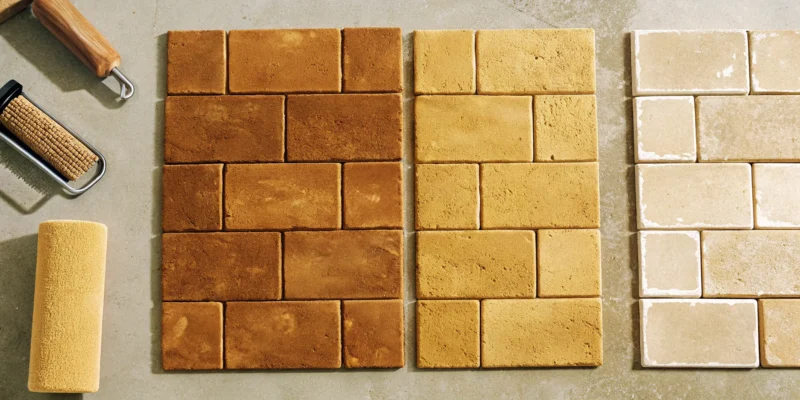
Creating a seamless flow between your indoor and outdoor living areas is key to a well-designed Long Island home. You want materials that feel cohesive and can stand up to the elements. Brick wall tiles are a perfect solution for bridging this gap. Their durability makes them ideal for an outdoor kitchen backsplash or patio wall, while their classic style adds warmth to an interior living room or kitchen. This guide explores how you can use these versatile tiles to create a unified, elegant look that connects your entire property, from your cozy fireplace to your beautiful outdoor entertainment space.
Key Takeaways
- Achieve the Classic Brick Look Practically: Brick wall tiles provide the authentic character of exposed brick without the high cost, heavy weight, or structural work of a traditional installation, making them a smart choice for remodels.
- Customize Your Style with Material and Grout: Your final look is all in the details, so choose from materials like genuine reclaimed brick for rustic charm or sleek porcelain for a modern finish, and use grout color to make the pattern pop or blend seamlessly.
- Install Them Almost Anywhere: These tiles are durable enough for high-traffic areas and can be used in kitchens, bathrooms, and even outdoor spaces; they are easy to clean and can be sealed against moisture, making them a beautiful and functional choice.
What Are Brick Wall Tiles?
Everyone loves the classic, warm look of a brick wall. It adds character and a timeless feel to any space, from a cozy living room to a rustic outdoor kitchen. But building a full brick wall isn’t always practical, especially during a renovation. That’s where brick wall tiles come in. They give you that same charming aesthetic without the weight, cost, and structural demands of traditional brick. These tiles are a versatile and stylish alternative that can transform a room. They generally fall into two main categories: real brick veneer, which is made from actual brick, and faux brick tiles, which are convincing replicas made from other materials.
Real Brick Veneer vs. Faux Brick Tiles
When you hear “real brick veneer,” think of it as the genuine article, just sliced thin. These tiles are cut directly from the sides of real, often reclaimed or antique, bricks. This process gives each tile a unique texture, color, and history that you can’t replicate. Because they come from actual bricks, they provide an unmatched level of authenticity. On the other hand, you have faux brick tiles. These are expertly crafted replicas, often made from durable materials like porcelain and natural stone. They are designed to mimic the look of brick with incredible realism while offering consistency in color and shape, which can make installation a bit more straightforward.
How Brick Tiles Differ from Traditional Brick
The biggest difference between brick tiles and a traditional brick wall comes down to weight and structure. A wall made of full bricks is incredibly heavy and requires a strong foundation to support it, which can be a major challenge. Brick tiles are much lighter and thinner, so they don’t add significant stress to your walls. This makes them a fantastic choice for home remodeling projects, accent walls, or installations on upper floors where weight is a concern. Beyond that, brick-look tiles often provide a great combination of durability, low maintenance, and design flexibility, allowing you to get the look you want in almost any room of the house.
Exploring Types of Brick Wall Tiles
Once you decide to bring the classic look of brick into your home, you’ll find a surprising number of options waiting for you. Brick wall tiles come in several materials, each with its own unique texture, installation process, and benefits. Understanding the differences will help you choose the perfect tile to match your home’s style and your project’s needs. From genuinely old reclaimed bricks to modern, durable porcelain, there’s a material that fits your vision. Let’s look at the most common types so you can make a confident choice for your space.
Clay and Reclaimed Thin Brick
For a truly authentic and rustic feel, nothing beats clay and reclaimed thin brick. These tiles are sliced from the sides of real, vintage bricks, giving each piece a unique story and character. If you love the look of an old warehouse or a historic brownstone, this is the material for you. Choosing reclaimed brick is also a sustainable option, as it gives old materials a beautiful new life. The natural variations in color and texture create a wall with depth and timeless appeal that manufactured products work hard to imitate. Our masonry experts can help you integrate this classic look into your home.
Ceramic and Porcelain Brick
If you want the look of brick combined with modern durability and low maintenance, ceramic and porcelain tiles are an excellent choice. These tiles are manufactured to be strong, consistent, and versatile. Porcelain, in particular, is incredibly dense and resistant to moisture, making it a great option for kitchens, bathrooms, or even outdoor patios. They come in a huge variety of colors and styles, from clean and contemporary to perfectly imperfect rustic looks. You get the aesthetic you want without worrying about the sealing and upkeep that can come with traditional brick. Gappsi offers a wide selection of high-quality porcelain pavers that can achieve this beautiful and practical effect.
Natural Stone Brick
Natural stone cut into brick shapes offers an earthy, high-end look with unmatched durability. Formed from materials like shale or slate and fired at high temperatures, these bricks are built to last. They stand up exceptionally well to the elements, resisting fire, pests, and weather with ease, making them a fantastic investment for both interior and exterior walls. Their dense composition means they are less likely to crack or warp over time compared to other materials. A natural stone brick wall provides a sense of permanence and luxury, adding significant value and a powerful design statement to your property.
Faux Brick Panels
Faux brick panels are a smart and practical solution for getting the brick look without the weight or complex installation. These lightweight panels are designed to realistically mimic the texture and color of real brick but are much easier and faster to put up. This makes them a fantastic choice for a weekend DIY project or for walls that can’t support the weight of heavy masonry. They are surprisingly durable and can be used for both interior accent walls and exterior siding. Faux panels are a cost-effective way to completely transform a room, making them a popular tool in many home remodeling projects.
Choosing Your Style, Finish, and Color
This is where the fun really begins. Once you have an idea of the material you want, you can start envisioning the final look. The style, finish, and color of your brick tiles will define the personality of your space, whether you’re aiming for a cozy, historic feel or a sharp, modern edge. From the texture under your fingertips to the way the light hits the surface, these details make all the difference. Let’s look at some popular options to help you find the perfect match for your home.
Rustic and Reclaimed Looks
This style is all about character and warmth. If you love the idea of a wall with a story, reclaimed thin brick tiles are a fantastic choice. These are often made from real antique bricks, sliced thin to create tiles that carry a genuine piece of history. The natural imperfections, color variations, and weathered textures create a cozy, lived-in feel that’s impossible to replicate with new materials. This look is perfect for creating a feature wall in a living room or a charming kitchen backsplash. It’s a style that feels both timeless and deeply personal, adding a touch of rustic elegance to any masonry project.
Smooth and Modern Finishes
If your taste leans more contemporary, you can still get the classic pattern of brick with a clean, updated twist. Modern brick tiles often feature smooth surfaces, sharp edges, and uniform colors for a sleek and polished appearance. Think of solid whites for a bright, airy feel or cool grays for a sophisticated urban look. These tiles are incredibly versatile and work beautifully in minimalist kitchens, spa-like bathrooms, or as a chic backdrop in a bedroom. They provide the familiar, comforting grid of brick while fitting perfectly into a modern home remodeling project.
Color and Grout Pairings
Don’t underestimate the power of color and grout. The shade of your brick tile and the color of the mortar holding it together work as a team to create the final effect. Before committing, it’s a great idea to lay out tiles from different boxes to see the natural color blend. For the grout, a contrasting color, like white grout with red brick, will make each tile stand out and emphasize the pattern. A similar color will create a more subtle, cohesive surface. Exploring different porcelain and natural stone options can give you a great sense of how different color combinations feel in a space, helping you perfect your vision.
The Benefits of Using Brick Wall Tiles
Choosing brick wall tiles for your home is about more than just looks, it’s a practical decision that pays off for years. You get the warm, timeless character of brick without the complexities and cost of traditional masonry. It’s the perfect blend of classic charm and modern convenience. Whether you’re designing a rustic kitchen backsplash, a contemporary accent wall, or a durable outdoor feature, brick tiles offer a solution that is both beautiful and built to last.
The advantages are clear. First, these tiles are incredibly durable and surprisingly easy to care for, making them ideal for busy households. They also provide incredible design flexibility, with styles ranging from reclaimed and rustic to smooth and polished. Beyond the surface, they can even contribute to your home’s insulation, potentially helping you save on energy bills. Best of all, achieving this high-end look is often more affordable than you might think, both in terms of initial installation and long-term upkeep. Our expert home remodeling team frequently incorporates them into projects for these very reasons.
Durability and Easy Maintenance
One of the biggest draws of brick tiles, especially porcelain and ceramic varieties, is their impressive durability. Unlike traditional brick, which can be porous and prone to chipping, these tiles are manufactured to withstand daily life. They resist scratches, dents, and stains, making them a fantastic choice for high-traffic areas like entryways, kitchens, and family rooms. This resilience means your walls will look fresh and new for years with minimal effort.
The low-maintenance aspect is a game-changer for many homeowners. Forget about special cleaners or worrying about spills. Most brick-look tiles are non-porous, so messes wipe away easily with just a damp cloth and mild detergent. This simple cleaning routine saves you time and ensures your space remains beautiful without constant work. For added protection, our restoration and sealing services can ensure even natural thin brick veneers are properly sealed against moisture and stains.
Versatile Aesthetics
Brick tiles give you the freedom to bring any design vision to life. While a full brick wall has a distinct and singular look, tiles open up a world of possibilities. You can capture the charming, weathered feel of a historic building or opt for a sleek, uniform finish that feels clean and modern. This versatility allows brick to fit into design schemes far beyond the typical industrial or farmhouse styles.
The options for customization are nearly endless. You can find tiles in a wide spectrum of colors, from classic reds and earthy browns to cool grays and whitewashed tones. The texture can also vary, with choices ranging from rough and rustic to smooth and refined. By pairing your chosen tile with different grout colors, you can further define the look. Gappsi offers a curated selection of high-quality porcelain and natural stone to help you find the perfect match for your home’s aesthetic.
Insulation and Energy Efficiency
Beyond their surface appeal, brick tiles can also contribute to your home’s comfort and energy efficiency. Materials like clay, ceramic, and porcelain have excellent thermal mass, which means they absorb and release heat slowly. During the winter, a brick tile wall can help hold onto your home’s warmth, creating a cozier environment. In the summer, it can help keep your interior cool by absorbing heat from the sun.
While it’s not a substitute for proper wall insulation, this added thermal layer can help regulate your home’s temperature more effectively. Over time, this stabilization can lead to modest savings on your heating and cooling bills. It’s a small but significant benefit that adds another layer of value to your investment. When planning a home remodeling project, considering materials that improve efficiency is always a smart move.
Affordability
If you love the look of brick but are concerned about the cost, brick tiles are an excellent and affordable alternative. A traditional brick wall requires a foundation, specialized labor, and a significant amount of material, all of which add up quickly. In contrast, brick tiles are much lighter and thinner, making the installation process faster and less labor-intensive. This directly translates to lower costs for your project.
The savings continue long after the installation is complete. Because brick tiles are so durable and easy to clean, you won’t have to budget for the costly maintenance associated with traditional brick, such as repointing mortar or extensive repairs. This combination of a lower upfront cost and minimal long-term upkeep makes brick tiles a financially savvy choice for achieving a high-end, timeless look in your home. You can explore a variety of options at the Gappsi Store to find a style that fits your budget.
Where to Use Brick Wall Tiles
One of the best things about brick wall tiles is their incredible versatility. Whether you’re aiming for a rustic farmhouse vibe or a sleek industrial look, there’s a place for them in almost any room of your house, and even outside. Their ability to add texture, color, and character is unmatched. Let’s walk through some of the most popular and impactful ways to incorporate brick tiles into your home’s design, transforming ordinary walls into stunning features. From cozy indoor nooks to expansive outdoor entertainment areas, brick tiles offer a design solution that is both beautiful and practical for your Long Island home.
Kitchens and Bathrooms
Kitchens and bathrooms are prime locations for brick wall tiles. In the kitchen, a brick tile backsplash adds a touch of rustic charm or industrial edge behind the stove and countertops. It’s a classic look that’s always in style. In the bathroom, you can create a feature wall behind the vanity or even use properly sealed, water-resistant porcelain brick tiles for a unique shower surround. Updating these high-traffic rooms is a core part of any home remodeling project, and a brick tile feature can completely transform the space without requiring a full structural change. They provide the look of exposed brick with easier cleanup and installation.
Living Room and Bedroom Accent Walls
If you want to create a dramatic focal point in your living room or bedroom, an accent wall is the way to go. A floor-to-ceiling brick tile wall behind your sofa or bed adds instant warmth, texture, and architectural interest. This is where the timeless appeal of brick really shines, creating a feature that feels both classic and personal. It can anchor a large, open-concept space or add depth to a smaller room. This type of project showcases the kind of detailed work our masonry designers specialize in, turning a simple wall into a piece of art that defines the entire room’s character.
Outdoor Patios and Entertainment Spaces
Don’t forget about your home’s exterior. Brick wall tiles are durable enough to handle the Long Island elements, making them perfect for outdoor applications. You can use them to upgrade your patio walls, build a stylish backsplash for your outdoor kitchen, or create an accent wall for your seating area. Imagine a stunning brick wall as the backdrop for your outdoor kitchen, perfectly complementing your custom pavilions and pergolas to create a resort-like escape in your backyard. They provide a cohesive look that connects your indoor and outdoor living spaces, adding elegance and durability to your property’s design.
Understanding the Cost of Brick Wall Tiles
Let’s talk about one of the most important parts of any project: the budget. The cost of adding brick wall tiles to your home can vary quite a bit, but it’s more approachable than you might think. The final price tag depends on a few key things, like the type of tile you choose, the size of your space, and whether you hire a professional for the installation. Understanding these elements from the start will help you plan your project without any surprises.
When you’re planning a home remodeling project, knowing the potential costs helps you make confident decisions. Brick tiles offer a huge range of styles, from rustic to modern, and each comes with its own price point. By breaking down the costs, you can find a beautiful option that fits your vision and your wallet. We’ll walk through the main factors so you can feel prepared as you start sourcing materials and planning your design.
Price by Material Type
The material you choose is the biggest factor in determining the cost of your project. Prices often start at around $10 per square foot, but this can change based on the tile’s composition and finish. For example, thin brick veneers made from genuine reclaimed clay will often cost more than ceramic or porcelain tiles designed to look like brick. Each material offers a different aesthetic and level of durability.
Exploring different porcelain and natural stone options can give you a good idea of how material choice impacts price. While some specialty brick tiles with antique finishes might be at the higher end of the price spectrum, there are plenty of budget-friendly styles that still deliver that classic, textured look you’re going for.
Factors That Influence the Final Cost
Beyond the price per square foot, a few other elements will shape your total investment. The quality and weight of the material are significant. While real thin brick is authentic, it’s also much heavier than porcelain tile, which can put more pressure on your walls. In some cases, your wall might need extra support to handle the weight, which adds to the installation cost.
The complexity of the installation itself also plays a role. A successful project depends on the tiles bonding securely to the wall, as a failure can create safety issues. This is where professional masonry expertise becomes invaluable. An experienced installer will properly prepare the surface and use the right adhesive, ensuring your new brick wall is not only beautiful but also safe and built to last.
Before You Install: Key Considerations
Jumping into a new project is exciting, but a little prep work can make all the difference between a good result and a great one. Before you start laying tiles, there are a few key things to think about to ensure your new brick wall looks fantastic and stands the test of time. Proper planning helps you avoid common pitfalls and guarantees a smoother installation process, whether you’re tackling a kitchen backsplash or a full feature wall.
Thinking through surface preparation, material choices, and your local climate will set you up for success. It’s also the perfect time to decide if you’re ready for a DIY adventure or if bringing in a professional is the better route. Taking these steps ensures your investment not only looks beautiful on day one but continues to add character and value to your home for years. This planning phase is a crucial part of any successful home remodeling project. We’ll walk through everything from checking your wall’s readiness to choosing the right grout, so you can feel confident moving forward.
Prepare Your Surface and Check for Weight
First things first, let’s talk about your wall. The surface needs to be clean, dry, and perfectly flat before any tile goes up. Any bumps or debris can cause issues with adhesion and create an uneven finish. It’s also important to consider the weight of your chosen material. While traditional brick is very heavy and can require extra structural support, most brick-look tiles are designed to be lightweight. This makes them a versatile option for almost any room in your house, including upper floors, without needing to reinforce your walls.
Choose the Right Adhesive, Mortar, and Grout
The materials you use to stick your tiles to the wall are just as important as the tiles themselves. Using the right products is key to making sure your brick wall stays put. For most brick tile installations, a thinset mortar is the recommended adhesive. It provides a strong, durable bond. Don’t forget about the grout, which fills the spaces between the tiles. The color you choose can dramatically change the final look, from a classic, high-contrast white to a subtle, blended gray. Our masonry experts can help you select the perfect combination for your project.
Plan for Climate and Expansion
Believe it or not, your home’s environment plays a role in your tile installation. All building materials, including brick and mortar, naturally expand and contract with changes in temperature and humidity. While this is a bigger concern for exterior brick walls, it’s still something to be aware of, especially for outdoor patios or kitchens here on Long Island. Using the correct installation techniques and flexible adhesives allows for this slight movement, preventing cracks and ensuring the longevity of your wall. Proper planning helps your installation adapt to seasonal shifts without a problem.
Manage Moisture and Seal Your Tiles
Depending on where you install your brick tiles, moisture might be a factor. In kitchens and bathrooms, or for outdoor applications, you’ll want to choose a material that can handle a little water. Porcelain brick tiles are an excellent choice because they are naturally resistant to water and stains. Other materials, like reclaimed clay brick, are more porous and can absorb moisture. To protect them from stains and water damage, applying a quality sealant is a must. Sealing your tiles makes them easier to clean and helps preserve their color and texture for years, a service our restoration and sealing team specializes in.
DIY vs. Professional Installation
Are you feeling handy? While installing brick tiles can be a rewarding DIY project, it requires precision and patience. From preparing the surface to cutting tiles and applying grout evenly, there are many steps where things can go wrong. For a flawless finish that lasts, we always encourage homeowners to consider a professional installation. A pro has the right tools, experience, and techniques to handle any challenges that come up. This ensures your new brick wall is not only beautiful but also a durable, long-term addition to your home.
A Step-by-Step Guide to Installation
Ready to bring your brick wall vision to life? Installing brick tiles is a rewarding project that can transform a room over a weekend. While it requires patience and attention to detail, following a clear process makes all the difference. If you’re feeling adventurous and want to tackle it yourself, here’s a breakdown of the key steps. Remember, for complex projects or if you simply want a flawless finish without the fuss, our masonry experts are always here to help.
Plan Your Layout and Dry Fit the Tiles
Before a single tile touches the wall, a solid plan is your best friend. Start by laying out your brick tiles on the floor to get a feel for the pattern and color variations. This “dry fit” helps you plan where cuts will be needed and ensures you love the final look. Next, find the center of your wall and use a level to draw horizontal and vertical guidelines. These lines will keep your installation straight and professional. It’s also wise to check local building codes and consult the Tile Council of North America’s handbook to ensure your installation meets all requirements for safety and durability.
Apply the Adhesive and Set the Tiles
With your layout planned, it’s time to start setting the tiles. Thinset mortar is usually the best adhesive for the job. You can apply a thin, even layer to a small section of the wall with a notched trowel, or apply it directly to the back of each tile, a technique called “back buttering.” Firmly press each tile into place with a slight wiggle to ensure a strong bond. Use tile spacers to maintain consistent gaps for your grout lines. It’s often easiest to start from a level line near the bottom of the wall and work your way up, which prevents the tiles from sliding down before the adhesive sets.
Grout, Finish, and Allow to Cure
After setting the tiles, you need to let the adhesive cure for at least 24 hours before grouting. To make cleanup easier, consider applying a grout release agent before you begin. This helps prevent the grout from staining the face of the bricks. Use a grout bag to carefully apply the grout into the joints between the tiles. Once the grout has slightly firmed up, use a jointing tool to smooth and shape it for a clean, finished look. After cleaning off any excess grout, let the entire wall cure completely. This final step is crucial before you consider any sealing services to protect your beautiful new wall.
How to Clean and Maintain Your Brick Wall Tiles
One of the best things about brick tiles is how durable they are. Compared to other materials, brick requires very little upkeep to stay looking great for decades. With just a bit of routine care, you can ensure your new accent wall or backsplash remains a stunning feature in your home. Following a few simple steps for cleaning, sealing, and inspecting your tiles will protect your investment and keep the brick’s character shining through.
Cleaning Tips for Different Materials
Keeping your brick tiles clean is surprisingly simple. For most messes on clay or stone brick veneers, a soft-bristled brush and a bucket of warm water with a little mild detergent is all you need. Gently scrub the surface in small sections and rinse with a clean, damp cloth. Avoid using acid-based cleaners or wire brushes, as these can damage the brick face and the surrounding grout. If you have porcelain or ceramic tiles with a brick look, you can typically follow the same process, though they are less porous and even easier to wipe clean. Always test your cleaning solution on a small, hidden spot first to be safe.
Seal for Long-Term Protection
Think of sealant as sunscreen for your brick. Applying a quality sealant is a crucial step, especially for tiles in kitchens, bathrooms, or outdoor spaces where they might be exposed to moisture or stains. A good sealant prevents water from soaking into the porous brick and grout without trapping moisture inside. For exterior brickwork, it’s important to use a breathable water repellent that allows water vapor to pass through. This prevents damage from freeze-thaw cycles. While you can do it yourself, professional restoration and sealing services ensure the correct type of sealant is applied perfectly for long-lasting protection.
Knowing When to Repair or Replace
Brick is incredibly resilient, but it’s wise to give your walls a quick look-over a couple of times a year. Check for any cracks in the tiles or crumbling mortar joints. Small cracks in the grout are often the first sign of settling or moisture issues and are much easier to fix when caught early. Because brick structures are known for their longevity, you likely won’t face major problems. However, if you notice any widespread cracking, loose tiles, or persistent damp spots, it’s a good idea to consult with masonry experts. A professional can assess the situation and determine if a simple repair is all that’s needed.
Transform Your Long Island Home with Brick Tiles
If you’re looking to add character and warmth to your Long Island home, there’s nothing quite like the classic look of brick. It feels both timeless and modern, fitting in everywhere from a cozy kitchen to a sophisticated living room. Brick wall tiles give you that authentic aesthetic without the complexities of traditional brickwork. They are a fantastic way to transform your home’s interior or outdoor living space with texture and style.
One of the biggest advantages of choosing brick tiles is their weight. Real brick is incredibly heavy and often requires extra structural support, which can complicate a renovation. In contrast, brick-look tiles offer the same visual appeal without the added weight, making them perfect for accent walls, kitchen backsplashes, and even second-story rooms. This lighter profile simplifies the installation process, as there’s less concern about tiles sagging or slipping. The durability of brick look tiles is also a major plus, as they are crafted to withstand daily life while being incredibly easy to clean and maintain.
With brick tiles, you get the best of both worlds: the rustic charm of exposed brick and the practical benefits of modern materials. You can create a stunning feature wall that becomes the focal point of a room or design a beautiful, low-maintenance outdoor kitchen that’s ready for entertaining. Because brick has such a timeless appeal, you can be confident it’s a design choice that will last for years to come. At Gappsi, our design team can help you select the perfect brick tiles to match your vision, ensuring a seamless and beautiful result for your home.
Related Articles
- Stone Accent Wall Installation: The Complete Guide
- concrete walls Archives – Gappsi Group
- mini colonial walls Archives – Gappsi Group
- GREENWALL TROPICAL MIX – Gappsi Group
- GREENWALL COLORED MIX – Gappsi Group
Frequently Asked Questions
Can I use brick tiles in a kitchen or bathroom where they might get wet? Absolutely, but your choice of material is important. For areas with high moisture, like a kitchen backsplash or a bathroom wall, porcelain brick tiles are a fantastic choice. They are manufactured to be dense and non-porous, so they won’t absorb water or stains. If you have your heart set on the authentic look of reclaimed clay brick, you can still use it, but it’s essential to apply a high-quality sealant to protect the porous surface from water damage and make cleaning easier.
Are brick tiles too heavy for a standard interior wall? This is a common concern, but you can rest easy. Brick tiles are specifically designed to be a lightweight alternative to traditional, full-sized bricks. Whether you choose thin-cut real brick or a porcelain replica, they are light enough to be installed on almost any standard interior wall without needing extra structural reinforcement. This is one of their biggest advantages, making them a practical choice for adding character to any room in your home.
What’s the real difference between reclaimed brick tiles and porcelain ones? It really comes down to a choice between authentic character and modern performance. Reclaimed brick tiles are sliced from genuine antique bricks, so each piece has a unique history, texture, and color variation for a truly rustic feel. Porcelain brick tiles are expertly manufactured replicas. They offer incredible durability, water resistance, and consistency in color and shape, which can simplify installation and maintenance. Both are great options, so the best choice depends on the specific look and function you need for your space.
Is installing brick tile a good DIY project? While it can be a rewarding project for a skilled and patient DIYer, it’s more complex than it looks. Achieving a professional result requires careful surface preparation, precise layout, straight grout lines, and the right adhesives. For a feature that will be a permanent part of your home, we often suggest hiring a professional. An experienced installer has the tools and expertise to ensure the tiles are secure, the finish is flawless, and the wall will look beautiful for years to come.
How much does a brick tile wall cost compared to a traditional brick wall? Brick tiles are a significantly more affordable way to get the look of brick. The tiles themselves are often less expensive than full bricks, but the biggest savings come from the installation. A traditional brick wall is a major construction project that requires a structural foundation and specialized masonry labor. Brick tiles are much lighter and faster to install, which dramatically reduces labor costs and eliminates the need for expensive foundational work.