


Harsh Long Island winters will crack standard concrete and asphalt driveways within just a few years. Shifting to driveway pavers prevents this costly damage because they move with the freezing soil.
Before starting your project, you need to understand the planning steps and the financial investment for your home. You must consider the size of your driveway and the materials you want to use. To start planning your budget, let us examine What Does a Paver Driveway Cost on Long Island?
What Does a Paver Driveway Cost on Long Island?
A new driveway is a major home update that adds curb appeal and value. If you want to use paver patio and driveway services to install driveway pavers, you must first plan your budget. On Long Island, the final price depends on several local factors and your choice of materials. Contact Gappsi through our contact page
Key cost factors for paver driveways
Your choice between concrete and natural stone often depends on budget, upkeep, and the look you want. Concrete pavers offer a highly uniform fit and cost less. Natural stone looks unique and beautiful but costs more to buy and install. Three main things drive the cost of your project. These are the type of stone or concrete, the design complexity, and the total area size. Precast concrete paver installation costs include all labor, equipment, and material transport as shown in state specs. Selecting simple layouts and local materials can help keep your costs low.
Square foot pricing on Long Island
To budget properly, you need to understand the costs for different project sizes. A small two-car space of 20×20 feet is 400 square feet. Basic concrete pavers for this size cost between 6,000 and 12,000 dollars, which covers subbase prep, sand, and pavers. If you select natural stone, the cost for this small area can rise to 16,000 dollars or more due to higher material prices and extra labor. For larger estate properties, a 2,000 square foot driveway is common. A driveway of this size using concrete pavers will usually cost between 30,000 and 60,000 dollars. If you choose natural stone, the price can exceed 80,000 dollars. These larger projects also need more excavation, soil removal, and base gravel, so you must always work with a skilled team.
Necessary permits and construction add-ons
Beyond the pavers and labor, you must budget for specific local rules and construction add-ons. For example, if you build in the Town of Huntington, you will need a permit. You must also submit a hold harmless agreement with Suffolk County as shown on the town portal. This is because installing pavers in a public right-of-way can alter public land, but filing early prevents delays. Another common add-on is a concrete apron where the road meets your driveway. This apron is often needed to protect the strength of both the road and your driveway. A solid apron prevents the edge of your new paver driveway from shifting under the weight of heavy cars turning in from the street. These details may add minor costs, but they ensure your investment lasts for decades.
Is It Cheaper to Choose Pavers or Concrete for a Driveway?
Choosing a new driveway is a big choice for Long Island homeowners. Many people focus only on the upfront price when they start. But a smart property owner looks at the overall value over many years. While some materials cost less on day one, others save you money on upkeep and repairs down the road.
Upfront installation costs
Standard concrete or asphalt often has a lower price tag when you first build it. Precast concrete paver installation costs include labor, tools, and hauling materials to your yard. According to state guidelines, concrete paver installation costs cover all of these steps as a package deal. Because of this first work, driveway pavers need a larger investment at the start than poured concrete or asphalt. But the first price tag is not the whole story. You must also consider how long each option lasts. To help you choose, here is a quick breakdown of how these materials compare across key areas.
| Material | Upfront cost | Lifespan | Durability & aesthetics | Maintenance | Repair ease | Freeze-thaw |
|---|---|---|---|---|---|---|
| Concrete pavers | Higher initial cost | 30 to 50 years | Very high durability, clean look | Occasional sand top-off | Easy to swap single units | Excellent, shifts with ground |
| Poured concrete | Moderate initial cost | 20 to 30 years | Good but prone to cracking, plain | Sealing every few years | Hard, patches are visible | Poor, rigid slabs crack |
| Standard asphalt | Lowest initial cost | 15 to 20 years | Low durability over time, dark look | Frequent seal coating | Easy to patch but looks uneven | Moderate, softens in heat |
Material durability and ground movement
Concrete pavers offer superior durability and clean looks when you compare them to basic blacktop. In cold Long Island winters, the soil below your driveway freezes and thaws. Rigid materials like solid concrete often crack under this pressure because they cannot bend. But interlocking driveway pavers are different. These systems adapt to minor ground movement without cracking because the joints between them are flexible. Sturdy materials combined with a solid setup give you a long-lasting driveway that outperforms standard asphalt in the long run. If one stone gets stained or damaged, you can just swap out that single piece for a new one. To find the right look for your home, you can read our guide on how to choose the best driveway pavers for your project. Proper paver maintenance and sealing also keeps colors bright and shields the surface from oil stains. If you want a beautiful, long-lasting entrance to your home, we can help. Contact Gappsi through our contact page
The Best Paver Materials for a Long Island Driveway
Choosing the right materials for your new driveway is a big choice. Long Island homes need durable surfaces that look great and last for decades. Before you look at colors or styles, you must focus on strength. Not all stones are made for cars, so you must pick the right products to avoid cracks and shifting.
Why vehicular-rated pavers matter
A driveway has to support tons of moving weight every single day. Because of this, the installation of heavy-duty pavers made for car traffic is needed for driveways. This is different from thin slabs used for foot paths, which will crack under a car. Choosing heavy-duty best driveway pavers for your project keeps your driveway safe. These thick pavers resist shifting and sinking when cars turn. If you use thin stones, they will break within a year because they are not made to handle wheel loads. Instead, heavy-duty units distribute weight across a thick bed of stone and sand. This layout stops rutting and keeps your driveway flat.
Interlocking concrete pavers
For most homes on Long Island, concrete blocks are the top choice. These units are a solid pick because they are manufactured to be uniform in size and shape. This high level of detail ensures a tight, consistent fit during installation. They fit together like a puzzle to spread out the load from heavy trucks. Concrete blocks also give you great design choice. These concrete pavers come in a range of colors and textures that can mimic brick or natural stone. You can get the look of old brick or granite without the high price. The New York State DOT rules show that these precast blocks must meet strict limits for public roads.
Natural stone and clay brick
If you want a classic look, natural stone is a top option. Natural stone pavers like bluestone or travertine give a unique, upscale look that fits classic and modern home designs. Bluestone offers rich blue and gray tones, while travertine gives warm beige colors. Both materials are dense and strong when you buy the correct thick cut. Clay brick is another traditional path. Genuine clay bricks are made from baked earth and hold their color for decades. You can also mix natural stone with concrete borders to get a custom design. This blend gives you a custom look that stands out.
How to choose the best material
Your choice between concrete and natural stone pavers often depends on budget, care needs, and how you want them to look. Concrete blocks cost less to buy and install, and they are also easy to clean. Natural stone costs more but adds rich style. Think about how much time you want to spend on sealing and cleaning before you buy. Concrete needs regular seal coats to block oil stains. Natural stone needs less care but can be harder to install. Talk with a local design-build expert to see which stone works best for your home. Making the right choice now will keep your driveway looking beautiful for many years.
How a Driveway Paver Installation Is Built to Last
Building a driveway that can handle heavy trucks takes careful work. Every step must be done right to make sure your driveway pavers do not sag or shift. The weight of cars can easily push stones out of place if the soil is weak. The work starts with a deep plan for the dirt beneath the stone.
The role of a strong base
Before the first stone is set, crew members must dig out the old driveway. They remove the soft topsoil to reach the hard earth below. In public road works, the State of New York bills excavation and subbase course work as distinct tasks. This shows how key these steps are for any road or driveway build. A solid base is the main thing that stops a driveway from sinking. If you skip this step, the stones will shift when the ground freezes and thaws in the cold winter. To keep your stones flat for years, you must prepare the ground well.
Why edge and apron support matters
A great driveway does not just sit on the ground. It must connect to the street with a strong, safe edge. Many towns have strict rules about how you link your driveway to the road. A poor edge lets the pavers slide out when cars turn on them. Using concrete support near the street keeps the whole system locked tight. This makes sure the borders of your new driveway stay in place for a lifetime.
The key steps of the build
To build a strong path, you should follow this clear process:
- Digging the site: Crews dig down to a set depth to make space for the base layers and your driveway pavers. This dig gets rid of soft dirt that cannot hold heavy loads.
- Geotextile fabric stabilization: Laying a geotextile fabric over the raw soil keeps the dirt from mixing with the gravel base. This step helps make the base strong and stops weeds from growing up.
- Compacted gravel subbase: Packing down a thick gravel layer is the most vital step of the build. This compacted gravel subbase supports heavy vehicle traffic without shifting.
- Bedding layer placement: A thin, flat layer of clean sand is spread over the packed gravel to form a smooth bed. See our guide on the best driveway pavers for your project to pick the right stone type.
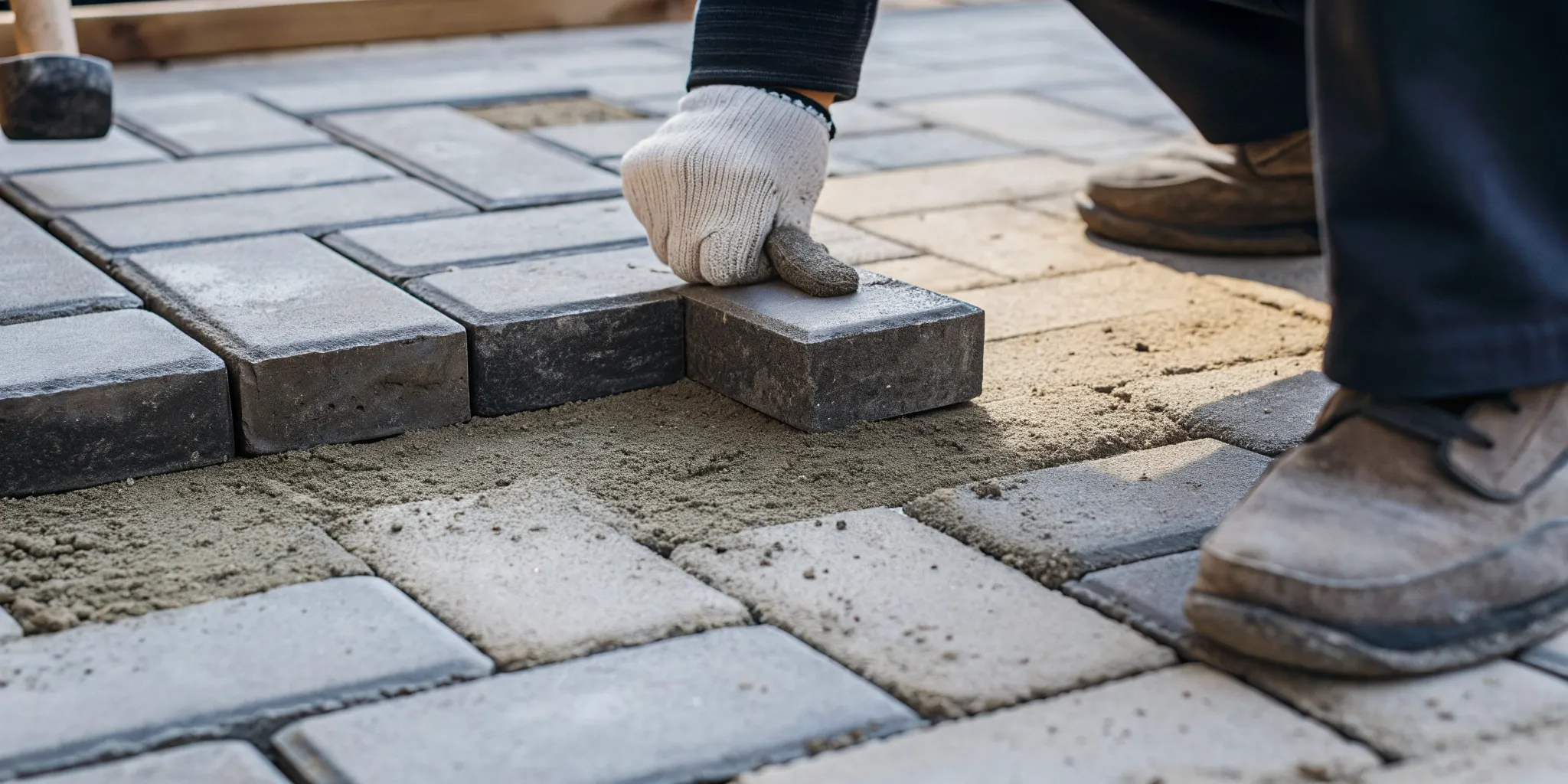
- Laying vehicular pavers: Workers place the thick stones close together in your chosen pattern. Using tough vehicular pavers ensures they will not crack under the weight of large trucks.
- Edge restraints and concrete apron: Strong edge restraint pieces are set along the sides to lock the stones in place. A concrete apron where the driveway meets the street is also a common rule to keep the structure strong.
- Polymeric sand joint filling: Sweeping polymeric sand into the joints blocks weeds and locks the stones in place. For more care tips, see our guide on paver maintenance and sealing.
How Driveway Pavers Stand Up to Long Island Winters
Long Island winters bring harsh freezing and thawing cycles. Standard asphalt and concrete often crack under these cold weather stresses. But interlocking driveway pavers bend with the ground to prevent damage. This flexible design stops the surface from cracking when the soil freezes. On Long Island, freeze-thaw damage is a constant threat to driveways. When water gets into tiny pores in asphalt or concrete, it expands as it freezes. This creates pressure that leads to deep cracks and surface crumbling over time.
Freeze-thaw cycle protection
Expert installers use setting beds, joint materials, and sealers that meet state standards. For example, the New York State Department of Transportation sets standards for precast concrete block pavers and sealers. These state installation rules ensure the materials can handle heavy winter loads. Applying a proper sealer is a key step in protecting your stone. Sealing driveway pavers helps to lock in their rich color and block oil or gas stains. Also, a good seal keeps water from soaking into the stone. This protects the driveway from winter cracking. Unlike solid concrete slabs, interlocking systems use many small stones. The joints between the stones let them shift slightly without breaking. This means the driveway can adjust to minor ground movements when the soil freezes and shifts in winter.
Drainage and ice prevention
Winter weather often leaves pools of water on driveways that turn into slick ice sheets. Paver driveways solve this problem because they drain water well. They work even better when you use permeable joints. Choosing permeable pavers is a smart way to handle heavy rain. These stones let rain and melting snow flow straight down into the soil. This fast drainage keeps water from pooling and forming slick ice patches. When you shovel or plow snow, the flat surface of the stones makes the job simple. You do not have to worry about catching on deep cracks as you would with old concrete. Permeable joints let water drain straight into the base below. This stops water from running off the driveway and flooding your yard. It also prevents ice from forming on the edges of your property where melting snow piles up.
Ongoing maintenance and easy repair
Even with great care, winter wear can sometimes damage a driveway. If a standard concrete driveway cracks, you often must replace the entire slab. But pavers are much easier to fix. You can remove and replace single stones if they get stained or broken. Taking care of these stones is very easy compared to other driveway types. You do not need to patch cracks with ugly black tar. If a single stone is damaged by a plow, an installer can swap it out quickly. Keeping your driveway in top shape through the winter needs very little work. Regular care mostly means sweeping, power washing, and adding new sand to the joints. Keeping up with paver maintenance and sealing will make sure your driveway looks great and lasts for decades.
Design and Value: Making Driveway Pavers Work for Your Home
Your driveway is the first thing guests see when they visit your house. Choosing driveway pavers can turn a plain front yard into a charming entrance. These stone or concrete blocks enhance home value and visual appeal, which makes them a smart choice for people on Long Island. A custom layout lets you match your yard to your own taste.
Choosing Your Layout Pattern
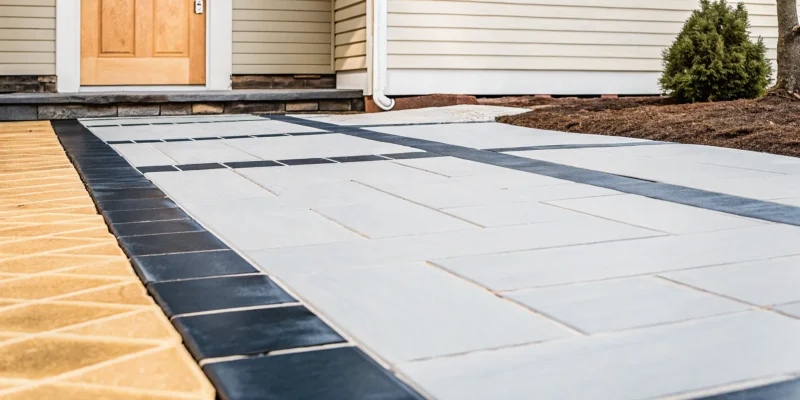
You can choose from many different ways to lay your stone. The pattern options range from a classic herringbone layout to modern, geometric layouts. A herringbone pattern holds up well under the weight of heavy cars because the blocks lock in place. This keeps the stones from shifting when you drive on them daily. Geometric layouts use clean lines and neat angles to give your yard a fresh, sleek style. If you have a curved driveway, these stones fit with ease. Skilled builders can arrange the pieces to follow smooth curves without making too many messy cuts. This curved style gives your yard a softer, more natural look. You can also mix other shapes to make a style that is unique to your home. To make the edges stand out, you can add border stones with accent colors. Many homeowners add borders or dark colors to define the edges of their drive and add visual appeal. These borders frame the driveway and make the pattern in the middle pop. They also guide the eyes of your guests toward your front door.
Built-In Lighting and Edges
Good design is about more than just the stones. Expert planning can build light fixtures and plant beds right into the border of the drive. Placing small lights along the edge makes the driveway safe to use at night and shows off the path. Solid stone borders also keep your lawn soil from washing onto the driveway when it rains. This keeps your yard looking neat after big storms. Before you build, you must check local rules. For instance, if you plan to lay paver blocks in a town right-of-way, you must follow local laws. In the Town of Huntington, you need a permit if you use pavers near the road. You must also sign a hold-harmless deal with Suffolk County. Knowing these rules early keeps your job on track and avoids legal delays.
Matching Your Whole Yard
To get the best results, your new drive should match the rest of your outdoor space. Skilled builders like Gappsi offer full landscape design and installation to make sure your new driveway fits your whole yard. A single plan links your walkways, patio, and drive into one great space. Working with one team for design and setup keeps the project simple. The builders will make sure the stones fit your home shape, house color, and garden beds. This approach boosts your street appeal and increases your home value. Contact Gappsi through our contact page
Frequently Asked Questions
Do paver driveways need a concrete base?
No, a concrete base is not needed. Instead, a strong driveway relies on a deep, packed gravel subbase and a geotextile fabric layer. This base lets the interlocking pavers shift slightly during freeze-thaw cycles and under heavy vehicle weight. According to Gappsi, this design lets the surface absorb soil movement without cracking, unlike standard poured concrete.
How long do paver driveways last?
When built with proper care, a paver driveway can last thirty to fifty years. This lifespan far outperforms standard asphalt. Their long life comes from strong stone and easy repairs. If a single block gets stained, you can remove and replace just that piece. Regular cleaning and paver maintenance and sealing will also protect the colors from winter frost and vehicle oil.
Do you need a permit for a paver driveway on Long Island?
Yes, you often need a permit if your project touches public property. For example, installing driveway pavers in a town right-of-way, like in Huntington, needs a permit. You must also submit a hold harmless agreement to Suffolk County. According to the Town of Huntington, this rule applies to any custom pavement like pavers or stone blocks. Always check with your local town hall before you start work.
How long does it take to install a paver driveway?
Most driveway paver projects take about three to seven days to complete. The exact time depends on the size of your driveway and the design you choose. First, the team must excavate the old surface and pack the gravel base. Laying the stones goes fast once the base is ready. Finally, the team fills the joints with polymeric sand and seals the surface. Bad weather can also add a few days to the job.
Ready to design and build a better paver driveway?
An old asphalt or cracked concrete driveway does more than hurt your home’s curb appeal. Leaving a cracked or broken driveway through next winter lets water sink deep into the soil. When this water freezes, it expands and shifts the dirt under the driveway. This ruins the base support and makes building a new paver driveway cost much more. If you start your project now, you can avoid these costly issues and secure your booking. Gappsi handles the full design-build process from expert excavation and base prep to placing the final stone borders. Our team will help you select the best driveway pavers for your project and complete the layout before the harsh cold weather arrives. Ready to start? Contact Gappsi through our contact page to schedule a free paver driveway consultation.