


Get expert tips on privacy fence installation Long Island, including material choices, permit rules, costs, and how to find the right installer for your home.
A backyard should be your personal sanctuary, a place to unwind, host barbecues, or just enjoy a quiet morning coffee without feeling like you’re on display. Creating that sense of seclusion is what a great privacy fence is all about. But turning that vision into reality involves more than just picking a style you like. You have to consider Long Island’s coastal weather, your town’s specific permit rules, and a budget that makes sense for you. This guide is designed to walk you through the entire process, from choosing between classic wood and low-maintenance vinyl to understanding the costs. We’ll give you the clear, practical information you need to confidently plan your privacy fence installation Long Island project and create the backyard retreat you deserve.
Key Takeaways
- Choose a Material That Fits Your Lifestyle: Balance aesthetics with practicality. Low-maintenance vinyl and aluminum are great for busy homeowners, while wood offers a classic look that requires more care. Your choice will define your fence’s cost and the time you spend on upkeep.
- Plan Your Project to Avoid Surprises: Before you build, get clear on the details. Confirm your town’s permit rules and your property lines, and create a complete budget that includes materials, labor, and site prep to ensure your project runs smoothly.
- Vet Your Installer for a Quality Result: A fence is a long-term investment, so hire a professional you trust. Look for a company with a strong portfolio, positive local reviews, and deep experience in Long Island to guarantee a beautiful and durable installation.
Choosing the Right Privacy Fence for Your Home
Picking the right material for your privacy fence is one of the biggest decisions you’ll make in this project. It impacts everything from your home’s curb appeal to your weekend to-do list for years to come. Each material has its own unique set of benefits, whether you’re looking for a classic look, a modern design, or something that requires almost zero upkeep. The best choice for your Long Island home really comes down to your personal style, budget, and how much time you want to spend on maintenance. Let’s walk through the most popular options: vinyl, wood, and the more modern aluminum and composite materials. Understanding the pros and cons of each will help you find the perfect fit for your backyard oasis.
Vinyl Fences
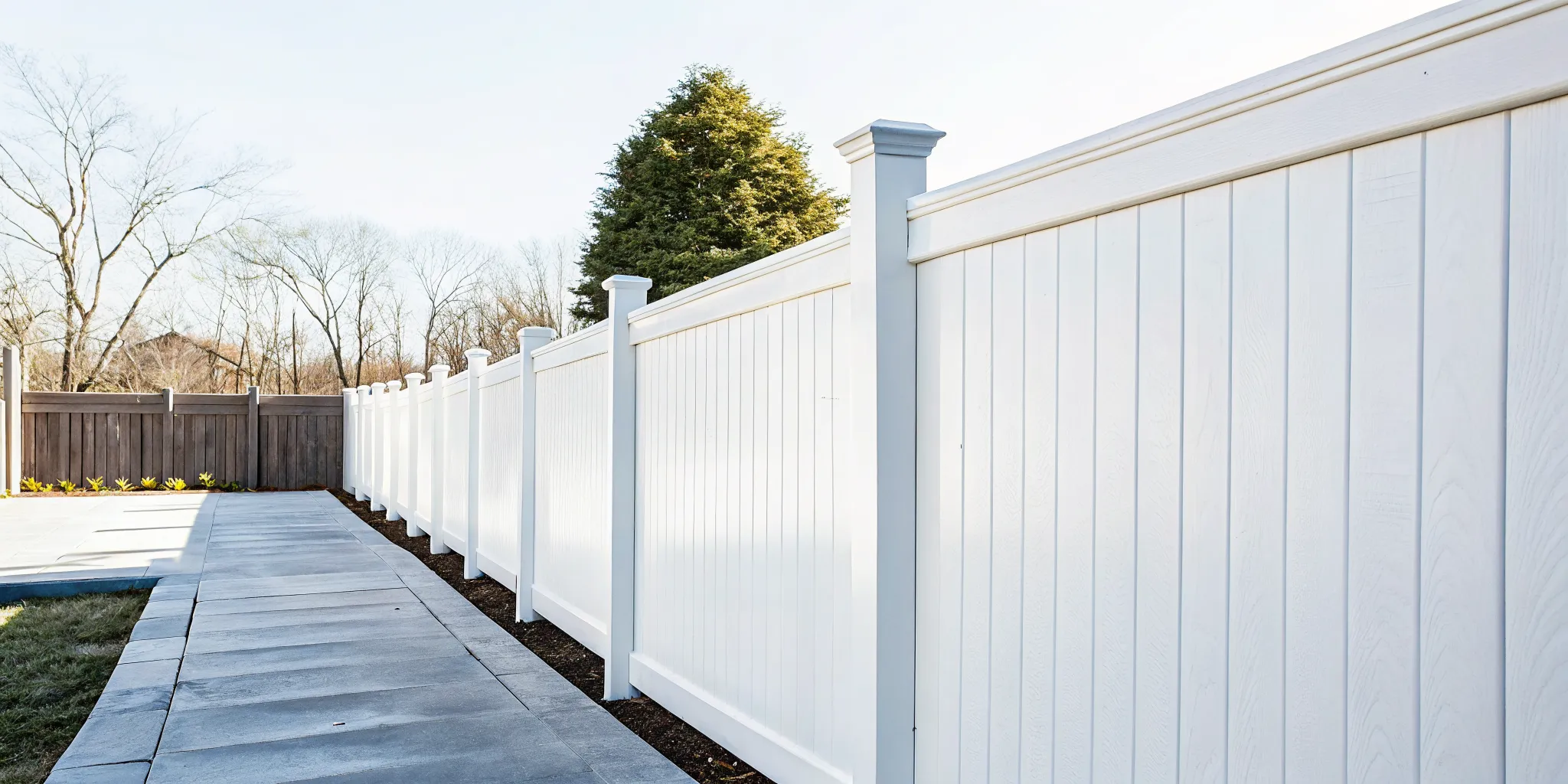
If your goal is a beautiful fence without the constant upkeep, vinyl is an excellent choice. PVC and vinyl fences are known for their incredible durability and low-maintenance nature. You won’t have to worry about painting or staining, as they resist rot, pests, and fading. A simple wash is usually all it takes to keep them looking new. Plus, modern vinyl fencing is highly customizable. You can choose from a variety of colors and textures, including styles that mimic the look of wood, giving you design flexibility without the demanding maintenance schedule. It’s a practical, long-lasting solution that lets you spend more time enjoying your yard and less time working on it.
Wood Fences
There’s a reason wood fences have been a homeowner favorite for so long. They offer a timeless, natural beauty that can make any backyard feel warm and inviting. Wood is also one of the more affordable materials, and its design versatility is unmatched. Whether you envision a classic stockade fence or a custom horizontal plank design, wood can be shaped to fit your vision. However, it’s important to be realistic about the commitment. To protect it from Long Island’s humid summers and cold winters, a wood fence requires regular maintenance, like staining or sealing. With the right care, a wood fence can be a stunning and valuable addition to your property.
Aluminum and Composite Fences
For a sleek, contemporary look combined with serious durability, aluminum and composite fences are top contenders. These materials are perfect for homeowners who want a modern aesthetic without the hassle of upkeep. At Gappsi, we offer full-privacy panels in both composite and aluminum, giving you a clean, seamless barrier. Aluminum fences are especially popular for their strength and style. They are powder-coated for an extra layer of protection against the elements, so they won’t rust or corrode. This makes them a truly maintenance-free option that provides a sophisticated, modern look for your property. An aluminum fence is a smart investment in both privacy and style.
Breaking Down Privacy Fence Costs in Long Island
Budgeting for a new privacy fence can feel like a big task, but it gets a lot easier when you know what to expect. The total cost of your project will depend on a few key things: the materials you choose, the size of your yard, and the labor involved. Think of it as putting together a puzzle, where each piece contributes to the final picture and price. On Long Island, the investment you make in a quality fence not only adds privacy and security but also enhances your property’s overall value and curb appeal. A well-chosen fence can transform your backyard into a private retreat, perfect for relaxing or entertaining.
Understanding the breakdown helps you plan effectively and make choices that align with your budget and vision for your outdoor space. Whether you’re leaning toward the classic look of wood, the low maintenance of vinyl, or the modern appeal of composite, knowing the numbers ahead of time prevents surprises down the road. We’ll walk through the main cost components, from the price of materials per foot to the professional installation that ensures your fence stands strong for years. Gappsi offers a variety of fences and netting to suit any style, giving you plenty of options to consider as you plan.
Material Costs per Linear Foot
The material you select is one of the biggest factors in your fence’s total cost. Prices are typically calculated per linear foot, which is just a simple measurement of your fence’s length. On average, you can expect material costs to range from $15 to $50 per linear foot. For example, a durable vinyl fence usually falls between $15 and $30 per linear foot, making it a budget-friendly and low-maintenance choice. A traditional wood fence might cost a bit more, typically from $27 to $45 per linear foot, offering a classic, natural aesthetic. Your choice will ultimately shape both the look and the final price tag of your project.
Factoring in Labor Costs
Beyond materials, professional installation is a crucial part of your budget. Labor costs ensure your fence is installed correctly, stands securely, and lasts for years. In New York, installation can average around $20 per linear foot, but the total project cost varies. Simpler installations might range from $1,500 to $3,000, while larger or more complex projects can be between $5,000 and $12,000. This investment covers the expertise needed to handle Long Island’s specific terrain and soil conditions. Hiring a team with proven masonry and construction experience guarantees a professional and long-lasting result for your property.
Other Potential Project Fees
When creating your budget, it’s smart to account for a few other potential costs. The total length and height of your fence will directly impact the amount of material and labor needed, so having accurate measurements is key. You should also consider any site preparation that might be required. This could include clearing vegetation, grading uneven ground, or protecting nearby structures and landscaping during construction. These extra steps are essential for a smooth installation and a polished final look. Thinking about these details early on helps you create a comprehensive and realistic budget for your new fence.
Key Considerations Before Installing Your Fence
Before the first post goes into the ground, it’s smart to think through a few key details. Planning ahead ensures your new fence not only looks great but also complies with local rules and suits your lifestyle. Thinking about climate, function, and upkeep now will save you headaches later and help you choose a fence you’ll love for years to come.
Long Island’s Climate and Your Yard
Long Island’s weather can be tough on outdoor structures. Between the humid, salty air, summer sun, and winter storms, you need a fence that can handle it all. That’s why many local homeowners choose materials known for their durability. Options like vinyl, composite, and aluminum fences are excellent choices because they resist moisture, rust, and fading. These materials hold up beautifully against the elements, making them a reliable, long-lasting investment for your property. Considering how your yard is exposed to sun and wind will also help you and your installer pick the perfect spot and material.
Defining Your Fence’s Height, Length, and Style
Next, let’s talk specifics. How tall and long will your fence be? What style fits your home’s aesthetic? Before you get too far, it’s important to understand your local town’s regulations. Most towns on Long Island require a permit for fence installations, and there are often rules about height. For example, fences in the front yard are typically limited to four feet, while side and backyard fences can often go up to six feet. Our team can help you understand the specific design and build requirements for your area to ensure your project goes smoothly from start to finish.
Understanding Maintenance Requirements
Your fence shouldn’t feel like a part-time job. Different materials require different levels of upkeep, so it’s wise to choose one that matches your lifestyle. If you prefer a set-it-and-forget-it option, you’ll love the low-maintenance benefits of vinyl, composite, and aluminum. These materials just need an occasional cleaning to look their best. Wood fences, while beautiful, demand more attention. They typically need regular staining or sealing to protect them from the weather. If you love the look of natural materials but have an older fence, our restoration and sealing services can bring it back to life.
Understanding Long Island Fence Permit Rules
Before a single post goes into the ground, it’s important to understand the local rules for fence installation. Dealing with permits might not be the most exciting part of your project, but it’s a step you absolutely can’t skip. Local regulations are in place to ensure safety and consistency in the community. Building a fence without the proper approvals can lead to fines or even an order to tear your new fence down, and nobody wants that.
The rules for fences on Long Island can vary quite a bit depending on where you live. What’s required in one town in Nassau County might be different from a village in Suffolk County. These regulations typically cover things like fence height, how far it needs to be from property lines (setbacks), and sometimes even the materials you can use. It can feel like a lot to sort through, which is why many homeowners choose to work with an experienced installer. A professional team that regularly works in your area will be familiar with the local codes and can often manage the entire permit application process for you, making your life much easier.
Nassau County Fence Rules
If you live in Nassau County, you can generally expect that you’ll need a permit to install a new fence. Most towns and villages in the county have this requirement, especially if your fence will be over a certain height. While the exact rules change from one municipality to another, a common guideline is that backyard fences are limited to about six feet in height, while front yard fences are often capped at four feet. It is essential to check with your specific local building department to get the correct information before you finalize your fence design. They will provide the application forms and a clear list of requirements for your project.
Suffolk County Fence Rules
For homeowners in Suffolk County, the situation is similar: permit rules are determined at the local level. While New York has a statewide Uniform Code that provides a baseline, each town and village sets its own specific height limits and permit requirements. Many municipalities in Suffolk County require a permit for any fence that is over four feet tall, but this is just a general rule of thumb. To be certain, you must contact your local town or village hall. Taking the time to confirm these details ensures your installation goes smoothly and complies with all local ordinances, protecting your investment for years to come.
Checking HOA Rules and Property Lines
Beyond the town or village permits, there are two other critical checks you need to make: your Homeowners Association (HOA) rules and your property lines. If your home is part of an HOA, they likely have their own set of guidelines for fences, which can cover everything from height and style to color and materials. These rules can sometimes be even stricter than the town’s regulations. Before you get too far in your planning, be sure to get a copy of your HOA’s covenants. You also need to know exactly where your property lines are. A recent property survey is the best way to avoid any disputes with your neighbors. A professional landscape design team can help integrate the survey into your overall plan.
How to Choose a Privacy Fence Installer on Long Island
Finding the right company to install your privacy fence is just as important as picking the perfect material and style. You’re not just hiring a contractor; you’re choosing a partner to help bring your vision to life. A great installer makes the process smooth, communicates clearly, and delivers a final product that stands the test of time. To make sure you find the best fit for your Long Island home, focus on a few key areas: their experience, the quality of their materials, the scope of their services, and what past customers have to say.
Look for Proven Experience and a Strong Portfolio
An installer with a long history in Long Island brings more than just fencing skills to the table. They understand the local soil, weather patterns, and building codes, which prevents unexpected issues down the road. When you’re vetting a company, ask how long they’ve been serving Nassau and Suffolk counties. A seasoned team will have a deep portfolio of completed work. Ask to see examples of fences similar to what you have in mind. This is your chance to see their past projects and get a real feel for their craftsmanship and attention to detail. A strong portfolio demonstrates consistency and a commitment to quality across different styles and properties.
Verify They Offer High-Quality Materials
The durability and appearance of your fence depend entirely on the quality of the materials. A reputable installer will be transparent about where they source their products and why they choose them. Whether you’re interested in low-maintenance vinyl, classic wood, or modern composite fencing, your installer should offer durable options built to withstand Long Island’s coastal climate. Some top-tier companies even manufacture their own materials to ensure the highest quality control. Don’t hesitate to ask for material samples. A company that is proud of its fencing materials will be happy to show you exactly what you’re getting for your investment.
Ensure They Provide Comprehensive Design and Build Services
Your privacy fence is a key part of your overall landscape design. The best installers offer a comprehensive service that goes beyond just putting up posts and panels. Look for a company that provides a holistic design and build process, starting with a consultation to understand your goals. A team that also specializes in masonry, patios, and landscaping can help you integrate your new fence seamlessly with your entire outdoor living space. This integrated approach ensures a cohesive look and can save you the headache of coordinating multiple contractors. It guarantees that your fence not only provides privacy but also enhances your property’s beauty and functionality.
Read Customer Reviews and Testimonials
Hearing from past customers gives you an unfiltered look at what it’s like to work with an installer. Check online reviews on platforms like Google and read testimonials on the company’s website. Look for comments that speak to the company’s professionalism, communication, and ability to stick to a timeline and budget. While a perfect record is rare, pay attention to how the company responds to any negative feedback. Consistent praise for the crew’s conduct, the project manager’s responsiveness, and the quality of the finished product are all excellent signs. These firsthand accounts are invaluable for building confidence before you sign a contract.
Related Articles
- Aluminum Composite Vinyl and Wood Fencing on Long Island NY – Gappsi Group
- Modern Aluminum & Composite Fencing on Long Island | Gappsi Inc
- Aluminum & Composite Fencing Solutions on Long Island | Gappsi Inc
- Modern Aluminum Fence Installation on Long Island
- Sleek Fence Modern Privacy Aluminum Powder Coated | Long Island NY – Gappsi Group
Frequently Asked Questions
Which fence material is truly the best for Long Island? The “best” material really depends on your top priorities: style, budget, and how much time you want to spend on upkeep. If your main goal is minimal maintenance, vinyl and aluminum are fantastic choices because they stand up to our coastal air and humid summers without needing much more than an occasional wash. If you love the classic, natural look and don’t mind a bit of yearly maintenance like staining or sealing, a wood fence can be a beautiful, warm addition to your property.
How long does a typical fence installation take from start to finish? The timeline can vary, but you can generally think of it in a few stages. The initial planning phase, which includes design choices, getting measurements, and securing permits, can take a few weeks. Once all the approvals are in place and materials are ordered, the actual on-site installation is usually quite fast. A professional crew can often complete the physical installation for an average-sized yard in just a few days.
Do I really have to get a permit for my fence? Yes, it’s a step you absolutely want to take. Most towns and villages on Long Island require a permit for fence installations, and skipping this can lead to fines or even having to remove the fence. These rules are in place to ensure safety and proper placement. A professional installer will be familiar with your local town’s specific codes and can manage the entire permit process for you, which makes everything much simpler.
Can I save money by installing the fence myself? While a DIY project can seem like a way to cut costs, installing a fence correctly is more complex than it looks. You need to be certain of your property lines, know how to work with Long Island’s specific soil conditions, and ensure every post is perfectly level and secure enough to withstand our weather. Hiring a professional ensures the job is done right the first time, protecting your investment and saving you from future headaches and costly repairs.
What is the very first step I should take to get started? Your first step is to define your goals for the fence. Ask yourself what its main purpose is: privacy, security, or defining a boundary? Then, take a walk around your property and think about the style that would best complement your home. Once you have a general idea of what you want, the next best step is to schedule a consultation with a professional who can help you refine your vision, discuss materials, and provide an accurate estimate.