


Hire a masonry company Long Island homeowners trust for patios, walkways, and outdoor kitchens. A practical guide to choosing well.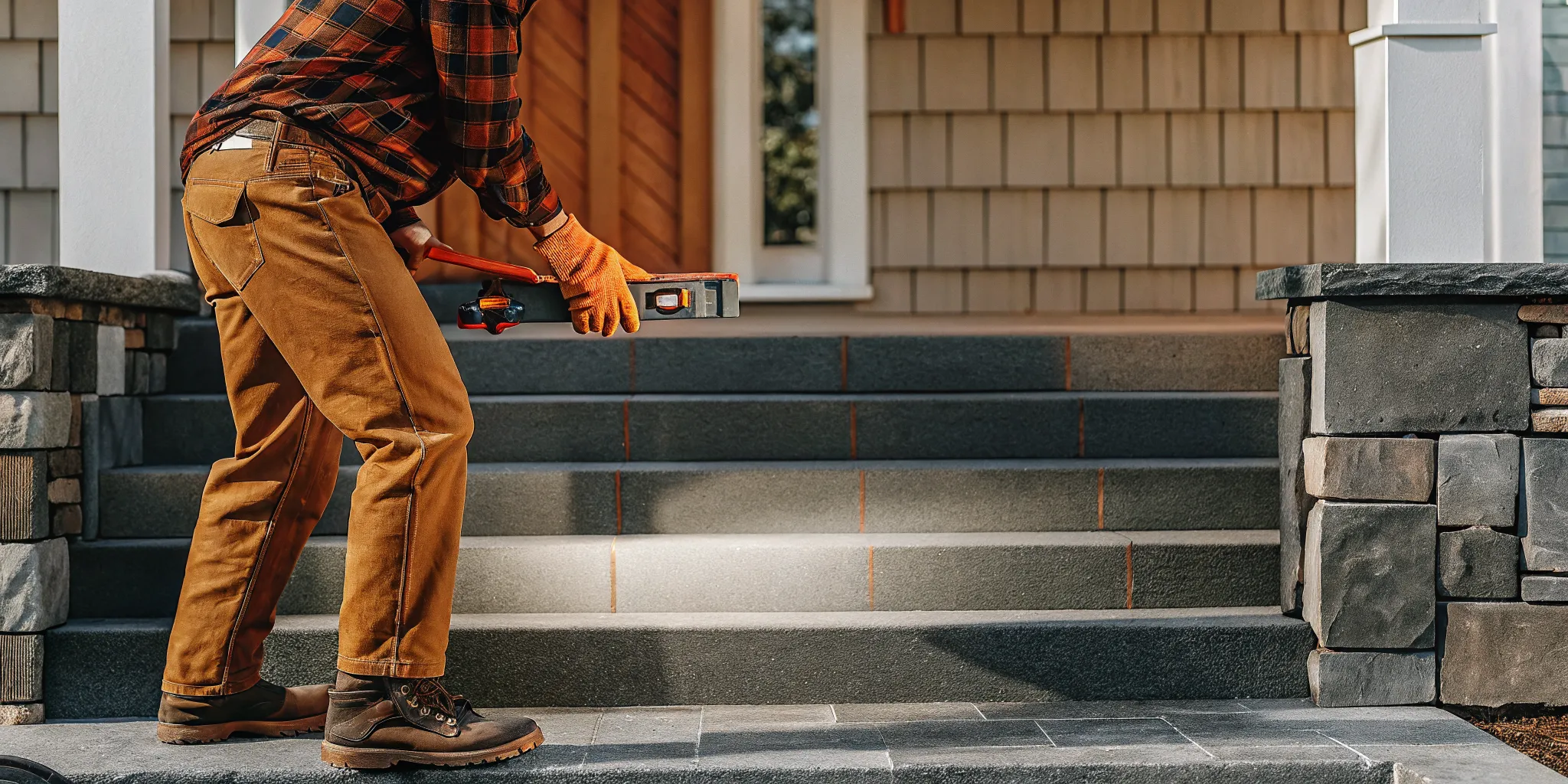
Long Island masonry has to survive salt air and hard winters. Water gets into small cracks, freezes, and pushes the stone apart. That is why a general builder is a risky hire for a patio, wall, or outdoor kitchen. You want a masonry company Long Island homeowners already trust, one that builds for Nassau and Suffolk weather. The right crew picks materials that handle salt and sets a base that will not shift after the first winter.
Contact Gappsi through our contact page to talk through a patio, wall, or outdoor kitchen.
Key Takeaways
- Hire someone who builds on Long Island: A local mason knows how salt air and freeze-thaw cycles treat stone. That knowledge is what keeps a patio or wall from needing early repairs.
- Do not chase the lowest price: A cheap bid often means weak materials or a thin crew. Check the license and insurance, look at finished work, and get a written contract.
- Treat masonry as the frame for outdoor living: Stonework is more than a walkway. It is the base for outdoor kitchens, fire features, and seating that you will use all season.
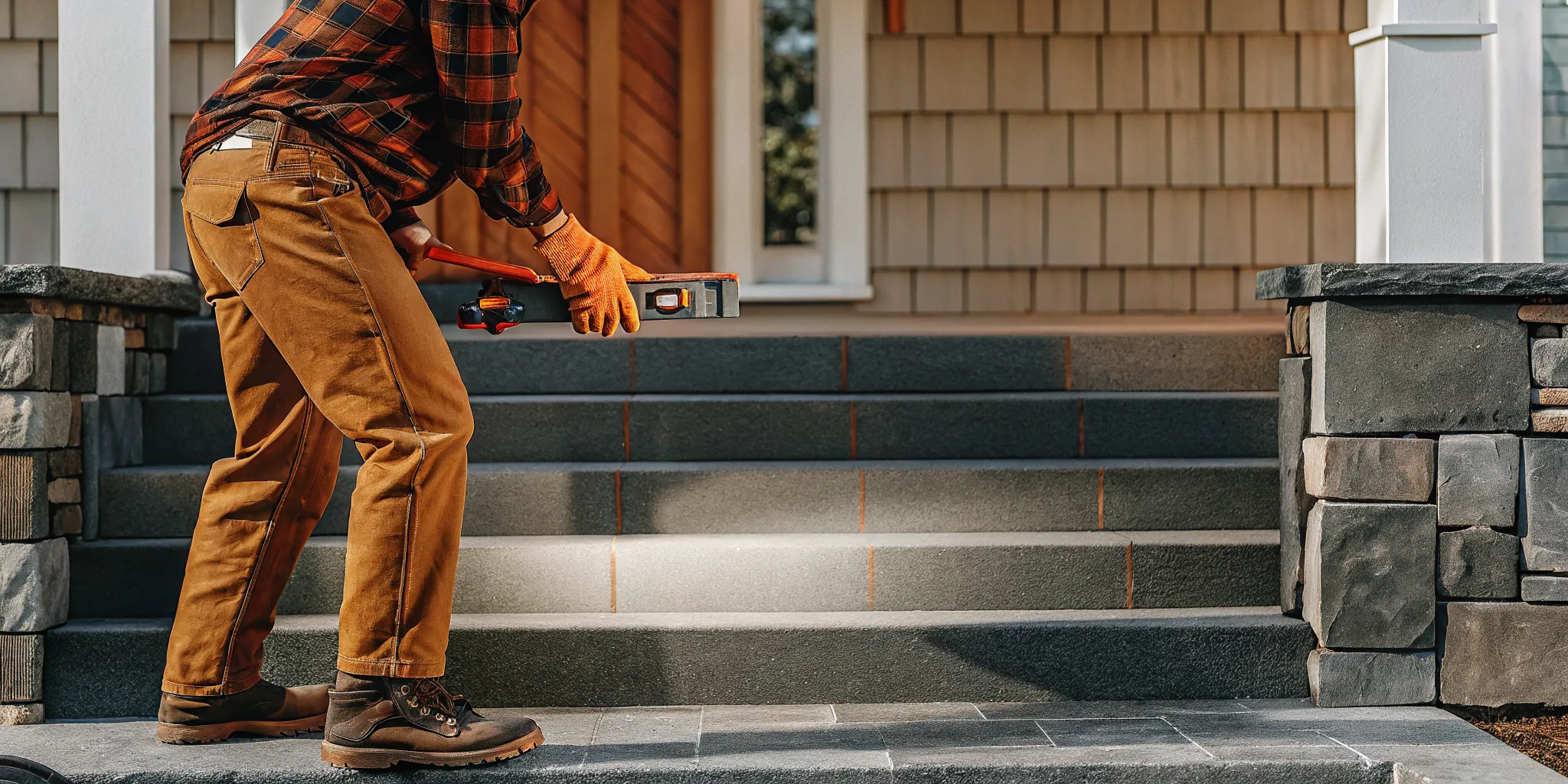
What Services Does a Masonry Company in Long Island Offer?
Masonry is more than a brick wall. A skilled crew builds with stone, brick, or concrete block, held together with mortar. On Long Island, that work is how homeowners get outdoor rooms that look good and hold up. A patio for summer nights and a wall that holds a slope both start with the same craft.
Patios, Walkways, and Driveways
Your driveway, walks, and patio shape the first look of the house and how you use it every day. Masons design and install these surfaces in brick, interlocking pavers, or natural stone. The important part is the base. Proper drainage and a stable foundation keep the surface safe and even for years.
The right porcelain and natural stone pavers can turn a plain yard into a place you actually use. Ask to see samples in daylight before you pick a color.
Retaining Walls and Structural Stonework
A retaining wall does two jobs. It holds soil on a slope, stops erosion, and makes a flat terrace for a garden or patio. It also adds structure and texture to the yard. A masonry designer can build that wall in natural stone or concrete block so it matches the house.
This work needs a real read of the soil and of local conditions. A wall that looks fine on day one can lean later if the base and drainage were skipped.
Outdoor Kitchens and Entertainment Areas
An outdoor kitchen needs a frame that can sit in weather year round. Masons build the island base, counter support, grill surrounds, and pizza ovens. The same crew can add a fire feature, a seating wall, or pillars for a pergola.
Done together, those pieces read as one outdoor room instead of a pile of separate projects. That is the point of hiring one masonry team for the whole space.
Restoration, Repairs, and Sealing
Even solid masonry wears down in coastal weather. Cracked mortar, loose brick, and stained stone are common. Fixing them early is cheaper than rebuilding later. Cleaning and sealing is the maintenance step that protects color and keeps water and salt out of the stone.
What Makes a Great Masonry Company in Long Island?
You are hiring a partner, not just a crew for a week. The best masonry companies on Long Island know the local weather, run the job from design through cleanup, and can show finished work. Use those three tests before you compare prices.
Decades of Local Experience
A crew that has built on Long Island for years already knows the failure points. They know which stone holds up in salt air and how to set a base in local soil. That is the difference between a patio that lasts and one that needs repairs early.
Gappsi has served Nassau and Suffolk counties for more than 30 years. That history shows up in material choices, not in slogans.
Comprehensive, In-House Services
One company for the patio, pool coping, and outdoor kitchen removes a lot of coordination. You get one point of contact and a design that fits together. The team pouring a pool surround and the team setting stone can work from the same plan.
At Gappsi, landscape design, masonry, pavilions, and Sports Games Courts sit under one roof. That keeps the outdoor space consistent, without the gaps that show up when several vendors share one yard.
A Showroom Where You Can See the Stone
Photos lie about color. A showroom lets you compare the texture of natural stone and see how porcelain pavers look in real light. That visit is how you avoid a color you regret once it is installed.
The Gappsi Store displays the products in person. Staff can walk through the tradeoffs of each option for your house and how you use the yard.
A Strong Portfolio of Past Work
A portfolio is the resume. Look past the wide shots. Check joint lines, tight corners, and whether the work looks the same from one end of the patio to the other. A useful portfolio also shows range, from a small walk to a full outdoor room.
You can watch finished Gappsi projects on the Gappsi YouTube channel. Video is a fast way to judge detail before you book a visit.
Why Does a Long Island Home Need a Different Mason?
A Long Island address changes the job. Coastal weather is hard on outdoor stone, town rules differ, and the houses themselves do not all look alike. The link between those facts and your hire is simple. You need masonry planned for this place, not a generic install.
Resisting Coastal Weather and Freeze-Thaw Cycles
Salt air can wear on materials. Winter adds a second problem. Water in a pore or crack expands when it freezes and opens the crack wider. Repeat that cycle and a patio or wall starts to fail.
A skilled mason picks stone and sets it to limit how much water gets in. That is what lets a walkway or retaining wall handle this climate.
Understanding Local Building Codes and Permits
Permit rules change from town to town on Long Island. A simple job in one place can need more paperwork a few miles away. A contractor who works in Nassau and Suffolk already knows those differences.
That knowledge prevents delays, fines, and tear-outs. Your new masonry should be both well built and allowed.
Matching Your Home’s Architectural Style
Stone is a big part of how a house looks from the street. A brick walk on the North Shore and a modern stone patio on the South Shore should each feel like they belong. Long Island has a wide mix of styles, so the material has to follow the house.
A good contractor helps you pick from porcelain and natural stone so the new work fits what is already there.
How Do You Choose a Masonry Contractor on Long Island?
The contractor is the decision that makes or breaks the project. Skill matters, and so do clear talk and a bid you can read. Use the checks below when you interview companies.
Verify Their Experience and Craftsmanship
Local experience is the best clue that the work will last. An experienced mason knows this climate and this soil. Ask for a portfolio of finished masonry projects, and ask what they have done with the material you want, whether that is natural stone or porcelain pavers.
Confirm They Are Licensed and Insured
Before any contract, confirm the license for Nassau and Suffolk and ask for liability and workers’ compensation insurance. That coverage is what protects you if someone is hurt or something on the property is damaged. Failing to check is one of the costly mistakes homeowners make.
Do not take a verbal yes. Ask for copies and confirm the dates are current.
Look for Clear Communication and Realistic Timelines
A good contractor listens, answers questions, and tells you where the job stands. Poor communication early on usually gets worse once work starts. The timeline should include material delivery, weather, and inspections.
Every job has surprises. A professional says how they handle them so you are not guessing.
Ask for Transparent Pricing and Warranties
Get a written contract before work starts. A verbal deal is a common mistake that turns into surprise costs. The contract should list the scope, materials, labor, a payment schedule, the timeline, and any warranty.
A solid company will also stand behind restoration and sealing services. If the warranty is missing, ask why.
How Should You Vet a Masonry Company Before You Hire?
Hiring is not just about who can lay stone. You want a partner who understands the goal, respects the house, and can deliver a result that lasts. A good masonry company is clear from the first call through the last cleanup. These steps help you spot that company.
Check Online Reviews and Testimonials
Read what past clients wrote, not just the star count. Look for the same points coming up more than once: clear updates, showing up when promised, and a clean job site. Also read how the company replies when something went wrong.
Reviews help you tell a masonry specialist from a general handyman. Video notes on a YouTube channel are useful too.
Ask to See a Portfolio
Any serious masonry company will show past work. Ask for jobs close to yours, whether that is a stone patio, a brick walk, or an outdoor fireplace. Look at the lines, the mortar joints, and how the work sits in the yard.
Get Multiple, Detailed Estimates
Get two or three written estimates. The goal is not the smallest number. A real estimate itemizes materials, labor, and permits, and it includes a payment schedule and a timeline. A verbal quote or a single number on a card is a warning.
A contractor who will not put the job in writing is not ready to start.
| What to compare. | A careful bid. | A risky bid. |
|---|---|---|
| License and insurance. | Current copies you can verify. | A verbal promise, or expired papers. |
| Scope of work. | Materials, labor, and permits listed. | One price with no breakdown. |
| Local proof. | Finished Nassau or Suffolk projects. | No local work you can visit. |
| Timeline. | Weather, delivery, and inspections included. | A start date with no end in sight. |
| Warranty. | Workmanship terms in the contract. | No warranty, or a handshake only. |
How Do You Get a Masonry Estimate on Long Island?
The estimate visit is where you meet the team and see the real cost. A little prep makes the quotes easier to compare.
What to Prepare Before You Call
Know the project in plain terms: a new stone patio, a retaining wall, or a driveway repair. Have a budget range. Then confirm each company is licensed, insured, and experienced in masonry construction. A general builder is not the same as a stone crew, and that gap shows up later as cracked work.
What to Expect During the Consultation
A professional walks the property, listens, and gives advice. They look at drainage, slope, and what is already built, then recommend an approach that can handle freeze-thaw and water. Bring material questions. Ask about porcelain and natural stone and which one fits the house.
Red Flags to Watch for in a Quote
Read past the total. Vague scope, unnamed materials, or no timeline are warnings. So is any refusal to use a written contract. A price far below the others can mean cheap material or a thin crew. Verify that your contractor is licensed and insured before you sign.
Which Hiring Mistakes Cost Long Island Homeowners the Most?
A good crew can build the patio or wall you pictured. The wrong one creates repairs. These are the mistakes that cause most of the trouble.
Skipping Your Research
Do not hire on a rush. Confirm the license, the insurance, and a record of masonry work, not general construction. A company with a dedicated masonry design and construction team has the specific skill stone and pavers require.
Choosing Based on Price Alone
Budget matters, but the lowest bid is often the expensive one later. A low number can mean weaker materials or cut steps in the base. Paying for sound work now is cheaper than cleaning and sealing a failing patio, or replacing it.
Signing an Incomplete Contract
The contract should name the scope, the materials, the timeline, the payment schedule, and the total cost. If a contractor hesitates to provide one, stop. For a larger job, such as a new swimming pool with a patio, that document is not optional.
Overlooking the Value of Local Expertise
Coastal weather, salt air, and freeze-thaw cycles are hard on outdoor stone. A local mason knows which materials and methods hold up, and which ones crack or shift. They can point you to porcelain and natural stone pavers that have already proven themselves here.
- Confirm the license and insurance before you book a visit.
- Ask for two or three local projects you can look at.
- Get a written scope, timeline, and payment schedule.
- Compare materials, not just the final price.
- Walk away from a bid that will not go in writing.
Contact Gappsi through our contact page when you want a written masonry estimate.
Frequently Asked Questions
Why does a Long Island masonry project need a local contractor?
A local contractor knows how salt air and winter freeze-thaw cycles treat different materials. That knowledge drives the stone choice and the install method, which is what prevents cracking and water damage. They also know the permit rules in Nassau and Suffolk towns, so the job is less likely to stall.
What maintenance does a new stone patio or walkway need?
Sweep it and wash it now and then with a gentle cleaner. The step that matters most is professional sealing every few years. Sealing keeps water, stains, and salt out of the stone and helps the color last.
Should I hire the masonry bid that is much cheaper?
Usually no. A price far below the others can mean materials that will not last, a crew without masonry experience, or a quote that leaves out part of the job. A fair price from a company with local work behind it is the safer buy.
How do I know the materials will look right on my house?
See them in person. A showroom or large samples lets you compare color and texture in real light. A good contractor also helps you match the stone to the house and the yard so the new work looks like it belongs.
What is the difference between a masonry company and a general contractor?
A general contractor manages a whole project with many trades. A masonry company specializes in stone, brick, and pavers. They know how each material behaves and how to handle drainage and ground movement. When the job is mostly stone, hire the specialist.
Posted by Gappsi Group.
Contact Gappsi through our contact page to plan patios, walls, and outdoor stonework on Long Island.