


Get a clear outdoor kitchen installation cost estimate with a detailed breakdown of expenses, materials, and tips to help you plan your backyard project.
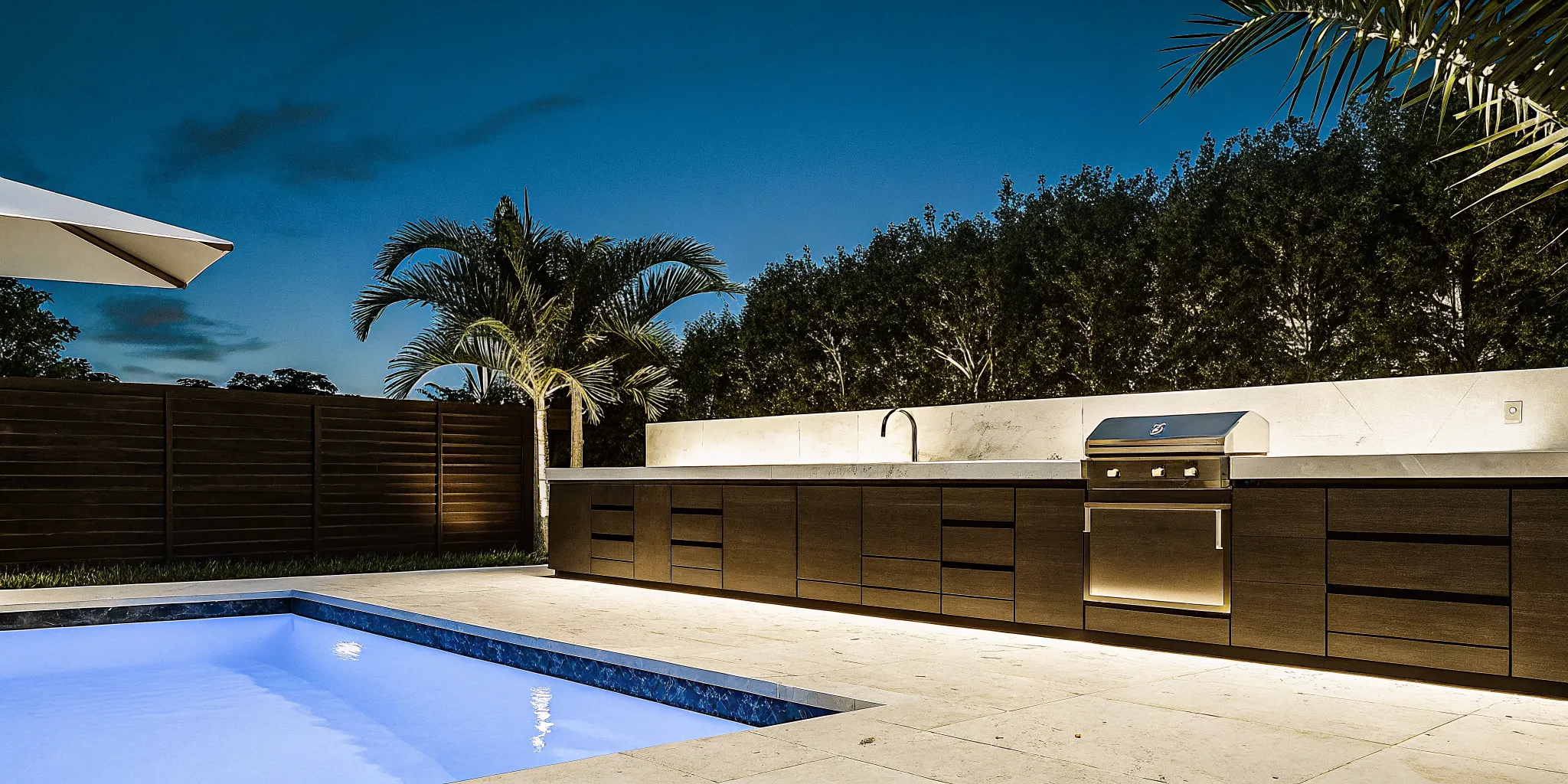
An outdoor kitchen does more than just give you a place to grill; it transforms your backyard into the heart of your home. It’s an investment in your lifestyle, creating a perfect spot for family dinners and summer parties. But before you can start planning the menu, you need to plan the budget. The cost can seem like a big unknown, but it doesn’t have to be. We’ll walk you through the different components, from appliances to countertops, so you can understand what drives the final price and approach your outdoor kitchen installation cost estimate with total confidence.
Key Takeaways
- Create a realistic budget by prioritizing your must-haves: Decide which features are most important to you, like a specific grill or ample counter space, and remember to account for foundational costs like permits and utility installation.
- Invest in quality materials to save money long-term: Your material choices for countertops and cabinets directly impact cost and durability; opting for weather-resistant options like natural stone will reduce future maintenance and replacement expenses.
- Rely on professionals for critical installations: Any work involving gas, electrical, or plumbing lines requires a licensed expert to ensure safety and code compliance, which protects your home, your appliance warranties, and your peace of mind.
How Much Does an Outdoor Kitchen Cost?
Thinking about adding an outdoor kitchen is exciting, but the first question on everyone’s mind is usually about the cost. The truth is, there’s no single answer. The final price tag can vary quite a bit, depending on how simple or luxurious you want your setup to be. It’s helpful to think of it like buying a car; a basic model gets the job done, but a fully loaded version comes with a different price. To give you a clearer picture, let’s break down the typical budget ranges and the key factors that will shape your total investment.
Understanding Budget Ranges
Nationally, a typical outdoor kitchen project costs around $16,000, with most homeowners spending between $6,000 and $27,000. A simple, prefabricated setup with a grill might only cost a few thousand dollars. On the other hand, a high-end, custom-built kitchen with premium appliances, extensive countertops, and seating can easily exceed $60,000 or more. These figures give you a solid baseline for what to expect. Your project’s final cost will ultimately depend on the scale and specific features you choose for your Long Island home.
What Drives the Final Price?
The three biggest factors that determine your outdoor kitchen’s cost are its size, the appliances you select, and the materials you use. A larger kitchen with more counter space will naturally cost more than a compact one. Likewise, professional-grade grills and refrigeration are significant investments compared to standard models. The porcelain and natural stone you choose for countertops and cladding also play a major role. Beyond these core components, remember to account for labor, building permits, and the cost of running utilities like water, gas, and electricity to your new outdoor space.
Key Factors That Influence Your Outdoor Kitchen Cost
Thinking about your outdoor kitchen budget can feel overwhelming, but it helps to break it down. The final price tag isn’t just one number; it’s a combination of several key decisions you’ll make along the way. The main factors that shape your total cost are the kitchen’s size, the materials you select, the appliances you can’t live without, and where you plan to build it. Understanding these elements will help you create a realistic budget and prioritize what matters most for your dream outdoor cooking space.
Size and Layout
The scale of your project is the biggest driver of your final cost. A simple, straight-line counter with a built-in grill will naturally be more budget-friendly than a sprawling L-shaped or U-shaped kitchen with bar seating. Think about how you plan to use the space. Are you looking for a dedicated spot to grill burgers, or do you envision a full-service kitchen for hosting large family gatherings? A more complex layout requires more materials, more labor, and a larger footprint, all of which add to the price. Our design team can help you create a functional layout that fits both your yard and your budget.
Materials and Finishes
Your choice of materials for countertops, cabinets, and veneers has a major impact on both the look and the cost of your outdoor kitchen. High-end finishes like granite or durable porcelain and natural stone will cost more upfront than simpler options, but they also offer incredible longevity and weather resistance. For cabinetry, materials like marine-grade polymers are designed to withstand Long Island’s weather without warping, fading, or rusting. While it can be tempting to cut costs here, investing in quality, weather-resistant materials will save you money on repairs and replacements down the road.
Location and Site Conditions
Where you decide to place your outdoor kitchen matters. Building on a flat, clear area is more straightforward than working with a sloped or uneven yard that requires grading. Integrating a kitchen into an existing patio can also present challenges, especially when it comes to running utility lines without disturbing the current structure. Costs can also vary based on local labor rates and accessibility. A professional site assessment is the best way to identify any potential challenges with your chosen location, ensuring there are no surprises once the project begins.
Utilities and Infrastructure
Don’t forget the essentials needed to make your kitchen run. You’ll need to connect electrical lines for lighting and refrigeration, a gas line for the grill, and plumbing for a sink. The distance from your home’s existing utility connections will influence the cost, as longer runs require more materials and labor. Hiring a professional team like Gappsi ensures all this work is done safely and meets local building codes. We handle the entire home remodeling process, including securing permits and passing inspections, so you can have peace of mind knowing your kitchen is built correctly from the ground up.
Breaking Down Component Costs
An outdoor kitchen is a collection of individual components working together. The final price tag is the sum of these parts, so understanding what each one costs is the first step in building a realistic budget. From the grill that will be the star of your cookouts to the countertops where you’ll prep ingredients, every choice impacts the bottom line. Think of this as an à la carte menu for your dream outdoor space. You can go for the basics or add all the gourmet extras. Here’s a look at the typical costs for the essential elements, giving you a clearer picture of where your investment will go and where you can customize to fit your budget.
Grill and Cooking Appliances ($1,500 to $10,000)
The grill is the heart of your outdoor kitchen, and your choice here will significantly influence your budget. Costs can range from $1,500 for a solid, reliable built-in model to $10,000 or more for a professional-grade grill with multiple cooking zones, rotisseries, and side burners. It really comes down to how you plan to cook. If you’re installing a grill into a combustible structure, like a wood frame, you’ll also need an insulating jacket for safety, which can add another $500 to $1,200. Gappsi can help you design a custom island that perfectly integrates the cooking appliances you choose, ensuring a seamless and professional look for your outdoor living space.
Countertops and Work Surfaces ($30 to $85 per square foot)
Your countertops provide the essential workspace for prepping food, serving drinks, and plating meals. The material you choose affects both the look and the durability of your kitchen. Costs typically run from $30 to $85 per square foot, but selecting premium materials can add $200 to $3,000 to your project total. At Gappsi, we specialize in high-quality porcelain and natural stone that are perfect for outdoor use. Materials like granite, quartzite, and porcelain are not only beautiful but also tough enough to withstand Long Island’s weather, resisting stains, heat, and fading. Your choice will define the style of your kitchen while providing a functional surface for years of entertaining.
Cabinetry and Storage
Effective storage is what keeps an outdoor kitchen organized and functional, preventing trips back and forth to the house. Outdoor-rated cabinetry is essential for protecting your tools, dishes, and dry goods from the elements. Expect to budget between $300 and $600 per cabinet. Stainless steel is a popular choice for its sleek look and incredible durability, as it resists rust and corrosion. Polymer cabinets are another excellent, weather-resistant option. Gappsi often incorporates these storage solutions into custom masonry structures, creating a cohesive design that hides clutter and keeps your outdoor space looking pristine and ready for guests at a moment’s notice.
Sink and Plumbing
Adding a sink to your outdoor kitchen is a game-changer, transforming it from a simple grilling station into a fully functional prep and cleanup area. Imagine rinsing vegetables, washing your hands, or quickly cleaning up spills without having to leave your guests. To make this happen, you’ll need to run a water line for fresh water and a drain pipe for wastewater. Depending on your property’s layout, this can be connected to your home’s existing plumbing system. The convenience is undeniable, and our team at Gappsi handles the entire process, ensuring your plumbing is installed correctly and seamlessly integrated into your kitchen’s design.
Refrigeration and Other Appliances ($3,000 to $15,000+)
To complete your outdoor kitchen, consider adding refrigeration and other specialty appliances. An under-counter refrigerator, typically costing between $1,200 and $5,000, keeps cold drinks, condiments, and marinating meats right where you need them. Depending on your entertaining style, you might also want an ice maker, a wine cooler, or even a kegerator. The total for these additional appliances can range from $3,000 to over $15,000. These features add a layer of convenience that truly makes your outdoor kitchen feel like a self-sufficient entertainment hub. You can explore a variety of high-end appliance options at the Gappsi Store to find the perfect fit for your space.
Planning for “Hidden” Installation Costs
When you start dreaming up your perfect outdoor kitchen, it’s easy to focus on the big-ticket items like a high-end grill or gorgeous stone countertops. While those are certainly important, the final cost involves more than just the components you can see. Several “hidden” costs are part of the installation process, and planning for them from the start is the key to keeping your project on budget and avoiding stressful surprises. These expenses cover the foundational work required to make your kitchen safe, functional, and compliant with local codes. Think of it as the behind-the-scenes work that makes the beautiful final product possible. Working with an experienced design and build team helps you account for these costs upfront, ensuring a smooth process from the first shovel in the ground to your first backyard barbecue.
Permits and Inspections ($200 to $2,000)
Before any construction begins, your project will likely need approval from your local municipality. Securing building permits is a non-negotiable step that ensures your outdoor kitchen meets all safety and zoning regulations in Long Island. The cost for these permits and the required inspections can vary quite a bit depending on your town and the scope of your project. While it might seem like a hassle, this process protects you and your investment. A professional contractor will handle the paperwork and scheduling for you, which is a major advantage of hiring a team that understands local requirements.
Demolition and Site Prep ($500 to $3,000)
Your backyard might not be a perfectly blank canvas, and that’s okay. The process of getting it ready for construction is called site preparation. This could involve removing an old concrete patio, clearing away trees and shrubs, or leveling uneven ground. The cost depends entirely on the existing conditions of your chosen spot. A simple lawn will require less work than a sloped area with an old deck that needs to be demolished and hauled away. This foundational step is critical for a stable and long-lasting outdoor kitchen, and our landscape construction experts ensure your site is perfectly prepared for the build.
Running Electrical, Gas, and Water Lines ($1,000 to $4,000)
To make your outdoor kitchen fully functional, you’ll need to connect it to your home’s utilities. This is essential for powering your refrigerator, lighting, and rotisserie, as well as running your sink and natural gas grill. The cost for this work involves hiring licensed plumbers and electricians to safely run lines from your house to the kitchen area. The price can increase with the distance and complexity of the job, as it often requires trenching. Due to the safety risks and code requirements involved, this is one area where professional installation is an absolute must.
Lighting, Weatherproofing, and Seating
Beyond the core construction, you’ll want to budget for the finishing touches that make your outdoor kitchen a truly enjoyable living space. Proper lighting is crucial for both safety and ambiance, allowing you to cook and entertain well after the sun goes down. Weatherproofing is another key consideration to protect your investment from Long Island’s changing seasons. This includes using durable materials and applying sealants to surfaces. Finally, don’t forget seating. Whether you envision built-in benches or stylish bar stools, comfortable seating transforms your kitchen from a cooking station into a social hub for friends and family.
How Material Choices Affect Your Budget
The materials you choose for your outdoor kitchen are one of the biggest factors determining your final cost. From countertops to cabinets, every selection plays a role in both the look and the longevity of your space. While it can be tempting to opt for lower-cost materials to save money upfront, it’s important to think about the long-term picture. High-quality, weather-resistant materials often require less maintenance and fewer replacements, which can save you a significant amount of money and hassle down the road.
Think of it as an investment in your home’s future. Choosing the right finishes not only creates a beautiful and functional kitchen but also ensures it can withstand Long Island’s diverse weather, from hot summer sun to cold winter snow. Let’s break down how different material choices can affect your budget.
Porcelain and Natural Stone Countertops
Your countertops are a major focal point, so this is a great place to make a statement. Materials like porcelain and natural stone offer incredible durability and a high-end finish. Granite, for example, typically runs between $30 and $85 per square foot, but premium slabs can add a few thousand dollars to your total. The price varies based on the stone’s rarity, thickness, and origin. While a more common granite might fit a tighter budget, a unique, imported stone will be a larger investment. The key is to balance your aesthetic goals with your financial plan to find a material that you love and that will last.
Masonry and Concrete Structures
The foundation and structural elements of your kitchen are just as important as the finishes. A custom masonry base built from stone or brick provides a sturdy, classic look that integrates beautifully into your landscape. If you’re planning to add an overhead structure for shade and protection, like a pavilion, this will also be a significant part of your budget. These structures can range from $6,000 to $15,000 or more, depending on the size, material, and complexity of the design. These features not only add to the kitchen’s functionality but also create a more defined and inviting outdoor room.
Stainless Steel vs. Polymer Cabinetry
When it comes to cabinetry, you need something that can handle the elements. While stainless steel is a popular choice for its sleek, modern look, it can be prone to showing smudges and may get hot in direct sunlight. Another excellent option is marine-grade polymer cabinetry. This material is a true workhorse; it won’t split, fade, crack, or rust, and it doesn’t absorb water. While it might be a larger initial investment, its incredible durability makes it a smart choice for a low-maintenance outdoor kitchen. You can find a variety of high-quality outdoor living products at the Gappsi Store.
Invest in Quality to Reduce Long-Term Costs
It’s a simple truth: investing in quality from the start pays off. Cheaper grills may need to be replaced every few years, while a built-in grill made from durable 304 stainless steel is designed to last for a decade or more. The same goes for outdoor appliances, which are built to withstand much harsher conditions than their indoor counterparts. By choosing high-quality materials and appliances, you reduce future replacement costs and minimize the need for frequent repairs. Proper care, including professional restoration and sealing for your stonework, will also extend the life of your investment, keeping it beautiful for years to come.
DIY vs. Professional Installation: What’s Right for You?
One of the biggest decisions you’ll make is whether to build your outdoor kitchen yourself or hire a professional team. The idea of a DIY project can be appealing, especially when you think about the potential savings. However, an outdoor kitchen is a complex construction project that involves much more than just assembling a grill. It requires careful planning, specialized skills, and knowledge of local building codes. Before you commit to one path, it’s important to weigh the costs, risks, and technical requirements to figure out what makes the most sense for your home and your sanity.
Understanding Labor Costs
When you look at a project quote, it’s helpful to know that professional labor often makes up 30% to 50% of the total outdoor kitchen cost. Hourly rates can range from $50 to $150, but this isn’t just for putting pieces together. This cost covers the expertise needed for every step, including preparing the site, building the foundational masonry, installing countertops, and ensuring every finish is perfect. A professional team handles the heavy lifting and precise work that turns a collection of appliances and materials into a seamless, functional, and beautiful outdoor living space.
When to Hire a Pro for Utilities and Permits
If your outdoor kitchen design includes a sink, gas grill, or refrigerator, you’ll need to connect to your home’s utility lines. This is where a DIY project can get complicated and dangerous. Any work involving gas, plumbing, or electrical lines requires a licensed professional to ensure everything is safe and up to code. Plus, most towns on Long Island require permits for this type of work. A professional home remodeling company manages the entire permitting process for you, so you can be confident your kitchen is built correctly and legally.
Know the Risks of a DIY Project
While building an outdoor kitchen yourself could save you thousands on labor, it’s a project that comes with significant risks. A simple mistake during installation can lead to serious safety issues, especially with gas and electrical connections. It can also result in poor quality that diminishes the value of your investment or even voids the warranties on your expensive new appliances. Hiring an experienced team ensures your project is handled with expert craftsmanship, giving you a safe, durable, and stunning outdoor kitchen without the stress and uncertainty of doing it all on your own.
How to Create a Realistic Budget
Creating a budget you can stick to is one of the most empowering steps in your home improvement project. It’s not about limiting your dreams; it’s about turning them into a clear, actionable plan. A well-thought-out budget acts as your roadmap, guiding your decisions and ensuring you get the beautiful, functional outdoor kitchen you want without financial stress. By planning for all potential costs, focusing on what matters most, and working with the right team, you can confidently invest in your home.
Account for Every Expense
The key to a realistic budget is to think beyond the big-ticket items. While the grill and countertops are major components, other costs can add up. It’s important to plan for expenses like permits, which can range from a few hundred to a couple of thousand dollars, and any necessary demolition or site preparation. You’ll also need to factor in the cost of running utility lines for water, gas, and electricity. Our expert masonry services team can provide a detailed breakdown of these foundational costs, so you have a complete picture from the start and avoid any surprises along the way.
Prioritize Your Must-Haves
This is where you get to decide what’s truly important for your outdoor cooking and entertaining style. Do you need a professional-grade grill, or is a top-of-the-line pizza oven your non-negotiable? Maybe you value expansive counter space over a built-in beverage cooler. Make a list of your “wants” and “needs.” This helps you allocate your funds effectively, splurging on the features you’ll use and love the most while finding more economical solutions for lower-priority items. Choosing the right porcelain and natural stone for your countertops, for example, is a decision where our designers can help you balance beauty, durability, and cost.
Compare Quotes from Professionals
Getting estimates from several professionals is a standard part of any major home project. When you review quotes, don’t just look at the final number. A trustworthy contractor will provide a detailed proposal that outlines the scope of work, material specifications, labor costs, and a project timeline. This transparency allows you to compare apples to apples and understand exactly what you’re paying for. A lower bid might mean lower quality materials or an incomplete scope of work. We pride ourselves on providing comprehensive quotes that reflect our commitment to quality craftsmanship and lasting value for your Long Island home.
Consider a Phased Build to Manage Costs
You don’t have to build your entire dream kitchen all at once. A phased approach is a smart strategy to manage your budget and spread costs over time. You can start with the essential core: the grill, foundational masonry, and main countertops. Live with and enjoy that space for a season or two. Later, you can add features like a sink, refrigerator, or even a beautiful overhead structure. This allows you to build your ultimate outdoor kitchen without a single, massive upfront investment. A pavilion or pergola is a perfect example of a Phase 2 addition that can dramatically enhance your space when you’re ready.
Integrating Your Kitchen with Your Outdoor Space
An outdoor kitchen shouldn’t feel like an island. The best designs feel like a natural extension of your home and backyard, creating a seamless flow for entertaining and daily life. Thinking about how your kitchen will connect with your patio, pool, and other outdoor features is just as important as choosing the right grill. A well-integrated space invites people to gather, making your backyard the true heart of your home. By planning the entire zone, not just the kitchen itself, you create a more functional, beautiful, and valuable outdoor living area.
This holistic approach means considering traffic patterns, sightlines, and how each part of your yard works together. Imagine effortlessly moving from the grill to the dining table, or guests grabbing a drink from the outdoor fridge without tracking water through your house from the pool. This level of convenience doesn’t happen by accident; it comes from thoughtful design that anticipates your needs. When your outdoor kitchen is part of a cohesive landscape design, it enhances your entire property and elevates how you experience your home. Let’s look at a few ways to make sure your new kitchen works in harmony with the rest of your space.
Pair Your Kitchen with a Pavilion or Pergola
Placing your outdoor kitchen under a dedicated structure is one of the smartest moves you can make. A pavilion or pergola provides essential shade and protection from the elements, meaning a little rain won’t send your guests running for cover. It also helps define the kitchen as a distinct “room” within your backyard. This structure can house overhead lighting, ceiling fans, and even heaters, extending your cooking season well into the cooler months. For many homeowners, adding a covered outdoor kitchen is a more affordable way to expand their home’s usable living space compared to building a traditional room, and it often involves less paperwork.
Connect Your Kitchen to Your Pool and Patio
Your outdoor kitchen will likely become the social hub of your backyard, so its connection to your pool and patio is key. You want a layout that makes it easy for guests to move between spaces, grab a drink, and chat with the cook. It’s important to plan your kitchen’s layout and features carefully to get the most out of your investment. Consider creating a natural pathway from the pool area to the kitchen’s refrigerator or beverage center. At the same time, you’ll want to position the hot grill a safe distance from high-traffic walkways and splash zones, ensuring a fun and secure environment for everyone.
Plan Your Layout for Future Upgrades
Even if your budget is tight right now, it’s wise to plan for the future. Think about the features you might want to add down the road, like a pizza oven, a smoker, or a dedicated bar area. When planning your initial layout, consider where these additions might go. A good rule of thumb is to place your outdoor kitchen about 15 to 20 feet from your indoor one, making it easy to go between them. By running extra electrical or gas lines to potential future locations during the initial build, you can save yourself significant disruption and expense later. This foresight allows your outdoor kitchen to grow with your family and your entertaining needs.
Is an Outdoor Kitchen a Good Investment for Your Long Island Home?
Adding an outdoor kitchen is about more than just having a great spot to grill burgers. It’s a lifestyle upgrade that extends your living space and creates a hub for family gatherings and entertaining friends. But beyond the enjoyment, it’s natural to wonder if it’s a financially sound decision for your Long Island property. The simple answer is yes. When planned thoughtfully, an outdoor kitchen is one of the smartest improvements you can make, offering both personal enjoyment and a significant financial return. It transforms your backyard into a functional, beautiful extension of your home, making every sunny day an opportunity for creating memories.
Return on Investment and Property Value
An outdoor kitchen is a feature that truly stands out to potential buyers, and the numbers back it up. Think of this project not as an expense, but as an investment in your property’s equity. According to home improvement experts, an outdoor kitchen can increase your home’s value by a significant portion of what you spent to build it. Some analyses even suggest the return on investment can be as high as 200 percent, often making it a more profitable upgrade than adding a swimming pool. For Long Island homeowners, this means you get to enjoy a beautiful, functional cooking space for years and can feel confident that you’ve made a wise financial choice that adds tangible value to your home.
Plan for Long-Term Maintenance
To get the best return on your investment, you need to plan for the future. Outdoor kitchens face the full force of Long Island’s weather, from hot summer sun to freezing winter storms, so durability is key. This is why outdoor-rated appliances and materials are more of an investment than their indoor counterparts; they are built to last. To keep your space looking its best, you’ll need to budget for routine cleaning and care. Choosing the right materials from the start makes all the difference. Opting for high-quality, weather-resistant surfaces like porcelain and natural stone for countertops and durable masonry for the structure will minimize upkeep and protect your investment for years to come.
Related Articles
- How Much Does an Outdoor Kitchen Installation Cost?
- Backyards Archives – Gappsi Group
- Backyard Kitchen & Patio Design for NY Homes | Gappsi Inc
Frequently Asked Questions
What’s a realistic starting budget for a simple but functional outdoor kitchen? For a straightforward, high-quality setup on Long Island, it’s wise to plan for a budget starting in the $15,000 to $20,000 range. This typically covers a durable masonry base, a good built-in grill, decent counter space with a material like granite, and professional installation. While you can find prefabricated options for less, this price point allows for custom work and quality components that will withstand our local weather and give you a space you’ll love for years.
Besides the appliances and countertops, what other installation costs should I plan for? It’s smart to set aside funds for the foundational work that makes your kitchen functional and safe. This includes costs for municipal permits and inspections, which are required for most projects. You should also budget for site preparation, which could involve leveling the ground or removing an old patio. Finally, plan for the expense of hiring licensed electricians and plumbers to run utility lines for your grill, refrigerator, and sink. A professional team will factor these costs into your initial quote so there are no surprises.
Where should I invest my money for the best long-term value? To get the most out of your investment, focus your budget on the structure and surfaces. A custom masonry base and high-quality, weather-resistant countertops made from porcelain or natural stone will form a durable foundation that lasts for decades. It’s also wise to invest in a quality built-in grill from a reputable brand, as this is the appliance you’ll use most. Spending more on these core components will save you money on repairs and replacements in the future.
Can I save money by doing some of the work myself? While the idea of a DIY project is tempting, an outdoor kitchen involves specialized trades. You might be able to handle tasks like demolition or painting, but any work involving gas, electrical, or plumbing lines must be done by a licensed professional for safety and code compliance. A mistake here can be dangerous and costly. Hiring an experienced team ensures the structural integrity and safety of your kitchen, protecting your investment and giving you peace of mind.
How can I make my outdoor kitchen feel like a natural part of my backyard? The key is to think about the entire outdoor living zone, not just the kitchen. Consider adding a pavilion or pergola over the kitchen to define the space and provide shade. This creates a comfortable “room” for cooking and gathering. Also, plan the layout to create an easy flow between the kitchen, your patio, and your pool area. Using complementary materials for your kitchen structure and surrounding hardscapes will create a beautiful, cohesive look that feels like a seamless extension of your home.