Your Guide to Custom Fence Design in Long Island

Find the best custom fence design Long Island has to offer. Learn about materials, styles, and tips for a fence that fits your home and stands up to local weather.
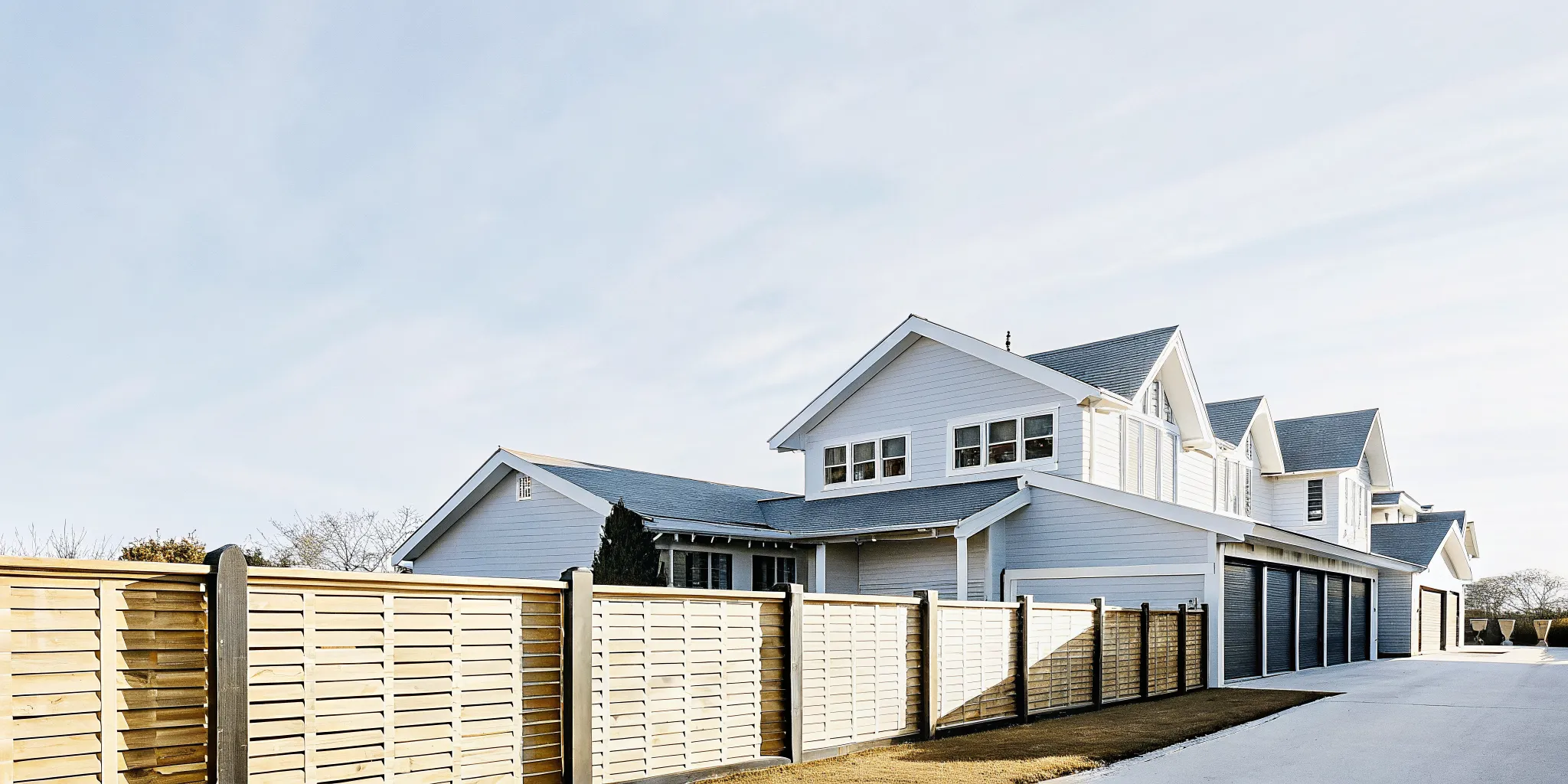
Creating a safe space for your kids and pets to play freely is a top priority for any homeowner. A fence provides that essential security, but you don’t want your yard to feel closed off or unwelcoming. You need a solution that offers peace of mind without sacrificing style. The great news is that modern materials give you more options than ever before. You can have a strong, reliable barrier that also complements your home’s architecture and enhances your curb appeal. A professional custom fence design Long Island service helps you select the right height, material, and style to meet your family’s needs while creating a beautiful, cohesive look for your entire property.

Key Takeaways

  • Select materials for our climate: Long Island’s coastal weather requires durable options, so consider vinyl or aluminum to avoid issues like rust and rot without needing constant maintenance.
  • Clarify your fence’s purpose first: Decide if you need privacy, security, or a decorative accent, as this primary goal will simplify your choices for materials, style, and height.
  • Work with a professional for a smooth process: An expert handles local permits and ensures your fence is installed correctly to last, saving you from common DIY mistakes and guaranteeing a better final result.

What Are the Best Fence Materials for Long Island?

Choosing the right material for your fence is one of the most important decisions you’ll make. Your choice affects everything from the look of your property to the amount of maintenance you’ll perform each year. On Long Island, we also have to consider our unique coastal climate, with its salt air and humidity. The good news is that there are fantastic options that balance beauty, durability, and upkeep. Gappsi offers a complete range of fences and netting to suit any home’s style and functional needs. Let’s walk through the most popular materials to help you find the perfect fit for your outdoor space.

Wood Fencing

Wood is a timeless choice for a reason. It offers a classic, natural look that can make any property feel warm and inviting. Whether you prefer the rustic charm of cedar or the clean lines of a painted picket fence, wood is incredibly versatile. It’s an excellent material for creating privacy and can be customized with different stains and finishes to perfectly match your home’s aesthetic. While wood requires more maintenance than other materials to protect it from the elements, its natural beauty and affordability make it a long-standing favorite for Long Island homeowners looking to enhance their curb appeal and create a secure, private backyard retreat.

Vinyl Fencing

If you’re looking for a low-maintenance solution that can stand up to Long Island’s weather, vinyl is an outstanding option. Vinyl fencing is specifically engineered to resist the challenges of our climate, so you won’t have to worry about it warping, rusting, or decaying over time. It’s also resistant to insect damage. You can forget about yearly staining or painting; a simple cleaning is all it takes to keep a vinyl fence looking new. Available in a variety of styles, including privacy, picket, and ranch rail, vinyl gives you the look you want without the constant upkeep, making it a practical and durable choice for any home.

Aluminum Fencing

For a blend of strength, style, and security, aluminum fencing is hard to beat. This material is strong and naturally rust-resistant, making it ideal for coastal areas where salt air can be a problem. Aluminum fences provide a sleek, elegant look that can define your property lines without completely obstructing your view, making them perfect for surrounding a swimming pool or garden. It requires very little maintenance and comes in various designs, from simple and modern to ornate and decorative. An aluminum fence offers a sophisticated appearance while providing the durability and security your property needs.

Composite Fencing

Composite fencing gives you the best of both worlds. It combines the rich, natural appearance of wood with the durability and low-maintenance benefits of modern materials. Made from a blend of wood fibers and recycled plastic, composite fences are designed to resist fading, warping, and insect damage, making them perfectly suited for the Long Island climate. This material gives you a beautiful, high-end look that lasts for years with minimal effort. If you love the aesthetic of a wood fence but want a more resilient and long-lasting alternative, exploring custom composite designs is a great next step.

How Does Long Island’s Climate Affect Your Fence?

Living on Long Island means enjoying beautiful, distinct seasons, but our weather can be tough on outdoor structures. From humid, salty summer air to winter freezes and thaws, the climate plays a huge role in how your fence looks and how long it lasts. The constant exposure to moisture, salt, and fluctuating temperatures can cause materials like wood to warp, rot, or crack, while some metals can rust.

Choosing the right material from the start is the key to a long-lasting, beautiful fence that won’t give you headaches every season. You want something that can stand up to the coastal environment without demanding constant repairs. That’s why it’s so important to consider how different materials perform right here in Suffolk and Nassau counties. By understanding these effects, you can select a fence that not only matches your home’s style but is also a smart, durable investment for your property. Gappsi offers a variety of fences and netting solutions designed to withstand our local climate.

Handling Salt Air and Humidity

If you live near the coast, the salty air is a major factor to consider. Salt is corrosive and can accelerate the breakdown of certain materials. Wood fences, for example, absorb moisture from the humid air, which can lead to rot and insect damage over time. Some metals are also susceptible to rust when constantly exposed to salt spray. This is why materials like vinyl and aluminum are excellent choices for coastal homes. Vinyl fencing is specifically engineered to resist the harsh effects of salt and humidity, so it won’t warp, rust, or decay.

How Different Materials Handle the Weather

Each fence material reacts differently to Long Island’s changing weather throughout the year. While wood offers a classic, natural look, it requires consistent maintenance to protect it from moisture and sun damage. For homeowners seeking better long-term performance with less work, PVC vinyl and aluminum fences are often the preferred options. These materials are built to endure hot summers and cold winters without peeling, cracking, or fading. Composite fencing also provides a durable, weather-resistant alternative that mimics the appearance of wood without the extensive upkeep.

Find a Low-Maintenance Fence

Let’s be honest, most of us want a beautiful yard without adding a ton of chores to our weekend to-do list. If low maintenance is a top priority for you, vinyl is an excellent choice. It’s a durable material that never needs painting or staining, and cleaning is as simple as spraying it down with a hose. Aluminum is another great low-upkeep option that resists rust and corrosion. While wood fences require more attention, you can extend their life with proper care. Regular cleaning and sealing are essential, and our restoration and sealing services can help keep your wood fence looking its best for years.

Popular Fence Styles on Long Island

Choosing a fence style is about more than just marking your property line. It’s an opportunity to define your outdoor living space, add character to your home, and meet your practical needs for privacy and security. On Long Island, homeowners have a wide range of tastes, but a few key styles consistently stand out. Whether you’re dreaming of a private backyard retreat, a decorative frame for your garden, or a secure boundary for your family, there’s a design that fits your vision. The key is to find a style that not only looks great but also works in harmony with your home’s architecture and your overall landscape design.

Privacy Fences

A privacy fence is your best friend when you want to create a secluded sanctuary in your backyard. These fences are typically solid and tall enough to block views from neighbors and passersby, giving you a comfortable space to relax, entertain, or let your kids play freely. Wood has always been a classic choice, offering a warm, natural look that blends beautifully with landscaping. Modern vinyl and composite options also provide excellent privacy without the maintenance wood requires. With Gappsi’s custom fencing solutions, you can get total seclusion without sacrificing style, choosing from various colors and finishes to match your home perfectly.

Decorative Fences

If your goal is to enhance your home’s curb appeal rather than block it off, a decorative fence is the way to go. These fences are all about adding architectural interest and charm. Styles featuring natural materials or minimalist designs can frame your property beautifully without creating a visual barrier. Aluminum fences, for example, offer the elegant look of classic wrought iron and are perfect for defining front yards or garden areas. You can also combine materials, like pairing a sleek composite fence with stunning masonry pillars to create a grand entrance that makes a statement and reflects your personal style.

Security Fences

A security fence provides peace of mind by keeping your loved ones and pets safely contained while deterring unwanted visitors. Materials like aluminum are excellent for this purpose because they are strong, durable, and resistant to rust. A security fence is also a must-have for enclosing a backyard pool, and specific local codes often dictate the height and gate requirements. Thankfully, modern security fences don’t have to look intimidating. Gappsi can help you design a fence that meets all safety standards for your swimming pool while still complementing your backyard aesthetic, proving that safety and style can go hand in hand.

Pairing Fences with Landscaping

A fence shouldn’t be an afterthought; it should be an integral part of your outdoor environment. The most beautiful properties are those where the fence and landscaping work together to create a cohesive look. Imagine a dark aluminum fence that makes the vibrant greens of your garden pop, or a low stone wall that transitions seamlessly into a vinyl privacy fence. Because our fencing systems are so customizable, we can easily integrate them with your existing or planned landscape design. By considering color, height, and layout, we can ensure your fence enhances your plantings, patio, and walkways, tying your entire outdoor space together.

How to Choose the Right Fence for Your Home

Selecting the perfect fence involves balancing your practical needs with your personal style. It’s a feature that defines your property’s boundary, adds to its character, and serves a specific function. Before you settle on a material or design, it’s helpful to walk through a few key considerations. Thinking about your goals, local rules, and home’s aesthetic will help you find a fence that you’ll love for years to come. This process ensures your new fence is not just beautiful but also practical and properly installed.

Define Your Fence’s Purpose

First, ask yourself what you need your fence to do. Are you looking for privacy from nearby neighbors, a secure barrier to keep children and pets safe, or a decorative element to frame your garden? Your primary goal will guide your material and design choices. For example, a tall, solid vinyl fence is excellent for privacy and requires very little upkeep. A classic wood fence offers a warm, traditional look but will need regular maintenance to stay in top shape. If your main goal is to add a touch of elegance without blocking the view, an aluminum fence might be the perfect fit. Clarifying your fence’s job from the start makes every other decision much simpler.

Understand Local Zoning Rules and Permits

Before you get too far into the design process, it’s essential to understand your local regulations. Many towns and villages on Long Island have specific rules about fence height, materials, and placement, especially for properties on a corner lot or near the water. A permit is often required to make sure your installation follows all the correct guidelines and zoning laws. Skipping this step can lead to fines or even having to take the fence down. Working with an experienced local installer like Gappsi removes this burden, as we handle the permits and ensure your project is fully compliant from day one.

Match Your Fence to Your Home’s Style

Your fence is a major architectural feature, so it should complement your home’s existing style. A modern home might look great with a sleek composite or aluminum fence, while a colonial or cape-style house is often best suited for a classic wood or vinyl picket fence. At Gappsi, our fencing systems are completely customizable. You can choose the color, height, and layout to create a look that feels like a natural extension of your home. We can even integrate your fence with other outdoor features, like a stone patio or a lush garden, to create a cohesive and polished landscape design.

Consider Property Lines and Neighbors

Knowing exactly where your property begins and ends is critical. Before any installation, you should have a property survey to clearly identify your boundary lines. Installing a fence even a few inches onto your neighbor’s property can cause a serious dispute. It’s also a good idea to chat with your neighbors about your plans as a courtesy. While you don’t need their permission to build on your own property, keeping them in the loop is a simple way to maintain a good relationship. An expert can help you review your survey and ensure your fence is placed correctly, avoiding any costly issues down the road.

What Does a Custom Fence Cost on Long Island?

Figuring out the cost of a new fence isn’t always straightforward because every project is unique. The final price depends on a few key factors, including the materials you choose, the size of your property, and any special features you want to add. Understanding these components will help you set a realistic budget and make informed decisions for your Long Island home.

Material Costs

The material you select is one of the biggest factors influencing your fence’s total cost. Wood is often a classic choice for its natural look, but it does require regular maintenance to keep it in good shape. On the other hand, vinyl and composite fences have become incredibly popular on Long Island for a reason. They are built to withstand our coastal climate, resisting damage from salt air, humidity, and insects without needing much upkeep. While the upfront cost for materials like vinyl or aluminum might be higher than for a basic wood fence, their durability and low maintenance can save you money over time. Gappsi offers a wide selection of fencing materials to match your home’s style and your budget.

Labor and Installation

Beyond the materials, you also need to account for the cost of labor and installation. While a DIY project might seem like a way to save money, professional installation ensures your fence is secure, straight, and built to last. An experienced team knows how to handle Long Island’s specific soil conditions and property lines. Plus, most towns have zoning regulations that dictate fence height and placement, and a permit is often required before you can even start. A professional installer handles these details, making sure your project is compliant from the get-go and helping you avoid potential fines or the need to redo the work.

Gates, Decorations, and Other Add-Ons

Your fence doesn’t have to be just a simple barrier. Custom features are what truly make it your own, but they also add to the overall cost. This can include anything from a stately entrance gate to decorative post caps, lattice panels, or a unique color finish. Gappsi’s fencing systems are highly customizable, allowing you to mix and match components to create the perfect look. You might even want to integrate your fence with other outdoor structures, like a pergola or a garden wall. These additions contribute to the final price, so it’s important to discuss all your design ideas with your contractor early on.

How to Budget for Your Fence Project

To create an accurate budget, start by getting a detailed quote that breaks down every expense. This should include the cost per linear foot for materials, all labor charges, permit fees, and the price of any gates or decorative elements. Don’t forget to ask about debris removal and cleanup. By working with a full-service company, you can streamline the entire process. When Gappsi manages your home improvement project, you get a clear, comprehensive plan that saves you time and eliminates the stress of coordinating different contractors. This approach ensures your project stays on budget and results in a beautiful, lasting addition to your home.

Common Myths About Custom Fences

When you start thinking about a new fence, it’s easy to get tangled in misinformation. There are a lot of old ideas and common myths floating around that can make the process feel overwhelming or even impossible. These misconceptions, often passed down from well-meaning neighbors or found in outdated online forums, might stop you from getting the beautiful, functional fence your home deserves. You might worry that your dream fence is too expensive, will require constant upkeep, or involves a complicated installation process you’re not prepared for. These concerns are valid, but they are often based on incomplete or inaccurate information. Let’s clear up a few of the biggest myths about custom fences so you can move forward with confidence. By separating fact from fiction, you can make informed decisions that align with your vision, your budget, and your lifestyle. Getting the right information is the first step toward transforming your yard into a private, secure, and stylish outdoor space. We’ll look at everything from cost and maintenance to DIY versus professional installation, giving you the clarity you need to plan your project.

Myth: Custom Fences Are Too Expensive

Many homeowners hear “custom” and immediately think it’s out of their price range. The truth is, a custom fence doesn’t have to break the bank. The final cost is determined by your choices, not by the word “custom.” Factors like the material you select, the height and length of the fence, and the complexity of the design are what really shape the price. Gappsi’s fences and netting options include a wide variety of materials and styles, allowing you to create a look you love that fits within your budget. A simple, elegant design can be just as custom as an ornate one.

Myth: All Fences Require a Lot of Maintenance

The thought of spending every summer weekend staining or repairing a fence is enough to deter anyone. While it’s true that traditional wood fences need regular upkeep to stay in top shape, they are far from your only option. Modern materials have completely changed the game. Fences made from vinyl, aluminum, and composite materials are designed for durability and ease. They resist common Long Island issues like rot from humidity, rust from salt air, and fading from the sun. Choosing one of these low-maintenance alternatives means you get to spend more time enjoying your yard and less time working on it.

Myth: A DIY Installation Always Saves Money

Taking on a home project yourself can be rewarding, but installing a fence is more complex than it looks. A DIY attempt might seem cheaper upfront, but mistakes can lead to bigger costs down the road. Improperly set posts can cause the fence to lean, incorrect measurements can waste expensive materials, and hitting a utility line can be both dangerous and costly. Professional masonry and construction experts ensure the job is done right the first time. They have the tools, experience, and efficiency to build a straight, sturdy, and long-lasting fence, ultimately saving you time, stress, and money.

Myth: You Don’t Need a Permit

This is a risky assumption that can cause major headaches. Most towns and villages across Long Island have specific rules about fence installation, including height restrictions, material limitations, and placement requirements. Building a fence without the proper permits can result in fines and may even force you to tear it down. An experienced local installer understands the nuances of these regulations. As part of our comprehensive home remodeling services, we handle the permit process for you, ensuring your project is fully compliant from the start.

Why Partner with a Long Island Fence Expert?

Choosing to build a fence is a significant investment in your home’s privacy, security, and curb appeal. While a DIY approach might seem tempting, partnering with a Long Island fence expert offers benefits that go far beyond simple installation. A local professional brings a deep understanding of regional zoning laws, soil conditions, and, most importantly, our unique coastal climate. They can guide you through every step, from initial design to final installation, ensuring your new fence is not only beautiful but also built to last for years to come.

An experienced fence company acts as your partner, helping you make informed decisions that you’ll be happy with long-term. They have the tools, the team, and the expertise to handle the project efficiently, saving you from the potential headaches and hidden costs of a DIY project gone wrong. By working with an expert, you’re not just buying a fence; you’re investing in peace of mind and a professional result that enhances your entire property. They can help you see the bigger picture, turning a simple boundary marker into an integral part of your home’s overall design.

Get the Right Design and Materials

A local fence expert helps you move from a vague idea to a concrete plan that perfectly suits your home. They work with you to create a custom design, helping you select from a wide range of styles and colors that match your property’s aesthetic. Whether you prefer the classic look of cedar, the low maintenance of vinyl, or the sleek strength of aluminum, a professional can explain the pros and cons of each option. Gappsi’s fencing systems are highly customizable, allowing you to fine-tune the color, layout, and height to create a truly unique look for your home. An expert ensures your vision comes to life with the right materials for the job.

Benefit from Expert Installation and Local Know-How

Long Island’s weather, with its humid summers and salty air, can be tough on outdoor structures. A local expert understands these challenges and knows which materials will perform best over time. For example, vinyl and aluminum are excellent choices because they resist the warping, rust, and decay that can affect other materials in our coastal environment. Professional installation is just as crucial. An expert ensures your fence posts are set correctly and the structure is sound, preventing sagging and instability down the road. They use proper techniques and durable materials to build a fence that can withstand strong winds and seasonal changes, giving you a secure and long-lasting final product.

Go Beyond Fencing with Complete Outdoor Design

The best fence experts see your project as more than just a boundary line; they see it as part of a cohesive outdoor environment. Companies like Gappsi specialize in creating a complete outdoor living space where your fence seamlessly integrates with other elements like a patio, swimming pool, or garden. Instead of hiring multiple contractors, you can work with one team that understands your entire vision. This integrated approach ensures that every part of your backyard works together beautifully. Your fence can complement the stone on your patio or provide a stylish backdrop for your new landscaping, transforming your yard into a unified and stunning retreat.

Related Articles

Frequently Asked Questions

What is the best low-maintenance fence for Long Island’s coastal weather? If your top priority is minimal upkeep, vinyl and aluminum are your best options. Both materials are engineered to stand up to the salt air and humidity we experience on Long Island without rusting, warping, or rotting. Unlike wood, they never need to be stained or painted, and cleaning is as simple as rinsing them with a hose. This means you get a fence that looks great for years with very little effort.

Do I really need a permit to install a fence? Yes, in most cases you do. Nearly all towns and villages on Long Island have specific regulations about fence height, materials, and how close you can build to your property line. Getting a permit ensures your project is compliant with local zoning laws and safety codes. An experienced local installer will handle this entire process for you, so you don’t have to worry about the paperwork or risk potential fines.

How much does a custom fence actually cost? The price of a custom fence varies because it’s tailored to your specific property and preferences. The three main factors that determine the cost are the material you choose, the total length and height of the fence, and any special features you add, like gates or decorative post caps. A simple design using an affordable material will cost less than a complex one with high-end finishes, so there are great custom options available for a range of budgets.

Can my new fence be designed to match my home and landscape? Absolutely. A fence should feel like a natural part of your property, not an afterthought. With a custom fencing system, you can select the exact style, color, and materials that complement your home’s architecture and your garden’s design. You can even integrate your fence with other features like masonry pillars or a patio wall to create a beautiful, cohesive outdoor living space.

Is it cheaper to install a fence myself? While a DIY project might seem less expensive at first, it often comes with hidden costs and risks. Installing a fence correctly requires specialized tools, knowledge of local soil conditions, and precision to ensure every post is straight and secure. Mistakes can lead to a leaning fence, wasted materials, or even dangerous situations like hitting a utility line. Professional installation is an investment in getting the job done right the first time, saving you stress and potential repair costs down the road.
Share this page:

Choosing Sauna Vs Steam Room in Long Island: A Practical Overview

Compare sauna vs steam room by heat, comfort, space, upkeep, and installation needs so you can choose the right wellness feature for your Long Island home.

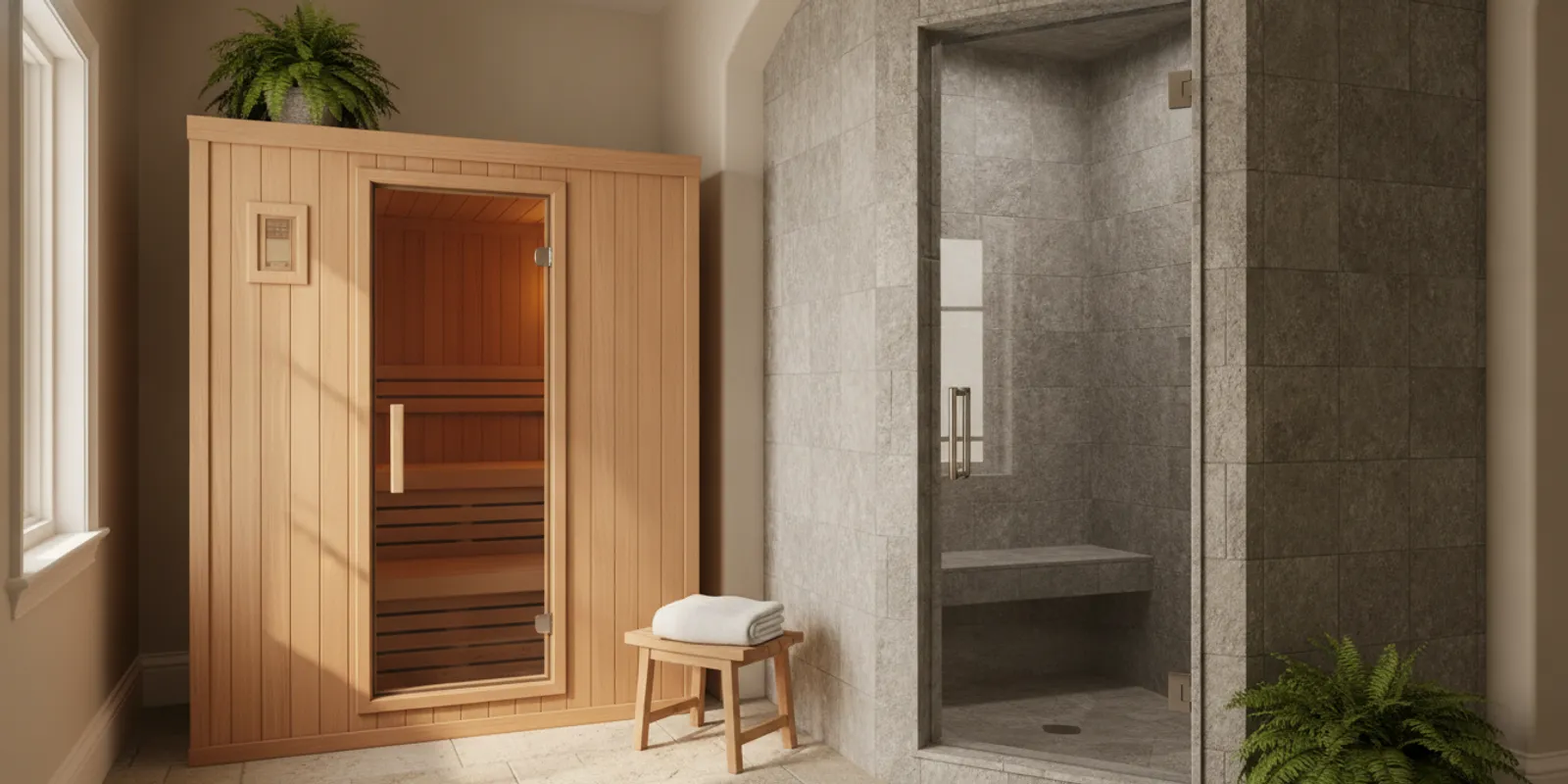
When weighing sauna vs steam room for a Long Island home, start with the feeling you want from the heat. A sauna uses hot, relatively dry air, while a steam room is designed to hold warm, moisture-filled air. That difference affects comfort, room construction, ventilation, upkeep, and how the space fits into your routine. Neither option is right for every household, so compare the experience and the building requirements before choosing.

Call to discuss your sauna project

What is the main difference between a sauna and a steam room?

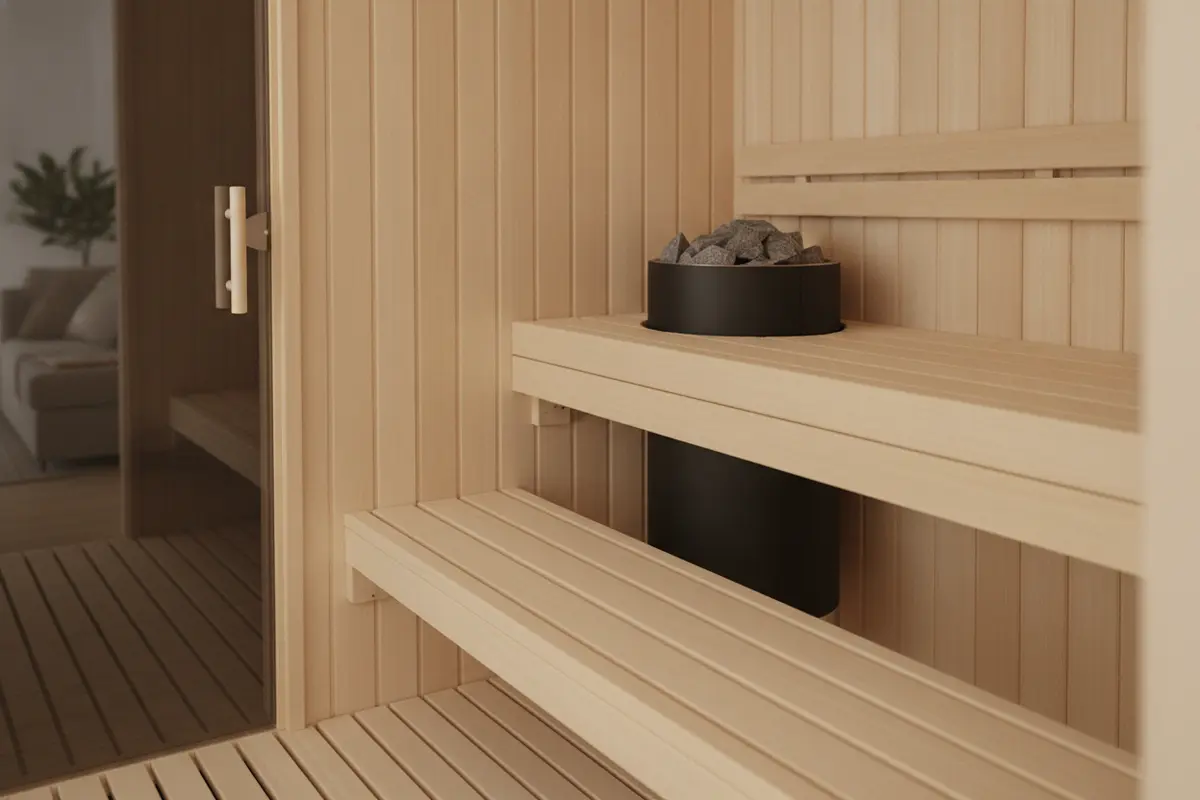
A traditional dry sauna warms the room and its surfaces with a heater. The air is hot and has comparatively low humidity. Some sauna users pour a small amount of water over heated stones to create a brief increase in humidity, but the room remains a dry-sauna environment overall. A steam room uses a steam generator to create a humid atmosphere. Its surfaces and enclosure are built to manage ongoing moisture.

These are different kinds of heat, not simply two names for the same room. In a sauna, the dry air can feel intense, but many people find it easier to tolerate than humid heat. In a steam room, the air temperature may be lower, yet the moisture can make the heat feel enveloping. Perceived comfort varies from person to person and depends on temperature, session length, ventilation, and personal health.

A research paper on sauna bathing describes a dry-sauna cycle as time in a high-temperature, low-humidity chamber interrupted by whole-body cooling. That description helps illustrate the dry-heat format, but it is not a prescription for every person or every sauna: read the study on physiological reactions to sauna bathing. Follow the equipment maker’s instructions, use a comfortable duration, and leave the room if you feel unwell.

Consideration Sauna Steam room
Heat experience Hot air with relatively low humidity Warm, moisture-saturated air
Typical heat source Sauna heater, often with stones Steam generator connected to a dedicated room
Room environment Wood interior and sauna-appropriate heater clearances Water-resistant, sealed surfaces and moisture-managed enclosure
Key planning issue Electrical capacity, heater placement, clearances, and ventilation Waterproofing, vapor control, drainage, generator location, and ventilation
Routine care Wipe benches and floors, air out the room, and inspect the heater as directed Dry surfaces after use, clean tile and grout, and follow generator maintenance guidance

The table is a planning comparison, not a quote or a substitute for a site evaluation. Equipment, room size, existing utilities, finish choices, and local requirements all affect the work involved.

Which heat experience will you use more often?

The most useful choice is the one that fits your comfort and habits. Consider whether you prefer a dry room with a strong radiant warmth or a humid room that feels more like a warm mist. If you have only tried one format, visit a facility where you can experience both, if practical, before committing to a home installation.

When might a sauna be a better fit?

A sauna may suit someone who prefers dry heat, wood interiors, and a simpler routine of warming the room and cooling down afterward. The atmosphere is usually less wet than a steam room, though sauna use still involves heat and perspiration. You will need a heater matched to the room and installed with the required safety clearances and electrical provisions.

Sauna formats differ, too. A compact indoor room, a freestanding outdoor sauna, and a larger custom space do not have the same site needs. Gappsi’s sauna project and product information can help you see the type of sauna content available while you consider the right format. Product pages such as the Aurea sauna and Quu sauna are examples to review; verify current specifications and suitability for your intended location before selecting any model.

When might a steam room be a better fit?

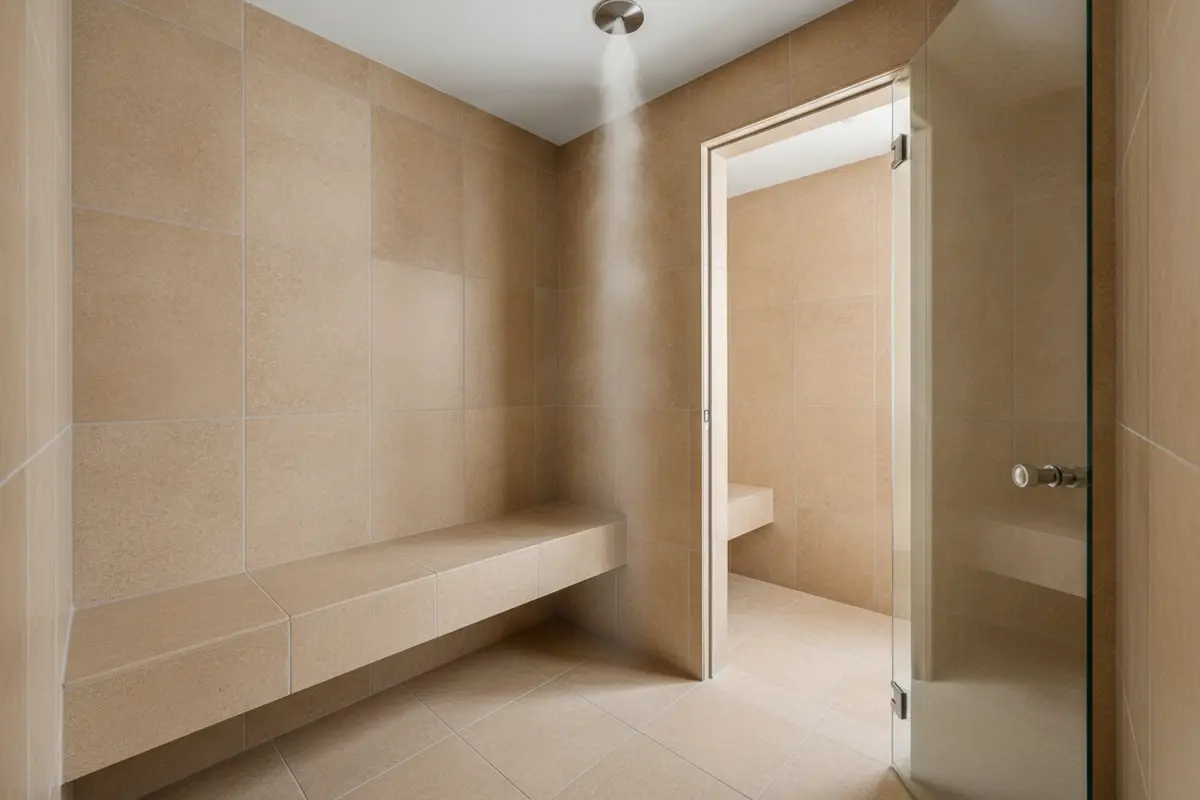
A steam room may appeal to people who enjoy humid heat and want an enclosed, tile-finished environment. It can be planned as part of a bathroom or a separate wellness area, depending on the home and design. The room must contain moisture reliably. That calls for careful attention to the enclosure, waterproofing, vapor management, drainage, door, ceiling, and the steam generator’s location and service access.

Do not assume that a standard shower can become a steam room simply by adding a steam generator. The surfaces, joints, door, and ventilation strategy need to be appropriate for repeated exposure to hot vapor. A design professional or qualified installer can assess what must change and coordinate the work. A poorly planned enclosure may lead to moisture escaping into adjacent building materials.

How do installation needs compare?

Both options need more planning than choosing a finish and placing equipment in a room. Before selecting a location, map the route for power, water, drainage, ventilation, and equipment access. Review the existing structure and finishes as well. A basement, bathroom, pool area, or outdoor location presents different conditions and construction details.

Sauna planning checklist

  • Choose the setting. Decide whether the sauna belongs indoors or outdoors, and check access, privacy, views, and the path from the house.
  • Confirm the heater and electrical plan. A qualified professional should match the heater and electrical work to the selected equipment and installation instructions. Do not estimate electrical capacity by appearance.
  • Plan clearances and airflow. Heater clearances, guard rails where required, and ventilation should follow the manufacturer’s specifications and applicable code.
  • Select interior materials for sauna use. Benches, wall surfaces, and trim should be suitable for the heat and intended cleaning routine.
  • Think through arrival and cooling. Nearby access to a shower, changing area, or outdoor space may make the sauna easier to use, but these choices should fit the full layout.

For an outdoor sauna, also consider the foundation or support, weather exposure, drainage around the structure, utility routing, and a stable, convenient approach in different seasons. If the sauna is part of a wider backyard plan, coordinate its location with circulation, privacy, lighting, and any pool or patio work rather than treating it as an isolated object.

Steam-room planning checklist

  • Design a complete enclosure. Specify a continuous, moisture-resistant assembly for the walls, ceiling, floor, and openings. Tile is a finish, not waterproofing by itself.
  • Provide drainage and a suitable floor. Plan how condensation and cleaning water will move to the drain, and avoid surfaces that become difficult to maintain.
  • Size and locate the generator carefully. Follow the manufacturer’s room-volume and installation guidance, including the location, water and electrical connections, and access for service.
  • Address ventilation outside the room. Plan how the surrounding bathroom or wellness area will dry after use. The room’s enclosure and the home’s ventilation work together.
  • Coordinate controls and steam outlet placement. Place controls and outlets as specified for the equipment and room so the finished space is practical and safe to use.

Because a steam room creates persistent moisture, bring the waterproofing and vapor-control details into the design before finishes are selected. Coordinate the work across trades. Changes made after tile is installed can be disruptive and costly.

How should you compare project scope and budget?

There is no reliable single price comparison between a sauna and a steam room without knowing the site and the equipment. A prefabricated sauna kit in a suitable space is a different scope from a custom-built room or an outdoor structure with new utility runs. A steam room may require extensive enclosure work even when it shares a footprint with an existing bathroom. The visible square footage alone does not describe the cost or complexity.

Ask for a scope that separates equipment from site preparation and construction. For a sauna, clarify whether the plan includes the heater, electrical work, interior finish, ventilation, delivery, assembly, and any outdoor foundation or weather protection. For a steam room, ask about the generator, plumbing and electrical connections, enclosure, waterproofing, vapor control, drain, ventilation, controls, tile, and finish work. Confirm what is included and what depends on conditions discovered after opening walls or floors.

Consider the work sequence, too. Equipment choices can affect framing, utility locations, and clearances. Steam-room waterproofing must be coordinated with the substrate and tile system, not treated as a late finishing step. Request product specifications and written installation requirements before construction details are finalized. If the plan involves other renovation work, coordinate trades and access so finished surfaces are not unnecessarily removed later.

Should the sauna or steam room be indoors or outdoors?

An indoor installation can make year-round access convenient, but it competes with existing rooms and utilities. Check whether a bathroom, basement, or other area has enough clear space and a suitable route for equipment. Consider sound, privacy, changing space, and how warmth or moisture will affect nearby rooms. An indoor steam room particularly needs a deliberate strategy for drying the enclosure and the surrounding space after use.

An outdoor sauna can preserve interior floor area and connect the experience with a patio or pool, but it introduces site and weather questions. Plan a stable base, water runoff, utility routing, access in wet or cold weather, exterior materials, and privacy. Think about the walk from the house and where users can dry off or change. A location that looks ideal from the patio may not be the easiest or safest route in winter.

For either location, sketch a simple route from the house to the room and mark doors, equipment access, utilities, and places where water may collect. Then review the sketch with the installer and relevant trades. This small planning step can expose conflicts before materials are ordered. It also helps you assess whether the feature supports the way your household actually uses its home.

What should Long Island homeowners check before building?

Start with the existing house and the local approval process, not a product photo. Long Island homes vary in age, layout, utility capacity, and site conditions. A project in a finished basement has different constraints from one in a new bathroom or a freestanding backyard structure. Ask the project team to identify which parts of the home will be affected and which details need review before work begins.

  • Room size and access: Measure the intended space and confirm that equipment and building materials can reach it. Include door swings, seating, and room for maintenance.
  • Electrical and plumbing: Have qualified trades assess existing capacity and the route to the new equipment. Do not assume nearby utilities can support the planned installation.
  • Moisture management: For a steam room, confirm the complete enclosure and drying plan. For either format, consider how the adjacent room will be ventilated and cleaned.
  • Structure and surfaces: Check floors, walls, and ceilings for the loads and conditions required by the chosen design. Outdoor installations also require site and foundation planning.
  • Permits and code: Ask the relevant local building department and project professionals what approvals and inspections apply to the specific work. Requirements can depend on the scope and location.
  • Ongoing service: Find out how to access the heater or generator for inspection and service without damaging finished surfaces.

Gappsi serves Nassau and Suffolk Counties and works across outdoor living and home improvement projects. For a sauna-related project, a conversation about the home, desired format, and location is a practical first step. If the room is part of a larger pool or wellness-area update, coordinate the sauna or steam-room decision with the surrounding pool design and construction plan.

How do upkeep and day-to-day use differ?

A sauna’s routine care usually focuses on wiping benches and floors, keeping the room clean, airing it out after use, and maintaining the heater according to its manual. Use cleaning products that are appropriate for the equipment and surfaces. Periodically inspect visible components and contact a qualified service professional if something is damaged or not working as expected.

A steam room needs more attention to drying and moisture-prone surfaces. Wipe down benches and surfaces as directed, keep the drain clear, and clean tile and grout with products suited to those materials. Follow the generator maker’s maintenance schedule and instructions for water quality, cleaning, and service. If condensation lingers outside the enclosure or you notice a persistent musty odor, investigate the cause rather than masking it.

Either space should have clear user instructions. Keep the room within the equipment’s operating guidance, avoid using it when you feel unwell, and make sure children and guests understand how to operate it safely. Heat exposure is not suitable for everyone. People with health conditions, people who are pregnant, or anyone unsure about heat exposure should speak with a medical professional before using a sauna or steam room. Stop and leave if you feel dizzy, faint, nauseated, or otherwise unwell.

How can you decide between a sauna and a steam room?

Use this short decision process before choosing equipment or finishes:

  1. Describe your preferred heat. Write down whether you want dry heat, humid heat, or are still unsure. Comfort is personal, so try both formats if you can.
  2. Choose the likely location. Identify a specific room or outdoor area and note nearby utilities, drainage, ventilation, access, and privacy.
  3. Compare construction scope. Ask what the space needs beyond the visible finish. For steam, request clear information about the enclosure and moisture control. For a sauna, confirm heater, electrical, clearance, and ventilation requirements.
  4. Set your maintenance expectations. Consider how often you will clean and dry the space and whether equipment can be reached for service.
  5. Review the full plan. Check how the wellness area relates to the bathroom, changing area, pool, patio, or backyard before committing to a layout.
  6. Get a site-specific assessment. Confirm equipment specifications, construction details, approvals, and the work sequence with qualified professionals before ordering.

Choosing between a sauna and steam room is not just a question of which one looks better. The preferred heat should be compatible with the space and the level of construction and maintenance you are prepared to manage.

What questions should you ask before choosing equipment?

Before placing an order, bring practical questions to the product review and site assessment. Ask how the equipment is intended to be installed, what clearances and connections it requires, and which parts of the room must be built or upgraded to meet those instructions. Ask who will handle each part of the job and how the completed work will be checked. The answers should be specific to the selected model and the house, not based only on a photo or a general estimate.

  • Can the equipment fit the planned location? Verify room dimensions, door openings, delivery access, and service access, including the path to replace or maintain components.
  • What needs to be confirmed before construction? Identify the utility assessment, room preparation, ventilation plan, structural review, and any required local approvals.
  • How will the space dry and stay clean? Agree on a practical routine, materials, drain access, and any additional ventilation or drying needed after use.
  • What is excluded from the proposal? Clarify equipment, delivery, installation, electrical or plumbing work, finish materials, permits, inspections, and repairs to existing surfaces.
  • How will operation and maintenance be explained? Request the manuals, operating instructions, maintenance schedule, and clear information about service access.
  • What happens if site conditions differ? Understand how concealed conditions or changes to the design will be documented and approved before additional work proceeds.

These questions help compare proposals on more than the equipment name or initial appearance. One plan may include room construction and utility work while another assumes those items are already complete. Comparing the written scope and assumptions makes the differences easier to see and reduces the risk of treating an unfinished room as a ready-to-use wellness space.

Also consider who will use the room and how often. A space intended for one person may need a different bench arrangement and circulation than one shared by several household members. Decide whether changing and towel storage are nearby, whether controls are easy to reach, and whether the approach is comfortable for the people who will use it. A simple, accessible layout often matters more in everyday life than adding features that are rarely used.

Frequently Asked Questions

Is a sauna hotter than a steam room?

A dry sauna generally uses hotter air with lower humidity, while a steam room uses humid air and is commonly operated at a lower air temperature. The felt intensity depends on both temperature and humidity, so compare the experience rather than looking at temperature alone.

Can a regular bathroom be converted into a steam room?

Sometimes a bathroom can be adapted, but a standard shower is not automatically steam-ready. The enclosure, door, ceiling, waterproofing, vapor control, drainage, generator, and ventilation all need to be evaluated for the intended use. Have the room assessed before selecting equipment or beginning work.

Does a home sauna need special electrical work?

It may. Electrical needs depend on the specific heater and its installation instructions, as well as the home’s existing system. Have a qualified professional confirm capacity, wiring, clearances, and applicable requirements for the chosen equipment.

Which option is easier to maintain?

Neither is maintenance-free. A sauna needs regular cleaning and heater care. A steam room needs surface cleaning, drain care, drying, and generator maintenance, with close attention to moisture. The easier option for your household depends on the materials, equipment, and routine you choose.

Call Gappsi to discuss your home sauna plans

The right choice is the one that matches your preferred heat, works with your home’s utilities and layout, and can be built and maintained with care.

Share this page:

Stunning Backyard Designs for Brookville, NY Homes

The popularity of pickleball has many homeowners thinking about adding a court to their property. But a sports game court shouldn’t be a standalone feature; it should feel like a natural part of your overall outdoor living space. We’ll take you through a recent project where a multi-sport game court became the anchor for a complete transformation. You will see how this single element was woven into a larger, cohesive plan that includes a pool, patio, and lush landscaping. This project is a perfect example of how ambitious backyard designs in Brookville, NY, can blend active recreation with sophisticated relaxation.

https://youtu.be/dUV-cQ68-lI

Creating Your Dream Backyard in Brookville, NY

Your backyard should be more than just a patch of grass; it should be an extension of your home, a place for relaxation, entertainment, and making memories. In a place as beautiful as Brookville, you have the perfect canvas to create an outdoor oasis that reflects your style and meets your family’s needs. The key to a truly exceptional space is a cohesive design that brings together all the elements, from the pool and patio to the plantings and lighting. A comprehensive plan ensures every feature works in harmony, resulting in a functional and beautiful outdoor living area that you’ll enjoy for years to come.

The Value of Professional Backyard Design

When you decide to transform your backyard, working with a professional designer offers a significant advantage over a standard approach. A specialized design and build team brings a deep understanding of architecture, material science, and horticulture to your project. This expertise allows for a more thoughtful and integrated plan where every element is considered. Instead of hiring separate contractors for masonry, landscaping, and pool installation, a single team can manage the entire process. This ensures a seamless workflow and a unified aesthetic, turning a potentially stressful renovation into an exciting creative journey that results in a much more polished and personalized outdoor space.

Enhancing Property Value and Curb Appeal

A professionally designed backyard is one of the best investments you can make in your home. It’s not just about adding beauty; it’s about creating functional, inviting spaces that increase your property’s market value. Features like a custom gunite swimming pool, an elegant porcelain stone patio for entertaining, or a fully equipped outdoor kitchen can provide a significant return on investment. These elements transform your yard into a luxurious retreat, making your home more attractive to potential buyers and creating an environment your family will love. A well-planned outdoor space extends your living area and enhances your quality of life.

Environmental Benefits of Thoughtful Landscaping

Beyond the visual appeal, a well-designed landscape offers important environmental benefits. The right selection of native plants and trees can help clean the air, reduce noise pollution, and create a habitat for local wildlife and essential pollinators like bees and butterflies. Thoughtful design also includes smart water management. For example, incorporating permeable surfaces like those created with GravelFix for driveways and walkways allows rainwater to seep naturally into the ground. This reduces runoff and helps replenish the local water table, making your beautiful backyard a friend to the environment.

Brookville’s Natural Beauty as a Backdrop

Brookville is known for its serene, wooded landscapes and spacious properties, offering a stunning natural backdrop for any backyard project. The goal of great design is to work with this inherent beauty, not against it. We believe in creating outdoor spaces that feel like a natural extension of the Long Island environment. This means selecting materials, like natural stone and rich woods, that complement the local scenery. By carefully planning layouts that preserve mature trees and highlight natural features, we can build a backyard that feels both thoughtfully designed and perfectly at home in its peaceful Brookville surroundings.

A Look at a Complete Backyard Transformation

Seeing a project come together is the most rewarding part of the process. A complete backyard transformation is about creating a perfect blend of beauty and functionality, tailored to how you live. Imagine stepping out onto a sprawling patio made of elegant porcelain pavers, leading to a sparkling pool with a cascading waterfall. Nearby, a custom pergola offers a shaded spot for dining, while lush gardens add color and life to the scenery. For active families, a dedicated sports games court provides endless entertainment. This is how distinct areas come together to form a cohesive, multipurpose oasis. You can see how these incredible transformations unfold by watching some of our projects from start to finish on the Gappsi YouTube channel.

View Gappsi’s YouTube Channel for Videos of Mateflex Multi-Sport Pickleball Court Installation in Brookville, NY

A Multi-Sport Pickleball Court is becoming increasingly popular for homeowners who want to bring recreation, fitness, and family fun right into their backyards. One of the most versatile and attractive options available today is the Mateflex multi-sport game court system. Recently, Gappsi completed the installation of a stunning multi-sport pickleball court in Brookville, NY, showcasing the perfect balance of functionality, design, and durability.

This project highlights how a well-designed multi-sport game court can transform any outdoor space into a recreational hub suitable for all ages. From the carefully chosen colors to the premium materials and professional features, this court is an excellent example of how Gappsi continues to raise the standard for sports game court installations across Long Island.

A Sports Game Court That Blends Functionality with Style

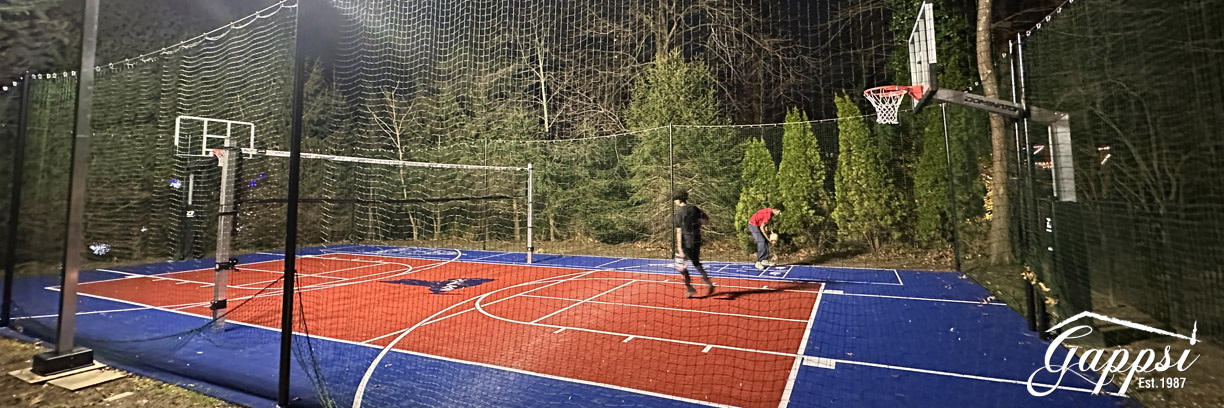
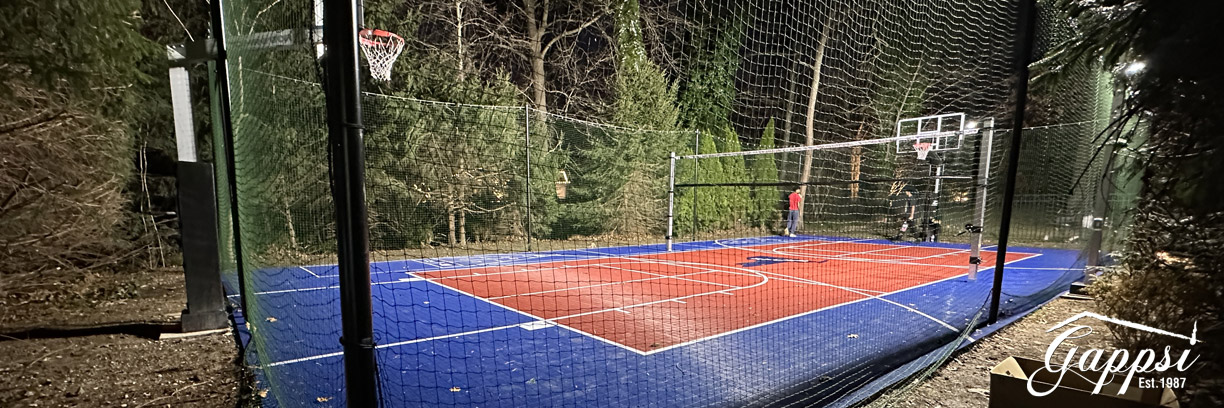
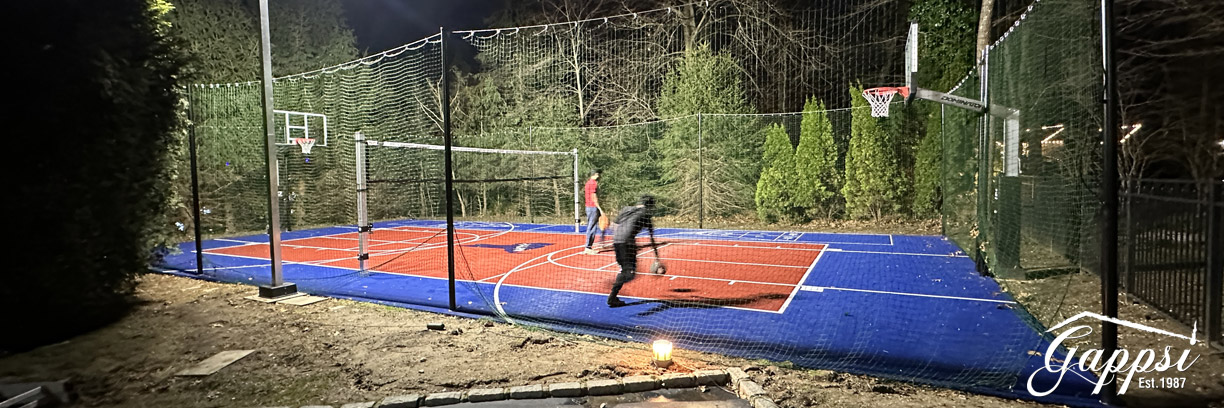
One of the most eye-catching features of this Brookville installation is the color combination of the Mateflex tiles. For the outer perimeter, Gappsi used navy blue Mateflex tiles, creating a bold frame that adds depth and definition to the court. For the inlay, where the pickleball play happens, a brick red tile was chosen. This contrast not only enhances the visual appeal but also helps to differentiate the playing zones clearly, ensuring that each sport can be enjoyed without confusion.

The court is neatly striped with precision-applied white lines to support multiple sports. The layout includes:

  • Shuffleboard markings,
  • Basketball keys and three-point lines,
  • Pickleball striping for singles and doubles play.

These markings enable homeowners and their guests to seamlessly transition between games without the need for additional equipment or separate courts.

mateflex-multi-sport-pickleball-court-installation-in-brookville-ny3The Sports Game Court Features: Built for Versatility

What makes this Brookville project so special is its adaptability. Rather than limiting the space to just one sport, Gappsi equipped the court with multi-use features, making it suitable for a variety of sports, including basketball, pickleball, badminton, volleyball, and even shuffleboard.

Dominator Basketball Hoops

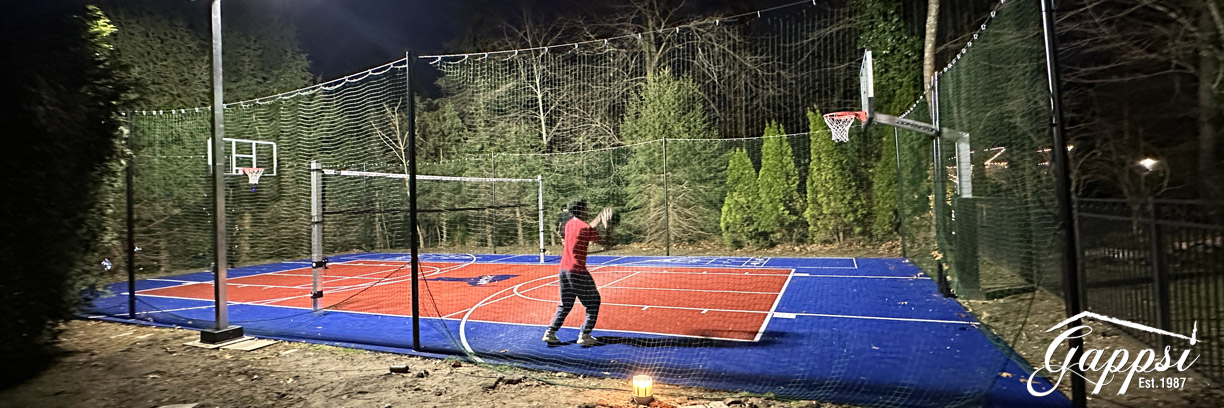
The court includes Dominator basketball hoops, which are considered some of the best in the industry. These adjustable regulation hoops allow players of all ages to enjoy the game. Whether it’s a competitive full-court match or just a casual game of HORSE with the kids, the hoops provide professional-level performance.

Multi-Sport Netting System

The installation also features adjustable multisport netting. This versatile system allows homeowners to switch between pickleball, badminton, and volleyball with ease. The net can be raised or lowered depending on the sport, ensuring proper playability for each game.

pickleball sports game courtBounce Netting and Safety Features

To keep gameplay safe and enjoyable, Gappsi installed bounce netting around the entire court. This netting stands at 12 feet high, supported by sturdy 3-inch posts, ensuring that balls remain within the court and do not disrupt the surrounding property. The netting helps reduce interruptions, keeps the area organized, and makes gameplay smoother for everyone involved.

Professional Lighting: Play Any Time of Day

A significant benefit of this installation is the ability to play even after the sun sets. Gappsi added a Dominator lighting system with a pole supporting triple lights. These lights are designed to evenly illuminate the court without creating harsh glare, allowing games to continue well into the evening. With this setup, the court truly becomes a 24/7 recreational space for the homeowners and their guests.

Why Mateflex Tiles? The Benefits of Modular Sports Flooring

The decision to use Mateflex tiles is what makes this court both visually stunning and highly functional. Mateflex has long been a leader in modular sports flooring, and its products offer many advantages:

  • Durability: The tiles are designed to withstand all weather conditions, from hot summers to snowy winters.
  • Traction & Safety: The textured surface provides excellent grip, reducing the risk of slips and falls.
  • Shock Absorption: The cushioned design of the tiles helps absorb impact, protecting players’ joints during high-energy activities.
  • Low Maintenance: Unlike asphalt or concrete courts, Mateflex tiles are easy to clean and maintain.
  • Customizable Designs: Homeowners can select from a wide range of colors to create unique layouts that reflect their style.

By using these tiles, Gappsi ensured that this Brookville multi-sport game court would not only look fantastic but also stand the test of time.

dominator basketball hoops on a sports game court with mateflexA Backyard Transformation – Multi-Sport Pickleball Court
What makes this project so noteworthy is not just the quality of the materials or the precision of the installation, but the way it has transformed the homeowner’s backyard. This court is now a central gathering place for friends and family. Instead of traveling to local gyms or parks, the homeowners can enjoy basketball, pickleball, volleyball, and shuffleboard all in the comfort of their own property.

The addition of bounce netting and professional lighting ensures that the court is both functional and stylish. It’s an investment in both lifestyle and property value, creating an outdoor recreational hub that can be enjoyed year-round.

Beyond the Court: Crafting a Complete Outdoor Living Experience

A multi-sport game court is an incredible addition to any home, but it’s often just one piece of a larger puzzle. The true magic happens when that court becomes part of a cohesive and beautifully designed outdoor living space. Think of it as the anchor for a backyard that serves all your needs, from active recreation to quiet relaxation and social gatherings. In places like Brookville, where the natural landscape provides a stunning backdrop, a thoughtful design can transform your property into a private retreat. It’s about creating a seamless flow from one area to the next, ensuring every square foot of your yard is both beautiful and functional, ultimately increasing your home’s value and your enjoyment of it.

Creating this kind of environment involves more than just adding features; it requires a holistic vision. It means considering how your family will use the space today and in the years to come. Do you envision summer days spent by the pool, evenings gathered around a fire pit, or dinners prepared in an outdoor kitchen? A comprehensive plan integrates all these elements, from the foundational hardscaping to the elegant shade structures and lush plantings. This approach ensures that your backyard isn’t just a collection of separate parts but a unified experience that reflects your lifestyle and enhances your home’s unique character.

Custom Swimming Pools and Water Features

Gunite, Vinyl, and Fiberglass Pool Installation

A swimming pool is the ultimate centerpiece for backyard fun and relaxation. It complements an active space like a sports game court by offering a place to cool off and unwind. We specialize in designing and installing various types of pools to suit your property and preferences. Gunite pools offer limitless design flexibility, allowing for custom shapes, sizes, and features. Vinyl liner pools are a popular choice for their smooth finish and wide array of patterns, while fiberglass pools are known for their quick installation and durability. Each option has unique benefits, and our team can help you install the perfect pool to create your ideal backyard oasis.

Spas, Hot Tubs, and Tranquil Waterfalls

Beyond a traditional pool, incorporating other water features can add a layer of tranquility and luxury to your outdoor space. Imagine soaking in a custom-built spa or hot tub after a competitive game of pickleball, letting the warm water soothe your muscles. The gentle sound of a cascading waterfall built into your pool or as a standalone feature can create a peaceful ambiance, masking neighborhood noise and turning your backyard into a serene escape. These elements not only provide therapeutic benefits but also serve as beautiful focal points, enhancing the overall sensory experience of your outdoor environment.

Outdoor Kitchens, Fire Pits, and Entertainment Spaces

Designing Functional BBQ Areas and Kitchen Islands

An outdoor kitchen transforms your backyard into a true extension of your home, making it the perfect spot for entertaining. Moving beyond a simple grill, a fully functional outdoor kitchen can include sinks, refrigerators, storage, and expansive countertops for food prep. We can build custom BBQ islands and cooking stations that are not only practical but also beautifully integrated into your patio design. This allows you to host gatherings without constantly running back and forth to your indoor kitchen, keeping you at the center of the party. It’s an excellent way to make unused parts of your yard useful and create a social hub for family and friends.

Gathering Around Fire Pits and Outdoor Fireplaces

There’s something inherently inviting about a fire. Adding a fire pit or an outdoor fireplace creates a natural gathering spot that encourages conversation and connection. It extends the usability of your backyard into the cooler evenings and even into the spring and fall months. Whether you prefer a rustic, wood-burning fire pit for roasting marshmallows or a sleek, gas-powered fireplace for sophisticated ambiance, we can design a feature that fits your style. These elements provide warmth and light, making your outdoor entertainment space feel cozy and welcoming long after the sun has set.

Elegant Structures for Shade and Style

Pergolas, Pavilions, and Cabanas

To truly enjoy your outdoor living area, shade is essential. Elegant structures like pergolas, pavilions, and cabanas provide relief from the sun while adding architectural interest and defining specific zones within your backyard. A pergola can create a beautiful, dappled-light covering for a dining patio, while a solid-roofed pavilion offers complete protection from the elements, making it an ideal spot for an outdoor living room or kitchen. A poolside cabana can serve as a private changing area or a shaded lounge. We can help you select a structure that not only offers functionality but also complements your home’s aesthetic.

The Foundation of Great Design: Comprehensive Hardscape and Landscape Services

A stunning backyard is built on a solid foundation of expert hardscaping and thoughtful landscaping. These are the elements that give your outdoor space structure, flow, and lasting beauty. Hardscaping, which includes patios, walkways, and retaining walls, forms the functional backbone of the design. It defines the different living areas and guides movement through the space. Landscaping, or softscaping, is the living component, the plants and trees that add color, texture, and life. Achieving the perfect blend of these two disciplines is what turns a simple yard into a breathtaking and practical outdoor environment. It’s about creating a harmonious balance where every element serves a purpose while contributing to a cohesive overall look.

Expert Masonry and Hardscape Construction

Stone Patios, Walkways, and Driveways

High-quality masonry is what connects the different areas of your backyard, creating a seamless and navigable space. A well-constructed stone patio serves as the floor for your outdoor rooms, whether it’s for dining, lounging, or cooking. Graceful walkways guide guests from the driveway to the backyard or from the pool to the sports game court. Even your driveway can be a design statement with the right materials, such as elegant natural stone or permeable gravel systems. Our expert masons work with precision to ensure every surface is not only beautiful but also durable and built to withstand the Long Island climate.

Retaining Walls and Custom Fencing

Hardscaping also plays a crucial role in managing the practical challenges of a property. Retaining walls are essential for sloped yards, preventing soil erosion while creating usable, terraced levels for gardens or patios. They can be built from a variety of materials to match your aesthetic. Fencing provides privacy and security, defining the borders of your property. We can install everything from classic wood fences to modern aluminum or low-maintenance vinyl, ensuring your backyard is a safe and secluded sanctuary for your family.

High-Quality Materials for Lasting Beauty

Working with Natural Stone and Porcelain Pavers

The choice of materials is critical to the longevity and appearance of your hardscape. We pride ourselves on using only the highest quality products to ensure your investment stands the test of time. Natural stone, such as bluestone or travertine, offers timeless beauty with unique variations in color and texture that cannot be replicated. For a more contemporary look, porcelain pavers are an excellent choice. They are incredibly durable, resistant to stains and fading, and available in a vast range of styles that can mimic wood, concrete, or natural stone, giving you design flexibility without compromising on performance.

The Art of Softscaping

English Gardens, Tree Planting, and Shrubbery

Softscaping is what breathes life into your backyard design. It’s the artful arrangement of plants, trees, and gardens that softens the hard lines of patios and walls, adding color, fragrance, and texture throughout the seasons. Whether you dream of a classic English garden with overflowing flower beds, a modern design with ornamental grasses and structured shrubs, or simply want to add mature trees for shade and privacy, our landscape experts can make it happen. A thoughtful planting plan considers factors like sunlight, soil type, and maintenance to ensure your garden thrives and your backyard becomes a vibrant, living space.

Our Approach to Backyard Design and Project Management

Turning your backyard dreams into reality requires more than just great ideas; it demands meticulous planning, expert design, and seamless project management. Our approach is built on years of experience transforming properties across Long Island. We believe that the design process should be a collaborative partnership, where we listen to your vision and then use our expertise to bring it to life. From the initial concept sketches to the final construction details, we manage every aspect of the project. This comprehensive oversight ensures that the design intent is carried through every phase, resulting in a cohesive and beautifully executed outdoor living space that exceeds your expectations and fits your lifestyle perfectly.

The Importance of a Specialized Backyard Designer

Using Lines, Shapes, and Colors for a Cohesive Look

A specialized backyard designer sees your property as a blank canvas. They understand how to use fundamental design principles like lines, shapes, and colors to create a space that feels both intentional and natural. Lines can be used to guide the eye and create a sense of flow, whether they are the gentle curves of a garden path or the clean, straight edges of a modern patio. Shapes define the different “rooms” of your backyard, while a carefully chosen color palette for plants, pavers, and furniture ties everything together. This level of expertise ensures a cohesive look that complements your home’s architecture and creates a perfect blend of beauty and functionality.

From Concept to Completion

Architectural Design and Construction Management

Our process is designed to be straightforward and stress-free for you. We begin with a detailed architectural design phase, creating plans that map out every element of your new backyard. Once the design is finalized, our construction management team takes over. We serve as your single point of contact throughout the entire build, coordinating all crews, materials, and schedules. This integrated approach prevents the communication gaps and delays that can happen when working with multiple contractors. It allows us to maintain high standards of quality and ensure your project is completed on time and on budget.

Handling Town Permits and Project Approvals

Navigating the world of town permits and building codes can be one of the most challenging parts of any home improvement project. Fortunately, it’s a process we are very familiar with. Our team handles all the necessary paperwork and submissions to the local building departments in Brookville and across Long Island. We ensure that your project complies with all regulations, from zoning laws to safety codes. By managing this critical step, we save you time and eliminate potential headaches, allowing you to focus on the exciting aspects of your backyard transformation.

Practical Solutions for Drainage and Excavation

A successful backyard project is built on a foundation that you can’t see. Proper excavation and drainage are essential for the long-term stability and health of your landscape and hardscape. Our team carefully assesses your property’s topography to develop effective drainage solutions that prevent water from pooling near your home’s foundation or creating soggy spots on your lawn. We handle all the necessary excavation and site preparation with precision, ensuring that every patio, pool, and planting bed has the solid, well-drained base it needs to last for decades.

Why Choose Gappsi for Multi-Sport Game Court Installations?

Gappsi has a long-standing reputation for excellence in sports game court design and construction across Long Island. Every detail of this Brookville project reflects Gappsi’s commitment to quality, durability, and customer satisfaction. From the precision line striping to the installation of high-end equipment, the Gappsi team ensures that every court is built to professional standards while being tailored to the homeowner’s needs.

Whether it’s a simple backyard pickleball court or a full multi-sport setup with lighting and netting systems, Gappsi has the expertise and experience to deliver exceptional results.

Decades of Experience Serving Long Island Homeowners

In a community like Brookville, where quality and craftsmanship are paramount, choosing a design firm with a proven track record is essential. Many local companies have been serving the area for decades, building a reputation for excellence. This deep-rooted experience is invaluable, as it ensures a team understands the specific architectural styles, local regulations, and environmental conditions of Long Island. Since 1987, Gappsi has been a trusted name in home improvement, transforming properties across Nassau and Suffolk counties. This long history means we have a profound understanding of what it takes to create beautiful, functional, and lasting outdoor spaces that truly complement the homes in our community.

A Single, Reliable Source for All Home Improvement Needs

Juggling multiple contractors for a single backyard project can be a significant source of stress, leading to miscommunication, delays, and a disjointed final look. The true value of a premier home improvement company lies in its ability to offer a complete, cohesive experience from start to finish. Instead of hiring separate specialists for masonry, landscaping, and pool installation, you can rely on one expert team to manage every detail. At Gappsi, we provide a comprehensive suite of services, including everything from installing pools and building pavilions to designing intricate landscapes and sealing natural stone. This integrated approach ensures every element works in harmony, creating that perfect blend of beauty and functionality for your home.

The Growing Popularity of Pickleball and Multi-Sport Game Courts

Pickleball has quickly become one of the fastest-growing sports in America, enjoyed by people of all ages. By combining pickleball with other sports in a single installation, homeowners get more versatility and more value from their investment. A multi-sport game court offers:

  • Family Fun: Suitable for children, adults, and seniors alike.
  • Fitness: Encourages regular exercise in a fun and engaging way.
  • Convenience: Eliminates the need to travel to public courts or gyms.
  • Community Building: Becomes a gathering place for friends and neighbors.

This Brookville project perfectly captures the future of backyard recreation—a single space that supports a variety of sports and activities while enhancing the property’s beauty and function.

mateflex sports tiles with adjustable sports game court nettingThe Mateflex multi-sport pickleball court in Brookville, NY, installed by Gappsi, is a prime example of how thoughtful design and professional craftsmanship can turn a backyard into a premier recreational destination. With its bold color scheme, multi-sport capabilities, professional-grade equipment, bounce netting, and advanced lighting, this court offers everything a homeowner could want in a private sports facility.
As sports like pickleball continue to gain popularity, more homeowners are opting to invest in versatile multi-sport game courts that offer long-term value, endless entertainment, and the convenience of playing right at home.

If you’re considering upgrading your backyard with a custom sports game court, Gappsi can help bring your vision to life—just as we did with this exceptional Brookville installation.

SCHEDULE A MEETING TODAY WITH GAPPSI

Frequently Asked Questions

Why should I consider a multi-sport game court instead of just one for pickleball? A multi-sport game court offers incredible versatility, which is perfect for families with diverse interests or for homeowners who love to entertain. Instead of dedicating a large space to a single activity, you get a court that can easily switch from pickleball to basketball to volleyball. This flexibility ensures the space gets used more often by more people, making it a smarter, more functional investment for your home and lifestyle.

What makes Mateflex tiles a good choice for a sports game court? Mateflex tiles are a fantastic option because they are designed specifically for performance and safety. The modular surface provides excellent traction to prevent slips and has built-in shock absorption, which is much easier on your joints than traditional concrete or asphalt. They are also incredibly durable, standing up to all kinds of weather, and come in various colors, so you can customize the court to perfectly match your backyard’s aesthetic.

How do you make a large feature like a sports game court look like it belongs in the backyard? The key is to treat the court as one part of a larger, unified design rather than a standalone feature. We integrate it by using thoughtful landscaping to soften its edges, creating natural stone or paver walkways that connect it to other areas like the patio or pool, and selecting colors and materials that complement your home and existing hardscape. A cohesive plan ensures the court feels like a natural and intentional part of your overall outdoor living space.

My backyard isn’t as large as the one in Brookville. Can I still create a complete outdoor living space? Absolutely. Great design isn’t about the amount of space you have; it’s about how you use it. The same principles of creating a cohesive, functional, and beautiful environment apply to yards of all sizes. A professional designer can help you prioritize the features that matter most to you and create a smart layout that maximizes every square foot, ensuring even a smaller property can feel like a luxurious and complete retreat.

What’s the advantage of using one company for the entire project, from the court to the pool and patio? Working with a single design and build firm simplifies the entire process and leads to a much better result. Instead of you having to coordinate between a mason, a landscaper, and a pool installer, one team manages everything. This ensures a seamless workflow, a consistent design vision from start to finish, and a single point of contact for you. It eliminates communication gaps and potential delays, making the project less stressful and guaranteeing all the elements work together perfectly.

Key Takeaways

  • Plan your court as part of a bigger picture: A sports game court becomes a true asset when it’s integrated into a complete backyard design. Consider how it will connect with your patio, pool, and landscaping to create a seamless and functional outdoor environment.
  • Opt for a versatile multi-sport game court: Get more value and enjoyment from your space by choosing a court designed for multiple activities. Features like adjustable nets, durable tiles, and clear line markings allow your family to easily switch between pickleball, basketball, and other games.
  • Partner with a comprehensive design and build team: Managing a large backyard project is much simpler with one expert team. A single firm that handles everything from design and permits to construction ensures a smooth process and a beautifully cohesive final result.

Related Articles

Share this page:

How to Choose Patio Covers in Nissequogue

Your backyard should feel like a cohesive, thoughtfully designed retreat. You may have the perfect pool and beautiful landscaping, but without a central architectural element, the space can feel incomplete. A patio cover serves as that finishing touch, defining a space for gathering and relaxation while adding structure and style. It’s the piece that ties your home’s exterior to the garden, creating a seamless transition between indoors and out. Choosing the right style is key to achieving this harmony. We’ll explore the different options for patio covers nissequogue that can complement your home’s aesthetic and complete your backyard vision.

https://youtu.be/HdiExVSSdH0

View Gappsi’s YouTube Channel for Videos of A Look Back at the Nissequogue Pool and Travertine Patio

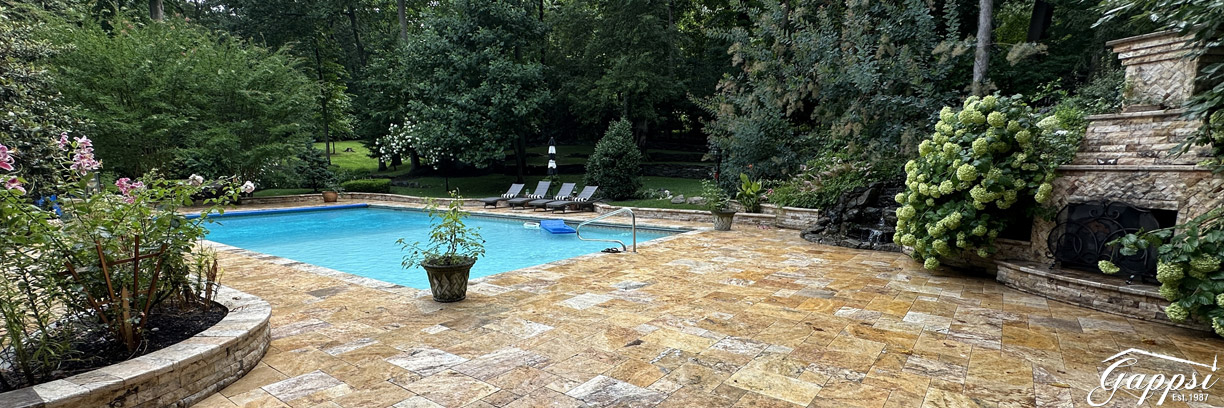
A travertine pool is a timeless beauty.  When you can look back at a project like this, Nissequogue Pool and Travertine Patio, and not see it age, you know it can stand the test of time. There’s something incredibly satisfying about revisiting a project many years after its completion and finding that it still stands strong in structure and style. That’s precisely the case with this stunning backyard in Nissequogue, a project Gappsi designed and built 15 years ago. Time has passed, seasons have come and gone. This backyard oasis remains as beautiful and functional as the day it was completed.

a-look-back-at-the-nissequogue-pool-and-travertine-patio-by-gappsiThis comprehensive backyard project combined all the essential elements of luxury outdoor living. Every detail was thoughtfully designed and expertly built to provide years of enjoyment, from the pool, patio, water features, and outdoor kitchen. And it has done just that—fifteen years later, the homeowners are still enjoying every inch of their backyard paradise.
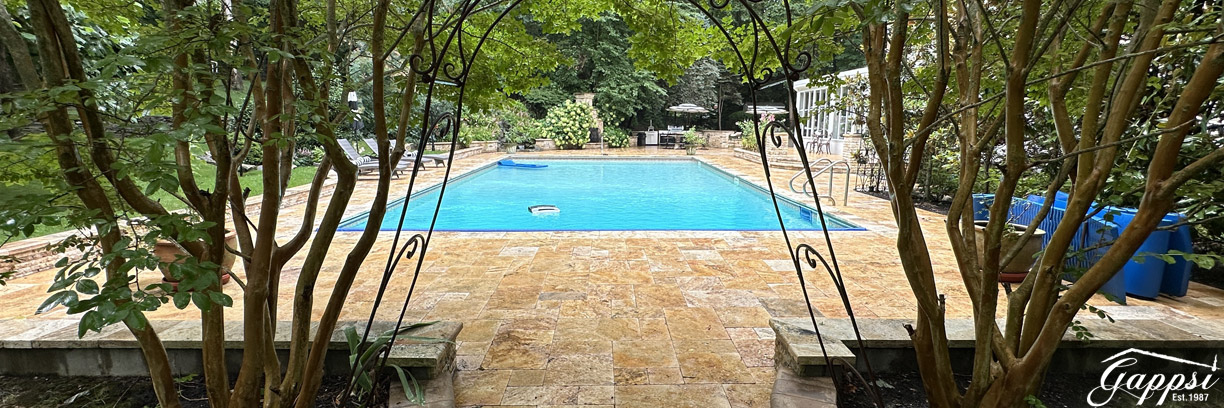
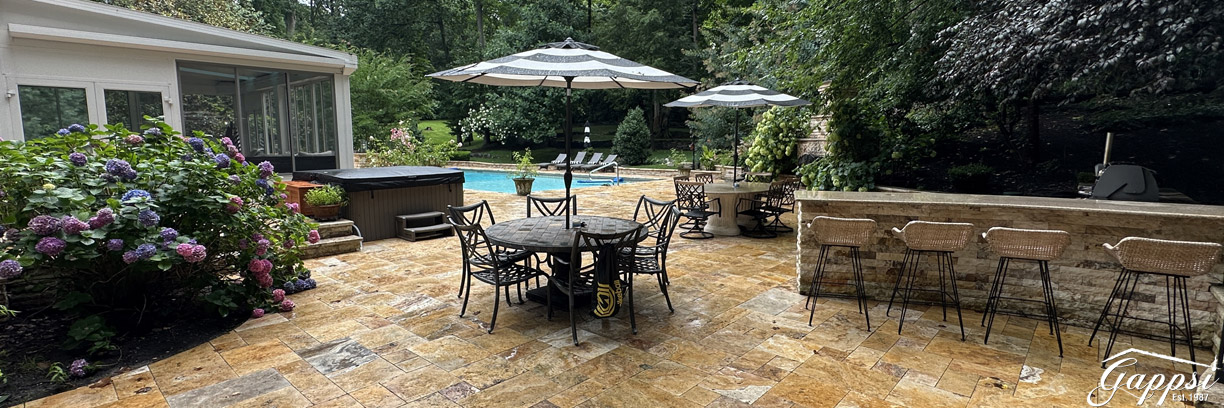
The Heart of the Backyard: A 25×50 Vinyl Travertine Pool

At the center of this serene retreat is a sizeable 25×50-foot vinyl swimming pool. The pool was constructed with sturdy concrete walls, providing durability and longevity. An automatic pool cover was installed to enhance safety and convenience, offering protection from debris and an added layer of security and energy efficiency.

One of the standout features of this pool is its classic and elegant look, achieved through the use of 2-inch thick travertine pool coping. This detail gives the pool a timeless, high-end aesthetic that perfectly complements the natural surroundings. Travertine is beautiful and practical—it’s cool underfoot even on hot days, making it ideal for poolside use.

Why a Patio Cover is the Perfect Addition to Your Nissequogue Home

A beautiful patio is a cornerstone of Long Island outdoor living, but its use can be limited by scorching sun or unexpected rain. A patio cover transforms your outdoor area from a space you can only use on perfect days to a true extension of your home. It’s about creating a reliable, comfortable spot for morning coffee, family dinners, or quiet evenings, regardless of the weather. By adding a permanent structure, you’re not just adding shade; you’re creating a designated outdoor room that invites you to spend more time outside, seamlessly blending your indoor comfort with the beauty of your backyard. This simple addition can fundamentally change how you experience and enjoy your property.

The Benefits of Covering Your Patio

Adding a cover to your patio offers a trio of compelling advantages that enhance both your lifestyle and your home’s marketability. First, it physically extends your usable living space, creating a sheltered area for dining, relaxing, or entertaining. Second, it provides crucial protection from the elements, shielding you, your guests, and your outdoor furniture from harsh sun and rain. Finally, a well-designed patio cover is a smart investment that can significantly increase your home’s value. It’s a functional upgrade that also serves as a major aesthetic improvement, making your property more attractive to potential buyers who value premium outdoor living features.

Extend Your Living Space

Think of a patio cover as a way to build a new room without walls. It creates a defined, sheltered area that feels like a natural part of your home’s layout. This new zone becomes the perfect spot for an outdoor dining set, a comfortable lounge area, or even a protected play space for kids. It encourages you to move more of your daily life outdoors, effectively increasing your home’s square footage for relaxation and entertainment. This makes your backyard more functional and versatile, allowing you to host gatherings or simply unwind in a comfortable, open-air environment that feels both connected to nature and protected from its unpredictability.

Protection From the Elements

A patio cover is your first line of defense against the weather. On hot summer days, it offers a cool refuge from direct sunlight, protecting your family from harmful UV rays and preventing your outdoor furniture from fading. When a surprise shower rolls through, you don’t have to rush everything inside; the cover keeps your space dry and usable. This reliable protection means you can plan outdoor events with more confidence and get more consistent use out of your patio throughout the seasons. It ensures your investment in outdoor furniture and decor is safeguarded from sun damage and moisture, preserving its beauty and longevity for years to come.

Increase Your Home’s Value

A stylish and functional patio cover is a highly desirable feature that adds tangible value to your home. It enhances curb appeal and signals to potential buyers that the property has been thoughtfully upgraded for premium outdoor living. This kind of permanent improvement is seen as a direct addition to the home’s usable space, which can be a major selling point. By investing in a durable, well-integrated patio cover, you’re not just improving your own quality of life; you’re making a strategic financial decision that can yield a significant return when it comes time to sell. It’s an upgrade that pays for itself in both enjoyment and equity.

Choosing the Right Patio Cover

Selecting the perfect patio cover involves balancing functionality, style, and your home’s existing architecture. The right choice will feel like it was always meant to be there, complementing your home’s design while meeting your specific needs for shade and protection. You’ll want to consider how you plan to use the space. Are you looking for complete shade and rain protection, or do you prefer dappled sunlight? Do you want a classic, rustic look or something more modern and low-maintenance? Answering these questions will help you narrow down the options and find a cover that not only looks great but also enhances your outdoor lifestyle in all the right ways.

Types of Patio Covers

Patio covers come in several distinct styles, each offering a different level of shelter and aesthetic appeal. Solid roof covers provide complete protection, making them ideal for creating a true all-weather outdoor room. For those who prefer a balance of sun and shade, pergolas and pavilions offer a beautiful, architectural solution with partial coverage. If you want the ultimate in flexibility, retractable covers allow you to choose between an open-air patio and a sheltered space with the simple push of a button. Understanding the unique benefits of each type is the first step toward creating your ideal outdoor sanctuary.

Solid Roof Patio Covers

A solid roof patio cover is the ultimate solution for year-round protection. It functions like a true roof, completely blocking out sun and rain to create a dry, shaded space you can count on. This makes it perfect for setting up an outdoor living room with cushioned furniture or a dining area that’s always ready for a meal, no matter the forecast. These structures can be seamlessly integrated into your home’s existing roofline for a cohesive look or designed as a striking standalone feature. They provide maximum shelter, ensuring your patio remains a comfortable and usable extension of your home in nearly any weather condition.

Pergolas and Pavilions

For a touch of elegance and architectural interest, pavilions and pergolas are fantastic options. A pergola features a slatted or latticed roof that creates beautiful dappled sunlight, offering partial shade while maintaining an open, airy feel. A pavilion is a more substantial structure with a solid roof, providing full protection like a solid patio cover but designed as a grand, freestanding focal point in your yard. Both add a sense of luxury and definition to your outdoor space, perfect for framing a seating area or an outdoor kitchen. They are as much a style statement as they are a functional cover.

Retractable Covers

If you love the idea of having options, a retractable cover offers the best of both worlds. With the ability to open and close as needed, you can enjoy full sunshine on a beautiful day and then extend the cover for shade when the afternoon sun gets too intense. This flexibility is perfect for homeowners who don’t want to commit to permanent shade. Modern retractable systems are often motorized for effortless operation and can be made from durable, weather-resistant fabrics. They provide a sleek, contemporary solution that adapts to your needs in the moment, giving you complete control over your patio environment.

Popular Materials and Styles

The material you choose for your patio cover plays a huge role in its appearance, durability, and maintenance requirements. Durable aluminum offers a sleek, modern look with minimal upkeep, while classic wood provides a warm, traditional aesthetic that can be customized to match any home. The goal is to select a material and style that not only stands up to the Long Island climate but also harmonizes with your home’s architectural design. A well-chosen cover should look like a deliberate and integrated part of your property, enhancing its overall character and charm.

Durable Aluminum

Aluminum is a popular choice for patio covers due to its exceptional strength and low-maintenance nature. It won’t rust, warp, or rot, making it an ideal material for withstanding Long Island’s coastal weather. Modern aluminum covers come in a variety of finishes and colors, allowing them to mimic the look of wood or provide a clean, contemporary aesthetic. Because it’s lightweight yet strong, aluminum can span long distances without requiring bulky support posts, resulting in a more open and unobstructed view. It’s a practical, long-lasting option for homeowners who want a durable cover without the need for regular upkeep.

Classic Wood

There’s a timeless appeal to a classic wood patio cover. Materials like cedar or redwood bring natural warmth and beauty to your outdoor space, creating a rich, inviting atmosphere. Wood can be stained or painted to perfectly match your home’s exterior and can be crafted into virtually any design, from rustic pergolas to elegant, solid-roof structures. While it requires more maintenance than aluminum—such as periodic sealing or staining to protect it from the elements—many homeowners find that the unmatched aesthetic of real wood is well worth the effort. It’s the perfect choice for achieving a traditional or custom look.

Matching Your Home’s Aesthetic

The most successful patio cover designs are those that feel like a natural extension of the home itself. To achieve this, consider your home’s architectural style, color palette, and existing materials. A modern home might be complemented by a sleek aluminum cover with clean lines, while a traditional colonial or cape-style house might look best with a classic wood pergola. The goal is to create a cohesive look where the patio cover enhances, rather than detracts from, your home’s overall design. This thoughtful integration ensures the new structure adds both functional and visual harmony to your property.

The Patio Cover Installation Process

Bringing a patio cover to life is a structured process that moves from initial idea to final construction. Working with a professional team ensures that every step is handled correctly, from securing the right permits to executing a flawless installation. The process is designed to be collaborative, giving you plenty of opportunities to share your vision and make key decisions about design and materials. A professional installation guarantees that your new patio cover is not only beautiful but also structurally sound and built to last, providing you with a safe and enjoyable outdoor space for many years to come.

What to Expect from a Professional Installation

A professional installation process is designed to be clear and straightforward, ensuring your project runs smoothly from start to finish. It begins with a detailed consultation to understand your vision and assess your space. From there, the team handles the technical aspects, including design finalization, material selection, and securing any necessary permits. The final stage is the expert construction of your patio cover by a skilled crew. This structured approach removes the guesswork and stress, allowing you to feel confident and informed as your ideal outdoor living space takes shape.

Step 1: Initial Consultation and Design

The journey begins with an initial consultation where you’ll discuss your goals, preferences, and budget with a design expert. This is the time to share your vision for how you want to use the space. The consultant will assess your property, take measurements, and offer professional guidance on the types of covers, materials, and styles that would best suit your home and needs. Together, you’ll collaborate on a custom design that is both functional and beautiful, ensuring the final plan perfectly aligns with your expectations before any construction begins.

Step 2: Permitting and Material Selection

Once the design is finalized, the next step involves handling the logistics. Your installation team will help you select the exact materials, colors, and finishes for your patio cover. They will also manage the permitting process with your local municipality, which is a crucial step to ensure your new structure is compliant with all building codes and regulations. This phase is all about locking in the details and taking care of the necessary paperwork, so that when construction starts, everything is approved and ready to go.

Step 3: Expert Installation

With the design approved and materials on-site, the expert installation team gets to work. This is where your vision becomes a reality. The crew will handle every aspect of the build, from laying the foundation to assembling the structure with precision and care. A professional team works efficiently and maintains a clean and safe job site, minimizing disruption to your daily life. Their expertise ensures that your patio cover is built to the highest standards of quality and safety, resulting in a beautiful, durable structure that you can enjoy immediately.

Answering Common Questions

When considering a new patio cover, it’s natural to have a few questions. Two of the most common inquiries revolve around the cost and determining the best type of cover for a specific home. The cost is an investment in your home’s value and your quality of life, with the final price depending on size, materials, and design complexity. The “best” type of cover is highly subjective and depends entirely on your personal preferences for style, your desire for sun versus shade, and your home’s unique architecture. Exploring these questions will help you clarify your priorities for the project.

How Much Does a Patio Cover Cost?

The cost of a patio cover can vary widely based on several key factors: size, material choice, and design complexity. A simple aluminum cover will generally be more budget-friendly than a large, custom-built wood pavilion. It’s helpful to view the cost not as an expense, but as an investment that adds tangible value to your home. A well-built patio cover enhances your property’s appeal and functionality, offering a return through years of enjoyment and increased resale value. The best approach is to get a detailed quote based on a specific design that fits your budget and goals.

What is the Best Type of Covering for a Patio?

There is no single “best” type of patio cover—the ideal choice depends on your individual needs and style. If you want maximum protection from sun and rain, a solid roof is the best option. If you prefer a bright, airy space with partial shade, a pergola is a perfect fit. For those who want flexibility, a retractable cover is unbeatable. Consider how you want to use your patio, the architectural style of your home, and your local climate. The best covering is the one that creates an outdoor space you’ll love to use.

Inspiration: A Complete Nissequogue Backyard Project

Looking at a finished project, like the stunning backyard Gappsi completed in Nissequogue, shows how different elements can come together to create a cohesive outdoor paradise. That project featured a beautiful travertine patio surrounding a large vinyl pool. While magnificent on its own, imagine adding a custom pavilion or a solid-roof patio cover adjacent to the pool area. This addition would create a dedicated zone for shaded lounging and dining, seamlessly connecting the poolside to a comfortable, all-weather living space. It would be the final touch that transforms the area into a complete resort-style retreat, proving that every detail can be “thoughtfully designed and expertly built to provide years of enjoyment.”

A Travertine Patio in a French Pattern

Surrounding the pool is an expansive patio paved with golden travertine and a French-patterned layout. This design choice adds visual interest and a touch of Old World charm to the space. The warm tones of the travertine blend beautifully with the natural environment, while its textured surface provides a slip-resistant surface perfect for entertaining, relaxing, or simply enjoying the view.

Using a consistent material throughout the coping and the patio creates a seamless flow that elegantly ties the space together. This kind of design unity is one of the reasons this backyard has aged so gracefully.

a-look-back-at-the-nissequogue-pool-and-travertine-patio-by-gappsi1Retaining Walls, Columns, and Custom Stonework

We constructed retaining walls and columns throughout the landscape to manage the backyard’s natural grade and add architectural interest. These structures were veneered with split-face travertine, a finish that adds depth, character, and rustic elegance to the space. Using natural stone brings a grounded, earthy element to the design that enhances the outdoor living experience.

One of the visual highlights is the intricate column work, which serves a structural purpose and adds a classical design element that elevates the entire yard’s aesthetic.

A Natural Stone Water Feature

No backyard retreat is complete without the soothing sounds of flowing water. For this project, we built a custom natural stone and rock water feature that appears to flow straight out of the hillside. This cascading water feature adds a dynamic, tranquil focal point to the backyard, further blurring the lines between the built environment and natural beauty.

What’s more impressive? After 15 years, the water feature is still fully operational and just as captivating as the day it was installed. That kind of long-term performance speaks volumes about the craftsmanship and quality of the build.

a-look-back-at-the-nissequogue-pool-and-travertine-patio-by-gappsi2Outdoor Living at Its Finest: Fireplace, Kitchen, and Raised Patio
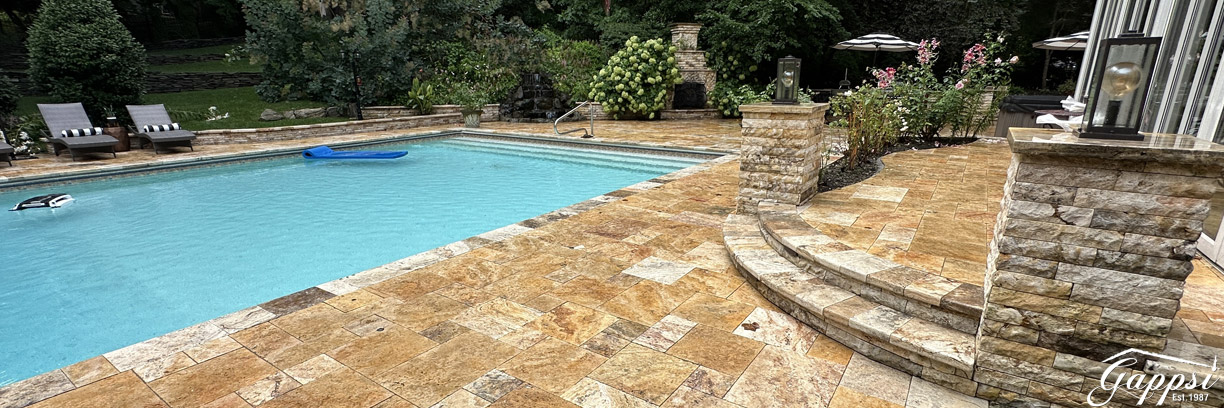
Beyond the travertine pool and patio, the outdoor space was designed for year-round enjoyment. A wood-burning fireplace was constructed as a cozy gathering spot for cooler evenings, perfect for family nights or entertaining guests. There’s nothing quite like the ambiance of a real fire under the stars.

Next to the fireplace is a fully equipped outdoor kitchen with a dedicated sitting area. This makes it the ideal space for summer barbecues, weekend brunches, or casual weeknight dinners. The functional cooking space and comfortable seating transform the backyard into a valid home extension.

We also built a raised patio adjacent to the house, creating a transitional space that ties the home and the backyard together. It’s the perfect place to relax with a coffee or enjoy the sunset over the pool.

The Spa Experience: Catalina Spa

No luxury backyard is complete without a spa, and we installed a Catalina Spa for this project. Known for their performance and durability, Catalina Spas are built to last—and this one certainly has. Even after 15 years of use, it’s still in excellent condition, delivering the same relaxing hydrotherapy experience it did on day one.

A Backyard That Stands the Test of Time

Perhaps the most rewarding part of revisiting this Nissequogue backyard is seeing how well it has held up over the years. The structures are solid, the materials have aged beautifully, and every feature works exactly as intended. It’s a testament to quality craftsmanship, thoughtful design, and the use of premium materials.

At Gappsi, we believe that a well-designed outdoor space should look amazing when it’s first completed and continue to serve and delight its owners for years—if not decades—to come. This project is a perfect example of that philosophy in action.

a-look-back-at-the-nissequogue-pool-and-travertine-patio-by-gappsi3This Nissequogue backyard is more than just a space—it’s a lifestyle. It’s where memories are made, holidays are celebrated, and quiet moments are cherished. Fifteen years later, the pool still sparkles, the patio still shines, and the water feature still flows. That’s the kind of lasting quality that Gappsi is proud to deliver.
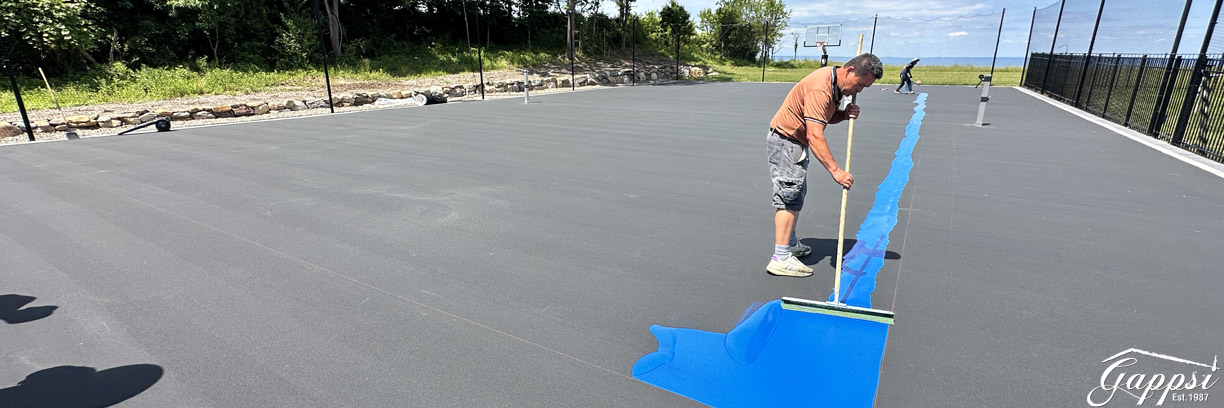
If you’re dreaming of your backyard transformation, let us help you design a space that will bring joy not just today, but for years into the future. Whether it’s a pool, patio, outdoor kitchen, or full landscape design, we’re here to build something timeless—just like we did in Nissequogue.

SCHEDULE A MEETING TODAY WITH GAPPSI

Frequently Asked Questions

Will a solid patio cover make the inside of my house too dark? That’s a very common concern, but a well-designed cover shouldn’t leave you in the dark. The key is thoughtful planning. Factors like the height of the cover, its projection from the house, and even the color of the materials used on the underside can make a huge difference in preserving natural light. A professional designer will work with your home’s specific orientation to ensure your new outdoor space feels bright and inviting without sacrificing the light in your adjacent indoor rooms.

How do I decide between a pergola and a solid roof cover? The best way to decide is to think about how you truly want to use the space. If you envision an open, airy structure with dappled sunlight that’s perfect for climbing plants and a classic garden aesthetic, a pergola is an excellent choice. However, if your goal is to create a true outdoor room that offers complete protection from rain and intense sun, allowing you to have cushioned furniture and dine outside regardless of the weather, then a solid roof is the more practical option.

What kind of maintenance should I expect for a wood versus an aluminum patio cover? The maintenance needs for these two materials are quite different. Aluminum is a set-it-and-forget-it option for the most part; it resists rust and rot, so it typically only needs an occasional cleaning to look its best. Classic wood, while beautiful, does require more care. To protect it from the elements and maintain its rich color, you should plan on re-staining or sealing it every few years.

How long does the installation process take from start to finish? The total timeline can vary depending on the complexity of your design and the local permitting process. Generally, the initial design and consultation phase can take a couple of weeks as we perfect the plan. Securing permits can take several weeks after that. Once all approvals are in place and materials are ready, the actual on-site construction is often the quickest part, typically taking just a week or two for a standard installation.

Can a patio cover be designed to match the specific style of my Long Island home? Absolutely, and it should be. The goal is to create a structure that looks like it was part of the original home design, not an afterthought. A custom design process takes everything into account—your home’s roofline, brick or stonework, siding color, and overall architectural style. Whether your home is a traditional colonial, a modern build, or a classic cape, the right materials and design details can be chosen to create a seamless and beautiful extension of your home.

Key Takeaways

  • Create a True Outdoor Room: A patio cover does more than just provide shade; it transforms your patio into a reliable extension of your home for dining and relaxing, adding significant lifestyle and property value.
  • Match Your Cover to Your Lifestyle: The best choice depends on how you want to use the space. A solid roof offers all-weather protection, a pergola provides architectural style with partial shade, and a retractable cover gives you the flexibility to choose between sun and shelter.
  • Integrate for a Seamless Look: A great patio cover should feel like a natural part of your home. Select materials and a style that complement your house’s architecture and rely on a professional installation for a durable, high-quality result.

Related Articles

Share this page:

What Is DecoTurf? The Pro Tennis Court Surface

If you’ve ever watched a professional tennis match, you’ve seen a DecoTurf court. For over 40 years, it was the iconic blue surface of the US Open, the stage where legends were made. But this world-class surface isn’t just for the pros. Homeowners across Long Island are choosing DecoTurf for their backyard sports game courts because it offers the perfect blend of durability, consistent play, and low maintenance. It’s a multi-layered acrylic system engineered to withstand intense play and harsh weather, providing a true ball bounce for everything from tennis to pickleball. This guide explains what makes this surface so special and why professional installation is key.

https://youtu.be/CAf1erJDuBY

What is a DecoTurf Court?

If you’ve ever watched a professional tennis match, you’ve likely seen a DecoTurf court in action. It’s a world-renowned, high-performance surface used for everything from Grand Slam tournaments to backyard sports games courts. But it’s not just for the pros. Homeowners who want a durable, consistent, and beautiful court for tennis, pickleball, or basketball often choose DecoTurf for its reliability and professional feel. It provides a consistent ball bounce and speed, making it a favorite for players at every skill level. This multi-layer acrylic surface is engineered for intense play and designed to withstand the elements, which is why it’s a popular choice for outdoor courts right here on Long Island.

The Composition of a Professional-Grade Surface

What makes a DecoTurf court so special lies in its layered construction. Think of it as a sophisticated recipe designed for peak athletic performance. The system is built on a foundation of either asphalt or concrete, which provides a stable and level base. On top of this base, several layers of specialized materials are applied to create the final playing surface. This meticulous layering process is what gives the court its signature playability, durability, and vibrant color. Each layer has a specific job, from providing cushioning to ensuring a consistent texture for predictable ball behavior. It’s this attention to detail that separates a professional-grade court from a simple paved surface.

Core Materials: Acrylic, Rubber, and Silica

The magic of DecoTurf comes from its unique blend of materials. According to experts, “DecoTurf is a type of hard tennis court surface. It’s built with layers of acrylic resin, rubber, silica, and other materials.” The acrylic resins provide the vibrant, long-lasting color and create a tough, weather-resistant finish. Fine rubber particles are mixed into the cushion layers to absorb shock, which helps reduce stress on a player’s joints. Finally, silica sand is used in the top layers to control the texture of the court. This texture determines the speed of play and the grip underfoot, ensuring a safe and consistent experience every time you step onto the court.

How Hard Courts Compare to Grass and Clay

When choosing a court surface, it helps to understand the main differences between the three primary types: hard, clay, and grass. Grass courts, like those at Wimbledon, are fast and offer a low ball bounce, favoring players with a strong serve-and-volley game. Clay courts, famous at the French Open, are the slowest of the three and produce a high bounce, leading to longer rallies. Hard courts like DecoTurf fall right in the middle. They offer a consistent, medium-fast pace and a true bounce, making them an excellent all-around surface that accommodates various playing styles. Plus, hard courts require significantly less maintenance than grass or clay, making them a practical and popular choice for clubs and private homes.

Exploring DecoTurf Surface Systems

DecoTurf isn’t a single, one-size-fits-all product. Instead, it’s a family of surface systems designed to meet different needs, budgets, and playing preferences. As one source notes, “DecoTurf offers different types of court systems to fit all kinds of play.” Whether you’re building a new multi-sport court for your family, looking for a surface that’s easier on your body, or need to resurface an existing court that has seen better days, there’s a DecoTurf system that’s right for the job. Understanding these options helps you make an informed decision and create a court that you’ll enjoy for years to come. Each system uses the same core technology but is tailored for specific applications and performance characteristics.

DecoColor Hardcourt: Built for Durability

The DecoColor system is the classic, non-cushioned hardcourt. It’s known for its exceptional durability and is a fantastic choice for high-use areas like schools, parks, and residential sports games courts. This system provides the consistent ball speed and true bounce that players expect from a professional hardcourt. Because it doesn’t have the extra cushioning layers, it’s often a more budget-friendly option while still delivering top-tier performance and longevity. Its tough acrylic finish stands up to harsh weather and resists fading, ensuring your court looks great season after season with minimal upkeep. It’s the workhorse of the DecoTurf lineup, delivering reliable playability day in and day out.

DecoTurf Cushioned Hardcourt: Easier on Your Body

For players who want a more forgiving surface, the cushioned DecoTurf system is the perfect solution. This option is specifically “designed to be softer. It uses special rubber to absorb impact, which makes it easier on players.” By incorporating layers of granulated rubber, the court provides significant shock absorption, reducing the strain on knees, ankles, and the lower back. This makes playing more comfortable and can help reduce the risk of injury, allowing you to play longer. It’s an ideal choice for active families and older players who want the performance of a hardcourt with added comfort. You get all the benefits of a true bounce and consistent play, with less physical toll.

Deco Premier Court: A Smart Overlay Solution

Do you have an existing concrete or asphalt court that’s covered in cracks? The Deco Premier Court system is an innovative solution designed for resurfacing. This “special surface helps fix cracks in old courts and stops new ones from forming for many years.” It’s a flexible, fabric-based overlay system that is installed over the existing surface, effectively creating a new, stable foundation for the DecoTurf color coating system. This is a cost-effective way to revitalize an old court without the expense of a complete demolition and rebuild. It’s a key part of a professional restoration and sealing process that brings a worn-out court back to life.

A Legacy in Professional Tennis

DecoTurf’s reputation isn’t just built on its technical specifications; it’s forged in the heat of professional competition. For decades, this surface has been the stage for some of the most iconic moments in tennis history. Its selection for major tournaments and Olympic Games speaks volumes about its quality and consistency. When a professional organization chooses a court surface, they need to know it will perform flawlessly under the highest levels of scrutiny and play. DecoTurf has consistently met and exceeded those standards, which is why “DecoTurf has been used for thousands of courts at schools, clubs, hotels, and private homes all over the world.”

A Surface with Grand Slam and Olympic History

The list of prestigious events held on DecoTurf courts is long and impressive. It has been the official court surface for the Olympic Games, the ATP World Tour Finals, and numerous other professional tournaments around the globe. This widespread adoption at the highest levels of sport provides peace of mind for homeowners. When you choose DecoTurf for your backyard court, you’re not just getting a playing surface; you’re getting a piece of professional sporting history. You can trust that the surface is engineered to provide the same level of quality and performance that the world’s best athletes rely on for their biggest matches.

The US Open’s Former Surface

Perhaps DecoTurf’s most famous role was as the long-time surface of one of tennis’s four major championships. As its official Wikipedia page notes, “DecoTurf was famously used at the US Open for a long time, from 1978 to 2019.” For over four decades, the iconic blue and green courts in Flushing Meadows, New York, were DecoTurf. This long-standing partnership meant that generations of tennis legends, from Connors and McEnroe to Sampras and Serena, battled for the title on this very surface. This legacy solidifies DecoTurf’s place as a truly elite and historically significant court surface in the world of tennis.

Still a Top Choice for Tournaments Worldwide

While its tenure at the US Open has ended, DecoTurf remains a premier choice for professional tournaments across the globe. Its reliability and consistent playability ensure it stays on the schedule for many top-tier events. According to records, “DecoTurf is currently used at several major tennis tournaments, including the Washington Open, Dubai Championships, Canada Masters, China Open, Japan Open, and Shanghai Masters.” This continued presence on the pro tour demonstrates that DecoTurf is still a leading surface, trusted by tournament directors and players alike to provide a world-class competitive environment. It’s a testament to the surface’s enduring quality and performance.

Why Expert Installation Matters

A high-performance surface like DecoTurf is only as good as its installation. The process is a precise science that requires expertise, specialized equipment, and a deep understanding of site preparation and material application. Simply having the best materials isn’t enough; they must be installed correctly to ensure proper performance, durability, and longevity. An improper installation can lead to premature cracking, inconsistent ball bounce, and poor drainage, ultimately compromising the quality of your court. That’s why choosing the right team for the job is the most critical decision you’ll make when building your new sports games court.

The Company Behind DecoTurf

DecoTurf is manufactured by a leader in the sports surfacing industry. Specifically, “It’s made by the sports surfaces part of California Products Corporation, located in Andover, Massachusetts.” This company has a long history of developing innovative and high-quality acrylic surfaces for a variety of sports. Their commitment to research and development ensures that DecoTurf remains at the forefront of court technology. By focusing exclusively on sports surfaces, they have honed their products to meet the exacting demands of athletes at all levels. This specialization is a key reason why the DecoTurf brand is synonymous with quality and performance in the industry.

The Importance of a Certified Installer Network

To maintain its high standards, the manufacturer of DecoTurf relies on a select group of installers. The company has “a network of approved installers around the world” who are trained in the specific techniques required for a flawless application. These certified professionals understand the nuances of site preparation, crack repair, and the multi-layer application process. At Gappsi, our team has the experience and skill to ensure your DecoTurf court is built to professional standards. We handle every aspect of the project, from initial design and excavation to the final line painting, guaranteeing a beautiful and high-performing court for your Long Island home.

View Gappsi’s YouTube Channel for Videos on DecoTurf Tennis Court – California Sports Surfaces Long Island, NY

If you play the time-honored game of tennis, you might want to invest in your own DecoTurf Tennis Court. The advantages are many.

  • No need to reserve ahead of time
  • No club fees to pay
  • No tedious travel to and from.

We recently installed this tennis court for a private residence in Belle Terre, NY, overlooking the water.  The base for this asphalt tennis court is made of layers of crushed stone, gravel, and stone dust, providing a stable foundation. The base is critical for the court’s durability and stability.  It should be designed to prevent the court from shifting or settling.  We installed two layers of asphalt on 6 inches of oversized recycled concrete and 4 inches of finer state-approved crushed concrete.  The final layer is the DecoTurf paint.   

DecoTurf Tennis Court

DecoTurf has built its reputation by manufacturing the highest-quality tennis court surfaces for all project types, from prestigious tournaments to private residence surfaces. Their tennis court surfacing products are known for their consistent speed of play, proper ball bounce, durability, low maintenance, vibrant, long-lasting colors, and overall customer value.

decoturf-tennis-courts---california-sports-surfaces-long-island-ny3Hard Courts with cushioning and an acrylic paint color system are a popular solution for customers who want the low maintenance of a hard court with some of the resilience and “give” of a soft court. Several rubberized cushioning systems have been developed to ease the pain of playing on a hard court. Some cushion systems like DecoTurf utilize 2 to 3 coats of heavy-grade rubber granules followed by three or more coats of fine-grade rubber granules squeezed on top of the asphalt surface.
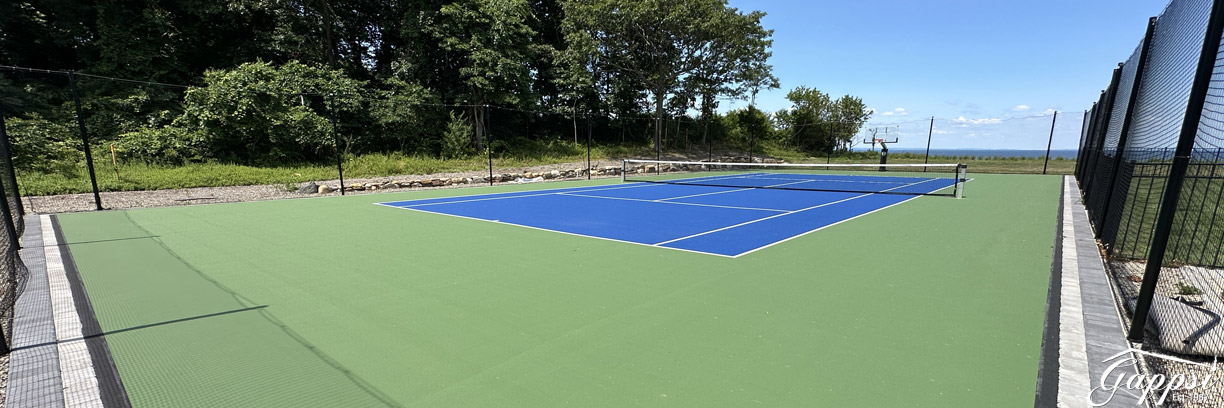
Cushioned hard courts can have a medium to fast pace of play depending on how much sand is used in the acrylic coatings. The big draw for cushioned hard courts is that they require virtually no maintenance. You must blow or brush leaves and debris off the surface and pressure clean as needed!

For this project, we kept the tennis court’s paint 4 inches away from the very edge of the asphalt. We used DecoTurf paint made explicitly for sports game courts. We used a darker green for the outer perimeter and a navy blue for the center of the tennis court, then striped with white lines.

Running Bond Border

decoturf-tennis-courts---california-sports-surfaces-long-island-nyWe bordered the tennis court with a charcoal color border for the perimeter and a running bond border in multiple gray colors.  The Running Bond, also known as the stretcher bond, is a type of brick bond that is characterized by its simple, repetitive pattern. In this bond, bricks are laid with their long sides (or stretchers) facing outwards, and each row of bricks is offset from the one above and below it by half a brick length.
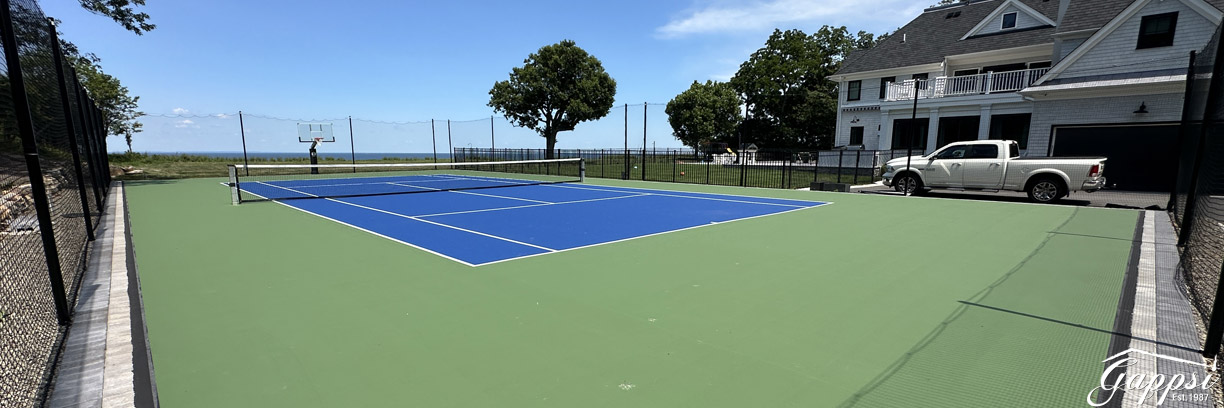
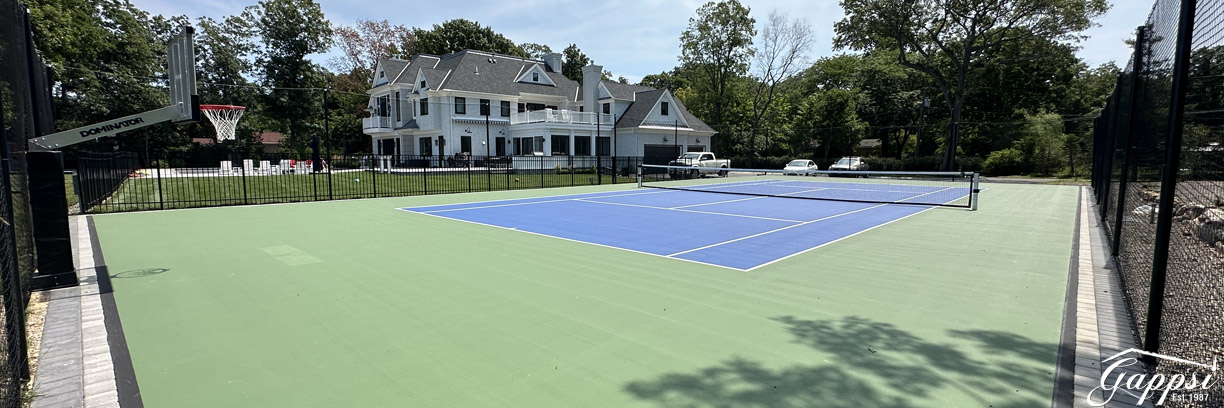
Out of Bounce Netting and Fencing

We fenced the tennis court with out-of-bounce netting, which looks much softer than chain link fencing. Three-inch powder-coated posts 12 feet high were used. Netting is paramount for sports fields as it prevents balls from leaving the restricted area and keeps spectators safe from unfortunate accidents while playing.

Dominator Netting – Finally, an Easy-to-Adjust Net

We installed regulation tennis netting. The posts are adjustable and can be extended to play volleyball,  badminton, or pickleball. Elevate your tennis game with our adjustable-height tennis nets. Perfect for players of all levels, these nets offer versatility and convenience.  

Every tennis net we sell is adjustable, so it doesn’t matter if your posts are not exactly standard distance apart. Your tennis net will fit. And if you have a slightly smaller court like some of our clients do, you ran out of space, but you love tennis so much you just had to squeeze a tennis court in, it’s not a problem.

decoturf-tennis-courts---california-sports-surfaces-long-island-ny1Dominator Adjustable Basketball Hoop

We installed a Dominator basketball hoop on one side of the tennis court.  The Dominator basketball hoop is an aluminum adjustable 72-inch professional hoop. Gappsi is an authorized dealer for Dominator, and we have them on display at the Gappsi showroom.

With a professional Dominator basketball hoop, you always have the home-court advantage. Other hoops rust and become difficult to adjust over time, but Dominator hoops don’t have that problem.

Multi-Sport Game Court Options

A tennis court is a versatile playing area for the entire family! It offers a variety of games that don’t require extensive equipment or complicated setup and that both children and adults can enjoy!

You can add other sports to a tennis court by installing nets, hoops, and other equipment or dividing the court with cones.

  • Basketball: Install basketball hoops and keys
  • Hockey: Cut a hockey “D” into the court for practice stick tricks, dribbling, and goal-scoring
  • Cricket: Add a cricket wicket to the edge of the court
  • Netball: Install a netball goal circle and hoop
  • Football: Use the court’s non-directional surface to improve ball control and footing
  • Hopscotch: add hopscotch to a tennis court by using different colored tiles or game lines to separate activities.
  • Add unique color paint tailored explicitly for your court surface to your court games. Gappsi can creatively imprint games onto your court. Add kid’s games to any court or playground, like 4 Square, Tetherball, Shuffleboard, Bean Bag Toss, and many others.

decoturf-tennis-courts---california-sports-surfaces-long-island-ny2At Gappsi, our team can always guide you through the process and answer your questions. From getting the right supplies to installing them, our professionals are equipped to deal with any challenge that comes their way. Check out our Sports Game Court Gallery to be inspired by design ideas.

This property is right on the water in Belle Terre. It is the latest sports game court built by Gappsi in Belle Terre, NY. 

SCHEDULE A MEETING TODAY WITH GAPPSI

Frequently Asked Questions

How much maintenance does a DecoTurf court actually require? One of the best features of a DecoTurf court is how little upkeep it needs compared to clay or grass. Your main tasks will be keeping it clean from leaves, dirt, and other debris. A simple sweep with a broom or a leaf blower usually does the trick. For a deeper clean, you can gently pressure wash the surface as needed. Because the acrylic surface is non-porous and durable, you won’t have to worry about the constant watering, rolling, and line-painting that other court types demand.

Is the cushioned DecoTurf surface really that different from the standard hardcourt? Yes, the difference is something you can feel. While both the cushioned and standard DecoColor systems provide a professional-grade, true ball bounce, the cushioned version adds layers of granulated rubber beneath the surface. This addition provides significant shock absorption, which reduces the impact on your joints, particularly your knees and ankles. It’s an excellent choice for players who want to enjoy longer games with more comfort or for families with members of all ages playing on the court.

Can I use a DecoTurf court for sports other than tennis? Absolutely. While DecoTurf is famous for tennis, its consistent and durable surface is perfect for a variety of sports. It’s a popular choice for pickleball and basketball, and we can easily add the appropriate lines and equipment, like adjustable nets or basketball hoops. The reliable footing and true bounce make it a versatile foundation for almost any sport you’d play on a hard surface, turning your backyard into a multi-sport hub for the whole family.

How long can I expect a professionally installed DecoTurf court to last? With proper installation and basic maintenance, a DecoTurf court is a long-term investment that can last for many years. The multi-layer acrylic system is designed to withstand harsh weather, intense play, and UV exposure without fading or breaking down. The key to its longevity is the quality of the initial installation, from the base preparation to the final coating. Periodically, after several years of use, the court may need a simple resurfacing to refresh the color and texture, which is a straightforward process.

Why is it so important to use a certified installer for a DecoTurf court? A DecoTurf court is a high-performance system, and the final result depends entirely on the quality of the installation. The process involves precise steps, from ensuring the asphalt or concrete base is perfectly level to applying each layer of acrylic, rubber, and silica at the correct thickness. Certified installers have the specific training and experience to execute this process flawlessly. Choosing an expert team like Gappsi ensures your court will have a consistent ball bounce, proper drainage, and the durability to last for years to come.

Key Takeaways

  • Choose a surface with a proven legacy: DecoTurf is the same multi-layer acrylic system used in professional tournaments, offering a true ball bounce and exceptional durability that makes it a practical, low-maintenance choice for home sports games courts.
  • Tailor your court to your playing style: You can choose the right DecoTurf system for your family, whether you need the classic durability of a standard hardcourt, the joint-friendly shock absorption of a cushioned surface, or a specialized overlay to restore an old court.
  • Rely on certified installers for lasting results: A high-performance surface requires precise installation, so working with an experienced team ensures your court is built correctly from the foundation up, guaranteeing its playability and longevity.

Related Articles

Share this page: