


Curious how much does pavilions cost in Long Island? Get clear pricing, rental tips, and what to expect when building or renting for your next outdoor event.
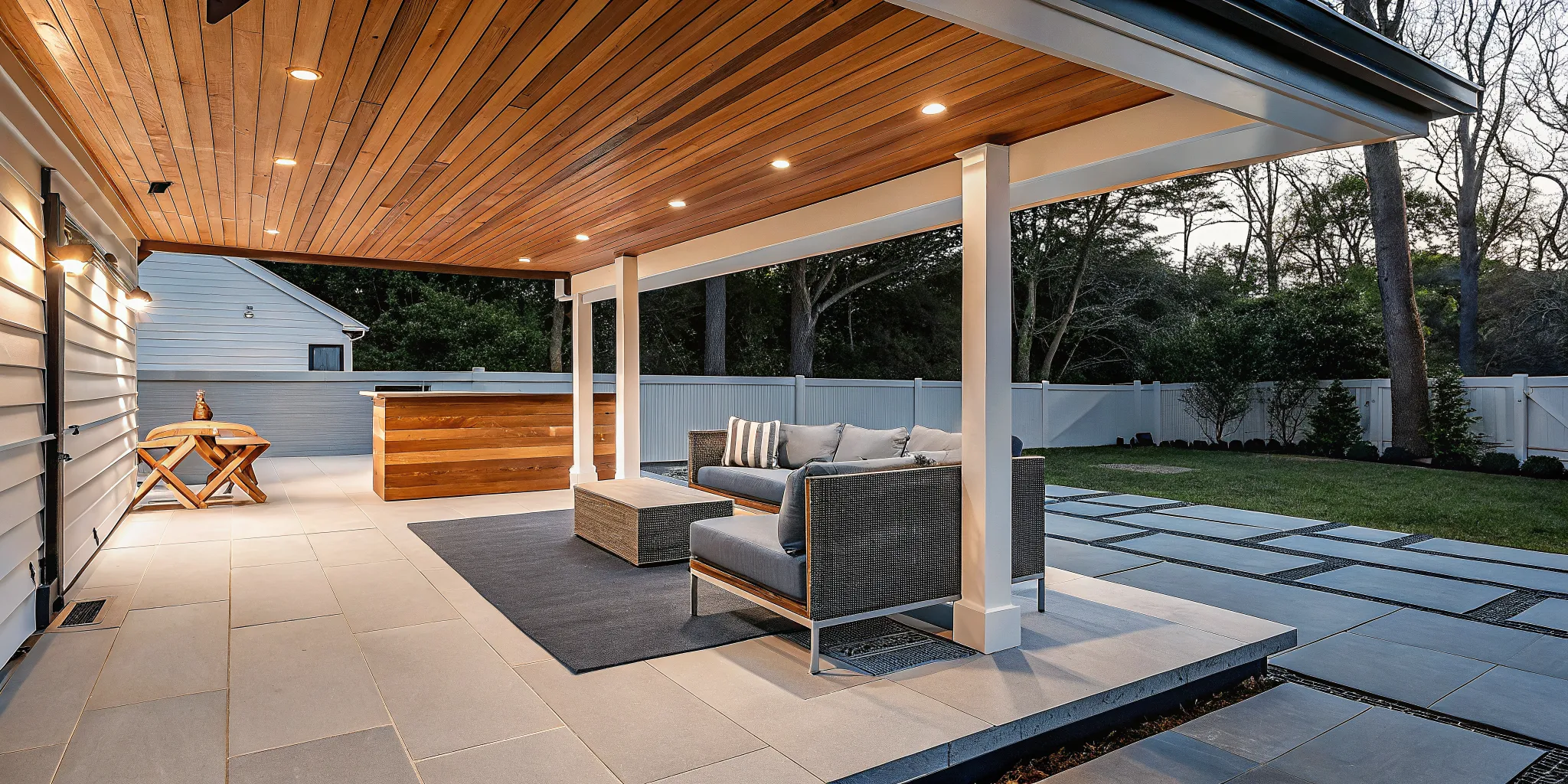
When you need a covered outdoor space for a party, you have two main choices: rent one for the day or build one for a lifetime. Your decision often starts with a simple budget question. You want to know how much does pavilions cost in Long Island to rent for an afternoon. We will explore the typical rental fees you’ll encounter, from state parks to private venues. But a one-time rental is an expense, while a custom-built pavilion is an investment in your home’s value and your family’s lifestyle. This article will help you compare the short-term cost of renting with the long-term benefits of owning.
Key Takeaways
- Renting requires careful planning and budgeting: While renting a pavilion is a great solution for a single event, you must plan for extra costs like parking, special permits, and non-refundable booking fees. Popular Long Island parks also require reservations months in advance, so timing is critical.
- Building a pavilion offers freedom and lasting value: A custom pavilion is a permanent extension of your home that increases property value. It provides a personalized space that is always ready for spontaneous gatherings, freeing you from the rules and booking hassles of public venues.
- The right choice depends on your long-term needs: If you only need a large outdoor space once, renting is the most practical option. However, if you host events regularly, consider how the cumulative cost of renting compares to the one-time investment of building your own private retreat.
How Much Does a Pavilion Rental Cost in Long Island?
Planning a special outdoor gathering like a family reunion, birthday party, or corporate picnic often leads to one big question: where will we host it? Renting a pavilion is a popular choice for a one-off event, giving you a dedicated, covered space without the commitment of building. The cost can vary quite a bit depending on where you look, from public parks to private venues. Understanding the general price ranges across Long Island can help you decide if renting is the right fit for your event and your budget. Let’s break down what you can expect to pay.
State Park Costs
New York State Parks are a beautiful and often affordable option for hosting an event. The rental fees for pavilions depend on the park, the size of the pavilion, and the amenities included. You’ll typically pay a non-refundable reservation fee when you book. For popular Long Island locations, timing is everything. Pavilion reservations for the entire year open on a specific date, usually in early winter, and they get snapped up quickly. If you’re planning a summer event, you’ll want to be ready to book online or by phone the moment reservations go live to secure your spot. You can find specific details and booking information on the New York State Parks website.
County Park Costs
Nassau and Suffolk County parks also offer fantastic pavilion rental options, which are often ideal for larger groups. These spaces can frequently accommodate up to 200 people, making them perfect for big family get-togethers or community events. The rental fees are generally straightforward, often falling in the range of a few hundred dollars for the day. This fee guarantees your group a designated spot, so you don’t have to worry about finding space on a busy weekend. It’s a great way to enjoy the local scenery with the convenience of a reserved shelter. For example, you can check the Nassau County website for details on their picnic area permits and reservations.
Private Venue Costs
If you’re looking for a more exclusive or customizable experience, a private venue might be the way to go. These locations often offer more amenities, privacy, and flexibility than public parks. On Long Island, the cost for renting an outdoor space at a private venue can be calculated per person or as an hourly rate. You might see prices ranging from $50 to $80 per guest, or hourly hire fees between $200 and $700. While this is a bigger investment, it often includes perks like dedicated staff, catering options, and pristine settings that can make your event truly memorable. Exploring venue marketplaces can give you a good idea of the local private options available.
What Factors Influence Pavilion Rental Prices?
When you start looking at pavilion rentals for your next big event, you’ll quickly notice that prices can vary quite a bit. The cost isn’t just a flat fee; it’s a reflection of several factors that contribute to the location’s value and demand. Understanding what drives these costs will help you find a space that fits your vision and your budget. Think of it like booking any other venue, where the final price depends on what you’re getting.
The most significant factors influencing rental prices are the pavilion’s location, its size and guest capacity, the amenities it includes, and the time of year you plan to book it. A waterfront pavilion on a Saturday in July will naturally have a different price tag than a smaller, more basic structure on a Tuesday in October. Knowing how these elements work together allows you to prioritize what’s most important for your gathering, whether it’s a stunning view or simply enough space for everyone. While rentals are great for one-off events, seeing these variables might get you thinking about the benefits of your own custom pavilions and pergolas.
Location and Scenery
It’s no surprise that a pavilion’s location plays a huge role in its rental price. A spot with a breathtaking view of the water or nestled in a beautifully manicured garden will command a higher fee than a more standard park setting. You are paying for the atmosphere and the backdrop for your event photos. On Long Island, reserving a pavilion in a scenic park can cost between $200 and $250, guaranteeing you a beautiful space for your gathering. When you choose a premium location, you are investing in an experience that your guests will remember long after the party is over.
Pavilion Size and Capacity
The size of the pavilion is another key factor that directly impacts the rental cost. Simply put, larger structures that can accommodate more people are more expensive. Some park systems offer a range of sizes, from intimate pavilions for small family gatherings to massive ones that can hold up to 250 guests. Before you book, it’s a good idea to have a solid estimate of your guest list. This helps you choose a pavilion that provides enough space for everyone to be comfortable without paying for a larger area than you actually need. Carefully matching the pavilion’s capacity to your event size is a smart way to manage your budget.
Available Amenities
Not all pavilions are created equal when it comes to amenities. A basic rental might just include a roof and picnic tables, while others offer electricity, built-in grills, and access to nearby restrooms. Some venues even allow for special add-ons to make your event unique. After securing your reservation, you can often apply for additional permits for things like alcohol, sound systems, or even inflatables for a kid’s birthday party. These extras will add to the total cost, so be sure to factor them into your budget when comparing different locations and what they offer.
Peak vs. Off-Peak Season
Timing is everything, especially when it comes to rental prices. Peak season, which typically includes summer weekends and holidays, sees the highest demand and, therefore, the highest prices. In fact, reservations for popular Long Island state parks can open as early as February and fill up fast. If you have flexibility in your schedule, consider booking during the off-peak season or on a weekday. You can often secure the same great pavilion for a fraction of the cost. Planning ahead and booking through a site like the New York State Parks Reserve America website can help you lock in your preferred date.
What’s Included in a Pavilion Rental?
When you rent a pavilion for a family reunion, birthday party, or company picnic, you’re getting more than just a roof over your head. Most rentals come with a basic package of amenities to make your event comfortable and convenient. However, what’s included can vary quite a bit from park to park, so it’s always a good idea to confirm the details before you book. Knowing what to expect helps you plan everything from catering to guest communications, ensuring your day goes off without a hitch. Let’s look at the typical inclusions and some popular add-ons you might find.
Tables and Seating
Most pavilion rentals in Long Island parks come with picnic tables and benches, giving your guests a dedicated place to sit, eat, and socialize. The capacity can vary significantly, with some larger pavilions accommodating up to 200 people. This is a huge plus, as it saves you the hassle and cost of renting and transporting your own furniture. When you’re browsing options, the park’s reservation page will usually specify the number of tables and the total seating capacity. This basic provision is one of the biggest draws of renting a pavilion, as it provides the fundamental structure for your gathering.
Restroom and Parking Access
Access to public restrooms is almost always part of the deal when you rent a park pavilion, which is a relief for any event host. However, a common point of confusion is parking. While your guests will have a place to park, the cost is typically not included in your pavilion rental fee. According to New York State Parks, visitors are usually responsible for their own parking fees upon entry. It’s a small but important detail to communicate to your guests beforehand so they arrive prepared and aren’t caught by surprise at the park entrance.
Grills and Electricity
What’s a park party without a barbecue? Many Long Island pavilions come equipped with built-in charcoal grills, perfect for cooking up burgers and hot dogs. Some locations, like those mentioned in guides to the best parks for parties, are known for these convenient features. A few pavilions may also offer access to electrical outlets, which are incredibly useful for plugging in slow cookers, speakers for music, or decorative lights. Since these amenities aren’t universal, be sure to confirm their availability when you make your reservation if they are important for your event.
Optional Add-Ons and Permits
After you secure your pavilion, you can often customize your event with special permits. These optional add-ons can transform a simple picnic into a full-blown party. Depending on the park’s rules, you may be able to apply for permits to have a DJ, sound system, inflatable bounce house, or even pony rides. If you plan to serve alcohol, you will almost certainly need a separate permit. You can typically find the applications and a full list of rules in the park’s event packet after you make a reservation, so be sure to plan ahead.
Are There Hidden Fees When Renting a Pavilion?
Renting a pavilion for a party or family gathering seems simple, but the initial price tag often doesn’t tell the whole story. Before you book, it’s smart to ask about potential extra charges that can quickly inflate your budget. Understanding these common fees can help you plan accurately and decide if a one-time rental is the best fit for your event. Sometimes, the layers of rules and surprise costs make you realize that investing in a permanent structure at home offers more freedom and long-term value. Let’s walk through the typical fees you might encounter so you can make an informed choice.
Reservation and Booking Fees
Most public and private venues require a non-refundable reservation or booking fee just to hold your date. Think of it as a processing charge that is separate from the actual rental cost. For instance, many New York State Parks require this small fee to process your reservation online or over the phone. While it may not be a large amount, it’s an upfront cost you won’t get back, even if you cancel your event well in advance. When you call to inquire about a rental, always ask for a full breakdown of costs and clarify which fees are for the reservation itself versus the use of the space.
Cleaning Deposits and Parking
Don’t assume parking is included with your rental. Many Long Island parks charge a vehicle entrance fee per car, which can add up quickly if you are hosting a large gathering. Some venues also require a separate cleaning deposit to ensure you leave the area tidy. You’ll typically get this money back if you leave the space as you found it, but it’s another upfront cost you need to plan for. It also adds one more task to your to-do list on the day of your event: making sure everything is spotless before you leave.
Permits for Music or Special Activities
Want to play music, have a bounce house for the kids, or serve alcoholic beverages? You will likely need a special permit, which comes with its own fee and application process. These public event rentals often have strict rules about noise levels, approved vendors, and specific activities. Forgetting to secure the right permit can lead to fines or even having your party shut down. This adds a layer of stress to your planning that you simply wouldn’t have when hosting in the comfort of your own backyard, where you make the rules.
Park Entrance Fees
Even after you’ve paid to rent the pavilion, your guests may still need to pay a park entrance fee just to get through the gate. This is a common practice at many state and county parks across Long Island, and it can be an awkward surprise for friends and family. Make sure to inform your guests beforehand so they can come prepared. It’s an important detail to confirm with the park office when you book, as it directly impacts the total cost and experience for everyone attending your gathering.
Cancellation Policies
Life happens, and sometimes plans change due to weather or unforeseen circumstances. Unfortunately, canceling a pavilion rental almost always comes with a cost. Most places will keep your reservation fee no matter what. If you cancel too close to the event date, you could lose your entire rental payment as well. Understanding the cancellation policy is crucial because it highlights the financial risk involved. This is a stark contrast to having a beautiful pavilion in your own yard, which is always ready for you, rain or shine, with no cancellation penalties.
How to Book a Pavilion and Save Money
Planning a gathering at a Long Island park can be a wonderful experience, but securing the right spot requires a bit of strategy. Pavilion rentals, especially at popular locations, are in high demand. With some planning, you can find a great space for your event and even save some money in the process. The key is to know when to book, where to look for discounts, and how to approach the rental process. Think of it as giving your event budget a little breathing room while still getting the perfect backdrop for your party.
While renting is a great option for a one-time event, many families find that they love hosting outdoors so much that they want a permanent solution. If you find yourself wishing you had a beautiful, private outdoor space for gatherings year after year, building your own pavilion might be the perfect next step. A custom pavilion or pergola from Gappsi can transform your backyard into a personal oasis, always ready for your next celebration without the need to book in advance. For now, let’s focus on how you can make the most of renting.
When to Book Your Pavilion
If you have your heart set on a pavilion at a New York State Park, timing is everything. Reservations for the entire season often open on a single day early in the year, sometimes as early as February. Popular dates and locations can be fully booked within hours. I recommend identifying your top park choices well in advance and checking their official websites for the reservation opening date. Be ready to book online or by phone the moment they open. For county or town parks, the booking window might be different, so it’s always best to call their local offices directly to confirm their process and get on their schedule as soon as you can.
Find Residency Discounts
One of the best ways to save money on a pavilion rental is by taking advantage of your local status. Many town and county parks across Long Island offer significant discounts to residents. For example, a pavilion that costs several hundred dollars for a non-resident might be half that price for someone who lives within the town or county limits. To find out if you qualify, your best bet is to call the park’s administrative office directly. Ask about their fee structure and what proof of residency you need to provide when you book. It’s a simple step that can lead to substantial savings for your event budget.
Tips for Getting the Best Rate
While the rental fees for public state and county parks are typically fixed, you might have some room to negotiate with private venues. The best approach is to be prepared. Before you contact a private park or event space, research the rates of comparable pavilions in the area. Knowing the market gives you a realistic idea of what you should be paying. You can also ask about off-peak pricing. Booking a pavilion on a weekday or during the shoulder seasons (spring and fall) is often much more affordable than a Saturday in July. When you speak with the venue manager, be clear about your needs and politely inquire if there’s any flexibility in their rates.
How Much Does It Cost to Build a Custom Pavilion?
If you find yourself frequently renting pavilions for family gatherings or wishing you had a permanent shady spot for backyard get-togethers, building your own might be the perfect long-term solution. A custom pavilion is more than just a structure; it’s an investment in your home’s value and your family’s lifestyle. It creates a dedicated space for making memories, whether you’re hosting a summer barbecue, enjoying a quiet morning coffee, or watching the kids play.
The cost of building a custom pavilion varies quite a bit, as each project is unique. For a basic residential pavilion, you can generally expect the price to fall between $4,000 and $20,000. However, for larger, more intricate designs with premium features, the cost can be higher. The final price tag depends on a few key factors, including the materials you choose, the overall size, the complexity of the design, and the condition of your site. Working with an experienced team helps you understand these variables and design a structure that fits your vision and budget. A well-built pavilion or pergola not only adds functional living space to your property but also becomes a beautiful focal point for your entire landscape.
Materials, Size, and Style
The three biggest factors that influence your pavilion’s cost are the materials, size, and style. Your choice of materials sets the foundation for both the look and the price. For example, a classic timber frame pavilion often costs 30% to 50% more than one made from pressure-treated lumber because of the material expense and specialized craftsmanship involved. Other options like vinyl or cedar have their own price points. The flooring and foundation also play a role, whether you opt for beautiful porcelain and natural stone pavers or a simple concrete slab. Naturally, a larger pavilion will require more materials and labor, increasing the cost. Finally, a simple, open-air design will be more budget-friendly than an elaborate style with intricate details, built-in lighting, or custom masonry columns.
Labor and Site Preparation
Beyond the raw materials, you’ll need to account for labor and site preparation. Professional labor typically makes up 10% to 35% of the total project cost. If you already have a suitable foundation like a patio, the cost to build averages around $35 to $60 per square foot. However, most projects require some site preparation first. If your yard isn’t perfectly level, the ground will need to be graded, which can cost between $0.40 and $2.00 per square foot. This step is critical for ensuring your pavilion is stable and secure for years to come. A full-service landscape design and construction company can handle all the site prep for you, creating a seamless process from start to finish.
Permits and Zoning Rules
Before any construction begins, it’s important to look into your local zoning rules and permit requirements here on Long Island. Every town and village in Nassau and Suffolk County has its own regulations that can dictate the maximum size, height, and placement of outdoor structures like pavilions. Forgetting this step can lead to costly fines or even having to tear down your new addition. Factoring in the time and fees for permits is a key part of the budgeting process. Working with an experienced builder who is familiar with local codes can make this part of the project much smoother, as they can manage the paperwork and ensure your design is fully compliant.
Rent or Build: Which Is Right for You?
Deciding between renting a pavilion for a day and building a permanent one in your backyard comes down to your specific needs, lifestyle, and long-term goals. Renting offers a simple, low-commitment solution for a single event, while building creates a lasting extension of your home for years of enjoyment. If you’re planning a one-off family reunion or a large birthday party, renting a space in a beautiful Long Island park is a fantastic and affordable choice. You get the space you need for the day without any of the responsibilities of ownership. It’s a straightforward way to host a memorable gathering without a major project.
However, if you find yourself frequently wishing you had a dedicated outdoor space for entertaining, relaxing, or dining, building your own pavilion becomes a much more attractive option. A custom pavilion is more than just a structure; it’s an investment in your home and your quality of life. It provides a permanent, personalized retreat that you can use whenever you want, rain or shine. Before making a choice, consider how you truly envision using the space. Is it for one big party, or is it for countless weekend barbecues, quiet morning coffees, and memorable evenings with family and friends? Answering that question honestly will point you in the right direction.
When to Rent a Pavilion
Renting a pavilion is the perfect choice for a one-time event where you need to accommodate a large group without the long-term commitment of construction. Local parks across Long Island offer pavilions that can host dozens or even hundreds of guests for a relatively small fee, often just a few hundred dollars. This is an ideal solution for a big celebration where you need a guaranteed spot with basic amenities. You can make a reservation for a specific date, enjoy your event, and not have to worry about maintenance or cleanup afterward. If your need for a pavilion is temporary and tied to a single occasion, renting is definitely the most practical and cost-effective path.
When to Build Your Own
Building your own pavilion is the way to go when you want to create a permanent and personalized outdoor living area. If you love hosting gatherings, dream of a shaded poolside lounge, or simply want a beautiful focal point for your backyard, a custom structure is a worthwhile investment. Unlike a rental, a private pavilion is designed to perfectly match your home’s aesthetic and your family’s lifestyle. You can choose the exact size, style, and materials, and even add features like an outdoor kitchen or fireplace. A custom pavilion or pergola becomes a true extension of your home, ready for spontaneous get-togethers or quiet moments of relaxation anytime you wish.
The Long-Term Value of a Private Pavilion
A custom-built pavilion is more than just an expense; it’s a smart investment that adds significant long-term value to your property. A beautifully crafted outdoor structure enhances your home’s curb appeal and becomes a major selling point for potential buyers who value high-quality outdoor living spaces. Beyond the financial return, a pavilion enriches your daily life by providing a versatile space for entertainment and relaxation throughout the year. This lasting quality and timeless elegance make building a compelling choice for any homeowner looking to improve their property. By working with an expert masonry and construction company, you ensure your pavilion is a durable and beautiful addition that you and your family will enjoy for decades.
Build Your Perfect Pavilion with an Expert Team
Choosing to build a permanent pavilion is a significant investment in your home and lifestyle. While renting is great for a single event, a custom-built structure creates a lasting centerpiece for family gatherings, quiet afternoons, and everything in between. The key to bringing your vision to life is partnering with an expert team that understands the entire process, from initial design to final construction. This is where having a dedicated partner makes all the difference.
At Gappsi, we see a pavilion as more than just a structure; it’s an extension of your home. Our process begins with understanding your unique needs and style. We help you design a pavilion that not only provides shelter but also enhances your property’s overall aesthetic. Whether you envision a rustic timber-frame design or a modern vinyl structure, our team manages every detail. We handle everything from site preparation and securing permits to the final installation, ensuring a smooth and stress-free experience for you.
Working with an experienced builder gives you access to a wide range of high-quality materials and design possibilities. We can help you select the perfect options to complement your existing outdoor features, like a swimming pool or a natural stone patio. Our expertise in creating cohesive outdoor living spaces means your new pavilion will feel like it has always been part of your home. If you’re ready to create a beautiful and functional retreat in your own backyard, exploring our gallery of pavilions and pergolas is a great place to start gathering inspiration for your project.
Related Articles
- Pavilions Pergolas and Gazebos Long Island NY – Gappsi Group
- pavilions Archives – Gappsi Group
- Modern Amish Backyard Pavilion & Porcelain Tile | Islip NY | Gappsi Inc
- Amish Pavilion Designs & Ideas for Backyards | Gappsi Inc
Frequently Asked Questions
How far in advance should I book a park pavilion for a summer party? If you’re aiming for a popular state park on Long Island, you need to plan way ahead. Reservations for the entire summer often open on a single day in the winter and can get booked up within hours. For county or town parks, the timeline might be a bit more relaxed, but it’s still wise to call their local office a few months in advance to secure your preferred date, especially for a weekend.
Besides the rental fee, what other costs should I budget for? It’s smart to plan for a few extra expenses. Your guests will likely have to pay a vehicle entrance fee to get into the park, which is separate from your rental. If you want to have music, a bounce house, or serve alcohol, you will need to apply and pay for special permits. Some venues may also ask for a refundable cleaning deposit, so be sure to ask for a full breakdown of potential charges before you book.
At what point does it make more sense to build my own pavilion instead of renting? Renting is perfect for a one-time event, like a big family reunion or a milestone birthday. However, if you find yourself wishing you had that shaded outdoor space for frequent weekend barbecues, poolside lounging, or spontaneous get-togethers, building is the better long-term choice. It becomes a permanent extension of your home that’s always ready for you, without the hassle of booking or dealing with park rules.
If I decide to build a pavilion, what are the main things that determine the final cost? The final price of a custom pavilion really comes down to three key elements: materials, size, and design. A classic timber frame will cost more than a vinyl or pressure-treated wood structure. Naturally, a larger pavilion that covers more square footage will require more materials and labor. Finally, a simple, open-air design will be more budget-friendly than an intricate style with custom features like built-in lighting or stone columns.
Is it worth trying to get a resident discount for a park pavilion rental? Absolutely. Many town and county parks offer significant discounts to people who live within their district, sometimes cutting the rental price in half. It’s one of the easiest ways to save money on your event. When you start your search, make sure to call the administrative offices for your local parks and ask about their residency rates and what you need to provide as proof.