


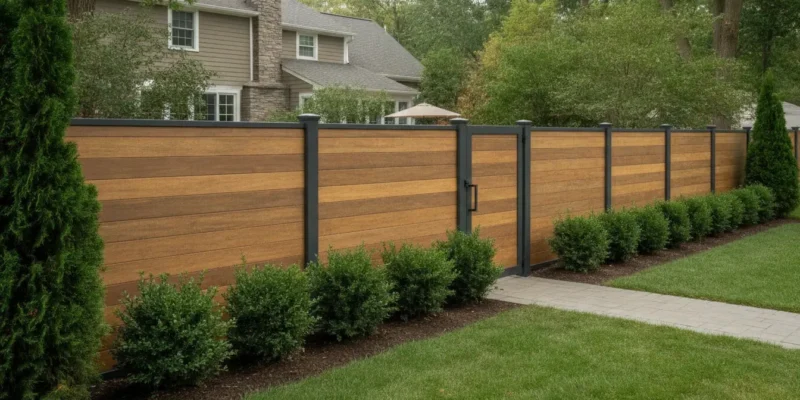
Looking for privacy fence ideas that make a Long Island backyard feel more comfortable without turning it into a blank wall? The right design balances sightline control, wind exposure, maintenance, property lines, and the way your family uses the yard. Wood, vinyl, aluminum, composite panels, evergreen planting, trellises, and mixed designs can all work, but each creates a different appearance and maintenance plan.
Contact Gappsi through our contact page
What Makes a Privacy Fence Work for a Long Island Property?
A useful privacy fence does more than block a view. It should create a comfortable boundary while fitting the house, landscape, and outdoor living areas around it. Before choosing a panel style, identify the view you want to screen, the direction of prevailing wind, and the activities that happen near the fence.
- Privacy goal: Decide whether you need full screening from a neighboring window, partial screening from a street, or a softer backdrop for a patio.
- Viewing angle: A six-foot fence may block a seated view but leave an upper-story window exposed. The most useful height depends on the sightline, grade, and distance between properties.
- Wind and drainage: A solid fence catches more wind than an open design. Posts, footings, panel spacing, and drainage need to match the site.
- Maintenance: Compare the time required for staining, washing, repainting, trimming, and seasonal repairs before selecting a material.
- Visual weight: A tall, uninterrupted surface can make a small yard feel narrower. Board orientation, color, planting, and open sections can keep the design proportional.
Walk the property at the times when privacy matters most. A morning coffee area, pool deck, outdoor kitchen, and bedroom window may each need a different screening solution. That simple observation often leads to a better plan than choosing one fence height for every boundary.
Which Privacy Fence Material Fits Your Yard?
Material selection affects the fence’s appearance, expected upkeep, resistance to moisture and pests, and ability to coordinate with gates and landscape materials. The best privacy fence ideas usually start with the property’s conditions instead of a single material trend.
| Material | Design strengths | Planning considerations |
|---|---|---|
| Wood | Warm texture, flexible dimensions, and many stain or paint options. | Requires a maintenance plan for weathering, moisture, and surface changes. |
| Vinyl | Clean lines, consistent color, and simple washing. | Panel proportions, color, and post design matter because large solid areas can feel visually heavy. |
| Aluminum | Lightweight structure, crisp profiles, and durable coated finishes. | Many aluminum styles are open or semi-private, so privacy panels or planting may be needed. |
| Composite | Wood-look appearance with low-routine-maintenance panel surfaces. | Review the support system, color, expansion details, and gate hardware as part of the complete design. |
Think about the fence from both sides of the property. A design can look finished from the yard while exposing unfinished posts, rails, or hardware to a neighbor. Ask how the selected system handles corners, gates, grade changes, and maintenance access before choosing the final panel pattern.
Gappsi’s Long Island fencing and gate service includes aluminum, composite, vinyl, and wood options. A material comparison should also account for the design on both sides of the fence, since neighbors and passersby may see the back of the installation.
Wood privacy fence ideas
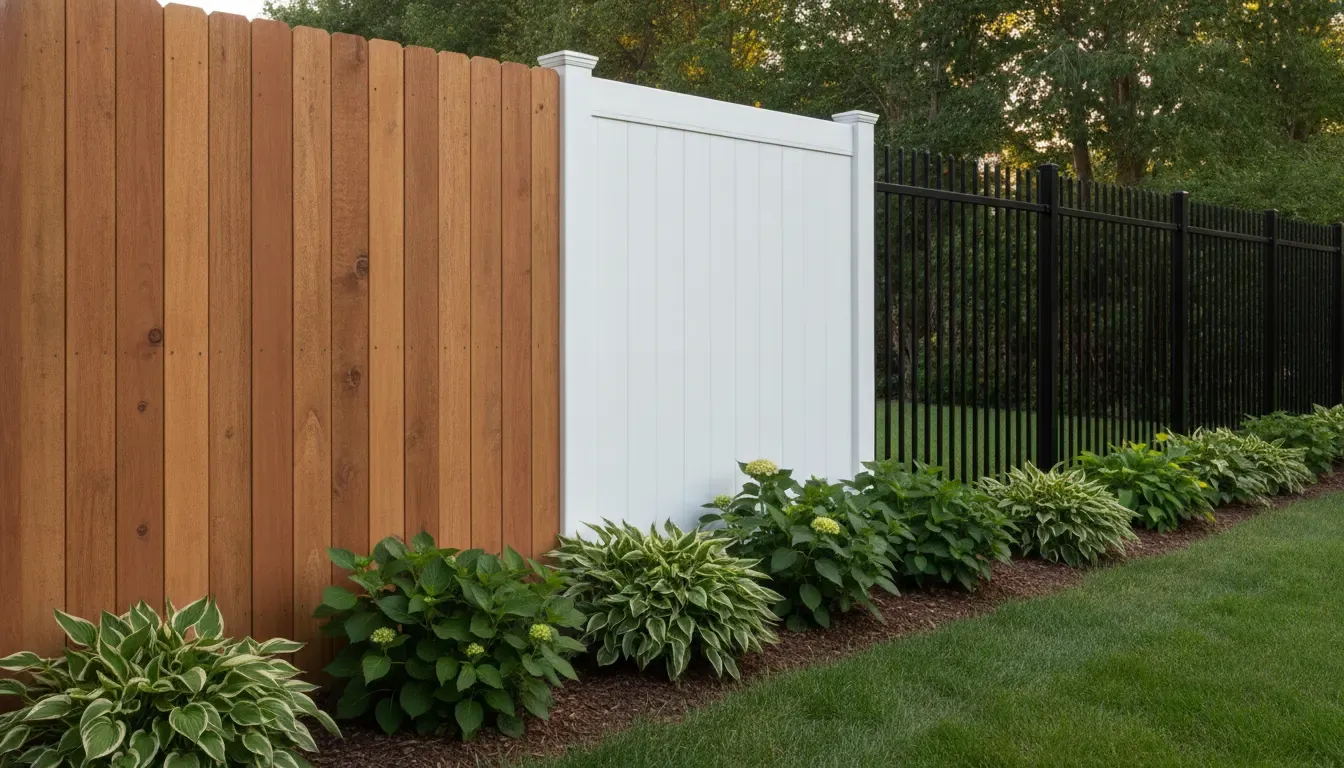
Wood works well when you want a natural surface that can be coordinated with a deck, pergola, garden, or masonry wall. A board-on-board layout closes gaps between boards, while a shadowbox layout can look similar from both sides and allow limited airflow. Horizontal boards create a contemporary line, but the span, framing, and post spacing must be designed for the site rather than copied from a photograph.
Wood can also be softened with a lattice top, a narrow open section, a gate with matching trim, or a planting bed. Select the finish with the surrounding materials in mind. A stain that repeats the tone of a door or outdoor kitchen can make the fence feel intentional instead of separate from the house.
Vinyl privacy fence ideas
Vinyl provides a consistent appearance and is easy to wash, making it useful for homeowners who prefer predictable routine maintenance. Traditional vertical panels can create a familiar boundary, while a white or neutral finish can keep the yard bright. To avoid a repetitive run, use a deliberate change at a gate, corner, or planting bed rather than adding random decorative pieces.
Check how a vinyl panel handles grade changes and corners before installation. A fence that follows the slope with careful transitions generally looks more finished than one that leaves uneven gaps or abrupt steps. Gates should be selected with the post system and daily use in mind.
Aluminum privacy fence ideas
Aluminum is useful when you want a crisp profile, a coated finish, or an easier visual transition between a fence and modern masonry. Standard picket styles provide security and definition without fully blocking a view. For more privacy, consider solid or closely spaced panels in the sections that face a neighbor, then use open aluminum where the yard benefits from light or a wider view.
Black, bronze, gray, and white finishes can each support a different design direction. The key is to coordinate the fence color with window trim, gates, lighting, and landscape edging. A dedicated aluminum fence comparison can help when the project is centered on aluminum rather than a whole-yard privacy plan.
Composite privacy fence ideas
Composite panels can provide a structured wood-look surface with less routine coating work than a traditional wood fence. They are a strong option for a modern backyard, especially when the panel color can repeat a deck, planter, or outdoor kitchen detail. Ask how the system manages expansion, fasteners, corners, and gate loads, not only how the boards look in a sample.
Mixed composite and aluminum designs are especially useful when you want solid screening in one zone and a lighter frame elsewhere. Use the solid section near a seating area, then step down to a more open treatment along a side yard or planting bed.
How Tall Should a Privacy Fence Be?
Fence height should respond to the view that needs screening, the property’s grade, and applicable local requirements. Start by marking the eye level of the person whose view you want to block. Then consider whether the fence is below, level with, or above a patio, pool deck, or neighboring yard.
Do not assume that the tallest possible fence is the best answer. A tall solid run can increase wind pressure, shade planting, and dominate a narrow yard. In some locations, a shorter base fence paired with a trellis, layered shrubs, or a targeted privacy screen creates the same sense of enclosure with less visual weight.
Confirm the property line before finalizing the layout. A survey or clear boundary record can prevent an attractive design from becoming a placement dispute. Also ask the municipality or project professional about permits, corner visibility, easements, height limits, and any rules that apply to fences near a pool or public way.
Contact Gappsi through our contact page
Can You Mix Fence Panels, Screens, and Plantings?
Yes. A mixed privacy design often looks more natural and performs better than one material installed around the entire property. Use the most opaque section where privacy is most important, then transition to plants, a trellis, an open fence, or a lower wall where you want light and air.
- Fence plus evergreens: Planting can soften a fence line and add seasonal texture. Leave enough room for mature growth and future access for washing or repairs.
- Fence plus trellis: A trellis creates a vertical frame for vines without requiring a fully solid wall. Choose plants based on sun, soil, maintenance, and winter appearance.
- Solid panels plus open metal: This combination can screen a patio while preserving views from a side yard or keeping a small space from feeling enclosed.
- Fence plus masonry: A short masonry section at an entry or outdoor kitchen can anchor the design, while lighter panels continue along the property line.
Planting should support the fence, not hide a poor installation. Keep beds graded away from posts where appropriate, avoid trapping moisture against wood, and allow access to gates, latches, irrigation, and drainage. Gappsi’s landscape design and construction guide explains how site planning and installation can be coordinated as one outdoor project.
How Can You Make a Solid Fence Look Less Heavy?
Privacy does not have to mean a flat, uninterrupted wall. Use a few repeated details to give the fence rhythm and connect it to the rest of the property.
- Change the height deliberately: Keep the tallest section near the sightline that needs it, then step down near an entry, planting bed, or open view.
- Use horizontal or vertical orientation with purpose: Horizontal boards can emphasize width, while vertical boards can make a boundary feel taller and more traditional.
- Frame gates and corners: Posts, caps, trim, or a material change can make transitions look designed rather than patched together.
- Break up long runs: Use planting pockets, a trellis, an open panel, or a small return to create visual pauses without compromising the main privacy zone.
- Coordinate color: Repeat a fence finish in gates, planters, outdoor furniture, or window trim. Avoid adding many unrelated colors to an already busy yard.
- Plan lighting carefully: Low, shielded lighting can make a path and gate easier to use without placing bright fixtures directly at a neighbor’s property.
These details also improve the view from inside the home. A fence should look considered from the kitchen, living room, pool deck, and neighboring side of the property, not only from the street.
What Privacy Fence Ideas Work Around Pools and Outdoor Living Areas?
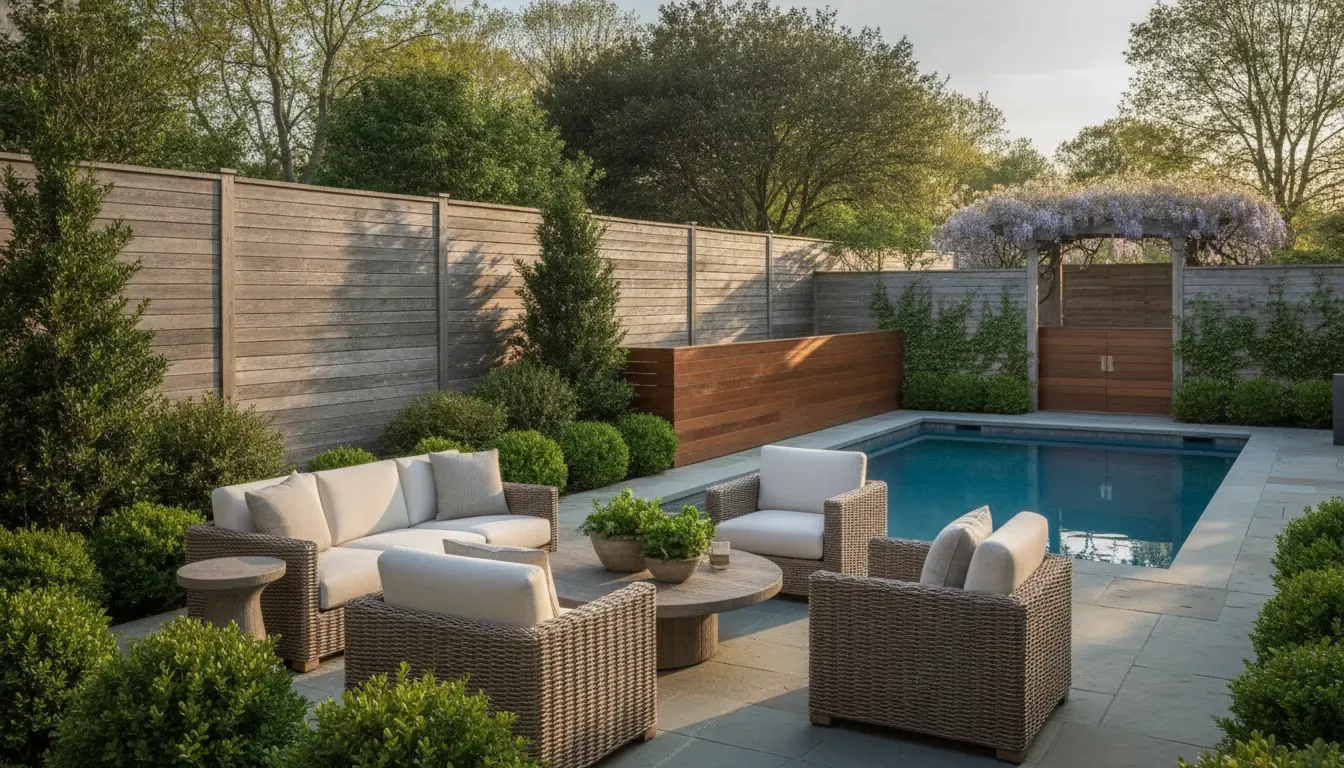
Pool decks, patios, outdoor kitchens, and seating areas need privacy without losing safe circulation. Place the most opaque screening where it protects a seating zone or hides equipment, while keeping gates, pathways, and service access easy to use.
For a pool project, treat fence design and pool safety as related but separate decisions. The fence layout must follow the applicable local and state requirements, and the final design should be reviewed for gate placement, latch operation, clearances, and access. A decorative screen that looks private may not serve as a compliant pool barrier.
Coordinate the fence with the pool coping, patio pavers, planting beds, and outdoor furniture. Gappsi’s Long Island pool design and construction service covers pool planning alongside related outdoor living elements. Planning the fence early can prevent awkward changes to the patio edge or equipment access later.
For a smaller backyard, consider screening only the primary seating sightline instead of enclosing every boundary. This approach can preserve daylight, create a better view from the house, and reduce the feeling that the pool or patio is boxed in.
Contact Gappsi through our contact page
Frequently Asked Questions
What is the best material for a privacy fence?
The best material depends on the desired appearance, maintenance plan, wind exposure, grade, and budget scope. Wood offers natural texture, vinyl offers consistent low-routine-maintenance surfaces, aluminum offers crisp profiles, and composite can provide a wood-look design with less routine coating work.
What is the cheapest privacy fence option?
There is no single answer for every property because material, height, posts, gates, grade changes, access, and site preparation all affect the scope. Compare complete installed designs rather than choosing a panel based only on its unit price.
How do I block a neighbor’s view of my yard?
Identify the exact sightline first. A targeted solid panel, taller section, trellis, evergreen planting, or combination of treatments may block the view more effectively than a tall fence around the whole yard.
Can a privacy fence be used around a pool?
A fence may be part of a pool safety plan, but the design must meet the requirements that apply to the property and pool. Review height, gate, latch, access, and placement requirements with a qualified local professional before installation.