


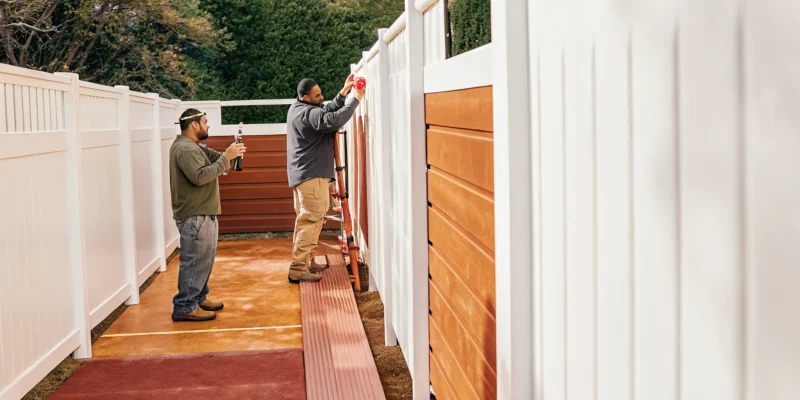
Your backyard should be your personal retreat, a place where you can unwind by the pool, host a barbecue, or simply enjoy a quiet morning with your coffee. But without a sense of seclusion, it can feel more like a stage than a sanctuary. A privacy fence is the key to transforming your yard into a true extension of your home. It’s more than a boundary line; it’s the wall to your outdoor room. Choosing the right style and material is essential for creating a cohesive look that complements your home and landscape. A professional privacy fence installation Long Island ensures your investment provides security, beauty, and the peaceful escape you deserve. This guide will walk you through everything you need to know, from selecting materials to understanding local permits.
Key Takeaways
- Choose a material that works for you: A privacy fence is a key part of your home’s security and style, so select a material like durable vinyl or classic wood that matches your home’s look and can handle Long Island’s weather.
- Understand the full scope of the project: Your budget should include more than just the fence itself; factor in costs for professional installation, town permits, and a possible property survey to ensure your project follows local rules from the start.
- Hire a contractor you can trust: Your installer is as important as the fence itself, so choose a licensed and insured company with a strong local history, a portfolio of completed projects, and solid warranties on both materials and labor.
Why Install a Privacy Fence?
Thinking about a privacy fence for your Long Island home is a great first step toward transforming your yard. A fence does more than just mark a line in the grass; it’s a functional part of your home’s design that adds security, beauty, and a true sense of personal space. It’s the finishing touch that turns a simple backyard into a private retreat for your family. Whether you’re dreaming of quiet afternoons by the pool or a safe place for your kids to play, the right fence makes it possible.
At Gappsi, we see a fence as a key piece of your overall landscape design. It works together with your patio, garden, and outdoor living areas to create a cohesive and beautiful environment. A well-chosen fence is an investment in your daily comfort and your home’s long-term value. Let’s look at the key reasons why adding a privacy fence is one of the best decisions you can make for your property.
Enhance Security and Privacy
A privacy fence creates a clear boundary between your property and the outside world, giving you a feeling of seclusion and safety. It allows you to enjoy your backyard, whether you’re hosting a barbecue or relaxing in a sauna, without worrying about nosy neighbors or passersby. This is especially important if you have a swimming pool or an outdoor lounge area where you want to feel completely at ease.
Beyond privacy, a fence is a practical security measure. It acts as a physical barrier that can deter trespassers and keep unsolicited visitors off your property. For families with children or pets, a fence provides invaluable peace of mind, creating a contained area where they can play freely and safely. You can finally relax knowing your loved ones are secure within your own yard.
Increase Curb Appeal and Property Value
A privacy fence is a powerful design tool that can significantly improve your home’s curb appeal. The right style and material can complement your house’s architecture and tie your entire landscape together. With options ranging from classic wood to modern composite and elegant aluminum, you can find a fence that truly reflects your personal style. A beautiful fence makes a strong first impression and shows a commitment to quality and care.
This improvement in appearance often translates directly to an increase in property value. A professionally installed, high-quality fence is a major selling point for potential buyers who value privacy and security. It’s an upgrade that not only enhances your daily life but also provides a solid return on investment. Our Gappsi team can help you explore various fences and netting options to find the perfect match for your home.
Define Your Property and Reduce Noise
A fence clearly and officially marks the edges of your property. This simple act can prevent potential confusion or disputes with neighbors about property lines, ensuring good relationships for years to come. It establishes your space in a way that is both respectful and unambiguous, giving you a clear sense of ownership and definition for your outdoor living areas.
One of the most underrated benefits of a solid privacy fence is its ability to reduce noise. In busy Long Island neighborhoods, a fence can act as a sound barrier, dampening the noise from traffic, neighbors, and general street activity. This creates a more tranquil and peaceful backyard environment, making your outdoor space a true escape. Combining fencing with masonry elements can further enhance this effect, giving you a quiet sanctuary to enjoy.
Choosing the Best Materials for Your Privacy Fence
The material you choose for your privacy fence sets the tone for your entire outdoor space. It impacts everything from your home’s curb appeal to the amount of maintenance you’ll do each year. Your decision will come down to a mix of your personal style, budget, and how you want to spend your weekends: relaxing in your yard or working on it. Let’s walk through the most popular options for Long Island homes so you can find the perfect fit.
Vinyl Fences
If you’re looking for a durable, low-maintenance option, a vinyl fence is an excellent choice. Made from high-quality vinyl, these fences are built to last a lifetime without the worry of rot, pests, or fading. They can easily withstand Long Island’s weather, from humid summers to salty winter air, and a simple rinse with a hose is usually all it takes to keep them looking new. Vinyl offers complete privacy and comes in a variety of clean, classic styles and colors. It’s a fantastic “set it and forget it” solution for homeowners who want lasting beauty without the ongoing upkeep.
Wood Fences
There’s a reason wood fences remain a timeless classic. They offer a natural, warm beauty that can be customized to perfectly match your home’s aesthetic. Whether you prefer the rustic charm of cedar or the traditional look of pressure-treated pine, a wood fence provides excellent privacy and a sturdy boundary. Keep in mind that wood requires more maintenance than other materials. To preserve its beauty and protect it from the elements, you’ll need to periodically stain or seal it. For many homeowners, this small amount of upkeep is a worthy trade-off for the unmatched, organic appeal of a custom wood fence.
Aluminum Fences
For a look that is both strong and stylish, consider an aluminum fence. While they don’t typically offer full privacy on their own, they are perfect for defining property lines, securing pool areas, and adding a touch of modern elegance. Aluminum is incredibly durable and resistant to rust and corrosion, which makes it an ideal choice for coastal properties on Long Island. Unlike iron, it won’t rust, and it requires virtually no maintenance. Gappsi offers a range of aluminum fencing options that combine security with a sleek, sophisticated design that complements any landscape.
Chain Link with Privacy Slats
A chain link fence is one of the most affordable and secure fencing options available. While a standard chain link fence offers visibility, you can easily transform it into a privacy fence by adding slats. These vinyl or plastic strips are woven through the links of the fence, blocking the view and creating a secluded feel. This makes it a practical and budget-friendly choice for homeowners who need a functional barrier for pets or children while also gaining seclusion. It’s a simple, effective way to get the best of both worlds: security and privacy, without a high price tag.
Selecting Materials for Long Island’s Climate
Living on Long Island means dealing with unique weather, from salt spray near the coast to humid summers and freezing winters. These conditions can be tough on exterior materials, so choosing the right one for your fence is critical for its longevity. Materials like vinyl and aluminum are exceptionally well-suited for our coastal climate because they resist rust, corrosion, and moisture damage. While wood is a beautiful option, it requires proper sealing and regular maintenance to protect it from rot and warping. Our team at Gappsi has decades of experience installing fences and netting across Long Island and can help you select a material that will not only look great but also stand strong for years to come.
What Does a Privacy Fence Cost in Long Island?
Figuring out the budget for a new privacy fence is one of the first steps in the process. The final cost depends on a few key things: the material you choose, the total length of the fence, and the complexity of the installation. While national averages suggest a price range of $20 to $60 per linear foot, the market on Long Island can be a bit different. For a standard residential project, homeowners often spend between $4,000 and $12,000.
The material you select will be a major factor in the total price. For example, a simple wood fence will have a different price point than a high-quality composite or vinyl fence. The height of the fence and any custom features, like a decorative gate, will also influence the cost. Because every yard is unique, the best way to get an accurate number is with a detailed quote from a professional. At Gappsi, we provide a wide selection of fences and netting to match your home’s style and your budget, and we can walk you through a clear estimate for your specific project.
Cost by Material Type
The material you pick for your fence is the biggest piece of the pricing puzzle. Common options on Long Island include vinyl, wood, and aluminum, and each comes with its own price tag. On average, you can expect a privacy fence to cost around $35 per linear foot, but this number can go up or down depending on your choice. Vinyl and composite materials might have a higher upfront cost, but they often save you money over time since they don’t require staining or painting. Wood is a classic choice that can be more budget-friendly initially, but it does need regular maintenance to keep it looking its best. Thinking about the long-term value, not just the initial expense, will help you make the right decision for your home.
Understanding Labor Costs
When you get a quote for a fence, a significant portion of it will be for labor, and for good reason. Professional installation is much more than just standing up a few panels. The process includes preparing the area, carefully measuring and marking the fence line, digging post holes to the correct depth, and setting each post in concrete so it’s perfectly level and secure. This expert work ensures your fence will stand strong against Long Island’s weather for years to come. While it might be tempting to cut corners on labor, a proper installation prevents sagging, leaning, and other issues down the road, saving you from future headaches and repair bills.
Budgeting for Other Fees
Beyond materials and labor, there are a few other potential costs to keep in mind. Most towns on Long Island require a permit for fence installation, especially if your fence is over a certain height, usually four feet in the front yard and six feet in the back. The essential guide to fencing installations in Suffolk County highlights that local rules are a key part of the process. You may also need a new property survey to make sure your fence is built on your land and not accidentally on your neighbor’s. Factoring these fees into your budget from the start helps avoid any surprises. A full-service company can help you handle the permit application and ensure everything is done correctly.
Do You Need a Permit for Your Fence?
Figuring out the rules and regulations for a new fence can feel like a project in itself. The short answer is yes, you will almost certainly need a permit for your fence installation in Long Island. Each town in Nassau and Suffolk County has its own set of rules, and understanding them is a critical step. Ignoring this part of the process can lead to fines or even having to tear down your brand new fence, which is a headache no one wants. The permitting process exists to ensure safety, confirm proper placement, and maintain community standards, so it’s a necessary hurdle.
The good news is that you don’t have to do it alone. Working with an experienced local installer means they’ll be familiar with the specific requirements in your area, from Islip to Oyster Bay. They can handle the paperwork, submit the plans, and ensure everything is done correctly from the start. This not only saves you time and stress but also provides peace of mind that your project is fully compliant. This lets you focus on the exciting part: watching your beautiful new privacy fence come to life. Let’s break down what you need to know about the permitting process.
Local Height Restrictions
One of the biggest factors determining your permit requirements is fence height. While rules can vary from one town to the next, there are some general guidelines for Long Island. Typically, fences in the front yard are limited to four feet high. For side and backyards, you can usually go up to six feet. If you’re planning a fence taller than six feet, for example around a swimming pool, you will definitely need a permit and will have to follow specific safety codes. Before you get too attached to a certain fence height, it’s essential to check the local ordinances for your specific village or town.
Property Lines and Surveys
This is a big one: you must know exactly where your property lines are before a single post is set. Building a fence even a few inches onto your neighbor’s property can cause serious disputes and legal headaches. Your property deed might have this information, but the best way to be certain is with a professional property survey. If you don’t have a recent one, getting a new survey is a wise investment. It provides an official map of your property boundaries, which is often required with your permit application anyway. This simple step ensures your fence is built exactly where it should be.
Homeowners Association (HOA) Rules
If you live in a community with a Homeowners Association, you have another layer of rules to follow. Your HOA will have its own guidelines, called covenants or restrictions, that can dictate the height, style, material, and even the color of your fence. These rules are separate from your town’s regulations, and sometimes they can be even more strict. Before you start your project, you must submit your plans to your HOA for approval. Skipping this step can result in fines or being forced to remove the fence, so be sure to get their official sign-off in writing.
How to Apply for a Permit
Once you know the rules for your town and HOA, you can apply for a permit. This process usually starts at your local building department. You’ll need to submit an application form along with several documents. These often include your property survey, a detailed drawing of the fence showing its height and location, and information about the materials you’ll be using. After you submit everything and pay the application fee, an inspector will review your plans. While you can handle this process yourself, it can be time-consuming. An experienced company can manage the entire permit application for all your fences and netting projects, ensuring a smooth and hassle-free installation.
How to Choose the Right Long Island Fence Company
Selecting the right company to install your fence is just as important as choosing the perfect material and style. The right partner will guide you through the entire process, from initial design to final installation, ensuring your project runs smoothly and the results last for years. A great contractor brings not only tools and materials but also a deep understanding of Long Island’s specific building codes, climate, and aesthetic. They can help you create a fence that not only provides privacy but also beautifully complements your home and landscape. When you find a team that offers comprehensive services, like design and construction, you get a cohesive and stress-free experience. This is your chance to partner with experts who will bring your vision to life.
Look for Experience and a Strong Reputation
When you start your search, prioritize companies with a long history in the community. A contractor who has been serving Long Island for decades has a proven track record of quality and reliability. They understand the local environment and have built a reputation they want to protect. Look for a company that proudly showcases its past projects. A robust portfolio or video gallery gives you a clear idea of their craftsmanship and the scope of their work. You can see their experience in action by viewing their YouTube channel or project galleries. Don’t just take their word for it; check online reviews and ask for references from previous clients in your area. A confident, experienced company will be happy to connect you with satisfied customers.
Review Their Material and Design Options
Your fence should be a natural extension of your home, so it’s important to find a company that offers a wide range of materials and design options. Whether you’re drawn to the classic look of wood, the low maintenance of vinyl, or the sleek strength of aluminum, your contractor should have choices that fit your style and budget. A top-tier company will also offer design services to help you visualize the final product. They can help you select materials that not only look great but will also stand up to Long Island’s coastal weather. Explore the different fences and netting options available to find the perfect match for your property’s unique character and your family’s needs.
Ask About Warranties and Future Service
A privacy fence is a significant investment, and you want to know it’s protected. Before signing a contract, always ask about the warranties offered. A reputable company will stand behind its work with a warranty on both the installation and the materials themselves. This gives you peace of mind knowing that if any issues arise, the company will be there to resolve them. It’s also wise to ask about their policies on future service and repairs. Fences can face wear and tear over time from storms or accidents. Knowing you have a trusted partner for long-term care and restoration services ensures your fence will remain a beautiful and functional part of your property for years to come.
Questions to Ask Before You Hire
Once you’ve narrowed down your options, it’s time to ask some final questions to ensure you’re making the right choice. A professional contractor should be able to answer these with confidence. Before you commit, make sure you get a clear, itemized quote that details all costs to avoid any surprises. It’s also a good idea to check your property lines to prevent any disputes with neighbors down the road.
Here are a few key questions to ask:
- Are you licensed and insured in my town?
- Will you handle the process of obtaining permits?
- What is the estimated timeline for the project?
- How will you protect my lawn and landscaping during installation?
- Do you have a list of references I can contact?
Related Articles
- Aluminum & Composite Fencing Solutions on Long Island | Gappsi Inc
- Modern Aluminum & Composite Fencing on Long Island | Gappsi Inc
- Modern Aluminum Fence Installation on Long Island
- Aluminum Composite Vinyl and Wood Fencing on Long Island NY – Gappsi Group
- aluminum fence in nassau county Archives – Gappsi Group
Frequently Asked Questions
How long will it take to install my new privacy fence? The exact timeline depends on the size of your property and the material you choose, but most standard residential fence installations are completed within a few days. The process includes setting the posts securely in concrete, which requires some time to cure properly before the fence panels can be attached. A professional installer will provide a clear schedule that covers site preparation, installation, and final cleanup.
What kind of maintenance should I expect for my fence? Your fence’s maintenance needs are directly tied to its material. If you choose vinyl or aluminum, you’re looking at a very low-maintenance solution that typically only requires an occasional cleaning with soap and water. A wood fence, while beautiful, does ask for more attention. You will need to stain or seal it every few years to protect it from moisture and preserve its color and integrity.
Do I need to let my neighbors know I’m building a fence? While it may not be a legal requirement in your town, giving your neighbors a friendly heads-up is always a good idea. It’s a simple courtesy that can prevent misunderstandings and help maintain a positive relationship. This conversation also provides a great opportunity to confirm your shared understanding of the property line before any work begins.
Can a privacy fence really make my yard quieter? Yes, a solid privacy fence can make a noticeable difference in reducing ambient noise. Fences made from solid panels of vinyl or wood are particularly effective at dampening sounds from street traffic, nearby conversations, and lawn equipment. While it won’t create complete silence, it will help create a much more peaceful and relaxing atmosphere in your backyard.
Besides privacy, what other functions can a fence serve in my backyard design? A fence is a key element that helps structure your entire outdoor living area. It can act as a safety barrier around a swimming pool, create a secure play area for children and pets, or serve as an elegant backdrop for a garden or patio. A well-placed fence helps define different zones in your yard, making the entire space feel more organized, intentional, and complete.