


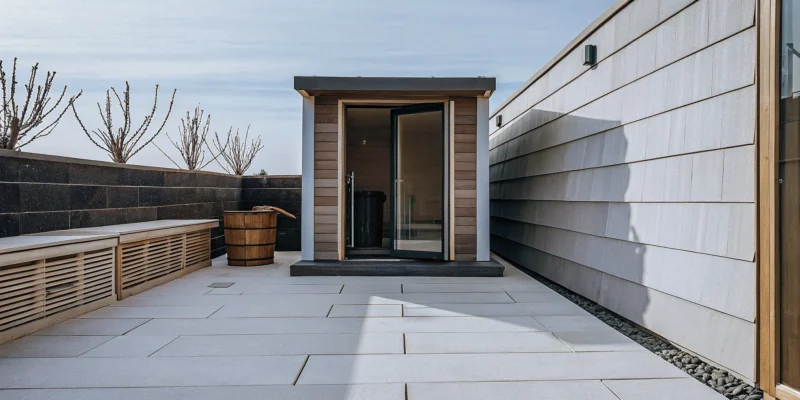
The price you see on a sauna kit online is rarely the full story. To create a realistic budget for your backyard project, you need to account for the total cost of installation. This includes preparing a solid foundation, running a dedicated electrical circuit, and securing the necessary permits from your local town. So, when you ask, “how much does outdoor saunas cost in Long Island?” you’re really asking about the complete, all-in investment. This article provides a transparent look at all the components that make up the final price tag. By understanding these essential installation costs from the start, you can avoid surprises and ensure your project runs smoothly from day one.
Key Takeaways
- Budget for the Full Installation: The price of the sauna unit is just the starting point; a realistic budget also includes costs for a proper foundation, professional electrical work, and any necessary building permits for a safe and compliant setup.
- Your Choices Shape the Final Cost: The sauna’s price tag is flexible and depends on your decisions, with the main factors being the heating style (infrared versus traditional), the size, the type of wood used, and any personalized features you add.
- Partner with an Expert for Local Knowledge: An experienced Long Island contractor is invaluable for managing the project smoothly, as they handle the complexities of local building codes and permit requirements to ensure your sauna is built correctly.
How Much Does an Outdoor Sauna Cost in Long Island?
So, you’re dreaming of adding an outdoor sauna to your Long Island home. It’s a wonderful way to create a personal wellness retreat right in your backyard. But before you get too far into planning, let’s talk about the budget. The cost of an outdoor sauna can vary quite a bit, depending on the choices you make. Think of it like designing any other part of your home; the final price tag is shaped by your specific tastes and needs, with projects ranging from a few thousand dollars to much more for high-end, custom installations.
The biggest decisions you’ll face are the type of sauna you want and how it’s built. You’ll choose between a modern infrared sauna and a classic traditional Finnish sauna, each offering a different experience and price point. You’ll also decide whether a prefabricated kit or a fully custom-built sauna is the right fit for your space and vision. At Gappsi, we help homeowners find the perfect saunas to match their lifestyle and property. Understanding these key factors, along with others like size, materials, and potential site preparation, will give you a clear picture of the investment. This knowledge helps you plan a project that feels both luxurious and financially comfortable from the start.
Infrared vs. Traditional Finnish Saunas
Your first major choice is the heating style. Infrared saunas, which use light to create heat directly in your body, are often the more budget-friendly option. You can typically expect them to range from about $3,200 to $6,500. On the other hand, traditional Finnish saunas use a heater to warm the air around you, creating that classic steamy environment. These tend to have a higher starting price, generally falling between $4,000 and $10,000. The final cost for either type will depend on size, the quality of wood used, and any extra features you add. A professional sauna installation service can help you weigh the benefits of each.
Custom-Built vs. Prefab Kits
Next, you’ll decide if you want a pre-made kit or a custom design. Prefabricated sauna kits are a popular choice because they are often more affordable and come with all the necessary parts. However, a custom-built sauna gives you complete creative freedom to design a structure that perfectly fits your backyard’s unique layout and your personal style. While custom projects have a higher price tag, they ensure the final result is exactly what you envisioned. Keep in mind that most Long Island towns require building permits for permanent structures and electrical permits for the heater. This is an important part of any backyard sauna installation guide and should be factored into your total budget.
What Factors Affect Your Sauna’s Price Tag?
When you start planning for an outdoor sauna, you’ll quickly see that the final cost is more than just the price of the unit itself. Several key factors influence the total investment, and understanding them from the start helps you create a realistic budget and make choices that align with your vision. Think of it less as a simple purchase and more as a custom project tailored to your home and lifestyle.
From the size of the sauna to the type of wood used and the heater that powers it, every decision plays a role in the final price. The great thing is that this gives you control over the outcome. You can decide where to invest, whether it’s in a larger capacity for hosting friends or in high-end materials for a luxurious feel. At Gappsi, we help homeowners balance these elements to create beautiful and functional saunas that fit their budget and their backyard. Let’s walk through the main components that will shape your sauna’s cost.
Size and Capacity
One of the most direct cost factors is the size of your sauna. A larger sauna simply requires more materials, from lumber and insulation to bench seating and fasteners, which increases the price. More importantly, a bigger footprint often requires more extensive site preparation and a larger foundation, adding to labor costs. Before you decide, think about how you plan to use it. Will it be a personal retreat for one or two people, or do you envision sharing the experience with family and friends? A cozy two-person sauna will be much more affordable than a spacious six-person model. Planning your sauna’s size can feel like a big decision, but thinking through who will use it makes the choice much clearer.
Materials and Construction
The materials you choose have a huge impact on your sauna’s look, longevity, and price. Cedar is a classic choice, loved for its rich aroma and natural resistance to moisture and decay, but it comes at a premium. Hemlock and spruce are more budget-friendly alternatives that still offer excellent performance. Beyond the wood, the quality of construction matters. Every custom sauna we build is designed to reflect your home’s architecture and withstand the Long Island climate. Proper insulation, tight-fitting joints, and a well-constructed door are signs of quality craftsmanship that ensure your sauna heats efficiently and stands the test of time, making it a worthwhile investment.
Type of Heater
Your sauna’s heart is its heater, and your choice will affect both the initial cost and the installation process. Traditional electric heaters are the most common and offer a great balance of performance and price. Wood-burning stoves provide an authentic, off-grid experience but require a chimney and a larger safety clearance, which can add to the complexity and cost. Infrared heaters, which heat your body directly instead of the air, are another option. Most electric sauna heaters require a dedicated 240V circuit installed by a licensed electrician, so be sure to factor that professional work into your budget.
Custom Features and Upgrades
This is where you can truly make your sauna your own. Custom features allow you to tailor the experience to your exact preferences, though they will add to the final cost. Popular upgrades include panoramic windows for a view of your garden, multi-level benches for versatile seating, or integrated LED lighting for chromotherapy. You might also consider a high-quality sound system or exterior finishes that match your home’s siding or your patio’s stonework. We design our outdoor structures to fit your property, whether it’s a sprawling North Shore estate or a quiet suburban home in Nassau County. These personalized touches are what transform a standard sauna into a luxurious backyard escape, and we can integrate them seamlessly into our custom outdoor designs.
What Are the Installation Costs in Long Island?
When you’re budgeting for an outdoor sauna, the price of the unit itself is only part of the equation. The total investment includes installation costs, which cover everything needed to transform a sauna kit into a beautiful and functional backyard retreat. Between preparing the site, running electricity, securing permits, and paying for professional labor, these additional expenses are essential for a safe and long-lasting setup. While it might seem like a lot to manage, a well-planned sauna installation follows a predictable workflow. Once you understand each phase, the project becomes far more manageable.
Working with a full-service design and construction team simplifies this process immensely. Instead of you having to find and coordinate separate contractors for the foundation, electrical work, and assembly, a single team handles every detail. This integrated approach not only saves you from logistical headaches but also ensures that every component of the installation is executed to the highest standard. At Gappsi, our team manages the entire project from the initial design to the final walkthrough, making sure your path to owning a sauna is smooth and stress-free. We handle the complexities so you can focus on the exciting part: enjoying your new wellness sanctuary.
Preparing the Site and Foundation
Before your sauna can be assembled, the ground beneath it needs to be perfectly prepared. A sauna requires a solid, level foundation to ensure its structural integrity and prevent issues down the line. The right foundation provides stability and proper drainage, which is crucial for protecting your investment from Long Island’s diverse weather. Common options include a poured concrete slab, a compacted gravel pad, or a reinforced wood deck. The best choice for your yard depends on your property’s specific conditions and the type of sauna you’ve selected. Our masonry experts can design and build the ideal base, ensuring it’s perfectly level and ready for a flawless installation.
Setting Up Electrical
Proper electrical work is one of the most critical, and non-negotiable, aspects of any sauna installation. Most traditional and infrared sauna heaters require a dedicated 240-volt circuit with a GFCI breaker for safe operation. This is not a DIY task; it must be completed by a licensed electrician to meet local building codes and ensure your family’s safety. The cost of electrical work can vary depending on the distance from your home’s main electrical panel to the sauna’s location. A professional will run the necessary wiring, often through an underground conduit, and install the correct breaker to power your heater safely and efficiently. This step is fundamental to a successful home remodeling project involving a sauna.
Understanding Local Permits and Zoning
Dealing with local regulations is a common hurdle for many Long Island homeowners. Most municipalities in Nassau and Suffolk County require building permits for permanent outdoor structures like saunas. You will also likely need an electrical permit for the new circuit. Additionally, local zoning laws dictate setback requirements, which specify how far the sauna must be from your property lines, your home, and other structures. These rules can be complex and vary from town to town. Working with an experienced local contractor is a major advantage here, as they will be familiar with the specific requirements in your area and can manage the entire permitting process on your behalf.
Factoring in Labor Costs
While some prefab sauna kits are marketed as DIY-friendly, the value of professional installation cannot be overstated. Hiring an experienced team ensures that every step, from building the foundation to connecting the heater, is done correctly. Common planning mistakes, like choosing the wrong heater size or overlooking electrical needs, can lead to costly fixes and safety hazards. Professional labor is an investment in peace of mind. It guarantees your sauna is assembled securely, weatherproofed properly, and operates exactly as it should from day one. With a professional team, you can relax knowing your new backyard oasis is built to last.
Common Installation Hurdles for Long Island Homeowners
Installing an outdoor sauna is an exciting project, but it comes with a few potential challenges specific to living on Long Island. From navigating local regulations to protecting your investment from coastal weather, a little foresight goes a long way. Planning for these hurdles from the start ensures your installation process is smooth and stress-free. An experienced team can help you anticipate these issues, turning potential problems into simple checklist items. By addressing site selection, moisture management, and weatherproofing head-on, you can guarantee your new backyard oasis is built to last and ready for you to enjoy, no matter the season.
We often see homeowners get tripped up on the same few things, but they are all completely manageable with the right approach. Think of it less as a series of obstacles and more as a roadmap for a successful, long-lasting installation. Getting these details right from the beginning saves you time, money, and headaches down the road, so you can focus on the fun part: relaxing in your brand-new sauna. It’s about building smart, not just building fast, and creating a space that truly enhances your home and lifestyle for years to come.
Finding the Perfect Spot
Choosing the right location for your sauna is the first, and arguably most important, step. Many homeowners get stuck here, but it’s simpler than you think. You’ll need a level spot with good natural drainage to prevent water from pooling around the foundation. It’s also wise to consider your proximity to the main electrical panel for a more straightforward hookup. We also help clients check local setback rules to ensure the structure is a compliant distance from property lines. A solid foundation is non-negotiable, and a professionally installed masonry pad provides the perfect stable and durable base for your sauna.
Managing Moisture and Ventilation
A sauna’s main job is to produce heat and steam, which means managing moisture is critical for its longevity. Without proper ventilation, you risk damage to the wood and the growth of mold or mildew. A well-designed sauna includes a vapor barrier and ventilation system that allows fresh air to circulate while letting moist air escape. This is also a key part of the permitting process. Most towns on Long Island require building permits for permanent outdoor structures and electrical permits for the heater. Working with a contractor who handles home remodeling projects ensures all the necessary paperwork and inspections are managed correctly.
Weatherproofing for Long Island’s Climate
Long Island’s weather can be tough on outdoor structures. Between the humid summers, freezing winters, and salty air near the coast, your sauna needs to be built to withstand the elements. The right materials, like high-quality cedar or thermally treated wood, offer natural resistance to rot and insects. Every sauna we build is designed to complement your home’s architecture and stand up to our local climate. Proper sealing and finishing are just as important. Applying the right protective treatments ensures your sauna remains a beautiful and functional retreat for years, which is why our restoration and sealing services are so vital for long-term care.
What Are the Long-Term Costs of Sauna Ownership?
Thinking about adding a sauna to your backyard is exciting, but the initial price tag is only part of the story. To get a clear picture of your investment, it’s smart to consider the ongoing costs of ownership. Just like any other part of your home, a sauna requires a little bit of upkeep to perform its best and stay beautiful for years to come. These long-term expenses are not meant to be intimidating, they are just practical things to plan for.
The good news is that modern saunas are designed to be quite efficient. Your main ongoing costs will fall into a few key categories: the energy needed to heat it, routine maintenance to protect the materials, and occasional upkeep for the heater itself. By understanding these factors upfront, you can budget accordingly and simply relax into your new wellness routine without any financial surprises. Let’s walk through what you can expect to spend after your beautiful new sauna is installed.
Monthly Energy Use
Your monthly utility bill is probably one of your biggest questions, and the answer really depends on the type of heater you choose. Infrared saunas are incredibly energy efficient, often costing just a few dollars a month to run, even with regular use. A traditional Finnish sauna with an electric heater will use more power, but it’s still quite manageable. Think of it like running a large appliance for an hour or so. Planning for a slight increase in your electric bill will ensure you can enjoy those steamy sessions completely guilt-free.
Wood and Weatherproofing Maintenance
Your outdoor sauna is built to withstand the elements, but a little care goes a long way in preserving its beauty, especially with Long Island’s four distinct seasons. For wooden saunas, this typically means applying a fresh coat of stain or sealant every couple of years. This simple task protects the wood from sun and moisture, preventing it from weathering too quickly and keeping it looking rich and new. It’s a small weekend project that pays off by extending the life of your investment. Gappsi’s expertise in restoration and sealing can also provide professional solutions for long-term care.
Heater and Stone Upkeep
The heart of your sauna is its heater, and keeping it in top shape is key to a great experience. For traditional saunas, this involves the sauna stones. Over time, these stones can break down from the constant heating and cooling cycles. It’s a good practice to rearrange them annually and replace them every few years. This ensures proper airflow around the heating elements, allowing your sauna to heat up efficiently and produce that wonderful, soft steam when you pour water over them. It’s a simple bit of maintenance that guarantees a perfect session every time.
Preparing for Long Island Winters
While not a recurring cost, preparing your sauna for our specific climate from the start can save you money long-term. Proper site preparation is crucial. Ensuring your sauna sits on a level base with good drainage will prevent issues caused by shifting ground or pooling water during freeze-thaw cycles. It’s also important to understand local building codes in Nassau or Suffolk County, as you will likely need an electrical permit for the heater. Handling this correctly during installation helps you avoid future headaches and ensures your sauna remains a safe, durable retreat for many winters to come.
Will an Outdoor Sauna Add Value to Your Long Island Home?
When you’re investing in a significant home upgrade, it’s natural to wonder about the return. An outdoor sauna is more than just a personal luxury; it’s a feature that can genuinely add value to your Long Island property. In a competitive real estate market, a beautifully integrated sauna can set your home apart, making it more memorable and desirable to potential buyers. The value comes not just from a potential increase in your home’s sale price but also from the immediate improvement to your lifestyle and your backyard’s appeal. Let’s break down how a sauna can be a smart addition to your home.
Calculating Your Return on Investment
Thinking about ROI is smart, but with a sauna, it’s not just a simple numbers game. A professionally installed sauna makes your home more attractive, which can translate to a higher perceived value, especially in Long Island’s housing market. While you might not see a dollar-for-dollar return like you would with a kitchen remodel, you’re adding a unique wellness feature. Buyers are increasingly looking for homes that support a healthy lifestyle. The value of daily relaxation, better sleep, and stress reduction is something that resonates deeply. A beautiful sauna installation signals that your home is a sanctuary, a quality that is priceless to the right buyer.
Improving Curb Appeal and Your Outdoor Oasis
An outdoor sauna does more than just add function; it enhances the beauty of your backyard. When thoughtfully designed, a sauna becomes a stunning architectural element, not just an afterthought. Imagine it nestled beside your pool or surrounded by lush greenery as part of a cohesive outdoor oasis. A well-planned installation ensures the sauna complements your home’s style and existing features. This is where professional landscape design makes all the difference, turning a simple addition into a seamless part of your personal retreat. A safe, legally installed, and visually appealing sauna shows a commitment to quality that enhances your entire property.
Where to Buy an Outdoor Sauna in Long Island
Once you have a budget in mind, the next step is finding the right partner to bring your vision to life. In Long Island, your options range from online retailers that ship a kit to your door to full-service design and build firms. The right choice depends on how hands-on you want to be and whether you want your sauna to be a standalone feature or part of a cohesive backyard retreat. A great installation partner will give you a clear breakdown of the entire project, including permits, electrical work, and final costs, so you know exactly what to expect.
Choosing where to buy your sauna is less about a single purchase and more about starting a relationship with a team that will see your project through. Think about your ideal outcome. Do you just want a sauna, or do you want an integrated wellness space that complements your home’s style? A full-service company can help you think bigger, connecting your new sauna to a patio, pool, or garden. They manage the complexities so you can focus on the exciting part: enjoying your new backyard feature.
Why Choose Gappsi for Your Sauna Project
Choosing a partner for your sauna project is about more than the unit itself; it’s about creating an experience. At Gappsi, we manage every detail of your project from start to finish. Our process begins with a comprehensive design that considers how your sauna will fit into your overall landscape. We handle the site preparation, foundation, and all necessary electrical work, so you don’t have to juggle multiple contractors. Because our expertise includes everything from landscaping to masonry, we can perfectly integrate your new sauna into a beautiful and functional backyard oasis, making the entire process seamless and stress-free.
Comparing Other Local Options
As you explore different companies, you’ll notice some primarily sell sauna kits, leaving the installation logistics up to you. While this can work for a dedicated DIYer, many homeowners get stuck trying to coordinate permits and site work on their own. A well-planned sauna installation follows a predictable workflow, and it’s important to find a partner who can guide you through each phase. Look for a company that helps you select the right model, prepares the outdoor space, and has the expertise to avoid common installation mistakes. A team with a background in home construction can ensure your sauna is a safe, durable, and rewarding addition to your home for years to come.
Can You Finance an Outdoor Sauna?
Adding a sauna to your backyard is an exciting investment in your home and well-being, but the upfront cost can feel like a hurdle. The good news is you don’t always have to pay for it all at once. Many Long Island homeowners make their dream sauna a reality through financing plans and seasonal deals, making the project much more approachable. Think of it as breaking down a big goal into smaller, manageable steps. By exploring your payment options and keeping an eye out for promotions, you can find a path to ownership that fits your financial comfort zone.
Exploring Financing Plans
Paying for a major home upgrade in one lump sum isn’t practical for everyone, and sauna providers understand that. Many companies offer financing options to help you spread the cost over several months or years. You might find plans with low or even 0% interest for a set period if you qualify, which can make a big difference in your budget. When you start getting quotes, make it a point to ask contractors what kind of payment plans they offer. A reputable company will be transparent about their financing partners and help you understand the terms, so you can choose a plan that works for you without any surprises.
Finding Seasonal Promotions
If you’re looking for the best possible value, timing can be everything. Keep an eye out for seasonal promotions, especially during a company’s off-season or around major holidays. Some contractors also offer discounts when you bundle services. For instance, if you’re already planning a larger backyard transformation, like a new patio or pool, you may get a better price by adding a sauna to the project. Starting with a free consultation is a great first step to discuss your vision and ask about any current deals. This conversation helps you get a clear price estimate while uncovering opportunities to save on your home remodeling project.
How to Choose the Right Sauna for Your Budget
Finding the perfect outdoor sauna that fits your financial plan is completely achievable. It’s all about knowing what to prioritize and understanding the full scope of the project. Instead of just looking at the price of a sauna unit, it helps to think about the total investment, from the foundation to the final finishes. A comprehensive budget isn’t about limiting your options; it’s about empowering you to make confident choices. By setting a clear budget, aligning the sauna with your lifestyle, and choosing the right team, you can create a backyard retreat that brings you joy for years without any financial surprises. Let’s walk through how to make a smart and satisfying choice for your Long Island home.
Set a Realistic Budget
When you start planning for a sauna, it’s important to think beyond the sticker price. Your total budget should account for the entire project, including site preparation, electrical work, and any necessary permits. Most sauna heaters require a dedicated 240V circuit, which means hiring a professional electrician to ensure everything is up to code. You will also need a level spot with good drainage that respects local property line setbacks.
Planning for these additional expenses from the start helps you form a realistic budget and avoid unexpected costs. A clear financial plan allows you to confidently explore different sauna models and features. When you know your total investment, you can focus on finding the best quality and design within your price range.
Match the Sauna to Your Lifestyle
To make sure you choose the right sauna, think about how you plan to use it. Are you dreaming of a quiet, personal retreat for stress relief after a long day? Or do you envision a larger, more social space for relaxing with family and friends? Your answer will guide your decisions on size, seating arrangements, and other features. A smaller sauna might be perfect for solo relaxation, while a larger model with more seating is ideal for entertaining.
Whether you want a private wellness escape or a hub for backyard entertainment, the right sauna will transform how you enjoy your property. By matching the sauna to your daily routines and wellness goals, you ensure it becomes a valued part of your life, not just an occasional novelty.
Partner with a Long Island Contractor
Working with an experienced local contractor is key to a successful sauna installation. A professional team can help you design a sauna that fits perfectly with your property and lifestyle. They understand Long Island’s specific building codes, climate considerations, and design trends, ensuring your sauna is not only beautiful but also durable and safe. A great contractor handles everything from the initial concept to the final installation, making the entire process feel effortless for you.
At Gappsi, we specialize in creating custom outdoor living spaces that reflect your vision. Our team provides expert design and construction services to build a sauna that integrates beautifully with your home. Partnering with us means you get a dedicated team committed to quality craftsmanship and long-term performance.
Related Articles
- Outdoor Cabin Sauna Long Island: A Buyer’s Guide
- The Ultimate Long Island Sauna Installation Guide
- Swim Spas Saunas Nassau & Suffolk County Long Island – Gappsi Group
- Long Island Sauna Installation: A Complete Guide
Frequently Asked Questions
What’s a realistic all-in budget for an outdoor sauna project? While the sauna unit itself can range from about $3,200 to over $10,000, your total investment will also include installation. You should plan for the costs of creating a solid foundation, hiring a licensed electrician to run a dedicated circuit, and securing any necessary local permits. A full-service team can provide you with a comprehensive quote that covers every step, so you have a clear and complete budget from the very beginning.
Can I save money by installing a prefab sauna kit myself? While it might seem like a way to cut costs, installing a sauna involves more than just assembling the kit. Key steps like preparing a perfectly level foundation and running a 240V electrical line require professional expertise to ensure safety and longevity. Hiring an experienced team to manage the project, including navigating local permits, is an investment in peace of mind that guarantees your sauna is built correctly and safely from the ground up.
How much will a sauna add to my monthly electric bill? The impact on your utility bill is surprisingly manageable. Infrared saunas are very energy efficient and may only add a few dollars to your monthly bill with regular use. Traditional Finnish saunas use more power to heat the air, but the cost is often comparable to running another large appliance for an hour. Your final cost will depend on your heater’s size and how often you enjoy your sauna sessions.
Do I need a permit to build a sauna in my Long Island backyard? Yes, in most cases you will. The majority of towns in Nassau and Suffolk County require a building permit for a permanent outdoor structure like a sauna. You will also need a separate electrical permit for the heater’s wiring. An experienced local contractor will be familiar with your town’s specific zoning laws, including setback requirements, and can handle the entire permitting process for you.
What’s the biggest difference between an infrared and a traditional Finnish sauna? The main difference is how they create heat. A traditional Finnish sauna uses a heater to warm the air around you, which you can then pour water over for steam. This creates a classic hot and humid environment. An infrared sauna uses special panels that emit light to heat your body directly, resulting in a deep-penetrating warmth without the high air temperatures or steam. Your choice often comes down to personal preference for the type of heat you find most relaxing.