Here on Long Island, we love making the most of our homes, from summer days by the pool to cozy winter evenings indoors. A home sauna fits perfectly into this lifestyle, offering a year-round retreat for relaxation and wellness. It’s a wonderful way to warm up after a chilly walk on the beach or soothe muscles after a day of gardening. But our coastal climate also brings unique considerations for construction. For anyone seeking a sauna installation near me Long Island, it’s vital to choose materials and a team that understands our environment. Let’s explore how to select and install the perfect sauna.
Key Takeaways
- Match the Sauna to Your Wellness Goals: Your perfect sauna depends on the experience you want. Consider if you prefer the intense, dry heat of a traditional Finnish sauna, the gentle warmth of an infrared model, or the humid environment of a steam room to best fit your lifestyle and relaxation needs.
- Understand the Full Project Cost: A successful sauna project involves more than just the unit price. Be sure to budget for professional installation, necessary electrical work by a licensed electrician, and any local permits required in your Long Island town for a safe and compliant setup.
- Trust a Professional for a Safe and Lasting Installation: An experienced installer is crucial, especially on Long Island. A professional team will handle technical details like ventilation, manage local building codes, and select materials suited for our coastal climate, ensuring your sauna is built correctly and safely.
Which Sauna Type Is Right for You?
Choosing a sauna is an exciting step toward creating your personal wellness retreat at home. With several types available, the best one for you really comes down to the kind of experience you’re looking for. Do you crave intense, steamy heat, or a gentler warmth? Is it a standalone feature, or part of a larger backyard oasis? Let’s walk through the most popular options to help you find your perfect match. Each one offers a unique way to relax and recharge, so think about what feels most inviting for your lifestyle and your Long Island home.
Traditional Finnish Saunas
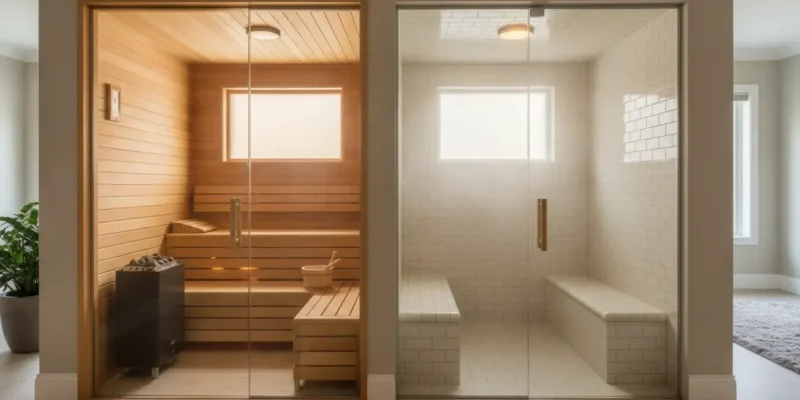
If you love the classic, robust heat of a traditional spa, the Finnish sauna is for you. These saunas use a stove to heat rocks, bringing the room to high temperatures, often up to 195°F. You can pour water over the rocks to create a satisfying burst of steam, a practice known as “löyly.” This option provides an intense, purifying sweat session. Because they require special wiring and sometimes ventilation, a professional installation ensures everything is set up safely and correctly, letting you focus purely on relaxation.
Infrared Saunas
For those who prefer a less intense heat, infrared saunas are a fantastic choice. Instead of heating the air around you, infrared technology uses gentle waves to warm your body directly, providing a deep, soothing warmth at lower temperatures (usually 120–140°F). They are incredibly energy-efficient and heat up quickly. Plus, many models are “plug-and-play,” requiring no special plumbing, vents, or drains. This versatility means you can easily add one to a master bedroom, basement, or home gym as part of a home remodeling project.
Steam Rooms
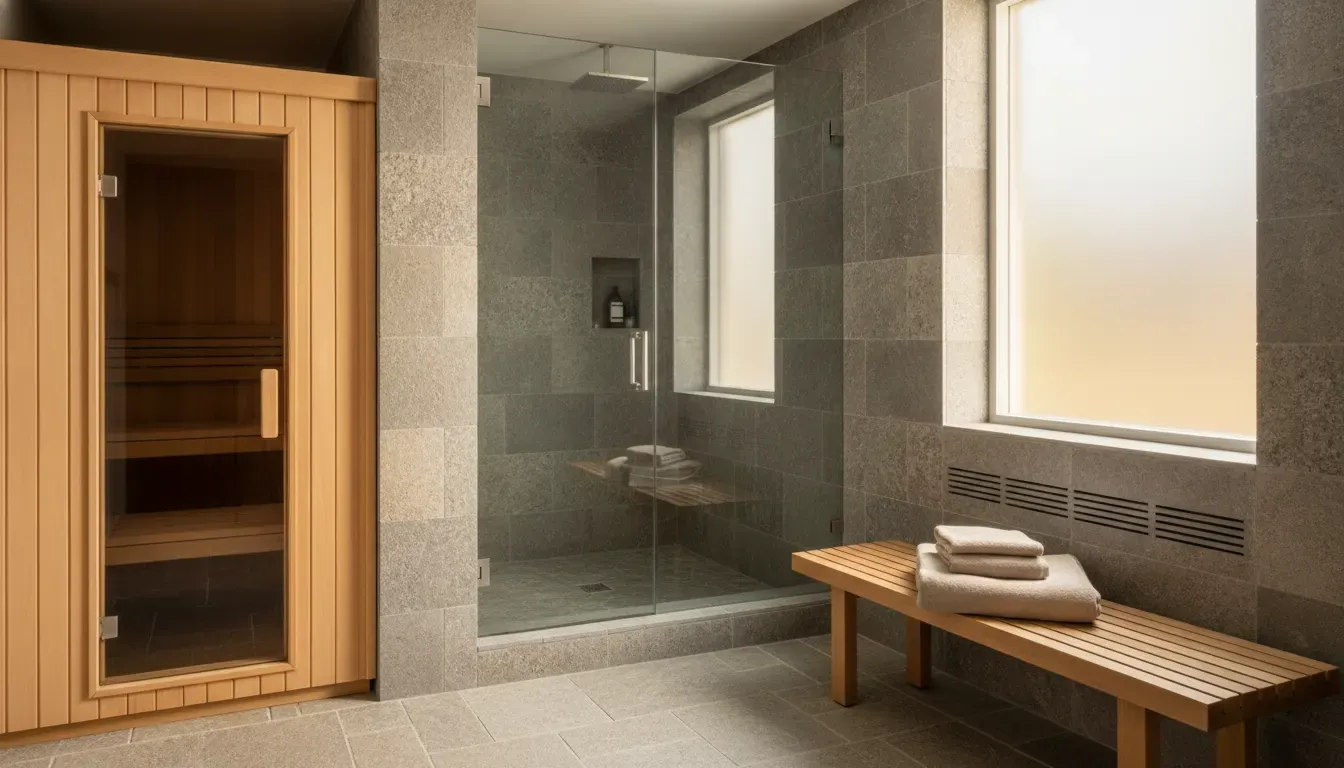
A steam room, sometimes called a steam shower, offers a completely different experience centered on wet heat. Unlike the dry heat of a traditional sauna, a steam room maintains 100% humidity. The thick, moist air is excellent for respiratory health, helping to open up airways and soothe sinuses. It’s also wonderful for your skin, providing deep hydration and a healthy glow. If you’re looking for a therapeutic, spa-like atmosphere that promotes deep relaxation and skin benefits, a steam room is an ideal addition to your home, often integrated into a master bathroom.
Outdoor and Barrel Saunas
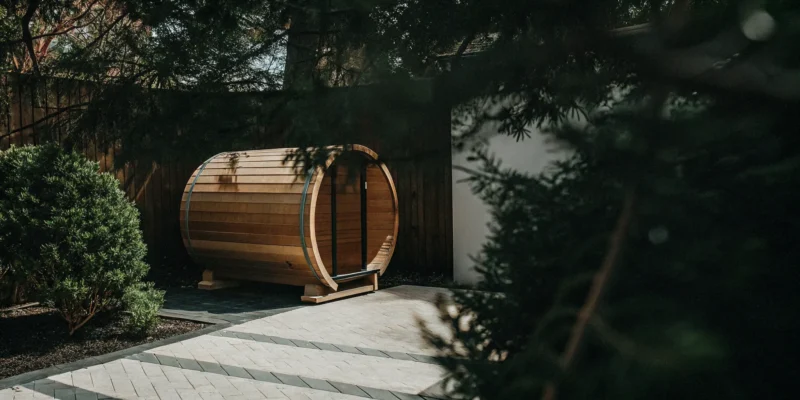
Why limit your relaxation to the indoors? An outdoor sauna lets you connect with nature while enjoying a warm escape, even during Long Island’s cooler months. Barrel saunas are a popular outdoor choice, known for their charming, rustic appearance and efficient heating. Placing a sauna in your backyard turns it into a year-round destination for wellness. It can be a standalone feature or part of a larger outdoor living design, perfectly complementing a pool, patio, or a beautiful landscape design.
Health Benefits of a Home Sauna
Adding a sauna to your home is more than just a luxurious upgrade; it’s a powerful investment in your daily health and well-being. Imagine having a personal retreat just steps away, ready to melt away the day’s tension and soothe tired muscles after a long commute or a busy day with the family. The practice of using heat for health is ancient, but having this capability in your own home makes it an accessible and consistent part of your routine. Regular sauna use offers a surprising range of benefits that support both your mind and body.
From creating a peaceful space for mental clarity to aiding in physical recovery and promoting healthy skin, a home sauna provides a holistic approach to wellness. It’s not about a single, dramatic change, but rather the cumulative effect of a simple, enjoyable habit. Think of it as a tool that helps your body’s natural systems work better. It supports relaxation, improves circulation, and helps your body cleanse itself. This simple addition to your home can make a significant difference in how you feel every single day, providing a quiet escape and a foundation for better health.
Stress Relief and Mental Wellness
In our busy lives, finding a moment of true peace can be a challenge. A home sauna offers a dedicated sanctuary where you can disconnect and unwind. The quiet, enveloping heat helps your body relax, which in turn calms your mind. This process encourages the release of endorphins, your body’s natural feel-good chemicals, which can improve your mood and create a sense of well-being. Regular sessions can also help lower levels of cortisol, the body’s primary stress hormone. Think of it as your personal reset button, a space to practice mindfulness, meditate, or simply sit in silence. Having one of Gappsi’s saunas at home makes it easy to build this restorative practice into your routine.
Better Circulation and Muscle Recovery
If you lead an active lifestyle or simply deal with everyday aches and pains, a sauna can become your best friend for recovery. The heat from the sauna raises your body temperature, which causes your blood vessels to widen in a process called vasodilation. This improves your circulation, allowing more oxygen-rich blood to flow throughout your body. This increased blood flow helps reduce muscle soreness after a workout and can ease joint pain and stiffness from arthritis. Whether you’ve spent the day gardening or playing on one of our Sports Games Courts, a 20-minute sauna session can help your muscles relax and repair more efficiently, so you feel ready for the next day.
Detoxification and Skin Health
A deep, healthy sweat is one of the most noticeable effects of a sauna session, and it comes with some great benefits for your skin. Sweating is one of your body’s natural ways to flush out impurities. This cleansing process can help you achieve clearer, healthier-looking skin. The increased circulation also plays a key role, delivering more oxygen and nutrients to your skin cells. This can result in a brighter complexion and that coveted “post-sauna glow.” Infrared saunas, in particular, use a gentle heat that penetrates deeply and safely, similar to the warmth of the sun but without any harmful UV rays. This can help stimulate collagen production and promote a refreshed appearance as part of your overall home wellness environment.
How to Choose the Perfect Sauna
Bringing a sauna into your home is an exciting step toward creating your personal wellness retreat. But with so many options available, how do you pick the right one? The perfect sauna is one that fits your space, your lifestyle, and your budget. Thinking through a few key factors beforehand will ensure you make a choice you’ll love for years to come. It really comes down to four main considerations: the size and space you have available, the quality of the materials, the type of heating technology, and the level of customization you want. Let’s walk through each one so you can feel confident in your decision.
Size and Space
The first thing to figure out is where your new sauna will live. The good news is, you have plenty of options. Modern saunas are incredibly versatile and can be installed in a bathroom, attic, garage, basement, or even a spare room. Whether you have a small, unused corner or a large, open area, a solution exists. Custom designs make it possible to fit a sauna into tight spots or expansive basements and backyards. Before you get too far in the process, measure your intended area. This will give you a clear idea of the maximum footprint you can work with and help you narrow down your choices from the start.
Wood and Material Quality
The type of wood used to build your sauna is more than just a style choice; it’s essential for durability, performance, and the overall atmosphere. High-quality woods like cedar, hemlock, and spruce are popular for a reason. They are resilient against the high heat and humidity, and many, like cedar, release a pleasant, natural aroma when heated. The quality of the materials directly impacts your sauna experience and its longevity. A well-built sauna constructed from premium wood and paired with a reliable heating system will provide consistent heat and a better, more relaxing session every time you use it.
Heating Technology and Energy Use
Your sauna’s heating system is its heart. The two main types are traditional (using electric or steam heaters) and infrared. Infrared saunas are a popular choice because they warm your body directly with gentle heat, typically between 120 and 140 degrees Fahrenheit. They are also very energy-efficient, heat up quickly, and often just plug into a standard outlet. A major advantage is that infrared models don’t require any special drains, vents, or plumbing since they operate without water. This simplifies the installation process significantly, making them a convenient and effective option for many homeowners.
Warranty and Customization
A sauna is an investment in your home and your health, so it’s important to protect it. Look for a solid warranty, as this shows the manufacturer and installer are confident in their product. Beyond that, consider how much you want to personalize your space. Do you want a standard model, or would you prefer a sauna built to your exact specifications? Many homeowners find that a custom-built sauna is the best way to get exactly what they want. This approach allows you to tailor everything from the layout and bench design to lighting and accessories, ensuring it fits your lifestyle and property perfectly.
Understanding Sauna Installation Costs in Long Island
Planning your budget is one of the first steps in any exciting home project, and adding a sauna is no different. The total cost can vary quite a bit, depending on the type of sauna you choose, its size, and the features you want to include. Think of the final price in three main parts: the cost of the sauna unit itself, the professional installation, and any additional work like electrical wiring or permits. Getting a clear picture of these expenses from the start will help you make confident decisions and ensure there are no surprises along the way.
When you’re ready to explore your options, it helps to have a partner who understands the full scope of the project. An experienced team can walk you through the different types of saunas and provide a detailed breakdown of the associated costs. This way, you can perfectly match your wellness goals with your budget. The key is to find a solution that brings you relaxation and peace of mind, both in its use and in its investment.
Infrared Sauna Costs
Infrared saunas are a popular choice and tend to be more budget-friendly. Typically, you can expect the unit to cost between $3,200 and $6,500. The final price within this range depends on several factors, including the size of the sauna, the quality of the wood, and any extra features like chromotherapy lighting or built-in sound systems. While the initial investment is lower, infrared saunas are also known for their energy efficiency, which can lead to long-term savings on your electricity bill. They offer a fantastic value for bringing daily wellness into your home.
Traditional and Steam Sauna Costs
If you love the classic, intense heat of a traditional Finnish sauna or the moist warmth of a steam room, the investment is generally higher. These installations often range from $4,000 to $10,000, and sometimes more. The higher cost is due to the more complex construction involved. Traditional saunas require specific ventilation setups, and steam rooms need specialized plumbing and waterproofing. The materials and the powerful heaters also contribute to the price. This type of project truly benefits from professional craftsmanship to ensure everything works perfectly and safely for years of enjoyment.
Other Costs to Consider: Electrical, Permits, and Regulations
Beyond the sauna unit, a few other costs are essential for a safe and successful installation. Most saunas require dedicated electrical work, which can range from $300 to $800 for a basic setup. It is crucial to have this work done by a licensed electrician to ensure it meets all safety codes. Depending on your town in Long Island, you may also need to secure a permit for the installation. Navigating these local regulations is a key part of any home remodeling project, and it’s an important step to protect your investment and your home.
What to Expect During Sauna Installation
Bringing a sauna into your home is an exciting project, and understanding the installation process can make it feel much more manageable. When you work with a professional team, the entire journey is streamlined to be as smooth and stress-free as possible. The process is designed to ensure your new sauna is not only beautiful but also safe, efficient, and built to last for years of enjoyment. From the first conversation to the final walkthrough, every detail is handled with precision.
The installation journey typically follows four main stages: an initial consultation and site check, technical preparation for electrical and ventilation needs, the delivery and assembly, and finally, a review of how to maintain your new wellness retreat. A professional installer coordinates everything, so you don’t have to juggle different contractors or worry about technical specifications. Instead, you can focus on picking out your favorite towels and planning your first relaxing session. At Gappsi, we manage the entire project from start to finish, transforming your vision into a perfectly executed reality with our dedicated team of sauna experts.
Initial Consultation and Site Check
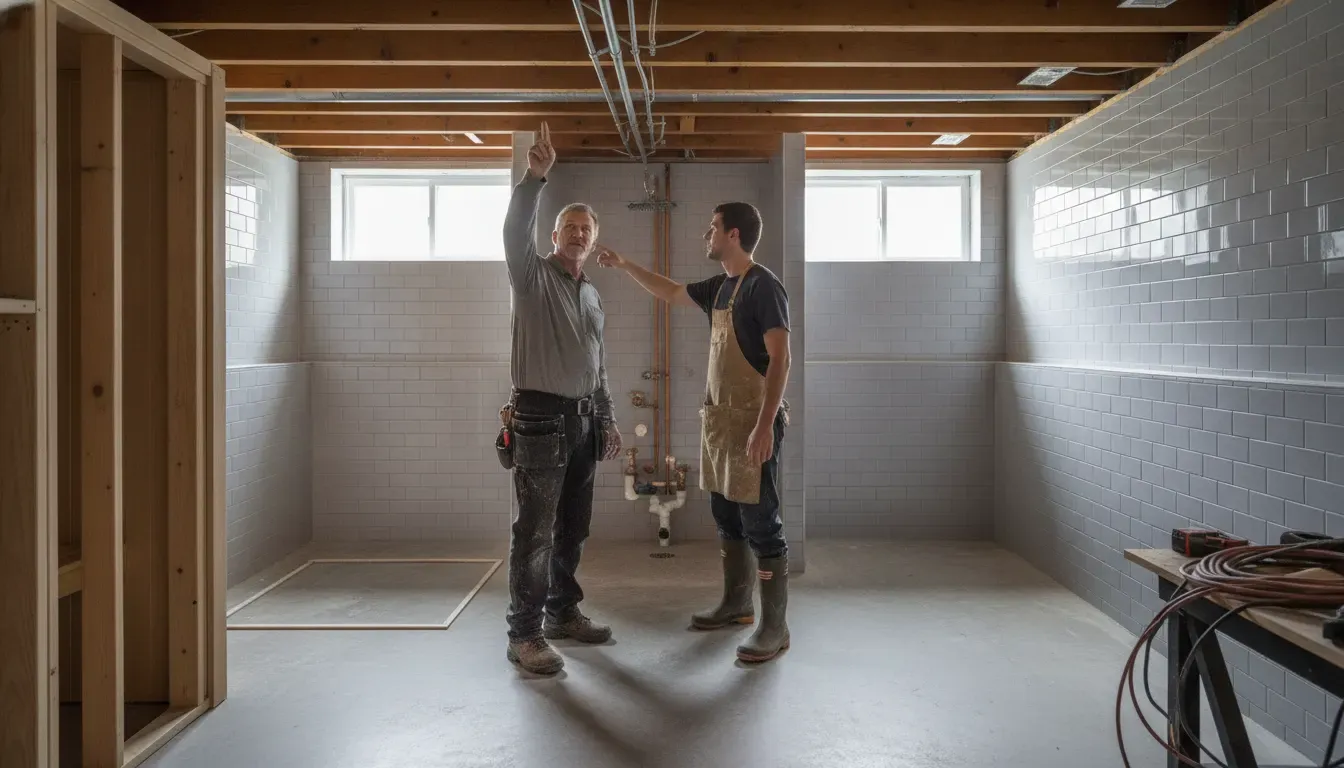
The first step is all about planning and collaboration. This begins with an initial consultation where you’ll discuss your vision with an expert. You can explore different sauna types, materials, and features to find the perfect fit for your lifestyle. This is your opportunity to ask every question you have and share your ideas. Following the conversation, a professional will conduct a site check at your home. They will measure your chosen space, assess the location’s suitability, and identify any potential challenges. This crucial step ensures your sauna will fit perfectly and function flawlessly within your home’s layout, making the entire home remodeling process seamless.
Electrical and Ventilation Prep
Proper electrical and ventilation work is the foundation of a safe and comfortable sauna experience. Different saunas have different needs; for example, most infrared saunas can run on a standard dedicated outlet, while traditional Finnish saunas often require more robust wiring for their powerful heaters. A professional installer will determine the exact requirements for your model. Equally important is ventilation. Good airflow prevents the air from becoming stuffy, ensures even heat distribution, and protects the sauna’s structure. In fact, poor ventilation is one of the most common sauna building mistakes. Our team coordinates with licensed electricians to handle all the prep work, ensuring everything is done safely and up to code.
Delivery, Assembly, and Final Inspection
This is the day your vision comes to life. The professional installation team will deliver all the components of your new sauna directly to your home. They work efficiently and cleanly to assemble it in the prepared space. The assembly time can be surprisingly quick; many pre-fabricated infrared saunas can be fully installed in just a few hours. Once assembly is complete, the team performs a thorough final inspection. They will test the heater, check all the controls, and verify that every safety feature is functioning correctly. You’ll then get a complete walkthrough of how to operate your sauna, so you feel confident and ready to relax from day one. You can see examples of our team’s meticulous work on our YouTube channel.
Maintaining Your Sauna in Long Island’s Climate
Once your sauna is installed, a little routine care will keep it in pristine condition for years to come. Basic maintenance is simple: wipe down the benches after use, keep the interior clean, and check that the ventilation system is clear. In Long Island’s coastal climate, managing humidity is key to protecting the wood and ensuring longevity. Proper airflow is your best friend here, as it helps the sauna dry out completely between uses and prevents any moisture-related issues. Regular checks of the heater and stones will also ensure optimal performance. Think of it as simple upkeep that protects your investment, much like the restoration and sealing services that protect your outdoor patios.
Special Considerations for a Long Island Sauna
Adding a sauna to your Long Island home is an exciting project, but our unique location brings a few extra things to think about. From local regulations to materials that can handle our coastal air, a little planning ensures your wellness retreat is built to last. Getting these details right from the start means you can spend less time worrying about maintenance and more time relaxing. Let’s walk through the key considerations for a successful sauna installation right here on Long Island.
Local Building Codes and Permits
Before any construction begins, it’s essential to address local building codes and permits. While it might seem like a hassle, these regulations are in place to ensure your sauna is installed safely, especially concerning electrical wiring and ventilation. Each town in Nassau and Suffolk County can have slightly different rules. It’s crucial to check with your local authorities to ensure compliance with all regulations. Working with an experienced installer simplifies this process immensely. A professional team will know exactly what permits are needed and can manage the application and inspection schedule for you, making sure your project proceeds smoothly and meets all safety standards from day one.
Flooring, Ventilation, and Humidity
A sauna is a high-heat, high-humidity environment, so the materials and systems you choose are critical. Your flooring needs to be waterproof, slip-resistant, and able to withstand temperature changes without warping. Inside the sauna, the hot and humid environment requires insulation that is airtight and moisture-proof to prevent heat loss and mold growth. Just as important is ventilation. A proper ventilation system keeps the air fresh and comfortable. It prevents stuffiness and ensures the heat is distributed evenly, so you can breathe easily and enjoy a consistent temperature throughout your session. These technical details are key to a functional and long-lasting home remodeling project.
How Coastal Climate Affects Your Sauna Choice
Living on Long Island means dealing with a specific coastal climate, including humidity and salty air. These environmental factors can affect your sauna, particularly if it’s an outdoor model. Salt in the air can be corrosive to certain metals and can wear down some wood finishes over time. High humidity can also put extra strain on your sauna’s structure if it isn’t properly sealed. That’s why it’s so important to work with builders who understand Long Island’s unique climate. Choosing the right exterior materials and applying protective sealants will protect your investment from the elements, ensuring your sauna remains a beautiful and functional feature for years to come.
Partner with a Trusted Long Island Sauna Installer
Choosing the right sauna is only half the equation; finding the right team to install it is just as important. A professional installation ensures your sauna is safe, functions perfectly, and lasts for years. When you’re investing in your home and wellness, you want a partner who gets every detail right, from the foundation to the final touch. A skilled installer handles the complexities so you can focus on the relaxing days ahead.
Look for a company with deep roots in Long Island. An installer who understands our coastal climate knows how to protect your investment from humidity and salt air. They will also be familiar with local town codes and permit requirements, saving you from potential headaches and delays. This local expertise is invaluable and ensures your sauna is built to thrive in our specific environment. You want a team that has seen and done it all right here in Nassau and Suffolk counties.
The best experience comes from working with a company that offers comprehensive services. Instead of you having to coordinate an electrician, a mason, and an installer, a full-service provider manages the entire project from start to finish. This includes site preparation, any necessary electrical work, and flawless assembly. At Gappsi, we handle every aspect of your sauna installation, ensuring a smooth and stress-free process. Our goal is to deliver a turnkey solution, leaving you with a beautiful, ready-to-use sauna that integrates perfectly with your home.
Related Articles
- Long Island Sauna Installation: A Complete Guide
- The Ultimate Long Island Sauna Installation Guide
- Find the Best Infrared Sauna Installer Long Island
- SaunaLife Saunas Long Island: A Buyer’s Guide
- Custom Cedar Sauna Long Island: The Ultimate Guide
Frequently Asked Questions
How much space do I actually need for a home sauna? You might be surprised by how little space is required. Compact one-person infrared models can fit comfortably in an area as small as a large closet. If you have more room, the options expand for larger units or even custom designs that can be built to fit an awkward corner in your basement or a dedicated spot in your backyard. The best way to know for sure is to have a professional measure your intended area.
What’s the real difference in experience between infrared and traditional heat? Think of it as the difference between sitting in a hot room versus standing in the sun. A traditional sauna uses a stove to heat the air around you to a high temperature, giving you that classic, intense, steamy sweat. An infrared sauna uses gentle light waves to warm your body directly, providing a deep, soothing warmth at a lower air temperature. Your choice really comes down to whether you prefer a powerful, hot-air experience or a gentler, radiant heat.
Will an outdoor sauna hold up during a Long Island winter? Absolutely, as long as it’s built correctly. Outdoor saunas, especially popular barrel designs, are made for four-season enjoyment. The key is using high-quality, weather-resistant wood and ensuring the structure is properly sealed and assembled by professionals. A well-built outdoor sauna is a wonderful way to have a warm escape, even when there’s snow on the ground.
Besides the installation, is a sauna expensive to run? It’s more affordable than most people think. Infrared saunas are very energy-efficient, and running one for an hour typically costs very little, often less than using a clothes dryer. While traditional saunas use more power to get to temperature, modern heaters are designed for efficiency. The impact on your monthly utility bill is generally quite small, especially when you consider the wellness benefits.
How simple is a “plug-and-play” sauna installation, really? The term “plug-and-play” usually applies to infrared models that don’t need special plumbing or vents, which simplifies things a lot. However, it’s still very important that the sauna runs on a dedicated electrical circuit to handle the power load safely. A professional installation ensures the electrical setup is correct and that the unit is assembled perfectly, giving you total peace of mind.