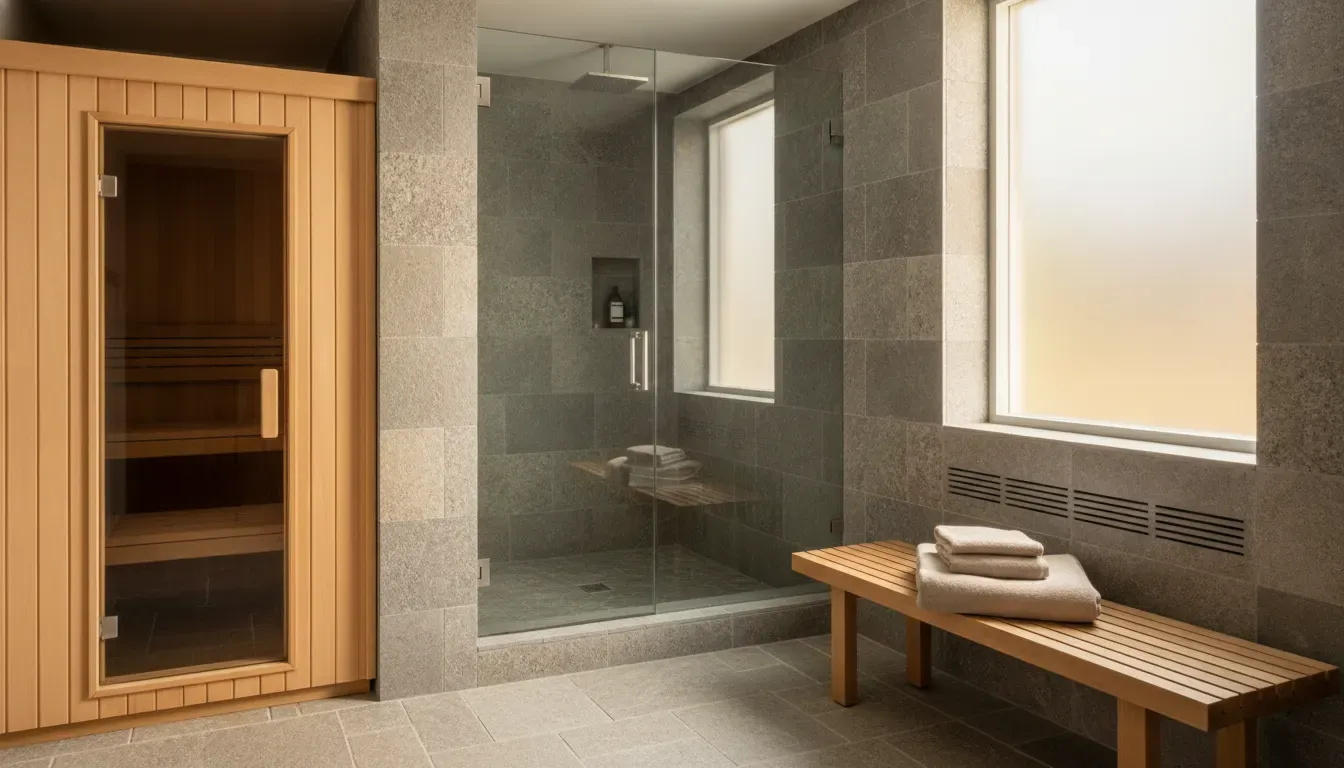
Home sauna planning in a Long Island residence

Home Sauna Planning Guide for Long Island Homes

Planning a sauna for a Long Island home involves more than choosing a cabin or heater. Start with the property itself. Review available room, access, ventilation, electrical capacity, moisture management, and the connection to the home or landscape.

Contact Gappsi through our contact page

A successful home sauna plan matches the format and capacity to your property. Confirm room dimensions, clearances, ventilation, electrical requirements, materials, drainage, and service access with qualified professionals before construction begins.

Indoor installations may use existing remodeling space, while outdoor designs introduce additional questions about foundations, utilities, privacy, and weather exposure. Gappsi combines design, construction, material selection, and project coordination for Long Island homeowners across Nassau and Suffolk Counties. Start by comparing the formats that fit your property, daily routine, and long-term maintenance expectations.

What Kind of Home Sauna Fits Your Property?

The best format depends on more than the available footprint. Consider where the sauna will sit, how people will use it, and what the surrounding property can support before choosing a cabin, room, or prefabricated unit. Indoor and outdoor options can both work for Long Island homes, but they create different questions for access, utilities, finishes, privacy, and long-term maintenance.

Indoor or outdoor placement

An indoor sauna can fit into a bathroom area, basement, remodeled room, or another interior zone with suitable access to power and ventilation planning. Its main advantage is convenience and year-round access from the house. The tradeoff is that the design must account for the surrounding room, transition surfaces, moisture management, and service access without compromising the rest of the floor plan.

An outdoor sauna may work as a detached feature near a pool, patio, or private garden area. It can preserve interior floor space and create a separate destination. The plan must address the base or foundation, drainage, electrical service, weather exposure, and the path between the home and the sauna. Landscape design matters as much as the structure itself. A sauna should feel placed within the property, not simply set on an unused corner.

Traditional, infrared, or hybrid heat

A traditional sauna heats the surrounding air, while an infrared sauna uses light to heat the body more directly. The Mayo Clinic describes infrared saunas as producing sauna-like reactions at lower temperatures than regular saunas, while noting that larger studies are needed to establish health benefits. That distinction is useful for planning, but it should not replace a conversation about the experience your household actually wants. Traditional units may call for a different heater, room arrangement, and ventilation discussion than an infrared unit.

A hybrid format combines more than one heating or bathing approach. It may suit homeowners who want flexibility, but added functions can affect controls, electrical planning, ventilation, room size, and maintenance. Confirm the equipment requirements before finalizing cabinetry or wall finishes.

If you are still deciding between heated air and steam, review Gappsi’s sauna versus steam room guide. For a broader home sauna plan, compare the format with your property’s access, structure, utilities, and daily routines. A coordinated design review can then connect the room layout with drawings, finishes, construction sequencing, and any permit questions that need professional confirmation.

Contact Gappsi through our contact page

How Much Room Does a Home Sauna Need?

Room planning starts with how the sauna will be used, not with a fixed footprint. A compact space may work for one or two people, while a larger household may want room for several users, comfortable movement, and a separate place to change. The sauna itself is only one part of the layout. The surrounding path, door operation, utilities, and future service access all affect whether the finished room feels practical.

  1. Define capacity and daily use

    Begin with the number of people who are likely to use the home sauna at the same time. Then consider whether it will be used as a quiet personal space, a shared household amenity, or part of a larger wellness area. This decision influences bench arrangement, circulation, heater selection, and the amount of room needed outside the sauna. Plan for the way the space will actually function on ordinary days, rather than sizing it only around an occasional maximum.

  2. Sketch the bench layout and door swing

    Map the benches, entry, and door before finalizing walls or finishes. Users need a clear approach to the seating, and the door swing should not create a conflict with a bench, nearby fixture, or person entering the room. A simple plan drawing can reveal awkward corners and show whether the chosen layout supports sitting, moving, and cleaning without forcing people through the seating area.

  3. Reserve changing space and an access path

    Decide where people will change, store towels, and move between the sauna and the rest of the home. An indoor installation may connect to a bathroom, bedroom, basement, or remodeled living area. An outdoor installation may need a deliberate route from the house, along with privacy and weather considerations. Keep the access path clear and useful in every season, especially if the sauna is not immediately adjacent to an existing interior space.

  4. Allow room for service and future changes

    Do not fill every available inch with benches or built-ins. Leave practical access for the heater, controls, wiring, ventilation components, and surfaces that may need inspection or repair. Qualified professionals should confirm the required clearances for the selected equipment and project conditions. It is also worth considering future use, such as a different bench arrangement, additional storage, or a change in household needs. Coordinating these questions during the design phase can reduce difficult alterations later.

What Do Ventilation and Electrical Planning Involve?

A home sauna is not only a room with a heater. Its comfort and reliable operation depend on how the heater, controls, air movement, surrounding rooms, and moisture management work together. These decisions should be made during design, before walls are closed or equipment is ordered.

How should the heater and electrical system be coordinated?

Start with the specific heater model and the room it is intended to serve. Heater output affects the electrical plan, including the circuit, disconnecting method, control location, and route for wiring. A compact infrared unit may have different requirements from a traditional electric heater, while a larger model can require a more involved electrical review. For product-planning context, the Harvia higher-power heater example illustrates why the equipment choice should be made before finalizing the room layout.

The planning conversation should identify where the controls will be placed, how users will reach them, and whether the selected system uses an internal or external control arrangement. It should also account for lighting and any adjacent-room equipment without assuming that an existing outlet or panel has enough capacity. A qualified electrician should review the equipment specifications, available service, wiring route, and installation conditions for the particular home.

What does ventilation need to account for?

Airflow is a design question, not an afterthought. The supply and exhaust paths should be considered in relation to the heater, seating, door, and the room receiving the exhausted air. The goal is to plan a usable air exchange pattern while avoiding a layout that sends unwanted heat or moisture into an unsuitable adjacent space. In an indoor installation, that may mean examining the relationship between the sauna, bathroom, changing area, hallway, and the home’s broader ventilation strategy.

Controls deserve attention as well. Building America guidance discusses accessible override controls for continuously operating ventilation and exhaust fans. With controls located near a thermostat, electrical panel, or air handler depending on the system design. Those controls should be clearly identified and accompanied by operating instructions. This is general ventilation guidance, not a substitute for a project-specific code or HVAC review.

Why review moisture and adjacent rooms early?

Heat and moisture can affect finishes outside the sauna enclosure. Discuss wall assemblies, floor transitions, door details, drainage where relevant, and the drying path after use. For an outdoor home sauna, the conversation also extends to the foundation, weather exposure, utility route, and relationship to nearby structures. Gappsi’s documented design-build process includes drawings, project management, permit expediting, and electrical integration for certain outdoor structures. But sauna-specific specifications still need to be confirmed for the individual project.

Before construction, have the heater manufacturer requirements, ventilation approach, electrical scope, and applicable local requirements reviewed by the appropriate qualified professionals. That coordination helps prevent a finished room from becoming difficult to service or unsuitable for the surrounding home.

Which Materials and Finishes Work With the Design?

Material selection affects more than appearance. In a home sauna, the interior must be planned around heat, moisture, touch points, cleaning, ventilation, and the equipment manufacturer’s requirements. The surrounding room or outdoor structure also needs finishes that transition cleanly without creating maintenance problems. Treat each selection as part of one coordinated assembly rather than choosing a wood species, floor tile, or door in isolation.

Wood is often central to the sauna interior, but the right species, profile, fasteners, and finish depend on the heater, temperature range, ventilation plan, and manufacturer’s instructions. Benches need careful attention because they are frequently touched and must be comfortable, stable, and properly supported. Adjacent flooring and walls should be selected for the actual room conditions, cleaning routine, and transition to nearby spaces.

Material planning considerations for a home sauna
Element Options to discuss Planning question
Interior wood Sauna-appropriate wood boards with a compatible profile and fastener system. Will the species, spacing, and finish suit the selected heater and ventilation design?
Adjacent flooring and walls Porcelain, natural stone, concrete, or another documented finish suitable for the surrounding conditions. How will the finish handle moisture, cleaning, movement, and the transition into the sauna?
Door A purpose-selected sauna door with appropriate glazing, hardware, and swing arrangement. Does the door assembly work with the room layout, airflow plan, and safe access requirements?
Benches Solid, smooth bench boards with carefully planned supports and edge details. Are the dimensions, clearances, attachment points, and surfaces suitable for regular use?
Exterior cladding Wood siding, fiber cement, masonry, or another finish coordinated with the building or landscape. Will the cladding, flashing, drainage, and maintenance plan suit the sauna’s location?

A wood cabin format can make the sauna a visible design feature instead of a concealed utility room. Review the wood cabin sauna example for one possible direction, then evaluate how its proportions and surrounding finishes would work with your property. Gappsi’s documented remodeling work includes finish selection, design drawings, and project coordination, while sauna-specific material compatibility still needs confirmation.

Before ordering materials, confirm the complete assembly with the sauna manufacturer and qualified design, construction, electrical, and ventilation professionals. That review should cover wood treatments, adhesives, sealants, tile or stone transitions, door hardware, bench supports, exterior weather protection, and access for future service. Concrete choices create a more cohesive result, but suitability should always come before appearance.

Where Should You Place an Indoor or Outdoor Sauna?

Placement affects more than the view from the door. It determines how easily the sauna fits into daily routines, how much construction coordination is required, and whether the surrounding space can support future changes. Start by considering access, privacy, utilities, and service space together rather than choosing a location based only on an available corner.

Indoor placement: convenience and coordination

An indoor sauna may work well near a bathroom, bedroom, home gym. Or changing area because the route is short and the space can be used in more weather conditions. However, the room still needs a practical approach, adequate ventilation planning, electrical coordination, and enough clearance to inspect or service the heater and controls. A basement, renovated bathroom area, or dedicated wellness room may each have different implications for moisture management, ceiling height, flooring transitions, and access during construction.

Think beyond the first day of use. Will furniture, storage, or a future remodel make the door difficult to open? Can a technician reach the equipment without removing finished walls? Keeping service access and future remodeling in the plan helps prevent a compact installation from becoming an obstacle later.

Outdoor placement: foundation, drainage, and privacy

An outdoor sauna needs a stable, properly planned base and a route for utilities. Discuss the foundation or footing, drainage, electrical supply, walking surface, and relationship to the home before finalizing the footprint. Water should move away from the structure, while the path to the sauna should remain usable and safe through the seasons. A deck, patio, or masonry area may help create a deliberate transition, but the finished surfaces and their elevations need to be coordinated with the sauna entry.

Privacy is equally important. Use existing fencing, planting, walls, or the orientation of the structure to create separation without isolating the sauna from the rest of the property. Gappsi’s landscape planning services can inform grading, drainage, planting, and the connection between the sauna and outdoor living areas. For the base and surrounding hardscape, review masonry design and construction as part of the broader site plan.

If you are comparing a dedicated outdoor unit, review the outdoor sauna kit options with its intended footprint, access route, utilities, and landscape setting in mind. A coordinated plan can account for the sauna, its foundation, the approach, privacy screening. And future changes to the property instead of treating each element as a separate decision.

How Do You Plan for Maintenance and Daily Ownership?

A home sauna should be planned around the routine that keeps it clean, dry, accessible, and ready for the next use. Start by confirming how the room will be cleaned and dried. Surfaces should be easy to reach, water should not collect around the floor or lower walls. And the room should have a practical way to air out after use. Ask the designer or installer which cleaning products and methods are appropriate for the selected wood, benches, glass, flooring, and heater components.

Build simple routines into the design

Daily ownership is easier when basic tasks do not require moving equipment or reaching unsafe areas. Keep the floor clear, wipe surfaces as appropriate, and leave the sauna open or ventilated according to the equipment and room design. A periodic inspection can look for loose fasteners, damaged wood, moisture marks, unusual odors, cracked glass, or changes in controls. These observations do not replace professional service, but they can help identify a problem before it affects the room or adjacent finishes.

Heaters, thermostats, controls, lights, and electrical connections should be maintained according to the specific manufacturer’s instructions. Do not guess at service intervals or attempt repairs that require electrical or technical expertise. During planning, preserve service access to the heater and controls so a technician can inspect or replace components without dismantling benches, walls, or finished surfaces. If an indoor infrared model is under consideration, review the manufacturer’s ownership requirements for that system, such as the Finnmark indoor infrared sauna option.

Account for wood and outdoor exposure

Sauna wood needs appropriate care, but the correct treatment depends on the species, finish, and location. Confirm whether surfaces should remain untreated, be cleaned only, or receive a specified product. For an outdoor sauna, add seasonal checks for roofing, siding, seals, drainage, foundation movement, and weather exposure. Keep surrounding vegetation and stored items from blocking access or trapping moisture. A maintenance plan should also identify who handles adjustments, repairs, and warranty questions, with model information and installation records kept in one place.

Before construction, discuss the ownership schedule with the project team. Planning cleaning access, equipment clearance, material transitions, and seasonal inspection points early can protect the investment and make the sauna more convenient to use year after year.

Contact Gappsi through our contact page

Frequently Asked Questions

Should I choose an indoor or outdoor sauna?

Choose an indoor format when convenient access, existing utilities, and a suitable room are priorities. An outdoor format may work better when interior space is limited, but it adds questions about the foundation, drainage, weather exposure, privacy, and utility routing. Compare the full site plan, not just the sauna footprint.

How much space should I plan around a home sauna?

Start with the number of users, then allow room for benches, door swing, entry or changing space, ventilation components, and access to the heater and controls. A layout that fits the enclosure but leaves no service or circulation space can be difficult to use and maintain.

What should be confirmed before the electrical work begins?

Confirm the heater type, voltage, amperage, circuit path, control locations, and available service capacity with a qualified electrician. Ventilation and exhaust equipment may also require coordinated controls. The Building America Solution Center recommends accessible override controls for continuously operating ventilation and exhaust fans, with labels and operating instructions. Building America Solution Center guidance

Which materials are suitable for a sauna interior?

Material suitability depends on the sauna system, temperatures, moisture conditions, and manufacturer specifications. Confirm the approved wood, bench surfaces, fasteners, door assembly, adjacent flooring, and wall finishes before ordering materials. A stone or tile that works elsewhere in a home is not automatically appropriate inside a heated sauna.

How should I plan for sauna maintenance?

Include cleaning, drying, inspection of wood and seals, heater and control checks, and access for future service in the design conversation. For an outdoor sauna, add exterior weather protection and drainage to the maintenance plan. Clear access and durable transitions make routine ownership easier.

Ready to Plan Your Home Sauna?

A clear plan helps align the sauna format, available space, ventilation, electrical needs, materials, and access before construction begins. For a Long Island home, the next step is to review the site and design priorities together so the project can move forward with fewer surprises.
Contact Gappsi through our contact page

Share this page:
Sauna vs steam room comparison in a residential wellness space

Sauna vs Steam Room: Which Fits Your Home?

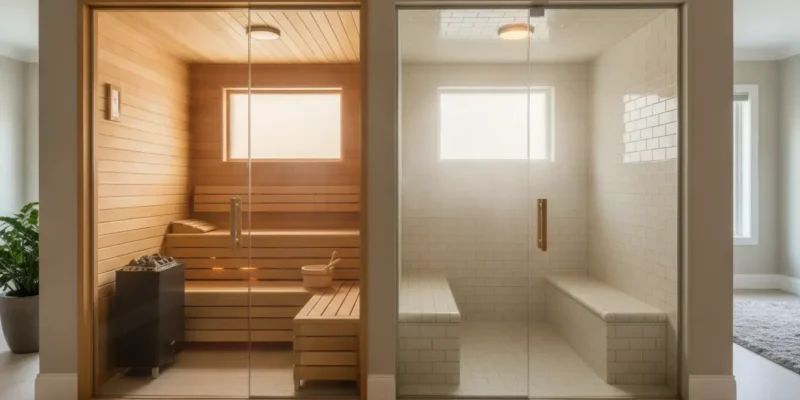
Choosing between a sauna and a steam room is not only a question of which space feels hotter. The best sauna vs steam room decision depends on the heat you enjoy and the room you can dedicate. It also depends on the electrical or plumbing work your home can support and how much construction you want behind the finished walls.

Contact Gappsi through our contact page

A sauna delivers dry heat through a heater, while a steam room creates humid heat with a steam generator. A sauna often fits more easily into a dedicated enclosure, while a steam room requires a fully waterproofed, sealed, ventilated room with plumbing and drainage. Your room conditions, preferred experience, and installation plan should guide the choice.

For Long Island homeowners, the decision is also part of a broader design conversation. A wellness space may connect to a bathroom, basement, pool area, spa, or outdoor living plan. Start by comparing the experience, then confirm what the building envelope and utility layout can support.

What Is the Core Difference Between a Sauna and a Steam Room?

A sauna warms the body with dry air, usually through an electric heater, wood-burning heater, or infrared system. A steam room raises humidity by sending vapor from a generator into a sealed enclosure. Both create a warm place to sit and unwind, but the room behaves very differently during and after use.

Planning factor. Sauna. Steam room.
Heat environment. Dry heat with little visible moisture. Humid heat with visible steam.
Primary equipment. Heater and controls. Steam generator, controls, water supply, and drain planning.
Room construction. Insulated enclosure with wood interior and heat-rated components. Waterproofed, sealed enclosure with moisture-resistant finishes.
Ventilation concern. Air circulation, heat release, and safe clearance. Moisture removal and protection of adjacent rooms.
Typical placement. Indoor room, basement, bathroom zone, or outdoor structure. Bathroom or another room designed for water and vapor.

Neither option is automatically better for every house. A compact sauna can be a practical choice when you have a dry, well-insulated room and want a straightforward heat experience. A steam room can be a better fit when you are already planning a bathroom renovation and want the shower enclosure to provide the foundation for the wellness space.

Gappsi’s sauna and spa resource presents indoor and outdoor sauna options alongside steam rooms, hot tubs, and swim spas. That broader product range is useful because the right answer may be a standalone room, an integrated bathroom feature, or one part of a larger wellness area.

Contact Gappsi through our contact page

How Does a Sauna Work in a Home?

A traditional sauna uses a heater to raise the temperature of an insulated enclosure. Wood benches and interior cladding create the familiar look, while the heater, stones, guard, lighting, controls, and clearances must be planned as a system. An infrared sauna uses radiant panels instead of heating the room in the same way as a traditional hot-rock heater, so its equipment and electrical requirements differ.

The important point for a homeowner is that a sauna is not simply a wood box with a heater plugged into a nearby outlet. The enclosure needs appropriate insulation, a suitable vapor strategy, heat-rated materials, safe clearances, and a control location that makes sense for the room. The electrical load also needs review before walls are closed.

What does a sauna need besides the heater?

  • An insulated enclosure sized for the number of users and the selected heater.
  • Heat-tolerant wood, tile, or other specified interior materials.
  • Electrical planning for the heater, controls, lighting, and any ventilation equipment.
  • Air intake and exhaust planning that supports a comfortable room without sending unwanted heat into adjacent spaces.
  • A safe floor, door swing, heater guard, and clear access for maintenance.

Gappsi offers multiple indoor and outdoor sauna configurations, including electric and infrared options, so the equipment choice should follow the home’s location and the owner’s preferred routine. The home remodeling and construction team can also help coordinate a sauna with a larger interior renovation when framing, tile, electrical, or ventilation work is already planned.

How Does a Steam Room Work in a Home?

A steam room uses a generator to heat water and deliver vapor through a steam head. The room must hold that vapor long enough to create the intended environment, which means the ceiling, walls, door, bench, penetrations, and transitions all need careful detailing. A standard shower enclosure may not be ready for steam simply because it has tile on the walls.

Steam changes the moisture load in the room and in the surrounding assembly. A proper design typically includes a continuous waterproofing system, sealed joints, a sloped ceiling or other condensation strategy, a door that limits vapor escape, and a plan for drainage. The generator also needs a suitable location, water connection, power, service access, and a path for any required discharge.

Why is waterproofing more important in a steam room?

Tile and grout are visible finishes, not the complete waterproofing system. Vapor can move through small gaps, unsealed penetrations, or poorly detailed transitions and reach framing or insulation. That is why a steam room should be planned with the full assembly in mind, from the substrate and membrane to the ceiling, lighting, controls, and door.

Maintenance is part of the decision as well. A steam room needs routine cleaning and drying, and the generator may need attention based on water quality and manufacturer guidance. A homeowner who wants the simplest daily cleanup may prefer a sauna. Someone who enjoys humid heat and is already investing in a carefully built bathroom may accept the added maintenance of a steam room.

Home wellness room evaluation for sauna and steam room utilities
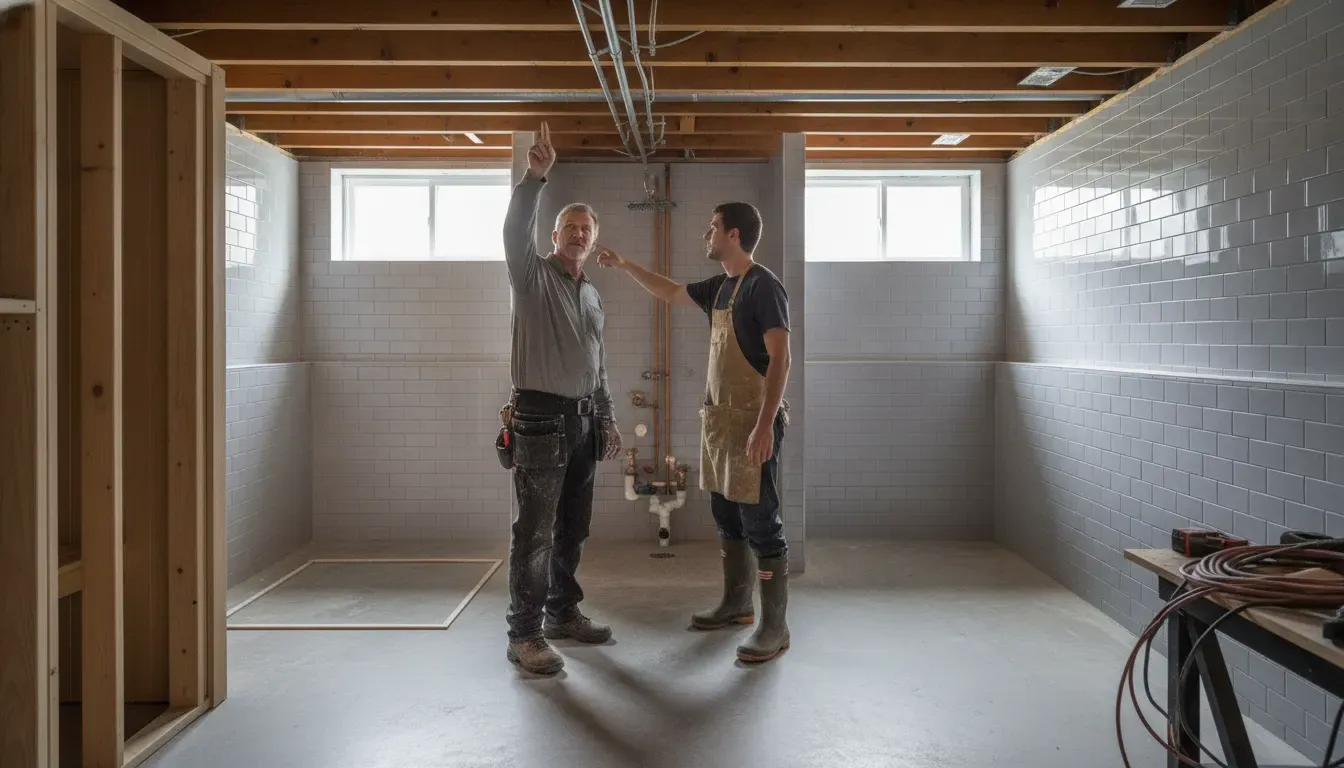
Utility planning should happen before a sauna or steam room enclosure is finished.

What Changes During Construction?

The biggest difference between a sauna and a steam room may not be the equipment. It is the way the surrounding room must be designed to manage heat and moisture. A professional evaluation should look at structure, utilities, finishes, access, and how the new space will interact with the rest of the home.

Electrical requirements

Sauna heaters, infrared panels, lighting, controls, and ventilation equipment each have specific requirements. Some electric sauna systems use a dedicated circuit, and the final load depends on the selected equipment and room size. The panel, cable route, disconnects, and control locations should be reviewed by the appropriate trade before installation.

Plumbing and drainage

A steam room adds water supply and generator considerations to the project. The room itself needs drainage and a way to handle cleaning and condensation. A generator in a nearby closet or mechanical area also needs service access, protection from excessive heat, and a practical route for water and power.

Ventilation and moisture control

Both spaces need ventilation planning, but the goals are different. A sauna needs air movement and heat management. A steam room needs moisture to stay inside during use and then leave the room afterward without damaging nearby materials. The exhaust path should not simply discharge vapor into an enclosed wall cavity or an unprotected hallway.

Materials and transitions

Natural stone and porcelain can be part of a broader wellness design, but the material choice should match the room’s heat, water, slip, cleaning, and maintenance conditions. Gappsi’s porcelain and natural stone resource explains how different materials are used across pools, patios, walls, and other projects. A steam-room finish needs an additional review for wet-room detailing and compatibility with the complete waterproofing system.

When the wellness room connects to a bathroom renovation, basement finishing project, or pool area, sequencing matters. Framing, rough plumbing, wiring, waterproofing, tile, ventilation, and equipment commissioning cannot be treated as unrelated visits. A single design and construction plan reduces the risk of placing a generator, control, drain, or duct where another trade needs access.

Where Can You Place a Sauna or Steam Room?

Placement should be decided by the room’s existing conditions, not by a catalog image alone. An indoor sauna may work in a basement, bathroom zone, spare room, or dedicated wellness suite. An outdoor sauna may fit near a pool, spa, pavilion, or garden, but it still needs a stable base, weather protection, safe power, and a path for service.

A steam room is usually easiest to plan within a bathroom or wet-room renovation. The room should have access to a water line, drainage, power, ventilation, and a waterproofed enclosure. Putting a steam room far from those systems can increase coordination and disruption, even when the finished footprint looks compact.

For a property with a pool or spa, the wellness room may become part of a larger backyard sequence. Gappsi’s Long Island pool design and construction service shows how pool projects can connect with outdoor entertainment areas. A sauna beside that environment may offer a straightforward transition from indoor comfort to outdoor use, while a steam room may make more sense as part of the home’s bathroom plan.

Outdoor placement also requires attention to winter conditions, drainage, lighting, privacy, and the distance to the main electrical panel. A pergola or pavilion may provide shade and a visual transition, but it does not replace the enclosure, foundation, equipment, and utility requirements of the sauna itself. See Gappsi’s pavilion and pergola design options when considering how an outdoor wellness area could connect to the rest of the yard.

Indoor sauna and steam room placement in a home wellness area
Placement decisions affect ventilation, access, finishes, and how the wellness room connects to the home.

Which Experience Matches Your Household?

The daily experience should be the deciding factor after the construction requirements are clear. A sauna offers clear air and dry heat. A steam room offers visible vapor and a humid environment. Neither choice needs to be justified by a medical promise. Choose the environment you and your household are most likely to use consistently.

  • Choose a sauna if you prefer dry heat, want a clear room during use, and have a practical location for an insulated enclosure and heater.
  • Choose a steam room if you prefer humid air, are planning a bathroom or wet-room renovation, and are comfortable with waterproofing, drainage, ventilation, and generator maintenance.
  • Consider an integrated plan if the wellness space will connect to a pool, spa, bathroom, basement, or outdoor entertainment area and several trades will need to coordinate.

Size matters too. A compact enclosure may suit one or two regular users, while a larger room needs more heating capacity, stronger ventilation planning, additional bench space, and a clear access route. The amount of glass, ceiling height, tile, stone, and seating can also change the equipment selection and construction sequence.

When Should a Professional Evaluate the Space?

Bring in a professional before you purchase equipment or remove walls. A site review can confirm whether the floor, framing, electrical service, water lines, drain location, ventilation path, ceiling height, and access route are suitable. It can also identify whether the project belongs inside a bathroom renovation, basement build-out, pool plan, or outdoor construction scope.

Ask the installer to document the decisions that will affect the finished room:

  1. Which heat system and capacity match the room dimensions and intended use?
  2. Where will the heater, generator, controls, drain, service access, and disconnects be located?
  3. How will the room be insulated, waterproofed, ventilated, and separated from adjacent finishes?
  4. Which materials can handle the heat, moisture, cleaning routine, and expected foot traffic?
  5. What inspections, permits, trade coordination, or manufacturer clearances apply to the project?

Gappsi serves Nassau and Suffolk County with sauna, spa, remodeling, pool, masonry, landscaping, and outdoor living capabilities. A consultation can help you compare the two room types against the actual conditions of your home instead of choosing based only on appearance.

Contact Gappsi through our contact page

Frequently Asked Questions

Is a sauna or steam room better for a home?

Neither is universally better. A sauna may be the better fit for dry heat and a dedicated insulated enclosure. A steam room may be the better fit for humid heat within a carefully waterproofed bathroom or wet room. The home’s utilities and the user’s preferred experience should guide the choice.

Does a steam room need more construction than a sauna?

Often, yes. A steam room needs a sealed, waterproofed, moisture-managed enclosure plus plumbing, drainage, ventilation, and generator access. A sauna still needs insulation, safe heater clearances, electrical planning, ventilation, and heat-rated finishes, but it does not create the same vapor load.

Can a sauna or steam room go in a basement?

Either can be possible in a basement, depending on floor conditions, ceiling height, access, utilities, ventilation, and moisture protection. A steam room needs especially careful drainage and waterproofing planning. A professional should review the basement before the enclosure or equipment is selected.

Can a sauna be placed near a pool or spa?

Yes, an outdoor or indoor sauna can be part of a pool or spa plan when the foundation, electrical service, drainage, weather exposure, privacy, and safe transitions are addressed. Its placement should be coordinated with the full backyard layout rather than added after other construction is complete.

What should I do before buying a sauna heater or steam generator?

Measure the proposed room and arrange a site review. Confirm the equipment capacity, circuit or water requirements, service access, clearances, ventilation, waterproofing, and installation sequence before ordering. This avoids selecting a system that the room cannot safely support.

Contact Gappsi through our contact page

Share this page:
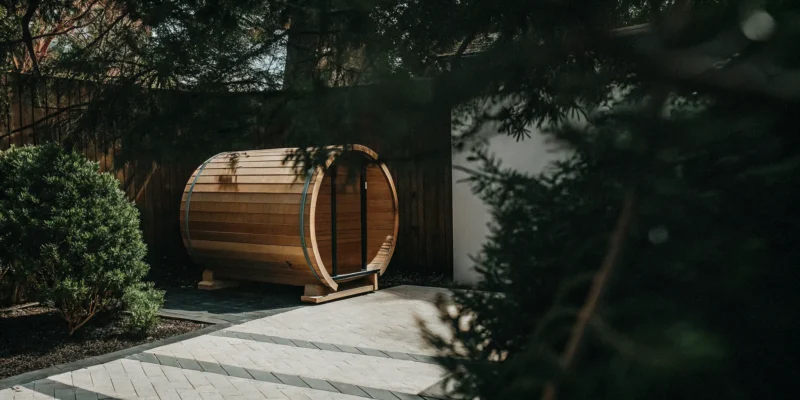
Barrel sauna installation on a patio in a Long Island backyard.

Your Guide to Barrel Sauna Installation on Long Island

The idea of stepping into your own private sauna after a long day is the ultimate home luxury. Barrel saunas, with their efficient heating and durable construction, have made this dream more accessible than ever for homeowners. While choosing the perfect model is a fun first step, ensuring it’s installed correctly is what truly guarantees years of safe and reliable use. Many people wonder about the practical details, like whether they need a permit in their town or how to find a qualified electrician. A proper barrel sauna installation Long Island requires knowledge of local codes and best practices. In this article, we’ll answer all these common questions and outline the process from start to finish, helping you create your perfect backyard escape.

Key Takeaways

  • The Barrel Shape is Smart Design: A barrel sauna’s round shape is more than just for looks; it helps the unit heat up faster and circulate warmth more evenly, making it an energy-efficient choice for your backyard.
  • Budget for the Complete Project: Your total cost will include more than just the sauna itself, so be sure to factor in expenses for professional installation, required electrical work, and creating a solid, level foundation.
  • A Professional Installer is Key: The process involves local permits, zoning laws, and critical electrical work. Hiring a full-service installer ensures your sauna is set up safely, complies with all Long Island regulations, and is ready for you to enjoy.

Barrel vs. Traditional Saunas: What’s the Difference?

When you picture a sauna, you might think of a standard square room. But barrel saunas have become incredibly popular for home installations, and for good reason. While both traditional and barrel saunas offer a fantastic way to relax and unwind, their fundamental design differences affect everything from heating efficiency to the overall experience. A traditional sauna is typically built into a home or as a square cabin, while a barrel sauna stands out with its unique cylindrical shape. Understanding these distinctions is the first step in deciding which type of personal oasis is the perfect fit for your Long Island backyard. Let’s look at what makes a barrel sauna special.

The Advantage of the Barrel Shape

The round design of a barrel sauna is more than just a unique aesthetic choice; it’s a clever piece of engineering. The circular shape means there is less empty air space to heat compared to a rectangular sauna of a similar size. This allows for more efficient heat circulation. The gentle curve of the walls encourages a natural and continuous flow of warm air, creating a consistent and enveloping warmth. Beyond efficiency, the barrel construction is incredibly sturdy and weather-resistant. The tight-fitting staves and stainless steel bands create a strong structure, and the rounded top naturally sheds rain and snow, making it a durable choice for our Long Island climate. It’s a design that’s both beautiful and practical for your backyard wellness space.

Faster Heating and Better Efficiency

One of the most practical benefits of a barrel sauna is how quickly it heats up. With less wasted space, especially near the ceiling where hot air gathers, a barrel sauna can get to your desired temperature up to 25% faster than a square model. This means you spend less time waiting and more time enjoying your session. This efficiency also translates to lower energy costs over time, which is a welcome bonus for any homeowner. The natural convection current created by the rounded walls ensures the heat is distributed evenly, so you won’t find hot and cold spots. It’s a smart design that makes your home wellness routine more spontaneous and sustainable, a key part of any modern home improvement project.

Key Health and Wellness Benefits

Adding a sauna to your home is an investment in your well-being. Whether you choose a barrel or traditional style, the health benefits are significant. Regular sauna use can help you relax, reduce stress, and soothe sore muscles after a workout or a long day. The heat improves circulation and can even promote better sleep and mental clarity. Think of it as your personal retreat, a place to disconnect and recharge right in your own backyard. Creating a dedicated space for relaxation, like a sauna paired with a beautiful patio or pergola, can transform your property into a true sanctuary for health and happiness. It’s a wonderful way to support a healthy lifestyle for you and your family.

Top Barrel Sauna Brands to Consider

Choosing the right barrel sauna comes down to your personal preferences for style, heating methods, and features. The market is full of excellent options, and knowing the top players can help you narrow down your search. Whether you prioritize quick heating times, traditional wood-burning experiences, or modern hybrid technology, there’s a brand that fits your needs. We’ve gathered a few of the most popular brands to give you a starting point as you explore adding a beautiful and functional sauna to your Long Island home. Each offers a unique set of features designed to enhance your wellness routine.

Almost Heaven Pinnacle

If efficiency is at the top of your list, the Almost Heaven Pinnacle is a fantastic choice. This 4-person barrel sauna is known for its ability to heat up about 20% faster than a typical cabin-style sauna of a similar size. This means less waiting and more time relaxing. Its compact 6×6 foot design makes it a great fit for many backyards without demanding too much space. The Pinnacle offers a straightforward, high-quality sauna experience, making it a popular option for those who want to enjoy the classic benefits of a sauna without unnecessary complexity. It’s a reliable workhorse that delivers consistent performance.

Dundalk LeisureCraft Tranquility MP

For those who appreciate classic craftsmanship and material quality, the Dundalk LeisureCraft Tranquility MP stands out. Made from 100% Canadian red cedar, this sauna not only looks beautiful but is also naturally durable and resistant to the elements. It offers flexibility by giving you the choice between a powerful electric heater or a traditional wood-burning stove for a more rustic experience. This 2 to 6 person model also includes a charming front porch, providing a small, covered space to cool down between sessions or store towels. It’s an ideal choice for anyone seeking an authentic and timeless sauna design.

Finnmark FD-6

Can’t decide between a traditional sauna and an infrared one? With the Finnmark FD-6, you don’t have to. This 4-person outdoor model is a hybrid, combining the deep, penetrating warmth of infrared heaters with the high-temperature environment of a traditional electric heater. This gives you the flexibility to choose your experience each day. You can enjoy a gentle, therapeutic infrared session or crank up the heat for a classic, sweat-inducing Finnish-style sauna. Constructed from aromatic and decay-resistant cedar, the Finnmark FD-6 offers the best of both worlds for the modern sauna enthusiast.

SaunaLife E8G Ergo Series

If you’re looking for a sauna that combines performance with a sleek, modern aesthetic, the SaunaLife E8G Ergo Series is worth a look. This spacious 6-person sauna is designed for comfort and style. Its most striking feature is a panoramic glass front, which creates an open, airy feel and offers beautiful views of your backyard. The interior features ergonomic benches for maximum comfort during longer sessions. Built from durable Thermo-Spruce and topped with a full shingle roof for extra weather protection, this sauna is as practical as it is beautiful. It’s a premium option for those who want their sauna to be a true backyard showpiece.

Gappsi’s Barrel Sauna Collection

Finding the perfect sauna can feel overwhelming, which is why we’ve curated a selection of high-quality options to simplify the process. At Gappsi, we offer a diverse range of saunas to fit any Long Island home, including traditional Finnish wood-burning models, convenient electric dry saunas, and therapeutic infrared units. Our team works with you to understand your wellness goals, aesthetic preferences, and backyard layout. We then help you select the ideal barrel sauna from our collection and handle the entire installation, ensuring a seamless and professional experience from start to finish. Our goal is to match you with a sauna that you and your family will enjoy for years to come.

Breaking Down Barrel Sauna Costs on Long Island

Investing in a barrel sauna is an exciting step toward creating your personal wellness retreat, but it’s helpful to have a clear picture of the total cost before you begin. The final price tag is more than just the sauna unit itself. It includes professional installation, essential electrical work, and any necessary site preparation to create a stable foundation. Understanding these components from the start helps you budget effectively and ensures there are no surprises along the way, allowing you to focus on the relaxation and health benefits ahead.

A well-planned project is a successful one, and knowing the full scope of the investment is the first step. From the initial purchase to the long-term care, each element plays a role in the overall value and enjoyment you’ll get from your sauna. Let’s walk through the main expenses you can expect when bringing a beautiful and functional barrel sauna to your Long Island home. This breakdown will help you plan with confidence and make an informed decision that fits your vision and your budget.

Cost of the Sauna Unit

The first and most significant expense is the sauna itself. Barrel saunas are prized for their unique, circular design, which allows them to heat up about 15 to 25 percent faster than a similar-sized square sauna. This efficiency can save you money on energy bills over time. The price of the unit depends on its size, the type of wood used, and the features it includes, like the heater type or window options. For example, a quality four-person barrel sauna can start around $4,500 and go up from there for larger models. You can explore a variety of high-quality saunas and spas to find the perfect fit for your space and budget.

Professional Installation and Electrical Fees

Once you’ve chosen your sauna, you’ll need to account for installation and electrical costs. While some saunas are sold as DIY kits, professional installation guarantees that everything is assembled correctly and safely. The most critical part of the setup is the electrical work. A licensed electrician must run a dedicated circuit for the sauna heater, a process that almost always requires an electrical permit. This is not a corner you want to cut, as it ensures your sauna operates safely and meets local codes. At Gappsi, our team coordinates the entire process, from assembly to final electrical hookup, giving you complete peace of mind.

Other Expenses to Plan For

Beyond the sauna and its installation, you may have a few other costs. First, you’ll need a solid, level foundation. This could be an existing patio or a new base made of concrete, pavers, or compacted gravel. If your yard needs leveling or a new pad, this will be an additional expense. Gappsi’s expertise in masonry and stonework means we can create the perfect foundation for you. You should also check with your local municipality about building permits. While not always required for smaller structures, it’s essential to confirm the rules in your specific area of Nassau or Suffolk County to ensure your installation is fully compliant.

Budgeting for Ongoing Maintenance

The good news is that barrel saunas are fairly low-maintenance. However, you should plan for some minor ongoing care to keep your sauna in top condition. This includes simple tasks like wiping down the interior benches after each use to manage moisture and keeping the exterior wood clean. On a monthly basis, it’s a good idea to check that all components are secure and functioning properly. The most significant long-term maintenance cost might be replacing the heating element, which typically has a lifespan of five to seven years depending on usage. Regular care is a small price to pay to protect your investment and ensure years of relaxing sauna sessions.

Do You Need a Permit for a Barrel Sauna on Long Island?

The short answer is, yes, you probably do. While it might seem like an extra step, getting the right permits is all about ensuring your new backyard oasis is safe, secure, and built to last. Think of it as the foundation for years of relaxation. Handling local rules can feel a little overwhelming, but breaking it down makes the process much more manageable. Here’s what you need to know about getting a permit for your barrel sauna on Long Island.

Understanding Nassau and Suffolk County Rules

In most towns across Nassau and Suffolk counties, adding a structure like a barrel sauna requires a building permit. This isn’t just red tape; it’s a process to confirm your sauna meets all local safety and construction standards. To get your permit, you’ll typically need to provide a plan that shows the sauna’s dimensions, where it will be located on your property, and the materials used. These general home sauna regulations are in place to protect you and your investment. Working with an experienced installer can make this process much smoother, as they will be familiar with what your local building department requires.

Electrical Permits and Zoning

Beyond the main building permit, you will also need a separate electrical permit for your sauna’s heater. This is a critical step, as it ensures all wiring is handled by a licensed professional and meets strict safety codes to prevent any hazards. It’s always a good idea to check with your local building department for their specific electrical requirements. You’ll also want to be mindful of zoning regulations, which are rules that dictate how far structures must be from property lines. An experienced team can help you create a site plan for your sauna that complies with all local zoning ordinances, ensuring your installation goes off without a hitch.

Checking with Your HOA

If your home is part of a Homeowners Association (HOA), you have one more checkpoint. Many HOAs have their own guidelines for outdoor structures to maintain the community’s aesthetic, so you’ll need to review your agreement and likely submit your plans for their approval. It’s always best to get this approval in writing before any work begins to avoid any potential issues down the road. This is just one part of the planning that goes into a successful home remodeling project. A professional installer who is used to working with HOAs can help you prepare the necessary documents for a smooth approval process.

The Barrel Sauna Installation Process, Step by Step

Once you’ve chosen your perfect barrel sauna, the next step is bringing it to life in your backyard. The installation process is straightforward when you break it down into a few key stages. From preparing the ground to connecting the heater, each step ensures your sauna is safe, functional, and ready for years of enjoyment. Let’s walk through what you can expect.

Preparing Your Site and Foundation

A solid foundation is the key to a long-lasting sauna. You’ll need to find a level spot in your yard with good natural drainage to prevent water from pooling. It’s also wise to consider local setback rules, which dictate how far the structure must be from property lines. For convenience, choose a location that is a reasonable distance from your home’s electrical panel. Your sauna can rest on several types of foundations, including a concrete pad, a sturdy deck, or a base of porcelain pavers. A professional can help you determine the best and most stable option for your specific landscape.

Connecting Electrical and Heating Systems

This is one area where you should always call a professional. Sauna heaters are powerful and require a dedicated 240-volt circuit with a GFCI breaker for safety, which is a standard code requirement in most areas. A licensed electrician will ensure the wiring is handled correctly, protecting both your home and your new sauna. Proper electrical work is not just about safety; it also guarantees your heater performs efficiently, giving you that perfect, enveloping heat every time. Gappsi coordinates with certified electricians to ensure every sauna installation meets all safety standards and local codes.

DIY vs. Professional Installation

While many barrel saunas are sold as kits, the assembly can be tricky depending on the model and your own experience with construction projects. A DIY approach can be rewarding, but it often comes with a steep learning curve and the potential for mistakes. Opting for a professional installation removes all the guesswork and stress. An experienced team arrives with the right tools and knowledge to assemble your sauna correctly and efficiently. This ensures every plank is perfectly aligned, the bands are properly tightened, and all components are secure, giving you complete peace of mind.

A Typical Installation Timeline

With a professional team, the timeline is quite efficient. After an initial consultation to assess your space, the first step is site preparation and electrical work, which can take a day or two. Once the foundation is ready and the electrical is in place, the actual sauna assembly is surprisingly fast. Most barrel saunas can be fully constructed in just a few hours. A full-service installer like Gappsi manages this entire process, coordinating the site prep, electrical, and assembly for a seamless experience. You can see examples of how our teams transform backyards from start to finish.

Common Questions About Barrel Saunas on Long Island

Deciding to add a barrel sauna to your home is exciting, but it naturally comes with a few questions. From practical concerns about cost and placement to making sure it can handle our local weather, you want to feel confident in your investment. Let’s walk through some of the most common questions we hear from homeowners on Long Island.

How to Manage Electricity Costs

Will a home sauna cause my electricity bill to skyrocket? This is a common concern, but the impact is usually less than you might think. Modern sauna heaters are designed for efficiency, and the barrel shape heats up much faster than a square room, reducing overall energy use. To keep costs low, use your sauna’s timer to have it ready right when you are, and avoid letting it run idly. Choosing a high-quality, well-insulated model also makes a big difference. The best saunas are built to retain heat, so the heater works less to maintain your desired temperature.

Indoor vs. Outdoor: Where Should It Go?

While barrel saunas are designed with the outdoors in mind, you can absolutely install one indoors. The signature curved shape is excellent at shedding rain and snow, making it a perfect backyard feature. If you’re considering an indoor setup, you’ll need a room with proper ventilation and a waterproof floor. For many Long Island homeowners, an outdoor sauna is the ideal choice. It creates a beautiful focal point in your yard and transforms your property into a personal wellness retreat. Placing it near your patio or swimming pool can create a seamless indoor-outdoor living experience for year-round enjoyment.

Important Safety Features

Safety should always be the top priority with any sauna installation. A critical feature is the use of heat shields on the walls and ceiling behind the heater. These shields prevent the wood from getting too hot and are a standard safety measure. Another essential component is a proper guardrail around the heater to prevent accidental burns. The sauna door should also be designed to open outward easily without a complex latch. Most importantly, all electrical work must be completed by a licensed electrician to ensure it meets code and operates safely. Proper installation is a key part of any home remodeling project, and a sauna is no exception.

Weatherproofing for the Long Island Climate

A quality barrel sauna is built to withstand Long Island’s varied climate, from humid summers to icy winters. The barrel shape naturally sheds water and snow, preventing moisture from pooling on the roof. These saunas are typically constructed from woods like cedar or thermowood, which are naturally resistant to rot, decay, and insects. For added protection against the elements, you can add a roof cover or apply a protective stain. Gappsi’s restoration and sealing services can also help you maintain your sauna’s exterior, ensuring it stays beautiful and functional for years to come.

Choosing Your Barrel Sauna Installer on Long Island

Selecting the perfect barrel sauna is exciting, but your work isn’t done just yet. Choosing the right installer is just as critical to ensuring your new backyard escape is safe, functional, and built to last. A great installation experience means you can start relaxing sooner, without any lingering worries about the setup. On Long Island, you need a team that understands the local landscape, from soil conditions to specific town codes.

What to Look For in a Professional Installer

When you start your search, you’ll want to find a company that offers more than just a point of sale. The ideal partner provides comprehensive installation services, managing the project from delivery to the final electrical hookup. This all-in-one approach prevents the logistical headaches and potential miscommunications that can happen when you’re juggling a separate dealer, delivery team, and electrician. A company that handles everything ensures a single point of contact and a clear line of responsibility. Look for a team with a proven track record of installing saunas and similar outdoor structures, as their experience is your best guarantee of a smooth process.

Questions to Ask Before You Hire

Before you commit to an installer, it’s important to ask a few key questions to make sure they’re the right fit. A prepared professional will have clear answers for you.

Start by asking:

  • Do you handle the entire installation, including the foundation and electrical work?
  • Are you familiar with the specific permit requirements in my Nassau or Suffolk County town?
  • Can you provide a detailed, itemized quote so I understand all the costs involved?
  • Do you have a portfolio of previous sauna installations I can review?

Understanding their experience with local building codes is especially important, as it can prevent major delays and legal issues down the road.

How Gappsi Ensures a Seamless Installation

At Gappsi, we’ve built our process around providing a completely seamless installation for homeowners across Long Island. We don’t just sell you a sauna; we deliver a full-service experience. Our team manages every detail, from preparing the site foundation to handling all the necessary electrical work required for your sauna’s heater. Because we have decades of construction experience in both Nassau and Suffolk counties, we know exactly what it takes to comply with local regulations, ensuring your installation is done right the first time. Our goal is to manage all the technical details so you can simply look forward to enjoying your new barrel sauna without any of the stress.

Related Articles

Frequently Asked Questions

What is a realistic total budget for a barrel sauna project? The final cost involves more than just the price of the sauna unit. You should also budget for professional installation, the foundation, and the necessary electrical work, which requires a licensed electrician. A quality installer will provide a detailed, itemized quote that includes all these components, so you have a clear understanding of the total investment from the start. This approach helps you plan effectively and ensures there are no hidden costs.

How complicated is the permit process on Long Island? The permit process can feel intimidating, but it is a standard part of ensuring your sauna is installed safely and to code. Most projects will require both a building permit for the structure and a separate electrical permit for the heater. The best way to simplify this is to work with an experienced installer who is familiar with the specific requirements in Nassau and Suffolk County towns. A full-service company can manage the paperwork and submissions for you, making the process much more straightforward.

How well do barrel saunas hold up to Long Island weather? Barrel saunas are very well suited for our local climate. Their rounded design is excellent at shedding snow and rain, preventing moisture from collecting. They are built from durable, weather-resistant woods like cedar or thermowood that naturally resist rot and insects. For extra protection against coastal air and winter storms, you can also add a roof cover or apply a protective sealant, ensuring your sauna remains a beautiful backyard feature for many years.

How much space do I need, and what kind of surface is required? You will need a solid, level area for your sauna. The exact footprint depends on the model you choose, but even a small yard can often accommodate one. The foundation can be as simple as a compacted gravel pad or as finished as a concrete slab or a paver patio. The most important factor is that the base is perfectly level to ensure the sauna is stable and the door functions correctly. A professional can assess your property and recommend the best location and foundation type for your space.

Why should I choose a barrel sauna over a traditional cabin style? The main advantages of a barrel sauna come from its unique circular design. This shape allows it to heat up faster and circulate warmth more evenly, which means you spend less time waiting and use less energy. Many people also prefer the distinct, rustic aesthetic of a barrel sauna, which can become a beautiful focal point in a backyard. While both styles offer great health benefits, a barrel sauna provides a smart combination of efficiency, performance, and visual appeal.

Share this page:
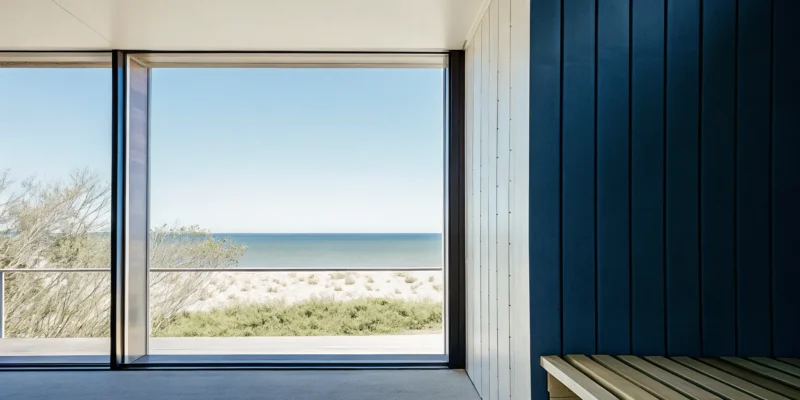
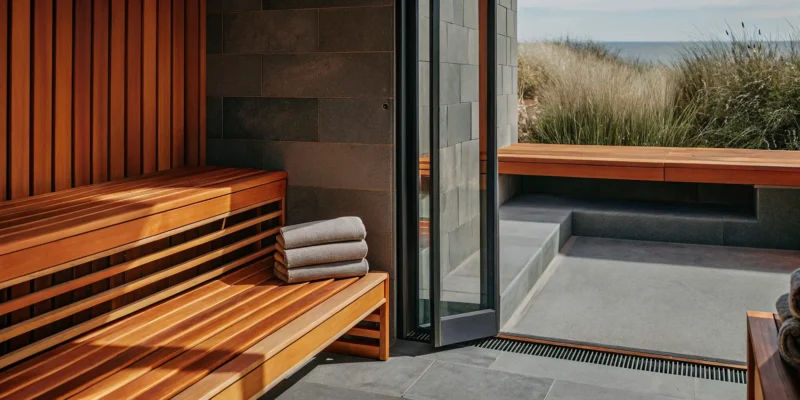
Indoor sauna installation in a modern Long Island home with a beach view.

Indoor Sauna Installation Long Island: A Complete Guide

Adding a sauna to your home is more than just a luxury upgrade; it’s a powerful investment in your daily health. Think of it as creating a personal wellness retreat, a quiet space to relieve muscle soreness, reduce stress, and support better sleep. The benefits of regular sauna use are profound, helping you feel recharged and revitalized. It’s a simple practice that becomes a cornerstone of a healthier lifestyle. For homeowners looking to enhance their well-being, a professional indoor sauna installation Long Island provides a dedicated space for relaxation and recovery, seamlessly integrated into your home’s design and your daily routine.

Key Takeaways

  • Choose Your Experience: Decide if you prefer the deep, gentle warmth of an infrared sauna or the intense, steamy heat of a traditional model; your personal preference is the most important factor in selecting the right sauna for your lifestyle.
  • Plan for a Safe Installation: A successful sauna project depends on crucial details like location, electrical wiring, ventilation, and drainage. Partnering with a professional ensures these technical aspects are handled correctly, preventing safety hazards and costly mistakes.
  • Understand the Full Investment: The total cost includes the sauna unit, professional installation, and necessary electrical work. Knowing these components from the start helps you budget for a project that is a long-term investment in your health and well-being.

Infrared vs. Traditional Saunas: Which Is Right for You?

Deciding to bring a sauna into your home is exciting, but choosing the right one can feel like a big decision. The two main types you’ll encounter are infrared and traditional steam saunas. While both offer incredible relaxation and health benefits, they provide very different experiences. The best fit for you really comes down to your personal preferences for heat, the kind of wellness routine you envision, and the space you have in your Long Island home.

Think about what you want to get out of your sauna sessions. Are you looking for a gentle, soothing warmth that penetrates deep into your muscles, or do you crave the intense, steamy heat of a classic Finnish spa? Understanding how each type works is the first step in creating your perfect home sanctuary. We can help you explore the features of both, ensuring the sauna you choose aligns perfectly with your lifestyle and wellness goals.

What Is an Infrared Sauna?

An infrared sauna works a bit differently than the saunas you might see at a gym. Instead of heating the air around you, it uses infrared light waves to warm your body directly. It’s a similar feeling to the way the sun warms your skin on a cool day. This process allows you to experience a deep, therapeutic sweat at much lower temperatures, typically between 120°F and 140°F. Because the heat is more targeted and less overwhelming, many people find they can enjoy longer, more comfortable sessions. This makes infrared saunas a great option if you’re new to sauna use or are sensitive to high heat.

What Is a Traditional Steam Sauna?

A traditional steam sauna, often called a Finnish sauna, creates the classic experience many people associate with the word “sauna.” It uses an electric or wood-burning stove to heat a compartment of rocks. When the rocks are hot, you pour water over them to produce a burst of steam, or “löyly,” which fills the room with moist heat. Temperatures in a traditional sauna are much higher, often reaching 195°F. This intense, enveloping heat provides a powerful, purifying sweat. It’s an invigorating experience that is perfect for those who love a hot, humid environment and want to incorporate it into a larger home remodeling project.

Key Differences to Help You Choose

When you’re weighing your options, the main differences come down to heat, installation, and experience. An infrared sauna offers a gentle, dry heat that warms up quickly and is often easier to install, sometimes just needing a standard electrical outlet. A traditional sauna provides a more intense, humid heat and requires a more involved installation process that includes proper ventilation and electrical wiring. The experience is also distinct: infrared is about deep, penetrating warmth, while traditional is about a powerful, steamy sweat session. Both paths lead to relaxation and wellness; the right one is simply the one that feels best for you.

The Health Benefits of an Indoor Sauna

Adding a sauna to your home is more than just a luxurious upgrade; it’s a powerful investment in your daily health and well-being. Think of it as your personal retreat, a quiet space to unwind and recharge your body and mind. Regular sauna sessions can have a profound impact, offering a range of benefits from physical recovery to mental clarity. It’s a simple, enjoyable practice that can easily become a cornerstone of your wellness routine. The warmth envelops you, stress melts away, and you emerge feeling renewed. This isn’t just about relaxation, it’s about actively supporting your body’s functions in a gentle, natural way. Gappsi offers beautiful, high-quality saunas that can be seamlessly integrated into your Long Island home, creating a sanctuary for relaxation and health. Whether you’re finishing a basement or designing a new master bathroom, a sauna is a feature that provides lasting value for your entire family. Let’s explore some of the incredible ways an indoor sauna can support a healthier lifestyle.

Improve Circulation and Detoxification

One of the most immediate effects you’ll notice in a sauna is how it gets your blood flowing. The gentle heat raises your body temperature, causing your blood vessels to widen. This process improves circulation, which means more oxygen and nutrients are delivered throughout your body. Better blood flow is fantastic for your cardiovascular health and gives your skin a vibrant, healthy glow. At the same time, the heat induces a deep sweat, which is your body’s natural way of flushing out toxins. This cleansing process can leave you feeling refreshed and revitalized from the inside out.

Relieve Muscle Pain and Soreness

If you deal with sore muscles after a workout or chronic joint stiffness, a sauna can become your best friend. The penetrating heat works wonders on tired, aching muscles, helping them relax and release tension. This increased blood flow also helps reduce inflammation and speeds up your body’s natural recovery process. For athletes or anyone with an active lifestyle, regular sauna use can be a game-changer for muscle repair. It’s also a wonderful source of relief for those with arthritis or other chronic pain conditions. Integrating a sauna is a perfect complement to a wellness-focused home remodeling project.

Reduce Stress and Promote Better Sleep

In our busy lives, finding a moment of true peace can be difficult. A sauna provides a warm, quiet escape where you can shut out the noise and simply breathe. The heat helps your body release endorphins, which are natural mood-lifters, creating a profound sense of calm and well-being. This deep relaxation is the perfect antidote to a stressful day. By making a pre-bedtime sauna session part of your nightly routine, you can help prepare your body for a deeper, more restorative sleep. You’ll find it easier to fall asleep and wake up feeling more rested and ready for the day.

Support Clearer, Healthier Skin

Your skin loves a good sauna session. As you sweat, your pores open up and release the dirt, oil, and bacteria that can build up over time. This deep cleansing action can help reduce breakouts and leave your skin feeling incredibly clean and soft. The improved circulation also plays a huge role, delivering a fresh supply of oxygen and nutrients to your skin cells. This can help stimulate collagen production and give you that coveted healthy, natural glow. Think of it as an all-natural facial that you can enjoy in the comfort of your own home, leaving your complexion clearer and more radiant.

How to Prepare Your Home for a Sauna Installation

Bringing a sauna into your home is an exciting step toward creating your personal wellness retreat. Before the installation team arrives, a little preparation can make the entire process smoother and faster. Thinking through a few key details ensures your new sauna will be safe, efficient, and perfectly placed. Getting these elements sorted out first means you’ll be enjoying your first steam or infrared session in no time.

Let’s walk through the four main things you need to consider to get your space ready for a seamless installation.

Find the Perfect Spot

The first step is deciding where your new sauna will live. You have more options than you might think. Basements, garages, and even large, well-ventilated bathrooms are popular choices. A spare bedroom or a finished attic can also work beautifully, provided there is good airflow. The main requirements are a solid, level surface and enough space for the sauna’s footprint and clearance for the door to swing open. When you work with us, our team can help you evaluate potential locations in your home to find the one that offers the best combination of convenience, privacy, and structural soundness for your new sauna.

Plan for Electrical and Ventilation Needs

Saunas have specific power and ventilation requirements that are crucial for safety and performance. Most infrared saunas can run on a dedicated 15 to 20 amp electrical outlet, similar to a major appliance. Traditional steam saunas often require a more powerful 240V connection. Proper ventilation is also essential to manage moisture and keep the air fresh. This might involve tying into an existing exhaust system or installing a new one. Don’t worry about the technical details, our professional home remodeling team handles all the necessary electrical and ventilation work to ensure your installation is safe and up to code.

Select the Right Flooring and Insulation

The right foundation is key to a long-lasting sauna. You’ll need a flat, strong, and waterproof surface. Materials like concrete, tile, or luxury vinyl are excellent choices. Carpet is not a suitable option because it can trap moisture and lead to mold. Proper insulation within the sauna walls is just as important. It ensures the sauna heats up efficiently, maintains a consistent temperature, and operates safely. Using the correct type and amount of insulation is a detail that professionals never overlook, as it directly impacts your energy bills and overall experience. We can even help you select beautiful and durable porcelain tiles that are perfect for the area around your sauna.

Check Local Long Island Building Codes

Any significant home improvement project, including a sauna installation, must comply with local building codes. These regulations exist to ensure safety and proper construction practices. For homeowners in Nassau and Suffolk County, trying to figure out these rules can be a headache. The good news is, you don’t have to. When you partner with Gappsi, we take care of everything. Our team is deeply familiar with Long Island’s specific building codes and permit requirements. We manage the entire process, from filing paperwork to passing final inspections, so you can have complete peace of mind knowing your project is done right.

The Sauna Installation Process, Step-by-Step

Bringing a sauna into your home is an exciting project, and understanding the process can make it feel much more manageable. At Gappsi, we’ve refined our installation to be as smooth and transparent as possible, so you know exactly what to expect. From the initial idea to your first relaxing session, our team handles every detail. We believe the journey to getting your dream sauna should be as stress-free as the sauna itself. Let’s break down the four key steps we take to transform a space in your home into a personal wellness retreat.

Step 1: Consultation and Design

Everything starts with a conversation. Our first step is a detailed consultation where a Gappsi expert visits your home. We’ll talk about your vision, how you plan to use the sauna, and your wellness goals. This is also when we’ll carefully measure your intended space, whether it’s a corner of your master bathroom or a dedicated room in your basement. We assess the existing electrical and ventilation setups to ensure a safe and seamless fit. This initial meeting is all about creating a personalized plan that aligns your dream with the practicalities of your home, ensuring the final result is perfect for you.

Step 2: Choosing Your Materials

Once we have a design, it’s time for the fun part: choosing your sauna. We offer a wide range of options to fit your lifestyle and aesthetic preferences. You can select from traditional Finnish wood-burning models, modern electric dry saunas, or therapeutic infrared saunas. Each type offers a unique experience and health benefits. Our team will guide you through the different materials, like beautiful cedar or hemlock, and features available. We handle the sourcing of all high-quality materials, ensuring your new sauna not only looks stunning but is also built to last for years of enjoyment.

Step 3: Delivery and Professional Setup

With your design finalized and materials selected, our professional team takes over. Gappsi manages the complete delivery and installation, so you don’t have to worry about coordinating logistics. Our skilled technicians will arrive on schedule and assemble your sauna with precision and care. We follow manufacturer specifications and our own high standards to ensure every component is installed correctly and safely. For most models, the setup is surprisingly quick, often taking just a few hours. Our home remodeling experts work efficiently and cleanly, respecting your home and leaving the space ready for you to enjoy.

Step 4: Final Walkthrough and Tutorial

Our job isn’t finished once the last panel is in place. Before we leave, we conduct a thorough final walkthrough with you. We’ll turn on the sauna and show you exactly how to operate all the controls, from setting the temperature to managing any special features. We also provide practical tips for cleaning and maintenance to keep your sauna in pristine condition. This tutorial is your opportunity to ask any questions you might have. We want to make sure you feel completely confident and comfortable using your new home spa from the very first day.

How Much Does an Indoor Sauna Cost in Long Island?

Thinking about your budget is one of the first steps in any home improvement project, and adding a sauna is no different. The total cost of your indoor sauna will depend on a few key things: the type of sauna you choose, its size, the materials used, and any custom features you have in mind. To give you a clearer picture, let’s break down the typical costs you can expect for an indoor sauna installation here on Long Island.

Breaking Down Infrared Sauna Costs

Infrared saunas are a popular choice for their modern technology and straightforward installation. The unit itself typically costs between $3,200 and $6,500, though high-end models can cost more. Because many infrared saunas come as pre-fabricated kits, the installation process is quite efficient. A professional can often assemble and set up the unit in just three to four hours, which helps keep labor costs down. This makes infrared saunas an excellent option if you’re looking for a quicker path to relaxation without a complex construction project. These saunas offer a gentle, therapeutic heat that many people love.

Breaking Down Traditional Sauna Costs

If you dream of a classic, steamy sauna experience, a traditional model is the way to go. These saunas generally range from $4,000 to $10,000 or more for the unit and materials. Professional installation can add another $400 to $1,500 to the final price, depending on the complexity of your design. The higher cost reflects the more involved construction process, which includes building the insulated room, installing the electric or wood-fired heater, and setting up the rocks for generating steam. While the investment is greater, a traditional sauna offers that authentic, high-heat environment and often allows for more custom design possibilities.

Additional Expenses to Consider

Beyond the sauna unit and basic installation, there are a few other potential costs to keep in mind. The most important is the electrical work. An infrared sauna might require a dedicated circuit, which can cost between $300 and $800 on average. Traditional saunas often have more demanding electrical needs. It is vital to work with a licensed electrician to ensure the wiring is safe and meets local codes. At Gappsi, we handle all the electrical requirements for our sauna installations, giving you peace of mind that everything is done correctly. Other costs could include preparing the space, upgrading flooring, or adding custom lighting to complete your personal oasis.

Common Sauna Installation Mistakes to Avoid

Adding a sauna to your home is an exciting project, but a smooth installation requires careful attention to detail. A few common missteps can lead to costly repairs and safety concerns down the road, turning a dream project into a major headache. By understanding these potential pitfalls ahead of time, you can ensure your new wellness retreat is a source of relaxation, not stress. The good news is that you don’t have to figure it all out on your own. Working with an experienced team helps you sidestep these issues entirely, as they handle the technical details so you can focus on the fun part: enjoying your new sauna. From initial design to the final touches, a professional approach guarantees a safe, beautiful, and long-lasting addition to your home.

Skipping the Planning Stage

It’s tempting to jump right into picking out wood types and heaters, but rushing past the planning phase is a recipe for trouble. A successful installation starts with a thoughtful design that considers the specific dimensions of your space, your home’s layout, and how you plan to use the sauna. Without a clear blueprint, you might end up with a sauna that feels cramped or doesn’t fit the room correctly. A proper plan ensures every element, from bench placement to door swing, is accounted for, creating a functional and beautiful final product. This is why our comprehensive home remodeling projects always begin with a detailed consultation to get every detail just right.

Overlooking Proper Ventilation

Proper ventilation is one of the most critical aspects of a safe and long-lasting sauna, yet it’s often overlooked. A sauna generates significant heat and moisture, and without an adequate way for air to circulate, you risk creating a perfect environment for mold and mildew. This can damage your home’s structure and create an unhealthy atmosphere. Good ventilation not only prevents moisture buildup but also ensures a steady supply of fresh air, making your sauna sessions more comfortable and enjoyable. Professional installers will design a ventilation system that protects both your sauna and your home for years to come.

Attempting DIY Electrical Work

While the DIY spirit is admirable for many home projects, sauna electrical work is not one of them. Saunas require dedicated circuits and specific wiring to handle the high power demands of the heater safely. Incorrect wiring is a serious fire hazard and can lead to electrical shorts or equipment failure. You should always hire a licensed and qualified electrician to handle this part of the installation. This ensures your sauna is compliant with local building codes and, most importantly, that your family is safe. A professional installation team will coordinate all electrical work for you, providing total peace of mind.

Forgetting About Drainage

Water and saunas go hand in hand, whether you’re ladling it over hot stones or rinsing off afterward. Because of this, proper drainage is essential to prevent water from pooling and causing damage. Without a plan for where water will go, you can face issues like warped flooring, rot in the surrounding walls, and moisture seeping into your home’s foundation. A well-designed sauna includes a subtle, effective drainage system, often involving a sloped floor and a drain. This simple feature is key to protecting your investment and making your sauna easy to clean and maintain.

How to Hire the Best Sauna Installer in Long Island

Choosing the right installer is just as important as picking the perfect sauna. You want a team that makes the process feel effortless, handling everything from delivery to the final electrical hookups. A great installer ensures your new home spa is not only beautiful but also safe and built to last, giving you peace of mind so you can focus on the exciting part: enjoying your first session.

What to Look for in a Professional

When you start your search, look for a company that offers a complete, all-in-one service. The ideal partner doesn’t just sell you a sauna; they manage the entire project from start to finish. This means they handle the supply, delivery, and full installation. Working with a single, dedicated team prevents miscommunication between different contractors and simplifies the whole experience for you. You’ll have one point of contact who understands your vision and is responsible for bringing it to life. This integrated approach is the key to a smooth, stress-free installation, ensuring every detail is handled professionally without you having to coordinate multiple vendors.

Why Choose Gappsi for Your Sauna Installation

Finding an installer who truly understands Long Island is a game-changer. At Gappsi, we provide high-quality saunas and manage every technical aspect of the installation. Our licensed experts handle all the electrical work, making sure your setup fully complies with local codes in both Nassau and Suffolk Counties. This removes a major headache for homeowners, as you won’t need to hire a separate electrician. We believe a sauna should be a source of wellness, not worry. Whether you’re looking for a space to unwind after a long day, soothe sore muscles, or simply enjoy with family, we ensure your installation is seamless and secure from day one.

Tips for Maintaining Your New Sauna

Once your sauna is installed, a little care will keep it in pristine condition for years. Make it a habit to wipe down the interior surfaces with a clean towel after each use to manage moisture. About once a month, do a quick check of the door, vents, and controls to make sure everything is working correctly. For a deeper clean, a simple solution of white vinegar and water can keep the wood fresh and sanitized. Remember that consistent use is also a form of maintenance for your own well-being. Regular sessions can feel like a gentle workout for your heart, helping you relax and recharge right at home.

Related Articles

Frequently Asked Questions

Will an indoor sauna significantly increase my electricity bill? That’s a great question, and the answer is usually no. Modern saunas, especially infrared models, are designed to be very energy-efficient. Think of it like running another major appliance. The exact cost will depend on how often you use it and your local electricity rates, but for most people, the impact on their monthly bill is minimal. Proper insulation, which is a key part of our professional installation, also plays a big role in keeping energy use down by helping the sauna heat up quickly and retain its warmth.

How much upkeep does a sauna need? You’ll be happy to hear that saunas are surprisingly low-maintenance. The most important habit is to simply wipe down the benches and walls with a clean towel after you’re done to absorb any excess moisture. For a deeper clean, you can occasionally use a mild solution of water and white vinegar. We’ll walk you through all the simple care tips during our final tutorial, but you can expect to spend far more time relaxing in your sauna than you will cleaning it.

I’m not sure if I have enough room for a sauna. What are my options? Many people are surprised by how versatile sauna placement can be. You don’t need a huge, dedicated room. We’ve installed beautiful saunas in finished basements, home gyms, garages, and even spacious master bathrooms. Infrared saunas, in particular, come in a variety of compact sizes, with some needing only a small corner. The best first step is our in-home consultation, where we can measure your potential spaces and show you what’s possible for your home.

How long does the entire process take, from consultation to my first sauna session? The timeline can vary depending on whether you choose a pre-fabricated or a custom-built sauna. Once you’ve made your selection, the process moves quickly. After the initial consultation and design phase, we order your materials. The on-site installation itself is quite efficient; our team can often have a pre-fabricated unit fully assembled and ready to go in just a day. We handle every step, so the process feels seamless and straightforward for you.

Why is it so important to have a professional handle the electrical work? This is a matter of safety, pure and simple. Saunas are powerful units that require a dedicated electrical circuit to operate correctly and prevent overloads, which can be a serious fire hazard. A licensed professional ensures the wiring is done correctly, meets all local Long Island building codes, and can safely handle the heater’s power demands. When you work with us, this isn’t something you have to worry about, as our expert team manages all the electrical work as part of our complete installation service.

Share this page:
Modern home sauna with wood benches, professionally installed by a Long Island contractor.

How to Find a Home Sauna Contractor on Long Island

A home renovation project can feel overwhelming, especially one as specialized as a sauna installation. You have to consider the right type of sauna, the best location, and the specific electrical and ventilation needs for your space. Getting any of these details wrong can lead to costly problems down the road. This is why selecting a qualified and experienced home sauna contractor Long Island residents rely on is so critical. The right partner takes the complexity off your shoulders, managing the project with professionalism and ensuring every detail is handled correctly, so you can simply look forward to relaxing in your new oasis.

Key Takeaways

  • Choose the right sauna for your home: Understand the key differences between traditional, infrared, and steam saunas to select one that fits your space, budget, and desired wellness experience.
  • Prioritize a professional and safe installation: A sauna involves complex electrical and ventilation systems, so hiring a licensed professional is essential. This ensures your installation is safe, meets local codes, and protects your home.
  • Vet your contractor with care: A great project starts with a great partner. Look for a licensed and insured contractor with specific sauna experience who provides a detailed quote, a clear timeline, and strong warranties.

What Are the Different Types of Home Saunas?

Choosing the right sauna for your home is the first step toward creating your personal wellness retreat. The best option for you depends on the experience you want, the space you have, and your installation preferences. From the intense, steamy heat of a traditional Finnish sauna to the gentle warmth of an infrared model, each type offers a unique way to relax and recharge. Understanding the differences will help you decide which sauna will fit perfectly into your Long Island home and lifestyle.

Whether you envision a rustic outdoor cabin or a sleek indoor unit integrated into your master bathroom, there’s a sauna to match. Let’s walk through the most popular types so you can find the one that’s right for you.

Traditional Finnish Saunas

When you picture a classic sauna, you’re likely thinking of a traditional Finnish sauna. These rooms use an electric or wood-burning stove to heat rocks, bringing the air temperature to a toasty 195°F. The environment is typically dry, but you can create bursts of steam, known as “löyly,” by ladling water over the hot stones. This type of sauna provides an intense, purifying sweat. Because of the high heat and specific electrical or ventilation needs (especially for wood stoves), a traditional sauna requires careful planning and professional installation.

Infrared Saunas

If you prefer a less intense heat, an infrared sauna might be a better fit. Instead of heating the air, infrared saunas use special lamps to warm your body directly with gentle, radiant heat. The temperatures are much lower, usually between 120°F and 140°F, allowing for longer, comfortable sessions. Many people find this warmth deeply relaxing. Infrared saunas are also very energy-efficient, heat up quickly, and often come as pre-built kits that can plug into a standard household outlet, simplifying the installation process. Gappsi offers a variety of high-quality saunas to suit any preference.

Steam Saunas

Often called steam rooms, steam saunas are all about high humidity. A steam generator boils water and pumps the vapor into an airtight enclosure, creating a moist environment with nearly 100% humidity. While the temperature is lower than a traditional sauna, the wet heat feels very penetrating. This experience is excellent for respiratory health, helping to clear congestion and soothe sinuses. It’s also fantastic for your skin. A steam room requires waterproof construction with materials like tile or glass, making it a great addition to a home remodeling project.

Outdoor Saunas

An outdoor sauna transforms your backyard into a year-round escape. Imagine stepping out into the crisp Long Island air before warming up in your private retreat. These saunas are built to withstand the elements and can be designed as charming barrel saunas, modern cubes, or rustic cabins. You can choose between traditional or infrared heating systems to create your ideal experience. An outdoor sauna can stand alone or be integrated into a larger outdoor living space, perhaps next to a pool or under a custom-built pavilion or pergola for the ultimate backyard oasis.

How Much Does a Sauna Installation Cost on Long Island?

One of the first questions homeowners ask when considering a home sauna is, “How much will this cost?” It’s a great question, and the answer depends on several factors. Think of it not just as a purchase but as an investment in your home and your well-being. The final price tag for a sauna installation on Long Island can range from a few thousand dollars for a simple, prefabricated kit to tens of thousands for a large, custom-built outdoor oasis.

The total cost is influenced by the type of sauna you choose, its size and location, the quality of materials, and the complexity of the installation. Beyond the sauna unit itself, you also need to account for essential services like electrical work, ventilation, and any necessary permits. Understanding these components will help you create a realistic budget and ensure there are no surprises along the way. A trustworthy contractor will walk you through a detailed quote, breaking down every aspect of the project so you know exactly where your money is going. At Gappsi, we provide clear, comprehensive estimates for all our sauna installations, ensuring you feel confident and informed from start to finish.

How Costs Vary by Sauna Type

The type of sauna you select is the biggest factor in determining your starting price point. Infrared saunas, which use light to create radiant heat, are often the most budget-friendly option. On Long Island, you can expect an infrared sauna installation to range from about $3,200 to $6,500 or more, depending on the size and features.

Traditional Finnish saunas, which use a heater to warm rocks and create a deep, steamy heat, typically have a higher price tag. These installations generally start around $4,000 and can go up to $10,000 or more. The cost difference comes from the more powerful heater, the robust construction needed to handle high heat and humidity, and often more extensive labor for a proper build.

Factors That Affect Your Final Price

Beyond the basic type, several other choices will shape your final cost. A smaller, two-person indoor sauna might fall in the $6,000 to $8,000 range, while a larger custom sauna built for entertaining will naturally cost more. The location also plays a huge role. An outdoor sauna is a fantastic luxury, but it requires a foundation, weatherproofing, and running electrical lines outside, which can bring the total cost to between $10,000 and $20,000 or more.

The materials you choose and any custom features also add to the price. High-end woods, intricate layouts, large glass panels, and advanced lighting systems will increase the budget. These details are where a standard installation transforms into a personalized retreat, and our team can help you balance your vision with your budget during the home remodeling design process.

Budgeting for Electrical, Ventilation, and Permits

It’s easy to focus on the sauna itself, but the supporting work is just as important for a safe and functional installation. Most traditional electric saunas require a dedicated 240-volt hookup, which must be installed by a licensed electrician. While some smaller infrared saunas can use a standard 120-volt outlet, it’s crucial to confirm the electrical requirements beforehand.

Proper ventilation is another key consideration to ensure good air quality and prevent moisture from damaging your home. This may involve installing new vents, which adds to the labor and material costs. Finally, most permanent sauna installations on Long Island require building permits and an electrical inspection to ensure everything is up to code. Factoring these professional services and administrative fees into your initial budget will help you avoid unexpected expenses down the road.

Custom Build vs. Sauna Kit: Which Is Right for You?

Deciding between a custom-built sauna and a pre-made kit is one of the first big choices you’ll make. A custom sauna is designed from the ground up to fit your space and style, while a kit comes with pre-fabricated parts for a more straightforward assembly. Both paths can lead to a fantastic home wellness retreat, but they cater to different priorities, budgets, and design goals. Thinking about how you want the final product to look, feel, and function will help you determine the best route for your Long Island home.

Why Choose a Custom-Built Sauna?

A custom-built sauna is the perfect choice if you have a unique space or a specific vision in mind. Instead of a one-size-fits-all box, you get a sauna that is designed to fit your lifestyle and integrate perfectly with your home’s aesthetic. This personalized approach means you can select every detail, from the bench layout to the type of wood and heater. For homeowners on Long Island, a professionally installed, custom-built sauna can also be a smart investment, making your property more appealing and potentially increasing its resale value. It becomes more than just a wellness feature; it’s a permanent, valuable upgrade to your home.

Is a High-Quality Sauna Kit a Good Fit?

If you think sauna kits are a major step down in quality, it might be time to look again. Modern, premium sauna kits have improved dramatically, often using the same high-grade cedar or spruce and effective insulation you’d find in a custom project. A kit can be an excellent fit if your budget is a primary concern or if you find a design that already meets your needs without requiring modifications. While they offer less design flexibility, high-quality kits provide a more predictable and often faster path to owning a sauna. You can still achieve a luxurious and durable result without starting entirely from scratch.

Why Professional Installation Is Key for Both

Whether you choose a custom design or a top-tier kit, proper installation is not the place to cut corners. A sauna involves heat, moisture, and complex electrical components, making professional installation essential for safety and long-term performance. An expert ensures that your sauna has correct ventilation to prevent moisture issues and that all electrical work is up to code. You should always hire a licensed electrician for the wiring to prevent serious safety hazards. Relying on professional installation guarantees your sauna will be a safe, efficient, and lasting addition to your home for years to come.

What to Look for in a Long Island Sauna Contractor

Choosing the right contractor is just as important as picking the perfect sauna for your home. The right partner will make the entire process smooth, safe, and successful, ensuring your new wellness retreat is built to last. When you start meeting with potential installers, focusing on a few key areas will help you separate the true professionals from the rest. Think of it as a checklist to find a contractor who values quality and client satisfaction as much as you do.

Verify Licensing, Insurance, and Local Expertise

First things first, always confirm that any contractor you consider is fully licensed and insured to work in Long Island. This is non-negotiable. Proper licensing proves they meet local and state standards, while insurance protects you from any liability in case of accidents on your property. A professional installation is critical for safety, especially with the complex electrical and ventilation systems a sauna requires. A contractor with deep local expertise will also understand Nassau and Suffolk County building codes, ensuring your project is completed correctly from the start.

Review Their Specialization and Material Quality

Not all sauna contractors are the same. Some may specialize in infrared models, while others are experts in traditional Finnish saunas or custom steam rooms. Ask about their specific experience with the type of sauna you want. It’s also a great idea to inquire about the materials they use. The quality of the wood, heaters, and insulation will directly impact your sauna’s performance and durability. A reputable company will be transparent about their suppliers and proud to showcase the high-quality materials they use in their home remodeling projects.

Ask About Warranties and Ongoing Support

Your relationship with a contractor shouldn’t end the day the installation is complete. Ask detailed questions about the warranties they offer on both the sauna unit and their craftsmanship. A confident contractor will stand behind their work. Find out if they provide ongoing support or service plans to help you maintain your sauna over the years. This commitment to long-term customer care is a strong indicator of a trustworthy and reliable company that plans to be around for years to come, offering services like restoration and sealing to keep your investments pristine.

Look for Clear Pricing and Timelines

A professional contractor will provide a clear, detailed, and transparent quote. This estimate should break down the costs for the sauna itself, labor, materials, and any necessary electrical or ventilation work. Sauna prices can vary, so having a comprehensive proposal helps you understand exactly what you are paying for and avoids surprise fees later. You should also receive a realistic project timeline. Knowing the key milestones, from permit approval to final installation, helps you plan accordingly and ensures everyone is on the same page.

Avoid These Mistakes When Hiring a Sauna Contractor

Hiring the right contractor is the most important step in your sauna journey. To make sure your project goes smoothly and you end up with a relaxing retreat instead of a renovation headache, it helps to know what pitfalls to avoid. Let’s walk through some of the most common mistakes homeowners make so you can steer clear of them.

Skipping the Planning and Design Stage

It’s easy to get excited and want to jump straight into building, but skipping the planning phase is a recipe for disappointment. A great sauna is more than just a hot room; it’s a space designed for your specific needs and home. Take the time to work with your contractor on a detailed design. Think about where it will go, how it will blend with your home’s style, and what features are most important to you. A thorough home remodeling expert will help you map out every detail, from bench layout to lighting, ensuring the final result is a perfect fit.

Overlooking Electrical and Ventilation Requirements

This is a big one. Proper electrical work and ventilation are crucial for your sauna’s safety and performance. Inadequate ventilation can lead to poor air quality and moisture issues, while faulty wiring is a serious safety hazard. Your contractor must have a clear and compliant plan for both. Make sure they can explain how they will handle the electrical load and create proper airflow according to local building codes. A professional installation ensures your sauna runs efficiently and safely for years, giving you peace of mind every time you step inside to relax.

Choosing Size Over Functionality

Many people assume that a bigger sauna is automatically a better one, but that’s not always the case. The best sauna is one that’s sized for its intended use. An oversized sauna can feel empty, take longer to heat, and use more energy than necessary. Think about your real-world needs. Will it be a private escape for one or two people, or will you be hosting friends? A contractor can help you find the sweet spot between spaciousness and efficiency, creating a cozy and functional retreat. You can explore different saunas to get a feel for the options that might work for your space.

Not Asking the Right Questions Before Signing

Before you sign any contract, make sure you’ve done your homework on the contractor. Don’t be shy about asking detailed questions. Inquire about their specific experience with sauna installations, the types of materials they use, and what their warranty covers. Ask for a clear timeline and a detailed, itemized quote so you know exactly what you’re paying for. A reputable contractor will be happy to provide this information and answer all your questions. Visiting a showroom like the Gappsi Store can also give you a firsthand look at the quality of materials and craftsmanship you can expect.

What Is the Sauna Installation Process?

Understanding the installation process from start to finish helps you know what to expect when you hire a contractor. While every project is unique, a professional installation generally follows a clear, three-step path. This structured approach ensures your sauna is not only beautiful and functional but also safe and built to last. From the initial creative vision to the final flick of the switch, a seasoned team handles the complexities so you can focus on the excitement of your new home wellness retreat. Here’s a breakdown of what that journey looks like.

Step 1: Design, Planning, and Securing Permits

This is where your vision starts to take shape. A professional sauna contractor will work with you to design a sauna that fits your specific needs and the layout of your home. They will help you choose the right type, size, and materials, considering everything from your wellness goals to your home’s aesthetic. This initial phase also involves careful planning to account for the local climate and building styles common on Long Island. Your contractor will create detailed plans and handle the process of securing any necessary building permits, making sure your project gets started on the right foot and without any administrative headaches.

Step 2: Ensuring Code Compliance and Safety

Safety is the most important part of any home project, and sauna installation is no exception. It is crucial that your new sauna complies with all local building codes in Nassau and Suffolk Counties. A reputable contractor will manage all the technical details, especially the electrical requirements. They ensure the sauna is wired correctly by a licensed electrician and that all components adhere to strict safety regulations. This step protects your home and family and guarantees your sauna will operate reliably for years. This is where an experienced team’s value truly shows, as they handle the critical safety checks with precision.

Step 3: The Final Installation and Finishing Touches

Once the design is approved and all permits are in place, it’s time for the main event. Your contractor will coordinate the delivery and assembly of the sauna. The timeline can vary, but many modern infrared saunas can be fully installed in just a few hours. After the core unit is assembled, the team will add the finishing touches. This could include integrating the sauna with existing walls, adding custom lighting, or installing exterior trim. This final step transforms a simple kit or set of materials into a seamless part of your home, ready for you to enjoy.

How to Find the Best Sauna Contractor on Long Island

Finding the right contractor is the most critical step in turning your dream of a home sauna into a reality. You need a partner who not only understands the technical aspects of the installation but also shares your vision for a relaxing, beautiful space. The right professional will guide you through the process, ensuring every detail is handled correctly, from the initial design to the final flip of the switch. On Long Island, you have many options, so knowing how to identify a top-tier contractor will make all the difference in the quality and longevity of your investment.

Start with a Premier Full-Service Provider like Gappsi

When you’re ready to bring a sauna into your home, your first step can make all the difference. I always recommend starting your search with a premier, full-service provider. A company like Gappsi, for example, handles everything from start to finish. They specialize in creating complete wellness spaces, including saunas, swim spas, and hot tubs for homeowners across Long Island. The major benefit here is that they manage the entire installation, including all the tricky plumbing and electrical work. This integrated approach ensures every piece of the puzzle fits together perfectly, saving you the headache of coordinating multiple contractors and hoping for the best. It’s a much smoother path to your dream sauna.

Tips for Vetting Other Local Specialists

If you decide to explore other local specialists, it’s important to know what to look for. Don’t just go with the biggest name; instead, find a contractor who listens and offers solutions tailored to your specific space and needs. A detailed planning and design phase is non-negotiable. A great contractor will walk you through this process, not rush past it. Also, make sure to discuss ventilation thoroughly. It’s one of the most common mistakes in sauna construction and can seriously impact your experience. Asking the right questions upfront helps ensure you partner with a true professional who will build a safe, functional, and beautiful sauna.

Related Articles

Frequently Asked Questions

What’s the real difference in feel between a traditional sauna and an infrared one? Think of it as the difference between sitting in a hot, steamy room versus feeling the sun’s warmth on your skin. A traditional sauna uses a heater to raise the air temperature to a very high level, creating an intense, purifying sweat that you can enhance with bursts of steam. An infrared sauna uses special lamps to warm your body directly, providing a gentler heat at a lower temperature that many find deeply relaxing and comfortable for longer sessions.

Do I really need to hire an electrician for a sauna installation? For most saunas, yes, and it’s a step you should never skip. Traditional saunas and larger infrared models almost always require a dedicated 240-volt circuit to operate safely and efficiently. This is not a standard outlet and must be installed by a licensed electrician to meet safety codes. While some very small, plug-in infrared saunas exist, professional electrical work is the standard for a safe, permanent installation.

Is an outdoor sauna a practical choice for the Long Island climate? Absolutely. Outdoor saunas are specifically designed to withstand the elements, including our cold winters and humid summers. They are built with durable, weather-resistant materials and proper insulation. An outdoor model can turn your backyard into a year-round wellness destination. The key is ensuring it’s installed correctly on a solid foundation to handle seasonal shifts in the ground.

Why should I hire a professional for a sauna kit if it’s designed for assembly? While a kit provides the core components, a professional installation ensures everything comes together safely and performs correctly for the long haul. A contractor handles the critical details that go beyond basic assembly, like ensuring the electrical wiring is up to code, the ventilation is adequate to prevent moisture damage to your home, and the unit is perfectly level and sealed. This expertise protects your investment and gives you peace of mind.

How much disruption should I expect during a sauna installation? The level of disruption depends on the project’s scope. A straightforward installation of a prefabricated indoor sauna can often be completed in a day or two with minimal fuss. A custom-built sauna or an outdoor model is a more involved process that includes a design phase, potential permit applications, and construction, so it will naturally take longer. A good contractor will provide a clear timeline so you know exactly what to expect and when.

Share this page: