


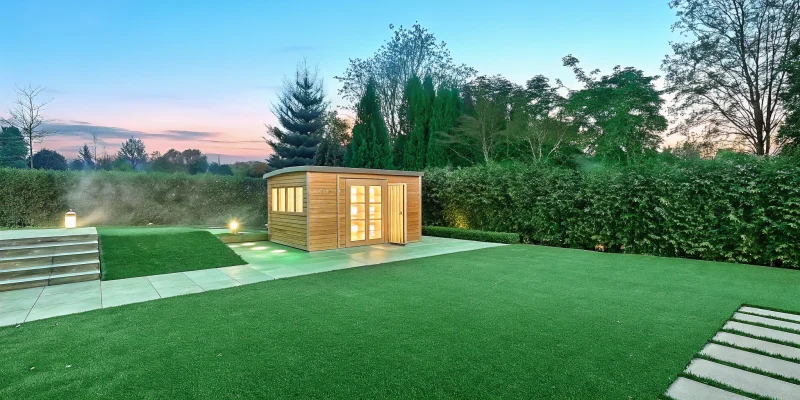
Choosing to add a sauna to your home is a big decision, and finding the right team to bring your vision to life is the most important step. You need a partner who not only understands the technical aspects of the build but also knows the specific requirements of working in our local communities. From navigating town permits in Nassau County to understanding the climate considerations for an outdoor unit in Suffolk County, local experience matters. A successful project depends on this expertise. This guide will cover the critical factors to consider, ensuring your Long Island sauna installation is handled by professionals who are committed to quality and familiar with our area’s unique building standards.
Key Takeaways
- Choose Your Sauna Based on Your Wellness Goals: Decide if you prefer the intense, humid heat of a traditional steam sauna for muscle relief or the gentler, direct warmth of an infrared model for a longer, relaxing session. Your primary reason for wanting a sauna will guide you to the perfect type.
- Prioritize Professional Installation for Safety: A sauna involves complex electrical and ventilation work that is not a DIY project. Hiring a licensed and insured Long Island professional ensures your installation is safe, up to code, and built to last, preventing costly mistakes and hazards.
- Map Out the Location and Logistics First: Before installation, carefully plan where your sauna will go, confirming you have adequate space, a level surface, and access for a dedicated 240-volt circuit. A clear plan for these technical requirements is the foundation for a smooth project.
What Kind of Sauna Is Right for You?
Choosing the right home sauna comes down to your wellness goals, your available space, and your budget. Whether you’re dreaming of a classic steam experience or a modern infrared retreat, there’s a perfect fit for your Long Island home. Exploring the different types is the first step in creating your personal wellness sanctuary. Each style offers a unique experience and set of benefits, so let’s look at the most popular options to help you decide.
Traditional Steam Saunas
When you picture a sauna, you’re likely thinking of a traditional steam sauna. These classic rooms use a heater to warm a pile of rocks. You then pour water over the rocks to create a burst of steam, raising the humidity and intensifying the heat. This high-heat environment is fantastic for improving circulation, promoting better sleep, and easing sore muscles after a long day. If you love an intense, enveloping heat and the ritual of creating steam, a traditional sauna is an excellent choice for achieving that authentic Finnish spa experience right at home.
Infrared Saunas
Infrared saunas are a popular modern alternative to traditional models. Instead of heating the air around you, they use infrared lamps to warm your body directly. This allows them to operate at a lower, more comfortable temperature while still making you sweat. Because they heat the body from within, they can produce a substantial increase in heart rate and metabolic rate, which is great for cardiovascular wellness. Many people find infrared saunas easier to tolerate for longer periods. Their simple operation and often lower price point make them an accessible entry into the world of at-home wellness.
Outdoor Barrel Saunas
For homeowners with backyard space, an outdoor barrel sauna is both a beautiful and practical option. Their unique cylindrical shape promotes efficient air circulation, allowing them to heat up quickly. Since they are self-contained units, installation can be more straightforward than an indoor build, as you avoid the need for complex interior ventilation and waterproofing. An outdoor sauna can become the centerpiece of your backyard, creating a resort-like feel. Imagine stepping out into the crisp Long Island air after a hot sauna session—it’s an invigorating experience that can transform your complete outdoor living space.
Custom Indoor Saunas
If you have a specific vision or a unique space to work with, a custom indoor sauna offers limitless possibilities. You can convert a small closet, an unused corner of a basement, or part of a large bathroom into a personalized wellness retreat. This approach allows you to choose the exact size, layout, wood type, and features that fit your home’s aesthetic and your personal preferences. A custom build is the ultimate way to integrate a sauna seamlessly into your home, often as part of a larger home remodeling project. It ensures every detail is tailored to your lifestyle.
How Much Does a Sauna Cost in Long Island?
Let’s talk numbers. Adding a sauna to your home is an investment in your well-being and property value, but it’s important to have a clear idea of the costs involved. The final price tag for a sauna on Long Island can vary quite a bit, depending on the type you choose, the materials you love, and the complexity of the installation. Think of it less as a single price and more as a range that you can tailor to your budget and vision.
Typical Costs by Sauna Type
A fully installed home sauna can range from around $3,500 to over $15,000. A simple, pre-fabricated infrared sauna kit might fall on the lower end of that spectrum, while a large, custom-built traditional steam sauna will be at the higher end. Most homeowners find their perfect fit somewhere in the middle. The key is to balance the features you want with your budget. Remember, this price includes not just the unit itself but also the professional installation needed to ensure it runs safely and efficiently for years to come.
What Affects the Final Price?
Several key factors will shape your final quote. The size of the sauna is a major one—a cozy two-person unit will cost less than a model designed for the whole family. The materials also play a big role; higher-quality woods like cedar not only look beautiful but offer better durability. Finally, the complexity of the installation matters. Traditional saunas often require more intricate electrical and ventilation work, which is a job best left to experienced professionals to guarantee safety and proper function.
Financing Your Project
While the upfront cost is a consideration, think about the long-term value. A home sauna can save you money on spa memberships and adds a unique, luxurious feature to your home. While a DIY kit might seem like a way to cut costs, professional installation is almost always necessary for the electrical components to ensure everything is up to code. At Gappsi, we can walk you through the options and provide a detailed quote that aligns with your goals, helping you understand exactly where your money is going and how it translates into a lasting home improvement.
How to Choose the Right Sauna Installer
Once you’ve picked out the perfect sauna, the next big step is finding the right team to install it. This isn’t a decision to take lightly. The quality of the installation directly impacts your sauna’s safety, performance, and lifespan. A great installer ensures everything is set up perfectly, from the electrical wiring to the ventilation, giving you peace of mind and a flawless experience. A poor installation, on the other hand, can lead to frustrating issues and even safety hazards down the road.
Think of your installer as a partner in bringing your wellness retreat to life. You want someone who is not only skilled but also reliable, experienced, and familiar with Long Island’s specific requirements. Taking the time to vet your options will save you from potential headaches and ensure your new sauna is a source of relaxation, not stress. Here are the three most important things to look for when choosing an installer for your home.
Verify Their Licensing and Insurance
Before you even start talking about project details, your first question should always be about licensing and insurance. This is the absolute baseline for any contractor working on your home. A valid license proves they meet state and local standards for their trade, while proper insurance protects you from liability in case of accidents or property damage during the installation. Hiring an unlicensed or uninsured contractor might seem like a way to save a few dollars, but it puts you and your home at significant risk. A professional company will always be upfront with their credentials and provide documentation upon request. This simple check ensures your project adheres to local building codes and safety regulations.
Look for Local Long Island Experience
Every region has its own quirks when it comes to construction, and Long Island is no exception. Hiring an installer with deep local experience is a huge advantage. A team that regularly works in Nassau and Suffolk counties will be experts in local building codes, permit processes, and even climate-related considerations that can affect an outdoor sauna. They’ll know exactly what your town requires for electrical work and ventilation, which can prevent delays and ensure a smooth inspection process. Local installers also have established relationships with suppliers and a reputation to uphold in the community. When you work with a team like Gappsi, you’re getting decades of experience transforming homes right here on Long Island.
Read Reviews and Check Warranties
A great installer will have a long list of happy clients. Before you commit, do a little digging. Look for online reviews, ask for a portfolio of their past sauna installations, and don’t be shy about requesting references. Seeing their finished work and hearing from previous customers gives you a clear picture of their craftsmanship and professionalism. Equally important is the warranty. Ask about the warranty on both the sauna unit itself and the installation labor. A contractor who stands behind their work with a solid warranty shows confidence in their skills and gives you long-term assurance. This commitment to quality is a clear sign you’ve found a trustworthy professional for your project.
The Health Benefits of a Home Sauna
A home sauna is more than just a luxurious addition to your property; it’s a powerful tool for enhancing your daily well-being. Think of it as your personal wellness retreat, available anytime you need to recharge. Regular sauna sessions can have a profound impact on your physical health, mental clarity, and even your home’s value. It’s an investment that pays dividends in relaxation, health, and peace of mind, transforming a corner of your house into a sanctuary for self-care.
For Your Body: Physical Wellness
Stepping into a sauna feels incredible, and the benefits go far beyond that initial wave of warmth. The high heat helps improve circulation, which can lead to better sleep and relief from aches and pains. As your body works to cool itself, your heart rate and metabolism increase, giving you a gentle cardiovascular workout without moving a muscle. This process is also fantastic for your skin. By encouraging a deep sweat, saunas help cleanse pores and can contribute to a healthier, more radiant complexion. Having one of Gappsi’s custom saunas at home makes it easy to incorporate these physical benefits into your routine.
For Your Mind: Stress Relief
In our busy lives, finding a quiet moment to decompress is essential. A home sauna provides a dedicated space to disconnect from the noise and focus on relaxation. The soothing heat helps calm your nervous system, which can significantly reduce stress levels and support your overall mental health. It’s a quiet, tech-free zone where you can meditate, breathe deeply, or simply sit in silence. Creating this personal escape can be a key part of a larger wellness-focused home remodeling project, turning your home into a true haven from the outside world.
For Your Home: Added Value and Convenience
Imagine ending a long day with a relaxing sauna session without ever leaving your house. The convenience of having 24/7 access is one of the biggest perks. Modern electric and infrared saunas are simple to operate and require minimal maintenance, making them a perfect fit for any home. Beyond the personal benefits, a professionally installed sauna is a desirable feature that can increase your property’s appeal and value. It’s a smart, functional upgrade that enhances both your lifestyle and your investment, offering a unique selling point should you ever decide to move.
Planning Your Sauna Installation
Once you’ve decided on the type of sauna you want, the next step is figuring out the logistics. Proper planning is the key to a smooth installation and ensures your new wellness retreat is safe, functional, and perfectly placed. Thinking through the location, technical requirements, and local rules ahead of time saves you from headaches down the road. A professional installer can guide you through these details, but it’s always smart to understand the basics of what your project will involve. This way, you can ask the right questions and feel confident as your vision comes to life.
Choosing the Best Spot for Your Sauna
Deciding where to put your sauna is one of the most exciting parts of the process. Do you envision it as a private escape in your master bathroom or a social hub in your backyard? Key considerations include convenience, privacy, and the existing layout of your home. An indoor sauna can be a great addition to a home gym, a spacious basement, or as part of a larger home remodeling project. For outdoor saunas, you might choose a spot near your pool or patio. Just be sure the ground is level and you have a clear path for running utilities. Think about your daily routine and where a sauna would fit most naturally.
Understanding Electrical and Ventilation Needs
Let’s talk technicals. Most saunas require a dedicated 240-volt circuit, similar to an electric stove or dryer. This isn’t a DIY job—you’ll need a licensed electrician to safely run the wiring and install the connection. You’ll also need to plan for proper ventilation to keep the air fresh and prevent moisture buildup. For indoor saunas, a ceiling height of at least seven feet is recommended to allow for proper air circulation. It’s also important to leave clearance on all sides of the sauna for safe heat dissipation. An experienced installer will assess your space and ensure all these sauna requirements are met for a safe and efficient setup.
Handling Local Permits and Building Codes
Depending on where you live in Long Island and the scope of your project, you may need a permit for your sauna installation. This is especially common for outdoor structures or projects that involve significant electrical or plumbing work. Building codes are in place to ensure your safety, so it’s a step you can’t skip. The good news is you don’t have to figure this out alone. A reputable local installer will be familiar with the specific codes in Nassau and Suffolk counties. They can determine what permits are needed and handle the entire application process for you, ensuring your new sauna is fully compliant from day one.
Common Sauna Installation Mistakes to Avoid
Bringing a personal wellness retreat into your home is an exciting project. The thought of stepping into your own private oasis for a session of deep relaxation is a powerful motivator. But in the rush to get it done, it’s easy to overlook a few crucial details that can turn your dream of a relaxing sauna into a real headache. A successful installation is about more than just assembling the parts; it’s about creating a safe, efficient, and enjoyable space that will last for years. Getting the technical details right from the start is key to avoiding future problems and ensuring every sauna session is perfect.
Two of the most critical areas where things can go wrong are with sizing and ventilation, and the decision to handle the installation yourself. These aren’t just minor details. An improperly ventilated sauna can feel stuffy and uncomfortable, ruining the experience, while a DIY electrical job can pose serious safety risks to your home and family. By understanding these potential pitfalls before you begin, you can make informed decisions that ensure your project goes smoothly. Investing in a professional installation for your home sauna is the best way to guarantee every detail is handled correctly, from the foundation to the final electrical hookup, giving you total peace of mind.
Getting Sizing and Ventilation Right
One of the most overlooked aspects of sauna installation is proper ventilation. Think of it as your sauna’s lungs—it’s essential for maintaining fresh air quality, controlling the temperature, and ensuring the heater works efficiently. Without a good airflow system, the air can become stuffy and uncomfortable, and the heat won’t circulate properly. Similarly, choosing the right size sauna for your space is crucial. An incorrectly sized unit can feel cramped or fail to heat the area effectively. A professional installer will assess your chosen location, calculate the precise requirements for airflow, and make sure your sauna is a perfect fit for the room, giving you that comfortable and refreshing experience you’re looking for every single time.
The Risks of a DIY Installation
I get it—the appeal of a DIY project is strong, and it can seem like a great way to save some money. But when it comes to installing a sauna, you’re dealing with a unique combination of high heat, moisture, and complex electrical wiring. This isn’t the time to wing it. Improper electrical work is a serious safety hazard, and mistakes can compromise the functionality and longevity of your sauna. Hiring a professional with experience in home remodeling and licensed electricians is an investment in your peace of mind. It ensures that all components are installed safely and correctly, so you can relax without worrying about what’s going on behind the walls.
Ready to Start Your Sauna Project?
Feeling inspired to bring the spa experience home? Turning that dream into a reality is all about thoughtful planning. Before you get too far, let’s walk through the first few steps to make sure your project starts on the right foot. The key is to understand what you want to achieve, where your new sauna will go, and what it takes to get there. This initial planning phase is where a clear vision begins to take shape.
First, think about your wellness goals. Are you looking for a post-workout muscle recovery zone, a quiet space to de-stress, or a way to enjoy the many health benefits30275-1/fulltext) of heat therapy? Knowing your “why” will help you choose between different types of saunas, like a traditional steam room or a modern infrared unit. Next, consider the perfect location. You’ll need a spot with a ceiling at least seven feet high and enough clearance on all sides for safe heat dissipation. Whether it’s a corner of your basement, a dedicated room, or an outdoor oasis, the right space is crucial for both safety and enjoyment.
Once you have a vision, it’s time to think about the practical side. This includes understanding the electrical requirements and ensuring proper ventilation. Depending on your town in Long Island, you might also need to secure permits before construction begins. This is where working with an experienced team makes all the difference. At Gappsi, we handle every detail, from designing custom saunas that fit your lifestyle to managing the entire installation process. We’ll help you translate your vision into a beautifully crafted space, ensuring everything is built to code and ready for you to enjoy for years to come.
Related Articles
- Swim Spas Saunas Nassau & Suffolk County Long Island – Gappsi Group
- SaunaLife Luxury Saunas | South Hampton, N.Y. – Gappsi Group
- SaunaLife Model E6 ERGO-Series Barrel Sauna Installation in Shelter Island, NY Project – Gappsi Group
- home sauna benefits Archives – Gappsi Group
- luxury home sauna Archives – Gappsi Group
Frequently Asked Questions
What’s the real difference in feel between a traditional steam sauna and an infrared one? Think of it this way: a traditional steam sauna feels like a warm, humid hug. The air itself is hot, and the steam creates an intense, enveloping heat that makes you sweat. An infrared sauna is more like soaking up the sun’s rays. The heat is gentler and warms your body directly, not the air around you, creating a deep, penetrating warmth that many people find they can enjoy for longer periods.
How much maintenance is involved with a home sauna? You’ll be happy to know that modern saunas are surprisingly low-maintenance. The main task is simply wiping down the benches and floor after use to keep the wood clean. Beyond that, a periodic check of the heater and a deeper cleaning a few times a year is usually all that’s needed. It’s far less work than maintaining a pool or hot tub.
Can an outdoor sauna handle a tough Long Island winter? Absolutely. Outdoor saunas, especially barrel models, are built from durable woods like cedar that are designed to withstand the elements. They are well-insulated and heat up efficiently, even on the coldest days. In fact, many people find the experience of stepping out of a hot sauna into the crisp winter air to be incredibly refreshing and invigorating.
How long does the installation process typically take? The timeline really depends on the type of sauna you choose. A pre-fabricated kit can often be installed by a professional team in just a day or two. A custom-built indoor sauna that’s part of a larger remodel will naturally take longer. A good installer will give you a clear and realistic schedule upfront so you know exactly what to expect.
Will a home sauna cause my electricity bill to skyrocket? This is a common concern, but the impact is usually less than you might think. Running a sauna is often comparable to using an electric oven or clothes dryer for an hour. While you will see an increase in your bill, modern saunas are designed to be energy-efficient. Your actual cost will depend on how frequently you use it and your local electricity rates.