


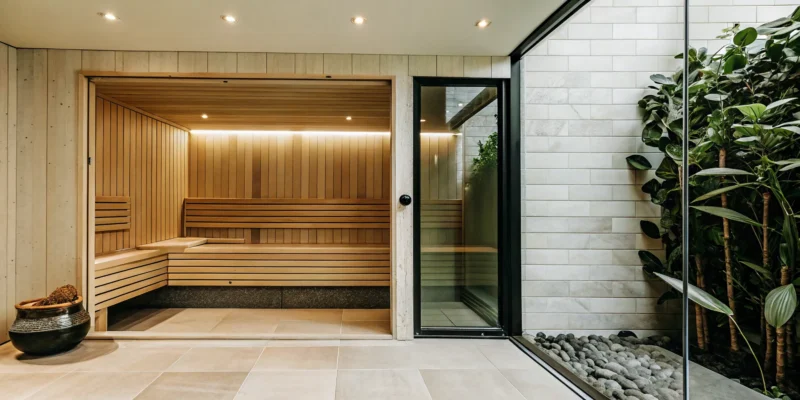
Let’s clear the air about a few things. When you think about getting an indoor sauna, some common worries might come to mind. You might think they require a massive amount of space, will cause your electricity bill to skyrocket, or are a huge hassle to maintain. The truth is, modern saunas are designed to be efficient, compact, and surprisingly easy to care for. They are more accessible than ever for homeowners. In this guide, we will address these myths head-on and give you the real facts about what it takes to own a sauna. We’ll cover everything from realistic costs to the straightforward process of a professional indoor sauna installation Long Island.
Key Takeaways
- Prepare Your Home and Budget for Success: Before you buy, make sure you have a spot with a waterproof floor, good ventilation, and the right electrical access. Remember to budget for the sauna unit itself, professional installation, and any prep work your space might need.
- Choose the Right Sauna for Your Style: Think about the experience you want: the intense steam of a traditional sauna or the gentle heat of an infrared one. From there, you can pick features like custom lighting, sound systems, and aromatherapy to make it your own.
- Rely on a Professional for a Safe Installation: Sauna installation is a job for an expert, not a DIY project. A qualified installer will handle the complex electrical and ventilation needs, manage any necessary permits, and ensure your sauna is safe and built to last.
What Types of Indoor Saunas Can You Install?
When you decide to bring the luxury of a sauna into your home, one of the first and most exciting choices you’ll make is what kind of heat you prefer. The two main players in the home sauna world are traditional Finnish saunas and modern infrared saunas. Each offers a unique wellness experience, and understanding the difference is the key to creating a personal retreat you’ll love for years to come. Let’s look at what makes each type special so you can find your perfect match.
Traditional Finnish Saunas
If you love that classic, steamy heat, a traditional Finnish sauna is likely your dream setup. These saunas use an electric or wood-burning stove to heat a compartment of rocks. When you’re ready for a wave of humidity, you simply ladle water over the hot rocks to produce a satisfying cloud of steam, known as “löyly.” This method creates a high-temperature environment, often reaching up to 195°F, for a deep, purifying sweat. Because of the intense heat and steam, a traditional sauna requires careful planning for proper ventilation and insulation, making professional installation a must for safety and performance.
Infrared Saunas
For those who prefer a gentler warmth or are new to sauna bathing, an infrared sauna is a fantastic option. Instead of heating the air around you, infrared technology uses special lamps to warm your body directly with far infrared heat. The experience is less intense, with temperatures typically staying between a comfortable 120°F and 140°F. Infrared saunas heat up much faster than traditional models and are more energy-efficient. Many can even be plugged into a standard household outlet, simplifying the installation process and making them a versatile choice for various spaces in your home.
Which Type Is Right for You?
So, how do you choose? Start by asking yourself what kind of heat you enjoy most. Do you crave the intense, humid air of a traditional sauna, or does the gentle, direct warmth of an infrared model sound more relaxing? Consider your home’s setup and your budget for energy use. While a traditional sauna has more complex installation needs, an infrared unit might offer more flexibility. The good news is that many modern sauna kits, both traditional and infrared, are designed for efficient assembly. A professional team can often complete the home remodeling project in just a day, getting you one step closer to your personal oasis.
How Much Does an Indoor Sauna Cost in Long Island?
Figuring out the budget for your dream sauna is one of the most important first steps. The total cost isn’t just the price tag on the unit; it’s a combination of the sauna itself, professional installation, and any prep work your space might need. In Long Island, the final investment can vary based on the type of sauna you choose and the specifics of your home. It helps to think of the cost in three main parts: the sauna unit, the installation and electrical work, and other factors like site preparation and permits.
Breaking it down this way helps you create a realistic budget and avoid surprises down the road. Whether you’re looking for a simple, compact unit for a small space or a custom-built wellness retreat for the whole family, understanding these components will give you a clear picture of the investment. A sauna is more than just an appliance; it’s an addition to your home that provides relaxation and health benefits for years. Gappsi offers a range of high-quality saunas to fit different styles and budgets, and our team can help you understand the full scope of your project from start to finish. Let’s look at what goes into the final price.
The Cost of the Sauna Unit
The first major expense is the sauna itself. The price is largely determined by the type of heating technology. An infrared sauna unit, which uses light to create heat, typically costs between $3,200 and $6,500. A traditional Finnish sauna, which heats the air with a stove and rocks, usually ranges from $4,000 to $10,000 or more. The final price within these ranges depends on the size, the quality of the wood, and any extra features like advanced control panels or built-in audio systems. This purchase is often part of a larger home remodeling project, so it’s important to choose a unit that fits both your space and your wellness goals.
Installation and Electrical Costs
Once you’ve chosen your sauna, you’ll need to account for professional installation. This is not a place to cut corners, especially when it comes to electrical work. Installation costs generally run from $400 to $1,500, depending on the sauna’s complexity and location in your home. The electrical setup is a separate but crucial line item, typically costing between $300 and $800. This ensures your sauna has a dedicated circuit and runs safely and efficiently. Hiring a qualified team to manage the installation of your sauna guarantees that everything is done correctly, protecting your investment and giving you peace of mind.
What Affects the Final Price?
Beyond the unit and basic installation, a few other factors can influence your total cost. Depending on your town in Nassau or Suffolk County, you may need permits for the electrical work, which adds a small administrative cost. Your chosen location also matters. The site needs a perfectly flat, dry base and proper ventilation. If your floor isn’t level or needs a moisture-resistant surface, you’ll need to budget for that preparation. Using durable materials like porcelain and natural stone for the surrounding floor is a great way to create a beautiful and functional foundation. These details ensure your sauna performs perfectly for years to come.
Is Your Home Ready for an Indoor Sauna?
Bringing a sauna into your home is an exciting step toward daily relaxation and wellness. Before you pick out the perfect model, it’s important to make sure your house is ready for it. A successful installation goes beyond just finding an open corner. It involves thinking about the right location, the type of flooring you have, ventilation, and the electrical setup. Getting these details right from the start ensures your sauna will be a safe, long-lasting retreat. A poorly planned installation can lead to issues like moisture damage or electrical problems down the road, which is the last thing you want. By taking a few preparatory steps, you can feel confident that your home is the perfect place for your new wellness sanctuary. Let’s walk through the key things to check in your home to prepare for this wonderful addition.
Finding the Right Spot: Location and Space
The best spot for your sauna is a room with good ventilation and enough space for the unit and for you to move around it comfortably. Many people choose a basement, a home gym, or a large primary bathroom. Think about convenience, like having it near a shower for a quick rinse after your session. Before you get too far, measure your potential space carefully, keeping the manufacturer’s recommended clearances in mind. You’ll need some breathing room around the unit for air circulation. Our team can help you evaluate your options and find the perfect home for your new sauna.
Flooring, Drainage, and Foundation Prep
Your sauna needs to sit on a solid, level, and waterproof surface. The best flooring options are concrete, tile, or vinyl. These materials can handle moisture and will not be damaged by the heat. Carpet is never a suitable option, as it traps moisture and can lead to mold and mildew. If your chosen spot has carpet, it will need to be removed. Ensuring the foundation is completely flat and dry is critical for safety and the longevity of your sauna. If your space needs some work to get it ready, our home remodeling team can prepare the area for a flawless installation.
Ceiling Height and Ventilation Needs
Proper ventilation is non-negotiable for an indoor sauna. It prevents moisture from building up, which could otherwise lead to mold or even structural damage to your home over time. Most saunas have specific ceiling height requirements, typically around seven feet, to ensure heat circulates correctly without feeling cramped. Your installer will also need to create vents to allow fresh air to enter and moist air to exit. A professional installation ensures that all ventilation is handled correctly, protecting both your home and your investment. This is a key part of the process our Gappsi technicians manage for every project.
Electrical Requirements
Sauna heaters draw a significant amount of power, so they almost always require a dedicated 240-volt circuit. This is not a DIY project. An undersized or improperly installed circuit can constantly trip the breaker or, in a worst-case scenario, create a fire hazard. A licensed electrician must run the correct wiring from your home’s main electrical panel to the sauna’s location. At Gappsi, we handle all the electrical work for your sauna installation, making sure everything is done safely and complies with all local codes in Nassau and Suffolk County.
What Is the Sauna Installation Process?
Once you’ve chosen your perfect sauna, you’re probably excited to get it up and running. The good news is that the installation process is more straightforward than you might think, especially when you have a professional team on your side. From handling paperwork to the final assembly, here’s a step-by-step look at what you can expect when bringing a new sauna into your Long Island home. Working with an experienced installer ensures every detail is managed correctly, so you can focus on the exciting part: enjoying your new wellness retreat.
Permits and Local Codes in Nassau and Suffolk
Before any work begins, it’s important to address local regulations. In both Nassau and Suffolk counties, installing a sauna, particularly one that requires new electrical wiring, may require a permit. This ensures everything is up to code and completely safe for your family. Trying to figure this out on your own can be a headache, which is why partnering with a company that has deep home remodeling experience is so valuable. An expert team will know exactly what permits are needed for your specific project and will handle the entire process for you, ensuring a smooth and compliant installation from start to finish.
Delivery, Assembly, and Timeline
You’ll be happy to hear that you won’t be waiting long to use your new sauna. Most modern sauna kits, including both infrared and traditional models, are designed for quick assembly. A professional team can typically deliver and assemble your unit in just a few hours. For many infrared saunas, the entire process takes about three to four hours from start to finish. This means you could have your sauna installed in the morning and be enjoying your first session by the evening. The process is efficient and clean, with the installation crew handling all the heavy lifting and assembly, leaving you with a perfectly installed sauna.
Caring for Your New Sauna
To keep your sauna looking and functioning its best for years to come, a little bit of care goes a long way. Simple maintenance prevents wood degradation and keeps the heater working efficiently. After each session, it’s a good idea to wipe down the interior benches and walls with a clean towel to manage moisture. Once a month, do a quick check of the door, vents, and controls to make sure everything is secure. For a deeper clean, a simple solution of white vinegar and water can keep the wood fresh and sanitized. This small routine ensures your sauna remains a safe, clean, and beautiful retreat in your home.
Common Myths About Indoor Saunas
The idea of having a personal sauna at home sounds amazing, but some common myths might make you hesitate. You might worry about space, cost, or even which type is best. The good news is that modern saunas are more accessible and efficient than you might think. Let’s walk through some of these misconceptions so you can feel confident about adding this touch of luxury and wellness to your Long Island home.
“Saunas take up too much space.”
The image of a sauna often brings to mind a large, wood-paneled room, which seems impossible for many homes. While that’s one option, it’s far from the only one. Modern sauna designs, particularly infrared models, have completely changed the game. Many are built as self-contained units that can fit comfortably in a master bathroom, a corner of a home gym, or even a spacious closet. You don’t need to build an entire new wing on your house. With clever planning, a personal sauna can become a seamless part of your existing floor plan, giving you a wellness retreat without a massive footprint.
“Indoor saunas are expensive to run.”
Another frequent concern is the impact on your utility bill. It’s easy to assume that heating a room to high temperatures will send your electricity costs soaring. While older, traditional saunas could be energy-intensive, today’s models are designed for efficiency. An infrared sauna, for example, heats up quickly and uses targeted energy to warm your body directly, not the entire space. This means you can enjoy a daily session for what often amounts to just a few dollars a month in electricity. This makes it an affordable part of your wellness routine and a smart addition to any home remodeling project.
“Infrared and traditional saunas are the same.”
Many people use “sauna” as a catch-all term, but there are important differences between traditional and infrared models. A traditional Finnish sauna uses a stove to heat rocks, which then heat the air around you to high temperatures. It’s a classic, steamy experience. An infrared sauna, on the other hand, uses infrared light to heat your body directly at a lower air temperature. This creates a different kind of heat that many find more tolerable for longer sessions. Neither is better, they are just different. Understanding how each one works is the first step in choosing the right sauna to match your personal wellness goals and preferences.
Key Features to Consider for Your Sauna
Once you’ve decided on the type of sauna you want, the fun part begins: choosing the features that will make it your personal retreat. Modern saunas are highly customizable, allowing you to create an experience that goes far beyond just sitting in a hot room. From high-tech controls to wellness-focused additions, these features can transform your daily routine. Think about what you want to get out of your sauna sessions. Is your goal pure relaxation, entertainment, or a multi-sensory wellness experience? Knowing your priorities will help you select the perfect add-ons for your home sanctuary.
Digital Controls and Audio Systems
Gone are the days of fiddling with clunky manual dials. Most modern saunas come with sleek digital control panels that let you precisely set the temperature and session duration with a simple touch. This convenience means your sauna is always ready at the perfect temperature when you are. Many models also feature integrated audio systems with Bluetooth connectivity. You can easily stream your favorite playlist, a calming podcast, or a guided meditation directly into your sauna, creating a personalized soundscape that helps you unwind and disconnect from the outside world.
Color Light Therapy and Aromatherapy
You can deepen your relaxation by incorporating features that engage more of your senses. Color light therapy, also known as chromotherapy, uses different colored lights to influence your mood and energy. For example, blue light can have a calming effect, while yellow can create a sense of happiness. Another popular feature is aromatherapy. Many saunas include dispensers that diffuse essential oils into the air, filling the space with soothing scents like lavender or eucalyptus. Combining these therapies can turn every session into a holistic wellness ritual.
Custom Sizing and High-Quality Materials
Your sauna should feel like a natural part of your home, and that starts with the right fit and finish. Whether you have a small, unused corner or a large, dedicated room, custom sizing ensures your sauna integrates perfectly into your space. Beyond size, the materials used are critical for both durability and atmosphere. High-quality woods like cedar, hemlock, or aspen not only look beautiful but are also resilient to heat and moisture. Investing in superior materials ensures your sauna will be a lasting addition to your home remodeling project.
Who Should You Hire to Install Your Indoor Sauna?
Bringing a sauna into your home is an exciting project, but the final result depends heavily on the quality of the installation. This isn’t a typical DIY project or a job for a general handyman. Proper sauna installation involves specific electrical, ventilation, and construction knowledge to ensure it’s safe, efficient, and durable. Choosing the right professional means you can avoid potential issues and simply relax, knowing your wellness retreat was built to last. Let’s walk through what to look for in an installer and how to make the process as smooth as possible.
What to Look for in a Qualified Installer
When you’re vetting professionals, prioritize experience specifically with saunas. A qualified installer understands the nuances of creating an insulated, moisture-proof environment that heats up correctly. They should be able to confidently discuss everything from vapor barriers to the right type of wood for your climate. Crucially, your installer must be knowledgeable about local building codes in Nassau and Suffolk County, as sauna projects often require permits, especially for the electrical work. Ask potential installers for a portfolio of their past sauna projects and check if they are licensed and insured. This diligence ensures your investment is protected and your sauna is a safe, enjoyable addition to your home for years to come.
Gappsi: Your All-in-One Sauna Partner
Finding a single, trusted partner simplifies your entire sauna project from start to finish. At Gappsi, we provide a complete, all-in-one service for homeowners across Long Island. We help you select the perfect unit from our collection of high-quality saunas, then our expert in-house team handles the delivery and full installation. We manage all the essential details, including the complex electrical work, ensuring your sauna is installed safely and functions perfectly from day one. With decades of experience transforming homes in Nassau and Suffolk County, we provide a seamless process and a single point of contact, so you can focus on the excitement of your new home spa.
Making It Happen: Financing Your Sauna
An indoor sauna is an investment in your home’s value and your personal well-being, and flexible payment options can make it an attainable goal. Many homeowners are pleased to find that financing can bring their dream sauna within reach without requiring a large, upfront expense. When you work with a full-service provider, they can often connect you with straightforward financing plans that fit your budget. This allows you to choose the sauna with the features you really want, rather than settling for less. Don’t let the initial price tag be a barrier. Always ask your installation partner about the financing solutions they offer to help you create your personal wellness sanctuary.
Related Articles
- Long Island Sauna Installation: A Complete Guide
- The Ultimate Long Island Sauna Installation Guide
- Swim Spas Saunas Nassau & Suffolk County Long Island – Gappsi Group
Frequently Asked Questions
Which feels better: a traditional or an infrared sauna? This really comes down to personal preference, as they offer two very different experiences. A traditional Finnish sauna provides an intense, enveloping heat that you can amplify with steam for a classic, purifying sweat. An infrared sauna offers a gentler, radiant warmth that heats your body directly, which many people find more comfortable for longer, more meditative sessions. The best way to decide is to think about whether you crave that powerful, steamy heat or a more mellow, penetrating warmth.
How much space do I really need for an indoor sauna? You might be surprised by how little space you need. While you can certainly build a large, custom sauna room, many modern units are designed to be quite compact. Some one or two person infrared saunas can fit comfortably in the corner of a primary bathroom, a home gym, or even a spacious walk-in closet. The key is to measure your potential spot carefully and choose a model that fits your home, not the other way around.
What if my chosen spot isn’t perfectly ready for a sauna? This is a common situation, and it’s not a dealbreaker. Most homes need a little prep work. For example, the floor might need to be leveled, or you might need to replace carpet with a waterproof surface like tile or vinyl. A full-service company can handle all of this for you as part of the home remodeling process, ensuring the foundation is perfectly flat, dry, and ready for a safe and seamless installation.
Is it difficult to maintain a sauna? Not at all. Keeping your sauna in great shape requires just a few simple habits. After you use it, it’s a good practice to air it out and wipe down the benches with a clean towel to manage moisture. For a deeper clean every so often, you can use a mild, natural cleaning solution. This small amount of upkeep will keep the wood fresh and ensure your sauna remains a beautiful and hygienic retreat for many years.
Why is professional electrical work so important for a sauna? A sauna heater is a powerful appliance that requires a dedicated 240-volt circuit to operate safely and effectively. This is not a task for a handyman or a DIY project. An improperly installed circuit can lead to constantly tripped breakers or, more seriously, create a significant fire risk. Hiring a licensed professional ensures the wiring is done correctly and complies with all local codes, giving you total peace of mind and protecting your home.