


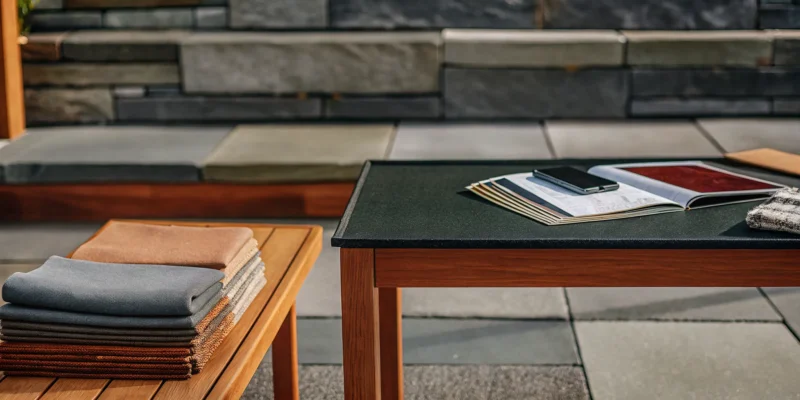
You can probably picture it now: a stunning stone patio, perfect for summer barbecues and relaxing evenings. Turning that vision into a reality starts with one practical step: understanding the budget. The beauty of natural stone is unmatched, but it’s important to have a clear financial picture from the beginning. Knowing how much does natural stone patios cost in Long Island is the key to planning a project without stress or surprises. This guide will break down the pricing for you, covering everything from material selection to installation hurdles, so you can confidently move from dreaming about your perfect patio to actually building it.
Key Takeaways
- Look beyond the stone price: The total cost for a natural stone patio, typically $15 to over $31 per square foot, includes essential site preparation, a solid foundation, and expert labor, all of which are vital for a lasting installation.
- Your choices drive the budget: The type of stone you select and the complexity of your patio’s design are the two biggest factors in your final cost; opting for a classic layout or a more common stone can help you manage your budget effectively.
- Prioritize professional installation and care: A patio’s lifespan depends on a professional build that correctly handles site challenges like drainage and grading, while routine care like sealing is the best way to protect your investment and preserve its beauty.
How Much Does a Natural Stone Patio Cost on Long Island?
When you’re planning a new patio, the first question on your mind is usually about the price. While every project is unique, understanding the costs can help you set a realistic budget for your dream outdoor space. Natural stone is a premium material, and its price reflects its beauty, durability, and the skilled craftsmanship required for a perfect installation. The total cost depends on several factors, from the specific stone you choose to the size and complexity of your patio design. Let’s break down what you can expect.
Breaking Down the Price Per Square Foot
On Long Island, the installed cost for a natural stone patio typically ranges from $15 to over $31 per square foot. This price includes materials, site preparation, and professional labor. Natural stone carries a higher upfront cost than manufactured pavers because of the logistics involved. Sourcing unique stones and transporting them to your home adds to the expense. Furthermore, installing natural stone is an art form that requires expert masonry skills to ensure each piece fits perfectly, creating a stable and beautiful surface that lasts a lifetime. Think of it as an investment in a one-of-a-kind feature for your home.
How Stone Choice Affects Your Budget
The type of stone you select is one of the biggest factors influencing your budget. Each stone has a different price point based on its rarity, origin, and processing needs. For example, the raw material for a popular choice like large-format bluestone might start around $6 per square foot, while more exclusive types of granite or limestone can cost upwards of $15 to $20 per square foot for the stone alone. Gappsi offers a wide selection of porcelain and natural stone, giving you the freedom to find a material that matches both your aesthetic vision and your financial plan.
Choosing Your Stone: Popular Patio Materials
Picking the right stone for your patio is one of the most exciting parts of the design process. This choice sets the entire mood for your outdoor space, influencing everything from the color palette to the overall feel. The material you select is also a key factor in your total budget. On Long Island, we have a few go-to favorites that stand up beautifully to our seasons while delivering incredible style. When you work with us, we can walk you through our huge selection of porcelain and natural stone options to find the perfect match for your home and lifestyle. Let’s look at some of the most popular choices for creating a stunning and durable patio.
Bluestone
Bluestone is a true classic in the Northeast, and for good reason. This dense, durable sandstone is known for its signature blue-gray color, but it also comes in a beautiful range of earthy tones like green, brown, and lilac. Its natural texture provides good traction, making it a safe and reliable choice for patios, walkways, and pool surrounds. Bluestone holds up exceptionally well against Long Island’s freeze-thaw cycles, so you can count on it to last for years. It offers a timeless look that complements both traditional and modern home styles, making it one of the most versatile and sought-after materials for outdoor living spaces.
Granite
If you’re looking for the toughest stone on the market, granite is your answer. As an igneous rock, it’s incredibly hard and dense, making it highly resistant to scratches, heat, and stains. This makes it an ideal choice for high-traffic areas or patios that include an outdoor kitchen and grilling station. Granite comes in a wide spectrum of colors and patterns, from consistent grays and blacks to more dramatic speckled or veined varieties. While it is a premium material with a higher price point, its exceptional durability means you’re investing in a surface that will maintain its beauty with minimal upkeep for a lifetime. Our expert masonry team can craft a granite patio that is both functional and breathtaking.
Limestone
Limestone offers a soft, elegant look with a fine-grained texture that you won’t find in other stones. It typically comes in creamy whites, tans, and light grays, creating a sophisticated and uniform appearance for your patio. However, limestone is a softer, more porous stone compared to granite. This means it’s more susceptible to absorbing moisture and can be prone to staining. For this reason, limestone is often best suited for covered patios or protected outdoor living areas where it won’t be fully exposed to rain and falling leaves. With the right placement and care, it can provide a truly luxurious and refined surface for your outdoor retreat.
Slate
For a patio with rich color and unique texture, slate is an excellent option. This metamorphic rock is known for its distinct layered composition, which gives it a naturally slip-resistant surface. This quality makes it a great choice for pool decks and walkways where safety is a priority. Slate comes in a stunning array of deep, earthy colors, including dark grays, greens, purples, and even reds, allowing for a truly custom look. While durable, some varieties can be more prone to chipping or flaking over time. Proper installation and sealing are key to ensuring your slate patio remains a beautiful and functional feature of your home for years to come.
Travertine and Flagstone
Travertine has become a favorite for Long Island swimming pool patios, largely because it stays cooler to the touch than many other materials on a hot summer day. This type of limestone is formed by mineral springs, giving it a fibrous, porous appearance in beautiful earthy shades of cream, tan, and silver-gray. It provides a classic, old-world feel that is both elegant and inviting.
Flagstone, on the other hand, offers a more rustic and organic aesthetic. It isn’t one specific type of stone; rather, it’s a term for flat slabs of stone like sandstone or bluestone sold in irregular shapes. This creates a charming, mosaic-like pattern that feels timeless and natural. The unique shapes require more intricate installation, which can influence labor costs, but the result is a one-of-a-kind patio with enduring character.
What Factors Influence Your Total Patio Cost?
When you start budgeting for a new patio, it’s easy to focus only on the price of the stone itself. But the final cost is a puzzle with several pieces. The size of your patio, the condition of your yard, the materials used for the foundation, and the expert labor required all play a significant role in your total investment. Understanding these factors will help you see the full picture and plan a project that fits your vision and your budget, without any surprises along the way. Let’s break down exactly what goes into the cost of building a beautiful, long-lasting natural stone patio on Long Island.
Patio Size and Design
It’s no surprise that a larger patio will have a higher overall cost than a smaller one. What might be less obvious is how the design complexity affects the price. A simple square or rectangular patio is the most straightforward to install. However, if your heart is set on a design with intricate curves, unique patterns, or multiple levels, expect the cost to increase. These custom shapes require more precise and time-consuming cuts by skilled masons, which adds to the labor involved. While a complex design can be a stunning focal point, a classic layout is a great way to manage your budget while still creating a beautiful outdoor space.
Your Yard’s Condition and Prep Work
Before the first stone can be laid, your yard needs to be properly prepared. The existing condition of the site is a major cost factor. A perfectly flat, clear, and easily accessible backyard is the ideal scenario, but that’s not always the reality on Long Island. If your yard has a significant slope, it will require extra excavation and grading to create a level surface. Poor drainage, rocky soil, or the presence of large tree roots can also add to the prep work. Our team will assess your property to identify any challenges, ensuring your patio’s foundation is built on solid, stable ground from the start.
Building a Base That Lasts
The unseen foundation beneath your patio is just as important as the beautiful stone you see on top. A proper base is absolutely critical for the longevity of your patio, and this is not an area to cut corners. A solid base prevents stones from shifting, sinking, or becoming uneven over time, which can create tripping hazards. The process involves excavating the area and layering compacted gravel and sand to create a stable, well-draining foundation. Investing a little more in a robust base ensures your patio will withstand Long Island’s freeze-thaw cycles and remain a beautiful, functional space for decades to come.
Installation and Labor Costs
Installing a natural stone patio is a craft that requires a high level of skill and experience. Unlike uniform concrete pavers, each piece of natural stone is unique in shape, thickness, and texture. The installation cost reflects the expertise needed to select, cut, and fit these individual stones together into a cohesive and durable surface. This meticulous work is what transforms a pallet of raw material into a work of art. When you hire a professional masonry team, you are paying for their craftsmanship, precision, and the guarantee that your patio will be installed correctly and built to last a lifetime.
Common Long Island Installation Hurdles
Installing a natural stone patio is more than just laying down beautiful stones. On Long Island, our coastal geography and diverse landscapes can present unique challenges that turn a simple project into a complex one. From the rolling hills of the North Shore to the sandy soils of the South Shore, your property’s specific conditions will play a huge role in the installation process and, ultimately, the final cost.
Addressing these potential hurdles from the start is the key to a patio that lasts a lifetime. An experienced installation team knows how to anticipate these issues and design solutions that protect your investment. Ignoring them can lead to shifting stones, drainage nightmares, and costly repairs down the road. Understanding these common challenges will help you appreciate why a professional approach is so important for creating a stable, beautiful, and long-lasting outdoor space.
Sloped or Hard-to-Access Yards
Many Long Island properties have beautiful, varied elevations, but a sloped yard can complicate a patio installation. Creating a flat, usable surface on a grade requires careful excavation and planning. In some cases, a retaining wall is needed to hold back soil and create a level foundation for the patio. Another common issue is site access. If your backyard is fenced in or has narrow side yards, it can be difficult to bring in the necessary machinery for excavation and material transport. A skilled masonry team can assess these challenges and develop a plan that works, whether it involves using smaller equipment or building structural elements to support the design.
Poor Drainage and Soil Issues
Water is a patio’s worst enemy. Long Island’s soil composition can vary greatly, and poor drainage is a frequent problem that can lead to serious issues. If water pools on or under your patio, it can cause the base to erode, the stones to shift, and create trip hazards. During the winter, this trapped moisture can freeze and expand, causing stones to heave and crack. A professional installation always begins with addressing drainage. This involves properly grading the site away from your home’s foundation and installing a sufficient base that allows water to drain away effectively, preventing foundation concerns and ensuring your patio remains stable for years.
Creating a Perfectly Level Surface
A successful patio installation depends on achieving a perfectly graded surface. This doesn’t mean the patio is perfectly flat, in fact, it shouldn’t be. A slight, almost unnoticeable slope is crucial for directing rainwater away from the patio and your house. Getting this grade right is a matter of precision. If the surface is uneven, you’ll end up with puddles every time it rains and wobbly patio furniture. Professionals use laser levels and expert techniques to compact the base and set each of the natural stone pavers at the exact right height, ensuring a smooth, functional, and beautiful finish that stands the test of time.
Natural Stone vs. Other Patio Materials
Choosing your patio material is a big decision, and it often comes down to a balance of aesthetics, budget, and long-term value. While options like concrete and brick have their place, natural stone stands in a category of its own. It offers a timeless elegance and a direct connection to the natural world that manufactured materials simply can’t replicate. Let’s look at how natural stone compares to other popular choices for Long Island homes, so you can feel confident in the material you select for your outdoor living space.
Natural Stone vs. Concrete Pavers
Concrete pavers are a common sight on Long Island, largely because they are a budget-friendly option with a wide range of styles and colors. They can be a practical choice if your primary concern is keeping initial costs down. However, the main trade-off is character. While concrete pavers are manufactured to look uniform, a natural stone patio provides a unique, one-of-a-kind surface where no two stones are exactly alike. This creates a depth and authenticity that adds significant curb appeal. Think of it as the difference between a print and an original piece of art; both can be beautiful, but one has an inherent value and story that the other doesn’t.
Natural Stone vs. Brick Pavers
Brick pavers offer a classic, traditional look with warm, earthy tones and a familiar pattern. They are durable and have a long history of use in pathways and patios. The choice between brick and natural stone often comes down to the style you want for your home. Brick provides a more structured, uniform appearance, while natural stone feels more organic and integrated with the landscape. While a high-quality brick is a solid choice, the unique veining, textures, and color variations of stones like bluestone or granite deliver an unmatched level of sophistication. Our expert masonry team can help you explore which material best complements your home’s architecture.
Finding the Best Long-Term Value
While natural stone typically has a higher upfront cost, it’s an investment in longevity and timeless style. Materials like concrete can fade over time, and both concrete and brick can require more frequent repairs or replacement. Natural stone, on the other hand, endures. It ages gracefully, developing a rich patina over the years that only enhances its beauty. For homeowners who want to create an elegant and enduring outdoor space, natural stone is hard to beat. With proper installation and care, including professional restoration and sealing, your stone patio will last for decades, making it a truly worthwhile addition to your home.
Budgeting for Patio Add-Ons and Upgrades
A beautiful natural stone patio is a fantastic foundation, but the features you build around it are what transform it into your family’s favorite gathering spot. Thinking about these upgrades early in the planning process helps create a cohesive, functional, and truly personal outdoor living area. From a cozy fire pit for cool evenings to a full outdoor kitchen for the ultimate summer party, these additions are where the magic really happens.
It’s smart to consider these elements alongside your patio design, as integrating them from the start is often more efficient than adding them later. Things like gas lines for a fire pit, plumbing for a kitchen, or electrical wiring for lighting are best planned before a single stone is laid. This is where working with a comprehensive design and build team makes a world of difference. We can help you visualize the entire space and create a plan where every element works together seamlessly, from the patio itself to the surrounding landscape design. Let’s look at some popular upgrades and what you can expect to invest.
Seating Walls and Fire Pits
Seating walls are a brilliant, multi-purpose addition to any patio. They define the edge of your space, add visual interest, and provide permanent, fuss-free seating for guests. Built from complementary stone, these walls become a natural extension of your patio’s design. You can generally budget between $50 and $120 per linear foot for a seating wall. A fire pit is another popular feature, creating a natural focal point for conversation and warmth. A professionally installed, built-in fire pit can range from $2,000 to $8,000, depending on the size, material, and fuel source. These are the kinds of masonry details that make a patio feel custom and complete.
Outdoor Kitchens and Pergolas
If you love to entertain, an outdoor kitchen is the ultimate upgrade. It can be as simple as a built-in grill station or as elaborate as a full kitchen with a sink, refrigerator, and pizza oven. A basic outdoor kitchen setup might start around $5,000, while a more luxurious, feature-rich design can exceed $25,000. To add comfort and architectural flair, consider a pergola. These structures provide welcome shade and define a specific area, like a dining or lounging spot. Depending on the size, material, and complexity, you can expect to invest between $5,000 and $15,000 for one of Gappsi’s custom pavilions and pergolas.
Landscape Lighting and Built-in Steps
Don’t let the sunset end your time outdoors. A well-designed landscape lighting system adds ambiance, safety, and drama to your patio and the surrounding yard. Strategic lighting can highlight beautiful trees, illuminate pathways, and create a warm, inviting glow. A good lighting package typically costs between $2,000 and $5,000. If your yard has different elevations, built-in stone steps are essential for a safe and graceful transition. They ensure your patio is beautifully integrated into the rest of your landscape. Depending on the width and number of steps, this feature can range from $500 to $2,500, adding both function and a touch of elegance to your stone patio.
Is a Natural Stone Patio a Good Investment?
When you look at the numbers, it’s completely normal to ask if a natural stone patio is worth the initial expense. The short answer is a resounding yes. A well-built stone patio is more than just a place to put your grill; it’s a long-term feature that adds tangible value and daily enjoyment to your home. Unlike trends that come and go, the appeal of natural stone is timeless. It creates an outdoor living area that feels permanent, elegant, and seamlessly connected to your landscape.
Think of it as an investment in your property’s appeal and your family’s lifestyle. It extends your living space into the outdoors, giving you a beautiful setting for everything from quiet morning coffees to lively weekend gatherings. This is where you’ll host summer barbecues and watch the kids play. A professionally designed patio becomes a true extension of your home, a space you’ll use constantly. While the upfront cost is higher than for some other materials, the return comes back to you in property value, durability, and countless memories made right in your backyard.
Boosting Your Home’s Value
A natural stone patio is one of the best ways to improve your home’s curb appeal and overall market value. Potential buyers see it as a premium, move-in-ready feature, not a project they’ll have to tackle themselves. Materials like bluestone and granite offer a classic, high-end look that never goes out of style. While the initial investment is greater than for concrete pavers, the unique character and perceived luxury of porcelain and natural stone make a powerful first impression. It signals quality and thoughtful design, which can make your home stand out and justify a higher asking price if you ever decide to sell.
Durability and Future Maintenance
One of the biggest financial benefits of a natural stone patio is its incredible durability. These materials have been formed by nature over millions of years, so they are more than capable of handling Long Island’s weather, from hot summers to freezing winters. A properly installed stone patio can last a lifetime. This lasting quality means you won’t be spending money on frequent repairs or a full replacement in a decade. With basic upkeep, like periodic cleaning and sealing, your patio will continue to look beautiful for years. This long-term resilience makes natural stone a very smart and cost-effective choice over time.
How to Care for Your Natural Stone Patio
A natural stone patio is a beautiful, durable addition to your home, but proper care is key to keeping it looking its best for years to come. Think of it as protecting your investment. While materials like bluestone and granite are incredibly tough and well-suited for Long Island’s climate, they aren’t completely immune to the elements. A little routine maintenance goes a long way in preventing stains, damage, and the kind of wear and tear that can dull your patio’s natural beauty.
Taking care of your stone doesn’t have to be complicated. It’s mostly about gentle, consistent cleaning and being mindful of what you use on its surface. With the right approach, you can handle most of the upkeep yourself. For bigger issues or periodic deep cleaning, it’s always best to call in a professional. Following a simple care plan will ensure your outdoor space remains a stunning and safe place for your family to enjoy season after season.
Sealing and Protecting Your Stone
Sealing your natural stone patio is one of the most important steps you can take to protect it. Natural stone is porous, which means it can absorb liquids, leading to stains from things like spilled wine, oil from the grill, or even wet leaves. A quality sealer creates an invisible barrier on the surface, giving you more time to clean up spills before they soak in. Since sourcing and installing natural stone is a significant investment, sealing is a small price to pay for long-term peace of mind. We recommend having your patio professionally sealed after installation and then reapplying it every few years. Gappsi offers expert restoration and sealing services to keep your patio protected.
Everyday Cleaning and Upkeep
Keeping your patio clean on a day-to-day basis is simple. The best thing you can do is regularly sweep it with a broom to remove dirt, leaves, and other debris. This prevents organic matter from decomposing and staining the stone or promoting mold growth in damp, shady areas. For general cleaning, a bucket of water and a pH-neutral cleaner is all you need. Avoid using acidic or abrasive cleaners, like vinegar or bleach, as they can etch and damage the stone’s surface. A gentle scrub and a good rinse with your garden hose will handle most dirt and grime, keeping your patio looking fresh.
Winter Care for Long Island Weather
Long Island winters, with their freeze-thaw cycles, can be tough on any outdoor surface. When it comes to your stone patio, avoid using rock salt (sodium chloride) for de-icing. Salt can corrode the stone over time, causing it to pit and flake. Instead, opt for safer alternatives like calcium chloride or simply use sand for traction on icy spots. It’s also a good idea to gently shovel snow off your patio. Letting heavy snow sit and melt can lead to water pooling and seeping into the stone, which can cause damage when it refreezes and expands. A little extra care during the cold months will prevent costly repairs in the spring.
When to Call for Professional Restoration
While routine cleaning is manageable, some issues require an expert touch. It’s time to call a professional if you notice problems like stones becoming loose or uneven, creating a trip hazard. This can indicate a problem with the base underneath. Other signs include persistent stains that won’t lift, widespread moss or algae growth, or efflorescence, which is a white, powdery residue that can appear on the surface. If you see cracks or suspect you have drainage issues causing water to pool around your patio, it’s best to get a professional opinion. Our expert masonry team can diagnose these problems and perform the necessary repairs to restore your patio’s integrity and appearance.
Let’s Plan Your Perfect Stone Patio
Okay, we’ve talked a lot about numbers and materials. Now for the fun part: imagining your new patio. Thinking about this project is more than just choosing a stone; it’s about designing a space where you’ll make memories. Before you get too deep into the details, take a moment to picture how you want to live in this new outdoor area. Will it be your quiet spot for morning coffee, the backdrop for lively family barbecues, or an elegant setting for evening cocktails with friends? Your vision will shape every decision we make together, from the layout to the finishing touches.
Choosing natural stone is a wonderful decision. It offers a timeless beauty and durability that really stands out. While the initial cost can be higher than other materials, you’re making a long-term investment in your home’s character and value. Each stone has its own unique story, texture, and color, which means your patio will be completely one-of-a-kind. We can help you explore a beautiful selection of porcelain and natural stone to find the perfect match for your home’s style and your personal taste.
Every backyard in Long Island has its own personality, and sometimes, that includes a few challenges. You might have a sloped yard, tricky access for equipment, or specific drainage needs. Please don’t see these as roadblocks. Instead, view them as puzzles that the right team can solve. An experienced masonry designer knows how to work with the land to create a stable, beautiful, and functional patio that feels like it was always meant to be there. We handle the site prep and complex logistics so you can focus on what really matters: getting ready to enjoy your stunning new outdoor space.
Related Articles
- Natural Stone Pavers Long Island Outdoor Living
- Porcelain & Stone Patio Pavers on Long Island | Gappsi Inc
- Best Pool Deck Stone by a Long Island Patio Contractor
- Natural Stone Patio Installation Cost: 2026 Guide
- 5 Largest Porcelain Pavers Suppliers on Long Island NY
Frequently Asked Questions
Why is there such a wide price range for a natural stone patio? The final price tag for a stone patio has a few key ingredients. The biggest factor is the stone you choose; rare or imported stones naturally cost more than more common options like bluestone. The condition of your yard also plays a huge role. A sloped or hard-to-reach property requires more site preparation, which adds to the labor costs. Finally, a complex design with curves and custom patterns requires more intricate cutting and fitting than a simple square patio, influencing the total investment.
How long does a typical natural stone patio installation take? The timeline for a patio project really depends on the scope of the work. A smaller, straightforward patio on a flat, accessible property might be completed in one to two weeks. However, larger and more complex projects, especially those requiring significant excavation, retaining walls, or intricate designs, can take several weeks. Weather is also a factor, as rain can cause delays. An experienced team will give you a realistic timeline once they have assessed your specific property and design plan.
My yard isn’t perfectly flat. Can I still get a stone patio? Absolutely. This is a very common situation on Long Island, and it’s a challenge that a skilled masonry team is well-equipped to handle. For yards with a slope, the solution often involves careful grading and sometimes the construction of a retaining wall. This not only creates the level surface needed for the patio but can also add beautiful dimension and structure to your landscape. Don’t let a sloped yard discourage you; it’s just a puzzle for a professional to solve.
Is sealing my new patio something I have to do right away? Yes, we highly recommend sealing your patio shortly after it’s installed. Think of it as the final, protective step of the installation process. Natural stone is porous, and a quality sealer creates a barrier that helps prevent stains from spills, leaves, and other elements. It makes cleaning easier and protects the stone’s natural color and beauty for the long term. It’s a simple step that provides significant peace of mind and protects your beautiful new investment.
What is the first step to get an accurate quote for my specific project? The best way to get a precise and reliable quote is to schedule an on-site consultation. Since every project is unique, an expert needs to see your space in person. During a consultation, a designer can measure the area, assess the site conditions (like soil and drainage), listen to your ideas, and discuss material options with you. This allows them to understand your complete vision and provide a detailed estimate that covers all aspects of the job, ensuring there are no surprises later on.