


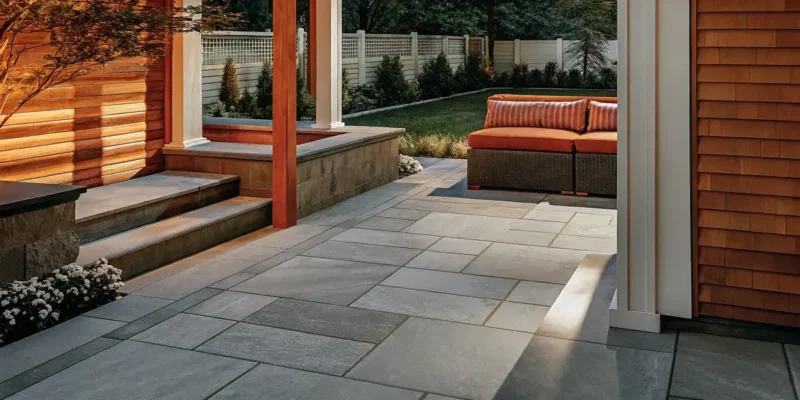
Salt air and freezing winters quickly wear down standard concrete surfaces on Long Island. This damage creates cracks that ruin the look of your backyard and cost a lot to fix. You need a better way to build a patio that stays beautiful for life.
Natural stone pavers long island homeowners choose offer more than just a luxury look. These stones stay strong through hot summers and snowy winters without losing their color or shape. Many local experts say that natural stone pavers like bluestone are widely used on Long Island because they last for many years. Unlike thin tiles or basic concrete, these thick stones can handle heavy use and salty sea air. They provide a safe and flat surface for your family to enjoy. You can pick from types like granite, marble, or travertine to match your style. Each piece has a unique grain and feel that makes your patio stand out. Choosing these stones means you spend less time on fixes and more time resting.
You might wonder if these high-end stones are worth the extra price for your next home project. It is vital to see Why natural stone pavers suit Long Island outdoor living and how they save you money later. The path begins with
Natural Stone Pavers Long Island: Why natural stone pavers suit Long Island outdoor living
Homeowners in Nassau and Suffolk counties often choose natural stone for their outdoor spaces. These stones offer a mix of strength and beauty that fits local yards. Whether you are planning a new patio or a walkway, natural stone provides a high-end look that lasts for years. Choosing natural stone pavers on Long Island ensures your home stays warm and stylish through every season.
Strong stones for every season
Long Island weather can be tough on outdoor surfaces. Cold winters and hot summers cause some stones to crack or fade over time. Natural stone like granite and bluestone can handle these shifts without losing their shape. These stones stay cool under the sun and resist damage from ice and snow. Using the right stone helps your outdoor area stay safe and useful for a long time.
Some stone options also help manage water on your property. Permeable stones allow rain and snowmelt to soak into the ground instead of pooling on the surface. This process helps reduce water waste by cleaning out harmful bits from runoff. Using these stones can also lower the need for road salt during the winter months. It is a smart way to protect nature while building a durable space.
Elegant looks for unique homes
Natural stone comes in many colors and textures to match any home style. You can choose from options like marble, limestone, and sandstone to create a custom look. Each piece of stone is unique, giving your patio or pool area a one-of-a-kind feel. This variety allows you to plan a luxury masonry patio design that stands out in your area.
Travertine is a top choice for pool areas because it feels good on bare feet. It stays cool even on the hottest days, making it perfect for summer fun. Other stones like granite offer a sleek and modern look for outdoor kitchens or fire pits. Mixing different stone types can add depth and character to your backyard. With so many choices, you can find the perfect fit for your lifestyle and taste.
Expert planning for lasting results
A great outdoor space starts with a clear plan. Expert teams use 3D tools to show you how your project will look before the work starts. This helps you make smart choices about stone types and layouts. Working with a team that handles everything from design to supply makes the process much easier. It ensures that every part of your project fits together perfectly from start to finish.
Technical details are also key to a long-lasting setup. Using strong edge restraints keeps your pavers from shifting over time. This helps maintain the build strength of your walkways and driveways for many years. Quality skill ensures that your work adds real value to your home. By choosing the right stones and expert help, you can create an outdoor space you will love for a long time.
Which natural stone is right for your project?
Choosing the best natural stone for your outdoor space on Long Island is a big step. Each type of stone has its own look and way of working. At Gappsi, we offer a natural stone collection that includes granite, marble, travertine, bluestone, limestone, and sandstone. Using high-quality natural stone pavers on Long Island ensures your patio or walkway lasts for many years.
Popular stone types for local projects
Travertine is a top pick for many local homeowners. Travertine patio pavers stay cool on hot days. This makes them great for pool decks. Bluestone is also very common in our area. It offers a classic look that fits well with many home styles. If you want a more high-end feel, marble and granite are strong and look very elegant. Limestone and sandstone give unique textures and colors for a custom look.
How to pick the best stone
Think about how you will use the space before you buy. Some stones handle rain and snow better than others. For example, some stones let water pass through. According to the EPA, certain paving materials help rain soak into the ground. This reduces runoff. You also want a stone that matches your home. Our luxury masonry patio design team can help you see how different stones will look with 3D plans.
| Stone Type | Best Use | Key Benefit | Look |
|---|---|---|---|
| Bluestone | Walkways | Very durable | Classic blue-gray |
| Travertine | Pool Decks | Stays cool | Soft earth tones |
| Granite | Driveways | Extra strong | Speckled gray |
| Limestone | Patios | Fine texture | Light and bright |
| Sandstone | Garden Paths | Natural feel | Warm and grainy |
Durability and long term care
Proper set up is key to making your stone last. We use our own edge system to keep pavers in place. This helps your project stay strong through many seasons. Choosing the right stone now saves you work later. High-quality stone is a smart choice for a beautiful and long-lasting entrance or backyard.
How to plan a natural stone paver project
Starting a stone project takes a lot of care. You must first think about how you want to use your yard. A well-planned patio or path adds value to your home. For most owners, natural stone pavers long island are the best way to get a look that lasts for years.
Pick the best stone for the job
The first big choice is the kind of stone. You can browse a wide natural stone collection to find the best look. Granite is a very hard stone that works well for paths or driveways. It can stand up to heavy use and cold winters. This makes it a top choice for homes in Nassau and Suffolk counties.
Travertine is another great pick for local yards. It is a common choice for pool decks because it does not get too hot in the sun. You may also like the soft look of limestone or marble for a high-end feel. Each stone has its own grain and color. You should look at real stones in a showroom to see how they look in the light. This helps you pick a stone that fits your style and your home.
Plan for water and layout
Water can be a real issue if it has nowhere to go. You need a plan to move rain away from your house. Some owners use permeable stone systems to help with this. These systems let water soak through the stone into the ground below. This helps stop puddles from forming on your new patio or walkway. It also helps the land around your home stay healthy.
Layout is also key for a good design. You should think about how you will walk between other areas. Using luxury masonry patio design help can help you see your project in 3D. This tool lets you check the fit and style before the work starts. It makes the whole project much smoother and keeps you from making costly mistakes. A pro can help you place walls and steps in the best spots.
Set a clear project path
A good plan keeps your project on track and under budget. You should start by listing your needs and wants for the space. Think about the size of the area and what you want to spend. It is also a good idea to check local rules for home work. Once you have a basic idea, you can reach out to an expert to improve your plan. They can help you pick the right colors and feels that will work for your space.
- Decide on the main goal for your project such as a new patio or pool deck.
- Pick a stone type that matches your home and is strong enough for the area.
- Work with a pro to create a layout that handles rain and fits your yard well.
- Use 3D tools to see how the stone and layout will look in your space before building.
- Plan for technical needs like the Gappsi Edge Restraint System to keep stones in place.
- Get a full cost estimate for all the stone and the work needed for the job.
- Confirm all local permits and yard rules before the work on your site starts.
What makes natural stone installation last?
A great natural stone patio starts deep in the soil of your yard. The work you do not see is what keeps the stone level for years. On Long Island, we deal with freeze and thaw cycles that can shift the ground. If the base is not strong, the surface will soon look not flat and old. Every step of the build must be done with care to make sure the stone stays in place.
The role of a solid base
Setting up a firm shelf for your stone is the first job of the crew. We dig out the old soil to reach a good depth for the new base layer. This layer is made of crushed stone and sand that we pack down with big tools. A firm base stops the stones from sinking into the soft earth as time passes. It also lets water drain through so ice does not form and lift the stone in the winter months. A good base is the key to a flat and safe patio.
A high-quality build includes these key steps:
- Deep digging to reach firm soil layers.
- Packing down thick layers of crushed stone for a base.
- Planning a clear pitch to lead water away from the house.
- Using a strong edge border to keep stones from sliding.
- Filling joints with high-quality sand to stop weeds.
Planning for water flow
Water is the biggest threat to a new stone path or patio. We plan the pitch of the surface to make sure water flows away from your home. A slope that is too flat will lead to puddles and moss growth. For some spots, using permeable pavers is a smart way to manage rain. These stones let water pass through the joints and back into the ground. This helps keep your outdoor space dry and safe for your family while helping the soil.
Securing the stone edges
Without a firm border, the stones at the edge will slowly slide away into the grass. This makes the gaps between the stones wider and ruins the look of the work. We use the Gappsi Edge Restraint System to lock every piece in place. As the patent holder, we know it gives the best hold for natural stone pavers long island homes need. This tool keeps the border tight even when the ground moves or shifts. We also use high-quality sand in the joints to stop weeds and extra movement.
The value of teamwork in design
Choosing a team that does both design and build work is a smart choice for any owner. It keeps the job smooth and cuts down on mistakes between the plan and the work. Our luxury masonry patio design experts work with the build crew every day on the site. This means the people who plan the drainage and base are the same ones who build it. You get a space that looks great and works well because the entire team was in sync from the start.
How do you maintain natural stone pavers?
Owning natural stone pavers long island adds a rich look to your yard. But these stones need the right care to stay in top shape. Good care helps your stone last for a long time. You should start with a plain plan to keep your patio or path clean. Regular checks can stop small issues from turning into big costs later.
Keep the stone clean
Most natural stone needs a simple wash to look its best. Use a soft brush and mild soap to scrub away dirt. Do not use harsh cleaners that can harm the stone face. Rinsing with water is often enough for weekly care. If you see a stain, act fast to blot it up. Do not rub the stain, as this can push it deep into the stone.
For more help with your project, you can visit our masonry supply store to see care items. We sell tools that help you keep your stone looking new. Regular cleaning keeps the stone safe from moss and weeds. It also prevents dirt from hiding the natural grain of the stone. A clean patio makes your outdoor space feel fresh and ready for guests.
- Sweep the stone once a week to clear loose dirt.
- Pull weeds as soon as they show up in the joints.
- Rinse the area with a hose to wash away dust.
Seal for more safety
Sealing your stone can help stop stains and wear. Some stones like marble or limestone need more care than others. A good seal blocks water and oil from soaking in. This is a key step to keep the natural stone collection bright. Check your stone each year to see if the seal is still there. You can pour a bit of water on the stone. If it beads up, the seal is still good.
Good care is a big part of keeping the stone build strong for many years. High-grade seals can also help the stone stand up to local rain and wind. Setting up a new seal every few years is a smart way to protect your home. It keeps the colors of the stone from fading in the hot sun. It also helps to bind the sand in the joints so it stays in place.
Check for winter needs
Winter on Long Island brings cold air and snow. Cold weather means you must take care of your stone to avoid cracks. Be careful with what you use to melt ice on your patio. Some salts can eat away at the stone or the joints. Using sand is often a safer way to walk on a slick path. Sand gives you a good grip without hurting the stone.
Some types of stone work better in the cold than others. If you have a porous floor, you may need less salt in the winter. This helps save the stone and the soil below it. Always sweep away snow and wet leaves as soon as you can. This stops dark spots from forming on the stone face. Proper winter care keeps your stone safe until the spring sun returns.
Designing a cohesive outdoor living space
Building a nice backyard starts with a full plan. You want every part of your yard to work well with the others. This includes your stone patio, paths, and pool area. When you choose a luxury masonry patio design, you make sure each part looks right.
A good plan helps you avoid a messy look. It makes your outdoor space feel like a real part of your home. Using one team for design, building, and supply can also make the work much simpler. This model lets you focus on your ideas while the pros handle the hard tasks.
Connecting yard features
A whole yard plan often joins many parts. You might have an outdoor kitchen, a stone wall, and a fire pit. These parts should connect with smooth paths. Walkways guide guests through your yard and keep the flow easy for all.
Using the same style for your steps, walls, and pool edges creates a smooth look. This method is key to a full backyard change. It turns small, separate spots into one large living zone. It also helps the stone work last through the local weather on Long Island.
Choosing the right stone
The stone you pick sets the mood for your whole project. Many people look through a natural stone collection to find the best fit. You can find many types of stone like granite, marble, and limestone. You can also pick from sandstone or bluestone for a different look.
For example, travertine patio pavers are a top pick for many yards. They stay cool in the sun and look clean. Using one type of stone for your patio and pool deck helps tie the whole look together. You can also use natural stone pavers long island to enhance your yard.
When you plan your project, think about how the stone handles water. Some stone types help manage rain and snowmelt well. For instance, permeable pavement allows water to soak into the ground. This helps reduce runoff and protects your soil from washing away.
Picking the right stone is about more than just the color. It also involves how the stone works with the Long Island weather. Top grade stone is built to last for many years and keep its beauty. It can even help filter out bad things from the water before it hits the ground.
Planning with 3D tools
It can be tough to see the final result in your mind. That is why using 3D tools is so helpful for people who own homes. These tools let you see your yard from every side before any work starts. You can check how the colors of the stone look next to your house.
You can also see if your new kitchen will fit in the space you have. This step helps you make sure the layout is both useful and pretty. It gives you a clear vision and peace of mind about your new yard. Expert help helps you make the best choice for your home and your life.
What should you ask before choosing stone pavers?
When you visit a showroom in Smithtown, you should feel ready to ask key questions. Choosing natural stone pavers on Long Island is a big step for your home. You want to make sure the stone fits your style and the local land.
Homeowners in Nassau and Suffolk Counties often look for ways to improve their outdoor living areas. A showroom visit helps you see the look and feel of the stone up close before you buy it.
How does the stone handle local weather?
You should ask how your stone will deal with rain and snow. Long Island winters can be very harsh on outdoor decks and paths. Some stone types are better at letting water pass through to the soil below.
These permeable pavers help reduce surface runoff on your land. This keeps water from pooling on your new patio or walkway. It also helps filter out things that can pollute the local water supply.
Ask if the stone is tough enough for ice and cold. Some stones can crack when water freezes inside small pores. You need to know which natural stone collection works best for a driveway versus a pool deck.
A good expert will show you samples of granite, marble, and bluestone. They can tell you how each one stands up to salt and sun over time.
What is the full project scope?
It is helpful to ask if one team will handle the whole job from start to finish. Using a single team for design and build can save you a lot of stress. This plan helps keep the design and the actual build work in sync.
You should ask to see a 3D view of your project before the work begins. This helps you find any issues with the layout or stone choice early on. It also ensures the final look matches what you had in mind for your home.
Ask about the base and edge systems that the team uses. A strong base is key to a patio that lasts for many years. You want to avoid stones that shift or sink after just one season.
Inquire about special tools like edge restraints that keep the stones in place. These parts of the job are often hidden but they are very vital for a long life.
Can I see real material samples?
Always ask to see and touch the stones in person at a local shop. Photos can look very different than the real thing under the bright sun. You should check a masonry supply store to see the true colors and textures.
Look at options like travertine, limestone, and sandstone to see what fits your house style. Each stone has a unique feel that can change how your outdoor space looks and works.
Ask how the stone looks when it is wet versus when it is dry. This is very key for pool areas or paths that get a lot of rain. Some stones can get slippery while others have a natural grip.
Knowing these details helps you pick a stone that is safe for your family to walk on. Bringing a few small samples home can also help you see how they look next to your house walls.
Frequently Asked Questions
Is natural stone cheaper than pavers?
Natural stone costs more than concrete blocks. The price is higher because stone is dug from the earth and cut by hand. Concrete blocks are made in a plant, which keeps the cost low. Even so, natural stone is very tough and stays pretty for a long time. Many people on Long Island choose stone for its high value and style.
What are the top 5 paving stones?
The most liked stones for outdoor spots are granite, marble, travertine, bluestone, and sandstone. Each stone has a unique look. For example, Gappsi has many types of stone to fit any yard style. Travertine is a top pick for pool decks because it stays cool on hot days. Granite and bluestone are also great for heavy use on paths and driveways.
How much does a 20 by 20 stone patio cost?
A 20 by 20 stone patio often costs from $10,000 up to $25,000. This price range depends on the stone you pick and the yard work needed. Stones like marble or granite will cost more than common bluestone. Work costs and fees on Long Island also change the final price. It is smart to have a pro look at your yard for a firm price.
How much does a 1,000 square foot paver patio cost?
A patio that is 1,000 square feet often costs from $15,000 to $35,000. The cost can go higher if you choose premium natural stone instead of concrete. You also need to think about the base layers and any extra drainage needed for the site. According to the EPA, using the right stone can help manage rain and water flow in your yard.
Schedule a showroom consultation for your outdoor stone project
Putting off your masonry project means your home stays at the very end of a long list of people who want new stone patios now. If you do not book your team today, you will have to wait for many months while our slots fill up with other local projects. You can avoid these long wait times by starting your plan now so your new outdoor living space is ready for the warm spring sun. Visit our showroom to see our natural stone collection in person before you make a final choice for your new Long Island home.
Ready to schedule a showroom consultation? Contact Gappsi Inc. to start your masonry project today.