


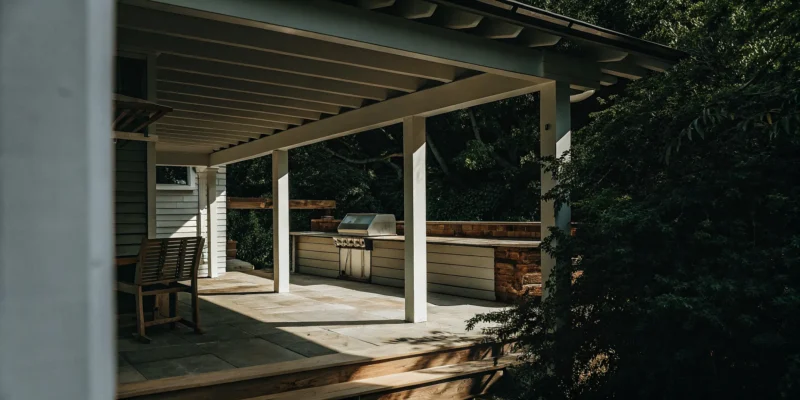
You have a beautiful backyard, but how often do you get to truly enjoy it? Intense sun or a passing shower can quickly send everyone inside. A pavilion solves that problem, giving you a permanent, protected space for relaxing and entertaining.
While the idea is simple, the process of building one involves careful planning and expert craftsmanship. This is where many homeowners feel overwhelmed, wondering who builds pavilions in Long Island and can handle the entire project from design to completion. We’ve created this guide to give you clarity and confidence, breaking down the entire process into manageable steps, from choosing a style to what to expect during construction.
Key Takeaways
- Choose your builder carefully. Look for a partner with a strong portfolio of Long Island projects. Confirm they are fully licensed and insured, and that communication is clear from the start.
- Know what drives the cost. Your pavilion’s final price is shaped by size, materials such as wood, vinyl, or metal, and custom add-ons such as electrical wiring or built-in features.
- Understand the full process. A successful project includes a collaborative design phase, proper permit acquisition for your town, and careful site preparation. Find a builder who manages these details.
Who Builds Pavilions in Long Island?
Finding the right builder is the single most important step in creating the pavilion of your dreams. You’re not just hiring a contractor; you’re choosing a partner who will help bring your vision for outdoor living to life.
A great builder understands the unique character of Long Island properties and can create a structure that complements your home and lifestyle. To find a professional you can trust, focus on four key areas: their experience, their ability to customize, their credentials, and their communication style.
Review Their Experience and Portfolio
A builder’s experience tells a story about their reliability and craftsmanship. Look for a company with a long history of building outdoor structures in Nassau and Suffolk counties, as this indicates they understand local building codes and climate considerations.
But don’t stop at the number of years they’ve been in business. A deep dive into their portfolio is essential. Ask to see examples of their completed pavilions and pergolas to get a feel for their design aesthetic. Do their projects inspire you? Do they showcase a range of styles, from classic to modern?
A varied portfolio demonstrates versatility and a commitment to meeting diverse client needs. Also, check for online reviews and testimonials to hear directly from past customers about their experiences.
Ask About Customization and Materials
Your pavilion should feel like a seamless extension of your home, not a generic, one-size-fits-all kit. When speaking with potential builders, ask about their approach to customization. Can they design a pavilion from scratch based on your ideas, or do they only work with standard models?
A premier builder should offer both, providing options that fit different budgets and visions. It’s also important to discuss the materials they use. A knowledgeable contractor can walk you through the benefits of wood, vinyl, and metal, helping you choose the best fit for your desired look and maintenance level. They should also be able to integrate the pavilion with other hardscaping elements, like a beautiful porcelain or natural stone patio, to create a cohesive outdoor space.
Verify Licenses, Insurance, and Warranties
This step is non-negotiable for protecting your investment and ensuring your project is built to last. Always confirm that your builder is fully licensed to operate in Long Island and your specific town. You can often verify this information on professional platforms or by asking the company directly for their license number.
Equally important is insurance. Your builder must carry both liability insurance and worker’s compensation to protect you from any financial responsibility in case of an accident on your property. Finally, ask about warranties. A confident builder will stand behind their work with a clear warranty that covers both materials and labor.
Assess Their Communication and Process
A construction project is a collaborative effort, and clear communication is the glue that holds it all together. From the first phone call, pay attention to how the builder interacts with you. Are they responsive, attentive, and willing to answer all your questions?
Ask about their process: Who will be your main point of contact? How often will you receive updates? A transparent builder will happily outline their project timeline and communication plan. One of the best ways to gauge this is to speak with their past clients.
Ask them what the process was like and if the team was easy to work with. You can also watch videos of their team in action to get a better sense of their professionalism and workflow before you even commit.
Popular Pavilion Styles in Long Island
Choosing a pavilion style is one of the most exciting parts of the design process. Your decision will shape the entire look and feel of your backyard, so it’s worth exploring what resonates with you.
From the timeless warmth of wood to the clean lines of modern metal, there’s a style that fits every Long Island home. Think about your home’s architecture, your personal taste, and how you plan to use the space. This will help you find a pavilion that feels like a natural extension of your home and lifestyle.
Classic Wood Pavilions
There’s a reason wood pavilions remain a beloved choice for Long Island backyards. Their natural beauty and warmth create an inviting, timeless atmosphere that other materials can’t quite replicate.
Woods like cedar are popular not just for their classic, rustic appearance but also for their inherent durability and resistance to the elements. A wooden structure can blend seamlessly with a lush garden, a traditional home exterior, or a cozy fire pit area.
Low-Maintenance Vinyl and Composite Pavilions
A vinyl or composite pavilion lets you spend more time using the space and less time maintaining it. These materials stand up to Long Island weather, from humid summers to snowy winters, without warping, rotting, or fading.
A simple wash with soap and water is all it takes to keep them looking fresh and new. This practicality makes them a smart choice for busy families or anyone who prefers a hands-off approach to homeownership.
Modern Metal and Aluminum Pavilions
For homeowners with a contemporary aesthetic, metal and aluminum pavilions and pergolas offer a sleek, sophisticated profile. These structures are defined by their clean lines, minimalist design, and impressive durability.
Aluminum is lightweight, strong, and naturally rust-proof, making it a fantastic long-term investment. This style is also incredibly versatile. It serves as the perfect frame for a modern dining area, an elegant poolside lounge, or a chic entertaining space complete with integrated lighting and sound systems. A metal pavilion makes a bold statement on the property.
Custom-Built and Hybrid Designs
Why choose one style when you can create something completely unique? A custom-built pavilion gives you the freedom to design a structure that perfectly matches your vision and functional needs. You can mix materials, like pairing the warmth of wood beams with the modern edge of a metal roof, to create a hybrid design.
This approach allows you to tailor every detail, from the exact dimensions that fit your space to incorporating features that support your lifestyle. Whether you’re dreaming of a poolside retreat or an outdoor living room, a custom design process ensures your new pavilion is truly one of a kind.
Key Features and Popular Add-Ons
The right features can transform your pavilion from a simple shelter into a fully functional outdoor oasis. Think about how you want to use the space day and night. Integrated electrical wiring can power everything from overhead fans and heaters to televisions and sound systems.
String lights or recessed lighting can create the perfect ambiance for evening get-togethers. For added privacy and comfort, consider adding curtains or retractable screens. Many homeowners also opt for built-in seating, bars, or a serving counter to make their pavilion the ultimate destination for entertaining. You can see many of these features in action by exploring our past projects.
What Does a Pavilion Cost in Long Island?
Figuring out a budget for your new pavilion is one of the most important first steps. The final price tag depends on several key factors, from the structure’s footprint to the materials you choose.
Your total investment is shaped by your design choices, site conditions, and any special features you want to include. Understanding these elements will help you set a realistic budget and make informed decisions as you plan your outdoor retreat.
How Size and Style Affect Cost
The most significant factors influencing your pavilion’s cost are its size and design complexity. A smaller, more standard pavilion might be perfect for creating a cozy seating area, while a larger, more intricate structure designed to cover a full dining and lounge space will naturally require a bigger investment.
On Long Island, a basic residential pavilion can start in the low thousands, but custom designs with elaborate rooflines, decorative posts, and expansive dimensions can easily reach higher price points. The style you choose, whether it’s a classic timber frame or a sleek modern design, will also guide the overall cost, as more complex styles require more materials and specialized labor to build.
The Impact of Materials on Your Budget
Your choice of materials plays a huge role in both the final cost and the long-term maintenance of your pavilion. Your pavilion’s final price is primarily determined by its size, your choice of materials, and the complexity of the design.
Traditional wood like pressure-treated pine is often the most budget-friendly option, while cedar offers a warm look and natural resistance to insects and decay at a higher price. For a low-maintenance solution, vinyl and composite pavilions are excellent choices that stand up well to coastal weather, though their upfront cost is typically higher. Modern aluminum offers a durable, sleek aesthetic that complements contemporary homes.
| Material | Look | Upkeep | Cost position |
|---|---|---|---|
| Pressure-treated pine. | Classic wood. | Needs periodic sealing or staining. | Usually the lowest upfront cost. |
| Cedar. | Warm, natural wood. | Needs periodic sealing or staining. | Higher than pine. |
| Vinyl or composite. | Clean, uniform finish. | Soap and water. | Higher upfront than basic wood. |
| Aluminum. | Sleek metal lines. | Resists rust. Soap and water. | A long-term metal option. |
Factoring in Site Prep and Permit Fees
Before your pavilion can be built, the site needs to be properly prepared. This is a critical step that often includes leveling the ground, ensuring proper drainage, and building a solid foundation, such as a concrete slab or a paver patio. The complexity of your site preparation will depend on your property’s current condition.
Additionally, most towns across Nassau and Suffolk counties require building permits for outdoor structures. The process of securing permits involves submitting plans, paying fees, and scheduling inspections. Working with an experienced builder who understands local regulations can make this process much smoother and ensure your project is fully compliant from the start.
How Add-Ons Change the Final Price
The features you add to your pavilion are what truly transform it into a personalized outdoor living space. These add-ons will also affect your final budget. Popular enhancements include electrical packages for ceiling fans, lighting, and outlets, which extend the usability of your space into the evening.
You might also consider adding privacy walls, built-in seating, or even an outdoor fireplace for warmth and ambiance. Integrating features like built-in lighting or a sound system requires careful planning and professional installation. Each addition contributes to the final cost and increases the function of your new pavilion.
What to Expect From the Building Process
Bringing a pavilion to life is an exciting project, but it helps to know what the journey looks like from start to finish. A professional builder will guide you through each step, making sure the process is smooth and the final result is exactly what you envisioned.
Understanding the process helps you set clear expectations and feel confident in your investment. Here’s a breakdown of what you can anticipate when building a pavilion in your Long Island backyard.
The Initial Consultation and Design Phase
This is where your ideas start taking shape. Your first meeting with a builder is all about sharing your vision. Think about how you want to use the space, the style you love, and your budget. This is your chance to ask questions and explore all the possibilities.
We offer a wide range of pavilions and pergolas, from classic models to completely custom designs tailored to your property. This collaborative phase is key to creating a design that fits your lifestyle and aesthetic, ensuring the final structure feels like a natural extension of your home.
Securing Permits and Local Approvals
Once you’ve finalized your design, the next step is handling the paperwork. Most outdoor structures, including pavilions, require building permits. The rules and regulations can differ quite a bit between towns in Nassau and Suffolk County, so it’s important to know what’s required for your specific location.
An experienced builder will be familiar with these local codes. At Gappsi, we manage the permit process for you, making sure your project complies with all local requirements. This takes the stress off your shoulders and keeps your project on track.
Construction, Installation, and Final Inspection
With the design approved and permits in hand, the building begins. This is the most exciting part, as you get to watch your pavilion come to life. Our team focuses on careful craftsmanship, from laying a solid foundation to carefully installing every beam and rafter.
We use durable materials so your pavilion can withstand Long Island weather for years to come. You can see our team’s work on our YouTube channel. After construction is complete, a final inspection ensures every detail meets safety standards and your expectations.
Potential Challenges to Keep in Mind
Even with the best planning, it’s smart to be aware of potential hurdles. Issues can sometimes arise with the foundation, proper anchoring, or drainage, especially on uneven properties. The permit process can also occasionally have delays.
The best way to prevent these issues is to work with a seasoned professional who anticipates these challenges from the start. Careful site preparation and expert masonry for the foundation are critical for a stable and long-lasting structure. A good builder will address these factors early in the design phase to avoid surprises down the road.
Start Designing Your Pavilion Today
Designing your pavilion is an exciting step toward creating the backyard you’ve always wanted. Whether you envision a cozy retreat for family gatherings or a shaded area for entertaining guests, the right structure can turn your outdoor space into a useful gathering place.
Here on Long Island, you have access to skilled professionals who can help bring your vision to life. At Gappsi, we specialize in creating everything from classic models to completely custom pavilions tailored to your specific needs and style.
Great design starts with careful planning, so the new pavilion looks right on the property and holds up for years. It is an investment in the home, and we treat it that way.
As you start the design process, consider the size, materials, and overall complexity of your project, because these factors influence the final price. Thinking about how you’ll use the space is the best way to begin.
For example, will it house a dining area or simply provide a relaxing poolside lounge? Understanding how these elements come together is key to a successful project. With careful planning and an experienced team, you can create a pavilion that supports outdoor living for years to come.
Related Articles
- Custom pavilions, pergolas, and gazebos in Long Island, NY.
- Gazebo, pavilion, and pergola articles from Gappsi Group.
- A modern Amish backyard pavilion with porcelain tile in Islip, NY.
- More pavilion projects from Gappsi Group.
- Amish pavilion designs and backyard ideas from Gappsi.
Frequently Asked Questions
How long does it typically take to build a pavilion?
The timeline depends on the complexity of your design, how quickly local permits are approved, and the weather. Once the design is final and the town gives the green light, construction itself is usually efficient.
For a standard project, expect several weeks from the start of construction to the final walkthrough. More intricate, custom projects take longer.
What is the difference between a pavilion, a pergola, and a gazebo?
A pavilion is a large, open-sided structure with a solid roof. It gives full protection from sun and rain, which makes it a good fit for an outdoor living room or dining area.
A pergola has an open, slatted roof that creates partial shade and can support climbing plants. A gazebo is typically smaller and freestanding, often octagonal, with a solid roof and sometimes built-in seating.
Can you build a pavilion on my existing patio or deck?
In many cases, yes, but we start with a professional assessment. A pavilion is a heavy structure, so the existing foundation must support the weight safely.
We inspect the condition of a paver patio or wooden deck to see whether it needs reinforcement or is ready as is.
How much maintenance should I expect with my new pavilion?
Maintenance follows the material you choose. A classic wood pavilion needs the most care, including periodic sealing or staining every few years.
Vinyl and aluminum pavilions need less care. They resist rot, insects, and fading, so soap and water is usually enough to keep them looking clean.
Do I need a permit for a pavilion on Long Island?
Yes, almost certainly. Most towns across Nassau and Suffolk counties require a building permit for a permanent structure like a pavilion.
The permit confirms the structure is built safely and meets local zoning and building codes. A reputable builder manages the application and inspections for you.