


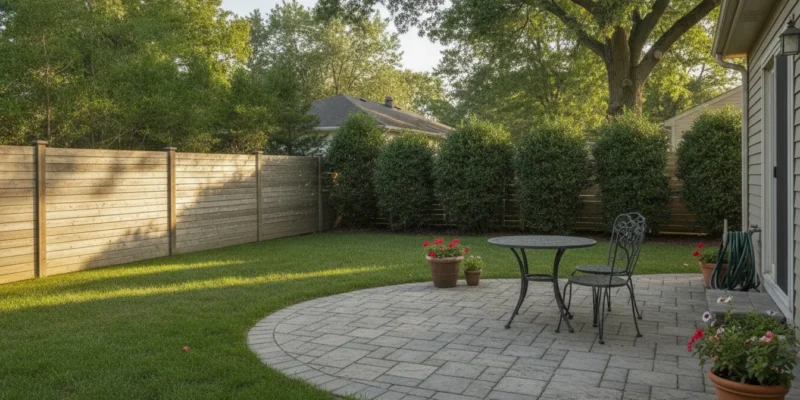
Privacy is not one-size-fits-all on a Long Island property. A fence can block a direct view as soon as it is installed, while planted screening takes time to fill in. Your lot’s width, sun, drainage, wind exposure, and the space available for mature growth all affect the better choice.
Contact Gappsi through our contact page
For privacy fence vs landscaping long island decisions, choose a fence when you need an immediate, compact sightline block. Choose landscaping when you have room for roots and want a softer edge that can slow wind and add seasonal texture. Many backyards work best with both: a fence near the exposed view and planting where the bed can support it.
The right answer also depends on maintenance and local rules. Fences require hardware checks and periodic cleaning or finish work. Planting requires early watering, pruning, and replacement when a gap develops. Start by considering how quickly the screen must work and how much room your backyard can give it.
When Is a Privacy Fence the Better Long Island Choice?
A fence is often the better choice when the privacy problem is immediate and specific. If the neighbor’s yard, a driveway, a pool area, or an elevated view already looks into your outdoor space, a fence creates a defined sightline block as soon as it is installed. Planting can soften that view, but screening plants need time to fill in unless you use large nursery stock, and even large plants have a first-season establishment period.
Space can make the decision for you. Planting needs root room, sunlight, and workable drainage. A single row of tall evergreens in a narrow side yard may eventually outgrow the bed, shade itself, or leave too little room for access and maintenance. A fence usually needs less width because it follows a post line, although gates, grade changes, corners, and property layout still need to be considered. For an overview of material and layout possibilities, see our Long Island privacy fence ideas.
Choose a fence first when one or more of these conditions apply:
- The view is already there. You need a closed sightline this season rather than a screen that will mature gradually.
- The side yard is narrow. There is not enough bed width for plants to reach their mature size without crowding the path, house, or property line.
- The boundary needs definition. A fence can establish a clear edge between yards while still leaving room to add planting on the side that has space.
Contact Gappsi through our contact page to review a fence line, a planted screen, or both.
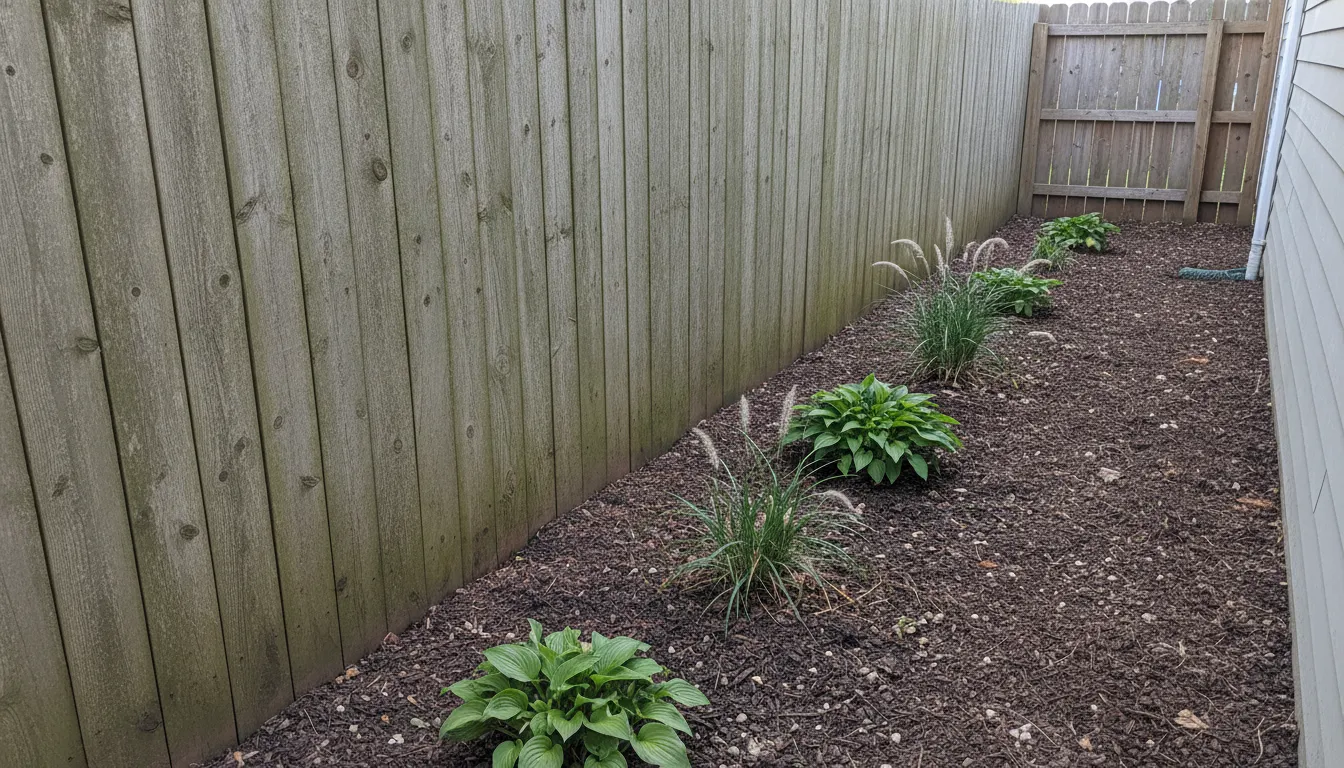
Wind deserves attention, especially on coastal and open Long Island lots. A solid fence can increase wind turbulence on the leeward side, while a hedge or fence that lets some air through can slow wind rather than abruptly dumping it over the barrier. A more sheltered inland yard may feel this less, but the fence design and site exposure still matter.
The right answer may be a combination: use fencing where the neighbor or view is immediate, then add planting where there is enough room for a softer edge. Gappsi’s Long Island fencing service can be considered alongside the site’s planting conditions, drainage, and maintenance needs. Before choosing a height or placement, confirm the rules for your parcel. Long Island towns and villages set their own limits, and some locations restrict visibility near streets and driveways.
When Does Landscaping Screen a Backyard Better Than a Fence?
Planted screening can be the better choice when the lot has enough bed width for roots and mature growth. It suits homeowners who want a softer property edge rather than a hard visual barrier. Foliage can also slow wind when it allows some air to pass through. That matters more on open or coastal Long Island lots than on sheltered inland properties.
The tradeoff is time. A fence creates a clear sightline block as soon as it is installed. Landscaping usually needs years to close, unless you pay for larger nursery stock. Even larger plants need a first-season establishment period with careful watering and follow-up. This approach works best when you can wait for the screen to develop or have a reason to accept the added planting cost. For guidance on choosing a direction, review these privacy landscaping ideas.
Space is the deciding test. Planting needs root room, sunlight, and reliable drainage. A single row of tall evergreens often fails in a narrow side yard because its mature width exceeds the bed. The result can be crowding, poor growth, or plants that spill into a walkway. A fence usually needs less width, although its posts, gates, and grade changes still require a workable layout.
Landscaping also changes the maintenance calendar. New plants need watering during their first seasons. Mature growth may need pruning to keep driveways and sight triangles clear. A dead plant can leave an unexpected gap. A fence instead calls for washing, hardware checks, and eventual panel or stain work. Neither option is maintenance-free.
For many Long Island backyards, the practical answer is both. Use a fence where the view or a neighboring property creates an immediate privacy problem. Use planting where there is bed width and the goal is a softer edge. A landscape professional can evaluate the layout, drainage, and screening goals through landscape design and construction services.
How Do Privacy Fence vs Landscaping Long Island Options Compare?
Choosing between privacy fence vs landscaping Long Island options starts with the view you need to block and how quickly you need the space to feel private. A fence creates a defined barrier as soon as it is installed. Planted screening takes time to fill in, even when larger nursery stock is selected.
The lot matters just as much as the material or planting plan. Consider available width, wind exposure, maintenance, drainage, and the chance that a single plant may die and create an opening.
| Factor | Privacy fence | Planted screening | Combined screen |
|---|---|---|---|
| Time to close the view | Blocks the sightline the week it is installed. | Needs growing time, plus a first-season establishment period. | Provides immediate coverage while plants develop. |
| Width needed | Usually needs a post line, gates, and room for grade changes. | Needs root space, sun, and enough bed width for mature growth. | Uses the fence for the tight edge and planting where space allows. |
| Wind on an open lot | A solid surface can increase turbulence on the leeward side. | Can slow wind when its form allows some air movement. | Can balance a defined barrier with a softer planting layer. |
| Upkeep calendar | Plan for washing, hardware checks, and eventual panel or stain work. | Plan for early watering, pruning, and replacing plants that die. | Combines fence checks with seasonal plant care. |
| Gap risk | Gaps usually come from gates, layout, or grade changes. | A dead or poorly placed plant can open the screen. | One layer can help reduce the effect of a gap in the other. |
| Best fit | Immediate privacy on a narrow or exposed boundary. | A softer edge where there is adequate bed width and growing room. | A boundary needing privacy now and a less rigid appearance over time. |
A combined screen is often the practical Long Island answer. Put a fence where a neighbor, street, or open view is close. Add planting where the bed has enough width to support healthy roots and a softer edge. If the grade or soil stays wet, resolve the drainage conditions before relying on new planting. See yard drainage solutions for Long Island for related planning considerations.
Neither option is always better. A fence may suit a narrow side yard, while planting may work better where space and patience are available. A combined approach can also be the right fit, but the layout should account for mature plant width, wind, access, and upkeep. Local rules vary by town and village, so confirm the fence requirements for your parcel before finalizing the plan.
What Town Rules Change the Fence or Hedge Decision?
The property line is not the only boundary to check. In the Town of Islip, Section 68-406 limits a fence or wall to six feet unless it is open chain-link or blocks no more than 15 percent of visibility. Even under that exception, the fence cannot exceed eight feet anywhere on the property. Section 68-404 also keeps hedges, fences, shrubbery, and foliage higher than three feet and lower than eight feet out of the sight triangle at street and driveway corners. See the Town of Islip zoning code for the cited sections.
These are Town of Islip rules, not a universal Long Island standard. Other Long Island towns and villages write their own limits. Confirm the rule for your parcel before choosing a tall fence or a tall hedge, especially when the screen will be near a driveway, street corner, or property line. Use this four-part check before you settle on fence, planting, or a combination:
- Confirm the town or village. Identify the municipality that governs the parcel, then check its current zoning requirements for fences, walls, hedges, and corner visibility. Do not assume that a rule from one Long Island community applies to another.
- Measure the sight triangle at the driveway. Mark the area where a driver needs a clear view of the street and sidewalk. A hedge can create the same visibility problem as a fence, so account for mature plant height and spread, not just the size of the nursery plant.
- Check bed width against mature plant size. Planting needs root space, sun, and drainage. If the mature width will overrun a narrow side bed, a fence may use the available space more predictably. If there is room for the plants to develop, landscaping can soften the edge over time.
- Decide fence where the view is immediate and planting where the bed can hold it. A fence creates a hard sightline block as soon as it is installed. Planting needs time to close and first-season establishment care. Many Long Island properties use both: fence for the immediate view and plants where there is enough bed width for a softer screen.
If the decision is a fence, the privacy fence installation guide covers the permit process and installation details. Confirm the applicable local rule first, then lay out the screen around the sight triangle rather than correcting the design after installation.
Which Option Should You Choose for Your Yard?
The right answer to privacy fence vs landscaping Long Island depends on time, space, and the view you need to control. Use the yard’s constraints as your guide, rather than treating a fence or planting as a universal solution.
Narrow side yard with an existing neighbor window
Choose a fence when privacy is immediate and the bed is narrow. A fence creates a firm sightline block as soon as it is installed, while planted screening needs time to close. A single row of tall evergreens may also outgrow the available bed width. A fence still needs a careful post line, gate location, and grade review, but it usually uses less width than mature planting.
Deep rear bed with room and patience
Choose planting when you have root space, suitable sun, and workable drainage. This approach softens the edge and can become more integrated with the yard over time. Plan for watering during the first seasons, pruning, and occasional replacement if a plant dies and creates a gap. If the screen will sit beside an outdoor seating area, these paver patio ideas for Long Island can help coordinate the surrounding layout.
Corner lot or windy open lot
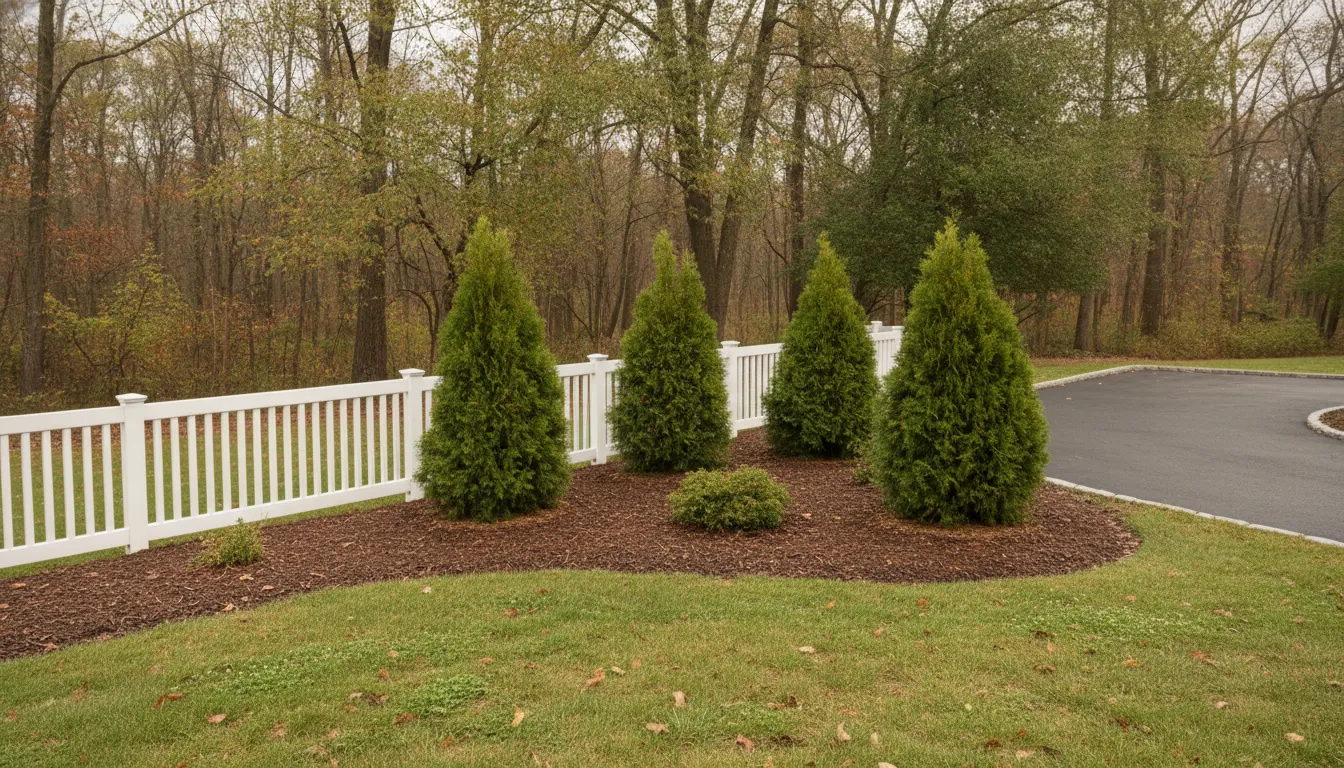
Consider a combined screen when exposure and visibility pull in different directions. Use a fence where the view is immediate, then add planting where the bed has room and a softer edge is useful. On open or coastal lots, a fully solid fence can increase wind turbulence on the leeward side. A hedge or a fence that lets some air through can slow wind instead of abruptly redirecting it.
At a corner lot, keep the solid portion outside the required sight triangle. Local rules vary across Long Island towns and villages, so confirm the limits for your parcel before finalizing the layout. Also, a privacy fence is not automatically a pool fence. Pool barriers are a separate safety and code topic. Review pool fence options on Long Island if a pool is part of the plan.
Posted by Gappsi Group.
Contact Gappsi through our contact page
Frequently Asked Questions
Is a privacy fence or landscaping better on Long Island?
Neither is better on every lot. A fence closes the view the week it is installed and fits a narrow side yard. Planted screening fits a bed that can hold mature roots and a homeowner who can wait, or who uses larger nursery stock. Many yards use both.
How long does landscaping take to create privacy?
A typical new planting needs years to close a view. Larger nursery stock shortens that wait, but it still needs a first-season establishment period with regular watering. A dead plant later opens a gap that a fence panel does not.
Can I use a privacy fence as a pool fence?
No. A privacy fence is not a pool barrier. Pool fences follow separate safety rules for height, gates, and openings. If a pool is part of the yard, read the Long Island pool fence guide before you treat one fence as both.
Do Long Island towns limit fence and hedge height?
Yes, and the limit is local. In the Town of Islip, a typical fence or wall stops at six feet, with a narrow exception up to eight feet, and sight triangles stay clear of tall hedges and fences. Other towns and villages write their own rules. Confirm the rule for your parcel.
What if my side yard is too narrow for evergreens?
Use a fence on that edge. A single row of tall evergreens fails when the mature width is wider than the bed. Save planting for the side of the yard that has root space, sun, and drainage.
Plan the Screen With Gappsi
Posted by Gappsi Group. Bring the lot lines, the view you want closed, and a note on whether the bed is wide enough for plants. Gappsi can lay out a fence, planted screening, or a combined screen for a Long Island backyard.