


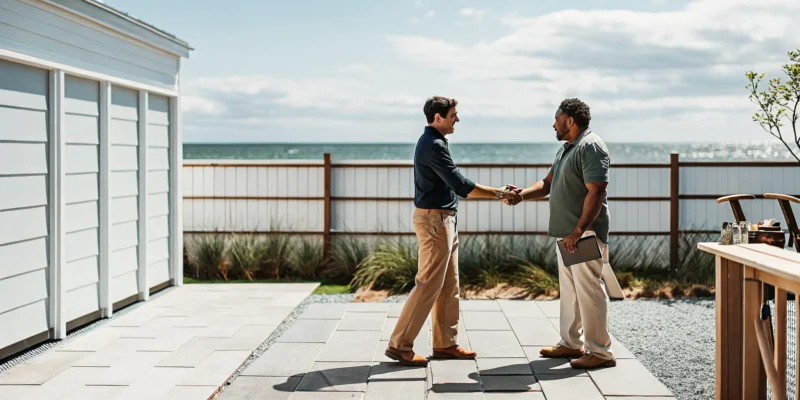
Living on Long Island means our homes face a unique set of challenges, from humid, salty air in the summer to freezing temperatures in the winter. These conditions can be tough on any outdoor structure, especially a wood fence. This is why local expertise matters so much. You need a contractor who understands our climate and knows which materials and installation techniques will stand up to the weather. A team with deep roots in the area will build a fence designed for longevity. This guide will walk you through how to identify a top-tier wood fence contractor Long Island has to offer, ensuring your new fence is built to last.
Key Takeaways
- Choose Your Contractor Wisely: Protect your investment by selecting a licensed and insured contractor with proven Long Island experience. Always ask for a detailed quote and a written warranty to ensure transparency and quality.
- Balance Function with Form: Select a fence style that meets your practical needs, like privacy or decoration, and choose a wood type (such as cedar or pressure-treated pine) that can withstand Long Island’s specific weather conditions.
- Understand the Full Cost: Your final price is a combination of materials, fence style, and labor. Remember to also budget for potential extra costs like permits, site grading, or old fence removal for an accurate financial plan.
Finding the Best Wood Fence Contractors on Long Island
Choosing the right contractor is the most important step in getting a wood fence you’ll love for years. You need a team that understands Long Island’s unique environment and can deliver a beautiful, durable final product. A great contractor brings not just skill, but also reliability and clear communication to your project. To help you get started, here are a few of the most reputable wood fence installers in Nassau and Suffolk counties, known for their quality work and customer satisfaction.
Gappsi
Gappsi has earned a strong reputation across Long Island for its comprehensive home improvement services, and their fencing work is no exception. They approach each project with a designer’s eye, ensuring your wood fence not only provides privacy and security but also complements your home’s overall aesthetic. Their team handles everything from design to installation, using high-quality materials built to last. If you’re looking for a custom fencing solution and a seamless experience from a company that manages the entire process, Gappsi is an excellent choice. Their focus on expert craftsmanship means you get a beautiful fence that stands the test of time.
Amendola’s Fence Co.
With decades of experience serving Long Island, Amendola’s Fence Co. is a well-established name in the community. They offer a wide selection of fencing materials, including beautiful custom wood designs that can be tailored to your property. Homeowners often point to their team’s professionalism and the smooth installation process as major positives. If you value a company with a long history of reliability and straightforward, fair pricing, Amendola’s is a solid contender. Their extensive experience means they have seen it all and can handle just about any fencing challenge that comes their way.
Family Fence
Family Fence is another highly-rated option, known for its commitment to customer satisfaction. With more than two decades in the business, they have a proven track record of successful installations across Long Island. They provide a variety of materials, but their ability to create custom fences allows homeowners to get the exact look they want. What really stands out is their impressive number of positive reviews, which speaks volumes about their dedication to quality service. If you’re looking for a contractor with a strong, positive reputation and a focus on personalized solutions, Family Fence is definitely worth considering for your project.
Which Wood Fence Style Is Right for You?
Choosing a wood fence is about more than just drawing a line around your property. It’s a decision that shapes your home’s first impression, creates privacy for your family, and completes your outdoor living space. The right fence should feel like a natural extension of your home, complementing everything from your garden to your patio. With so many styles and materials available, finding the perfect fit can feel like a big task, but it doesn’t have to be. Think of it as choosing an accessory that pulls your whole yard together.
Whether you want to create a private sanctuary for your backyard swimming pool, add a touch of classic charm to your front yard, or simply keep pets and little ones safe, there’s a wood fence style for you. At Gappsi, we work with a variety of fencing materials, including wood and composite options, to bring your vision to life. Let’s walk through some of the most popular styles to help you decide which one is the best match for your Long Island home.
Picket Fences
The picket fence is an American classic for a reason. It’s the perfect way to define your property lines while adding a friendly, welcoming charm to your landscape. This style is not about total privacy; instead, it creates a decorative border that enhances your home’s curb appeal without blocking the view. Picket fences are a great, budget-friendly choice for front yards or garden areas. They create a sense of enclosure and safety for kids and pets while maintaining an open and neighborly feel. Their timeless design works well with a wide range of architectural styles, from historic colonials to modern farmhouses.
Privacy and Stockade Fences
If creating a secluded backyard retreat is your top priority, a privacy or stockade fence is your best bet. These fences are built with solid or tightly spaced vertical boards designed to block sightlines and help reduce neighborhood noise. This makes them an excellent choice for creating a peaceful oasis around your patio or pool area. A stockade fence, with its pointed-top pickets, offers a traditional and secure look, while a solid board fence can provide a clean, modern backdrop for your landscaping. Both styles give you the ultimate sense of seclusion, letting you enjoy your yard without an audience.
Split Rail Fences
For a rustic, open-air feel, a split rail fence is an excellent option. This style uses two or three horizontal rails fitted into posts, creating a simple and natural-looking boundary. It’s a popular choice for larger properties or homes aiming for a more pastoral aesthetic, as it marks your property lines without obstructing scenic views. Split rail fences are also one of the more cost-effective wood fencing options. While they won’t contain small pets, they are perfect for defining different areas of your yard or lining a long driveway, adding a touch of country charm to your Long Island property.
Decorative Cedar Panel Fences
When you want your fence to be a true design feature, a decorative cedar panel fence delivers. These fences combine the privacy of a solid fence with beautiful, eye-catching details like lattice tops or intricate patterns. Cedar is a fantastic choice because it’s naturally resistant to rot and insects, ensuring your fence is as durable as it is beautiful. A decorative panel fence can elevate the entire look of your property, turning a simple boundary into a stunning architectural element that complements your home and high-end outdoor features like pavilions and pergolas.
Choosing the Best Wood for Long Island’s Climate
Living on Long Island means dealing with humid summers, chilly winters, and salty air, so choosing a wood that can handle the weather is key. The right material will resist moisture, decay, and pests, ensuring your fence stays strong and beautiful for years. While the type of wood you choose is important, so is proper installation and maintenance. Investing in quality materials and routine upkeep, like cleaning and sealing, will protect your fence from the elements. Regular care from a service that offers restoration and sealing can significantly extend the life of your wood fence.
Pressure-Treated Pine
Pressure-treated pine is a very popular and practical choice for fencing, especially in our climate. This wood has been chemically treated to resist rot, fungus, and insects, giving it a major advantage in durability. It’s an affordable option that provides excellent strength and longevity, making it a reliable workhorse for any fence style, from picket to privacy. While it doesn’t have the natural rich color of cedar, pressure-treated pine can be stained or painted to match your home’s exterior, giving you plenty of design flexibility without breaking the budget.
Cedar and Redwood
If you’re looking for natural beauty and durability, cedar and redwood are top-tier choices. These woods contain natural oils and tannins that make them inherently resistant to decay and insects, so they don’t require chemical treatments. Cedar and redwood are known for their stunning color, straight grain, and dimensional stability, meaning they are less likely to warp or shrink over time. While they come at a higher price point, their longevity and gorgeous appearance make them a worthwhile investment. Their rich tones pair beautifully with other natural materials, like the porcelain and natural stone used in patios and walkways.
Composite Wood Options
For homeowners who love the look of wood but not the maintenance, composite fencing is the perfect solution. Made from a blend of wood fibers and recycled plastics, composite materials offer the best of both worlds. They mimic the appearance of natural wood but won’t rot, warp, or splinter, and they never need to be stained or sealed. A simple cleaning with soap and water is all it takes to keep a composite fence looking great. This makes it a practical, low-maintenance choice for busy families who want a beautiful, long-lasting fence. Gappsi offers several composite fencing options to fit your style.
What’s the Real Cost of a Wood Fence on Long Island?
Figuring out the budget for a new wood fence is often the first step, and it’s smart to know what you’re getting into. The final price tag is more than just the cost of lumber. It’s a mix of the wood you choose, the fence style you love, the size of your property, and the specific challenges of your landscape. On Long Island, a professionally installed wood fence can range from $15 to $50 per linear foot, but that’s a wide spectrum. Why the big difference? The total cost includes materials, labor for installation, and other potential expenses like permits and site preparation.
While you might be tempted to save money with a DIY project, professional fencing installation is often a wise investment. A pro ensures your fence posts are set correctly to withstand our coastal weather, the panels are perfectly aligned, and the entire structure is built to last. This expertise can prevent costly repairs down the road. The best way to get a clear picture of your investment is to get a detailed quote from a trusted contractor who can walk you through every line item, from materials to labor.
Cost by Material (Per Linear Foot)
The type of wood you select is one of the biggest drivers of your total cost. For materials alone, you can expect to pay between $10 and $30 per linear foot. Pressure-treated pine is a popular and budget-friendly choice, typically falling in the $10 to $20 range. It’s treated to resist rot and insects, making it a durable option for the price.
If you’re looking for a more premium look with natural longevity, woods like cedar and redwood are excellent choices. These materials cost more, usually between $20 and $30 per linear foot, because they contain natural oils that make them inherently resistant to decay and pests. This upfront investment often pays off with a longer lifespan and less maintenance. A detailed privacy fence cost guide can help you compare these options side-by-side.
Cost by Fence Style
Beyond the material, the design of your fence plays a significant role in the final price. Simpler designs like a classic split rail or picket fence require less material and labor, making them more affordable. On the other hand, a tall privacy fence or a stockade style will cost more because they use more wood and take longer to construct.
Intricate or custom designs, such as lattice-top panels or decorative post caps, will also add to the overall expense. Think of it this way: the more complex the cut and the more material needed per foot, the higher the cost. Exploring different wood privacy fence styles can give you a better feel for how aesthetics and function influence pricing. When you get a quote, make sure it specifies the style so you can accurately compare your options.
Factors That Influence the Final Price
Several other factors can affect your total cost, and it’s important to account for them in your budget. Professional installation typically adds $8 to $25 per linear foot, but this isn’t the only additional expense. Your property itself can introduce unique costs. For instance, if your yard has a significant slope, it may need grading to ensure the fence is level, which can cost anywhere from $500 to $2,000.
You should also plan for administrative costs like building permits, which can range from $50 to $500, and a property survey to clearly mark your boundary lines. If you have an old fence that needs to be torn down and hauled away, that will add to the labor costs as well. Discussing these potential hidden and extra costs with your contractor upfront will help you avoid surprises.
How to Choose Your Wood Fence Contractor
Selecting the right contractor is just as important as choosing the right wood or style for your fence. This is the team you’ll be trusting to bring your vision to life, handle the logistics, and build a structure that will stand strong for years. A great contractor ensures the project runs smoothly from the initial design consultation to the final cleanup, resulting in a fence that not only looks beautiful but is also installed correctly and safely. The best partnerships are built on clear communication, shared expectations, and a mutual respect for the process.
When you start your search, you’re looking for more than just an installer; you’re looking for a long-term partner for your home improvement projects. A company with deep roots in Long Island will understand local building codes, soil conditions, and what it takes to build a fence that can withstand our coastal weather. Taking the time to vet your options thoroughly will give you peace of mind and a final product you can be proud of. Gappsi provides expert fencing installation and can help you make the right choice for your property.
Check for Proper Licensing and Insurance
Before you even start talking about fence styles or materials, your first question for any potential contractor should be about their credentials. Make sure they are fully licensed to operate in Nassau or Suffolk County and carry comprehensive liability insurance and workers’ compensation. This isn’t just a formality; it’s your protection. If an accident happens on your property during the installation, proper insurance ensures you are not held financially responsible. A professional and trustworthy company will have no problem providing you with copies of their licenses and insurance certificates. If a contractor is hesitant or can’t produce these documents, consider it a major red flag and move on.
Review Their Experience and Reputation
Experience is a powerful indicator of a contractor’s skill and reliability. Look for a company with a long history of installing wood fences specifically on Long Island. An experienced team will have a deep portfolio of completed projects you can review to get a sense of their workmanship and style. Don’t just rely on the photos on their website; ask for addresses of recent installations you can drive by. You can also see their work through videos of past projects. Online reviews on Google and other platforms can also offer insight into what it’s like to work with them, from communication and scheduling to the quality of the final product.
Look for Transparent Pricing
While you want a fair price, the cheapest bid is rarely the best value. A trustworthy contractor will provide a detailed, itemized quote that clearly breaks down all the costs, including materials, labor, permit fees, and debris removal. Be wary of vague estimates or contractors who give you a price without a thorough site inspection. Transparent pricing means there are no surprises down the line. It also reflects a contractor’s honesty and professionalism. This detailed quote allows you to compare apples to apples when looking at different bids and understand exactly what you are paying for, ensuring you get high-quality materials and expert installation.
Assess Their Customization and Service Options
Your fence is a key element of your home’s overall aesthetic, so it’s important to find a contractor who can deliver a custom solution that fits your vision. Do they offer a wide range of wood types and fence styles? Can they accommodate unique property lines or sloped terrain? A contractor who offers comprehensive services, such as landscape design and masonry, often has a better understanding of how to integrate a fence seamlessly into your existing outdoor space. This holistic approach ensures your new fence complements your home’s architecture and landscaping, creating a cohesive and polished look for your entire property.
Ask About Warranties
A reputable contractor will stand behind their work. Always ask about the warranties they offer before signing a contract. Typically, there are two types of warranties to consider: a material warranty, which comes from the manufacturer and covers defects in the wood itself, and a workmanship warranty, which comes from the contractor and covers any issues related to the installation. A solid workmanship warranty shows that the contractor is confident in their skills and is committed to building a durable, long-lasting fence. Make sure you get the warranty details in writing so you know exactly what is covered and for how long.
Confirm Post-Installation Support
The relationship with your contractor shouldn’t end the moment the last fence post is set. A great company will provide support even after the project is complete. Ask them what their process is for handling post-installation issues, such as a gate that needs adjusting or a board that warps unexpectedly. Do they offer maintenance advice or services to help you keep your fence in top condition? Knowing that your contractor will be there to help with any future needs provides valuable peace of mind. This commitment to long-term customer satisfaction is often what separates a good contractor from a great one.
Final Checks Before You Hire
You’ve done your research and narrowed down your list of potential wood fence contractors. This is the final, crucial step before you commit. Taking the time to dig a little deeper now will give you confidence in your decision and help ensure your project goes smoothly from start to finish. Think of this as your last round of due diligence, where you confirm that a contractor’s reputation matches the quality of work you expect for your home. It’s all about making sure the team you hire is a true partner you can trust to bring your vision to life.
How to Read Customer Reviews
When you look at customer reviews, try to read between the lines. Go beyond the star rating and look for patterns in what people are saying. Are clients consistently praising a company’s reliability, fair pricing, and smooth installation process? Detailed comments about high-quality materials or excellent customer service are great indicators of a professional operation. On the other hand, if you see repeated complaints about poor communication or project delays, that’s a sign to be cautious. A great fence is about more than just the final product; it’s also about the experience you have along the way. You can often see the quality of a company’s work in their project portfolio, which showcases their fencing and netting installations.
Red Flags to Watch Out For
Knowing what to look for in a good contractor is just as important as knowing which red flags to avoid. Be wary of any company that gives you a vague estimate, pressures you to sign a contract immediately, or asks for a large cash deposit upfront. A lack of a physical office or a portfolio of past work can also be a warning sign. A contractor with a long-standing presence in the community is often a safer bet, as they have a reputation to uphold. While a single negative review isn’t necessarily a dealbreaker, a pattern of unhappy customers is a clear signal to look elsewhere. You can always check a business’s profile with the Better Business Bureau for added peace of mind.
Essential Questions to Ask Before You Sign
Before you sign any contract, make sure you have clear answers to a few key questions. A reputable contractor should be able to walk you through the pros and cons of different materials and advise you on the best wood for your specific needs and Long Island’s climate. Don’t forget to ask about warranties. A trustworthy company will stand behind their work with a workmanship warranty and pass along any manufacturer warranties on the materials. This kind of guarantee shows that they are confident in their skills and the products they use. A contractor’s expertise with a wide range of high-quality materials is often a sign of their overall commitment to excellence.
Related Articles
- Aluminum Composite Vinyl and Wood Fencing on Long Island NY – Gappsi Group
- Aluminum & Composite Fencing Solutions on Long Island | Gappsi Inc
- Decks Contractors: designers, builders, companies long island NY – Gappsi Group
- Modern Aluminum Fence Installation on Long Island
- aluminum fence in suffolk county Archives – Gappsi Group
Frequently Asked Questions
Which wood is truly the best for Long Island’s weather? The “best” wood really depends on your budget and aesthetic goals. Pressure-treated pine is a fantastic, cost-effective choice because it’s specifically treated to stand up to moisture and insects, which is a huge plus in our climate. If you have more room in your budget, cedar is a top-tier option. It contains natural oils that make it inherently resistant to rot and pests, and it has a beautiful, rich color that looks incredible from day one.
How can I keep my new wood fence from rotting or warping? A great fence starts with quality installation, so hiring a pro who sets the posts correctly is your first line of defense. Beyond that, maintenance is key. Choosing a rot-resistant wood like cedar helps, but even the best wood benefits from protection. We recommend having your fence professionally cleaned and sealed every few years. This creates a barrier against moisture and sun damage, which are the main culprits behind rot and warping, and will significantly extend the life of your fence.
Is composite fencing really a better choice than natural wood? It’s not necessarily better, just different. The right choice depends on your priorities. If you love the authentic look and feel of real wood and don’t mind some periodic maintenance like staining or sealing, then a natural wood fence is a classic for a reason. However, if you want the look of wood without the upkeep, composite is an amazing solution. It’s made to resist rot, warping, and insects, and you’ll never have to paint or stain it. It’s a practical choice for busy homeowners who value convenience.
Why does the price for a wood fence vary so much? The final cost is influenced by a few key factors. The material you choose is a major one; pressure-treated pine is more affordable, while premium woods like cedar cost more per foot. The style also plays a big role. A simple split rail fence uses less material and labor than a tall, solid privacy fence. Finally, your property itself can affect the price. Things like removing an old fence, working on a steep slope, or needing special permits will add to the total investment.
What is the single most important thing to look for in a fence contractor? While a great portfolio and positive reviews are important, the absolute first thing you must verify is that the contractor is fully licensed and insured. A proper license proves they are a legitimate business, and comprehensive insurance protects you from any liability if an accident happens on your property during the job. A professional company will provide this information without hesitation. It’s a non-negotiable that separates the pros from the rest.