


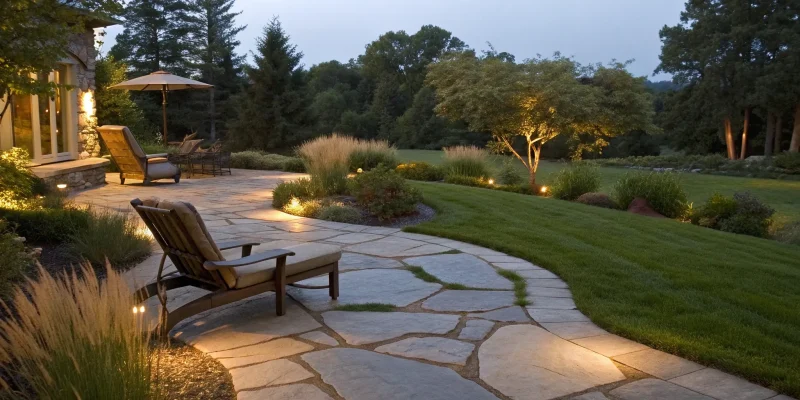
A great outdoor space can completely change how you experience your home, and a stone patio is the perfect foundation for that new lifestyle. It’s the anchor for your outdoor dining set, the spot for your fire pit, and the stage for countless memories. If you’ve been looking at an underused part of your lawn and dreaming of something more, you’re in the right place. This isn’t just a construction project; it’s about creating a personal retreat. Our guide on how to build a stone patio on grass step by step provides the clear, actionable instructions you need to turn that vision into a reality, ensuring your new space is not only beautiful but also built to withstand our local seasons.
Key Takeaways
- Build a Rock-Solid Base First: The most common patio failures come from a weak foundation. Prevent sinking and shifting by properly excavating, adding materials in layers like gravel and sand, and thoroughly compacting each layer before moving on.
- Get the Layout and Slope Right: Before placing a single stone, ensure your patio slopes gently away from your house to manage drainage. Start by setting the border stones to create a sturdy frame, then work inward, constantly checking that your stones are level.
- Finish Strong to Ensure Durability: The final steps lock your entire patio together. Use polymeric sand to fill the joints, which hardens to prevent weeds and shifting, and install edge restraints around the perimeter to keep the structure secure for years.
Gathering Your Supplies: What You’ll Need for a Stone Patio
Before you can break ground on your beautiful new patio, you need to get organized. Having all your materials and tools ready to go will make the entire process smoother and more enjoyable. Think of it as setting yourself up for success from day one. This step involves more than just picking out pretty stones; it’s about choosing the right materials for Long Island’s climate, gathering the correct tools for the job, and creating a realistic budget. Let’s walk through exactly what you’ll need to get started.
Choosing Your Patio Materials
When it comes to selecting the stone for your patio, you have some fantastic options. Popular choices like bluestone, flagstone, and slate offer timeless appeal and durability. For a sturdy patio that lasts, aim for stones that are between 1.5 and 2 inches thick. It’s also crucial to choose a material that can handle our local weather, especially the freeze-thaw cycles we experience on Long Island. Gappsi offers a wide selection of high-quality porcelain and natural stone specifically suited for our climate, ensuring your patio looks great for years to come.
The Right Tools for the Job
Having the right equipment on hand is non-negotiable for a successful DIY patio project. Here’s a checklist of the essential tools you’ll need to gather:
- Tape measure, stakes, and string for marking your layout
- Shovel and pickaxe for excavation
- Wheelbarrow for moving materials
- 4-foot level to ensure a proper slope
- Hand tamper or a rented plate compactor for a solid base
- Rubber mallet for setting stones
- Masonry saw with a diamond blade for cuts
Don’t forget to grab safety gear like goggles, a dust mask, and ear protection, especially when you’re operating power tools.
How to Estimate Material Needs and Budget
Let’s talk numbers. For a DIY project, you can generally expect to spend between $4 and $7 per square foot on materials. For a 12×16-foot patio, you’ll need about 192 square feet of stone. It’s a smart move to buy 5-10% extra to account for any cuts or mistakes. You’ll also need about 3 tons of crushed stone for a 3-inch base and 1 ton of stone dust for a 1-inch setting bed. If you’d rather leave the heavy lifting and complex calculations to the pros, our masonry design and construction team is always here to help create a detailed plan and estimate for you.
Prepping the Ground: How to Prepare Your Lawn for a Patio
A beautiful stone patio starts from the ground up. The secret to a patio that stays level and looks great for years isn’t just the stone you choose—it’s the solid foundation you build beneath it. Skipping or rushing the prep work is the number one reason patios sink, shift, or become uneven over time. Taking the time to properly prepare your lawn creates a stable base that can handle foot traffic, patio furniture, and Long Island’s changing seasons without budging.
Think of it like building a house; you wouldn’t start without a solid foundation, and your patio is no different. This process involves four key stages: marking your layout, clearing the area, digging out the base, and compacting the soil. Each step builds on the last to ensure a durable, professional-looking result. While it requires some muscle, getting the groundwork right is the most important investment you can make in your new outdoor space. For intricate designs or large-scale projects, our masonry experts are always here to help build the perfect foundation.
Step 1: Mark Your Patio’s Layout
First things first, you need to define the exact shape and size of your future patio. Grab some wooden stakes and a ball of string to outline the perimeter right on your lawn. This visual guide helps you see the final footprint and ensures your lines are straight and your curves are smooth. Once you have the shape marked, double-check your measurements.
Now for a crucial detail: drainage. You need to plan for a slight slope that directs water away from your house’s foundation. A good rule of thumb is to create a grade of about a quarter-inch for every foot of patio. For example, a 12-foot patio should be about three inches lower on the side farthest from your home. This simple step prevents pooling water, ice buildup, and potential water damage to your house.
Step 2: Clear Away Grass and Plants
With your layout marked, it’s time to clear the area. You’ll need to remove every bit of grass, weeds, and other vegetation within the staked-out perimeter. For smaller patios, a sharp spade or shovel will do the trick. If you’re working with a larger space, consider renting a sod cutter to make the job faster and easier.
Be thorough here. Make sure you dig up the roots, not just the surface greenery. Any roots left behind can decompose and create air pockets, causing the ground to settle unevenly later. They can also sprout new weeds that push up through the joints of your patio. Once everything is removed, use a rake to clear away loose debris and create a relatively flat surface for the next step. A clean slate is essential for a professional landscape design.
Step 3: Dig Out the Foundation
Now it’s time to start digging. You need to excavate the entire patio area to a consistent depth to make room for the base materials. The total depth depends on the layers you’ll be adding. A standard patio base requires about four to six inches for a gravel layer, one inch for a sand layer, plus the thickness of your pavers.
For example, if you’re using two-inch-thick pavers, you’ll need to dig down about seven to nine inches total. This ensures your finished patio will sit flush with the surrounding lawn. Use a tape measure to check the depth as you go to keep it uniform across the entire area. This excavation creates the basin that will hold the crushed stone and sand that form your patio’s unshakeable support system for your chosen porcelain or natural stone.
Step 4: Compact the Soil for a Solid Base
After you’ve finished digging, you’re left with exposed soil, also known as the subgrade. Before you add any base material, this soil needs to be tightly compacted. This step is absolutely critical because it prevents the pavers from sinking or shifting over time. Any loose soil will settle eventually, creating dips and uneven spots in your beautiful new patio.
For small areas, you can use a hand tamper—a tool with a heavy, flat metal base and a long handle—to firmly press the soil down. For larger patios, it’s worth renting a plate compactor from a local tool rental shop. Go over the entire area several times until the ground is firm, level, and solid underfoot. A properly compacted subgrade is the bedrock of a patio that will last a lifetime.
How to Build a Rock-Solid Patio Base
Now that you’ve prepped the ground, it’s time to build the foundation. Think of the base as the unsung hero of your patio—you’ll never see it, but it does all the heavy lifting. A strong, well-compacted base is what prevents your beautiful stones from shifting, sinking, or becoming uneven over time. Skipping or rushing these steps is the number one reason patios fail, so give this stage the attention it deserves. It’s the difference between a patio that looks great for a season and one that lasts for decades.
Building a solid base involves creating a few distinct layers that lock together to form a stable platform. You’ll start with a weed barrier, add a thick layer of crushed stone for drainage and support, and finish with a thin layer of sand to create a perfectly level bed for your pavers. While it requires some muscle, getting the base right is completely achievable. If you’d rather leave the heavy lifting to the pros, our masonry experts are always here to build a foundation that stands the test of time.
Lay Down Landscape Fabric
First, roll out a layer of landscape fabric over the entire excavated area. This simple step serves two important purposes: it acts as a barrier to stop weeds from growing up through the joints of your patio, and it keeps your gravel base from mixing with the soil underneath. Make sure to overlap any seams by at least six inches to ensure there are no gaps. The fabric is permeable, so it will still allow water to drain through while keeping your layers separate and clean. This small detail goes a long way in maintaining the integrity of your patio base for years to come.
Add and Level the Crushed Stone Layer
Next comes the crushed stone, which will make up the bulk of your patio’s foundation. You’ll want to use ¾-inch crushed stone, also known as crusher run. Don’t just dump it all in at once. The key to a stable base is to add the stone in 2- to 3-inch layers, compacting each one thoroughly before adding the next. For the best results, rent a plate compactor—it will save you a ton of time and effort. Your goal is to build a firm, interlocking base that is between 4 and 6 inches thick after compaction.
Spread the Sand or Stone Dust
Once your crushed stone base is compacted and level, it’s time for the final layer: about one inch of coarse sand or stone dust. This layer acts as a setting bed, creating a smooth, cushioned surface that makes it easier to set your stones perfectly flat. To get it perfectly level, you can lay two pipes or 1-inch wooden dowels on either side of the area and drag a straight 2×4 across them. This technique, called “screeding,” removes any high spots and fills in low ones, giving you an ideal surface to work with.
Compact Each Layer for Maximum Stability
Compaction is not a step you can afford to skip. It’s what locks all the base materials together and removes air pockets that could lead to settling later on. You already compacted the soil after digging, and you need to apply that same diligence here. Each 2- to 3-inch layer of crushed stone must be compacted until it’s solid before you add the next. A properly compacted base won’t have any give when you walk on it. This meticulous process ensures your patio remains stable and level through freezing winters and hot Long Island summers.
Choosing Your Stones: What Are the Best Options for Your Patio?
Selecting the right stone is one of the most exciting parts of planning your patio. This isn’t just about picking a durable surface; it’s about choosing the foundation for your future outdoor memories. The material you choose sets the entire mood for your space, influencing everything from its style and color palette to its long-term durability. Think of your patio as an extension of your home’s interior—the right stone will create a seamless flow between indoors and out, adding both beauty and value to your property.
Your decision will likely come down to three things: the look you want to achieve, your budget, and how you plan to use the patio. Are you dreaming of a rustic, charming retreat for quiet mornings, or a sleek, modern entertainment area for hosting friends and family? Do you need a surface that can stand up to heavy foot traffic and poolside splashes? Answering these questions will help narrow down your options. Let’s walk through some of the best and most popular choices to help you find the perfect fit for your Long Island home.
Classic Charm: Bluestone and Natural Stone
If you’re aiming for a timeless, elegant look, you can’t go wrong with natural stone. Materials like bluestone and flagstone offer an authentic, organic beauty that manufactured products can’t replicate. Each stone is unique, with subtle variations in color and texture that add character and depth to your patio. Bluestone is a local favorite for its rich, blue-gray tones that feel right at home in any landscape. For the best results, look for stones that are between 1.5 and 2 inches thick to ensure they’re sturdy enough for foot traffic. Exploring different natural stone options can help you find the perfect material to create a classic outdoor living space.
Modern & Durable: Concrete and Porcelain Pavers
For those who prefer a more modern aesthetic or need a highly durable surface, concrete and porcelain pavers are excellent choices. Concrete pavers are incredibly versatile, coming in a huge range of shapes, colors, and sizes that allow for complete creative control. They are also a cost-effective option. Just be sure to choose a textured finish to provide good grip and prevent slips. Porcelain pavers are a premium choice known for their incredible strength and low-maintenance qualities. They resist stains, mold, and fading, and their non-slip surface makes them a safe and stylish option for any patio or walkway. Gappsi’s masonry experts can help design and install a paver patio that lasts for decades.
Elegant Choices: Travertine and Slate
Travertine and slate are two other natural stones that bring a touch of luxury to any backyard. Travertine offers a warm, earthy look with beautiful swirling patterns that evoke Mediterranean villas. One of its best features is that it stays cool to the touch even in direct sun, making it an amazing choice for patios around swimming pools. It’s naturally non-slip, but sealing it is a good idea to protect it from stains. Slate provides a sophisticated, layered look with deep, rich colors. While it’s a stunning choice for a patio, it can be more brittle than other stones, so it’s best reserved for areas with foot traffic rather than driveways.
A Quick Guide to Stone Size and Thickness
The size and thickness of your stones are just as important as the material itself. The general rule is that the amount of weight the surface needs to bear determines its thickness. For a standard patio that will only see foot traffic and patio furniture, stones that are around 1.5 inches thick are usually sufficient. However, if your patio might need to support something heavier, or if it’s adjacent to a driveway, opting for a thickness of at least 2 inches is a safer bet. This extra thickness provides the strength needed to prevent cracking and shifting over time, ensuring your patio remains a beautiful and stable feature of your home.
Laying the Stones: A Step-by-Step Guide
With a solid base in place, you’re ready for the most satisfying part of the project: laying the stones. This is where your vision for an outdoor oasis truly comes to life. While the foundation you just built is the unsung hero, the pattern and placement of your stones are what everyone will see and admire. Taking your time here is key to achieving a professional, long-lasting finish. The process isn’t complicated, but it does require attention to detail, especially when it comes to slope, borders, and leveling.
Whether you’ve chosen classic bluestone or modern porcelain pavers, the basic principles are the same. You’ll want to work methodically, checking your work as you go. Think of it like putting together a large, heavy puzzle. Each piece needs to fit just right to create a beautiful and stable surface. If you’re feeling unsure about getting the details perfect, remember that this is where expert masonry craftsmanship really shines. But if you’re ready to tackle it yourself, let’s walk through the steps to lay a patio that looks great and stands the test of time.
Get the Slope Right for Proper Drainage
Before you lay a single stone, you need to think about water. Proper drainage is non-negotiable for a durable patio. Without it, water can pool on the surface, seep into your home’s foundation, or create icy patches in the winter. To prevent this, your patio must slope away from your house at a rate of about 1/8 to 1/4 inch for every foot of distance. For example, a 10-foot patio should be about 1.25 to 2.5 inches lower at the outer edge than it is against your house. You can set this slope using guide strings tied to stakes to ensure your entire patio follows this gentle grade.
Begin with the Border Stones
Every great picture needs a frame, and your patio is no different. Installing the border stones first creates a sturdy perimeter that holds everything else in place. This frame prevents the interior stones from shifting or spreading apart over time, a common issue known as “creep.” Start by laying the stones along your guideline, tapping them firmly into the sand base with a rubber mallet. Once the border is set, you can install paver edging—typically made of plastic or metal—along the outside edge. Secure this edging into the ground with heavy-duty landscape spikes to lock your border stones in place.
Lay the Interior Stones
Now you can start filling in the main area of your patio. Begin at a corner, preferably against the house, and work your way outward. Place each stone gently onto the sand bed, leaving a small, consistent gap of about 1/4 inch between them for jointing sand later. Don’t press or slide them into place, as this can disrupt the smooth sand layer underneath. Use a level to check each stone as you go. If a stone is too high, tap it down with a rubber mallet. If it’s too low, lift it and add a small amount of sand underneath until it’s perfectly even with its neighbors.
Keep Gaps and Levels Consistent
As you continue laying stones, consistency is your best friend. Use a long level across several stones at once to check for evenness and ensure you’re maintaining the correct slope. Small inconsistencies can become major tripping hazards, so take the time to get it right. Pay close attention to the gaps between the stones, keeping them as uniform as possible for a clean, professional look. Don’t worry if you have to lift and reset a stone a few times to get it perfect—patience during this stage will pay off for years to come.
The Finishing Touches: How to Fill Joints and Secure Edges
You’ve laid the last stone, and your patio is finally starting to look like the real deal. Now it’s time for the final steps that will lock everything together and ensure your hard work stands the test of time. Filling the joints and securing the edges are what separate a good patio from a great one. This stage is all about creating stability, preventing weeds from creeping in, and giving your patio a clean, professional finish. Taking your time here will prevent shifting, wobbling, and other issues down the road. Whether you’re using classic bluestone or modern porcelain pavers, these finishing touches are essential for a durable and beautiful outdoor space.
Filling Joints with Sand
Once your stones are perfectly placed, the next step is to fill the gaps between them. This does more than just fill a void; it creates friction that locks the stones together. For a classic approach, stone dust is an excellent choice. It packs down tightly, helps deter weed growth, and still allows for the tiny, natural movements a patio needs to make with the changing seasons. It’s a much better option than regular sand, which can wash away easily and attract ants. Simply sweep the stone dust across the surface of your patio, using a push broom to work it into every joint until they are completely full.
Using Polymeric Sand for a Stronger Hold
If you want an even stronger, more low-maintenance finish, consider using polymeric sand. This is a special blend of sand with a polymer additive that hardens when you add water. It creates a firm, durable bond between the stones that’s fantastic at preventing weeds and protecting against insect damage. Applying it is straightforward: you sweep it into the joints just like regular sand, but it’s crucial to use a leaf blower to remove every last grain from the surface of the stones before misting with water. This prevents a hazy film from forming. For a perfect application and long-term protection, professional restoration and sealing services can ensure your patio is sealed correctly from day one.
Secure the Perimeter with Edge Restraints
Your patio’s perimeter is its first line of defense against shifting and spreading. Without a strong edge, the outer stones can slowly move outward under pressure, creating gaps and an unstable surface. This is where edge restraints come in. These are sturdy strips of plastic, steel, or aluminum that you install around the entire border of the patio. You’ll want to secure them firmly into the ground with heavy-duty landscape spikes. This creates an invisible frame that holds everything tightly in place. Proper installation of these restraints is a key part of professional masonry work and is a non-negotiable step for a long-lasting patio.
Keeping Your Patio Perfect: A Simple Maintenance Guide
Your beautiful new stone patio is finished, and now it’s time to enjoy it. With just a little regular care, you can keep it looking as good as the day you laid the last stone. A simple maintenance routine protects your investment and prevents small issues from becoming big headaches, ensuring your outdoor space remains a stunning retreat for years. From quick clean-ups to seasonal tasks, staying on top of patio care is straightforward and rewarding. Here’s a simple guide to help you keep your patio in pristine condition through every season.
Routine Cleaning and Weed Prevention
The easiest way to keep your patio looking fresh is with regular cleaning. A quick sweep every few days clears away leaves and debris before they can stain the stone, and a rinse with a garden hose washes away surface grime. Pay close attention to the joints between stones, as this is where weeds love to sprout. Pull them immediately before their roots get established and shift your pavers. Filling the joints with sand or fine gravel is a great way to discourage weed growth from the start, making your upkeep even easier.
Seasonal Care and Sealing
To give your patio an extra layer of defense, consider sealing it. A quality sealer protects your porcelain and natural stone pavers from stains, harsh weather, and UV rays, and it can even make the stone’s colors appear more vibrant. This isn’t a monthly task—applying a sealer every few years is usually enough. If you’d rather leave it to the experts, professional restoration and sealing services can ensure the job is done perfectly, giving you long-lasting protection. Always follow the product instructions for the best results.
How to Handle Minor Repairs and Settling
Even with a perfectly installed base, it’s a good idea to check on your patio stones occasionally. Every few months, look for any pavers that have shifted or settled, creating an uneven surface. Catching a wobbly stone early is a simple fix—you can often lift it, add a little more sand underneath to level it, and set it back in place. Addressing these minor adjustments as they appear prevents them from turning into larger, more complicated repairs. Consistent care is key to keeping your patio safe, stable, and beautiful.
Common Pitfalls: Mistakes to Avoid When Building Your Patio
Building a stone patio is an exciting project that can completely transform your backyard. But after putting in all that effort, the last thing you want is to see your beautiful new space sink, shift, or hold puddles of water. A few common missteps, especially in the early stages, can lead to major headaches down the road. Let’s walk through the biggest mistakes people make so you can be sure your patio is built to last. Getting these details right from the start is the secret to a patio that looks great and stays stable for years to come. When done correctly, a patio becomes a lasting feature of your home, which is why professional masonry services focus so heavily on getting the foundation right.
Skipping Steps in Base Preparation
Think of your patio’s base as its foundation—it’s the most important part of the entire project. Rushing this step is a recipe for disaster. A solid base prevents the stones from sinking and shifting, ensuring a level surface that lasts. This involves more than just digging out some dirt. You need to build up the base in layers, typically starting with a layer of ¾-inch gravel. Each layer must be compacted thoroughly before adding the next. It might feel tedious, but this process creates the stable, unshakeable support your beautiful natural stone pavers need. Cutting corners here will almost certainly lead to an uneven, wobbly patio in just a season or two.
Ignoring Compaction and Drainage
Two other critical elements that often get overlooked are compaction and drainage. First, let’s talk drainage. Your patio must have a slight slope—about 1/8 to 1/4 inch per foot—leading away from your house. This gentle grade ensures that rainwater runs off instead of pooling on the surface or seeping into your home’s foundation. Second, proper compaction is non-negotiable. Every layer of your base, from the soil at the very bottom to the final layer of sand, needs to be tightly compacted. This removes air pockets and creates a dense, solid ground that won’t settle over time. Ignoring this can cause your pavers to sink and become uneven, creating tripping hazards and requiring costly restoration and sealing services later on.
Related Articles
- Choosing The Right Paver And Base Material – Gappsi Group
- Limestone Patio Pavers and Pool Copings in Long Island
- Patio Designs-designers installers on long island – Gappsi Group
- Free estimate for patios and driveways with pavers masonry long island – Gappsi Group
- FAQ about Swimming pools, Landscape, masonry, carpentry, natural stone. – Gappsi Group
Frequently Asked Questions
How deep do I actually need to dig for my patio foundation? A good rule of thumb is to add up the layers. You’ll need about 4 to 6 inches for your compacted crushed stone base, 1 inch for the sand or stone dust layer, plus the thickness of your chosen stone. So, if you’re using 2-inch thick pavers, you should plan to dig down about 7 to 9 inches. This depth is crucial for creating a stable foundation that can withstand Long Island’s freeze-thaw cycles without shifting.
Can I skip the crushed stone base and just use sand? I would strongly advise against it. While it might seem like a tempting shortcut, using only sand will almost certainly lead to a patio that sinks and becomes uneven over time. The crushed stone layer is what provides the real structural support and drainage. Sand alone doesn’t lock together to create a stable base, meaning your beautiful stones will shift and settle with foot traffic and weather changes.
What’s the big deal about polymeric sand versus regular sand for the joints? Think of polymeric sand as a super-powered version of regular sand. It contains a polymer that hardens when you add water, effectively locking your stones together like a flexible grout. This creates a much stronger surface that helps prevent weeds from growing through the cracks and stops ants from setting up shop. Regular sand can wash out during heavy rain and doesn’t offer the same level of stability.
How do I handle cutting stones for the edges or around obstacles? For clean, precise cuts, you’ll want to rent a wet masonry saw with a diamond blade. Trying to use other tools can result in cracked stones and a lot of frustration. Always wear your safety gear, including goggles and a mask, as cutting stone creates a lot of dust. For tricky curves or shapes, you can create a template out of cardboard first, trace it onto the stone, and then carefully follow the line with the saw.
Is sealing my new stone patio really necessary? While it’s not strictly mandatory, sealing your patio is a smart move to protect your investment. A good quality sealer acts as a shield, helping to prevent stains from things like spilled drinks or grill grease. It also protects the stone from weather damage and UV rays, which can cause fading over time. Sealing makes routine cleaning much easier and keeps your patio looking vibrant for years to come.