


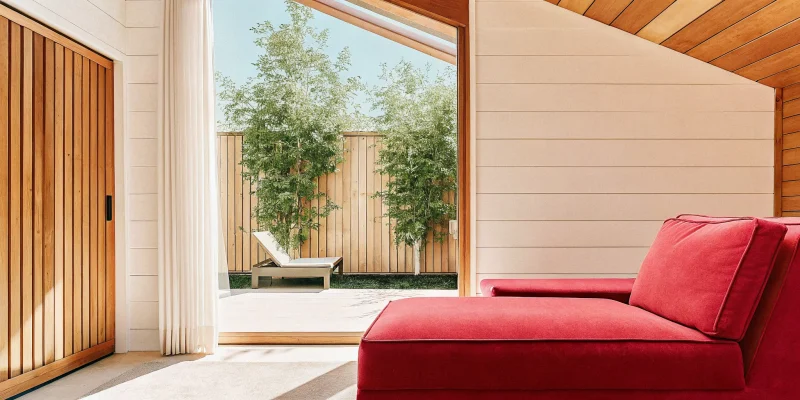
One of the best features of a ranch home is its architectural simplicity, which makes it an incredible canvas for creative updates. Unlike more complex home styles, the clean lines and sprawling layout of a ranch provide amazing flexibility when it comes to adding on. You can seamlessly blend a new addition or create a stylish, modern contrast. This design freedom opens up a world of possibilities for transforming your home. To help you get inspired, we’ve gathered the best house extension ideas for ranch homes, covering everything from sunrooms that blur the line between indoors and out to second-story additions that completely reshape your living space. Let’s look at how you can build upon your home’s classic charm.
Key Takeaways
- A solid plan is your best tool: Before you begin, understand local zoning laws, secure the necessary permits, and create a detailed budget that includes a 10-20% contingency fund. This preparation is essential for a smooth and predictable project.
- Ranch homes offer diverse expansion options: The single-level layout of a ranch is perfect for various additions, including horizontal expansions for a master suite, cost-effective garage conversions, or even adding a second story to double your living area.
- Your contractor and materials determine the final quality: The long-term success of your extension relies on two things: partnering with a licensed, experienced contractor and selecting durable, high-quality materials. This combination ensures your new space is both beautiful and built to last.
What Makes a Ranch Home Extension Unique?
Ranch homes have a classic, sprawling charm that makes them a fantastic canvas for expansion. Unlike multi-story homes where additions can feel complicated, the single-level layout of a ranch offers unique and straightforward opportunities to add space without sacrificing character. The key is to lean into what makes this style so special in the first place.
One of the biggest advantages is the seamless connection to the outdoors. Ranch homes were designed to blend with their landscape, and a well-planned extension can strengthen that bond. This is your chance to add a sunroom that floods your home with light or expand a living area with large glass doors that open onto a new patio. By focusing on this indoor-outdoor flow, you can create a space that feels both larger and more connected to your yard, perfect for adding features like pavilions and pergolas to complete the experience.
The architectural simplicity of a ranch also provides incredible design flexibility. You aren’t locked into one specific look. The exterior can be finished with a variety of materials, from classic horizontal siding to modern board and batten, allowing the new addition to either match the original structure perfectly or provide a stylish contrast. This adaptability makes it easier to create the open-concept living areas many homeowners want, transforming the layout to better suit a modern lifestyle. A thoughtful home remodeling project can make an addition feel like it was always part of the original plan.
Popular Ideas for Extending Your Ranch Home
One of the best things about a ranch home is its straightforward, accessible layout. But as your family grows or your needs change, you might find yourself wishing for a little more elbow room. The good news is that the simple structure of a ranch makes it a fantastic candidate for an extension. Whether you want to build up, push out, or repurpose an existing area, there are plenty of ways to add functional and beautiful space to your home.
Deciding on the right type of addition depends on your budget, how much space you need, and your property’s layout. You could double your square footage by adding a second story, or you could create a seamless indoor-outdoor flow with a new sunroom. From small bump-outs that make a single room feel more spacious to full-scale garage conversions, we’ll walk through the most popular options. Each approach has its own set of benefits, helping you create a home that perfectly fits your lifestyle without having to move.
Add a Second Story
If you need a significant amount of new space but don’t want to sacrifice your yard, building up is the way to go. Adding a second story can literally double your living area, providing ample room for new bedrooms, bathrooms, or a dedicated home office. This is a major project that transforms your single-story ranch into a two-story colonial, so it requires careful planning and a solid foundation. While it’s one of the more expensive options, a second-story addition is an incredible investment that allows you to completely reshape your home. A project of this scale is a significant home remodeling undertaking, but the results can be truly spectacular.
Expand Horizontally
Expanding outward is a natural fit for the classic ranch layout. A horizontal addition lets you extend your home’s footprint into your side or backyard, maintaining the convenience of single-level living. This is a great way to create a luxurious primary suite, a larger, more open-concept kitchen, or a spacious family room for everyone to gather. Because you’re building on the ground level, these additions can feel like a natural extension of your existing home. The process typically involves pouring a new foundation and blending the roofline, which requires expert masonry and construction work to ensure a seamless look.
Create a Bump-Out Addition
Don’t need a massive new wing? A bump-out might be the perfect solution. This is a smaller-scale addition that extends an existing room by just a few feet. It’s a clever way to gain a little extra space right where you need it most, without the cost and disruption of a full-blown addition. A bump-out can create a cozy breakfast nook in your kitchen, a sunny reading corner in your living room, or enough space to finally get that walk-in closet you’ve been dreaming of. Since they often don’t require a full new foundation, bump-outs are a more budget-friendly way to enhance a room’s function and feel.
Add a Sunroom or Porch
Ranch homes are known for their connection to the outdoors, and adding a sunroom or porch can strengthen that link. A sunroom gives you a light-filled, versatile space you can enjoy year-round, whether you use it as a lounge, a playroom, or a home office with a view. A covered porch or patio, on the other hand, extends your living area into the backyard, creating the perfect spot for outdoor dining and entertaining. You can even add features like an outdoor kitchen or fireplace under beautiful pavilions and pergolas to create a true outdoor oasis that complements your home’s style.
Convert Your Garage
If your attached garage is mostly used for storage, converting it into living space is one of the most cost-effective ways to expand. Since the structure is already in place, the project focuses on transforming the interior into a comfortable, finished room. This involves insulating the walls, leveling the floor, adding heating and cooling, and replacing the garage door with a wall and windows. A converted garage can become anything from a home gym or guest suite to a family den or playroom. Just remember that you’ll be giving up your indoor parking, so it’s a trade-off you’ll want to consider carefully.
Convert Your Attic
Have you ever looked up and wondered about all that empty space above your head? If your ranch has a pitched roof with enough headroom, you might be able to convert your attic into a functional room. This is another great way to add square footage without altering your home’s footprint. An attic conversion is perfect for creating a quiet home office, a cozy guest bedroom, or a fun bonus room for the kids. The project mainly involves interior work like adding flooring, insulation, drywall, and running electrical lines. A professional should always assess the structure first to make sure it can support the added weight of a finished living space.
How Much Will Your Ranch Extension Cost?
One of the first questions on every homeowner’s mind is, “What’s the budget for this?” The cost of extending your ranch home can vary quite a bit, depending on what you want to achieve. A small bump-out to expand your kitchen will have a very different price tag than adding an entire second floor. The final cost depends on the project’s size, the materials you choose, and the complexity of the work.
To give you a clearer picture, we’ve broken down the typical cost ranges for the most popular ranch home additions. Think of these as a starting point for your planning. The best way to get a precise number for your specific project is to work with a professional who can provide a detailed estimate. A full-service home remodeling team can help you understand every cost involved, from permits to the final coat of paint, ensuring there are no surprises along the way.
Second Story Addition ($100k – $300k)
Adding a second story is the most ambitious and expensive way to expand your ranch home, with costs often ranging from $100,000 to $300,000. This is a major renovation that essentially involves building a new level on top of your existing home. The process requires significant structural reinforcement to the foundation and first-floor walls to support the added weight. While it’s a big investment, a second-story addition can double your square footage without sacrificing any of your precious yard space, making it a fantastic option for growing families on smaller lots.
Horizontal Expansion ($20k – $50k)
If you have the land to spare, building outward is a more budget-friendly option than building up. A horizontal expansion, like adding a new master suite or a family room, typically costs between $20,000 and $50,000. This type of project requires pouring a new foundation and seamlessly connecting the new structure to your existing home. The final price will depend on the size of the addition and the finishes you select. It’s a great way to get the extra space you need while maintaining the single-story convenience of a ranch home.
Bump-Out Addition ($4k – $10k)
A bump-out is a perfect solution when you just need a little more breathing room in a specific area. These small-scale additions can cost as little as $4,000 to $10,000 because they often don’t require a full new foundation. Instead, they can be cantilevered from the existing structure. A bump-out can extend a room by just a few feet, but that small change can make a huge difference. It’s an ideal way to create a cozy breakfast nook in your kitchen, a reading corner in your living room, or extra space for a soaking tub in your bathroom.
Garage Conversion ($10k – $20k)
If your attached garage is mostly used for storage, converting it into living space is one of the most cost-effective ways to expand your home. With a typical price range of $10,000 to $20,000, a garage conversion uses the existing structure, which saves a lot on construction costs. The project involves insulating the walls, leveling the floor, adding heating and cooling, and replacing the garage door with a solid wall and windows. This can be a great way to add a new bedroom, home office, or playroom, but remember you’ll be giving up your indoor parking space.
Attic Conversion ($20k – $50k)
Don’t forget to look up! If your ranch home has an attic with enough headroom, you might have usable space right above you. Converting an attic into a livable room generally costs between $20,000 and $50,000. The work is mostly contained within your home’s existing footprint and involves adding insulation, flooring, drywall, and proper ventilation. You may also need to add dormer windows to bring in natural light. An attic conversion is a wonderful way to create a private guest suite, a quiet home office, or a fun playroom for the kids.
What Factors Influence the Final Price?
The price ranges we’ve discussed are great for initial planning, but your final cost will depend on several key factors. The overall size of the addition is the biggest driver of cost, as a larger space requires more materials and labor. The quality of the materials you choose also plays a huge role; high-end finishes like custom cabinetry or natural stone pavers will cost more than standard options. Any custom features, complex structural changes, and local permit fees will also affect the bottom line. Working with an experienced contractor will help you create a detailed budget that reflects your vision and priorities.
Choosing the Best Materials for Your Extension
Selecting the right materials is one of the most important steps in planning your home extension. Your choices will define the look, feel, and long-term durability of your new space. It’s about more than just aesthetics; it’s about choosing materials that can handle Long Island’s weather, blend with your existing home, and provide lasting value. From the foundation that supports it all to the siding that protects it from the elements, every component plays a crucial role in the success of your project. Let’s walk through the key materials you’ll need to consider.
Siding and Exterior Finishes
The siding is what ties your new extension to the rest of your home, creating a cohesive look. For ranch homes, you have a lot of great options. Materials like wood, stone, brick, and stucco are popular choices, and you don’t have to stick to just one. In fact, using a mix of materials can add texture and visual interest to your home’s exterior. Imagine pairing classic wood siding with a beautiful stone veneer accent wall. This approach allows you to create a custom look that feels both timeless and unique, ensuring your addition is a perfect complement to your home’s original character.
Roofing for Your Addition
Your roof does more than just keep the rain out; it’s a key part of your home’s energy efficiency. Modern roofing materials and techniques can make a huge difference in keeping your extension comfortable year-round. Innovations like closed-cell spray foam insulation and advanced sheathing systems prevent air leaks and heat loss, which can help lower your energy bills. A properly vented roof assembly is also essential, as it helps manage moisture and temperature, protecting the structure of your addition. Investing in a high-quality roofing system ensures your new space is not only durable but also efficient.
Foundation and Structural Support
A strong foundation is the literal base of your entire project. Without solid structural support, even the most beautifully designed extension will run into problems. The best materials for home construction and foundations are typically wood, engineered wood products, concrete, and stone. The right choice depends on your specific project, soil conditions, and local building codes. Working with an experienced contractor is key here, as they can ensure the foundation is properly designed and built to support your new addition safely for decades to come. This is one area where you never want to cut corners.
Flooring for a Seamless Look
The right flooring helps create a smooth and natural transition from your existing home into your new extension. The goal is to make the entire space feel like one unified area, not a separate, tacked-on room. You can achieve this by continuing your current flooring material into the new space or by choosing a complementary option. For example, if you have hardwood in your living room, you could extend it into the addition. Alternatively, you could use beautiful porcelain tiles that match the color palette of your home. Options like bamboo also offer a modern and durable finish.
Why Quality Brands Matter for Durability
When you’re selecting materials, it’s tempting to focus on the initial cost, but durability is just as important. Investing in high-quality, trusted brands from the start can save you a lot of money and headaches down the road. These materials are designed to withstand wear and tear, resist damage from different climates, and maintain their appearance over time. At the Gappsi Store, we carry products that are built to last, so you can feel confident in your investment. Choosing quality ensures your home extension will not only look great when it’s finished but will continue to perform well for years to come.
How an Extension Improves Your Home’s Value and Function
A home extension is about more than just adding square footage. It’s an opportunity to reshape your home to fit your life, not the other way around. Whether your family is growing, you need a dedicated workspace, or you simply want to create a better flow between your indoor and outdoor areas, a well-designed addition can completely transform your living experience. Beyond the immediate lifestyle benefits, a thoughtful extension is also a smart financial move that can significantly increase your property’s market value.
Enjoy More Living Space
As your life changes, your home should be able to change with it. An extension gives you the freedom to create the space you truly need. Ranch homes are particularly well-suited for horizontal additions, making it easier to expand your footprint with a new master bedroom, a larger kitchen, or a family room. This type of home remodeling project allows you to stay in the neighborhood you love while tailoring your home to your current needs. Imagine having a dedicated home office that isn’t the dining room table or a spacious kitchen where everyone can gather without feeling cramped. That extra room can make all the difference in your day-to-day comfort.
Increase Your Property Value
Building an addition is often a more affordable and emotionally satisfying way to get more living space than buying a new home. When you add functional rooms like bedrooms or bathrooms, you get the best return on your investment. A professionally constructed extension not only adds value through increased square footage but also enhances your home’s overall appeal to future buyers. High-quality materials and craftsmanship, from the foundation to the finishing touches, signal a well-maintained and desirable property. It’s an investment in your home’s future that you also get to enjoy right now.
Create Better Outdoor Living Opportunities
Ranch homes are known for their strong connection to the outdoors, and an extension can make that connection even stronger. Additions that include patios, decks, or sunrooms honor the original spirit of the design while creating new ways to enjoy your property. You could add a sunroom that opens onto a beautiful new patio made with porcelain and natural stone, creating a seamless transition from inside to out. Or, you could extend your kitchen and install large glass doors that lead to a covered outdoor dining area, perfect for summer evenings with family and friends.
Common Challenges to Plan For
A home extension is an exciting project, but it comes with its share of complexities. Thinking through potential hurdles before you start is the best way to keep your project on track, on time, and on budget. From the unseen structure of your home to local regulations and design choices, every detail matters. A successful addition isn’t just about the final look; it’s about a smooth process built on careful preparation. This means looking beyond the blueprints and considering the practical realities of construction.
Anticipating these challenges helps you and your contractor create a solid plan. When you know what to look for, you can ask the right questions and make informed decisions. This proactive approach turns potential problems into manageable tasks. Whether you’re adding a new master suite or expanding your kitchen, a well-thought-out strategy is your greatest asset. Working with an experienced team that understands the nuances of home remodeling in Long Island ensures every challenge is met with a professional solution. It’s about having a partner who can foresee issues with drainage, material availability, or permitting, giving you peace of mind from the first sketch to the final walkthrough.
Ensuring Proper Structural Support
Before you dream about paint colors and furniture, you have to think about what’s holding everything up. Your home’s existing foundation and frame must be able to handle the weight and stress of an addition. A professional assessment is the first step. We always start by checking the existing foundation, roof, and materials to confirm they are sound. This isn’t a corner you can cut. A weak foundation can lead to major structural problems down the road, like cracking walls or uneven floors. A thorough inspection will determine if your current structure needs reinforcement, ensuring your new space is safe and built to last for decades.
Understanding Zoning Rules and Permits
Every town in Nassau and Suffolk County has its own set of rules for home construction, and they are strictly enforced. You’ll need to check local zoning laws for regulations on setbacks (how close you can build to property lines), lot coverage (how much of your property can be covered by buildings), and height restrictions. Trying to figure this out on your own can be overwhelming. An experienced local contractor will handle the permits and ensure your extension plans are fully compliant, saving you from potential fines, legal issues, and the nightmare of having to tear down non-compliant work.
Matching the New Design to Your Home
Creating a seamless transition between your existing home and the new addition is key to a beautiful result. While you might think an exact match is the goal, it can be difficult to find identical siding or brick from decades ago. Instead, consider using a different but complementary material for the addition. For example, a brick ranch home can look stunning with a wood or stone siding addition. This approach creates intentional contrast and character. Exploring different porcelain and natural stone options can also help you tie the old and new spaces together beautifully, both inside and out.
Planning Your Budget to Avoid Overruns
Sticking to a budget is one of the biggest concerns for any homeowner. The best way to manage costs is to plan for the unexpected. We always advise clients to budget carefully and include a contingency fund of 10% to 20% for unforeseen expenses. During demolition, you might discover outdated wiring, hidden plumbing issues, or pest damage that needs to be addressed. Having that extra money set aside means these surprises won’t derail your project or force you to compromise on other features. It’s a financial safety net that provides flexibility and reduces stress during the construction process.
How to Choose the Right Contractor for Your Project
Finding the right partner to bring your vision to life is one of the most critical steps in any home extension project. The right contractor does more than just build; they act as your guide, managing the complexities of construction, adhering to timelines, and ensuring the final result meets your expectations. A great partnership with your contractor can make the entire process feel smooth and exciting, while the wrong one can lead to stress and disappointment. Taking the time to carefully vet potential contractors will pay off in the long run, giving you peace of mind and a beautiful, well-built addition to your home.
What Qualifications to Look For
When you start meeting with contractors, there are a few non-negotiables to look for. First and foremost, confirm that any potential partner is fully licensed and insured. This is your safety net, protecting you from liability and ensuring all work complies with Long Island’s local building codes. Next, ask for references from past clients. Speaking to people who have been through the process can give you honest insight into a contractor’s reliability, communication, and the quality of their work. Finally, look for a team with specific, proven experience in projects similar to yours. A contractor who specializes in home remodeling and extensions will understand the unique challenges of seamlessly blending new construction with an existing ranch home.
Questions to Ask Potential Contractors
To find the best fit, it helps to go into your initial meetings with a prepared list of questions. This isn’t an interrogation; it’s a conversation to see if your styles and expectations align. Start with the basics: “Are you licensed and insured?” and “Can you provide a few references from recent house extension projects?” Then, get more specific about their process. Ask for a detailed written estimate and a clear project timeline. Inquiring about how they handle unexpected issues or changes can also reveal a lot about their problem-solving skills and communication style. The answers to these questions will help you gauge not only their qualifications but also how well you’ll work together throughout the project.
Getting an Accurate Project Estimate and Timeline
A project estimate should be more than just a single number. A professional contractor will provide a detailed breakdown that outlines the costs for labor, materials, permits, and other expenses. This transparency helps you understand exactly where your money is going and prevents surprise costs down the road. It’s a good practice to get estimates from a few different contractors to get a sense of the market rate for your project. Be cautious of any bid that is significantly lower than the others, as it could be a red flag for subpar materials or hidden fees. A realistic timeline is just as crucial, so make sure you get a clear schedule of the project phases from start to finish.
How to Plan Your Ranch Home Extension
A successful home extension starts long before the first wall comes down. A thoughtful plan is your roadmap to getting the space you want without the headaches you don’t. It helps you set a realistic budget, create a cohesive design, and prepare your home and family for the construction process. Taking the time to map out your project ensures every decision, from the layout to the light fixtures, aligns with your vision and your home’s existing character. With a clear plan, you can move forward confidently, knowing you’ve covered all your bases for a smooth and rewarding renovation.
Key Design Considerations for a Seamless Look
The goal of an extension is to make it feel like it was always part of your home, not an afterthought. To achieve a seamless look, think about how the new structure will connect to the old one. For instance, if your ranch is brick, you could use a complementary material like board-and-batten siding on the addition to create an intentional, layered design. It’s also important to consider what your family needs now and what you might need in the future. Planning for a flexible space, like a sunroom that could one day become a playroom or home office, adds long-term value and function to your home remodeling project.
Understanding the Project Timeline and Phases
Every construction project follows a general timeline, and knowing the phases can help you manage expectations. It all begins with an initial consultation and design phase, where you’ll work with professionals to draw up blueprints. Next comes the permitting process, which can take time depending on your local municipality. Once approved, the real work begins with site preparation, foundation work, framing, and exterior finishing. The final phases involve interior work like plumbing and electrical, followed by finishing touches and a final walkthrough. A professional team will always start by inspecting the existing foundation and local building codes to build a realistic project timeline.
How to Prepare Your Home for Construction
Getting your home ready for construction is about more than just clearing out furniture. First, it’s critical to address the structural and legal groundwork. You’ll need to verify that your home’s foundation can support the new weight, especially if you’re adding a second story. It’s also essential to check local zoning laws for rules on property line setbacks and how much of your lot can be covered by buildings. On a practical level, you should designate a clear path for workers to access the construction zone and seal off other areas of your home to minimize dust. Planning for temporary lifestyle changes, like setting up a makeshift kitchen, can also make the process much more manageable.
Related Articles
- Backyards Archives – Gappsi Group
- Home Remodeling Archives – Gappsi Group
- Latest News – Gappsi Group
Frequently Asked Questions
How long does a typical ranch home extension take? The timeline for an extension can vary quite a bit depending on the project’s scale. A smaller bump-out or garage conversion might take a few months, while a large horizontal addition could take four to six months. A full second-story addition is a much bigger undertaking and can often take six months to a year from the initial design to the final walkthrough. Factors like the local permitting process, weather, and the complexity of your design will all play a role in the final schedule.
Can we stay in our home while the extension is being built? For many types of additions, especially those that expand outward like a new family room or sunroom, you can absolutely stay in your home. Your contractor will work to seal off the construction zone to minimize dust and disruption. However, for more invasive projects like a second-story addition or a major kitchen overhaul that’s part of the extension, it might be more comfortable and practical to arrange temporary housing for at least part of the construction phase.
Which type of addition adds the most value to my home? Generally, any addition that increases your home’s functional square footage will add value. Projects that add bedrooms and bathrooms tend to provide a strong return on investment because they are key features for homebuyers. That said, a well-designed addition that improves your home’s overall flow, curb appeal, and connection to the outdoors can also add significant value by making the entire property more desirable.
How can I ensure the new addition blends well with my existing ranch home? The key to a seamless look is thoughtful design, not necessarily an exact match. Instead of trying to find identical decades-old brick, consider using a complementary material like stone or wood siding to create a beautiful, intentional contrast. Paying close attention to architectural details is also important. Aligning the new roofline with the old one and using similar window styles and trim will help tie the entire structure together into one cohesive home.
What is the very first step I should take if I’m considering an extension? Before you do anything else, take some time to think clearly about your goals and your budget. Ask yourself what you need the new space for, how you want it to function, and what you are comfortable investing in the project. Once you have a good sense of your needs and a realistic budget in mind, the next step is to schedule a consultation with a professional design-build firm. They can help you explore your options, discuss what’s feasible for your property, and provide an initial estimate.