


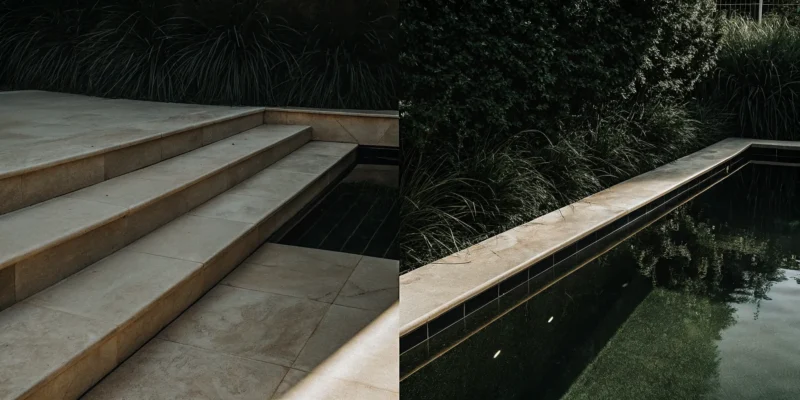
Living on Long Island means embracing all four seasons, from hot, humid summers to freezing winters with unpredictable nor’easters. When you invest in a swimming pool, you need to be sure it’s tough enough to handle everything our climate throws at it. The freeze-thaw cycle alone can put immense pressure on outdoor structures, making durability a top concern. This is where the debate between gunite and vinyl liner pools becomes so important. One is known for its fortress-like strength, while the other offers flexibility at a different price point. For a gunite or vinyl swimming pool what’s the best for Long Island ny weather? Let’s explore how each material stands up to the elements so you can make a confident choice.
Key Takeaways
- Prioritize long-term durability with gunite: A gunite pool’s concrete shell is built to last over 50 years and withstands harsh Long Island winters. In contrast, a vinyl pool requires a full liner replacement every 7 to 10 years, making it a recurring maintenance project.
- Look beyond the initial price tag: A vinyl pool’s lower upfront cost is offset by the need for expensive liner replacements every decade. While gunite costs more initially, its long-term expenses are more predictable, often making it a more stable financial investment over the life of the pool.
- Choose gunite for customization, vinyl for speed: Gunite offers nearly unlimited design freedom for custom shapes and features, perfect for a unique backyard oasis. Vinyl pools offer a faster installation with standard shapes and a wide selection of liner patterns, getting you swimming sooner.
Gunite vs. Vinyl Pools: What’s the Difference?
When you start planning for a new pool, you’ll quickly find two popular options: gunite and vinyl liner. On the surface, they both promise a backyard oasis, but how they’re built and how they last are worlds apart. Understanding these core differences is the first step to choosing the right pool for your Long Island home, one that fits your family’s lifestyle and stands up to our unique weather. Let’s break down what each type of pool is and how they come to life.
What is a Gunite Pool?
Think of a gunite pool as the gold standard in backyard swimming. These are custom-built, permanent structures made from a mixture of sand, cement, and water that’s sprayed over a steel-reinforced frame. This process creates a solid, incredibly durable concrete shell that can last for more than 50 years with the right care. Because they are so robust, gunite swimming pools are known for their longevity and strength. You get a pool that’s not just beautiful but is truly built to last, becoming a permanent feature of your home and a worthwhile investment for decades of enjoyment.
What is a Vinyl Liner Pool?
A vinyl liner pool is constructed differently. First, a frame made of steel or polymer panels is assembled in the excavated hole. Then, a custom-fitted sheet of vinyl is stretched over the frame and attached to a track along the top edge, forming the pool’s surface. This liner is what holds the water. While they are a popular option, the liners themselves are not as durable as a concrete surface. They typically need to be replaced every 7 to 10 years and can be more susceptible to punctures or tears from sharp objects, which can lead to repairs.
How Are They Built?
The construction process really highlights the main distinction between these two pool types. A gunite pool is built entirely on-site. We dig the hole, create a custom web of steel rebar, and then apply the gunite mixture to form a single, monolithic shell. This expert masonry work allows for complete design freedom and results in a structure that’s exceptionally strong against ground movement. In contrast, a vinyl liner pool involves assembling pre-made wall panels. The process is generally faster, but the structure relies on the liner to be waterproof, and the design is limited by the shapes of the available panels.
Which Pool Best Handles Long Island Weather?
Choosing a pool on Long Island means thinking about more than just sunny summer days. Our weather brings a bit of everything: hot, humid summers, freezing winters, and the occasional powerful storm rolling in off the Atlantic. Your pool needs to be tough enough to handle it all, year after year. The materials and construction of your pool will determine how well it holds up to the freeze-thaw cycles, intense UV rays, and everything in between. Let’s look at how gunite and vinyl pools perform through the seasons, so you can feel confident in your investment.
Surviving Winter Freezes and Ice
Winter on Long Island can be tough on any outdoor structure. When the ground freezes and thaws, it expands and contracts, putting immense pressure on a pool’s shell. This is where gunite truly shines. Built on-site with a web of steel rebar covered in concrete, a gunite pool is a monolithic structure that flexes with the ground, resisting cracks and damage from frost heave. Vinyl liner pools, on the other hand, rely on separate wall panels for their structure. These panels can be more vulnerable to shifting and pressure from frozen soil. While proper winterization is key for any pool, the inherent strength of gunite provides an extra layer of security against the harshest winter conditions.
Resisting Summer Heat and Sun Damage
Just as our winters are cold, our summers can be intensely hot and sunny. Constant exposure to UV rays can take a toll on pool surfaces. A gunite pool’s plaster finish is incredibly durable and resistant to sun damage. It won’t fade or become brittle like other materials can. Over many years, it may need to be refinished, but its core integrity remains. Vinyl liners are more susceptible to the sun’s effects. UV exposure can cause the liner’s color to fade and the material to break down, making it more prone to rips and tears from pool toys, pets, or even routine cleaning. This means you might face a full liner replacement sooner than you’d expect.
Standing Up to Storms
From summer thunderstorms to powerful nor’easters, Long Island weather demands durability. Gunite pools are often called the “gold standard” for a reason. Their solid, steel-reinforced concrete construction makes them exceptionally strong and heavy, anchoring them firmly in the ground. They can withstand shifting soil and are highly resistant to damage from falling branches or wind-blown debris. A vinyl liner is much more delicate. A sharp object hitting the surface during a storm could easily cause a puncture, leading to leaks and the need for an immediate patch or a full replacement. For homeowners seeking peace of mind, the robust nature of a gunite pool is a significant advantage.
Comparing the Costs: Upfront vs. Long-Term
When you’re planning your dream pool, the price tag is obviously a huge factor. But the number you see on the initial quote doesn’t tell the whole story. To make the best financial decision for your family, you need to look at both the upfront installation price and the long-term costs of maintenance, repairs, and replacements. A pool is a long-term addition to your home, so thinking about the total cost of ownership over 10, 15, or even 20 years will give you a much clearer picture of your investment. Let’s break down what you can expect to spend on both gunite and vinyl liner pools.
Gunite Pool Installation Costs
Gunite pools come with a higher initial price, typically ranging from $50,000 to $120,000 on Long Island. This cost reflects the custom nature of the construction, the quality of the materials, and the sheer durability of the finished product. The final price depends on factors like the pool’s size, depth, and any special features you want to add, such as waterfalls, built-in seating, or an attached spa. While it’s a larger upfront investment, think of it as paying for a permanent, structural improvement to your property. You’re getting a completely customized swimming pool that is built to last for decades with proper care.
Vinyl Liner Pool Installation Costs
One of the biggest draws of a vinyl liner pool is the lower upfront cost, which usually falls between $25,000 and $65,000. This makes them a more accessible option if you’re working with a tighter initial budget. The installation process is also faster, which can contribute to the lower price point. For many families, the initial savings make vinyl liner pools an attractive way to start enjoying a backyard pool without the larger financial commitment of a gunite build. However, it’s important to remember that this initial price is just the starting point for the pool’s lifetime cost.
Ongoing Maintenance and Replacement Costs
This is where the financial paths of gunite and vinyl pools really start to diverge. The biggest long-term expense for a vinyl pool is replacing the liner, which you’ll need to do every 7 to 10 years. This is a significant, recurring cost that you must factor into your budget. Gunite pools, on the other hand, don’t have a liner to replace. Their ongoing costs are related to regular chemical maintenance and electricity, plus the eventual need to be resurfaced every 10 to 15 years. Keeping the surrounding patio in good shape is also key, and professional restoration and sealing services can protect your entire pool area.
The 20-Year Cost Breakdown
When you look at the numbers over a 20-year span, the financial picture becomes much clearer. A vinyl liner pool might require two, or even three, expensive liner replacements during that time. When you add those costs to the initial installation price, the total investment can easily meet or exceed that of a gunite pool. While the gunite pool started with a higher price tag, its costs are more predictable over the long term without the major expense of liner replacements. For many Long Island homeowners, this makes a gunite pool a more cost-effective and stable investment in their property over time.
Let’s Talk Maintenance: Gunite vs. Vinyl
A pool is a long-term relationship, and like any good relationship, it requires consistent care. When it comes to maintenance, gunite and vinyl pools have different needs. Understanding these differences is key to choosing a pool that fits your lifestyle, not one that runs it. It’s not just about the weekly skimming and chemical checks; it’s about seasonal routines, potential repairs, and the major upkeep you’ll need to plan for down the road. For Long Island homeowners, this also means preparing your pool for the freeze-thaw cycles of winter and the sunny days of summer. Let’s break down what you can expect with each type.
Seasonal Upkeep for Each Pool
Both gunite and vinyl pools need regular attention to keep the water sparkling clean. For a gunite pool, this includes weekly brushing of the plaster surface to prevent algae from taking hold. You’ll also test the water chemistry and clean the filters regularly. When spring arrives, a reliable pool maintenance checklist is your best friend. It involves removing the cover, cleaning out debris, reconnecting equipment, and balancing the water. A vinyl liner’s smooth surface is less prone to algae, but you still need to be diligent with water chemistry to protect the liner from fading or becoming brittle. It’s also important to use soft-bristled brushes to avoid any accidental tears.
Closing for Winter and Opening for Spring
On Long Island, we know how to prepare for winter. Your pool is no different. The closing process is similar for both gunite and vinyl pools and should happen when water temperatures stay consistently below 65°F, usually from late September through October. This involves lowering the water level below the skimmers, winterizing the plumbing lines to prevent freezing, adding winterizing chemicals, and putting on a secure safety cover. While a gunite pool’s structure is incredibly tough against the cold, ensuring your vinyl pool’s cover is properly secured is vital to prevent debris from causing punctures during winter storms. Gappsi offers professional swimming pool services to handle seasonal opening and closing for you.
How Often Do They Need Repairs?
Accidents happen, but some pools are more forgiving than others. Vinyl liners are susceptible to punctures and tears. A fallen branch, a pet’s claws, or even a sharp pool toy can cause a leak. While small holes can be patched, finding them can be a hassle, and frequent repairs can become frustrating. Gunite pools, on the other hand, are exceptionally durable. The concrete shell is tough enough to withstand most daily activities without a scratch. While surface cracks can occasionally form over many years due to ground shifting, they are far less common than liner tears and can be professionally repaired to restore the pool’s integrity.
Replacing a Liner vs. Refinishing a Surface
This is where the long-term maintenance costs really diverge. A vinyl liner typically needs to be completely replaced every 7 to 10 years. This is a significant expense that you’ll need to budget for as a recurring cost of ownership. Gunite pools don’t have a liner. Instead, their interior is a plaster finish that is incredibly long-lasting. This surface will eventually need to be refinished, but usually only every 10 to 15 years, sometimes even longer depending on the water chemistry and care. While refinishing is a major project, it happens about half as often as replacing a liner, giving gunite a clear advantage in long-term durability.
Durability and Lifespan: Which Pool Lasts Longer?
When you’re investing in a swimming pool, you’re not just thinking about this summer; you’re thinking about all the summers to come. You want a pool that will host family barbecues, kids’ birthday parties, and quiet evening swims for decades. That’s why durability is one of the most important factors to consider. A pool is a permanent addition to your home, and its lifespan directly impacts its long-term value and your enjoyment.
Gunite and vinyl liner pools are built very differently, which means they also age differently. One is known for its incredible longevity, becoming a true part of your landscape, while the other requires more frequent updates to keep it in top shape. Understanding these differences in durability and what they mean for maintenance and replacement costs is key to choosing the right pool for your family and your home. Let’s look at how many years you can expect from each type and which one is better suited to stand the test of time.
How Long Gunite Pools Last
If you’re looking for a pool that can last a lifetime, gunite is the answer. These pools are the gold standard for durability. Because they are built with a steel-reinforced frame and a concrete shell, they are incredibly strong and resilient. With proper maintenance, a gunite pool can easily last 50 years or more, often outliving the original homeowners. The structure itself is built to last for generations. While the interior finish will need to be replastered every 10 to 15 years to keep it looking fresh and feeling smooth, the underlying shell remains solid. This makes gunite swimming pools a permanent, valuable addition to your property.
Vinyl Liner Lifespan and Replacement
Vinyl liner pools have a different story when it comes to lifespan. While the pool’s wall structure (typically made of steel or polymer) can last for over 20 years, the vinyl liner itself is much less durable. The liner is the soft, pliable surface you see and feel, and it typically needs to be replaced every 7 to 10 years. Exposure to UV rays, pool chemicals, and sharp objects can cause it to fade, stretch, or tear over time. This means that while the initial cost might be lower, you’ll need to budget for a full liner replacement multiple times over the life of the pool, which is a significant recurring expense.
Handling Long Island’s Temperature Swings
Here on Long Island, we get the full range of seasons, from hot, sunny summers to cold, icy winters. This freeze-thaw cycle can be tough on outdoor structures, and pools are no exception. Gunite pools have a distinct advantage in this climate. Their thick, monolithic concrete shell is incredibly strong and can withstand the pressure from freezing ground and shifting soil without cracking. Vinyl liners, on the other hand, can become brittle in cold temperatures, making them more susceptible to tearing or damage during the winter months. A durable gunite structure provides peace of mind, knowing your investment is built to handle whatever our local weather throws at it, season after season.
Get Creative: Design and Customization
Your swimming pool is more than just a place to cool off; it’s the centerpiece of your backyard. The material you choose plays a huge role in what your final oasis will look like. If you have a specific vision, from a free-form lagoon to a sleek, modern rectangle, the choice between gunite and vinyl is one of the first and most important decisions you’ll make. Gunite offers nearly limitless freedom, while vinyl provides a more structured approach with its own set of aesthetic choices. Let’s look at how your creativity can take shape with each option.
Custom Shapes and Features with Gunite
If you can dream it, you can probably build it with gunite. This is where gunite truly shines. Because it’s sprayed onto a rebar framework, it can be molded into any shape you can imagine. This flexibility allows for a high degree of customization to perfectly match your yard and home’s style. Gunite pools are ideal for creating unique designs with special features like gentle beach-style entries, shallow sun ledges for lounging, or stunning infinity edges that blend with the horizon. These custom touches transform a standard swimming pool into a personal resort.
Design Options for Vinyl Liners
While vinyl liner pools don’t offer the same free-form design possibilities as gunite, they still provide plenty of ways to create a beautiful backyard. Vinyl pools are typically built from pre-manufactured panels, which means they come in a variety of standard shapes like rectangles, ovals, and kidneys. The real customization comes from the liner itself. You can choose from a huge selection of colors, patterns, and textures to define your pool’s look, from a deep blue that mimics the ocean to a light, sandy tone for a tropical feel. You can also add features like built-in stairs and benches for a more custom touch.
Matching Your Home’s Aesthetic
Ultimately, your pool should feel like a natural extension of your home. A gunite pool can be designed to flow with the curves of your landscape or the sharp angles of modern architecture. You can integrate it seamlessly with surrounding patios and stonework, creating a cohesive outdoor living space. A vinyl pool, with its clean lines, often complements more traditional homes and landscapes. The key is to work with a designer who understands how to blend your new pool into your existing environment, ensuring the final result enhances your entire property.
How Long Does Installation Take?
You’ve decided on the perfect pool, and now you’re probably wondering how long it will be until you can actually take a dip. The installation timeline is a major factor in any home improvement project, and with pools, the difference between gunite and vinyl is significant. Planning your project means understanding the construction process for each type. A gunite pool is a long-term investment in craftsmanship, and its timeline reflects that. A vinyl liner pool, on the other hand, offers a much faster path to your first pool party.
The time of year you start also plays a huge role, especially here on Long Island. Beating the spring rush can make a world of difference in getting your project scheduled and completed without delays. Thinking about your installation timeline now will help you set realistic expectations and ensure your backyard is ready for summer fun right on schedule. Let’s break down what you can expect for each pool type.
The Gunite Construction Timeline
Patience is key when it comes to gunite pools, but the result is a completely custom and durable masterpiece. Because a gunite pool is built from the ground up right in your backyard, the process is more involved. After excavation, our team builds a rebar framework, sprays the gunite shell, and then lets it cure. This curing process alone can take several weeks. After that, we move on to tile work, plaster finishing, and installing the surrounding patio. All told, a typical gunite swimming pool installation ranges from twelve to eighteen weeks, depending on the complexity of the design and weather conditions.
How Quickly Vinyl Pools Are Installed
If you’re looking for a faster turnaround, a vinyl liner pool is an excellent choice. The construction process is much quicker because the pool’s structural walls are assembled on-site from pre-fabricated panels. Once the excavation is complete and the walls are in place, the custom-fitted vinyl liner is installed, and the pool is filled. This streamlined process means vinyl liner pools can often be installed in just a few weeks. While site conditions and weather can always influence the schedule, you’ll generally be swimming much sooner than you would with a gunite pool.
When Is the Best Time to Install?
While it might seem logical to start a pool project in the spring, the best time to begin construction on Long Island is often in the late summer or fall. Starting your project after the peak season helps you avoid the spring rush and potential scheduling delays. An autumn installation also means your pool will be completely finished and ready to go for the first warm day of the next year. Plus, it gives your new landscaping and lawn time to recover and establish themselves before you start hosting backyard gatherings.
Energy Use and Running Costs
Once your beautiful new pool is installed, the next big consideration is what it will cost to run it season after season. Here on Long Island, where we enjoy hot summers but also have to account for cooler spring and fall days, heating is a significant part of that budget. The material your pool is made of plays a direct role in how much energy you’ll use to keep the water at that perfect, inviting temperature.
While some materials are known for their inherent insulating properties, both gunite and vinyl pools can be built with efficiency in mind. The key is understanding how each material interacts with the water and the surrounding ground, and then choosing the right equipment to minimize your energy bills. Let’s break down how gunite and vinyl compare when it comes to keeping your pool warm without breaking the bank.
Which Pool Stays Warmer?
When it comes to heat retention, vinyl liner pools tend to have a slight natural advantage. The vinyl material itself is non-porous and doesn’t have the massive thermal-absorbing quality of concrete. This means more of your heater’s energy goes directly into warming the water, rather than being pulled into the pool’s structure first. Think of it like this: the liner acts as a barrier, helping the water hold onto its warmth a bit more effectively.
Gunite, on the other hand, is essentially a concrete shell. Concrete is dense and can draw heat out of the water, especially during cooler weather or when the surrounding ground is cold. It takes more initial energy to heat the entire mass of a gunite pool, as you’re warming both the water and the concrete structure itself.
Comparing Heating Bills
While the pool material matters, it’s not the only thing that determines your monthly heating bill. The good news is that modern swimming pools can be equipped with technology that dramatically cuts down on energy use, regardless of whether you choose gunite or vinyl. You can design either pool type to be highly efficient.
Investing in features like a variable-speed pump, a high-efficiency heater, or an automatic pool cover will make a huge difference. A pool cover, in particular, is the single most effective way to prevent heat loss overnight. By adding these energy-saving components from the start, you can manage your running costs and enjoy a comfortable swimming temperature for a longer season.
Insulation and Energy Savings
Diving a little deeper, the structural differences between gunite and vinyl directly impact their insulation potential. As mentioned, gunite pools require more energy to heat because their concrete structure absorbs warmth. While that thermal mass can help the pool maintain its temperature once heated, it takes a significant amount of energy to get there.
Vinyl liner pools offer a unique opportunity for added insulation. During construction, a layer of wall foam can be installed behind the liner. This creates an extra thermal break between the pool water and the cooler ground, further improving heat retention and reducing your overall energy consumption. For any pool owner on Long Island, this is a smart, simple upgrade that pays for itself in lower heating costs over time.
Gunite vs. Vinyl: Myths vs. Facts
When you start researching pools, you’ll come across a lot of strong opinions and conflicting information. It can be tough to figure out what’s true and what’s just noise. Let’s clear up some of the most common myths about gunite and vinyl pools so you can feel confident in your decision.
The Truth About Costs
One of the first things people point to is the price tag. It’s true that a vinyl liner pool typically has a lower upfront installation cost. But that initial number doesn’t paint the full picture of your long-term investment. The vinyl liner itself will need to be completely replaced every 7 to 10 years, which is a significant recurring expense.
A gunite pool requires a larger investment from the start, with costs often ranging from $50,000 to over $100,000 depending on the design. However, this is a one-time cost for a permanent structure that adds lasting value to your property. When you look at the total cost over 20 years, the expenses for both pool types often start to even out. The Gappsi team can provide a detailed quote for your specific swimming pool project.
Common Maintenance Myths
You might hear that gunite pools are a nightmare to maintain, but that’s a huge exaggeration. The truth is, every pool requires consistent care to stay clean and safe. Gunite pools thrive with a simple, structured routine of daily skimming, weekly chemical balancing, and monthly equipment checks.
On the flip side, vinyl liners are not as carefree as they seem. Their surface is delicate and can be easily punctured or torn by pool toys, a dog’s claws, or even sharp debris. These small tears can lead to leaks and costly repairs that you simply don’t have to worry about with a durable gunite surface. Proper pool maintenance is key, regardless of the type you choose.
How Durable Are They, Really?
When it comes to durability, there is no comparison. A properly built and maintained gunite pool can last for more than 50 years. It’s a fortress of rebar and concrete that can handle decades of family fun and harsh Long Island weather without showing signs of wear. Its sturdy structure is highly resistant to scratches, stains, and damage.
A vinyl liner’s lifespan is much shorter, typically lasting between 7 and 10 years before it needs a full replacement. For homeowners who want a permanent, worry-free feature in their backyard, the incredible durability of a gunite pool makes it the clear winner. It’s an investment in strength and longevity.
So, Which Pool Is Right for You?
Choosing between a gunite and a vinyl liner pool is a big decision, but it doesn’t have to be overwhelming. By thinking through a few key areas, you can find the perfect fit for your Long Island home, your family’s lifestyle, and your budget. It’s all about weighing what matters most to you, from the initial design to long-term enjoyment. Let’s break down the final considerations to help you make a choice you’ll be happy with for years to come.
Factors for Long Island Homeowners
Here on Long Island, gunite and vinyl liner pools are the two most popular choices for a reason, but they serve different needs. Gunite pools, built with a sturdy steel rebar frame and sprayed concrete, are known for their incredible strength and longevity. They are built to last. Vinyl liner pools, on the other hand, use a custom-fitted vinyl sheet. While this makes them more affordable upfront, the liner is more susceptible to damage from sharp objects or even pets’ claws, which can lead to repairs. Think about your backyard activities and who will be using the pool when you consider durability.
Matching Your Budget and Lifestyle
Your budget and lifestyle are the biggest guides in this decision. If you’re dreaming of a one-of-a-kind backyard oasis with custom features like built-in benches, unique shapes, or attached spas, a gunite pool is your best bet. It comes with a higher initial price tag and a longer installation time, but the design possibilities are nearly endless. If a lower upfront cost is your priority, a vinyl liner pool is a great option. Just remember to factor in the expense and effort of replacing the liner every 8 to 15 years, which is a significant long-term consideration.
How to Make Your Final Decision
The final step is to look at the big picture. A well-maintained gunite pool can last for 50 years or more, making it a true long-term investment in your property. A vinyl liner pool’s lifespan is tied to its liner, which typically needs replacement every 10 to 15 years. Proper maintenance is key for both types, but the tasks differ. Ultimately, the right choice comes down to balancing upfront cost with long-term value and design freedom with future maintenance. Talking with a professional can help clarify which option best suits your vision for the perfect backyard swimming pool.
Related Articles
Frequently Asked Questions
Is a gunite pool really worth the higher initial cost? Think of it this way: the upfront cost of a gunite pool is for a permanent structural addition to your home. While the initial price is higher, you are investing in a pool that can last for 50 years or more. With a vinyl pool, you pay less at the start, but you’re also signing up for a major recurring expense, which is replacing the liner every 7 to 10 years. When you look at the total cost over a couple of decades, the gunite pool often proves to be the more stable and predictable financial investment.
How difficult is it to repair a tear in a vinyl liner? Small punctures in a vinyl liner can often be patched, sometimes even underwater, using a simple patch kit. While this sounds convenient, finding the source of a small leak can be frustrating. These patches are also temporary solutions and can be noticeable. A larger tear or damage from a storm often requires a professional repair, and if the liner is older, it might make more sense to do a full replacement. It’s a level of upkeep you simply don’t have with a durable gunite surface.
Can I use a saltwater system with both gunite and vinyl pools? Yes, you can use a saltwater system with either type of pool, and many people love the softer feel of the water. Vinyl liners are very compatible with salt systems. With a gunite pool, it’s also possible, but it requires you to be diligent about maintaining proper water chemistry. If the salt and pH levels are not managed correctly, the salt can be corrosive to the plaster finish and some metal components over time.
Which pool adds more value to my home? Both pools add enjoyment, but when it comes to property value, a gunite pool is typically seen as a more significant, permanent upgrade. Because of its longevity and high-end construction, potential buyers often view it as a premium feature. A vinyl liner pool is a wonderful amenity, but its value can be affected by the age of the liner. A buyer might see an older liner as an upcoming expense they will have to handle.
Besides the shape, what other custom features can I add to a pool? Customization is where you can really make a pool your own. With gunite, the options are almost limitless. You can integrate features like shallow sun ledges for lounging, built-in benches and seating, dramatic waterfalls, or an attached spa that flows right into the pool. While vinyl pools are more limited in shape, you can still add features like built-in stairs or benches and choose from a huge variety of liner colors and patterns to create a unique look.