


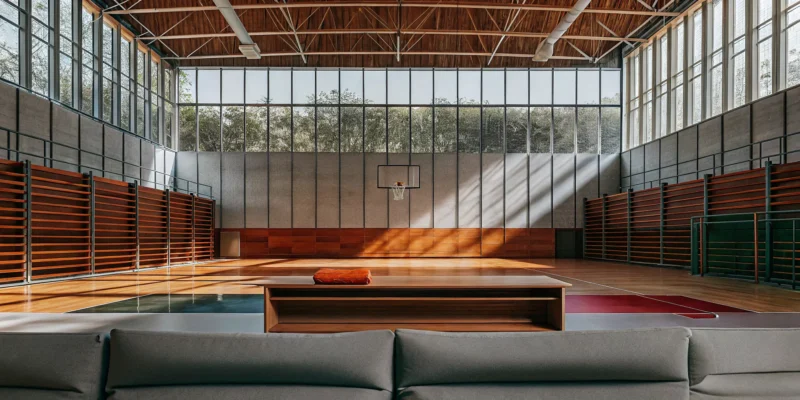
A basketball hoop in the driveway is a classic, but it can’t compare to the safety, performance, and versatility of a professionally installed court. The difference lies in the details: a properly graded foundation that prevents cracks, a high-performance surface that’s easier on your joints, and crisp, accurate lines for your favorite games. A dedicated court provides a level, predictable playing area that enhances every game and minimizes the risk of injury. In this article, we’ll explore what sets a professional build apart and cover all the key elements that go into creating top-tier Custom Sports Game Courts that are built to last.
Key Takeaways
- Prioritize the Foundation First: A successful project starts with the groundwork. Before choosing colors or accessories, confirm you have adequate space, understand local permit rules, and have a solid plan for site preparation and drainage to ensure your court lasts.
- Match the Court to Your Game: The best court is one designed for how your family plays. Select a surface material, such as durable acrylic or versatile modular tiles, that suits your favorite sports, and consider features like adjustable hoops or lighting to maximize its use.
- Invest in Expertise and Upkeep: Choosing a licensed contractor who specializes in athletic court construction is critical for a high-quality result. After the build, simple, regular maintenance like sweeping debris and inspecting the surface will protect your investment for years to come.
What is a Custom Sports Game Court?
A custom sports game court is much more than just a patch of pavement in your backyard. It’s a high-performance athletic surface, designed and built specifically for your property and the sports your family loves to play. Think of it as a personalized arena tailored to your space, whether you dream of a half-court for basketball, a dedicated pickleball court, or a versatile surface for multiple games. The process involves creating a durable, safe, and attractive area that fits perfectly into your overall landscape design.
Unlike a public park, a custom court is built with professional-grade materials and precision. From the initial site preparation and foundation work to the final surface installation and line painting, every step is handled to ensure optimal playability and longevity. You get to choose the dimensions, colors, and features, creating a unique space that encourages everyone to get outside and play. Gappsi specializes in building these custom synthetic turf and sports games courts, turning your vision for at-home recreation into a reality. It’s an investment in your home, your health, and countless hours of family fun.
Common Types of Game Courts
When it comes to building your court, you have several excellent surface materials to choose from. Modular tiles are a popular favorite because they are incredibly versatile and offer great shock absorption, which is easier on the joints. These interlocking tiles come in various colors and can be configured for almost any sport. Another great option is a classic concrete or asphalt base with an acrylic coating, which provides the consistent ball bounce needed for tennis and basketball. For a softer feel underfoot, synthetic turf can be a fantastic choice, especially for multi-sport areas where you might also play soccer or other field games. Each material has its own unique benefits for performance and maintenance.
Benefits of a Custom Court
Adding a sports game court to your home offers so many advantages beyond just having a place to play. First, there’s the incredible convenience. Your court is always open, so you can practice your free throws or start a pickleball match whenever you feel like it, no reservations required. It’s a wonderful way to encourage a more active lifestyle for the entire family, making daily exercise feel less like a chore and more like fun. A custom court also becomes a natural gathering spot, perfect for creating lasting memories with family and friends. It seamlessly integrates into your backyard, enhancing your entire outdoor living space and adding significant value to your property.
What to Consider Before Building Your Court
Bringing a custom game court to your backyard is an exciting project. Before you break ground, it’s important to think through a few key details to ensure the final result is what you envisioned. From the size of your yard to the sports your family loves, considering these factors upfront will streamline the entire process.
Space and Dimensions
First, look at your available space. Your yard’s size dictates the court’s dimensions. A full-size basketball court requires significant room, but you can easily scale down for a half-court. Think about which sports you’ll play most and measure your area to see what’s feasible, remembering to add safety buffer zones. Proper site preparation is key, and the project size influences the installation timeline for your custom Sports Games Courts, which typically takes a few weeks.
Surface Material Options
Your court’s surface is a critical decision, affecting ball bounce, comfort, and durability. Popular options include concrete, rubber, and synthetic turf. A top choice for outdoor Sports Games Courts is modular polypropylene tile, which snaps together over a hard base. This surface offers excellent drainage and a bit of give underfoot, making it comfortable for players. Each material has its own benefits, so consider what feels best and fits your budget. We can help you explore the best materials for your custom game court to match your performance needs.
Single vs. Multi-Sport Use
Will your court be for one sport, or do you want the flexibility to play several? A multi-sport game court is a fantastic way to get more use out of your space. With blended lines for basketball, pickleball, and volleyball, you can switch games in minutes. A multipurpose design is often more cost-effective than building separate courts. This approach maximizes your investment and creates a versatile hub for family fun. Just plan for adjustable nets to make switching between sports easy.
Factoring in Your Climate
On Long Island, our weather can be tough on outdoor surfaces. From hot summers to freezing winters, your game court needs to be built to last. Choosing weatherproof materials and UV-resistant coatings is essential to prevent fading, peeling, and cracking. The right surface will perform better and require less upkeep. Proper drainage is also critical to handle rain and snowmelt. If your court needs a refresh, professional restoration and sealing services can bring it back to life.
How Much Does a Custom Game Court Cost?
Figuring out the budget for your dream backyard court is a big first step. The total cost can vary quite a bit, depending on the size, materials, and all the fun extras you decide to include. Think of it less as a single price tag and more as a custom project tailored to your family and your space. To give you a clearer picture, let’s break down the main factors that influence the final price of your custom sports games court.
Material Costs
The core of your court’s cost lies in the materials. Generally, you can expect a custom backyard court to fall in the range of $25 to $35 per square foot. For a standard half-court size, this often translates to a total project cost between $20,000 and $25,000. The specific surface you choose is the biggest variable here. Whether you opt for classic acrylic, versatile modular tiles, or another high-performance material will directly impact the budget. Our team can walk you through the pros and cons of each option to find the perfect fit. We offer a wide selection of synthetic turf and game court surfaces to match any design.
Installation and Labor
Beyond the materials, professional installation is a crucial part of your investment. This isn’t just about laying down the surface; it includes essential site preparation like excavation, grading, and ensuring proper drainage. Depending on the design, it may also involve pouring a concrete or asphalt base, which is a job for skilled professionals. A typical installation can take anywhere from two to six weeks, depending on the project’s complexity and weather conditions. This timeline reflects the detailed work required for a durable, high-quality court. Our experienced masonry and construction teams handle every step, guaranteeing a solid foundation for years of play.
Optional Features and Accessories
This is where you can truly personalize your court. While the surface is the main event, accessories are what make it your family’s go-to spot for fun. You can add features like adjustable basketball hoops, multi-sport net systems for tennis or volleyball, and rebounders for solo practice. Ball containment fencing is a popular and practical choice to keep the game going without chasing stray shots. For evening games, consider adding integrated LED lighting. You can even add custom logos or game lines for a professional touch. These upgrades and features can be planned from the start or added later to enhance your backyard entertainment space.
Do You Need a Permit for Your Game Court?
The short answer is almost always yes. Think of a permit as your project’s official green light from your local town. For a project as significant as a custom Sports Games Court, which often involves excavation, a concrete base, and a permanent structure, a permit is a standard requirement. This isn’t just about paperwork; it’s about ensuring your court is built safely, meets local codes, and doesn’t cause any issues with property lines or drainage.
Navigating the world of permits can feel intimidating, but it’s a crucial step in protecting your investment. A properly permitted project ensures your court is recognized as a legitimate, valuable addition to your property, which is important for both insurance and resale value. The good news is that you don’t have to do it alone. An experienced contractor will handle the entire process for you, from preparing the initial plans for your custom court to securing the final approvals. Here on Long Island, every town from the Hamptons to Nassau County has its own set of rules. Working with a team that has deep experience with these local requirements is key to keeping your project on track and stress-free.
Zoning and Setback Rules
Before any construction begins, your project needs to comply with local zoning and setback regulations. Zoning laws dictate how your property can be used, while setback rules define how far your new court must be from property lines, your house, and other structures. You can’t, for example, build a basketball court right up against your neighbor’s fence. These regulations exist to ensure safety, privacy, and a cohesive look within the community. Our design process always starts with a careful review of your town’s specific codes to create a plan that fits perfectly within these guidelines.
The Building Permit Process
Once your design respects all zoning and setback rules, the next step is the formal application. This involves submitting detailed plans of your proposed Sports Games Court to your local building department. An official will review everything to confirm it aligns with building codes, safety standards, and environmental regulations. They’ll check details like the court’s foundation, drainage plan, and any fencing or lighting you plan to add. As your contractor, we manage all of these submissions and communications with the town, ensuring every detail is correct so you can get your permit without any hassle.
HOA and Neighborhood Rules
If you live in a community with a Homeowners’ Association (HOA), you’ll have an extra layer of guidelines to follow. Town approval is essential, but your HOA has its own rulebook. These covenants can influence everything from the color of your court’s surface to the height of the surrounding fence and whether you can install lights for night games. It’s always a good idea to review your HOA documents before finalizing your design. We can help you create a plan that satisfies both the town and your HOA, ensuring your new court is a welcome addition to the neighborhood.
Choosing the Best Surface for Your Favorite Sports
The surface of your sports games court is just as important as its size and layout. The right material affects everything from ball bounce and player safety to long-term maintenance. Your choice will depend on which sports you plan to play, your budget, and how much upkeep you’re willing to do. Whether you’re dreaming of a dedicated basketball court or a versatile space for the whole family, understanding your options is the first step. At Gappsi, we specialize in installing a variety of synthetic turf and sports game courts to match your specific needs.
Acrylic for Basketball and Tennis
If you’re a serious basketball or tennis player, an acrylic hard court is a classic choice for a reason. This surface provides the consistent, true ball bounce that these sports demand. It offers excellent grip and a predictable playing experience, allowing you to perfect your game. Acrylic surfaces are also incredibly durable and stand up well to the elements, requiring minimal maintenance beyond occasional cleaning. Plus, they come in a wide range of vibrant colors, so you can customize the look of your court to match your home’s aesthetic. It’s a reliable, high-performance option for dedicated athletes.
Modular Tiles for Multi-Sport Fun
For families who want a court that can do it all, modular tiles are a fantastic solution. These interlocking polypropylene tiles snap together over a concrete base, creating a versatile and resilient surface. Their slight give provides excellent shock absorption, which is easier on joints and helps reduce injuries, making it a safer choice for kids. Modular tiles are perfect for multi-sport use, easily accommodating everything from basketball and volleyball to roller hockey. They are also extremely durable, low-maintenance, and drain quickly after it rains, so you can get back to playing sooner.
Post-Tension Concrete for Durability
When you want the most durable and long-lasting foundation for your court, post-tension concrete is the top-tier option. This method involves reinforcing the concrete slab with steel cables that are tightened after the concrete is poured. This process creates a stronger, more stable surface that is highly resistant to cracking and shifting over time. While it is a bigger initial investment, a post-tension concrete court can last for decades with very little structural maintenance. It’s the ultimate choice for a permanent, high-quality installation, reflecting the kind of expert masonry and construction we pride ourselves on.
Specialty Surfaces for Pickleball and Volleyball
With the rise of sports like pickleball, specialty surfaces have become more popular. While you can play these games on standard acrylic or modular tile courts, cushioned surfaces can provide a more comfortable, high-end feel. These layered systems offer extra shock absorption, which is great for competitive play and long matches. For sports like volleyball, a synthetic turf or even a sand court might be the perfect fit. Thinking about the specific needs of your favorite game allows you to create a truly customized space that enhances every moment of play.
What’s the Installation Timeline?
You’ve designed your dream court, and now you’re probably wondering how long it will take to build. Generally, a custom sports games court installation takes between two and six weeks. This timeline can shift depending on a few key factors, including how much site preparation is needed, the type of surface you choose, and the overall size of your project. Understanding the process step by step helps set clear expectations, so you know exactly what’s happening in your backyard and when you can plan your first game.
Site Prep and Base Construction
The first and most critical phase is preparing the ground. This isn’t just about clearing a space; it involves detailed grading to ensure the area is perfectly level and has proper drainage. A solid base is essential for the longevity and safety of your court. Depending on your property, this could involve excavation and building a retaining wall. Our team handles all the necessary masonry work to create a stable foundation that prevents cracks and uneven surfaces. This foundational work is the most important part of the entire build.
Installing the Foundation and Surface
Once the site is prepped, we construct the foundation, which is typically a concrete slab. After the concrete is poured, it needs time to cure properly to ensure maximum strength. This step can’t be rushed. After the base has fully cured, we apply your chosen playing surface, whether it’s acrylic paint or interlocking modular tiles. Finally, we paint the lines for your favorite sports and install permanent fixtures like basketball hoop anchors or net posts. This is when your court really starts to take shape and look like the finished product.
Potential Delays: Weather and Permits
While we stick to a tight schedule, some things are out of our control. Weather is the most common reason for delays on Long Island. A heavy rainstorm can pause excavation or prevent us from pouring concrete or painting surfaces. We always watch the forecast to work efficiently. Another factor is the permit process. Each town has its own requirements, and securing a building permit can take time. We manage the entire permit and construction process, but it’s always wise to factor in a little buffer time for these variables.
Popular Features and Upgrades
Once you have the foundation of your court planned, you can start thinking about the features that will make it truly yours. The right upgrades can transform a simple playing surface into a versatile and professional-looking entertainment hub for your family and friends. From practical additions that extend your playing time to custom details that show off your style, these features are what make your custom court a perfect fit for your home. Gappsi offers a wide range of options for custom Sports Games Courts to match your vision.
Adjustable Nets and Hoops
If you have a multi-sport household, adjustable equipment is a must. An adjustable basketball hoop allows players of all ages and sizes to get in on the action, from young kids learning to shoot to adults playing a competitive game. The same goes for nets. A system that can easily be raised for volleyball or badminton and lowered for tennis or pickleball gives you incredible versatility. This flexibility ensures your court grows with your family and can accommodate any game you feel like playing, making it a smart, long-term investment for years of fun.
LED Lighting for Night Games
Why let the sunset end your game? Installing LED lighting is one of the best ways to maximize the use of your court, especially during those beautiful Long Island summer evenings or after school and work in the fall. Good lighting makes nighttime play safe and enjoyable. A key tip is to plan for this feature from the very beginning. By installing the necessary electrical conduit during the initial construction phase, you save yourself the headache and expense of trying to add it later. It’s a simple step that ensures your court is ready for action anytime, day or night.
Fencing and Safety Features
Safety and convenience are just as important as the playing surface itself. A high-quality fence is essential for containing stray balls, preventing them from rolling into your garden, the street, or a neighbor’s yard. It also helps create a secure and enclosed area for kids to play in. Beyond fences and netting, proper drainage is another critical safety feature. A well-designed system prevents water from pooling on the surface, which can cause slips and long-term damage. A professional installation will account for this, ensuring your court is safe and durable.
Custom Logos, Lines, and Seating
This is where you can really let your personality shine. Make your court one-of-a-kind by adding custom logos, like a family initial or the emblem of your favorite sports team. You can also choose from a wide palette of colors for the surface and have crisp, professional lines painted for all your favorite sports. Don’t forget about the spectators. Integrating a seating area, like a simple bench or a small masonry sitting wall, makes the court a more inviting and social space for everyone, turning game time into a true community event.
Common Mistakes to Avoid
Building your dream backyard court is an exciting project, but a few common missteps can quickly turn it into a costly headache. A well-planned court is an investment that brings years of enjoyment, so it pays to get the details right from the start. Thinking through the entire process, from the ground up, helps ensure your court is safe, durable, and perfectly suited to your family’s needs.
Many homeowners get caught up in the fun parts, like picking out colors and custom logos, but they sometimes overlook the foundational elements that determine the court’s longevity and playability. Simple planning mistakes can lead to major issues like surface cracking, poor performance, or a layout that feels cramped and impractical. A beautiful court that puddles after every rain or cracks within a year isn’t much fun for anyone. By learning about these potential pitfalls ahead of time, you can work with your contractor to make informed decisions and create a space that truly enhances your home and lifestyle. Let’s walk through the most frequent errors we see so you can steer clear of them and get the most out of your new court.
Ignoring Base and Drainage Issues
The success of your sports games court starts with what’s underneath. A weak or uneven base is one of the biggest reasons for premature failure. Without a properly compacted and leveled foundation, your court surface can crack, develop low spots where water pools, and wear out far too soon. We always ensure a solid concrete or asphalt base is installed to provide the stability your court needs. Equally important is drainage. A court without a plan for water runoff will become a puddle-filled mess after every rainstorm. Proper grading and a slight slope, typically one inch for every 10 feet, allow water to drain away naturally, protecting your investment and keeping the surface ready for play.
Choosing the Wrong Size or Material
It’s easy to underestimate how much space you really need. A court that’s too small can feel cramped and limit the types of games you can play. Before you build, map out the dimensions and consider the necessary buffer space around the perimeter for safe play. The surface material is another critical choice. Using the wrong material can create a surface that’s too slippery or rough, increasing the risk of injury. Each sport has ideal surfaces, from acrylics for tennis to modular tiles for multi-sport use. We can help you select the perfect surface material that balances performance, safety, and your budget.
Forgetting Utilities and Layout
A great court layout considers more than just the playing lines. Think about how the court fits into your overall landscape and how you’ll use the space around it. You’ll want to leave enough room for future additions like seating, fencing, or even a small patio. It’s also important to plan for utilities. Do you want lighting for night games? You’ll need to run electrical wiring. Will you need a water source nearby for cleaning? Planning for these elements from the beginning is far easier and more cost-effective than trying to add them later. A thoughtful landscape design integrates your court seamlessly into your yard, making it a functional and beautiful feature.
How to Choose the Right Contractor
Your custom sports games court is a significant investment, and the success of your project hinges on finding the right team to build it. The contractor you choose will influence everything from the initial design to the final bounce of the ball. Taking the time to vet professionals ensures your court is built safely, correctly, and to your exact specifications, giving you a space your family will enjoy for years.
Look for Specialized Experience
Building a high-quality sports games court requires a specific skill set that most general contractors don’t have. You’ll want to find a team that specializes in athletic court construction. These professionals understand the unique requirements for proper grading, sub-base preparation, and surface installation that are critical for performance and longevity. Ask to see a portfolio of their completed projects. A contractor with a proven track record in building custom sports games courts will be able to guide you through material selection and design choices with confidence, ensuring the final product meets your needs.
Verify Licenses, Insurance, and Warranties
Before signing any contracts, do your homework. A reputable contractor will be fully licensed and insured in New York. This is non-negotiable, as it protects you from liability in case of accidents on your property during construction. Unskilled installers can lead to uneven surfaces and a shorter court life, so verifying credentials is a key step. Also, ask about warranties. A professional company will stand behind its work with a solid warranty covering both materials and labor. This gives you peace of mind knowing your investment is protected against defects and installation issues.
Questions to Ask a Potential Contractor
When you meet with potential contractors, come prepared with a list of questions. This will help you compare your options and choose the best fit for your project. Start with the basics, like asking for references and seeing examples of their work on their YouTube channel or website. Then, get more specific. Ask them, “How will you manage drainage to keep water off the playing surface?” Proper drainage is essential to prevent cracks and surface damage. You should also inquire about their recommended materials for your chosen sports, the projected timeline for completion, and what factors might cause delays. Their answers will reveal their level of expertise and professionalism.
Maintaining Your Custom Court
You’ve invested in a beautiful custom sports games court, and a little upkeep will ensure it stays ready for play season after season. Consistent maintenance helps prevent small issues from turning into costly repairs, preserving both the safety and appearance of your court. Think of it as part of the game plan. By staying on top of cleaning, seasonal prep, and protecting the surface, you guarantee your court remains a premier spot for family fun and friendly competition for years to come.
Regular Cleaning and Inspections
The easiest way to protect your court is to keep it clean. Make it a habit to sweep away leaves, dirt, and other debris weekly with a push broom or leaf blower. This prevents buildup that can stain the surface or become slippery when wet. While you’re cleaning, take a quick walk around to inspect the court. Look for any small cracks, signs of wear on the lines, or areas where water might be pooling. Catching these things early makes them much easier to fix. A proactive approach with regular cleaning and inspections is the key to your court’s long-term health and performance.
Seasonal Care and Resurfacing
Here on Long Island, our weather shifts dramatically from season to season, and your court needs to be ready. Before winter, give the court a thorough cleaning to remove any grime that could freeze and cause damage. In the spring, inspect for any cracks that may have formed during freeze-thaw cycles. While daily care is crucial, keep in mind that all surfaces have a lifespan. Depending on the material, you may need to plan for resurfacing every several years to keep it in optimal condition. This isn’t a sign of failure, but a normal part of maintaining a high-quality sports games court.
Protecting Your Court from the Elements
The sun’s UV rays and constant exposure to moisture can take a toll on your court’s surface, leading to fading, peeling, and cracking over time. Using high-quality, weatherproof materials from the start is your best defense. During installation, we use UV-resistant coatings and durable paints that act as a shield against the elements. To maintain this protection, consider having a professional restore and seal the surface every few years. This simple step can dramatically extend the life of the court, keeping the colors vibrant and the material resilient against whatever the New York weather throws its way.
Related Articles
- Mateflex tile system Archives – Gappsi Group
- Multipurpose Sports Game Court Archives – Gappsi Group
- multisport game courts Archives – Gappsi Group
- backyard Archives – Gappsi Group
Frequently Asked Questions
How much space do I actually need for a sports games court? You might be surprised to learn you don’t need a massive estate to build a great court. While a full-size tennis court requires a lot of room, many families opt for more compact designs like a basketball half-court or a dedicated pickleball court. We can customize the dimensions to fit your specific yard, ensuring you have a fantastic playing area while still leaving room for your garden and patio. The key is smart design that maximizes your available space.
What is the most versatile court surface for a family with different interests? For families that want to play everything, modular tiles are usually the best choice. These interlocking tiles create a surface that’s great for basketball, pickleball, volleyball, and even roller hockey. They also offer a bit of shock absorption, which is gentler on the joints than traditional concrete, making it a safer option for players of all ages. Plus, they drain quickly after rain, so you can get back outside to play much faster.
How much upkeep is really involved with a backyard court? Maintaining your court is simpler than you might think. The most important task is keeping it clean with a weekly sweep or blow to remove leaves and debris. This prevents stains and keeps the surface from getting slippery. Beyond that, a quick inspection in the spring and fall to check for any minor issues is a good habit. With a little routine care, your court will stay in top shape for years.
Do I have to handle the complicated permit process on my own? Absolutely not. Navigating town codes and permit applications can be a real headache, and it’s a part of the project we handle for you. An experienced contractor knows the specific requirements for each town on Long Island. We manage all the paperwork, submit the plans, and communicate with the building department to ensure your project is fully approved and up to code, making the process smooth and stress-free for you.
What’s the one thing I should prioritize when planning my budget? If you have to prioritize one area of your budget, make it the foundation. The success and longevity of your entire court depend on proper site preparation, a solid base (like concrete), and excellent drainage. While features like lighting and custom logos are exciting, they can often be added later. A strong, professionally installed foundation is not something you can fix easily, so investing in it from the start is the smartest decision you can make.