


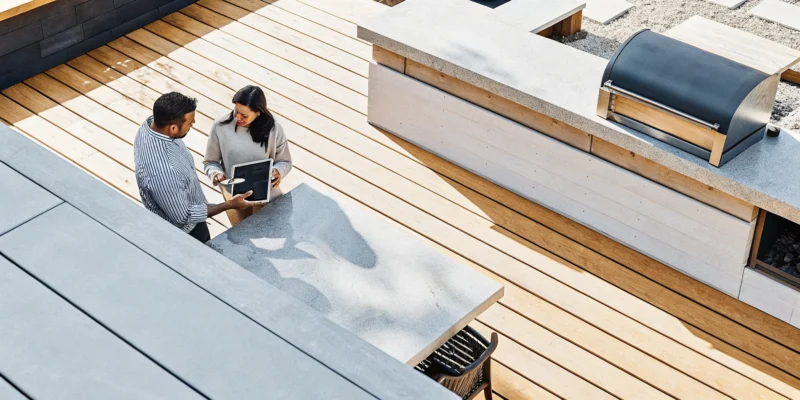
Moving beyond a simple grill on the patio and creating a true outdoor kitchen is about designing a space that works perfectly for you. It’s a chance to build a custom layout with ample counter space, integrate high-end appliances, and choose beautiful finishes that complement your home’s style. This level of personalization is what transforms a backyard into a genuine extension of your indoor living area. Achieving this requires a team that can handle every phase of the project with precision and creativity. A professional Outdoor Kitchen Designer Installer Contractor Long Island NY combines your unique vision with expert craftsmanship to build a space that is both highly functional and deeply personal, making your outdoor entertaining dreams a reality.
Key Takeaways
- Focus on finding the right builder: Your project’s success depends on hiring an experienced, licensed, and insured contractor. A true professional will manage everything from the initial design and permits to the final installation, making the process smooth and stress-free.
- Choose materials that last: For a Long Island outdoor kitchen, durability is non-negotiable. Opt for weather-resistant materials like natural stone and stainless steel to ensure your investment can handle coastal weather and look great for years.
- Plan your project before you build: A detailed design and a clear budget are your best tools for a successful outcome. Knowing what you want and what you can spend helps you make smart decisions and prevents costly changes down the road.
What to Expect from an Outdoor Kitchen Contractor
Hiring a contractor for your outdoor kitchen is a big step, and knowing what to expect can make the process feel much more manageable. A great contractor is more than just a builder; they are your partner in creating a space that fits your lifestyle and home perfectly. From the initial sketches to the final cleanup, they guide you through every phase. This involves detailed planning sessions, professional construction using durable materials, and the flawless integration of all your appliances. They handle the technical details so you can focus on planning your first backyard barbecue. A true professional ensures the final product is not only beautiful but also functional and built to last for years of enjoyment.
Custom Design and Planning
The first thing a great contractor will do is sit down with you to create a custom design. This isn’t just about picking a grill; it’s about mapping out the entire space. They’ll help you think through the layout, making sure there’s a natural flow between your cooking, prep, and dining areas. Expect them to create a detailed blueprint that considers everything from the placement of your refrigerator to the amount of counter space you need. This collaborative design process ensures the final kitchen is tailored specifically to how you and your family want to use it. A thoughtful plan is the foundation of a successful project.
Professional Installation and Construction
Once the design is finalized, the focus shifts to building. Professional installation is where a contractor’s expertise really shines. This process is far more complex than just setting up some appliances on your patio. It involves building a sturdy, level foundation and using construction techniques that ensure your kitchen can withstand the elements. A skilled team handles everything from masonry and stonework to running utility lines for gas, water, and electricity. Their experience in home construction guarantees that every component is installed safely and correctly, giving you a durable and reliable outdoor cooking space.
Sourcing High-Quality Materials
The materials used in your outdoor kitchen are critical for its longevity, especially in Long Island’s coastal climate. A reputable contractor will guide you toward options that are both beautiful and incredibly durable. They have access to high-quality materials and know which ones perform best outdoors. Expect them to recommend weatherproof choices like stainless steel for cabinetry and tough surfaces like granite or natural stone pavers for countertops and patios. Choosing the right materials from the start saves you from costly repairs and maintenance down the road, ensuring your investment looks great for years to come.
Seamless Appliance Integration
An outdoor kitchen is only as good as its appliances, and a skilled contractor ensures they all work together perfectly. They will design cabinetry and countertops to fit your specific grill, sink, and refrigerator for a clean, built-in look. Beyond just making things fit, they manage the technical side of appliance integration. This includes ensuring proper ventilation for grills, connecting plumbing for sinks and ice makers, and running safe electrical wiring for outlets and lighting. This attention to detail is what transforms a collection of appliances into a fully functional and cohesive outdoor kitchen where everything is exactly where you need it.
Choosing the Best Materials for Your Outdoor Kitchen
Selecting the right materials is one of the most important steps in creating an outdoor kitchen that lasts. Here on Long Island, our beautiful coastal environment also means we deal with salt air, humidity, and changing seasons. Your material choices need to stand up to these elements while matching the style of your home. A well-designed outdoor kitchen uses a combination of durable, weather-resistant, and beautiful materials to create a space that’s both functional and inviting for years to come. It’s about finding the perfect balance between strength and style, ensuring your investment looks great and performs well no matter the weather.
Durable Countertops for a Coastal Climate
Your countertops are the workhorse of your outdoor kitchen, so they need to be tough. For a coastal climate like ours, you want materials that resist moisture, salt, and sun without staining or fading. We highly recommend materials like porcelain and natural stone for this reason. Granite is another excellent choice, known for its incredible durability and timeless look. These options are not only resilient against the elements but are also easy to clean, which means you can spend more time enjoying your space and less time on upkeep. They provide a beautiful, high-end finish that truly completes your outdoor cooking area.
Weatherproof Cabinetry and Storage
Outdoor kitchen cabinetry needs to do more than just look good; it has to protect your tools and supplies from the weather. Metal frames, particularly those made from stainless steel, are a top choice for their strength and resistance to rust and corrosion. To ensure your investment lasts, look for marine-grade materials, which are specifically designed to withstand harsh, wet environments. This type of construction ensures your cabinets won’t warp or rot after a few seasons. Gappsi’s custom masonry work can also create durable, built-in storage solutions that blend seamlessly with your patio and home.
Essential Appliances and Grilling Gear
When it comes to appliances, you can’t simply move your indoor equipment outside. Outdoor appliances are built differently, using materials like stainless steel that can handle temperature swings and moisture without failing. This includes everything from your grill and side burners to your refrigerator, sink, and ice maker. Investing in products specifically rated for outdoor use is crucial for both safety and longevity. The great thing about a custom outdoor kitchen is that the cabinetry and layout can be designed to accommodate any cooking appliance you want, giving you a truly personalized and functional setup.
Must-Have Features for Long Island Homes
A great outdoor kitchen is more than just a place to cook; it’s a destination for entertaining. To make your space truly functional, consider incorporating features like a built-in grill, which creates a sleek, integrated look. Ample counter space is another must-have for prepping food and serving guests. Don’t forget about creating a comfortable atmosphere. Adding a seating area under one of our custom pavilions or pergolas provides shade and defines the space, making it the perfect spot for family and friends to gather while you cook.
Popular Design Ideas
If you’re looking for design inspiration, modular outdoor kitchens are becoming very popular. They offer a sleek, modern aesthetic and can be customized to fit your specific needs and backyard layout. Another growing trend is the use of sustainable and natural materials that blend with the surrounding landscape. This approach creates a cohesive, eco-friendly design that feels both stylish and grounded. For more visual ideas and to see how these concepts come to life, you can find plenty of inspiration from our past projects. A thoughtful design ensures your outdoor kitchen is a beautiful extension of your home.
How to Hire the Right Outdoor Kitchen Contractor
Choosing the right contractor is the single most important decision you’ll make for your outdoor kitchen project. This is the team that will turn your vision into a functional, beautiful space where you’ll make memories for years to come. A great contractor doesn’t just build; they guide you through the entire process, from initial design to final installation, ensuring every detail is perfect. They understand the unique challenges of building on Long Island and have the expertise to create a durable and stunning addition to your home. Finding a partner with a proven track record in high-end masonry and outdoor living is key to a smooth and successful project. The right team makes all the difference, transforming a complex construction job into an exciting creative process.
Verify Their Experience and Specialization
When you start talking to contractors, ask specifically about their experience with outdoor kitchens. This is a specialized field that requires more than general construction knowledge. A good rule of thumb is to look for a builder who has completed at least 25 outdoor kitchens and has been specializing in them for several years. This level of experience means they understand the nuances of outdoor construction, from selecting weather-resistant materials to properly running utility lines for water, gas, and electricity. They’ll know how to design a layout that is both beautiful and practical, ensuring your new kitchen can withstand Long Island’s coastal climate while functioning perfectly for your family’s needs.
Check for Proper Licensing and Insurance
This step is straightforward but absolutely critical. Before you sign any contracts, ask for proof of licensing and insurance. A reputable contractor will have this information readily available and will be happy to share it with you. Proper licensing ensures that the contractor meets local and state regulations, while comprehensive insurance protects you and your property from any liability in case of an accident during construction. Think of it as your safety net. Working with a fully licensed and insured company gives you peace of mind, knowing that your project is in professional hands and that you are financially protected from start to finish.
Review Their Portfolio and Design Style
A contractor’s portfolio is their resume, and it’s your best window into their quality of work and design aesthetic. As you look through photos of their past projects, remember that you’re seeing their absolute best work. Pay close attention to the details. Do the lines look clean? Is the stonework precise? How well are the appliances integrated into the cabinetry? Most importantly, does their style align with your vision? Whether you’re dreaming of a sleek, modern setup or a rustic, stone-clad kitchen, you want to see examples that resonate with you. Looking at the porcelain and natural stone they’ve used can also give you a great sense of their craftsmanship.
Assess Communication and Project Management
You’re about to enter a partnership with your contractor, so clear and consistent communication is essential. During your initial conversations, pay attention to how they listen to your ideas and answer your questions. A great contractor will have a structured process and will be able to explain it clearly. Ask who your main point of contact will be and how they will provide updates on the project’s progress. You want a team that is organized, responsive, and transparent. Feeling comfortable and confident in your contractor’s communication style will make the entire home remodeling process much more enjoyable and stress-free.
Red Flags to Watch For
Trust your instincts during the hiring process. If something feels off, it probably is. Be wary of any contractor who can’t provide a portfolio of their outdoor kitchen work or seems hesitant to share references. Vague estimates that don’t mention costs for utilities or permits are another major red flag. A professional will discuss these details upfront. Similarly, be open about your budget from the very first conversation. A trustworthy contractor will respect your budget and help you make smart decisions to stay within it. Avoiding contractors who overpromise or pressure you into a quick decision will help you find a reliable partner for your project.
Understanding the Design and Installation Process
Bringing an outdoor kitchen to life is an exciting project, and knowing what to expect can make the entire experience smooth and enjoyable. A professional contractor will guide you through a structured process, turning your initial ideas into a fully functional and beautiful space. From the first conversation to the final sign-off, each step is designed to ensure your vision is realized perfectly. Think of it as a collaborative journey where your input is combined with expert design and construction skills. This process ensures every detail is considered, from the layout and materials to local regulations and the final installation, resulting in an outdoor kitchen you’ll love for years.
The Initial Consultation and Site Visit
The first step is a conversation. This is where you share your vision, your must-haves, and how you imagine using the space. A project manager will visit your home to see the area, take precise measurements, and discuss the possibilities. This on-site visit is crucial because it allows the team to assess factors like sun exposure, existing utility lines, and the overall flow of your backyard. It’s the perfect time to ask questions and explore different design ideas. This initial meeting lays the groundwork for the entire project, ensuring that the proposed design is both beautiful and practical for your specific property.
Developing the Design and Selecting Materials
After the consultation, the design phase begins. Your contractor will create a detailed plan or even a 3D rendering so you can visualize the final product. This is where you’ll finalize the layout, including the placement of appliances, countertops, and seating areas. You’ll also select the materials. For a Long Island home, choosing durable, weather-resistant options is key. Your contractor can guide you through high-quality choices for everything from the base structure to the countertops. Selecting the right porcelain and natural stone not only defines the kitchen’s style but also ensures it withstands coastal weather, giving you a lasting investment.
Navigating Permits and Local Regulations
Building an outdoor kitchen often involves connecting utilities like water, gas, and electricity, which means you’ll likely need permits. This part of the process can feel complicated, but an experienced contractor will handle it for you. They understand the local building codes and regulations in towns across Long Island, from Suffolk to Nassau County. Your contractor will prepare and submit all the necessary paperwork, coordinate inspections, and ensure your project is fully compliant. This service is a major benefit of working with a professional, as it saves you time and prevents potential headaches down the road.
The Construction and Installation Timeline
Once the design is approved and permits are secured, construction begins. Many modern contractors, including Gappsi, build components of your kitchen off-site in a controlled environment. This approach minimizes disruption to your home and yard and can speed up the overall timeline. When the components are ready, the on-site installation is often completed quickly and efficiently. Your project manager will keep you updated throughout the process, providing a clear timeline so you know what to expect. This streamlined method is also used for other structured projects, like installing custom pavilions and pergolas.
Final Walk-Through and Project Completion
The final step is the most rewarding. Once the installation is complete, your contractor will do a final walk-through with you. This is your opportunity to inspect every detail of your new outdoor kitchen. You can test the appliances, check the finishes, and make sure everything is exactly as you envisioned. It’s the time to ask any final questions about using and caring for your new space. A reputable contractor won’t consider the job finished until you are completely satisfied. After the walk-through, all that’s left to do is fire up the grill and start making memories.
How to Budget for Your Outdoor Kitchen
Creating a budget for your outdoor kitchen is one of the most important first steps you can take. It’s easy to get swept up in the excitement of picking out grills and finishes, but a solid financial plan is what truly sets your project up for success. Think of your budget not as a restriction, but as a roadmap that guides every decision, ensuring the final result is exactly what you dreamed of without any stressful surprises. An outdoor kitchen is a significant investment that adds incredible value and enjoyment to your home. Taking the time to plan your spending helps you and your contractor work together as a team, turning your vision into a beautiful, functional space where you’ll make memories for years to come. A clear budget empowers you to make informed choices, prioritize what matters most, and move forward with confidence.
Key Factors That Influence Cost
The total investment for an outdoor kitchen can range from around $15,000 for a simple setup to well over $100,000 for a high-end, custom design. Several key elements will shape your final cost. The overall size and complexity of the layout are the biggest drivers, along with the materials you select. For Long Island’s coastal climate, choosing durable, weather-resistant options is a must. Investing in high-quality porcelain and natural stone for countertops and patios will pay off in the long run by minimizing maintenance and repairs. The number and grade of appliances, from the grill and refrigerator to sinks and side burners, also significantly impact the price. Finally, don’t forget to account for the professional installation of utility lines for gas, water, and electricity, which is essential for both safety and function.
Smart Budgeting Strategies
The best way to keep your project on track financially is to be open and honest about your budget with your contractor from the very first conversation. A clear number allows your designer to create a plan that aligns with your goals and financial comfort zone. I always recommend making a list of priorities: what are your absolute must-haves, and what features are nice-to-haves that could potentially be added later? This gives you flexibility if you need to make adjustments. Working with a professional masonry designer during this phase is invaluable. They can help you allocate funds effectively and suggest creative solutions to get the look you want while respecting your budget, preventing expensive changes once construction is underway.
Understanding Financing and Payment Schedules
Before you sign any contracts, it’s crucial to understand the financial terms. Make sure you know the difference between an estimate, which is a ballpark figure, and a fixed quote, which is a firm price for the work detailed in your agreement. Ask your contractor how they handle “change orders,” which are modifications to the original plan that can increase the final cost. A transparent contractor will have a clear process for this. Your contract should also outline a payment schedule tied to specific project milestones, like the completion of the foundation or the installation of appliances. This approach is a hallmark of professional home remodeling and ensures you only pay for work as it’s completed, giving you peace of mind throughout the process.
How Seasonal Timing Can Affect Your Project
Believe it or not, the time of year you begin your outdoor kitchen project can influence both the timeline and cost. Spring and summer are the busiest seasons for outdoor construction on Long Island, meaning contractors are in high demand and schedules are tight. If you plan your project during the off-season, like late fall or early winter, you may find more scheduling flexibility. An experienced local contractor knows how to manage a project through Long Island’s unpredictable weather patterns, ensuring progress continues safely. Planning ahead for complementary structures, such as pavilions and pergolas, at the same time can also create a more efficient and cohesive construction process, regardless of the season you start.
Maintaining Your New Outdoor Kitchen
Your outdoor kitchen is the heart of your backyard, a place for making memories and sharing meals. To keep it looking and functioning beautifully for years, a little routine maintenance is key. Think of it as protecting your investment. When your kitchen is built with expert masonry and high-quality materials, the foundation for longevity is already there. Still, regular care ensures it’s always ready for your next gathering.
Proper upkeep prevents small issues from becoming costly problems and keeps your appliances in top working order. By creating a simple maintenance plan, you can avoid common pitfalls and ensure your outdoor kitchen remains a source of pride and enjoyment. From quick cleanups after a barbecue to seasonal preparations for our Long Island winters, these simple habits will make all the difference.
A Simple Maintenance Checklist
Keeping your outdoor kitchen in great shape doesn’t have to be a major chore. A few simple habits can make a world of difference. After each use, wipe down countertops and appliance surfaces to prevent stains and buildup. Clean your grill grates while they’re still warm to easily remove any food residue. It’s also a good practice to regularly check your gas connections for leaks and ensure your propane tank has enough fuel for your next cookout. Finally, empty trash receptacles promptly to keep pests away and use fitted covers for your grill and appliances to protect them from the elements.
Seasonal Care and Winterizing Tips
Living on Long Island means preparing your outdoor kitchen for changing seasons. As colder weather approaches, proper winterization is essential to prevent damage. Start by shutting off the water supply to your sink and ice maker, and drain the lines completely to avoid frozen, burst pipes. Disconnect the gas line to your grill and other appliances for safety. Give everything a deep clean to remove grease and food particles that can attract pests over the winter. Once clean and dry, cover all your appliances, cabinets, and furniture with heavy-duty, waterproof covers to shield them from snow, ice, and moisture. This small effort in the fall ensures a quick and easy startup next spring.
Strategies for Long-Term Protection
The best way to protect your outdoor kitchen long-term starts with the initial build. Choosing durable, weather-resistant materials is the most critical step. High-quality porcelain and natural stone for countertops and patios can withstand coastal weather without fading or cracking. Beyond material selection, periodic sealing is a fantastic strategy. Applying a quality sealant to stone surfaces every few years protects them from stains and water damage. If you notice any grout cracking or surfaces looking worn, consider professional restoration and sealing services to bring them back to life. Regular inspections will help you catch any minor wear and tear before it becomes a larger issue.
Solving Common Issues
Even the best-built outdoor kitchens can face occasional issues. One of the most important safety considerations is proper ventilation, especially if your kitchen is located under one of Gappsi’s beautiful pavilions and pergolas. Ensure your grill has adequate clearance and that smoke and fumes can escape easily. Grease buildup is another common problem, so be sure to clean your grill’s drip pan regularly to reduce the risk of flare-ups. Many potential problems, from poor drainage to cracked countertops, can often be traced back to an inexperienced contractor. Working with a specialist from the start is the best way to ensure your kitchen is designed and built to avoid these issues altogether.
Related Articles
- Your Guide to Outdoor Kitchen Designers on Long Island
- Backyard Kitchen & Patio Design Ideas for NY Homes | Gappsi Inc
- Outdoor Kitchen Designer Installer Contractor Long Island NY – Gappsi Group
- Outdoor Kitchen Design & Installation in Long Island | Gappsi Inc
Frequently Asked Questions
How long does it typically take to build an outdoor kitchen? The timeline can vary quite a bit depending on the complexity of your design and the permit process in your town. A straightforward project might take a few weeks from the start of construction, while a more elaborate kitchen with extensive masonry and utility work could take a couple of months. A good contractor will give you a clear and realistic timeline during the design phase, factoring in everything from material delivery to inspections.
What is the single most important factor when choosing materials for a coastal climate like Long Island? Durability against the elements is, without a doubt, the most critical factor. Here on Long Island, materials have to stand up to salt air, humidity, and freezing temperatures. You want to choose options like stainless steel for cabinetry and dense natural stone or porcelain for countertops because they resist corrosion, moisture, and temperature swings. Investing in weatherproof materials from the start is the best way to ensure your kitchen looks beautiful for years, not just a season or two.
Can I save money by using indoor appliances outside? This is a common question, but the simple answer is no. Indoor appliances are not built to withstand the elements. Moisture, humidity, and temperature changes can cause them to rust, short-circuit, and fail quickly, which is both a waste of money and a safety hazard. Outdoor-rated appliances are constructed with materials like stainless steel that are specifically designed to handle outdoor conditions, ensuring they operate safely and last for a long time.
How much does an outdoor kitchen really cost? The cost depends entirely on your vision, from the size and materials to the appliances you choose. A simple, compact kitchen might start around $15,000, but a large, custom-built space with high-end appliances, extensive stonework, and features like a sink or refrigerator can easily exceed $100,000. The best approach is to be upfront about your budget with your contractor. This allows them to design a kitchen that includes your must-have features while staying within a price range you’re comfortable with.
What happens if I want to change something after construction has started? It’s definitely possible to make changes, but it’s important to understand how they affect the project. Any modification to the original plan is handled through a “change order,” which is a formal document that details the new work and any associated costs or timeline adjustments. A professional contractor will have a clear process for this and will discuss the implications with you before proceeding. This transparency ensures there are no surprises and that you remain in control of the budget and schedule.