


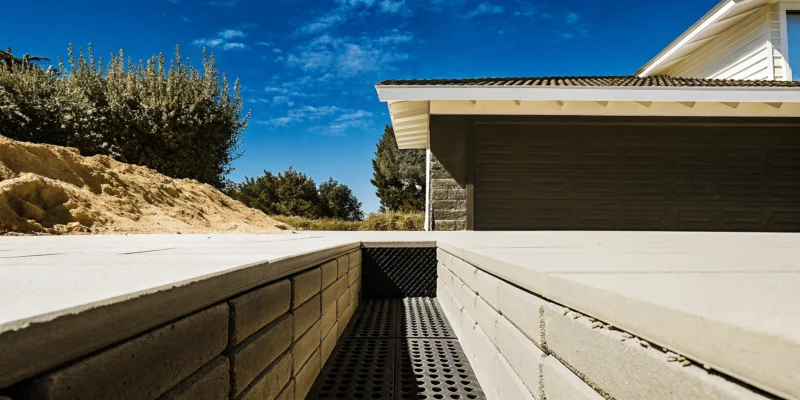
The foundation of any paver project is the unsung hero that ensures your investment lasts for decades. A weak base leads to shifting stones, uneven surfaces, and costly repairs down the line. While traditional gravel bases have been the standard, they are vulnerable to the freeze-thaw cycles we experience here on Long Island. This is where modern engineering provides a superior solution. Companies like Techniseal and Gator Alliance have developed systems designed for long-term stability and excellent drainage. The NextBase Paver Base Panel System, for example, creates an interlocking grid that distributes weight evenly and manages water effectively. We’ll explore how these advanced systems work and compare them to help you build a beautiful outdoor space that truly stands the test of time.
Key Takeaways
- Synthetic bases save time and labor: These modern panels replace tons of heavy gravel, which means less digging and a much faster installation for your patio or walkway compared to traditional methods.
- Know the difference between the top brands: NextBase features a robust interlocking system for superior stability, while Gator Base stands out as a cost-effective and sustainable choice made from recycled materials.
- Use the right base for the right job: Synthetic panels are perfect for pedestrian areas like patios and walkways, but for driveways that handle cars, you’ll need to stick with a traditional gravel foundation to support the heavy load.
What is NextBase Paver Base?
If you’ve ever considered a new patio or walkway, you’ve probably pictured the beautiful finished product. What you might not have pictured is the tons of gravel and sand that traditionally go underneath. Building that foundation is often the most labor-intensive part of the project. This is where a synthetic paver base comes in, and NextBase is a leading name in this modern approach. It’s a lightweight, engineered panel system designed to completely replace the thick layer of crushed stone typically used in hardscaping.
When you’re planning a project with beautiful porcelain and natural stone pavers, the foundation is just as important as the stones you choose. NextBase offers a simpler, faster, and less physically demanding way to create a stable and long-lasting base. Instead of excavating several inches of soil and hauling in heavy aggregate, you work with easy-to-handle panels. This innovation makes paver installation more accessible for DIY projects and more efficient for professional installers, saving time, money, and a lot of backaches. It’s a streamlined solution for creating the outdoor spaces you’ve been dreaming of.
How the System Works
NextBase is a panel system that replaces the heavy, traditional base materials used for outdoor surfaces like patios and walkways. Think of it as a high-tech floor for your pavers. The panels are designed to be easy to put together and create a very stable base. Each panel has an interlocking design, so they connect securely to one another for extra stability across the entire project area. This ensures the base acts as a single, solid unit. The panels are also easy to cut, allowing you to create custom shapes and fit them perfectly around curves or obstacles in your yard.
The Innovation Behind Techniseal
The secret behind NextBase is its material. The panels are made from a strong, durable material called high-density polypropylene. This isn’t just any plastic; it’s engineered to withstand heavy loads and the harsh weather cycles we experience here on Long Island. According to Techniseal’s product information, NextBase is also environmentally friendly and won’t harm the soil or water. A key feature is its excellent drainage. The panels are designed to allow water to flow through them, preventing pooling and frost heave, which helps your patio or walkway remain level and beautiful for years to come.
Meet Gator Base: How Does It Compare?
When you’re looking into synthetic paver bases, Gator Base is another name you’ll hear a lot. It’s a well-established product from Alliance Gator, a company known for its hardscaping solutions. Like NextBase, it’s designed to make paver installation faster and less physically demanding than the traditional method. But how does it work, and what makes it different? Let’s break down its approach and see how it stacks up against the competition.
The Gator Alliance Approach to Paver Installation
Gator Base is a high-density foam panel engineered to replace the thick layer of compacted crushed stone you’d normally use for a paver project. It’s specifically designed for pedestrian areas like patios, walkways, and pool surrounds. The main idea is efficiency. By swapping out tons of gravel for these lightweight panels, you drastically cut down on excavation, hauling, and labor. This makes the Gator Base system a go-to choice for both professional contractors and ambitious DIYers who want a solid foundation without the back-breaking work of a traditional base installation.
Key Differences: NextBase vs. Gator Base
So, what sets these two systems apart? A key difference is the amount of traditional base they replace. Each Gator Base panel takes the place of about 6 inches of compacted stone, which significantly reduces how deep you need to dig. It’s made from a lightweight yet strong polypropylene that’s also 100% recyclable. NextBase panels, on the other hand, are designed to replace up to 300 pounds of base material each. While both systems offer major savings on labor and time, Gator Base specifically highlights a potential 20% reduction in labor costs and up to 50% in excavation costs, making it a very appealing option for budget-conscious projects.
Synthetic vs. Traditional Base: Which Should You Choose?
When you picture building a new patio or walkway, you probably imagine a lot of digging and hauling heavy bags of gravel and sand. For decades, that was the only way to create a stable foundation for pavers. This traditional method involves excavating several inches of soil, laying down geotextile fabric, and then adding and compacting multiple layers of crushed stone and sand. It’s a proven technique, for sure, but it’s also incredibly labor-intensive, time-consuming, and creates a major mess in your yard that can last for days.
Today, you have another option: synthetic paver base panels. Systems like NextBase and Gator Base are engineered to replace that thick, heavy layer of crushed stone. These panels create a strong, stable foundation with significantly less excavation and effort. Choosing between a synthetic and traditional base comes down to weighing the benefits of modern technology against old-school methods. You’ll want to consider the impact on your timeline, your budget, and the long-term performance of your beautiful new masonry project. Let’s look at how these two approaches stack up in the areas that matter most to homeowners.
Lighter Materials and Less Labor
The most immediate advantage of synthetic bases is the dramatic reduction in heavy materials. A traditional base requires tons of crushed stone and sand, all of which needs to be moved from your driveway to your backyard, one wheelbarrow at a time. Synthetic panels, on the other hand, are incredibly lightweight and easy to handle. For example, a single NextBase panel can replace nearly 300 pounds of traditional base material. This means far less digging and heavy lifting. For you, this translates to a cleaner, less disruptive project and significant savings on labor costs, whether you’re doing it yourself or hiring a professional.
A Look at Installation Times
Because you get to skip most of the excavation and material hauling, synthetic base panels can cut your installation time dramatically. A project that might take several days with a traditional base can often be completed much more quickly. Using a product like Gator Base can reduce labor costs by at least 20 percent simply because the job gets done faster. This streamlined process means your yard returns to normal sooner, and you can start enjoying your new patio, walkway, or outdoor kitchen without a long wait. You can see how quickly these projects come together on the Gappsi YouTube channel, where our teams showcase their efficient work.
Benefits of Long-Term Durability
It’s natural to wonder if a lightweight plastic panel can really be as durable as several inches of compacted stone. The answer is a resounding yes. These panels are engineered from high-density polypropylene, a material designed to last. NextBase, for instance, is rated to remain stable for over 100 years. The panels lock together to create a rigid grid that distributes weight evenly, preventing pavers from shifting or sinking. They are also built to handle the freeze-thaw cycles we experience on Long Island, which helps prevent frost heave. This modern material won’t rot or decay, ensuring your investment stays beautiful for years, especially with proper paver maintenance.
A Feature-by-Feature Breakdown
When you get down to the details, both NextBase and Gator Base offer impressive advantages over traditional paver bases. But they achieve these results in slightly different ways. Understanding their unique features will help you decide which one is the perfect fit for your patio, walkway, or driveway project. Let’s break down what sets each system apart, from their design and materials to their environmental footprint.
NextBase: Interlocking Design and Smart Drainage
What really makes NextBase stand out is its clever interlocking panel system. Think of it like puzzle pieces that snap together to create a super stable and uniform foundation. This design replaces the need for tons of heavy, traditional base materials, which simplifies the installation process quite a bit. The panels also have a built-in drainage feature, with channels that direct water away from the surface. This is a huge plus for preventing water from pooling and causing damage over time, ensuring your beautiful natural stone pavers stay put for years to come. This smart design makes for a durable and long-lasting base.
Gator Base: Recycled Materials and Cost-Effectiveness
Gator Base takes a slightly different approach, focusing on efficiency and sustainability. It’s made from a lightweight yet incredibly strong polypropylene that is also 100% recyclable. For homeowners looking to make an eco-friendly choice, this is a major benefit. Beyond its green credentials, Gator Base is also very kind to your budget. Using this system can lead to significant savings on both labor and excavation costs, which can make a real difference in your project’s bottom line. It’s an attractive option for anyone wanting a high-quality result without overspending, making it a popular choice for many landscape design projects.
Sustainability and Environmental Impact
If you’re concerned about the environmental impact of your home improvement project, you can feel good about choosing either of these synthetic bases. Both companies have made sustainability a priority. NextBase is crafted from a high-density polypropylene that is designed to remain stable for over a century without leaching any harmful chemicals into the soil. Similarly, Gator Base is fully recyclable and won’t degrade when buried, minimizing its long-term effect on the environment. Choosing either of these products means you’re investing in a durable solution that’s also a responsible choice for your property and the planet.
How to Install NextBase and Gator Base Systems
Installing a synthetic paver base is much simpler than working with traditional aggregate, but following the correct steps is still key to a lasting result. Both NextBase and Gator Base share a similar installation process that saves you time and a lot of heavy lifting. Whether you’re building a new patio or a walkway, the process starts with proper ground preparation and ends with a beautiful, stable surface ready for years of enjoyment.
The main advantage here is the reduction in deep digging and material hauling. These lightweight panels create a solid foundation without the need for several inches of compacted stone, which means less strain on your back and a faster project timeline. This technology makes hardscaping projects more accessible, but precision is still essential for a professional-looking and durable outcome. Think of it as a smarter, not harder, approach to building the outdoor space you’ve been dreaming of. Let’s walk through the general steps for getting these systems installed correctly so you can feel confident about the process from start to finish.
Preparing Your Site
Your first step is to prepare the ground. Unlike traditional methods that require deep excavation, synthetic bases only need a shallow trench. When installing, you should dig about 3 ⅝ inches deep. The exact depth might change based on how thick your porcelain or natural stone pavers are. After clearing the area of grass and roots, you’ll want to make sure the soil is level and compacted. Once the ground is firm, you’ll add a thin layer of bedding sand, about ¾ of an inch, and screed it to create a perfectly smooth surface for the panels to rest on. This initial prep work is crucial for a professional-looking finish.
Laying and Cutting the Panels
This is where you really start to see the benefits of a synthetic base. The panels are lightweight and easy to handle. The panels connect together, which makes them easy to put down and creates a strong, stable base. You simply lay them on top of the prepared sand bed, locking each one into its neighbor. For edges or custom shapes, you usually don’t need special tools. The panels have cutting lines every 3 inches, so you can easily cut them to the size you need with a utility knife. This makes fitting them around curves or obstacles a straightforward task with materials you can find at the Gappsi Store.
Securing the Panels and Finishing Your Project
Once your panels are laid out and cut to size, the final steps bring your project together. To keep the perimeter secure, you’ll want to install an edge restraint. For example, you can use Gator Edge and Gator Base Screws to hold everything in place. These systems are also designed for excellent water management. Gator Base, for instance, is built to return water to the native soil through built-in evacuation channels, preventing water buildup. After the base is secure, you can begin laying your pavers. Once they are all in place, you’ll sweep polymeric sand into the joints and compact the surface to lock everything together for a durable, long-lasting finish.
Which Paver Base is Right for Your Project?
Choosing between NextBase and Gator Base comes down to the specifics of your project. Both are fantastic modern alternatives to the traditional gravel and sand method, but they are not one-size-fits-all solutions. The right choice depends on what you’re building, your budget, and even the weather in your area. Think of it like picking the right foundation for a house; it’s a critical step that ensures your beautiful new patio or walkway lasts for years. While traditional methods have served us well, these synthetic bases offer unique advantages in terms of installation speed, labor, and performance. They represent an evolution in hardscaping, making professional-grade results more accessible. To make the best decision for your home, you’ll want to consider a few key factors. We’ll walk through the size and expected use of your project, how your timeline and budget play a role, and why Long Island’s climate makes drainage a top priority. Understanding these elements will help you select a paver base that provides a stable, long-lasting surface for your outdoor masonry projects, whether you’re laying elegant porcelain pavers or classic natural stone.
Considering Project Size and Foot Traffic
First things first, what are you building? Both NextBase and Gator Base are designed specifically for pedestrian areas. This makes them an excellent choice for projects like garden paths, patios, and the areas around your swimming pool. They provide a solid, reliable foundation where people will be walking and relaxing. However, it’s important to know their limits. Neither of these synthetic bases is rated for vehicular traffic. If you’re planning a driveway or a parking area, you’ll need to stick with a traditional, deep aggregate base that can handle the weight of cars and trucks. For walkways and outdoor living spaces, these panels are more than up to the task.
Factoring in Your Budget and Timeline
If you’re looking to save time and money, synthetic bases are a compelling option. A traditional paver base requires significant excavation, often 6 to 12 inches deep, which means more labor and more material to haul away. With a product like NextBase, you may only need to dig down a few inches. This streamlined process can seriously speed up your project timeline. Gator Base also promises major savings, potentially cutting labor costs by 20% or more. While the panels themselves have an upfront cost, the reduction in excavation, labor hours, and aggregate material often makes them a more budget-friendly choice in the long run, getting you back to enjoying your yard faster.
Matching the Base to Your Climate and Drainage Needs
Here on Long Island, we get our fair share of rain and snow, which makes drainage a non-negotiable feature for any hardscaping project. Poor drainage can lead to shifting pavers, water damage, and freeze-thaw cycles that destroy your beautiful work. Both NextBase and Gator Base are engineered with this in mind. They feature built-in channels and slopes that allow water to flow through the panels and return to the soil beneath. This design prevents water from getting trapped, which protects the integrity of your installation. This advanced drainage management is a huge advantage over traditional bases and helps ensure your patio or walkway won’t require premature restoration and sealing.
DIY or Hire a Pro: Making the Call
Deciding whether to tackle a paver project yourself or bring in a professional is a big part of the planning process. Synthetic bases like NextBase and Gator Base have certainly made DIY installations more approachable by reducing the heavy labor and excavation involved. However, it’s still important to honestly assess the scope of your project, your budget, and your own skill set. The right choice comes down to balancing the potential cost savings of a DIY job with the expertise, efficiency, and peace of mind that comes with hiring a seasoned team. Let’s break down when it makes sense to go one way or the other.
When to Hire a Hardscaping Professional
For large or complex projects, hiring a professional is often the smartest investment. If you’re planning a high-traffic area like a new patio, a pool deck, or an intricate walkway, an expert touch ensures the job is done right. Professionals have the experience to handle challenges like proper site grading for drainage, ensuring the base is perfectly level, and creating a durable surface that will withstand years of use and harsh weather. A professional masonry contractor brings the right equipment and a deep understanding of materials, guaranteeing a polished, long-lasting result. Think of it as an investment in quality and your own peace of mind.
The Tools and Skills Needed for a DIY Install
If you’re feeling handy and your project is on the smaller side, a DIY installation is definitely within reach. Thanks to innovations like synthetic bases, you can save significantly on labor and excavation costs. Products like Gator Base can reduce digging, and NextBase panels are designed with cutting lines, so you often don’t need special tools to get a perfect fit. To succeed, you’ll need some basic skills: the ability to measure accurately, follow instructions carefully, and handle some light physical work. If you’re laying a simple garden path or a small, square patio, taking the DIY route can be a rewarding and budget-friendly option. You can find many of the necessary tools and supplies to get started at a local home improvement supplier.
Common Myths About Synthetic Bases, Busted
New technology always comes with a few questions, and synthetic paver bases are no exception. It’s smart to be skeptical, but let’s clear the air on some common misconceptions. Understanding the facts can help you feel confident about choosing the right foundation for your patio, walkway, or other outdoor project.
Are They Really Durable?
It’s easy to look at a lightweight plastic panel and wonder if it can really hold up over time, especially compared to tons of gravel. The truth is, these bases are engineered for incredible longevity. NextBase, for example, is made from a high-density polypropylene that won’t break down or leach chemicals into the soil for over a century. Similarly, Gator Base is designed to last, featuring built-in channels that help manage water and prevent shifting. These systems provide a stable, long-lasting foundation for beautiful masonry projects that stand the test of time.
Can You Use Them Anywhere?
This is a great question, and the answer is no, they aren’t a one-size-fits-all solution. It’s important to match the base to the project. Gator Base is specifically designed for pedestrian areas like patios and walkways, so you wouldn’t want to use it for a driveway. NextBase offers a bit more versatility and is compatible with a wide range of surfaces, including pavers, natural stone, and porcelain tiles. The key is to understand the load-bearing needs of your project. For areas with vehicle traffic, a traditional aggregate base or specialized gravel driveway solutions would be the right choice.
What About Material Safety?
Concerns about adding plastic materials to your yard are completely valid. Luckily, both NextBase and Gator Base were created with environmental safety in mind. They are made from polypropylene, a stable plastic that is 100% recyclable and won’t release harmful chemicals into your soil. This means you can build your dream patio without worrying about its impact on your lawn or garden. Choosing an environmentally friendly base is just one part of creating a beautiful and sustainable landscape design you can enjoy for years to come.
Where to Find NextBase and Gator Base
Now that you’ve weighed the pros and cons, the next step is figuring out where to buy these paver base systems. Unlike grabbing a bag of concrete from a big-box store, NextBase and Gator Base are specialized products. You’ll typically find them through authorized dealers and professional suppliers. As a full-service home improvement company, we at Gappsi handle all the material sourcing for you, ensuring you get authentic, high-quality products for your project. But if you’re curious about where they come from, here’s a quick guide to get you started.
Finding Authorized Dealers and Suppliers
Both NextBase and Gator Base are professional-grade materials, so you’ll find them at specialty landscape and hardscape supply stores rather than general home improvement centers. NextBase is a product from Techniseal, a company well-regarded for its hardscape installation solutions. You can learn more about their panel base system directly on their site. Similarly, Gator Base is an innovative foundation option from Alliance Gator. Working with a contractor like Gappsi simplifies this process entirely. We have long-standing relationships with the best suppliers on Long Island, which means we can source the right materials for your job without any hassle on your part.
A Note on Pricing and Availability
When you’re budgeting for your project, it’s helpful to understand how these systems are priced. The cost can vary based on your location and the supplier, but you’re making an investment in quality and convenience. For example, a 10-pack of NextBase panels often runs around $240. While Gator Base pricing is comparable, its main financial benefit comes from reducing labor costs by at least 20 percent, which can lead to significant savings on the total project. At the Gappsi Store, we provide transparent pricing and can help you compare the material and installation costs to find the best fit for your budget and timeline.
Maintaining Your Paver Base for Years to Come
Choosing a synthetic paver base like NextBase or Gator Base sets you up for a durable, long-lasting patio, walkway, or driveway. While these systems are designed to be incredibly low-maintenance, a little proactive care will keep your investment looking its best for decades. Think of it as a simple check-up for your outdoor space. By staying on top of a few small tasks, you can prevent minor issues from becoming bigger headaches down the road and ensure your beautiful paver surface remains stable and stunning.
Simple Inspection and Care Tips
A great habit to get into is walking your paver area with the changing seasons, especially before winter arrives. Look for any pavers that seem to have shifted or settled. Keeping the surface clean is also key. Regularly sweep away leaves and debris to prevent staining and organic growth. For a deeper clean, a gentle rinse with a garden hose usually does the trick. To give your pavers an extra layer of defense, consider applying a sealant every three to five years. This not only protects them from the elements but also helps lock the jointing sand in place. Our professional restoration and sealing services can keep your pavers looking brand new.
How to Handle Common Issues and Repairs
Even with a solid synthetic base, Long Island’s freeze-thaw cycles can sometimes cause a paver to shift slightly. If you spot one, the fix is often straightforward. You can carefully lift the paver, adjust the leveling sand underneath, and set it back in place. Also, pay attention to water flow. Make sure your gutters and the surrounding grade direct water away from your patio to prevent pooling. Proper landscape design is essential for good drainage. For stubborn stains or more significant repairs, it’s always a good idea to call in a professional. Our masonry experts can handle any repair, ensuring the integrity of your project is maintained.
Related Articles
- Best Paver Base Panels to Buy: A 2026 Comparison
- How to Install Paver Base: A Step-by-Step Guide
- Natural Stone pavers Archives – Gappsi Group
- Backyards Archives – Gappsi Group
Frequently Asked Questions
Can I use a synthetic base for my driveway? That’s a great question, and the answer is no. Both NextBase and Gator Base are specifically engineered for pedestrian areas like patios, walkways, and pool surrounds. They provide excellent stability for foot traffic but are not designed to handle the heavy, repeated weight of vehicles. For a driveway project, you will need to use a traditional, deep aggregate base to ensure it can withstand the load and last for years.
What’s the biggest advantage of using a synthetic base over traditional gravel? The most significant benefit is the massive reduction in labor and time. A traditional base requires you to dig out several inches of soil and then haul in tons of heavy gravel and sand. Synthetic panels are lightweight and replace almost all of that aggregate, which means far less digging, less heavy lifting, and a much faster installation. Your yard stays cleaner, and you get to enjoy your new space much sooner.
Are these plastic panels really as strong as tons of compacted stone? It’s natural to be skeptical, but yes, they are incredibly durable. These panels are made from high-density polypropylene, a material engineered to distribute weight evenly and withstand harsh weather, including Long Island’s freeze-thaw cycles. They are designed not to rot or decay and can last for decades, providing a stable foundation that prevents your pavers from shifting or sinking over time.
How much less digging is actually involved with a synthetic base? You save a significant amount of excavation work. A traditional paver installation often requires you to dig down 6 to 12 inches to create a proper foundation. With a synthetic system like NextBase or Gator Base, you typically only need to excavate about 3 to 4 inches. This difference saves you from removing, and disposing of, a huge amount of soil.
Do I need special tools to cut and fit the panels for a DIY project? For the most part, no. One of the best features of these panels is how easy they are to work with. They are designed with pre-marked cutting lines, allowing you to trim them to fit curves or edges using just a standard utility knife. This makes the installation process much more accessible for a DIY project, as you won’t need to rent or buy heavy-duty cutting equipment.