


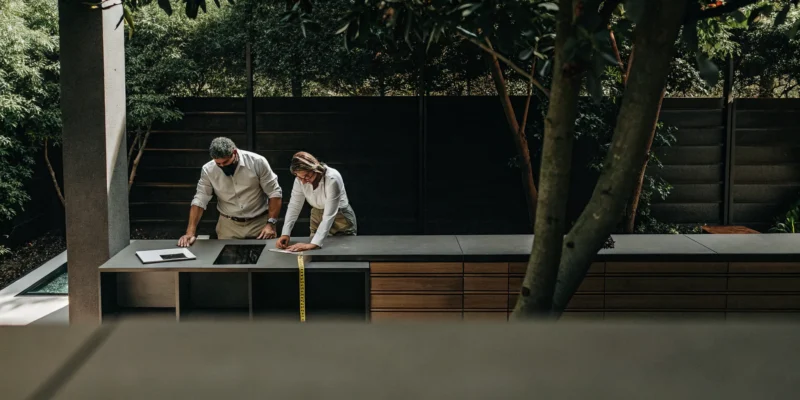
A custom outdoor kitchen is a symphony of different trades. You need a designer for the layout, a mason for the structure, a plumber for the sink, and an electrician for the refrigerator and lights. For a homeowner, trying to coordinate all these moving parts can quickly become a logistical nightmare. This is where a dedicated builder comes in. They act as the conductor, ensuring every element works in harmony. Hiring a professional custom outdoor kitchen construction company isn’t just about getting the work done; it’s about having a single, accountable expert manage the entire project. This guide will help you understand what to look for in a contractor, ensuring you find a team that can deliver a seamless experience from the first sketch to the final cleanup.
Key Takeaways
- Your builder is your project manager: A professional outdoor kitchen builder acts as your single point of contact, managing the entire project from design and material selection to permits and installation, which saves you from coordinating it all yourself.
- Choose your partner with confidence: To find the right fit, look beyond the sales pitch. Review a company’s portfolio for specific outdoor kitchen experience, confirm they are licensed and insured, and always call past clients for honest feedback on their work.
- Invest in materials that last: An outdoor kitchen is constantly exposed to the elements, so material choice is critical. Opt for durable, weather-resistant options like natural stone, porcelain, and stainless steel to protect your investment and minimize future maintenance.
What Does an Outdoor Kitchen Builder Do?
An outdoor kitchen builder does much more than just place a grill on your patio. Think of them as the master conductor for your entire backyard project. They are the single point of contact who manages every detail, from the initial sketch to the final cleanup. A great builder combines the skills of a designer, a project manager, a materials expert, and a construction foreman. They ensure your new outdoor living space is not only beautiful but also functional, safe, and built to last.
Hiring a professional team means you have an expert guiding you through every decision. They help you avoid common pitfalls, like poor layouts or materials that can’t withstand the elements. Their job is to handle the complex logistics, including coordinating different tradespeople like plumbers, electricians, and masons. With a dedicated home remodeling expert at the helm, you can focus on the fun parts, like planning your first cookout, instead of worrying about permits and construction schedules. They transform your vision into a tangible, high-quality addition to your home.
Designing Your Space
A great outdoor kitchen starts with a smart design. Your builder’s first role is to help you create a layout that fits your lifestyle and cooking habits. They’ll discuss how you plan to use the space, considering everything from food prep areas and appliance placement to seating and traffic flow. A functional design ensures you aren’t running back and forth to your indoor kitchen for supplies. By creating a detailed blueprint, your builder helps you visualize the final product and makes sure every inch is used effectively, creating a space that is a true extension of your home’s landscape design.
Sourcing Quality Materials
Choosing the right materials is critical for an outdoor kitchen that can handle Long Island’s weather. An experienced builder knows which materials will stand up to sun, rain, and snow. They will guide you through selecting durable options for every surface. This includes weather-resistant cabinetry that won’t warp, non-porous countertops that resist stains, and structural elements built from high-quality stone or brick. Your builder uses their industry connections to source the best porcelain and natural stone and other materials, ensuring your investment looks great for years to come.
Managing Construction and Installation
Once the design is finalized and materials are chosen, your builder takes on the role of project manager. They oversee the entire construction process, from preparing the site and pouring the foundation to the final installation. This involves scheduling and managing the entire crew, ensuring that the masonry work is solid and the appliances are installed correctly. They are on-site to solve any problems that arise and make sure the project stays on track and adheres to the blueprint. This hands-on management is what ensures a smooth process and a high-quality result.
Connecting Appliances and Utilities
One of the most technical parts of building an outdoor kitchen is connecting the utilities. Your builder is responsible for safely and correctly running gas lines for the grill, plumbing for the sink, and electrical wiring for refrigerators, lighting, and outlets. This work requires licensed professionals to ensure everything is up to code and functions properly. A professional builder manages the coordination of these specialized trades, making sure all connections are seamless and safe. This expertise is crucial for creating a fully functional outdoor kitchen where everything works at the flip of a switch or the turn of a knob.
How to Choose the Right Outdoor Kitchen Company
Choosing a company to build your outdoor kitchen is a big decision. You’re not just hiring someone to lay bricks; you’re trusting a team to create a central part of your home’s outdoor life for years to come. An outdoor kitchen is a complex project that involves much more than just setting up a grill. It requires careful planning for plumbing, gas lines, and electrical wiring, all while using materials that can withstand Long Island’s weather. The right partner will understand your vision, respect your budget, and have the specialized expertise to handle every detail, from the foundation to the final faucet. They act as your guide, helping you select the right appliances and finishes that match your lifestyle. Taking the time to properly vet potential builders is the most important step you can take to ensure your project is a success. Think of it as building a relationship as much as building a kitchen. Here’s what to focus on to find the best fit for your home.
Review Their Portfolio and Past Projects
Before you even pick up the phone, spend some time with a company’s portfolio. This is your first real look into their experience and style. You want to see a builder with a deep and specific history in creating outdoor kitchens. Look for a company that has completed at least 25 outdoor kitchens and has several years of dedicated experience. As you browse their past work, pay attention to the details. Do they showcase a variety of styles? Is the masonry work clean and precise? Do the appliances fit seamlessly into the design? A strong portfolio demonstrates not just what they can do, but also the quality and care they put into every project.
Verify Licensing and Insurance
This step is simple, but it’s one you absolutely cannot skip. Any professional and reputable outdoor kitchen builder must be fully licensed and insured in New York. Don’t be afraid to ask for proof. A license shows they meet state and local requirements to perform the work, while insurance protects you, your home, and the construction crew from any potential accidents or damage during the project. A contractor who hesitates to provide these documents is a major red flag. This is a basic requirement that ensures you are working with a legitimate business that takes its responsibility to its clients seriously.
Read Customer Reviews and Ask for References
Online reviews are a great starting point for getting a feel for a company’s reputation. See what past clients are saying on Google and other platforms. But don’t stop there. The best way to understand the client experience is to speak directly with previous customers. Ask a potential builder for a list of references you can call. When you speak with them, ask specific questions: Was the project completed on time and within budget? How did the team communicate throughout the process? How did they handle any unexpected issues that came up? Hearing firsthand accounts from other homeowners will give you invaluable insight into what it’s really like to work with their team.
Assess Their Communication Style
From the very first conversation, pay close attention to how a company communicates. Are they responsive, clear, and willing to listen to your ideas? A great builder makes you feel like a partner in the process. They should provide a detailed, written estimate that clearly breaks down the costs for labor, materials, and any potential contingencies. They should also be able to give you a realistic project schedule and explain each phase of construction. Clear and consistent communication is the key to a smooth, stress-free project. It ensures everyone is on the same page and helps prevent misunderstandings or budget surprises down the road.
Choosing the Best Materials and Appliances
An outdoor kitchen is an investment in your home and lifestyle, so selecting materials that can handle Long Island’s changing seasons is crucial. The right choices will not only look beautiful but will also stand up to sun, rain, and snow for years to come. From the countertops to the cabinets and the grill itself, every component needs to be rated for outdoor use. This ensures your kitchen remains a functional and inviting space for countless family barbecues and get-togethers.
Working with an experienced builder simplifies this process. They can guide you toward materials that fit your aesthetic and budget while offering the durability you need. For example, while some woods look great initially, they might require significant upkeep to prevent rot and warping. On the other hand, materials like stainless steel and natural stone offer incredible longevity with minimal maintenance. We help you weigh these options, explaining the pros and cons of each so you can make an informed decision. The goal is to create a kitchen that not only serves as the heart of your backyard but also endures as a lasting feature of your home.
Durable Countertops
Your countertops are the primary work surface in your outdoor kitchen, so they need to be tough. They’ll face everything from hot pans and sharp knives to spilled marinades and direct sunlight. Natural stone is an excellent choice because of its resilience. Granite and quartzite are popular options that resist heat, scratches, and stains. We also specialize in high-quality porcelain and natural stone that can be used for stunning, non-porous countertops. These materials won’t fade under UV rays and are easy to clean, keeping your kitchen looking pristine season after season.
Weather-Resistant Cabinetry
Outdoor kitchen cabinetry needs to do more than just store your tools and supplies; it has to protect them from the elements. That’s why material selection is so important. Stainless steel cabinets are a go-to for a sleek, modern look and are incredibly durable, resisting rust and corrosion. For a warmer aesthetic, you might consider marine-grade polymer cabinets, which won’t warp, fade, or crack. Choosing weather-resistant materials from the start means you can avoid the hassle and expense of replacing warped doors or rusted hardware down the line, ensuring your kitchen is usable for years to come.
Essential Grills, Sinks, and Features
The grill is the centerpiece of any outdoor kitchen, so it’s worth investing in a high-quality, built-in model. Look for stainless steel construction for maximum durability. Beyond the grill, a sink with running water is a game-changer, making food prep and cleanup so much easier. Other popular additions include outdoor refrigerators for keeping drinks cold, side burners for cooking sauces, and even pizza ovens for fun family nights. You can find a wide selection of top-tier appliances at the Gappsi Store to complete your setup and create a truly functional outdoor cooking space.
Structural Materials like Stone and Brick
The foundation of your outdoor kitchen sets the tone for its entire look and feel. The structural materials you choose, like stone, brick, or concrete, provide the base for your countertops and appliances. These materials are incredibly durable and well-suited for outdoor environments. Our expertise in masonry allows us to build a solid and beautiful structure that complements your home’s architecture. Whether you prefer the rustic charm of stacked stone or the classic appeal of brick, the right structural materials will ensure your outdoor kitchen is built to last.
The Construction Process: A Step-by-Step Guide
Once you’ve chosen a builder, the real fun begins. Understanding the construction process helps you know what to expect and ensures a smooth journey from concept to completion. A professional team will guide you through each phase, but having a roadmap makes you a more confident and prepared homeowner. Every project is unique, but they all follow a similar path involving initial planning, detailed design, necessary approvals, and the final build. Let’s walk through the typical steps of bringing your custom outdoor kitchen to life.
Initial Consultation and Site Visit
The first step is an initial consultation and a visit to your property. This is where you’ll share your vision, ideas, and budget with the project manager. They will assess your backyard space, take measurements, and discuss potential layouts and features. It’s a good idea to come prepared with inspiration photos and a list of must-have appliances. Before this meeting, a simple online search can give you insight into a contractor’s work and what’s possible. This initial conversation is all about making sure your goals align with the builder’s expertise and capabilities. It sets the foundation for a successful partnership and a beautiful final product.
Design Development and Final Selections
After the initial meeting, your builder will start creating a detailed design plan. This often includes 3D renderings that help you visualize the finished space. During this phase, you’ll make key decisions on materials, finishes, and appliances. A reputable outdoor kitchen builder should be able to show you examples of completed projects and provide a wide selection of materials. You’ll choose everything from the stone for your countertops to the type of grill you want. This is your chance to finalize every detail, ensuring the design perfectly matches your aesthetic and functional needs before any construction begins.
Permits and Local Approvals
Building an outdoor kitchen often requires permits from your local municipality. A professional contractor will handle the entire permitting process for you, from submitting the plans to scheduling inspections. They understand local building codes and regulations, ensuring your project is compliant and safe. This includes technical aspects you might not think about, like making sure there is proper grading around the outdoor kitchen to direct water away from the structure. Handling permits correctly from the start prevents costly delays and legal issues down the road, giving you peace of mind that your investment is built to last.
Construction, Installation, and Final Walk-Through
With the design approved and permits in hand, construction can begin. The crew will prepare the site, lay the foundation, and start building the structure. They will install the cabinetry, countertops, and all your chosen appliances, connecting the necessary gas, water, and electrical lines. Throughout this process, clear communication about the schedule and progress is key. Once the work is complete, you’ll do a final walk-through with the project manager. This is your opportunity to inspect every detail, ask any remaining questions, and officially sign off on your brand-new outdoor kitchen.
Key Questions to Ask a Potential Contractor
Once you have a shortlist of potential builders, it’s time to start the interview process. Asking the right questions upfront helps you find a partner who can bring your vision to life smoothly and professionally. Think of this as a two-way conversation to ensure they’re the right fit for you and your home.
Their Experience with Outdoor Kitchens
You wouldn’t hire a plumber to do your electrical work, right? The same logic applies here. Ask contractors specifically about their experience building outdoor kitchens. A seasoned pro should have a solid portfolio of completed projects and several years of focused experience. This background is important because outdoor construction involves unique challenges, like weatherproofing and proper ventilation. An experienced team will know how to handle these details, ensuring your kitchen is not only beautiful but also safe and durable. Their custom masonry work should give you a clear idea of their craftsmanship and attention to detail.
Material Sourcing and Warranties
A great outdoor kitchen is a blend of high-performance appliances and durable materials. Ask a potential contractor where they source their products. They should offer a wide selection of brands and materials, not lock you into a single option. This flexibility allows you to choose finishes and features that fit your style and budget. Gappsi, for example, offers a vast selection of porcelain and natural stone for this very reason. Also, be sure to ask about warranties. You’ll want to know what’s covered for both the materials used and the labor performed, giving you peace of mind long after the project is complete.
Project Timelines and Payment Schedules
Clear communication about timing and money is non-negotiable. Ask for a detailed written estimate that breaks down all the costs, including materials, labor, permits, and any other potential fees. This transparency helps prevent surprise expenses down the road. You should also get a clear project timeline that outlines each phase of construction, from groundbreaking to the final walk-through. A professional contractor will be able to provide a realistic schedule and explain the payment structure, so you know exactly what to expect and when.
Their Crew and On-Site Management
Knowing who will be working at your home every day can make the construction process much more comfortable. Ask the contractor about their team. Will you have a dedicated project manager? Will it be the same crew on-site from start to finish, or will different subcontractors be coming and going? Understanding the on-site plan helps set expectations for daily activity in your backyard. A consistent, professional team is often a sign of a well-managed company that values quality control and clear communication with its clients.
Common Mistakes to Avoid When Hiring a Builder
Choosing the right builder is the most critical step in bringing your dream outdoor kitchen to life. While it’s exciting to jump into design and material selection, rushing the hiring process can lead to frustration, delays, and unexpected costs. By being aware of a few common pitfalls, you can ensure a smooth and successful project from start to finish. Taking the time to vet your options thoroughly will pay off in the long run, giving you a beautiful, functional space you’ll enjoy for years.
Skipping Your Homework on Past Work
Before you pick up the phone, start with some online research. A builder’s digital footprint can tell you a lot about their work and reputation. Look for a detailed portfolio with high-quality photos of completed projects, especially outdoor kitchens. Do their past projects reflect the quality and style you envision for your own home? A reputable company will be proud to showcase their masonry skills and previous builds. Don’t just glance at the photos; examine the details, like the stonework, appliance integration, and overall finish. This initial step helps you create a shortlist of builders who have proven experience in creating the kind of space you want.
Accepting a Vague Contract or Estimate
A handshake and a simple quote on a piece of paper are not enough to protect your investment. A professional builder will provide a detailed, written contract that clearly outlines every aspect of the project. This document should specify the full scope of work, a breakdown of labor and material costs, the brands and models of appliances, a payment schedule, and an estimated timeline. A comprehensive written estimate should cover all the bases, including contingencies for unexpected issues. Vague agreements leave room for misunderstandings and surprise costs later on, so make sure everything you’ve discussed is put in writing before any work begins.
Ignoring Poor Communication
Pay close attention to how a potential builder communicates with you from the very first interaction. Are they responsive to your calls and emails? Do they listen to your ideas and answer your questions clearly and patiently? If a contractor is difficult to get in touch with or dismissive of your concerns before you’ve even hired them, those communication issues will likely only get worse once the project is underway. A great construction partner will keep you informed about progress, schedule changes, and expenses. You’re building a relationship as much as you are building a kitchen, so choose a team you can trust to be transparent and accessible.
Forgetting to Check for a License and Insurance
This is a non-negotiable step that protects you, your home, and the workers on your property. Always verify that your outdoor kitchen builder is licensed to work in your area and carries adequate insurance. Ask for proof of both general liability insurance, which covers property damage, and worker’s compensation, which covers injuries to their crew. A professional company that handles complex projects like swimming pool installations and outdoor living spaces will readily provide these documents. Hiring an unlicensed or uninsured contractor might seem cheaper upfront, but it puts you at significant financial and legal risk if something goes wrong.
How to Budget for Your Outdoor Kitchen
Creating a budget is one of the most important first steps in planning your outdoor kitchen. It’s a significant investment in your home, and having a clear financial plan helps you make decisions confidently and ensures the final result matches your vision without any surprises. A well-thought-out budget acts as a roadmap for your entire project, from choosing materials to selecting the perfect appliances. It allows you to prioritize what matters most to you, whether that’s a top-of-the-line grill or expansive countertop space for entertaining. By understanding the costs involved, you can work with your builder to create a beautiful and functional space that fits your financial comfort zone.
What Influences the Final Price?
The cost of an outdoor kitchen can range from around $10,000 for a simple setup to over $50,000 for a fully equipped culinary space. This wide range depends entirely on the size, features, and materials you choose. A small, straightforward grill island will cost less than a large, L-shaped kitchen with a bar, sink, and refrigerator. The complexity of running utility lines for gas, water, and electricity also plays a big role. Adding custom features like a pizza oven, extensive lighting, or a beautiful pergola for shade will also influence the final price. Defining your must-haves early on will help you and your contractor establish a realistic budget.
Breaking Down Material and Appliance Costs
Investing in durable, weather-resistant materials is essential for an outdoor kitchen that lasts for years. For the structure, options like natural stone or brick from a skilled masonry designer offer timeless beauty and strength. Countertops made from granite or porcelain are popular because they stand up to the elements without staining or fading. For cabinetry, stainless steel is a classic choice that resists rust and corrosion. Appliances are another major part of your budget. While a high-end grill might be your centerpiece, you can also add refrigerators, sinks, and side burners. Choosing quality materials and appliances from the start will save you money on future repairs and replacements.
Understanding Payment Schedules
Clear communication about finances is key to a successful project. Before any work begins, your contractor should provide a comprehensive written estimate that details the costs for labor, materials, and any potential contingencies. This document ensures everyone is on the same page. Most builders use a payment schedule tied to project milestones. You’ll typically pay an initial deposit to secure your spot and cover initial material orders, followed by periodic payments as construction progresses. The final payment is usually due after a final walk-through confirms you are completely satisfied with the work. Always make sure this schedule is clearly outlined in your contract.
The Lasting Value of a Custom Outdoor Kitchen
An outdoor kitchen is so much more than a place to grill burgers. It’s a true investment in your home and your lifestyle, transforming your backyard from a simple patch of grass into the heart of your home. Think of it as a permanent upgrade to how you entertain, relax, and connect with family and friends. A well-designed outdoor kitchen becomes a natural gathering spot, pulling people outside and creating a seamless flow between your indoor and outdoor living areas. It’s the kind of feature that doesn’t just add convenience; it creates an entirely new atmosphere for your property.
When you build a custom outdoor kitchen, you’re not just adding appliances. You’re creating a complete environment. This can be part of a larger vision for your backyard, integrating beautifully with other features like a custom swimming pool or a cozy patio. The right design, built with expert masonry and high-quality materials, ensures your kitchen is both beautiful and durable enough to withstand the Long Island weather. It’s a project that pays you back with countless memories and adds significant, lasting value to your home.
Expand Your Living and Entertainment Space
One of the biggest benefits of an outdoor kitchen is how it extends your home’s functional footprint. Suddenly, your backyard becomes a fully equipped room without walls, perfect for hosting everything from casual family dinners to larger celebrations. You’re no longer running back and forth between the grill outside and the kitchen inside. Instead, everything you need is right there, allowing you to cook, serve, and socialize without missing a moment of the conversation. This creates a more relaxed and enjoyable experience for you and your guests, turning your patio into the ultimate destination for outdoor entertaining.
Increase Your Home’s Value
Beyond the immediate lifestyle benefits, a custom outdoor kitchen is a smart financial decision. A professionally designed and installed outdoor kitchen is a highly sought-after feature for homebuyers, and it can significantly increase your property’s resale value. In many areas, you can see a substantial return on your investment. This is especially true when you use durable, high-end materials that stand the test of time. Choosing quality finishes like porcelain and natural stone for countertops and patios not only looks incredible but also assures potential buyers that they are getting a premium, lasting addition to the home.
Get More Use Out of Your Backyard
How often do you really use your backyard to its full potential? For many homeowners, the answer is not often enough. An outdoor kitchen changes that by giving you a compelling reason to spend more time outside. It makes hosting parties and family gatherings easier and more appealing, encouraging you to take full advantage of your property. Your backyard can transform from an occasional weekend spot into a vibrant, central part of your daily life. When paired with a shaded pavilion or pergola, your outdoor kitchen becomes a comfortable and functional space you can enjoy for months on end.
Related Articles
- Your Guide to Outdoor Kitchen Designers on Long Island
- Outdoor Kitchen Contractor Long Island: A Hiring Guide
- Outdoor Living & Pool Design Ideas in Long Island | Gappsi Inc
Frequently Asked Questions
How long does it take to build an outdoor kitchen? The timeline for building an outdoor kitchen can vary quite a bit depending on the project’s complexity, the permit approval process, and even the weather. A simple grill island might be completed in a few weeks, while a more elaborate kitchen with extensive masonry and utility lines could take a couple of months. A professional builder will provide you with a detailed and realistic schedule upfront so you know exactly what to expect.
Can an outdoor kitchen be built on my existing patio? In many cases, yes, but it’s not a simple yes or no answer. A professional builder will need to inspect your current patio to make sure its foundation is strong enough to support the weight of the new structure and appliances. They will also assess how to best run the necessary gas, water, and electrical lines to the location. It’s a crucial first step to ensure the new kitchen is both safe and built to last.
What is the most important thing to consider when choosing materials? The single most important factor is durability against the elements. Unlike your indoor kitchen, every surface outside is exposed to sun, rain, and changing temperatures. You need to choose materials specifically rated for outdoor use, from non-porous countertops that won’t stain or fade to weather-resistant cabinetry that won’t warp or rust. This focus on durability ensures your investment looks great and functions properly for many years.
How much maintenance does an outdoor kitchen require? A well-built outdoor kitchen is designed to be low-maintenance, but it does require some simple care to keep it in top shape. This usually involves routine cleaning of countertops and appliances, covering your grill and furniture during the off-season, and occasionally sealing natural stone surfaces to protect them. Think of it as the same light upkeep you’d do for any other valuable part of your home.
Why should I hire a specialized outdoor kitchen builder instead of a general contractor? While a general contractor has broad knowledge, an outdoor kitchen specialist brings a very specific set of skills to the table. They have deep experience with weather-resistant materials, understand the unique requirements for outdoor plumbing and electrical work, and know how to design a layout that works in an open-air environment. This expertise is key to avoiding common issues like poor drainage, material decay, or inefficient layouts.