


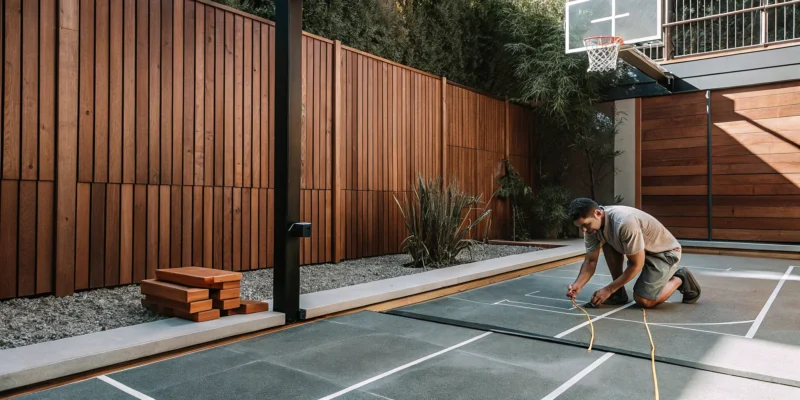
The journey to your dream backyard court begins long before the first patch of ground is cleared. It starts with a conversation. The quoting process is a collaborative effort between you and your potential builder to define your vision and map out a plan. From the initial site visit to finalizing materials and features, each step is designed to ensure the final product meets your exact expectations. Understanding what happens during this phase is crucial for a stress-free project. This article breaks down what you can expect when you get a quote for a backyard basketball court, helping you prepare for a productive partnership.
Key Takeaways
- Plan Your Court Before the Quote: Get a more accurate estimate by first measuring your yard, deciding on the court’s primary use, and listing your must-have features. A clear vision helps your contractor provide a precise and reliable proposal.
- Look Beyond the Lowest Price: The best contractor provides value, not just a low bid. Always verify their license and insurance, review their portfolio of completed projects, and speak with past clients to confirm their quality and professionalism.
- Know What’s in the Quote: A detailed quote prevents future surprises. Make sure it clearly outlines all costs, including site prep, drainage, materials, and labor, so you can accurately compare your options and avoid hidden fees.
What Affects the Cost of a Backyard Basketball Court?
Figuring out the budget for your dream basketball court involves looking at a few key factors. The final price tag isn’t just one number; it’s a combination of your design choices, the materials you select, and the unique conditions of your property. Understanding these elements will help you plan effectively and ensure there are no surprises along the way. Let’s walk through the main components that will shape your project’s cost, from the court’s footprint to the finishing touches that make it your own.
Size and Dimensions
The size of your court is the biggest piece of the pricing puzzle. A full-size court will naturally require more materials and labor than a half-court, which is reflected in the cost. For perspective, a half-court is a popular choice for many Long Island backyards and offers plenty of room for practice and games. When you’re planning, think about how you’ll use the space. Will it be for serious training or casual family fun? Your answer will help determine the perfect dimensions for your yard and your budget. We can help you design custom Sports Games Courts that fit your exact needs.
Surface Material and Installation
Your choice of surface material affects not only the cost but also how the ball bounces and how the court holds up over time. A solid concrete base is the standard foundation, providing a stable and durable platform for years of play. On top of that base, you can install high-performance modular tiles that offer better shock absorption and come in a variety of colors. The installation process involves careful preparation of the ground to ensure a perfectly level surface. This foundation is key to the performance and longevity of your court, so it’s an area where quality craftsmanship really matters.
Custom Features: Lighting, Fencing, and More
This is where you can truly personalize your court. Adding features like lighting, fencing, and even custom logos will increase the overall cost, but they also make the space much more functional and enjoyable. LED lighting lets you play well after the sun goes down, turning your court into a go-to spot for evening fun. A high-quality fence keeps the ball in play and adds a layer of safety. You can even add adjustable hoops or rebounder systems. Think about which features will give you the most value and help you create the ultimate backyard experience. We offer a variety of fences and netting options to complete your court.
Site Prep and Drainage
Before any surface is laid, your yard needs to be properly prepared. This is a critical step that you definitely don’t want to overlook. Site preparation involves clearing, leveling, and grading the area to create a stable base. It also includes planning for proper drainage to prevent water from pooling on the surface, which can cause damage over time. A slight slope or a perimeter drain system will channel water away, protecting your investment. Proper site work and masonry ensure your court remains safe and playable for years, avoiding costly repairs down the road.
How to Prepare for an Accurate Quote
Walking into a consultation with a clear vision is the best way to get a quote that truly reflects your dream project. When you’ve thought through the details beforehand, you help your contractor understand exactly what you want, which leads to a more precise and reliable estimate. Doing a little homework upfront saves time, prevents unexpected costs, and ensures the final proposal aligns perfectly with your expectations. Think of it as creating the blueprint for your project. The more detailed your plan, the smoother the entire process will be, from the initial conversation to the first day you can enjoy your new court.
Measure Your Available Space
Before you can plan your court, you need to know exactly how much room you have. Grab a tape measure and find the length and width of your potential court area. Remember to account for any obstacles like trees, sheds, or septic systems. It’s also important to consider the ground itself. A good contractor will need to know about the site’s grading to ensure proper drainage. A surface that holds water won’t last long, so your plan must include a way for rain to run off, whether through a natural slope or a perimeter drain system. Having these measurements and site details ready will give your builder a clear picture of the project’s foundation.
Decide on the Court’s Use and Size
How do you see your family using this new space? The answer will shape the design of your court. If you’re picturing casual games with the kids, a smaller, custom-sized court might be perfect. If you have a budding athlete who needs a regulation space for practice, you’ll need to plan for a larger area. A great layout considers how the court plays, not just where it fits. Thinking about its primary use, whether for basketball, pickleball, or multiple activities, helps determine the ideal dimensions and markings for your backyard sports games courts.
Choose Your Materials and Features
The surface you choose has a huge impact on performance, maintenance, and your budget. Traditional options like concrete and asphalt are durable, but modern interlocking tiles offer better shock absorption and vibrant color choices. At Gappsi, we can walk you through a variety of high-quality materials to find the one that fits your needs. Beyond the surface, think about the features that will complete your court. Do you need adjustable hoops, rebounders, or containment netting? What about lighting for evening games? Making a list of these desired features will help your contractor provide a comprehensive and accurate quote.
Check Local and HOA Regulations
Before you get too far in the design process, it’s smart to check in with your local municipality and homeowners’ association (HOA). Many towns on Long Island have specific rules about the size and placement of outdoor structures, and you may need a permit to begin construction. Your HOA might also have its own guidelines you’ll need to follow. Finding out about these requirements early on prevents delays and ensures your project is fully compliant. Knowing the rules allows your contractor to factor any necessary permits or design adjustments into the initial quote, avoiding surprises down the road.
Key Questions to Ask Your Contractor
Once you have a few potential contractors in mind, it’s time to dig a little deeper. Think of this as an interview process where you’re hiring a partner to bring your backyard vision to life. Asking the right questions upfront can save you from headaches, unexpected costs, and delays down the road. A reputable contractor will welcome your questions and provide clear, confident answers. This conversation is your best tool for gauging their professionalism, experience, and communication style.
Before you sign any contracts, make sure you have a solid understanding of how they operate. You’ll want to cover everything from their credentials and the specifics of their quote to the logistics of the project itself. Getting clarity on these key points ensures that you and your contractor are aligned from day one. It helps build a foundation of trust and sets clear expectations for the entire construction process, leading to a smoother project and a final result you’ll love for years to come.
Licensing and Insurance
Your first question should always be about credentials. Ask, “Are you licensed and insured to perform this work in my area?” This is non-negotiable. A valid license proves they meet local and state requirements, while proper insurance protects you from liability in case of accidents or property damage during the project. A professional contractor will have no problem providing you with copies of their license and insurance certificates. This simple step demonstrates that they operate a legitimate business and are committed to upholding industry standards, giving you essential peace of mind before the work even begins.
What’s Included in the Quote?
To avoid any surprises, it’s crucial to understand exactly what you’re paying for. Ask your contractor, “What is specifically included in this quote, and what is not?” A vague quote is a red flag. A detailed proposal should break down the costs for materials, labor, site preparation, and any custom features. It should also clarify who is responsible for things like debris removal or potential repairs to your landscaping. Getting a comprehensive breakdown for your Sports Games Courts ensures you can accurately compare offers and that there are no hidden fees waiting for you at the end of the project.
Permits and Project Timelines
Navigating the world of building permits can be confusing, so it’s important to know who is handling it. Ask, “Who is responsible for pulling the necessary permits?” In most cases, the contractor should manage this process, as they are familiar with local regulations. You should also inquire about their communication process and the estimated project timeline. Understanding how they will keep you updated, whether through calls, texts, or emails, and knowing the key milestones will help you feel informed and confident as the project moves forward. This clarity is a hallmark of a well-organized home remodeling professional.
Payment Schedules and Completion Dates
Before committing, you need to be comfortable with the financial arrangement. Ask, “What is your payment schedule?” A typical structure might involve a deposit to start, followed by payments at specific project milestones, and a final payment upon completion. Be wary of any contractor who demands a large upfront payment before any work has begun. You should also ask for an estimated completion date. While weather and other factors can cause delays, a professional contractor should be able to provide a realistic timeframe for finishing the job. This helps you manage your budget and expectations from start to finish.
How to Find and Vet the Right Contractor
Choosing the right contractor is the most important decision you’ll make for your backyard project. This is the team you’ll trust to turn your vision into a reality, so it’s worth taking the time to find a true partner. A great contractor not only has the technical skills but also communicates clearly, respects your property, and stands behind their work. The goal is to find a builder who is as invested in the final result as you are. This process involves a bit of research, asking smart questions, and trusting your gut. By vetting your options carefully, you can feel confident that your new sports games court will be built to last, providing your family with years of enjoyment.
Research Local Game Court Builders
Start by looking for local builders who specialize in creating sports games courts. A general contractor might be able to do the job, but a specialist understands the specific requirements for proper drainage, surface materials, and athletic performance. Check that any potential contractor is fully licensed and insured in New York. This is non-negotiable, as it protects you from liability and ensures they meet professional standards. Look for companies with a strong local presence and a history of successful projects in Long Island. A company that knows the local landscape, soil conditions, and permit processes will make the entire project run much more smoothly.
Ask for References and Review Their Portfolio
Once you have a shortlist, it’s time to look at their work. Ask each contractor for a portfolio of their completed projects and a list of recent references. A confident builder will be happy to share these with you. When you review their portfolio, look for projects similar in scope and style to what you envision. Pay attention to the details, like the crispness of the lines and the quality of the finishes. When you call their references, ask about the homeowner’s overall experience, how the team handled challenges, and if the project stayed on schedule and on budget. You can also check out their online presence, like the Gappsi YouTube channel, to see their work in action.
Compare Quotes and Warranties
Getting multiple quotes is standard practice, but it’s important to compare them carefully. The lowest price isn’t always the best value. Make sure each quote clearly outlines what is included, from site preparation and materials to labor and finishing touches. Ask about what isn’t included so there are no surprises later. You should also inquire about their payment schedule and what kind of warranty they offer on both materials and workmanship. A solid warranty is a sign that the contractor stands behind the quality of their work and is committed to your long-term satisfaction with your new court.
Learn About the Gappsi Game Court Process
A professional contractor should be able to walk you through their entire construction process from start to finish. Understanding the steps involved helps you know what to expect and allows you to ask informed questions along the way. At Gappsi, we believe in transparency. We’ll explain everything from initial site evaluation and design to excavation, base preparation, surface installation, and final striping. Knowing our process helps you feel confident and involved in your project. It also ensures that we are aligned on every detail before we even break ground, leading to a seamless installation and a court you’ll love.
What to Expect During the Quoting Process
Once you’ve done your homework and found a few potential contractors, the quoting process begins. This is more than just getting a number; it’s a series of conversations to ensure the contractor fully understands your vision and you understand their process. A professional builder will walk you through each step, making you feel confident and informed. This phase is all about clear communication and setting expectations, so you can move forward without any surprises. Think of it as co-creating the plan for your dream backyard court.
The First Consultation and Site Visit
The process usually starts with an on-site consultation. A representative will visit your home to see the proposed area, take measurements, and assess factors like slope, drainage, and accessibility. This is your time to share your vision and ask plenty of questions. During this initial meeting, it’s important to ask what exactly is included in the quote and what is not. Will it cover site excavation, the base material, the playing surface, and accessories? Also, be sure to discuss the payment schedule and who will be responsible for pulling any necessary permits for the project.
Finalizing Your Design and Materials
After the initial visit, you’ll work with the contractor to finalize the details. This is where you lock in the specific dimensions, choose your surface material, and select features like hoops, lighting, and fencing. A great contractor will provide samples and show you a portfolio of their work to help you visualize the final product. This is also the perfect time to confirm that the contractor is fully licensed and insured. Professional companies like Gappsi readily provide this information, as it protects you and demonstrates their commitment to quality and safety while building your custom sports games courts.
Reviewing Timelines and Permit Needs
Before you sign anything, you need a clear picture of the project timeline and any required approvals. Ask the contractor for an estimated start and completion date, keeping in mind that weather can sometimes cause delays. It’s also vital to clarify who handles the permit process. Some Long Island neighborhoods have specific rules or require HOA approval for outdoor structures. A seasoned local contractor will be familiar with these regulations and can manage the application process for you, ensuring everything is built to code. Getting these details in writing will help keep the project on track from start to finish.
Common Mistakes to Avoid When Getting Quotes
Getting quotes is an exciting step, but it’s also where some costly mistakes can happen. Being aware of common pitfalls will help you select the right partner and ensure your project runs smoothly from start to finish. A little preparation here goes a long way in protecting your investment and getting the backyard court you’ve always wanted.
Not Planning Your Layout Carefully
It’s easy to focus on the court itself, but the space around it is just as important for safety and playability. A poorly planned layout can make a beautiful court feel cramped and unusable. Think about buffer zones for out-of-bounds plays, the court’s orientation to the sun, and its proximity to trees or your home. A professional contractor will help you visualize how the court fits into your overall landscape, ensuring the final design feels integrated and spacious. Thoughtful Sports Games Courts are designed not just to fit, but to be played on for years to come.
Forgetting About Drainage and Site Prep
Water is the number one enemy of any outdoor construction project. Without a proper drainage plan, your court can become a puddle-filled mess, leading to surface damage and premature wear. Make sure your contractor addresses how they will manage water runoff, whether through proper grading, perimeter drains, or a slight slope in the design. Excellent site preparation is the foundation of a long-lasting court. This is where professional masonry and construction expertise becomes invaluable, ensuring the base is stable and secure before any surface material is laid.
Ignoring Long-Term Maintenance Costs
The initial quote doesn’t tell the whole story of your court’s total cost. Different surface materials require different levels of upkeep, from simple sweeping to more intensive deep cleaning or resurfacing down the line. Ask potential contractors about the expected maintenance for the materials you’re considering. Understanding these future costs helps you budget accurately and choose a surface that fits your lifestyle. Investing in quality materials and professional restoration and sealing services can also extend the life of your court and protect its appearance.
Choosing a Contractor Based Only on Price
While budget is always a factor, the lowest bid is rarely the best value. An unusually low quote can be a red flag for subpar materials, rushed work, or hidden costs that appear later. Choosing an inexperienced contractor can lead to expensive fixes for mistakes in the foundation, layout, or surfacing. Think of your backyard court as a long-term addition to your home. A reputable company with a strong portfolio and comprehensive home improvement experience provides peace of mind and a high-quality result that a rock-bottom price simply can’t guarantee.
How to Compare and Evaluate Quotes
Once you have a few quotes in hand, the real work begins. It’s tempting to just look at the final number, but a great contractor provides value that goes beyond the price tag. A detailed quote tells a story about the quality of materials, the thoroughness of the plan, and the company’s commitment to your project. Here’s how to read between the lines and choose the best partner for building your dream court.
Look for Hidden Costs
A low bid can be appealing, but it might not tell the whole story. To avoid surprises, ask every contractor, “What exactly is included in this quote, and what is not?” This simple question can reveal extra charges for things like excavation, debris removal, or specific finishes. Proper drainage is another critical area that can impact the final cost. Make sure the quote addresses how water will be managed, whether through natural grading or a drain system. A comprehensive quote for your Sports Games Courts should leave no room for doubt.
Read Customer Reviews the Right Way
Customer reviews are a great window into a company’s work ethic, but it’s important to look for patterns. Don’t just rely on testimonials featured on a contractor’s website. Search for their name on different platforms to see if the feedback is consistently positive. A reliable reputation is built over time with many happy clients. You can also get a feel for a company’s quality by looking at their completed projects. A contractor who proudly showcases their past work gives you a clear picture of the craftsmanship you can expect.
Explore Your Financing Options
Building a backyard court is a significant investment, so it’s important to understand the financial side before you sign anything. A key question to ask is, “What is your payment schedule?” This will help you plan your budget and know what payments are due at each stage of construction. Some contractors require a large upfront deposit, while others offer more flexible milestone payments. Discussing these details openly ensures there are no misunderstandings and that the payment plan aligns with your financial comfort level for your home improvement project.
Final Steps for a Successful Project
After you’ve reviewed the quotes and selected your contractor, you’re on the home stretch to breaking ground. This final phase is all about turning your detailed plans into a tangible reality. Taking the time to clarify the contract, understand the installation plan, and prepare your property will ensure the entire project runs smoothly. Think of this as the pre-game huddle. It’s where you and your contractor align on the final details, making sure everyone is on the same page before the work begins. Good communication and a little prep work on your end can make a huge difference, transforming a potentially stressful construction process into an exciting journey toward your dream backyard court. These steps help build a strong partnership with your builder and set the stage for a successful outcome you’ll enjoy for years.
Finalize Your Contract and Project Details
Before you sign anything, it’s essential to review your contract with a fine-tooth comb. A thorough contract protects both you and your builder by clearly defining expectations. Make sure you understand exactly what is included in the quote and, just as importantly, what is not. Don’t be shy about asking direct questions. You should clarify who is responsible for pulling permits, what the payment schedule looks like, and what warranties are provided for materials and labor. At Gappsi, we walk you through every line item for our Sports Games Courts projects, ensuring you have total clarity and confidence before we lay the first stone.
Plan for the Installation Process
Knowing what to expect during the installation will help you manage your daily routine and keep stress levels low. Ask your contractor for a projected timeline and find out who your main point of contact will be for any questions that arise. It’s helpful to understand who will be on-site each day and what the typical work hours are. A professional team will communicate their schedule, from the initial excavation to the final line painting, and will be respectful of your property. Planning for these temporary disruptions, like noise or equipment in your driveway, makes the entire process feel more manageable and keeps the project moving forward efficiently.
Get Your Property Ready for Construction
A little preparation on your part can help the construction process go much more smoothly. The most critical element to consider is drainage. A proper drainage plan is vital for preventing water from pooling on or under the court, which can cause cracks and surface damage over time. Your contractor should perform a thorough site evaluation to address this, but you can help by clearing the designated area of any personal items, toys, or patio furniture. It’s also a good idea to mark any sprinkler heads or underground lines you’re aware of to prevent accidental damage. Ensuring the crew has clear access to the site will save time and help them get to work right away.
Related Articles
Frequently Asked Questions
What’s the biggest factor that influences the final cost of a backyard court? While several things affect the price, the size of the court is usually the most significant factor. A larger court requires more materials, more site preparation, and more labor, which all contribute to a higher cost. After size, your choice of surface material and any custom features like professional lighting or containment fencing will have the next biggest impact on your budget.
How long does the whole process take, from the first phone call to the finished court? The timeline can vary quite a bit depending on the project’s complexity, the permit process in your town, and even the weather. Generally, you can expect the initial consultation, design, and quoting phase to take a couple of weeks. Once you sign a contract, securing permits can take several more weeks. The actual construction, from excavation to the final touches, typically takes one to three weeks. A good contractor will give you a clear, realistic timeline upfront.
My yard isn’t perfectly flat. Can I still get a court installed? Absolutely. In fact, most yards have some degree of slope. A key part of building durable Sports Games Courts is professional site preparation, which includes grading and leveling the area to create a perfectly stable base. Your contractor will assess your property’s specific conditions and build a plan to ensure proper drainage and a solid foundation, so an uneven yard is definitely not a dealbreaker.
What should I look for in a quote besides the final price? A quality quote is detailed and transparent. Look for a clear breakdown of costs for each part of the project, including site prep, materials, labor, and any special features. It should also specify what is not included to avoid surprises. Pay attention to the proposed payment schedule, the project timeline, and the warranty information for both materials and workmanship. A comprehensive quote shows that the contractor is thorough and professional.
Who is responsible for getting the building permits? An experienced, professional contractor should handle the entire permit process for you. They are familiar with local Long Island regulations and know what paperwork is needed to ensure your project is fully compliant with building codes. This is a critical service that takes the stress off of you and prevents potential delays or legal issues down the road. Make sure to confirm this is part of their service when you review the contract.