


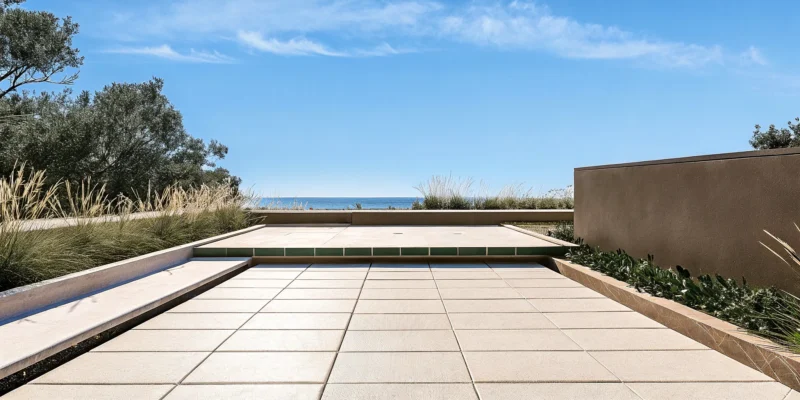
When you’re planning a home improvement project, adding usable square footage is always a top priority. A rooftop deck transforms empty space into a valuable asset for relaxing and entertaining. To get it right, you need a material that is both beautiful and practical. Porcelain pavers provide a sleek, high-end finish without the structural weight or maintenance headaches of traditional stone or concrete. This guide breaks down the entire process, from understanding the costs to the key technical details of a proper installation. We’ll give you the confidence to move forward and help you find the most qualified Roof top porcelain pavers suppliers and installers Long Island ny for the job.
Key Takeaways
- Opt for porcelain pavers for their winning combination of style and strength: They are lightweight enough for rooftop structures, tough enough for Long Island weather, and incredibly low-maintenance.
- Your installer is as important as your materials: Hire a licensed and insured professional with specific rooftop experience to ensure proper drainage and compliance with local codes.
- Plan your budget with the long game in mind: Porcelain’s upfront cost is a smart investment that pays off through years of durability and minimal upkeep, adding lasting value to your home.
Why Choose Porcelain Pavers for Your Rooftop?
If you’re thinking about transforming your unused rooftop into a stunning outdoor living area, porcelain pavers are an excellent choice. They offer a perfect blend of sophisticated style and practical performance, especially for a unique space like a roof. Unlike other materials, porcelain gives you a clean, modern look without the headaches of constant upkeep, letting you spend more time enjoying your new retreat.
The Benefits of a Porcelain Rooftop Oasis
So, what exactly are porcelain pavers? Think of them as a super-powered ceramic tile. They’re crafted from a refined mix of clay and minerals, then fired at extremely high temperatures. This process creates a paver that is incredibly dense, hard, and non-porous. For you, this means you get a surface that resists stains, mold, and mildew, making it a fantastic low-maintenance option for your rooftop oasis. With a wide variety of colors and styles, you can find the perfect porcelain and natural stone to match your home’s aesthetic and create a truly personalized space.
Lightweight Design for Structural Peace of Mind
One of the biggest concerns with any rooftop project is weight. Your building’s structure can only handle so much, which is why material choice is critical. Porcelain pavers are significantly lighter than traditional options like concrete or natural stone. This lightweight design reduces the structural load on your roof, giving you peace of mind that your new deck is both beautiful and safe. Their lighter weight also simplifies the installation process, as the materials are easier to transport and handle, which can be a major advantage for a project several stories up.
All-Weather Durability and Non-Slip Safety
A rooftop is exposed to everything Long Island weather can throw at it, from blazing summer sun to freezing winter ice. Porcelain pavers are built to withstand it all. They are exceptionally durable, resisting scratches from patio furniture and wear from foot traffic. The color won’t fade under harsh UV rays, and because they absorb very little water, they won’t crack during freeze-thaw cycles. Many porcelain pavers also feature a non-slip texture, which is a crucial safety feature for any outdoor area exposed to rain. This makes your rooftop a safer place for family and friends to gather, no matter the weather.
Finding the Best Porcelain Paver Suppliers in Long Island
Once you’ve decided on porcelain pavers, the next step is finding the right partner to bring your vision to life. Choosing a supplier is about more than just picking out tiles; it’s about finding an expert who understands the unique demands of a rooftop project on Long Island. Here’s what to focus on to make sure you find the best fit.
Why Gappsi is Your Go-To Source for Premium Pavers
When sourcing materials, you want a team that sees the big picture. With over 30 years of experience, Gappsi doesn’t just sell pavers; we design entire outdoor living spaces. This means we know how your rooftop terrace should connect with your home’s aesthetic. Our deep knowledge of Long Island’s climate helps us select the perfect porcelain and natural stone products that withstand our specific weather patterns, from summer sun to winter ice. We ensure your rooftop oasis is beautiful and built to last. You can even see our curated selection firsthand at the Gappsi Store.
What to Look for in a Local Supplier
Your supplier should have proven local expertise. Long Island’s weather, with its freeze-thaw cycles, can be tough on outdoor installations. A knowledgeable supplier understands this and will recommend pavers and installation methods designed for durability. They can explain how their masonry techniques create a stable foundation that prevents shifting and cracking. Always prioritize suppliers who are transparent about where they source their materials. High-quality pavers are an investment, and a reputable company will be proud to show you why their products are worth it, ensuring your rooftop space remains a stunning retreat for years.
Key Questions to Ask Before You Buy
Before you commit, have a few key questions ready. Think of it as a mini-interview to ensure you’re working with a professional. Start by asking if they are fully licensed and insured; this is non-negotiable and protects you from liability. Next, inquire about warranties for both the pavers and the installation workmanship. A confident installer will stand behind their work. Finally, ask for a detailed, written estimate to understand all costs and prevent surprises. A trustworthy home improvement company will happily provide clear answers to all these questions, giving you peace of mind.
How to Choose the Right Paver Installer
Selecting the perfect porcelain pavers is only half the battle. The quality of your installation is just as important as the pavers themselves, because a great installer ensures your rooftop oasis is beautiful, safe, and built to last. Choosing your installer carefully is one of the most critical decisions you’ll make. You need a team that not only understands paver installation but also gets the specific challenges of working on a rooftop, especially with Long Island’s unique climate. A proper installation from an experienced team of masonry professionals will prevent issues like shifting, poor drainage, and water damage down the road.
Vet Their Experience with Rooftop Projects
A rooftop paver project isn’t the same as a ground-level patio. It requires specialized knowledge of structural loads, waterproofing, and pedestal systems that elevate the pavers to create a level surface. When you interview potential installers, ask specifically about their experience with rooftop projects. An installer familiar with Long Island’s weather, including its freeze-thaw cycles, will know how to build a system that can withstand the elements without failing. Don’t be shy about asking to see a portfolio of their completed rooftop work. This will give you a clear idea of their capabilities and whether their style aligns with your vision.
Check for Proper Licensing, Insurance, and Reviews
This step is non-negotiable for your protection and peace of mind. Before hiring anyone, confirm they have the proper licensing and insurance. A valid license shows they meet local and state requirements, while adequate insurance protects you from liability in case of accidents on your property. Next, do a little homework by reading online reviews. See what other homeowners in the Long Island area have to say about their experience. A contractor’s reputation is built on their past work, and reviews can offer honest insight into their professionalism, communication, and the quality of the final product.
Ask About Their Installation Process and Foundation Prep
A strong, well-prepared base is the key to a long-lasting paver installation. For a rooftop, this means ensuring the underlying surface is properly waterproofed and that the pedestal system is installed correctly to provide a stable and level foundation. A professional installer should be able to walk you through their entire process, from protecting the roof membrane to ensuring proper drainage. Ask them what kind of pedestal system they use and how they account for water runoff. The right porcelain and natural stone installation is an investment, and understanding the process will help you feel confident you’ve chosen the right team for the job.
Budgeting for Your Rooftop Paver Project
Creating a budget is one of the most practical first steps you can take when planning your rooftop oasis. Understanding the costs upfront helps you make confident decisions and ensures your project goes smoothly from start to finish. The total price tag for a rooftop paver installation is a combination of three main things: the pavers themselves, the professional labor to install them, and any site-specific preparations needed to get your roof ready. By breaking down these costs, you can get a clear picture of the total investment and plan accordingly for a beautiful, long-lasting space.
Understanding Material Costs
When you start shopping, you’ll find that high-quality porcelain pavers typically range from $7 to $9 per square foot. This price reflects the incredible value they offer. You’re not just paying for a tile; you’re investing in a material that is dense, highly durable, and resistant to stains, frost, and fading. The cost also covers the sophisticated designs and finishes available, allowing you to achieve a high-end look. At Gappsi, we offer a wide selection of premium porcelain and natural stone to fit any aesthetic, ensuring you find the perfect match for your home.
Factoring in Labor and Additional Expenses
Professional installation is key to a successful rooftop project, and labor costs generally fall between $5 to $10 per square foot. This range depends on the complexity of your project. A simple, straightforward layout will be on the lower end, while a more intricate design with many cuts or difficult roof access may cost more. Beyond the installation itself, remember to account for other potential expenses. This could include specialized pedestal systems for leveling, waterproofing membranes, or specific drainage solutions. Our expert masonry teams can assess your space and outline any additional requirements.
Estimating Your Total Investment
When you combine materials and labor, you can estimate a total investment of roughly $12 to $19 per square foot. While the initial cost for porcelain might be higher than for basic concrete pavers, it’s a smarter long-term investment. Porcelain’s incredible toughness means you won’t be spending money on frequent repairs or replacements down the line. Its low-maintenance surface also saves you time and money on upkeep. Think of it as a one-time investment for decades of enjoyment, adding both functional living space and significant value to your Long Island home.
Key Technicals for a Rooftop Installation
Turning your rooftop into a beautiful, functional space is an exciting project, but it comes with a unique set of technical requirements that set it apart from any ground-level patio. A rooftop installation needs careful, professional planning to ensure it’s safe, durable, and compliant with local regulations. Getting these details right from the start is the key to a successful project that you can enjoy for years without any worries. This isn’t a weekend DIY job; it’s a serious structural addition to your home that involves complex factors like weight distribution, water management, and weather resistance.
It’s about working with your home’s existing structure, not against it. This isn’t just about following rules; it’s about ensuring your new oasis is a secure and lasting asset, a place where you can relax and entertain without a second thought about what’s happening underneath. Before any design work begins, you and your contractor need to have a clear plan for the structural, drainage, and legal aspects of the build. Let’s walk through the three most important technical considerations you’ll need to address to make sure your rooftop retreat is built to last.
Checking Structural Load Limits
Before you fall in love with a specific paver, the first step is to confirm what your roof can actually handle. Every building has a structural load limit, which is the maximum weight it can safely support. This is a non-negotiable safety check that requires a professional assessment, often by a structural engineer. The great news is that porcelain pavers are an excellent choice for rooftops precisely because they are significantly lighter than concrete or natural stone. This lightweight design often makes them a viable option without requiring extensive structural reinforcement, giving you peace of mind while you create your sky-high retreat.
Planning for Proper Drainage and Waterproofing
Proper water management is absolutely critical for any rooftop project. You need a solid plan for where rain and melting snow will go to prevent pooling, leaks, and long-term damage to your roof’s membrane. An experienced installer will use a pedestal system, which raises the pavers off the roof surface. This method creates a space for water to flow freely to existing drains and allows for air circulation. It also provides easy access for future maintenance or repairs to the roof underneath. This smart installation technique is essential for protecting the integrity of your home and ensuring the longevity of your new outdoor space.
Understanding Local Building Codes and Permits
Every construction project needs to follow local rules, and rooftop installations are no exception. Here on Long Island, our building codes account for specific weather conditions, like our freeze-thaw cycles, which can impact how a foundation needs to be prepared. Working with a contractor who has deep experience in Nassau and Suffolk counties is vital. A local expert will understand the permit process, ensuring your project is fully compliant from day one. This is a critical part of any major home remodeling project, protecting your investment and your home not just from fines, but from the safety risks of improper construction in our unique climate.
Common Rooftop Paver Mistakes to Avoid
A rooftop paver project is an exciting way to transform unused space into a beautiful outdoor retreat. But even the best materials can lead to disappointment if the installation isn’t handled correctly. A few common missteps can turn your dream deck into a costly problem. Knowing what to watch for is the first step toward creating a stunning and durable rooftop oasis that you can enjoy for years to come.
By avoiding these pitfalls, you can ensure your investment is protected and your new space is built to last. From choosing the right team to getting the foundation just right, every detail matters. Let’s walk through the most frequent mistakes homeowners make so you can sidestep them with confidence.
Hiring an Inexperienced Installer
Choosing an installer is one of the most critical decisions you’ll make. It’s tempting to go with the lowest bid, but a lack of experience can lead to major issues down the road. Long Island has unique weather patterns, including freeze-thaw cycles that can wreak havoc on improperly installed surfaces. An installer who understands these local conditions will know how to build a foundation that can withstand the elements. A true professional will have a portfolio of successful rooftop and masonry projects and can explain exactly how they’ll protect your investment from our specific climate challenges.
Skipping Proper Base Preparation
The long-term success of your rooftop deck depends entirely on what’s underneath it. A strong, well-prepared base is the most important part of a lasting installation. For rooftops, this often involves using a pedestal system, which raises the pavers off the roof surface. This method creates a perfectly level deck while allowing for easy drainage and access to the roof membrane for any future repairs. While some paver projects can be laid on sand or grass, a rooftop installation requires specialized preparation to ensure stability and protect the structure of your home. Proper base prep is a non-negotiable step for a safe and beautiful finish.
Forgetting About Drainage and Future Upkeep
Water management is crucial on any rooftop. If water can’t drain properly, it can lead to pooling, leaks, and damage to your home. Using a pedestal system is a smart way to manage this, as it allows water to flow freely underneath the pavers and away from the surface. This setup also makes future upkeep much simpler. If you ever need to access the roof for repairs, you can easily lift a few pavers instead of tearing up the entire deck. Thankfully, porcelain pavers themselves are incredibly low-maintenance. They don’t absorb much water, which makes them naturally resistant to stains and mold.
Debunking Myths About Rooftop Porcelain Pavers
When you’re considering a material for your rooftop patio, you want to be sure you’re making the right choice. Porcelain pavers are a fantastic option, but a few common myths might give you pause. Let’s clear the air and look at the facts so you can feel confident in your decision. Many of these misconceptions come from a lack of familiarity with how modern porcelain pavers are designed and installed, especially for unique spaces like rooftops where every detail matters. It’s easy to hear a rumor about weight or installation and second-guess your plans, but the technology and materials have come a long way.
The truth is, porcelain offers a combination of beauty, durability, and practicality that’s hard to beat for creating a rooftop oasis. From concerns about weight stressing your home’s structure to worries about complicated upkeep, we’ll break down the most persistent myths one by one. These pavers are engineered to perform beautifully in challenging environments, providing a safe, stylish, and functional surface. Understanding the reality behind these pavers will show you why they are a leading choice for creating stunning and long-lasting outdoor living areas on Long Island rooftops. Let’s separate fact from fiction so you can move forward with your project.
Myth: They’re Too Heavy for a Roof
One of the biggest worries homeowners have is whether their roof can handle the weight of pavers. It’s a valid concern, but the idea that porcelain is too heavy is simply not true. In fact, porcelain pavers are significantly lighter than traditional materials like concrete slabs or many types of natural stone. This lower weight makes them an excellent material for rooftop applications where structural load is a primary consideration. Their lightweight nature not only puts less stress on your home’s structure but also makes them easier to transport and install, which is a huge plus for an elevated project.
Myth: Installation is Overly Complex and Costly
You might think that installing pavers on a roof is a complicated and expensive job, but that’s another misconception. Thanks to modern installation techniques, like adjustable pedestal systems, laying porcelain pavers on a rooftop is a streamlined process. These systems allow installers to create a perfectly level surface over a sloped roof while also providing a crucial gap for drainage underneath. While you should always hire a professional with rooftop experience, the installation itself isn’t necessarily more complex than other premium paving projects. Gappsi’s expert masonry team has the experience to handle these specific installations efficiently.
Myth: They’re Difficult to Maintain
If you’re picturing hours of scrubbing and sealing, you can relax. Porcelain pavers are incredibly easy to care for, making them perfect for a low-maintenance lifestyle. Because porcelain is non-porous, it naturally resists stains from spills, mold, and mildew. Unlike natural stone that often requires regular sealing, porcelain keeps its good looks with just a simple cleaning using soap and water. This durability means your rooftop oasis will continue to look beautiful for years with minimal effort. This resistance to the elements is a key reason why so many Long Islanders choose porcelain pavers for their outdoor spaces.
Your Rooftop Paver Project Checklist
With the big decisions made, it’s time to get organized. A clear plan helps ensure your rooftop project runs smoothly from the first paver to the final finishing touch. This simple checklist will guide you through the final planning stages, so you can move forward with confidence and get ready to enjoy your beautiful new outdoor space.
Finalize Your Design and Layout
This is where your vision really starts to take shape. Porcelain pavers are a fantastic, low-maintenance choice for rooftop spaces, offering a stylish look that’s more affordable than natural stone. With so many colors and textures available, you can create a look that’s uniquely yours. Take some time to browse different porcelain and natural stone options to find the perfect match for your home’s aesthetic. Once you’ve chosen your pavers, think about the layout. A simple grid pattern creates a clean, modern feel, while a herringbone pattern can add classic elegance. Sketch out your rooftop area and consider where furniture will go to create a functional and inviting oasis.
Map Out Your Project Timeline
A realistic timeline is your best friend for a stress-free project. Work with your installer to outline each phase, from ordering materials to the final walkthrough. A typical project includes site preparation, foundation work, and paver installation. Remember, a strong, well-prepared base is the most important part of a long-lasting project, so make sure enough time is dedicated to this crucial step. It’s also smart to build a little buffer into your schedule for potential weather delays. Clear communication with your masonry and construction team will help you stay informed and manage expectations.
Plan for Long-Term Care and Maintenance
One of the best things about porcelain pavers is how easy they are to maintain. They don’t absorb much water, which makes them incredibly resistant to stains, mold, and mildew. You won’t have to worry about spilled drinks causing permanent damage. For routine cleaning, all you typically need is a simple sweep and an occasional wash with water and a mild cleaner to keep them looking fresh. Unlike many other materials, porcelain pavers don’t require sealing. While Gappsi offers expert restoration and sealing services for other surfaces, you’ll be glad to know your porcelain rooftop won’t need it. Just plan to periodically check that the pavers are stable.
Related Articles
- Top 5 Porcelain Paver Installers on Long Island
- Porcelain Pavers Installed in Southampton, Long Island NY – Gappsi Group
- Porcelain Driveway & Walkway Pavers in Long Island | Gappsi Inc
- 5 Largest Porcelain Pavers Suppliers on Long Island NY
Frequently Asked Questions
Are porcelain pavers slippery when they get wet? This is a great question, as safety is always a top priority. Many high-quality porcelain pavers are specifically designed with a textured, non-slip surface to provide excellent traction, even in rainy conditions. When you’re choosing your pavers, we can show you options that are rated for outdoor and wet area use, ensuring your rooftop is a secure place for you and your guests to enjoy.
Is the higher initial cost of porcelain pavers really worth it compared to other options? While porcelain pavers can have a higher upfront cost than some basic materials, they are a smarter long-term investment. Their incredible durability means you won’t be spending money on frequent repairs or replacements. Plus, they are so low-maintenance (no sealing required) that you save time and money on upkeep year after year. You are paying for a beautiful surface that will last for decades.
My roof has a slight slope for drainage. How do you create a level surface with pavers? This is a common and important consideration for any rooftop project. We use an adjustable pedestal system that elevates the pavers off the roof’s surface. These pedestals can be individually adjusted for height, allowing us to create a perfectly level and stable floor over the existing slope. This method also has the added benefit of allowing water to drain freely underneath, protecting your roof membrane.
Can I install rooftop pavers myself to save money? A rooftop installation is much more complex than a simple ground-level patio. It involves critical factors like structural weight limits, waterproofing, and specific building codes that protect your home’s integrity. Because of these safety and structural risks, this is one project that should always be left to experienced professionals who understand the unique technical requirements.
How do porcelain pavers handle Long Island’s harsh winters? Porcelain pavers are exceptionally well-suited for our climate. Because they are non-porous, they absorb very little water. This is a huge advantage during our freeze-thaw cycles, as it prevents the pavers from cracking under the pressure of expanding ice. Their durability ensures they will withstand cold winters and hot summers without fading or deteriorating.