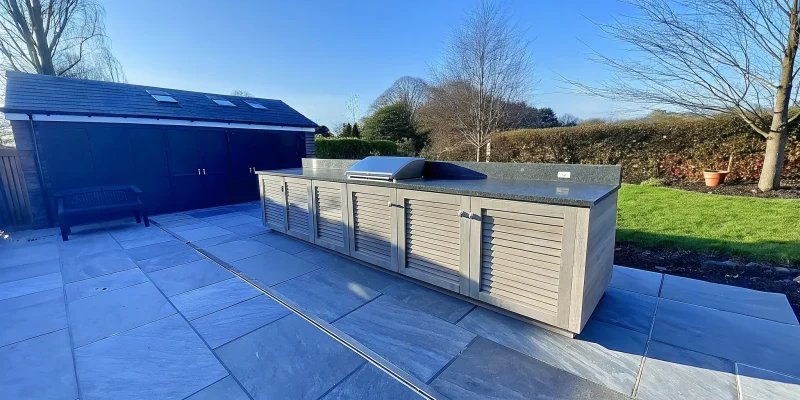
Best outdoor kitchen cabinets by Serene in sleek, weatherproof aluminum.

Serene Cabinetry: An Honest Review for Homeowners

After decades designing premier outdoor living spaces across Long Island, we’ve seen what works and what doesn’t. A common failure point? The cabinetry. We’ve watched beautiful materials fade, warp, or rust after just a few seasons. Your outdoor kitchen should be a joy, not a constant project. That’s why our experience points to one clear winner: Serene cabinetry. These serene outdoor cabinets are unmatched in performance. With welded tube frames and a coastal powder coating, their rust-proof guarantee means you get a beautiful, low-maintenance kitchen that truly lasts.

Key Takeaways

  • Engineered for Long Island Weather: Serene cabinets feature a welded aluminum frame and a coastal powder coating, making them completely rust-proof and ready to handle salt air and humidity with almost no maintenance.
  • Design a Kitchen That’s Uniquely Yours: You can personalize every detail, from colors and door styles to custom sizes, ensuring a perfect fit for your appliances and a seamless look that complements your home.
  • Invest in Enjoyment, Not Upkeep: Because these cabinets are so durable and easy to clean, you’ll spend less time on maintenance and more time using your beautiful outdoor kitchen, which adds lasting value to your home.

Is Serene Cabinetry Right for Your Outdoor Kitchen?

When you’re designing an outdoor kitchen, you need cabinets that can handle more than just plates and tongs—they need to withstand everything Long Island weather throws at them. That’s where Serene Aluminum Cabinets truly shine. They combine incredible durability with the sophisticated style you want for your backyard oasis, making them a top choice for any outdoor living space.

What sets Serene apart is its commitment to quality construction. Each cabinet is built on a 1-inch by 1-inch welded tube frame, making it exceptionally strong and stable. This sturdy foundation is then protected with a special coastal powder coating, a finish specifically designed to resist the salty air, humidity, and temperature swings we experience here. This means you get cabinets that are guaranteed not to rust and require very little maintenance. You can spend your time enjoying your patio, not worrying about upkeep.

But durability doesn’t mean you have to sacrifice style. Serene offers a fantastic range of customization options, from sleek, modern door styles to classic designs and even realistic wood grain finishes. You can create a look that perfectly matches your home’s aesthetic. Plus, these cabinets are engineered to provide a perfect, seamless fit for virtually any outdoor appliance, whether it’s a grill, side burner, or refrigerator. With a five-year limited warranty for peace of mind, choosing Serene means you’re investing in a beautiful, functional, and long-lasting outdoor kitchen you’ll love for years. You can explore different styles and finishes at the Gappsi Store to start imagining your perfect setup.

What’s the Secret Behind Serene Cabinetry’s Durability?

When you’re designing an outdoor kitchen, you need cabinetry that can handle more than just plates and spices—it needs to stand up to everything Long Island weather throws at it. Serene aluminum cabinets are engineered specifically for this challenge. They aren’t just indoor cabinets placed outside; they are built from the ground up with materials and construction methods that ensure they last. From their core structure to their final finish, every detail is designed for durability, performance, and style, giving you a beautiful and functional outdoor space for years to come.

How a Welded Frame Creates Unbeatable Strength

The foundation of any great cabinet is its frame, and this is where Serene truly excels. Each cabinet is constructed with a 1-inch by 1-inch welded tube frame. This isn’t the flimsy, screwed-together construction you might find elsewhere. A welded frame provides incredible strength and rigidity, ensuring your cabinets won’t warp or sag over time, even under the weight of heavy granite countertops and built-in grills. This robust structure is a key part of Gappsi’s high-quality masonry and outdoor kitchen projects, providing the solid backbone your investment deserves. It’s a commercial-grade build designed for a lifetime of backyard barbecues and family gatherings.

A Finish That Fights the Elements: Coastal Powder Coating

Living on Long Island means dealing with sun, salt, humidity, and snow. Serene cabinets are prepared for it all, thanks to a special “coastal powder coating.” This isn’t just a layer of paint; it’s a durable, baked-on finish that creates a protective barrier against the elements. The coating resists fading from UV rays, chipping from accidental bumps, and corrosion from salty air. This means your cabinets will maintain their color and finish season after season with minimal upkeep. It’s the same level of protection we recommend for all outdoor surfaces, similar to the importance of our restoration and sealing services for patios and stonework.

Say Goodbye to Rust, Guaranteed

One of the biggest concerns with any outdoor metal product is rust. With Serene cabinets, you can put that worry aside. They are made from aluminum and come with a guarantee against rust, offering you complete peace of mind. This commitment shows the manufacturer’s confidence in their materials and protective coating process. An outdoor kitchen is a significant investment, and this guarantee ensures your beautiful new cabinets won’t be compromised by rust or corrosion. When you shop at the Gappsi Store, you’ll find we only carry products with this level of reliability, ensuring your outdoor living space is built to last.

What “Made in the USA” Really Means for Your Cabinets

All Serene products are proudly made in the USA, and that makes a real difference in quality. American manufacturing standards mean greater attention to detail, higher-quality materials, and superior craftsmanship in every cabinet. By choosing Serene, you’re not only getting a top-tier product but also supporting local manufacturing. This commitment to quality is something we value deeply at Gappsi, whether we’re working on a full home remodeling project or installing a new outdoor kitchen. You can feel confident that your cabinets were built by skilled craftspeople who take pride in their work, resulting in a finished product that looks and performs exceptionally well.

How Serene Aluminum Stacks Up Against Other Materials

When you’re designing an outdoor kitchen, the material you choose for your cabinets is one of the most important decisions you’ll make. It’s the foundation of your space, and it needs to withstand everything Long Island weather throws at it—from humid, salty summer air to freezing winter temperatures. While materials like stainless steel, wood, and polymer are common choices, they each come with their own set of trade-offs that can lead to headaches down the road. You want something that not only looks great on day one but continues to perform year after year without demanding constant upkeep. After all, the goal is to spend more time enjoying your backyard, not maintaining it.

That’s where Serene’s aluminum cabinets really shine. Aluminum offers a unique combination of strength, weather resistance, and style that makes it perfectly suited for outdoor living. It solves many of the common problems associated with other materials, giving you a beautiful, functional kitchen that lasts. Let’s break down how aluminum compares to the other popular options so you can see why it’s such a smart choice for your home.

Aluminum or Stainless Steel: Which is Better?

Many people think of stainless steel as the go-to for outdoor appliances, and it’s definitely a strong material. However, when it comes to cabinetry, aluminum has some serious advantages. While stainless steel is tough, it’s not completely immune to rust, especially in the salty coastal air we get on Long Island. Certain grades are more resistant, but they come at a premium price. Aluminum, on the other hand, naturally forms a protective oxide layer that prevents corrosion, so you never have to worry about rust. Plus, aluminum is significantly lighter, which can make installation simpler. The biggest difference? Cost. Aluminum can be much more budget-friendly than stainless steel, giving you that premium, metallic look without the hefty price tag.

Why Choose Aluminum Over Traditional Wood?

There’s no denying the classic beauty of a wood kitchen, but that beauty comes at a high price in terms of maintenance. Wood requires regular sealing and staining to protect it from moisture, which can lead to rot, warping, and mildew. In an outdoor setting, it’s a constant battle against the elements. Serene’s powder-coated aluminum cabinets give you a durable, worry-free alternative. They won’t rot, warp, or attract pests. You can get a gorgeous, high-end finish without ever having to pick up a paintbrush or a sander, freeing you up to spend more time enjoying your beautiful outdoor space, perhaps under one of Gappsi’s custom pavilions or pergolas.

Weighing the Options: Aluminum vs. Polymer

Polymer (or HDPE) cabinets are often marketed as a low-maintenance option, but they have their weaknesses. Over time, exposure to direct sunlight can cause polymer to fade, turn brittle, and lose its original appeal. It’s also less resistant to heat, which can be a real concern for cabinets placed next to a hot grill. Aluminum is a far more durable long-term solution. The powder-coated finish is UV-stable, so the color stays true, and it won’t warp or degrade from sun exposure. It also provides the structural integrity and sleek, modern aesthetic that looks stunning paired with porcelain and natural stone countertops, giving your outdoor kitchen a truly premium feel that polymer just can’t match.

Make It Yours: Customizing Your Serene Cabinetry

One of the best parts of designing an outdoor kitchen is making it a true reflection of your style and how you love to entertain. This isn’t about picking a pre-packaged set from a big box store; it’s about creating a space that feels like a natural extension of your home. Serene cabinets are designed from the ground up to be completely customizable. You get to be the creative director, choosing the colors, finishes, and layout that work perfectly for your backyard and your family.

With Serene, you’re not just getting durable cabinets—you’re getting a custom-designed kitchen that fits your life. From the specific shade that complements your patio stone to the exact drawer configuration you need for your grilling tools, every detail is up to you. We work with you to translate your vision into a functional, beautiful outdoor kitchen that you’ll be excited to use for years to come. It’s your chance to build the space you’ve always imagined for hosting summer barbecues and quiet family dinners.

Defining Your Look with Doors and Hardware

The look of your cabinets sets the tone for your entire outdoor kitchen. Serene gives you a wide range of door styles to choose from, whether you prefer a sleek, modern look or something more traditional. You can select from different drawer setups to create the perfect combination of storage for your needs. The hardware—the handles and knobs—is like the jewelry of your kitchen, and choosing the right style adds that perfect finishing touch. This is your opportunity to match the cabinets to the architectural style of your home, ensuring your new outdoor space feels cohesive and thoughtfully designed from day one.

Finding the Right Color and Finish

This is where you can really let your personality shine. Serene offers a nearly endless spectrum of color options, so you’re not limited to a few standard choices. You can select a bold color to make a statement or a subtle neutral that blends with the natural surroundings. The finishes range from solid colors to beautiful woodgrains that offer the warmth of wood without the maintenance. You can even coordinate your cabinet color with your porcelain and natural stone pavers to create a seamless, professionally designed look. Whatever your vision, there’s a color and finish to bring it to life.

From Classic Neutrals to Custom Hues like “Gallant Blue”

Your outdoor kitchen should feel like an extension of your personal style, and color is a huge part of that. With Serene, you’re not confined to a handful of basic options. You can choose a soft, earthy neutral that blends beautifully with your landscaping or go for a vibrant, eye-catching color like “Gallant Blue” to create a stunning focal point. The possibilities are truly extensive, allowing you to create a space that feels custom-made for you. Imagine coordinating the exact shade of your cabinets with the veining in your countertops or the tones in your patio pavers. This level of detail is what transforms a nice outdoor kitchen into a professionally designed masterpiece. You can explore the full range of colors and finishes at the Gappsi Store to find the perfect hue for your home.

Getting a Perfect Fit for Your Space

No two backyards are the same, which is why custom sizing is so important. Serene designs and builds every outdoor kitchen to the exact specifications of your space, ensuring a perfect fit. Whether you have a compact patio or an expansive poolside area, the cabinets are tailored to maximize your layout. This bespoke approach means no awkward gaps or wasted space. Our design and construction experts will help you map out a plan that not only looks great but also improves the flow and functionality of your outdoor living area, making the most of every square inch.

Smart Storage for How You Really Cook

A great kitchen is one that works for you. Serene cabinets are designed to accommodate almost any outdoor kitchen appliance you can imagine. We create perfectly sized cutouts and enclosures for your grill, side burners, refrigerator, and even that pizza oven you’ve been dreaming of. Beyond appliances, you can customize the interior storage with pull-out trash bins, spice racks, and deep drawers for pots and pans. This level of planning ensures everything has its place, keeping your countertops clear and your cooking tools right where you need them. It’s all about creating an effortless cooking experience.

Real Homeowners Review Serene Outdoor Cabinets

When you’re making a big decision for your home, it helps to hear from people who have already been there. Homeowners who choose Serene Cabinets consistently talk about a few key things that made all the difference in their outdoor kitchen projects. From the solid build to the easy design process, their experiences highlight why these cabinets are a top choice for creating a beautiful and functional outdoor space. Here’s a look at what people are saying.

“The Craftsmanship is Unmatched”

When you talk to people who own Serene Cabinets, one thing comes up again and again: the quality. Homeowners rave about the exceptional craftsmanship and custom fit that make their outdoor kitchens feel truly high-end. They mention how tough the cabinets are, easily handling everything from coastal salt air to summer dust storms while keeping the interiors perfectly clean. This focus on creating a durable, custom product means you get cabinets that are not only beautiful but also built to handle real-life use for years to come.

“It Still Looks Brand New After Years Outside”

For those of us on Long Island, outdoor products have to be tough. Serene Cabinets are specifically designed to withstand the weather, which is a huge plus for homeowners. People report that the cabinets hold up beautifully in all conditions and require very little maintenance. A major benefit everyone points out is that they are guaranteed not to rust—a critical feature for any outdoor living space near the coast. This resilience gives you peace of mind, knowing your investment is protected from the elements season after season.

“The Whole Process Was So Easy”

The process of bringing an outdoor kitchen to life should be exciting, not stressful. Homeowners appreciate how straightforward and customer-focused Serene’s design process is. They love the personalized service, where every kitchen is designed and built specifically for their unique space. The company makes it simple: you work with their team to plan the layout, pick your colors and finishes, and select your appliances. Customers often mention the excellent communication they receive throughout the project, making the entire experience smooth and enjoyable from start to finish.

“Worth Every Penny”

Everyone wants to feel like they made a smart investment, and Serene homeowners certainly do. Because the company sells directly to customers, it cuts out the middleman, which helps keep costs reasonable without sacrificing quality. Many people feel they got a better product than they would have with other brands and that Serene truly exceeded their expectations. This combination of top-tier quality and fair pricing makes these cabinets a fantastic value for any home remodeling project, ensuring you get a dream kitchen that fits your budget.

Are Serene Aluminum Cabinets a Good Investment?

When you’re creating an outdoor living space, you want every element to be beautiful, functional, and built to last. Choosing the right cabinets is a huge part of that equation, and it’s a decision that impacts both the look and usability of your kitchen. Serene aluminum cabinets are a fantastic choice for Long Island homeowners, and it really comes down to a few key benefits. They offer a combination of durability, low maintenance, and style that makes them a smart addition to any backyard. An outdoor kitchen isn’t just a place to cook; it’s an extension of your home, and investing in quality components like Serene cabinets ensures you can enjoy it for years to come without worry.

Built to Handle Harsh Coastal Weather

Living on Long Island means dealing with salt air, humidity, and changing seasons, all of which can be tough on outdoor materials. Serene cabinets are engineered specifically for these conditions. Made from marine-grade aluminum with a durable powder-coated finish, they won’t rust, warp, or fade like wood or lesser-quality metals might. This means your outdoor kitchen will look just as good in five years as it does on day one. When we design an outdoor space, from masonry patios to poolscapes, we always choose materials that can handle our coastal climate, and Serene cabinets fit that standard perfectly.

Spend More Time Grilling, Less Time Cleaning

Let’s be honest: you want to spend your weekends enjoying your backyard, not scrubbing it down. The non-porous surface of Serene’s powder-coated aluminum cabinets makes cleanup incredibly simple. Spills, grease, and grime wipe away easily with just soap and water. Because they’re rust-proof and resistant to moisture, you don’t have to worry about the constant upkeep that wood cabinets require. This low-maintenance quality means more time for what matters—grilling, entertaining, and relaxing with family and friends. It’s the same principle we apply to our restoration and sealing services; protect your investment upfront so you can enjoy it with less work later.

Will It Increase Your Home’s Value?

An outdoor kitchen is one of the most sought-after features for homebuyers, and a well-built one can add significant value to your property. Investing in high-quality components like Serene cabinets ensures your outdoor kitchen is a true asset. Their sleek design, durable construction, and custom options create a premium look that elevates your entire backyard. Potential buyers see a beautiful, functional, and lasting space, which can make your home stand out. Think of it as part of a larger home remodeling project that pays you back in both enjoyment and resale value.

What Does the Serene Cabinetry Warranty Cover?

Making a significant purchase for your home can feel daunting, but a strong warranty provides valuable reassurance. Serene stands behind its products with a limited lifetime warranty, which speaks volumes about their confidence in the cabinets’ quality and durability. This protects your investment against defects and ensures that the centerpiece of your outdoor kitchen is built to last. When you work with Gappsi, we only recommend products from brands we trust. You can find top-tier options like Serene cabinets at the Gappsi Store, knowing you’re getting a product backed by a commitment to excellence.

Financing Options for Your Project

Investing in a beautiful, custom outdoor kitchen is one of the best upgrades you can make to your home, but we know it’s a significant project. The good news is you don’t have to pay for it all at once. There are many flexible financing options available that can help you bring your dream kitchen to life without straining your budget. From traditional bank loans to specialized financing designed for home renovations, there’s likely a path that fits your financial situation. Exploring these options can make a high-end project, like one featuring stunning Serene cabinets, much more accessible.

Many homeowners choose to use a home equity line of credit (HELOC), which allows you to borrow against the value you’ve built in your home, often at a lower interest rate. Personal loans are another straightforward choice. Some lenders even offer loans specifically for renovations that are based on your home’s future value after the project is complete. At Gappsi, we’re here to help you through every step, including understanding how to finance your home improvement project. We can help you explore the possibilities to find a solution that works for you.

How to Plan Your Serene Outdoor Cabinet Layout

A beautiful outdoor kitchen starts with a smart plan. Before you even think about colors or finishes, it’s crucial to consider how you’ll use the space. The right layout can make the difference between a kitchen that’s just for show and one that becomes the true heart of your backyard. Serene’s custom approach means you’re not limited by standard sizes or configurations. Instead, you can create a kitchen that’s perfectly tailored to your home, your family, and your love for outdoor cooking. Let’s walk through the key steps to designing a layout that’s both functional and stunning.

Step 1: Measure and Map Your Space

First, take a good look at your backyard. Where will the kitchen feel most natural? Consider the flow of traffic from your house to the patio and pool area. You’ll want to think about workflow, creating zones for prepping, cooking, and serving. Serene designs and builds every outdoor kitchen specifically for each customer, ensuring a perfect fit for your space. This means we can work with your unique footprint to create an efficient layout. The goal is to integrate your new kitchen seamlessly with your existing outdoor features, so it feels like it was always meant to be there. A great design considers everything from the view to the surrounding masonry and landscaping.

Step 2: Plan Storage for How You Cook

Think about how you cook and entertain. Are you a master griller who needs a dedicated spot for tongs, spices, and brushes? Do you host big parties and need plenty of space for platters and drinkware? Your storage should support your habits. With Serene, you can customize everything, from pull-out trash bins and deep drawers for pots to slim cabinets for cutting boards. Because you can specify custom sizes, you can design storage that fits your exact needs, ensuring everything has a place. This keeps your countertops clear and your cooking process smooth, letting you focus on your guests instead of searching for a misplaced tool.

Step 3: Place Your Grill and Appliances

It’s a good idea to choose your appliances before finalizing your cabinet design. Whether you’re dreaming of a high-end grill, a side burner for sauces, an outdoor fridge, or even a pizza oven, knowing their exact dimensions is key. Serene’s cabinets are made to fit almost any outdoor kitchen appliance perfectly, creating a clean, built-in look that elevates your entire space. Planning for appliances also means thinking about utility lines for gas, electricity, and water. Integrating your kitchen into a larger structure like one of Gappsi’s pavilions or pergolas can help conceal these lines while providing welcome shade for you and your guests.

The Gappsi Design and Installation Process

Our Simple 3-Step Design Process

Bringing your dream outdoor kitchen to life should be an exciting journey, not a complicated puzzle. At Gappsi, we’ve refined our process to be as simple and collaborative as possible. We break it down into three straightforward steps, guiding you through every decision from the initial layout to the final hardware. Our team works with you side-by-side, combining your vision with our expertise to create a space that’s not only beautiful but perfectly suited to your lifestyle. We handle all the details so you can focus on the fun part—imagining all the wonderful meals and memories you’ll create in your new kitchen.

Step 1: Design the Layout with Our Experts

The foundation of a great outdoor kitchen is a layout that just works. Our process begins with a deep dive into your space and how you envision using it. A Gappsi design expert will work with you to map out the area, considering everything from the flow of traffic to its connection with your patio or swimming pool. Because Serene builds every kitchen to order, we can create a custom footprint that maximizes your space for an efficient workflow. We’ll help you establish practical zones for prepping, cooking, and serving, ensuring your new kitchen feels like a natural and seamless extension of your home.

Step 2: Pick Colors, Finishes, and Hardware

This is where your personal style takes center stage. Serene offers a fantastic range of customization options, allowing you to create a look that perfectly matches your home’s aesthetic. You can choose from a wide spectrum of colors, sleek modern door styles, classic designs, and even realistic wood grain finishes that provide warmth without the maintenance. We’ll guide you through the samples and help you select a combination that complements your existing porcelain or natural stone surfaces. Finalizing the hardware adds that perfect finishing touch, ensuring every detail reflects your unique taste.

Step 3: Choose Your Appliances and Options

A truly functional kitchen is tailored to the way you cook. In this final step, we focus on integrating your chosen appliances and customizing your storage. Whether you have a specific grill in mind or want to include a refrigerator and side burner, we design the cabinets for a perfect, built-in fit. With Serene, you can also customize the interiors to fit your exact needs, incorporating features like pull-out trash bins, deep drawers for pots, or slim cabinets for cutting boards. This thoughtful planning ensures everything has its place, creating an organized and effortless cooking experience for every occasion.

How to Care for Your Serene Aluminum Cabinetry

One of the best things about Serene aluminum cabinets is how little work they require to stay beautiful. They’re designed to handle Long Island’s weather, from humid summers to salty sea breezes, without demanding constant attention. With just a bit of care and the right installation, your outdoor kitchen will remain a stunning, functional centerpiece of your backyard for years to come. Here’s how to make sure your cabinets always look their best.

Why Professional Installation Matters

While Serene cabinets are engineered for a straightforward setup, professional installation is the key to a flawless finish. An expert team ensures every cabinet is perfectly level, every door aligns just right, and the entire structure is securely integrated into your patio or deck. This precision prevents future issues and guarantees your outdoor kitchen not only looks great but also functions perfectly from day one. Our masonry and construction experts at Gappsi handle every detail, so you can be confident your investment is built on a solid foundation, ready for countless seasons of entertaining.

Your Easy Cleaning and Care Routine

Serene cabinets are built to be incredibly low-maintenance. Forget about the constant upkeep required by wood or other materials. To clean them, all you typically need is a soft cloth and a simple solution of mild soap and water. Gently wipe down the surfaces to remove any dust, pollen, or spills from your latest barbecue. It’s best to avoid harsh chemical cleaners or abrasive scrubbers, as they can damage the powder-coated finish. This simple routine is all it takes to keep your cabinets looking as new as the day they were installed.

Protecting Your Investment for the Long Haul

The long-term durability of Serene cabinets is where they truly shine. They are guaranteed not to rust and come with a five-year limited warranty, giving you complete peace of mind. The robust powder coating is designed to resist fading and chipping, so you won’t have to worry about repainting or resealing. By starting with a professional installation and following a simple cleaning routine, you’re setting your outdoor kitchen up for lasting success. It’s a smart choice that lets you spend less time on maintenance and more time enjoying your beautiful outdoor living space with family and friends.

Related Articles

Frequently Asked Questions

How do these aluminum cabinets handle the salty, humid air on Long Island? They are specifically engineered for our coastal climate. The cabinets are protected with a special coastal powder coating that acts as a barrier against moisture and salt, which is why they come with a guarantee not to rust. Unlike other materials that can corrode or degrade over time, these are built to last through our humid summers and harsh winters.

I love the look of wood, but not the upkeep. Can I get a similar style with Serene cabinets? Absolutely. Serene offers beautiful and realistic woodgrain finishes that give you the warmth and classic style of wood without any of the maintenance headaches. You get to skip the constant sealing and worry about rot or warping, while still achieving that natural aesthetic for your outdoor kitchen.

How much cleaning and maintenance do these cabinets actually need? They are incredibly low-maintenance, which is one of their biggest advantages. For most cleanups, all you need is a soft cloth with some mild soap and water to wipe away any spills or dust. There’s no need for special products or intensive scrubbing to keep them looking brand new.

Can these cabinets be designed to fit my specific grill and outdoor appliances? Yes, that’s a core part of the design process. Each kitchen is custom-built, so the cabinets are made to the exact dimensions of your appliances. This ensures a perfect, seamless fit for your grill, refrigerator, or side burner, giving your outdoor kitchen a clean and professional built-in look.

Why is professional installation so important for outdoor cabinets? Proper installation is key to the longevity and performance of your outdoor kitchen. A professional ensures that the cabinets are perfectly level, securely fastened, and properly aligned, which prevents issues with doors and drawers down the road. It guarantees your kitchen is built on a solid foundation, ready to withstand years of use and exposure to the elements.

How to Refresh Older Outdoor Cabinets

Even the most durable outdoor features can benefit from a little attention after years of hosting barbecues and weathering the seasons. The great news is that refreshing your Serene aluminum cabinets is a remarkably simple task. Unlike wood, which demands sanding and re-staining, or lower-quality metals that might need rust treatment, Serene cabinetry was designed for a lifetime of enjoyment with minimal fuss. Keeping them looking as good as new doesn’t require a weekend of hard labor—just a few easy steps to wipe away the years and restore their original shine, letting you get back to enjoying your beautiful outdoor kitchen.

Clean and Prep the Surface

The first step to making anything look new again is a thorough cleaning. For Serene cabinets, this process is refreshingly simple. The durable powder-coated surface is non-porous, meaning dirt, pollen, and even grease from the grill rest on the surface without seeping in. All you need is a soft cloth and a bucket of mild, soapy water to gently wipe everything down. This will remove any accumulated grime and instantly brighten the finish. While your stone patio might occasionally need our professional restoration and sealing services to stay pristine, your cabinets just need this quick, easy wipe-down to look their best.

Touch-Up and Repaint

Here’s the best part about refreshing your Serene cabinets: you likely won’t have to do anything. The coastal powder coating is specifically engineered to resist fading from the sun and won’t chip or peel under normal use. This means the color you chose on day one will remain vibrant for years, eliminating the need for the regular repainting that other materials demand. In the rare event of a deep scratch from a sharp object, a touch-up kit can be used for a targeted repair. But for general maintenance, you can put away the paintbrushes and simply enjoy the lasting, factory-perfect finish.

Check Your Hardware

While the cabinet boxes themselves are incredibly robust, it’s always a good practice to check on the moving parts after years of opening and closing drawers and doors. Take a moment to inspect the hinges and handles. Are any screws slightly loose from frequent use? A quick turn with a screwdriver is usually all it takes to tighten them back up. The high-quality hardware is chosen for its durability, but this simple check ensures everything continues to function smoothly and securely. It’s a small step that maintains the exceptional craftsmanship you invested in when designing your custom outdoor living space.

Share this page:
Large porcelain pavers on display at an outdoor showroom on Long Island, NY.

Porcelain Slabs Long Island NY: A Buyer’s Guide

Let’s be real: Long Island weather is tough on outdoor surfaces. Humid summers and icy winters can warp wood and crack traditional pavers long island. If you want a smarter, more resilient solution, it’s time to consider porcelain. Engineered to be incredibly dense, both porcelain pavers long island and larger slabs resist stains, mold, and frost. They look just as good years from now as they do on day one. This is the low-maintenance material that lets you enjoy your backyard, not just work on it. Finding the perfect porcelain slabs long island ny starts at a showroom, where you can explore options built for lasting beauty.

Key Takeaways

  • Get High-End Style Without the High Maintenance: Porcelain pavers offer the beautiful look of natural stone or wood but are built to handle Long Island weather, resisting stains, cracks, and fading with minimal upkeep.
  • See Your Options in Person: Visiting a showroom is the best way to choose the right color and texture, and a full-service provider can manage your entire project from design to flawless installation, saving you time and stress.
  • Plan Your Budget for the Complete Project: Remember that the final cost includes both the pavers and the professional installation—investing in expert work is key to ensuring your new patio is beautiful and durable for years to come.

Are Porcelain Pavers Right for Your Long Island Home?

When you’re designing an outdoor space, it often feels like you have to choose between beauty and durability. You want a patio that looks stunning but can also handle summer barbecues, kids playing, and Long Island’s unpredictable weather. This is where porcelain pavers come in. They offer that perfect combination of sophisticated style and practical strength, making them an increasingly popular choice for homeowners who don’t want to compromise. Think of them as the high-performance, low-stress solution for creating the backyard of your dreams.

Why You’ll Love Your New Porcelain Patio

Porcelain pavers are your ticket to a polished, high-end look for any outdoor area. Whether you’re creating a chic patio for entertaining, a welcoming walkway to your front door, or a serene pool deck, they provide a modern and elegant aesthetic. With a vast range of colors, patterns, and finishes—from realistic wood grain to sleek stone textures—you can achieve a custom look that truly complements your home’s style. Gappsi offers a curated selection of Italian porcelain and natural stone that can completely transform the look and feel of your property, turning a simple backyard into a sophisticated outdoor retreat.

Durability That Stands Up to Long Island Weather

Long Island weather is no joke, with its hot, humid summers and cold, icy winters. You need a material that can stand up to it all. Porcelain pavers are incredibly dense and non-porous, which means they don’t absorb water. This makes them resistant to stains, mold, and mildew, and crucially, prevents them from cracking during freeze-thaw cycles. They are designed to withstand harsh weather and the general wear and tear of daily life, so your investment looks great for years. This level of durability is why they are a cornerstone of high-quality masonry projects designed for longevity.

Enjoy a Low-Maintenance, Stain-Resistant Patio

One of the best things about porcelain pavers is how little work they require from you. Forget about annual sealing or stressing over spilled wine at your next get-together. Because they are non-porous, messes like oil, grease, and other liquids sit on the surface instead of soaking in, making them easy to clean with just a bit of soap and water. This low-maintenance quality is a game-changer for busy homeowners who would rather spend their weekends enjoying their patio than scrubbing it. While porcelain doesn’t need sealing, understanding proper surface care is key to keeping any outdoor space pristine, a principle we apply to all our restoration and sealing services.

A Safer, Cooler Surface for Bare Feet

Functionality is just as important as appearance, especially when it comes to family spaces. Porcelain pavers are manufactured with a textured, anti-slip surface, providing excellent traction even when wet. This makes them a much safer choice for pool surrounds and walkways. Plus, many lighter-colored porcelain options reflect heat instead of absorbing it, so they stay comfortably cool underfoot on hot summer days. No more hopping across scorching pavement! It’s a small detail that makes a huge difference for anyone who loves to go barefoot around their swimming pools or patio.

More Than Just Pavers: The Versatility of Porcelain

While porcelain pavers are a fantastic choice for patios and pool decks, their application doesn’t stop at your back door. The same qualities that make them so durable outdoors—strength, stain resistance, and water impermeability—also make them a superior material for indoor spaces. This versatility allows you to create a seamless, cohesive design that flows from your interior living areas to your outdoor oasis. Imagine your kitchen floor extending right out onto your patio, blurring the lines between inside and out. This is the kind of sophisticated, modern design that porcelain makes possible, moving beyond simple paving to become a key element in your home’s overall aesthetic.

Large Format Slabs for Indoor Projects

When you think of tile, you might picture small squares with lots of grout lines. Large format porcelain slabs are something else entirely. These massive, seamless pieces can transform an interior space, offering a sleek, minimalist look that feels both luxurious and modern. Because they are so large, they dramatically reduce the number of grout lines, creating a clean, uninterrupted surface that makes any room feel bigger and more open. This is a game-changer for anyone looking to create a high-impact design in their kitchen, bathroom, or main living area, and it’s a core part of our approach to sophisticated home remodeling.

Kitchen Countertops and Bathroom Walls

Move over, granite. Large porcelain slabs are quickly becoming the go-to choice for stunning and practical kitchen countertops. They are incredibly durable, resistant to scratches, heat, and stains, which means you don’t have to worry about a spilled glass of red wine or a hot pan. In the bathroom, these slabs can be used to create floor-to-ceiling shower walls or elegant vanity tops. The lack of grout lines means no more scrubbing mildew, just a simple wipe-down for a pristine, spa-like finish. Companies like Porcelain Source specialize in these large slabs, which can be used for everything from countertops to walls, showcasing their incredible adaptability.

Large-Scale Interior Flooring

For a truly dramatic effect, large-scale porcelain slabs are an unbeatable flooring option. They create a continuous, elegant surface that is perfect for open-concept living spaces, entryways, and basements. The durability of porcelain makes it ideal for high-traffic areas, as it won’t scratch or wear down like hardwood can. This is also where you can create that coveted indoor-outdoor flow, using the same or complementary porcelain styles inside and out. Showrooms like Home Tile Center offer a wide variety of designs, allowing you to find the perfect look to unify your entire living space with a high-end, cohesive feel.

A Wide Range of Materials

While porcelain is an incredibly versatile and high-performing material, we know that every project is unique and every homeowner has a distinct vision. Sometimes, the perfect design calls for the classic texture of natural stone or the intricate detail of a glass mosaic. A great design partner understands the strengths of various materials and knows how to combine them to create a space that is both beautiful and functional. That’s why we believe in offering a diverse palette of options, ensuring you can find the exact material that speaks to your personal style and meets the specific needs of your project.

Exploring Ceramic, Natural Stone, and Glass Options

Beyond porcelain, there is a world of materials to explore. Natural stone, such as travertine, marble, or bluestone, offers a timeless, organic beauty that has been cherished for centuries. Each piece is unique, bringing an earthy elegance to patios and walkways. Ceramic tiles provide a budget-friendly and colorful option for indoor applications like backsplashes, while glass mosaics can add a touch of sparkle and artistry to pool waterlines or accent walls. At the Gappsi showroom, you can explore our extensive collection of porcelain and natural stone, drawing inspiration from the wide range of materials available from suppliers like Cancos Tile & Stone to find the perfect fit for your home.

Where to Find Porcelain Pavers on Long Island

Once you’ve decided on porcelain pavers for your patio or pool deck, the next step is the fun part: seeing them in person. Photos online can only do so much. To truly appreciate the color, texture, and finish, you need to visit a showroom. It’s the best way to feel confident in your choice and find the perfect material that complements your home’s style. A great showroom doesn’t just display products; it provides inspiration and expert guidance to help you visualize your new outdoor space. Luckily, Long Island has several excellent showrooms where you can explore top-quality porcelain pavers. Each offers something a little different, from one-stop design-and-install services to vast selections that cover every possible aesthetic. Visiting a few can help you compare options and find a partner you trust to bring your project to life.

Gappsi: A Go-To for Italian Porcelain & Stone

If you’re looking for a seamless experience from selection to installation, the Gappsi showroom is your destination. We offer a curated collection of high-quality Italian porcelain and natural stone pavers perfect for any application, whether it’s a sleek modern patio or a classic poolside retreat. What truly sets Gappsi apart is that we are both a supplier and an installer. Our team of experts can guide you through the design process in our showroom and then handle the entire installation with meticulous craftsmanship. This integrated approach ensures your vision is perfectly executed, saving you the hassle of coordinating with multiple contractors. It’s the ideal solution for homeowners who value convenience, quality, and a cohesive project from start to finish.

NT Pavers: Find Premium & Custom Porcelain

NT Pavers specializes in premium Italian porcelain pavers known for their exceptional durability and style. They are a fantastic choice for homeowners who want to invest in a high-end material that will stand the test of time. One of their most convenient offerings is a mobile showroom service. If you have a busy schedule or simply want to see how different pavers look in your home’s natural light, they can bring the samples directly to you. This allows you to perfectly match pavers to your home’s exterior and existing landscape, taking the guesswork out of the selection process. It’s a personalized approach that makes finding the right material incredibly easy.

Powerhouse Mason Supply: Explore a Huge Range of Styles

For those who love having plenty of options, Powerhouse Mason Supply is a must-visit. Their showroom features an extensive collection of high-quality porcelain tiles and pavers in a vast range of colors, designs, textures, and sizes. Whether you’re dreaming of a patio that mimics the look of natural wood, polished concrete, or rustic stone, you’re likely to find it here. This is the perfect place to go if you want to explore different styles and see the full spectrum of what’s available in the world of porcelain pavers. Their wide selection makes it easy to find a unique product that perfectly fits your personal aesthetic and design goals.

Cancos Tile & Stone: A One-Stop Solution

Cancos Tile & Stone is a well-known name across Long Island, and for good reason. They position themselves as a comprehensive resource for all things tile and stone, making them a convenient stop for anyone in the early stages of planning a project. With a reputation for having a massive inventory, you can explore a wide variety of materials beyond just porcelain, including ceramic, natural stone, and glass. This is especially helpful if you’re trying to coordinate materials for different parts of your home, like matching your new patio pavers to an indoor kitchen backsplash. Their broad selection makes them a reliable starting point for gathering ideas and seeing what’s possible for your home.

Award-Winning Showrooms Across Long Island

With multiple locations, Cancos makes it easy to see their products firsthand no matter where you are on the Island. Their showrooms are designed to inspire, showcasing different applications and layouts to help you visualize how the materials could look in your own space. Being named “Long Island’s Best Tile Showroom” speaks to their commitment to providing a great customer experience. When you visit a showroom, you can compare textures, colors, and finishes side-by-side, which is a crucial step in making a decision you’ll be happy with for years to come. It’s an ideal environment for homeowners who appreciate seeing a wide array of options under one roof and want to feel confident in their material choices.

Featured Collections: Oasis, Legend, and Saint-Tropez

Cancos frequently updates its inventory with new and interesting collections that cater to popular design trends. For example, their Oasis collection offers a beautiful wood-look porcelain, perfect for achieving the warmth of a deck without the constant maintenance. If you prefer the timeless elegance of natural stone, the Legend collection captures the classic look of travertine in a durable porcelain format that resists weathering. For a more luxurious and modern aesthetic, the Saint-Tropez collection mimics the sophisticated appearance of quartz and onyx. These curated collections make it easier to narrow down your choices based on the specific style you want to achieve for your outdoor living area or interior project.

Porcelain Source: Specialists in Large Format Slabs

If your project calls for a bold, seamless look, Porcelain Source is the place to go. They specialize in large format porcelain slabs, which are perfect for creating stunning, uninterrupted surfaces like countertops, feature walls, and expansive modern patios. Unlike showrooms with a little bit of everything, their focus is razor-sharp: providing, importing, and delivering high-quality, oversized porcelain. This specialization means they have deep expertise in the product, from its technical specifications to the logistics of getting it to your home. Their entire business is built around these impressive slabs, making them a key resource for ambitious design projects that require a high-impact material and specialized knowledge.

A Go-To for Industry Professionals

Because of their specific focus and extensive inventory, Porcelain Source has become a trusted partner for architects, designers, and builders. When professionals need a specific color or pattern in a large format, they know where to turn. The company boasts a gallery with over 200 different styles, ensuring a match for nearly any design vision. For a homeowner, this is a good sign—it means their products meet the high standards of industry experts. When you explore their collection, you’re seeing the same materials that are used in high-end custom homes and commercial projects across the region, giving you access to professional-grade quality for your own home.

As Seen in Design New Jersey and Modern Luxury Hamptons

Credibility matters, and Porcelain Source has earned features in prestigious publications like Design New Jersey and Modern Luxury Hamptons. This kind of recognition highlights their role as a supplier for trend-setting and luxurious projects. It shows that their materials are not only high-quality but also at the forefront of contemporary design. For homeowners looking to create a truly standout space, knowing that a supplier’s products are celebrated in the design world provides an extra layer of confidence. It confirms you’re choosing a material that is both beautiful and highly regarded by style experts, ensuring your project feels current and sophisticated.

Home Tile Center: High-Quality Designer Brands

Home Tile Center caters to homeowners with a discerning eye for design and a preference for premium, branded products. They focus on sourcing high-quality porcelain slabs from respected manufacturers, offering options that feel exclusive and unique. If you’re looking for something beyond the standard selection and want to invest in a product with a distinct design pedigree, this is a great place to explore. Their approach is less about overwhelming you with quantity and more about presenting a curated collection of top-tier choices. This ensures that whatever you select has a sense of elevated style and craftsmanship behind it, perfect for making a statement in your home.

Exclusive Collections from Fondovalle and Emil America

A key draw of Home Tile Center is their access to exclusive lines from renowned European brands. For instance, they carry the “Infinito 2.0” collection from Fondovalle, an Italian brand known for its massive, beautifully detailed porcelain slabs that push the boundaries of design. They also feature the “Pigmento Slabs” from Emil America, which offer rich colors and artistic finishes. By offering these specific, high-end collections, they provide an opportunity to incorporate a piece of world-class design into your Long Island home. This is perfect for anyone who wants their patio, kitchen, or bathroom to make a truly unique and memorable statement.

How to Choose the Right Showroom for You

The right showroom for you depends on your project’s specific needs. If you prefer a streamlined process where one company handles everything from design to installation, a full-service provider like Gappsi is an excellent choice. If you value the convenience of seeing samples at your own home, a supplier with a mobile showroom like NT Pavers might be the perfect fit. And if your priority is exploring the widest possible variety of styles, a large supplier like Powerhouse Mason Supply is a great place to start. Before you decide, visit a few showrooms, take samples home, and talk to the experts. Ask about their installation services and design support to find a partner who can help you create the outdoor space you’ve always wanted.

What Paver Styles Can You Find on Long Island?

When you start exploring porcelain pavers, you’ll quickly see that the options are nearly endless. Long Island showrooms are filled with an incredible variety of styles, ensuring you can find the perfect fit for your home’s unique character. Forget the one-size-fits-all solutions of the past. Today’s porcelain pavers let you customize every detail of your patio, walkway, or pool deck, from the size and shape to the color and texture.

This level of choice means you can create an outdoor space that truly reflects your personal taste. Whether you’re dreaming of a sleek, modern patio with large-format tiles or a rustic walkway that mimics natural wood, there’s a porcelain paver that can bring your vision to life. Visiting a showroom like the Gappsi Store allows you to see and feel these options firsthand, making it much easier to imagine how they’ll look and function in your own backyard. It’s all about finding that perfect combination of beauty, durability, and personal style.

Finding the Right Paver Size

The size of your pavers plays a huge role in the overall look and feel of your outdoor space. Long Island showrooms offer a wide range of dimensions, from standard squares to impressive large-format rectangles. You can find sizes like 24×24, 24×36, and even massive 48×96 inch slabs. Using larger pavers can create a clean, contemporary aesthetic with fewer grout lines, making your patio or pool deck feel more spacious and seamless. Smaller formats, on the other hand, are perfect for creating intricate patterns or defining cozier, more traditional areas. The right size helps you achieve the exact design you’re going for.

Popular Looks: Wood, Cement, and Stone Finishes

One of the best things about porcelain is its ability to replicate the look of other materials with stunning accuracy. You can get the warm, inviting appearance of hardwood without any of the maintenance. Showrooms display an amazing selection of porcelain and natural stone pavers in styles that include realistic wood grain, modern cement, and classic stone. You can even find unique options like hexagon shapes or pavers with wavy edges that look just like hand-cut flagstone. This versatility means you can match any architectural style, from a rustic farmhouse to a sleek, modern home, without compromising on durability.

How to Pick the Perfect Color and Texture

Beyond shape and style, porcelain pavers come in a vast spectrum of colors and textures. You can choose from bright whites and soft creams to create a light, airy atmosphere, or opt for deep charcoals and rich browns for a more dramatic and grounded feel. Many pavers are designed to replicate the subtle color variations and textures of natural stone, giving your space an authentic, high-end look. The surface can be smooth and polished for a refined finish or have a slight texture for a more organic, rustic appearance. This allows you to fine-tune the details and create a truly custom outdoor living area.

What to Know About Anti-Slip and Other Features

Style is important, but so is safety. Many high-quality porcelain pavers are designed with an anti-slip surface, which provides extra grip and peace of mind, especially in wet areas. This is a must-have feature for any surface around a swimming pool or in a backyard where kids will be playing. In addition to being slip-resistant, these pavers are also incredibly dense and non-porous, making them resistant to frost, stains, and fading. These practical features ensure your beautiful new patio or walkway will not only be safe but will also stand up to the Long Island climate for years to come.

How Much Do Porcelain Pavers Cost on Long Island?

Let’s talk numbers. When you’re planning a new patio, walkway, or pool surround, the budget is always a top consideration. The great news is that porcelain pavers offer a fantastic range of options to fit different price points. The final cost of your project will come down to two main components: the price of the pavers themselves and the cost of professional installation. While it’s tempting to focus only on the material cost per square foot, remember that expert installation is what ensures your beautiful new space will last for decades.

Understanding the full scope of the investment helps you plan effectively and avoid surprises. Factors like the size of your project, the specific paver you choose, and the condition of the installation site all play a role. A simple, straightforward patio will have a different price tag than a complex, multi-level design with custom cuts. At Gappsi, we believe in transparency, helping you understand every aspect of the cost so you can make a choice that feels right for both your home and your budget. We can walk you through the different porcelain and natural stone pavers we offer and create a detailed estimate that covers everything from materials to final cleanup.

How Much Do the Pavers Themselves Cost?

When you start shopping for porcelain pavers, you’ll notice the price for the material alone can range from about $3 to over $35 per square foot. Why such a big difference? It comes down to factors like the manufacturer, the complexity of the design, the finish, and the paver’s thickness and quality. For example, premium Italian porcelain pavers with intricate, high-definition graphics that mimic natural stone or wood will naturally be at the higher end of the spectrum. Simpler, more uniform styles are often more budget-friendly. This variety is a good thing—it means you can find a durable, stylish porcelain paver that fits your vision without compromising on quality.

Factoring in Installation and Labor Costs

Once you’ve selected your pavers, the next piece of the puzzle is installation. Professional installation is key to a long-lasting, beautiful result, and its cost is a significant part of the total project price. For a complete project on Long Island, you might see prices ranging from $3,000 for a small 100-square-foot patio to over $18,000 for a larger 400-square-foot space. This price includes not just laying the pavers but also essential site preparation, such as excavation, grading, and creating a stable base. Our expert masonry team handles every detail to ensure a flawless and durable finish for your outdoor living area.

What Influences the Final Price?

Several key factors will shape the final cost of your porcelain paver project. The complexity of the design is a major one; curved layouts or intricate patterns require more cutting and labor than a simple square patio. The condition of your property also matters, as extensive grading or site prep will add to the cost. Finally, the type of paver you choose has a direct impact. While basic concrete pavers are less expensive, high-end natural stone can cost upwards of $50 per square foot. Porcelain pavers often sit in a sweet spot, offering the premium look of natural stone with superior durability and a more accessible price point.

How to Find Promotions and Discounts

If you’re looking for ways to make your project more affordable, it’s always a great idea to ask about promotions. Visiting a showroom like the Gappsi Store allows you to see what’s available and speak with an expert about current deals or special pricing on certain collections. Sometimes, you can find excellent value on last season’s styles or discontinued lines that are still first-quality. Don’t hesitate to ask your supplier about any ongoing sales or bundled deals that include both materials and installation. Planning your project during the off-season can sometimes lead to savings as well.

What Else Can a Showroom Help With?

When you visit a top-tier showroom, you’re getting more than just a look at their product samples. You’re connecting with a team that can help bring your entire project to life. The best showrooms on Long Island are full-service partners, offering a range of services that go far beyond the sale. They provide the expertise and support needed to ensure your project is a success from the initial idea to the final, stunning result. Think of them as your guide to creating the perfect outdoor space, helping you with everything from design and planning to installation and long-term care.

Professional Installation and Project Management

Choosing the perfect porcelain paver is only half the battle; proper installation is what ensures it looks beautiful and lasts for decades. A premier showroom provides access to professional masonry and installation teams who know exactly how to handle these materials. They manage the entire project, from preparing the base to laying each paver with precision. This means you don’t have to worry about coordinating different contractors or overseeing the work yourself. Having an experienced project manager ensures your new patio, walkway, or pool deck is built correctly and efficiently, saving you time and preventing costly mistakes down the road.

Get Help with Design and Space Planning

Walking into a showroom filled with options can feel a bit overwhelming. That’s where design services become invaluable. Experts can help you sort through different styles, colors, and textures to find the perfect match for your home’s aesthetic. They offer assistance with space planning, helping you visualize how different paver layouts will look in your yard. A great landscape designer can help you create a cohesive outdoor living area, ensuring your new pavers complement your garden, pool, and other features. This guidance helps you make confident decisions and create a space that is both functional and beautiful.

How to Care for Your New Pavers

Your investment in porcelain pavers should last a lifetime, and a quality showroom will give you the tools to make that happen. They provide essential guidance on maintenance and long-term care, including the best cleaning methods to keep your pavers looking new. They can also offer advice on proper drainage and other preventative measures to protect your patio from the elements. For added peace of mind, companies like Gappsi offer professional restoration and sealing services to keep your outdoor surfaces in pristine condition year after year, ensuring your space remains a source of pride and enjoyment.

Custom Solutions for Rooftops and Unique Spaces

Do you have a unique project in mind, like a rooftop terrace or a multi-level patio? The right showroom can provide custom solutions for even the most challenging installations. Experienced suppliers are equipped to handle complex projects that require specialized techniques, such as using adjustable pedestal systems for elevated decks. Whether you’re integrating pavers around a custom-built swimming pool or designing an intricate walkway, a team with deep expertise in porcelain and natural stone can turn your specific vision into a reality. This level of service ensures that no matter the complexity, your project is in capable hands.

Related Articles

Frequently Asked Questions

How do porcelain pavers compare to natural stone like travertine or bluestone? Think of porcelain as the high-performance cousin to natural stone. While natural stone offers a beautiful, organic look, it requires regular sealing and can be susceptible to staining or weathering. Porcelain gives you that same high-end aesthetic—often with incredibly realistic stone or wood graphics—but without the demanding upkeep. It’s non-porous, so it resists stains and won’t be damaged by freeze-thaw cycles, which is a huge plus for Long Island winters.

Are porcelain pavers really safe for around a pool? I’m worried about them being slippery. This is a great question and a top concern for any family. High-quality porcelain pavers are specifically made with a textured, anti-slip finish. This provides excellent traction, even when they get wet from splashes or rain. They are designed to be a safer choice for pool decks, patios, and walkways, giving you peace of mind when kids are running around.

Can I just put porcelain pavers over my old concrete patio? While it might seem like a simple shortcut, it’s not recommended. A lasting paver installation depends entirely on a solid, properly prepared base that allows for drainage. Placing pavers directly over an old concrete slab can lead to shifting, cracking, and water issues down the line. A professional team will ensure the site is correctly excavated and graded to create a stable foundation that protects your investment for years.

Do I have to seal porcelain pavers every year like other materials? Nope, and that’s one of their best features! Because porcelain is manufactured to be incredibly dense and non-porous, it doesn’t absorb water or stains. This means you can skip the annual sealing ritual that’s required for many other materials like concrete or natural stone. A simple cleaning with soap and water is all you need to keep them looking great.

With so many styles, how do I choose the right one for my home? The best way to narrow down the options is to see them in person. Visiting a showroom allows you to feel the textures and see the true colors in a way that online photos can’t capture. Bring photos of your home and talk to a design expert. They can help you find a style that complements your home’s architecture and your personal taste, ensuring the final result feels cohesive and intentional.

Resources for Long Island’s Trade Professionals

If you’re working with an architect, designer, or contractor, you already have a professional partner on your team. For your project to run smoothly, they need access to the right resources, from expert collaborators to a reliable supply of materials. A top-tier showroom acts as a crucial hub for these professionals, giving them the support and inventory needed to execute your vision without a hitch. This partnership behind the scenes is what turns a good project into a great one, ensuring everything from the initial design to the final installation is handled with precision. When your contractor can rely on their supplier, it means fewer delays and a more seamless experience for you.

Working with Architects, Designers, and Contractors

Choosing the perfect porcelain paver is a great start, but the installation is what truly brings the project to life and ensures it lasts for decades. Premier showrooms understand this and serve as a vital resource for trade professionals by providing access to expert professional masonry and installation teams who specialize in these materials. At Gappsi, our team frequently collaborates with architects and designers to make sure the selected pavers perfectly align with the home’s overall aesthetic. This approach means your professional team is supported by material experts who can help with space planning, offer technical advice, and execute even the most complex designs flawlessly for a cohesive and beautifully finished project.

Access to Large, In-Stock Inventory for Projects

One of the biggest roadblocks for any home improvement project is waiting for materials to arrive. Delays can throw off schedules and cause unnecessary stress, which is why it’s so important for your contractor to have a supplier with a large, in-stock inventory. Leading Long Island showrooms maintain extensive collections of porcelain pavers and slabs, making sure products are ready to ship when needed. This immediate availability keeps your project on track. Having a wide range of styles, colors, and sizes readily available at a place like the Gappsi Store also gives your designer or contractor the creative freedom to find the perfect material without being limited by what’s on backorder.

Share this page:
A custom-built luxury gunite pool with a modern pergola by expert builders.

The Homeowner’s Guide to Luxury Gunite Pool Builders

Your backyard should be a reflection of your personal style, and nothing makes a statement quite like a custom-designed swimming pool. If you can dream it, you can build it with gunite. This construction method frees you from the constraints of standard shapes, allowing for flowing curves, sharp modern lines, and integrated features like tanning ledges or swim-up bars. It’s your opportunity to create a one-of-a-kind oasis tailored perfectly to your home and how you want to live. Turning these creative ideas into a structurally sound and stunning final product requires a special skill set. That’s why partnering with experienced luxury gunite pool builders is essential to bringing your unique vision to life.

Key Takeaways

  • Gunite Offers Unmatched Design Freedom: This method allows for complete creative control over your pool’s shape, size, and features, from tanning ledges to custom spas. Its steel-reinforced structure also ensures your investment is incredibly durable and built to last.
  • Your Builder is Your Most Important Choice: Look beyond the initial quote and focus on a builder’s specific experience with gunite, their portfolio of work, and their communication style. Choosing a trusted partner ensures quality craftsmanship and a smoother construction process.
  • Plan for the Entire Oasis, Not Just the Pool: A realistic budget includes more than the pool itself. Remember to account for essential costs like site preparation, permits, landscaping, and fencing, and set aside a contingency fund to cover any unexpected developments.

Why is Gunite the Top Choice for Luxury Pools?

When you picture a truly luxurious backyard oasis, you’re probably imagining a gunite pool. There’s a reason this construction method is the gold standard for high-end, custom designs. Unlike fiberglass or vinyl liner pools that come in predetermined shapes, gunite offers a blank canvas. It’s a specialized blend of cement, sand, and water sprayed over a steel-reinforced frame to create a solid, monolithic shell. This process allows for incredible strength and complete design freedom. From its rock-solid durability to endless customization, a gunite pool is more than just a place to swim—it’s a permanent, beautiful addition to your home.

Built to Last: The Durability Factor

A luxury pool is a significant investment, and you want it to last. This is where gunite truly shines. These pools are built like fortresses, with a steel-reinforced concrete shell that stands up to Long Island’s changing seasons for decades. Because the structure is so solid, you don’t have to worry about liners tearing or fiberglass shells cracking. This inherent strength means less time and money spent on major repairs down the road. When you choose a gunite swimming pool, you’re investing in a durable centerpiece for your backyard that your family will enjoy for years to come.

Your Vision, Your Pool: Limitless Design Freedom

If you can dream it, you can build it with gunite. This is the biggest advantage for homeowners who want a pool that is truly their own. You aren’t restricted to standard shapes. Instead, you can create a freeform lagoon, a sleek infinity edge, or a geometric masterpiece that perfectly complements your home’s architecture. This flexibility extends to features like built-in benches, tanning ledges, and swim-up bars. A gunite pool can be tailored to your property’s unique layout and integrated seamlessly with your overall landscape design, making it a one-of-a-kind creation.

Add a Touch of Luxury: Premium Finishes and Smart Tech

The customization doesn’t stop with the shape. Gunite pools are finished with a layer of plaster, which can be customized with a variety of materials to create the exact look you want. You can choose from classic white plaster, colored quartz, or a shimmering pebble finish for a more natural feel. The surrounding patio and coping are just as important, and you can select from beautiful porcelain and natural stone to complete the high-end look. Plus, modern gunite pools can be equipped with smart technology, from automated cleaning systems to customizable LED lighting, all controlled from your phone for ultimate convenience.

How to Choose the Right Luxury Pool Builder

Choosing the right builder is the single most important decision you’ll make for your pool project. This is the partner who will turn your backyard vision into a reality, so it’s worth taking the time to find a team you trust completely. A great builder brings not just technical skill but also clear communication and a commitment to quality from the first design sketch to the final walkthrough. Think of it as building a relationship as much as building a pool. The right team will make the process feel collaborative and exciting, ensuring the final result is everything you dreamed of and more.

Look for These Key Qualifications

When you start vetting builders, focus on their specific experience with luxury gunite pools. A builder is only as good as the people doing the hands-on work, so look for a company with a seasoned in-house team or long-standing relationships with expert craftsmen. Check that they are fully licensed and insured to work in your area. A strong portfolio is non-negotiable—ask to see examples of their completed swimming pools and, if possible, speak with past clients. A qualified builder will be proud to share their work and connect you with happy homeowners who can speak to their experience.

Ask These Questions During Your Consultation

Your consultation is your chance to interview potential builders. Don’t be shy about asking detailed questions to gauge their expertise and process. A great place to start is by asking about their team and any subcontractors they use, ensuring everyone who will be on your property is licensed and bonded. It’s also critical to understand their project management style. Ask who your main point of contact will be, how they handle communication, and what the typical timeline looks like. Finally, inquire about their contract terms. A transparent builder will happily walk you through the payment schedule and what’s included in the price.

Avoid These Common Hiring Mistakes

One of the biggest mistakes homeowners make is rushing the decision. Take your time to research and interview multiple builders. Be wary of anyone who uses high-pressure sales tactics or pushes you to sign a contract before you’re ready. Another common pitfall is choosing a builder based on price alone. An unusually low bid can be a red flag for subpar materials or inexperienced labor, which can lead to costly repairs down the road. The goal is to find a partner who provides excellent value through superior craftsmanship and a seamless construction process, ensuring your investment in a beautiful outdoor space lasts for decades.

What to Expect During the Pool Construction Process

Seeing your dream pool come to life is an exciting journey. While every project is unique, the construction process generally follows a clear path from initial design to the final splash. Knowing what to expect at each stage helps make the experience smooth and enjoyable. A professional team will guide you through every step, but here’s a look at the major milestones you’ll see as your backyard transforms.

Step 1: Design and Planning

This is where your vision starts to become a blueprint. You’ll work closely with our design team to map out every detail of your new pool. We’ll discuss the ideal size and shape to fit your yard and lifestyle, whether you’re picturing a classic rectangle or a freeform lagoon. This is also the time to choose features that will make the space your own, like integrated spas, sun shelves, waterfalls, and custom lighting. Our goal is to create a comprehensive swimming pool design that reflects your personal style and turns your backyard into a true oasis.

Step 2: Excavation and Steel Framing

Once the design is finalized and permits are secured, the physical work begins. The first major step is excavation, where heavy equipment carefully carves out the shape of your pool from the landscape. It’s a dramatic transformation that quickly brings the project to life. Immediately following the dig, our team installs an intricate web of steel rebar. This steel cage acts as the skeleton of your pool, providing the immense strength and structural support needed for the gunite shell. We also lay the groundwork for plumbing and electrical systems during this phase, ensuring everything is perfectly placed before the next step.

Step 3: Gunite Application and Finishing Touches

This is the defining moment for a gunite pool. A specialized team applies a high-pressure spray of gunite—a mix of sand, cement, and water—over the steel frame to create a dense, solid shell. After application, the gunite needs to cure for several days to reach its maximum strength. Once it’s ready, we move on to the beautiful finishing touches. This includes installing the waterline tile, coping around the pool’s edge, and applying the interior finish, like plaster or pebble. The surrounding patio is also completed, often using beautiful and durable porcelain or natural stone pavers to complete the look.

How to Handle Common Construction Challenges

Even with the best planning, any major construction project can face unexpected hurdles. Things like sudden weather delays, discovering hidden utilities underground, or material backorders can pop up. The key to getting through these moments is clear and consistent communication with your builder. An experienced team will anticipate potential issues and have contingency plans ready. We make it a priority to keep you informed every step of the way, explaining any challenges and presenting clear solutions. Our extensive experience in home remodeling and outdoor construction means we’ve seen it all and know how to keep your project on track.

What Goes Into the Cost of a Luxury Gunite Pool?

Understanding the price of a luxury gunite pool means looking at several key factors that contribute to the final number. From the initial design to the finishing touches, every choice you make will influence the overall investment. A transparent builder will walk you through these variables, ensuring you know exactly where your money is going. Let’s break down the main components that shape the cost of your backyard oasis.

How Size, Shape, and Complexity Affect Price

It’s no surprise that a larger, deeper pool will cost more than a smaller one due to increased materials and labor. But the shape and complexity of the design play an equally significant role. A simple rectangular pool is more straightforward to build than a freeform lagoon with multiple curves and levels. Features like infinity edges, built-in tanning ledges, or intricate steps add to the complexity and, therefore, the cost. The most important decision you’ll make is selecting the right pool builder. An experienced team can expertly execute complex designs and help you value-engineer your vision to align with your budget, ensuring a beautiful result without unnecessary expenses.

The Impact of Premium Materials and Features

The materials you choose for your pool’s interior finish, coping, and surrounding patio are major cost drivers. While standard plaster is an option, luxury pools often feature high-end finishes like pebble aggregate or all-tile surfaces, which are more durable and visually stunning. One of the top trends is combining different materials and finishes to create a unique look. Think about a shimmering glass tile waterline, travertine coping, and a porcelain paver deck. Beyond the finishes, custom features like waterfalls, deck jets, attached spas, and automated smart controls will also add to the final price tag. These elements transform a simple swimming pool into a complete backyard resort.

Factoring in Site Prep and Permit Fees

Before any construction begins, your property needs to be prepared. This involves excavation, grading, and sometimes, the removal of trees or existing structures. If your yard has a significant slope or difficult-to-access areas, site preparation costs can increase. Additionally, local zoning laws and permit requirements are often overlooked by homeowners eager to start building. Every town in Long Island has its own set of rules and associated fees for pool construction. A reputable, full-service builder like Gappsi will handle the entire permitting process for you, making sure your project complies with all local codes and avoiding costly delays.

How to Plan Your Budget and Avoid Hidden Costs

Budgeting for a new swimming pool goes far beyond the initial installation cost. To avoid surprises, it’s wise to plan for the entire project scope. This includes the “soft costs” like design fees and permits, as well as the “hard costs” of construction. You should also account for related expenses that complete your outdoor space, such as landscaping, fencing, and outdoor lighting. A good rule of thumb is to set aside a contingency fund of about 10-15% of the total project cost. This buffer gives you peace of mind to handle any unexpected site issues or to accommodate any design upgrades you decide on along the way.

How to Plan Your Dream Pool Project

Bringing your dream pool to life is an exciting process, and the planning phase is where the magic really begins. This is your chance to define every detail, from the overall aesthetic to the practical features that will make your backyard the ultimate retreat. One of the biggest mistakes homeowners make is rushing into construction without a solid plan. Proper planning sets the foundation for a successful project, ensuring a smooth process and a final result you’ll love for years. Let’s walk through the key steps to get your project started on the right foot.

Set a Realistic Timeline and Budget

First things first: let’s talk timing and money. A luxury gunite pool isn’t an overnight project. The timeline can be influenced by design complexity, permit approvals, and even unpredictable Long Island weather. A good builder will give you a clear, transparent schedule from the start. On the budget side, be upfront about what you’re comfortable spending. This allows your design team to suggest the best materials and features—like a stunning waterfall or integrated spa—that align with your vision and your wallet. Having an open conversation about your swimming pool project goals is the best way to avoid surprises and ensure everyone is on the same page.

Prepare Your Property for Construction

Once the plans are set, it’s time to get your property ready. While your construction team handles the heavy lifting, it’s smart to be aware of potential hurdles. Sometimes, unexpected challenges pop up, like discovering hidden utility lines underground or facing a week of non-stop rain. These situations are a normal part of any major construction project. An experienced builder anticipates these possibilities and has contingency plans in place. Preparing your yard might also involve coordinating with a landscape designer to ensure the new pool blends seamlessly with your existing outdoor space, creating a cohesive and beautiful backyard oasis.

Find Inspiration in the Latest Design Trends

This is where you get to be creative! Start gathering ideas that excite you. Think about how you want your pool to feel. Is it a serene escape or a vibrant hub for entertaining? Luxury pool design is all about creating a sophisticated atmosphere. A top trend is combining different materials and finishes to create a unique look. Imagine a sleek porcelain tile waterline paired with a natural stone patio. You can find amazing inspiration on our YouTube channel to see what’s possible. Don’t be afraid to dream big—whether it’s a tanning ledge, custom lighting, or a swim-up bar, we can help you bring those high-end details to life.

Understand Long-Term Maintenance Needs

A beautiful gunite pool is an investment, and like any valuable asset, it needs regular care to stay in pristine condition. Don’t let the idea of maintenance intimidate you. Learning the basics, like how to test the water’s pH levels weekly, will quickly become a simple routine. Your builder should walk you through everything you need to know about your pool’s specific equipment and upkeep requirements. Understanding these needs from the beginning ensures your pool remains a source of joy, not a chore. Plus, knowing how to care for your investment protects the surrounding patios and stonework, keeping your entire backyard looking its best season after season.

Related Articles

Frequently Asked Questions

How long does the entire process take, from design to swimming? The timeline for building a gunite pool can vary quite a bit, as it depends on the complexity of your design, the local permitting process, and even the weather. Generally, you can expect the journey from the initial design consultation to your first swim to take a few months. A professional builder will provide a clear and detailed schedule upfront so you know what to expect at every stage, from excavation to the final finishing touches.

Is a gunite pool harder to maintain than a vinyl liner pool? While all pools require regular water chemistry checks and cleaning, the core structure of a gunite pool makes long-term care much simpler. You won’t have to worry about a liner tearing or needing replacement every several years, which is a common and costly issue with vinyl pools. The solid, durable shell of a gunite pool is built to last for decades, meaning you’ll spend less time and money on major structural repairs.

Why is there such a wide price range for gunite pools? The cost of a gunite pool is directly tied to its custom nature. Think of it like building a custom home versus buying a tract house. The final price is shaped by factors like the pool’s size and depth, the complexity of its shape, and the specific features you choose. High-end materials like glass tile, natural stone coping, and premium interior finishes, along with additions like a spa or waterfall, will influence the total investment.

Can I add features like a spa or waterfall later on? While it’s technically possible to add some features after the initial construction, it’s far more practical and cost-effective to include them in the original design. Integrating a spa, tanning ledge, or waterfall from the start ensures the plumbing and structural support are built directly into the pool’s shell. Planning for all your desired features from day one creates a more cohesive design and avoids the significant expense and disruption of a major renovation down the road.

What happens if we run into unexpected issues during construction? This is where choosing an experienced builder really pays off. Any major construction project can encounter surprises, from discovering unexpected rock underground during excavation to dealing with a week of bad weather. A seasoned team anticipates these possibilities and has contingency plans in place. Most importantly, they will communicate with you openly, explain the challenge, and present a clear solution to keep the project moving forward smoothly.

Share this page:
Restored blue floor tiles with professionally cleaned and sealed bright white grout.

Tile and Grout Restoration: A Homeowner’s Guide

You don’t always need a major renovation to completely change the feel of a room. Sometimes, the smallest details make the biggest impact. If your tile is still in great shape but the grout is stained or dated, you have a perfect opportunity for a quick and stunning transformation. Professional grout recoloring and sealing can give your entire space a fresh, modern update in a fraction of the time it would take to replace the tile. You can go from a dingy beige to a crisp, clean white, or even a bold charcoal for a dramatic contrast. It’s a simple, cost-effective way to revive your kitchen, bathroom, or entryway without the dust and disruption of a full remodel.

Key Takeaways

What Is Tile and Grout Restoration?

Think of tile and grout restoration as a complete refresh for your tiled surfaces, going far beyond a simple scrub-down. It’s a multi-step process that involves deep cleaning, repairing, recoloring, and sealing to bring your tile back to its original beauty and function. Over time, grout—the porous material between your tiles—absorbs dirt, grime, and moisture, which can make even the most beautiful kitchen backsplash or patio floor look tired and worn out. Restoration tackles this head-on.

The process starts with a thorough cleaning to remove embedded dirt that regular mopping leaves behind. Next, any cracked, crumbling, or missing grout is carefully repaired to create a stable, uniform surface. If the grout is permanently stained, recoloring can give it a fresh, consistent look. The final and most crucial step is sealing. A high-quality sealer protects the grout from future stains and water damage, making it easier to clean and extending its life. Whether it’s your bathroom floor, a pool deck, or a stone entryway, professional restoration and sealing services revive the appearance of your space without the cost and hassle of a complete replacement.

Signs Your Tile and Grout Need Attention

Not sure if your tile is ready for a refresh? Your floors and walls will give you some clear signals. The most obvious sign is discoloration. If your grout looks dark, stained, or dingy no matter how much you clean it, it’s likely absorbed years of dirt and grime. This can make the entire room feel dated.

Another major red flag is grout that is cracking, crumbling, or missing in spots. This isn’t just a cosmetic problem; these gaps can allow water to seep underneath your tiles, potentially leading to water damage, mold growth, or loose tiles. Pay close attention to areas that see a lot of moisture, like showers or outdoor patios. If you spot any of these issues, it’s time to consider restoration.

Professional Restoration vs. DIY: What’s the Difference?

While you can find DIY grout cleaning kits at the hardware store, they often can’t match the results of a professional service. The key difference comes down to equipment and expertise. Professionals use commercial-grade, high-pressure steam cleaners that penetrate deep into the pores of the grout to lift out stubborn grime without using harsh chemicals that could damage your tile.

Professionals also have the experience to properly diagnose issues and choose the right products for your specific situation. They understand the nuances of handling delicate materials like natural stone versus porcelain and can ensure a flawless, long-lasting finish. A DIY job might offer a temporary fix, but professional restoration delivers a deeper clean and a more durable seal, saving you time and preventing future headaches.

How Does Professional Tile and Grout Restoration Work?

When you hire a professional for tile and grout restoration, you’re getting much more than a simple cleaning. It’s a multi-step process designed to tackle deep-seated grime, repair damage, and protect your surfaces for the future. Think of it as a complete refresh for your floors, showers, and backsplashes. The goal isn’t just to make your tile look clean, but to restore its original beauty and integrity.

Professionals follow a systematic approach that begins with a thorough assessment and ends with a beautifully sealed, easy-to-maintain surface. Each step is crucial for achieving that brand-new look and ensuring the results last. Unlike a weekend DIY project, a professional restoration and sealing service uses specialized equipment and solutions to safely and effectively remove years of buildup without damaging your tile. This methodical process addresses everything from stubborn stains to crumbling grout, leaving you with a surface that’s not only sparkling clean but also structurally sound.

Step 1: Assess and Prepare the Surface

Before any cleaning begins, a professional will carefully inspect your tile and grout. They’re looking for more than just dirt. This initial assessment identifies issues like grout that’s cracking, crumbling, or missing entirely. Catching these problems early is key, as they can allow water to seep beneath the tiles and cause much bigger issues down the road. Once the problem areas are identified, the surface is prepared for deep cleaning. This might involve minor repairs, like filling in cracks or replacing small sections of missing grout, to ensure the entire area is stable and ready for the next steps.

Step 2: Deep Clean with Professional Solutions

Next comes the deep clean. Professionals use powerful, high-quality cleaning solutions that are specifically formulated to break down tough grime, soap scum, and mildew without harming your tile. These cleaners penetrate the porous surface of the grout to lift stains that household products simply can’t reach. When grout is neglected, it can lead to moisture penetration and mold growth. This step is essential for sanitizing the area and removing any hidden bacteria. The right solution is chosen based on your specific type of porcelain or natural stone, ensuring a safe and effective clean.

Step 3: Steam Away Dirt and Grime

This is where the real transformation happens. After the cleaning solution has done its work, high-pressure steam is used to blast away all the loosened dirt and grime. Steam cleaning is incredibly effective because it gets deep into the grout lines, sanitizing the surface and removing any lingering residue. It’s a chemical-free way to kill mold spores and bacteria, making it a great option for homes with kids or pets. Plus, it definitely beats spending hours on your hands and knees with a toothbrush. The result is a level of clean that’s nearly impossible to achieve with traditional methods alone, leaving your tile and grout looking fresh and revitalized.

What’s Involved in Grout Recoloring and Sealing?

If your tile is still in great shape but the grout looks tired, stained, or dated, you don’t have to rip everything out. Grout recoloring and sealing is a fantastic way to completely refresh the look of your floors, backsplashes, or shower walls without the disruption of a full renovation. This process goes beyond a deep clean; it involves changing the grout’s color to better suit your style and then locking in that new look with a durable, protective layer.

Think of it as a makeover for your tile. You can go from a dingy, off-white to a crisp, clean white, or even a dramatic dark gray to create a bold, modern contrast. The process requires a steady hand and an eye for detail, which is why professional restoration and sealing services are so valuable. We ensure the color is applied evenly and the sealer creates a uniform barrier against future stains and moisture. It’s a detailed job that transforms the entire aesthetic of your space, making your beautiful porcelain and natural stone tiles the star of the show once again.

Choose and Apply the Right Grout Color

Choosing the right grout color is one of the most important steps for achieving the look you want. This decision can completely change the feel of a room. A grout color that complements your tile creates a subtle, seamless surface that can make a space feel larger and more cohesive. On the other hand, a contrasting color highlights the shape of each tile, creating a more graphic, patterned effect. For example, a dark charcoal grout with white subway tile delivers a bold, contemporary look, while a light gray grout offers a softer, more classic feel. It’s all about the aesthetic you’re aiming for.

Match Your Grout to Your Tile

To achieve that seamless, high-end look, it’s important to match your new grout color to your tile properly. This isn’t just about visual appeal; it’s also about the integrity of the installation. If your existing grout is cracking, crumbling, or falling out in places, those issues must be addressed first. Simply coloring over damaged grout won’t solve the underlying problem. A professional will handle any necessary masonry repairs, ensuring a stable foundation before applying the new color. This preparation guarantees the final result is not only beautiful but also durable and long-lasting.

Apply a Protective Sealer

After the recoloring is complete, applying a protective sealer is the final, crucial step. Grout is naturally porous, meaning it can easily absorb spills, dirt, and moisture. A high-quality sealer creates an invisible barrier over the grout lines, preventing stains from setting in and making daily cleaning much easier. This step is vital for preventing moisture penetration, which can lead to mold, mildew, and even structural issues over time, especially in wet areas like bathrooms and kitchens. Sealing ensures your freshly colored grout stays looking pristine for years to come, protecting your investment and keeping your tile beautiful.

What Tools Do the Pros Use?

When you see a professionally restored floor, the difference is striking. That’s because the pros come equipped with more than just a sponge and a bottle of cleaner from the hardware store. They use a combination of powerful machinery, specialized solutions, and high-grade finishing products to achieve a deep, lasting clean. This professional-grade equipment is designed to remove years of built-up grime without damaging your surfaces, something that’s tough to do with DIY methods alone.

The right tools don’t just clean; they sanitize and protect. From steam cleaners that kill mold spores hidden deep in your grout to commercial-strength cleaners that dissolve stubborn stains, every tool has a specific job. This approach ensures your tile and grout not only look brand new but are also properly prepared for sealing, which is the key to keeping them looking great for years to come. Gappsi’s restoration and sealing services rely on these advanced tools to deliver a finish that’s both beautiful and durable.

Steam Cleaners and Specialized Brushes

One of the most effective tools in a professional’s arsenal is a high-pressure steam cleaner. Instead of relying on harsh chemicals, this machine uses superheated steam to penetrate the porous surface of your grout, forcing out dirt, grease, and bacteria from deep within. It’s an incredibly effective way to sanitize surfaces, especially in kitchens and bathrooms where germs can hide. Because it uses just water, it’s a safe option for homes with pets and children. Paired with specialized grout brushes, steam cleaning can restore the original color of your grout lines with minimal physical effort and no chemical residue.

Powerful Grout Cleaners

While steam does the heavy lifting, some stains require a more targeted approach. Professionals use powerful, pH-balanced cleaning solutions formulated for specific types of tile and grout. Whether you have natural stone, ceramic, or porcelain tiles, using the correct cleaner is essential to avoid etching or discoloration. These professional-grade products are designed to break down tough stains like soap scum, mildew, and food spills without compromising the integrity of your tile. This is a major advantage over generic store-bought cleaners, which can sometimes cause more harm than good on delicate surfaces.

High-Quality Sealers and Colorants

After a deep clean, the final step is protection. Professionals use high-quality penetrating sealers that soak into the grout to create a protective barrier against moisture and future stains. This is especially important for grout that was cracking or crumbling, as it helps prevent water from seeping underneath your tiles. If your grout is permanently stained or you simply want a new look, a professional can apply a grout colorant. This isn’t paint; it’s a durable epoxy-based formula that bonds to the grout, creating a fresh, uniform color that is also sealed and protected.

How Can You Prepare for a Restoration Project?

Once you’ve decided to bring in the professionals, a little preparation goes a long way in making the entire process seamless. Taking a few simple steps before the team arrives helps them work more efficiently and ensures your home stays protected. Think of it as setting the stage for a great performance—your tile and grout are the stars, and you’re helping with the behind-the-scenes work.

Getting ready involves more than just scheduling the appointment. You’ll want to clear the area, get a solid understanding of the project’s timeline, and know what safety measures will be in place. When you partner with a team that specializes in professional restoration and sealing services, they’ll guide you through their specific process. But having a general idea of what to expect helps you ask the right questions and feel confident from start to finish. This proactive approach not only helps the project run smoothly but also minimizes any disruption to your daily life. It’s about creating a partnership with your restoration team to achieve the best possible outcome for your home. Let’s walk through what you can do to prepare.

Clear Your Space

Before the restoration team arrives, it’s best to clear the room of any furniture, rugs, and personal items. This gives the technicians full, unobstructed access to every inch of your tile and grout, ensuring a thorough and even result. Clearing the space also protects your belongings from dust or cleaning solutions that might be used during the process. Simply moving smaller items to an adjacent room is usually enough. For larger pieces of furniture you can’t move on your own, be sure to discuss it with your restoration company beforehand so they can plan accordingly.

Understand the Project Timeline

Knowing what to expect and when is key to a stress-free experience. Your restoration specialist should provide a clear timeline, from arrival to completion. Don’t hesitate to ask questions. Find out how long the cleaning and sealing will take and, more importantly, how long you’ll need to stay off the floor afterward. Some sealants require a curing period to become fully effective. Understanding these details helps you plan your household’s routine around the work, preventing any accidental smudges or footprints on your freshly restored surfaces. This is especially important for high-traffic areas like kitchens and entryways.

Know the Safety Precautions

Your safety and your family’s well-being are the top priority. A professional crew will come equipped with the right gear and use methods that are safe for your home. Many modern restoration techniques, like high-temperature steam cleaning, are highly effective without relying on harsh chemicals. Still, it’s a good idea to keep children and pets away from the work area to let the team focus and prevent anyone from slipping on wet floors. The crew will also ensure the space is properly ventilated. Knowing these precautions are in place will give you peace of mind while your tile and grout get their much-needed makeover.

What Common Restoration Challenges Can You Avoid?

Restoring your tile and grout can completely refresh a room, but it’s not always a straightforward process. Homeowners often run into a few common hurdles that can turn a simple project into a major headache. From stubborn discoloration to the risks of a DIY job gone wrong, knowing what to look out for can save you time, money, and frustration. By understanding these potential challenges ahead of time, you can ensure your restoration project goes smoothly and leaves you with a surface that looks brand new. Let’s walk through the most frequent issues and how you can sidestep them.

Tackling Discolored and Cracked Grout

One of the most common frustrations with grout is discoloration. Over time, grout can absorb dirt, spills, and soap scum, turning it from a crisp white or clean gray to a dingy, stained shade. Sometimes, the problem starts during installation if the grout was mixed with too much water. On the other hand, cracked or crumbling grout is more than just a cosmetic issue. These gaps can allow water to seep beneath your tiles, potentially leading to much bigger problems down the road. Addressing these issues promptly with professional restoration and sealing services is key to protecting your investment and keeping your tile looking its best.

Preventing Moisture and Mold

When grout is cracked, crumbling, or improperly sealed, it creates an open invitation for moisture. This is especially true in high-traffic areas like bathrooms, kitchens, and mudrooms. Once water gets behind your tiles, it can lead to the growth of mold and mildew, which often appear as dark, unsightly spots in your grout lines. Beyond being unpleasant to look at, mold can pose health risks and compromise the integrity of your subfloor and walls. Proper grout restoration isn’t just about cleaning; it’s about creating a watertight barrier that protects your home from moisture penetration and the damage it can cause.

Knowing When DIY Isn’t Enough

While regular cleaning is essential, deep-seated grout issues often require more than a scrubbing brush and elbow grease. Many homeowners turn to DIY solutions like steam cleaners, but these can sometimes do more harm than good. For example, high-pressure steam can be too aggressive for grout, especially if it’s less than a year old, and may cause it to break down. Professional restoration uses specialized, pH-balanced cleaners and equipment designed to deep clean without causing damage. When you’re dealing with stubborn stains, widespread cracking, or mold, calling in an expert ensures you get safe, effective, and long-lasting results.

How Do You Maintain Your Restored Tile and Grout?

After your tile and grout have been professionally restored, they look brand new. The key is keeping them that way. Proper maintenance isn’t complicated, but it does require a little consistency to protect your investment and prevent dirt and grime from building up again. Think of it less as a chore and more as a way to preserve the fresh, clean look of your space for years to come. A few simple habits can make all the difference between a surface that stays pristine and one that quickly returns to its former state. Taking the time to care for your restored surfaces means you get to enjoy that just-finished look for much longer.

The right cleaning routine will protect the new sealer, prevent stains, and stop mold and mildew before they can start. It also means you won’t have to resort to harsh, damaging chemicals down the line. By following a few guidelines for daily care, choosing the right products, and knowing when it’s time to reseal, you can easily maintain the beauty of your floors, showers, and backsplashes. This proactive approach not only keeps things looking great but also extends the life of your tile and grout, saving you from more extensive repairs. If you ever need a touch-up, Gappsi’s restoration and sealing services are always available to bring back that perfect finish.

Your New Daily Cleaning Routine

For the first week after your grout is restored, it needs time to cure properly. This is a critical step for long-term durability. To help the process along, you can gently dampen the new grout joints with a clean sponge or mop and plain water once a day. This simple action helps the grout set hard and ensures it maintains its integrity. After those first seven days, your daily routine becomes much simpler. For floors, a quick sweep or vacuum to remove loose dirt is a great start. For walls and backsplashes, wiping away splashes with a soft cloth prevents buildup. For general cleaning, a pH-neutral cleaner is always your safest bet.

Which Cleaning Products to Avoid

The cleaning aisle can be overwhelming, but it’s crucial to know which products to leave on the shelf. Steer clear of harsh, acid-based cleaners, vinegar, and ammonia. While they might seem effective at cutting through grime, they can eat away at your grout and strip the protective sealer, leaving your surfaces vulnerable to stains and moisture. This is especially true for natural stone tiles like marble, which can be permanently etched by acidic substances. Instead, stick with pH-neutral, non-abrasive cleaners specifically designed for tile and grout. For a gentle, effective DIY option, a paste made from baking soda and water can scrub away minor spots without causing damage.

When to Reseal Your Grout

Grout sealer is the invisible shield that protects against moisture and stains, but it doesn’t last forever. High-traffic areas or showers that see daily use will need attention sooner than a decorative backsplash. You’ll know it’s time to reseal when you see water absorbing into the grout instead of beading up on the surface. Also, keep an eye out for any grout that is cracking, crumbling, or falling out. Addressing these spots immediately is important, as they can allow water to seep behind the tiles and cause much bigger problems. As a general rule, plan to have your grout resealed every few years to keep it protected and looking its best.

What Factors Influence the Cost of Restoration?

When you’re planning a tile and grout restoration project, one of the first questions you’ll have is, “How much will this cost?” The truth is, there’s no single price tag. The final cost depends on a few key variables specific to your home. Think of it less like buying a product off the shelf and more like commissioning a custom service tailored to your space.

The main factors that will shape your quote are the size and current condition of your tiled area, the type of tile you have, and any extra services you might choose to add on. Understanding these elements will help you set a realistic budget and see exactly where your money is going. A professional will assess these aspects to give you an accurate estimate, ensuring the work planned is exactly what your floors or walls need to look their best again.

The Size and Condition of Your Space

It makes sense that the biggest driver of cost is the size of the area you want to restore. A small powder room will naturally cost less than an expansive kitchen floor or a large master bathroom. Beyond simple square footage, the current condition of your tile and grout plays a huge role. A surface that’s just a bit dull and dirty will require a more straightforward cleaning process. However, if you’re dealing with deep-set stains, mildew, or cracked and crumbling grout, the project becomes more intensive. Our restoration and sealing services are designed to tackle everything from light discoloration to serious damage, but more extensive repairs will require more time and materials, which is reflected in the cost.

Your Tile Material and Project Complexity

Not all tiles are created equal, and the material your tiles are made from will influence the restoration process and its price. Standard ceramic or porcelain tiles are incredibly durable and can handle robust cleaning methods. On the other hand, delicate materials like marble, travertine, or other types of natural stone require a gentler touch and specialized, pH-neutral cleaners to avoid etching or damage. This specialized care can affect the overall cost. The complexity of the tile layout can also be a factor; a simple grid is easier to work on than an intricate mosaic pattern that requires more detailed attention.

Optional Add-On Services

A basic restoration will get your tile and grout clean, but you can also choose from several add-on services to enhance and protect the results. The most popular and highly recommended add-on is grout sealing. Applying a high-quality sealer after a deep clean creates a protective barrier that repels moisture, dirt, and stains, making your daily cleaning routine much easier. Another great option is color sealing, which can refresh faded grout or even change its color entirely for a brand-new look. While these services add to the initial investment, they extend the life of your restoration and keep your tile looking fantastic for years to come.

Why Restore Instead of Replace?

When your tile and grout start to look tired, your first thought might be a complete overhaul. But before you start budgeting for a full replacement, consider the power of restoration. It’s a practical and transformative alternative that can bring your surfaces back to life without the cost, time, and disruption of a major renovation. Choosing to restore is more than just a cosmetic touch-up; it’s a smart investment in your home’s longevity and beauty, giving you a fresh look for a fraction of the price and hassle.

Compare the Costs and Long-Term Value

Opting for restoration over replacement is one of the most cost-effective decisions you can make. A full replacement involves costs for new materials, demolition, and extensive labor, while restoration focuses on reviving what you already have. Beyond the initial savings, professional restoration offers incredible long-term value. Neglected grout can lead to moisture penetration and mold, creating problems that are much more expensive to fix. Properly cleaned and sealed grout lines protect your floors and walls. Our restoration and sealing services are designed to prevent these issues, saving you from costly repairs.

The Advantage of Professional Expertise

While DIY can be tempting, this is a job where professional expertise shines. Professionals deliver better, longer-lasting results because they have the right tools and experience to tackle any issue, from discoloration to grout that is cracking or crumbling. These aren’t just cosmetic problems; they can be signs of water seeping underneath your tiles. An expert can diagnose the root cause and apply the correct solution, something a DIY approach might miss. Trusting a professional team for your home remodeling needs ensures the job is done right the first time.

Save Time and Get Guaranteed Results

Your time is valuable, and DIY grout cleaning is a tedious task. Spending a weekend scrubbing grout lines doesn’t guarantee the results you want. Professionals use equipment like high-pressure steam cleaners to deep clean and sanitize surfaces far more effectively and efficiently. This method penetrates deep into the grout to lift away stubborn grime without harsh chemicals. Hiring a professional service means you can reclaim your weekend and enjoy a beautifully restored space without the effort. You get the peace of mind that comes with guaranteed, high-quality results, which you can see in our gallery of past projects.

Related Articles

Frequently Asked Questions

How long does a typical tile and grout restoration project take? The timeline really depends on the size and condition of the area. A small bathroom floor might only take a few hours, while a large kitchen with significant grout repair could take a full day. We’ll always give you a clear time estimate upfront so you know exactly what to expect and can plan your day accordingly.

Are the cleaning solutions you use safe for my family and pets? Absolutely. We prioritize using methods that are safe for your home environment. A large part of our process relies on high-pressure steam, which sanitizes surfaces using just water. When we do use cleaning solutions, we choose professional-grade products that are effective without leaving behind harsh or harmful chemical residues.

My grout is permanently stained. Can restoration really fix it, or should I just replace it? You’d be surprised what can be fixed without a full replacement. For deeply set stains that even a professional deep clean can’t lift, grout recoloring is a fantastic option. We can apply a colorant that bonds with the existing grout, creating a fresh, uniform color and a durable, sealed surface. It gives you the look of brand-new grout without the mess and expense of tearing out your tile.

Will sealing my grout make it completely stain-proof? Sealing provides a powerful layer of protection that makes grout highly resistant to stains and moisture. It causes liquids to bead up on the surface instead of soaking in, giving you time to wipe them away. While it makes your grout much easier to clean and maintain, it’s not a completely impenetrable shield. A puddle of red wine left overnight could still potentially cause a stain, so it’s always best to clean up spills as they happen.

Can this same restoration process be used for outdoor tile, like on my patio? Yes, it’s perfect for outdoor spaces. Patios, pool decks, and stone walkways are constantly exposed to the elements, which can lead to dirt buildup, mildew, and discoloration. Our restoration and sealing process is designed to handle these tough outdoor conditions, reviving your exterior tile and protecting it from future wear and tear.

Share this page:
Comparing NextBase and Gator Base paver panel systems for a patio installation.

Paver Base Panels: Buy Online With This Guide

Every Long Island homeowner knows the headache of the freeze-thaw cycle. It can completely undo your beautiful patio, shifting pavers and creating an uneven mess. Thankfully, paver panel systems are designed for this exact problem. Brands like the NextBase paver base from Techniseal and panels from Gator Alliance offer a modern solution. They create a stable foundation that absorbs ground movement, preventing winter damage. This guide breaks down the differences to help you decide, covering performance, cost, and where to find the best “paver base panels” retailers or suppliers so you can confidently “paver base panels” buy online.

Key Takeaways

  • Modernize your base to save time and labor: Paver panel systems replace the traditional deep, heavy gravel foundation. This significantly reduces excavation, physical effort, and project costs, making a professional-grade patio installation faster and more accessible.
  • Select a system based on your property’s challenges: While both systems offer durability, they solve different problems. Gator Base is engineered to withstand Long Island’s freeze-thaw cycles, while NextBase features superior drainage channels to manage water in areas prone to pooling.
  • Don’t skip the fundamental prep work: Even though panel systems streamline installation, they require a solid, well-prepared site. Proper excavation, creating a slight slope for drainage, and laying a level bed of compacted sand are non-negotiable steps for a durable, professional-looking patio.

What Are NextBase Paver Base Panels?

If you’ve ever planned a patio or walkway, you know the most demanding part is often hidden underground: the base. Traditionally, building a proper foundation meant a whole lot of back-breaking work. You’d have to excavate nearly a foot of soil, then haul in and compact multiple layers of heavy gravel and sand. It’s a time-consuming, physically demanding, and expensive process. The NextBase Paver Base Panel System offers a modern alternative that completely changes the game. It’s a lightweight, high-performance panel system from Techniseal that replaces the thick, traditional aggregate base needed for your hardscape projects. Think of it as a shortcut to a durable, professional-grade foundation without all the heavy lifting.

These panels create a strong, stable surface for laying all types of porcelain and natural stone pavers, making them a fantastic choice for patios, walkways, and even outdoor kitchen areas. By simplifying the most labor-intensive step, NextBase makes it easier and faster for you and your contractor to build the outdoor space you’ve been dreaming of. It’s an innovative solution that significantly reduces excavation, materials, and time on site, all without compromising on the structural integrity or longevity of your project. It’s about working smarter, not harder, to get beautiful, lasting results.

How Do NextBase Paver Panels Actually Work?

The magic of NextBase lies in its simplicity and strength. The panels are designed to lock together, forming a single, solid foundation that distributes weight evenly across the surface. This interlocking system creates an incredibly stable base for your pavers, preventing them from shifting or settling over time. Because the panels are so effective at spreading out loads, you don’t need as much excavated material underneath. With NextBase, you typically only need to dig about eight inches deep, which is significantly less than the traditional method. This means less digging, less soil to remove, and a much faster installation process from start to finish.

What’s Special About the Techniseal Design?

Techniseal engineered NextBase with practical, user-friendly features that make installation a breeze. One of the standout design elements is that the panels can be rotated 90 degrees, giving you more versatility when laying out complex patterns or working in tight spaces. The panels connect with a secure interlocking mechanism, ensuring the entire base remains stable and unified. If your project has curves or needs to fit around existing structures, the panels are also very easy to cut to the exact size and shape you need. This flexibility allows for a truly custom fit for any hardscape design, from a simple garden path to an intricate patio.

How Does NextBase Manage Water and Drainage?

Proper drainage is essential for any paver project, especially in Long Island’s climate where freeze-thaw cycles can cause major damage. NextBase panels are designed with superior water management in mind. They feature built-in holes, slopes, and channels that allow water to drain through the surface and away from the foundation. This prevents water from pooling under your pavers, which can lead to shifting, sinking, and cracking over time. By effectively managing water, NextBase helps protect your investment and reduces the need for future restoration and sealing services. It’s a smart design that ensures your beautiful new patio stays that way for years to come.

NextBase vs. Traditional Paver Base: What’s the Difference?

If you’ve ever seen a traditional patio installation, you know it’s a serious undertaking. The classic method involves excavating a deep trench, hauling in tons of crushed stone and sand, and compacting it all in layers to create a stable foundation. It’s a time-tested process that works, but it’s also incredibly labor-intensive, time-consuming, and disruptive to your yard. It’s the kind of project that can leave your backyard looking like a construction zone for days, if not weeks.

NextBase offers a completely different approach. Think of it as a shortcut to a professional-grade paver base, without cutting any corners on quality. This system uses lightweight, high-density polypropylene panels that lock together to form a solid, uniform foundation. Instead of spending your weekend wrestling with a wheelbarrow full of gravel, you’re simply laying down and connecting panels. This modern method streamlines the entire process, making a new stone patio or walkway a much more manageable project. It’s an efficient alternative that delivers the same durability and longevity you expect from a traditional base but with a fraction of the work.

Understanding the Traditional Paver Base

To really appreciate what makes paver panel systems so innovative, it helps to know what they’re replacing. The traditional paver base is the old-school, tried-and-true method for building a lasting foundation. It’s a multi-layered system of compacted aggregate materials—like crushed stone, gravel, and sand—that sits between the soil and your beautiful new pavers. This method has been used for decades because, when done correctly, it creates an incredibly strong and durable surface. However, it requires a significant amount of excavation, materials, and sheer physical effort to get it right, which is why modern alternatives have become so popular for homeowners looking for a more efficient solution.

Function of a Traditional Base

The main job of a traditional base is to create a solid, unmoving foundation that can support the weight of your pavers and anything on top of them, from patio furniture to family cars. It acts as a crucial buffer, protecting the pavers from the natural shifting and settling of the soil underneath. A well-built base also plays a key role in drainage, allowing water to filter through instead of pooling and causing damage. For Long Island homeowners, this is especially important, as it helps prevent the upheaval caused by our notorious freeze-thaw cycles. Essentially, the base is the unsung hero of any masonry project, ensuring your investment stays level and stable for years.

Common Materials and Layers

A traditional paver base isn’t just one big pile of gravel; it’s a carefully constructed system of different layers. It typically starts with a sub-base of larger crushed stone, which provides the main structural support and allows for excellent drainage. On top of that goes a base layer of smaller, finer gravel that is compacted to create a dense, stable surface. The final layer, right before the pavers are laid, is a thin bed of coarse sand. This bedding sand provides a cushion for the pavers, making it easier to set them perfectly level and lock them into place. Each layer serves a specific purpose, working together to form a foundation that can withstand the elements and heavy use.

Required Depth for Patios and Driveways

The depth of a traditional base is not a one-size-fits-all measurement; it depends entirely on what the surface will be used for. For a standard patio or walkway that will only see foot traffic, a base depth of four to six inches is usually sufficient. However, for a driveway that needs to support the weight of vehicles, the requirements are much more demanding. A driveway base needs to be at least eight to twelve inches deep to prevent sinking, rutting, and shifting under the load. This significant difference in depth highlights just how much excavation and material a traditional driveway installation requires, making panel systems an attractive, labor-saving alternative for many home improvement projects.

Spend Less Time on Installation

One of the biggest advantages of using NextBase panels is the incredible amount of time you’ll save. A traditional paver base requires hours of digging, moving heavy materials, and compacting each layer perfectly. It’s a slow, methodical process. NextBase, on the other hand, is a modern and efficient way to build strong, stable bases for outdoor surfaces. It greatly reduces the amount of physical work and excavation needed for a project.

Instead of building a base from the ground up with loose aggregate, you’re laying down engineered panels that are ready to go. This can turn a multi-day project into a weekend job. For homeowners tackling a DIY project, this means less time working and more time enjoying your new space. For professional installers, it means faster project turnaround and happier clients.

Less Digging, Less Heavy Lifting

The traditional method for a paver base can require digging down 12 inches or more, depending on your soil and climate. That’s a lot of earth to move. With NextBase, you only need to excavate about half that depth. This means less disruption to your existing landscape and less soil you have to figure out what to do with.

Even better, you’re swapping out tons of heavy aggregate for lightweight panels. Each NextBase panel can replace up to 300 pounds of heavy base material, which is a game-changer for your back. You won’t need heavy equipment to move materials around your yard, making the entire process cleaner and quieter. This makes it an ideal solution for hard-to-access areas where getting a truckload of gravel just isn’t practical.

Save Money on Labor Costs

Saving time and reducing physical labor directly translates to saving money. With a traditional base, costs can add up quickly. You might need to rent heavy machinery like a plate compactor, pay for multiple truckloads of gravel and sand to be delivered, and even pay fees to dispose of the excavated soil. These hidden costs can significantly inflate your project’s budget.

By using a paver panel system, you eliminate many of these expenses. Because the installation is so much faster, you’ll also save on labor costs if you hire a professional team. A project that might have taken a crew several days can often be completed much more quickly, reducing the total number of billable hours. This makes achieving the beautiful, durable patio of your dreams more accessible and affordable.

NextBase vs. Gator Base: Which Panel System Is Right for You?

When you’re planning a new patio or walkway, the foundation is everything. Both NextBase and Gator Base offer modern panel systems that promise a faster, easier installation than traditional methods. But they aren’t exactly the same. Let’s break down the key differences to help you decide which one is the perfect fit for your Long Island backyard project.

A Closer Look at the NextBase Paver Base

Think of NextBase as a high-tech shortcut for your patio foundation. This system uses engineered panels to take the place of traditional, heavy base materials. Each panel does the work of about 300 pounds of gravel, which means you only need to excavate about 8 inches deep—much less than the old-school method. The panels are designed to lock together easily, creating a super stable base for your pavers. They also have built-in channels to manage water drainage effectively. Because of its robust design, NextBase is often the top choice for professional hardscape installers who need a foundation that’s truly built to last.

A Closer Look at Gator Base

Gator Base is another excellent alternative to a traditional crushed stone foundation, perfect for projects like patios, walkways, and even pool decks. It replaces about 6 inches of crushed stone, with each lightweight panel packing the punch of 288 pounds of stone. This makes them much easier to carry and position. The panels connect like puzzle pieces for a quick and straightforward assembly, which can cut your labor time and costs significantly. A unique feature of Gator Base is its insulating property—it has an R-value of 3.6, which helps protect the installation from the ground’s temperature fluctuations. It’s a smart, efficient system designed to simplify your project from the ground up.

Key Gator Base Performance Metrics

When you look at the specifics, it’s clear why Gator Base is a strong contender for any hardscape project. Each interlocking panel provides the same structural support as about 286 pounds of crushed stone, but without the back-breaking labor. This efficiency means you can replace a 6-inch layer of compacted aggregate with these lightweight panels, significantly reducing excavation time and effort. In fact, projects using Gator Base can often be completed at least 20% faster than with traditional methods. For Long Island homeowners, one of the most compelling features is its insulating property. With an R-Value of 3.6 per inch, Gator Base helps protect your beautiful stone pavers from the ground’s temperature shifts, providing an extra layer of defense against the damaging freeze-thaw cycles we experience every winter.

Considering Other Options: Brock Paver Base

While NextBase and Gator Base are leading choices, it’s helpful to know about other alternatives like Brock Paver Base. These panels are also lightweight, strong, and designed to simplify the installation of outdoor projects. They are a versatile option suitable for everything from patios to walkways. One of the main benefits of the Brock system is its claim to reduce the required base to just one inch, a substantial decrease from the traditional five-inch standard. Understanding the different technologies available helps you make the most informed decision for your property. Discussing these options with a professional ensures you select the perfect foundation for your project, whether you’re building a simple garden path or a complete landscape transformation.

Which Paver Panel Is More Durable?

When it comes to longevity, you can’t go wrong with either system. Both NextBase and Gator Base are made from high-density polypropylene, a tough and durable plastic that’s built to last underground. Techniseal, the maker of NextBase, states their panels have a lifespan of over 100 years without breaking down. Similarly, Gator Base is engineered to be extremely durable and won’t degrade in the soil. As a bonus, Gator Base is also 100% recyclable, making it an environmentally friendly choice. The bottom line is that both products offer incredible durability, ensuring your beautiful new patio or walkway has a solid foundation for decades to come.

Which Performs Better in Long Island’s Climate?

This is a crucial question for any Long Island homeowner. Our notorious freeze-thaw cycles can wreak havoc on hardscapes, causing pavers to shift and heave over time. While both systems improve performance over traditional bases, Gator Base was specifically engineered to handle these challenging conditions. Its design helps absorb the ground’s movement during freezes and thaws, protecting the integrity of the paver surface above. This focus on climate resilience makes projects faster and more efficient, saving you from potential headaches and costly repairs down the road. For a masonry project in Suffolk or Nassau County, Gator Base is an especially strong choice for withstanding our local weather.

Why Choose Paver Base Panels for Your Patio?

When you’re planning a new patio, the foundation might not be the most exciting part, but it’s definitely the most important. A weak base can lead to shifting, sinking, and cracking pavers down the road. Traditionally, creating a solid foundation meant excavating a deep trench and filling it with several inches of compacted gravel—a process that’s time-consuming, labor-intensive, and messy. Paver panel systems like NextBase and Gator Base offer a modern, engineered alternative that simplifies the entire process while delivering some serious advantages.

These interlocking panels create a strong, stable foundation without the need for excessive digging and heavy aggregate. For homeowners here on Long Island, this technology is a game-changer. It addresses some of our biggest local challenges, from harsh winter weather to the desire for more efficient and sustainable building practices. Using a paver panel system means your beautiful new outdoor living space is not only built faster but is also designed to last longer with less environmental impact. Let’s look at the key benefits you can expect.

Keep Your Patio Level Through Winter

If you’ve lived on Long Island for even one winter, you know how brutal our freeze-thaw cycles can be. When moisture in the ground freezes, it expands, and when it thaws, it contracts. This constant movement can heave and shift pavers, leading to an uneven, hazardous surface. Paver panel systems are specifically designed to handle this. For example, Gator Base was engineered to act as a thermal blanket, insulating the ground below and distributing the force of any movement. This keeps your porcelain and natural stone pavers locked in place, protecting your investment and ensuring your patio remains smooth and stable for years to come.

A More Eco-Friendly Patio Base

One of the most immediate benefits of using a paver panel system is how much less digging is involved. A traditional paver base requires deep excavation to accommodate many inches of crushed stone. In contrast, systems like Gator Base can replace up to six inches of that aggregate, meaning a much shallower dig. This isn’t just about saving your back; it’s a more environmentally friendly approach. Less excavation means less soil displacement, fewer heavy trucks hauling away dirt and bringing in gravel, and a smaller overall carbon footprint for your project. It’s a smarter, more sustainable way to build the patio of your dreams.

Say Goodbye to Puddles and Pooling Water

Proper drainage is critical for the longevity of any patio. Standing water can lead to stains, moss growth, and slippery surfaces, and in winter, it can turn into damaging ice. Both NextBase and Gator Base are designed with water management in mind. The panels feature built-in channels and drainage holes that allow water to flow through the system and away from the surface. This design prevents water from pooling on top of your pavers, keeping them dry, safe, and looking their best. By ensuring water drains efficiently, these systems help prevent erosion of the underlying soil and contribute to a healthier, more durable patio structure.

Ideal for Hard-to-Reach Installation Sites

Think about your backyard for a moment. Is there a narrow side yard? A gate that won’t fit heavy machinery? Or established landscaping you’d hate to disturb? For many Long Island homes, these are real challenges that can make a traditional patio installation a logistical nightmare. This is where paver panels truly shine. Instead of trying to maneuver a mini-excavator or wheelbarrowing tons of gravel through a tight space, you can simply carry lightweight panels to the site. Each panel replaces hundreds of pounds of heavy aggregate, saving your back and preventing your lawn from turning into a muddy track. This makes it a perfect solution for properties with limited access, allowing for a cleaner, quieter, and far less disruptive installation process for your next landscape design project.

More Than Just Patios: Versatile Applications

While paver panels are a fantastic choice for patios, their use doesn’t stop there. The strong, stable, and well-draining foundation they create is ideal for a wide range of hardscape projects. You can use them to build beautiful, long-lasting walkways that connect different areas of your yard, or to create a durable and level base for an outdoor kitchen. They are also an excellent choice for pool decks, providing a solid surface that can handle foot traffic and splashes while managing water effectively. This versatility allows you to think beyond a single patio and envision a complete, cohesive outdoor living space where every element is built on a reliable, modern foundation. It opens up possibilities for creating a truly integrated backyard design.

Seating Walls and Fire Pits

A great patio design often includes built-in features that add comfort and functionality. Paver panel systems provide a stable enough foundation to support more than just flat surfaces. They are an excellent base for low seating walls, typically up to 18 inches high, which can define the edge of your patio and offer permanent guest seating. This same stability makes them ideal for creating a solid footing for a custom fire pit, ensuring it won’t shift or settle over time. By using the same base system for your patio and its surrounding features, you create a unified structure that is built to last, making your masonry elements feel like a natural extension of the space.

Base for Turf and Game Courts

The benefits of a stable, well-draining base extend beyond hardscaping. These same principles are crucial for high-performance surfaces like synthetic turf and backyard game courts. A paver panel system can be used to create an exceptionally level and permeable foundation, which is key to preventing puddles on your artificial lawn or an uneven surface on your basketball court. This innovative application ensures your investment stays in top condition, providing a consistently safe and enjoyable playing surface for years. It’s a smart way to prepare the ground for a variety of recreational spaces, from a personal putting green to a multi-sport game court for the whole family.

Your Step-by-Step Guide to Installing Paver Base Panels

One of the biggest draws of paver panel systems like NextBase and Gator Base is how much they simplify the installation process. If you’ve ever seen a traditional paver project, you know it involves a massive amount of digging and hauling heavy materials. Panel systems cut down on that work significantly, but that doesn’t mean you can skip the prep work. A successful, long-lasting patio still depends on getting the foundation right.

The general steps for installing either system are quite similar. You’ll need to prepare the ground, lay the panels, and then place your pavers on top. While it’s a straightforward process that many homeowners can tackle themselves, paying close attention to the details at each stage is key. Properly preparing your site and following the manufacturer’s guide will ensure your new patio or walkway can handle everything from summer barbecues to Long Island’s tough freeze-thaw cycles. Think of it as setting the stage for a beautiful, durable outdoor space that you’ll enjoy for years.

How to Prepare the Ground for Paver Panels

Proper site preparation is the most critical step for any paver project. The biggest threats to a patio in our area are the freeze-thaw cycles, which can cause the ground to shift and your pavers to become uneven. Start by marking out the perimeter of your project and removing all the grass and topsoil. While you won’t need to excavate nearly as much as you would for a traditional base, you still need to create a shallow, stable foundation. Ensure the area has a slight slope—about a quarter-inch drop per foot—directing water away from your home’s foundation. Once the area is cleared, you’ll add and compact a layer of bedding sand to create a perfectly level surface for the panels. This solid base is essential for professional-looking masonry work.

Step-by-Step: Laying the Paver Panels

Once your site is prepped, it’s time to lay the panels. Always follow the specific instructions provided by the manufacturer, as there can be slight differences between NextBase and Gator Base. Generally, you’ll start by laying down a geotextile fabric over your prepared soil to prevent weed growth and keep the sand layer stable. Next, you’ll spread and level your bedding sand. Then, you can begin placing the panels, connecting them using their interlocking edges. This process is much faster and easier than hauling and leveling several inches of crushed stone, which can save you time and money on labor. After the panels are in place, you’re ready to start laying your chosen porcelain and natural stone pavers.

Tips for Cutting and Fitting Your Panels

What happens when you reach a curve, a corner, or need to fit a panel around a downspout? Fortunately, both NextBase and Gator Base panels are designed for easy customization. You won’t need any special saws or power tools to get the job done. The panels have built-in cutting lines, often spaced every few inches, that serve as a guide. For most cuts, a simple utility knife is all you need to score the panel and snap it to the desired size. This feature makes it incredibly simple to achieve a perfect fit along the edges of your project, ensuring a clean, professional finish without the hassle or expense of specialized equipment.

What Do Homeowners Say About NextBase and Gator Base?

When you’re investing in a project as important as your new patio or walkway, hearing from people who’ve been there is incredibly helpful. Real-world feedback cuts through the marketing claims and gives you a clear picture of what to expect. Homeowners who have used these paver panel systems often focus on three key areas: how simple the installation is, how well the base holds up over the years, and the quality of support when questions come up. Let’s break down what people are saying.

How Easy Are They to Install?

One of the most common points of praise for both systems is their user-friendly installation. Homeowners appreciate that NextBase panels are designed to replace the heavy, traditional aggregate base, which saves a tremendous amount of time and physical effort. The panels are lightweight and easy to handle, making the project feel much more manageable. Similarly, Gator Base is often highlighted for its simple tongue-and-groove system. This design allows the panels to lock together securely and quickly, simplifying the layout process and ensuring a uniform surface for your pavers. For many, this ease of use is a deciding factor.

How Do They Hold Up Over Time?

Durability is a huge consideration, especially with Long Island’s variable weather, and both products earn high marks from users. NextBase is made from a high-density polypropylene that is engineered to remain stable for over 100 years, giving you peace of mind that your investment is protected. It’s built to withstand the elements without degrading. Likewise, Gator Base is constructed from a lightweight yet strong plastic that is 100% recyclable and won’t break down when buried in the soil. Homeowners report that both systems effectively prevent pavers from shifting or sinking, maintaining a beautiful, level surface for years to come.

What Is the Customer Support Like?

While a smooth installation is ideal, knowing you have support if you hit a snag is crucial. The quality of customer service can make or break your project experience. Before you buy, it’s wise to check recent reviews for the manufacturer and see what others say about their responsiveness. More importantly, working with a knowledgeable local supplier is your best resource. An expert team can answer specific questions about your project, provide installation tips, and help you troubleshoot any issues. At the Gappsi Store, we can walk you through the features of each system to ensure you have everything you need.

Finishing Touches: Choosing the Right Jointing Sand

Once your pavers are perfectly placed, there’s one final step that locks everything together: the jointing sand. It’s not just filler; it’s the glue that holds your patio together, preventing weeds from sprouting and insects from making a home between your beautiful stones. Here on Long Island, the choice of sand is especially important. A standard loose sand can easily wash out, and some lower-quality polymeric sands can crack under the pressure of our freeze-thaw cycles, leading to shifting pavers and an unstable surface. This crucial finishing touch is what separates a good patio from a great one.

This is why high-performance polymeric sand is the go-to for professional installations. This isn’t your average playground sand; it’s a carefully formulated mix of sand and polymer binders that harden after being activated with water. This creates a firm yet flexible joint that resists erosion from rain and wind, stops weeds in their tracks, and stabilizes the entire paver surface. Brands like Techniseal and Alliance Gator offer advanced jointing compounds, such as Gator Maxx G2, that are specifically designed to withstand harsh weather. Choosing the right sand from the start ensures your patio remains a durable, low-maintenance centerpiece of your outdoor living space.

Breaking Down the Cost: NextBase vs. Gator Base

When you’re planning a new patio or walkway, the budget is always a top consideration. Both NextBase and Gator Base offer a modern alternative to traditional methods, but they come with different price tags. Understanding the full financial picture—from the cost of materials to long-term maintenance—will help you decide which system is the right investment for your Long Island home. Let’s break down what you can expect to spend.

How Much Do Paver Base Panels Cost?

Let’s be upfront: when you compare the per-panel price, Gator Base often costs more than NextBase. This is largely due to its design. Gator Base features a tongue-and-groove system that simplifies installation, and a single panel is engineered to replace about 288 pounds of crushed stone. While the initial sticker price might be higher, you could end up buying less aggregate base material, which can offset some of the cost. Think of it as an all-in-one solution that bundles some of the material and labor savings into the panel itself. When you’re selecting your pavers and stones, factoring in the base system’s price is a key step in budgeting your project accurately.

Cost of Traditional Base Materials

To really appreciate the value of a panel system, you have to understand the costs of the traditional method. The old-school way involves a lot more than just buying some gravel. You’re paying for deep excavation, which might require renting equipment. Then, you have the cost of the materials themselves—tons of crushed stone and sand—plus the delivery fees to get it all to your property. Don’t forget about disposing of all the soil you just dug up, which can also come with a fee. It’s a time-tested process, but it’s also incredibly labor-intensive and can be disruptive to your yard for days. These individual expenses add up, making the traditional base a significant portion of your total project budget.

Factoring in the Cost of Pavers

Of course, the base is only one part of the equation. The pavers you choose will have the biggest impact on your material costs. Think of it like choosing countertops for a kitchen—the material you select sets the tone for both the look and the budget. Your options range from affordable and classic concrete pavers to high-end, luxurious natural stone. Each material comes with its own price point, durability, and aesthetic. Before you can finalize your budget, you’ll need to decide on the style you want for your patio, walkway, or pool deck, as this choice will heavily influence the final number.

Concrete and Brick Paver Costs

If you’re looking for a durable and budget-friendly option, concrete and brick pavers are excellent choices. They offer a classic look that works well with many home styles. Generally, you can expect basic concrete pavers to cost around $10 to $15 per square foot. Brick or interlocking pavers, which offer a more traditional aesthetic, typically range from $12 to $20 per square foot. These materials are widely available and come in a variety of colors and shapes, giving you plenty of design flexibility without breaking the bank.

Natural Stone and Porcelain Paver Costs

For a more luxurious, high-end finish, natural stone and porcelain pavers are the way to go. These premium materials create a stunning, sophisticated look that can truly transform your outdoor space. Natural stone options like travertine or bluestone can cost anywhere from $20 to $35 or more per square foot. Gappsi offers a wide selection of beautiful porcelain and natural stone pavers that provide unmatched beauty and durability. While the initial investment is higher, the timeless appeal and long-lasting quality make them a worthwhile choice for many homeowners.

Estimating Installation Costs

This is where paver panel systems really shine. With a traditional base, installation costs can quickly escalate. You’re not just paying for labor; you’re also covering equipment rentals like plate compactors, delivery fees for multiple truckloads of aggregate, and disposal fees for excavated soil. These costs add up. By using a paver panel system, you eliminate many of these extra expenses. Because the installation is so much faster and requires less heavy machinery, you’ll see significant savings on labor, especially if you hire a professional team. A project that could take a crew several days with a traditional base can often be done much more quickly, reducing billable hours and getting you back to enjoying your yard sooner.

Calculating Your Total Project Cost

The price per panel is just one piece of the puzzle. Your total project cost includes materials, labor, and excavation. This is where panel systems really start to show their value. For example, each NextBase panel can replace up to 300 pounds of heavy base material. That means less digging, less hauling, and less aggregate to purchase. Gator Base makes a similar claim, suggesting you can save at least 20% on labor costs compared to a traditional installation. These savings on labor and materials can make the total project cost much more competitive, even if the panels themselves seem more expensive at first glance. A professional masonry contractor can give you a detailed quote comparing the total cost of each approach.

Sample Project Cost: A 300 sq. ft. Patio

Let’s imagine you’re planning a 300-square-foot patio—a perfect size for a cozy dining set and a grill. With a traditional base, this project would involve excavating several tons of soil and hauling in an equal amount of crushed stone. You’d likely need to rent equipment and pay for significant labor hours. Now, let’s look at the same project using a panel system. Instead of deep excavation, you’re only digging about eight inches down. You’re also replacing thousands of pounds of heavy aggregate with lightweight, easy-to-handle panels. This immediately cuts down on material delivery fees, soil disposal costs, and the sheer physical effort involved. The installation is also much faster—using Gator Base can reduce labor time by at least 20%, which means lower costs if you’re hiring a professional team from a company like Gappsi. While the panels have an upfront cost, the savings in time, materials, and labor often make it the more economical choice overall.

Which System Offers Better Long-Term Value?

A beautiful patio is a long-term investment in your home, so it’s important to think beyond the initial installation cost. Both systems are designed for durability. NextBase panels are engineered to last for decades, while Gator Base offers excellent protection against the frost and thaw cycles we experience here on Long Island. A stronger, more stable base means less shifting, cracking, and heaving over time. This translates directly into fewer repairs and lower maintenance costs down the road. Investing in a high-quality base system can save you money and headaches, ensuring your patio remains a beautiful feature for years to come. Proper sealing and maintenance will also extend the life of your investment.

Understanding the Return on Investment

When you’re upgrading your home, it’s smart to think about the long-term value, not just the upfront cost. A beautiful, well-built patio is a significant investment that adds to your property’s appeal and your family’s enjoyment. Both NextBase and Gator Base are engineered for exceptional durability, which is key to protecting that investment. A strong, stable foundation means your pavers are less likely to shift, crack, or become uneven due to Long Island’s freeze-thaw cycles. This directly translates to fewer headaches and lower maintenance costs over the years, reducing the need for future restoration work. By choosing a superior base system, you’re ensuring your outdoor space remains a stunning and functional asset for decades.

Budgeting Tips for Your Paver Project

Creating a realistic budget for your patio project means looking at the whole picture, not just the price per panel. While paver panel systems might seem more expensive at first, they often lead to significant savings in other areas. Because these systems require much less excavation, you’ll spend less on hauling away soil and purchasing heavy aggregate. For instance, Gator Base can reduce labor costs by at least 20% because the installation is so much faster than a traditional base. When you factor in the savings on materials and labor, the total project cost becomes much more competitive. The best approach is to consult with a professional who can provide a detailed quote comparing the different base options for your specific project.

Where to Buy Paver Base Panels Online and In-Store

Once you’ve decided which paver panel system fits your project, the next step is tracking it down. Both NextBase and Gator Base are popular choices, so they are widely available if you know where to look. Your best option will depend on whether you prefer to shop at a local supplier, buy from a major online retailer, or work with a contractor who sources materials for you. The good news is that homeowners on Long Island have plenty of choices for purchasing either system, making it easy to get your project started on the right foot.

Finding an Authorized Dealer Near You

Your first stop should be the manufacturers’ websites. Both Techniseal (the maker of NextBase) and Alliance (the maker of Gator Base) have tools to help you find local distributors. Buying from an authorized dealer ensures you’re getting the genuine product and can access expert advice from staff who are familiar with the materials. These dealers are typically local landscape or masonry supply yards that cater to both contractors and DIY homeowners. You can use the Alliance dealer locator to find Gator Base suppliers and the Techniseal locator for NextBase products near you.

Where to Buy Paver Base Panels Online

If you prefer the convenience of shopping from home, several major online retailers carry paver base panels. Big-box stores like The Home Depot and Lowe’s often stock both Gator Base and NextBase on their websites, allowing you to either have them shipped to your home or arrange for in-store pickup. You can also find these products at specialized online landscape supply stores. Shopping online makes it easy to compare prices and read reviews from other homeowners, but be sure to factor in shipping costs, as these panels can be bulky and heavy.

Paver Base Panel Suppliers on Long Island

For those on Long Island, finding these paver panels locally is often straightforward. Beyond the authorized dealers, many local hardware stores and building supply centers carry these systems, especially during peak landscaping season. It’s always a good idea to call ahead to check their current stock. Of course, the simplest way to get the right materials for your project is to work with a professional installer. At Gappsi, we handle all the material sourcing for our patio projects, ensuring we use the best base system for your specific site conditions. This saves you the hassle of hunting down and transporting the panels yourself.

The Gappsi Store in Smithtown, NY

For homeowners in Suffolk and Nassau County, having a local expert to turn to is invaluable. The Gappsi Store in Smithtown is more than just a place to buy materials; it’s a resource where you can get hands-on advice tailored to our local climate. Our team can walk you through the differences between NextBase and Gator Base, helping you select the right system for your specific soil conditions and project goals. Instead of guessing online, you can see the products and get your questions answered by people who install these systems every day. We make it easy to get the right materials and the confidence to build a patio that lasts.

How to Choose the Right Paver Base for Your Project

Deciding between two excellent paver base systems like NextBase and Gator Base can feel like a tough call. The good news is that the best choice for you becomes much clearer when you look at the specifics of your project. It’s not about which one is universally “better,” but which one is the perfect fit for your backyard, your climate, and your goals. By thinking through a few key factors, you can confidently select the right foundation for a beautiful, long-lasting paver surface that you’ll enjoy for years to come. Let’s walk through what you need to consider.

Does Your Climate and Soil Type Matter?

Here on Long Island, we’re no strangers to cold winters and humid summers. Our climate’s freeze-thaw cycles are one of the biggest challenges for any hardscape installation. When water in the soil freezes and expands, it can push pavers upward, and when it thaws, the ground settles again, often unevenly. This constant movement can lead to a warped, unstable patio over time. As the makers of Gator Base note, their system was specifically “engineered to address these issues.” Both panel systems act as an insulating layer, protecting the pavers from ground movement and helping your beautiful masonry work stay level and secure through every season.

How Big Is Your Patio Project?

The type of project you’re planning plays a huge role in your decision. Are you creating a quaint garden path or a sprawling patio for entertaining? Gator Base is designed exclusively for pedestrian areas like walkways and patios, so if you’re building a driveway, it’s not the right option. For larger projects, a system like NextBase can be a game-changer. Each panel replaces hundreds of pounds of heavy base material, which means you can reduce excavation and the amount of soil you need to haul away. This not only saves your back but can also trim labor costs, making it an efficient choice for expansive outdoor living spaces.

What Features Do You Actually Need?

At first glance, both systems seem similar, but their unique designs offer different advantages. NextBase panels feature built-in channels designed to efficiently manage water and prevent pooling on the surface. This superior drainage is a huge plus for maintaining the integrity of your porcelain and natural stone pavers and keeping them clean. On the other hand, Gator Base uses an easy-to-connect, puzzle-like design that creates a strong, unified foundation. Its structure also acts as a thermal blanket, offering robust protection against those harsh freeze-thaw cycles. Think about your property’s specific challenges—if you have a low-lying area prone to puddles, NextBase’s drainage might be the priority. If maximum stability and insulation are your main concerns, Gator Base’s design could be the better fit.

Related Articles

Frequently Asked Questions

Can I use these paver panels for a driveway? This is a great question, and the answer is generally no. Both NextBase and Gator Base are designed for pedestrian areas like patios, walkways, and pool surrounds. They create a fantastic, stable foundation for foot traffic but are not engineered to handle the weight and stress of vehicles. For a project like a driveway that needs to support cars, a traditional, deep aggregate base installed by a professional is still the best approach to ensure it lasts.

Do I still need to use sand if I’m using these panels? Yes, you do. While the panels replace the deep layers of heavy crushed stone, a thin layer of bedding sand is still a critical part of the installation. This sand layer isn’t for structural support but for creating a perfectly smooth and level surface to lay the panels on. It fills in any minor imperfections in the ground, ensuring the panels and your pavers sit flat and don’t rock or shift over time.

Which system is truly the best choice for Long Island’s weather? Both systems are excellent options that will protect your patio far better than a poorly installed traditional base. However, if we’re looking for an edge against our tough freeze-thaw cycles, Gator Base was specifically engineered to act as a thermal blanket. This insulating quality helps absorb the ground’s movement during winter, offering an extra layer of protection that keeps your pavers from heaving and shifting.

What types of pavers can I install on top of a panel system? You have just as much creative freedom as you would with a traditional base. These panel systems are compatible with a wide variety of materials, including elegant porcelain pavers, classic natural stone, and durable concrete pavers. The panels create a uniform, stable surface that is ready for whatever style you choose, so you don’t have to compromise on your design vision.

Is installing a panel system a good DIY project, or should I hire a professional? Using a panel system definitely makes a paver project more approachable for a skilled DIYer because it eliminates the most back-breaking part of the job. However, the success of any patio hinges on proper site preparation. Getting the excavation, slope, and grading right is essential for proper drainage and long-term stability. While you can certainly tackle it yourself, hiring a professional ensures these critical foundational steps are done perfectly, guaranteeing a beautiful result that lasts for decades.

Share this page: