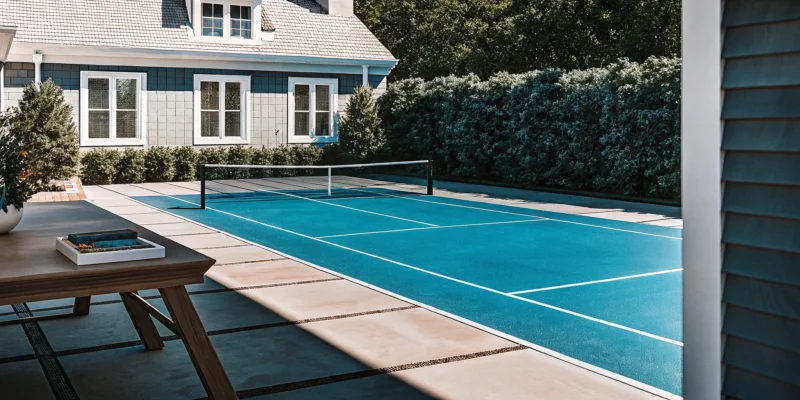
Premium Pickleball Court Construction in Commack, NY: A Showcase Project by Gappsi

View Gappsi’s YouTube Channel to view Premium Pickleball Court Construction in Commack, NY: A Showcase Project by Gappsi

Premium Pickleball Court Built in Commack, NY by Gappsi

The demand for pickleball facilities has surged across Long Island, and communities are increasingly seeking high-quality, durable courts that elevate the playing experience. Gappsi recently completed another impressive installation at the Southern Landing apartment complex in Commack, NY.  Delivering a professionally engineered pickleball court that reflects both structural excellence and aesthetic appeal.

This project highlights Gappsi’s expertise in sports game court design, engineering, and finishing. From the base construction to the final striping, every step is handled with precision to ensure long-term durability, player comfort, and visual impact.

A Strong, Stable Foundation: The Key to Long-Lasting Performance

Every great pickleball court begins with a properly engineered foundation. For this project, Gappsi constructed the court on a six-inch oversized recycled concrete base, selected for its strength, stability, and eco-friendly composition. This oversized base ensures the surface withstands heavy use, seasonal weather changes, and natural ground movement without cracking or shifting.

To refine the foundation, the team topped the base with fine, state-approved crushed concrete, a premium-grade material known for its consistent compaction and smooth finish. This step is critical in sports game court construction, as it prepares the surface for paving and prevents imperfections from telegraphing through the asphalt layer over time.

Professional Asphalt Installation for Superior Durability

Once the base was fully compacted and leveled, Gappsi installed 3.5 inches of asphalt in two layers. This dual-layer approach enhances the court’s structural integrity, providing the durability necessary for continuous play in a multi-resident community.

Using two layers of asphalt also allows for a more uniform finish and increased resistance to cracking.  This is an essential factor for any high-traffic outdoor recreational surface. By taking this extra step, Gappsi ensures a longer-lasting court with reduced maintenance requirements.

Advanced Laykold Surfacing: The Gold Standard in Court Coatings

To deliver a cushioned, player-friendly surface with superior traction and color consistency, the court was finished with Laykold coatings, one of the most widely recognized surfacing systems in the sports game court industry.

Gappsi followed a multi-step application process designed to optimize both performance and aesthetics:

  1. First Coat of New Surf – This initial layer creates a uniform texture and prepares the asphalt for resurfacing products.
  2. Two Coats of Resurfacer – These layers refine the surface, filling micro-imperfections and creating a smooth, seamless finish.
  3. Three Coats of High-Quality Paint – Applied in rich blue color combinations to create a striking visual effect on the court.

The final color palette includes:

  • Dark blue
  • Medium blue
  • Light blue

These tones provide excellent ball visibility, a professional appearance, and long-lasting vibrancy under outdoor conditions. Once the painting was complete, the court was striped with accurate, crisp white lines, ensuring regulation-quality play.

pickleball-court-built-in-commack-ny

Court Size and Design: Built for Play and Comfort

The completed pickleball court measures 60 feet by 40 feet. While slightly larger than a standard court, this oversized design was intentional. The Southern Landing apartment complex requested additional space along the sidelines to accommodate spectator seating and player rest areas.

With benches planned for both long sides, the expanded footprint enhances comfort and makes the court more functional for group play, tournaments, and resident gatherings.

This spacious design also supports better player movement and provides a natural buffer zone that enhances safety during intense rallies.

High-Quality Perimeter Fencing for Safety and Containment

To complete the court’s structure, Gappsi installed an 8-foot-tall chain-link fence, fully outfitted with top and bottom rails for enhanced rigidity. This fence height is ideal for pickleball, as it prevents balls from easily leaving the court while maintaining clear sightlines for players and spectators.

The fence ensures:

  • Safe containment of play
  • Reduced ball loss
  • A clean, professional boundary around the court

Its durable construction is designed to withstand Long Island weather and years of active use.

Premium Pickleball Equipment: Dominator Net System

No pickleball court is complete without reliable, high-performance net equipment. For this installation, Gappsi selected a Dominator pickleball net system, featuring sturdy aluminum posts engineered for longevity and minimal maintenance.

The Dominator system is known for:

  • Excellent tension retention
  • Rust-resistant materials
  • A professional appearance
  • Easy adjustability for continued level play

This premium net elevates the court’s overall quality, ensuring players experience consistent bounce, accurate net height, and reliable performance.

Engineered for Community Use and Years of Enjoyment

This Southern Landing installation represents the latest addition to Gappsi’s portfolio of pickleball court projects in Commack, NY, and throughout Long Island. Every detail was executed with long-term value in mind, from the recycled concrete base to the multi-layer Laykold coatings and reinforced fencing.

Because this court will serve an active apartment community, durability was essential. The finished product is built to handle extensive daily use, changing weather conditions, and minimal downtime, ensuring residents will enjoy a top-tier playing experience for many years.

Why Gappsi Is a Leading Builder of Pickleball Courts in New York

Gappsi’s expertise in outdoor construction, sports game court engineering, and premium surfacing sets the company apart in the Long Island market. Clients choose Gappsi because the team delivers:

  • Full-service design, engineering, and installation
  • Industry-leading surfacing systems
  • Precision construction for maximum longevity
  • Expert knowledge of sports game court requirements
  • Aesthetic customization for any property

Whether for residential communities, private homes, schools, parks, or commercial spaces, Gappsi’s pickleball courts are known for high performance, beauty, and durability.

The newly completed pickleball court at Southern Landing in Commack, NY, stands as a testament to Gappsi’s commitment to quality craftsmanship and advanced construction methods. With its solid foundation, professional-grade finishes, bold blue color scheme, and durable equipment, this court provides residents with an exceptional recreational amenity.

As pickleball continues to grow in popularity across Long Island, projects like this highlight the importance of expert design, meticulous installation, and premium materials. Gappsi continues to lead the way in creating long-lasting pickleball courts tailored to each property’s needs.

Contact Gappsi Today

📍 Serving all of Long Island, NY — Nassau & Suffolk Counties
🌐 www.gappsi.com
📞 Call now for a free consultation and estimate!

SCHEDULE A MEETING TODAY WITH GAPPSI

Share this page:
A basketball on a concrete court, a key element in determining the cost per square foot.

What’s the Concrete Slab Cost Per Sq Ft for a Court?

Planning a backyard court on Long Island? You already know our weather and local codes in Nassau and Suffolk counties are unique. This means national cost averages just don’t cut it when you’re trying to create a realistic budget. We’ll break down the real cost of a concrete slab for a backyard sports court per sq ft right here. This guide focuses specifically on local factors, from labor rates to material sourcing, so you can plan for a durable, long-lasting court that stands up to our seasons without any surprise expenses.

Key Takeaways

  • Prioritize a Professional Foundation: The most critical part of your budget should go toward expert site preparation and high-quality concrete. A solid, level base with proper drainage is the best way to prevent costly cracks and ensure your court lasts for decades.
  • Plan for the Complete Project, Not Just the Concrete: Remember to factor in costs beyond the slab itself. Your total budget should include essential elements like basketball hoops, lighting for evening games, local permits, and professional line painting.
  • Balance Court Size with Material Quality to Manage Costs: The easiest way to adjust the project’s price is by choosing the right court size, like a half-court. This allows you to save on square footage without compromising on the high-quality materials needed for a durable foundation.

What’s the Per-Square-Foot Cost for a Backyard Concrete Court?

Figuring out the budget for your dream basketball court is the first step to making it a reality. While the final price tag depends on a lot of moving parts, understanding the cost per square foot gives you a solid foundation for planning. It helps you compare quotes and decide what features are most important for your space and your family. Let’s break down the numbers so you can get a clearer picture of the investment.

Understanding the Average Costs

So, what’s the bottom line? Generally, you can expect the cost to build an outdoor basketball court to fall somewhere between $4 and $16 per square foot. That’s a pretty wide range, I know. The concrete slab itself, which is the foundation of your court, typically runs from about $8 to $18 per square foot, depending on the quality and thickness you choose. To give you a bigger picture, a full-size court can end up costing anywhere from $20,000 to $75,000. Of course, most backyard courts aren’t regulation size, but this gives you an idea of how the costs scale up when planning your home sports court.

How Your Location Affects the Final Price

While those numbers give you a starting point, where you live plays a huge role in the final cost. Building a court here on Long Island will have different costs compared to other parts of the country. Why? It all comes down to local market conditions. The price of materials, the cost of labor, and even local building regulations can vary significantly from one town to the next. A contractor in Suffolk County might have different overhead than one in Nassau. That’s why getting a quote based on your specific location is so important for an accurate budget. It ensures all the local variables are factored in from the start.

The Financial Payoff: Does a Basketball Court Add Home Value?

It’s a question every homeowner asks before a big project: will this actually pay off? When it comes to a backyard basketball court, the answer is a resounding yes, and in more ways than one. Beyond the countless hours of family fun, a well-designed court can significantly increase your property’s market value. In fact, some studies show that adding a feature like a basketball court can raise a home’s value by anywhere from 5% to 30%. In a competitive market like Long Island, having a unique, ready-to-use amenity can make your home stand out to potential buyers, especially those with active families. It’s not just an expense; it’s a strategic addition that adds tangible value and appeal.

The return on your investment isn’t just about resale value. Think of it as an investment in your family’s health and happiness. A home court provides a safe, convenient place for kids to play and for everyone to stay active. It becomes the go-to spot for neighborhood games and family get-togethers. Plus, when you build with durable materials like high-quality concrete, you’re creating a feature that will last for decades with very little maintenance. A professionally installed sports court is built to withstand Long Island’s seasons, ensuring it remains a valuable asset for 20 to 30 years. It’s a long-term investment in your home and your lifestyle.

What Factors Influence Your Court’s Final Cost?

When you start budgeting for a backyard basketball court, you’ll quickly find that the final price isn’t a one-size-fits-all number. Several key factors can significantly influence your total investment. Understanding these variables from the get-go will help you plan a realistic budget and make informed decisions about where to allocate your funds. From the size of the court to the condition of your backyard, each element plays a role in shaping the final cost. Let’s walk through the main components that will impact your project’s price tag.

A Detailed Cost Breakdown

To really understand the final price, it helps to see how the project breaks down into individual stages. Each step has its own costs, from preparing the ground to painting the final free-throw line. Knowing what goes into each phase will help you see where your budget is being allocated and why certain steps are so crucial for a court that will last for years of gameplay.

Site Preparation

Before you can even think about pouring concrete, the ground needs to be perfectly prepared. This involves clearing the area of any trees or debris, leveling the land to create a flat surface, and installing proper drainage to handle Long Island’s rain and snow. This is a critical first step, as a poorly prepared site can lead to cracks and an uneven court down the road. Depending on your yard’s current condition, you can expect site preparation to cost between $5,000 and $15,000. This foundational work is something a full-service landscape construction team can handle to ensure it’s done right.

Base Installation

The concrete slab is the foundation of your court, and its quality will determine the court’s longevity. For a durable playing surface, you’ll want a high-quality concrete slab that is at least four inches thick. The cost for this typically runs between $8 and $18 per square foot, which includes materials and labor. This is where a significant portion of your budget will go, and it’s not an area to cut corners. A professionally installed masonry base ensures your court can withstand years of play and changing seasons without shifting or cracking.

Surface Material and Finish

While a plain concrete slab is functional, adding a specialized surface material can dramatically improve playability and safety. Options like acrylic coatings provide better grip, a more consistent ball bounce, and can even reduce stress on your joints. These finishes also allow you to add color and personality to your court. While this adds to the overall cost, investing in a high-quality surface is a great way to protect the underlying concrete and create a professional-grade playing experience right in your backyard. Many modern sports game courts include these finishes for enhanced performance and durability.

Painting and Line Striping

The final touch is painting the lines that officially turn your slab into a basketball court. This includes the boundary lines, the key, and the three-point arc. Professional line striping ensures the measurements are accurate and the lines are crisp and durable. The cost for this can range from a few hundred to over a thousand dollars, depending on the complexity of the design you choose. It’s a relatively small part of the total budget, but it’s the detail that brings the whole project to life and makes it ready for the first game.

How Size and Design Impact the Price

It makes sense that the bigger the court, the higher the cost. The total square footage directly impacts the amount of materials and labor needed. You can generally expect the construction to run between $4 to $16 per square foot, so a full-court design will be a much larger investment than a half-court or just a free-throw lane. Beyond simple dimensions, a custom layout with unique angles or multiple zones can also increase the price. Our team can help you design a custom game court that fits your space and your budget perfectly.

Don’t Underestimate Site Prep Costs

Before any concrete can be poured, the ground needs to be ready. This is one of the most critical—and often underestimated—costs. Site preparation can involve clearing trees, removing old structures, leveling sloped land, and ensuring the area has proper drainage. Depending on the current state of your yard, this work can add anywhere from $1,000 to $5,000 to your project. While it might seem like a hefty upfront cost, proper site prep is essential for a stable, long-lasting court. Our landscaping and excavation experts handle this foundational work to prevent cracks and shifting down the road.

Demolition of Existing Structures

Before you can build your new court, you might need to clear out what’s already there. This could mean removing an old shed, a cracked concrete patio, or even some overgrown landscaping. The cost for demolition can vary quite a bit because it really depends on the size and complexity of what needs to go. A simple fence removal will be much less expensive than breaking up and hauling away a large, reinforced concrete slab. It’s an important step to budget for, as it creates the clean slate needed for a perfect court foundation.

Retaining Walls for Sloped Yards

Many properties on Long Island aren’t perfectly flat, and a sloped yard can present a challenge for a basketball court. To create a stable, level playing surface, you may need a retaining wall. This structure holds back soil and prevents erosion, ensuring your court’s foundation remains solid for years. Depending on the height and materials required, a retaining wall can add between $5,000 and $20,000 to your project. This is where professional masonry expertise is crucial to ensure the wall is both structurally sound and visually appealing.

Engineering and Surveying Fees

Getting the technical details right from the start can save you major headaches down the road. This is why budgeting for engineering and surveying fees, which typically range from $3,000 to $8,000, is a smart move. An engineer will ensure your court has proper drainage and a solid structural design, while a surveyor will map out the property to comply with local building codes in Nassau or Suffolk County. Think of it as an investment in your court’s longevity, preventing issues like water pooling or foundation cracks before they ever happen.

Choosing the Right Concrete and Thickness

The foundation of your court is the concrete slab, and its quality is not something you want to compromise on. The cost for a concrete slab typically ranges from $8 to $18 per square foot. This price varies based on the thickness of the slab and the quality of the concrete mix used. A thicker, reinforced slab will cost more initially but will provide superior durability against Long Island’s changing seasons and prevent premature cracking. Think of it as an investment in the longevity of your court. High-quality masonry work is key to a court that will last for years of play.

Special Considerations for Long Island’s Climate

When you’re planning any outdoor project here on Long Island, our weather is always a major factor. We experience the full range of seasons, which includes cold winters with frequent freezing and thawing cycles. This constant fluctuation can be tough on standard concrete. As moisture seeps into the slab, it freezes, expands, and puts immense pressure on the material from within. Over time, this process can lead to surface spalling and deep cracks, compromising the integrity and playability of your court. That’s why selecting materials specifically designed to withstand our local climate isn’t just a recommendation—it’s essential for protecting your investment and ensuring your court lasts for years of enjoyment.

Why Air-Entrained Concrete is a Must

To combat the effects of our freeze-thaw cycles, using air-entrained concrete is the best practice. This isn’t just regular concrete; it’s a specialized mix that contains billions of microscopic air bubbles. These tiny pockets act as relief valves, giving water the space it needs to expand when it freezes without putting stress on the concrete itself. As one guide on court surfaces notes, you should “Use ‘air-entrained concrete’ for outdoor courts in cold places to resist freezing.” Investing in this higher-quality material from the start is one of the smartest decisions you can make. It dramatically enhances the durability of your court, ensuring your backyard sports court remains a source of fun, not frustration.

Factoring in Labor and Installation Fees

Building a basketball court correctly requires skill and precision, and labor costs reflect that expertise. Professional installation is a significant part of the budget, often accounting for 40% to 60% of the total project cost. This covers everything from the initial excavation and grading to building the formwork, pouring the concrete, and applying the finishing touches. While it might be tempting to cut corners here, hiring an experienced team ensures every step is handled correctly. This professional oversight guarantees your court is not only level and smooth but also built to withstand years of use.

Full Court vs. Half Court: A Cost Comparison

One of the biggest decisions you’ll make is choosing the size of your court. This choice directly impacts the final price tag, the amount of space you’ll need, and how you’ll use the court for years to come. Whether you envision full-court games with friends or a dedicated space for your kids to practice their free throws, understanding the cost differences is the first step in planning your project. Let’s look at what you can expect for both a full-court and a half-court setup.

How Much Does a Full Court Typically Cost?

If you have the space and the budget for a regulation-size court, you’re looking at a serious upgrade to your property. A full-size outdoor basketball court, which measures 94 by 50 feet, is a major project. The cost can range anywhere from $20,000 to over $75,000. This wide range comes down to a few key variables, including the current condition of your yard and the specific materials you choose. A sloped or uneven site will require more extensive prep work, adding to the cost. This option is perfect for dedicated athletes or families who plan to host neighborhood games and want an authentic playing experience right in their backyard.

What’s the Price Tag for a Half Court?

For most homeowners, a half court is the more practical and popular choice. It offers plenty of room for practice, one-on-one games, and family fun without taking over your entire yard. A typical half-court installation is much more budget-friendly, with costs generally falling between $3,600 and $14,400. The final price depends on the exact dimensions and features you select. This option is a fantastic way to add a dedicated sports game court to your home, giving you a versatile space for recreation that fits comfortably within your property lines and budget.

How to Decide: Balancing Space and Budget

Ultimately, the decision between a full and half court comes down to balancing your budget with your available space. It’s a common misconception that building a backyard basketball court is always a massive expense. The reality is that the project is highly scalable. The simple rule is that the larger the court, the more it will cost in materials and labor. Think about how you and your family will realistically use the space. If you’re focused on shooting drills and casual play, a half court provides everything you need. If you’re training for a league or have a large, active family, the investment in a full court might be worthwhile.

Planning for Those “Extra” Project Costs

When you’re budgeting for a concrete basketball court, it’s easy to focus solely on the cost of the slab itself. But the concrete is just the foundation. To create a functional, long-lasting, and enjoyable court, you’ll need to account for several other key components. These additional expenses are what transform a simple patch of concrete into a true home court ready for action. From the hoops and lighting to the essential prep work happening below the surface, planning for these costs upfront will save you from surprises down the road and ensure your project is a slam dunk from start to finish.

Budgeting for Hoops and Equipment

Your court isn’t complete without a place to score. You’ll need at least one basketball hoop, or two if you’re building a full court. The price for hoops can vary widely based on quality, brand, and features like adjustability and backboard material. A high-quality, in-ground hoop will cost more than a portable one but offers superior stability and durability for serious play. When planning your turf and game courts, be sure to factor in the cost of professional installation to ensure the hoop is secure and set at the regulation height.

Adjustable Basketball Hoops

An adjustable hoop is a fantastic investment, especially for families. While a basic, high-quality hoop might start around a few hundred dollars, premium models with features like easy height adjustment can run into the thousands. The real value comes from its versatility—you can lower it for younger kids just starting out and raise it as they grow, ensuring the court remains a fun challenge for everyone. For a permanent installation, an in-ground hoop provides the best stability and durability, which is crucial for safe and serious play. When we design a custom sports court, we always discuss hoop options to find the perfect fit for your family’s needs.
Rebounders and Multi-Sport Nets

To get the most out of your new court, think beyond just basketball. Adding a rebounder system is a great way to help players practice their shooting solo, while multi-sport nets can transform the space for other activities. With the right setup, your court can easily double as a spot for volleyball, pickleball, or even tennis practice. These additions expand the court’s utility for the whole family. We can also install professional containment netting to keep stray balls from ending up in your neighbor’s yard or the flower beds, making playtime safer and more convenient for everyone.

The Cost of Lighting for Night Games

Want the game to continue after the sun goes down? You’ll need to invest in court lighting. This is a feature that dramatically extends the usability of your court, making it perfect for evening practices or friendly games on warm nights. The cost for a lighting system can range from a couple of thousand dollars to much more, depending on the number of lights, their brightness, and the complexity of the electrical work. Proper landscape design and installation are key to ensuring your court is evenly lit without creating glare for players or neighbors.

Why You Need to Plan for Drainage

What’s underneath your court is just as important as the surface itself. Proper site preparation and drainage are critical for preventing cracks, heaving, and puddles that can ruin your court over time. This step involves clearing and leveling the land and installing a drainage system to manage water runoff. Depending on your property’s slope and soil conditions, this can be a significant expense. Investing in expert masonry and construction for this foundational work protects your entire investment and ensures your court lasts for decades.

Working Permits and Inspections into Your Budget

Before any digging begins, you’ll likely need to secure permits from your local municipality. Building a permanent structure like a concrete court often requires official approval to ensure it meets local zoning laws and safety codes. The cost for permits and subsequent inspections can range from a hundred to a thousand dollars. While it might seem like a hassle, this step is non-negotiable. Working with an experienced contractor can streamline this process, as they will know exactly what paperwork is needed and how to manage the inspections efficiently.

The Finishing Touches: Paint and Coatings

The final touches are what make your court look and feel official. Once the concrete has cured, you’ll need to paint the lines for the free-throw lane, three-point arc, and boundaries. Hiring a professional for this ensures the lines are crisp, accurate, and durable, typically costing a few hundred dollars. You might also consider adding a colorful acrylic surface coating. This not only enhances the court’s appearance but also improves traction, adds a bit of cushion, and can help protect the concrete from the elements, extending its lifespan.

Fencing and Netting Options

Once your court is ready for action, the last thing you want is to spend half your time chasing stray basketballs into your garden or the neighbor’s yard. That’s where fencing and netting come in. This addition is crucial for keeping the game contained and protecting your surrounding landscape. Your options range from classic chain-link, which is durable and cost-effective, to more modern vinyl or composite materials that can match your home’s aesthetic. Another popular choice is a soft-fence or barrier netting system, specifically designed for sports courts to absorb impact and keep the ball in play without being too visually intrusive. Choosing the right fencing not only adds a layer of safety and convenience but also gives your court a more professional, finished look.

Getting the Foundation Right: Site Prep and Concrete

A great basketball court is only as good as the foundation it’s built on. Before you can even think about shooting hoops, you need to focus on what’s underneath. This is the most critical phase of the project, and getting it right ensures your court will last for years of gameplay. Proper site preparation and a professionally poured concrete slab are non-negotiable for a high-quality, durable court that plays true. Let’s walk through the key steps involved in creating that perfect base.

Step 1: Proper Excavation and Grading

First things first: you need a perfectly flat and stable surface. This almost always involves excavating the area for your court, which means removing topsoil, rocks, and roots to create a clean slate. After excavating, the ground is graded to ensure it’s completely level and compacted. This step is crucial because an uneven base can lead to a lumpy court, poor drainage, and eventually, cracks in your concrete. While it can be one of the more significant costs in the project, proper landscape and site preparation is the only way to guarantee a professional-grade result. A solid, level base is the starting point for a court that stands up to Long Island’s weather and years of play.

Step 2: Building a Solid Sub-Base

Once the ground is graded, the next step is to lay a sub-base, which is typically a layer of crushed stone. This provides a stable platform for the concrete and helps with drainage, preventing water from pooling underneath and causing damage over time. The industry standard for the concrete slab itself is a 4-inch thickness. This depth provides the necessary strength and support to handle everything from intense games to the freeze-thaw cycles we experience each year. This solid foundation is essential whether you plan to paint the concrete or install a high-performance game court surface on top. A well-built base prevents shifting and cracking, protecting your investment for the long haul.

The Importance of a Compacted Gravel Layer

That layer of compacted gravel beneath your concrete isn’t just filler—it’s the key to your court’s longevity. It creates an incredibly stable platform that supports the heavy concrete slab, preventing it from shifting or cracking under the stress of intense games. Just as importantly, it manages drainage. This layer allows water to run off effectively instead of pooling underneath, which is what causes major damage during our freeze-thaw cycles here on Long Island. This solid base is what allows the 4-inch concrete slab to do its job, providing a level and durable playing surface for years. Investing in proper masonry and foundation work is what truly protects your court for the long run.

Step 3: Deciding on Concrete Thickness

While 4 inches is a great starting point, the ideal concrete thickness can vary based on a few key factors. Your specific soil conditions and local building codes in Nassau or Suffolk County might require adjustments for long-term stability. For example, some projects benefit from thickened edges, where the perimeter of the slab is poured deeper to provide extra structural support and prevent the edges from crumbling over time. An experienced contractor can assess your property and determine the exact specifications needed for your court. This is where professional masonry and construction expertise becomes invaluable, ensuring your court is built to code and engineered to last.

Step 4: Adding Reinforcement for Durability

Concrete is incredibly strong under compression, but it needs help resisting the tension that can cause cracks. That’s where reinforcement comes in. A grid of steel bars (rebar) or wire mesh is laid out before the concrete is poured. This steel “skeleton” holds the concrete together and distributes weight from impacts and ground movement, dramatically increasing its strength and lifespan. While it might be tempting to cut costs by handling the concrete pour yourself, the quality of the pour directly impacts how the ball bounces and how the court feels underfoot. A professional installation guarantees a smooth, consistent surface that’s ready for serious play from day one.

Step 5: Applying the Right Finish for Grip

Once the concrete is fully cured, it’s time to bring your court to life with the finishing touches. This is where a simple slab transforms into a professional-looking playing surface. The first step is painting the essential lines: the free-throw lane, the three-point arc, and the court boundaries. While you can do this yourself, hiring a professional ensures the lines are crisp, accurate, and applied with durable paint that won’t fade after one season. Beyond the lines, you might consider an acrylic surface coating. This adds a layer of color and texture that not only looks fantastic but also improves traction for safer play, provides a bit of cushion underfoot, and helps protect the concrete from the elements, extending the life of your custom sports court.

Step 6: Incorporating Control Joints to Prevent Cracks

This step might sound technical, but it’s one of the most important for the long-term health of your court. Concrete naturally expands and contracts with the temperature swings we get here on Long Island. Without a way to manage this movement, random, unsightly cracks can form across your beautiful new court. That’s where control joints come in. These are planned grooves strategically cut into the concrete slab shortly after it’s poured. They create weakened lines that encourage the concrete to crack in a straight, predictable way within the joint, keeping the main playing surface smooth and intact. It’s a crucial detail that expert masonry contractors never skip, as it’s the best defense against the natural forces that can damage concrete over time.

Beyond Concrete: Exploring Surface and Foundation Alternatives

While a classic painted concrete slab is a fantastic and durable option, it’s not the only choice for your backyard court. Technology and design have come a long way, offering a variety of surfaces and even foundation methods that can provide different benefits. Maybe you’re looking for a surface that’s easier on the joints, offers superior drainage, or can be installed more quickly. Exploring these alternatives allows you to tailor your court to your family’s specific needs, aesthetic preferences, and property conditions. From high-performance tiles to eco-friendly foundations, there are innovative solutions that can take your home game court to the next level.

Modular Sport Tiles

If you want a high-performance surface with a professional look, modular sport tiles are an excellent option. These interlocking tiles are typically made from a durable polypropylene that snaps together over a concrete slab or other solid base. They create a suspended surface that offers better shock absorption than plain concrete, which is great for reducing stress on knees and ankles during play. Modular tiles also provide superior grip, come in a huge range of customizable colors for logos and designs, and allow water to drain through them, so your court dries quickly after it rains. They are a low-maintenance and incredibly durable choice for a multi-sport court that will look great for years.

Alternative Foundation Options

The foundation is the most critical part of your court, but a standard concrete slab isn’t the only way to build a solid base. Depending on your goals for drainage, environmental impact, or even your budget, there are several other foundation methods worth considering. These alternatives can work beautifully with modular tile surfaces to create a complete court system.

Pervious Concrete

Pervious concrete is an innovative mix that allows water to drain directly through its surface into the ground below. This completely eliminates puddles and reduces stormwater runoff from your property, making it an environmentally friendly choice. Your court will be ready for play much faster after a rainstorm.

Compacted Base with Natural Materials

For a more cost-effective and permeable option, you can use a compacted base of natural materials like crushed stone or gravel. When properly graded and compacted, this type of base provides a stable foundation for modular tiles while allowing for excellent natural drainage.

Panel-Based Systems

Panel-based systems offer one of the fastest installation methods available. These large, prefabricated panels lock together to create a strong and uniform base for your court surface. This can be a great choice if you’re looking for a flexible system that minimizes disruption to your yard during construction.

Common Budgeting Mistakes to Avoid

Creating a budget for your dream basketball court is exciting, but it’s easy for hidden costs to sneak up on you. A detailed plan is your best defense against surprise expenses that can throw your project off track. Thinking through the entire process, from the ground up, helps ensure your initial estimate is as accurate as possible. This isn’t just about crunching numbers; it’s about creating a realistic roadmap that turns your vision into a reality without unnecessary stress. A well-thought-out budget accounts for every phase, from preparing the land to the final coat of paint on the three-point line.

Let’s walk through some of the most common budgeting oversights so you can plan with confidence and avoid any costly curveballs. By anticipating these potential expenses, you can allocate your funds effectively and make informed decisions along the way. This proactive approach keeps you in control of the project, ensuring the final result is exactly what you envisioned. A clear budget empowers you to work with your contractor as a partner, making the construction process a smooth and enjoyable experience from start to finish.

Ignoring the True Cost of Site Prep

Before a single drop of concrete is poured, your yard needs to be ready. This is where site preparation comes in, and it’s often a much bigger line item than homeowners expect. Site prep involves clearing the designated area of any trees, rocks, or debris, followed by professional grading to create a perfectly level surface. This foundational work is critical for the stability and longevity of your court. Depending on the current state of your property, the cost for clearing and leveling the ground can be significant. A professional landscape and masonry team can assess your site to give you a precise quote for this essential first step.

Forgetting to Budget for Permits

Dealing with local regulations is a crucial part of any major home improvement project. Building a basketball court often requires permits from your town or municipality to ensure it meets safety and zoning codes. These fees can vary quite a bit across Long Island, so it’s important to research your local requirements early on. Forgetting to budget for permits can not only add an unexpected expense but also cause delays if you have to halt construction to get the proper paperwork in order. Working with an experienced local contractor is a huge advantage here, as they will understand the specific permitting process in your area and can handle the submissions for you.

Skipping a Proper Drainage Plan

Proper drainage is one of the most important, yet overlooked, aspects of court construction. Without a system to manage water runoff, your court can suffer from standing water, premature cracking, and shifting from freeze-thaw cycles. This is especially important in our Long Island climate. Planning for drainage might involve installing French drains, grading the surrounding landscape, or using a permeable base material. While it adds to the upfront cost, investing in a solid drainage solution protects your court from much more expensive water damage repairs down the road. It’s a smart investment in making sure your court is playable and pristine for years to come.

Choosing Low-Quality Concrete to Save a Buck

When you’re looking at quotes, it can be tempting to choose the one with the lowest material cost. However, the quality of the concrete makes a massive difference in how your court performs and how long it lasts. A higher-grade concrete mix with the right thickness and reinforcement will resist cracking and stand up to years of intense games and harsh weather. The cost per square foot for a court can vary significantly, and a big part of that variation comes down to the quality of the concrete used. Investing in a superior mix from the start means you’ll spend less time and money on repairs and resurfacing later on.

How to Save Money on Your Backyard Court

Building your dream basketball court is an exciting investment, but it doesn’t have to break the bank. With some smart planning and strategic decisions, you can manage the costs effectively without sacrificing the quality of your court. It’s all about knowing where you can be flexible and where it pays to invest in expertise. From scheduling your build during the off-season to making savvy material choices, a few key considerations can make a big difference in your final bill. Let’s walk through some practical ways you can save money on your project and still end up with a court your family will love for years to come.

Time Your Project to Save on Costs

Believe it or not, when you build can affect what you pay. The construction industry has peak seasons and slower periods, just like any other business. Scheduling your court installation during a contractor’s off-season, like late fall or early spring, can sometimes lead to better pricing on labor and materials. Demand is lower during these times, giving you more flexibility and potential savings. It’s always a good idea to discuss timing with your contractor to see if there’s a strategic window for your project that aligns with your budget.

Choose Your Materials Wisely

Your choice of materials and court size are two of the biggest factors in your budget. While you never want to compromise on the quality of the concrete base, you can be strategic. For instance, opting for a half-court instead of a full court can cut costs significantly while still providing plenty of space for practice and games. You can also discuss different finishes and coatings with your builder. Our team can walk you through the options for sports game courts to find a solution that fits your vision and your wallet.

Can You DIY Some of the Prep Work?

If you’re comfortable getting your hands dirty, you might be able to save on labor costs by handling some of the initial site prep yourself. This could include clearing the designated area of any landscaping, small shrubs, or debris before the professional crew arrives. However, it’s crucial to leave the technical work to the experts. Pouring a concrete slab for a sports court requires precision that differs from a standard patio or driveway. For a durable, level surface that ensures proper play, you’ll want to rely on professional masonry services for the excavation, grading, and concrete pour.

Understanding DIY Material Costs

If you’re considering handling some of the prep work, it’s smart to get a handle on the material costs you’ll be facing. The most significant expense by far is the concrete for the slab, which typically runs from $8 to $18 per square foot. The price varies based on the thickness and quality of the mix you choose. Investing in a thicker, reinforced slab is crucial for durability, especially with Long Island’s weather, as it helps prevent cracking. Beyond the concrete, you’ll also need to factor in site preparation costs, which can add another $1,000 to $5,000 for things like land clearing and leveling. Knowing these numbers helps you appreciate what goes into a professional quote and see the value in expert masonry and construction for the critical steps.

What Are the Long-Term Maintenance Costs?

A concrete basketball court is a fantastic, durable addition to your home, but it’s not a “set it and forget it” feature. It needs some attention to stay in top shape. Planning for long-term maintenance ensures your court remains a safe, playable, and beautiful space for years. The good news is that the upkeep is typically more straightforward than maintaining a swimming pool. By staying on top of a few key tasks, you can protect your investment and keep the games going. Most of the work falls into three categories: routine cleaning, occasional repairs, and cosmetic touch-ups.

Expected Lifespan of Your Court

When you’re investing in a backyard basketball court, you want to know it’s going to last. The great news is that a professionally built concrete court is a long-term addition to your home, with an expected lifespan of 20 to 30 years. This impressive durability all comes down to the quality of the materials and the expertise of the installation. A solid foundation is everything, especially with the freeze-thaw cycles we get here on Long Island. While the initial cost for a high-quality concrete slab can range from $8 to $18 per square foot, choosing a thicker, reinforced option is a smart move. It’s an investment in decades of family fun and ensures your home sports court will stand up to the elements without cracking or shifting, making it a valuable and lasting feature of your property.

Your Guide to Regular Cleaning

Keeping your court clean is the easiest way to extend its life. Debris like leaves and dirt can hold moisture against the concrete, leading to stains and mildew. A simple sweep with a push broom every week or two is often enough. For a deeper clean, a power washer can remove built-up grime. A well-maintained court isn’t just about looks; it’s also about safety, as a clear surface prevents slips. If you want to keep your court looking pristine without the extra work, professional restoration and sealing services can handle the deep cleaning for you.

Handling Cracks and Resurfacing Down the Road

Even well-installed concrete can develop small cracks over time, especially with Long Island’s freeze-thaw cycles. Address them early. Sealing small cracks prevents water from seeping underneath the slab, which causes bigger problems. For significant damage, repairs can cost a few hundred to a few thousand dollars. Every five to ten years, consider resurfacing the court. This process applies a new top layer, covering imperfections and restoring a uniform playing surface. It’s a predictable expense that keeps your court in prime condition, and a project our masonry experts can manage perfectly.

Renovation vs. Remodeling Costs

Eventually, you might want to do more than just routine maintenance, and it helps to understand the difference between renovating and remodeling your court. A renovation is all about restoring what you have. Think of it as a major refresh: professionally resurfacing the slab, repainting faded lines, or having experts restore and seal the concrete. These projects bring your court back to its original condition. A remodel, however, changes the court’s function or structure. This is a bigger project, like expanding a half-court to a full court, adding a versatile multi-sport game court surface over the concrete, or integrating it into a completely new landscape design. Remodeling transforms the space and is a more significant investment than a renovation.

When to Repaint and Retreat the Surface

The crisp, white lines on your court will naturally fade from sun and gameplay. Luckily, this is a simple and inexpensive fix. Having the court lines repainted is a quick way to refresh the entire space. This is also a great time to reapply a protective sealant. A quality sealant acts as a barrier against moisture and stains, making the surface easier to clean and preserving the concrete’s integrity. Scheduling this service every few years will go a long way in protecting the slab and keeping your court looking its best.

The Role of a Concrete Sealer

Think of a concrete sealer as a protective topcoat for your court. It’s a clear liquid that’s applied after the concrete has fully cured and the lines have been painted. This sealant creates an invisible barrier that shields the surface from moisture, UV rays, and stains from things like spilled drinks or wet leaves. Here on Long Island, this is especially important because it helps protect the concrete from the damage caused by our freeze-thaw cycles. A sealed court is also much easier to clean, as dirt and grime can be washed away instead of soaking into the porous surface. We always recommend this final step to protect your investment and keep your court looking new. Our professional restoration and sealing services ensure a high-quality application for maximum durability.

Understanding the Project Timeline

Once you’ve decided to build a backyard court, it’s natural to want to start playing as soon as possible. While the construction process itself is relatively quick, building a high-quality court isn’t a weekend project. The total timeline can be influenced by a few variables, including the weather, the permit approval process in your town, and the complexity of your site preparation. However, the most important waiting period, and the one that requires the most patience, happens after the concrete is poured. This phase is all about letting the foundation cure properly, and it’s the secret to a court that will last for decades.

Patience is Key: Concrete Curing Time

This is the hardest part for any excited homeowner: waiting for the concrete to cure. It’s important to understand that curing isn’t the same as drying. It’s a chemical process where the concrete hardens and gains its full strength. While you might be able to walk on the slab after a few days, it needs about 28 days to cure completely before it can handle the stress of basketball games or the application of paint and sealants. Rushing this step is a recipe for a weak court that will crack and chip prematurely. This waiting period is non-negotiable for creating a durable foundation that can withstand years of play and the changing Long Island seasons. Proper curing is a hallmark of professional masonry work and is essential for the longevity of your investment.

How to Get an Accurate Contractor Quote

Once you have a clear vision for your basketball court, the next step is to get a handle on the numbers. The best way to do this is by gathering detailed quotes from a few different local contractors. This isn’t just about finding the lowest price; it’s about understanding what you’re paying for and finding a partner you can trust. A reliable quote should be more than just a final number on a piece of paper. It needs to be a comprehensive, written document that breaks down every aspect of the project.

Look for an estimate that clearly lists the costs for materials, labor, site preparation, and any additional features like lighting or fencing. It should also specify the type and quality of the materials being used, especially the concrete mix. A professional contractor will also provide a clear contract and details about their warranty in writing. This transparency protects you and ensures there are no surprises down the line. At Gappsi, we provide detailed proposals for all our sports court projects so you know exactly where your investment is going.

Key Questions to Ask Your Contractor

Walking into a consultation prepared with the right questions can make all the difference. It shows you’ve done your homework and helps you accurately gauge a contractor’s experience and professionalism. Before you sign any contracts, make sure you have clear answers to these questions:

  • Can I see a portfolio of your previous basketball court projects?
  • Are you licensed and insured to work in Long Island?
  • What is the estimated timeline for the project from start to finish?
  • What kind of warranty do you offer on materials and workmanship?
  • Who will be the main point of contact on-site?
  • What permits are required for this project, and will you be responsible for securing them?

Red Flags to Spot in an Estimate

Just as a detailed quote is a good sign, a vague one can be a major red flag. Be cautious of any estimate that feels too good to be true or lacks specific details. An unusually low bid often means a contractor is cutting corners, likely on the quality of the concrete or the thoroughness of the site prep. If the surface isn’t prepared correctly, your court won’t play right and will be prone to cracking and shifting.

Another red flag is an estimate that isn’t in writing or one that doesn’t clearly itemize costs. A professional company will have no problem putting everything on paper. The quality of the concrete and base materials is critical, so if a contractor can’t explain the specifics, consider it a warning. Your court’s foundation is everything, and our expertise in masonry and concrete work ensures it’s built to last.

Related Articles

Frequently Asked Questions

Why is the cost range per square foot so wide? The broad price range, typically from $4 to $16 per square foot, comes down to a few key variables that are unique to every project. The biggest factors are the current condition of your yard, which determines the amount of site preparation needed, and the quality and thickness of the concrete you select. Labor costs here on Long Island also play a significant role, so the final price is a reflection of your specific property and material choices.

What’s the single biggest cost I might overlook? Hands down, it’s the site preparation. It’s easy to focus on the court itself, but the work required to clear, level, and properly drain the land beforehand is a major part of the budget. This foundational step is absolutely critical for preventing cracks and ensuring your court lasts for decades, so while it can be a significant expense, it’s the most important investment in the entire project.

How long does the whole process take from start to finish? The timeline can vary based on the project’s complexity, the permit process in your town, and of course, the weather. Generally, you can expect the construction of a backyard court to take anywhere from one to four weeks. This includes the initial excavation and grading, pouring the concrete, allowing it to cure properly, and then adding the final touches like painting lines and installing the hoop.

Can I save money by doing some of the work myself? You can definitely trim some labor costs by handling simple prep work, like clearing away small shrubs or debris from the designated area. However, we always advise leaving the heavy lifting to the professionals. The excavation, grading, and concrete pour require precision and expertise to ensure a perfectly level and durable playing surface. Getting this part right is essential for the court’s performance and longevity.

How often will I need to perform major maintenance on the court? A concrete court is quite durable, so you won’t be dealing with constant upkeep. Beyond regular sweeping, major maintenance is infrequent. You’ll want to seal any small cracks as they appear to prevent water damage. As for bigger tasks, you can plan on having the court professionally resurfaced and the lines repainted every five to ten years to keep it in prime playing condition.

Share this page:

A Stunning Multisport Game Court Built in Commack, NY by Gappsi

View Gappsi’s YouTube Channel to view A Stunning Multisport Game Court Built in Commack, NY by Gappsi

Creating a backyard that blends beauty, recreation, and durability is an art, and Gappsi continues to perfect it with every project. Their latest transformation in Commack, NY, is a valid showcase of craftsmanship, design innovation, and multifunctional outdoor living. This newly completed multisport game court brings together basketball, pickleball, mini golf, volleyball, badminton, and a custom-built practice wall, all in a cohesive, highly engineered layout.

Designed to offer year-round fun for the entire family, this project is more than a court.  A private recreation complex built right at home.

A Vision of Recreation From Every Angle

The centerpiece of this Commack project is a full-size, vibrant basketball court, carefully positioned to enhance playability, safety, and visual appeal through the surrounding features. The layout was designed not only for performance but also to maximize the available space and turn it into an all-ages sports retreat.

And surrounding that basketball court? A beautifully sculpted mini golf course that wraps entirely around the perimeter of the court. It’s dynamic, flowing, and brings a fun, relaxing atmosphere that balances the competitive nature of the basketball and pickleball areas.

This combination of active and leisure activities creates a space that truly offers something for everyone.

vibrant basketball courtA Fully Custom Mini Golf Course

To build the mini golf course, Gappsi used premium-grade synthetic turf selected for both performance and longevity:

Putting Green Turf

  • Installed in the main play areas
  • Provides a true-to-roll ball response
  • Designed for smooth, consistent speed

Fringe Turf

  • A slightly taller, realistic turf
  • Frames the putting surface
  • Adds visual depth and improves ball play

The entire mini golf layout includes several holes equipped with flags, offering a variety of shot types and putting challenges. What makes this installation particularly impressive is the carefully sculpted undulation throughout the mini golf floor. The elevation changes and contours create a dynamic playing experience akin to a professional putting green, adding both challenge and fun to the design.

sculpted mini golf course

A Multi-Use Basketball and Pickleball Court

At the heart of this project lies the multisport game court, built using TopCourt Mateflex tiles in a custom blend of blue and gray. These tiles offer:

  • Shock absorption
  • Slip resistance
  • Fast drainage
  • Year-round durability
  • A comfortable feel underfoot

The court is fully striped for basketball and pickleball, making it easy for players to transition between sports. With precision striping, the layout maintains the visual clarity and regulation spacing needed for both games.

TopCourt Mateflex tilesProfessional Grade Basketball Hoops

The court features two Dominator basketball hoops, installed at opposite ends to support full-court play. Dominator hoops are known for:

  • Heavy-duty construction
  • Superior stability
  • Smooth, consistent rebound
  • Long-lasting outdoor performance

These premium hoops complete the professional-level feel of the basketball experience.

Multi-Sport Net System for Pickleball, Badminton & Volleyball

To expand the court’s versatility, Gappsi installed a center multisport net system. This adjustable net transforms the court for:

  • Pickleball
  • Badminton
  • Volleyball

The system is easy to raise, lower, or remove depending on the sport being played.  It makes this court one of the most flexible outdoor athletic installations available.

Multi-Sport Net System for Pickleball, Badminton & VolleyballSafety & Enhanced Play with 14-Foot Out-of-Bounds Netting

Around the outer edge of the play area, Gappsi added 14-foot out-of-bounce netting, a crucial feature for both convenience and safety. This netting:

  • Keeps balls inside the court
  • Protects surrounding areas
  • Adds a professional sports-complex appearance

This installation also includes two solar-powered lights facing the house, providing nighttime visibility while maintaining energy efficiency. With solar lighting, the court remains usable long after sunset without increasing electricity costs.

A Brazilian Cumaru Wood Practice Wall

One of the standout custom features of this project is the practice wall, built with beautiful Brazilian Cumaru wood. Cumaru is prized for its:

  • Extreme durability
  • Resistance to rot, insects, and weather
  • Rich color and grain
  • Long-lasting structural strength

The practice wall is finished on both sides, offering functionality and a polished aesthetic from any viewing angle. Whether used for solo practice, drills, or warmups, it’s a high-end addition that elevates both performance and visual appeal.

Brazilian Cumaru WoodMaterials and Craftsmanship That Last

Gappsi uses only premium-grade materials and proven installation techniques for long-term performance. From the sports tiles to the turf, the wood elements, and the netting system, every component was selected to withstand heavy use and harsh New York weather while maintaining its beauty.

This multisport game court is built not only for today’s enjoyment but for many years of family memories, friendly competitions, and weekend gatherings.

A Complete Backyard Transformation in Commack, NY

This multisport game court installation is a testament to Gappsi’s ability to merge sport, leisure, and design into one harmonious space. With:

  • A full basketball/pickleball court
  • Mini golf course wrapping the perimeter
  • Adjustable multi-sport net system
  • Brazilian Cumaru practice wall
  • Premium Dominator equipment
  • Solar lighting and 14-foot containment netting
  • High-performance Mateflex sports tiles

…it’s one of the most comprehensive and visually stunning backyard recreation projects in Commack, NY.

Homeowners now enjoy a private sports oasis that supports fitness, family time, and endless fun, all crafted with the highest level of detail and expertise.

private sports oasis that supports fitness, family time, and endless funIf you’re considering a multisport game court or custom outdoor recreational area for your property, Gappsi can bring your vision to life with unmatched quality and design innovation.

SCHEDULE A MEETING TODAY WITH GAPPSI

Share this page:
A custom multisport game court with a basketball hoop, synthetic turf putting green, and pro-grade surface.

How to Design Your Dream Multisport Game Court

Why limit your backyard to a single activity? A simple basketball hoop is fun, but a true multisport game court transforms your space into a versatile arena for endless entertainment. One thoughtfully designed court can host a fast-paced pickleball match in the morning, a family volleyball game in the afternoon, and even a putting contest on an integrated turf green in the evening. This flexibility means the fun never gets old. As your family’s interests change, the court adapts right along with them. It’s the most innovative way to maximize your yard’s potential, giving you a dozen different ways to play without needing a dozen different spaces.

Key Takeaways

  • Maximize Your Yard with a Single, Versatile Court: A custom multisport game court transforms one area into a hub for countless activities. By incorporating features like adjustable nets, custom line markings, and integrated turf, you create a flexible space that adapts to your family’s favorite games, from basketball to pickleball and even mini-golf.
  • Invest in Pro-Grade Materials for a Better, Safer Game: The quality of your court’s surface and equipment directly impacts playability and safety. Professional-grade materials like interlocking tiles and rust-proof hardware provide superior shock absorption, consistent performance, and the durability to withstand years of play and harsh weather.
  • A Smart Plan and Simple Upkeep Protect Your Investment: A successful court project begins with thoughtful planning that includes layout design, local permits, and a clear budget. Once built, a simple routine of regular cleaning and equipment checks is all it takes to keep your court in top condition, ensuring it remains a lasting source of family fun.

What Makes a Custom Multisport Game Court a Great Investment?

Adding a multisport game court to your backyard is about more than just creating a place to play—it’s an investment in your family’s lifestyle, health, and the long-term value of your home. Think of it as the ultimate backyard upgrade, a central hub for activity and connection that pays dividends for years to come. Instead of a space dedicated to a single activity, a custom court offers the flexibility to adapt to your family’s changing interests, from a fast-paced game of basketball one day to a friendly pickleball match the next.

This versatility is what makes a multisport game court so special. It’s a space that encourages everyone to get outside, stay active, and spend quality time together, away from screens. It becomes the go-to spot for after-school fun, weekend tournaments, and neighborhood get-togethers. Beyond the immediate enjoyment, a professionally designed game court is a significant asset. It enhances your property’s appeal, making your home stand out and adding tangible value should you ever decide to sell. It’s a feature that offers a unique blend of personal enjoyment and smart financial sense.

One Court, Endless Games

The beauty of a multisport game court lies in its incredible versatility. Why limit your backyard to just a basketball hoop or a tennis court when you can have a space that accommodates a wide range of activities? A single, thoughtfully designed court can host everything from basketball and volleyball to pickleball and badminton. This flexibility means the fun never gets old. As your kids grow and their interests change, the court adapts right along with them. It’s a smart use of space that maximizes your backyard’s potential, giving you endless options for recreation without needing a massive yard.

Fun for the Whole Family, All Year Long

A home sports game court is a powerful tool for bringing people together. It naturally encourages exercise, helps everyone burn off steam, and provides a healthy outlet for friendly competition. More importantly, it fosters connection and creates a space where lasting memories are made. Imagine your kids and their friends playing for hours, or hosting a weekend barbecue where the main event is a family volleyball tournament. These are the moments that matter. A custom court provides a safe, convenient, and endlessly entertaining reason for everyone to put down their devices and enjoy the fresh air together.

Add Lasting Value to Your Home

When it comes to home improvements, a multisport game court is a feature that truly adds value. It’s a unique amenity that can make your property much more attractive to potential buyers, especially families. In a competitive real estate market, having a professionally installed game court can set your home apart and justify a higher asking price. It’s not just a patch of asphalt; it’s a lifestyle feature that signals a home built for fun, activity, and family life. This kind of addition enhances your property’s overall appeal and can provide a solid return on your investment.

Key Features of a Modern Multisport Game Court

A modern multisport game court is so much more than just a slab of concrete with a basketball hoop. It’s a dynamic space designed for endless fun, activity, and friendly competition. The best courts are thoughtfully planned to accommodate a variety of sports and activities, making them a true centerpiece for your backyard. Think about it: one dedicated area that can host a pickup basketball game, a competitive pickleball match, and even a round of mini-golf, all in the same afternoon. This level of versatility is what makes a custom court a fantastic addition to any home. By combining smart design with high-quality materials, you can create a hub for family entertainment that will be enjoyed for years. It’s about creating a space that brings people together, encourages active lifestyles, and adds real value to your property. From the playing surface under your feet to the adjustable nets that switch between games, every element is chosen to maximize your enjoyment and the court’s functionality. Let’s look at the key features that transform a simple court into a premier athletic space that your family will love.

A Central Hub for Basketball

At the heart of most multisport game courts is a dedicated basketball area. This space often serves as the central hub, with other games and activities planned around it. A typical design includes two high-quality basketball hoops, one at each end, with court lines for regulation play. But the smart design doesn’t stop there. The same space can be striped for other games, like pickleball, creating a multi-use surface that’s always ready for action. This approach maximizes every square foot, allowing you to switch from a game of hoops to a pickleball match in minutes. It’s the perfect foundation for your family’s custom game court.

Integrating Turf for Mini Golf

Why limit your court to just ball sports? One of the most creative ways to enhance your court is by integrating a custom putting green. Imagine a mini-golf course wrapping around the perimeter of your basketball court. We can build this using different types of synthetic turf—a smooth putting green turf for the main area and a taller turf for the fringe. This adds an entirely different kind of activity to your backyard, perfect for a relaxing afternoon or for entertaining guests. It’s a fantastic way to add visual interest and even more fun without the constant maintenance of natural grass.

Adjustable Nets for More Ways to Play

Versatility is the name of the game, and nothing adds more flexibility than an adjustable net system. We can install a multiport netting system that easily changes height, instantly preparing your court for a new sport. In just a few moments, you can set it up for a fast-paced game of pickleball, raise it for badminton, or get it ready for a volleyball match. This simple feature dramatically expands the number of activities your family can enjoy. It ensures that your court appeals to everyone, regardless of their age or athletic interests, making it a truly inclusive space for play.

Professional-Grade Surface Materials

The surface you play on makes all the difference in terms of performance, safety, and durability. That’s why we use professional-grade materials like VersaCourt tiles. These tiles feature a patented interlocking system that creates an exceptionally uniform and durable surface, perfect for everything from basketball and tennis to shuffleboard. This type of surface provides better shock absorption than concrete, which is easier on your joints and helps reduce the risk of injury. Investing in a high-quality, durable surface ensures your court can handle intense play and all types of weather while providing a safe environment for years of fun.

How Adjustable Netting Unlocks Your Court’s Potential

A great multisport game court is all about versatility. While a basketball hoop is a fantastic centerpiece, the real magic happens when you can instantly transform the space for a completely different game. This is where a high-quality adjustable netting system comes in. It’s the feature that turns your court from a single-use area into a dynamic hub for endless activities. Instead of being locked into one sport, you have the freedom to play whatever you’re in the mood for, whenever you want. It’s about creating a space that grows with your family’s changing interests.

The versatility of adjustable netting maximizes your court’s functionality. Unlike rigid, permanent fixtures that can be limiting, a modern netting system can be easily modified to suit different sports, ensuring your court is always ready for action. This flexibility allows you to get the most out of your investment, creating a space that serves every member of your family, from young kids learning the basics to adults enjoying a competitive match. With a professional sports game court, you can host a neighborhood pickleball tournament one day and a family volleyball match the next, all in the same space. It’s the ultimate way to bring everyone together for some active fun.

Set Up for a Pickleball Match

Pickleball has become incredibly popular, and an adjustable net makes it easy to join the fun without building a dedicated court. The system allows for a quick and easy setup, so you can get a game going in minutes. Simply lower the net to the official pickleball height of 34 inches at the center, and you’re ready to play. This flexibility means you don’t have to commit precious yard space to a permanent, single-sport fixture. Instead, your court can adapt to your interests, making it easy to enjoy a spontaneous match with friends and family whenever the mood strikes.

Switch to a Game of Volleyball

Ready for a different challenge? With the right adjustable netting, transitioning from pickleball to volleyball is seamless. The net can be raised to accommodate the specific height requirements for volleyball, badminton, or any other net sport you enjoy. This simple adjustment completely changes the dynamic of your court, opening it up to a new world of games. It’s an ideal feature for families with diverse interests, ensuring there’s always something for everyone to play. The right fences and netting system is designed for durability and ease of use, so you can spend less time on setup and more time playing.

Adjust the Net Height for Any Sport

The true beauty of an adjustable net is its ability to adapt to any game or player. You can set the height for official tennis practice, lower it for the kids to invent their own game, or find the perfect level for a casual game of badminton. This versatility not only enhances the fun but also improves safety. Unlike rigid fencing, the soft netting is designed for active play environments. It ensures your court is always ready for action, no matter what game is on the agenda. This adaptability is what makes a multisport game court a lasting source of entertainment for your entire family.

What Games Can You Play on a Multisport Game Court?

One of the best things about designing a custom multisport game court is the sheer number of activities you can pack into one space. It’s not just a basketball court or a tennis court—it’s a flexible arena for whatever game your family is in the mood for. With smart design choices like adjustable nets, custom line markings, and versatile surfaces, your backyard can become the go-to spot for everything from intense competition to casual weekend fun. A single court can easily accommodate a wide range of sports, making it a dynamic hub for an active lifestyle.

Basketball, Tennis, and Other Court Classics

A multisport game court is the perfect foundation for all the classics. We can design a space with a central basketball court, complete with high-quality Dominator hoops for everything from a game of H-O-R-S-E to a full-court press. With the right dimensions and striping, that same area can host a tennis match or a fast-paced game of street hockey. The beauty of a custom game court is its versatility. You can easily switch from shooting hoops to practicing your backhand without needing separate spaces for each activity. It’s all about creating a layout that supports your family’s favorite sports.

Practice Your Putting on a Turf Green

Why limit your court to just bouncing balls? We can integrate a dedicated putting green right alongside your main court area. By using high-quality synthetic turf, we can create a realistic green that’s perfect for practicing your short game or enjoying a friendly putting competition with the family. This adds an entirely different kind of activity to your backyard, offering a more relaxed and focused way to enjoy the outdoors. It’s a fantastic feature for golf enthusiasts and a fun, low-impact game that everyone from kids to grandparents can play together.

Serve Up Some Pickleball and Volleyball

Pickleball has become incredibly popular, and a multisport game court is the ideal place to play. We can paint lines for both basketball and pickleball on the same surface, so you can switch games in an instant. With an adjustable net system, you can set the perfect height for a pickleball match and then raise it for a lively game of volleyball or badminton when friends are over. These net-based sports are incredibly social and perfect for backyard parties and family gatherings. Your court can quickly become the neighborhood hotspot for friendly competition.

Get Creative and Invent Your Own Games

Your multisport game court is a blank canvas for fun. Beyond the official rules of tennis or basketball, the durable, all-weather surface is perfect for classic kid-friendly games like hopscotch, four square, or just letting them zoom around on scooters. You can even invent your own family games. The customizable design allows you to create a space that truly fits your lifestyle. Because the surfaces we use are built for safety and durability, you can feel confident letting your family’s imagination run wild, creating memories that will last for years to come.

Why We Build with Dominator Products

When you invest in a custom multisport game court, the quality of the equipment is just as crucial as the surface you play on. After all, what’s a basketball court without a hoop that can handle a serious game, or a pickleball court with a sagging net? That’s why we partner with Dominator for our court equipment. We’ve seen firsthand how their products stand up to years of competitive play and the unpredictable Long Island weather. Their commitment to professional-grade quality means your court will be ready for action whenever you are.

Building exceptional turf and game courts is about more than just laying down a surface; it’s about creating a complete, long-lasting experience. Dominator’s focus on rugged construction and durable, rust-proof materials gives us—and you—confidence that your investment is built to last. From heavy-duty basketball hoops to pro-level pickleball posts, their equipment provides the reliability and performance needed to turn your backyard into the ultimate sports destination. We choose our partners carefully, and Dominator consistently delivers the quality our clients deserve.

Rust-Proof Aluminum for Durability

One of the biggest enemies of outdoor equipment is rust. Here on Long Island, with humid summers and wet winters, metal components can quickly corrode if they aren’t made from the right materials. Dominator solves this problem by constructing their in-ground posts from long-lasting, rust-proof aluminum. This means your basketball hoop and net posts won’t just look great on day one—they’ll maintain their structural integrity and clean appearance for years to come. You won’t have to worry about unsightly rust stains or weakening that could compromise safety. It’s a smart design choice that ensures durability and reduces long-term maintenance.

Heavy-Duty Hoops for Serious Play

If you have aspiring athletes in your family, a flimsy, store-bought basketball hoop just won’t cut it. Dominator’s in-ground basketball hoops are designed for players who are serious about their game. With professional specs and rugged construction, these hoops offer the stability and performance you’d expect from a professional court. The heavy-duty build can withstand aggressive play, from powerful shots to slam dunks, without rattling or wobbling. This creates a more authentic and satisfying playing experience, allowing you and your family to practice and compete on a hoop that feels just like the real thing.

Pro-Level Posts for Pickleball

Pickleball is a game of precision, and nothing disrupts a match faster than a droopy, unstable net. Dominator’s in-ground posts are engineered specifically for permanent pickleball courts, providing the perfect tension and stability for regulation play. These posts are set securely into the ground, ensuring your net stays at the correct height without sagging in the middle. This professional-level setup guarantees a consistent and fair playing surface every time you step onto the court. It’s this attention to sport-specific detail that makes a custom-built court feel truly premium and ready for competitive action.

Stainless Steel Hardware That Lasts

It’s often the small details that determine a product’s lifespan, and hardware is a perfect example. While the main posts might be aluminum, the nuts, bolts, and other fasteners that hold everything together can be weak points for rust. Dominator addresses this by using stainless steel hardware across their systems. This combination of rust-proof aluminum and corrosion-resistant stainless steel ensures that every single component is built to endure the elements. It prevents the hardware from seizing up or failing, making any future adjustments easy and keeping the entire structure secure and safe for years of play.

Why is Synthetic Turf a Perfect Fit for Your Court?

When you’re designing a multisport game court, the surface is everything. While hard surfaces are perfect for games like basketball and pickleball, integrating sections of synthetic turf can completely transform the space. Think of it as the ultimate utility player for your backyard. High-quality synthetic turf gives you a soft, green, and incredibly versatile area for everything from a personal putting green to a spot for soccer drills or field hockey practice. It’s a fantastic way to add more activities to your court without the constant work that a natural lawn demands.

Modern turf looks and feels remarkably like the real thing but comes with a long list of benefits that make it a smarter choice for an active family. It’s designed for performance, safety, and longevity, ensuring your court is ready for fun whenever you are. It blends seamlessly with other court surfaces and your surrounding landscape, creating a cohesive and professional look for your entire backyard entertainment space. Unlike natural grass, which can become a patchy, muddy mess under heavy use, synthetic turf maintains its pristine appearance year-round. This means you get a consistently beautiful and functional surface that adds real value and usability to your home, making it a worthwhile investment for any family that loves to play outdoors.

More Durable Than Natural Grass

Let’s be honest: natural grass just can’t keep up with the demands of a sports game court. The constant running, jumping, and scuffing would quickly turn a beautiful lawn into a patchy, muddy mess. Synthetic turf, on the other hand, is built for this. It’s engineered to withstand heavy, repeated use without showing signs of wear and tear. The fibers are resilient, so they won’t get matted down or ripped out, even during the most intense games. It also holds up beautifully against Long Island’s weather, from the summer sun to winter frosts. This durability means your court will look pristine and play perfectly for years, without the need for reseeding or patching.

Ready for Play in Any Weather

One of the biggest frustrations with a natural grass playing surface is its unreliability. A heavy rainstorm can leave your lawn soggy and unplayable for days. With synthetic turf, that’s a problem of the past. It’s designed with a sophisticated drainage system that allows water to pass through quickly, so the surface dries out almost immediately after the rain stops. This means no more canceled games or muddy footprints tracked into the house. Your court is always ready for action, whether it’s a sunny afternoon or a cool morning after a downpour. This all-weather accessibility ensures you get the maximum use and enjoyment out of your investment, all year long.

Less Time on Maintenance, More Time Playing

A natural lawn is a part-time job. It needs constant mowing, watering, fertilizing, and weeding to stay healthy and look good. When you install synthetic turf, you get all that time back. The maintenance is incredibly simple—an occasional rinse with a hose to clear off dust or a quick sweep to remove leaves is usually all it takes. You can say goodbye to your lawnmower and sprinkler system. Instead of spending your weekends doing yard work, you can spend them actually using your court, playing with your kids, and making memories. It’s a low-maintenance solution that fits perfectly into a beautifully designed landscape.

A Safer, More Comfortable Surface

When your family is playing hard, safety is a top priority. Modern synthetic turf is designed with safety in mind. Many systems include a cushioned underlayer that helps absorb impact, making falls and tumbles a little softer than they would be on hard-packed dirt or pavement. This can help reduce scrapes, bruises, and more serious injuries. The surface itself is also perfectly even and consistent, with no hidden divots or holes that could cause someone to trip or twist an ankle. This creates a reliable and comfortable playing field where everyone can feel confident giving it their all, from the youngest players to the adults.

How Custom Surfaces Improve Your Game

The surface of your multisport game court is more than just the ground you play on—it’s the foundation for every game. The right material directly impacts performance, safety, and how much you’ll enjoy your court for years to come. While concrete and asphalt were once the standard, they can be unforgiving on the joints and prone to cracking over time with Long Island’s weather cycles. Today’s advanced surfaces are engineered for sport, offering superior playability, shock absorption, and durability that old-school materials just can’t match. They transform a simple play area into a professional-feeling arena.

Choosing a high-quality, custom surface for your turf and game court is one of the most important decisions you’ll make in the design process. A premium surface ensures a consistent ball bounce for a true game feel, provides better cushioning to protect against injuries, and creates a safer environment for your family and friends. Think of it as an investment not just in your property, but in better play, more fun, and total peace of mind. With the right surface, you get a professional-grade experience that looks incredible and is built to last through countless seasons of play.

The Benefits of Top Court Met Flex Tiles

We use Top Court Met Flex tiles because their patented interlocking system creates an exceptionally uniform and durable surface. This seamless design ensures a consistent and predictable ball response, whether you’re shooting hoops, playing tennis, or starting a pickleball match. Unlike asphalt, there are no cracks or uneven spots to worry about. The tiles are engineered to provide the ideal balance of traction and give, allowing for quick pivots and movements without straining your joints. This professional-grade surface is perfect for a wide range of sports, giving you a reliable and high-performance court right in your backyard.

Designing Your Court’s Color Scheme

Your court should be an extension of your home’s style, not just a functional space. With custom court tiles, you can design a color scheme that complements your landscape and personal taste. Choose your favorite team colors, add permanent lines for different sports, or create a unique pattern that makes your court truly one-of-a-kind. Beyond aesthetics, these specialized surfaces are designed with safety in mind. They are made to handle the impact of intense play, absorbing shock to reduce stress on your body. This means you and your family can play longer and more comfortably, with less fatigue and risk of strain.

Built to Handle Any Weather

A great backyard court is one you can use whenever you want, without worrying about the weather. Our court surfaces are built to withstand Long Island’s diverse climate, from the hot summer sun to freezing winter temperatures. The materials are UV-stable to resist fading, so your court’s vibrant colors will last for years. The open-grid design allows water to drain through quickly, preventing puddles and letting you get back to playing soon after it rains. This durable, low-maintenance design means you’ll spend less time on upkeep and more time enjoying your court with family and friends, season after season.

Safe, Slip-Resistant Surfaces

Safety is always a top priority, especially when it comes to sports. Our court surfaces feature a slip-resistant texture that provides excellent grip, even in damp conditions. This significantly reduces the risk of falls and injuries, allowing everyone from young kids to adults to play with confidence. The tiles also offer slight vertical flex, which helps absorb impact and lessens the strain on players’ knees and ankles during high-energy games. This combination of shock absorption and secure footing creates a safer and more comfortable playing environment for athletes of all ages.

How to Plan Your Custom Multisport Game Court

Bringing a custom multisport game court to your backyard is an exciting project, and a little bit of planning is all it takes to make sure the final result is exactly what you dreamed of. Thinking through the key details ahead of time ensures a smooth process from the first measurement to the first game. We’ll walk you through the four essential steps to plan your perfect court: mapping out your space, understanding local rules, picking the right materials, and setting a clear budget and timeline.

Measure Your Space and Design the Layout

First things first, let’s look at your space. Grab a tape measure and get a clear idea of the available area in your yard. A multisport game court is brilliant because it uses a single playing surface with different colored lines to mark out various games, letting you get the most out of your space. Think about what sports your family will play most often. Is basketball the top priority, or are you a family of pickleball fanatics? Your answer will help guide the design. Our team can help you create a custom layout that fits your yard’s dimensions and your family’s favorite activities, ensuring every inch of your new game court is ready for action.

Understand Local Zoning and Permits

Before breaking ground, it’s important to check in on local regulations. Building a game court is a construction project, and most towns in Long Island have specific zoning laws and permit requirements you’ll need to follow. This might include rules about how far the court needs to be from your property line, drainage requirements, or even restrictions on lighting. You can typically find this information on your local municipality’s website. The good news is you don’t have to sort through this alone. As part of our process, we handle all the necessary building permits and applications, ensuring your project is fully compliant and hassle-free from the start.

Choose the Best Materials for Your Needs

The materials you choose for your court surface are a huge factor in its performance, safety, and longevity. You want a surface that can handle everything from intense games to Long Island’s changing seasons. We use high-performance materials like Top Court Met Flex tiles, which provide excellent traction and shock absorption to keep players safe. For surrounding areas or a dedicated putting green, our synthetic turf is a durable, low-maintenance option. Selecting the right materials is key to creating a court that not only looks professional but is also built to last for years of family fun.

Create a Realistic Budget and Timeline

Finally, let’s talk numbers and schedules. A custom multisport game court is an investment that adds incredible value and endless entertainment to your home. Having a clear budget in mind from the beginning helps guide decisions on the court’s size, materials, and special features. It’s also helpful to have a general timeline. The construction process can be affected by things like permit approvals, weather, and the complexity of your design. We believe in total transparency, so we’ll work with you to establish a detailed project plan and budget, ensuring there are no surprises along the way. You’ll know exactly what to expect and when you can start planning your first game.

How to Keep Your Court in Top Condition

Your new multisport game court is going to be the heart of your backyard, a place for countless games and memories. To make sure it stays in prime condition for years of fun, a little bit of regular maintenance is all you need. Think of it as a simple routine that protects your investment and keeps the court safe and ready for play at a moment’s notice. Consistent care prevents small issues from becoming bigger problems, ensuring your court looks and performs its best through every season.

Keeping your court clean and well-maintained is about more than just appearances. A clear surface is a safe surface, free from slippery wet leaves or debris that could cause a fall. Regular upkeep also preserves the integrity of the court materials, extending their life and saving you from more significant repairs down the road. By spending just a few minutes each week on simple tasks, you ensure that your court remains a source of joy and activity for your family, rather than another item on your to-do list. It’s a small commitment that pays off with every game played.

Simple, Regular Cleaning Tips

The foundation of great court care is keeping the surface clean. Debris like leaves, twigs, and dirt can hold moisture and become slippery, so it’s best to clear them away regularly. Once a week, a quick pass with a leaf blower or a soft-bristled broom is usually enough to do the trick. If you notice any standing water after it rains, sweep it off to prevent the surface from softening over time. A simple hosing down with clean water can also help wash away any fine dirt or dust that builds up, keeping your court’s colors vibrant and its surface ready for action.

How to Care for Your Court Seasonally

As the seasons change here on Long Island, your court’s needs will, too. In the fall, be extra diligent about clearing wet leaves, as they can stain the surface if left to sit for too long. It’s also a good idea to inspect the court after major storms or temperature shifts for any signs of wear. A proactive step you can take is to trim any overhanging tree branches. This not only reduces the amount of leaves and debris that fall onto the court but also prevents potential damage from falling limbs during a storm. A little seasonal attention ensures your court weathers the elements beautifully.

Maintaining Your Equipment

Your court’s surface isn’t the only thing that needs a check-up. Your equipment, from the basketball hoop to the pickleball net, plays a huge role in your family’s enjoyment and safety. Make it a habit to regularly inspect your gear. Check that net posts are secure, the basketball hoop is stable, and all hardware is tight. Wipe down surfaces to remove any dirt or grease that might have accumulated. Ensuring your equipment is in top shape means every game is played as it should be—safely and with gear that performs at its best.

Protecting Your Court’s Surface for Years to Come

To ensure the longevity of your court, it’s important to address any minor issues before they escalate. If you spot a small crack or see any paint starting to peel, getting it repaired promptly will prevent further deterioration. This proactive approach is the best way to protect the surface. Of course, starting with high-quality materials makes all the difference, as the durable surfaces used in our sports game courts are designed to withstand the elements. For any deeper cleaning or repairs, professional restoration and sealing services can revitalize your court and keep it looking brand new.

Related Articles

Frequently Asked Questions

How much space do I really need for a multisport game court? This is one of the most common questions we get, and the answer is more flexible than you might think. You don’t need a massive estate to create an amazing play area. The beauty of a custom court is that we design it to fit your specific yard and your family’s favorite activities. A compact space can be perfect for a dedicated pickleball court or a half-court for basketball, while a larger area can accommodate full-court games and even a surrounding putting green. It all starts with a smart layout that makes the most of what you have.

What makes a professional surface like Top Court tiles better than just painting lines on concrete? The difference is all about performance and safety. While concrete is a hard, unforgiving surface that can be tough on your joints, our tile systems are engineered for athletics. They have built-in shock absorption that cushions landings and reduces the strain on knees and ankles, which means you can play longer and more comfortably. These surfaces also provide a consistent ball bounce and superior traction, creating a safer and more authentic game experience that you just can’t get from a simple concrete slab.

Can we actually use the court during the winter on Long Island? Yes, you absolutely can. Our court surfaces are built to handle Long Island’s weather, including the freeze-thaw cycles of winter. The materials are incredibly durable and won’t crack like asphalt can. Plus, the open-grid design of the tiles allows for excellent drainage, so snowmelt and water don’t pool and create icy patches. As long as the surface is clear of snow, it’s ready for a game, giving you a place for outdoor activity all year long.

How long does the planning and installation process typically take? The timeline for a custom court can vary depending on a few factors, like the complexity of your design and the local permit process. We handle all the permit applications to make things as smooth as possible for you. Once we begin, we work efficiently to bring your design to life. During our initial consultation, we’ll give you a clear and realistic timeline based on your specific project so you know exactly what to expect from start to finish.

Is a multisport game court difficult to maintain? Not at all. In fact, it’s significantly easier to care for than a traditional lawn. The main task is simply keeping the surface clear of debris like leaves and twigs, which a quick pass with a leaf blower can handle. An occasional rinse with a garden hose will wash away any dust and keep the colors looking bright. Because the materials are so durable and designed for the outdoors, you’ll spend far less time on upkeep and much more time enjoying the court with your family.

Share this page:

Your Guide to Inground Pool Installation in Southampton

We recently had the pleasure of designing and building a custom basketball court for a homeowner in Southampton, NY. It wasn’t just a slab of asphalt with a hoop; it was a fully custom space with high-performance Mateflex tiles, a professional-grade hoop, and thoughtful design details. This project is a perfect example of how a single feature can redefine an outdoor space. But often, a project like this is part of a much larger backyard dream. In this article, we’ll use this court as inspiration while also covering the foundational steps of creating your oasis, including the crucial details of planning an inground pool installation southampton homeowners should know before breaking ground.

https://youtu.be/ALuOCT9M9HE

View Gappsi’s YouTube Channel to view our Custom Basketball Court Installation in Southampton, NY | Mateflex Tiles by Gappsi

We recently built a custom basketball court in Southampton, NY.  At Gappsi, we specialize in creating beautiful and functional outdoor living spaces, and one of our latest projects is a perfect example of craftsmanship, creativity, and attention to detail. Recently, we had the pleasure of designing and installing a custom basketball court in Southampton, NY, built to fit the homeowner’s unique space and style preferences. Using high-quality Mateflex tiles, a Dominator basketball hoop, and carefully planned design features, this court is not only practical for play but also a stunning addition to the property.

In this blog, we’ll walk you through the entire project from the design to the materials used.  We will also highlight why Mateflex basketball courts are such a popular choice for homeowners looking to elevate their outdoor living experience.

Planning Your Dream Backyard in Southampton

Creating your dream backyard is one of the most exciting home improvement projects you can take on. It’s about more than just adding a feature; it’s about designing a lifestyle. For homeowners in Southampton, a backyard oasis can mean a private retreat for quiet afternoons, a lively hub for family gatherings, or the perfect spot for summer entertaining. The centerpiece of this vision is often a beautiful inground pool, but the planning process involves much more. From selecting the right pool type to budgeting for landscaping and long-term maintenance, every detail matters. Thinking through these elements ahead of time ensures your final space is not only stunning but also functional and sustainable for years of enjoyment.

Choosing the Right Inground Pool for Your Home

The first major decision in your backyard transformation is choosing the type of inground pool. This choice affects everything from your initial budget and construction timeline to the look of your finished space and how much time you’ll spend on upkeep. The three main options are vinyl liner, fiberglass, and gunite, each with its own set of benefits. Your property’s specific conditions, your design preferences, and your budget will all play a role in determining the best fit. At Gappsi, we help homeowners find the perfect swimming pool by walking them through the pros and cons of each material, ensuring the foundation of their backyard oasis is exactly what they envisioned.

Vinyl Liner Pools

Vinyl liner pools are a popular and versatile option for many homeowners. They are constructed with a custom-fitted sheet of vinyl placed over a steel or polymer frame. One of the biggest draws of a vinyl liner pool is the initial cost, which is often lower than fiberglass or gunite. The liner itself is smooth to the touch and non-porous, which helps inhibit algae growth and simplifies cleaning. While the liner will need to be replaced every 8 to 12 years, modern vinyls are incredibly durable and come in a huge variety of colors and patterns, giving you plenty of design flexibility without a massive upfront investment.

Fiberglass Pools

If low maintenance and durability are at the top of your list, a fiberglass pool is an excellent choice. These pools are pre-molded in a factory and delivered to your home in one piece, which can significantly shorten the installation time. The surface of a fiberglass pool is smooth and non-porous, making it resistant to algae and gentle on your skin. This also means you’ll likely spend less time and money on chemicals over the life of the pool. While the initial cost can be higher than vinyl, many homeowners find the long-term savings and ease of care to be a worthwhile trade-off for their busy lifestyles.

Gunite Pools

For those who want complete creative control, gunite pools offer limitless design possibilities. Gunite is a mixture of cement, sand, and water that is sprayed onto a rebar framework, allowing you to create a pool in any shape or size you can imagine. This makes it the perfect choice for unique backyard layouts or for adding custom features like built-in benches, tanning ledges, and intricate water features. While gunite pools typically have the highest initial cost and require more intensive maintenance, their durability and design flexibility are unmatched, allowing you to build a truly one-of-a-kind backyard masterpiece.

Understanding the Cost of an Inground Pool Installation

When budgeting for a new pool, it’s important to look beyond the price of the pool itself. The total cost includes the installation, but also a range of other essential and optional expenses that bring your vision to life. These can include everything from the surrounding patio and landscaping to safety fencing and lighting. Understanding these additional costs upfront helps you create a realistic budget and avoid surprises down the road. A comprehensive plan accounts for not just the construction but also the finishing touches that make your pool area a complete and cohesive outdoor living space. This foresight ensures you can build the backyard you want without compromising on quality or safety.

Average Installation Costs

The initial installation cost of an inground pool varies widely based on the material you choose. Each type has a different price point for the basic package, which typically includes the pool shell, pump, and filter system. These figures provide a solid starting point for your budget, but remember that factors like site accessibility, soil conditions, and local permit fees can also influence the final price. It’s always best to get a detailed quote that breaks down all the included elements so you know exactly what you’re paying for before construction begins.

Vinyl, Fiberglass, and Gunite Price Ranges

Generally, you can expect vinyl liner pools to have the lowest upfront installation cost, often ranging from $50,000 to $80,000. Fiberglass pools fall in the middle, with average installation costs between $65,000 and $100,000, reflecting their factory-built quality and quicker installation time. Gunite pools sit at the higher end of the spectrum, typically starting at $75,000 and going well over $150,000, depending on the complexity of the custom design. These ranges are estimates, but they give you a clear idea of how your choice of material will impact your initial investment.

Additional Installation Expenses to Consider

Beyond the pool itself, several other components are necessary to complete your project. These additional expenses are what transform a simple swimming pool into a fully functional and beautiful backyard retreat. From the hardscaping that defines the space to the safety features required by law, each element plays a critical role. Planning for these items from the start ensures a seamless installation process and a finished product that is both safe and stunning. Thinking about these details early on allows you to integrate them perfectly into your overall design.

Pool Decking and Landscaping

The area around your pool is just as important as the pool itself. Pool decking, or the patio area, provides space for lounging and entertaining. Upgraded materials like natural stone or elegant porcelain pavers can add between $10,000 and $25,000 to your budget. Thoughtful landscaping softens the hardscape and integrates the pool into your yard. Gappsi’s expert masonry and landscape design teams can help you create a cohesive look that complements both your home and your new pool.

Fencing and Safety Features

Safety is a top priority for any pool owner. Most municipalities, including those in Long Island, require a fence of a certain height to enclose the pool area to prevent accidents. The cost for fencing can range from $3,000 to $10,000, depending on the material and length you need. Gappsi offers a variety of fencing options, from classic aluminum to modern composite, to meet safety codes while enhancing your backyard’s aesthetic. This is a non-negotiable part of your budget that ensures peace of mind.

Heating Systems and Automatic Covers

To extend your swimming season into the cooler months, a heating system is a great investment, typically costing between $4,000 and $8,000. An automatic pool cover, which can run from $3,000 to $7,000, offers multiple benefits. It not only improves safety by covering the water’s surface but also helps retain heat, reduces water evaporation, and keeps debris out of the pool. Together, these features add convenience and allow you to get more use out of your pool throughout the year.

Lighting, Water Features, and Automation

Modern features can truly personalize your pool experience. LED lighting creates ambiance for evening swims, while water features like waterfalls or deck jets add sound and visual appeal. Pool automation systems allow you to control everything from the pump and heater to the lights and water features right from your smartphone. These enhancements add another layer of luxury and convenience, turning your pool into a high-tech oasis that is easy to manage and a joy to use day or night.

Long-Term Ownership and Maintenance Costs

Your financial planning shouldn’t stop once the pool is built. Owning a pool comes with ongoing maintenance costs that are important to factor into your annual household budget. These expenses include everything from chemicals and electricity to occasional repairs and eventual equipment replacement. Being aware of these long-term costs from the beginning ensures that you can comfortably afford to keep your pool in pristine condition, protecting your investment and guaranteeing it remains a source of enjoyment for your family for many years.

Annual Upkeep for Chemicals and Electricity

Every year, you’ll need to budget for the essentials that keep your pool clean and running. Water chemicals, including chlorine, pH balancers, and algaecide, can cost between $500 and $1,000 annually. The electricity needed to run the pump and filter is another significant expense, typically ranging from $500 to $2,500 per year, depending on the size of your pool and how often you run the equipment. These predictable costs are a fundamental part of pool ownership.

Future Replacement Costs

Over time, certain parts of your pool will need to be replaced. If you choose a vinyl liner pool, for example, you should plan on replacing the liner every 8 to 12 years, which can cost between $5,000 and $7,000. Other equipment, like the pump or heater, will also eventually wear out. Setting aside a small amount each year for these future expenses is a smart way to prepare, so you’re not caught off guard when a major replacement is needed.

Key Considerations Before You Commit

Installing a pool is a major commitment of both time and money, so it’s wise to think through a few key questions before breaking ground. Beyond the excitement of design and construction, practical considerations about your long-term plans and finances will help you make a decision you’ll be happy with for years to come. Taking a moment to reflect on how a pool fits into your lifestyle and your home’s future value is a crucial step. This ensures that your investment aligns with your personal and financial goals, making the entire process smoother and more rewarding.

Financial Planning for Your Pool

Before moving forward, take a hard look at your finances. A pool is a significant investment, and it’s important to ensure it fits comfortably within your budget, including the ongoing maintenance costs. Also, consider how long you plan to stay in your home. While a pool adds value, it can take five to ten years to see a substantial return on your investment. If you see yourself moving in the near future, you may not recoup the full cost, so it’s important to weigh the immediate lifestyle benefits against the long-term financial picture.

Thinking About Long-Term Use and Home Value

Think about how your family will use the pool now and in the future. Will it be a hub for kids and their friends, a quiet spot for relaxation, or a centerpiece for entertaining? Your intended use can influence design choices. A pool can certainly increase your property’s appeal and resale value, especially in a desirable area like Southampton. However, its primary value should be the enjoyment it brings to you and your family. A well-designed and properly maintained pool is an asset that enhances both your lifestyle and your home.

Beyond the Pool: Creating a Complete Outdoor Oasis

A swimming pool is often the star of the show, but the supporting elements are what create a truly complete outdoor oasis. Think about how you want to use the entire space. Do you envision a cozy fire pit for cool evenings, an outdoor kitchen for alfresco dining, or a comfortable lounge area under a pergola? Integrating these features creates different “zones” for various activities, making your backyard more versatile and inviting. Gappsi specializes in designing and building comprehensive outdoor living environments, ensuring every element, from the pavilions to the patios, works together in harmony.

Adding a Custom Sports Court

To make your backyard the ultimate destination for fun and activity, consider adding a custom sports court. A basketball court, pickleball court, or multi-game surface can provide endless entertainment for all ages and perfectly complements a pool area. As we did for a recent project in Southampton, we can design a court that fits your specific space and aesthetic preferences. Using high-quality materials like Mateflex tiles, we can build a durable, safe, and attractive court that turns your backyard into a private resort. Check out our synthetic turf and game courts to see how you can add another layer of recreation to your outdoor oasis.

custom-basketball-court-installation-in-southampton-ny-4A Custom-Designed Court for the Homeowner’s Needs

Not every property has the same space available for a full-sized basketball court, but that doesn’t mean you can’t enjoy the game. For this Southampton project, we designed a custom-sized court to maximize the area while still keeping the game authentic and fun.

The court includes a 3-point line, although it was slightly scaled down to fit the available space. This gives the homeowners and their guests the whole basketball experience.  Shooting, dribbling, and gameplay while making the most of the property layout.

The Mateflex Tile System

The foundation of this project lies in the Mateflex tile system, one of the most trusted names in sports flooring. For this installation, we first prepared an asphalt base, ensuring a smooth and solid surface for durability. Then, we installed Mateflex TopCourt tiles, designed explicitly for outdoor basketball courts.

What makes Mateflex tiles so special?

  • Shock Absorption & Comfort – They reduce stress on joints, making the game more enjoyable and safer.
  • All-Weather Durability – The tiles are resistant to weather extremes, from summer heat to winter frost, ensuring longevity.
  • Low Maintenance – They are easy to clean, resistant to fading, and require little upkeep compared to traditional surfaces.
  • Performance Quality – With excellent ball response and traction, they mimic the feel of a professional basketball surface.

custom-basketball-court-installation-in-southampton-ny-3For this Southampton project, the homeowners chose a vibrant color scheme that brought the court to life:

  • Red tiles for the border.
  • Navy blue tiles for the inlay.
  • Royal blue tiles for the keys.

The contrast of bold blues against the striking red border created a modern, eye-catching design. To finish it off, we carefully added white striping to outline the court lines, ensuring both style and function.

The Dominator 72-Inch Adjustable Basketball Hoop

A court is only as good as the hoop that goes with it. For this installation, we installed a Dominator 72-inch basketball hoop, one of the top choices for residential courts.

What sets this hoop apart is its adjustability. Players of all ages and skill levels can enjoy the court by lowering or raising the hoop to the desired height. Whether kids are practicing layups or adults are playing a competitive game, the Dominator hoop is built for performance and durability. Made with heavy-duty materials, it can withstand the demands of daily use while maintaining its sleek, professional look.

Custom basketball court with Dominator basketball hoopSports Game Court Netting and Court Surroundings

One of the challenges of building a backyard court is keeping the ball contained. To solve this, we surrounded the Southampton court with out-of-bounds netting on three sides. This netting ensures that basketballs stay within the play area, reducing the chance of lost balls and protecting the surrounding property.

In addition to functionality, aesthetics were also a priority for this project. We built a Cumaru wood wall on one side of the court. While the netting provides containment, the Cumaru wall offers a warm, natural design element that complements the outdoor setting. Cumaru wood, known for its durability and rich color, serves as both a functional barrier and a beautiful architectural feature.

Synthetic Fringe for a Finished Look

Attention to detail is what truly elevates a project. To complete the basketball court design, we added a 1-foot-wide synthetic turf fringe around the entire perimeter. This not only frames the court beautifully but also provides a clean, polished transition from the playing surface to the surrounding landscape. The turf creates a softer edge, reducing dirt and debris from tracking onto the court, while enhancing the overall visual appeal.

Mateflex tiles ystem on a asphalt base Mateflex Top Court tilesWhy Choose a Mateflex Basketball Court?

This Southampton project is a perfect example of why Mateflex courts are a growing trend among homeowners. Here are some of the top benefits:

  1. Customization – Whether you have a large property or a smaller backyard, Mateflex courts can be designed to fit your space.
  2. Durability – Built to withstand heavy use and harsh weather, these courts are long-lasting investments.
  3. Safety & Comfort – With shock-absorbing properties, they help protect players’ joints and minimize injury risk.
  4. Aesthetic Appeal – With endless color combinations and design possibilities, you can create a court that’s as stylish as it is functional.
  5. Value Addition – A backyard basketball court adds significant value to a home, appealing to both current homeowners and future buyers.

Gappsi: Bringing Outdoor Dreams to Life

At Gappsi, we pride ourselves on blending functionality, beauty, and quality craftsmanship. This Southampton basketball court installation showcases our commitment to excellence — from the careful design planning to the expert installation of every detail.

The finished court is more than just a place to play basketball; it’s a versatile outdoor space where family and friends can gather, stay active, and create lasting memories.

The custom Mateflex basketball court in Southampton, NY, is a stunning example of how thoughtful design and high-quality materials can transform an outdoor space. With its bold color scheme, durable playing surface, premium hoop system, and finishing touches like netting, Cumaru wood accents, and synthetic turf framing, this project is as beautiful as it is functional.

If you’re considering adding a backyard basketball court or another custom sports area to your home, Gappsi can bring your vision to life. From design to installation, our team ensures every detail is handled with precision and care.

Contact us today to start planning your own Mateflex basketball court installation in Long Island or the Hamptons and turn your backyard into a space for fun, fitness, and family enjoyment.

Mateflex tiles ystem on a asphalt base Mateflex Top Court tilesSCHEDULE A MEETING TODAY WITH GAPPSI

Frequently Asked Questions

How do I decide between a pool and a sports court if I only have room for one? This really comes down to your family’s lifestyle. Think about how you want to spend your time outdoors. A pool is fantastic for relaxing, cooling off on hot days, and low-impact exercise. A sports court, on the other hand, is all about active play and friendly competition. Consider who will use the space most and what activity will bring your family the most joy on a regular basis.

What is the most overlooked cost when installing an inground pool? Many people budget for the pool and the patio right around it, but they often underestimate the cost of landscaping and site work. Creating a cohesive look involves more than just the pool itself; it includes grading the surrounding yard for proper drainage, adding plants and trees for privacy and beauty, and installing lighting. These finishing touches are what truly create an oasis, so it’s wise to include them in your initial budget.

The basketball court in the article was custom-sized. How small can a court be and still be fun to play on? You don’t need a regulation-sized court to have a great time. A well-designed half-court or even just a dedicated shooting area with a 3-point line can provide hours of fun and practice. The key is smart design that makes the most of your available yard. We can scale a court to fit your specific dimensions while ensuring it remains a functional and enjoyable space for play.

In simple terms, what’s the real difference in upkeep for the three pool types? Think of it this way: fiberglass pools are the lowest maintenance, as their smooth, non-porous surface resists algae and requires fewer chemicals. Vinyl liner pools are also relatively easy to care for day-to-day, but you will need to plan for replacing the liner every 8 to 12 years. Gunite pools demand the most attention, as their porous surface requires more brushing, more chemicals to stay balanced, and may eventually need to be resurfaced.

Can you handle my entire backyard project, or do I need to hire separate contractors for the pool, patio, and landscaping? We can absolutely manage the entire project from start to finish. Our specialty is creating complete, cohesive outdoor living spaces. This means our team handles everything from the initial design and permits to the pool installation, masonry, court construction, and final landscaping. Having one team oversee the whole process ensures every element works together beautifully and saves you the headache of coordinating multiple contractors.

Key Takeaways

  • Budget for the entire project, not just the pool: A realistic financial plan for an inground pool includes the initial installation plus essential extras like decking, safety fencing, and landscaping, along with long-term costs for maintenance and utilities.
  • Choose a pool material that fits your lifestyle: Each pool type (vinyl, fiberglass, or gunite) comes with different costs, maintenance requirements, and design possibilities, so it’s important to select the one that aligns with your budget and aesthetic goals.
  • Create a complete oasis with complementary features: A pool is a fantastic centerpiece, but integrating other elements like a custom sports court, a pavilion, or an outdoor kitchen is what creates a truly functional and enjoyable outdoor living space.

Related Articles

Share this page: