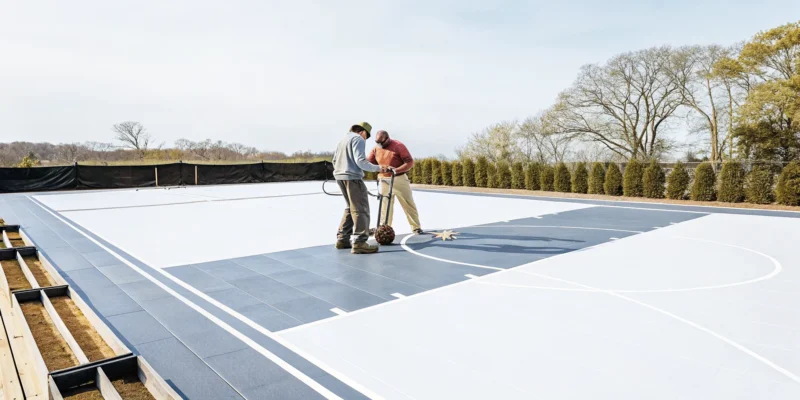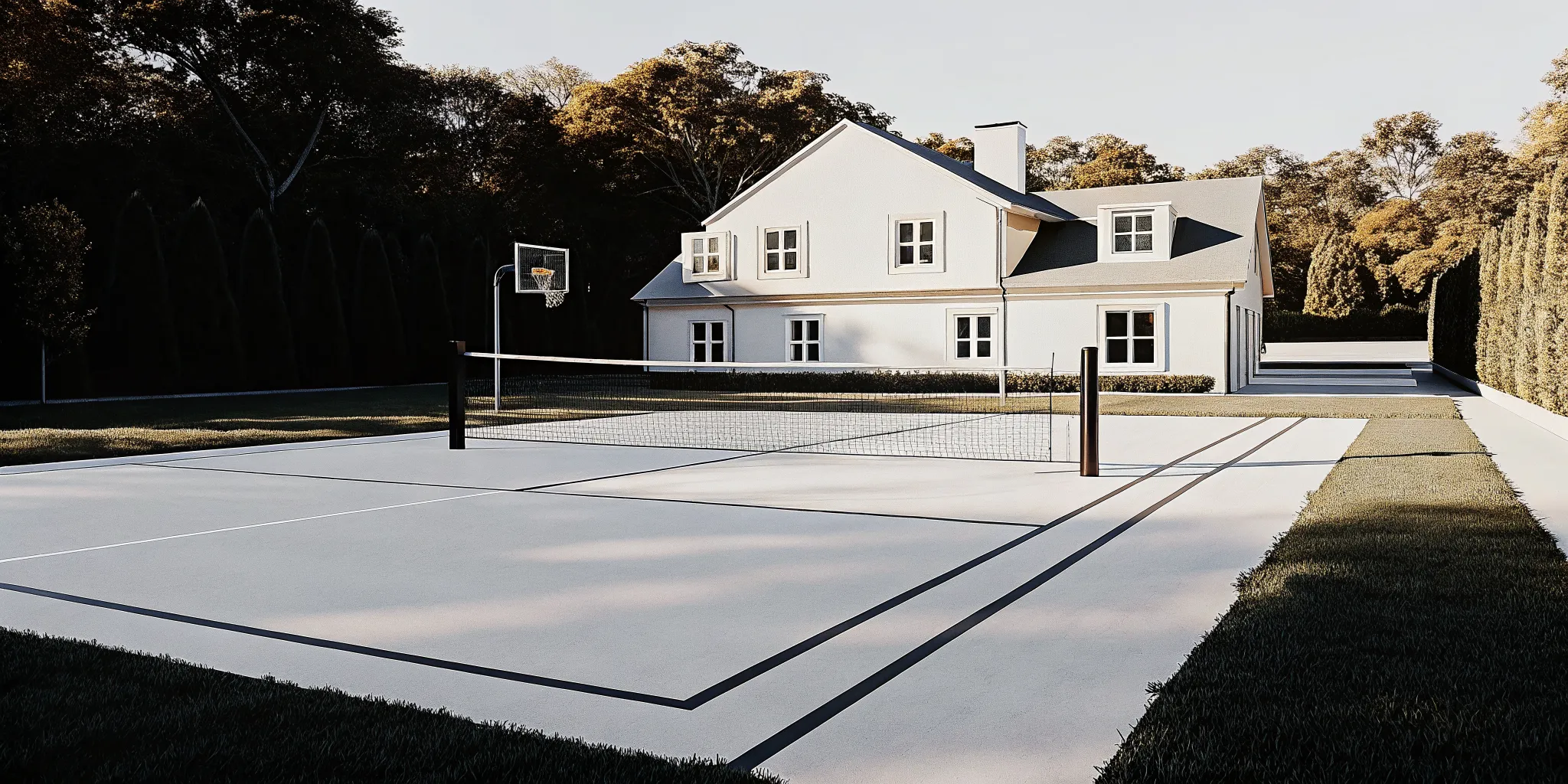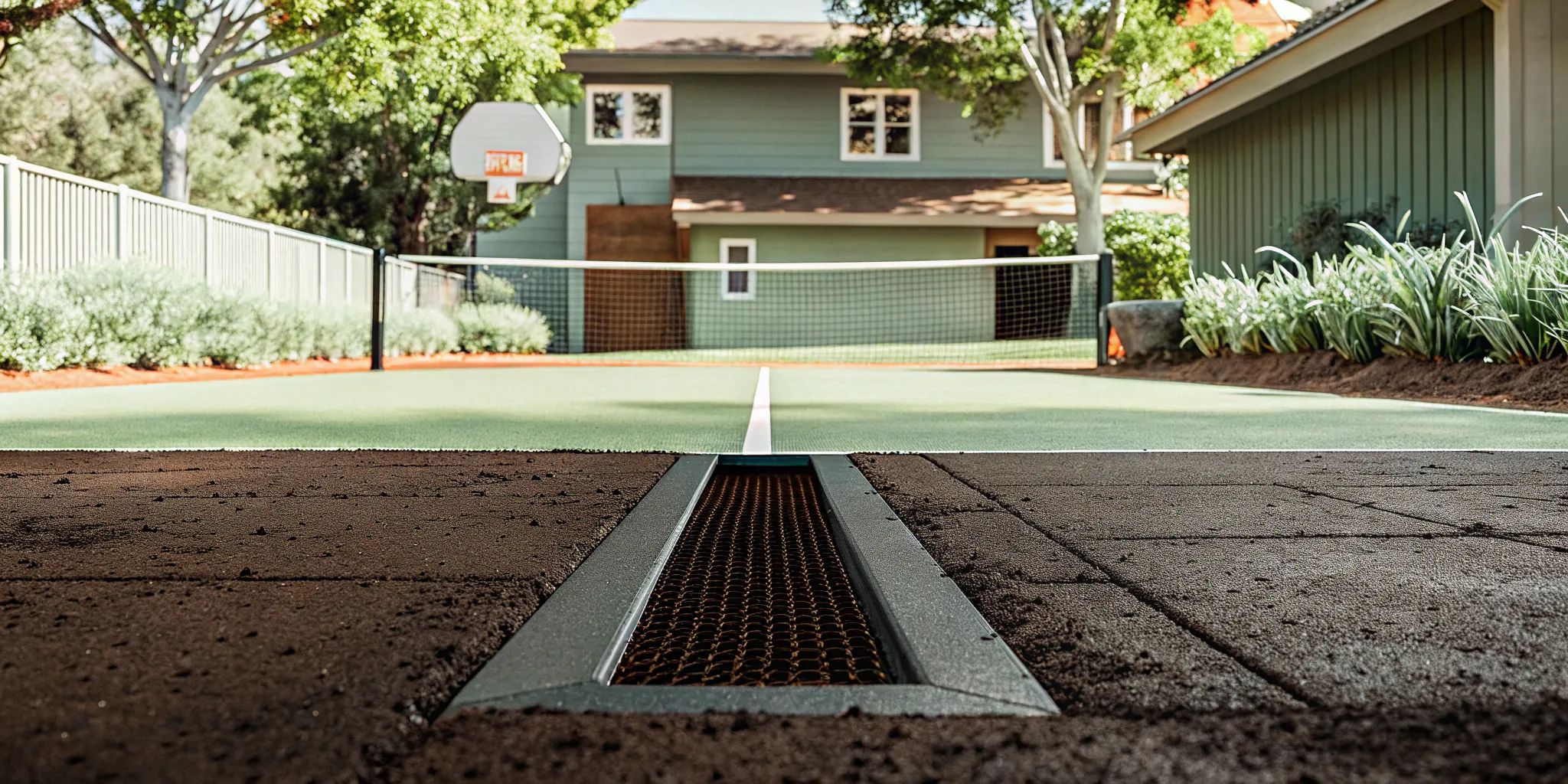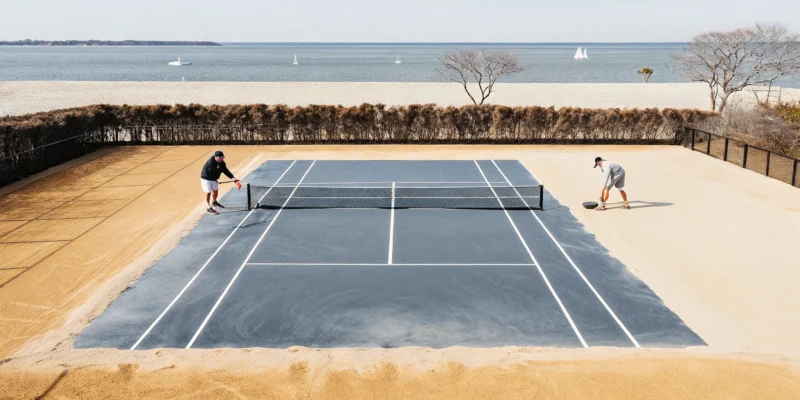
A padel court builder discusses construction plans with a client in Long Island, NY.

How to Hire a Padel Court Builder in Long Island, NY

When you decide to add a padel court to your property, you’re not just hiring a contractor to pour some concrete. You’re choosing a partner to help create a new centerpiece for your outdoor living space. This is a specialized project that requires more than general construction knowledge; it demands a deep understanding of the sport itself. A great Padel Court Builder Long Island NY works with you to design a court that fits your space, style, and budget perfectly. They handle the complexities of local permits, help you select the best materials for durability, and ensure the final installation meets professional standards. Think of your builder as your project guide, turning what could be a stressful process into an exciting journey from initial design to your very first game.

Key Takeaways

  • Choose a builder with proven padel expertise: A successful project requires a partner who understands the specific needs of padel, handles everything from custom design to local permits, and uses high-quality materials for a lasting court.
  • Look beyond the price tag when planning: A great court involves more than the initial cost; factor in site preparation, material quality, and key features like lighting and proper orientation to create a space that fits your lifestyle.
  • Commit to a simple maintenance routine: Keep your court safe and playable for years with consistent care. A routine of cleaning the turf and glass, combined with scheduling annual professional service, protects your investment.

What Makes a Great Padel Court Builder in Long Island?

Finding the right builder for your padel court is the most important step in turning your vision into a reality. You’re not just hiring a contractor; you’re choosing a partner who will create a space for fun, fitness, and family memories. A great builder combines technical skill with a deep understanding of your goals for the project. They should be able to guide you through every decision, from the initial design to the final touches. When you start meeting with potential builders, focus on a few key areas: their specific experience with padel, their ability to offer custom and complete solutions, their commitment to quality materials, and their knowledge of local regulations. These factors separate an average contractor from a true professional who can deliver a court you’ll love for years to come.

Verify Their Padel Court Expertise

Padel court construction is a specialized field. It’s not the same as building a tennis court or a basketball court. A qualified builder will have a portfolio filled with successful padel court projects and a clear understanding of the sport’s unique requirements. When you speak with them, ask about their experience with everything from the specific turf used for padel to the proper installation of the glass walls. A builder who specializes in padel, like the team at Gappsi, knows that every detail matters for playability and safety. They can explain why certain materials are better than others and how the court’s orientation can affect gameplay. Don’t hesitate to ask for references from past clients so you can hear firsthand about their experience.

Ask About Custom Designs and Full-Service Options

Your home is unique, and your padel court should be too. A top-tier builder won’t offer a one-size-fits-all solution. Instead, they will work with you to create a custom design that fits your space and style. Ask if they provide full-service, or “turnkey,” installation. This means they handle every single aspect of the project, from site preparation and foundation work to installing the turf, walls, and lighting. Choosing a company that manages the entire process prevents you from having to coordinate different contractors, which saves you time and stress. This approach also allows for seamless integration of the court with your existing landscape design, creating a cohesive and beautiful backyard oasis.

Insist on High-Quality Materials

The longevity and performance of your padel court depend entirely on the quality of the materials used. A reputable builder will be transparent about their suppliers and the specifications of their materials. For padel courts, this includes the type of artificial turf, the thickness and durability of the tempered glass panels, and the gauge of the steel structure. While it might be tempting to cut costs with cheaper materials, this often leads to more expensive repairs down the road. Premium materials ensure your court can withstand Long Island’s weather and frequent play. A builder committed to quality will construct a court that not only meets but exceeds international standards, giving you a professional-grade playing experience right in your backyard.

Confirm They Handle Permits and Local Rules

Building a permanent structure on your property requires permits, and navigating the rules of your local town or village can be a major headache. An experienced Long Island builder will be well-versed in the specific zoning laws and building codes for both Nassau and Suffolk counties. Ask potential builders if handling the permit process is part of their service. A great builder will manage all the paperwork and inspections for you, ensuring your project is fully compliant and avoiding any potential legal issues or delays. This is a huge benefit that lets you focus on the exciting parts of the project, knowing that all the administrative details are being handled by a professional who understands the local requirements.

How Much Does It Cost to Build a Padel Court in Long Island?

Figuring out the budget for a new padel court is one of the first steps in turning your backyard dream into a reality. While there isn’t a single price tag, understanding the costs involved will help you plan effectively. The final investment depends on your property’s specific needs, the materials you choose, and any custom features you want to add. Building a padel court is a significant project, but it’s also a lasting addition to your home that provides endless fun and activity for family and friends.

The total cost covers everything from initial site work to the final installation of the net. Key factors include the condition of your land, the quality of the turf and glass, and whether you add features like professional lighting for evening matches. Because every project is unique, the best way to get a precise number is to work with a local expert who can assess your space. A company that specializes in custom Sports Games Courts can provide a detailed quote tailored to your vision and property, ensuring there are no surprises along the way. They can walk you through the options and help you build a court that fits both your lifestyle and your budget.

Understand What Affects the Price

Several key factors influence the cost of building a padel court on Long Island. First is site preparation. If your yard is sloped or needs extensive clearing, the groundwork will require more labor and materials. Local building regulations and the climate also play a role, as they can dictate specific foundation or drainage requirements. These are some of the unique challenges of U.S. court construction that a local builder will know how to handle.

The materials you select are another major variable. You’ll have choices for the turf, the thickness of the glass walls, and the type of steel used for the frame. Finally, custom additions like LED lighting, spectator seating, or specific color schemes will also affect the final price.

Estimate Material and Installation Costs

While a custom quote is always best, it helps to have a general idea of the investment. Nationally, a professionally installed padel court can range from $75,000 to over $300,000. This wide range reflects the many variables in construction, from basic courts to premium installations with all the bells and whistles. The cost covers the concrete foundation, the steel structure, tempered glass walls, high-quality synthetic turf, and professional lighting.

The foundation is a critical and substantial part of the budget, as it ensures the court is stable and durable. The quality of the turf and glass panels you choose will also significantly impact both the price and the playing experience. Getting a detailed breakdown from your builder will clarify where your money is going.

Plan for Long-Term Maintenance

Your investment doesn’t stop once the court is built. Planning for long-term maintenance is essential to keep your padel court safe, playable, and looking great for years to come. Proper care protects the surface, ensures the glass panels remain secure, and extends the life of the entire structure. Think of it as protecting your investment. Regular upkeep prevents small issues from turning into costly repairs down the road.

Routine tasks include brushing the artificial turf every few months to keep the fibers upright and redistributing the sand infill. The glass panels should be cleaned regularly to maintain clear visibility. Gappsi’s restoration and sealing services can help you create a long-term care plan to ensure your court remains in top condition through every season.

What to Expect During Padel Court Construction

Building a padel court is an exciting project, but it’s also a significant construction undertaking. Knowing what to expect can make the entire process feel smooth and predictable. From the first conversation to the final installation, a professional builder will guide you through a series of well-defined steps. The goal is to transform your vision into a high-quality court that’s ready for play. At Gappsi, we manage every detail, ensuring the project stays on track and meets your expectations. The construction journey involves careful planning, precise execution, and open communication, so you’re always in the loop.

This partnership between you and your builder is key to a successful outcome. We’ll work together to make decisions on materials, layout, and features, but we handle all the heavy lifting, from securing permits to coordinating the construction crew. Think of it as a collaborative effort where your input shapes the final product, while our expertise brings it to life safely and efficiently. The entire process is designed to be transparent, so you can feel confident and excited as you watch your backyard transform. We break down the project into clear phases, from the initial design to the final walkthrough, making sure you understand what is happening at every point. This structured approach removes the guesswork and stress, letting you focus on the fun part: imagining all the great matches you’ll soon be playing.

Start with a Consultation and Site Assessment

The first step is always a detailed consultation and a thorough look at your property. This is where we discuss your goals, budget, and how you imagine using the space. A site assessment is critical for identifying the best location for your court. We’ll evaluate factors like sun orientation, drainage, and accessibility to avoid any surprises down the road. Building Sports Games Courts in Long Island comes with its own set of considerations, from local zoning rules to specific climate needs. A proper assessment ensures your court is built on a solid foundation and positioned for the best possible playing experience.

Finalize Your Design and Plan

Once we’ve assessed your site, we can finalize the design. This is the fun part where you choose the specific features of your court. We’ll create a detailed plan that includes everything from the type of turf and the color of the structure to the thickness of the glass walls. Quality lighting is another key decision, especially if you plan to play at night. Modern LED fixtures can illuminate the court perfectly without creating glare or spilling into your neighbor’s yard. We can also integrate the court into your overall backyard with custom landscaping and seating areas, creating a complete outdoor entertainment space.

Understand the Construction Timeline

A professional padel court builder will give you a clear and realistic timeline for your project. The total time can vary based on the complexity of the design, site conditions, and the permitting process. Constructing a padel court is a building project that requires permits and must follow local building codes, so it’s important to factor that into the schedule. The process generally moves through several phases: site preparation and excavation, pouring the concrete foundation, installing the steel structure and glass panels, laying the turf, and adding the final touches like nets and lighting. We’ll keep you informed at every stage so you know exactly what’s happening and when.

Prepare for Common Challenges

While careful planning prevents most issues, it’s helpful to be aware of potential challenges. Some of the most common mistakes in court construction come from poor site selection, like choosing a spot with bad drainage or constant wind. Another potential issue is difficult site access for construction equipment. An experienced builder anticipates these problems during the initial site assessment. By identifying and addressing these challenges early on, we can ensure the construction process is efficient and that your finished court is perfectly placed for years of enjoyment. Our team handles the logistics so you don’t have to worry about the details.

What Key Features Should Your Padel Court Have?

When you decide to build a padel court, you’re not just adding a feature to your home; you’re creating a space for fun, fitness, and making memories. The details of your court’s design and construction will make all the difference in your playing experience and its long-term value. A great builder will walk you through every option, but it helps to know what to look for from the start. From the playing surface under your feet to the lights that let you play after sunset, each element plays a vital role.

Thinking about these key features ahead of time helps you ask the right questions and ensures your final court is exactly what you envisioned. You want a court that is safe, durable, and performs beautifully, allowing you to enjoy the fast-paced game of padel to its fullest. Let’s look at the essential components that make up a high-quality padel court, so you can feel confident in your investment and get ready to play.

Get the Court Dimensions Right

First things first, your court needs to be the right size. Padel has specific regulations for court dimensions, and sticking to them ensures an authentic playing experience. A professional builder will know these standards by heart. Beyond the measurements, the court’s orientation is a detail that’s easy to overlook but incredibly important. You’ll want to position the court to avoid sun glare during your typical playing times. A skilled contractor will assess your property and recommend the best placement to keep the sun out of your eyes, making every game more enjoyable. This is a key part of the initial site assessment.

Choose High-Quality Surfaces and Walls

The surface and walls are where the action happens in padel, so quality is non-negotiable. Most modern padel courts use high-grade synthetic turf designed for optimal ball bounce and player comfort. For the enclosure, the standard is a combination of tempered glass panels and durable metallic mesh. This setup is essential for the game, as it allows for play off the walls. Using top-tier materials not only guarantees better performance and safety but also ensures your court can withstand intense matches and the changing Long Island weather for years to come. Don’t be afraid to ask a builder for material samples.

Plan for Lighting and Accessibility

To get the most use out of your padel court, you’ll want to plan for games at any time of day. Quality lighting is a must, especially if you enjoy playing in the evening. Modern LED fixtures are the way to go; they provide bright, even light across the entire court without creating harsh shadows or spilling into your neighbor’s yard. You should also think about accessibility. Consider clear, safe pathways to the court entrance and make sure the gates are easy to operate. These thoughtful details make your court more inviting and user-friendly for family and friends.

Ask About Durability and Warranty

A padel court is a significant investment, so you want it to last. Durability starts with a solid foundation and extends to every component, including the fences and netting that complete the enclosure. Every detail should meet professional standards to ensure it holds up to regular use and the elements. Before you sign a contract, always ask about the warranties offered. A reputable builder will stand behind their work with a solid warranty on both materials and craftsmanship. This gives you peace of mind knowing your investment is protected and that the builder is confident in the quality of their construction.

How to Maintain Your New Padel Court

Your new padel court is a fantastic addition to your home, promising years of fun and activity. To keep it in top condition and ensure it remains a safe place to play, a little regular maintenance goes a long way. Think of it as protecting your investment. Consistent care prevents small issues from becoming big problems and keeps your court looking and playing its best. Here are some straightforward steps you can take to maintain your court throughout the year.

Commit to Regular Cleaning and Surface Care

This seems simple, but it’s one of the most effective things you can do. Make it a habit to regularly sweep the court surface with a soft broom or use a leaf blower to clear away leaves, twigs, and other debris. This prevents organic material from breaking down and getting embedded in the turf, which can affect drainage and create a slippery surface. A clean court not only looks better but also provides a safer and more consistent playing experience. By staying on top of this simple task, you’ll extend the life of your synthetic turf and keep it ready for a game at a moment’s notice.

Maintain the Glass Panels and Turf

Your court’s glass walls and artificial turf are the stars of the show, so they need special attention. Regularly inspect the glass panels for any chips or cracks, and get them repaired quickly to ensure player safety. Keeping the glass clean also improves visibility and makes the game more enjoyable. For the turf, it’s important to keep it clean and periodically check the sand infill. The sand helps the turf fibers stand up, provides stability, and ensures a proper ball bounce. If you notice the sand is low or uneven, it might be time for a top-up. Proper care for these elements is key to the performance of all sports games courts.

Protect Your Court Through the Seasons

Long Island weather can be unpredictable, so it’s smart to prepare your court for whatever the seasons bring. During stormy weather, make sure any loose items like patio furniture or planters are secured so they don’t blow into the glass panels. In the winter, you’ll need to be careful when removing snow and ice. Avoid using metal shovels or harsh de-icing chemicals, as these can damage the turf and glass. A plastic shovel or a stiff broom is a much safer option. Taking these precautions helps protect your court from the elements and ensures it’s ready for play once the weather clears. Adding a pavilion nearby can also offer a sheltered spot for players and equipment.

Know When to Call for Professional Maintenance

While daily and seasonal upkeep can handle most things, some tasks are best left to the professionals. We recommend having your court professionally serviced at least once a year. An expert can perform a deep cleaning, brush the artificial turf to redistribute the sand infill, and top it off if needed. They can also spot potential issues you might miss, like minor structural problems or drainage concerns. If you notice the ball isn’t bouncing correctly, see pooling water after it rains, or find damage to the structure, it’s time to call for help. Our team has the expertise in restoration and sealing to get your court back in perfect shape.

Related Articles

Frequently Asked Questions

How long does the entire padel court construction process take? While every project is unique, you can generally expect the process to take a few months from our first conversation to your first game. The initial phase, which includes design, material selection, and securing local permits, often takes the most time. Once the permits are approved and the groundwork begins, the physical construction is much faster, typically lasting several weeks, depending on weather and site conditions.

How much space do I really need in my backyard for a padel court? A standard padel court has a playing area of 33 feet by 66 feet. However, you’ll need a bit more space than that. We recommend having a total clear and level area of at least 40 by 75 feet. This extra room allows for proper drainage, a safety perimeter around the court, and enough space for our construction equipment to work efficiently without disturbing the rest of your property.

What parts of a padel court can I actually customize? You have more creative control than you might think. Beyond the standard layout, you can choose the color of the synthetic turf, with popular options like blue, green, and terracotta. You can also select the color for the steel frame to match your home or landscape design. We can also help you design custom lighting solutions and integrate the court with surrounding patios, walkways, or seating areas to create a complete and cohesive outdoor space.

Why can’t I just hire a good general contractor to build my padel court? While a general contractor is skilled in many areas of construction, building padel courts is a very specialized trade. The project requires specific knowledge about the foundation’s precise slope for drainage, the correct techniques for installing large tempered glass panels for safety, and the proper application of turf and sand infill for optimal play. A builder who specializes in Sports Games Courts understands how these details affect the game’s performance and the court’s longevity.

Is a padel court difficult to take care of once it’s built? Not at all. The day-to-day upkeep is quite simple and takes very little time. You’ll mostly just need to use a leaf blower or a soft broom to keep the surface clear of debris. The more involved tasks, like brushing the turf to redistribute the sand, only need to be done every few months. We also recommend a yearly professional check-up to handle the deep cleaning and ensure everything is in perfect condition, which makes your job even easier.

Share this page:

Elevating the Game: A Custom Racquetball Court Installation in Long Beach, NY

View Gappsi’s YouTube Channel to view Elevating the Game: A Custom Racquetball Court Installation in Long Beach, NY

When it comes to home improvement and outdoor recreation, few things add as much value and excitement as a professional-grade sports game court. At Gappsi, we take pride in transforming underutilized spaces into world-class athletic environments. Our latest project takes us to the beautiful coastal community of Long Beach, NY, where we recently completed a stunning custom racquetball court that blends high-performance engineering with sleek, modern aesthetics.

This project is a testament to how Gappsi can take an existing, aging footprint and revitalize it into something spectacular. If you’ve been dreaming of a backyard arena but aren’t sure how to handle existing concrete or irregular yard shapes, this Long Beach installation serves as the perfect blueprint.

The Foundation: Breathing New Life into Existing Concrete

One of the most common questions we receive from homeowners in Long Beach and across Long Island is: “Do I need to rip out my old concrete patio or basketball pad to build a new court?” The answer, as demonstrated by this project, is a resounding no.

For this specific installation, the client had an existing concrete slab. While the concrete was structurally sound, it was aesthetically dated and lacked the shock absorption required for high-impact sports like racquetball. Instead of the costly and invasive demolition process, Gappsi used the existing slab as a sub-base.

By working with the existing foundation, we saved the client time and minimized the project’s environmental impact. However, installing over old concrete requires a keen eye for precision, especially when that concrete isn’t perfectly square.

The Surface: Mateflex Tiles and “Top Court” Style

To achieve a professional feel, we utilized Mateflex modular tiles for this custom racquetball court. Mateflex is the industry standard for outdoor sports surfacing for several reasons:

  1. Drainage: The open-grid design allows water to flow through the tiles and off the concrete, ensuring the court dries quickly after a Long Beach rain shower.

  2. Safety: These tiles offer excellent lateral forgiveness, reducing the strain on players’ knees, ankles, and lower backs compared to playing directly on concrete.

  3. Durability: They are UV-stabilized, meaning the vibrant colors we chose will stay bright despite the constant exposure to salt air and sun.

For this project, we opted for the “Top Court” style. This specific tile configuration is designed for multi-sport versatility and provides the consistent ball bounce and traction necessary for the fast-paced nature of racquetball.

Aesthetic Excellence: The Blue Gradient

Visual appeal is a hallmark of a Gappsi court. For this Long Beach residence, we moved away from the traditional green or red surfaces and leaned into a sophisticated, aquatic-inspired color palette that fits perfectly with the South Shore vibe.

  • The Center: We used a deep Navy Blue for the primary playing area in the custom racquetball court. This dark hue provides a high-contrast background, making it easier for players to track the fast-moving racquetball.

  • The Perimeter: To create a sense of depth and boundary, we used a vibrant Royal Blue for the out-of-bounds areas.

  • The Markings: To tie it all together, the court was professionally striped with crisp White Lines. The result is a sharp, “pro-league” look that stands out as a focal point of the backyard.

Elevating the Game A Custom Racquetball Court Installation in Long Beach NY

Seamless Integration: Keeping the Hoops

At Gappsi, we believe in functional design. The client had an existing basketball hoop already anchored into the site. Rather than removing it, we meticulously installed the Mateflex tiles and the synthetic turf border around the existing pole. This allows the space to remain a multi-functional “Sport Game Court,” where the family can transition from a high-intensity racquetball match to a casual game of HORSE without needing separate facilities.

A Mirror Image: The Gappsi Legacy

One of the most distinctive aspects of this job is its history. Just on the other side of the property wall sits another sports game court that Gappsi installed several years ago.

Standing between the two, it feels like looking at a mirror image of excellence. Seeing the older court still in fantastic condition is a testament to the longevity of our materials and the quality of our craftsmanship. The new racquetball court complements its “older brother” perfectly, creating a massive, contiguous sports complex within the property that is truly a rare find in Long Beach.

The Finishing Touch: Synthetic Turf Framing

Perhaps the most important detail for “curb appeal” was the decision to frame the court with high-quality synthetic turf.

As mentioned earlier, the original concrete slab was not perfectly square. This is a common issue with older construction. If we had simply laid the tiles and left them, the “crooked” edges of the concrete would have been an eyesore.

Our solution was to use synthetic turf to “square up” the visual field. We framed the entire court with a lush green border, which serves several purposes:

  • Separation: It creates a clean, distinct border between the athletic court and the perimeter fence.

  • Problem Solving: In areas where the concrete was narrow, we used a thin strip of turf; in areas where the concrete fell short of the fence line, we used more turf to fill the gap.

  • Maintenance: The turf provides a “buffer zone” that prevents grass clippings or dirt from blowing onto the court surface, keeping the Mateflex tiles cleaner for longer.

The contrast between the Royal Blue tiles and the vibrant green turf gives the entire backyard a manicured, resort-like feel.

Why Choose Gappsi for Your Long Beach Sports Game Court?

This Long Beach racquetball court is the latest example of why Gappsi remains the leader in outdoor sports environments on Long Island. We don’t just “lay down tiles”, we engineer solutions. Whether it’s dealing with non-square foundations, integrating existing equipment, or matching the aesthetic of a previous installation, our team handles every detail from concept to completion.

Long Beach residents know that the salt air and coastal weather can be tough on outdoor structures. By choosing Gappsi and materials like Mateflex and premium synthetic turf, you are investing in a court that is built to withstand the elements while providing endless hours of fitness and fun.

Ready to Build Your Dream Court?

From racquetball and basketball to pickleball and tennis, Gappsi is ready to transform your backyard. This latest project in Long Beach shows that no matter the shape of your existing space, we can create a professional, beautiful, and durable court tailored to your style.

Contact Gappsi Today

📍 Serving all of Long Island, NY — Nassau & Suffolk Counties
🌐 https://www.gappsi.com/
📞 Call now for a free consultation and estimate

SCHEDULE A MEETING TODAY WITH GAPPSI

Share this page:
Man measuring a space to get a quote for a backyard basketball court.

How to Get a Quote for a Backyard Basketball Court

The journey to your dream backyard court begins long before the first patch of ground is cleared. It starts with a conversation. The quoting process is a collaborative effort between you and your potential builder to define your vision and map out a plan. From the initial site visit to finalizing materials and features, each step is designed to ensure the final product meets your exact expectations. Understanding what happens during this phase is crucial for a stress-free project. This article breaks down what you can expect when you get a quote for a backyard basketball court, helping you prepare for a productive partnership.

Key Takeaways

  • Plan Your Court Before the Quote: Get a more accurate estimate by first measuring your yard, deciding on the court’s primary use, and listing your must-have features. A clear vision helps your contractor provide a precise and reliable proposal.
  • Look Beyond the Lowest Price: The best contractor provides value, not just a low bid. Always verify their license and insurance, review their portfolio of completed projects, and speak with past clients to confirm their quality and professionalism.
  • Know What’s in the Quote: A detailed quote prevents future surprises. Make sure it clearly outlines all costs, including site prep, drainage, materials, and labor, so you can accurately compare your options and avoid hidden fees.

What Affects the Cost of a Backyard Basketball Court?

Figuring out the budget for your dream basketball court involves looking at a few key factors. The final price tag isn’t just one number; it’s a combination of your design choices, the materials you select, and the unique conditions of your property. Understanding these elements will help you plan effectively and ensure there are no surprises along the way. Let’s walk through the main components that will shape your project’s cost, from the court’s footprint to the finishing touches that make it your own.

Size and Dimensions

The size of your court is the biggest piece of the pricing puzzle. A full-size court will naturally require more materials and labor than a half-court, which is reflected in the cost. For perspective, a half-court is a popular choice for many Long Island backyards and offers plenty of room for practice and games. When you’re planning, think about how you’ll use the space. Will it be for serious training or casual family fun? Your answer will help determine the perfect dimensions for your yard and your budget. We can help you design custom Sports Games Courts that fit your exact needs.

Surface Material and Installation

Your choice of surface material affects not only the cost but also how the ball bounces and how the court holds up over time. A solid concrete base is the standard foundation, providing a stable and durable platform for years of play. On top of that base, you can install high-performance modular tiles that offer better shock absorption and come in a variety of colors. The installation process involves careful preparation of the ground to ensure a perfectly level surface. This foundation is key to the performance and longevity of your court, so it’s an area where quality craftsmanship really matters.

Custom Features: Lighting, Fencing, and More

This is where you can truly personalize your court. Adding features like lighting, fencing, and even custom logos will increase the overall cost, but they also make the space much more functional and enjoyable. LED lighting lets you play well after the sun goes down, turning your court into a go-to spot for evening fun. A high-quality fence keeps the ball in play and adds a layer of safety. You can even add adjustable hoops or rebounder systems. Think about which features will give you the most value and help you create the ultimate backyard experience. We offer a variety of fences and netting options to complete your court.

Site Prep and Drainage

Before any surface is laid, your yard needs to be properly prepared. This is a critical step that you definitely don’t want to overlook. Site preparation involves clearing, leveling, and grading the area to create a stable base. It also includes planning for proper drainage to prevent water from pooling on the surface, which can cause damage over time. A slight slope or a perimeter drain system will channel water away, protecting your investment. Proper site work and masonry ensure your court remains safe and playable for years, avoiding costly repairs down the road.

How to Prepare for an Accurate Quote

Walking into a consultation with a clear vision is the best way to get a quote that truly reflects your dream project. When you’ve thought through the details beforehand, you help your contractor understand exactly what you want, which leads to a more precise and reliable estimate. Doing a little homework upfront saves time, prevents unexpected costs, and ensures the final proposal aligns perfectly with your expectations. Think of it as creating the blueprint for your project. The more detailed your plan, the smoother the entire process will be, from the initial conversation to the first day you can enjoy your new court.

Measure Your Available Space

Before you can plan your court, you need to know exactly how much room you have. Grab a tape measure and find the length and width of your potential court area. Remember to account for any obstacles like trees, sheds, or septic systems. It’s also important to consider the ground itself. A good contractor will need to know about the site’s grading to ensure proper drainage. A surface that holds water won’t last long, so your plan must include a way for rain to run off, whether through a natural slope or a perimeter drain system. Having these measurements and site details ready will give your builder a clear picture of the project’s foundation.

Decide on the Court’s Use and Size

How do you see your family using this new space? The answer will shape the design of your court. If you’re picturing casual games with the kids, a smaller, custom-sized court might be perfect. If you have a budding athlete who needs a regulation space for practice, you’ll need to plan for a larger area. A great layout considers how the court plays, not just where it fits. Thinking about its primary use, whether for basketball, pickleball, or multiple activities, helps determine the ideal dimensions and markings for your backyard sports games courts.

Choose Your Materials and Features

The surface you choose has a huge impact on performance, maintenance, and your budget. Traditional options like concrete and asphalt are durable, but modern interlocking tiles offer better shock absorption and vibrant color choices. At Gappsi, we can walk you through a variety of high-quality materials to find the one that fits your needs. Beyond the surface, think about the features that will complete your court. Do you need adjustable hoops, rebounders, or containment netting? What about lighting for evening games? Making a list of these desired features will help your contractor provide a comprehensive and accurate quote.

Check Local and HOA Regulations

Before you get too far in the design process, it’s smart to check in with your local municipality and homeowners’ association (HOA). Many towns on Long Island have specific rules about the size and placement of outdoor structures, and you may need a permit to begin construction. Your HOA might also have its own guidelines you’ll need to follow. Finding out about these requirements early on prevents delays and ensures your project is fully compliant. Knowing the rules allows your contractor to factor any necessary permits or design adjustments into the initial quote, avoiding surprises down the road.

Key Questions to Ask Your Contractor

Once you have a few potential contractors in mind, it’s time to dig a little deeper. Think of this as an interview process where you’re hiring a partner to bring your backyard vision to life. Asking the right questions upfront can save you from headaches, unexpected costs, and delays down the road. A reputable contractor will welcome your questions and provide clear, confident answers. This conversation is your best tool for gauging their professionalism, experience, and communication style.

Before you sign any contracts, make sure you have a solid understanding of how they operate. You’ll want to cover everything from their credentials and the specifics of their quote to the logistics of the project itself. Getting clarity on these key points ensures that you and your contractor are aligned from day one. It helps build a foundation of trust and sets clear expectations for the entire construction process, leading to a smoother project and a final result you’ll love for years to come.

Licensing and Insurance

Your first question should always be about credentials. Ask, “Are you licensed and insured to perform this work in my area?” This is non-negotiable. A valid license proves they meet local and state requirements, while proper insurance protects you from liability in case of accidents or property damage during the project. A professional contractor will have no problem providing you with copies of their license and insurance certificates. This simple step demonstrates that they operate a legitimate business and are committed to upholding industry standards, giving you essential peace of mind before the work even begins.

What’s Included in the Quote?

To avoid any surprises, it’s crucial to understand exactly what you’re paying for. Ask your contractor, “What is specifically included in this quote, and what is not?” A vague quote is a red flag. A detailed proposal should break down the costs for materials, labor, site preparation, and any custom features. It should also clarify who is responsible for things like debris removal or potential repairs to your landscaping. Getting a comprehensive breakdown for your Sports Games Courts ensures you can accurately compare offers and that there are no hidden fees waiting for you at the end of the project.

Permits and Project Timelines

Navigating the world of building permits can be confusing, so it’s important to know who is handling it. Ask, “Who is responsible for pulling the necessary permits?” In most cases, the contractor should manage this process, as they are familiar with local regulations. You should also inquire about their communication process and the estimated project timeline. Understanding how they will keep you updated, whether through calls, texts, or emails, and knowing the key milestones will help you feel informed and confident as the project moves forward. This clarity is a hallmark of a well-organized home remodeling professional.

Payment Schedules and Completion Dates

Before committing, you need to be comfortable with the financial arrangement. Ask, “What is your payment schedule?” A typical structure might involve a deposit to start, followed by payments at specific project milestones, and a final payment upon completion. Be wary of any contractor who demands a large upfront payment before any work has begun. You should also ask for an estimated completion date. While weather and other factors can cause delays, a professional contractor should be able to provide a realistic timeframe for finishing the job. This helps you manage your budget and expectations from start to finish.

How to Find and Vet the Right Contractor

Choosing the right contractor is the most important decision you’ll make for your backyard project. This is the team you’ll trust to turn your vision into a reality, so it’s worth taking the time to find a true partner. A great contractor not only has the technical skills but also communicates clearly, respects your property, and stands behind their work. The goal is to find a builder who is as invested in the final result as you are. This process involves a bit of research, asking smart questions, and trusting your gut. By vetting your options carefully, you can feel confident that your new sports games court will be built to last, providing your family with years of enjoyment.

Research Local Game Court Builders

Start by looking for local builders who specialize in creating sports games courts. A general contractor might be able to do the job, but a specialist understands the specific requirements for proper drainage, surface materials, and athletic performance. Check that any potential contractor is fully licensed and insured in New York. This is non-negotiable, as it protects you from liability and ensures they meet professional standards. Look for companies with a strong local presence and a history of successful projects in Long Island. A company that knows the local landscape, soil conditions, and permit processes will make the entire project run much more smoothly.

Ask for References and Review Their Portfolio

Once you have a shortlist, it’s time to look at their work. Ask each contractor for a portfolio of their completed projects and a list of recent references. A confident builder will be happy to share these with you. When you review their portfolio, look for projects similar in scope and style to what you envision. Pay attention to the details, like the crispness of the lines and the quality of the finishes. When you call their references, ask about the homeowner’s overall experience, how the team handled challenges, and if the project stayed on schedule and on budget. You can also check out their online presence, like the Gappsi YouTube channel, to see their work in action.

Compare Quotes and Warranties

Getting multiple quotes is standard practice, but it’s important to compare them carefully. The lowest price isn’t always the best value. Make sure each quote clearly outlines what is included, from site preparation and materials to labor and finishing touches. Ask about what isn’t included so there are no surprises later. You should also inquire about their payment schedule and what kind of warranty they offer on both materials and workmanship. A solid warranty is a sign that the contractor stands behind the quality of their work and is committed to your long-term satisfaction with your new court.

Learn About the Gappsi Game Court Process

A professional contractor should be able to walk you through their entire construction process from start to finish. Understanding the steps involved helps you know what to expect and allows you to ask informed questions along the way. At Gappsi, we believe in transparency. We’ll explain everything from initial site evaluation and design to excavation, base preparation, surface installation, and final striping. Knowing our process helps you feel confident and involved in your project. It also ensures that we are aligned on every detail before we even break ground, leading to a seamless installation and a court you’ll love.

What to Expect During the Quoting Process

Once you’ve done your homework and found a few potential contractors, the quoting process begins. This is more than just getting a number; it’s a series of conversations to ensure the contractor fully understands your vision and you understand their process. A professional builder will walk you through each step, making you feel confident and informed. This phase is all about clear communication and setting expectations, so you can move forward without any surprises. Think of it as co-creating the plan for your dream backyard court.

The First Consultation and Site Visit

The process usually starts with an on-site consultation. A representative will visit your home to see the proposed area, take measurements, and assess factors like slope, drainage, and accessibility. This is your time to share your vision and ask plenty of questions. During this initial meeting, it’s important to ask what exactly is included in the quote and what is not. Will it cover site excavation, the base material, the playing surface, and accessories? Also, be sure to discuss the payment schedule and who will be responsible for pulling any necessary permits for the project.

Finalizing Your Design and Materials

After the initial visit, you’ll work with the contractor to finalize the details. This is where you lock in the specific dimensions, choose your surface material, and select features like hoops, lighting, and fencing. A great contractor will provide samples and show you a portfolio of their work to help you visualize the final product. This is also the perfect time to confirm that the contractor is fully licensed and insured. Professional companies like Gappsi readily provide this information, as it protects you and demonstrates their commitment to quality and safety while building your custom sports games courts.

Reviewing Timelines and Permit Needs

Before you sign anything, you need a clear picture of the project timeline and any required approvals. Ask the contractor for an estimated start and completion date, keeping in mind that weather can sometimes cause delays. It’s also vital to clarify who handles the permit process. Some Long Island neighborhoods have specific rules or require HOA approval for outdoor structures. A seasoned local contractor will be familiar with these regulations and can manage the application process for you, ensuring everything is built to code. Getting these details in writing will help keep the project on track from start to finish.

Common Mistakes to Avoid When Getting Quotes

Getting quotes is an exciting step, but it’s also where some costly mistakes can happen. Being aware of common pitfalls will help you select the right partner and ensure your project runs smoothly from start to finish. A little preparation here goes a long way in protecting your investment and getting the backyard court you’ve always wanted.

Not Planning Your Layout Carefully

It’s easy to focus on the court itself, but the space around it is just as important for safety and playability. A poorly planned layout can make a beautiful court feel cramped and unusable. Think about buffer zones for out-of-bounds plays, the court’s orientation to the sun, and its proximity to trees or your home. A professional contractor will help you visualize how the court fits into your overall landscape, ensuring the final design feels integrated and spacious. Thoughtful Sports Games Courts are designed not just to fit, but to be played on for years to come.

Forgetting About Drainage and Site Prep

Water is the number one enemy of any outdoor construction project. Without a proper drainage plan, your court can become a puddle-filled mess, leading to surface damage and premature wear. Make sure your contractor addresses how they will manage water runoff, whether through proper grading, perimeter drains, or a slight slope in the design. Excellent site preparation is the foundation of a long-lasting court. This is where professional masonry and construction expertise becomes invaluable, ensuring the base is stable and secure before any surface material is laid.

Ignoring Long-Term Maintenance Costs

The initial quote doesn’t tell the whole story of your court’s total cost. Different surface materials require different levels of upkeep, from simple sweeping to more intensive deep cleaning or resurfacing down the line. Ask potential contractors about the expected maintenance for the materials you’re considering. Understanding these future costs helps you budget accurately and choose a surface that fits your lifestyle. Investing in quality materials and professional restoration and sealing services can also extend the life of your court and protect its appearance.

Choosing a Contractor Based Only on Price

While budget is always a factor, the lowest bid is rarely the best value. An unusually low quote can be a red flag for subpar materials, rushed work, or hidden costs that appear later. Choosing an inexperienced contractor can lead to expensive fixes for mistakes in the foundation, layout, or surfacing. Think of your backyard court as a long-term addition to your home. A reputable company with a strong portfolio and comprehensive home improvement experience provides peace of mind and a high-quality result that a rock-bottom price simply can’t guarantee.

How to Compare and Evaluate Quotes

Once you have a few quotes in hand, the real work begins. It’s tempting to just look at the final number, but a great contractor provides value that goes beyond the price tag. A detailed quote tells a story about the quality of materials, the thoroughness of the plan, and the company’s commitment to your project. Here’s how to read between the lines and choose the best partner for building your dream court.

Look for Hidden Costs

A low bid can be appealing, but it might not tell the whole story. To avoid surprises, ask every contractor, “What exactly is included in this quote, and what is not?” This simple question can reveal extra charges for things like excavation, debris removal, or specific finishes. Proper drainage is another critical area that can impact the final cost. Make sure the quote addresses how water will be managed, whether through natural grading or a drain system. A comprehensive quote for your Sports Games Courts should leave no room for doubt.

Read Customer Reviews the Right Way

Customer reviews are a great window into a company’s work ethic, but it’s important to look for patterns. Don’t just rely on testimonials featured on a contractor’s website. Search for their name on different platforms to see if the feedback is consistently positive. A reliable reputation is built over time with many happy clients. You can also get a feel for a company’s quality by looking at their completed projects. A contractor who proudly showcases their past work gives you a clear picture of the craftsmanship you can expect.

Explore Your Financing Options

Building a backyard court is a significant investment, so it’s important to understand the financial side before you sign anything. A key question to ask is, “What is your payment schedule?” This will help you plan your budget and know what payments are due at each stage of construction. Some contractors require a large upfront deposit, while others offer more flexible milestone payments. Discussing these details openly ensures there are no misunderstandings and that the payment plan aligns with your financial comfort level for your home improvement project.

Final Steps for a Successful Project

After you’ve reviewed the quotes and selected your contractor, you’re on the home stretch to breaking ground. This final phase is all about turning your detailed plans into a tangible reality. Taking the time to clarify the contract, understand the installation plan, and prepare your property will ensure the entire project runs smoothly. Think of this as the pre-game huddle. It’s where you and your contractor align on the final details, making sure everyone is on the same page before the work begins. Good communication and a little prep work on your end can make a huge difference, transforming a potentially stressful construction process into an exciting journey toward your dream backyard court. These steps help build a strong partnership with your builder and set the stage for a successful outcome you’ll enjoy for years.

Finalize Your Contract and Project Details

Before you sign anything, it’s essential to review your contract with a fine-tooth comb. A thorough contract protects both you and your builder by clearly defining expectations. Make sure you understand exactly what is included in the quote and, just as importantly, what is not. Don’t be shy about asking direct questions. You should clarify who is responsible for pulling permits, what the payment schedule looks like, and what warranties are provided for materials and labor. At Gappsi, we walk you through every line item for our Sports Games Courts projects, ensuring you have total clarity and confidence before we lay the first stone.

Plan for the Installation Process

Knowing what to expect during the installation will help you manage your daily routine and keep stress levels low. Ask your contractor for a projected timeline and find out who your main point of contact will be for any questions that arise. It’s helpful to understand who will be on-site each day and what the typical work hours are. A professional team will communicate their schedule, from the initial excavation to the final line painting, and will be respectful of your property. Planning for these temporary disruptions, like noise or equipment in your driveway, makes the entire process feel more manageable and keeps the project moving forward efficiently.

Get Your Property Ready for Construction

A little preparation on your part can help the construction process go much more smoothly. The most critical element to consider is drainage. A proper drainage plan is vital for preventing water from pooling on or under the court, which can cause cracks and surface damage over time. Your contractor should perform a thorough site evaluation to address this, but you can help by clearing the designated area of any personal items, toys, or patio furniture. It’s also a good idea to mark any sprinkler heads or underground lines you’re aware of to prevent accidental damage. Ensuring the crew has clear access to the site will save time and help them get to work right away.

Related Articles

Frequently Asked Questions

What’s the biggest factor that influences the final cost of a backyard court? While several things affect the price, the size of the court is usually the most significant factor. A larger court requires more materials, more site preparation, and more labor, which all contribute to a higher cost. After size, your choice of surface material and any custom features like professional lighting or containment fencing will have the next biggest impact on your budget.

How long does the whole process take, from the first phone call to the finished court? The timeline can vary quite a bit depending on the project’s complexity, the permit process in your town, and even the weather. Generally, you can expect the initial consultation, design, and quoting phase to take a couple of weeks. Once you sign a contract, securing permits can take several more weeks. The actual construction, from excavation to the final touches, typically takes one to three weeks. A good contractor will give you a clear, realistic timeline upfront.

My yard isn’t perfectly flat. Can I still get a court installed? Absolutely. In fact, most yards have some degree of slope. A key part of building durable Sports Games Courts is professional site preparation, which includes grading and leveling the area to create a perfectly stable base. Your contractor will assess your property’s specific conditions and build a plan to ensure proper drainage and a solid foundation, so an uneven yard is definitely not a dealbreaker.

What should I look for in a quote besides the final price? A quality quote is detailed and transparent. Look for a clear breakdown of costs for each part of the project, including site prep, materials, labor, and any special features. It should also specify what is not included to avoid surprises. Pay attention to the proposed payment schedule, the project timeline, and the warranty information for both materials and workmanship. A comprehensive quote shows that the contractor is thorough and professional.

Who is responsible for getting the building permits? An experienced, professional contractor should handle the entire permit process for you. They are familiar with local Long Island regulations and know what paperwork is needed to ensure your project is fully compliant with building codes. This is a critical service that takes the stress off of you and prevents potential delays or legal issues down the road. Make sure to confirm this is part of their service when you review the contract.

Share this page:
A newly constructed concrete basketball court in a backyard with a hoop.

Step-by-Step Concrete Basketball Court Backyard Construction

Turning an empty patch of your yard into the neighborhood’s favorite hangout spot is a powerful idea. A backyard basketball court offers a dedicated space for your family to get active, connect, and make memories that last far longer than a season. It’s a place for after-school games, weekend tournaments, and teaching your kids the perfect jump shot. This guide walks you through the entire process of a concrete basketball court backyard construction, from picking the right spot to pouring a durable foundation. We’ll cover the essential steps to ensure your court is built to last, providing a safe and professional-quality playing surface for years of enjoyment.

Key Takeaways

  • Address Permits and Rules Upfront: Before starting, confirm local building codes, property line setbacks, and any HOA guidelines. Getting these approvals first saves you from costly issues and ensures your project is compliant from the beginning.
  • Build a Foundation That Lasts: The success of your court depends on what’s underneath. Proper site preparation, including grading the area and laying a compacted gravel base, is critical before pouring a reinforced, four-inch concrete slab.
  • Protect Your Court with Simple Maintenance: Keep your court in prime condition with a simple routine. Regularly sweep the surface, promptly fill any small cracks to prevent them from growing, and make sure drainage paths are clear to avoid water damage.

Why Build a Backyard Basketball Court?

Thinking about adding a basketball court to your backyard is more than just a home improvement project; it’s an investment in your family’s lifestyle. A personal court offers a dedicated space for fun, fitness, and making memories right outside your door. It transforms an underused part of your yard into a hub of activity that everyone can enjoy for years to come. From spontaneous after-school games to planned neighborhood tournaments, the benefits extend far beyond the court lines.

Get Active and Connect with Family

A backyard basketball court is the perfect excuse to get everyone off their devices and outside. It offers a fantastic way to stay active and healthy, providing a convenient spot for a quick workout or a full family game. Having a safe, private place to play means your kids can practice their skills and burn off energy without you having to drive them anywhere. It’s a space where you can teach, play, and connect, creating lasting memories through friendly competition. Gappsi designs and builds custom Sports Games Courts that become the heart of family fun.

Create a Go-To Spot for Gatherings

Imagine your home becoming the favorite hangout spot for friends and neighbors. A backyard basketball court naturally creates a fun, active space for social gatherings. It’s the perfect centerpiece for birthday parties, summer barbecues, or casual weekend get-togethers. You can even complete the space with comfortable seating or a shaded pavilion to create the ultimate outdoor entertainment zone. Your court will quickly become a go-to destination where people can connect, play, and enjoy the outdoors together, making your home the center of the action.

Add Value to Your Property

Beyond the immediate fun, a professionally installed basketball court is a smart investment that can add significant value to your property. For many potential buyers, especially families, a dedicated recreational space is a huge selling point. It’s a unique feature that makes your home stand out in the market. This kind of thoughtful home remodeling project enhances your property’s appeal by adding a functional and desirable amenity. It’s an investment in your family’s enjoyment now and your home’s financial value for the future.

Enjoy a Durable, Long-Lasting Court

When you decide to build a court, you want it to last. Using concrete as a base is an excellent choice because it provides a durable, high-performance playing surface that stands the test of time. A concrete court requires minimal maintenance and can withstand harsh weather, from hot Long Island summers to cold winters. With expert masonry and construction, your court will provide a consistent and reliable place to play for decades. You can spend more time enjoying the game and less time worrying about upkeep.

What Materials and Tools Do You Need?

Before you can break ground on your new backyard court, you need to gather the right supplies. Having everything on hand before you start makes the entire process smoother and helps you avoid last-minute trips to the hardware store. Think of it like prepping your ingredients before you start cooking; it just makes everything easier. This project requires some specific materials to ensure your court is durable, as well as some heavy-duty tools to get the job done right.

While a DIY approach can be rewarding, building a concrete court is a significant undertaking. If sourcing materials and handling equipment feels overwhelming, remember that a professional team can manage the entire process for you. Gappsi has decades of experience building custom Sports Games Courts that are built to last, ensuring a perfect finish without the hassle. Let’s walk through exactly what you’ll need if you decide to tackle it yourself.

Your Project Material Checklist

First up are the core materials that will form your court. This isn’t a long list, but each item is critical for a sturdy and functional playing surface. You will need concrete for the slab, rebar or wire mesh for reinforcement, a basketball hoop, and specialized paint for the lines. The concrete creates the smooth, hard surface, while the rebar provides internal strength to prevent cracking over time. Finally, a quality hoop and crisp court lines will give your space that professional feel. You can find many of these high-quality masonry supplies at specialty retailers.

Essential Tools and Equipment

Next, you’ll need the right tools to work with the concrete. This part of the job requires more than just a shovel and a wheelbarrow. You’ll need a concrete mixer to achieve the perfect consistency, a trowel for spreading the concrete, a screed to level the surface, and a bull float to create a smooth finish. These tools are essential for achieving a flat, even playing surface that’s safe and ready for action. Since you may not own this equipment, consider renting it from a local supplier to save on costs for a one-time project.

How to Choose the Right Basketball Hoop

Selecting the right hoop is a key decision. Your two main options are in-ground and portable hoops. In-ground hoops are permanently installed in concrete, offering superior stability and a more authentic playing experience, much like what you’d find on a professional court. Portable hoops have a base filled with sand or water and can be moved if needed, offering more flexibility. Consider how you’ll use the court and your long-term landscape design plans. An in-ground hoop is a permanent feature, so be sure you love its placement.

What to Know About Concrete and Reinforcement

Getting the concrete specifications right is crucial for the longevity of your court. For a durable surface, your concrete slab should be at least four inches thick. To prevent cracking and add strength, you’ll need to add reinforcement. You can use either a 6×6 inch welded wire mesh placed inside the concrete or a #5 rebar around the perimeter of the slab. This internal skeleton helps the concrete withstand temperature changes and the stress of regular play. Paying attention to these details ensures your investment lasts for years of enjoyment.

How to Prepare the Site and Pour the Foundation

Building a backyard basketball court is a major project, but breaking it down into clear steps makes it much more manageable. The foundation is the most critical part of the entire build. A properly prepared and poured concrete slab ensures your court will be level, durable, and ready for years of play. While it’s a big job, getting the foundation right sets you up for success. If you’re feeling overwhelmed, remember that our expert masonry team has been doing this for decades and can handle the entire process for you. Let’s walk through the key steps to creating a solid base for your court.

Select and Measure Your Court’s Location

First things first, you need to pick the perfect spot. Look for the flattest area in your yard with enough room for safe play around the perimeter. A regulation full court is 94 feet by 50 feet, which is pretty big for most backyards. A half-court is a more popular and practical choice, typically measuring around 47 feet by 50 feet. You can always adjust the dimensions to fit your space. Once you’ve chosen your location, measure it out and mark the corners with stakes and string. This gives you a clear visual of the court’s footprint and helps you confirm it fits comfortably in your yard.

Excavate and Grade the Area

With your court’s location marked, it’s time to prepare the ground. This step involves clearing everything inside the staked-out area, including grass, plants, rocks, and roots. The goal is to get down to the bare soil. Next, you need to make sure the ground is perfectly level and stable, a process called grading. Depending on the slope and condition of your yard, this can be a challenging task. For a truly professional and long-lasting result, you may want to bring in a team with the right equipment. Our landscaping and construction experts can ensure your site is perfectly graded for a flawless foundation.

Prepare the Base and Set Up Drainage

Once the area is graded, you’ll build the subgrade, which is the layer of material directly underneath the concrete. This base should be at least six inches deep and made of compacted gravel or crushed stone. It needs to be packed down tightly to create a solid, stable surface that won’t shift over time. Proper drainage is also essential to prevent water from pooling on your court. The best way to achieve this is to build a very slight slope into the court, about 0.5% to 1%. This gentle incline is barely noticeable but allows rain to run off naturally, keeping your court dry and ready for a game.

Pour and Finish the Concrete Surface

Now for the main event: pouring the concrete. You’ll want to build a wooden frame, or form, around the perimeter to hold the wet concrete in place. When you mix the concrete, follow the manufacturer’s instructions carefully to get a consistency like a thick batter. Pour the concrete into the form, making sure it’s spread evenly to a uniform depth of four inches. Use a long, straight board called a screed to level the surface. After leveling, use a bull float to smooth out any imperfections and push larger stones down, creating a perfect finish for your court.

Add Control Joints and Cure the Concrete

Concrete naturally expands and contracts with temperature changes, which can cause it to crack. To manage this, you need to add control joints. These are straight grooves cut into the surface that encourage the concrete to crack in a clean, predictable line. You can create these joints while the concrete is still wet or cut them with a saw within 18 hours of pouring. After that, the concrete needs to cure, which is the process of hardening and gaining strength. This takes time, so be patient. For a durable court, the concrete should cure for at least 28 days to reach its full strength.

What Permits and Rules Should You Know?

Before you break ground on your new basketball court, it’s important to handle the paperwork. Taking care of permits and understanding local rules from the start saves you from major headaches later on. Every town and village on Long Island has its own set of regulations for construction projects, and a backyard court is no exception. Getting everything in order ensures your project goes smoothly and meets all legal requirements. Think of it as building a strong foundation for your court, both literally and figuratively. This step protects your investment and makes sure your new favorite spot is built to last, without any unexpected issues from local authorities or your neighbors.

Check Local Building Permits and Zoning Laws

First things first, you’ll need to connect with your local planning department. Whether you’re in Nassau or Suffolk County, there are specific zoning laws that determine what you can build on your property. These rules cover things like the size and location of new structures, including Sports Games Courts. You’ll need to find out if a court is permitted in your area and what kind of building permits are required for the project. This process can feel a bit overwhelming, but it’s a critical step. A professional team can help you prepare and submit the necessary applications, making sure all your plans are compliant from day one.

Respect Property Lines and Neighbors

Knowing exactly where your property begins and ends is essential. Most areas have “setback” rules, which dictate how far any new construction must be from your property lines. Building too close can lead to disputes with neighbors or even an order to remove the court entirely. To avoid this, get a clear understanding of your property boundaries before finalizing your court’s location. Following these guidelines not only keeps you compliant with local ordinances but also helps maintain a good relationship with the people living next door. It’s all about creating a fun space for your family while being considerate of your community.

Review Your HOA’s Rules

If your home is part of a Homeowners’ Association (HOA), you have an extra layer of rules to consider. HOAs often have specific guidelines for outdoor structures, covering everything from fence height to the color of your basketball hoop’s backboard. Before you start planning, get a copy of your HOA’s covenants and restrictions. You will likely need to submit your plans for approval before any work can begin. Getting their sign-off ahead of time is non-negotiable and will prevent potential fines or conflicts down the road. It’s always better to ask for permission than to deal with the consequences later.

Plan for Safety and Proper Lighting

A great court is a safe court. Proper construction is key to preventing injuries and ensuring your court lasts for years. This includes planning for effective drainage to keep water from pooling on the surface, which can cause slips and damage the concrete over time. A slight slope or a perimeter drain system can make a huge difference. You should also consider adding lighting if you plan on playing after sunset. Good lighting not only extends your playing time but also improves safety for everyone using the court. Professional installation of Sports Games Courts will account for these crucial safety and design elements.

How to Maintain Your Concrete Basketball Court

You’ve built your dream court, and now the real fun begins. To keep your concrete basketball court in top shape for years of pickup games and friendly competition, a little routine care is all it takes. Consistent maintenance not only preserves the look and feel of the surface but also ensures it remains a safe place to play. By staying on top of cleaning, making small repairs, and managing drainage, you protect your investment and guarantee your court is always ready for action. While daily upkeep is simple, for bigger tasks like deep cleaning or sealing, our professional restoration and sealing services can handle the heavy lifting for you.

Follow a Regular Cleaning and Inspection Schedule

Think of this as simple housekeeping for your court. Start by regularly sweeping the surface with a push broom to clear away leaves, dirt, and other debris that can become slippery or stain the concrete. Beyond sweeping, your court will benefit from a deeper clean. According to industry experts, you should plan to pressure clean your court every one to two years to remove stubborn dirt and mildew. While you’re cleaning, take a moment to walk the court and inspect it for any small cracks, stains, or low spots where water gathers. Catching these issues early makes them much easier to fix.

Seal the Surface and Repair Cracks Promptly

Small cracks in your concrete can quickly turn into bigger problems if left alone. Water can seep in, freeze, and expand, widening the crack and compromising the court’s surface. As soon as you spot a minor fissure, it’s best to address it. For concrete, you can apply a patching compound to fill small defects and keep the surface smooth and safe. To give your court an extra layer of defense against weather and wear, consider applying a quality concrete sealer every few years. This protective barrier helps prevent stains, reduces moisture absorption, and keeps your court looking its best.

Maintain Drainage and Protect from Weather

Water is one of the biggest threats to any outdoor surface. Proper drainage is essential for preventing puddles, which can lead to slick spots, mildew growth, and long-term water damage. A well-designed court incorporates a slight slope, typically around 1%, to help water flow off the surface and allow it to dry faster after it rains. Make sure the edges of your court are clear of any built-up dirt or grass that could block water from draining away. In the winter, use a plastic shovel or a snowblower with a raised blade to clear snow, as metal shovels can scrape and damage the concrete.

Avoid These Common Maintenance Mistakes

When cleaning your court, gentle care is key. It can be tempting to use harsh chemicals or tools for tough stains, but these often do more harm than good. It’s important to avoid abrasive cleaning methods and products like steel wool, scouring powders, or cleaners containing solvents, as they can easily scratch or damage the concrete finish. Instead, stick to a pH-neutral cleaner, a stiff-bristle brush, and water. If you run into a stain that won’t budge with gentle cleaning, it’s better to consult a professional than to risk damaging the court’s surface.

Frequently Asked Questions

How much space do I actually need for a backyard court? While a regulation half-court is a great goal, you don’t need a massive yard to enjoy a game of basketball. A smaller, custom-sized court can be just as fun. A good starting point for a functional playing area, including a free-throw line, is around 20 feet by 25 feet. The most important thing is to choose a size that fits your yard comfortably while leaving enough safe space around the perimeter.

How long does it take to build a concrete basketball court? The timeline can vary depending on the site conditions and weather, but you can generally break it down into a few stages. Site preparation, including excavation and grading, might take a few days. Pouring the concrete itself is usually a one-day job. The most time-consuming part is the curing process; the concrete needs at least 28 days to fully harden and reach maximum strength before it’s ready for hoops and court lines.

Is concrete the only option for a court surface? Concrete is a fantastic choice because of its durability and minimal upkeep, providing a classic, high-performance playing surface. However, it isn’t the only option. Other popular choices include asphalt, which is also very durable, or modular court tiles that can be installed over a concrete base. Each material has its own feel and maintenance needs, but concrete remains a top pick for a long-lasting, professional-style court.

What’s the most common mistake homeowners make with a DIY court? The biggest pitfall is often improper site preparation. Many people underestimate the importance of creating a perfectly level and compacted base before pouring the concrete. An uneven or unstable foundation can lead to a sloped playing surface, poor drainage, and significant cracking down the line. Taking the time to get the groundwork right is the single most important step for a successful project.

Do I really need a permit for a basketball court? Yes, in most cases, you will. Most towns on Long Island classify a permanent backyard court as a significant construction project that requires a building permit. This process ensures your court meets local zoning laws, especially rules about how far it must be from property lines. Checking with your local building department before you start is a non-negotiable step that protects your investment and prevents legal issues.

Share this page:

Transforming a Side Yard: Custom Small Basketball Court, Smithtown, NY

In many Long Island neighborhoods, especially in Smithtown, homeowners often feel they must choose between a functional backyard and recreational activities. Many assume a home basketball court is only possible on a large property.  At Gappsi, we challenge this assumption. Our recent Smithtown project demonstrates how innovative design, quality materials, and professional equipment can transform a limited space into a high-performance sports area.  This blog post details how we maximized a side yard to create a multi-sport environment with a custom basketball court and batting cage.

The Challenge: Working with Limited Space

The main challenge in this Smithtown project was the limited footprint. The homeowner wanted a basketball court, but only a narrow side yard was available. Traditionally, this space would be considered too small for a sports game court.
At Gappsi, we specialize in custom solutions. For this project, we adopted a micro-court approach, aiming to create an authentic, high-performance practice space rather than fitting a regulation court into a suburban yard.

Smart Design: The Custom Key and Three-Point Line

To ensure the court was functional for practice, we adjusted the dimensions. A standard three-point line requires more width than the space allowed, making a regulation line unfeasible.
We created a proportional custom layout by reducing the key’s dimensions to fit the concrete base. This allowed us to include a three-point arc that, while not regulation, provides clear boundaries for games and practice. The result is a court that feels authentic, not just a hoop on a driveway.

The Foundation: Utilizing Existing Bases

Sustainability and efficiency are central to our process. For this Smithtown project, we evaluated the existing concrete base and determined it was suitable for Mateflex tiles, avoiding unnecessary demolition and waste.  Using the existing concrete allowed us to allocate more of the budget to premium surfacing and the hoop system.

integrated-backyard-batting-cage-and-basketball-court-combo-by-gappsi

Performance Surfacing: Mateflex Tiles in Modern Gray

We selected Mateflex modular tiles for the surface, which are widely regarded as the standard for outdoor sports game courts due to several advantages:
  1. Joint Protection: The tiles provide excellent shock absorption, reducing impact on knees and ankles compared to concrete.
  2. Drainage: The open-grid design allows water to drain quickly, so the court dries rapidly after rain.
  3. Aesthetics: For this project, we chose a modern, neutral color palette instead of traditional team colors.
We used Charcoal Gray for the key and Light Gray for the rest of the court, with white striping. This combination creates a sophisticated look that complements the home’s architecture.

The Game Changer: Selecting the right hoop is crucial for small courts. Most professional-grade hoops require significant overhang and offset, which can reduce available playing space by several feet.

We installed a Dominator Basketball Hoop, which requires minimal space behind it. In this Smithtown yard, the hoop was placed just one foot from the house wall, maximizing usable court area. The system is easily adjustable for different playing heights, making it ideal for residential spaces with limited room.

Bonus Feature: The Integrated Batting Cage

To further optimize the space, we also installed a batting cage adjacent to the basketball court in collaboration with the homeowner.
This created a dedicated sports area where the family can easily transition between basketball and batting practice. It demonstrates that a versatile athletic space is possible even on a modest lot.

Why Choose Gappsi for Your Smithtown Sports Game Court?

This project highlights what Gappsi does best: bespoke outdoor living. This project highlights Gappsi’s expertise in custom outdoor living solutions. Whether your property is large or small, we can design a space that fits your needs. In dimensions, almost any flat surface can become a court.
  • Equipment selection is important: The Dominator hoop saved several feet of space compared to traditional systems.
  • Aesthetics are important: Modern gray tones give the court a high-end appearance.

Get Your Own Custom Court Estimate

If you live in Smithtown or elsewhere on Long Island and are considering a court, Gappsi can assess your space. We specialize in Mateflex tile installations, custom masonry, and premium sports equipment.
From initial design to final installation, we manage every detail, including custom dimensions and finishing touches.
Contact Gappsi at (631) 543-1177 or visit our showroom to view Mateflex tile options and Dominator hoops. We can help transform your unused side yard into a valuable recreational space.

Contact Gappsi Today

📍 Serving all of Long Island, NY — Nassau & Suffolk Counties
🌐 www.gappsi.com
📞 Call now for a free consultation and estimate!

SCHEDULE A MEETING TODAY WITH GAPPSI

Share this page: