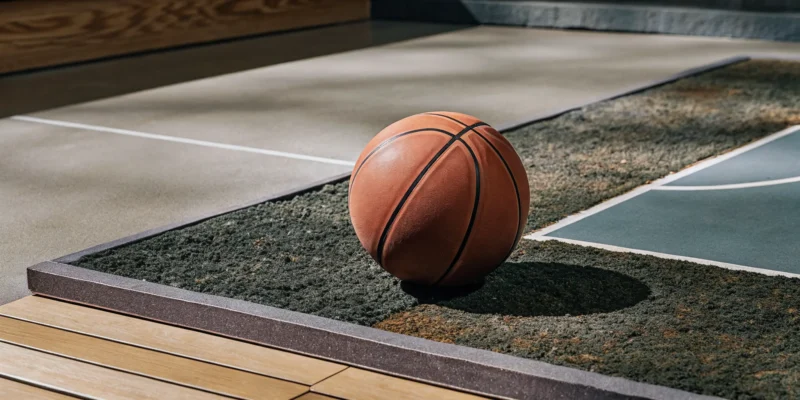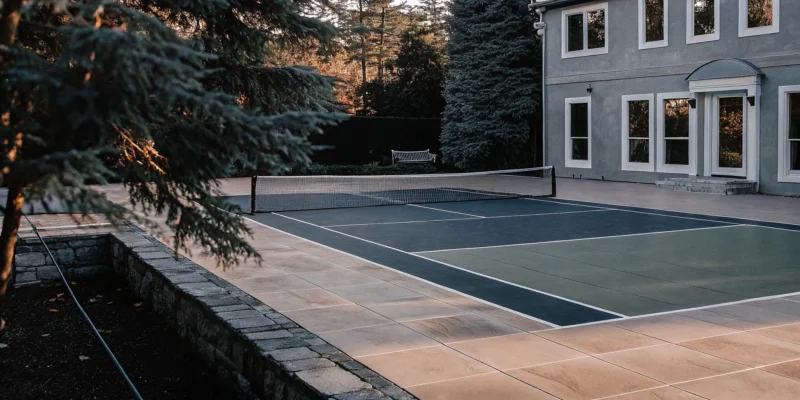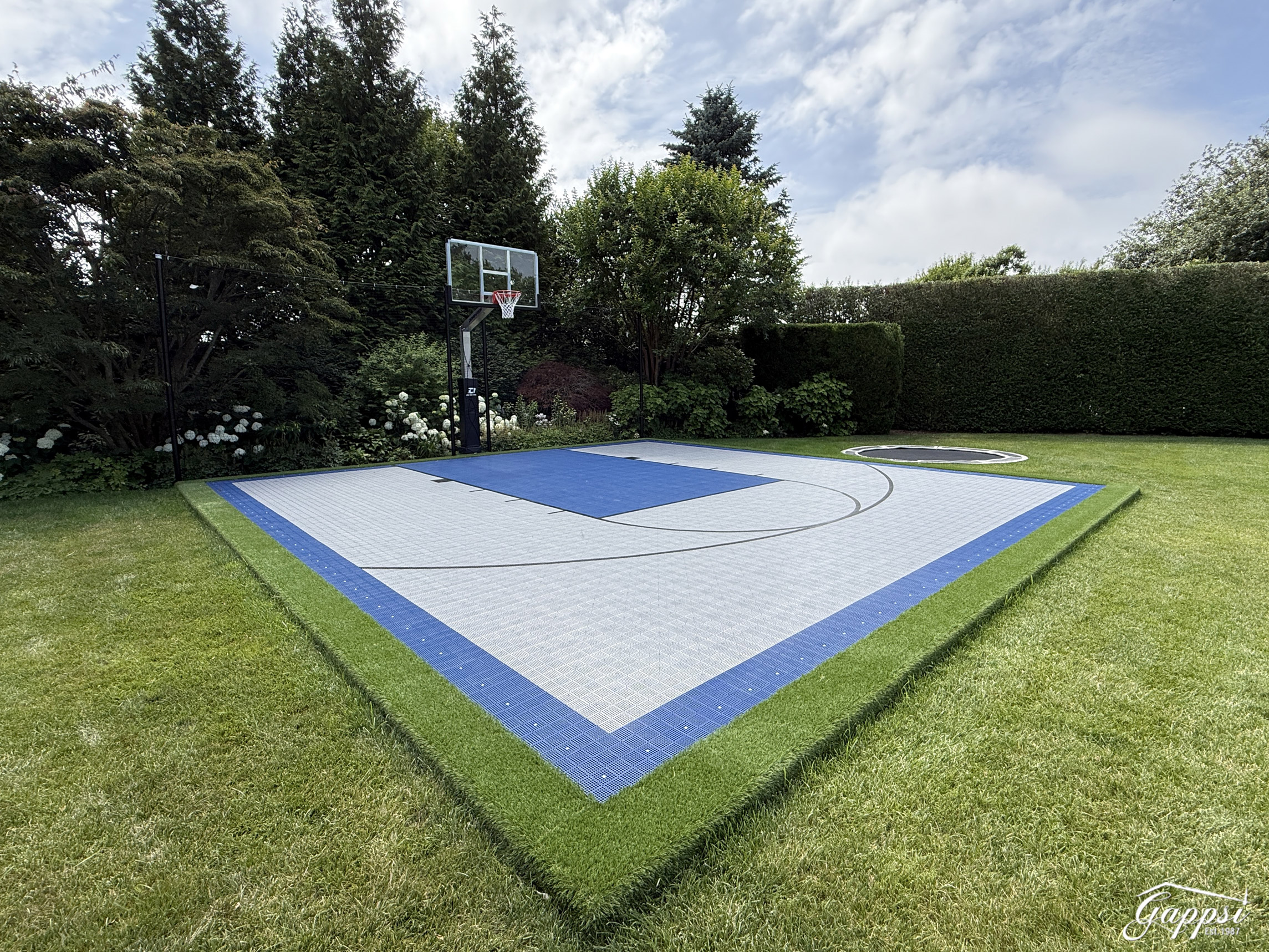
Pickleball builders on Long Island NY discussing court construction plans beside a blue pickleball court.

Find the Best Pickleball Builders on Long Island, NY

Building a pickleball court on Long Island isn’t the same as building one anywhere else. Our unique environment, with its freeze-thaw cycles and diverse soil types, demands specific expertise. A builder who doesn’t understand these local challenges can leave you with a court that puddles, cracks, or shifts over time. Furthermore, every town in Nassau and Suffolk County has its own zoning laws and permit requirements. This is why finding experienced pickleball builders on Long Island, NY, is so critical. You need a team that not only builds a great court but also handles the complex logistics to ensure your project is done right and fully compliant.

Key Takeaways

  • Focus on proven local experience: A builder who knows Long Island’s specific zoning laws, permit requirements, and soil conditions is critical. This local knowledge ensures your court is built correctly and avoids future headaches with compliance or structural issues.
  • Look for a comprehensive plan: A professional builder provides a complete service, not just a playing surface. Your quote should clearly outline every step, including site preparation, drainage, surfacing, fencing, and lighting, so there are no surprise costs.
  • Consider the long-term value: A pickleball court is more than a fun feature; it’s an investment in your home and your family’s well-being. It adds property value and creates a built-in destination for health, social connection, and making memories right in your backyard.

Finding the Best Pickleball Court Builder on Long Island

With pickleball’s popularity soaring across Long Island, adding a court to your backyard is a fantastic way to bring the fun home. But finding the right builder is key to ensuring your investment lasts for years. You need a team that understands the local landscape, from soil conditions to town permits. A great builder will guide you through every step, turning your vision into a reality that’s both beautiful and functional. Let’s look at what makes a premier local expert and what you should look for when comparing your options.

Gappsi: A Premier Local Expert

When you want a job done right, you turn to a local expert with a long-standing reputation. Gappsi has been designing and building custom outdoor spaces in Nassau and Suffolk Counties since 1987. We specialize in creating custom pickleball courts tailored to your property, whether that means building from scratch or converting an old tennis court.

Our process starts with a detailed consultation to understand exactly what you’re looking for. We handle everything from site preparation and drainage to surfacing and fencing, ensuring your court not only performs perfectly but also complements your home’s aesthetic. Hiring a professional team like ours guarantees your court is built correctly and meets all local requirements, giving you peace of mind and a durable, high-performance playing surface.

What to Look for in Other Specialists

As you research builders, you’ll find other specialists on Long Island. A quality builder will manage the entire court-building process from start to finish, making the experience straightforward for you. Look for companies with a strong portfolio of completed projects that showcase their craftsmanship. Ask about the materials they use; some may offer unique surfaces designed for enhanced durability and performance.

A reputable builder will also have deep experience with custom designs, including multi-sport layouts if you want more than just pickleball. Most importantly, they should be committed to building courts that meet official standards for play. You can see examples of our complete project transformations to get a feel for what a start-to-finish professional build looks like.

What Services Do Pickleball Court Builders Offer?

When you decide to add a pickleball court to your Long Island home, you’re not just hiring someone to paint lines on a slab of concrete. Professional builders offer a complete suite of services to take your project from a simple idea to a fully functional and beautiful addition to your property. A true expert handles every detail, ensuring your new court is built to last and perfectly integrated into your backyard. From initial ground-breaking to installing the final net, they manage the entire process so you can focus on planning your first match.

New Court Construction

Building a pickleball court from the ground up is a comprehensive project, and a qualified builder will guide you through every step. The process starts with evaluating your property to find the best location, ensuring proper dimensions and orientation. From there, they handle site preparation, which includes excavation, grading, and establishing a stable base. After the foundation is set, they install your chosen surface, whether it’s traditional acrylic or a modern synthetic material. Gappsi provides end-to-end construction for sports games courts, managing the entire build so you get a professional-grade court right in your backyard.

Court Resurfacing and Conversion

If you have an old, worn-out tennis court or a cracked basketball court taking up space, you don’t have to start from scratch. Many builders specialize in court resurfacing and conversion. They can repair cracks, level the surface, and apply fresh acrylic layers to make an old court look and play like new. This is also a fantastic way to convert an underused tennis court into multiple pickleball courts, maximizing your space and bringing a popular new activity to your home. A quality resurfacing job can extend the life of your court and significantly improve its safety and performance.

Custom Surfaces and Design

Your pickleball court doesn’t have to be standard green. Builders with design expertise can help you create a court that reflects your personal style and complements your home’s aesthetic. You can choose from a wide range of color combinations for the playing area and out-of-bounds sections. Some homeowners even add custom logos or create a multi-sport layout that incorporates basketball or other activities. At Gappsi, we see your court as part of a larger vision for your outdoor living space, and our landscape design team can help you integrate it seamlessly with patios, walkways, and plantings.

Fencing, Netting, and Lighting

A great pickleball court needs more than just a perfect surface. The best builders also provide essential accessories to make your court safe and functional. This includes installing the right kind of fencing to contain stray balls without obstructing views or airflow. They can also install high-quality, permanent net posts and nets. If you dream of playing on cool summer evenings, lighting is a must. A professional will help you plan for and install tall, sturdy light poles that provide even, glare-free illumination across the entire court. Gappsi offers a variety of fencing and netting solutions to complete your project.

What to Look for in Your Pickleball Court Builder

Choosing the right builder for your pickleball court is one of the most important decisions you’ll make. You’re not just hiring a contractor; you’re finding a partner to bring your backyard vision to life. A great builder combines technical skill with a deep understanding of your local environment to create a court that’s not only beautiful but also built to last. They’ll guide you through every step, from initial design to the final net installation. To make sure you find the best fit for your project, focus on a few key qualities that separate the experts from the rest.

Proven Experience and Local Knowledge

When you’re investing in a pickleball court, you want a team that has done this before, many times. Look for a builder with a strong track record of constructing sports games courts specifically on Long Island. Local experience is invaluable because they’ll understand the unique challenges of the area’s soil, climate, and weather patterns. An experienced builder knows how to prepare the ground properly to handle our freeze-thaw cycles, ensuring your court remains level and crack-free for years. They can also recommend the best materials and surface types that will stand up to the sun, rain, and snow, giving you a durable and high-performing playing surface.

Expertise in Long Island Zoning and Permits

Navigating local building regulations can be a real headache, but a professional builder will handle it for you. Every town in Nassau and Suffolk County has its own set of zoning laws, setback requirements, and permit processes. An expert builder will be well-versed in these rules and can manage the entire application process on your behalf. This saves you from the stress of paperwork and potential delays. Before you even break ground, they should be able to tell you exactly what’s possible on your property, ensuring your new court is fully compliant. This expertise is a clear sign of a professional and reliable home improvement company.

Proper Drainage and Site Preparation

What lies beneath your court is just as important as the surface you play on. Proper site preparation and drainage are critical for the longevity of your pickleball court. A professional builder will start with a thorough site evaluation, followed by precise excavation and grading. A correctly installed court should have a slight, almost imperceptible slope (typically 1%) to allow rainwater to drain away naturally. This prevents puddles from forming, protects the surface from water damage, and keeps your court playable more often. The quality of the masonry and base materials used is also essential for creating a stable foundation that won’t shift or settle over time.

Transparent Pricing and Accurate Quotes

You should feel confident and clear about the cost of your project from the very beginning. A trustworthy builder will provide a detailed, transparent quote that breaks down all the expenses, including materials, labor, and any additional features like fencing or lighting. Be wary of vague estimates or quotes that seem too good to be true, as they often lead to surprise costs down the road. A professional company will take the time to discuss the quote with you, explain each line item, and answer any questions you have. This commitment to clear communication builds trust and ensures there are no misunderstandings about the final budget.

A Strong Portfolio and Positive Reviews

The best way to gauge a builder’s quality of work is to see it for yourself. Ask to see a portfolio of their completed pickleball court projects. A proud builder will be happy to share photos and even videos of their past work. Pay attention to the details: are the lines crisp, is the surface smooth, and does the overall installation look professional? You can often find project galleries on their website or social media channels, like a YouTube channel. Additionally, look for reviews from other Long Island homeowners. Positive testimonials are a great indicator that the builder delivers on their promises and provides excellent customer service from start to finish.

How Much Does a Long Island Pickleball Court Cost?

One of the first questions homeowners ask is about the cost. On Long Island, building a new pickleball court can range from $15,000 to $50,000. This is a wide range because the final price depends entirely on your property, your design choices, and the features you include. Think of it less as a simple installation and more as a custom construction project tailored to your backyard. The total investment covers everything from preparing the ground to painting the final lines, and it’s important to understand what goes into that number.

Factors like the type of court surface, the need for significant site work, and additions like fencing and lighting will all shape your budget. A basic court on a perfectly flat piece of land will fall on the lower end of the spectrum, while a fully-equipped court with extensive landscaping and premium materials will be at the higher end. While it’s a significant investment, a well-built pickleball court adds tremendous value to your home and lifestyle. At Gappsi, we specialize in creating beautiful and functional sports games courts that integrate perfectly with your overall landscape design, ensuring your new court is a centerpiece for fun and activity for years to come.

Factors That Influence Your Budget

Several key elements will determine the final cost of your pickleball court. The surface material is a major one. While asphalt is common, a reinforced concrete base is often preferred for its durability and longevity, though it comes at a higher initial cost. According to USA Pickleball, the surface is foundational to the playing experience. Site preparation is another critical factor. A flat, clear area will cost less to prepare than a sloped yard that requires extensive grading and drainage solutions. Adding professional fencing and netting for safety and lighting for nighttime play will also increase the budget. Finally, consider amenities like benches or adjacent pavilions and pergolas for shade, which complete the space but add to the project scope.

How to Get an Accurate Quote

To get a realistic idea of what your project will cost, the best first step is to consult with local builders. An experienced contractor can assess your property and provide a detailed estimate based on Long Island’s specific labor and material costs. Before you call, it helps to have a clear vision of what you want. Defining your requirements, from the court’s dimensions to the type of surface and any extra features, will help a builder give you a more precise quote. As the Sports Facility Advisory group notes, detailed specifications are key to accurate planning. Finally, think about the total cost of ownership. A higher-quality installation might cost more upfront but can save you money on maintenance and repairs down the road, making it a smarter long-term investment.

Why Add a Pickleball Court to Your Property?

Thinking about adding a pickleball court to your Long Island home? It’s more than just a fun trend. A personal court is a fantastic investment in your lifestyle, your health, and your property’s overall appeal. It transforms your backyard from a simple lawn into a destination for fun, fitness, and connection, creating a space where memories are made right at home.

The Health and Lifestyle Benefits

Imagine stepping out your back door for a friendly game that gets your heart pumping without being too hard on your joints. That’s the beauty of pickleball. It’s an incredibly social and accessible sport, perfect for all ages and fitness levels. You can teach your kids, invite your neighbors, or have a weekly match with friends. It’s a wonderful way to stay active, improve your balance, and spend quality time together outdoors. Having one of your own sports games courts means you can play whenever you want, no reservations required. It’s an instant, built-in plan for family fun and personal wellness.

Increase Your Home’s Value and Appeal

A pickleball court is a smart and strategic home improvement. In a competitive real estate market, unique features make a property stand out, and a well-built pickleball court is a highly desirable amenity. It signals that a home is designed for an active and modern lifestyle. This kind of addition can significantly increase your property’s appeal to potential buyers, making your home more memorable and potentially increasing its market value. It’s a home remodeling project that offers a return not just in dollars, but in the enjoyment and distinction it brings to your property.

Completing Your Outdoor Living Space

A pickleball court can be the centerpiece that ties your entire backyard together. It’s not just a standalone feature; it’s an integral part of a complete outdoor living environment. Picture a court situated near a beautiful patio made with porcelain and natural stone, with a shaded pergola for spectators to relax. Gappsi specializes in creating these cohesive spaces, and we can even convert an old or unused tennis court into a brand new pickleball court. By integrating the court with your landscape, pool, and outdoor kitchen, you create a seamless and functional space for both recreation and relaxation.

Related Articles

Frequently Asked Questions

How much space do I actually need for a pickleball court? A standard pickleball court has playing dimensions of 20 feet by 44 feet. However, you need extra space around the perimeter for safe play and runoff. We recommend a total area of at least 30 feet by 60 feet. This gives you enough room to move comfortably without feeling cramped and ensures your court meets official guidelines for play. A professional builder can evaluate your specific property to find the best placement and orientation.

Can I convert my old tennis court into a pickleball court? Absolutely. Converting an underused or worn-out tennis court is a very popular and cost-effective option. The process typically involves repairing any cracks or surface damage, applying a fresh acrylic resurfacer, and then painting the new lines for one or more pickleball courts. Since a tennis court is much larger, you can often fit two, or even four, pickleball courts into the same space, which is perfect for hosting friends and family.

How long does the construction process usually take? The timeline for building a new pickleball court from scratch can vary, but a typical project often takes a few weeks from start to finish. The exact duration depends on several factors, including the extent of site preparation needed, the local permit approval process, and of course, the weather. A project involving extensive grading or custom features will naturally take longer than a straightforward installation on a flat, clear lot.

Why is professional site preparation so important for a court’s longevity? The work done before the surface is even poured is the most critical part of building a lasting court. Professional site preparation ensures the ground is perfectly graded with a slight slope for proper drainage, which prevents water from pooling and causing damage. A stable, compacted base of materials is also essential to prevent the court from shifting, settling, or cracking over time, especially with Long Island’s freeze-thaw cycles. This foundation is what guarantees your court will remain smooth and playable for years.

What kind of maintenance will my new court need? A professionally installed pickleball court is surprisingly low-maintenance. The most important task is to keep the surface clean by periodically using a leaf blower or broom to remove debris like leaves, dirt, and twigs. This prevents stains and keeps the surface safe for play. You should also check the net tension occasionally to make sure it’s at the proper height. A high-quality acrylic surface is built to withstand the elements, so you can spend less time on upkeep and more time playing.

Share this page:
A multi-sport game court installed by professional contractors on Long Island, NY.

The Best Sports Game Courts Contractors on Long Island NY

Pickleball has taken over, and maybe your family has caught the bug. Or perhaps a classic basketball court is more your speed. Whatever game you love, bringing it home is more achievable than you might think. A well-built court provides a safe and convenient place for everyone to play. This article will serve as your complete guide, covering everything from the initial design ideas to long-term maintenance. We will cover the essential questions to ask and the key qualities to look for, helping you find the most reliable sports game courts contractors on Long Island, NY, who can build a space your family will cherish for years.

Key Takeaways

  • Design for your family’s fun: Your first step is deciding what games you’ll play most, whether it’s basketball, pickleball, or a mix of everything on a multi-game court. This choice, along with selecting a joint-friendly surface like modular tile, directly shapes your family’s future fun and safety.
  • Partner with a specialist, not a generalist: Building a sports games court correctly requires specific expertise. Select a contractor who specializes in these projects, can show you a portfolio of their work, and has a deep understanding of Long Island’s permit process and building conditions.
  • Think beyond the initial price tag: A quality sports games court is a long-term investment. When budgeting, account for site preparation, the quality of the surface, and future maintenance like cleaning and resurfacing to ensure your court remains a safe and valuable home asset for years.

What Kind of Game Court Can You Build?

Deciding to add a sports games court to your backyard is the first step toward creating a hub of activity and fun for your family. The next step is choosing what kind of court best fits your space, budget, and lifestyle. From classic basketball hoops to versatile multi-sport surfaces, your options are wide open. A well-designed court not only provides endless entertainment but also adds significant value and appeal to your home. Let’s look at some of the most popular choices for Long Island homeowners.

Basketball

A backyard basketball court is a timeless classic. It’s a fantastic way to encourage active play and can be tailored to fit almost any space. Whether you have room for a full-court setup or a more compact half-court, the design can be customized to your exact needs. A professional contractor can help you design a court that complements your landscape, using high-quality materials for the base and surface. With the right planning, you can create a professional-feeling playing area for everything from serious practice to casual games of HORSE with the family.

Tennis

For the dedicated tennis player, nothing beats having a private court just steps from your door. Building a tennis court is a significant project, as a standard court requires a 60 by 120-foot area. However, the investment pays off in convenience and unlimited playing time. The quality of the surface is critical for proper ball bounce and player safety. Whether you are building a new court from the ground up or need to resurface an existing one, working with an experienced team ensures your court is built to last and performs beautifully for years to come.

Pickleball

Pickleball has quickly become one of the most popular sports in the country, and for good reason. It’s easy to learn, fun for all ages, and doesn’t require a lot of space. In fact, you can fit four standard pickleball courts in the same area as a single tennis court. This makes it an ideal choice for smaller backyards or for homeowners looking to convert an underused space. Adding a pickleball court is a great way to join this fast-growing community and bring a fun, social activity to your home.

Multi-Game Courts

Why choose just one sport when you can have them all? A multi-game court is the ultimate solution for active families with varied interests. These versatile sports games courts are designed with overlapping lines and adjustable equipment to accommodate basketball, volleyball, roller hockey, pickleball, and more. This option gives you the most flexibility and ensures there’s always a new game to play. By using a modular tile surface, you can create a durable, safe, and low-maintenance playing area that will be the centerpiece of your backyard for years.

Finding the Right Long Island Game Court Contractor

You’ve decided you want a game court, which is exciting! Now comes the practical part: finding the right team to build it. The contractor you choose will make all the difference in the final quality and longevity of your court. You need a partner who understands the specific demands of building in our Long Island climate, from the summer heat to the winter freeze. A great contractor not only delivers a beautiful court but also makes the entire process, from design to final installation, feel seamless and stress-free.

The Gappsi Advantage

When you start looking for a contractor, you’ll find that Gappsi is a top choice for custom sports games courts on Long Island. We specialize in tailoring designs to fit your space and style, ensuring your court is a perfect addition to your home. We often recommend Modular Interlocking Tiles for the surface because they are softer on your knees, stay cooler in the summer, and drain water quickly after a rainstorm. One of the biggest benefits of working with us is that we handle the entire permit process. We create the necessary drawings and work directly with local town offices, saving you a major headache. Typically, the whole installation takes about two to six weeks.

What to Look for in a Local Contractor

It’s crucial to choose a contractor who specializes in building sports games courts, not just a general concrete or asphalt company. These courts require specific construction methods to ensure they last for years. During an estimate, a qualified pro should carefully assess your property and discuss the best materials for the job. They will understand that the quality of materials, like asphalt, can vary and will know which repair systems and fillers work best for our local conditions. A true specialist will have deep knowledge of everything from the masonry base to the final surface coating, ensuring every layer is built to perform.

Choosing the Best Surface for Your Game Court

The surface you choose for your backyard court is one of the most important decisions you’ll make. It impacts everything from player safety and game performance to long-term maintenance and overall enjoyment. While traditional options like asphalt have been popular for years, modern materials offer significant advantages in comfort and durability. Understanding the differences will help you select a surface that fits your family’s needs and gives you a court you’ll love playing on for years to come. Let’s walk through the most common options so you can feel confident in your choice.

Modular Tiles

Modular interlocking tiles are our top recommendation for backyard sports games courts, and for good reason. These tiles create a suspended surface that offers built-in shock absorption, making it much gentler on your knees and joints during play. In the Long Island summer heat, they also stay up to 50% cooler than asphalt, which means more comfortable and safer playtime. Another huge plus is their excellent drainage. Water flows right through the tiles, so you won’t have to deal with puddles after a rainstorm. This means less downtime and more time for fun. Their versatility makes them perfect for everything from basketball to pickleball, providing a consistent and reliable playing surface.

Asphalt and Concrete

Asphalt and concrete are the traditional choices for sports games courts. A concrete base, often finished with an acrylic paint coating, provides a very hard, uniform surface with a fast ball bounce. While this durability is a plus, it comes with a downside: the unforgiving nature of the surface. The lack of cushioning can be tough on players’ bodies, especially during long or frequent games. These surfaces also retain heat, becoming very hot under the summer sun. Over time, they can be prone to cracking, which requires maintenance to fix. While they are a classic option, it’s important to weigh their rigidity against the comfort offered by newer materials.

Acrylic and Synthetic Surfaces

Acrylic and other synthetic surfaces are liquid coatings applied over a hard base like concrete or asphalt. You often see these on professional tennis courts, and they are known for providing excellent, consistent ball response and a clean, professional look. You can also get them in a wide variety of custom colors to match your home’s aesthetic. While these surfaces improve the playability of a standard concrete court, they don’t offer the same level of shock absorption or temperature control as modular tiles. They provide a great middle ground if you prioritize a pro-level ball bounce but still want something more specialized than simple painted concrete.

Essential Features: Drainage, Cushioning, and Temperature Control

When comparing surfaces, keep these three key features in mind: drainage, cushioning, and temperature. A surface with poor drainage will leave you waiting for puddles to dry after every rain shower. Proper cushioning is essential for reducing the risk of injury and minimizing stress on your joints, making play more enjoyable for everyone. Finally, consider how hot the surface will get. A court that stays cool to the touch is safer and more inviting during those hot Long Island summers. Gappsi’s recommended modular tile systems excel in all three areas, providing a safe, comfortable, and low-maintenance solution that lets you maximize your time on the court.

How Much Does a Game Court Cost on Long Island?

Figuring out the budget for your dream backyard court is a big step. The final cost can vary quite a bit, because every project is unique. Think of it less like buying a product off the shelf and more like a custom home addition. The price depends on the type of court you choose, the materials you select, and the specific requirements of your property. To give you a clear picture, let’s break down the main factors that will shape your project’s budget.

Installation Costs by Court Type

The type of court you envision is the biggest factor in determining the initial cost. For example, simply resurfacing an existing tennis court might range from $8,000 to $12,000, depending on its condition. However, building a brand new, multi-sport court from scratch involves excavation, base preparation, and surfacing, which is a more significant investment. A dedicated pickleball court will have a different price point than a full-size basketball court. At Gappsi, we design custom Sports Games Courts tailored to your space and the sports your family loves, providing a detailed quote based on your specific design.

Budgeting for Resurfacing and Maintenance

Your game court is an investment in your home and lifestyle, and planning for its future care is smart. Long Island’s weather, with its freezing winters and hot summers, can be tough on outdoor surfaces. Asphalt courts, for instance, may need a new top layer every five to eight years to keep them in prime playing condition. Factoring in periodic maintenance and potential restoration and sealing from the start helps you protect your investment. This ensures your court remains safe, playable, and beautiful for many years of enjoyment.

What Influences the Final Price?

Beyond the court itself, several other elements affect the total cost. Site preparation is key; if your yard has a significant slope, more grading and excavation will be needed. Another major factor is hiring a specialized contractor. A general paver might not understand the specific base construction and drainage needed for a high-performance court. A professional team also handles the entire permit process, creating the necessary drawings and working with your local town office. This expertise ensures your court is built correctly and saves you from major headaches down the road.

How to Select Your Game Court Contractor

Finding the right partner to build your dream game court is just as important as choosing the right surface. You’re not just hiring a crew; you’re entrusting someone with a significant investment in your home and family’s enjoyment. A great contractor brings your vision to life, handles the technical details, and delivers a high-quality court that lasts for years. So, how do you spot the right one? Focus on these four key areas to make a confident choice.

Specialized Experience and Permit Knowledge

This is not a job for a general contractor or a concrete crew. Building Sports Games Courts requires a specific skill set. The slope, base preparation, and surface application all follow precise methods to ensure proper drainage, player safety, and game-quality performance. A specialist understands these details inside and out. They will also be familiar with Long Island’s local zoning laws and permit requirements, which saves you from potential headaches and delays. A contractor with deep experience in synthetic turf and Sports Games Courts knows exactly what it takes to get the job done right the first time, from the ground up.

Licensing, Insurance, and Credentials

Before you sign any contracts, do a quick credentials check. Your contractor should be able to provide proof of being fully licensed and insured. This is a non-negotiable. General liability insurance protects your property in the unlikely event of damage, while workers’ compensation insurance covers the crew if someone gets injured on your property. Asking for these documents isn’t rude; it’s smart business and a sign of a responsible homeowner. A professional contractor will have this information ready and will be happy to share it. It’s a simple step that provides immense peace of mind and separates the true professionals from the rest.

Customization Options: Colors, Logos, and Lighting

This is where the fun begins. Your game court doesn’t have to be standard issue. A great contractor will work with you to make it uniquely yours. Want to add your favorite team’s logo, your kids’ school colors, or custom game lines for multiple sports? A design-focused builder can make it happen. Think about the entire environment, including lighting for evening games, seating areas, or even adjacent pavilions and pergolas for spectators. Discuss these possibilities during your consultation to see what creative solutions a contractor can offer to personalize your space and make it a true backyard destination.

Reviewing Portfolios, Testimonials, and Consultations

Seeing is believing. Before you commit, ask to see a portfolio of a contractor’s completed projects. Photos are good, but videos and even visiting a local installation can give you a much better sense of their work quality. Check for online reviews and ask for client testimonials. A reputable company will have a history of satisfied customers. Finally, treat the initial consultation as a two-way interview. Do they listen to your ideas? Do they offer helpful suggestions? The Gappsi YouTube channel is a great example of a portfolio you can review from home. This first meeting is your best chance to gauge their expertise and communication style.

How to Keep Your Game Court in Top Shape

A backyard game court is an investment in fun and family time, so you’ll want to keep it in prime condition for years of enjoyment. Proper maintenance ensures your court remains safe, playable, and looking its best. A little proactive care goes a long way in preventing bigger, more expensive problems down the road. From simple weekly cleanups to knowing when to call in the experts, maintaining your court is straightforward. Here’s how you can protect your investment and keep the games going strong season after season.

Simple Cleaning and Debris Removal

The easiest and most effective step in game court maintenance is regular cleaning. Think of it like sweeping your kitchen floor; it prevents small messes from becoming big ones. At least once a week, use a leaf blower or a garden hose to clear away leaves, twigs, dirt, and other debris. This simple task does more than just keep the court looking tidy. It prevents organic materials from staining the surface and stops abrasive debris from being ground into the tiles or acrylic, which can cause premature wear. A clean surface is a safe surface, reducing the risk of slips and falls during an intense game.

Inspecting for Cracks, Wear, and Drainage

Beyond weekly cleaning, get in the habit of giving your court a thorough inspection every month or so, especially after heavy rain or extreme weather. Walk the perimeter and the playing area, keeping an eye out for any potential issues. Look for small cracks, signs of wear on the painted lines, or areas where water tends to pool. Poor drainage can lead to surface damage, mold, or mildew growth over time. Catching these problems early is key. A small crack is much easier and cheaper to fix than a large one that has been allowed to expand. If you notice any concerns, our restoration and sealing services can help address them before they worsen.

When to Resurface vs. When to Call a Pro

Even with perfect maintenance, every game court surface has a lifespan. Over time, you might notice that the color is fading, the surface is becoming slippery, or multiple cracks are appearing. This is when you need to consider resurfacing. Resurfacing involves applying a new topcoat to restore the court’s color, texture, and playability. For homeowners on Long Island, this can be a significant project. If you see widespread cracking, extensive fading, or bubbling, it’s time to call a professional. A qualified contractor will evaluate the court’s foundation, material, and overall condition to recommend the best course of action, whether it’s a simple repair or a full resurface.

Red Flags to Avoid When Hiring a Contractor

When it’s time for repairs or resurfacing, choosing the right contractor is crucial. Be wary of anyone who gives you a quote without a thorough inspection or seems hesitant to discuss the materials they use. A major red flag is a contractor who pushes low-quality materials to offer a cheaper price. Modern asphalt, for example, can be less durable than older formulations, so your contractor must use high-quality acrylic resurfacing products to ensure longevity. Ask potential contractors about the brands they use and why. A reputable professional will be transparent and proud to use top-tier materials that provide a tournament-grade finish. Our expert team is always ready to discuss the best options for your Sports Games Courts.

Related Articles

Frequently Asked Questions

Do I really need a permit to build a game court in my backyard? Yes, most towns on Long Island require a permit for a project like a backyard game court. The process usually involves submitting detailed drawings and plans for approval. It can be a bit of a headache to handle on your own, which is why choosing a contractor who manages the entire permit process for you is a huge advantage. They will know exactly what your local town office requires and can ensure everything is submitted correctly, saving you time and stress.

My backyard isn’t perfectly flat or very big. Can I still get a game court? Absolutely. One of the best parts about custom Sports Games Courts is that they can be designed to fit your specific property. If your yard has a slope, the site will need to be professionally graded to create a level base, which is a standard part of the construction process. For smaller spaces, you can opt for a compact half-court for basketball or a dedicated pickleball court, which has a much smaller footprint than a tennis court. A good designer will work with you to maximize your available space.

How does a multi-game court work? Won’t all the different lines be confusing? That’s a great question. On a multi-game court, the lines for each sport are painted in different, distinct colors, making it easy to switch from one game to the next. For example, the basketball key might be white, while the pickleball lines are yellow. It’s a clear and simple system that keeps the playing surface from looking cluttered. The equipment, like nets, is often adjustable or removable, so you can quickly set up for volleyball or take the net down for a game of roller hockey.

You recommend modular tiles, but are they durable enough for Long Island weather? They definitely are. Modular tiles are engineered specifically to handle the demands of outdoor use and fluctuating temperatures. They are made from high-impact materials that can withstand our hot summers and freezing winters without cracking like asphalt can. The interlocking system allows the entire surface to expand and contract naturally with temperature changes. Plus, the color is part of the material itself, not just a coating, so it won’t chip or wear away, and it includes UV protection to resist fading.

How long does the whole process take, from design to playing our first game? Generally, you can expect the entire project to take about two to six weeks from start to finish. This timeline includes finalizing the design, securing the necessary permits from your town, preparing the site, and completing the full installation. The exact duration can depend on factors like the complexity of the site preparation and the permit approval timeline in your specific area, but a professional contractor will give you a clear and realistic schedule once your project is planned.

Share this page:

Professional Batting Cage Installation in Melville, NY by Gappsi

View Gappsi’s YouTube Channel to view Professional Batting Cage Installation in Melville, NY by Gappsi

For athletes serious about improving their baseball or softball skills, having access to a professional-quality batting cage can make a major difference in performance and training consistency. Whether for private practice, team drills, or year-round conditioning, a custom batting cage installation creates a dedicated space where players can focus on hitting mechanics, pitching accuracy, and overall development.

Recently, Gappsi completed another premium sports game court installation project in Melville featuring a fully customized professional batting cage system designed for durability, safety, and elite athletic performance. This state-of-the-art installation combines high-quality structural components, synthetic turf surfaces, and professional-grade netting to create the ultimate training environment for baseball and softball players.

Custom Batting Cage Installation in Melville, NY

This latest project involved the installation of a large professional batting cage measuring:

  • 14 feet wide
  • 12 feet tall
  • 75 feet long

The generous dimensions provide players with ample room for batting practice, pitching drills, and skill development exercises. A cage of this size allows athletes to train in a realistic environment that closely replicates on-field conditions while maintaining safety and containment during practice sessions.

At Gappsi, every sports installation is designed with functionality, longevity, and aesthetics in mind. This batting cage was carefully planned and constructed to deliver both professional performance and a clean, modern appearance that complements the surrounding property.

Heavy-Duty Structural Support System

One of the most important aspects of any batting cage installation is the structural framework. Stability and durability are essential to ensure the cage performs properly over time and withstands repeated athletic use and weather exposure.

For this Melville project, Gappsi installed six heavy-duty support posts measuring 4 inches by 4 inches. Each post features a sleek black powder-coated finish that not only enhances the structure’s appearance but also provides long-term protection against corrosion, rust, and outdoor wear.

Powder coating is an excellent choice for outdoor sports structures because it creates a resilient finish that withstands changing weather conditions throughout the year. The black finish also gives the batting cage a professional, modern look that blends seamlessly with residential or athletic properties.

The sturdy support system ensures the batting cage remains secure and properly tensioned, even during intensive training sessions.

professional-batting-cage-installation-in-melville-ny

Professional Netting Suspension System

To create a safe and effective batting environment, the netting system must be properly supported and evenly distributed throughout the structure. Improperly installed netting can sag, shift, or wear out prematurely.

For this installation, Gappsi used three stainless steel cables installed across the top of the batting cage structure. The netting is suspended from these cables using specialized hooks, allowing it to hang evenly and securely along the entire 75-foot length.

Stainless steel cable systems offer several important benefits:

Strength and Durability

Stainless steel cables are highly resistant to rust and corrosion, making them ideal for outdoor sports applications. They also provide superior tensile strength to support heavy-duty netting systems.

Proper Net Tension

Using multiple overhead support cables helps maintain even net tension across the entire cage. This improves safety and helps prevent sagging or uneven wear.

Long-Term Performance

Professional cable-supported netting systems last longer and require less maintenance compared to lower-quality alternatives.

The result is a clean, professional batting cage setup designed to withstand frequent use while maintaining excellent functionality and appearance.

Premium Synthetic Turf Installation

The flooring surface inside a batting cage plays a major role in athlete comfort, safety, and performance. Traditional dirt or grass surfaces can become uneven, muddy, and difficult to maintain. Synthetic turf offers a far more practical and professional solution.

For this Melville batting cage installation, Gappsi installed premium synthetic turf surfaces throughout the entire training area.

Putting Green Turf for Center Field

The center section of the batting cage features high-quality putting-green turf that provides a smooth, consistent playing surface. This turf delivers excellent traction while creating a professional athletic appearance.

The putting green turf offers several advantages:

  • Consistent ball bounce and roll
  • Reduced maintenance requirements
  • Clean appearance year-round
  • Excellent drainage capabilities
  • Durable performance under repeated use

Athletes can practice comfortably without worrying about muddy conditions, uneven terrain, or worn-out grass areas.

Synthetic Turf Trim Edges

Along the perimeter edges of the batting cage, Gappsi installed complementary synthetic turf trim to create a clean, finished appearance. The contrasting turf areas help define the practice zone while enhancing the overall aesthetics of the installation.

The combination of premium turf materials creates a polished, professional training environment suitable for athletes of all ages and skill levels.

Maroon Surface-Mounted Pitching Mat

In addition to the batting area, this project included installing a maroon pitching mat for pitching drills and practice sessions.

The pitching mat is surface-mounted, allowing it to be repositioned based on player preference and training requirements. This flexibility is ideal for athletes working on different pitching techniques, angles, or distances.

A movable pitching mat provides several benefits:

  • Adjustable training configurations
  • Improved versatility for multiple users
  • Easy repositioning during practice sessions
  • Enhanced convenience and customization

The maroon color also adds a visually appealing accent to the batting cage while maintaining a professional sports facility appearance.

Benefits of Installing a Professional Batting Cage

Homeowners, schools, sports facilities, and athletic organizations are increasingly investing in custom batting cages for their long-term value and training benefits.

Year-Round Training Opportunities

A dedicated batting cage allows athletes to practice consistently without relying on public facilities or crowded training centers.

Improved Skill Development

Frequent repetition is essential for improving hitting mechanics, timing, and muscle memory. Having a private batting cage encourages regular practice and accelerated development.

Convenience and Accessibility

Instead of traveling to a training facility, players can practice directly at home or on-site whenever convenient.

Enhanced Property Functionality

Custom sports installations can transform unused outdoor space into a functional recreational area for athletes and families.

Professional-Level Experience

High-quality materials and professional installation create a true athletic training environment that supports serious player development.

Why Choose Gappsi for Sports Game Court Installations?

Gappsi has built a strong reputation throughout New York for designing and installing premium outdoor living spaces, sports game courts, synthetic turf systems, and recreational environments. Every project is customized to meet the client’s goals, available space, and performance requirements.

Their team specializes in:

  • Batting cage installations
  • Sports game courts
  • Synthetic turf systems
  • Backyard athletic facilities
  • Custom outdoor recreation spaces
  • Putting greens
  • Basketball courts
  • Multi-sport training areas

By combining high-quality materials with expert craftsmanship, Gappsi delivers installations that are both visually impressive and built for long-term performance.

A Complete Athletic Training Solution in Melville, NY

This latest batting cage installation in Melville showcases the attention to detail and professional craftsmanship that define every Gappsi project. From the heavy-duty structural framework to the premium synthetic turf and professional netting system, every element was designed to create a safe, durable, and high-performance training environment.

The completed batting cage provides athletes with an exceptional space to improve hitting, pitching, and overall baseball or softball performance, while adding long-term recreational value to the property.

For homeowners, coaches, and athletes looking to create a professional sports training environment, a custom batting cage installation from Gappsi offers the perfect combination of functionality, durability, and elite-level design.

Contact Gappsi Today

📍 Serving all of Long Island, NY — Nassau & Suffolk Counties
🌐 https://www.gappsi.com/
📞 Call now for a free consultation and estimate

SCHEDULE A MEETING TODAY WITH GAPPSI

Share this page:
Custom basketball court built by a Long Island, NY courts builder.

Basketball Courts Builder Long Island NY: How to Choose

A backyard basketball court should be more than just a place to play; it should be a reflection of your family’s style. This is your chance to create a standout feature that’s completely unique to your home. You can move beyond standard gray and choose custom colors that match your house, represent your favorite team, or simply make you smile. You can even add a personal logo at center court or paint lines for other activities like pickleball. A skilled basketball courts builder in Long Island, NY, can bring these creative ideas to life, ensuring the final result is both beautiful and functional. We’ll explore all the ways you can personalize your court, from lighting and hoops to custom designs.

Key Takeaways

  • A Pro Handles the Hard Parts: Hiring a professional builder means you have an expert to manage the technical details, including site preparation, proper drainage, and navigating local Long Island permit requirements, which ensures your court is built correctly from the ground up.
  • Customize Your Court to Fit Your Home: The best backyard court is one designed for your space and family. You get to make key decisions on the surface material, the size (like a practical half-court), and personal touches like colors, logos, and lighting.
  • Your Choices Determine the Cost: The total investment for a basketball court depends on your specific selections. The final price is shaped by the court’s size, the surface material you choose, and any custom accessories like hoops or fencing, so a detailed estimate is essential.

What Does a Basketball Court Builder Do?

Thinking about adding a basketball court to your backyard? It’s a fantastic way to bring fun and fitness right to your home, but it’s a bigger project than just setting up a portable hoop. A professional basketball court builder is your partner from start to finish, managing every detail to create a durable, high-performance playing surface that will last for years. They don’t just build a court; they work with you to bring your vision to life, ensuring the final result is exactly what you dreamed of. A builder’s role covers three main areas: designing a court that fits your space and style, installing a high-quality surface built for performance, and adding all the custom features that make the court uniquely yours. They handle all the technical work, from site preparation and drainage solutions to material selection and final line painting. This comprehensive approach ensures that your investment is protected and that the court is safe, functional, and beautiful. This leaves you free to focus on the fun part, like planning your first neighborhood tournament. Let’s look at what you can expect when you work with a professional builder.

Designing Your Court and Handling Permits

The first step is creating a plan. A great builder works with you to design a court that meets your exact needs. Do you want a full court for serious games or a half court that fits neatly into your landscape? They’ll help you figure out the best size and layout for your property. More importantly, a local Long Island builder understands the specific zoning laws and regulations in towns across Nassau and Suffolk counties. They will create the necessary architectural drawings and handle the entire permit process for you, which saves you a ton of time and potential headaches with your town building department.

Installing the Court Surface

Once the design is set, the real work begins. The builder prepares the site, ensuring the ground is level and has proper drainage to prevent water damage. Then comes the most critical part: installing the court surface. You have a surprising number of options here. While many people think of simple asphalt or concrete, modern sports games courts can be made from a variety of materials, including synthetic turf, specialized interlocking tiles, or even clay. Each material offers a different level of performance, durability, and player comfort. A professional builder will explain the benefits of each and install your chosen surface with precision for a perfect finish.

Adding Custom Features and Accessories

This is where you can really make the court your own. A builder can add custom features that match your home’s aesthetic and your family’s style. You can choose from a wide range of colors for the surface and add custom game lines for basketball, pickleball, or volleyball. You can even add a personal logo right on the court. Beyond aesthetics, your builder will help you select and install essential accessories. This includes high-quality, adjustable basketball hoops, lighting for night games, and protective fencing and netting to keep the ball in play. They can also install cushioning systems beneath the surface to reduce stress on joints and improve player safety.

Which Court Surface Is Right for Your Backyard?

Choosing the right surface for your basketball court is one of the most important decisions you’ll make. It affects how the ball bounces, how comfortable it is to play on, and how much maintenance you’ll need to do down the road. Each material has its own unique feel and set of benefits, so it’s all about matching the surface to your family’s playing style, your property, and your budget. Let’s walk through the most popular options for Long Island backyards so you can find the perfect fit for your home.

Asphalt

Asphalt is a classic and reliable choice for a backyard basketball court. It provides a firm, consistent surface that delivers a true ball bounce, making it great for practicing your dribbling skills. An asphalt court is typically finished with an acrylic paint coating, which adds color and grip. While it’s a durable option, the weather here on Long Island means you’ll likely need to have it repainted every five to eight years to keep it looking fresh and playing its best. If you value a traditional feel and straightforward installation, asphalt is a solid starting point. Proper upkeep, including periodic restoration and sealing, will ensure it lasts for years.

Concrete

Concrete is another common and extremely durable material for a basketball court. It’s known for creating a very fast playing surface, which many players love for quick-paced games. Like asphalt, a concrete court is usually coated with acrylic paint to define the lines and improve traction. Because it’s so hard, concrete offers excellent longevity and can withstand decades of play. The trade-off is that it’s an unforgiving surface, offering little shock absorption, which can be tough on your joints over time. As a long-lasting foundation, it’s a popular choice for multi-purpose game courts that will see a lot of action.

Modular Interlocking Tiles

If player safety and comfort are at the top of your list, modular interlocking tiles are an excellent choice. These modern surfaces are specifically engineered for athletics, offering superior shock absorption that’s much easier on your knees and ankles. One of the biggest perks for Long Island homeowners is their fantastic drainage; rainwater flows right through the tiles, so you can get back to playing soon after a storm without waiting for puddles to dry. They also stay cooler than asphalt in the summer sun. Plus, with a wide range of colors available, you can create custom designs, logos, and line combinations for a truly personalized sports game court.

Synthetic Surfaces

For a professional-grade playing experience, a seamless synthetic surface is the ultimate choice. These courts, often made from materials like cushioned polyurethane, are designed to provide the perfect balance of grip, shock absorption, and ball response. A synthetic surface helps players maintain their footing during intense games and is built to handle both aggressive play and harsh weather with ease. While it’s a premium option, its durability and superior playability make it a worthwhile investment for serious players or families who want the absolute best for their backyard. These surfaces offer a completely seamless look and can be customized to fit your aesthetic perfectly.

Find the Right Court Size and Layout

One of the most exciting parts of planning your backyard court is deciding on its size and layout. This decision really comes down to two things: how much space you have and how you want to use the court. You might be picturing full-court games, or maybe you just want a dedicated spot for your kids to practice their free throws. The great news is that you don’t need a massive property to create an amazing playing experience. With a little planning, you can design a court that feels just right for your home and family.

Full Court or Half Court?

When you think of a basketball court, a full-sized, 50-by-84-foot court might come to mind. While that’s the standard for high school games, it’s often more space than most Long Island backyards can accommodate. That’s why the half-court is such a popular and practical choice for homeowners. Common half-court sizes like 30-by-30 feet or 30-by-50 feet provide plenty of room for shooting drills, one-on-one matchups, and family fun. A well-designed half-court gives you all the function you need for practice and play without taking over your entire yard, making it a perfect fit for most properties.

Making a Court Fit Your Space

What if a standard half-court size doesn’t quite work with your yard’s layout? That’s where customization comes in. Your basketball court doesn’t have to be a perfect rectangle to be a great place to play. We can help you design a court that fits the unique dimensions of your property. Whether you have a narrower yard, want to work around a beautiful old tree, or need to integrate the court with an existing patio, we can create a layout that maximizes your available space. Our expertise with sports game courts allows us to tailor a solution that feels like it was always meant to be there.

Personalizing Your Long Island Basketball Court

Once you have the size and surface material figured out, you can get to the really fun part: making the court your own. A backyard basketball court is more than just a slab of concrete with a hoop; it’s an extension of your home and a reflection of your family’s personality. Customization is what transforms a standard playing area into a standout feature of your property, creating a space that feels uniquely yours. Think about how you want the court to look and feel. Do you want it to blend seamlessly with your landscaping or make a bold statement with your favorite team’s colors?

The right builder will walk you through all the options for creating a truly unique space. From choosing colors that match your home’s exterior to adding a custom logo, the possibilities are extensive. You can also add features that improve gameplay and safety, like professional lighting for night games and high-quality netting to keep the ball in play. These details are what make your court a personalized destination for family fun, friendly competition, and lasting memories. It’s an investment not just in your property, but in your family’s lifestyle. We can help you design custom sports game courts that fit your vision perfectly, ensuring every detail is just right.

Choosing Colors, Lines, and Logos

Your court’s appearance is defined by its colors and lines. You can move beyond standard court colors and select a palette that complements your home or even represents your alma mater. We can paint the surface with vibrant, UV-stable colors that resist fading over time. You can also add custom game lines for other activities like pickleball or volleyball, turning your basketball court into a multi-sport hub for the whole family. For a truly personal touch, consider adding a custom logo, like a family initial or a favorite team’s emblem, right at center court. These visual elements make your court one of a kind.

Adding Lights for Night Games

Don’t let the sunset end a great game. Installing a lighting system is one of the best ways to maximize your court’s usability, allowing you to play well into the evening. This is perfect for busy families whose only time to play is after school or work, or for hosting friends for a nighttime shootaround. Professional lighting is designed to illuminate the court evenly without creating harsh glares or disturbing your neighbors. Integrating lights can also enhance your backyard’s overall ambiance, especially when combined with other features like lighted pavilions and pergolas.

Selecting Hoops, Fencing, and Netting

The right accessories are crucial for both function and safety. We can help you select a high-quality basketball hoop system, with options like adjustable backboards that grow with your kids. You can choose from various backboard sizes and materials to suit your level of play. To keep the game contained and protect your surrounding landscape, proper fences and netting are essential. A good containment system prevents stray balls from damaging gardens or ending up in a neighbor’s yard, ensuring a safer and more enjoyable experience for everyone.

How Much Does It Cost to Build a Basketball Court in Long Island?

One of the first questions on everyone’s mind is, “What’s the budget for something like this?” The cost to build a backyard basketball court in Long Island typically ranges from $10,000 to $50,000. That’s a wide range, I know, but the final price tag depends entirely on your vision. Think of it like building a custom home, just on a smaller scale. The size of the court, the surface material you choose, and any special features you add will all shape the total investment. A simple half-court with a basic surface will be on the lower end of the spectrum, while a full-sized court with professional lighting, high-end hoops, and custom logos will be at the higher end.

The biggest factors influencing cost are the court’s dimensions, the materials used for the surface, and the amount of site preparation needed. For example, a smaller 3-on-3 court will naturally cost less than a regulation-size half-court. Similarly, a flat, clear area will require less prep work than a sloped yard with trees that need to be removed. At Gappsi, we specialize in creating custom sports games courts that fit your space and budget perfectly. The best way to get a clear picture of your project’s cost is to have a conversation with a professional who can provide a detailed estimate based on your specific goals.

How Surface Materials Affect Cost

The surface you choose for your court is one of the most significant decisions you’ll make, both for performance and for your budget. Asphalt is often the most wallet-friendly option, giving you a solid, reliable surface. Concrete is a step up in durability and provides a consistent ball bounce, though it comes at a higher price point. For a truly professional feel, many homeowners opt for modular interlocking tiles. These tiles offer excellent grip, better shock absorption (which is easier on the joints), and come in a huge variety of colors for custom designs. While they are a premium choice, their longevity and performance are hard to beat. A detailed basketball court cost guide can help you compare the financial investment for each material.

The Cost of Site Prep and Drainage

Before the fun can begin, you need a solid foundation. Proper site preparation is a critical step that you absolutely shouldn’t overlook. This process involves clearing and leveling the land, which might include excavation and grading to create a perfectly flat base. It also includes establishing a proper drainage system. Here on Long Island, we get our fair share of rain and snow, and without good drainage, you’ll end up with puddles that can damage the court surface over time. Depending on your property’s current condition, site prep can add between $1,000 and $5,000 to your project cost. Our expertise in masonry and landscape construction ensures your court is built on a foundation that’s made to last.

Factoring in Lights, Hoops, and Fencing

Once the court surface is down, it’s time to add the features that make it truly yours. These accessories are what turn a simple slab into a fully functional court. If you dream of playing after sunset, installing lights is a must. For hoops, you can choose from a wide range of options, from standard adjustable models to professional-grade, in-ground systems. And don’t forget about fencing. A good fence keeps the ball in play and adds a layer of safety. We can help you select the right fences and netting to contain stray shots without obstructing your view. Budgeting for these elements from the start ensures there are no surprises and that your court is ready for action day or night.

A Step-by-Step Look at the Installation Process

Seeing a professional basketball court come to life in your own backyard is an exciting process. While it might seem complex, a professional builder breaks it down into a series of manageable steps. Understanding this timeline helps you know what to expect from start to finish. From the initial design chat to the final walkthrough, each phase is carefully planned to ensure your court is built to last and looks exactly how you imagined. A typical installation can take anywhere from two to six weeks, depending on the scope of the project and weather conditions. This timeline includes everything from digging and preparing the base to letting it set properly before the surface and hoop go in. Knowing the process helps you partner effectively with your builder and watch your vision become a reality, one step at a time.

Step 1: Site Assessment and Custom Design

Everything starts with a conversation and a look at your space. A professional will visit your home to assess your yard, take measurements, and discuss your ideas. This is your chance to share your vision for the court. Do you want a half court for practice or a larger area for full games? We handle everything from the initial concept to the final installation, creating custom sports games courts that fit your property and your family’s needs. During this design phase, we’ll figure out the best placement for the court, considering factors like sun exposure and existing landscaping. We then create a custom design plan that maps out every detail before any work begins.

Step 2: Preparing the Ground and Drainage

A great court needs a solid foundation. Once the design is approved, the physical work starts with site preparation. This involves excavating the area to the required depth and ensuring the ground is perfectly level. A sturdy base, often made of crushed stone or a similar aggregate, is then installed and compacted. Proper drainage is a critical part of this step, especially with Long Island’s variable weather. We make sure your court has the right slope and drainage system to prevent water from pooling on the surface, which protects your investment and ensures the court is ready for play soon after it rains. This careful masonry work is essential for the court’s longevity.

Step 3: Installing the Surface

This is the part where your court really starts to look like a court. After the base has been prepared and allowed to cure, it’s time to install the playing surface. The material you choose will determine the look, feel, and performance of your court. We offer a wide range of options, from classic concrete and asphalt to advanced modular tiles and even our own unique crushed marble dust. Each surface has its own installation process. For example, concrete needs to be poured and cured, while interlocking tiles can be snapped into place. We’ll guide you through selecting the best porcelain and natural stone or synthetic surface for your needs and install it with precision.

Step 4: Adding Finishing Touches and a Final Walkthrough

With the surface in place, it’s time for the details that make the court yours. This final step includes installing the basketball hoop, painting the game lines, and adding any custom elements you’ve chosen. This is where you can personalize your court with your favorite team’s colors or a custom family logo at center court. We can also install optional features like professional-grade lighting for night games and perimeter fences and netting to keep the ball in play. Once everything is complete, we’ll do a final walkthrough with you to make sure every detail meets your expectations and you’re ready to enjoy your new basketball court.

What to Look for in a Basketball Court Builder

Choosing a builder for your backyard basketball court is a big decision. You’re not just hiring a contractor; you’re finding a partner to bring a significant home improvement project to life. The right builder will make the process smooth and exciting, resulting in a court your family will love for years. To find a professional you can trust, focus on a few key areas: their local expertise, the quality of their materials, their communication style, and the support they offer after the project is complete. These factors separate an average builder from a truly great one.

Experience with Long Island Regulations

Building a basketball court involves more than just clearing a space and laying a surface. In Long Island, you’ll likely need to deal with local zoning laws and permits. A builder with deep experience in Nassau and Suffolk counties will understand these specific requirements inside and out. They can manage the process of getting the necessary permits and architectural drawings, saving you from confusing paperwork and potential delays. This local knowledge ensures your project is compliant from day one, giving you peace of mind that your court is built correctly and legally. A builder who is prepared for these steps demonstrates true professionalism and a commitment to doing things the right way.

High-Quality Materials and Warranties

A basketball court is an investment in your home and your family’s enjoyment, so it needs to be durable. Ask potential builders about the materials they use for their sports game courts. Top-tier builders use high-performance surfaces and premium, long-lasting paints that can withstand intense games and Long Island’s weather. Furthermore, a confident builder will stand behind their work with a solid warranty. A warranty isn’t just a piece of paper; it’s a promise of quality and a sign that the company is committed to the longevity of your court. Don’t hesitate to ask for details on what their warranty covers and for how long.

Clear Pricing and Communication

Transparency is essential when you’re undertaking a major project. Your builder should provide a clear, detailed estimate that breaks down all the costs, so you know exactly what you’re paying for without any surprise fees later on. Beyond the initial quote, look for a builder who values open communication. They should be easy to reach, happy to answer your questions, and proactive about providing updates throughout the installation process. A great partner will make you feel informed and involved from the initial design consultation to the final walkthrough, ensuring the final product perfectly matches your vision. This level of home remodeling expertise is a hallmark of a true professional.

Support and Maintenance After Installation

A great builder’s commitment to you doesn’t end once the court is finished. Ask about the post-installation support and maintenance guidance they offer. A reliable company will provide you with practical advice on how to care for your new court, helping you keep it in excellent condition for years of play. For example, they can show you the best ways to clean the surface or what to look for as seasons change. Companies that also offer services like restoration and sealing have a deep understanding of long-term care, making them an invaluable resource long after your project is complete. This ongoing support shows a builder is invested in your satisfaction for the long haul.

Why Hire a Local Long Island Builder?

When you decide to add a basketball court to your backyard, you have a lot of choices for who will build it. While a national company might seem appealing, there are powerful reasons to partner with a builder right here in your community. A local Long Island company brings a specific set of skills and knowledge that you just can’t get from an out-of-towner. They’re your neighbors, and they have a vested interest in doing great work. From understanding our unique weather to being just a phone call away, a local expert provides a level of service that makes the entire process smoother and more successful.

They Know Long Island’s Climate and Zoning Laws

A builder from Long Island understands the local environment in a way no one else can. They know how our salty air, humid summers, and freeze-thaw cycles can affect different materials. This expertise is crucial for selecting the right surface and base for your court so it lasts for years. Local builders are also well-versed in the specific zoning laws and permit requirements for towns across Nassau and Suffolk counties. They handle the paperwork and ensure your project complies with all local regulations, saving you from potential headaches and delays. This insider knowledge is a key part of building professional sports games courts that are made to last.

Quicker Service and Local Support

Choosing a local builder means you get faster, more responsive service. Since the team is already in the area, scheduling site visits, getting materials delivered, and starting construction happens much more efficiently. If an unexpected issue comes up, they can be at your home quickly to address it. This proximity also extends to long-term support. Should your court need a repair or resealing down the road, you have a trusted local partner to call. You’re not just another customer on a long list; you’re part of their community, and they have a reputation to maintain by providing excellent restoration and sealing services.

Personalized Attention for Your Project

Local builders pride themselves on offering a personal touch. Instead of a one-size-fits-all approach, they take the time to understand your vision and your family’s needs. You’ll likely work directly with the owner or a small, dedicated team that is invested in bringing your dream court to life. This close collaboration ensures every detail, from the court dimensions to the color scheme, is exactly what you want. A local company like Gappsi can offer truly custom masonry design and construction, creating a unique space that perfectly complements your home and lifestyle. This personalized attention is what transforms a simple project into a standout feature of your property.

Beyond the Court: Complementary Outdoor Features

A basketball court is a fantastic addition to your backyard, but it doesn’t have to stand alone. Thinking about the surrounding space is key to creating a cohesive and inviting outdoor environment that your whole family will love. The right features can transform your court from just a playing surface into the centerpiece of a complete outdoor living area. Imagine having a comfortable spot to watch the game, beautiful greenery that softens the court’s edges, and practical additions that make playing safer and more convenient. This approach turns a simple court into a destination for activity, relaxation, and entertainment.

By integrating your court with other landscape and hardscape elements, you create a multi-functional space that works for athletes and spectators alike. This is your chance to build a true backyard destination. Whether you want a shaded lounge area for post-game relaxation or a safe, enclosed space for worry-free play, these complementary features add value and enjoyment. A thoughtful landscape design ties everything together, ensuring your new court feels like a natural part of your home’s overall aesthetic, not just an afterthought. It’s about creating a space where memories are made, both on and off the court, for years to come.

Synthetic Turf and Landscaping

Pairing your basketball court with the right greenery can make a world of difference. Instead of having a hard surface surrounded by patchy grass, consider installing synthetic turf. It provides a lush, green look all year round without the constant mowing, watering, and fertilizing. It’s also incredibly durable, so it can handle foot traffic from players and spectators without turning into a mud pit. Thoughtful landscaping with native plants, shrubs, and trees can soften the court’s lines, add a pop of color, and create natural privacy. This combination of turf and plants makes the entire area more beautiful and functional.

Pavilions and Pergolas

Why let a little sun or a light drizzle stop the fun? Adding a pavilion or pergola near your court creates a dedicated space for comfort and relaxation. These structures provide welcome shade for players taking a break or for family and friends who want to watch the game. A pavilion or pergola can house an outdoor seating area, a small bar, or even an outdoor TV, turning your court into a true entertainment hub. With various materials and styles available, you can design a structure that perfectly complements your home’s architecture and your court’s design, creating a stylish and practical outdoor room.

Fencing and Netting

Fencing is one of the most practical additions you can make to your backyard basketball court. A good fence keeps the ball in play, so you can stop worrying about it rolling into the street or your neighbor’s flower beds. It also adds a layer of safety, clearly defining the play area for kids. But fencing and netting don’t have to be purely functional. You can choose from a variety of materials, like sleek aluminum or classic wood, to match your home’s style. For a less obstructive option, high-tension netting can effectively contain stray shots while maintaining an open feel and clear sightlines.

How to Maintain Your Basketball Court

Once your dream basketball court is installed, you’ll want to keep it in prime condition for years of enjoyment. The good news is that modern court surfaces are designed for durability and require minimal upkeep. A little routine care goes a long way in protecting your investment, ensuring the surface remains safe, and keeping your court looking its best. Following a simple maintenance plan will help you spend less time on chores and more time perfecting your jump shot.

Keeping It Clean

Regular cleaning is the easiest way to preserve your court’s quality and safety. For surfaces like modular tiles, a quick sweep with a leaf blower or a rinse with a garden hose is often all you need to clear away leaves, dirt, and other debris. Keeping the surface clear isn’t just about appearances; it also prevents buildup that can become slippery or cause stains over time. Think of it as a quick weekend task that keeps your court ready for a spontaneous game. For a deeper clean or to tackle stubborn spots, professional restoration and sealing services can bring back that brand-new look.

Handling Repairs and Repainting

Over time, any well-loved court will show signs of wear. For asphalt courts, a fresh coat of paint every five to eight years is a great way to restore its vibrant look and, more importantly, its grip. A new paint job helps maintain good traction for safer, more responsive play. Using high-quality, durable paints designed for athletic surfaces ensures the finish lasts. While some minor repairs can be a DIY project, repainting is often best left to professionals who can guarantee an even, long-lasting application. This periodic refresh is a key part of maintaining your sports game courts for peak performance.

Prepping for Long Island Seasons

Choosing the right materials from the start is your best defense against Long Island’s varied weather. Modular tiles are an excellent all-season choice because they are built to handle both hot summers and cold winters. They can stay up to 50% cooler than dark asphalt, making afternoon games much more comfortable during a summer heatwave. These tiles are also designed to expand and contract with temperature changes, which prevents cracking. Their durable construction stands up to tough play and harsh weather, ensuring your court performs beautifully year after year with very little seasonal prep required.

Related Articles

Frequently Asked Questions

How long does the entire process of building a basketball court take? From our first design chat to the final walkthrough, you can generally expect the project to take between two and six weeks. The exact timeline depends on a few things, like the size of your court, the materials you choose, and how much site preparation your yard needs. Weather can also play a role, as we need dry conditions for steps like pouring a concrete base or painting lines. We manage the entire schedule, including permit applications, to keep things moving smoothly.

Do I really need a permit to build a basketball court on Long Island? Yes, in most towns across Nassau and Suffolk counties, building a permanent structure like a basketball court requires a permit. The process can involve submitting architectural drawings and ensuring the project meets local zoning laws. It might sound like a hassle, but it’s a crucial step to make sure your court is built safely and legally. A professional local builder will handle the entire permit process for you, which saves you a lot of time and prevents any issues with your town.

What is the best court surface for families with kids? If safety and comfort are your top priorities, modular interlocking tiles are an outstanding choice. These surfaces are engineered with shock absorption to be easier on growing joints, which is great for kids who love to play for hours. They also offer excellent traction to help prevent slips. Another big benefit is that rainwater drains right through them, so the court dries quickly after a storm, meaning less downtime for your family.

My yard has a slight slope. Can I still build a court? Absolutely. It’s very common for yards to have some unevenness, and a sloped property doesn’t prevent you from building a fantastic court. The key is proper site preparation. The installation process will include professional excavation and grading to create a perfectly level foundation for the court. This foundational work is critical for ensuring proper drainage and a true, consistent ball bounce for years to come.

Can I use my basketball court for other sports? Of course. We can easily turn your basketball court into a multi-sport hub for the whole family. During the design phase, we can add custom game lines for other popular sports like pickleball, volleyball, or shuffleboard. By planning for this from the start, you can create a versatile sports games court that offers something for everyone, maximizing the fun and value you get from your investment.

Share this page:
Planning the cost for an outdoor concrete basketball court with blueprints and a hard hat.

Outdoor Concrete Basketball Court Cost: A Budget Guide

A backyard basketball court is more than just a place to play; it’s a long-term investment in your home and lifestyle. To make a smart decision, you need a clear understanding of the outdoor concrete basketball court cost. The total investment covers much more than just the concrete slab. It includes essential site preparation, professional labor, and any custom features you choose to add, like lighting or fencing. By looking at the complete financial picture, you can see how this project not only provides endless entertainment but also adds significant value to your property for years to come.

Key Takeaways

  • Focus on size and site prep first: These two factors have the biggest impact on your budget. A larger court naturally costs more, but don’t forget that leveling a sloped yard or addressing drainage can also be a significant part of the initial investment.
  • Plan for the finishing touches: Your budget isn’t complete without accounting for the extras that make the court playable. Factor in costs for hoops, lighting for evening games, and fencing to keep the ball in play from the very beginning.
  • Prioritize quality materials and professional installation: While it might be tempting to cut costs, investing in a skilled contractor and durable materials pays off. A properly built court lasts longer, requires fewer repairs, and adds real value to your home.

How Much Does an Outdoor Concrete Basketball Court Cost?

Figuring out the budget for your dream basketball court is the first step to making it a reality. While there isn’t a single price tag, understanding the key cost factors will help you plan effectively. The final cost depends on the court’s size, your property’s specific conditions, and the materials you select. Let’s break down the numbers so you can get a clearer picture of the investment.

Full vs. Half Court Costs

The most significant factor influencing your budget is the size of the court. A full-size court offers the ultimate playing experience but naturally comes with a higher price tag, typically ranging from $10,000 to $24,000. If space or budget is a concern, a half court is an excellent alternative, usually costing between $2,700 and $8,300. These figures cover the basic installation, but remember that your choice of materials, surfacing, and additional features like lighting or professional-grade hoops will adjust the final price. We can help you design custom Sports Games Courts that fit both your yard and your budget.

How Location Affects the Price

While national averages provide a good starting point, your project’s cost will ultimately be shaped by local factors here on Long Island. Material and labor rates in Suffolk and Nassau counties can differ from other regions, influencing the overall budget. Additionally, specific municipal building codes and permit requirements can affect the project’s scope and timeline. It’s important to work with a contractor who understands these local nuances. We have decades of experience building in this area, ensuring your project meets all regulations while managing the cost of your concrete slab effectively.

Average Cost Per Square Foot

To get a more detailed estimate, it helps to think in terms of cost per square foot. For a concrete basketball court, you can generally expect to pay between $4 and $16 per square foot. A straightforward concrete installation will fall on the lower end of that spectrum. If you opt for higher-quality reinforced concrete, special finishes, or complex site work, the price will move toward the higher end. This range is a great tool for creating a preliminary budget. Our expert masonry team can give you a precise quote based on your specific design and material choices.

What Factors Influence the Final Cost?

When you start planning for a backyard basketball court, you’ll quickly find that the final price tag is more of a puzzle than a single number. Several key factors come together to determine your total investment, and understanding them upfront can help you create a realistic budget. Think of it like building a custom home; the final cost depends on the size of the house, the land it’s built on, the quality of the materials, and the team you hire to put it all together.

The same principles apply to your court. The biggest cost drivers are the court’s dimensions, the current condition of your backyard, the quality of the concrete and other materials you choose, and the labor required for a professional installation. Each of these elements plays a significant role, and adjusting one can impact the others. For example, choosing a larger court automatically increases material and labor costs. Similarly, a sloped yard will require more site preparation work before any concrete can be poured. By breaking down these components, you can get a much clearer picture of where your money is going and make informed decisions that align with your vision and budget for your dream outdoor living space.

Court Size and Dimensions

It’s a simple rule: the bigger the court, the higher the cost. A larger footprint requires more of everything, from excavation and base materials to the concrete slab itself. A small half-court for casual games will naturally be more budget-friendly than a full-size court designed for serious practice. When you expand the dimensions, you’re not just paying for more surface area. You’re also increasing the labor hours needed for preparation and installation. This principle extends to any accessories you plan to add, as a larger court might need more powerful lighting or more extensive fencing. Planning the right size for your needs is the first step in managing your project’s budget.

Site Conditions and Access

The state of your backyard is a major variable in the final cost. A flat, clear, and easily accessible area is the ideal scenario, keeping preparation costs low. However, many Long Island properties have unique challenges. If your yard is sloped, it will need to be professionally graded to create a level surface. Rocky soil might require extra excavation work, and poor drainage could call for installing a system to protect your investment. Access for heavy machinery is another consideration. If equipment can’t easily reach the site, the labor costs may increase. Proper site prep is essential for a durable, long-lasting court, so it’s a cost you shouldn’t overlook.

Material and Concrete Quality

The foundation of any great basketball court is the concrete slab it’s built on, and not all concrete is created equal. The quality and thickness of the concrete mix directly impact the court’s durability and performance over time. A thicker, higher-psi (pounds per square inch) concrete slab will better withstand seasonal changes and heavy use, preventing cracks and shifting. While it might be tempting to save money with a thinner slab, investing in high-quality concrete and masonry work ensures your court will last for years. The concrete slab itself can range from $8 to $18 per square foot, depending on its specifications and the professional team installing it.

Labor and Equipment

Professional installation is a critical part of the equation, often accounting for 40% to 60% of the total project cost. This isn’t just about pouring concrete; it involves skilled labor for excavation, grading, building the formwork, and ensuring a perfectly smooth and level finish. Hiring an experienced team like Gappsi means you’re paying for expertise, efficiency, and peace of mind. A professional crew has the right equipment and knowledge to handle any challenges that arise, ensuring your court is built to proper specifications. While a DIY approach might seem cheaper, the risk of costly mistakes and a subpar result makes professional home remodeling a worthwhile investment for a project of this scale.

Breaking Down Site Prep and Concrete Costs

Before you can even think about shooting hoops, you need a solid foundation. The site preparation and concrete work are the most critical parts of building a basketball court that will last for years. These initial steps often make up a large portion of your budget, so it’s important to understand what goes into them. From clearing the land to pouring the concrete, every detail matters. A professional team ensures the ground is perfectly level and has proper drainage, which prevents future problems like cracking and shifting. Let’s look at the specific costs you can expect during this phase.

Excavation and Grading

First things first, we need to create a perfectly flat and stable surface for your court. This process, known as excavation and grading, involves clearing the area of any trees, rocks, or debris and then leveling the ground. For a yard that’s already pretty flat, this might be straightforward. However, if your property has a significant slope or uneven terrain, more work will be needed. Proper site preparation can range from $5,000 to $15,000. The cost for professional landscape and grading services is a key part of ensuring your court has a solid base to prevent issues down the road.

Concrete Materials and Installation

The concrete slab is the heart of your basketball court. Its cost depends on the quality and thickness of the concrete you choose. A standard concrete slab can cost between $8 and $18 per square foot, including materials and installation. For a full-size court, the concrete alone could range from $20,000 to $75,000. While it might be tempting to go with a thinner or lower-quality mix to save money, investing in a durable, reinforced concrete slab is essential for performance and longevity. This is the surface you’ll be playing on, so you want it done right by an experienced masonry construction company.

Drainage and Foundation

Proper drainage is non-negotiable for an outdoor court. Without it, water can pool on the surface, seep underneath the slab, and cause cracking or heaving, especially during freeze-thaw cycles. A strong foundation with a good drainage system ensures your court remains stable and safe for years. If your yard is on a slope, you might need a retaining wall to create a level playing area, which could add $5,000 to $20,000 to the project. This investment protects the integrity of your court and prevents costly repairs later on.

Permits and Fees

Building a permanent structure like a concrete basketball court usually requires permits from your local municipality. These permits ensure the project meets safety and zoning regulations. The cost for permits and inspections can run from $100 to $1,000. In some cases, you may also need professional engineering or surveying plans to map out the project, which can range from $3,000 to $8,000. A reputable contractor will handle the entire permitting process for you, making sure everything is approved before construction begins. This step protects you and ensures your new court is built to code.

How Do Add-Ons Affect the Price?

The concrete slab is your foundation, but the add-ons are what truly bring your basketball court to life. These features transform a simple patio into a functional and professional-looking playing area. From the hoops to the lighting, each choice you make will influence the final cost of your project. This is also where you can infuse your personal style and tailor the court to your family’s specific needs.

Think of it like designing a kitchen. The basic layout is one thing, but the countertops, cabinets, and appliances are what define the space and the budget. Similarly, your choices for court equipment, markings, and safety features will shape your final investment. Planning for these elements from the start helps you create a comprehensive budget and ensures there are no surprises down the road. At Gappsi, we help you consider all the options for your Sports Games Courts to build a space that perfectly fits your vision and your wallet.

Hoops and Equipment

You can’t have a basketball court without a hoop, and this piece of equipment comes with a wide range of price points. A full court requires two hoops, which will naturally increase your costs. The price depends heavily on the style and quality you choose. Options range from basic portable models to professional-grade, in-ground systems with adjustable heights and tempered glass backboards.

While you might save a little by installing it yourself, professional installation is highly recommended for in-ground hoops to ensure they are secure, level, and safe for play. The quality of the hoop not only affects gameplay but also its durability against weather and frequent use. Investing in a quality system from the start can save you from replacement costs later on.

Court Markings and Surface Coatings

Standard court markings, like the free-throw and three-point lines, are essential for a real game experience. The cost for professional painting is relatively modest, but it can increase if you want to add custom elements. Many homeowners choose to add personal touches like a family initial, a custom logo, or unique color schemes to make the court their own.

For enhanced performance and a pop of color, you can also add an acrylic coating or interlocking tiles over the concrete. These surfaces provide better traction, cushion joints, and can come in a variety of colors. While this adds to the budget, it also creates a more professional and comfortable playing surface. Our masonry design team can help you explore all the custom possibilities.

Lighting for Nighttime Play

If you want the fun to continue after the sun goes down, installing lighting is a must. This addition allows for evening games, parties, and practice sessions, greatly increasing the usability of your court. The cost for lighting can vary quite a bit, typically ranging from a few thousand dollars to upwards of $10,000.

The final price depends on the number of lights needed to illuminate the space and the type of fixtures you select. LED lighting is a popular choice because it’s bright, energy-efficient, and long-lasting. Proper installation by a qualified professional is crucial to ensure everything is wired safely and positioned correctly for optimal, glare-free visibility on the court.

Fencing and Safety Features

Fencing is a practical addition that serves several important purposes. It keeps the basketball from rolling into your garden or the street, provides privacy, and clearly defines the court area. The cost of fencing and netting can range from $3,000 to $8,000 or more, depending on the material and height. Common options include chain link, vinyl, and wood, each offering a different look and level of durability.

Beyond fencing, you might also consider other safety features. This could include padding for the basketball pole to protect players during aggressive layups or a rebounder net to stop stray shots. These smaller additions contribute to a safer and more enjoyable playing environment for everyone.

Common Budgeting Mistakes to Avoid

Building your dream basketball court is an exciting project, but a few common budgeting oversights can cause unnecessary stress. Thinking through the entire scope of the project, from the ground up, helps ensure your budget is realistic and that there are no surprises along the way. By planning for the full cost, including preparation and long-term care, you can make sure your new court is a source of enjoyment for years to come. Let’s walk through some key areas where homeowners sometimes miscalculate.

Underestimating Site Prep Costs

It’s easy to focus on the court itself, but the ground underneath it is just as important. Proper site preparation is the foundation for a durable, long-lasting court. This isn’t just about clearing a patch of grass. It involves professional excavation, grading the land to create a perfectly level surface, and ensuring you have proper drainage to prevent water damage. Depending on the condition of your yard, site prep can be a significant part of the budget. A sloped or uneven property will require more work than a flat one. Factoring these landscaping and construction costs in from the start will give you a much more accurate financial picture.

Forgetting Long-Term Maintenance

A concrete basketball court is incredibly durable, but it’s not completely maintenance-free. To keep it in top condition for decades, you’ll want to budget for some minor upkeep. This includes routine cleaning like sweeping away debris and occasional power washing to keep the surface looking fresh. Over time, small cracks may appear, and it’s best to seal them early to prevent them from growing. Gappsi offers professional restoration and sealing services that can protect your investment. Thinking about these small, ongoing tasks ahead of time helps you protect your court and ensures it remains a safe and beautiful place to play.

Choosing Cheaper, Low-Quality Materials

When you’re looking at quotes, it can be tempting to go with the cheapest option. However, cutting corners on materials often leads to more expenses down the road. A lower-grade concrete mix might crack sooner, and a less durable surface coating will need to be reapplied more frequently. Investing in high-quality materials upfront can save you a lot of money and hassle on repairs and maintenance later. When discussing your project, ask about the different grades of concrete and surface options available for Sports Games Courts. A slightly higher initial investment often pays for itself in longevity and performance.

Not Getting Detailed Quotes

A quote that just gives you a single number is a red flag. A professional and transparent contractor will provide a detailed, itemized quote that breaks down every aspect of the project. Your quote should clearly list the costs for materials, labor, site preparation, permits, and any add-ons like hoops or lighting. This level of detail helps you understand exactly what you’re paying for and prevents unexpected costs from popping up later. When you begin your home remodeling project, make sure you get a clear and comprehensive estimate that leaves no room for confusion.

How to Choose the Right Contractor

Selecting the right team to build your basketball court is one of the most important decisions you’ll make. A great contractor ensures the project runs smoothly, stays on budget, and results in a high-quality court that your family can enjoy for years. The right partner will have the expertise to handle everything from site preparation to the final coat of paint, turning your vision into a reality. At Gappsi, we’ve been transforming backyards on Long Island since 1987, and we know that a successful project starts with a trustworthy team.

Review Their Experience and Past Projects

When you’re vetting contractors, start by looking at their track record. You want a company with proven experience building high-quality Sports Games Courts, not just general concrete patios. An experienced team understands the specific requirements for proper drainage, concrete thickness, and surface finishing that a basketball court demands. Ask to see a portfolio of their completed projects. This will give you a clear idea of their craftsmanship and style. A contractor who is proud of their work will be happy to show you examples and even provide references from past clients.

Understand Their Warranties

A new basketball court is a significant investment, and a good warranty protects it. Before signing any contracts, make sure you fully understand the warranties offered on both materials and labor. A reputable contractor will stand behind their work with a clear, comprehensive warranty that gives you peace of mind. Ask specific questions: What does the warranty cover? How long does it last? What is the process for making a claim if an issue arises? A strong warranty is a sign that the company uses quality materials and is confident in its installation process.

Read Customer Reviews

Customer reviews offer honest, unfiltered insight into what it’s like to work with a contractor. Look for feedback on platforms like Google and HomeAdvisor to see what other homeowners in your area have to say. Pay attention to comments about the contractor’s communication, professionalism, and ability to stick to the timeline and budget. While a single negative review isn’t necessarily a deal-breaker, a pattern of similar complaints should be a red flag. Reading reviews can help you gauge a company’s reliability and the quality of their work long before you commit.

Get a Clear Quote and Timeline

A professional quote should be detailed and transparent, leaving no room for surprises. It’s essential to get a complete cost breakdown that outlines every expense, from excavation and materials to labor and finishing touches. Be wary of contractors who provide a single, vague number without explaining what it includes. In addition to a clear quote, you should also receive a realistic project timeline. This helps you know what to expect and when, ensuring the project stays on track from start to finish.

Is a Concrete Basketball Court a Good Investment?

Beyond the initial cost, it’s smart to think about what a concrete basketball court adds to your home in the long run. A backyard court is more than just a place to play; it’s an investment in your property and your family’s lifestyle. When you weigh the benefits against the expenses, you might find it’s one of the most rewarding home improvement projects you can take on. From its impressive durability to its potential to increase your home’s market appeal, a well-built court offers value for years to come.

Long-Term Durability

One of the biggest advantages of a concrete court is its longevity. A professionally installed court is a durable feature that can last 20 to 30 years with proper care. The key to this lifespan is in the foundation. Investing in quality site preparation and high-grade concrete is essential. A strong, level base with excellent drainage prevents the cracks and shifting that can ruin a court over time. When built correctly, your court becomes a permanent fixture, ready for decades of pickup games and family fun. Gappsi specializes in building high-quality Sports Games Courts designed to withstand Long Island weather and years of play.

Increasing Your Property Value

A backyard basketball court can do more than just provide entertainment; it can also make your home more valuable. A well-designed court is a unique and desirable feature that can set your property apart in the real estate market. For families, a built-in space for recreation is a huge selling point. In fact, a quality backyard court can potentially increase your home’s value by a significant margin. Think of it as a functional and fun part of your overall home remodeling strategy, adding both enjoyment for you now and financial returns later.

Ongoing Maintenance Needs

While concrete is incredibly durable, your court will need some basic upkeep to stay in top condition. The good news is that the maintenance is straightforward. Regular sweeping and occasional power washing will keep the surface clean and ready for play. It’s also a good idea to address any small cracks as soon as they appear to prevent them from growing. To keep it looking fresh, you should plan to resurface the court and repaint the lines every five to ten years. These simple steps are part of Gappsi’s restoration and sealing services and will ensure your investment remains a beautiful and functional part of your home.

Related Articles

Frequently Asked Questions

How long does it typically take to build a concrete basketball court? The construction timeline can vary based on your project’s complexity, site conditions, and even the weather. Generally, from the first day of excavation to the final curing of the concrete, you can expect the process to take anywhere from one to three weeks. This doesn’t include the initial design and permit approval phase, which can add several weeks to the schedule. A professional contractor will give you a detailed timeline before any work begins.

What are the biggest unexpected costs I should plan for? The most common surprises come from what’s underneath the ground. If the crew discovers extensive rock that needs to be removed or poor soil that requires extra stabilization, your site preparation costs can increase. This is why it’s so important to work with a contractor who thoroughly assesses your property beforehand. Having a small contingency fund, maybe 10% of your total budget, is always a smart way to prepare for any unforeseen challenges.

Can I save money by doing some of the work myself? While the DIY spirit is admirable, building a concrete basketball court is a job best left to professionals. The precision required for proper grading, drainage, and pouring a perfectly level concrete slab is critical for the court’s longevity and playability. Mistakes can be incredibly costly to fix. You might be able to handle smaller tasks like assembling a portable hoop, but the foundational work really requires the expertise and equipment of an experienced team.

Why should I choose concrete over other surfaces like asphalt? Concrete is often the top choice for backyard Sports Games Courts because of its incredible durability and low maintenance needs. It provides a consistent, hard surface for a great ball bounce and can last for decades with minimal care. While asphalt can be a bit cheaper upfront, it’s softer, requires more frequent sealing to prevent cracks, and generally doesn’t have the same lifespan as a professionally installed concrete slab.

What’s the very first step I should take if I’m serious about building a court? Your first step is to define your vision and then schedule a professional consultation. Think about how you’ll use the court: is it for serious training or casual family fun? This will help you decide on a size. Then, have an expert come out to your property. They can assess your yard, discuss the possibilities, and provide a realistic estimate based on your specific site conditions and goals. This initial meeting is the best way to get a clear picture of your project’s scope and budget.

Share this page: