


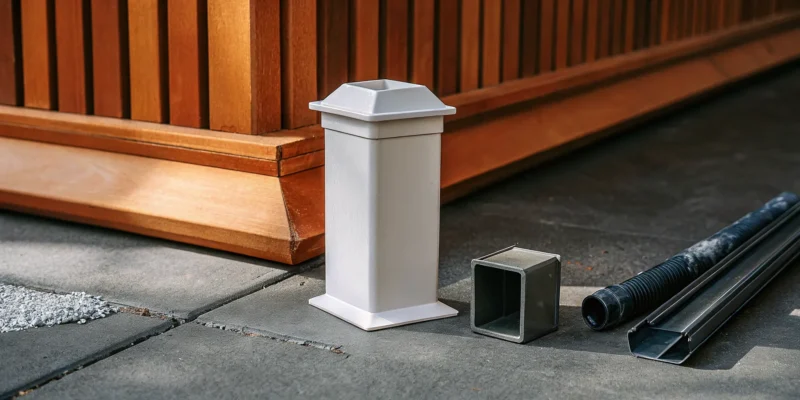
We’ve all seen it: the vinyl fence with the corner post that leans precariously or the gate that refuses to latch properly. These frustrating problems are often signs of a weak internal structure, not a flaw in the vinyl itself. The solution is a simple but powerful component called a vinyl fence post insert. By adding a metal support inside the hollow posts, you give the entire structure the rigidity it needs to stand up to daily use and harsh weather. This guide will explain why these inserts are so important and how they ensure your fence remains strong and stable for years.
Key Takeaways
- Focus on High-Stress Points: Inserts provide an essential internal backbone for your fence. Ensure they are used in gate posts, corner posts, and end posts to prevent sagging and keep your fence line straight and secure for years.
- Choose Aluminum for Coastal Durability: For Long Island’s humid, salty air, aluminum is the best material for post inserts. It is naturally rust-proof, ensuring your fence’s internal structure will not corrode or fail over time, unlike steel which can be vulnerable.
- A Snug Fit is Non-Negotiable: An insert must fit perfectly inside the vinyl post to provide real strength. A proper fit ensures the post and insert work as a single unit, distributing force evenly and preventing damage from wind or impact.
What Is a Vinyl Fence Post Insert?
If you’re considering a vinyl fence, you’ve probably heard about its low maintenance and clean look. But to get a fence that truly lasts, it’s important to understand what’s going on inside the posts. A vinyl fence post insert is a structural support, usually made of metal, that fits inside the hollow vinyl posts. Think of it as the skeleton for your fence, providing the strength and rigidity that the vinyl shell alone can’t offer.
These inserts are essential for maintaining the integrity of your fence line, especially with Long Island’s mix of coastal winds and changing seasons. They ensure your fence stands straight and strong for decades, preventing the sagging or leaning that can happen with unsupported posts. A quality fence installation almost always includes them, turning a good fence into a great one.
How They Reinforce Your Fence
An insert gives your fence the backbone it needs to handle stress. By placing a galvanized steel or aluminum insert inside the hollow vinyl posts and rails, you create a rigid core. This internal structure is what keeps the fence panels stable during extreme temperature swings and prevents them from flexing or bowing in high winds. Without this reinforcement, a fence is far more vulnerable to weather damage.
This added stability is particularly important for key structural points like gate posts, which bear constant weight and movement. The insert ensures the panels remain securely in place, preventing sagging and maintaining the fence’s function and appearance. It’s a small component that makes a huge difference in the overall durability and performance of your fence.
Why Vinyl Posts Need Support
Vinyl is a fantastic fencing material, but it has a natural tendency to expand in the heat and contract in the cold. During a hot summer, this expansion can cause unsupported fence panels to buckle or warp if they don’t have enough room to move between the posts. This not only looks bad but also compromises the fence’s structural integrity. A post insert provides the necessary support to prevent these issues.
Furthermore, a fence is only as strong as its installation. Even small mistakes can lead to problems down the road. Using inserts is a critical step in a professional installation process, ensuring your fence can withstand the elements and the test of time. A properly reinforced vinyl fence will maintain its value and curb appeal for decades.
Where Your Fence Needs the Most Support
A vinyl fence is only as strong as its most vulnerable points. While every post plays a role in the overall structure, some have to work a lot harder than others. Think about the constant pull of tension from a long stretch of fencing, the weight of a swinging gate used daily, or the sheer force of a powerful coastal wind. These forces don’t distribute evenly; they concentrate on specific posts, making them critical points that need extra reinforcement. Without proper support in these key spots, you risk seeing your beautiful new fence start to sag, lean, or even fail completely down the road.
Identifying these high-stress locations before you build is the secret to a long-lasting, beautiful fence that stands the test of time. By strategically adding support, like vinyl post inserts, you give your fence an internal skeleton that ensures the entire structure remains stable and secure for years. The three main areas that almost always require reinforcement are your gate posts, your corner and end posts, and any sections of your property exposed to Long Island’s strong winds. Investing in support for these posts is one of the smartest decisions you can make for the longevity of your fencing project. It’s a small step in the installation process that pays off big in durability and peace of mind.
Gate Posts
Gate posts are the unsung heroes of your fence, bearing the full weight of the gate itself and enduring the stress of being opened and closed every day. This constant movement and static load put them under far more strain than any other post in the line. Without reinforcement, gate posts can begin to sag or lean over time, causing the gate to drag on the ground, stick, or refuse to latch properly. An aluminum post insert provides the internal backbone needed to keep these posts perfectly straight and strong, ensuring your gate functions smoothly for its entire lifespan.
Corner and End Posts
Corner and end posts are the structural anchors of your fence line. An end post terminates a run of fencing, while a corner post handles the tension from two intersecting lines. All the force pulling the fence taut is concentrated on these specific posts. If a corner or end post fails, it can cause an entire section of your fence to sag or collapse. While setting posts deep in concrete is standard practice for stability, adding an insert provides an essential extra layer of rigidity. This internal support prevents the post from flexing or bending under the constant tension, keeping your fence lines crisp and secure.
High-Wind Areas on Long Island
Living on Long Island means dealing with powerful coastal storms and nor’easters that bring significant wind. A solid privacy fence can act like a giant sail, catching that wind and placing immense lateral force on the posts. Standard vinyl posts, when set in concrete, can begin to fail in winds as low as 60 to 75 mph. For homes in open, windy areas, reinforcing every post with an insert is a wise investment. This is especially true for taller fences. The added internal structure helps the posts resist bending or breaking under intense wind loads, protecting your property and your investment when the next big storm rolls through.
Your Guide to Post Insert Materials
Once you decide to use inserts, the next step is choosing the right material. The two main options are aluminum and steel, and each has unique benefits. The best choice for your fence depends on your specific needs, where the posts are located, and your budget. Let’s walk through the materials so you can feel confident about what’s inside your fence posts. Understanding these options will help you build a fence that not only looks great but also stands strong against the elements for years.
Aluminum
Aluminum is a fantastic choice, especially for our Long Island climate. Its biggest advantage is its natural resistance to rust and corrosion, which means less worry about maintenance and touch-ups down the road. This makes it perfect for coastal areas where salty air can be tough on other metals. Beyond its durability against the elements, aluminum offers excellent strength while being surprisingly lightweight. Its mold-proof nature and longevity make it a reliable option for keeping your fence posts standing straight and secure for years to come, providing a great balance of performance and peace of mind.
Steel
When you need maximum strength, steel is the go-to material. Steel inserts are the workhorses of fence reinforcement, often used to add rigidity to rails and provide critical support for gate posts. Your gate is the only part of your fence that moves, and it bears a lot of stress from opening and closing. A steel insert inside the hinge and latch posts prevents sagging and ensures your gate functions smoothly over time. While it doesn’t have the same inherent rust resistance as aluminum, its sheer structural strength is unmatched, making it essential for the most demanding parts of your fence.
Galvanized Steel
Galvanized steel offers a great compromise between the strength of steel and the corrosion resistance of other materials. This type of insert is a steel core that has been dipped in a protective zinc coating to prevent rust. These inserts provide a rigid core that helps your fence panels withstand extreme temperature swings and the high winds we sometimes experience on Long Island. While adding galvanized steel can increase the initial cost, the stability it provides is often worth the investment. It’s a smart way to ensure your fence remains stable and secure, protecting your property through every season.
Aluminum vs. Steel: Which Insert Is Right for You?
Choosing between aluminum and steel for your vinyl fence post inserts comes down to balancing strength, longevity, and budget. Both materials provide excellent reinforcement, but they have distinct differences that make one a better fit for certain situations, especially here on Long Island. Steel is a traditional choice known for its raw strength, while aluminum offers a modern combination of durability and resilience. To make the right decision for your home, it helps to compare them side by side based on the factors that matter most: how they stand up to our weather, how they last over time, and what they cost. We’ll walk through each of these points to help you find the perfect match for your fencing project.
Comparing Strength and Wind Resistance
When it comes to pure strength, both steel and aluminum are formidable. However, aluminum often has the edge in practical applications, particularly for taller fences or properties exposed to high winds. Because of its structural integrity, aluminum can be used to engineer fences up to 12 feet high that still meet safety and wind load requirements. This makes it an ideal choice for privacy fences or commercial applications. While steel is incredibly strong, aluminum provides a more versatile combination of strength and flexibility. For Long Island homeowners in coastal areas who face gusty winds from nor’easters and summer storms, the superior wind resistance of an aluminum insert provides valuable peace of mind.
Comparing Corrosion and Moisture Resistance
Here is where aluminum truly shines. Aluminum naturally forms a protective oxide layer that makes it inherently resistant to rust and corrosion. This is a massive advantage in Long Island’s humid, salty air, which can quickly degrade other metals. You won’t have to worry about your aluminum inserts rusting from the inside out, which preserves the structural integrity and appearance of your fence for years. Steel, on the other hand, will rust if exposed to moisture. While galvanized steel has a protective zinc coating, that coating can be scratched during installation or wear away over time, leaving the steel vulnerable. For a low-maintenance solution that can handle our coastal climate, aluminum is the clear winner.
Comparing Weight and Installation
The difference in weight between aluminum and steel has a direct impact on the installation process. Aluminum is significantly lighter than steel, making it much easier for our crews to handle and install. This can lead to a faster, more efficient installation, saving you time and labor costs. Its lightweight nature doesn’t compromise its strength; aluminum is an inherently structural material that provides all the support your vinyl posts need without any extra reinforcement. Steel is heavy and more cumbersome to work with, which can complicate the installation and increase the physical demand on the installers. The ease of handling makes aluminum a more practical choice for most residential home improvement projects.
Comparing Costs
At first glance, steel inserts often have a lower upfront price tag than aluminum ones. However, it’s important to think about the long-term value. Because aluminum is corrosion-proof, it requires virtually no maintenance and is less likely to need replacing. Over the 20 to 30 year lifespan of a quality vinyl fence, the money you save on repairs and replacements can easily make up for the higher initial investment. Steel may require maintenance or earlier replacement if its protective coating fails. Furthermore, aluminum is fully recyclable, so it retains value and is a more sustainable choice. When you consider the total cost of ownership, aluminum often proves to be the more economical and durable option available at the Gappsi Store.
Does Your Vinyl Fence Really Need Post Inserts?
The short answer is: it depends. While not every single vinyl fence post requires an insert, they are a critical component for ensuring the long-term strength and stability of your fence, especially here on Long Island. Think of them as the skeleton that gives your fence the backbone it needs to stand up to harsh weather and daily use. Whether an insert is a non-negotiable requirement or a smart upgrade comes down to a few key factors: where the post is located, the type of post you’re using, and local building codes. Understanding these elements will help you make an informed decision and ensure your fence installation is built to last.
When Inserts Are Essential vs. Optional
For a standard, four-foot picket fence in a sheltered backyard, you might get by without inserts in every post. However, certain situations make them absolutely essential. If your property experiences high winds, which is common across Long Island, inserts provide a rigid core that prevents posts from flexing or failing during a storm. They are also crucial for any privacy fence taller than six feet and are a must for gate posts and corner posts, which handle significant stress. While adding inserts does increase the initial cost, it’s a worthwhile investment for the durability and peace of mind you gain, preventing much costlier repairs down the road.
Coextruded Posts vs. Standard Posts
Not all vinyl posts are created equal, and it’s important to know what you’re getting. Some contractors may suggest adding an insert to a basic, hollow vinyl post. A better alternative is often a coextruded post. These posts are manufactured with two layers: a durable outer layer with UV inhibitors to prevent fading and a thick inner layer designed for structural integrity. A quality, thick-walled coextruded post offers superior strength and flexibility on its own. Be sure to ask your installer about the posts they use, as a high-quality post is the foundation of a lasting fence and reflects a commitment to expert masonry and construction.
Local Building Codes and Wind Requirements
Living on Long Island means dealing with specific weather challenges, and local building codes reflect that. Many towns in Nassau and Suffolk counties have regulations that mandate reinforced fence posts, particularly for taller fences or in areas prone to high winds. Standard vinyl posts can begin to fail in winds as low as 60 to 75 miles per hour, a speed easily reached during a strong nor’easter or tropical storm. Working with a professional who understands local requirements is key to a successful project. An experienced team will ensure your fence is not only beautiful but also fully compliant and engineered to handle our coastal climate, just like any other home remodeling project.
How to Choose a Quality Post Insert
Once you know which material you need, the next step is to pick a high-quality product. Not all post inserts are created equal, and the right choice will make a huge difference in the strength and lifespan of your fence. Think of it as the backbone of your fence; you want it to be strong and reliable. Focusing on a few key details will help you select an insert that provides lasting support and protects your investment for years to come.
Check the Wall Thickness
When you’re looking at post inserts, wall thickness is a critical indicator of strength. A quality insert, especially in a coextruded post, will have a thick inner structural layer designed for durability and flexibility. This construction helps prevent the cracking and splitting that can happen with cheaper, thinner materials. A thicker wall provides the rigidity your fence needs to stand up to strong winds and daily wear. Reputable manufacturers often back these sturdy posts with long warranties, which is always a good sign you’re getting a reliable product for your fencing project.
Look for UV Protection and Quality Materials
Your fence is exposed to the sun all day, so protection from ultraviolet (UV) rays is essential. Quality vinyl fencing is made from polyvinyl chloride (PVC), a material engineered to resist moisture and require little maintenance. However, without proper UV inhibitors, the sun can cause the material to fade, become brittle, and lose its structural integrity over time. When choosing an insert, ensure the corresponding vinyl post has excellent UV protection. This preserves the fence’s color and appearance while ensuring it remains strong, just as you’d expect from any high-quality outdoor building materials.
Ensure a Proper Fit for Structural Integrity
A post insert can only do its job if it fits correctly inside the vinyl sleeve. A snug fit is non-negotiable for structural integrity. If the insert is too loose, it will shift around inside the post, failing to provide consistent support and creating weak points in your fence line. If it’s too tight, you risk cracking or damaging the vinyl post during installation. A proper fit ensures the load is distributed evenly, giving your fence the strength it needs. This is why precise masonry and construction techniques are so important for a successful and long-lasting installation.
Consider the Ease of Installation
While you may not be installing the fence yourself, the design of the post insert can impact the quality of the final job. A well-designed insert should be straightforward for a professional to handle, allowing for an efficient and accurate installation. Complicated or poorly fitting components can lead to mistakes, especially if the process is rushed. Taking the time to select quality, well-fitting parts from the start ensures the installation goes smoothly. This attention to detail prevents future headaches and guarantees your fence is built correctly from the ground up by a team of home remodeling experts.
Finding the Right Insert Size
Choosing the right vinyl fence post insert isn’t a one-size-fits-all task, but it’s simpler than you might think. Getting the size correct is absolutely critical because the insert’s entire job is to provide a rigid, unmoving backbone for your vinyl post. A poor fit completely undermines this purpose, leaving your fence vulnerable to leaning, sagging, or damage from wind. Think of it like putting the wrong size batteries in a remote; it just won’t work correctly. The insert and post must function as one solid piece to stand up to the elements.
The process boils down to two key steps: matching the insert to your post’s internal width and selecting a length that properly anchors the post deep into the ground. While this might sound technical, it’s a standard part of any professional fence installation. An experienced team knows exactly how to measure and select the right components to create a seamless, durable structure that will stand strong for years. At Gappsi, we handle these specifications for you, ensuring every part of your fence and netting system is perfectly matched for maximum strength and longevity on your Long Island property. Understanding the basics, however, can help you appreciate what goes into building a fence that truly lasts.
Match the Insert to Your Post Size
The first rule of selecting an insert is that it must match the interior dimensions of your vinyl post. Vinyl fence posts most commonly come in 4×4 inch or 5×5 inch sizes, and inserts are manufactured specifically to fit snugly inside one of these two profiles. You cannot use a 4-inch insert in a 5-inch post, as the gap would prevent it from providing any meaningful reinforcement.
The goal is to eliminate any wiggle room, allowing the post and insert to function as a single, solid unit. This tight fit is what transfers the force from wind and impact from the vinyl sleeve to the strong metal core, preventing damage. A professional installation guarantees this perfect match, which is foundational to a stable and long-lasting fence.
Key Post Dimensions to Know
Beyond the width, the insert’s length is equally important for structural integrity. Inserts come in various lengths, such as 78, 84, 96, and even 120 inches, to accommodate different fence heights and installation requirements. The correct length depends on how tall your fence will be and how deep the post needs to be set into the ground.
A significant portion of the post and its insert must be buried below the frost line and secured with concrete. This prevents the post from shifting or heaving during Long Island’s freeze-thaw cycles. For example, a 6-foot tall fence panel requires a post (and insert) that is much longer, typically around 8 feet, to ensure proper anchoring. Our masonry experts determine the precise depth needed based on your property’s specific conditions.
How Much Do Vinyl Fence Post Inserts Cost?
Figuring out the budget for your fence project involves looking at all the components, and post inserts are a key part of the equation. The cost of vinyl fence post inserts can vary quite a bit, so it’s helpful to know what factors influence the price tag. The final cost depends mainly on the material you choose (typically aluminum or steel), the size and thickness of the insert, and where you purchase it from.
While you can buy the inserts separately, it’s often easier to work with a professional installer who sources high-quality materials as part of their service. This approach ensures every component, from the vinyl posts to the internal supports, is perfectly matched and installed correctly for maximum durability. At Gappsi, we handle the entire fencing project from design to installation, so you don’t have to worry about sourcing individual parts. We make sure your fence is built to last, giving you peace of mind and a beautiful, secure property line.
Price by Material
When you start shopping for post inserts, you’ll notice a clear price difference between materials. Steel is often the more budget-friendly choice upfront. For example, you can find basic steel rail inserts for under $20, while heavier gate post inserts might range from $35 to $45. These prices make steel an attractive option for many homeowners looking to add strength without a significant investment.
Aluminum inserts, on the other hand, typically come with a higher initial cost. Prices for aluminum post inserts often start around $85 per post. While this is a bigger investment, it’s important to remember that aluminum offers superior corrosion resistance, which is a huge plus for Long Island’s humid, salty air. You can shop for vinyl fence parts online to compare different material costs directly.
Where to Find Vinyl Fence Post Inserts
If you’re a dedicated DIYer, you can find vinyl fence post inserts at various online retailers and specialty fence suppliers. Websites that focus on fencing materials are a great resource, offering a wide selection of inserts and mounts for vinyl fences designed to add strength and functionality. These stores make it possible to order the exact parts you need and have them shipped directly to your home.
However, sourcing the right parts can be tricky. You need to ensure the insert is the correct size, thickness, and material for your specific fence and local conditions. To avoid the hassle and guarantee a professional result, consider working with a full-service company. At Gappsi, we provide and install the ideal fences and netting for your property, ensuring every component is built for longevity and performance.
How to Install Your Vinyl Fence Post Insert
Installing a vinyl fence post insert is a critical step to ensure your fence has the strength to withstand Long Island’s weather and the test of time. While it’s a project you can tackle yourself with the right preparation, precision is everything. Getting the insert properly secured inside the post before setting it is the key to a stable, long-lasting fence, especially for crucial areas like gates and corners. If you want to guarantee a flawless installation, our team has years of experience with fences and netting and can handle the project for you from start to finish. But if you’re ready to do it yourself, let’s walk through the process.
Your Tool Checklist
Before you begin, gathering the right tools will make the installation process go much more smoothly. You don’t need a complicated setup, just a few essential items. Make sure you have a power drill, the correct type of screws for your insert and post, and a rubber mallet. The drill and screws will secure the insert to the vinyl post, creating a single, solid unit. The rubber mallet is useful for gently tapping the insert into place without damaging the vinyl or the metal. Having these ready will save you time and help you get a professional result.
A Step-by-Step Installation Guide
With your tools in hand, you’re ready to install the insert. First, take the metal insert and slide it completely inside the hollow vinyl post. It’s important to do this before you place the post in the ground or set it with concrete. Make sure the insert goes all the way to the top of the post to provide maximum structural integrity. Once the post is in its hole, use enough concrete to support the weight, especially for a gate. For added strength, you can also pour concrete down the inside of the post, which our masonry experts often recommend for gate posts.
Common Mistakes to Avoid
To ensure your fence stands strong for years, it helps to know about a few common installation mistakes. First, don’t skimp on the post depth. Fencing professionals recommend setting posts at least two feet into the ground to give them a solid anchor. Another common error is trying to do it all alone. An extra set of hands makes handling long posts and panels much safer and easier. Finally, always pre-drill your screw holes. This small step prevents the vinyl from cracking when you drive the screws in, giving your vinyl fence a clean, durable finish.
Build a Lasting Fence for Your Long Island Home
Choosing a new fence is a significant investment in your home’s curb appeal, privacy, and security. You want something that not only looks beautiful on day one but also holds up for years to come. For homeowners on Long Island, that means selecting a fence that can handle coastal weather, from strong winds to humid summers, without demanding constant upkeep. This is where the details we’ve discussed, like vinyl fence post inserts, make all the difference. They provide the hidden strength that keeps your fence standing straight and secure through every season.
Making the right choices from the start is key to a fence’s longevity. High-quality vinyl is engineered to resist moisture and fading from UV exposure, but its strength comes from within. Post inserts provide the structural backbone, preventing posts from sagging or failing at critical points like gates and corners. When you combine quality materials with expert craftsmanship, you get a fence that truly lasts. At Gappsi, we help you select the right fencing materials and ensure every component works together perfectly.
Even the best materials can fail if they are not installed correctly. Proper installation is critical for ensuring your fence performs as it should and maintains its appearance over time. A professional team understands the nuances of Long Island’s soil conditions and local building requirements, ensuring your fence posts are set securely and every panel is perfectly aligned. This attention to detail prevents future problems and protects your investment.
A fence is more than just a boundary; it’s a key element of your property’s overall design. It frames your yard, provides a backdrop for your garden, and creates a safe enclosure for your swimming pool or patio. Thinking about how your fence integrates with your overall landscape design ensures a cohesive and polished look. With a thoughtful approach and an experienced team, you can build a beautiful, durable fence that enhances your home for many years.
Related Articles
- Aluminum Composite Vinyl and Wood Fencing on Long Island NY – Gappsi Group
- SLEEKFENCE™ Aluminum Fence vs Composite, Vinyl, Wood, Iron, and Chain Link Fences – Gappsi Group
- Aluminum & Composite Fencing Solutions on Long Island | Gappsi Inc
- Modern Aluminum & Composite Fencing on Long Island | Gappsi Inc
- Fencing Archives – Gappsi Group
Frequently Asked Questions
Do I really need inserts for every single post in my vinyl fence? Not always, but it’s a very smart move, especially on Long Island. For critical spots like gate posts, corner posts, and end posts, they are non-negotiable for a lasting fence. For the rest of the fence line, it depends on your fence’s height and how much wind your property gets. For taller privacy fences or homes in open, windy areas, reinforcing every post is the best way to ensure your fence stays straight and strong for decades.
Which is better for a Long Island home: an aluminum or steel insert? For most homes here, aluminum is the superior choice. Its natural resistance to rust and corrosion is a huge advantage against our humid, salty air, meaning you will not have to worry about it degrading from the inside out. While steel is very strong, it can rust if its protective coating gets scratched during installation. Aluminum provides incredible strength and wind resistance without the risk of corrosion, making it a more durable, low-maintenance investment for our coastal climate.
What happens if I don’t use inserts in my vinyl fence? Without the internal support of an insert, your vinyl fence is much more vulnerable to damage. Over time, you might see posts begin to lean or sag, especially at the corners or gates. High winds from a storm could cause the fence panels to flex, bow, or even break. The constant weight of a gate can pull an unsupported post out of alignment, making the gate difficult to open and close. Skipping inserts compromises the fence’s structural integrity and can lead to costly repairs down the road.
Besides gate posts, where else are inserts absolutely necessary? Gate posts take a lot of stress, but corner and end posts are just as critical. These posts act as the anchors for the entire fence line, bearing the constant tension that keeps the panels taut. A failure in a corner or end post can cause a whole section of your fence to sag. It is also wise to reinforce any posts that are part of a tall privacy fence or are located in an area of your yard that gets hit with strong winds.
Can I add inserts to an existing vinyl fence that is already sagging? This is a tricky situation and often is not a simple fix. Adding an insert requires removing the post from the ground, which can be a complex job if it is already set in concrete. While it might be possible in some cases, it often makes more sense to have a professional replace the compromised post entirely with a new, properly reinforced one. An expert can assess the situation and determine the best way to restore your fence’s strength and appearance.