


If your only experience with artificial turf is from decades-old sports fields, you might be surprised by how much the technology has changed. Today’s synthetic materials are incredibly realistic, soft, and safe, offering the lush look of natural grass without any of the drawbacks. Modern systems are engineered for superior drainage, durability, and player safety. This guide explores the latest innovations in turf technology, showing you why a modern artificial turf field is a fantastic, high-performance choice. We’ll cover the different materials, infill options, and safety features to help you make an informed decision for your home.
https://youtu.be/zdddUUZMe5I
View Gappsi’s YouTube Channel for Videos on Synthetic Sports Turf Replacement | Gappsi Long Island, NY
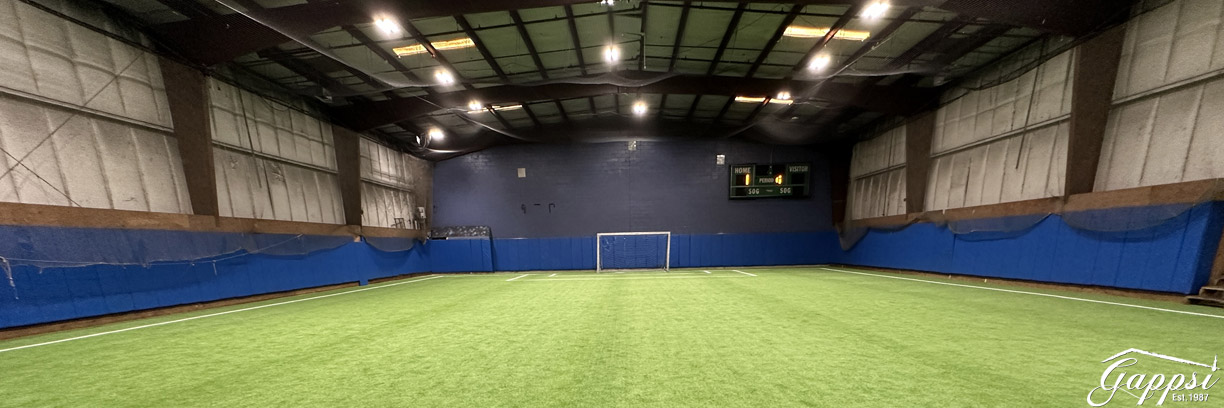
There comes a time in the lifespan of all sports fields when they begin to age and wear out. This recent indoor soccer field job in Ronkonkoma, NY, was installed initially and completed 20 years ago. Sometimes, a sports field requires some maintenance to be restored to the glory days of its former self. The technology of the synthetic surface we use on sports fields today is remarkably different from that used just five years ago. Gappsi can introduce sports field owners to new synthetic turf technology to make older sports fields appear new again.
Our artificial turf sports fields are durable, dependable, safe, and suitable indoors and outdoors. This synthetic option offers unlimited play, low maintenance, and performance found only in the best-kept grasses. Our proven sports field turf grass surfaces are ideal for soccer fields, football fields, baseball fields, multi-purpose fields, lacrosse fields, field hockey fields, bocce courts, croquet courts, and more.
Benefits of Gappsi’s Synthetic Turf Grass
Consistent Performance: Our field turf provides a consistent and reliable playing surface suitable for heavy use and all weather conditions. This makes it an ideal choice for use year-round in sports fields.
Durable: Our field turf is made from synthetic fibers that are resistant to wear and tear, making it long-lasting and cost-effective. It is also low maintenance, requiring minimal effort to keep your sports field in excellent condition.
Environmentally Friendly: Besides its practical benefits, our field turf is also environmentally friendly. Synthetic turf requires less water and maintenance than natural grass, making it a sustainable choice for all sports fields.
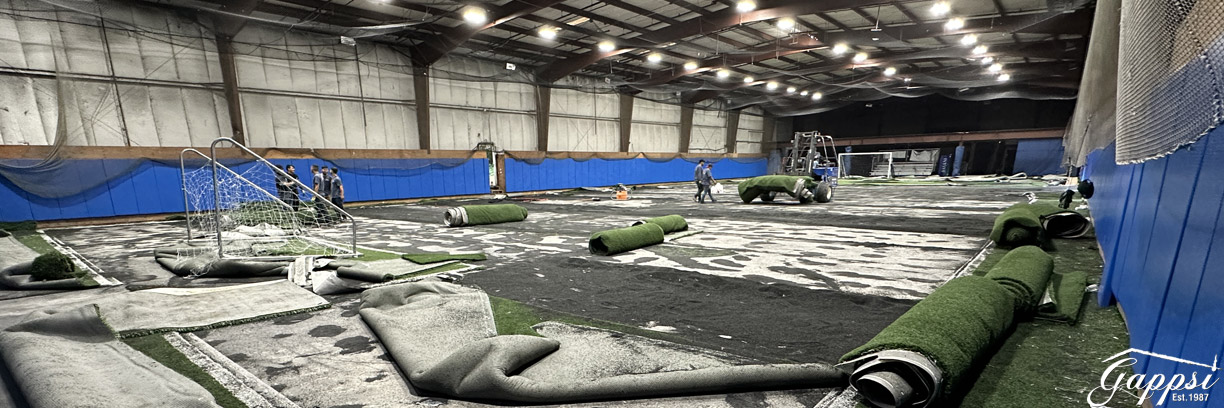 We Make Synthetic Turf Removal Look Easy
Synthetic turf significantly affects game performance and user comfort. The turf’s elastic memory and fiber structure tend to deteriorate over time due to play. When this happens, the turf must be replaced to avoid injuries and ensure perfect playability.
Artificial turf fields are robust and can take a beating for quite some time, but nothing lasts forever. After years of heavy use, you will see signs on and around the field suggesting you should consider replacing the turf field playing surface.
Here are some of the “red flags” to look out for:
- Inlays and seams start loosening up and need repair more frequently
- The turf field surface color fades from bright green to grey-green
- Loose turf fibers scattered around the pitch, infill granules piling up on the sides of the turf field
- An uneven overall look and splitting turf fibers all around the field
Removing artificial grass is a process. To get started, you need a team of highly skilled professionals and a range of equipment. Gappsi has streamlined this process over the years and is one of the most reliable companies on Long Island.
Synthetic Sports Turf Replacement Process
Planning: A detailed site plan and timeline are necessary to deconstruct the turf efficiently. Precise planning and professional site management are essential.
Removing the old system: The actual work of deconstruction begins with removing the turf and separating it from the infill granules and sand. The artificial turf, infill granules, and sand must be removed and separated.
Transporting, disposing of, and recycling waste material: Now that the turf system is removed, the last task is to recycle what you can and dispose of the rest.
Installing the new synthetic turf field surface: Last but not least, the chosen new turf surface is installed on top of the base layer, and a new infill is distributed on top of the turf.
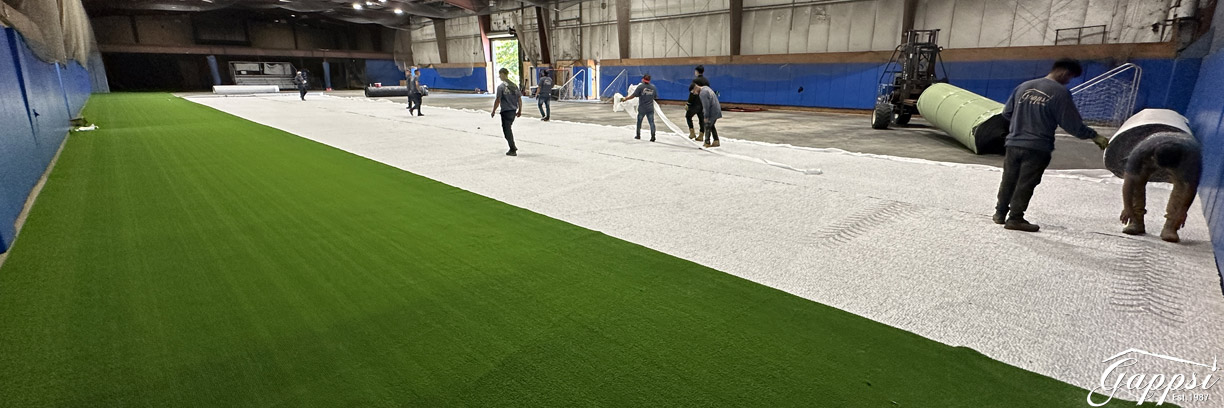 Things to Consider Before Installing New Artificial Turf
Artificial Turf Style
There are so many turf styles to choose from, so select a type that fits your desired aesthetic—short pile, longer pile, all green, etc. We recommend looking at different styles and samples to see what suits your needs.
→ VISIT OUR SYNTHETIC TURF PAGE ←
The new turf we used is manufactured in Italy. This company supplies and builds most sports courts and soccer fields throughout Europe and the world. This turf is a special turf specifically made for indoor use. It requires no infill; we only used silica sand to create weight over the turf. The turf has different sizes, pile heights, and shapes, making it very tight. 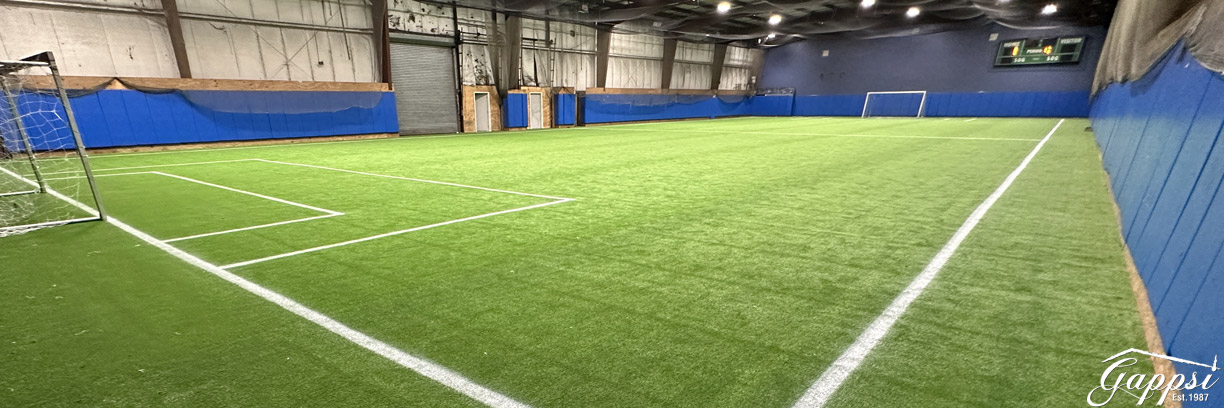 With a fast-moving, high-intensity sport like soccer, you want a smooth surface that feels great under the feet and the ball. Plus, a consistent and resilient surface can reduce the risk of injuries. Gappsi’s Synthetic Turf by Italgreen gives you the best of both worlds: a natural underfoot feel like playing on real grass and a premium synthetic turf system’s smooth consistency, durability, and safety.
Italgreen soccer turf represents the maximum technological expression of its genre. It guarantees easy maintenance, exceptional aesthetic appearance, and exceptional performance for soccer and all its derivations, such as futsal and 8-a-side courts.
Italgreen synthetic soccer turf is designed and produced according to the most severe international regulations to guarantee maximum safety, shock absorption, and non-allergenic properties. The constant research and innovation that distinguish the Italgreen model has allowed the Italian company to obtain meaningful certifications such as FIGC and FIR. The artificial soccer turf produced by Italgreen is approved according to the most recent European standard. It is 100% recyclable and environmentally friendly.
NEXT – Underfelt
We are laying down Next. It is a suspension product that keeps the grass elevated from touching the concrete. It also works as a suspension system, separating the turf from the concrete.
NEXT optimizes the synthetic turf system’s anti-shock performance, improving performance during sports practice. Thanks to its reticular structure, it also offers draining support integrated into the artificial turf system, which is primarily studied for horizontal drainage underfelts, as demonstrated by laboratory reports issued by LABOSPORT ITALIA.
The shock pad has high performance and excellent draining capacities, complies with international regulations, and is 100% recyclable. The product is fully recyclable and in full conformity.
Innovative Natural Infill
Italgreen’s best system is Geofill®, the prestigious natural infill patented by Italgreen. It consists mainly of plant fibers. Approved by the most relevant teams, its unique and innovative organoleptic properties give this synthetic turf system a touch of incredible naturalness. This is the infill Italgreen uses in most fields in Italy and abroad.
How Long Can Turf Last?
The duration of synthetic turf depends on various factors, such as the quality of the materials used, the occupancy rate of the courts or fields, and the type of courts, indoor or outdoor.
To keep your synthetic grass flooring performing, periodically clean, brush, and fill any sand that needs to be removed. This is the latest indoor soccer sports game court built by Gappsi in Ronkonkoma, Long Island, NY.
Planning Your Artificial Turf Field Project
Bringing a sports court or turf field to your backyard is an exciting project, but it requires careful planning to get it right. Before the first roll of turf is laid, there are a few key steps to think through. From understanding the timeline to choosing the right team for the job, a solid plan ensures your new space is built to last and ready for years of enjoyment. Let’s walk through the essential considerations for your project.
Project Timeline from Start to Finish
Once construction begins, you can expect a new turf field to take about three to six months to complete. However, this timeline doesn’t account for the crucial planning phase that comes first. This initial stage involves finalizing your design, securing any necessary local permits, and preparing the site for installation. Working with an experienced team can help you anticipate these steps so there are no surprises. A clear understanding of the full project scope, from initial consultation to final walkthrough, helps set realistic expectations and ensures a smooth process from start to finish.
Hiring a Certified Professional
The success of your turf field depends heavily on the quality of the installation, which starts from the ground up. It’s wise to hire a single, experienced company to manage both the base preparation and the turf installation. This approach creates clear accountability and prevents issues down the line where one contractor might blame the other for problems. When vetting professionals, look for a team with a proven track record in creating high-quality game courts and turf fields. A company like Gappsi, which handles the entire project from design to completion, ensures every layer of your field is constructed correctly for optimal performance and durability.
Considering Natural Grass Alternatives
Before committing to artificial turf, it’s worth evaluating all your options. For some homeowners, improving the maintenance routine of their existing lawn can make a significant difference. However, for those seeking a consistently playable and low-maintenance surface, synthetic turf is an excellent solution. A quality turf field typically lasts between eight and ten years, so choosing a durable, well-made product is key to getting the most out of your investment. A thorough consultation with a professional can help you weigh the benefits of turf against natural grass for your specific needs, ensuring you make the best choice for your home and lifestyle.
Choosing the Right Turf for Your Sport
The type of turf you choose should be directly influenced by the sport you plan to play on it. Think about it—the demands of a football field are vastly different from those of a backyard putting green or a field hockey pitch. High-contact sports require incredibly tough, resilient turf with a system designed to absorb impact and withstand constant stress. On the other hand, sports that rely on precise ball roll, like bocce or field hockey, benefit from shorter, denser turf fibers that provide a smooth and consistent surface. Selecting the right material isn’t just about aesthetics; it’s crucial for player performance, safety, and ensuring your investment lasts. At Gappsi, we help you find the perfect turf and game court solution tailored to your favorite activities.
Key Materials and Features
The quality of your sports field comes down to the materials used. Modern synthetic turf is engineered with advanced features that make it a fantastic choice for durability and performance. The synthetic fibers are designed to be incredibly resistant to wear and tear, which means less maintenance and a longer lifespan for your court. Over time, turf fibers can lose their “elastic memory”—their ability to spring back up after being stepped on. This is why starting with high-quality synthetic turf is so important. Top-tier options, like the Italgreen turf we use, are produced to meet strict international standards for safety, shock absorption, and even non-allergenic properties, ensuring a safe and enjoyable playing surface for everyone.
Understanding Warranties and Industry Certifications
When you invest in a synthetic turf field, you want assurance that it’s built to last. A strong manufacturer’s warranty is your first line of defense, protecting you against defects and premature wear. Beyond the warranty, look for industry certifications. For example, some top-tier turf manufacturers are part of programs like the FIFA Quality Programme, which means their products meet rigorous standards for performance, safety, and durability. These certifications are a clear indicator that you’re choosing a high-quality material. Working with an experienced installer is just as important, as they can help you select products with the best warranties and ensure the installation meets the manufacturer’s precise specifications to keep that warranty valid.
Understanding the Cost of an Artificial Turf Field
Installing an artificial turf field is a significant home improvement project, and the cost can vary quite a bit. The final price tag depends on the size of your space, the quality of the materials you choose, and the complexity of the installation. While it’s a notable upfront investment, it’s helpful to think about it in terms of long-term value, including years of enjoyment and savings on lawn maintenance. To get a clear picture, it’s best to break down the costs into a few key categories, from the turf itself to the necessary site preparation and the long-term financial benefits you can expect.
Breaking Down the Initial Investment
The initial price of your turf project covers more than just the green surface you see. The total investment includes the cost of the turf material, the labor for installation, and crucial groundwork that ensures your field is stable and drains properly. Think of it as a complete system. Each component, from the base layer of crushed stone to the infill that provides cushioning, plays a vital role in the performance and longevity of your new space. Understanding these different elements will help you budget effectively and appreciate what goes into a professional-grade installation.
Turf Material and Installation Costs
The cost of a professional sports field provides a useful, large-scale benchmark. For example, a full-size artificial turf football field can cost anywhere from $530,000 to over $1,500,000, depending on the specifics. For a standard 80,000-square-foot field, the total can approach $2,000,000 when you factor in all materials and labor. Of course, a residential project like a backyard putting green, bocce court, or a personal sports game court will be on a much different scale. The best way to determine the cost for your unique space is to get a detailed quote that accounts for your property’s specific needs and your vision for the project.
Additional Expenses to Budget For
A successful turf installation is built on a solid foundation. As the Motz Group notes, a turf field is a complete system that includes the ground underneath and proper drainage. Before the turf is even unrolled, your yard needs to be prepared. This often involves excavation, grading the land for a level surface, and installing a base layer of compacted aggregate. A robust drainage system is also essential to prevent water from pooling on the surface. These elements are critical for the field’s longevity and are important costs to include in your initial budget.
Factors That Affect the Total Price
Several key factors will influence the final cost of your artificial turf project. The overall size of the area is the most obvious driver—the more square footage you cover, the higher the material and labor costs will be. The specific type and quality of the turf you select also play a major role, as premium materials with advanced features come at a higher price point. Additionally, the current condition of your yard matters. A sloped or uneven site that requires extensive grading and site preparation will be more costly than a flat, easily accessible area. Finally, your choice of infill material will also affect the budget.
Calculating Long-Term Value and Exploring Financing
While the initial cost is a key consideration, the long-term value of synthetic turf is where the investment truly shines. Think of the annual savings from eliminating watering, mowing, fertilizing, and pest control. Over the typical 8-to-10-year lifespan of a turf field, these savings can add up significantly. Beyond the financial return, you gain a consistently beautiful and usable space for your family to enjoy year-round, regardless of the weather. At Gappsi, we can walk you through the costs and help you understand the lasting benefits, ensuring you feel confident in your decision to enhance your outdoor living space.
Health, Safety, and Environmental Factors
Beyond the aesthetics and cost, it’s important to consider the health, safety, and environmental aspects of artificial turf. Modern turf technology has evolved significantly, addressing many of the concerns associated with older products. When planning your project, it’s wise to be informed about factors like surface temperature on hot days, player safety, the materials used in the infill, and the turf’s overall environmental footprint. Understanding these elements will help you choose the right system for your home and family, ensuring a space that is not only beautiful but also safe and responsible.
Managing High Surface Temperatures
It’s true that artificial turf can get hotter than natural grass in direct sunlight. On peak summer days, this can lead to uncomfortable surface temperatures. However, there are effective ways to manage the heat. Choosing a lighter-colored turf can help reflect more sunlight, and some modern turf systems are designed with heat-reducing technology. The type of infill also makes a difference, as some materials retain less heat than others. For added comfort, you can incorporate shade solutions like trees or even a custom-built pavilion or pergola to provide a cool retreat near your new lawn or game court.
Player Injuries and Turf Burn
Concerns about skin abrasions, or “turf burn,” have been associated with older generations of artificial turf. These abrasions can be a risk factor for infections if not cared for properly. Thankfully, turf technology has advanced considerably. Modern synthetic turf is softer and less abrasive, designed to mimic the feel and performance of natural grass more closely. A professionally installed system with a quality shock-absorbing underlayer and the correct type of infill can significantly reduce the risk of impact injuries and skin irritation, creating a safer playing surface for everyone from toddlers to competitive athletes.
A Closer Look at Infill and Harmful Chemicals
One of the biggest concerns for many homeowners is the infill material, particularly the use of crumb rubber made from recycled tires, which can contain unwanted chemicals. The good news is that you have many other options today. Innovative, non-toxic alternatives are widely available, including natural plant-based fibers, cork, and coated silica sand. For instance, the Geofill® system uses plant fibers to create a completely natural infill that is safe for kids and pets. When you work with a knowledgeable provider, you can select a safe and high-performing infill that gives you complete peace of mind.
Environmental Impact and Sustainability
The environmental footprint of artificial turf is an important conversation. While older turf systems often ended up in landfills after their 8-to-10-year lifespan, the industry has made significant strides in sustainability. Many modern turf products, like the ones offered by Italgreen, are now 100% recyclable. Furthermore, the everyday environmental benefits are substantial. An artificial lawn eliminates the need for constant watering, which is a major advantage in preserving local water resources. It also means no more fertilizers or pesticides washing into the groundwater and no carbon emissions from lawnmowers, making it a cleaner, greener choice in the long run.
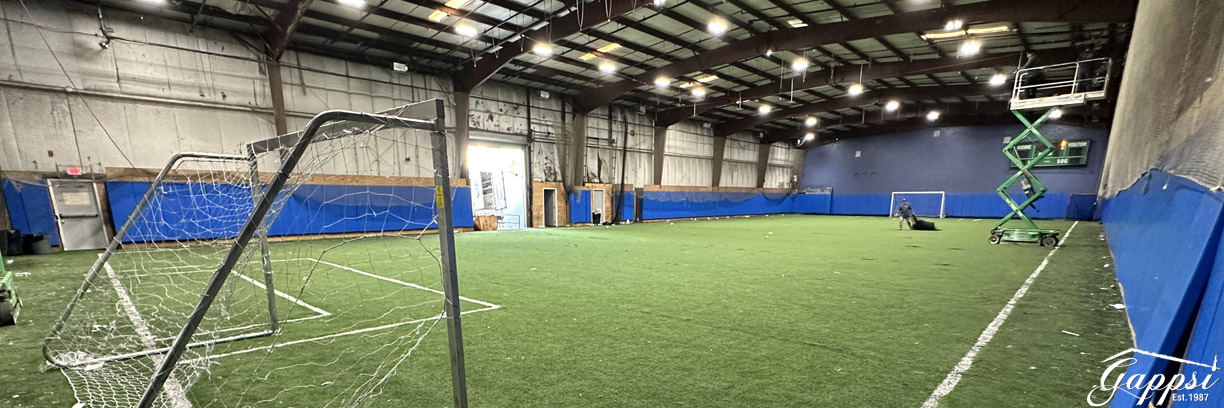 Consider Signing Up for Our Professional Turf Field Maintenance Program
Without regular care and maintenance, damage to the pitch will be its undoing sooner than the club and, above all, the players would like. As is often the case, the more often the field is used, the more you should invest in the maintenance and ongoing upkeep of the turf system.
Synthetic turf field maintenance is divided into permanent care, maintenance, and intensive cleaning. Gappsi offers these services using specialized turf maintenance equipment.
If you lack previous experience and know-how in artificial turf field maintenance, we highly recommend contacting our team at Gappsi. It’s the best way to protect the field’s users from injuries and the long-term financial value of your asset.
SCHEDULE A MEETING TODAY WITH GAPPSI
Frequently Asked Questions
How long will my new artificial turf field actually last? A high-quality synthetic turf field is a long-term investment, typically lasting between eight and ten years. The exact lifespan depends on a few things, like the quality of the turf you choose and how much foot traffic it gets. A field used for intense, daily sports will wear differently than a backyard putting green. Proper installation and occasional maintenance are also key to making sure you get the most out of your turf for years to come.
Is synthetic turf a safe choice for my kids and pets? Absolutely. Modern turf technology has made safety a top priority. The old concerns about harsh materials and chemical-filled infills are a thing of the past. You can now choose from a variety of non-toxic, natural infill options, like plant-based fibers, that are completely safe for everyone in the family. While the surface can get warm in direct sun, selecting a lighter-colored turf or incorporating some shade can easily manage the temperature.
What does regular maintenance for a turf field involve? Compared to a natural lawn, turf maintenance is incredibly simple. Your main tasks will be to periodically remove leaves and debris and to brush the fibers to keep them standing upright, especially in high-traffic areas. This ensures the surface stays clean, looks great, and performs well. It completely eliminates the need for mowing, watering, and fertilizing, giving you more time to actually enjoy your yard.
Why is it better to hire one company for the entire turf installation? Having a single, expert team handle your project from the ground up is the best way to ensure a flawless result. A turf field is a complete system, and the base preparation is just as important as the turf itself. When one company manages everything, there’s clear accountability. You avoid any potential issues where one contractor might blame another for problems with drainage or an uneven surface, giving you total peace of mind.
I’m worried it will look fake. How realistic is modern turf? If your only experience is with old-school astroturf, you will be amazed by how far the technology has come. Today’s synthetic turf is designed to look and feel incredibly natural. It comes in various pile heights, textures, and color blends that mimic the subtle variations of a real lawn. The materials are softer and less abrasive, creating a lush, green space that is both beautiful and functional.
Key Takeaways
- Modern Turf is a Complete Performance System: High-quality synthetic turf is much more than a simple ground cover. It’s an engineered system combining durable, sport-specific fibers, shock-absorbing underlayers, and safe infill options to create a surface built for performance and longevity.
- Expert Installation is Non-Negotiable: The success of your turf field starts from the ground up. Entrusting the entire project—from site preparation and drainage to the final installation—to a single, experienced team ensures a flawless result and clear accountability.
- Consider the Long-Term Value and Safety: While there’s an initial investment, a turf field pays off through years of reduced maintenance and increased usability. Prioritize your peace of mind by choosing systems with safe, non-toxic infill and understanding the long-term environmental benefits like water conservation.
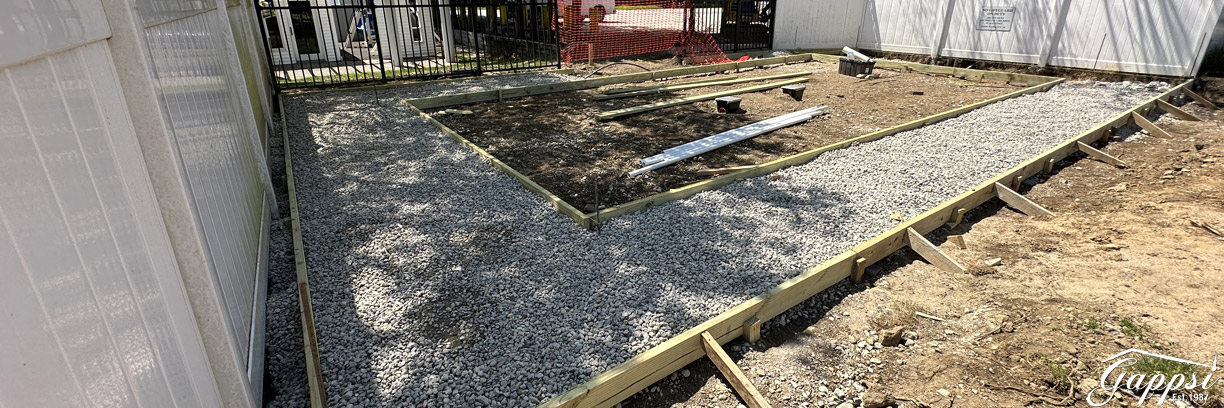 Does a Splash Pad Need a Pump
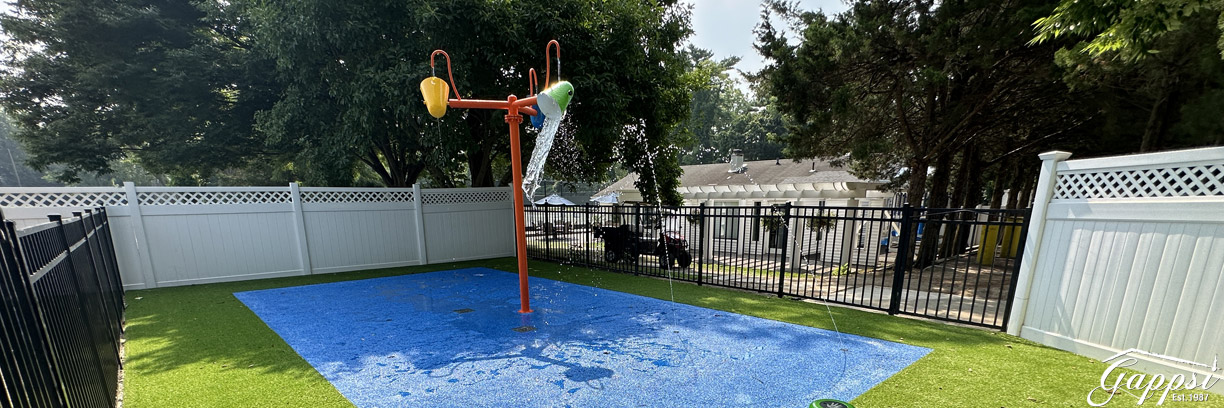 Synthetic Turf For Splash Pad Area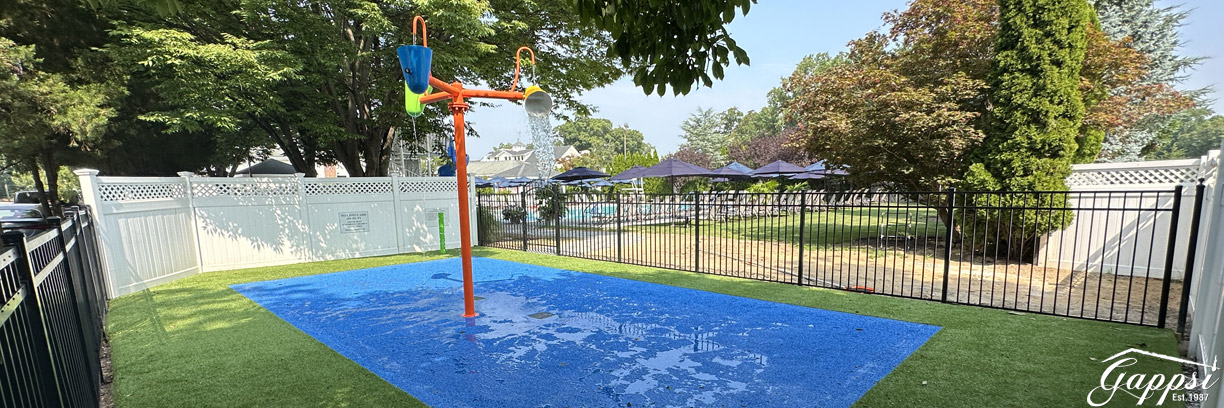
 Is Marble Good for Outdoor Paving?
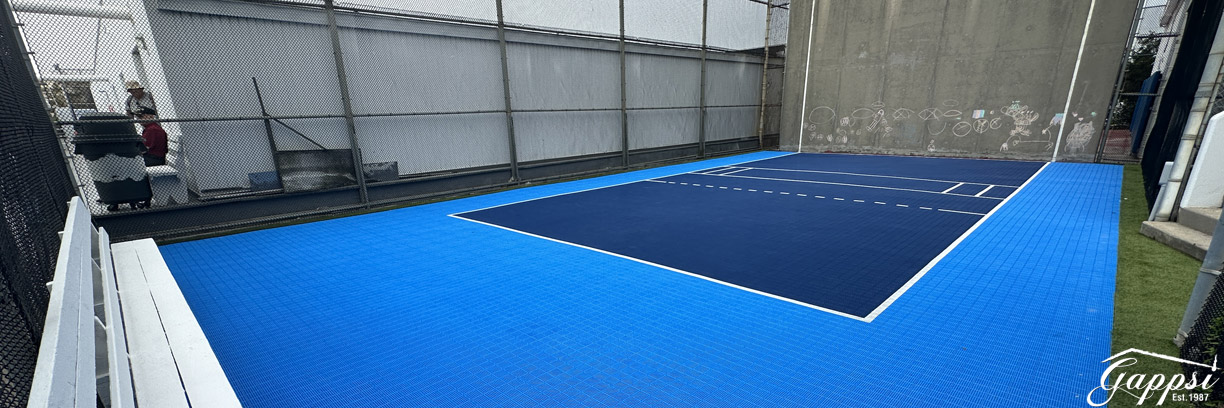 Our team recently installed a Racquetball court in Atlantic Beach NY with Mateflex Sports Game Court tiles. Racquetball is a racquet sport and a team sport played with a hollow rubber ball on an indoor or outdoor court. The modern sport of racquetball uses a stringed racquet to paddle the ball to increase velocity and control. Unlike most racquet sports, such as tennis and badminton, there is no net to hit the ball over. Unlike squash, there is no tin (out-of-bounds area at the bottom of the front wall) to hit the ball above. In addition, the court’s walls, floor, and ceiling are legal playing surfaces, except court-specific designated hinders being out-of-bounds.
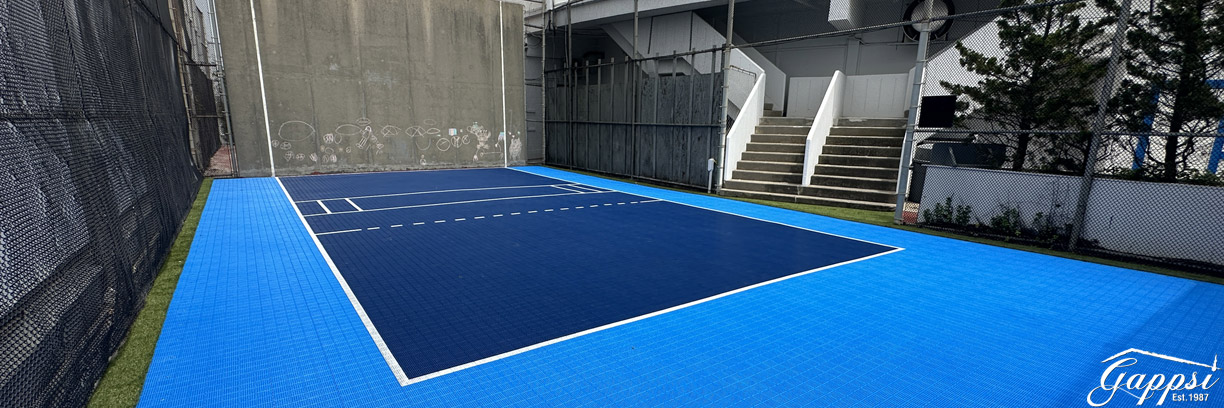 Mateflex Uses Expansion Joint Technology
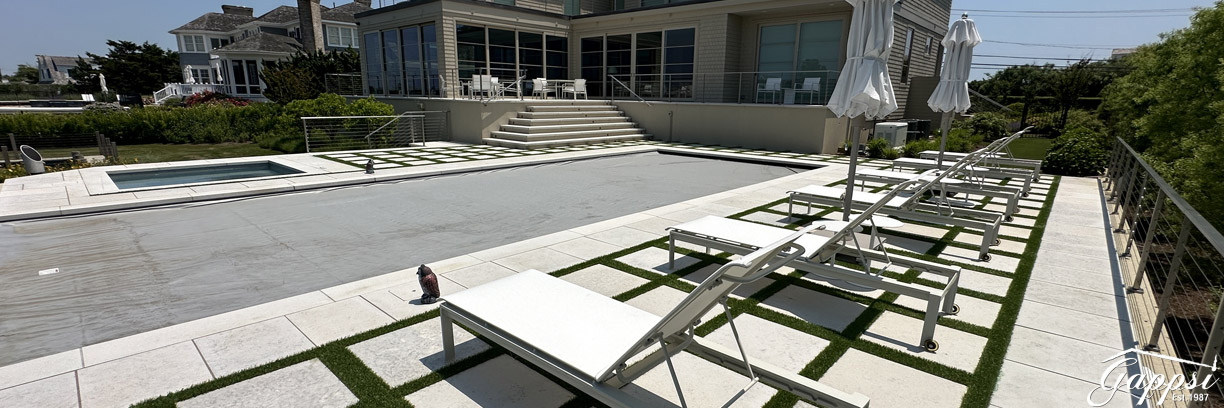
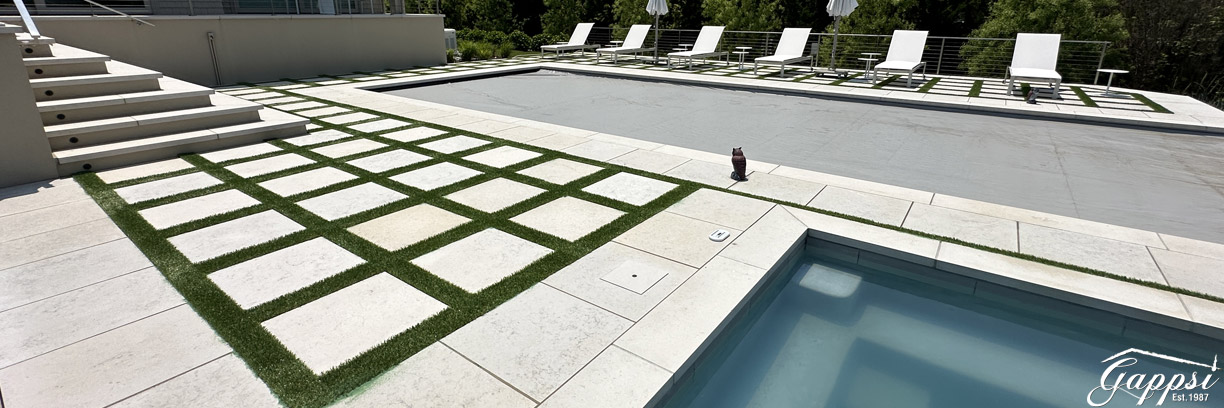
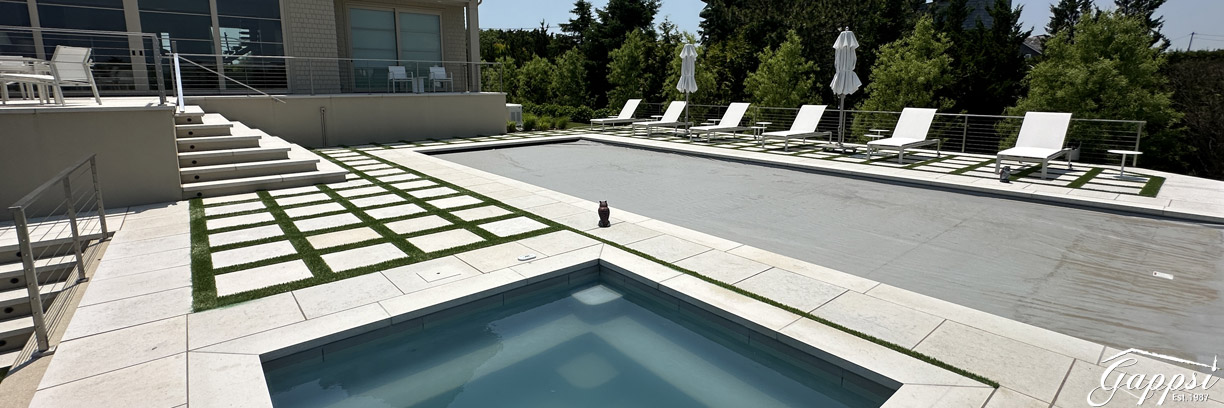
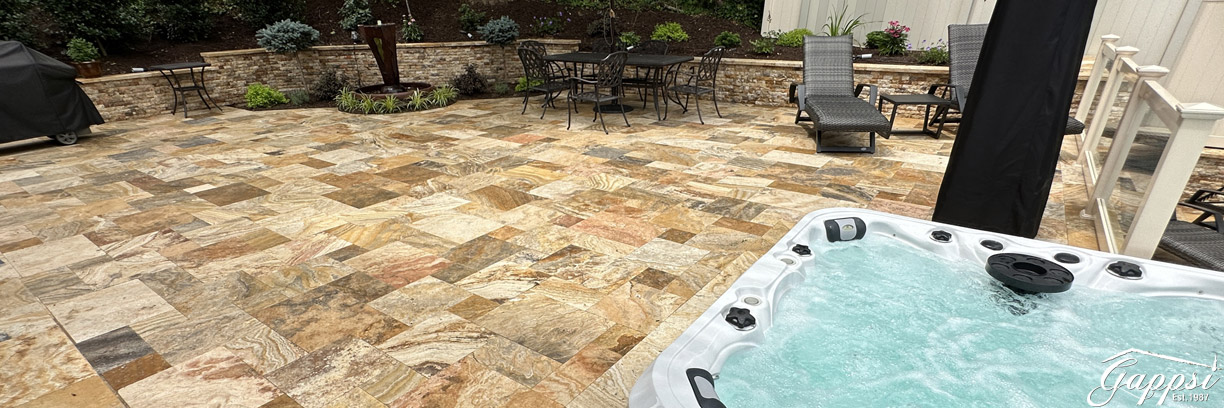 Investing in a luxury backyard redesign and pool renovation can be a great way to increase the value of your home. It can make your property more attractive to potential buyers and enhance your overall enjoyment of your outdoor space. Gappsi recently completed
 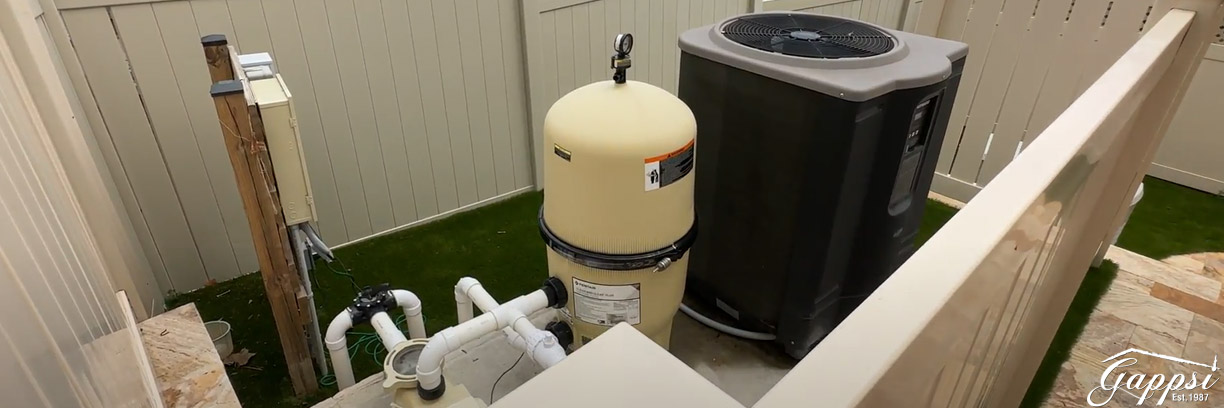 We installed synthetic turf in all the remaining areas on both sides of the house.
 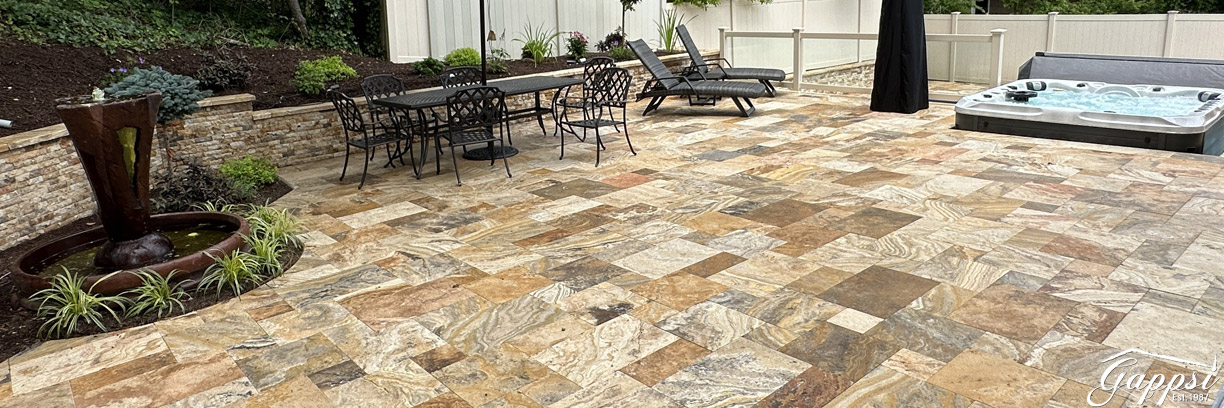 Gappsi Natural Stone Collection – Fiorito Travertine G035
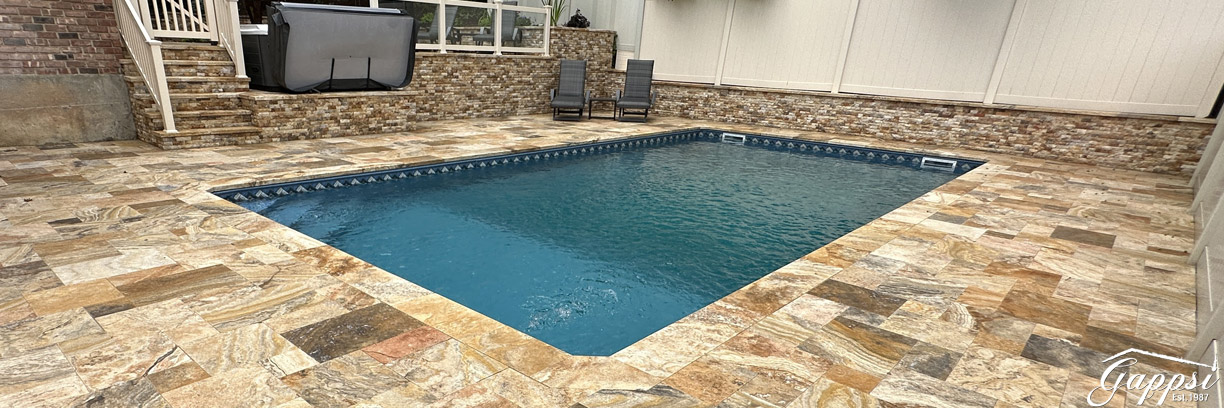 Raised Excite Passion Spa
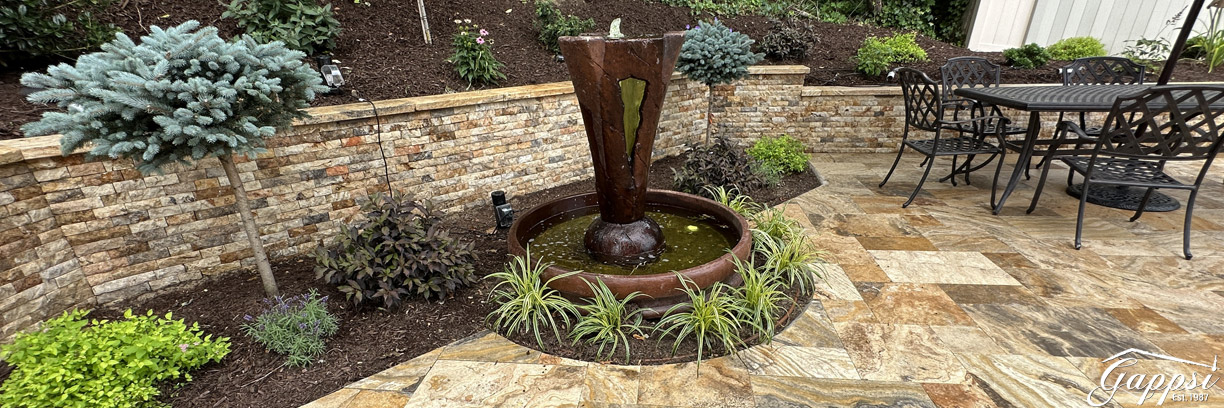 To complete the backyard we installed synthetic turf in the remaining areas of the house.