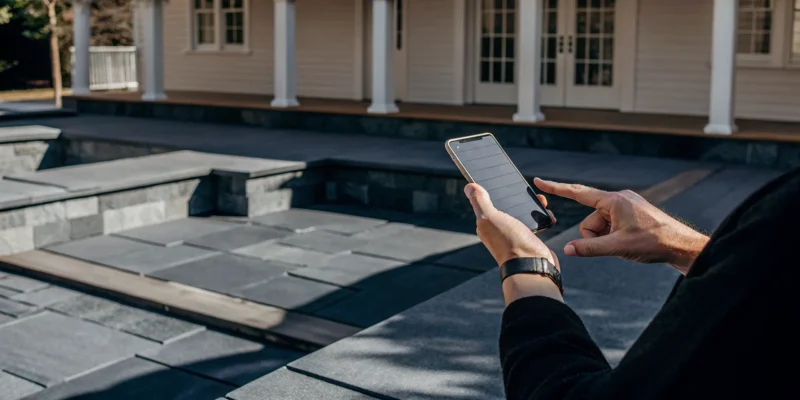
Person searching for an expert outdoor living contractor in Long Island, NY on a phone.

How to Hire an Outdoor Living Contractor in Long Island

Do you dream of having a backyard that’s perfectly suited for how you and your family live? Maybe you envision hosting summer barbecues, relaxing by a fire pit on cool evenings, or having a safe place for your kids to play. A great outdoor space is designed around your specific lifestyle, with dedicated zones for dining, lounging, and recreation. A talented Outdoor living expert, designer contractor long island ny can help you map out a functional layout that makes the most of every square foot, transforming your property into a personalized oasis that becomes the go-to spot for making memories with family and friends.

Key Takeaways

  • Hire a single contractor for a seamless experience: A full-service professional manages every aspect of your project, from initial design to final construction, ensuring all elements like pools, patios, and landscaping work together perfectly.
  • Do your homework before choosing a partner: The right contractor will have a strong portfolio, proper licensing and insurance, and positive client reviews. Always ask detailed questions about their process, timeline, and warranties to ensure they are a good fit.
  • A solid plan prevents costly surprises: Before starting, define your budget, understand local permit rules, and select durable materials designed for Long Island’s weather. This upfront planning is key to a smooth process and a result you’ll love for years.

What Can an Outdoor Living Contractor Do for You?

Thinking about transforming your backyard? An outdoor living contractor is your go-to partner for turning that vision into a reality. These professionals do more than just build patios; they design and construct entire outdoor environments from the ground up. A great contractor handles every detail, from the initial design concepts to the final installation, ensuring all the different elements work together beautifully. They combine skills in landscaping, construction, and design to create a space that’s not only stunning but also perfectly suited to your lifestyle. Whether you’re dreaming of a serene garden retreat, a lively entertainment hub, or a family-friendly play area, a contractor brings the expertise needed to manage the entire project. They help you select the right materials, plan the layout, and build a cohesive outdoor space you’ll love for years. They act as a single point of contact, coordinating all the specialized tradespeople, from masons to electricians, which simplifies the process for you. This integrated approach prevents costly mistakes and ensures your project stays on schedule and within budget, resulting in a seamless and stress-free experience.

Design and Install Swimming Pools

A contractor can turn your backyard into a private oasis by designing and installing a custom swimming pool. They work with you to create a pool that fits your property’s size and shape while reflecting your personal style. Whether you want a classic rectangular pool for swimming laps or a freeform design with a waterfall, they can make it happen. A full-service company like Gappsi can manage the entire process, from excavation to the final tile work. They also help you choose features like lighting, heating, and decking to create a complete and functional swimming pool area that becomes the centerpiece of your summer.

Build with Masonry and Hardscaping

Beyond the pool, a contractor uses masonry and hardscaping to build the foundation of your outdoor living space. This includes creating patios for dining, walkways to connect different areas, and retaining walls to add dimension to your yard. These elements provide structure and define the functional zones of your outdoor area. Using high-quality materials like natural stone or porcelain pavers, a skilled mason can construct beautiful and durable surfaces. They can also build features like outdoor fireplaces or fully equipped kitchens, adding both function and a touch of luxury to your backyard gatherings.

Create Custom Landscapes

Landscaping is what brings your outdoor space to life, and a contractor can design a custom plan that ties everything together. They select plants, trees, and shrubs that thrive in Long Island’s climate and arrange them to create color, texture, and privacy. A thoughtful landscape design softens the hardscape elements and integrates your new outdoor area with the natural surroundings. From lush garden beds to serene water features like koi ponds, a contractor can craft a landscape that enhances the beauty of your property and creates a peaceful atmosphere for you to enjoy.

Craft Outdoor Entertainment Areas

An outdoor living contractor specializes in creating spaces designed for fun and relaxation. They can build multi-level decks for hosting parties, cozy patios for intimate dinners, or even install synthetic turf for a personal putting green or Sports Games Courts. The goal is to design an area that fits how you like to entertain and spend your free time. By combining features like built-in seating, ambient lighting, and outdoor sound systems, they can craft an inviting atmosphere for any occasion. These dedicated entertainment spaces make your home the perfect spot for making memories with family and friends.

Add Pavilions, Pergolas, and Gazebos

To make your outdoor space comfortable in any weather, a contractor can add stylish and functional overhead structures. Pavilions provide full coverage from sun and rain, creating a true outdoor room perfect for a dining area or lounge. Pergolas offer partial shade with a slatted roof, defining a space without completely closing it off. Gazebos add a classic, charming focal point to a garden. These pavilions and pergolas not only provide shelter but also add architectural interest and vertical dimension to your backyard design, extending the time you can comfortably spend outside.

How to Choose the Right Outdoor Living Contractor

Choosing the right outdoor living contractor is the most important step in turning your backyard dreams into reality. This is the team you’ll trust with your home and vision. To find the perfect partner for your Long Island project, focus on these key areas.

Review Their Experience and Portfolio

A contractor’s portfolio is their resume. You want to see a proven track record of high-quality work that aligns with your style. Look for a company with extensive experience in a variety of projects, from custom swimming pools to detailed masonry. A diverse portfolio shows they have the skills to handle complex jobs and can manage a project from the initial design to the final installation. Look beyond the finished photos to understand the scope and quality of their craftsmanship.

Verify Licensing and Insurance

This step is non-negotiable. Before signing anything, confirm your contractor is fully licensed to work in Long Island and carries comprehensive liability and workers’ compensation insurance. This protects you from any potential accidents or property damage during the project. A professional company will readily provide their documentation. It’s a safety net that ensures your project is in responsible hands and meets all local regulations.

Check Customer Reviews and References

What past clients say is one of the best indicators of what your experience will be like. Spend time reading online reviews to get a feel for the contractor’s reputation. Don’t be afraid to ask for references you can speak with directly. Hearing firsthand about their communication, timeliness, and quality of work is invaluable. You can also check out a company’s YouTube channel to see projects in action.

Understand Their Design and Communication Process

A successful project relies on clear communication. Ask potential contractors to walk you through their entire process, from the first design consultation to the final walkthrough. How do they handle project updates or unexpected issues? A great contractor will have a structured approach that keeps you informed. This ensures there are no surprises and that the final result perfectly matches your vision. A seamless process is key for large-scale home remodeling projects.

Why Hire a Professional for Your Outdoor Design?

Tackling a backyard renovation yourself can be tempting, but bringing in a professional outdoor living contractor is one of the smartest decisions you can make. An expert brings a level of design knowledge, project management, and craftsmanship that ensures your new space is not only beautiful but also functional and built to last. They see the big picture, from the initial concept to the final touches, turning your vision into a reality without the common pitfalls of a DIY project.

Increase Your Property Value

Think of your outdoor space as a true investment in your home. A professionally designed patio, pool, or outdoor kitchen doesn’t just add to your quality of life; it can significantly increase your property’s market value. Well-planned outdoor living areas are a huge draw for potential buyers, and you can often recoup a large portion of your investment upon resale. A professional contractor understands how to create timeless, appealing designs using durable natural stone and high-quality materials that add lasting value. They know what features are in demand in the Long Island market and can guide you toward choices that will pay off in the long run.

Improve Your Yard’s Functionality

A professional designer can see the hidden potential in your yard and transform it into a highly functional extension of your home. They can help you create distinct zones for dining, lounging, and recreation, effectively making your home feel much larger. Whether you dream of an outdoor kitchen for entertaining, a cozy fire pit area for family nights, or even custom sports games courts, an expert can map out a logical and beautiful layout. They solve practical problems like grading issues or lack of privacy, ensuring every square foot of your property is used to its fullest potential and tailored perfectly to your family’s lifestyle.

Enjoy Your Outdoor Space Year-Round

Here on Long Island, we know the weather can be unpredictable. A professional designer knows how to create an outdoor space you can enjoy well beyond the summer months. By incorporating smart features, they can extend the usability of your backyard through spring, fall, and even parts of winter. Imagine gathering around a built-in fireplace on a crisp autumn evening or relaxing under a covered pavilion during a light spring rain. Elements like heated pools, outdoor lighting, and protective structures can make your outdoor living area a year-round destination, giving you far more value from your investment and more opportunities to make memories at home.

Create a Seamless Indoor-Outdoor Flow

One of the hallmarks of exceptional design is a smooth transition between your indoor and outdoor spaces. A professional contractor doesn’t just build a patio; they create a cohesive environment that connects your home to your yard. They consider your home’s architectural style, color palette, and interior finishes to ensure the outdoor design feels like a natural extension of what’s inside. This can be achieved by using complementary masonry materials, aligning doors and windows with key landscape features, and creating clear pathways that invite you outside. The result is a harmonious living space that feels both expansive and thoughtfully connected.

Key Considerations for Planning Your Outdoor Space

Before you can break ground on your dream backyard, a little planning goes a long way. Thinking through the practical details of your project will help you create a clear vision, set realistic expectations, and ensure the entire process runs smoothly from start to finish. A well-thought-out plan is the foundation of an outdoor space that you and your family will enjoy for years. By addressing key areas like your budget, local regulations, climate, and materials upfront, you can work more effectively with your contractor and avoid surprises down the road. These considerations will help you transform your ideas into a functional and beautiful reality.

Plan Your Budget and Timeline

First things first, let’s talk numbers and dates. Establishing a clear budget is one of the most important steps in any home improvement project. Knowing what you’re comfortable spending helps you and your contractor make decisions about the scope, materials, and features of your outdoor space. It’s also wise to set a realistic timeline, keeping in mind that things like weather and material availability can cause delays. When discussing finances with potential contractors, don’t hesitate to ask about their payment schedules and if they offer any financing options. This can provide the flexibility you need to bring your vision to life without financial strain.

Understand Local Zoning and Permits

Navigating local regulations can feel complicated, but it’s a non-negotiable step. Before any work begins, you need to understand the specific zoning laws and permit requirements in your area. Every town in Nassau and Suffolk County has its own set of rules for things like pools, fences, and new structures. An experienced local contractor will be well-versed in these codes and can manage the permit application process for you. This ensures your project is fully compliant from the start, saving you from potential fines and legal issues. This is where hiring a professional with deep local knowledge really pays off.

Factor in Long Island’s Climate

Long Island weather brings a little bit of everything, from hot, sunny summers to cold, snowy winters. Your outdoor space needs to be able to handle it all. When planning, think about how the seasons will affect your new area. This might mean choosing furniture with weather-resistant fabrics, incorporating a covered area like a pergola, or planning for proper drainage. Regular maintenance is also key. Simple tasks like covering furniture, cleaning patios, and applying a protective finish to certain surfaces will keep your investment looking its best. Gappsi offers professional restoration and sealing services to help protect your patios and walkways year-round.

Select Durable, High-Quality Materials

The materials you choose are critical to the beauty and longevity of your outdoor living space. While aesthetics are important, durability is just as vital, especially with Long Island’s climate. For example, natural stone and high-quality porcelain pavers are excellent, low-maintenance choices for patios and walkways that can withstand freeze-thaw cycles. For structures like pergolas and decks, treated wood or modern composite materials offer resilience against the elements. Investing in quality materials from the start means less maintenance and fewer repairs in the future. You can explore a wide selection of premium porcelain and natural stone to find the perfect fit for your home’s style.

Understanding Outdoor Living Project Costs in Long Island

Budgeting for your dream backyard is a crucial first step. The final cost of an outdoor living project in Long Island can vary quite a bit, but understanding the key components will help you plan effectively and invest with confidence.

What Factors Influence the Final Price?

The final price tag on your project depends on several key variables. The scope is the biggest factor; a simple stone patio will cost less than a multi-level outdoor kitchen with a built-in grill and a swimming pool. The materials you choose also play a significant role. For example, high-end porcelain pavers may have a different price point than natural bluestone. Your property’s current condition, like whether it needs extensive grading or tree removal, will also affect the cost. Remember, a well-designed outdoor space is an investment that can increase your home’s value, often returning a large portion of what you spent when it’s time to sell.

How to Get an Accurate Estimate

The only way to get a truly accurate price is through a detailed consultation and a written estimate. Look for a contractor who can manage the entire project from design to completion. When one team handles everything, from masonry to landscaping, it’s easier to get a precise and comprehensive quote. A professional estimate should be itemized, clearly breaking down the costs for materials, labor, permits, and any other expenses. This transparency ensures there are no surprises down the road and helps you understand exactly where your money is going. A thorough plan from the start is the best way to keep your project on budget.

Exploring Your Financing Options

A beautiful outdoor living area is a significant home improvement, and you have several ways to fund it. Many homeowners use savings, a home equity line of credit (HELOC), or a personal loan to cover the costs. It’s also worth asking your contractor about their payment options. Many established companies partner with lenders to offer convenient financing solutions that can make your project more affordable. These programs often feature simple application processes and flexible payment plans, allowing you to build your dream backyard now and pay for it over time. You can explore Gappsi’s financing options to see how you can make your vision a reality.

Essential Questions to Ask a Potential Contractor

Once you’ve narrowed down your list of potential contractors, it’s time to start the interview process. Think of this as hiring a partner for a very important project: your home. Asking the right questions upfront will help you understand their process, communication style, and commitment to quality. A reputable contractor will be happy to provide detailed answers and will appreciate your thoroughness. This conversation is your best tool for gauging whether a company is the right fit for you and your vision. Being prepared with these key questions will give you the confidence to make a well-informed decision.

What is the project timeline?

Understanding the project timeline is about more than just knowing the start and end dates. Ask for a breakdown of the major phases of the project, from design and permitting to construction and final walkthrough. A professional contractor should be able to explain how they manage the entire process, from the first idea to the final installation. Inquire about how they handle potential delays, like bad weather, and how they will keep you updated on progress. A clear and realistic timeline sets expectations from the beginning and is a strong indicator of a contractor’s organizational skills. This ensures your swimming pool installation or patio project stays on track.

Do you offer warranties or maintenance?

Your outdoor living space is a significant investment, so you want to know it’s built to last. A contractor who offers a warranty on their work shows confidence in their craftsmanship and materials. Be sure to ask for specifics: What does the warranty cover, and for how long? Some firms offer a five-year warranty on their projects, which provides excellent peace of mind. It’s also smart to ask about ongoing maintenance. Do they offer services to keep your new patio or landscape looking its best? Gappsi, for example, provides restoration and sealing services to protect and maintain your investment for years to come.

Where do you source your materials?

The quality of the materials used will directly affect the beauty and durability of your outdoor space. Ask potential contractors where they get their supplies and why they choose certain products. A great contractor will emphasize using high-quality materials and precise installation for long-lasting results. They should be able to explain which materials, like specific porcelain and natural stone pavers, are best suited for the Long Island climate. This conversation will give you insight into their expertise and their commitment to building a project that won’t just look good on day one, but for many years down the road.

How do you handle change orders?

Even with the best planning, changes can happen during a construction project. You might decide to add a feature, or an unexpected issue could arise. What’s important is how your contractor manages these adjustments. Ask about their process for handling change orders. A professional will have a clear system, typically involving a written document that outlines the new work, the cost, and any impact on the timeline. This process should require your approval before any changes are made. A streamlined approach to change orders prevents miscommunication and budget surprises, keeping your home remodeling project running smoothly.

Where to Find Reliable Contractor Reviews

Finding the right contractor often starts with hearing from other homeowners. Past client experiences can tell you a lot about a company’s professionalism, quality of work, and reliability. Knowing where to look for honest feedback is the first step in building a list of potential partners for your outdoor living project. From dedicated review sites to local business directories, you have plenty of resources to research contractors in Nassau and Suffolk counties. Combining these sources will give you a well-rounded picture of a company’s reputation.

Check Online Review Platforms

Online review platforms are a great starting point. Websites dedicated to customer feedback allow you to see what past clients are saying about a contractor’s work. Look for detailed reviews that mention specific aspects of the project, like communication, scheduling, and the final quality. For example, positive client testimonials often highlight a contractor’s ability to stick to the timeline and budget while delivering beautiful results. Reading these firsthand accounts helps you understand what it’s like to work with a particular company and whether they’re a good fit for your vision.

Look Through Local Directories

Local directories like Yelp and Angi are another valuable resource for finding and vetting outdoor living contractors. These sites often feature a wide range of businesses, from large companies to smaller, specialized teams. You can filter by location and service, making it easy to find professionals in your area. Pay attention to how companies respond to reviews, both positive and negative, as this reveals a lot about their customer service. Reading through the top-rated patio pros in Long Island can give you a quick snapshot of the most reputable contractors.

Verify Professional Memberships

A contractor’s professional standing can speak volumes about their commitment to quality and industry standards. Check if a company is part of any local or national trade organizations. An established presence in the community is also a strong indicator of reliability. For instance, Gappsi has been providing home improvement services across Long Island for decades, specializing in everything from swimming pools to custom masonry. A long history of successful projects and a solid local reputation show that a contractor is invested in their craft and their clients’ satisfaction. This background provides an extra layer of confidence as you make your decision.

Start Your Outdoor Living Project

When you’re ready to transform your backyard, your first step is to find a qualified contractor who can bring your vision to life. Look for a local Long Island company with a strong portfolio and a reputation for handling projects from the initial idea to the final installation. Working with a single, dedicated team simplifies the entire process, ensuring a seamless experience without the headache of coordinating multiple vendors. A full-service company can manage every detail, from designing a custom swimming pool to laying the final stone on your new patio.

A great contractor will work with you to create a custom design that fits your ideas and your budget. They should offer a curated selection of high-quality products and materials, giving you plenty of options to choose from. At Gappsi, we pride ourselves on our collaborative design process and our ability to manage the entire project in-house. You can even see and touch many of the materials for yourself at the Gappsi Store, which helps make your decisions feel more concrete. This approach ensures the final result is a perfect match for your home and lifestyle.

Before making a final decision, take the time to review a contractor’s past work and read testimonials from previous clients. Hearing directly from other homeowners can give you confidence in your choice. A contractor who is proud of their work will be happy to share examples and references with you. By carefully selecting a partner who aligns with your goals, you can ensure your outdoor living project is a success that enhances your home for years to come.

Related Articles

Frequently Asked Questions

Do I need a complete design plan before contacting a contractor? Not at all. You just need to have a general idea of how you want to use your space. A great outdoor living contractor acts as your design partner. They will take your initial thoughts, whether it’s for a new pool or a patio for entertaining, and help you develop a professional plan. They bring the expertise to suggest materials, create a functional layout, and turn your vision into a detailed design that works for your property and budget.

What’s the difference between an outdoor living contractor and a regular landscaper? Think of a landscaper as a specialist for the living elements of your yard, like plants, trees, and lawn care. An outdoor living contractor is the general contractor for your entire backyard. They manage complex construction projects that combine hardscaping (patios, walkways, walls), structures (pavilions, kitchens), and major features (swimming pools, Sports Games Courts), and then integrate them perfectly with the landscape design.

How long does a typical outdoor renovation project take? The timeline depends entirely on the scope of your project. A straightforward patio might be completed in a few weeks, whereas a more complex installation involving a swimming pool, extensive masonry, and a pavilion could take several months from start to finish. This includes the time for design, local permitting, and the construction itself. A professional contractor will always provide you with a detailed schedule before they begin.

Can I build my dream backyard in phases to fit my budget? Yes, building in phases is a very practical approach. You can start with the core elements, like a patio and some foundational landscaping, and then add features like an outdoor kitchen or a fire pit in the following years. The most important step is to create a complete master plan with your contractor from the beginning. This ensures that each new phase connects seamlessly with the last, resulting in a cohesive and well-designed space.

What is the single most important factor when choosing a contractor? While a strong portfolio is crucial, the most important factor is clear and consistent communication. You are trusting this team with your home, so you need a partner who listens, provides regular updates, and has a clear process for handling questions or changes. A project is most successful when you feel confident and informed from the first conversation to the final walkthrough.
Pavers with a wet look sealer showing the glossy, color-enhancing finish.

Best Paver Sealer Wet Look: Our Top 4 Picks

If you’ve ever wished you could bottle that rich, vibrant look your patio has right after a rainstorm, you’re not alone. That deep, saturated color that makes every stone pop is exactly what a high-quality sealer can achieve, giving your outdoor space a polished appearance all year long. A paver sealer wet look finish does more than just look good; it creates a permanent sheen that enhances your stonework day in and day out. But it’s not just about aesthetics. This protective coating is one of the smartest things you can do for your investment, guarding it against stains, sun fading, and pesky weeds.

Key Takeaways

  • It’s about protection, not just looks: A wet look sealer provides a beautiful glossy finish, but its main job is to create a durable barrier against UV rays, stains, and moisture, which helps your pavers last longer.
  • Proper preparation is non-negotiable: The secret to a flawless, even finish is starting with a completely clean and dry surface. Sealing over dirt or damp pavers is the number one cause of a cloudy or blotchy result.
  • Hiring a pro protects your investment: While you can apply sealer yourself, a professional service handles the intensive prep work and uses high-quality products correctly, preventing common mistakes and ensuring a durable finish.

What Is a Wet Look Paver Sealer?

If you love how your stone pavers look right after it rains, a wet look sealer is for you. It’s a special coating designed to give your patio, walkway, or driveway that rich, glossy sheen all the time. These sealers are typically high-solids acrylic formulas that darken the pavers just enough to make their natural colors pop, creating a vibrant, polished appearance. Think of it as a permanent enhancement that brings out the best in your stonework.

Beyond the beautiful finish, these sealers are a key part of paver maintenance. They create a protective barrier on the surface of the stone, which is essential for preserving its beauty and integrity over the long term. Whether you have brand new pavers or are looking to bring older ones back to life, applying a quality sealer is one of the best ways to protect your investment. Gappsi offers professional restoration and sealing services to ensure your outdoor spaces always look their best.

How It Creates That Signature Shine

That signature wet look comes from a liquid polymer that, when applied, forms a clear, durable film over the paver surface. This film acts like a lens, deepening the colors and creating a high-gloss finish that reflects light. It essentially locks in the saturated look that water creates, but without the moisture. Products like Techniseal’s high-gloss sealer for concrete pavers are specifically formulated to achieve this effect, giving your hardscape a clean, vibrant appearance that makes the entire space feel more refined and put-together.

Why It’s More Than Just a Good Look

While the aesthetic improvement is a major draw, the protective benefits are just as important. A wet look sealer guards your pavers against all sorts of potential damage. It helps prevent stains from oil, grease, and fallen leaves, making cleanup much easier. It also provides crucial UV protection to stop the sun from fading the beautiful colors of your porcelain and natural stone pavers. Plus, it hardens the sand in the paver joints, which helps prevent weed growth and keeps the pavers from shifting over time, ensuring your patio remains stable and beautiful for years.

A Look at the Best Wet Look Paver Sealers

When you’re ready to give your patio or driveway that polished, just-rained-on look, you’ll find plenty of sealers on the market. The key is finding one that delivers a beautiful finish and offers serious protection against the elements. We’ve worked with countless products over the years, and a few consistently stand out for their performance and durability. Here are four of the best wet look paver sealers that we recommend to homeowners looking for that perfect combination of style and strength.

Gappsi’s Professional-Grade Sealers

We’ve spent decades perfecting outdoor spaces, so we know exactly what Long Island pavers need to withstand our specific climate. That’s why we developed our own line of professional-grade sealers. These products are formulated to provide a rich, wet look that deeply enhances the color of your natural stone or concrete pavers. More importantly, they create a durable shield against UV damage, which prevents fading, and protect against common stains from spills or leaves. When you want a product you know is tough enough for our local weather and designed to keep your investment looking its best, our sealers are a reliable choice.

Eagle Sealer Products

If you’re aiming for a high-impact, super-glossy appearance, Eagle’s Clear Wet Look Sealer is a popular option for homeowners. As a solvent-based acrylic, it creates a noticeable sheen that makes paver colors pop. This sealer does a great job of protecting surfaces from moisture, UV fading, and everyday stains. It’s a solid all-around performer that typically keeps its vibrant look for about two to three years before a reapplication is needed. It’s a fantastic choice for a patio or pool deck where you want that striking, reflective finish.

Techniseal Solutions

Techniseal is another trusted name in the industry, and their WL4 high-gloss sealer is a fantastic product for concrete pavers and slabs. It’s specifically designed to create what they call a “permanent wet look,” preserving that fresh, clean appearance long after it’s applied. We like it because it not only makes pavers look great but also offers excellent protection against stains from oil or grease. This makes it a practical choice for driveways and outdoor kitchen areas where spills are more likely to happen. It helps keep your surfaces beautiful and simplifies cleanup.

Seal N Lock Options

For a more advanced formula, Seal ‘n Lock’s Ultra Wet Look® paver sealer is an impressive choice. This product uses what they call Nano Technology, which allows the water-based urethane-modified acrylic to penetrate deeper into the paver’s surface. This deep penetration creates an incredibly strong and long-lasting protective barrier from within. The result is a beautiful wet look that doesn’t just sit on the surface but truly enhances the stone. It’s a top-tier option for anyone looking for maximum durability and a rich, lasting finish for their outdoor living spaces.

What Are the Pros and Cons of Wet Look Sealers?

Choosing a sealer for your pavers is a big decision that impacts both the look and longevity of your outdoor space. Wet look sealers are a popular choice for a reason, but they aren’t a one-size-fits-all solution. Understanding the benefits and potential drawbacks will help you decide if that glossy, vibrant finish is the right move for your patio, walkway, or driveway. It’s all about weighing what you gain in appearance and protection against the specific needs of your property and lifestyle.

The Advantages You’ll Love

The most obvious benefit is the stunning visual transformation. A wet look sealer deepens and enriches the color of your pavers, making them pop with a vibrant, glossy sheen. It brings out the beautiful, natural tones in the stone that might otherwise look faded. Beyond aesthetics, these sealers offer serious protection. They form a durable barrier against UV rays that cause fading, and they repel stains from spills or leaves. This protective layer also helps lock the sand in the joints between pavers, which maintains the integrity of the surface and keeps weeds from sprouting. Proper restoration and sealing can truly extend the life of your investment.

Things to Keep in Mind

While the benefits are compelling, there are a few things to consider. The biggest factor is moisture. Applying a sealer to pavers that are even slightly damp can trap water underneath, leading to a cloudy or milky appearance that ruins the finish. This is why waiting for a dry stretch of weather and ensuring the surface is completely arid is critical. Another point is that some high-gloss sealers can make the surface a bit slippery when wet, which is an important safety consideration around swimming pools or on sloped walkways. Over-applying the product can also make this issue worse. These potential problems highlight why professional application is often the best route to ensure a flawless and safe result.

How Do You Choose the Right Sealer for Your Pavers?

Picking the right sealer can feel like a big decision, but it’s pretty straightforward when you know what to look for. The goal is to find a product that not only gives you the beautiful wet look you want but also provides serious protection for your investment. It’s about finding the perfect balance between aesthetics and durability, ensuring your patio, walkway, or driveway looks fantastic for years. Let’s walk through the key factors to consider so you can choose with confidence.

What to Look for in a Sealer

Think of a high-quality sealer as a shield for your pavers. Its main job is to protect them from the elements. You’ll want a sealer that offers excellent UV protection to prevent the sun from fading your pavers’ beautiful colors. It should also be water-resistant to guard against mold, mildew, and stains from spills. Another key feature is joint stabilization. A good sealer will harden the sand between your pavers, which helps stop weeds from sprouting and keeps ants from setting up camp. The best products offer a comprehensive defense that keeps your outdoor spaces looking clean and vibrant. Gappsi’s restoration and sealing services focus on using sealers that provide this complete protection.

Matching the Sealer to Your Pavers

Not all pavers are created equal, and neither are sealers. The right choice depends entirely on the material you’re working with. Porous surfaces like natural stone and concrete pavers absorb sealer differently than dense materials like porcelain. Using a sealer that isn’t compatible with your paver type can result in a blotchy finish, a white haze, or inadequate protection. Before you buy, confirm the sealer is formulated for your specific pavers. For instance, some wet look sealers are designed to deeply penetrate and enrich the color of natural stone, while others are made to form a protective film over the top. Always read the product specifications to ensure a perfect match.

Choosing a Sealer for Long Island Weather

Here on Long Island, our pavers face a unique set of challenges. From hot, humid summers to harsh, freezing winters, the weather can take a toll. A sealer for our climate needs to be tough. Look for a product that can handle the freeze-thaw cycles of winter, which can cause pavers to crack and shift. A breathable, water-based sealer is often a great choice because it allows moisture trapped beneath the surface to escape without clouding the finish. It also needs to stand up to salt if your patio or driveway is near areas treated with de-icing products. Choosing a sealer built for our specific weather is a critical step in any masonry project to ensure long-lasting results.

What’s the Best Way to Apply a Wet Look Sealer?

Applying a wet look sealer isn’t complicated, but it does require attention to detail. The secret to a flawless, lasting finish lies in proper preparation and application. Getting these steps right ensures your pavers look stunning and stay protected. We’ll walk through the entire process, from getting your pavers ready to avoiding common slip-ups that can derail your project.

How to Prep Your Pavers

Think of this as the most important step. Applying sealer to a dirty or damp surface is a recipe for disappointment. Before you even think about opening the sealer, your pavers must be completely clean and dry. This means scrubbing away all dirt, grime, oil stains, and any of that chalky white residue called efflorescence. A pressure washer can be a great tool here, but make sure you let the pavers dry thoroughly afterward, which can take at least 24 to 48 hours. A pristine surface allows the sealer to bond correctly, giving you that beautiful, even sheen. If the prep work feels overwhelming, our restoration and sealing services can handle it for you.

The Right Tools and How to Use Them

Once your pavers are prepped, it’s time to apply the sealer. The right tools make all the difference. For a smooth, consistent coat, use a garden sprayer that can handle solvents, a low-pressure sprayer, or a natural bristle brush. One tool you should absolutely avoid is a roller. Rollers tend to create bubbles and can leave an uneven, streaky finish on the textured surface of pavers. Also, check the weather forecast. The ideal time to apply sealer is on a mild, dry day with the temperature somewhere between 40 and 75 degrees Fahrenheit. This helps the sealer cure properly without drying too fast or too slow.

Common Application Mistakes to Avoid

A few common mistakes can turn your project into a headache, so let’s make sure you avoid them. The biggest error is applying sealer to pavers that are still damp. Even if they look dry on the surface, moisture can be trapped underneath, leading to a cloudy, milky finish that’s difficult to fix. Another major misstep is skipping the cleaning process. Sealing over dirt or stains just locks them in permanently and prevents the product from adhering properly. Be patient and give your pavers plenty of time to dry after cleaning. Taking your time ensures your beautifully sealed patio looks professional and lasts for years.

How Long Does a Wet Look Sealer Last?

One of the most common questions we get is about the longevity of a wet look sealer. It’s a great question, because you want to know your investment of time and money is going to pay off. Generally, a high-quality wet look sealer can last up to five years under the best conditions. However, “best conditions” can be a bit of a unicorn, especially here on Long Island where our patios and walkways face everything from blazing summer sun to winter ice. Think of your sealer as a hardworking shield for your beautiful pavers. Its main job is to protect against moisture, UV rays, stains, and everyday wear and tear, which is crucial for preserving the beauty of your outdoor living space.

The actual lifespan really depends on a few key variables. The amount of foot traffic your patio gets, its exposure to direct sunlight, and how well the surface was prepared before application all play a huge role. A walkway that sees constant use will naturally show wear faster than a quiet, shaded seating area. For these high-traffic spots or surfaces that get a lot of direct sun, you might find that you need to reapply a maintenance coat every couple of years to keep that rich, glossy finish looking its best. Creating a regular maintenance schedule is the best way to protect your pavers for the long haul, and our professional restoration and sealing services can help you figure out a plan that makes sense for your specific space.

What Makes Your Sealer Last Longer

Several key factors determine how long your wet look sealer will maintain its shine and protective qualities. First is the quality of the sealer itself. Products with a higher percentage of solids tend to form a thicker, more durable film, offering better protection and a longer-lasting gloss. Another major factor is the environment. A patio that’s shaded for most of the day will hold its seal longer than one that bakes in the sun. The type of porcelain and natural stone you have can also play a role, as some materials are more porous than others. Proper application on a thoroughly cleaned and completely dry surface is also critical for maximum adhesion and durability.

Signs It’s Time to Reapply

Knowing when to reapply sealer is all about observation. Your pavers will give you some clear signals. The most obvious sign is that the wet look has started to fade and the surface looks dull or dry. You might also notice that water no longer beads up on the surface when it rains; instead, it soaks in. This is a key indicator that the protective barrier is wearing down. In some cases, you might see peeling or flaking, which often points to an issue with the initial application, like moisture being trapped underneath. If your pavers are looking tired or are getting harder to clean, it’s probably time for a fresh coat.

How Do You Maintain Sealed Pavers?

Applying a wet look sealer is a fantastic way to enhance and protect your patio, walkway, or driveway. But the work doesn’t stop once the sealer is dry. To keep that beautiful, glossy finish looking its best for years to come, a little routine maintenance is essential. Proper care not only preserves the aesthetic appeal of your pavers but also extends the life of the sealant, protecting your investment against the elements. Think of it as simple upkeep that pays off big time. By following a few straightforward tips for cleaning and long-term protection, you can ensure your outdoor space remains a stunning feature of your home.

Simple Cleaning Tips

Keeping your sealed pavers clean is easier than you might think. The best approach is gentle and consistent. Start by regularly sweeping away leaves, dirt, and other debris to prevent stains and mildew from setting in. For a quick refresh, a simple rinse with a garden hose often does the trick. If you encounter spills, like from a barbecue or a dropped drink, try to clean them up right away with a mild soap and water. Avoid using harsh, acidic cleaners or a high-pressure washer, as these can strip away the sealer and damage the paver surface. For stubborn stains that won’t budge, it’s best to call in experts who offer professional cleaning and restoration.

How to Protect Your Pavers for the Long Haul

Long-term protection is all about preserving the integrity of the sealant. After the initial application, it’s crucial to let the sealer fully cure for at least 24 hours before walking on it or placing furniture. This prevents peeling and ensures a durable bond. Every season, take a walk around your patio or driveway to inspect for any signs of wear, paying close attention to high-traffic areas. Most sealers will need to be reapplied every three to five years to maintain that vibrant wet look and protective barrier. When it’s time to reapply, ensuring the surface is perfectly clean is the most important step for a lasting finish. A professional resealing will guarantee your pavers are properly prepped and sealed.

How Much Does Professional Paver Sealing Cost?

When you start looking into professional paver sealing, you’ll find that prices generally fall between $0.75 and $2.00 per square foot here on Long Island. This range can shift based on a few key things: the current condition of your pavers, the type of material they’re made from, and the total size of your patio, walkway, or driveway. For example, older pavers that need extensive cleaning or have a lot of weeds will likely be on the higher end of that scale. It’s important to remember that this price isn’t just for a can of sealer. It covers a complete service designed to protect and beautify your investment for years to come.

A professional quote typically includes a thorough power washing to remove dirt and grime, re-sanding the joints between the pavers, and the precise application of a high-quality sealer. Think of it as a full spa treatment for your outdoor surfaces. The goal is to restore their original beauty and shield them from the elements. At Gappsi, our restoration and sealing services are tailored to handle the specific challenges of our local climate, ensuring your pavers look great and last longer. Getting a professional estimate is the best way to understand the exact cost for your project and what that investment covers, giving you a clear picture of how to best protect your outdoor space.

DIY vs. Professional Application

Going the DIY route might seem like a good way to save money, and for small, simple projects, it can be. However, sealing pavers correctly involves more than just rolling on a coat of sealer. A professional job, which usually costs between $1.50 and $2.00 per square foot, includes critical prep work that makes all the difference. This means a deep, powerful cleaning to lift stubborn stains and organic growth, followed by adding new sand to the joints. This step is essential for stabilizing the pavers and preventing weeds. When you hire a professional, you’re paying for their expertise, commercial-grade equipment, and premium products that deliver a flawless, even finish that lasts.

Why Professional Sealing Pays Off

Investing in professional sealing is really about protecting your larger investment: your beautiful paver patio or driveway. A pro knows exactly how to handle different materials, from porous natural stone to durable porcelain pavers, using the right cleaning methods and sealers for each. This expertise prevents costly mistakes, like trapping moisture or creating a cloudy finish, which can be difficult and expensive to fix. Professionals also use high-quality sealants that offer superior protection against UV rays, stains, and water damage. In the long run, this expert application extends the life of your pavers, keeps them looking fantastic, and saves you money on future repairs and intensive maintenance. It’s a smart move for maintaining your home’s value and curb appeal.

Related Articles

Frequently Asked Questions

Will a wet look sealer make my patio slippery, especially around a pool? This is a great question, and the answer is that it can. High-gloss sealers create a smooth, non-porous film that can reduce traction, particularly when it gets wet. If you’re sealing an area around a swimming pool or a sloped walkway, safety is key. You can ask your professional installer about adding a non-slip additive to the sealer. This creates a slightly textured finish that provides more grip without significantly dulling the shine.

How often will I really need to reseal my pavers here on Long Island? While a high-quality sealer can last up to five years, the real timeline depends on your specific property. A patio that gets intense, direct sun all day or a walkway with heavy foot traffic will likely need a maintenance coat every two to three years to keep it looking its best. The key is to watch for the signs. When you notice the glossy finish has faded or that rainwater is soaking in instead of beading up, it’s time to think about resealing.

What happens if I apply the sealer and it looks cloudy or hazy? A cloudy or milky white haze is almost always caused by one thing: trapped moisture. This happens when a sealer is applied to pavers that weren’t completely dry. Unfortunately, it’s not an easy fix and usually requires stripping the sealer off with a special solvent and starting the process over. This is one of the biggest reasons we recommend professional application, as we can ensure the surface is perfectly prepped and arid before any product is applied.

Can I apply a new coat of wet look sealer over an old one? It depends on the condition of the existing sealer. If the old coat is simply faded but still intact, you can often clean the surface thoroughly and apply a new coat right on top. However, if the old sealer is peeling, flaking, or has turned cloudy, it must be completely stripped off first. Applying a new layer over a failing one will only cause the new coat to peel off as well, so a clean slate is essential for a lasting finish.

Is a solvent-based or water-based sealer better for my pavers? Both types have their advantages, and the best choice often depends on the paver material and the finish you want. Solvent-based acrylic sealers tend to penetrate deeply and create a very rich, high-gloss finish that really makes colors pop. Water-based sealers are more environmentally friendly, have a much lower odor during application, and offer excellent breathability. This breathability is a great feature for our climate, as it allows any moisture vapor from under the pavers to escape without clouding the finish.

Pavers with a wet look sealer showing the glossy, color-enhancing finish.

Best Paver Sealer Wet Look: Our Top 4 Picks

If you’ve ever wished you could bottle that rich, vibrant look your patio has right after a rainstorm, you’re not alone. That deep, saturated color that makes every stone pop is exactly what a high-quality sealer can achieve, giving your outdoor space a polished appearance all year long. A paver sealer wet look finish does more than just look good; it creates a permanent sheen that enhances your stonework day in and day out. But it’s not just about aesthetics. This protective coating is one of the smartest things you can do for your investment, guarding it against stains, sun fading, and pesky weeds.

Key Takeaways

  • It’s about protection, not just looks: A wet look sealer provides a beautiful glossy finish, but its main job is to create a durable barrier against UV rays, stains, and moisture, which helps your pavers last longer.
  • Proper preparation is non-negotiable: The secret to a flawless, even finish is starting with a completely clean and dry surface. Sealing over dirt or damp pavers is the number one cause of a cloudy or blotchy result.
  • Hiring a pro protects your investment: While you can apply sealer yourself, a professional service handles the intensive prep work and uses high-quality products correctly, preventing common mistakes and ensuring a durable finish.

What Is a Wet Look Paver Sealer?

If you love how your stone pavers look right after it rains, a wet look sealer is for you. It’s a special coating designed to give your patio, walkway, or driveway that rich, glossy sheen all the time. These sealers are typically high-solids acrylic formulas that darken the pavers just enough to make their natural colors pop, creating a vibrant, polished appearance. Think of it as a permanent enhancement that brings out the best in your stonework.

Beyond the beautiful finish, these sealers are a key part of paver maintenance. They create a protective barrier on the surface of the stone, which is essential for preserving its beauty and integrity over the long term. Whether you have brand new pavers or are looking to bring older ones back to life, applying a quality sealer is one of the best ways to protect your investment. Gappsi offers professional restoration and sealing services to ensure your outdoor spaces always look their best.

How It Creates That Signature Shine

That signature wet look comes from a liquid polymer that, when applied, forms a clear, durable film over the paver surface. This film acts like a lens, deepening the colors and creating a high-gloss finish that reflects light. It essentially locks in the saturated look that water creates, but without the moisture. Products like Techniseal’s high-gloss sealer for concrete pavers are specifically formulated to achieve this effect, giving your hardscape a clean, vibrant appearance that makes the entire space feel more refined and put-together.

Why It’s More Than Just a Good Look

While the aesthetic improvement is a major draw, the protective benefits are just as important. A wet look sealer guards your pavers against all sorts of potential damage. It helps prevent stains from oil, grease, and fallen leaves, making cleanup much easier. It also provides crucial UV protection to stop the sun from fading the beautiful colors of your porcelain and natural stone pavers. Plus, it hardens the sand in the paver joints, which helps prevent weed growth and keeps the pavers from shifting over time, ensuring your patio remains stable and beautiful for years.

A Look at the Best Wet Look Paver Sealers

When you’re ready to give your patio or driveway that polished, just-rained-on look, you’ll find plenty of sealers on the market. The key is finding one that delivers a beautiful finish and offers serious protection against the elements. We’ve worked with countless products over the years, and a few consistently stand out for their performance and durability. Here are four of the best wet look paver sealers that we recommend to homeowners looking for that perfect combination of style and strength.

Gappsi’s Professional-Grade Sealers

We’ve spent decades perfecting outdoor spaces, so we know exactly what Long Island pavers need to withstand our specific climate. That’s why we developed our own line of professional-grade sealers. These products are formulated to provide a rich, wet look that deeply enhances the color of your natural stone or concrete pavers. More importantly, they create a durable shield against UV damage, which prevents fading, and protect against common stains from spills or leaves. When you want a product you know is tough enough for our local weather and designed to keep your investment looking its best, our sealers are a reliable choice.

Eagle Sealer Products

If you’re aiming for a high-impact, super-glossy appearance, Eagle’s Clear Wet Look Sealer is a popular option for homeowners. As a solvent-based acrylic, it creates a noticeable sheen that makes paver colors pop. This sealer does a great job of protecting surfaces from moisture, UV fading, and everyday stains. It’s a solid all-around performer that typically keeps its vibrant look for about two to three years before a reapplication is needed. It’s a fantastic choice for a patio or pool deck where you want that striking, reflective finish.

Techniseal Solutions

Techniseal is another trusted name in the industry, and their WL4 high-gloss sealer is a fantastic product for concrete pavers and slabs. It’s specifically designed to create what they call a “permanent wet look,” preserving that fresh, clean appearance long after it’s applied. We like it because it not only makes pavers look great but also offers excellent protection against stains from oil or grease. This makes it a practical choice for driveways and outdoor kitchen areas where spills are more likely to happen. It helps keep your surfaces beautiful and simplifies cleanup.

Seal N Lock Options

For a more advanced formula, Seal ‘n Lock’s Ultra Wet Look® paver sealer is an impressive choice. This product uses what they call Nano Technology, which allows the water-based urethane-modified acrylic to penetrate deeper into the paver’s surface. This deep penetration creates an incredibly strong and long-lasting protective barrier from within. The result is a beautiful wet look that doesn’t just sit on the surface but truly enhances the stone. It’s a top-tier option for anyone looking for maximum durability and a rich, lasting finish for their outdoor living spaces.

What Are the Pros and Cons of Wet Look Sealers?

Choosing a sealer for your pavers is a big decision that impacts both the look and longevity of your outdoor space. Wet look sealers are a popular choice for a reason, but they aren’t a one-size-fits-all solution. Understanding the benefits and potential drawbacks will help you decide if that glossy, vibrant finish is the right move for your patio, walkway, or driveway. It’s all about weighing what you gain in appearance and protection against the specific needs of your property and lifestyle.

The Advantages You’ll Love

The most obvious benefit is the stunning visual transformation. A wet look sealer deepens and enriches the color of your pavers, making them pop with a vibrant, glossy sheen. It brings out the beautiful, natural tones in the stone that might otherwise look faded. Beyond aesthetics, these sealers offer serious protection. They form a durable barrier against UV rays that cause fading, and they repel stains from spills or leaves. This protective layer also helps lock the sand in the joints between pavers, which maintains the integrity of the surface and keeps weeds from sprouting. Proper restoration and sealing can truly extend the life of your investment.

Things to Keep in Mind

While the benefits are compelling, there are a few things to consider. The biggest factor is moisture. Applying a sealer to pavers that are even slightly damp can trap water underneath, leading to a cloudy or milky appearance that ruins the finish. This is why waiting for a dry stretch of weather and ensuring the surface is completely arid is critical. Another point is that some high-gloss sealers can make the surface a bit slippery when wet, which is an important safety consideration around swimming pools or on sloped walkways. Over-applying the product can also make this issue worse. These potential problems highlight why professional application is often the best route to ensure a flawless and safe result.

How Do You Choose the Right Sealer for Your Pavers?

Picking the right sealer can feel like a big decision, but it’s pretty straightforward when you know what to look for. The goal is to find a product that not only gives you the beautiful wet look you want but also provides serious protection for your investment. It’s about finding the perfect balance between aesthetics and durability, ensuring your patio, walkway, or driveway looks fantastic for years. Let’s walk through the key factors to consider so you can choose with confidence.

What to Look for in a Sealer

Think of a high-quality sealer as a shield for your pavers. Its main job is to protect them from the elements. You’ll want a sealer that offers excellent UV protection to prevent the sun from fading your pavers’ beautiful colors. It should also be water-resistant to guard against mold, mildew, and stains from spills. Another key feature is joint stabilization. A good sealer will harden the sand between your pavers, which helps stop weeds from sprouting and keeps ants from setting up camp. The best products offer a comprehensive defense that keeps your outdoor spaces looking clean and vibrant. Gappsi’s restoration and sealing services focus on using sealers that provide this complete protection.

Matching the Sealer to Your Pavers

Not all pavers are created equal, and neither are sealers. The right choice depends entirely on the material you’re working with. Porous surfaces like natural stone and concrete pavers absorb sealer differently than dense materials like porcelain. Using a sealer that isn’t compatible with your paver type can result in a blotchy finish, a white haze, or inadequate protection. Before you buy, confirm the sealer is formulated for your specific pavers. For instance, some wet look sealers are designed to deeply penetrate and enrich the color of natural stone, while others are made to form a protective film over the top. Always read the product specifications to ensure a perfect match.

Choosing a Sealer for Long Island Weather

Here on Long Island, our pavers face a unique set of challenges. From hot, humid summers to harsh, freezing winters, the weather can take a toll. A sealer for our climate needs to be tough. Look for a product that can handle the freeze-thaw cycles of winter, which can cause pavers to crack and shift. A breathable, water-based sealer is often a great choice because it allows moisture trapped beneath the surface to escape without clouding the finish. It also needs to stand up to salt if your patio or driveway is near areas treated with de-icing products. Choosing a sealer built for our specific weather is a critical step in any masonry project to ensure long-lasting results.

What’s the Best Way to Apply a Wet Look Sealer?

Applying a wet look sealer isn’t complicated, but it does require attention to detail. The secret to a flawless, lasting finish lies in proper preparation and application. Getting these steps right ensures your pavers look stunning and stay protected. We’ll walk through the entire process, from getting your pavers ready to avoiding common slip-ups that can derail your project.

How to Prep Your Pavers

Think of this as the most important step. Applying sealer to a dirty or damp surface is a recipe for disappointment. Before you even think about opening the sealer, your pavers must be completely clean and dry. This means scrubbing away all dirt, grime, oil stains, and any of that chalky white residue called efflorescence. A pressure washer can be a great tool here, but make sure you let the pavers dry thoroughly afterward, which can take at least 24 to 48 hours. A pristine surface allows the sealer to bond correctly, giving you that beautiful, even sheen. If the prep work feels overwhelming, our restoration and sealing services can handle it for you.

The Right Tools and How to Use Them

Once your pavers are prepped, it’s time to apply the sealer. The right tools make all the difference. For a smooth, consistent coat, use a garden sprayer that can handle solvents, a low-pressure sprayer, or a natural bristle brush. One tool you should absolutely avoid is a roller. Rollers tend to create bubbles and can leave an uneven, streaky finish on the textured surface of pavers. Also, check the weather forecast. The ideal time to apply sealer is on a mild, dry day with the temperature somewhere between 40 and 75 degrees Fahrenheit. This helps the sealer cure properly without drying too fast or too slow.

Common Application Mistakes to Avoid

A few common mistakes can turn your project into a headache, so let’s make sure you avoid them. The biggest error is applying sealer to pavers that are still damp. Even if they look dry on the surface, moisture can be trapped underneath, leading to a cloudy, milky finish that’s difficult to fix. Another major misstep is skipping the cleaning process. Sealing over dirt or stains just locks them in permanently and prevents the product from adhering properly. Be patient and give your pavers plenty of time to dry after cleaning. Taking your time ensures your beautifully sealed patio looks professional and lasts for years.

How Long Does a Wet Look Sealer Last?

One of the most common questions we get is about the longevity of a wet look sealer. It’s a great question, because you want to know your investment of time and money is going to pay off. Generally, a high-quality wet look sealer can last up to five years under the best conditions. However, “best conditions” can be a bit of a unicorn, especially here on Long Island where our patios and walkways face everything from blazing summer sun to winter ice. Think of your sealer as a hardworking shield for your beautiful pavers. Its main job is to protect against moisture, UV rays, stains, and everyday wear and tear, which is crucial for preserving the beauty of your outdoor living space.

The actual lifespan really depends on a few key variables. The amount of foot traffic your patio gets, its exposure to direct sunlight, and how well the surface was prepared before application all play a huge role. A walkway that sees constant use will naturally show wear faster than a quiet, shaded seating area. For these high-traffic spots or surfaces that get a lot of direct sun, you might find that you need to reapply a maintenance coat every couple of years to keep that rich, glossy finish looking its best. Creating a regular maintenance schedule is the best way to protect your pavers for the long haul, and our professional restoration and sealing services can help you figure out a plan that makes sense for your specific space.

What Makes Your Sealer Last Longer

Several key factors determine how long your wet look sealer will maintain its shine and protective qualities. First is the quality of the sealer itself. Products with a higher percentage of solids tend to form a thicker, more durable film, offering better protection and a longer-lasting gloss. Another major factor is the environment. A patio that’s shaded for most of the day will hold its seal longer than one that bakes in the sun. The type of porcelain and natural stone you have can also play a role, as some materials are more porous than others. Proper application on a thoroughly cleaned and completely dry surface is also critical for maximum adhesion and durability.

Signs It’s Time to Reapply

Knowing when to reapply sealer is all about observation. Your pavers will give you some clear signals. The most obvious sign is that the wet look has started to fade and the surface looks dull or dry. You might also notice that water no longer beads up on the surface when it rains; instead, it soaks in. This is a key indicator that the protective barrier is wearing down. In some cases, you might see peeling or flaking, which often points to an issue with the initial application, like moisture being trapped underneath. If your pavers are looking tired or are getting harder to clean, it’s probably time for a fresh coat.

How Do You Maintain Sealed Pavers?

Applying a wet look sealer is a fantastic way to enhance and protect your patio, walkway, or driveway. But the work doesn’t stop once the sealer is dry. To keep that beautiful, glossy finish looking its best for years to come, a little routine maintenance is essential. Proper care not only preserves the aesthetic appeal of your pavers but also extends the life of the sealant, protecting your investment against the elements. Think of it as simple upkeep that pays off big time. By following a few straightforward tips for cleaning and long-term protection, you can ensure your outdoor space remains a stunning feature of your home.

Simple Cleaning Tips

Keeping your sealed pavers clean is easier than you might think. The best approach is gentle and consistent. Start by regularly sweeping away leaves, dirt, and other debris to prevent stains and mildew from setting in. For a quick refresh, a simple rinse with a garden hose often does the trick. If you encounter spills, like from a barbecue or a dropped drink, try to clean them up right away with a mild soap and water. Avoid using harsh, acidic cleaners or a high-pressure washer, as these can strip away the sealer and damage the paver surface. For stubborn stains that won’t budge, it’s best to call in experts who offer professional cleaning and restoration.

How to Protect Your Pavers for the Long Haul

Long-term protection is all about preserving the integrity of the sealant. After the initial application, it’s crucial to let the sealer fully cure for at least 24 hours before walking on it or placing furniture. This prevents peeling and ensures a durable bond. Every season, take a walk around your patio or driveway to inspect for any signs of wear, paying close attention to high-traffic areas. Most sealers will need to be reapplied every three to five years to maintain that vibrant wet look and protective barrier. When it’s time to reapply, ensuring the surface is perfectly clean is the most important step for a lasting finish. A professional resealing will guarantee your pavers are properly prepped and sealed.

How Much Does Professional Paver Sealing Cost?

When you start looking into professional paver sealing, you’ll find that prices generally fall between $0.75 and $2.00 per square foot here on Long Island. This range can shift based on a few key things: the current condition of your pavers, the type of material they’re made from, and the total size of your patio, walkway, or driveway. For example, older pavers that need extensive cleaning or have a lot of weeds will likely be on the higher end of that scale. It’s important to remember that this price isn’t just for a can of sealer. It covers a complete service designed to protect and beautify your investment for years to come.

A professional quote typically includes a thorough power washing to remove dirt and grime, re-sanding the joints between the pavers, and the precise application of a high-quality sealer. Think of it as a full spa treatment for your outdoor surfaces. The goal is to restore their original beauty and shield them from the elements. At Gappsi, our restoration and sealing services are tailored to handle the specific challenges of our local climate, ensuring your pavers look great and last longer. Getting a professional estimate is the best way to understand the exact cost for your project and what that investment covers, giving you a clear picture of how to best protect your outdoor space.

DIY vs. Professional Application

Going the DIY route might seem like a good way to save money, and for small, simple projects, it can be. However, sealing pavers correctly involves more than just rolling on a coat of sealer. A professional job, which usually costs between $1.50 and $2.00 per square foot, includes critical prep work that makes all the difference. This means a deep, powerful cleaning to lift stubborn stains and organic growth, followed by adding new sand to the joints. This step is essential for stabilizing the pavers and preventing weeds. When you hire a professional, you’re paying for their expertise, commercial-grade equipment, and premium products that deliver a flawless, even finish that lasts.

Why Professional Sealing Pays Off

Investing in professional sealing is really about protecting your larger investment: your beautiful paver patio or driveway. A pro knows exactly how to handle different materials, from porous natural stone to durable porcelain pavers, using the right cleaning methods and sealers for each. This expertise prevents costly mistakes, like trapping moisture or creating a cloudy finish, which can be difficult and expensive to fix. Professionals also use high-quality sealants that offer superior protection against UV rays, stains, and water damage. In the long run, this expert application extends the life of your pavers, keeps them looking fantastic, and saves you money on future repairs and intensive maintenance. It’s a smart move for maintaining your home’s value and curb appeal.

Related Articles

Frequently Asked Questions

Will a wet look sealer make my patio slippery, especially around a pool? This is a great question, and the answer is that it can. High-gloss sealers create a smooth, non-porous film that can reduce traction, particularly when it gets wet. If you’re sealing an area around a swimming pool or a sloped walkway, safety is key. You can ask your professional installer about adding a non-slip additive to the sealer. This creates a slightly textured finish that provides more grip without significantly dulling the shine.

How often will I really need to reseal my pavers here on Long Island? While a high-quality sealer can last up to five years, the real timeline depends on your specific property. A patio that gets intense, direct sun all day or a walkway with heavy foot traffic will likely need a maintenance coat every two to three years to keep it looking its best. The key is to watch for the signs. When you notice the glossy finish has faded or that rainwater is soaking in instead of beading up, it’s time to think about resealing.

What happens if I apply the sealer and it looks cloudy or hazy? A cloudy or milky white haze is almost always caused by one thing: trapped moisture. This happens when a sealer is applied to pavers that weren’t completely dry. Unfortunately, it’s not an easy fix and usually requires stripping the sealer off with a special solvent and starting the process over. This is one of the biggest reasons we recommend professional application, as we can ensure the surface is perfectly prepped and arid before any product is applied.

Can I apply a new coat of wet look sealer over an old one? It depends on the condition of the existing sealer. If the old coat is simply faded but still intact, you can often clean the surface thoroughly and apply a new coat right on top. However, if the old sealer is peeling, flaking, or has turned cloudy, it must be completely stripped off first. Applying a new layer over a failing one will only cause the new coat to peel off as well, so a clean slate is essential for a lasting finish.

Is a solvent-based or water-based sealer better for my pavers? Both types have their advantages, and the best choice often depends on the paver material and the finish you want. Solvent-based acrylic sealers tend to penetrate deeply and create a very rich, high-gloss finish that really makes colors pop. Water-based sealers are more environmentally friendly, have a much lower odor during application, and offer excellent breathability. This breathability is a great feature for our climate, as it allows any moisture vapor from under the pavers to escape without clouding the finish.

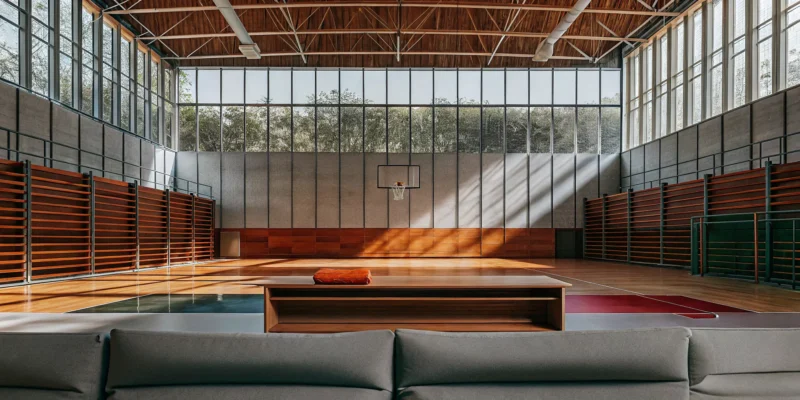
A custom indoor sports game court with a basketball hoop and polished hardwood floor.

Custom Sports Game Courts: Cost & Process

A basketball hoop in the driveway is a classic, but it can’t compare to the safety, performance, and versatility of a professionally installed court. The difference lies in the details: a properly graded foundation that prevents cracks, a high-performance surface that’s easier on your joints, and crisp, accurate lines for your favorite games. A dedicated court provides a level, predictable playing area that enhances every game and minimizes the risk of injury. In this article, we’ll explore what sets a professional build apart and cover all the key elements that go into creating top-tier Custom Sports Game Courts that are built to last.

Key Takeaways

  • Prioritize the Foundation First: A successful project starts with the groundwork. Before choosing colors or accessories, confirm you have adequate space, understand local permit rules, and have a solid plan for site preparation and drainage to ensure your court lasts.
  • Match the Court to Your Game: The best court is one designed for how your family plays. Select a surface material, such as durable acrylic or versatile modular tiles, that suits your favorite sports, and consider features like adjustable hoops or lighting to maximize its use.
  • Invest in Expertise and Upkeep: Choosing a licensed contractor who specializes in athletic court construction is critical for a high-quality result. After the build, simple, regular maintenance like sweeping debris and inspecting the surface will protect your investment for years to come.

What is a Custom Sports Game Court?

A custom sports game court is much more than just a patch of pavement in your backyard. It’s a high-performance athletic surface, designed and built specifically for your property and the sports your family loves to play. Think of it as a personalized arena tailored to your space, whether you dream of a half-court for basketball, a dedicated pickleball court, or a versatile surface for multiple games. The process involves creating a durable, safe, and attractive area that fits perfectly into your overall landscape design.

Unlike a public park, a custom court is built with professional-grade materials and precision. From the initial site preparation and foundation work to the final surface installation and line painting, every step is handled to ensure optimal playability and longevity. You get to choose the dimensions, colors, and features, creating a unique space that encourages everyone to get outside and play. Gappsi specializes in building these custom synthetic turf and sports games courts, turning your vision for at-home recreation into a reality. It’s an investment in your home, your health, and countless hours of family fun.

Common Types of Game Courts

When it comes to building your court, you have several excellent surface materials to choose from. Modular tiles are a popular favorite because they are incredibly versatile and offer great shock absorption, which is easier on the joints. These interlocking tiles come in various colors and can be configured for almost any sport. Another great option is a classic concrete or asphalt base with an acrylic coating, which provides the consistent ball bounce needed for tennis and basketball. For a softer feel underfoot, synthetic turf can be a fantastic choice, especially for multi-sport areas where you might also play soccer or other field games. Each material has its own unique benefits for performance and maintenance.

Benefits of a Custom Court

Adding a sports game court to your home offers so many advantages beyond just having a place to play. First, there’s the incredible convenience. Your court is always open, so you can practice your free throws or start a pickleball match whenever you feel like it, no reservations required. It’s a wonderful way to encourage a more active lifestyle for the entire family, making daily exercise feel less like a chore and more like fun. A custom court also becomes a natural gathering spot, perfect for creating lasting memories with family and friends. It seamlessly integrates into your backyard, enhancing your entire outdoor living space and adding significant value to your property.

What to Consider Before Building Your Court

Bringing a custom game court to your backyard is an exciting project. Before you break ground, it’s important to think through a few key details to ensure the final result is what you envisioned. From the size of your yard to the sports your family loves, considering these factors upfront will streamline the entire process.

Space and Dimensions

First, look at your available space. Your yard’s size dictates the court’s dimensions. A full-size basketball court requires significant room, but you can easily scale down for a half-court. Think about which sports you’ll play most and measure your area to see what’s feasible, remembering to add safety buffer zones. Proper site preparation is key, and the project size influences the installation timeline for your custom Sports Games Courts, which typically takes a few weeks.

Surface Material Options

Your court’s surface is a critical decision, affecting ball bounce, comfort, and durability. Popular options include concrete, rubber, and synthetic turf. A top choice for outdoor Sports Games Courts is modular polypropylene tile, which snaps together over a hard base. This surface offers excellent drainage and a bit of give underfoot, making it comfortable for players. Each material has its own benefits, so consider what feels best and fits your budget. We can help you explore the best materials for your custom game court to match your performance needs.

Single vs. Multi-Sport Use

Will your court be for one sport, or do you want the flexibility to play several? A multi-sport game court is a fantastic way to get more use out of your space. With blended lines for basketball, pickleball, and volleyball, you can switch games in minutes. A multipurpose design is often more cost-effective than building separate courts. This approach maximizes your investment and creates a versatile hub for family fun. Just plan for adjustable nets to make switching between sports easy.

Factoring in Your Climate

On Long Island, our weather can be tough on outdoor surfaces. From hot summers to freezing winters, your game court needs to be built to last. Choosing weatherproof materials and UV-resistant coatings is essential to prevent fading, peeling, and cracking. The right surface will perform better and require less upkeep. Proper drainage is also critical to handle rain and snowmelt. If your court needs a refresh, professional restoration and sealing services can bring it back to life.

How Much Does a Custom Game Court Cost?

Figuring out the budget for your dream backyard court is a big first step. The total cost can vary quite a bit, depending on the size, materials, and all the fun extras you decide to include. Think of it less as a single price tag and more as a custom project tailored to your family and your space. To give you a clearer picture, let’s break down the main factors that influence the final price of your custom sports games court.

Material Costs

The core of your court’s cost lies in the materials. Generally, you can expect a custom backyard court to fall in the range of $25 to $35 per square foot. For a standard half-court size, this often translates to a total project cost between $20,000 and $25,000. The specific surface you choose is the biggest variable here. Whether you opt for classic acrylic, versatile modular tiles, or another high-performance material will directly impact the budget. Our team can walk you through the pros and cons of each option to find the perfect fit. We offer a wide selection of synthetic turf and game court surfaces to match any design.

Installation and Labor

Beyond the materials, professional installation is a crucial part of your investment. This isn’t just about laying down the surface; it includes essential site preparation like excavation, grading, and ensuring proper drainage. Depending on the design, it may also involve pouring a concrete or asphalt base, which is a job for skilled professionals. A typical installation can take anywhere from two to six weeks, depending on the project’s complexity and weather conditions. This timeline reflects the detailed work required for a durable, high-quality court. Our experienced masonry and construction teams handle every step, guaranteeing a solid foundation for years of play.

Optional Features and Accessories

This is where you can truly personalize your court. While the surface is the main event, accessories are what make it your family’s go-to spot for fun. You can add features like adjustable basketball hoops, multi-sport net systems for tennis or volleyball, and rebounders for solo practice. Ball containment fencing is a popular and practical choice to keep the game going without chasing stray shots. For evening games, consider adding integrated LED lighting. You can even add custom logos or game lines for a professional touch. These upgrades and features can be planned from the start or added later to enhance your backyard entertainment space.

Do You Need a Permit for Your Game Court?

The short answer is almost always yes. Think of a permit as your project’s official green light from your local town. For a project as significant as a custom Sports Games Court, which often involves excavation, a concrete base, and a permanent structure, a permit is a standard requirement. This isn’t just about paperwork; it’s about ensuring your court is built safely, meets local codes, and doesn’t cause any issues with property lines or drainage.

Navigating the world of permits can feel intimidating, but it’s a crucial step in protecting your investment. A properly permitted project ensures your court is recognized as a legitimate, valuable addition to your property, which is important for both insurance and resale value. The good news is that you don’t have to do it alone. An experienced contractor will handle the entire process for you, from preparing the initial plans for your custom court to securing the final approvals. Here on Long Island, every town from the Hamptons to Nassau County has its own set of rules. Working with a team that has deep experience with these local requirements is key to keeping your project on track and stress-free.

Zoning and Setback Rules

Before any construction begins, your project needs to comply with local zoning and setback regulations. Zoning laws dictate how your property can be used, while setback rules define how far your new court must be from property lines, your house, and other structures. You can’t, for example, build a basketball court right up against your neighbor’s fence. These regulations exist to ensure safety, privacy, and a cohesive look within the community. Our design process always starts with a careful review of your town’s specific codes to create a plan that fits perfectly within these guidelines.

The Building Permit Process

Once your design respects all zoning and setback rules, the next step is the formal application. This involves submitting detailed plans of your proposed Sports Games Court to your local building department. An official will review everything to confirm it aligns with building codes, safety standards, and environmental regulations. They’ll check details like the court’s foundation, drainage plan, and any fencing or lighting you plan to add. As your contractor, we manage all of these submissions and communications with the town, ensuring every detail is correct so you can get your permit without any hassle.

HOA and Neighborhood Rules

If you live in a community with a Homeowners’ Association (HOA), you’ll have an extra layer of guidelines to follow. Town approval is essential, but your HOA has its own rulebook. These covenants can influence everything from the color of your court’s surface to the height of the surrounding fence and whether you can install lights for night games. It’s always a good idea to review your HOA documents before finalizing your design. We can help you create a plan that satisfies both the town and your HOA, ensuring your new court is a welcome addition to the neighborhood.

Choosing the Best Surface for Your Favorite Sports

The surface of your sports games court is just as important as its size and layout. The right material affects everything from ball bounce and player safety to long-term maintenance. Your choice will depend on which sports you plan to play, your budget, and how much upkeep you’re willing to do. Whether you’re dreaming of a dedicated basketball court or a versatile space for the whole family, understanding your options is the first step. At Gappsi, we specialize in installing a variety of synthetic turf and sports game courts to match your specific needs.

Acrylic for Basketball and Tennis

If you’re a serious basketball or tennis player, an acrylic hard court is a classic choice for a reason. This surface provides the consistent, true ball bounce that these sports demand. It offers excellent grip and a predictable playing experience, allowing you to perfect your game. Acrylic surfaces are also incredibly durable and stand up well to the elements, requiring minimal maintenance beyond occasional cleaning. Plus, they come in a wide range of vibrant colors, so you can customize the look of your court to match your home’s aesthetic. It’s a reliable, high-performance option for dedicated athletes.

Modular Tiles for Multi-Sport Fun

For families who want a court that can do it all, modular tiles are a fantastic solution. These interlocking polypropylene tiles snap together over a concrete base, creating a versatile and resilient surface. Their slight give provides excellent shock absorption, which is easier on joints and helps reduce injuries, making it a safer choice for kids. Modular tiles are perfect for multi-sport use, easily accommodating everything from basketball and volleyball to roller hockey. They are also extremely durable, low-maintenance, and drain quickly after it rains, so you can get back to playing sooner.

Post-Tension Concrete for Durability

When you want the most durable and long-lasting foundation for your court, post-tension concrete is the top-tier option. This method involves reinforcing the concrete slab with steel cables that are tightened after the concrete is poured. This process creates a stronger, more stable surface that is highly resistant to cracking and shifting over time. While it is a bigger initial investment, a post-tension concrete court can last for decades with very little structural maintenance. It’s the ultimate choice for a permanent, high-quality installation, reflecting the kind of expert masonry and construction we pride ourselves on.

Specialty Surfaces for Pickleball and Volleyball

With the rise of sports like pickleball, specialty surfaces have become more popular. While you can play these games on standard acrylic or modular tile courts, cushioned surfaces can provide a more comfortable, high-end feel. These layered systems offer extra shock absorption, which is great for competitive play and long matches. For sports like volleyball, a synthetic turf or even a sand court might be the perfect fit. Thinking about the specific needs of your favorite game allows you to create a truly customized space that enhances every moment of play.

What’s the Installation Timeline?

You’ve designed your dream court, and now you’re probably wondering how long it will take to build. Generally, a custom sports games court installation takes between two and six weeks. This timeline can shift depending on a few key factors, including how much site preparation is needed, the type of surface you choose, and the overall size of your project. Understanding the process step by step helps set clear expectations, so you know exactly what’s happening in your backyard and when you can plan your first game.

Site Prep and Base Construction

The first and most critical phase is preparing the ground. This isn’t just about clearing a space; it involves detailed grading to ensure the area is perfectly level and has proper drainage. A solid base is essential for the longevity and safety of your court. Depending on your property, this could involve excavation and building a retaining wall. Our team handles all the necessary masonry work to create a stable foundation that prevents cracks and uneven surfaces. This foundational work is the most important part of the entire build.

Installing the Foundation and Surface

Once the site is prepped, we construct the foundation, which is typically a concrete slab. After the concrete is poured, it needs time to cure properly to ensure maximum strength. This step can’t be rushed. After the base has fully cured, we apply your chosen playing surface, whether it’s acrylic paint or interlocking modular tiles. Finally, we paint the lines for your favorite sports and install permanent fixtures like basketball hoop anchors or net posts. This is when your court really starts to take shape and look like the finished product.

Potential Delays: Weather and Permits

While we stick to a tight schedule, some things are out of our control. Weather is the most common reason for delays on Long Island. A heavy rainstorm can pause excavation or prevent us from pouring concrete or painting surfaces. We always watch the forecast to work efficiently. Another factor is the permit process. Each town has its own requirements, and securing a building permit can take time. We manage the entire permit and construction process, but it’s always wise to factor in a little buffer time for these variables.

Popular Features and Upgrades

Once you have the foundation of your court planned, you can start thinking about the features that will make it truly yours. The right upgrades can transform a simple playing surface into a versatile and professional-looking entertainment hub for your family and friends. From practical additions that extend your playing time to custom details that show off your style, these features are what make your custom court a perfect fit for your home. Gappsi offers a wide range of options for custom Sports Games Courts to match your vision.

Adjustable Nets and Hoops

If you have a multi-sport household, adjustable equipment is a must. An adjustable basketball hoop allows players of all ages and sizes to get in on the action, from young kids learning to shoot to adults playing a competitive game. The same goes for nets. A system that can easily be raised for volleyball or badminton and lowered for tennis or pickleball gives you incredible versatility. This flexibility ensures your court grows with your family and can accommodate any game you feel like playing, making it a smart, long-term investment for years of fun.

LED Lighting for Night Games

Why let the sunset end your game? Installing LED lighting is one of the best ways to maximize the use of your court, especially during those beautiful Long Island summer evenings or after school and work in the fall. Good lighting makes nighttime play safe and enjoyable. A key tip is to plan for this feature from the very beginning. By installing the necessary electrical conduit during the initial construction phase, you save yourself the headache and expense of trying to add it later. It’s a simple step that ensures your court is ready for action anytime, day or night.

Fencing and Safety Features

Safety and convenience are just as important as the playing surface itself. A high-quality fence is essential for containing stray balls, preventing them from rolling into your garden, the street, or a neighbor’s yard. It also helps create a secure and enclosed area for kids to play in. Beyond fences and netting, proper drainage is another critical safety feature. A well-designed system prevents water from pooling on the surface, which can cause slips and long-term damage. A professional installation will account for this, ensuring your court is safe and durable.

Custom Logos, Lines, and Seating

This is where you can really let your personality shine. Make your court one-of-a-kind by adding custom logos, like a family initial or the emblem of your favorite sports team. You can also choose from a wide palette of colors for the surface and have crisp, professional lines painted for all your favorite sports. Don’t forget about the spectators. Integrating a seating area, like a simple bench or a small masonry sitting wall, makes the court a more inviting and social space for everyone, turning game time into a true community event.

Common Mistakes to Avoid

Building your dream backyard court is an exciting project, but a few common missteps can quickly turn it into a costly headache. A well-planned court is an investment that brings years of enjoyment, so it pays to get the details right from the start. Thinking through the entire process, from the ground up, helps ensure your court is safe, durable, and perfectly suited to your family’s needs.

Many homeowners get caught up in the fun parts, like picking out colors and custom logos, but they sometimes overlook the foundational elements that determine the court’s longevity and playability. Simple planning mistakes can lead to major issues like surface cracking, poor performance, or a layout that feels cramped and impractical. A beautiful court that puddles after every rain or cracks within a year isn’t much fun for anyone. By learning about these potential pitfalls ahead of time, you can work with your contractor to make informed decisions and create a space that truly enhances your home and lifestyle. Let’s walk through the most frequent errors we see so you can steer clear of them and get the most out of your new court.

Ignoring Base and Drainage Issues

The success of your sports games court starts with what’s underneath. A weak or uneven base is one of the biggest reasons for premature failure. Without a properly compacted and leveled foundation, your court surface can crack, develop low spots where water pools, and wear out far too soon. We always ensure a solid concrete or asphalt base is installed to provide the stability your court needs. Equally important is drainage. A court without a plan for water runoff will become a puddle-filled mess after every rainstorm. Proper grading and a slight slope, typically one inch for every 10 feet, allow water to drain away naturally, protecting your investment and keeping the surface ready for play.

Choosing the Wrong Size or Material

It’s easy to underestimate how much space you really need. A court that’s too small can feel cramped and limit the types of games you can play. Before you build, map out the dimensions and consider the necessary buffer space around the perimeter for safe play. The surface material is another critical choice. Using the wrong material can create a surface that’s too slippery or rough, increasing the risk of injury. Each sport has ideal surfaces, from acrylics for tennis to modular tiles for multi-sport use. We can help you select the perfect surface material that balances performance, safety, and your budget.

Forgetting Utilities and Layout

A great court layout considers more than just the playing lines. Think about how the court fits into your overall landscape and how you’ll use the space around it. You’ll want to leave enough room for future additions like seating, fencing, or even a small patio. It’s also important to plan for utilities. Do you want lighting for night games? You’ll need to run electrical wiring. Will you need a water source nearby for cleaning? Planning for these elements from the beginning is far easier and more cost-effective than trying to add them later. A thoughtful landscape design integrates your court seamlessly into your yard, making it a functional and beautiful feature.

How to Choose the Right Contractor

Your custom sports games court is a significant investment, and the success of your project hinges on finding the right team to build it. The contractor you choose will influence everything from the initial design to the final bounce of the ball. Taking the time to vet professionals ensures your court is built safely, correctly, and to your exact specifications, giving you a space your family will enjoy for years.

Look for Specialized Experience

Building a high-quality sports games court requires a specific skill set that most general contractors don’t have. You’ll want to find a team that specializes in athletic court construction. These professionals understand the unique requirements for proper grading, sub-base preparation, and surface installation that are critical for performance and longevity. Ask to see a portfolio of their completed projects. A contractor with a proven track record in building custom sports games courts will be able to guide you through material selection and design choices with confidence, ensuring the final product meets your needs.

Verify Licenses, Insurance, and Warranties

Before signing any contracts, do your homework. A reputable contractor will be fully licensed and insured in New York. This is non-negotiable, as it protects you from liability in case of accidents on your property during construction. Unskilled installers can lead to uneven surfaces and a shorter court life, so verifying credentials is a key step. Also, ask about warranties. A professional company will stand behind its work with a solid warranty covering both materials and labor. This gives you peace of mind knowing your investment is protected against defects and installation issues.

Questions to Ask a Potential Contractor

When you meet with potential contractors, come prepared with a list of questions. This will help you compare your options and choose the best fit for your project. Start with the basics, like asking for references and seeing examples of their work on their YouTube channel or website. Then, get more specific. Ask them, “How will you manage drainage to keep water off the playing surface?” Proper drainage is essential to prevent cracks and surface damage. You should also inquire about their recommended materials for your chosen sports, the projected timeline for completion, and what factors might cause delays. Their answers will reveal their level of expertise and professionalism.

Maintaining Your Custom Court

You’ve invested in a beautiful custom sports games court, and a little upkeep will ensure it stays ready for play season after season. Consistent maintenance helps prevent small issues from turning into costly repairs, preserving both the safety and appearance of your court. Think of it as part of the game plan. By staying on top of cleaning, seasonal prep, and protecting the surface, you guarantee your court remains a premier spot for family fun and friendly competition for years to come.

Regular Cleaning and Inspections

The easiest way to protect your court is to keep it clean. Make it a habit to sweep away leaves, dirt, and other debris weekly with a push broom or leaf blower. This prevents buildup that can stain the surface or become slippery when wet. While you’re cleaning, take a quick walk around to inspect the court. Look for any small cracks, signs of wear on the lines, or areas where water might be pooling. Catching these things early makes them much easier to fix. A proactive approach with regular cleaning and inspections is the key to your court’s long-term health and performance.

Seasonal Care and Resurfacing

Here on Long Island, our weather shifts dramatically from season to season, and your court needs to be ready. Before winter, give the court a thorough cleaning to remove any grime that could freeze and cause damage. In the spring, inspect for any cracks that may have formed during freeze-thaw cycles. While daily care is crucial, keep in mind that all surfaces have a lifespan. Depending on the material, you may need to plan for resurfacing every several years to keep it in optimal condition. This isn’t a sign of failure, but a normal part of maintaining a high-quality sports games court.

Protecting Your Court from the Elements

The sun’s UV rays and constant exposure to moisture can take a toll on your court’s surface, leading to fading, peeling, and cracking over time. Using high-quality, weatherproof materials from the start is your best defense. During installation, we use UV-resistant coatings and durable paints that act as a shield against the elements. To maintain this protection, consider having a professional restore and seal the surface every few years. This simple step can dramatically extend the life of the court, keeping the colors vibrant and the material resilient against whatever the New York weather throws its way.

Related Articles

Frequently Asked Questions

How much space do I actually need for a sports games court? You might be surprised to learn you don’t need a massive estate to build a great court. While a full-size tennis court requires a lot of room, many families opt for more compact designs like a basketball half-court or a dedicated pickleball court. We can customize the dimensions to fit your specific yard, ensuring you have a fantastic playing area while still leaving room for your garden and patio. The key is smart design that maximizes your available space.

What is the most versatile court surface for a family with different interests? For families that want to play everything, modular tiles are usually the best choice. These interlocking tiles create a surface that’s great for basketball, pickleball, volleyball, and even roller hockey. They also offer a bit of shock absorption, which is gentler on the joints than traditional concrete, making it a safer option for players of all ages. Plus, they drain quickly after rain, so you can get back outside to play much faster.

How much upkeep is really involved with a backyard court? Maintaining your court is simpler than you might think. The most important task is keeping it clean with a weekly sweep or blow to remove leaves and debris. This prevents stains and keeps the surface from getting slippery. Beyond that, a quick inspection in the spring and fall to check for any minor issues is a good habit. With a little routine care, your court will stay in top shape for years.

Do I have to handle the complicated permit process on my own? Absolutely not. Navigating town codes and permit applications can be a real headache, and it’s a part of the project we handle for you. An experienced contractor knows the specific requirements for each town on Long Island. We manage all the paperwork, submit the plans, and communicate with the building department to ensure your project is fully approved and up to code, making the process smooth and stress-free for you.

What’s the one thing I should prioritize when planning my budget? If you have to prioritize one area of your budget, make it the foundation. The success and longevity of your entire court depend on proper site preparation, a solid base (like concrete), and excellent drainage. While features like lighting and custom logos are exciting, they can often be added later. A strong, professionally installed foundation is not something you can fix easily, so investing in it from the start is the smartest decision you can make.

Best porcelain paver installation by expert installers on Long Island, NY.

Who Are the Best Porcelain Paver Installers on Long Island?

You have a clear vision for your backyard: a beautiful, modern patio for entertaining, a sleek walkway, or a safe, stylish surface around the pool. Porcelain pavers are the perfect material to make it happen. But turning that vision into a reality requires a true partner, not just a laborer. The installation process is a craft that demands precision, technical knowledge, and an eye for design. A poor installation can lead to shifting pavers, drainage problems, and endless frustration. To avoid these issues, you need to find the best porcelain pavers installers on Long Island, NY. We’ll cover the key questions to ask and the common mistakes to avoid, so you can hire with confidence and create the outdoor oasis you’ve been dreaming of.

Key Takeaways

  • Vet your installer thoroughly: Before signing anything, confirm the contractor has proper licensing and insurance. Review their portfolio of past porcelain projects and speak directly with recent, local references to get honest feedback on their work and professionalism.
  • Prioritize porcelain-specific expertise: Installing porcelain pavers is a specialized skill that requires different tools and techniques than other materials. Choosing a team with proven experience ensures they understand the correct base preparation and methods needed to prevent future cracking or shifting.
  • Get a clear plan and warranty in writing: A reputable installer will provide a detailed proposal outlining the project scope, timeline, and costs, leaving no room for surprises. Ensure they also offer a clear warranty on their workmanship to protect your investment for years to come.

What Makes a Great Porcelain Paver Installer?

Choosing the right installer for your porcelain paver project is just as important as picking out the pavers themselves. The right team doesn’t just lay stones; they create a foundation for your outdoor living space that will last for years. A great installer combines technical skill with a creative eye and professional integrity. They understand that this is a significant investment in your home and treat the project with the care it deserves. From the initial design conversation to the final cleanup, a top-tier professional ensures a smooth, transparent, and satisfying experience. Let’s look at the key qualities that separate the best installers from the rest.

Specialized Porcelain Experience

Porcelain pavers are not the same as traditional concrete or stone, and they require a specific skill set to install correctly. A seasoned contractor knows how to handle the material to prevent chips and cracks and understands the precise base preparation needed for Long Island’s soil and weather conditions. This specialized experience means they can anticipate potential challenges with drainage or grading and address them before they become problems. An expert in porcelain and natural stone will ensure your patio, walkway, or pool deck is perfectly level, stable, and built to withstand freeze-thaw cycles without shifting or settling over time.

Proper Licensing and Insurance

Before you even discuss designs or timelines, make sure any potential installer is fully licensed and insured to work in your area of Long Island. This is a critical step that protects you, your property, and the workers on site. Proper licensing proves the contractor meets local and state requirements, while comprehensive insurance coverage (including liability and workers’ compensation) shields you from financial risk in the event of an accident. Any reputable masonry design and construction company will readily provide this documentation. Think of it as the essential foundation for a trustworthy partnership.

Design Skills and Material Options

The best installers are more than just technicians; they are design partners who can help bring your vision to life. They should offer a wide selection of high-quality porcelain pavers and guide you through the options to find the perfect style for your home. A great contractor will listen to your ideas, understand your aesthetic, and suggest creative layouts or complementary features that enhance the overall project. Whether you’re designing a sleek modern patio or a rustic poolside retreat, their expertise helps ensure the final result is both beautiful and functional, perfectly integrating with your landscape design.

Clear Communication and Project Management

A smooth installation process depends on clear and consistent communication. A professional installer will provide a detailed proposal that outlines the project scope, timeline, and costs, so there are no surprises along the way. They should assign a dedicated project manager or point of contact who keeps you informed about progress and is available to answer your questions. From the initial site prep to the final walkthrough, you should feel confident and respected. This commitment to professionalism ensures your project is handled with care and completed to your total satisfaction.

How to Find the Best Installers on Long Island

Finding the right team for your porcelain paver project on Long Island goes beyond a quick online search. You’re looking for a partner who understands the local environment and can bring your vision to life with skill and precision. Start by looking for installers with a strong local reputation. A company that has been serving Nassau and Suffolk counties for years will have a deep understanding of regional building codes, soil conditions, and weather patterns that can impact your project’s longevity.

Next, take a close look at their portfolio. Don’t just glance at the hero shots on their homepage; look for a wide range of projects that show their versatility. Do they have experience with intricate patterns, large-scale patios, or poolside installations? A robust portfolio of masonry work demonstrates a high level of craftsmanship and attention to detail. Always verify that any potential installer is fully licensed and insured. This is a non-negotiable step that protects you and your property from liability.

Reading online reviews is helpful, but don’t stop there. Ask for references from recent projects in your area. Speaking directly with a past client can give you invaluable insight into the company’s communication, timeliness, and overall process. If possible, visit a showroom. Seeing and touching the materials in person can make a huge difference in your final decision. A visit to a physical location like the Gappsi Store allows you to explore different paver options and speak with experts who can guide you through the selection process.

Why Gappsi is a Premier Choice for Outdoor Living

When you’re looking for an installer that checks all the boxes, Gappsi stands out. With a history of transforming Long Island homes since 1987, our team brings decades of specialized experience to every project. We don’t just install pavers; we design and construct complete outdoor living spaces. This integrated approach means your new porcelain patio will perfectly complement your landscaping, pool, or outdoor kitchen, creating a seamless and beautiful environment.

Our expertise is backed by a commitment to using only the highest quality materials. We offer an extensive selection of premium porcelain and natural stone pavers, ensuring you find the perfect style for your home. Our team manages every detail, from initial design to final installation, providing clear communication and professional project management. We combine artistry with technical skill to deliver a finished product that is not only stunning but also built to last.

How Much Does Porcelain Paver Installation Cost?

Figuring out the budget for your new patio or walkway is a huge part of the planning process. While it’s tempting to look for a simple square-foot price, the final cost of a porcelain paver installation depends on several key factors. Understanding these variables will help you get a realistic idea of the investment and ensure there are no surprises along the way. From the specific pavers you fall in love with to the condition of your property, every detail plays a role in the final quote.

What Affects the Final Price?

When you’re planning your project, it’s helpful to think beyond the initial price tag of the pavers. The total cost is a combination of materials, site conditions, and labor. The specific style and brand of porcelain pavers you choose will be the starting point. After that, the biggest variable is site preparation. If your yard needs significant excavation, grading, or a complex base to be built, this will impact the cost. The complexity of your design, like curved edges or intricate patterns, also requires more time and skill from the installation team, which is reflected in the price.

Typical Costs by Project Size

To give you a general idea, porcelain pavers themselves often range from $7 to $9 per square foot. Installation costs can add another $5 to $10 per square foot, depending on the method used. This means you can expect a total project cost of around $12 to $19 per square foot. For a smaller, 100-square-foot patio, the total investment might be around $3,000. A more expansive 400-square-foot space could be over $18,000, especially when you factor in the necessary groundwork. These figures are estimates, but they provide a solid baseline for your budget.

How to Get an Accurate Estimate

The best way to determine the exact cost for your project is to get a detailed, written estimate from a professional installer. A reputable masonry contractor will visit your property to assess the site, discuss your vision, and measure the area. Their quote should clearly break down all the costs, including materials, labor, site preparation, and any other fees. Don’t hesitate to ask questions. A trustworthy installer will have a clear, structured process and will be happy to walk you through every line item so you feel confident in your decision.

Your Installer Checklist: What to Verify Before Hiring

Once you have a shortlist of potential installers, it’s time to do your homework. This final verification step is crucial for ensuring you partner with a true professional who will respect your home and your investment. A great installer will be transparent and happy to provide all the information you need to feel comfortable. This checklist covers the essential items you should confirm before signing any contracts. Going through these steps will help you avoid common pitfalls and ensure your project runs smoothly, resulting in a beautiful outdoor space you’ll love for years.

Review Their Portfolio and Past Work

Before you hire anyone, you need to see their work. A portfolio is more than just a collection of pretty pictures; it’s proof of their skill and experience. Look specifically for projects featuring porcelain pavers, as they require different installation techniques than traditional materials. Does their style align with your vision? Pay close attention to the details, like the precision of the cuts and the evenness of the grout lines. A strong portfolio demonstrates a history of quality craftsmanship and successful projects, giving you a clear idea of what they can do for your home.

Check Customer Reviews and Local References

What past clients have to say is incredibly valuable. Look for reviews on Google, Houzz, and other third-party sites to get an unbiased perspective. While a few negative reviews aren’t always a deal-breaker, especially if the company responded professionally, a pattern of complaints is a major red flag. Don’t be afraid to ask for local references you can contact or even drive by to see their work in person. A confident installer with a great reputation will have no problem connecting you with happy customers in your area.

Understand Their Warranty and Guarantees

Your new porcelain paver patio is a significant investment, and you want to know it’s protected. A reputable contractor will stand behind their work with a clear warranty. Make sure you understand exactly what it covers. Is there a warranty on the materials from the manufacturer? What about the labor and workmanship from the installer? Get the terms in writing and clarify how long the coverage lasts. This guarantee provides peace of mind and shows that the company is committed to quality and long-term customer satisfaction, including any future restoration or sealing needs.

Clarify the Installation Process and Timeline

A professional installer should be able to walk you through their entire process, from site preparation to the final cleanup. Ask for a detailed project plan and a realistic timeline. When do they expect to start and finish? What are the key milestones? Understanding the workflow helps you know what to expect and minimizes disruptions to your daily life. Clear communication about the process is a sign of good project management and shows that the contractor is organized and respects your time. It also helps ensure there are no surprises along the way.

Key Questions to Ask Potential Installers

Once you have a shortlist of potential installers, it’s time to start the interview process. Think of it like hiring a key team member for your home improvement project, because that’s exactly what it is. The right questions will help you separate the true professionals from the rest. Asking detailed questions about their process, timeline, and credentials gives you a clear picture of what to expect and helps ensure there are no surprises down the road. Here are the essential questions to ask every potential installer.

Ask About Their Experience and Process

This might seem obvious, but you want to get specific. Ask, “How many porcelain paver projects have you completed in the last year?” and “What challenges have you encountered with installations in Long Island?” A contractor with deep experience in porcelain and natural stone will have confident, detailed answers. They should be able to walk you through their entire installation process, from the initial site assessment to the final cleanup. This conversation will reveal their expertise and show you whether they can anticipate potential issues specific to your property’s layout and our local climate, ensuring a high-quality, lasting result.

Ask About the Timeline and Prep Work

A great project starts with a solid plan. Ask for a detailed project timeline, including start and end dates. More importantly, ask them to explain their preparation process. What kind of base will they install? How will they ensure proper drainage? A reputable contractor will emphasize the importance of prep work, as it’s the foundation for a durable patio or walkway. A vague answer is a red flag. You want a team that provides a clear schedule and outlines every step, showing they are organized and committed to a successful installation from the ground up. This level of planning is a hallmark of professional masonry design.

Ask About Permits and Code Compliance

Navigating local building codes and permits can be a headache, so make sure your installer is an expert. Ask them directly, “Are you familiar with the local permit requirements for this type of project, and will you be responsible for securing them?” A professional installer should handle all necessary permits and ensure the project complies with all town and village regulations on Long Island. This isn’t just about avoiding fines; it’s about making sure your new outdoor space is safe and built to last. An experienced local company will have this process down to a science, saving you from potential legal issues and delays.

Ask About Maintenance and Ongoing Support

Your relationship with an installer shouldn’t end when they pack up their tools. Ask what kind of maintenance your new porcelain pavers will require and if they provide a care guide. While porcelain is incredibly durable, knowing the best cleaning practices is helpful. Also, inquire about their post-project support. Do they offer a warranty on their workmanship? What happens if an issue arises a year from now? A contractor who stands behind their work will have clear answers and may even offer services like professional cleaning and sealing to keep your investment looking its best for years to come.

Why Choose Porcelain Pavers?

When you’re planning a new patio, walkway, or pool deck, the material you choose makes all the difference. While traditional options have their place, porcelain pavers have become a go-to for Long Island homeowners who want a perfect blend of style, strength, and simplicity. They offer a modern, sophisticated look without the demanding upkeep of other materials. If you’re looking for a surface that can handle busy family life and unpredictable weather while still looking incredible, porcelain is worth a serious look.

Unmatched Durability and Weather Resistance

Let’s be honest, Long Island weather can be tough on outdoor surfaces. From freezing winters to humid summers, you need a material that won’t crack under pressure. This is where porcelain truly shines. These pavers are incredibly dense and non-porous, which means they absorb very little water. As a result, they resist damage from freeze-thaw cycles that can destroy other materials. They’re also exceptionally strong and resistant to scratches, stains, and fading from the sun. Your beautiful patio will keep its color and integrity for years, no sealing required. This makes them a smart, long-term investment for any outdoor space.

Low-Maintenance and Easy to Clean

Who wants to spend their weekends scrubbing a patio? With porcelain, you don’t have to. Because the surface is non-porous, spills like wine, oil, or grill grease sit on the surface instead of soaking in, making cleanup simple. A quick sweep and a wash with mild soap and water are usually all it takes to keep them looking new. They are also naturally resistant to mold, mildew, and moss growth, which is a huge plus during our damp seasons. This low-maintenance quality means you get to spend more time enjoying your backyard and less time working on it.

Versatile and Beautiful Design Options

Your outdoor space should be an extension of your home’s personality, and porcelain pavers offer the design flexibility to make that happen. Whether you love the rustic look of natural wood, the classic elegance of travertine, or the sleek feel of modern concrete, there’s a porcelain style for you. Gappsi offers a wide selection of porcelain and natural stone pavers in various colors, textures, and sizes. This versatility allows you to create a cohesive design that flows from your patio to your pool deck and walkways, tying your entire outdoor living area together beautifully.

Avoid These Common Mistakes When Choosing an Installer

Choosing the right installer for your porcelain paver project is just as important as picking out the perfect style for your home. The right team will bring your vision to life beautifully, while the wrong one can lead to headaches and costly repairs. It’s easy to get overwhelmed by quotes and promises, but if you know what common pitfalls to look out for, you can move forward with confidence.

Many homeowners make simple mistakes during the hiring process, like focusing too much on the price tag or forgetting to check for the right credentials. These oversights can turn an exciting home upgrade into a stressful ordeal. By taking a little extra time to vet your options and ask the right questions, you’re not just hiring a contractor; you’re investing in a lasting, high-quality addition to your home. Let’s walk through the key mistakes to avoid so your project is a success from start to finish.

Don’t Focus Only on the Lowest Price

We all love a good deal, and it’s tempting to jump on the lowest quote when you’re managing a project budget. However, when it comes to home improvement, the cheapest option is rarely the best. An unusually low bid can be a red flag for cut corners, inexperienced labor, or subpar materials. A cheaper installation might look fine at first, but it could lead to more expensive repairs and maintenance down the road. Think of it as an investment. Paying a little more for an experienced, reputable installer ensures the job is done right the first time, saving you money and stress in the long run.

Always Check References and Past Projects

A picture is worth a thousand words, and a portfolio of past work can tell you a lot about an installer’s quality and style. Any reputable contractor will be happy to show you their completed projects. Ask to see a gallery of their work, specifically focusing on porcelain paver installations similar to what you have in mind. Don’t stop there, though. Ask for a list of recent references you can contact. Speaking directly with past clients gives you unfiltered insight into their experience, from communication and professionalism to how the project held up over time. You can also check out their online presence, like a YouTube channel, to see their work in action.

Never Ignore Insurance and Warranty Details

This is a non-negotiable step that protects you, your home, and the workers on your property. Always ask a potential installer for proof of liability insurance and worker’s compensation. Without it, you could be held financially responsible for any accidents that happen during the project. Equally important is the warranty. A confident installer will stand behind their work with a clear, written guarantee that covers their craftsmanship. Make sure you understand what is covered and for how long before you sign a contract. This commitment shows that the company values quality and is dedicated to your long-term satisfaction with their masonry work.

Prioritize Porcelain-Specific Experience

Installing porcelain pavers is a specialized skill. It’s not the same as working with traditional concrete or stone pavers. Porcelain is denser, less porous, and requires specific tools and techniques for cutting and setting. An installer without direct experience may not understand the unique requirements for the base preparation or the right type of jointing compound to use. A seasoned contractor will know how to handle these materials properly and anticipate potential challenges. When interviewing installers, ask them directly about their experience with porcelain pavers and request to see examples of their completed porcelain projects. This ensures they have the expertise to deliver a flawless, durable finish.

Popular Porcelain Paver Styles on Long Island

One of the best things about choosing porcelain pavers is the sheer variety of styles available. You aren’t just picking a color; you’re setting the entire mood for your outdoor space. On Long Island, homeowners are gravitating toward a few key trends that perfectly balance beauty with our local landscape. Whether you’re dreaming of a rustic retreat or a sleek, modern patio, there’s a porcelain paver style that will bring your vision to life. These options let you create a truly custom look that reflects your personal taste while standing up to the elements.

Natural Stone and Earth Tones

If you want your patio or walkway to feel like a natural extension of your garden, you can’t go wrong with stone-look porcelain in earthy tones. These styles are incredibly popular across Long Island because they blend so well with our natural environment. Think of pavers that mimic the rich texture of slate, the warm hues of travertine, or the classic look of bluestone. These colors create a seamless transition between your home and its surroundings, making your outdoor space feel grounded and serene. Gappsi offers a wide selection of porcelain and natural stone pavers that capture this timeless, organic aesthetic perfectly.

Realistic Wood-Look Porcelain

There’s something so warm and inviting about a wooden deck, but the constant maintenance can be a real headache. That’s where wood-look porcelain comes in. This style gives you the beautiful, rustic appearance of natural wood without the risk of splinters, rot, or fading. It’s an ideal choice for creating a cozy atmosphere on a patio or a safe, slip-resistant surface around swimming pools. You get the warmth and character of a classic wood plank design, but with the unmatched durability and low-maintenance benefits of porcelain. It’s truly the best of both worlds for a busy homeowner.

Contemporary Large-Format Pavers

For a clean, sophisticated look, large-format pavers are the top choice. These oversized tiles create a sense of spaciousness, making smaller patios feel larger and more open. With fewer grout lines, the overall look is sleek, seamless, and distinctly modern. Soft shades of gray, beige, or crisp white are perfect for this style, providing a neutral foundation that lets your outdoor furniture and landscaping shine. These pavers are the perfect base for modern outdoor structures like pavilions and pergolas, tying your entire outdoor living area together with a polished, cohesive design.

What Does the Installation Process Involve?

Knowing what to expect during installation can make the entire experience smoother. A professional installer doesn’t just start laying pavers; they follow a meticulous process to ensure your new patio or walkway looks beautiful and lasts for decades. From the initial site check to the final touches, every step is crucial. Let’s walk through the key phases of a professional porcelain paver installation so you know what a quality job looks like.

Site Assessment and Surface Preparation

Every successful project starts with a solid foundation. Before any work begins, a skilled team will conduct a thorough site assessment. This means evaluating your property’s grading, soil type, and drainage to prevent future issues like water pooling or shifting pavers. Proper surface preparation is the most critical phase. It involves excavating the area to the correct depth and ensuring the ground is perfectly compacted and leveled. This careful prep work is what separates a short-term fix from a long-lasting investment in your home’s outdoor living space.

Base Requirements and Installation Methods

One of the great things about porcelain is its versatility. Depending on your project, pavers can be installed over several different bases. Common methods include laying them on a compacted gravel and sand base, over a concrete slab, or on raised pedestals for rooftop decks. The best method depends entirely on the application. An experienced installer will recommend the right approach, whether it’s for a driveway that needs to support vehicles or a simple garden path. They’ll choose the ideal base to ensure stability and longevity for your chosen porcelain pavers.

Project Phases and Timeline Expectations

Once the base is prepared, the installation moves into its final phases. This is when you’ll see your vision come to life as the crew lays the pavers according to the design plan. This stage includes making precise cuts, often with a wet saw designed for porcelain, to ensure clean lines and a perfect fit. After the pavers are set, the team fills the joints with polymeric sand or another material to lock them in place. A professional contractor will give you a clear timeline and keep you updated throughout the entire process, ensuring the project stays on track with minimal disruption.

How to Prepare Your Property for Installation

Once you’ve chosen your installer, the next step is getting your home ready for the transformation. A little bit of prep work can make a huge difference, ensuring the installation process is seamless for both you and the construction crew. A professional team will handle the heavy lifting, but knowing what to do ahead of time helps everything run smoothly. Here’s how you can prepare your property for your new porcelain paver installation.

Plan for Site Access and Logistics

Your installation team will need a clear path to the work area for their equipment and materials. Before they arrive, take a moment to clear your driveway and any walkways they’ll need to use. This might mean moving cars, patio furniture, or garden planters. It’s also a good idea to inform your neighbors about the upcoming work, as there will be some noise. A professional contractor will have a structured process, but ensuring easy access helps them stay on schedule. Securing pets indoors is another small but important step to keep everyone safe and the project moving forward without any furry interruptions.

Address Drainage and Site Plans

Proper drainage is one of the most critical aspects of a successful paver installation. Without it, you could end up with pooling water, shifting pavers, or even foundation issues down the line. Before any work begins, have a detailed conversation with your installer about their plan for water management. They should explain how they’ll grade the area to direct water away from your home. A reputable installer will provide a comprehensive site plan that outlines these details. This is your chance to ask questions and ensure the final design is both beautiful and functional for your Long Island landscape.

What to Expect on Installation Day

Installation day is exciting, but it can also be a bit disruptive. Knowing the general flow can help you feel more prepared. Your crew will likely arrive early to begin preparing the site. Expect a fair amount of noise from machinery and tools throughout the day. The great thing about porcelain pavers is that their installation is often more straightforward than other materials, and sometimes they can even be installed over an existing concrete patio. Your project manager should give you a clear timeline, but feel free to ask questions. Understanding the process allows you to sit back and watch your new outdoor space come to life.

Related Articles

Frequently Asked Questions

How long does a typical porcelain paver installation take? The timeline for a project can vary quite a bit depending on the size and complexity of the job. A straightforward, smaller patio might only take a few days, while a larger, more intricate project with extensive site preparation could take a week or more. A professional installer will give you a clear and realistic schedule before any work begins, outlining each phase from excavation to the final cleanup.

Can porcelain pavers be installed directly over my existing concrete patio? In many cases, yes, you can install porcelain pavers over an existing concrete slab, which can save time and money on demolition. However, this is only possible if the concrete is in good condition, meaning it’s stable and free of major cracks. An experienced installer will need to assess the slab first to ensure it provides a suitable foundation for a lasting installation.

Are porcelain pavers slippery when wet, especially for a pool deck? This is a great question and a common concern. High-quality outdoor porcelain pavers are manufactured with a textured, anti-slip finish specifically for this reason. They are designed to provide good traction even when wet, making them an excellent and safe choice for pool surrounds, walkways, and patios where water might be present.

What kind of maintenance do porcelain pavers actually need? Porcelain is incredibly low-maintenance. Because the pavers are non-porous, they resist stains, mold, and mildew. For general cleaning, a simple sweep to remove debris and an occasional wash with water and a mild detergent is all you need to keep them looking brand new. Unlike natural stone, they do not require any sealing to maintain their color or durability.

Why is professional installation so important for porcelain pavers? While porcelain is a durable material, its longevity depends entirely on a proper installation. Professionals understand the specific requirements for creating a stable base that allows for proper drainage, which is critical for preventing shifting and cracking in Long Island’s climate. They also have the specialized tools and skills to cut the dense material precisely, ensuring a clean, beautiful finish that a general contractor might not achieve.