


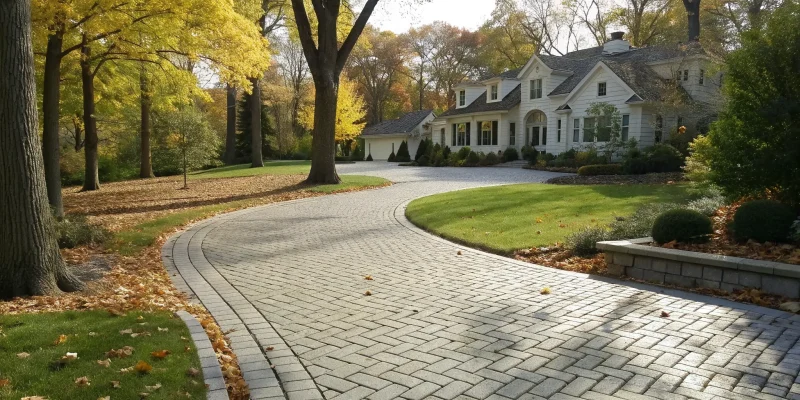
When you start planning a new paver driveway, it’s easy to focus on the price of the stones themselves. But those beautiful pavers are only one piece of the puzzle. The true cost of paver driveway installation includes all the essential, unseen work that makes a driveway last for decades—like proper excavation, a solid base, and expert labor. This guide breaks down every single component for you. We’ll cover everything from foundational materials to potential “hidden” costs like permits and drainage, ensuring you have a complete picture of the investment from start to finish.
Key Takeaways
- Look Beyond the Paver Price Tag: Remember that your total project cost includes more than just the pavers themselves. Your budget should also account for the driveway’s size, the complexity of your chosen design, and essential site preparation work.
- Prioritize Long-Term Value Over Initial Savings: While pavers may cost more upfront than asphalt or concrete, their durability, simple maintenance, and superior curb appeal often make them the more valuable and economical choice in the long run.
- Expert Installation is Non-Negotiable: The quality of the installation is what determines the lifespan of your driveway. Investing in a professional team ensures a solid foundation and proper execution, preventing costly issues like sinking or shifting down the road.
What’s the Real Cost of a Paver Driveway?
Let’s talk numbers. When you’re dreaming up a beautiful new paver driveway, one of the first questions that comes to mind is, “What’s this going to cost me?” It’s a great question, and the answer has a few moving parts. Generally, you can expect a professionally installed paver driveway to cost between $10 and $30 per square foot. This price usually covers everything from the pavers themselves to the labor and base preparation required for a flawless, long-lasting installation.
For a typical two-car driveway, this often translates to a total project cost anywhere from $6,000 to $18,000, with many homeowners in Long Island landing somewhere around the $12,000 mark. So, why the wide range? The final price tag depends heavily on your specific choices. The type of paver you select is one of the biggest variables. Your options range from classic concrete pavers to elegant natural stone or modern porcelain pavers, each with its own price point and aesthetic.
Of course, the size of your driveway and the complexity of the design you envision are also major factors. A simple, straight driveway will naturally cost less than one with intricate patterns, custom borders, or a unique layout that requires more cutting and precision work. Think of it as creating a custom piece of functional art for your home; the details are what define both the look and the budget. Our expert masonry team can walk you through all the options to find a solution that fits your style and financial plan perfectly.
What’s the Real Cost of a Paver Driveway?
Paver Materials
The pavers you choose are the star of the show, and their cost can vary significantly. Think of it like picking countertops for your kitchen—there’s a beautiful option for every budget. Concrete pavers are a popular and cost-effective choice, offering a huge variety of colors, shapes, and textures. If you’re aiming for a more luxurious or organic look, you might lean toward natural stone, like granite or bluestone, which carries a higher price tag but offers one-of-a-kind beauty. A fantastic modern option is porcelain pavers, known for their incredible durability and sleek appearance. The cost of your driveway is not a single number; it’s a range based on the many choices you make, and the material you select is one of the most important decisions in defining your project’s final budget.
Labor and Installation
This is one area where you truly get what you pay for. While it might be tempting to cut corners on labor costs, the quality of the installation is what determines the lifespan of your driveway. A professional crew does more than just lay stones; they ensure the ground is properly excavated and graded, the base is perfectly compacted, and every paver is set for maximum stability and longevity. An intricate herringbone pattern or a driveway with sweeping curves will require more time and skill than a simple layout, which will be reflected in the labor cost. Investing in an experienced masonry team ensures your beautiful new driveway won’t sink, shift, or heave, saving you from major headaches and costly repairs in the future.
Site Preparation and Base Materials
Much of the hard work and cost of a paver driveway is hidden beneath the surface. Proper site preparation is the unsung hero of a durable driveway. This process involves excavating the area to the correct depth, hauling away the old material, and building a solid foundation. This base is typically made of several inches of compacted crushed stone or gravel, followed by a layer of sand. The price goes up for larger driveways because they simply need more of these essential materials. This robust foundation is critical for proper drainage and for preventing the pavers from moving over time, especially with the freeze-thaw cycles we experience here on Long Island. You can see the Gappsi team’s meticulous attention to this foundational work in our project videos.
What Factors Influence Your Paver Driveway Cost?
When you start budgeting for a new paver driveway, you’ll quickly find that there isn’t a single, one-size-fits-all price. The final cost depends on a handful of key factors, from the materials you fall in love with to the unique layout of your property. Understanding these variables will help you set a realistic budget and make informed decisions you’ll be happy with for years to come. Let’s break down the main components that will shape your project’s total investment.
How Driveway Size Impacts Your Budget
It probably comes as no surprise that the bigger your driveway, the more it will cost. Pricing is almost always calculated per square foot, which covers both materials and labor. For a paver driveway, you can generally expect costs to fall between $10 and $30 per square foot. The total square footage is the single biggest factor in your final quote, so getting an accurate measurement of your space is the best first step. A larger surface area requires more pavers, more base material, and more time for our masonry construction team to complete the installation, all of which contribute to the bottom line.
Understanding Economy of Scale on Large Projects
While a bigger project logically means a bigger final bill, there’s a great benefit to going large with your driveway: your price per square foot can actually go down. This is a classic example of economy of scale. When we take on a substantial project, we can purchase materials like pavers in bulk, which often secures a better price from our suppliers. Our installation crew also becomes more efficient. Once they’re set up on-site, they can work continuously without the stop-and-start that smaller jobs can require. This streamlined process means that for very large driveways, the cost per square foot often becomes a bit lower, making your investment even more effective.
The Impact of Your Paver and Material Choice
The type of paver you choose has a major impact on your budget. There’s a wide world of materials out there, each with its own price point and aesthetic. Concrete pavers are often the most budget-friendly option, while classic brick pavers typically cost a bit more. If you’re dreaming of a more luxurious look, porcelain and natural stone pavers like travertine or bluestone are at the higher end of the price spectrum. Your choice here is all about balancing the look you want with the budget you have. We can walk you through the pros and cons of each material to find the perfect fit for your home.
Factoring in Design and Pattern Complexity
A simple, straightforward layout will always be more cost-effective than an intricate, complex design. Patterns like a classic running bond are relatively easy to install, while more detailed designs like herringbone or basketweave require more cuts and precision, increasing labor time and cost. If you’re considering a custom design with multiple colors, borders, or a circular inlay, expect that to be reflected in the price as well. While a complex pattern can create a stunning visual, it’s important to factor the added labor into your budget from the start.
Why Site Preparation Matters for Your Budget
Proper site preparation is the foundation of a driveway that lasts. This step is absolutely critical and can vary in cost depending on the current state of your property. The process involves excavating the area, removing any old driveway material, grading the land for proper drainage, and laying a solid base of aggregate. If your property has significant slopes or poor soil conditions, more extensive prep work may be needed, which can increase the cost. This isn’t a corner you want to cut—a solid base ensures your driveway won’t sink or shift over time.
The Role of Site Accessibility
Think about how your contractor will get their equipment and materials to the worksite. Is your driveway easily accessible from the street, or is it tucked behind your house with only a narrow path for entry? The ease of access plays a significant role in the overall cost. If our team and machinery can’t easily get to the installation area, it requires more manual labor and time to move materials, which can increase the project’s price. Obstacles like fences, established gardens, or steep slopes can complicate the process, adding to the labor hours needed to complete the job efficiently and safely.
How Ground Conditions Affect Price
The type of soil on your property is another crucial factor that can influence your budget. Long Island has a variety of soil conditions, and some are more challenging to work with than others. For instance, very wet or unstable soil requires more extensive excavation and additional base materials to create a foundation that won’t shift or settle over time. As one expert noted, difficult ground conditions can significantly increase costs because more work is needed for a strong base. Ensuring a stable foundation is essential for the longevity of your paver driveway, so addressing any soil issues upfront is a necessary investment.
Current Economic Factors
It’s also important to consider the current economic climate, as it can affect material and labor costs. Recently, the prices for many construction materials, including pavers, have seen increases due to supply chain dynamics and inflation. This means that a quote you might have received a year or two ago may not reflect today’s market prices. These external factors are beyond anyone’s control, but they do impact the final cost of home improvement projects. Getting a detailed, current quote from a trusted local company is the best way to understand the true investment for your new driveway in the present market.
Understanding Local Labor Costs
Labor is a significant portion of any paver driveway project, and rates can vary based on your location. Here on Long Island, the cost of professional installation reflects the skill and expertise required to do the job right. A professional crew not only handles the heavy lifting but also ensures every detail, from the base preparation to the final paver placement, is executed perfectly. The complexity of the job, the accessibility of the site, and the overall scope of the project will all influence the final labor costs. Investing in a quality installation from an experienced team is the best way to protect your investment.
Pavers vs. Concrete and Asphalt: Which Is a Better Value?
When you’re planning a new driveway, the choice often comes down to three main contenders: pavers, concrete, and asphalt. While it’s tempting to look at the initial price tag and call it a day, that’s only part of the story. Your driveway is the first impression your home makes, and it needs to withstand Long Island’s weather, from summer heat to winter freezes. Let’s look at how these materials compare not just in cost, but in curb appeal, durability, and long-term value.
The Cost Breakdown: Pavers vs. Concrete
At first glance, concrete seems like the more budget-friendly option. However, the upfront savings can be misleading. A paver driveway commands a higher initial investment, but it pays you back in aesthetics and longevity. Concrete is a single, solid slab, which means if it cracks—and it often does—you’re looking at a noticeable, expensive repair or a full replacement. Pavers, on the other hand, are individual units. If one gets stained or cracked, you can simply pop it out and replace it. This makes driveway maintenance incredibly simple and cost-effective over the years. Plus, with pavers, you get endless design possibilities to create a truly custom look that complements your home.
Considering Stamped Concrete as an Alternative
You might also hear about stamped concrete as a way to get a decorative look for less. This process involves pouring a concrete slab and then imprinting it with a pattern that mimics materials like brick, slate, or stone. While it can be a visually appealing option with a lower upfront cost than pavers, it’s important to understand the trade-offs. Underneath the pattern, it’s still a single, solid slab of concrete. This means it’s susceptible to the same cracking issues, especially with Long Island’s freeze-thaw cycles. When a paver cracks, you can replace one stone. When stamped concrete cracks, the entire pattern is broken, and repairs are almost impossible to hide, often leaving a visible scar that detracts from the overall look.
The Cost Breakdown: Pavers vs. Asphalt
Asphalt is typically the cheapest material to install, which makes it a popular choice for homeowners focused on the initial budget. But what you save upfront, you often spend on upkeep. Asphalt requires regular sealing every few years to protect it from cracking and weathering. It also absorbs heat, making it incredibly hot in the summer. Pavers offer a far more decorative and durable alternative. They don’t require sealing and can last for 50 years or more with minimal care. While the initial cost for pavers is higher than asphalt, their superior lifespan and lower maintenance needs often make them the more economical choice in the long run.
Looking Beyond the Upfront Cost
Choosing your driveway material is an investment in your home’s future. While pavers have a higher installation cost, they offer unmatched long-term value. Their durability means you won’t be facing a full replacement in 10 to 15 years, which is common with asphalt. The ease of repair keeps maintenance costs low, unlike a cracked concrete slab. Beyond the practical benefits, a beautifully designed paver driveway significantly improves your home’s curb appeal and property value. When you partner with an experienced masonry designer, you’re not just installing a driveway; you’re adding a lasting feature that enhances your home for decades.
Estimating Your Paver Driveway Cost by Size
One of the most straightforward ways to get a handle on your potential paver driveway budget is to look at the total square footage. As you might guess, the bigger the driveway, the more it will cost in both materials and labor. Think of these numbers as a starting point, since your final price will also depend on the specific porcelain or natural stone pavers you choose, the complexity of the design, and site prep needs. To give you a clearer picture, let’s walk through the typical cost ranges for small, medium, and large driveways on Long Island. This breakdown will help you align your vision with a realistic budget.
Cost for a Small Driveway (Under 1,000 sq. ft.)
If you have a smaller property or a one-car garage, your driveway likely falls into this category. For a driveway under 1,000 square feet, you can generally expect installation costs to land between $9,000 and $14,000. To put that in perspective, an 800-square-foot project would average around $11,000. This size is perfect for creating a beautiful, high-impact entrance without a massive footprint. Even in a compact space, a well-designed paver driveway adds significant curb appeal and functionality. It’s an excellent way to create a polished look for a townhouse or a home with a smaller front yard, providing a durable and stylish surface that makes a great first impression.
Cost for a Medium Driveway (1,001-2,000 sq. ft.)
This is the sweet spot for most suburban homes in Nassau and Suffolk counties. Medium driveways, which typically measure between 1,001 and 2,000 square feet, are the most common size we see. The cost for a project in this range usually falls between $15,000 and $25,000. This larger area gives you more room to play with design elements, like integrated walkways or flared entrances, and comfortably accommodates multiple vehicles. The driveway installation costs reflect the increased materials and labor needed for the larger surface area, but the investment pays off in both utility and appearance.
Cost for a Large Driveway (Over 2,000 sq. ft.)
For properties with long, winding entrances, circular driveways, or extra parking areas, you’re looking at a large-scale project. Driveways over 2,000 square feet can range from $25,000 to $50,000 or more, depending on the final size and complexity. For example, a sprawling 4,500-square-foot driveway could cost between $35,000 and $50,000. A project of this size is a major landscape feature, offering a grand entrance and incredible design potential. It’s where expert masonry and construction can truly transform the entire front of your property, creating a cohesive and impressive look from the street to your front door.
How Your Choice of Paver Impacts the Budget
The material you choose for your driveway is one of the biggest factors determining the final cost. Think of it like picking countertops for a kitchen—the stone you select sets the tone for both the look and the budget. Pavers come in a wide range of materials, from affordable and versatile concrete to luxurious natural stone. Each option has a distinct price point, aesthetic, and set of benefits.
Your decision will likely come down to balancing your personal style with your budget. A simple, clean look might lead you to concrete, while a grand, old-world entrance could call for natural stone. It’s helpful to understand the cost differences upfront so you can plan your project without any surprises. At Gappsi, we work with a full spectrum of high-quality materials, and our design team can help you find the perfect paver that fits your vision and your wallet.
Breaking Down Paver Material Costs
To give you a clearer idea of how materials affect your budget, let’s look at the typical price ranges for the pavers themselves. Keep in mind that these prices are just for the materials; they don’t include the base, labor, or other site preparation costs. Understanding these numbers will help you see where your budget is going and allow you to make a choice that feels right for both your home and your finances.
Concrete Pavers: $2 to $8 per square foot
Concrete pavers are a fantastic and popular choice for homeowners across Long Island, and for good reason. They are often the most budget-friendly option, allowing you to achieve a durable, high-quality look without a massive upfront investment. But don’t let the lower price fool you; modern concrete pavers are incredibly versatile. They come in a huge variety of shapes, sizes, colors, and textures, capable of mimicking the look of natural stone or classic brick. This versatility makes them a functional and stylish choice that can complement nearly any home design, from modern to traditional.
Clay Brick Pavers: $4 to $15 per square foot
If you’re aiming for a timeless, classic aesthetic, clay brick pavers are an excellent investment. They carry a sense of history and warmth that is hard to replicate, with rich, earthy colors that deepen over time. Brick is generally more expensive than concrete, but it offers exceptional durability and color retention that stands up to harsh weather and heavy use. The traditional look of a brick driveway can significantly enhance your home’s curb appeal, making it a worthwhile choice for those who appreciate classic design and are willing to invest a bit more for that enduring charm.
Natural Stone Pavers: $12 to $30 per square foot
For a truly luxurious and one-of-a-kind finish, nothing compares to natural stone. Options like travertine, bluestone, or granite are at the higher end of the price spectrum, but they deliver an unmatched level of elegance and beauty. Each stone is unique, with its own distinct veining and color variations, ensuring your driveway is a custom work of art. While the initial investment is higher, you can select natural stone pavers that are incredibly durable and can last a lifetime with proper care. They create a stunning first impression that can dramatically improve your home’s value and overall aesthetic.
The Affordability of Concrete Pavers
If you’re looking for a budget-friendly yet durable option, concrete pavers are an excellent choice. They are incredibly versatile and can be manufactured in countless shapes, sizes, and colors, even mimicking the look of more expensive brick or stone. This flexibility allows you to achieve a custom look without the premium price tag. While the material cost is lower, proper installation is still crucial for a long-lasting driveway. A well-laid concrete paver driveway offers a fantastic return on investment by delivering great curb appeal and performance for years.
The Classic Look and Cost of Brick Pavers
For a timeless, classic look, nothing beats brick. Brick pavers bring a sense of warmth and tradition to any home, making them a popular choice for colonial and traditional-style properties across Long Island. They tend to cost more than concrete pavers, but their rich color is baked in, so it won’t fade over time. This durability and lasting beauty are what many homeowners feel justifies the higher initial investment. If you love that classic, welcoming aesthetic, the enduring charm of a brick driveway is hard to match.
The Premium Price of Natural Stone Pavers
For a truly one-of-a-kind, high-end driveway, natural stone is the ultimate choice. Options like granite, travertine, or bluestone offer unique colors and textures that simply can’t be replicated. Because each stone is quarried from the earth, no two pavers are exactly alike, giving your driveway an organic and luxurious feel. This is the most premium paver option, but its unparalleled beauty and incredible durability make it a worthwhile investment for a show-stopping entrance. You can explore a wide variety of natural stone options to find the perfect fit for your home’s character.
The Modern Appeal of Porcelain Pavers
Porcelain pavers are a fantastic modern alternative that combines sleek design with serious strength. They are engineered to be incredibly dense and non-porous, which makes them resistant to stains, frost, and fading. This low-maintenance quality is a huge plus for busy homeowners. Porcelain can be designed to look like other materials, such as natural stone or even wood, but with greater consistency and durability. While they are a premium material, their longevity and minimal upkeep make them a smart, stylish investment for a contemporary Long Island home.
Considering Permeable Pavers
Beyond the traditional paver options, there’s a smart, eco-friendly solution that’s worth a serious look: permeable pavers. They offer the same beautiful aesthetic as conventional pavers but with a major environmental advantage. Instead of letting rainwater pool on your driveway or rush into storm drains, permeable systems are designed to let water filter right through. Special joints and a deeper, layered base allow rainwater to soak naturally back into the ground. This helps reduce local flooding and replenishes our groundwater here on Long Island—a sustainable approach to landscape design that’s both beautiful and responsible.
Composite Permeable Pavers: $10 to $30 per square foot
You might think an eco-friendly option comes with a much higher price tag, but permeable paver systems are very competitive. A complete installation typically ranges from $10 to $30 per square foot, which is in line with many high-end traditional pavers. The cost reflects the more involved installation process, which requires a deeper, specially layered base to ensure proper drainage. While the initial investment is similar to other premium choices, the long-term value is clear. You’re getting a durable, beautiful driveway that actively manages stormwater on your property, potentially reducing the need for other drainage systems and making a positive impact on the local environment.
Does a Complex Paver Pattern Cost More?
The short answer? Yes, the pattern you choose for your paver driveway absolutely affects the final price. Think of it like this: the more intricate the design, the more time, skill, and precision cuts are required from the installation team. This additional labor is what drives up the cost. While a simple, straightforward pattern can be installed relatively quickly, a complex one with lots of angles and curves demands more planning and meticulous work from your masonry contractor.
Choosing a pattern is one of the most exciting parts of designing your driveway. It’s your chance to add personality and curb appeal that reflects your home’s style. A simple pattern can look clean and timeless, while a more elaborate one can turn your driveway into a true statement piece. The key is to balance your aesthetic vision with your budget. Understanding how different patterns impact the bottom line will help you make a choice you’re happy with for years to come. Let’s break down some of the most popular options and see how they stack up in terms of cost.
The Cost of a Herringbone Pattern
The herringbone pattern is a timeless classic that creates a sense of movement and elegance. In this design, pavers are laid at 45 or 90-degree angles to create a V-shaped, interlocking weave. It’s a visually stunning choice that adds a touch of sophistication to any driveway. However, that beauty comes with a higher price tag. Achieving the herringbone look requires significantly more cuts than a simple pattern, and the precise angling demands more time and expertise during installation. This is a design where skilled labor is essential to get the lines just right, which contributes to the increased cost.
The Simplicity of a Running Bond
If you’re looking for a clean, traditional look that’s also budget-friendly, the running bond pattern is an excellent choice. This is the classic staggered pattern you often see in brickwork, where pavers are laid side-by-side with the joints offset from one row to the next. Its simplicity is its greatest strength when it comes to cost. A running bond is a straightforward pattern that minimizes the need for complicated cuts and can be installed efficiently. This ease of installation translates directly into lower labor costs, making it one of the most cost-effective paver patterns available.
Budgeting for a Basketweave Design
The basketweave pattern offers a bit more visual interest than a running bond without getting as complex as herringbone. It’s created by laying pairs of pavers in alternating vertical and horizontal directions, forming a charming, woven-looking square. This design adds a lovely texture and a hint of old-world character to your driveway. Because it involves more precise placement than a running bond, a basketweave pattern is a more intricate design that can increase costs slightly. It’s a great middle-ground option if you want something more decorative but are still mindful of your budget.
The Price of Custom and Circular Patterns
For a truly one-of-a-kind driveway, you might consider a custom or circular pattern. These designs can incorporate sweeping curves, medallions, fans, or unique inlays that transform your driveway into a work of art. As you can imagine, these are the most labor-intensive and therefore the most expensive options. Custom and circular designs require meticulous planning and an expert installation team to execute correctly. The number of intricate cuts and the level of detail involved mean higher labor costs, but the result is a stunning, completely personalized entrance to your home.
Don’t Forget These Potential Paver Costs
When you’re budgeting for a new paver driveway, it’s easy to focus on the price of the pavers themselves. But the total cost involves much more than just the materials you see on the surface. Several other factors can influence your final bill, and being aware of them from the start helps you create a realistic budget and avoid any last-minute surprises. Think of it like baking a cake—the flour and sugar are key, but you also need to account for the eggs, butter, and the pan you bake it in.
A trustworthy contractor will walk you through a detailed quote, but it’s always empowering to understand the process yourself. From preparing the ground to ensuring water flows away correctly, each step is critical for a driveway that not only looks fantastic but also lasts for decades. We’ll break down some of the most common “hidden” costs so you can feel confident when planning your project. These include preparing the site, the foundational materials that support your pavers, drainage solutions, and any necessary local permits.
Excavation and Base Preparation
Before a single paver can be laid, the ground needs to be perfectly prepared. This is the excavation and site preparation phase, and it’s one of the most crucial steps for a long-lasting driveway. The process often involves removing an existing driveway, whether it’s cracked concrete or old asphalt, and digging out soil to the required depth. The area is then graded to ensure a slight slope for water runoff. The cost can vary depending on the condition of your current driveway and the type of soil on your property. A solid, well-prepped foundation is non-negotiable, as it prevents the pavers from sinking or shifting over time. This foundational work is a core part of any quality masonry project.
The Price of Base Materials and Edging
The materials underneath your pavers are just as important as the pavers themselves. A strong base, typically made of compacted gravel and a layer of sand, creates a stable foundation that can handle the weight of vehicles and withstand seasonal changes. Skimping on base materials can lead to a wavy, uneven driveway down the road. In addition to the base, every paver driveway needs edging. Edging restraints, made from materials like plastic, concrete, or metal, are installed along the perimeter to lock the pavers in place and prevent them from spreading apart. The cost of these essential, yet unseen, materials will be part of your total project price.
Why Proper Drainage Is a Must-Have
On Long Island, we see our fair share of rain and snow, which makes proper drainage essential for the health of your driveway. Without a system to manage water, you risk pooling, which can seep into the base layers and cause damage. During the winter, this trapped water can freeze and expand, shifting your pavers out of place. To prevent this, your installation may require drainage solutions like French drains or channel drains, which collect water and direct it away from the driveway. Investing in a good drainage system protects your pavers and foundation, preventing costly repairs and extending the life of your investment.
Factoring in Permits and Local Fees
Depending on where you live in Nassau or Suffolk County, your town or village may require a permit for installing a new driveway. These permits ensure the project complies with local building codes, zoning regulations, and rules about water runoff. While your contractor typically handles the process of securing the permit, the associated fees are passed on to you as the homeowner. These costs can range from under a hundred to several hundred dollars. It’s a necessary step to ensure your project is done correctly and legally, so be sure to ask your contractor about permit requirements in your area early in the planning process.
Budgeting for Contractor Fees and Other Exclusions
When you receive a quote for your paver driveway, it’s important to understand exactly what’s included. While a comprehensive estimate should cover the essentials, some costs might be listed separately or excluded entirely. These aren’t necessarily “hidden” fees, but rather variables that can change from one project to the next. Knowing what to look for helps you compare quotes accurately and ensures your budget covers the full scope of the work. A transparent contractor will always be happy to clarify what their price includes, so don’t hesitate to ask questions before signing on the dotted line.
General Contractor Fees
If your driveway is part of a larger home renovation, you might work with a general contractor who oversees everything. This service comes with a fee, typically adding an extra 13% to 22% to the total project cost for their management and coordination. This fee covers the logistics of scheduling different crews, ordering materials, and making sure the entire project runs smoothly. When you partner with a full-service company like Gappsi, this project management is often built right into our process. Our integrated team of designers and installers handles every detail in-house, which simplifies the process and gives you a single point of contact from start to finish.
Commonly Excluded Costs
A basic installation quote typically covers materials, site prep, and labor. However, there are a few other potential costs you should be aware of. Things like removing and hauling away an old driveway, sales tax on materials, and local permit fees are often itemized separately or excluded from the initial estimate. According to cost estimating tools, these exclusions are standard in the industry. Be sure to ask if your quote includes the cost of demolition, disposal of old materials, and securing the necessary permits for your town in Nassau or Suffolk County. This ensures you have a complete and accurate picture of your total investment.
What to Expect for Labor and Installation Costs
The pavers you choose are a significant part of your budget, but the cost of labor is just as important. Professional installation is what transforms a pallet of stones into a durable, beautiful driveway that lasts for decades. The skill involved in proper excavation, base preparation, and paver laying is what prevents common issues like sinking, shifting, and drainage problems down the road. While it might be tempting to focus only on material costs, remember that you’re also investing in the expertise and efficiency of a skilled team. A professional crew has the right equipment and experience to get the job done correctly and often much faster than a DIY approach, ensuring your driveway not only looks great on day one but also stands the test of time.
How Location Affects Labor Rates
Just like the price of housing or gas, labor costs can vary quite a bit depending on where you live. The cost to pave a driveway is influenced by your location, and here on Long Island, rates will likely differ from those in a more rural part of the country. This is due to a combination of factors, including the local cost of living, regional demand for construction services, and specific insurance or licensing requirements for contractors. When you’re budgeting, it’s helpful to remember that you’re paying for skilled labor in your specific market, which ensures you’re getting professionals familiar with local soil conditions and building codes.
Understanding Regional Price Differences
The cost of labor is a major piece of your project’s budget, and it’s not the same everywhere. Here on Long Island, labor rates are influenced by the local cost of living and the high demand for quality construction services. This isn’t just about paying more; it’s about investing in a higher standard of expertise. Factors like specific insurance and licensing requirements for contractors in our area also contribute to the overall cost. When you hire skilled local professionals, you’re paying for a team that is deeply familiar with Long Island’s unique soil conditions, weather patterns, and local building codes, ensuring your driveway is built to last in our specific environment.
How Project Scope Affects Installation Time
The size and complexity of your driveway design directly influence how much time the installation will take, which in turn affects the final labor cost. A straightforward, rectangular driveway will require fewer hours of labor than a large, circular one with intricate patterns and custom borders. The overall project scope also includes site preparation. If your property needs extensive excavation, grading to fix a steep slope, or the installation of a complex drainage system, these tasks will add to the project timeline and the total cost. A clear plan from the start helps your contractor provide an accurate estimate based on the full scope of work.
DIY vs. Pro: Which Saves You More?
Tackling a paver driveway yourself can seem like a great way to save money, but it’s a labor-intensive project that requires precision. The complexity of the installation process is why a significant portion of the per-square-foot cost goes to labor. An improperly prepared base is the number one reason paver driveways fail, leading to costly repairs. Hiring an experienced masonry contractor ensures the job is done right the first time. To make sure you’re getting a fair price, it’s always a good idea to get a few detailed quotes from reputable companies so you can accurately compare prices and services.
Estimating DIY Material Costs
If you’re leaning toward the DIY route, it’s crucial to map out all your material costs, which go far beyond the pavers themselves. While the pavers are the main event—with concrete options ranging from $2 to $8 per square foot and premium natural stone climbing to $12 to $30 per square foot—the unseen foundation is just as critical. You’ll need to budget for a solid base of compacted gravel and sand to prevent future sinking or shifting. Then, factor in the rental costs for essential equipment like a plate compactor for the base and a wet saw for precise cuts. Don’t forget potential expenses for excavation, removing an old driveway, and installing proper drainage. These items can add up, so a detailed budget is your best tool for a successful project.
Common Budgeting Mistakes to Avoid
Creating a budget is a great first step, but a few common oversights can derail even the most carefully planned project. When you’re investing in something as significant as a new driveway, the last thing you want are surprise costs that push you over your limit. Thinking through the entire scope of the project—from the ground up—is the best way to keep your budget realistic and your installation process smooth.
Knowing what to look out for can make all the difference. From the unseen work that happens before the first paver is laid to the final paperwork, being aware of these potential budget busters helps you plan more accurately. Let’s walk through a few of the most common mistakes homeowners make so you can sidestep them completely.
Mistake #1: Underestimating Site Prep
It’s easy to focus on the beautiful pavers you’ve picked out, but the work done before they’re installed is what guarantees your driveway will last. One of the biggest budgeting mistakes is neglecting site preparation. A durable driveway requires proper excavation, grading for drainage, and a solid, compacted base of aggregate. Skimping on this foundational work can lead to shifting, sinking, or an uneven surface down the road, resulting in much more expensive repairs. When you get a quote, make sure it includes comprehensive site prep from a team that understands the ins and outs of professional masonry.
Mistake #2: Forgetting About Permits
Depending on where you live on Long Island, you may need a permit from your local town or village to install a new driveway. This is an easy detail to overlook, but permit fees can add an unexpected line item to your budget. The cost and requirements vary by municipality, so it’s important to factor this in from the very beginning. A reputable contractor will be familiar with local regulations and can often handle the entire permitting process for you, ensuring everything is done correctly and legally. It’s a small step that prevents big headaches later on.
Mistake #3: Choosing Pavers on Price Alone
While it’s always tempting to go with the lowest-cost option, choosing driveway materials based on price alone is a classic short-term gain for long-term pain. Cheaper pavers may be more prone to cracking, fading, or staining, which means you could be paying for repairs or a replacement sooner than you think. Investing in high-quality materials upfront is an investment in your home’s curb appeal and durability. Options like Gappsi’s premium porcelain and natural stone pavers not only look stunning but are built to withstand traffic and weather for decades, saving you money and hassle in the long run.
Getting the Best Value From Your Paver Driveway
A new driveway is more than just a place to park your car; it’s a major feature of your home’s curb appeal and a significant long-term investment. Thinking beyond the initial price tag can save you headaches and money down the road. By focusing on the right materials, understanding future upkeep, and working with a skilled team, you can ensure your driveway looks beautiful and performs well for years to come. It’s about making a choice that adds lasting value to your Long Island home.
Factoring in Future Maintenance Costs
Every paver material has its own personality, and that includes its maintenance routine. Before you fall in love with a specific look, it’s smart to consider the long-term care involved. Some materials may require regular sealing to protect against stains and weather, while others might need occasional joint sand replenishment to keep weeds at bay. Factoring these future tasks into your decision helps you get a clearer picture of the total cost of ownership. A little foresight ensures your driveway stays in top condition without becoming an unexpected chore or expense.
The Long-Term Payoff of Quality Materials
It can be tempting to choose materials based on price alone, but your driveway is one area where quality truly pays off. Investing in premium pavers, whether they are classic natural stone or durable porcelain, directly impacts both the look and lifespan of your installation. High-quality materials are engineered to withstand Long Island’s weather, from hot summers to freezing winters, resisting cracks, fading, and wear. They not only provide a more elegant and high-end appearance but also contribute to a stronger, more resilient surface that adds tangible value to your property.
How the Right Contractor Saves You Money
The most beautiful pavers in the world can fail if they aren’t installed correctly. The success of your driveway project hinges on the skill of your contractor. An experienced team understands the crucial steps, from excavating and compacting the base to ensuring proper drainage and expertly laying the paver pattern. A professional installation prevents common problems like sinking, shifting, and water pooling. Working with a knowledgeable contractor ensures the job is done efficiently and correctly the first time, giving you a durable, stunning driveway and complete peace of mind.
What to Look for in a Contractor’s Estimate
Your estimate should be a clear roadmap for your project, not just a price tag at the bottom of the page. A reputable contractor will provide a detailed breakdown that outlines every part of the job, from the cost of the pavers and base materials to the specific labor involved. The quote should also clearly spell out the plan for site preparation, including excavation and grading, since that’s the key to a long-lasting driveway. Finally, make sure it accounts for potential costs like drainage solutions, edging, and any necessary permits for your town in Nassau or Suffolk County. A transparent estimate that covers all these bases is a sign you’re working with a pro and helps you avoid any surprises down the road.
Related Articles
- Frequently Asked Questions About Paving Stone Installation & How To Choose A Contractor. – Gappsi Group
- Porcelain Pavers Installation on Driveway in Smithtown NY – Gappsi Group
- Choosing The Right Paver And Base Material – Gappsi Group
- FAQ about Swimming pools, Landscape, masonry, carpentry, natural stone. – Gappsi Group
Frequently Asked Questions
What’s the bottom line on what a paver driveway will cost me? On Long Island, you can generally expect a professionally installed paver driveway to fall somewhere between $10 and $30 per square foot. For a standard two-car driveway, this often works out to a total between $6,000 and $18,000. The final number really comes down to your personal choices, like whether you opt for classic concrete pavers or a more luxurious natural stone, and how complex your design is.
Why should I spend more on pavers when asphalt seems so much cheaper? It’s true that asphalt has a lower initial price tag, but a paver driveway is a long-term investment in your home. Unlike a solid slab of asphalt or concrete that requires expensive repairs or full replacement when it cracks, pavers can be replaced one at a time. This makes maintenance simple and cost-effective over the decades. Plus, the curb appeal and property value that a beautiful, custom paver driveway adds is something asphalt just can’t match.
What is the single biggest factor that will influence my final price? While several things contribute to the cost, the two most significant factors are the total size of your driveway and the specific paver material you choose. The square footage determines the amount of material and labor needed, making it the primary driver of the total cost. Your choice of paver, from budget-friendly concrete to premium porcelain or natural stone, will also have a major impact on your final quote.
How long will my driveway be a construction zone? The installation timeline can vary, but a professional crew can typically complete an average-sized residential driveway in about three to five days. This includes the full process from excavating the old surface and preparing the base to laying the final paver. Larger or more complex projects with intricate patterns might take a bit longer, and of course, weather can always play a role.
Are paver driveways a lot of work to maintain? You’ll be happy to hear that paver driveways are surprisingly low-maintenance. For the most part, care involves simple sweeping or rinsing with a hose to keep them clean. You might need to pull an occasional weed from the joints or replenish the joint sand every few years, but that’s about it. They are designed to be a durable, long-lasting surface that doesn’t demand a lot of your time.