


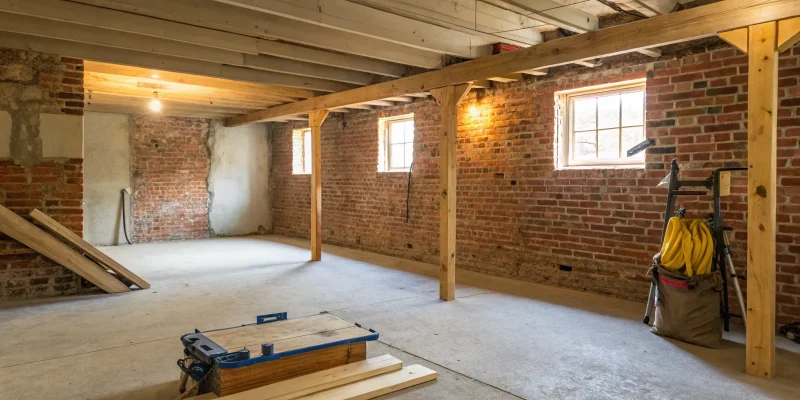
For homeowners across Long Island, the basement is often a space of untapped possibility. But it also comes with unique challenges, from humidity to the quirks of older foundations. That’s why finding a professional who understands local homes is so critical to the success of your project. A great contractor does more than just build walls; they create a safe, functional, and lasting extension of your home. This guide will walk you through how to find affordable basement contractors right here in Suffolk and Nassau County who have the experience to get the job done right, ensuring your new space is ready for years of enjoyment.
Key Takeaways
- Your contractor choice is your most important decision: A successful remodel depends on finding the right partner. Be sure to verify their license and insurance, check recent reviews, and speak directly with past clients before signing a contract.
- Plan for the unexpected with a contingency fund: Basements often hide surprises like moisture issues or foundation cracks. Setting aside 10-20% of your total budget ensures that necessary repairs won’t derail your project or compromise its quality.
- A detailed quote is a sign of a true professional: Look beyond the final price tag. The best bid will include an itemized breakdown of costs, a clear payment schedule tied to project milestones, and a written warranty for both labor and materials.
What Can a Basement Contractor Do for You?
When you think of a basement contractor, you might just picture someone putting up drywall and laying down carpet. But their skills go so much further than that. A great basement contractor is a project manager, a problem-solver, and a creative partner all in one. They can take a damp, forgotten space and transform it into a functional and beautiful part of your home. From the ground up, they handle the essential work that makes a basement safe, dry, and ready for living.
This includes tackling moisture problems at the source, repairing structural issues in your foundation, and ensuring everything is up to code. Once the groundwork is laid, they can bring your vision to life, whether you’re dreaming of a cozy family room, a sleek home office, or a personal gym. The team at Gappsi, for example, manages comprehensive home remodeling projects that turn underused basements into valuable living areas. A professional contractor coordinates every step, from initial design and permits to the final coat of paint, making the entire process smoother and more predictable for you.
Waterproofing and Moisture Control
Before you can even think about paint colors or furniture, your basement needs to be completely dry. This is where a contractor’s expertise is critical. They start by identifying and fixing any sources of moisture, whether it’s from cracks in the foundation, poor drainage outside, or high humidity. A contractor can implement a full waterproofing system, which might include sealing walls with a waterproof barrier, installing an interior drainage system to channel water away, and adding a sump pump to protect against flooding. This foundational step is non-negotiable; without it, any finishing work you do is at risk of being ruined by water damage, mold, and mildew.
Finishing and Remodeling
This is where your basement’s potential truly comes to life. A contractor can turn a concrete shell into virtually any room you can imagine. Want a home theater, a guest suite with a bathroom, a playroom for the kids, or even a custom sauna? A remodeling professional handles it all. This process involves framing new walls, running electrical wiring for lights and outlets, adding plumbing for a bathroom or wet bar, and installing insulation to keep the space comfortable. They manage the entire build-out, from hanging and finishing drywall to installing ceilings and doors, creating a seamless extension of your home.
Foundation and Structural Repair
Sometimes, a basement project uncovers more serious issues. A skilled contractor is equipped to handle critical foundation and structural repairs that ensure your home’s safety and stability. This can involve fixing significant cracks in the foundation walls or floor, reinforcing bowing walls that are under pressure from outside soil, or addressing problems caused by the house settling over time. These are not DIY tasks; they require an expert understanding of structural engineering and masonry. A contractor ensures these vital repairs are done correctly, giving you peace of mind that your home is secure from the ground up.
Flooring and Egress Window Installation
The final touches are what make a basement feel like a real living space. A contractor will help you choose and install the right flooring that can withstand the unique basement environment, like luxury vinyl plank, tile, or engineered wood. They’ll ensure the subfloor is properly prepared to prevent moisture issues down the line. Additionally, if you plan to add a bedroom, building codes require an egress window for safety. Installing one is a major job that involves cutting an opening in your foundation wall, which is why it’s essential to have a professional handle it. They’ll make sure the window is installed correctly and meets all local safety requirements.
How to Find a Great Basement Contractor
Finding the right person for your basement project can feel like a huge task, but it doesn’t have to be overwhelming. With a clear process, you can confidently choose a contractor who will turn your vision into a reality. It’s all about doing a little homework upfront to ensure a smooth project from start to finish. Let’s walk through the key steps to finding a reliable partner for your home improvement project.
Start Your Search Online
Your search for the perfect contractor will likely begin online. Start by looking for local professionals who specialize in basement projects in the Long Island area. Websites like Thumbtack can provide a list of basement contractors rated by people in your community. Beyond directories, take the time to explore each contractor’s individual website. A professional company will have a detailed portfolio showcasing their work. This allows you to see the quality of their craftsmanship and determine if their style aligns with your own. Building a shortlist of three to five promising candidates is a great first step.
Verify Their Credentials
Once you have a few names, it’s time to dig a little deeper. A reputable contractor will be licensed and insured, and they won’t hesitate to prove it. You’ll want to confirm they have the right licenses for all the work involved, especially if your project includes complex plumbing or electrical updates. Insurance is just as critical—it protects you from liability if an accident happens on your property. Don’t just take their word for it; you can often verify a license through state or local government websites. This step is non-negotiable and gives you essential peace of mind.
Read Reviews and Check References
Online reviews offer a window into other homeowners’ experiences. Look for consistent feedback on the things that matter most: Did they stick to the budget? Did they clean up the site daily? How did they handle unexpected issues? Pay attention to red flags, like multiple complaints about recurring water problems or poor communication. Beyond online reviews, ask your top candidates for a list of recent references. Speaking directly with a past client gives you a chance to ask specific questions about their project and overall satisfaction. It’s one of the best ways to gauge what it’s really like to work with a contractor.
Get Multiple Quotes
You should always get at least three detailed quotes before making a final decision. A good quote is more than just a final number; it should clearly break down the costs for materials, labor, and any necessary permits. This transparency helps you understand exactly what you’re paying for and allows for a fair comparison between professionals. Be wary of any quote that seems unusually low, as it could signal subpar materials or hidden costs down the line. The goal isn’t just to find the cheapest option, but to find the best value and a team you can trust to handle your home remodeling project with care.
How Much Does a Basement Project Cost?
Figuring out the budget is often the first step in any home improvement project, and basements are no exception. The final cost can vary widely depending on what you’re starting with and what you want to achieve. Are you fixing a damp, unfinished space, or are you creating a full-blown entertainment hub? Let’s break down the typical costs for different types of basement work so you can get a clearer picture of the investment required.
Typical Waterproofing Costs
Before you can think about flooring and furniture, you need a dry space. For many Long Island homes, that starts with waterproofing. This essential step prevents moisture from seeping in, protecting your home from mold, mildew, and water damage. On average, you can expect basement waterproofing to cost between $1,670 and $6,775. This price range typically covers sealing foundation cracks, applying waterproof coatings, and installing interior drainage systems. Proper restoration and sealing is a foundational investment that safeguards any further work you do downstairs.
Average Finishing and Remodeling Costs
This is where your vision for a new living area, home gym, or office comes to life. The average cost to finish a basement is around $18,400, but most projects fall somewhere between $12,000 and $34,500. This covers turning concrete walls and floors into a comfortable, finished room with drywall, electrical wiring, lighting, and flooring. A full-scale home remodeling project that includes a bathroom or kitchenette will be at the higher end of that range, but it also adds significant value and usable square footage to your home.
Pricing for Foundation Repair and Sump Pumps
Sometimes, a basement project uncovers deeper issues that need to be addressed. If you have persistent water problems, installing a sump pump is a smart move, typically costing between $730 and $1,100. For more serious structural problems, foundation repairs can cost $15,000 or more. While this can be a significant and unexpected expense, addressing foundation issues is critical for the safety and stability of your entire home. This type of work requires serious masonry expertise to ensure it’s done right.
What Factors Influence the Final Price?
So, what makes one project cost $15,000 and another $35,000? The biggest factors are the size of your basement, the materials you choose, and the amount of labor required. Labor alone can account for 45% to 65% of your total budget. Significant structural changes, like adding plumbing for a bathroom or moving walls, will also increase the price. Your material choices, from flooring to countertops, play a huge role, too. Opting for luxury vinyl tile over carpet or custom cabinetry over stock options will impact the final number.
How to Create a Realistic Project Budget
Before you start dreaming about home theaters and game rooms, it’s time to talk numbers. Creating a realistic budget is the single most important step in any successful basement renovation. It keeps your project on track, prevents stressful financial surprises, and helps you and your contractor stay on the same page. A well-planned budget is your roadmap, guiding every decision from the materials you choose to the features you include. It turns a vague idea into an actionable plan, ensuring your finished basement is a source of joy, not debt.
Set Your Total Budget (and a Contingency Fund)
First, decide on the total amount you’re comfortable investing in your home remodeling project. While costs vary, most basement renovations fall somewhere between $12,000 and $35,000. Once you have your top number, immediately set aside 10% to 20% for a contingency fund. Think of this as your project’s safety net. Basements are notorious for hiding surprises like moisture issues, cracks in the foundation, or outdated wiring. This fund ensures that an unexpected repair doesn’t derail your entire project, giving you the peace of mind to handle whatever comes up without blowing your budget.
Prioritize Needs Over Wants
It’s easy to get carried away with exciting features, so take a moment to separate your must-haves from your nice-to-haves. Your “needs” list should include the essentials for a safe and functional space: proper waterproofing, good insulation, adequate lighting, and safe electrical wiring. Your “wants” list might include things like a custom wet bar, a built-in entertainment center, or luxury saunas. By focusing on the foundational elements first, you ensure the space is sound. You can always add those high-end finishes and special features down the road as your budget allows.
Plan for Permits and Inspections
Don’t forget to account for the administrative side of your renovation. Any project that involves changing the structure or altering electrical, plumbing, or HVAC systems will require permits from your local municipality. These fees can range from a few hundred to a couple of thousand dollars, depending on the scope of your project. A reputable contractor will manage the permit application process for you, but the cost will be part of your overall project price. Factoring this in from the beginning prevents it from becoming an unexpected expense later on.
Look for Ways to Save from the Start
Being budget-conscious doesn’t mean you have to sacrifice quality. One of the best ways to ensure you’re getting a fair price is to get detailed quotes from at least three different contractors. You can also find savings in your material choices. For example, selecting durable and moisture-resistant flooring like luxury vinyl plank can give you a high-end look without the cost of real hardwood. If you’re handy, you can also save on labor by taking on simple tasks yourself, like painting the walls or handling the final cleanup.
How to Compare Contractor Quotes
Once you have a few quotes in hand, it’s tempting to just scan for the lowest number. But the cheapest bid isn’t always the best value. A truly great contractor provides a detailed, transparent quote that clearly explains what you’re paying for. Think of this step as comparing potential business partners, not just prices. A well-structured quote shows that a contractor is organized, thorough, and has a clear plan for your project. It’s your first real glimpse into their professionalism and how they’ll handle your home remodeling project from start to finish. Taking the time to carefully dissect each proposal will help you avoid surprise costs and ensure you’re partnering with a team that respects your home and your budget.
Understand Exactly What’s Included
To make a fair comparison, you need to know that you’re looking at the same scope of work across all quotes. A vague, one-line price is a major red flag. Instead, look for an itemized breakdown that separates the costs of materials, labor, and any necessary permits. This level of detail allows you to compare apples to apples. You can see if one contractor is proposing higher-quality materials or if another has budgeted more hours for labor. A transparent quote empowers you to ask smart questions and understand exactly where your money is going before you sign anything.
Evaluate the Warranties and Guarantees
A contractor’s willingness to stand behind their work speaks volumes about their confidence and craftsmanship. Always ask about the warranties or guarantees they offer on both labor and materials. A reputable company will have a clear policy and be happy to explain what’s covered and for how long. This isn’t just a piece of paper; it’s your peace of mind. Knowing that the contractor will return to fix any issues that arise gives you long-term security in your investment. It’s a key differentiator between a professional outfit and a contractor just looking to finish a job quickly.
Compare Timelines and Material Quality
Beyond the final price, consider the proposed timeline and the quality of the materials. One contractor might offer a lower bid by using builder-grade materials that won’t stand the test of time, while another might specify premium, durable options. Ask for specifics on the products they plan to use so you can do your own research. For example, understanding the difference between various types of porcelain and natural stone can dramatically impact your project’s look and longevity. Also, discuss the project timeline to ensure it aligns with your expectations and that they have a realistic plan for completion.
Review Payment Terms and Contract Details
Never move forward without a detailed written agreement. The contract is the most important document in your project, as it protects both you and the contractor. It should clearly outline the full scope of work, the total cost, a specific payment schedule, and all guarantees discussed. Pay close attention to the payment terms—a professional contractor will typically ask for a deposit upfront, with subsequent payments tied to project milestones, not arbitrary dates. A clear, comprehensive contract ensures everyone is on the same page and minimizes the chance of misunderstandings down the road.
What Hidden Costs Should You Plan For?
Even with a detailed quote in hand, it’s smart to plan for the unexpected. Basements, especially in older Long Island homes, can hide surprises that only reveal themselves after demolition begins. This is why having a contingency fund—typically 10% to 20% of your total project cost—is so important. It’s not about your contractor trying to nickel-and-dime you; it’s about preparing for the realities of a major renovation.
When you start opening up walls and floors, you might uncover issues that need to be addressed before the fun part of the remodel can continue. These aren’t “upgrades” but necessary fixes to ensure your new space is safe, dry, and structurally sound. A transparent contractor will discuss these findings with you immediately, explaining the problem and outlining the costs for the solution. Think of your contingency fund as a safety net that lets you handle these bumps without derailing your entire project.
Unexpected Foundation or Structural Issues
One of the most common surprises in a basement renovation is discovering problems with the home’s foundation. When the existing walls come down, you might find cracks in the concrete that need repair or signs of settling that require professional attention. These issues are critical to fix correctly to protect your home’s structural integrity. An experienced masonry team can assess the situation and recommend the best course of action. Ignoring these problems will only lead to bigger, more expensive headaches down the road, so it’s best to address them as soon as they’re found.
Necessary Electrical and Code Updates
Older homes often have outdated electrical systems that don’t meet current safety standards. Your contractor might discover old wiring, an overloaded panel, or improperly installed outlets that need to be brought up to code. While it’s an added expense, this is a non-negotiable part of any responsible home remodeling project. Ensuring your basement’s electrical, plumbing, and HVAC systems are safe and compliant protects your family and your investment. Licensed professionals must handle this work, which is why it’s crucial to hire a contractor who manages all aspects of the job properly.
Surprise Water Damage or Mold Remediation
Moisture is the enemy of any finished basement. Sometimes, a seemingly dry basement is hiding water damage behind the walls or under old flooring. If your contractor uncovers signs of past leaks, water seepage, or mold growth, it has to be dealt with immediately. This could involve professional mold remediation, installing a better drainage system, or applying comprehensive waterproofing solutions. While waterproofing can add a few thousand dollars to the budget, it’s essential for creating a healthy, comfortable living space that you can enjoy for years to come.
Permit and Inspection Fees
Every major renovation project requires permits from your local town or village to ensure the work is done to code. The cost of these permits can vary widely depending on the scope of your project, typically ranging from a few hundred to a couple of thousand dollars. These fees cover the administrative costs for the municipality to review your plans and conduct inspections at key stages of the project. A reputable contractor will handle the entire permitting process for you, but the fees themselves are a separate line item that should be factored into your overall budget from the start.
How to Save Money on Your Basement Project
A basement remodel is a fantastic investment, but it doesn’t have to drain your savings. With some strategic planning and smart decision-making, you can create an amazing new space while keeping your budget in check. It’s not about cutting corners on quality, but about being intentional with where your money goes. From timing your project to choosing the right materials, a few key choices can make a significant difference in the final cost. Let’s walk through some practical ways to save money without sacrificing the basement of your dreams.
Schedule Your Project for the Off-Season
Contractors, like many businesses, have peak seasons and slower periods. For home remodeling, spring and summer are often the busiest times. If you have some flexibility in your timeline, consider scheduling your basement project during the off-season, like late fall or winter. With fewer projects on their plate, contractors may offer more competitive pricing to keep their crews busy. This can also mean more focused attention on your project and potentially a faster completion time. Planning ahead and being flexible with your start date is one of the simplest ways to get a better deal.
Choose Cost-Effective Materials
Your material choices have a huge impact on the total cost. While it’s tempting to go for the most high-end finishes, there are many durable and beautiful alternatives that are much friendlier to your wallet. For basement flooring, for example, moisture is a major concern. Instead of expensive hardwood or moisture-trapping carpet, consider options like Luxury Vinyl Plank (LVP). It mimics the look of real wood but is waterproof and highly durable. When discussing options with your contractor, ask for a breakdown of different material costs to see where you can make smart substitutions without compromising on style or function.
Tackle Simple DIY Tasks Yourself
If you’re comfortable with a little hands-on work, taking on some of the simpler tasks yourself can cut down on labor costs. Demolition, painting, or installing baseboards are often manageable jobs for a handy homeowner. You could even handle the final cleanup. Just be realistic about your skills and the time you can commit. A poorly done DIY job can end up costing more to fix than it would have to hire a professional in the first place. Always discuss your DIY plans with your contractor beforehand to ensure it fits into their workflow and doesn’t void any warranties.
Bundle Services with a Single Contractor
Hiring one company to manage the entire project, from design to construction, can be more cost-effective than sourcing multiple specialized contractors. A full-service firm like Gappsi can handle everything from waterproofing and framing to electrical and finishing touches. This approach not only simplifies communication and project management but can also lead to a better overall price. Companies that offer comprehensive home remodeling services often have established relationships with suppliers and can get better deals on materials. Plus, having a single point of contact ensures accountability and a cohesive vision from start to finish.
Key Questions to Ask Every Contractor
Once you have a shortlist of potential contractors, it’s time to start the interview process. This is your chance to dig deeper than what you can find online and get a real sense of who you’ll be working with. Going into these conversations prepared with a list of specific questions will help you compare your options fairly and choose a partner you can trust. Think of it as a two-way interview—you’re evaluating them, and they’re learning about your project. A professional contractor will welcome your questions and provide clear, confident answers.
Ask About Their Experience and Specialty
Not all contractors are created equal, especially when it comes to basements. This space has unique challenges, from moisture control to integrating plumbing and electrical systems. Start by asking about their direct experience with projects like yours. You can ask, “How many basement remodels have you completed in the last year?” and “Can I see a portfolio of your finished basement projects?” It’s also critical to confirm they are properly credentialed for the job. A key question is, “Are you fully licensed and insured for all the work required, including any subcontractors you’ll use?” This ensures you’re protected and that every part of your home remodeling project is handled by a qualified professional.
Clarify the Project Timeline and Process
Understanding the timeline is about more than just knowing the final completion date. It’s about managing your expectations and planning for the disruption to your daily life. Ask for an estimated start date and a projected timeline for the entire project. A great follow-up question is, “Can you walk me through the key phases of the project?” A reliable contractor should be able to outline the major steps, from demolition and framing to inspection and the final touches. This conversation will give you a clear picture of the workflow and help you anticipate what’s coming next. You can even see examples of how professional teams manage projects by watching videos of their work in progress.
Discuss Payment Terms and Contracts
Talking about money upfront prevents misunderstandings later. Don’t just ask for a total price; ask for a detailed, itemized quote that separates the costs of labor, materials, and any necessary permits. This makes it much easier to compare bids from different contractors. Before you agree to anything, ask, “What are your payment terms, and what is the deposit schedule?” Most importantly, insist on a comprehensive written contract. It should clearly state the full scope of work, the total cost, the payment schedule, and any specific materials or products from the Gappsi Store that will be used. A solid contract is your best protection and ensures everyone is on the same page.
Understand Their Warranty and Post-Project Support
A contractor’s responsibility doesn’t end when they pack up their tools. A quality professional will stand behind their work. Be sure to ask, “What kind of warranty or guarantee do you offer on your workmanship and the materials you use?” Different elements may have different warranty periods, so get the specifics in writing. It’s also wise to understand their process for addressing any issues that might pop up after the job is done. Ask, “If a problem arises after you’ve left, what is the process for getting it fixed?” Their answer will tell you a lot about their commitment to customer satisfaction and the long-term quality of their work, much like offering ongoing restoration and sealing services.
Red Flags to Watch for When Hiring a Contractor
Choosing the right contractor is the most critical step in any home improvement project. While most professionals are honest and hardworking, knowing how to spot the warning signs of a bad one can save you from headaches, financial loss, and a project that never quite gets finished. Trust your instincts—if something feels off, it probably is. Here are the key red flags to watch for from your first meeting to the final handshake.
Warning Signs During the First Meeting
Your initial consultation is more than just a chance to get a quote; it’s an interview. Pay close attention to how the contractor presents themselves and their business. A major red flag is a refusal or hesitation to provide proof of licensing and insurance. Any reputable professional will have this information ready. You should also be wary of anyone who uses high-pressure sales tactics, like offering a “today only” discount to get you to sign immediately. A true professional will give you the space and time you need to make a thoughtful decision. Also, ask to see a portfolio of their past work. If they can’t provide one or offer references, consider it a warning sign.
Red Flags in the Contract or Payment Plan
The contract is your project’s blueprint and your primary protection. A contractor who offers a vague, one-page agreement or suggests working without one is a serious risk. Your contract should be highly detailed, outlining the full scope of work, specific materials to be used, a clear timeline, and a payment schedule. Another major red flag is a demand for a large upfront payment. While a reasonable deposit (typically 10% to 30%) is standard, you should never pay the full amount before the work is complete. Be cautious of contractors who insist on cash-only payments, as this can sometimes indicate they are operating without the proper insurance or permits, leaving you vulnerable.
Poor Communication or Vague Answers
Clear and consistent communication is the bedrock of a successful project. If a contractor is difficult to get in touch with from the very beginning—dodging calls or taking days to respond to emails—that pattern is unlikely to change once they’ve started the job. When you ask specific questions about the process, materials, or potential challenges, you should receive clear, confident answers. A contractor who gives vague responses or seems annoyed by your questions may lack the necessary experience or simply doesn’t value your input. A great partner will welcome your questions and keep you informed every step of the way, as you can see from the detailed project walkthroughs on the Gappsi YouTube channel.
Related Articles
- Basement Remodeling Contracting Company | Long Island NY – Gappsi Group
- House underpinning-concrete pumping in to basement-crawl space conversions – Gappsi Group
- Basement Archives – Gappsi Group
- Basement entrances contractors on long island NY – Gappsi Group
Frequently Asked Questions
How long does a typical basement remodel take? While every project is different, a standard basement finishing project usually takes between 4 and 8 weeks from the start of construction to the final walkthrough. This timeline can be affected by the complexity of your design, such as adding a bathroom or kitchen, and the time it takes for local permit approvals and inspections. Any unexpected structural or moisture issues that need to be addressed can also extend the schedule.
Do I really need a general contractor, or can I just hire individual tradespeople myself? While you can act as your own project manager, hiring a general contractor simplifies the entire process and protects you from common pitfalls. A contractor coordinates all the moving parts, from scheduling plumbers and electricians to ensuring all work meets building codes. They handle the permits, manage the timeline, and are your single point of contact, which saves you an immense amount of time and stress.
What’s the very first step I should take if my basement is currently damp? Before you even think about design or finishes, your first step should be to have a professional assess the source of the moisture. A basement contractor can identify whether the issue is due to foundation cracks, poor exterior drainage, or high humidity. Solving the water problem is the essential foundation for any successful remodel, as any work you do will be at risk without it.
Will finishing my basement actually increase my home’s value? Absolutely. A properly finished basement adds valuable, usable square footage to your home, which is a major selling point. It can provide a significant return on your investment, especially if you add features like a full bathroom or a legal bedroom with an egress window. The key is to ensure the work is done professionally and to code to maximize its value.
How involved do I need to be in the project once I hire a contractor? Your main involvement will be during the initial planning and design phase, where you’ll make key decisions about the layout, materials, and finishes. Once construction begins, a good contractor should handle the day-to-day management of the project and the crew. They will provide you with regular updates and consult you on any important decisions, but you won’t need to be on-site managing the work yourself.