


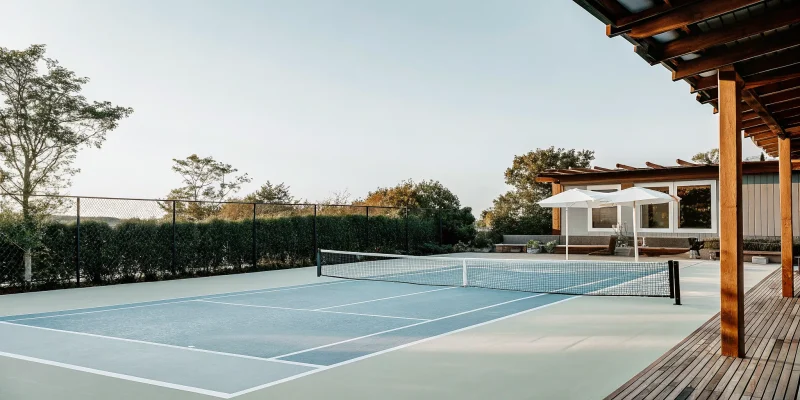
Life in the Hamptons is all about embracing the outdoors, and a private sports court is the perfect extension of that lifestyle. However, building here comes with its own unique set of rules and challenges. From navigating strict local zoning laws to selecting materials that can withstand the coastal salt air and weather, local expertise is non-negotiable. You need more than just a contractor; you need a specialist who understands the nuances of the area. This is why choosing the right Hamptons Long Island new york sports courts builder company is so critical to your project’s success and longevity.
Key Takeaways
- Choose a builder with local expertise: Select a team that manages the entire project, from design and permits to construction, and has a proven portfolio of work in the Hamptons.
- Prioritize quality from the ground up: A long-lasting court depends on a solid foundation, effective drainage, and high-performance materials specifically chosen to withstand a coastal environment.
- Design a court that fits your lifestyle: Think about how your family will use the space by considering versatile multi-sport layouts, popular games like pickleball, and features like lighting for nighttime play.
What Makes a Great Sports Court Builder in the Hamptons?
Building a sports court is a fantastic addition to your Hamptons home, but it’s also a significant project. The difference between a court you’ll love for years and one that causes headaches comes down to the builder you choose. A great builder isn’t just a contractor; they are a partner who brings expertise, quality, and a deep understanding of what it takes to build in this unique area. They should guide you through every step, from initial design to the final net installation, ensuring the result is exactly what you envisioned. So, what key qualities should you look for? It boils down to a few critical factors that separate the best from the rest.
Look for Proven Experience
When you’re vetting builders, look for a team with a strong portfolio of projects specifically in the Hamptons and across Long Island. Local experience is invaluable. A builder who knows the area understands the specific soil conditions, weather patterns, and zoning regulations that can impact a build. Ask to see their previous work and look for a company that offers personalized, one-on-one service. The best builders are hands-on, with a dedicated project manager or even the owner present on-site to oversee the work. This level of attention ensures high standards and a smooth process from start to finish. A company with a long history of building sports courts will have the expertise to deliver a court that lasts.
Insist on High-Quality Materials
The longevity, safety, and performance of your court depend entirely on the materials used. A top-tier builder will offer a range of high-quality surfacing options and help you choose the right one for your needs. Whether you’re interested in classic asphalt, cushioned synthetic turf, or modern interlocking tiles like Mateflex, your builder should explain the benefits of each. They should source their materials from reputable suppliers and be transparent about what goes into your court. Don’t hesitate to ask about the specific products they use, from the base layer to the final surfacing. A commitment to quality materials, like premium natural stone for surrounding patios, is a clear sign of a builder who takes pride in their work.
Find a Partner for Design and Construction
Your builder should be a partner in both design and construction. They should listen to your vision and then use their expertise to bring it to life while avoiding common pitfalls. For example, proper drainage is absolutely essential for any court to prevent water from pooling and creating a slippery, unsafe surface. A skilled builder will incorporate a thoughtful drainage plan into the initial design. They will also guide you in selecting the right surfacing material to match your desired activities and aesthetic. Look for a company that offers comprehensive design and construction services, ensuring a cohesive and well-executed project from the ground up.
Confirm They Manage Local Permits
Navigating the building codes and permit requirements in the Hamptons can be a complex and time-consuming process. A professional and experienced sports court builder will handle this for you. They should have a thorough understanding of local regulations and manage all the necessary paperwork and inspections. This service is a huge relief for homeowners and a hallmark of a truly full-service company. When a builder confidently takes on the logistics of permitting, it shows they are well-established and knowledgeable about the local requirements. This is a key part of any major home improvement project and ensures your new court is fully compliant from day one.
What Are the Most Popular Sports Courts in the Hamptons?
Choosing the right type of sports court for your home is about more than just picking a game. It’s about creating a space for fun, fitness, and making memories with family and friends. In the Hamptons, homeowners are embracing a variety of sports, each with its own unique appeal. From timeless classics to the latest trends, the right court can become the centerpiece of your backyard. Understanding what’s popular can help you decide which option best fits your lifestyle, property, and how you plan to enjoy your outdoor space for years to come.
Tennis Courts
A private tennis court is a classic Hamptons feature for a reason. It offers a fantastic workout and a perfect setting for social gatherings. Having a court in your backyard provides a private, convenient place to practice your swing or host friendly matches without booking public court time. To get the authentic feel of the game, it’s essential that the court is built with professional-grade materials and precise dimensions. A well-constructed court not only plays better but also stands up to the coastal weather, ensuring it remains a beautiful and functional part of your property.
Basketball Courts
Basketball courts are another top choice, especially for families. They offer endless entertainment and are a great way to keep everyone active. Whether you’re planning for full-court games or just a space for your kids to practice their free throws, a custom design is key. You can tailor the size, surface, and markings to fit your specific needs and the layout of your yard. Gappsi specializes in designing and building custom sports game courts that are both high-performance and visually appealing, creating the perfect home court for players of all skill levels.
Pickleball Courts
Pickleball has quickly become one of the most requested sports courts, and it’s easy to see why. The game is fun, social, and accessible to all ages and athletic abilities. Because a pickleball court is smaller than a tennis court, it’s a practical option for a wider range of properties. Many homeowners are now opting for dedicated pickleball courts to join in on the fun. Proper installation is crucial for a consistent bounce and long-term durability, ensuring your court is always ready for a game when friends drop by.
Multi-Sport Courts
If you can’t decide on just one sport, a multi-sport court offers the ultimate versatility. This is an incredibly popular option for families with varied interests, allowing you to play basketball, pickleball, volleyball, and more, all in one designated area. A thoughtful design can incorporate adjustable nets and different line markings without feeling cluttered. Working with an experienced builder allows you to create a flexible recreational space that adapts to your family’s favorite activities, maximizing both the fun and the value of your investment.
What Materials and Technologies Do the Best Builders Use?
A beautiful sports court is more than just perfectly painted lines and a net. The real quality lies in the materials and construction techniques that you can’t always see. A premier builder combines time-tested methods with modern innovations to create a court that not only looks fantastic but also performs exceptionally and stands up to the Hamptons weather for years. From the ground up, every layer matters. An expert team will know exactly which materials and technologies are right for your property and the sports you love to play, ensuring your court is a lasting investment. This is where a builder’s deep knowledge truly makes a difference, turning a simple project into a professional-grade recreational space.
Choose the Right Court Surface
The surface of your court is one of the most important decisions you’ll make. It directly impacts playability, safety, and maintenance. For tennis, you might prefer the classic feel of a cushioned acrylic hard court, known for its consistent ball bounce. For basketball, a high-traction surface is key. If you’re looking for a low-impact option that’s easy on the joints, you might consider high-performance synthetic turf and game courts. A great builder won’t just present you with options; they’ll explain the pros and cons of each material based on your needs, helping you find the perfect match for your family’s activities.
Plan for a Solid Foundation and Drainage
What’s underneath your court is just as crucial as the surface itself. A solid, stable foundation is the key to a long-lasting court that won’t crack or shift over time. Without it, you’re setting yourself up for expensive repairs down the road. Equally important is proper drainage. In a place like the Hamptons, you need a court that can handle rain without turning into a pond. An experienced builder will meticulously plan for water runoff as part of a complete landscape design, ensuring your court dries quickly and remains safe and playable after a storm. This foundational work is a hallmark of true craftsmanship.
Add Lighting and Tech Features
Why limit your games to daylight hours? Modern lighting and technology can transform your court into a 24/7 entertainment hub. Energy-efficient LED lighting provides bright, even illumination for nighttime play without disturbing your neighbors. Beyond lighting, you can incorporate features like shock-absorbing surfaces to reduce stress on joints, multi-sport accessories for easy conversion between games, and even integrated sound systems. Discussing these features with your builder during the design phase ensures they are seamlessly integrated into the final build, adding functionality and fun to your investment.
Prioritize Weather-Resistant Construction
The coastal environment of the Hamptons, with its sun, salt air, and seasonal changes, can be tough on outdoor structures. The best builders understand this and use materials specifically designed to withstand the elements. This includes UV-resistant surface coatings that prevent fading and cracking, rust-proof fixtures, and durable fences and netting that can handle strong winds. By prioritizing weather-resistant construction, a builder ensures your court will maintain its pristine look and structural integrity for many seasons, minimizing the need for constant upkeep and allowing you more time to simply enjoy the game.
How to Choose the Right Builder
Selecting the right builder is the most critical decision you’ll make for your sports court project. The right team will not only deliver a high-quality court but also make the entire process smooth and enjoyable. You’re looking for a partner who understands your vision, respects your property, and has the expertise to bring your dream court to life. Think of this as hiring a long-term collaborator for your home. A great builder communicates clearly, provides transparent pricing, and has a proven track record of success right here in the Hamptons. Taking the time to vet your options thoroughly will pay off for years to come, ensuring your court is a source of fun, not frustration.
Verify Their Credentials and Insurance
Before you get into the exciting details of design, start with the fundamentals. Any professional builder you consider must be fully licensed and insured. This is non-negotiable. Licensing confirms they meet state and local requirements, while insurance protects you from any liability for accidents that might happen on your property during construction. A reputable company will gladly provide you with their documentation. This simple step ensures you’re working with a legitimate business that adheres to industry standards and is committed to protecting both their team and their clients. It’s the first and most important sign that you’re dealing with a true professional.
Schedule a Personal Consultation
A website or phone call can only tell you so much. The best way to get a feel for a builder is to schedule an in-person consultation at your home. This meeting is your chance to discuss your project, ask questions, and see how they respond. Do they listen carefully to your ideas? Do they offer thoughtful suggestions? A quality builder will take the time to walk your property, assess the space, and provide initial feedback. This personal interaction is invaluable for gauging their expertise and professionalism. It also helps you determine if your personalities and communication styles are a good fit for a major construction project.
Review Their Full Scope of Services
To keep your project streamlined and stress-free, look for a builder who offers comprehensive services. The ideal partner can manage everything from the initial design to the final installation. Companies that handle sports court design, material supply, and construction in-house can prevent the delays and miscommunications that often happen when you’re juggling multiple contractors. Ask potential builders to walk you through their entire process. A full-service company ensures a cohesive project where every element, from the foundation to the fencing, is handled by a single, accountable team. This integrated approach almost always leads to a better final product and a much smoother experience for you.
Ask About Warranties and Maintenance Plans
A sports court is a significant investment, and you want it to last. A confident builder will stand behind their work with a strong warranty. Don’t hesitate to ask for specifics. What does the warranty cover, and for how long? Some top-tier builders offer warranties that span decades, which speaks volumes about the quality of their materials and craftsmanship. Beyond the initial build, ask about ongoing maintenance. A company that offers restoration and sealing services shows a long-term commitment to their clients. This ensures you have a trusted partner to help keep your court in pristine condition for years of play.
Check Their Reputation and Reviews
Finally, do your homework on the builder’s reputation. Look for online reviews, client testimonials, and portfolio examples. While a company’s website is a great starting point, independent reviews will give you a more balanced perspective on the customer experience. See what past clients have to say about the builder’s communication, timeliness, and the quality of the finished product. You can also check out their social media channels, like YouTube, to see their work in action. Positive feedback and a portfolio of impressive projects are strong indicators that you’ve found a reliable and skilled builder who will deliver the court you’ve envisioned.
What to Expect During the Build
Once you’ve selected your builder, the journey to your new home sports court truly begins. This phase is all about turning plans into reality, and a professional team will make the process feel seamless and exciting. A great builder acts as your partner, keeping you informed every step of the way. From the first shovel in the ground to the final net installation, you should feel confident and clear about what’s happening on your property.
The construction of a custom sports court is a major project that involves careful coordination and expert execution. It’s more than just leveling a patch of land; it involves site preparation, foundation work, surface installation, and finishing touches like fencing and lighting. Your builder should provide a clear roadmap of the entire process, outlining key milestones and what to expect at each stage. Communication is key, so make sure you have a dedicated point of contact who can answer your questions and provide regular updates. This collaborative approach ensures the final result not only meets but exceeds your expectations, giving you a beautiful and functional court for years of enjoyment.
The Initial Site Evaluation and Design
The first step in the build process is a thorough site evaluation. Your builder will visit your property to assess the proposed location, taking careful measurements and analyzing the landscape. This isn’t just about aesthetics; it’s a critical technical step. One of the most important factors they’ll examine is drainage. Proper water management is essential for preventing puddles and ensuring your court has a safe, dry playing surface that lasts. During this phase, you’ll also finalize the design, working with your builder to integrate the court beautifully into your existing landscape.
Finalizing the Price and Timeline
With a design in hand and a site plan confirmed, your builder will provide a detailed proposal. This document should clearly outline the full scope of work, a transparent breakdown of costs, and a realistic project timeline. A large-scale construction project like a sports court requires a high level of coordination, so a well-defined schedule is crucial for keeping everything on track. Review this document carefully and ask questions about anything that seems unclear. A trustworthy builder will be happy to walk you through every line item, ensuring you feel completely comfortable with the investment and the projected completion date before work begins.
Getting the Right Permits
Building a sports court in the Hamptons almost always requires permits from your local town or village. This can be a complicated and time-consuming process involving paperwork, zoning laws, and inspections. A full-service builder will manage this entire process for you. They have the experience to prepare and submit all the necessary applications correctly, handle communications with local officials, and schedule required inspections. Having a team that can manage the permits is a huge advantage, saving you from headaches and potential delays while ensuring your project is fully compliant with local regulations.
Preparing for Potential Challenges
Even with the best planning, any construction project can face unexpected challenges, from weather delays to supply chain issues. An experienced builder knows how to anticipate these potential hurdles and has contingency plans in place to address them effectively. They also guide you in making crucial decisions upfront, like choosing the right surfacing material for your court’s performance and durability. By selecting a builder with deep knowledge of high-quality materials and construction techniques, you can feel confident that your project is in capable hands, ready to overcome any obstacles that may arise.
Related Articles
- Home Pickleball Sports Game Courts Archives – Gappsi Group
- Custom Tennis Court Installers NY: Build Your Dream Court
- Expert Pickleball Court Construction on Long Island
- multisport game courts Archives – Gappsi Group
- pickleball Archives – Gappsi Group
Frequently Asked Questions
How long does it typically take to build a sports court? The timeline for building a sports court can vary quite a bit. Factors like the complexity of the design, the amount of site preparation needed, local permit processing times, and even the weather can play a role. A straightforward project might take several weeks from start to finish, while a more intricate build with extensive landscaping could take longer. A professional builder will give you a detailed and realistic timeline before any work begins.
What are the main factors that influence the cost of a new sports court? The final cost depends on a few key decisions. The overall size of the court is a major factor, as is the type of playing surface you select; for example, synthetic turf and cushioned acrylic surfaces have different price points. The condition of your property also matters, as extensive excavation or drainage work can add to the cost. Finally, any custom features like professional lighting, high-end fencing, or multi-sport accessories will influence the total investment.
How much maintenance does a home sports court actually require? The level of upkeep really depends on the surface material you choose. Most modern courts are designed to be low-maintenance, generally just requiring you to keep them clear of leaves and debris. Some surfaces may benefit from a periodic power wash to stay looking fresh. Over the long term, a hard court surface might need to be resealed or repainted every five to seven years to maintain its performance and appearance, but your builder can provide a specific care plan for your court.
I’m not sure if I have enough space. What’s the minimum area needed for a court? You might be surprised by what’s possible, even in a yard that doesn’t seem huge. While a regulation tennis court requires a large footprint, a pickleball court is much smaller and can fit into more compact spaces. Half-court basketball is another fantastic option for maximizing fun in a limited area. The best way to know for sure is to have a professional designer evaluate your property; they are experts at creating functional and fun layouts that work with the space you have.
Can I customize the look of my court with specific colors or logos? Absolutely! Customizing the appearance of your court is one of the most exciting parts of the design process. Modern court surfaces are available in a wide variety of colors, so you can choose a scheme that complements your home and landscape design. Many homeowners also add custom logos, family initials, or unique line markings to make the space truly their own. This is a great detail to discuss with your builder during the initial design consultation.