


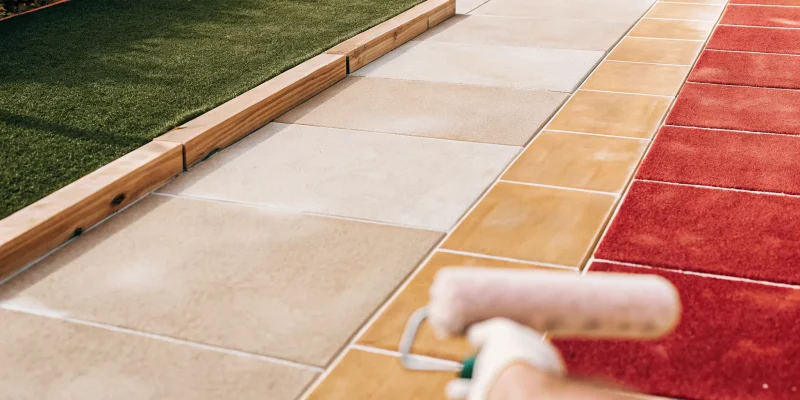
Is there anything more frustrating than seeing weeds sprout up between your beautiful pavers? Or watching a spilled glass of wine leave a permanent stain on your pristine patio? These common issues can make even the most gorgeous hardscaping look tired and unkempt. The solution is simpler than you might think: a good paver sealer. This protective coating soaks into the surface and joints, creating an invisible barrier that stops stains before they set in and makes it nearly impossible for weeds to take root. It’s the secret to less time spent on maintenance and more time enjoying your outdoor space. In this post, we’ll cover how sealer works, the different types available, and how to use it to solve your biggest paver problems for good.
Key Takeaways
- Protect your investment with the right sealer: A quality sealer is your best defense against stains, weeds, and sun damage. It creates a protective barrier that preserves your paver’s color and makes routine cleaning much simpler.
- Prep work is non-negotiable for a lasting finish: For the sealer to work correctly, you must start with a clean, dry, and repaired surface. Skipping this step can lead to a cloudy finish and wasted effort, so take the time to clean and dry your pavers thoroughly.
- Think of sealing as regular maintenance, not a one-time fix: Plan to reseal your pavers every 3 to 5 years to maintain protection. You’ll know it’s time for a new coat when the color looks faded or water soaks into the pavers instead of beading on top.
What Is Paver Sealer and How Does It Work?
Think of paver sealer as a protective topcoat for your outdoor surfaces. It’s a liquid coating designed specifically for materials like concrete, brick, and natural stone. When applied, it sinks into the pores of the pavers and creates a transparent shield that defends against daily wear and tear. Its main job is to protect your investment and keep your outdoor living space looking its best. The sealer works by preventing stains from setting in, stopping weeds from sprouting up in the joints, and hardening the joint sand to keep your pavers stable and prevent shifting. Essentially, it creates an invisible barrier between your beautiful pavers and anything that could damage them, from spilled drinks to harsh weather. Gappsi offers professional restoration and sealing services to ensure your outdoor spaces stay in top condition. Applying a sealer is one of the most effective ways to maintain the beauty and integrity of your patio, walkway, or driveway for years to come, making it a crucial part of long-term paver care. It’s a proactive step that saves you from costly repairs and tedious cleaning down the road.
How Sealer Protects Your Pavers
Sealing your pavers is one of the smartest things you can do to safeguard your outdoor space. This protective layer shields your hardscaping from a whole host of potential problems. It provides crucial protection from sun damage, which can cause the color of your pavers to fade over time. It also repels water, preventing moisture from seeping in and causing issues like mold, mildew, or cracking during freeze-thaw cycles. Beyond the weather, a good sealer makes cleanup a breeze. It stops oil, grease, and dirt from soaking into the porous surface, so spills from a summer barbecue or a leaky car can be wiped away easily instead of leaving a permanent mark on your beautiful masonry.
Forming a Protective Barrier
The sealer creates a durable barrier that does more than just protect; it also enhances. One of the biggest visual benefits is how it preserves the color of your pavers. Without a sealer, UV rays can dull the rich tones of your stones, but this protective layer locks in the vibrancy, keeping your patio looking as good as the day it was installed. This barrier is what physically blocks stains and moisture from penetrating the surface. You also have options when it comes to the final look. Depending on the product you choose, you can achieve a glossy, “wet look” that deepens the colors or a more subtle, natural finish that’s barely noticeable. This allows you to customize the appearance while still getting all the protective benefits for your porcelain and natural stone surfaces.
What Are the Benefits of Sealing Pavers?
If you’ve invested in a beautiful paver patio, walkway, or driveway, you want it to look great for years to come. Think of paver sealer as the finishing touch that protects your investment. It’s a clear liquid coating that creates a protective layer over the surface, defending it from all sorts of daily wear and tear. Applying a sealer isn’t just about looks; it’s one of the most effective ways to preserve the structural integrity and appearance of your outdoor spaces.
Sealing your pavers can prevent a whole host of problems down the road, from stubborn stains to weather-related damage. It simplifies maintenance, keeps the colors looking rich, and helps stop annoying weeds from popping up in the joints. For homeowners on Long Island, where our patios and driveways face everything from intense summer sun to harsh winter freezes, sealing is a crucial step. It’s a straightforward process that delivers significant long-term value by extending the life of your hardscaping and keeping it looking as good as the day it was installed. Gappsi offers professional restoration and sealing services to ensure the job is done right.
Guard Against Stains and Spills
Life happens, especially outdoors. Whether it’s a tipped glass of red wine during a barbecue, a grease splatter from the grill, or an oil leak from a car on the driveway, stains can quickly ruin the look of your pavers. Because materials like concrete and natural stone are porous, they can absorb liquids, making stains difficult or even impossible to remove. A quality sealer creates an invisible shield on the surface, preventing spills from soaking in. This gives you more time to clean up messes, often with just a bit of soap and water. It’s a simple way to keep your outdoor living areas looking pristine and ready for guests.
Enhance Color and Appearance
Over time, exposure to the sun’s UV rays can cause the vibrant colors in your pavers to fade, leaving them looking dull and washed out. Sealing acts like sunscreen for your hardscape, protecting it from sun damage and locking in its original color. Many sealers also enhance the natural tones of the stone, giving them a richer, more polished look, similar to how water brings out the color in beach stones. Whether you prefer a subtle natural finish or a glossy “wet look,” applying a sealer can instantly revive the appearance of your porcelain and natural stone surfaces, making them look brand new again.
Prevent Weeds and Moss
One of the biggest frustrations with pavers is the constant battle against weeds, moss, and algae growing in the joints. These unwelcome guests can make your patio or walkway look unkempt and can even cause structural issues over time by displacing the jointing sand. When you seal your pavers, the sealant also seeps into the sand-filled joints. This helps to harden the sand, creating a durable bond that makes it much harder for weeds to take root. By forming this barrier, you’ll spend less time on your knees pulling weeds and more time enjoying your beautiful, clean outdoor space.
Resist Long Island’s Weather
Long Island’s weather is anything but gentle. We get it all: humid, sun-drenched summers, heavy rains, and freezing winters with snow and ice. These weather cycles can be tough on pavers. Moisture that seeps into the porous surface can freeze and expand in the winter, leading to cracks and surface damage. A sealer provides critical moisture resistance, preventing water from penetrating the pavers. This protection is essential for withstanding our freeze-thaw cycles and also helps guard against damage from de-icing salts. Properly sealed masonry is built to last through every Long Island season.
What Types of Paver Sealers Are There?
Walking into the sealer aisle can feel a bit overwhelming. With so many options, how do you know which one is right for your beautiful new patio or walkway? The good news is that paver sealers generally fall into a few distinct categories based on their chemical makeup, how they work, and the final look they create. Understanding these differences is the key to picking the perfect product for your project.
The main things to consider are the base (water or solvent), the application method (penetrating or film-forming), and the finish (wet-look or natural). Each combination offers a unique set of benefits, from providing an invisible shield against stains to creating a glossy, vibrant surface that makes your paver colors pop. Choosing the right one depends entirely on your paver material, your local climate, and the aesthetic you’re going for. For example, a high-traffic driveway will need a more durable sealer than a quiet garden path. Similarly, the sealer that looks great on bluestone might not be the best choice for a brick patio. If you’re unsure, our team at Gappsi can guide you through the best options for restoration and sealing to ensure your investment is protected beautifully.
Water-Based vs. Solvent-Based
The first major choice you’ll face is whether to go with a water-based or a solvent-based sealer. Think of this as the foundation of your sealer. Water-based sealers are known for being more environmentally friendly with lower VOCs (volatile organic compounds) and are generally easier to apply. They soak into the pavers and joint sand effectively, offering a subtle satin or natural finish.
On the other hand, solvent-based sealers are the heavy hitters. They typically provide a richer color enhancement and a high-gloss shine. Because they create a very durable surface film, they are excellent at protecting against UV rays and holding up under heavy foot traffic, making them a great choice for busy patios or driveways.
Penetrating vs. Film-Forming
Next, you’ll want to decide how you want the sealer to interact with your pavers. This is where penetrating and film-forming sealers come in. A penetrating sealer works by soaking deep into the paver’s surface to form an invisible protective shield from within. It won’t change the look or texture of your pavers, but it will do a fantastic job of preventing moisture damage and stains. It’s the perfect choice if you love the natural look of your stone.
A film-forming sealer does exactly what its name suggests: it creates a protective film on top of the paver. This barrier offers the highest level of protection against spills and wear. It also enhances the color of your porcelain and natural stone pavers and often adds a satin or glossy sheen.
Wet-Look vs. Natural Finish
Finally, let’s talk about aesthetics. Do you love how your pavers look right after it rains? If so, a wet-look sealer is for you. These formulas are designed to darken the pavers and enrich their colors, giving them a perpetually damp appearance even when they’re completely dry. You can find wet-look sealers in both water-based and solvent-based options, with varying levels of shine.
If you’d rather keep things just as they are, a natural finish sealer is the way to go. These products provide all the protection your pavers need without altering their original color or texture. It’s a great way to preserve the authentic beauty of your masonry work while still guarding it against the elements and everyday use.
How to Choose the Right Paver Sealer
With so many options on the shelf, picking a paver sealer can feel a little overwhelming. But finding the right one is crucial for getting the results you want and making them last. The best sealer for your project depends on a few key things: the type of pavers you have, our local Long Island weather, and how you use the space. Thinking through these factors will help you select a product that not only protects your investment but also gives your patio or driveway the exact finish you’re looking for.
Match the Sealer to Your Paver Material
The first step is to consider what your pavers are made of. Different materials have different levels of porosity and will react differently to sealers. For instance, porous concrete pavers or natural stones like travertine absorb sealer readily, so a penetrating sealer works well to protect them from within. Denser materials, like certain types of porcelain and natural stone, might require a specialized sealer designed for low-porosity surfaces. Choosing the correct sealant is a decision that significantly impacts both the immediate look and the long-term durability of your outdoor pavers. Using the wrong product could fail to bond properly or even damage the surface.
Consider the Long Island Climate
Here on Long Island, our patios and walkways face it all: hot, humid summers, freezing winters, and salty air if you’re near the coast. This is why applying the right sealer is a fundamental practice for preserving the beauty and integrity of your outdoor living space. A high-quality sealer will create a barrier against moisture, preventing the damaging freeze-thaw cycles that cause cracks and shifting. It also helps resist salt damage and mildew growth during our humid months. When you restore and seal your pavers, you’re giving them the specific protection they need to stand up to our local weather year after year.
Account for Foot Traffic and Use
Think about how you use the paved area. Is it a high-traffic driveway that sees cars and foot traffic daily, or a quiet garden path? High-traffic zones need a sealer with excellent durability and abrasion resistance, like a polyurethane-based product. For a poolside patio, you might prioritize a sealer with a non-slip finish. For areas where you want the color to pop, acrylic sealers are a great choice as they offer color enhancement by magnifying the pigments on the paver surface. If you don’t use the right product for the area’s use, you could degrade the surface of the paving stones over time.
How to Prep Your Pavers for Sealing
Think of sealing your pavers like painting a room. You wouldn’t just slap a new color on a dirty, cracked wall, right? The same principle applies here. Proper preparation is the most critical step to ensure your sealer goes on smoothly and lasts for years. Taking the time to clean, dry, and repair your patio or driveway first will make all the difference, giving you a beautiful, durable finish that truly protects your investment. It’s the groundwork that guarantees a professional-looking result.
Clean and Prep the Surface
Starting with a spotless surface is non-negotiable. Even brand-new pavers need a thorough cleaning to wash away any factory dust and open up their pores, which helps the sealer adhere properly. For older pavers, you’ll need to remove all the built-up dirt, grime, and any organic growth like moss or algae. A pressure washer can be a great tool for this initial cleaning. For stubborn organic stains, a solution of sodium hypochlorite (you might know it as pool chlorine or bleach) can work wonders. This step also removes efflorescence, that chalky white residue you sometimes see, ensuring the sealer bonds directly to the paver itself. Gappsi offers professional restoration and sealing services if you want to ensure the job is done right.
Get the Timing and Drying Right
Patience is key when it comes to drying your pavers. Applying sealer to a damp surface is a recipe for disaster, as it traps moisture underneath and creates a cloudy, milky haze that’s difficult to fix. After a deep clean, you need to let the pavers dry completely. In warm, sunny Long Island weather, this might only take a few hours. But in cooler temperatures or shady areas, you should wait at least 24 to 48 hours. It’s always better to be safe than sorry. Before you start, check the forecast to make sure you have a clear, dry window of a few days to get the job done without any surprise rain showers. Proper masonry care always starts with working in the right conditions.
Make Necessary Repairs First
A coat of sealer is meant to protect your pavers, not fix them. It will highlight, not hide, any existing issues like cracks, wobbly stones, or sunken areas. Before you even think about sealing, take a walk across your patio or driveway and identify any pavers that need attention. A single wobbly paver might be a simple fix, but widespread sinking could point to a bigger problem with the base layer. Sealing over these problems only makes them more difficult and costly to address later on. If you’re dealing with significant shifting or aren’t sure how to tackle a repair, it’s best to call in a professional. You can see examples of expert paver installations and repairs on the Gappsi YouTube channel.
Common Paver Sealing Mistakes to Avoid
Sealing your pavers seems straightforward, but a few common missteps can leave you with a finish you’re not happy with. The good news is that these mistakes are entirely preventable. Knowing what to watch out for is the first step toward ensuring your patio, walkway, or driveway looks its best for years to come. By avoiding these simple errors, you can protect your investment and achieve that beautiful, professional-looking result you want.
Let’s walk through some of the most frequent mistakes homeowners make, so you can get your paver sealing project right the first time. From timing the application to using the right amount of product, a little knowledge goes a long way.
Misconceptions About Sealing
One of the biggest hurdles is simply not having the right information from the start. Many homeowners aren’t told about proper paver maintenance when their patio or driveway is first installed. This can lead to the belief that sealing is a one-time fix or that it’s not necessary at all. In reality, sealing is a crucial part of a regular maintenance routine that protects your pavers from the elements and daily wear. Understanding that sealer needs to be reapplied every few years helps set the right expectations for keeping your outdoor spaces in top condition.
Application Errors and Over-application
When it comes to paver sealer, more is definitely not better. Applying too much product is a very common mistake that can create a cloudy, white film on the surface of your pavers, hiding their natural color and beauty. This happens because the excess sealer traps moisture and can’t cure properly. It’s also important to choose the right type of sealer for your specific pavers. Using the wrong formula or hiring an inexperienced company can do more harm than good. For a flawless finish, it’s often best to rely on professional restoration and sealing services to get the job done correctly.
Timing It Wrong with the Weather
Your local Long Island forecast plays a huge role in a successful sealing project. Applying sealer in the wrong weather conditions can ruin the finish. Ideally, you should apply sealer when temperatures are between 50 and 90 degrees Fahrenheit, with 75 degrees being just about perfect. It’s critical that the pavers are completely dry, so don’t start the project if rain is expected. Sealing damp pavers or applying product in extreme heat or cold can cause that same hazy, white appearance. Always give yourself a clear, dry weather window to ensure the sealer cures perfectly.
How Often Should You Reseal Your Pavers?
Sealing your pavers isn’t a one-and-done deal; it’s a key part of your home’s maintenance routine. Think of it like waxing a car or restaining a deck. It keeps your outdoor spaces looking fresh and protected. While there’s no single magic number for how often you should reseal, a little bit of observation and understanding the factors at play will tell you everything you need to know. Keeping an eye on your patio or driveway and knowing what to look for will help you create a resealing schedule that keeps your pavers in top condition for years to come.
Typical Reapplication Timelines
As a general rule of thumb, you should plan on resealing your pavers every three to five years. This timeframe is a great starting point, but it can shift based on a few things. For instance, a driveway that sees daily car traffic will likely need attention sooner than a quiet garden path that gets minimal use. The type of sealer used also plays a big role. Some high-gloss, film-forming sealers might show wear more obviously, while penetrating sealers work below the surface. The goal is to reapply before the old layer has completely worn away, ensuring your pavers never lose their protection.
Signs It’s Time to Reseal
Your pavers will give you some clear hints when they’re ready for a new coat of sealer. One of the most obvious signs is a dull, faded appearance. If the rich color your pavers had when they were new has started to wash out, it’s a good indicator that the sealer is wearing thin. You might also notice that they’re harder to clean, with dirt and grime sticking more stubbornly. A simple water test works well, too. Splash some water on the surface; if it beads up, the sealer is still working. If it soaks in and darkens the paver, it’s time to schedule a restoration and sealing service.
What Affects Your Sealer’s Lifespan?
Several factors determine how long your paver sealer will last. The Long Island climate, with its mix of sun, rain, and snow, puts any sealer to the test. Heavy foot traffic and vehicle use will also accelerate wear and tear. The type of paver material is another crucial piece of the puzzle. Porous materials like certain natural stones might absorb sealer differently than dense porcelain pavers. Finally, the quality of the sealer and the application itself are paramount. Using the right product for your specific pavers and climate ensures you get the maximum lifespan out of every application.
DIY or Hire a Pro for Paver Sealing?
Deciding whether to seal your pavers yourself or hire a professional is a common crossroads for homeowners. The DIY route can certainly seem like a great way to save some money, but it’s a project that demands time, the right equipment, and a bit of know-how. If you get it wrong, you could end up with a finish you’re not happy with or even damage your pavers. On the other hand, hiring a professional team offers expertise and the peace of mind that comes with knowing the job will be done correctly and efficiently.
Your final decision will likely come down to a few key factors: the size and complexity of your patio or driveway, the current condition of your pavers, your own experience level with this type of work, and your budget. Let’s break down what you should consider to help you make the best choice for your home.
When to Hire a Professional
While a straightforward sealing job can be a manageable DIY project, some situations are best left to the experts. If your patio has more significant issues, like widespread sinking, shifting pavers, or drainage problems, it’s time to call in a pro. These are often signs of an underlying issue with the foundation that a simple coat of sealer won’t fix. A professional can properly diagnose the problem and perform the necessary paver repairs before sealing, ensuring a beautiful and long-lasting result.
Hiring a professional is also a smart move if you’re feeling unsure about the process. Experts have the experience to select the perfect sealer for your specific pavers and apply it flawlessly for a uniform finish. For large or intricate layouts, a professional crew can complete the work far more efficiently, saving you a lot of time and physical effort.
The Costs and Commitment of DIY
The biggest draw for DIY paver sealing is the potential cost savings. However, it’s important to understand the full commitment involved. This isn’t just a quick afternoon task; it’s a multi-step process that can easily take up an entire weekend. You’ll need to dedicate time to thoroughly cleaning the pavers, waiting for them to dry completely, making any small repairs, and then carefully applying the sealer.
Unfortunately, many homeowners aren’t fully aware of the proper maintenance required, and a DIY job gone wrong can be costly to fix. Applying too much sealer, trapping moisture underneath, or using the wrong product can result in a hazy, blotchy finish that’s difficult to strip and correct. Before you start, be sure to factor in the cost of renting a pressure washer and purchasing all the necessary materials. It’s an investment of both time and money.
Essential DIY Tools and Materials
If you decide to take on the project yourself, success hinges on having the right gear. The most critical component is the sealer itself. As we’ve seen, using the wrong product can degrade the surface of your pavers, so it’s vital to choose a high-quality sealer that is compatible with your specific paver material. Do your research to find one that offers the finish and protection you’re looking for.
You’ll also need a pressure washer for deep cleaning, a stiff-bristled brush for stubborn spots, paver cleaner, polymeric sand to fill the joints, and a pump sprayer or roller for application. Don’t forget safety gear like gloves and goggles. Remember, preparation is everything. You can’t just apply sealer over a dirty surface. Taking the time to properly clean and prep your pavers is the only way to achieve that clean, professional look.
How to Maintain Your Sealed Pavers
You’ve done the work to seal your pavers, and they look fantastic. Now, the key is to keep them that way. Proper maintenance isn’t complicated, but it does require a little consistency. Think of the sealer as a shield for your patio or driveway; regular upkeep ensures that shield stays strong, protecting the beautiful pavers underneath from stains, weather, and everyday wear and tear.
A little attention goes a long way in preserving your investment. By adopting a simple cleaning routine and being mindful of how you treat the surface, you can extend the life of your sealer and keep your outdoor space looking pristine for years. It’s all about creating good habits that will make long-term care feel effortless.
Adopt a Regular Cleaning Routine
Keeping your sealed pavers looking their best starts with a simple, consistent cleaning schedule. The goal is to prevent dirt, leaves, and other debris from sitting on the surface for too long, where they can break down the sealer or cause stains. A quick sweep with a broom every week or so is a great place to start. For a slightly deeper clean, you can rinse the area with a garden hose to wash away dust and pollen.
This regular maintenance is crucial for the sealer’s longevity. When it comes time for a more thorough cleaning, avoid pressure washers, as their high-powered spray can strip the sealer right off. Instead, use a gentle detergent and a soft-bristled brush. If you notice stubborn stains or feel your pavers need a professional touch, our restoration and sealing services can bring them back to life.
Protect Your Sealer and Pavers
Beyond cleaning, protecting your sealed pavers from damage will ensure they stay in top condition. One of the biggest benefits of sealing is that it helps prevent the color of your pavers from fading due to sun exposure. To maintain this protection, it’s important to avoid things that can compromise the sealed surface. Be mindful of dragging heavy furniture across the patio, and use plastic shovels instead of metal ones to clear snow in the winter to prevent scratching.
Choosing the right sealer for your specific porcelain and natural stone pavers is the first step in protection, but how you treat it afterward matters just as much. Try to clean up spills like oil, grease, or wine as soon as you spot them. Using coasters under planters can also prevent water stains and mineral deposits from forming. These small, proactive steps will keep your sealer intact and your pavers looking beautiful.
Related Articles
- Why Seal Your Pavers? Is it necessary to seal paving stones on long island
- Paver Sealing Archives
- driveway cleaning and sealing Archives
Frequently Asked Questions
How long after sealing can I use my patio or driveway? Patience is your best friend after sealing. Generally, you should wait at least 24 hours before walking on the sealed surface. For driveways, it’s best to wait a full 48 to 72 hours before parking any vehicles on it. This gives the sealer enough time to fully cure and form a hard, protective layer. Rushing this process can lead to tire marks and scuffs that are difficult to remove.
Will paver sealer make my patio slippery? This is a great question, especially for poolside areas. Some high-gloss, film-forming sealers can reduce the natural texture of the pavers, making them a bit slick when wet. However, many sealers are designed with safety in mind. Penetrating sealers don’t alter the surface texture at all, so they won’t affect slip resistance. If you prefer a glossy finish, you can also look for products that include a non-slip additive to provide extra grip.
Can I seal my pavers as soon as they are installed? It’s tempting to seal your beautiful new pavers right away, but it’s best to wait. Most paver manufacturers recommend waiting at least 30 to 60 days after installation. This allows time for any efflorescence, a natural white, chalky substance, to come to the surface and be cleaned off. Sealing too early can trap this efflorescence underneath, creating a cloudy appearance.
What’s the best way to clean sealed pavers without damaging the sealer? Regular, gentle cleaning is the key to maintaining your sealed pavers. A simple sweep with a broom or a rinse with a garden hose is usually enough to handle everyday dirt and debris. For a deeper clean, use a mild detergent mixed with water and a soft-bristled brush. It’s important to avoid using a pressure washer, as the high-powered stream can easily strip the sealer from the surface.
Does sealer really protect my pavers from winter salt? Yes, it provides a crucial layer of defense. Here on Long Island, de-icing salts are a major cause of paver damage in the winter. The salt can cause the surface to pit and crumble over time. A quality sealer creates a barrier that prevents saltwater from penetrating the porous surface of the pavers, significantly reducing the risk of damage from freeze-thaw cycles and chemical corrosion.