


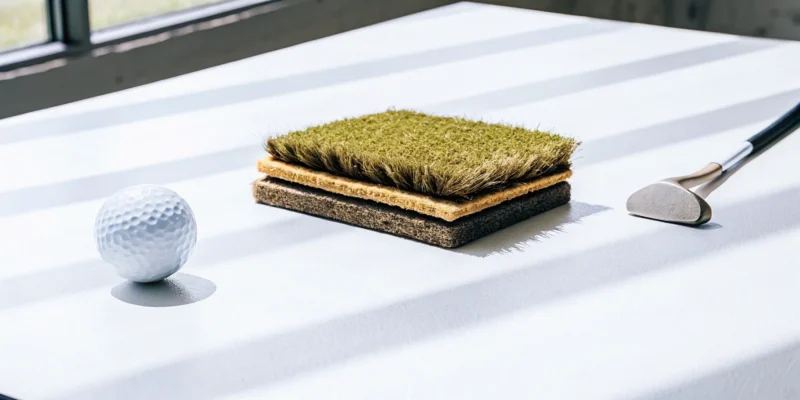
A backyard putting green can be a fantastic addition to your home, but a few common missteps can turn your dream project into a costly frustration. Issues like poor drainage, an uneven surface, or visible seams often trace back to mistakes made in the very beginning, starting with the turf selection. Using landscape grass instead of a specialized product or underestimating the importance of a proper base can ruin the experience. This guide is designed to help you avoid those pitfalls. We’ll explore the most common mistakes homeowners make when buying putting green turf and show you how to get every detail right, ensuring your investment results in a flawless, high-performance green.
Key Takeaways
- Choose specialized putting green turf, not landscape grass: The performance of your green depends on turf with a short pile height and dense construction, which is specifically engineered to give you a true and predictable ball roll every time.
- A professional installation is essential for a lasting green: The most critical work happens beneath the surface. A properly compacted base and a solid drainage plan are non-negotiable for preventing future problems and guaranteeing a smooth, playable surface for years.
- Pay attention to the technical details to avoid common mistakes: Factors like pile height, face weight, and the right amount of infill directly impact your green’s speed and durability, so understanding these specs helps you select a high-quality product and avoid a disappointing result.
What Are the Different Types of Putting Green Turf?
When you decide to install a putting green in your backyard, one of the first things you’ll discover is that not all turf is created equal. The lush, green grass you might use for a lawn is completely different from the specialized surface needed for a true-rolling putt. Choosing the right turf is the most critical step in creating a green that plays like one you’d find at the local country club.
The world of synthetic turf can seem complex, but it really comes down to a few key characteristics. Understanding the differences in material, grade, texture, and performance will help you select a surface that matches your skill level, aesthetic preferences, and how you plan to use your green. Think of it as choosing the right club for a shot; the right turf will give you the consistency and reliability you need to sink more putts and truly enjoy your practice time. Let’s walk through the main types so you can make a confident and informed decision for your home.
Material: Polyethylene, Nylon, and Polypropylene
The material of the turf fibers plays a huge role in how your putting green looks, feels, and performs. The three main options are nylon, polypropylene, and polyethylene. Nylon is the most durable and resilient of the three, making it an excellent choice for the main putting surface. It holds its shape under heavy foot traffic and provides a consistent ball roll. Polyethylene is softer and has a more realistic appearance, so it’s often used for the fringe or collar around the green. Polypropylene is a less expensive option but is also less durable, so it’s typically reserved for lower-traffic home greens. Many of the best synthetic turf products use a blend of these materials to offer the perfect balance of performance and realism.
Residential vs. Commercial Grade
It’s easy to assume that all artificial grass is basically the same, but that’s a common mistake. Turf designed for general landscaping is built for aesthetics and a soft feel underfoot, not for athletic performance. Putting green turf, on the other hand, is specifically engineered to provide a smooth, true, and consistent ball roll. Within this category, you’ll find residential and commercial-grade options. For most backyard setups, a high-quality residential turf is more than sufficient. It’s designed to withstand regular play and the elements. Commercial-grade turf is built for extreme durability, meant for high-traffic environments like public courses or sports facilities. Unless you’re planning on hosting a PGA tour event in your backyard, a premium residential turf will deliver the performance you’re looking for.
Texture and Pile Height
Two terms you’ll hear a lot are “pile height” and “texture.” Pile height simply refers to the length of the turf blades. For a putting green, you want a very short pile height. Longer blades would slow the ball down and create an unpredictable roll. A short, dense pile allows the ball to glide smoothly across the surface, mimicking the conditions of a well-manicured natural green. Texture relates to the density and construction of the fibers. A tightly woven, texturized turf prevents the ball from bouncing or skidding, ensuring it rolls true from the moment it leaves your putter. These two factors are essential for creating a realistic and challenging practice surface.
Stimp Rating and Performance
If you’re a golfer, you’ve probably heard of a “Stimp rating.” This is simply a measurement of how fast a putting green is. A higher Stimp rating means a faster green. Different turf products are designed to achieve different speed ranges, from leisurely to tournament-fast. The final speed of your green isn’t just determined by the turf itself; it’s also influenced by the amount of sand infill used and the techniques used during installation, like rolling the surface. This is where professional expertise makes a world of difference. An experienced installer can help you choose a turf that matches your desired speed and then fine-tune the installation to get the performance just right, ensuring your backyard green plays exactly how you want it to.
How to Choose the Best Putting Green Turf
Picking the right turf is the most important step in creating a backyard putting green you’ll love for years. The look, feel, and performance all come down to the material you choose. With so many options available, it’s easy to feel a bit lost. But don’t worry, I’m here to walk you through it. By focusing on a few key factors like your space, local climate, and how you plan to use the green, you can confidently select a turf that gives you a true and consistent roll every time you practice your short game.
Assess Your Space and Needs
First things first, let’s think about your specific situation. How big is the area you’re working with? Are you a scratch golfer looking to shave strokes off your score, or is this more for casual family fun? Your answers will guide your turf selection. It’s essential to choose a product specifically designed for putting greens, not just any landscape turf. Putting green turf has a shorter pile height and a denser construction to ensure a smooth, predictable ball roll. A general-purpose artificial grass will be too long and slow for a realistic putting experience. Thinking about these details upfront helps ensure your new green meets your expectations.
Consider Durability for High-Traffic Areas
Your putting green is going to see a lot of action, so you need a turf that can handle the foot traffic. Durability comes down to the quality of the turf fibers and the amount of infill used. Infill is the granular material, usually sand, that’s brushed into the turf fibers. It helps the blades stand up straight, provides stability, and protects the backing from UV rays. Using the right amount of infill is critical. Too little, and your green can become lumpy and uneven over time. A high-quality, durable turf will ensure your investment holds up beautifully through countless practice sessions and family competitions.
Account for Climate and Weather
Here on Long Island, we get a little bit of everything: hot, sunny summers and cold, snowy winters. Your putting green turf needs to be tough enough to handle it all. Look for turf with excellent UV resistance to prevent the vibrant green from fading under the summer sun. It also needs a permeable backing that allows water to drain through efficiently, preventing puddles after a rainstorm and damage during freeze-thaw cycles. A professional synthetic turf installation will include a properly prepared base to manage drainage, but the turf itself plays a huge role in long-term weather resistance.
Check Density and Ball Roll Performance
Now for the fun part: how the ball actually plays on the surface. The two main specs to look at are pile height and face weight. For a putting green, you want a short, dense pile for a fast and true roll. Face weight refers to the weight of the yarn in a square yard of turf; a higher face weight often indicates a denser, more durable product. These factors determine the green’s “stimp speed,” which is just a measure of how fast the ball rolls. A professional installer can help you select a turf that mimics the speed of your favorite golf course and ensure the installation has the proper slope for a challenging, realistic practice experience.
How Much Does Putting Green Turf Cost?
Thinking about adding a putting green to your backyard is exciting, and one of the first questions that comes to mind is usually about the cost. The price of installing a putting green is an investment in your home and your enjoyment, and it can vary quite a bit. The final cost depends on the quality of the materials, the complexity of the design, and the specifics of your space. Let’s break down what you can expect so you can plan your project with confidence.
Typical Cost: $3-$10 Per Square Foot
When you start looking at putting green turf, you’ll often see prices listed per square foot. Generally, the turf material itself can range from $3 to $10 per square foot. However, it’s important to remember this price is just for the turf. The total project cost includes much more, like base preparation, materials, labor, and any special features. For a complete professional installation, a medium-sized putting green of around 200 square feet typically averages about $4,300. This all-in price gives you a more realistic picture of the investment for a high-performing, long-lasting green.
Factors That Affect Price
Several key factors will influence the final price tag for your backyard putting green. The size is the most obvious one; a larger green will require more materials and labor. The complexity of the design also plays a big role. A simple, flat, rectangular green will cost less than a custom-shaped one with undulations, multiple holes, and fringe grass. The condition of your site matters, too. If your yard needs significant grading or excavation to ensure proper drainage, that will add to the cost. Finally, the quality of the synthetic turf and game courts you choose will impact the price, with premium options offering better performance and durability.
Professional Installation vs. DIY
While a DIY putting green project might seem like a way to save money, it’s a highly technical job that requires specialized skills and equipment. Proper installation is critical for performance. The process involves creating a compacted base, ensuring perfect drainage, laying the turf without wrinkles, and applying the right amount of infill for a true ball roll. Without expertise, you risk creating a surface that doesn’t play well or wears out quickly. Professional installation ensures your putting green is built to last and performs like one you’d find on a golf course, protecting your investment and giving you a surface you can be proud of.
Long-Term Savings
While the upfront cost is a key consideration, it’s also helpful to think about the long-term value. A natural grass putting green requires constant maintenance, including regular mowing, watering, fertilizing, and pest control. These costs and the time spent on upkeep add up season after season. An artificial turf putting green, on the other hand, eliminates nearly all of that work. You won’t have a water bill for it, and you can put away the mower and chemicals for good. This means more time enjoying your green and less time working on it, offering significant savings over the life of the turf.
Why Choose Artificial Turf Over Natural Grass?
A pristine putting green is a dream, but maintaining natural grass can feel like a full-time job. Artificial turf offers a fantastic alternative, delivering the lush look of real grass with unmatched durability and convenience. It gives you a beautiful, functional space you can enjoy year-round without the constant upkeep.
Year-Round Playability
Imagine practicing your putt in early spring or late fall on a perfectly green surface. With artificial turf, that’s your reality. Natural grass is at the mercy of Long Island’s seasons, turning brown in the summer heat or going dormant in the winter. Synthetic turf, however, stays vibrant and ready for play 365 days a year, rain or shine. You get a consistently beautiful lawn without ever needing to use harsh pesticides or fertilizers to keep it looking its best. It’s always ready for a game.
Low Maintenance
One of the biggest advantages of artificial turf is reclaiming your free time. Say goodbye to the constant cycle of mowing, fertilizing, and aerating that a natural grass putting green demands. With a synthetic surface, your maintenance is incredibly simple. An occasional rinse to clear away debris is usually all it takes. A professionally installed synthetic turf putting green is built to last for 15 years or more, giving you a beautiful, hassle-free space for years to come.
Consistent Performance
For any golfer, consistency is key. Natural grass can be unpredictable, with bumps and bare spots affecting how your ball rolls. Artificial turf provides a perfectly smooth and reliable surface every single time you step out to practice. It’s engineered to mimic the performance of a high-end golf course green, ensuring a true and predictable ball roll. This means you can focus entirely on your technique, knowing the surface beneath your feet is flawless and ready for every shot.
Water Conservation
Maintaining a natural grass lawn, especially during Long Island’s dry summers, requires a tremendous amount of water. Switching to artificial turf is a smart choice that significantly cuts down on your water consumption. You’ll see the savings on your monthly water bill while also contributing to local conservation efforts. It’s an investment that not only makes your life easier but also reduces your environmental footprint. You get a stunning green space without the constant need for watering, making it a practical solution.
What Does the Turf Installation Process Involve?
A high-performance putting green is much more than just a roll of artificial grass. The magic lies in what’s underneath and how it’s all put together. A professional installation is a meticulous, multi-step process designed to give you a durable, perfectly smooth surface that plays true for years. Each stage, from excavating the ground to brushing in the final grain of sand, is critical for performance and longevity. Skipping a step or cutting a corner can lead to issues like poor drainage, uneven surfaces, or premature wear.
Understanding the process helps you appreciate the craftsmanship involved and ensures you know what to expect when our team arrives. We handle every detail with precision, transforming your backyard into a golfer’s paradise. From creating a stable foundation to ensuring every seam is invisible, our goal is to build a putting green that not only looks incredible but also helps you sharpen your short game. The entire installation is a blend of landscape design and technical skill, resulting in a flawless finish.
Preparing the Site and Ensuring Drainage
The first step to a great putting green is creating a solid foundation. This begins with site preparation, where we clear the designated area of any existing grass, rocks, and debris. Once the space is clear, we excavate the soil to the proper depth. A common mistake in DIY projects is neglecting proper drainage, which can cause water to pool and damage the turf over time. To prevent this, we carefully grade the area to create a subtle slope that allows water to run off effectively. This ensures your putting green remains playable even after a classic Long Island rain shower and protects the integrity of the base for years to come.
Installing and Compacting the Base
With the site prepared, the next step is to build the base. A putting green’s performance often comes down to the quality of its foundation, and an inadequate base is a frequent cause of problems. We install a layer of crushed stone aggregate, which provides both excellent drainage and a stable footing for the turf. This material is spread evenly across the graded area and then thoroughly compacted using professional-grade equipment. This compaction process is vital, as it creates a firm, level surface that won’t shift or settle over time, ensuring your putting green remains smooth and true for every putt.
Laying the Turf and Applying Infill
Now for the fun part: laying the green. We carefully roll out the putting green turf over the compacted base, making sure it’s positioned perfectly. Once the turf is in place, we apply the infill. Infill, typically a specialized type of sand, is a crucial component for creating a realistic playing experience. It helps the turf fibers stand up straight, provides cushioning, and ensures a consistent ball roll speed. Using the right amount of infill is key; too little can cause the surface to become lumpy and wear out quickly. We meticulously spread the infill and brush it deep into the fibers for optimal performance and durability.
Aligning Seams and Smoothing the Surface
If your putting green requires multiple pieces of turf, making the seams disappear is an art form. This step is essential for a smooth, seamless surface that won’t interfere with your ball’s path to the cup. We carefully trim and align the edges of each turf piece, then secure them with a strong adhesive and specialized seaming tape. The result is a connection that is virtually invisible and incredibly durable. Finally, we give the entire surface a final roll and brush to smooth everything out, ensuring every inch of your new synthetic turf is ready for play.
How to Maintain Your Putting Green Turf
One of the best parts of owning an artificial putting green is how little work it takes to keep it in pristine condition. While you can say goodbye to mowing, watering, and fertilizing, a little routine care will ensure your green performs beautifully for years to come. Following a few simple steps will protect your investment, maintain a consistent ball roll, and keep your backyard looking sharp. Think of it less as a chore and more as a way to get your green ready for its next round.
Daily and Weekly Care
Keeping your putting green in top shape starts with simple, consistent habits. The most important task is to keep the surface clear of leaves and other debris. A quick sweep with a leaf blower or a stiff, non-metal broom a few times a week is usually all it takes. This prevents organic matter from breaking down and getting embedded in the turf fibers, which can affect drainage and the smoothness of your putt. Think of it as a quick tidying-up that pays off by preserving the playability and look of your green.
Managing Infill
Infill is the sand or specialized material spread between the turf blades, and it’s a vital component of your putting green. It helps the turf fibers stand up, provides a realistic feel underfoot, and ensures a true ball roll. Over time, infill can shift or become compacted in high-traffic areas, like around the holes. To manage this, simply use a stiff broom to brush the fibers and redistribute the infill evenly across the surface. This quick task helps maintain the green’s durability and consistent performance for every putt.
Cleaning and Removing Debris
For anything beyond leaves and twigs, a little spot cleaning will do the trick. If you have a spill, just rinse the area with a hose. For more stubborn spots or pet messes, you can use a simple mix of mild soap and water, then rinse thoroughly. It’s best to clean up any messes as soon as you spot them to prevent staining. For a deeper seasonal clean or to handle tougher stains, you might consider professional restoration services to keep your turf looking brand new.
Rolling and Brushing for a Perfect Surface
Did you know you can adjust the speed of your green? You can change how fast the ball rolls by simply brushing and rolling the surface. Brushing the turf fibers up against the grain will slow the ball down for a more challenging practice session. For a faster, tournament-style speed, brush the fibers so they lay flat and then use a lawn roller to smooth the surface. This regular grooming not only customizes your playing experience but also prevents the fibers from matting down, ensuring your synthetic turf stays resilient.
Common Mistakes to Avoid When Buying Turf
A backyard putting green is an amazing feature, but a few common missteps can turn your dream project into a frustrating experience. Getting the details right from the start is key to creating a surface that plays true for years to come. Let’s walk through some of the most frequent mistakes homeowners make when choosing and installing turf, so you can be sure your investment is a hole-in-one.
Using Landscape Turf Instead of Putting Green Turf
This is probably the biggest mistake you can make. While landscape turf looks great in your yard, it’s not engineered for the demands of golf. It’s designed to be soft and lush, not to provide the smooth, consistent ball roll a putting green requires. Putting green turf has shorter, denser fibers that allow the ball to glide true to the cup. Using the wrong type will leave you with a bumpy, unpredictable surface that’s more frustrating than fun. When you’re planning your project, make sure you’re looking specifically at specialized turf for game courts to get the performance you expect. It’s a different product for a different purpose.
Forgetting Proper Drainage
What’s underneath your turf is just as important as the turf itself. Without a proper drainage system, rainwater will have nowhere to go. It will pool on the surface, creating a soggy, unplayable mess and potentially leading to mold or mildew issues. A professional installation always starts with excavating the area and laying a base of crushed stone that allows water to filter through and drain away from the green. Overlooking this crucial step can completely ruin your putting surface and lead to costly repairs down the road. Proper landscape design and construction ensures your green is built on a solid, well-draining foundation from the very beginning.
Applying Too Little Infill
Infill is the granular material, usually sand, that’s brushed in between the turf fibers after it’s laid down. It might seem like a minor detail, but it’s essential for performance and longevity. Infill helps weigh the turf down, protects the backing from UV rays, and keeps the fibers standing upright for a consistent playing surface. When you don’t use enough, the turf can become lumpy, show wear patterns from foot traffic, and won’t hold up over time. Skimping on infill is a classic DIY mistake that compromises the entire project. A professional will know the exact amount and type of infill needed to give your green the right firmness and durability.
Ignoring Pile Height and Face Weight
These technical terms can seem intimidating, but they are critical to how your putting green will play. Pile height refers to the length of the turf blades, while face weight is the density of the turf fibers. For a putting green, you generally want a low pile height for a fast, smooth ball roll. A higher face weight indicates a denser, more durable turf that feels more like a natural green. Ignoring these specifications can leave you with a surface that’s too slow or wears out quickly. Discussing these factors with an expert will help you select the perfect synthetic turf that matches your desired speed and feel for the ultimate practice experience.
How to Find the Right Installation Professional
Choosing the right turf is only half the battle; the quality of your installation will ultimately determine how your putting green performs and how long it lasts. A flawless installation creates a smooth, consistent surface that mimics a real golf course green. A poor one can lead to drainage issues, uneven ball roll, and visible seams. You need a team that understands the specific demands of a putting green, from creating the perfect sub-base to getting the infill just right.
Finding an installer you can trust is crucial. This is a significant addition to your home, and the right partner will guide you through the process, answer your questions, and deliver a final product you’ll be proud of. A professional team specializing in synthetic turf and game courts will have the expertise to ensure your green is built for performance and durability, giving you a beautiful practice area for years to come.
Look for Key Qualifications and Experience
When you start looking for an installer, focus on teams with specific experience in putting greens, not just general landscaping. Installing a putting green is a specialized skill. It requires a deep understanding of site preparation, proper grading for drainage, and techniques for creating subtle contours that challenge your short game. A seasoned professional will know how to compact the base correctly to prevent settling and how to secure the turf so the seams are invisible.
Ask to see a portfolio of their previous putting green projects. This will give you a clear idea of their workmanship and design capabilities. An experienced installer will have the right tools and a proven process to ensure your green plays true from day one. This expertise is what protects your investment and guarantees a professional-grade finish.
Ask the Right Questions
Before you commit to an installer, make sure you have a conversation about your project. This is your chance to gauge their expertise and see if they’re the right fit. Don’t hesitate to ask detailed questions about their process and materials. A knowledgeable professional will be happy to walk you through their approach and explain their recommendations.
Here are a few key questions to ask:
- What type of turf do you recommend for my goals and budget?
- Can you explain your base preparation and installation process?
- How do you ensure proper drainage for the green?
- Do you have past clients I can speak with or projects I can see?
You can often get a great sense of a company’s work by watching their process. Check to see if they have videos of their projects, like the ones on the Gappsi YouTube channel, to see their team in action.
Verify Quality and Warranties
A reputable installation professional will always stand behind their work with a solid warranty. This is a critical detail that gives you peace of mind. Make sure you get the warranty details in writing and that you understand exactly what is covered. A comprehensive warranty should cover both the turf material itself and the installation labor.
For the turf, look for coverage against things like UV degradation, discoloration, and manufacturing defects. For the installation, the warranty should cover issues like seams coming apart, improper drainage, or problems with the base. High-quality products, like those available from the Gappsi Store, often come with strong manufacturer warranties, and a professional installer will add their own guarantee for the workmanship. This dual protection ensures your investment is secure.
What to Look For in High-Quality Putting Green Turf
Choosing the right turf is the most critical step in creating a backyard putting green that you’ll love for years. Not all artificial grass is created equal, and what works for a lawn won’t give you the performance you need for practicing your short game. High-quality turf provides a consistent, realistic ball roll and can withstand frequent use and changing weather. When you invest in the right materials from the start, you get a durable, beautiful green that enhances your home and your golf skills. Let’s walk through the key features to look for so you can make a confident choice.
Texture and Fiber Construction
The feel and performance of your putting green come down to the turf’s texture and how its fibers are constructed. You’ll want to select a product specifically engineered for golf, not a generic landscape turf. Putting green turf has shorter, denser fibers that allow the ball to roll smoothly and consistently, mimicking the conditions of a real course. The fibers are typically made from materials like polyethylene or nylon, which are designed to be non-abrasive and resilient, so they spring back into place after every putt. When you install a putting green, paying close attention to the fiber construction ensures you get that true roll you’re looking for.
Ideal Height Specifications
Pile height, or the length of the turf blades, is a crucial factor for realistic play. If the blades are too long, the ball will drag; if they’re too short, the surface can feel too fast or unforgiving. For putting greens, the ideal pile height is typically between 0.5 and 1 inch. This range provides the perfect balance, allowing the golf ball to roll smoothly across the surface without sinking or bouncing. A shorter pile height creates a faster green, while a slightly taller one can slow it down. Considering your personal preference for speed will help you and your installer select the perfect specifications for your practice needs.
Durability and UV Resistance
Your backyard putting green needs to stand up to Long Island’s four distinct seasons, from hot summer sun to winter snow. Look for turf made from high-quality, durable materials with built-in UV resistance. This protection prevents the vibrant green color from fading over time and keeps the fibers from becoming brittle and breaking down. A durable turf will maintain its performance and appearance for years, making it a worthwhile investment. Choosing a product that can withstand the elements means less worry about wear and tear and more time enjoying your green. This is why professional restoration and sealing services are also important for maintaining outdoor surfaces.
Color and Aesthetic Appeal
A great putting green should perform well and look beautiful in your yard. High-quality turf comes in various shades of green to mimic the look of natural grass and blend seamlessly with your existing landscape. Some products even incorporate a mix of green tones for a more realistic appearance. The right color and texture can make your putting green a stunning focal point. When designed thoughtfully, it becomes more than just a practice area; it’s an integrated part of your overall landscape design, adding value and visual appeal to your property.
Related Articles
- Golf Putting Green Sports Synthetic Turf – Gappsi Group
- Synthetic Turf Solutions & Installation on Long Island | Gappsi Inc
- Polypropylene turf Archives – Gappsi Group
- artificial Archives – Gappsi Group
Frequently Asked Questions
Can I customize the shape and difficulty of my putting green? Absolutely. A backyard putting green is not a one-size-fits-all product. The entire design can be tailored to fit your specific space and skill level. You can work with a designer to create a unique shape that flows with your landscape, and you can add features like undulations, tiers, and slopes to mimic the challenges of your favorite golf course.
How long does a typical putting green installation take? The timeline for installation can vary, but most residential putting greens are completed within a few days to a week. The exact duration depends on the size of the green, the amount of site preparation needed, and of course, the weather. A professional team works efficiently to transform your space with minimal disruption, handling everything from the initial excavation to the final grooming of the turf.
Is artificial putting green turf safe for children and pets? Yes, modern high-quality synthetic turf is designed with safety in mind. The materials used are non-toxic and do not contain harmful chemicals, making the surface perfectly safe for the whole family, including your furry friends. The turf and infill also create a soft, cushioned surface that is much more forgiving than hard-packed dirt or pavement.
How does the turf hold up during a Long Island winter? Synthetic turf is built to withstand all kinds of weather, including the cold, snow, and ice we get here on Long Island. The materials are UV-stabilized to prevent fading and durable enough to handle freeze-thaw cycles without cracking. Snow can be left to melt naturally, and the system’s excellent drainage will handle the runoff. Just be sure to avoid using sharp metal shovels or harsh ice melts on the surface.
Can I change the speed of my green after it’s installed? You can. One of the great features of a synthetic putting green is the ability to adjust its speed to suit your practice needs. You can make the green faster by brushing the turf fibers so they lay flat and using a lawn roller to smooth the surface. To slow it down for a more challenging roll, you can simply brush the fibers up against the grain. This gives you the flexibility to change your practice conditions whenever you like.