


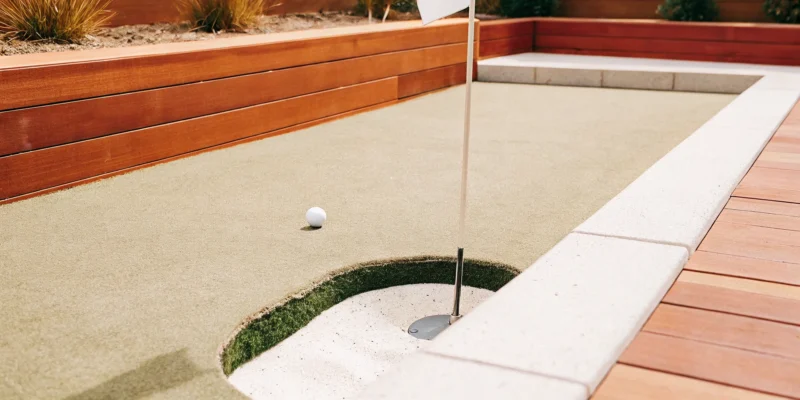
Adding a unique feature to your outdoor living space can completely change how you enjoy your home. While pools and patios are popular choices, a backyard putting green offers a special blend of recreation and sophisticated design. It’s an investment that provides endless entertainment for family and friends while also adding a distinct touch to your property. A professionally installed green is a durable, low-maintenance asset that enhances your landscape and your lifestyle. In this article, we’ll cover the key factors to consider, including space requirements, material options, and what to expect from the installation process, helping you make a smart investment.
Key Takeaways
- Prioritize a professional installation for a green that lasts: The quality of your putting green depends on its foundation, so proper base preparation and drainage are essential for a true ball roll and long-term durability.
- Choose synthetic turf for realistic play with less work: Synthetic turf offers an all-weather playing surface with consistent performance, saving you from the constant maintenance and expense of a natural grass green.
- Plan your project to match your goals and budget: Before hiring a company, consider your available space and how you’ll use the green. Getting a detailed quote and asking specific questions about materials will help you make a confident and informed decision.
What is a Backyard Putting Green?
A backyard putting green is exactly what it sounds like: a dedicated space in your yard designed for practicing your golf game. Think of it as your personal golf oasis, perfect for honing your putting and chipping skills on your own schedule. These aren’t just patches of grass; they are specially designed surfaces that mimic the performance of a real golf course green. Whether you’re a serious golfer looking to lower your handicap or just want a fun new feature for family gatherings, a putting green can completely transform your outdoor space.
Modern putting greens are typically built with high-quality synthetic turf that looks and feels incredibly realistic. This means you get a consistent, professional-grade surface without the constant upkeep of a natural grass green. At Gappsi, we specialize in creating custom synthetic turf and sports games courts that fit perfectly into your landscape, giving you a beautiful and functional area to enjoy for years. The beauty of a custom green is that it can be designed to fit any space, from a small, challenging layout in a compact yard to a sprawling green with multiple holes and fringe areas. You can even add features like sand traps or gentle undulations to replicate the challenges of your favorite course. It’s a truly personalized addition that reflects your passion for the game and enhances your lifestyle.
Why Add a Putting Green to Your Backyard?
Imagine stepping outside to practice your short game whenever you have a spare moment. That convenience is one of the biggest reasons homeowners install a putting green. It saves you trips to the golf course and lets you practice in total privacy. Beyond the convenience, a synthetic putting green is a smart, sustainable choice. It requires no watering, mowing, or fertilizing, which helps conserve water and eliminates the need for harsh chemicals in your yard. This makes it an eco-friendly addition to your landscape design. Plus, it’s a unique feature that provides endless entertainment for friends and family of all ages.
Is a Putting Green Right for You?
Deciding if a putting green is a good fit for your home often comes down to one key choice: synthetic turf or natural grass. While the idea of a real grass green is appealing, the reality is that it demands an incredible amount of time, money, and expertise to maintain. Think daily watering, specialized mowing, and constant pest control. For most homeowners, a high-quality synthetic turf green is the more practical and rewarding option. It offers a consistent ball roll year-round with minimal upkeep. If you want a beautiful, always-ready practice area that lets you focus on your game instead of yard work, a synthetic green is likely the perfect solution for you.
Your Guide to Putting Green Types
Choosing the right type of putting green is the first big step in bringing your backyard golf dreams to life. The best option for you depends on your space, budget, and how much time you want to spend on upkeep. Let’s walk through the most common choices so you can find the perfect fit for your Long Island home.
Synthetic Turf Greens
If you want a picture-perfect green that’s ready for play anytime, synthetic turf is an amazing choice. Artificial turf putting greens stay smooth and green all year, so you don’t have to worry about seasonal changes, droughts, or heavy rain ruining your practice. This is a huge plus given Long Island’s variable weather. Modern synthetic turf solutions offer a realistic golfing experience with consistent ball roll, mimicking the performance of a PGA-quality surface. Best of all, they are incredibly low-maintenance. You can get that professional feel without spending a fortune on lawn care services and specialized equipment. It’s all the fun of golf with none of the yard work.
Natural Grass Greens
For the purist, nothing beats the authentic feel of a natural grass green. It’s a living surface that offers a traditional golfing experience right in your backyard. However, this authenticity comes with significant commitment. Maintaining a natural grass green requires regular mowing, watering, fertilizing, and pest control to keep it in top condition. It’s also more susceptible to the elements, which can mean less playing time throughout the year. The choice between artificial and natural really comes down to what you value more: the low upkeep and consistent play of turf or the classic, living feel of real grass.
Portable Putting Greens
Not ready for a permanent installation? A portable putting green could be the perfect starting point. These are great for anyone who wants to practice their putting skills without committing to a landscape project. You can easily set them up in a basement, on a patio, or in the yard for a few hours of practice and then store them away. They are an excellent option if you have limited space or want to get a feel for having a green at home before investing in a permanent one. While they don’t offer the same realism as a custom installation, they provide a convenient way to work on your short game.
Modular Putting Green Systems
Modular systems offer a middle ground between portable greens and a fully custom build. These often come in DIY kits with interlocking panels that you can assemble yourself. While they can be a more affordable option, it’s important to be aware of their limitations. Many modular or DIY greens don’t mimic the performance of real greens because they aren’t installed with the proper slope or grain, which are crucial for realistic practice. A professional installation ensures your green has the correct contours and base preparation, giving you a surface that truly helps improve your game.
4 Key Factors to Consider Before You Buy
A backyard putting green is an exciting addition to your home, but it’s important to think through a few details before breaking ground. Taking the time to plan now ensures you get a green that fits your space, lifestyle, and budget perfectly. From the size of your yard to how you’ll use it for practice or play, these four factors will help you make the right choices for a project you’ll love for years to come. Let’s walk through what you need to consider.
Your Available Space and Layout
First, take a good look at your yard. How much space can you realistically dedicate to a putting green? Think about size and shape, but also the condition of the ground itself. For a true and consistent roll, the surface needs to be level and clear of any debris. If your yard has a slope or uneven spots, that’s okay, but it will require professional site preparation. A well-designed green should complement your existing landscape, not compete with it. Our landscape design experts can help you map out the perfect location and ensure the groundwork is handled correctly from the start.
How You Plan to Use It
Think about who will be using the putting green and what their goals are. Are you a serious golfer looking to shave a few strokes off your game, or are you picturing a fun activity for family gatherings? Your answer will influence the design. A practice-focused green might have multiple holes and challenging contours, while a family-friendly one might be simpler and more open. Because modern synthetic turf doesn’t need soil or daily watering, you have the flexibility to install it wherever it makes sense for your home, whether that’s indoors or out.
Long Island’s Climate Conditions
Here on Long Island, we get a little bit of everything: hot summers, cold winters, and plenty of rain and snow. Your putting green needs to be able to handle it all. High-quality artificial turf is an excellent choice for our climate because it’s built for durability. With proper installation and minimal upkeep, a synthetic green can easily last 10 to 15 years or more, without the constant maintenance that natural grass requires. It drains efficiently after a storm and won’t get muddy, so you can get back to practicing much faster.
Your Budget and Long-Term Investment
A backyard putting green is an investment in your home and your enjoyment. Costs can vary, with professionally installed greens typically ranging from $15 to $40 per square foot. While DIY kits are a cheaper option, a professional installation ensures the base is prepared correctly and the turf performs at its best for years. Think of it as adding a valuable feature to your property. We can help you understand the costs involved and design a project that aligns with your budget while delivering the quality and performance you expect from a long-term home improvement.
How Much Does a Backyard Putting Green Cost?
Figuring out the budget for your backyard putting green involves looking at a few key areas. The total price is more than just the turf itself; it includes the materials, the expert installation, and the minimal long-term upkeep. Think of it as a lasting investment in your home’s value and your enjoyment. The final cost will depend on the size of your green, the complexity of the design, and the specific materials you choose. Let’s break down what you can expect to pay for.
Breaking Down Material Costs
When you start looking at prices, you’ll often see them quoted per square foot. A professionally installed putting green typically runs between $15 and $40 per square foot. The final price depends heavily on the size of your project. Interestingly, larger greens (over 400 square feet) often have a lower cost per square foot, usually around $20 to $30. Smaller, more intricate greens might cost more than $30 per square foot. For example, a 300-square-foot green could be about $9,000, while a 1,000-square-foot green might land closer to $28,000. These costs cover the high-quality synthetic turf and other necessary materials.
Understanding Installation Expenses
The installation process is where the magic really happens, and it’s a huge part of the overall cost. Proper ground preparation is absolutely essential for a green that performs well and lasts for years. This means creating a perfectly level base, clearing all debris, and ensuring you have a solid foundation. One of the most critical steps is establishing proper drainage to prevent water from pooling on your green after a Long Island rainstorm. Skipping this step can lead to major issues later. A professional masonry and installation team ensures every layer is correctly placed, giving you a smooth, consistent surface for practicing your short game.
Factoring in Long-Term Maintenance
One of the best things about a synthetic putting green is its low maintenance, which saves you money and time in the long run. A well-installed green can easily last 10 to 20 years with just a little care. Forget about mowing, watering, or fertilizing. Your main tasks will be brushing the turf fibers occasionally to keep them upright and rinsing the surface to clear away leaves or dust. This minimal upkeep means you can spend more time enjoying your green and less time working on it. It’s a durable, long-term investment in your home and your golf game.
Common Mistakes to Avoid When Choosing Your Green
Planning your own backyard putting green is an exciting project. It’s easy to get caught up in imagining your future short game practice sessions and sharing the fun with family and friends. But before you get too far, it’s important to understand the common pitfalls that can turn your dream green into a costly headache. A well-designed and properly installed putting green will bring you years of enjoyment, while one that cuts corners can lead to poor performance, constant repairs, and a lot of frustration.
The key to a successful project is getting the fundamentals right from the very beginning. This means paying close attention to the materials you choose, the foundation it’s built on, and the team you hire to put it all together. Many of the biggest issues with backyard greens stem from simple, avoidable mistakes made during the planning phase. From selecting the wrong turf to skimping on the base preparation, these errors can compromise the entire project. By learning what to watch out for, you can ensure your investment is a smart one that adds value and enjoyment to your home. Let’s walk through the four most common mistakes homeowners make so you can get your project started on the right foot.
Selecting the Wrong Type of Turf
One of the most frequent mistakes is choosing a general landscape turf instead of a specialized putting green turf. While standard artificial grass is great for creating a lush, green lawn, it’s not designed for the specific demands of golf. Putting green turf is engineered for performance, providing a smooth, consistent surface that allows the ball to roll true, just like it would on a real course. Using the wrong type will result in a slow, bumpy, and unrealistic playing experience. When you invest in a putting green, you want authentic practice, and that starts with selecting the right synthetic turf.
Forgetting About Proper Drainage
Another critical error is neglecting proper drainage. Long Island gets its fair share of rain and snow, and if that water has nowhere to go, it will pool on your green. This creates a soggy, unusable surface and can lead to mold, mildew, and premature wear. A professional installation always includes a carefully planned drainage system within the base layers. This ensures water moves away from the surface, keeping your green firm, dry, and ready for play in any weather. Proper landscape design and site preparation are essential for the longevity and performance of your green.
Skimping on Base Preparation
The performance of your putting green is only as good as the foundation it sits on. Poor putting green performance often comes down to an inadequate base. Skimping on this step can lead to significant problems down the road. A proper base requires excavating the area, laying and compacting multiple layers of aggregate, and precisely contouring the surface to create the desired breaks and slopes. If the base isn’t solid and perfectly smooth, you’ll end up with lumps, low spots, and an uneven surface that makes realistic putting impossible. This is a crucial construction step that requires expertise to get right.
Underestimating Maintenance Needs
While a synthetic putting green is much lower maintenance than natural grass, it isn’t zero maintenance. Some homeowners assume they can install it and forget it, but that’s not the case. Debris like leaves and twigs needs to be cleared, and the turf fibers should be brushed periodically to keep them upright for a consistent ball roll. Picking the wrong turf or skimping on installation will quickly hurt performance and lead to premature wear and added repair costs. Investing in high-quality materials and professional installation from the start will minimize your long-term maintenance tasks and protect your investment.
What to Expect During the Installation Process
Once you’ve chosen your perfect putting green, the installation brings your vision to life. This stage is just as critical as selecting the right materials. A flawless installation ensures your green not only looks fantastic but also performs correctly for years of enjoyment. The process involves careful ground preparation, precise turf placement, and finishing touches that create a smooth, consistent playing surface.
Understanding the steps involved helps you know what to expect and why professional expertise matters. From excavating the site to laying the final grain of sand, each phase builds upon the last. A well-executed installation by an experienced team, like the one at Gappsi, prevents common issues like poor drainage or an uneven base, which can affect ball roll and the green’s longevity. Our synthetic turf and sports games courts solutions are always installed with precision and care.
Preparing the Site and Base
The foundation of a great putting green is, quite literally, its foundation. Proper site preparation is the most important step for ensuring durability and performance. The process begins with clearing the designated area of all grass, rocks, and debris. Next, we establish a solid, compacted base, typically using a mix of crushed stone and sand.
A crucial part of this stage is creating a slight slope, usually around one to two percent, to allow for proper drainage. This prevents water from pooling on the surface after it rains, protecting your investment and keeping the green playable. A level, well-draining base is essential for a true and consistent ball roll, giving you a professional-quality practice surface right in your backyard.
Professional vs. DIY Installation
While a DIY project can be tempting, installing a putting green requires specialized knowledge and tools. A common mistake is using standard landscaping turf, which is too thick and soft for a realistic putting experience. Putting green turf is specifically designed for a short, true roll. Professionals have access to the right materials and the equipment needed to compact the base properly, cut the turf precisely, and secure the seams for an invisible finish.
Hiring an experienced installer ensures every detail is handled correctly, from the sub-base composition to the final infill application. This expertise prevents costly errors and guarantees your green will look and play its best for years. Think of it as an investment in quality that pays off every time you step onto your flawless green.
Timeline and Quality to Expect
The timeline for a putting green installation can vary depending on the size and complexity of your project, but a professional team typically completes the work within a few days. Rushing the process can lead to long-term problems. Poor performance often comes down to an inadequate base, neglected drainage, or shoddy installation work.
When you work with a reputable company, you can expect a high-quality result that stands the test of time. A premium green will have a firm yet receptive surface that mimics the feel of a real golf course. You can see examples of our completed projects on the Gappsi YouTube channel. Investing in a quality installation means you get a durable, low-maintenance green that provides a consistent and enjoyable practice experience.
How to Maintain Your Backyard Putting Green
One of the best things about a synthetic putting green is how little work it takes to keep it looking and playing its best. Unlike a natural grass green, you can forget about mowing, watering, and fertilizing. However, low maintenance doesn’t mean no maintenance. A little bit of care will protect your investment and ensure your green provides a true, consistent roll for every putt. With proper installation and basic upkeep, you can expect your artificial turf putting green to last 15 years or even longer.
Think of maintenance as a simple routine that keeps your green ready for practice anytime you are. It’s mostly about keeping the surface clean and the turf fibers standing tall. Following a few easy steps will prevent debris from building up, stop the turf from matting down in high-traffic areas, and preserve the realistic performance you love. We’ll walk through the daily, weekly, and seasonal tasks that will keep your backyard oasis in pristine condition for years of enjoyment. Gappsi’s synthetic turf solutions are designed for durability, and this guide will help you maximize their lifespan.
Daily and Weekly Care Tips
Your regular maintenance routine is incredibly simple. A synthetic grass putting green only needs occasional brushing to keep the fibers upright and periodic rinsing to remove debris. On a daily basis, it’s a good idea to quickly pick up any leaves, twigs, or other debris that falls onto the surface. Once a week, give the green a quick sweep with a stiff, non-metal broom. This helps fluff up the turf fibers, especially in the spots where you stand most often, ensuring a consistent ball speed across the entire green. A quick rinse with a garden hose will wash away any dust, pollen, or smaller particles, keeping the surface clean and vibrant.
A Seasonal Maintenance Checklist
A simple seasonal plan will address any deeper cleaning needs and prepare your green for the changing Long Island weather. In the spring, give your green a thorough brushing and rinsing to clear away any debris that settled over the winter. During the fall, be sure to remove fallen leaves regularly with a leaf blower to prevent them from getting ground into the turf. If it snows in the winter, it’s best to let it melt on its own. Avoid using metal shovels or harsh de-icing chemicals, as they can damage the turf. This is also a great time to inspect the surrounding patio or walkways, as Gappsi offers restoration and sealing services to keep your entire outdoor space looking its best.
Essential Equipment and Supplies
You don’t need a shed full of special equipment to care for your putting green. A few basic tools are all it takes. Using the right tools ensures your green will look great for years to come. We recommend having a stiff-bristled broom (with synthetic, not metal, bristles), a leaf blower, and a garden hose with a spray nozzle. These items will handle nearly all of your cleaning and maintenance needs. Remember, not all turf is the same, and selecting a high-quality product from the start is crucial for easy maintenance. Gappsi uses premium materials designed for realistic play and long-term durability, giving you a head start on a beautiful, low-effort green.
What Makes a High-Quality Putting Green?
A great backyard putting green is more than just a patch of green turf. It’s an investment in your home, your family’s enjoyment, and your golf game. So, what separates a top-tier green from one that will leave you frustrated? It comes down to a combination of superior materials, expert craftsmanship, and a design that delivers a true-to-the-course experience. A high-quality green should feel realistic underfoot and provide a consistent ball roll every single time you practice. It needs to be tough enough to withstand Long Island’s changing seasons, from hot summer sun to chilly winters, without fading, tearing, or falling apart.
The secret lies in the details that you can’t always see. It starts with the type of synthetic turf used, which should be specifically engineered for golf to control ball speed and roll. It also depends heavily on the preparation of the base underneath, which ensures proper drainage and a smooth, stable surface. Finally, the skill of the installation team brings it all together. When all these elements are perfectly aligned, you get a putting green that not only looks fantastic but also helps you genuinely improve your game for years. Gappsi specializes in creating these durable and high-performing synthetic turf and sports games courts, ensuring your investment pays off with every single putt.
Durability and Realistic Performance
When you invest in a putting green, you want it to last. A high-quality synthetic green isn’t a temporary feature; it’s a permanent upgrade to your home that can last 15 to 20 years with proper care. The key is using turf specifically designed for putting greens, which is far more resilient than generic artificial grass. This specialized turf is built to handle constant foot traffic and resist UV rays. Beyond just lasting a long time, it needs to perform realistically. This means the ball rolls true and at a consistent speed, just like it would at your favorite golf course. A quality installation ensures the surface is perfectly smooth, giving you a reliable place to practice your short game.
Common Myths About Artificial Turf
Let’s clear up a few things about artificial turf. One common myth is that it’s completely maintenance-free. While it’s incredibly low-maintenance compared to a natural grass green, it does need a little attention. You’ll want to occasionally use a brush to keep the fibers standing upright and rinse it off to clear away leaves or debris. Another myth is that synthetic greens don’t last very long. The truth is, a professionally installed green made with quality materials is a long-term investment. You can expect many years of use without the constant mowing, watering, and fertilizing that a natural green demands. It’s the perfect balance of lasting performance and minimal upkeep.
Factors That Affect Its Lifespan
Three main things determine how long your putting green will last: the quality of the materials, the skill of the installation, and how well you maintain it. Using cheaper, low-grade turf might save money upfront, but it will likely fade, tear, and wear out much faster. The installation process is just as critical. A poorly prepared base can lead to bumps, uneven surfaces, and drainage problems that ruin the playing experience and damage the turf over time. Finally, simple, consistent care makes a huge difference. By choosing a reputable installer who uses premium materials, you are setting your green up for a long and healthy life. An expert installation ensures every layer is perfect, from the base to the final grain of infill.
How to Choose the Right Putting Green Company
Finding the right partner for your putting green project is just as important as choosing the right materials. A great company guides you from design to installation, ensuring the final result matches your vision and lasts for years. You’re investing in a long-term addition to your home, so you need a team with local expertise and a commitment to quality. They should listen to your needs and answer your questions clearly. Here’s what to look for in a professional installer and the key questions to ask before making a decision.
Gappsi’s Synthetic Turf and Sports Game Court Solutions
Choosing a company with a proven track record is key. At Gappsi, we offer premium synthetic turf and sports games courts designed for a realistic golfing experience. Our synthetic putting greens also conserve significant water compared to traditional grass, making them a sustainable choice for your Long Island home. We focus on providing durable solutions that let you enjoy the game you love right in your backyard. Our team helps you design a green that perfectly fits your space and playing style, ensuring every detail is just right.
What to Look For in a Professional Installer
A great putting green starts with a solid foundation. When vetting installers, look for a team experienced in creating level surfaces and managing proper drainage. A reputable installer understands these technical details are essential for long-term performance and playability. Ask to see their past projects and read reviews from other local homeowners. A true professional will be proud to show you their work and will be knowledgeable about local building codes, ensuring your project is done right from the start.
Questions to Ask Before You Hire
Before signing a contract, have a clear conversation with your potential installer. Ask about the specific type of turf they use, since generic landscaping turf is too soft for a true ball roll. Inquire about their specialized putting green turf and why they recommend it. Other key questions include: What does your base preparation involve? What is the estimated project timeline? Do you offer a warranty on materials and labor? Can you provide an itemized quote? Getting clear answers will help you feel confident in your choice.
How to Finance Your Putting Green Project
A backyard putting green is a fantastic investment in your home and your hobbies, but it’s also a significant project. The good news is you don’t have to pay for it all at once. Thinking through the financial side of your project ahead of time can make the entire process smoother and more manageable. With a little planning, you can find a payment strategy that fits your budget, allowing you to get the putting green you’ve always wanted without financial stress.
Many homeowners are surprised to learn about the different options available to fund their dream backyard. From dedicated payment plans offered by installers to smart budgeting strategies, there are several paths you can take. Let’s walk through a few key ways to approach financing so you can feel confident and prepared as you move forward with your installation.
Exploring Payment Plans and Financing
Many professional installers understand that a putting green is a major purchase, so they offer financing options to make it more accessible. These plans allow you to spread the cost of your project over several months or years, turning a large one-time expense into predictable monthly payments. When you start talking to companies, always ask about their financing partners and the terms they offer. Look for flexible plans with reasonable interest rates that fit your financial situation. Exploring a home improvement loan can be another great way to secure the funds you need with clear repayment terms.
Finding Seasonal Promotions and Discounts
Timing can be everything when it comes to managing your project’s cost. Keep an eye out for seasonal promotions or special discounts that installation companies may offer. Sometimes, you can find great deals during the off-season when business is a bit slower. It’s always a good idea to ask your potential installer if they have any upcoming promotions. Planning your project around these sales events can help you save a considerable amount of money on materials and labor, making your investment even more valuable. A little patience and strategic planning can really pay off.
Smart Ways to Manage Project Costs
Getting a clear and detailed quote is one of the best ways to manage your budget. When you receive an estimate, make sure it breaks down all the costs, including site preparation, materials, and labor. This transparency helps you avoid unexpected expenses later on. Don’t hesitate to ask questions about anything that seems unclear. Understanding the full scope of your project allows you to compare offers effectively and make an informed decision. At Gappsi, we provide comprehensive quotes for all our synthetic turf and Sports Games Courts to ensure you know exactly what to expect.
Related Articles
- Putting Green Installation On Long Island – Gappsi Group
- Artificial Putting Greens Long Island – Backyard Design | Gappsi Inc
- Polypropylene turf Archives – Gappsi Group
Frequently Asked Questions
How much space do I really need for a putting green? You might be surprised by how flexible putting greens can be. You don’t need a huge, sprawling lawn to create a great practice area. A smaller, well-designed green of around 200 to 500 square feet can provide plenty of challenging practice with a few different holes. The key is to work with the space you have. A professional designer can help you create a layout that fits your yard’s unique shape and size, ensuring it feels like a natural part of your landscape.
Will a synthetic green actually help my golf game like a real one? Absolutely. The technology behind synthetic turf has come a long way, and modern putting greens are engineered to mimic the performance of a high-end golf course. The ball roll is true and consistent, which is exactly what you need for effective practice. Unlike natural grass, which can have unpredictable bumps and bare spots, a quality synthetic green gives you a reliable surface year-round. This consistency allows you to focus entirely on your technique and build muscle memory that translates directly to the course.
My yard isn’t perfectly flat. Can I still get a putting green? Yes, and in fact, a yard with some natural slope can make for a more interesting and challenging green. The most important part of any installation is the base preparation. A professional team will excavate the area and build a solid, compacted foundation that creates a perfectly smooth surface for the turf, regardless of the yard’s original contours. They can even incorporate gentle breaks and undulations into the design to mimic the challenges you’d find on a real course.
How long does the installation process usually take from start to finish? For a standard residential putting green, a professional installation team can typically complete the entire project in just a few days. The exact timeline depends on the size and complexity of your design, as well as weather conditions. The process involves several key steps, including site excavation, base construction, turf placement, and infill application. A quality installer will never rush the foundation work, as that is the key to a green that performs well for years.
Is the artificial turf safe for my kids and pets to play on? High-quality synthetic turf is completely safe for the whole family, including children and pets. The materials used are non-toxic and durable enough to handle regular foot traffic and play. Plus, since the turf doesn’t require any pesticides, fertilizers, or other harsh chemicals to stay green, you can feel good about creating a healthier environment in your backyard. It’s a soft, resilient surface perfect for both serious golf practice and casual family fun.